• Skip to primary navigation
  • Skip to main content
  • Skip to primary sidebar

everywomanover29 blog

Food, Mood and Women's Health – Be your healthiest, look and feel great!

  • Blog
  • About
  • Services
  • Store
  • Resources
  • Testimonials
  • The Book
  • Contact
  • Search this site

sugar cravings

I had chemotherapy and have not been able to get off sugar since. How long will it take 5-HTP or tryptophan to stop the cravings?

July 26, 2024 By Trudy Scott 4 Comments

aminos to stop sugar cravings

Lauren shared her struggle with sugar cravings that started after chemotherapy, asking her question on a recent tryptophan/DPA cravings blog post:

If I try the tryptophan or the 5-HTP and one or the other works, how long will I need to take them for the sugar cravings to stop?

Back in 2021 I had been off sugar for 2 years and it was easy to get off by slowing eliminating sugar. The last elimination was from my coffee and then it was easy to stay away from sugar.

I had chemotherapy for 6 months in 2022. I have not been able to get off sugar since then. After chemo ended, I had the cravings and don’t know how to end the cravings.

Any advice from you would be appreciated.

The good news is that if you have cravings that are caused by low serotonin and you find your ideal dose of tryptophan or 5-HTP, you will notice reduced sugar cravings immediately and they will be further reduced with consistent use, typically a few times a day.

The key is to figure out if your cravings are caused by low serotonin and then it’s a matter of doing a trial of either tryptophan or 5-HTP (if you get results and other low serotonin symptoms improve it’s a clue you’re on track). And then you need to figure out the ideal dose for your unique needs. I share more about all this below and additional information about other types of cravings caused by neurotransmitter imbalances (and the respective amino acids that help).

Since her cravings struggles started after chemotherapy I also discuss possible impacts on neurotransmitters and also candida (sugar cravings are very common with the candida). Read on for my response to the above question from Lauren.

Sugar cravings caused by low serotonin: tryptophan or 5-HTP may offer immediate results

As I mentioned above you will notice reduced sugar cravings immediately with either tryptophan or 5-HTP if your cravings are caused by low serotonin. A big clue with low serotonin-type sugar or carb cravings is that they are more intense in the late afternoon and evening.

A good place to start (as always) is with the symptoms questionnaire. If there are other low serotonin symptoms such as feeling more anxious, worried, fearful with a low mood and irritability etc, that further confirms it’s worth doing a trial.

Some folks do better with one than the other but I have clients start with tryptophan and then switch to 5-HTP if their results are not as expected. In both instances we open the capsule or use powders or a chewable to get instant feedback on the benefits. So in that first session Lauren should be able to say “wow my cravings have reduced from 10/10 to 5/10” within 5-10 minutes. She may also report she feels more optimistic and less worried.

It is possible that her cravings are not caused by low serotonin or that they are a combination of a number of factors.

Sugar cravings caused by other neurotransmitter imbalances, and other amino acids to the rescue

We also look at sugar cravings caused by low GABA (stress eating because of physical tension), low endorphins (comfort eating or emotional eating), low dopamine (eating for an energy boost or improved focus) and low blood sugar (eating due to crankiness and irritability).

Lauren would know if any of the above may be factors based on her scores on the symptoms questionnaire i.e. scores for cravings and other symptoms. This offers further clarification:

  1. If you eat sugar or carbs to feel happy (and especially from late afternoon into the evening) then your sugar cravings are likely due to low serotonin, and tryptophan (or 5-HTP) stops the cravings and boosts mood and reduces anxiety
  2. If you stress-eat your sugar cravings are likely due to low GABA, and GABA will stop the stress-eating and calm you down
  3. If you are a comfort-eater then it’s likely due to low endorphins and DPA will stop that feeling of “I deserve-it” kind of reward-eating or comfort-eating and also give you a hug-like mood boost
  4. If you eat sugar for an energy boost or to give your focus then it’s likely due to low catecholamines and tyrosine will stop those cravings and give you a mood and energy boost, and help with mental clarity
  5. If you have to eat sugar when you haven’t eaten in awhile it’s likely low blood sugar and glutamine on the tongue stops the sugar desire almost immediately and also helps with the low blood sugar symptoms of shakiness and irritability

As you can see there is an amino acid for each of these imbalances and it’s a matter of doing a similar trial for each one. With the correct dose, Lauren can expect quick results too, provided she finds the ideal dose for her needs.

This is the blog post Lauren posted her question on: Tryptophan and DPA (d-phenylalanine) for cravings and sleep issues (and a concern about 5-HTP and nightmares).

It’s one of many posts on the site about amino acids and sugar cravings so I encourage you to use the search feature of the blog.

Chemotherapy: impacts on serotonin and dopamine

Because chemotherapy has an impact on serotonin and dopamine, this may be where Lauren needs to start when considering which amino acids to trial. Here is some additional information on “chemobrain” or  chemotherapy-induced cognitive impairment:

… a medical complication of cancer treatment that is characterized by a general decline in cognition affecting visual and verbal memory, attention, complex problem solving skills, and motor function. It is estimated that one-third of patients who undergo chemotherapy treatment will experience cognitive impairment.

Alterations in the release and uptake of dopamine and serotonin, central nervous system neurotransmitters that play important roles in cognition, could potentially contribute to impaired intellectual performance in those impacted by chemobrain.

And this may offer an explanation as to why she hasn’t been able to quit sugar since chemotherapy.

Chemotherapy, candida albicans and sugar cravings

If none of the above approaches reduce her cravings or if they do help to some extent but are not quite enough, we have to keep looking for root causes.

A big clue is that Lauren had been able to quit sugar using willpower in the past but has struggled since chemotherapy. It’s important to consider the role this may be playing. In cancer patients who have gone through chemotherapy there is increased susceptibility to Candida albicans, “a fungal commensal and a major colonizer of the human skin, as well as of the gastrointestinal and genitourinary tracts.” This is reported to be caused primarily by “chemotherapy-induced depression of innate immune cells and weakened epithelial barriers, which are the body’s first-line defenses against fungal infections.”

Sugar cravings are very common with candida and in some cases can be so severe that no amino acids will work until the candida is addressed. Interestingly, in one candida study, short exposure to serotonin resulted in antifungal activity so it’s possible that tryptophan or 5-HTP helps.

I don’t have my candida symptoms questionnaire on the blog but you can find a mini version on page 93 of my book, The Antianxiety Food Solution and additional information and my dietary/nutrient protocol in chapter 5 of my book.

The full candida questionnaire can be found in William G. Crook’s excellent book, The Yeast Connection and Women’s Health (my Amazon link).

Additional resources when you are new to using amino acids as supplements

As always, I use the symptoms questionnaire to figure out if low low serotonin or other neurotransmitter imbalances may be an issue.

If you suspect low levels of any of the neurotransmitters and do not yet have my book, The Antianxiety Food Solution – How the Foods You Eat Can Help You Calm Your Anxious Mind, Improve Your Mood, and End Cravings, I highly recommend getting it and reading it before jumping in and using amino acids on your own so you are knowledgeable. And be sure to share it with the practitioner/health team you or your loved one is working with.

There is an entire chapter on the amino acids and they are discussed throughout the book in the sections on gut health, gluten, blood sugar control (this is covered in an entire chapter too), sugar cravings, anxiety and mood issues.

The book doesn’t include product names (per the publisher’s request) so this blog, The Antianxiety Food Solution Amino Acid and Pyroluria Supplements, lists the amino acids that I use with my individual clients and those in my group programs.

If, after reading this blog and my book, you don’t feel comfortable figuring things out on your own (i.e. doing the symptoms questionnaire and respective amino acids trials), a good place to get help is the GABA QuickStart Program (if you have low GABA symptoms too). This is a paid online/virtual group program where you get my guidance and community support.

If you are a practitioner, join us in The Balancing Neurotransmitters: the Fundamentals program. This is also a paid online/virtual program with an opportunity to interact with me and other practitioners who are also using the amino acids.

Wrapping up and your feedback

I appreciate Lauren for posting her question on the blog so I can share and we all can learn.

Now I’d love to hear from you – does any of this resonate with you? If yes, what approach helped reduce your sugar cravings after chemotherapy?

If you’re a practitioner have you seen these approaches work well with your clients/patients?

Feel free to share and ask your questions below.

Filed Under: 5-HTP, Cancer, Cravings, serotonin, Tryptophan Tagged With: 5-HTP, amino acids, candida, chemo, chemotherapy, comfort eating, cravings, dopamine, endorphins, GABA, GABA Quickstart; Balancing Neurotransmitters: the Fundamentals program for practitioners, neurotransmitters, serotonin, sleep, stress-eating, sublingually, sugar, sugar cravings, tryptophan

Tryptophan and DPA (d-phenylalanine) for cravings and sleep issues (and a concern about 5-HTP and nightmares)

June 21, 2024 By Trudy Scott 19 Comments

tryptophan dpa craving sleep issues

Thank you for all your work! I saw your talk in the Super Trauma conference and immediately went and read your book. I suspect I am low in all 3 neurotransmitters, and have noticed the biggest difference in supplementing with DPA (d-phenylalanine). I started taking all 3 supplements by swallowing and switched to taking them sublingually after I got used to the idea.

My question is about tryptophan in particular. I struggle with nightmares already so I am a bit wary of trying 5-HTP. I tried taking mid afternoon and before bed but it made me way too tired in the afternoon. Is it okay to just double the dose right before bed? How safe are these amino acids in higher doses? I was also wanting to add an evening dose of DPA to help with cravings. Thanks again!

I get many questions like this on the blog about using either 5-HTP with DPA or tryptophan with DPA together, for helping to improve sleep and ease sugar cravings. So today I’m sharing one of these questions and my insights in case you have a similar question. This will also give you the opportunity to ask questions you may have related to using these amino acids together and gain an understanding on how to tweak the amino acids for optimal results.

Read on for my response to the above question from Amanda. I also share more about 5-HTP and nightmares (and why she may also decide to use this amino acid too), vitamin B6 and nightmares, pyroluria, and how to figure out if your cravings are due to low endorphins or low serotonin (or a combination).

Should she add an evening dose of DPA?

It’s wonderful to hear that DPA is helping with Amanda’s comfort cravings/emotional eating and other low endorphin symptoms. As a reminder these include:

  • Heightened sensitivity to emotional pain
  • Heightened sensitivity to physical pain
  • Crying or tearing up easily
  • Eating to soothe your mood, or comfort eating
  • Really, really loving certain foods, behaviors, drugs, or alcohol
  • Craving a reward or numbing treat
  • PMS (premenstrual syndrome) or PMDD (premenstrual dysphoric disorder) *

(bookmark this symptoms questionnaire because it’s updated as new research is published and has more symptoms listed that what is included in my book)

And in case you’re new to DPA (d-phenylalanine), it is an amino acid that prevents the breakdowns of endorphins so we have more of these feel-good neurotransmitters.

I’m really glad she figured out it’s more effective when opened and used on the tongue rather than swallowing it. I share more about this here – How best to use the amino acid DPA for easing heart-ache, weepiness, comfort eating and a compulsive desire for food. It really can mean the difference between no results and great results.

Amanda asks about adding an evening dose of DPA to help with endorphin-related cravings too and also using tryptophan only at night. Keep in mind that afternoon and evening cravings are typically related to low serotonin and it’s best to trial one amino acid at a time so you know which is working for which symptom. If we were working together, I’d recommend figuring out her serotonin support first and then layering in an extra DPA (or possibly two) at night if it’s still needed.

In case you’re curious, I discussed low serotonin, low endorphins and low GABA in my interview at the Trauma Super Conference so she is also using GABA. Using this one sublingually is key and it helps with easing physical tension and stress eating.

What could her serotonin support look like?

Since tryptophan used mid afternoon and before bed made her way too tired in the afternoon she could consider a lower dose of tryptophan (midafternoon and evening) or could just trial one tryptophan after dinner to help with sleep and reduce after dinner cravings.

For some folks this is enough. If not, after a few days of tracking symptoms, she could increase to one tryptophan after dinner and another at bedtime or two tryptophan at bedtime if her symptoms are not down 2/10 or 3/10.

Her concern about 5-HTP and nightmares

Some folks do better on 5-HTP and some on tryptophan and she is getting results with tryptophan so doesn’t really have to worry about 5-HTP at this stage. However, I do want to address Amanda’s concern about 5-HTP and nightmares, because in the future she may want to consider 5-HTP.

She may find she does in fact need some serotonin support earlier in the day and 5-HTP in the afternoon may be the answer for her i.e. 5-HTP midafternoon and tryptophan in the early evening and/or at bedtime.  It’s not unusual that we mix and match these two amino acids.

I’ve not had any clients report nightmares with 5-HTP, so I was surprised to hear this feedback on a Facebook thread, where a number of folks stopped using it for this reason. However, most folks on the same Facebook thread shared that 5-HTP works very well for them and does not cause nightmares. There is also research that supports the use of 5-HTP for night terrors. I suspect it may have to do with low vitamin B6 which we know contributes to poor dream recall and/or nightmares.

I share more about 5-HTP and nightmares here. And vitamin B6 and dream recall here.

I posed this question in the 5-HTP/nightmares blog: “Could it be that folks who get nightmares with 5-HTP, happen to also have pyroluria? Or perhaps they simply have low vitamin B6?” I have all my anxious clients supplement with vitamin B6 and/or P5P and this may be why nightmares with 5-HTP was news to me.

Vitamin B6 for neurotransmitter production and pyroluria

Since she does already struggle with nightmares, I’m not surprised she is concerned. However nightmares are a clue that someone may have low vitamin B6. This is typically picked up when I have clients do the pyroluria questionnaire on the intake form. Addressing low vitamin B6 is also important because it’s a cofactor for making the neurotransmitters and helps with hormone balancing.

I reminded her to read the pyroluria chapter in my book too. It includes the above questionnaire and detailed information on vitamin B6, zinc and evening primrose oil (all needed to address this condition that leads to feelings of being socially anxious).

How safe are these amino acids in higher amounts?

I share the top of the range for dosing all the amino acids in my book. This is typically 1500 mg tryptophan twice a day, 150 mg 5-HTP twice a day and 1500 mg DPA three times a day. Occasionally I have had clients need higher doses. The clue is symptom relief. We start low, monitor symptoms and adjust up as needed, and then down if no additional benefits are observed.

Using extra DPA at night for cravings?

As I mentioned above, I’d recommend figuring out serotonin support first (tryptophan only or a combination of 5-HTP and tryptophan) and then layering in an extra DPA (or possibly two) in the evening if it’s still needed for comfort cravings.

For some folks it’s very easy to identify comfort cravings (low endorphins) from worry/low mood cravings (low serotonin):

  • If you eat sugar or carbs to feel happy (and especially from late afternoon into the evening) then your sugar cravings are likely due to low serotonin, and tryptophan (or 5-HTP) stops the cravings and boosts mood and reduces anxious feelings
  • If you are a comfort-eater then it’s likely due to low endorphins and DPA will stop that feeling of “I deserve-it” kind of reward-eating or comfort-eating and also give you a hug-like mood boost

If it’s not easy to figure out the only way to know for sure is to do a trial of tryptophan and then do a trial of DPA and observe before and after feelings and the need to self-medicate with whatever the sugary treat is. Amanda may need one or the other at various times and she may even need both at certain times.

DPA and tryptophan product options

lidke endorphigen
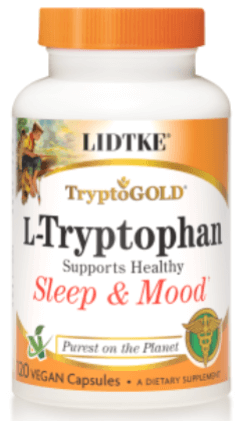
lidtke l-tryptophan

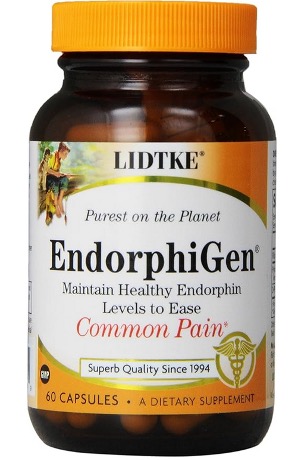
I recommend Lidtke EndorphiGen (which is DPA) and Lidtke Tryptophan 500mg. You can purchase these from my online store (Fullscript – only available to US customers – use this link to set up an account).

nature's best l-tryptophan
life extension l-tryptophan

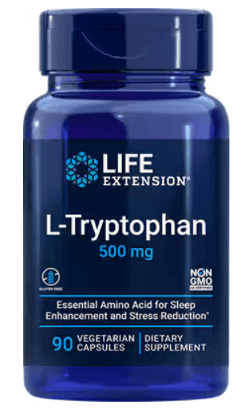
If you’re not in the US, these products are available via iherb: Doctor’s Best D-Phenylalanine (or DPA) and Life Extension Tryptophan 500mg (use this link to save 5%).

Additional resources when you are new to using amino acids as supplements

As always, I use the symptoms questionnaire to figure out if low endorphins or low serotonin or other neurotransmitter imbalances may be an issue.

If you suspect low levels of any of the neurotransmitters and do not yet have my book, The Antianxiety Food Solution – How the Foods You Eat Can Help You Calm Your Anxious Mind, Improve Your Mood, and End Cravings, I highly recommend getting it and reading it before jumping in and using amino acids on your own so you are knowledgeable. And be sure to share it with the practitioner/health team you or your loved one is working with.

There is an entire chapter on the amino acids and they are discussed throughout the book in the sections on gut health, gluten, blood sugar control (this is covered in an entire chapter too), sugar cravings, anxiety and mood issues.

The book doesn’t include product names (per the publisher’s request) so this blog, The Antianxiety Food Solution Amino Acid and Pyroluria Supplements, lists the amino acids that I use with my individual clients and those in my group programs.

If, after reading this blog and my book, you don’t feel comfortable figuring things out on your own (i.e. doing the symptoms questionnaire and respective amino acids trials), if you need serotonin support, the Serotonin QuickStart Program is a good place to start. This is a paid online/virtual group program where you get my guidance on using tryptophan and 5-HTP safely, and community support during 5 LIVE Q&A calls. You can sign up to be notified when the next live launch of this program is happening. We take a deep dive into product options including Lidtke products and others if you’re not able to access Lidtke.

Low GABA can also affect sleep and cause stress eating. If you also have low GABA symptoms, the next step to get help is the GABA QuickStart Program. This is also a paid online/virtual group program where you get my guidance and community support. Another option is the budget-friendly GABA QuickStart Homestudy program.

If you are a practitioner, join us in The Balancing Neurotransmitters: the Fundamentals program. This is also a paid online/virtual program with an opportunity to interact with me and other practitioners who are also using the amino acids.

Wrapping up and your feedback

I’m thrilled Amanda is seeing these benefits with DPA, tryptophan and GABA and is fine-tuning her results even further. I appreciate her asking her questions on the blog so I can share and we all can learn.

Now I’d love to hear from you – does any of this resonate with you? If yes, which combination has worked best for you for emotional eating and sleep issues?

Is 5-HTP or tryptophan better for you and is vitamin B6 part of your supplement list.

If you’re a practitioner have you seen this combination work well with clients/patients?

Feel free to share and ask your questions below.
Filed Under: 5-HTP, Cravings, DPA/DLPA, serotonin, Sleep Tagged With: 5-HTP, amino acids, comfort eating, cravings, d-phenylalanine, DPA, endorphins, GABA, GABA Quickstart; Balancing Neurotransmitters: the Fundamentals program for practitioners, neurotransmitters, Nightmares, pyroluria, serotonin, sleep, stress-eating, sublingually, sugar cravings, tryptophan, vitamin B6

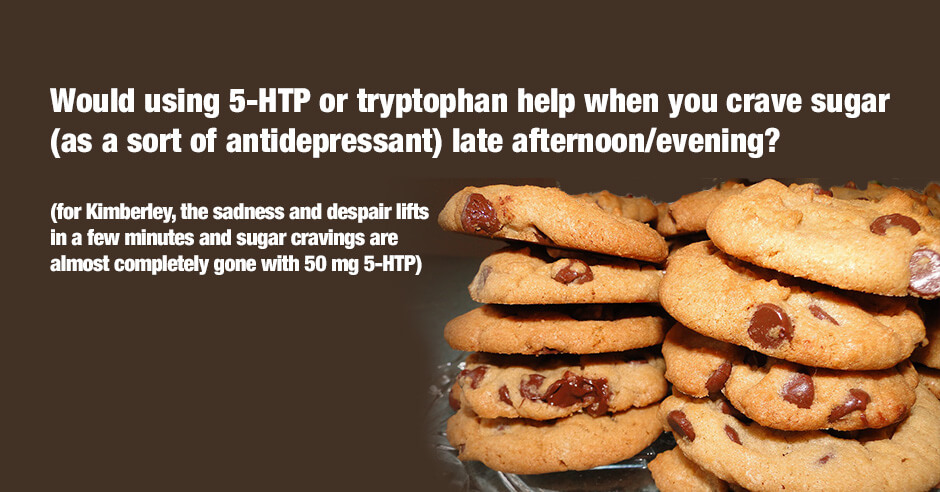
Would using 5-HTP or tryptophan help when you crave sugar (as a sort of antidepressant) late afternoon/evening?

June 2, 2023 By Trudy Scott 29 Comments

5-htp and sugar craving

Would using 5-HTP or tryptophan also help when you crave sugar (as a sort of antidepressant) late afternoon/evening? ~ Kimberley

This question was posed in response to my recent blog post about using tryptophan or 5-HTP to help with alcohol cravings/addiction in the late afternoon/evening – to help you wind down and relax, improve mood and sleep, and also as a reward/treat.

I said yes it is often the same cause when it happens late afternoon/evening and when there are other low serotonin symptoms like low mood, anxiety, worry, insomnia etc. When serotonin is low we self-medicate with wine, sugar, carbs, gluten, dairy and chocolate etc. in order to feel good, get a mood boost and reduce stress. 5-HTP or tryptophan stops the sugar cravings, acts as an antidepressant (improving mood) and eases other low serotonin symptoms too.

It turns out Kimberley was craving sugar late afternoon: “it’s definitely late afternoon for me, while I’m making dinner. Maybe it’s time to go back on 5-HTP.”

And then 2 days later she posted how quickly 5-HTP helped when she added it back mid-afternoon:

I was taking a break from tryptophan/5-HTP and realized after reading this post that that might be a mistake! So I added 5-HTP back in mid-afternoon and my sugar cravings are almost completely gone. It’s funny how I forget the symptoms of low neurotransmitters. Thanks for reminding me!

5-HTP works quickly when it’s low serotonin

How wonderful are these results for Kimberley. I never get tired of hearing feedback like this! I appreciate her sharing and giving me permission to share as a blog so you get to learn and be inspired too.

It’s not unusual for 5-HTP to work this quickly and when it does it’s a clue that the symptoms are related to low serotonin and that she found the ideal dose for her needs.

Kimberley had good results with 5-HTP in the past so she went back to what had worked for her before and it worked for her again.

But do keep in mind, some folks do better with 5-HTP and some do better with tryptophan so it’s a matter of doing a trial of each one each.

50 mg 5-HTP: the sadness and despair lifts in a few minutes

A week later she kindly came and shared additional details in the comments of the tryptophan/ 5-HTP alcohol cravings blog, saying:

It’s possible that I was already in the middle of my daily, mid-afternoon chocolate chip binge when I saw your post

I took a 50 mg 5-HTP along with my mid-afternoon Endorphigen capsule, and within just a few minutes I felt the sadness and despair that I often feel in the late afternoon, start to lift. I was astonished at how quickly it worked! I didn’t open the capsule, or chew it, I just swallowed it with water and had a snack afterwards. I really can’t thank you enough for asking that question because I was really struggling with low mood and sadness almost every day.

Even though KImberley had used 5-HTP with success in the past, she was still astonished how quickly it worked and how effective it was. She was also surprised she had forgotten her prior low serotonin symptoms:

Up until January I had taken 5-HTP in the mid-afternoon and then Tryptophan at bedtime, but I wanted to try a program to support my thyroid. That program told me that too much serotonin is often at the root of gut damage, so I weaned myself off of the 5-HTP and tryptophan. I didn’t really notice much difference, except the daily sugar cravings.

I’m not sure how I could so easily forget the symptoms of low serotonin, but I did.

Your question really was a God-send for me, Trudy. It reminded me that there was an option for feeling better (in fact, MUCH better than sugar makes me feel) that didn’t involve something that’s not good for me.

And I really did feel remarkably better the same day, and those results have continued.

Thanks again, Trudy, for continuing to bring these topics up. Some of us are forgetful and need reminding. Usually, when you have symptoms of low serotonin there are enough other issues going on in your life that it’s easy to overlook the obvious. So I’m very grateful that you asked the question, because I feel so much better able to deal with my circumstances now that I’m back on the 5-HTP. Blessings to you!

I am curious about the program that told her too much serotonin is often at the root of gut damage and if they suggested stopping 5-HTP and tryptophan. It doesn’t make any sense to me.  I’ll report back when I learn more about this.

More tired during the day and a headache: what to consider

She did mention “I’m finding myself more tired during the day and have also had a headache for the last few days.” I would suspect chocolate/caffeine withdrawal may have caused her headache.

With feeling more tired I’d also watch the dose of 5-HTP. She may find less is better for her needs.

She is also trying tryptophan at bedtime so that may be making her more tired the next day. Doing one amino acid at a time is often the best way to know how each one is affecting you.

Finding what works for your unique needs

Here are some other amino acid/sugar cravings blog posts that illustrate how we all have unique needs and different biochemical imbalances:

  • The individual amino acids glutamine, GABA, tryptophan (or 5-HTP), DPA and tyrosine are powerful for eliminating sugar cravings, often within 5 minutes

The individual amino acids glutamine, GABA, tryptophan (or 5-HTP), DPA and tyrosine are powerful for eliminating sugar cravings, often within 5 minutes. It seems that this wonderful benefit – over and above the anxiety-reducing and mood-boosting benefits – is often overlooked or poorly understood.

  • GABA for ending sugar cravings (and anxiety and insomnia)

For Melissa, an unexpected result was that she stopped craving sugar (chocolates, ice cream and truffles) after about a week of taking GABA for her travel anxiety.

It’s a matter of finding what works for your sugar cravings and unique needs. GABA worked for Melissa and yet 5-HTP works for Kimberley – for their sugar cravings.

Here is the tryptophan/5-HTP alcohol cravings blog that started the discussion: Tryptophan had the added benefit of turning me completely off alcohol when I took it to improve mood and sleep during perimenopause. In this case, tryptophan helped Victoria quit the wine that she was self-medicating with in order to feel good and relax.

Resources if you are new to using amino acids as supplements

If you are new to using amino acids as supplements, here is the Amino Acids Mood Questionnaire from The Antianxiety Food Solution (you can see all the symptoms of neurotransmitter imbalances, including low GABA, low serotonin and low endorphins).

If you suspect low levels of any of the neurotransmitters and do not yet have my book, The Antianxiety Food Solution – How the Foods You Eat Can Help You Calm Your Anxious Mind, Improve Your Mood, and End Cravings, I highly recommend getting it and reading it before jumping in and using amino acids on your own so you are knowledgeable. And be sure to share it with the practitioner/health team you or your loved one is working with.

There is an entire chapter on the amino acids and they are discussed throughout the book in the sections on gut health, gluten, blood sugar control, sugar cravings, anxiety and mood issues.

The book doesn’t include product names (per the publisher’s request) so this blog, The Antianxiety Food Solution Amino Acid and Pyroluria Supplements, lists the amino acids that I use with my individual clients and those in my group programs. You can find them all in my online store.

If, after reading this blog and my book, you don’t feel comfortable figuring things out on your own (i.e. doing the symptoms questionnaire and respective amino acids trials), a good place to get help is the GABA QuickStart Program (if you have low GABA symptoms too). This is a paid online/virtual group program where you get my guidance and community support.

If you are a practitioner, join us in The Balancing Neurotransmitters: the Fundamentals program. This is also a paid online/virtual program with an opportunity to interact with me and other practitioners who are also using the amino acids.

Has 5-HTP helped reduce your cravings and/or feelings of despair and sadness? How much helps and how quickly?

Or do you find tryptophan works better for you? If yes, how much helps and how quickly?

What sugary food/s do you self-medicate with in order to feel good?

If you’re a practitioner, do you use this approach with your clients/patients?

Feel free to post your feedback and questions here in the comments.

Filed Under: 5-HTP, Cravings, Depression, Tryptophan Tagged With: 5-HTP, addiction, alcohol cravings, amino acids, antidepressant, anxiety, carbs, crave sugar, dairy, despair, evening, GABA, gluten, insomnia, late afternoon, low serotonin, mood, neurotransmitters, relax, sadness, self-medicate, sleep, sugar, sugar cravings, the GABA Quickstart online program; and Balancing Neurotransmitters: the Fundamentals program for practitioners, tryptophan, wine, worry

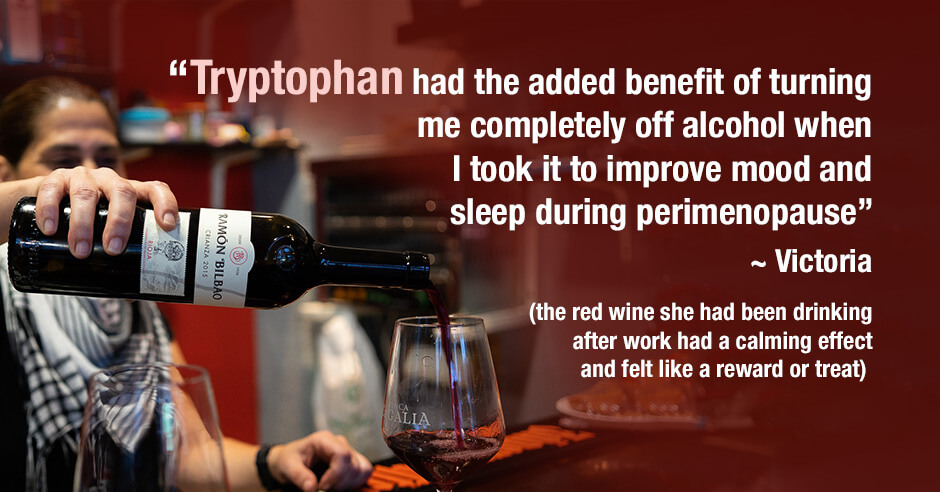
Tryptophan had the added benefit of turning me completely off alcohol when I took it to improve mood and sleep during perimenopause

May 12, 2023 By Trudy Scott 33 Comments

tryptophan alcohol

I started taking tryptophan 3 years ago to improve mood and sleep (not recognizing I was in perimenopause which it helped), but had the added benefit of turning me completely off alcohol! Lol. What serendipitous timing! I use amino therapy with pretty much all my perimenopause patients now. Thanks to you and Julia Ross’s work. Forever grateful.

Victoria shared this wonderful feedback about the benefits she experienced with tryptophan on a recent Facebook thread and kindly gave me permission to share.

Self-medicating with wine (and other alcoholic beverages) is common when we are anxious or stressed and typically we use it to wind down at the end of the day and to fit in socially. This is common when GABA levels are low and also happens due to low serotonin which declines from mid-afternoon into the evening.

I asked what she had been drinking and how often? And if it was calming for her? This was her response:

Red wine the minute I walked in the door in the evening. I guess it was calming… maybe more reward driven? It would be my reward for getting home from work via picking kids up from sport and doing a grocery shop and … (fill in the blank) that we working mums do and then having to walk straight into the kitchen to start on dinner.

The wine was like my little treat or reward to motivate me to just keep moving with my chores. No time to sit and unwind, just pour the wine and start chopping! Lol… I had tried to stop before but just couldn’t pick up a knife without the wine glass!

Within days, the tryptophan made the wine taste like cat’s pee! Haven’t touched it since. No desire at all. Almost hypnosis like?

How much tryptophan Victoria used and how did it help her quit?

Victoria used the Now Tryptophan 1000 mg at 3pm and 9pm for about a year, eventually stopping it and saying: “Alcohol still does not interest me at all.”

What wonderful results! A typical starting dose for tryptophan is 500 mg midafternoon and evening and she increased this to find her ideal dose of 1000 mg twice a day. She did report that 5-HTP didn’t work for her the way tryptophan did. This is not unusual as some folks do better with one versus the other.   

She has a great explanation regarding how tryptophan helped her quit without having to use willpower. She had no time to sit and unwind ….. so she was experiencing some of the calming aspects of getting serotonin support with the amino acid tryptophan. This is a very common benefit.

Serotonin appears to regulate the secretion of beta-endorphins

It is interesting that Victoria mentions a reward/treat benefit which is often due to low endorphins rather than low serotonin. This paper, Roles of β-Endorphin in Stress, Behavior, Neuroinflammation, and Brain Energy Metabolism, states that β-endorphins, in addition to their “potent analgesic effects” i.e. pain relief (both physical and emotional pain), are also involved in “reward-centric and homeostasis-restoring behaviors.”

However, as stated in this same paper, beta-endorphins play a role in stress-relief (common with working moms like Victoria) and are closely connected with serotonin. In fact “serotonin appears to regulate the secretion of β-endorphins” and vice versa. The body is fascinating and so smart.

Amino acids for alcohol addiction: 5-HTP, DLPA and glutamine

We know that amino acids help with alcohol cravings and addiction and have even been used in inpatient settings. This blog illustrates this well – An amino acid supplement with DLPA, glutamine and 5-HTP (and a few other nutrients) eases alcohol withdrawal symptoms at an inpatient detoxification program.

The study authors state that: “the physiological craving for alcohol may be the result of a deficiency of the naturally occurring opiate like substances as well as other neurochemical deficits (i.e., dopaminergic, GABAergic, and serotonergic).

Both tryptophan and 5-HTP support low serotonin worry-type anxiety, low mood and insomnia. Victoria happened to benefit from tryptophan. Someone else may benefit more from 5-HTP or DLPA or glutamine or a combination as illustrated in the above study. And even GABA, which can help with stress-drinking or stress-eating, as well as physical anxiety.

DPA and DLPA support endorphins and provide the reward/treat benefits from red wine that Victoria mentions.  You can read about the difference between DPA and DLPA here.

What if you have afternoon and evening sugar cravings instead of wine?

You may self-medicate with sugar, carbs, gluten, dairy instead of wine. Late afternoon/evening cravings are typically related to low serotonin when there are other low serotonin symptoms like low mood, anxiety, ruminations, worry, insomnia, PMS etc. You can see all the low serotonin symptoms here.

In this case, tryptophan or 5-HTP can be used in a similar way to stop the cravings with no willpower required and no feelings of being deprived. You’ll also experience reduced anxiety, improved mood and better sleep. Read more about this on this blog: Would using 5-HTP or tryptophan help when you crave sugar (as a sort of antidepressant) late afternoon/evening?

Other changes Victoria made and how is she doing now?

Victoria did also share that hot flushes “got me in the end though and I gave in to body identical progesterone for the final year of peri” and takes estradiol transdermally now that she is in menopause. Based on seeing these benefits while in perimenopause, she is now trialing tryptophan again for increased irritability. That is a huge plus with amino acids: once we’ve experienced the benefits, you have them at our disposal again and again in the future as your hormones or situation starts to change.

I love that she now uses tryptophan with her patients. She is a physio/physical therapist and exercise scientist turned Functional Health Practitioner having studied with IFM during the pandemic.

Of course, I thanked her for the kind words and shared how fortunate I was to work in Julia Ross’ clinic for 2 years. I also appreciate her for sharing this feedback and allowing me to share it here as a blog post so you get to learn, be inspired and have hope.

And finally, all this illustrates that there is no one-size-fits-all and we often get unexpected side-benefits when using amino acids.

Tryptophan and 5-HTP product options

Victoria happens to respond well to tryptophan and yet some folks do better with 5-HTP so it’s a matter of doing a trial of each.

lydke l-tryptophan
pure 5htp

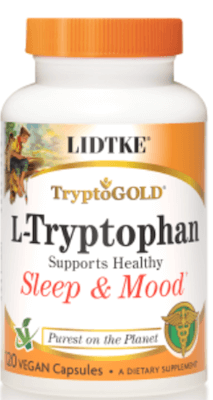
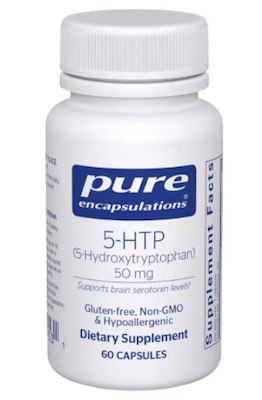
Products I recommend include Lidtke 500 mg Tryptophan, and Pure Encapsulations 50 mg 5-HTP.  You can purchase these from my online store (Fullscript – only available to US customers – use this link to set up an account).

nature's best l-tryptophan
source natural 5-htp

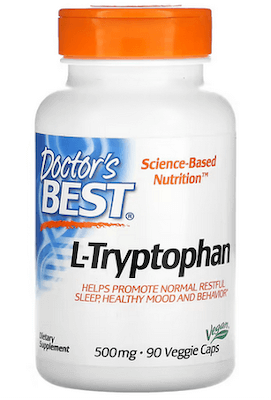
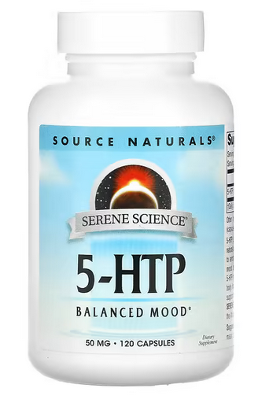
If you’re not in the US, Doctor’s Best L-Tryptophan 500mg and Source Naturals 50 mg 5-HTP  are products I recommend on iherb (use this link to save 5%).

Resources if you are new to using amino acids as supplements

If you are new to using amino acids as supplements, here is the Amino Acids Mood Questionnaire from The Antianxiety Food Solution (you can see all the symptoms of neurotransmitter imbalances, including low GABA, low serotonin and low endorphins).

If you suspect low levels of any of the neurotransmitters and do not yet have my book, The Antianxiety Food Solution – How the Foods You Eat Can Help You Calm Your Anxious Mind, Improve Your Mood, and End Cravings, I highly recommend getting it and reading it before jumping in and using amino acids on your own so you are knowledgeable. And be sure to share it with the practitioner/health team you or your loved one is working with.

There is an entire chapter on the amino acids and they are discussed throughout the book in the sections on gut health, gluten, blood sugar control, sugar cravings, anxiety and mood issues.

The book doesn’t include product names (per the publisher’s request) so this blog, The Antianxiety Food Solution Amino Acid and Pyroluria Supplements, lists the amino acids that I use with my individual clients and those in my group programs. You can find them all in my online store.

If, after reading this blog and my book, you don’t feel comfortable figuring things out on your own (i.e. doing the symptoms questionnaire and respective amino acids trials), a good place to get help is the GABA QuickStart Program (if you have low GABA symptoms too). This is a paid online/virtual group program where you get my guidance and community support.

If you are a practitioner, join us in The Balancing Neurotransmitters: the Fundamentals program. This is also a paid online/virtual program with an opportunity to interact with me and other practitioners who are also using the amino acids.

Has tryptophan helped you quit alcohol easily when you could not do so with willpower alone?

Does tryptophan also help with your low mood, anxiety and sleep issues?

What about 5-HTP (some folks do better on one versus the other)?

And has either tryptophan or 5-HTP helped with other afternoon/evening cravings like sugar and other carbs?

If you have questions and other feedback please share it here too.

Filed Under: Addiction, Amino Acids, Anxiety, Tryptophan Tagged With: 5-HTP, alcohol, alcohol addiction, amino acids, anxious, beta-endorphins, calming, DLPA, evening, GABA, GABA Quickstart online program; Balancing Neurotransmitters: the Fundamentals program for practitioners, glutamine, mid-afternoon, mood, perimenopause, red wine, reward, self-medicating, serotonin, sleep, stressed, sugar cravings, treat, tryptophan, wine

GABA and Silexan (an oral lavender product) for anxiety, panic attacks, agoraphobia, insomnia and stressful events like travel/social events

February 24, 2023 By Trudy Scott 29 Comments

gaba and silexan

When sharing a study on the benefits of Silexan, a proprietary formulation of oral lavender essential oil (used as a supplement), I received this feedback from Kat. She uses both Silexan and GABA with success, depending on the situation:

I used Silexan (CalmAid) here in the USA, for 7 weeks and had wonderful results!!

I was having daily constant panic attacks… agoraphobia and insomnia. They put me on several SSRIs to which I had severe reactions to. The Silexan saved me! I was able to get my life back. I used it nightly and it helped tremendously with sleep and anxiety. I heard about it through The Carlat Report Psych podcast and website after a desperate search to find something to help.

It’s a product that I highly recommend to everyone I know who suffers with anxiety. I now use it only as needed. There are no side effects except a perfume burp but that’s tolerable for me! It can be stopped without any withdrawal effects.

And this is how she responded when I asked if she had previously done a trial of GABA or tryptophan and how Silexan compared to the amino acids.

I use the GABA during times where the panic is increasing (GABA Calm 1/2 tablet, sublingually).

I use the Silexan when I have something stressful planned like travel, social events etc. Silexan works so well without any side effects and can be stopped without any withdrawal effects.

The GABA is an immediate effect vs the Silexan which is slower acting but lasts throughout the day.

What wonderful results for Kat. I thanked her for sharing and voiced my concern with CalmAid and some of the other products that contain Silexan: they contain canola oil. I just wish they stopped making this with canola oil! I share more about this below and another product option that doesn’t use canola oil.

GABA or Silexan? Kat’s sweet spot, serotonin and pyroluria

If you’re wondering where you should start – GABA or Silexan? If you’ve been following my work or even starting to use GABA, you’ll know I always start clients with GABA when they have low GABA symptoms of physical anxiety and tension.

I agree with Kat – it’s very typical for GABA to provide immediate results. I did also share with her that in order to get longer lasting effects GABA does need to be used 3-4 x day, between meals. This means that, for her, GABA may offer similar results to Silexan by slowly building up her GABA levels.

However, Kat has found the sweet spot she needs by using this combination so I would stick with this approach.

If she did decide to stop using Silexan in the future, tryptophan may be needed too – for low serotonin worry-type anxiety symptoms. She did mention that she doesn’t currently use tryptophan and Silexan also affects serotonin levels.  

I do love that Kat plans for stressful events and uses Silexan in these situations. She does mention needing it for social events so I’d suggest looking into pyroluria too. More here on this social anxiety condition and how zinc, vitamin B6 and other key nutrients can help.

Kat’s dietary changes, no caffeine, no sugar and cravings?

I also asked if she has also made dietary changes and quit caffeine, alcohol and sugar. Kat shared that she doesn’t drink any caffeine and hasn’t since 2015. Good for her – caffeine is a major anxiety trigger. She does recognize that her anxiety gets worse when she’s eating a lot of processed foods/gluten/dairy/soy and she limits these.

I said it’s best to avoid these trigger foods altogether. This is often easier said than done! The amino acids help so much to break the addiction and eliminate the need to use willpower: GABA for stress-eating, tryptophan or 5-HTP if her cravings happen mostly in the afternoon and evening, and DPA if comfort foods are her reward. More on the amino acids and cravings here.

I thanked Kat for sharing her wonderful results and asked for permission to share as a blog.  I always appreciate being able to do this so I can continue to educate and inspire. This also shows how there is no-one size fits all.

Silexan research on anxiety and insomnia

This is the study I shared on Facebook – Prescription of Silexan Is Associated with Less Frequent General Practitioner Repeat Consultations Due to Disturbed Sleep Compared to Benzodiazepine Receptor Agonists: A Retrospective Database Analysis

The prescription of Silexan to adult patients consulting general practitioners (GPs) for disturbed sleep results in less frequent repeat consultations than Z-drugs (including zolpidem, zopiclone, and zaleplon).

This may support Silexan’s role as an efficacious, self-enabling, well-tolerated, and sustained treatment option.

Because Silexan is a proven anxiolytic, its impact in improving undiagnosed anxiety disorders may have had a lasting effect for certain patients.

As explained in this same paper, “Silexan is an active substance with an essential oil produced from Lavandula angustifolia flowers.” It’s a proprietary lavender oil that complies with and exceeds the European Pharmacopoeia quality definition for the monograph lavender oil. “Several studies have shown positive effects of Silexan on symptoms of subsyndromal/mild anxiety or GAD [generalized anxiety disorder] compared to conventional treatment or placebo groups.”

Silexan and other oral lavender products

The proprietary product of Silexan, with 80mg of Lavandula angustifolia essential oil, is found in a number of products:

  • Nature’s Way CalmAid ® (this is the product Kat used/uses)
  • Integrative Therapeutics Lavela ™
  • Seremind ® (in Australia)

This supplement, NFH Lavender SAP, does not use the proprietary Silexan but does contain 80mg of organic lavender (Lavandula angustifolia) essential oil. This product is my preference since it contains olive oil and not canola oil like the others mentioned above.

All of the above are available in my online supplement store (for US purchases only). Nature’s Way CalmAid ® is also available on iherb.

Dosing recommendations for adults is 1 softgel once or twice daily with a full glass of water. There is a caution not to use while pregnant, nursing, or for children under 12 years of age.

GABA for anxiety, insomnia, sugar cravings, sensorimotor skills and immunity

I share case studies and research about GABA all the time so I’ll just share links to some of the past GABA blogs in case you’re new to GABA (a calming amino acid and neurotransmitter):

  • GABA for ending sugar cravings (and anxiety and insomnia)
  • GABA is a life saver for anxiety, theanine helps at night (insomnia) and 5-HTP makes a significant difference in lessening daily pain
  • GABA and theanine for easing anxiety, improving sleep and supporting immunity
  • Half a crushed GABA Calm for my autistic child: sleep, anxiety and sensorimotor skills (writing, horse riding and swimming) improve

Resources if you are new to using GABA and other amino acids as supplements

If you are new to using GABA or any of the other amino acids as supplements, here is the Amino Acids Mood Questionnaire from The Antianxiety Food Solution (you can see all the symptoms of neurotransmitter imbalances, including low GABA and low serotonin).

If you suspect low levels of any of the neurotransmitters and do not yet have my book, The Antianxiety Food Solution – How the Foods You Eat Can Help You Calm Your Anxious Mind, Improve Your Mood, and End Cravings, I highly recommend getting it and reading it before jumping in and using amino acids on your own so you are knowledgeable. And be sure to share it with the practitioner/health team you or your loved one is working with.

There is an entire chapter on the amino acids and they are discussed throughout the book in the sections on gut health, gluten, blood sugar control, sugar cravings, self-medicating with alcohol and more.

The book doesn’t include product names (per the publisher’s request) so this blog, The Antianxiety Food Solution Amino Acid and Pyroluria Supplements, lists the amino acids that I use with my individual clients and those in my group programs. You can find them all in my online store. The above oral lavender products are available in my online store too.

If, after reading this blog and my book, you don’t feel comfortable figuring things out on your own (i.e. doing the symptoms questionnaire and respective amino acids trials), a good place to get help is the GABA QuickStart Program (if you have low GABA symptoms). This is a paid online/virtual group program where you get my guidance and community support.

If you are a practitioner, join us in The Balancing Neurotransmitters: the Fundamentals program. This is also a paid online/virtual program with an opportunity to interact with me and other practitioners who are also using the amino acids.

Have you found that an oral lavender product such as Silexan (used as a supplement) helps with your anxiety, panic attacks and/or sleep?

Have you used the NFH Lavender SAP product with similar success to other Silexan products?

Do you also use the amino acid GABA (sublingually) and in what situations do you use GABA vs oral lavender?

How much of each do you use?

If you have other questions and feedback please share them here too.

Filed Under: Anxiety, GABA, Insomnia Tagged With: Agoraphobia, anxiety, essential oil supplement, GABA, GABA Calm, lavender, Nature’s Way CalmAid, NFH Lavender SAP, oral lavender, panic attacks, pyroluria, resources if you are new to the amino acids; the GABA Quickstart online program; and Balancing Neurotransmitters: the Fundamentals program for practitioners, serotonin, Silexan, sleep, social events, stressful events, sugar cravings, travel

Increasing tryptophan or 5-HTP temporarily when a winter dip in serotonin causes more severe anxiety, OCD and/or the winter blues

December 24, 2021 By Trudy Scott 30 Comments

tryptophan and 5htp during winter

Don’t forget that serotonin takes a dip in winter when the days are shorter and there is less light. If you’re currently using tryptophan or 5-HTP to boost low serotonin and ease low serotonin symptoms – worry-type anxiety, panic attacks, insomnia, ruminations, PMS, irritability, negativity, perfectionism, obsessiveness, lack of confidence, anger/rage, afternoon/evening cravings – you may find you need to increase your dose for a few months.

This will especially be the case if you check off winter blues or more severe winter anxiety (yes it’s a thing and published in the research) on the low serotonin symptoms list.

I shared this on Facebook last week and the feedback ranged from surprised to curious to confirmatory.

In this blog I’m sharing some of the feedback and some of the supporting evidence, as well as other factors to consider.

The addition of 5-HTP in the morning and a light box

Kathy thanked me for the reminder and shared the changes she makes in the winter months:

Thanks for the reminder! I need to increase my dose this time of year… I can feel myself feeling “down”. I take 500 mg Tryptophan before bed and 100 mg 5-HTP in the morning before breakfast. I also use a light box in the morning while eating breakfast, which helps.

This is an increase from her typical dosing in the spring and summer when she only takes tryptophan at night before bed.

She also only uses her light box or SAD (seasonal affective disorder) lamp in winter. You can read more about SAD/full spectrum lamps here. They are also a wonderful way to boost serotonin and mood in the winter.

My daughter’s anxiety and OCD goes through the roof

Mark shared about his daughter’s anxiety and OCD (obsessive compulsive disorder):

Every year from October – March, my daughter’s anxiety and OCD goes through the roof. At first we thought it was the transition from summer to school, then the craziness of the winter holidays and suspected mold allergy. Now, based on this information, a winter/less light induced dip in serotonin may be an additional factor we hadn’t considered. We’ll try adjusting her 5-HTP dose and see if we gain some improvement. Thanks for the tip.

It’s really common for families to attribute the more severe anxiety and OCD to the stress and craziness of the winter holidays. And of course suspected mold issues do need to be looked into and addressed. But even then, the dip in serotonin can compound all these factors.

Planned tryptophan bump for Christmas sugar cravings and holiday family stress

Carol shared this about her plans to temporarily boost serotonin:

I am one of those light weights that was able to do one 500 mg pill a day of tryptophan. But I do think that it would help to bump it up to two a day to get me through the Christmas sugar cravings AND holiday family stressful get togethers! I’m all about taking the minimum effective dose but this is helpful to know that there could be a temporary boost just to get you through this time!

It’s wonderful that 500mg tryptophan is enough for her and I’m all for a minimum effective dose! However the winter dip in serotonin – and increased sugar cravings and family stress – is a common reason many folks bump up the dose for a month or more.

You may also find you made the change intuitively. Linda shared this: “I had made the adjustment. I just did not realize the reason why.”

A question about timing of 5-HTP and what to do in Spring

Suzanne shared that she uses a SAD light (also called a light box) and finds that it helps. She asks:

Can I just take the 5-HTP on days with no sun or is it better to have it build up in my system? When spring rolls around, do I taper off or can I just stop taking it?

This is my feedback: I haven’t had anyone just use 5-HTP on cloudy days but it’s worth a trial.  If you are noticing increased anxiety and mood changes only on cloudy days and using the SAD lamp on those days helps, then using 5-HTP on those days may be enough. If not, use 5-HTP consistently/daily through the winter months.

Amino acids do not need to be tapered but I find my clients do better when they are reduced over a few weeks. Some folks also choose to just stop taking them and do fine.

I appreciate all the feedback and the great questions. I’ll report back when I hear how Mark’s daughter does with the adjusted 5-HTP and how Carol does with the bump in tryptophan (and any other feedback I get from these folks).

Some of the research and possible mechanisms

There are many studies that support serotonin changes and seasonal variations in mood. Here are just two of them:

  • Effect of sunlight and season on serotonin turnover in the brain “Alterations in monoaminergic neurotransmission in the brain are thought to underlie seasonal variations in mood, behaviour, and affective disorders… turnover of serotonin by the brain was lowest in winter. Moreover, the rate of production of serotonin by the brain was directly related to the prevailing duration of bright sunlight… Our findings are further evidence for the notion that changes in release of serotonin by the brain underlie mood seasonality and seasonal affective disorder.”
  • Sunshine, Serotonin, and Skin: A Partial Explanation for Seasonal Patterns in Psychopathology? “one contributory facet may be the role of sunshine on human skin. Human skin has an inherent serotonergic system that appears capable of generating serotonin.”

Other factors to consider: low vitamin D, sugar, pyroluria and phenols

There are other low-serotonin related factors to consider too:

  • Low vitamin D is common in the winter and sufficient levels are needed for making serotonin. This paper, Vitamin D and the omega-3 fatty acids control serotonin synthesis and action, part 2: relevance for ADHD, bipolar disorder, schizophrenia, and impulsive behavior describes how“Brain serotonin is synthesized from tryptophan by tryptophan hydroxylase 2, which is transcriptionally activated by vitamin D hormone. Inadequate levels of vitamin D (∼70% of the population) and omega-3 fatty acids are common, suggesting that brain serotonin synthesis is not optimal.”
  • The increased consumption of sugar at this time can lead to reduced zinc, magnesium and B vitamins (like vitamin B6 and thiamine) and this can further reduce serotonin levels, which relies on these nutrients as cofactors for production. By boosting serotonin with additional tryptophan or 5-HTP you can actually reduce some of the cravings.
  • If you have the social anxiety condition called pyroluria, the added stress of family and holiday gatherings can also contribute to zinc and vitamin B6 being dumped, and further impacting serotonin production.
  • Christmas tree phenols can be a trigger for anger, meltdowns, anxiety, hyperactivity, insomnia, aggression, self-injury and autistic symptoms in susceptible individuals

Resources if you are new to using tryptophan and 5-HTP as supplements

If you are new to using the amino acids as supplements, here is the Amino Acids Mood Questionnaire from The Antianxiety Food Solution (you can see the low serotonin symptoms here) and a brief overview here, Anxiety and targeted individual amino acid supplements: a summary.

If you suspect low serotonin or low levels of any of the neurotransmitters and do not yet have my book, The Antianxiety Food Solution – How the Foods You Eat Can Help You Calm Your Anxious Mind, Improve Your Mood, and End Cravings, I highly recommend getting it and reading it before jumping in and using amino acids so you are knowledgeable. And be sure to share it with the team you or your loved one is working with.

The book doesn’t include product names (per the publisher’s request) so this blog, The Antianxiety Food Solution Amino Acid and Pyroluria Supplements, lists the amino acid products that I use with my individual clients and those in my group programs.

If, after reading this blog and my book, you don’t feel comfortable figuring things out on your own (i.e. doing the symptoms questionnaire and respective amino acids trials), a good place to get help is the GABA QuickStart Program (if you have low GABA symptoms). This is a paid online/virtual group program where you get my guidance and community support. 

Another option is the budget-friendly GABA QuickStart Homestudy program.

If you also need serotonin support, the Serotonin QuickStart Program is a good place to get help. This is also a paid online/virtual group program where you get my guidance on using tryptophan and 5-HTP safely, and community support during 5 LIVE Q&A calls. You can sign up to be notified when the next live launch of this program is happening.

If you are a practitioner, join us in The Balancing Neurotransmitters: the Fundamentals program. This is also a paid online/virtual program with an opportunity to interact with me and other practitioners who are also using the amino acids.

Wrapping up and your feedback

Have you noticed this winter dip in serotonin and made adjustments to your 5-HTP or tryptophan? And do you feel less anxious, less obsessive, not as low and with fewer sugar cravings?

Do you find that using a SAD lamp/full spectrum light at this time helps even further?

Were you aware that serotonin dipped in winter and could be playing a role for you? Or did you think it was just the stress and overwhelm of the holidays (and /or some of the emotional upheaval some of us face at this time)?

If you’re a practitioner, have you seen this with clients or patients?

Have you also noticed you need to adjust your GABA and other amino acids at this time too (both GABA and dopamine show seasonality)?

Feel free to ask your questions here too.

Filed Under: 5-HTP, Anxiety, Depression, serotonin, Tryptophan Tagged With: 5-HTP, anger, anxiety, dip in serotonin, holiday family stress, insomnia, irritability, lack of confidence, less light, light box, low vitamin D, negativity, obsessiveness, OCD, panic attacks, perfectionism, Phenols, PMS, pyroluria, rage, ruminations, serotonin, shorter days, skin, sugar, sugar cravings, tryptophan, winter, winter blues, worry-type anxiety

  • Page 1
  • Page 2
  • Page 3
  • Go to Next Page »

Primary Sidebar

NEW! GABA QuickStart Homestudy (with special intro pricing)

gaba quickstart homestudy

Free Report

9 Great Questions Women Ask about Food, Mood and their Health

You'll also receive a complimentary subscription to my ezine "Food, Mood and Gal Stuff"


Connect with me

Popular Posts

  • Amino Acids Mood Questionnaire from The Antianxiety Food Solution
  • The Antianxiety Food Solution Amino Acid and Pyroluria Supplements
  • Pyroluria Questionnaire from The Antianxiety Food Solution
  • Collagen and gelatin lower serotonin: does this increase your anxiety and depression?
  • Tryptophan for the worry-in-your-head and ruminating type of anxiety
  • GABA for the physical-tension and stiff-and-tense-muscles type of anxiety
  • The Antianxiety Food Solution by Trudy Scott
  • Seriphos Original Formula is back: the best product for anxiety and insomnia caused by high cortisol
  • Am I an anxious introvert because of low zinc and vitamin B6? My response to Huffington Post blog
  • Vagus nerve rehab with GABA, breathing, humming, gargling and key nutrients

Recent Posts

  • What do I use instead of Seriphos to help lower high cortisol that is affecting my sleep and making me anxious at night?
  • BeSerene™ GABA/theanine cream eases severe muscle tension in her neck/shoulders, prevents her bad headaches and quells her anxiety
  • How the correct approach, dose and sublingual use of GABA can be calming and not cause a flushed and itchy face and neck
  • The amino acid glutamine improves low mood by addressing gut health, and it has calming effects too
  • Flight anxiety with heightened breath, physical tension and also fearing the worst (the role of low GABA and low serotonin)

Categories

  • 5-HTP
  • AB575
  • Addiction
  • ADHD
  • Adrenals
  • Alcohol
  • Allergies
  • Alzheimer's disease
  • Amino Acids
  • Anger
  • Antianxiety
  • Antianxiety Food Solution
  • Antidepressants
  • Anxiety
  • Anxiety and panic
  • Autism
  • Autoimmunity
  • benzodiazapines
  • Bipolar disorder
  • Books
  • Caffeine
  • Cancer
  • Candida
  • Children/Teens
  • Collagen
  • Cooking equipment
  • Coronavirus/COVID-19
  • Cravings
  • Depression
  • Detoxification
  • Diabetes
  • Diet
  • DPA/DLPA
  • Drugs
  • EFT/Tapping
  • EMF
  • EMFs
  • Emotional Eating
  • Endorphins
  • Environment
  • Essential oils
  • Events
  • Exercise
  • Fear
  • Fear of public speaking
  • Fertility and Pregnancy
  • Fish
  • Food
  • Food and mood
  • Functional neurology
  • GABA
  • Gene polymorphisms
  • General Health
  • Giving
  • Giving back
  • Glutamine
  • Gluten
  • GMOs
  • Gratitude
  • Gut health
  • Heart health/hypertension
  • Histamine
  • Hormone
  • Hyperparathyroidism
  • Hypoglycemia
  • Immune system
  • Inflammation
  • Insomnia
  • Inspiration
  • Introversion
  • Joy and happiness
  • Ketogenic diet
  • Lithium orotate
  • Looking awesome
  • Lyme disease and co-infections
  • MCAS/histamine
  • Medication
  • Men's health
  • Mental health
  • Mercury
  • Migraine
  • Mold
  • Movie
  • MTHFR
  • Multiple sclerosis
  • Music
  • NANP
  • Nature
  • Nutritional Psychiatry
  • OCD
  • Osteoporosis
  • Oxalates
  • Oxytocin
  • Pain
  • Paleo
  • Parasites
  • Parkinson’s disease
  • PCOS
  • People
  • PMS
  • Postpartum
  • PTSD/Trauma
  • Pyroluria
  • Questionnaires
  • Real whole food
  • Recipes
  • Research
  • Schizophrenia
  • serotonin
  • SIBO
  • Sleep
  • Special diets
  • Sports nutrition
  • Stress
  • Sugar addiction
  • Sugar and mood
  • Supplements
  • Teens
  • Testimonials
  • Testing
  • The Anxiety Summit
  • The Anxiety Summit 2
  • The Anxiety Summit 3
  • The Anxiety Summit 4
  • The Anxiety Summit 5
  • The Anxiety Summit 6
  • Thyroid
  • Thyroid health
  • Toxins
  • Tryptophan
  • Tyrosine
  • Uncategorized
  • Vegan/vegetarian
  • Women's health
  • Yoga

Archives

  • October 2025
  • September 2025
  • August 2025
  • July 2025
  • June 2025
  • May 2025
  • April 2025
  • March 2025
  • February 2025
  • January 2025
  • November 2024
  • October 2024
  • September 2024
  • August 2024
  • July 2024
  • June 2024
  • May 2024
  • April 2024
  • March 2024
  • February 2024
  • January 2024
  • December 2023
  • November 2023
  • October 2023
  • September 2023
  • August 2023
  • July 2023
  • June 2023
  • May 2023
  • April 2023
  • March 2023
  • February 2023
  • January 2023
  • December 2022
  • November 2022
  • October 2022
  • September 2022
  • August 2022
  • July 2022
  • June 2022
  • May 2022
  • April 2022
  • March 2022
  • February 2022
  • January 2022
  • December 2021
  • November 2021
  • October 2021
  • September 2021
  • August 2021
  • July 2021
  • June 2021
  • May 2021
  • April 2021
  • March 2021
  • February 2021
  • January 2021
  • December 2020
  • November 2020
  • October 2020
  • September 2020
  • August 2020
  • July 2020
  • June 2020
  • May 2020
  • April 2020
  • March 2020
  • February 2020
  • January 2020
  • December 2019
  • November 2019
  • October 2019
  • September 2019
  • August 2019
  • July 2019
  • June 2019
  • May 2019
  • April 2019
  • March 2019
  • February 2019
  • January 2019
  • December 2018
  • November 2018
  • October 2018
  • September 2018
  • August 2018
  • July 2018
  • June 2018
  • May 2018
  • April 2018
  • March 2018
  • February 2018
  • January 2018
  • December 2017
  • November 2017
  • October 2017
  • September 2017
  • August 2017
  • July 2017
  • June 2017
  • May 2017
  • April 2017
  • March 2017
  • February 2017
  • January 2017
  • December 2016
  • November 2016
  • October 2016
  • September 2016
  • August 2016
  • July 2016
  • June 2016
  • May 2016
  • April 2016
  • March 2016
  • February 2016
  • January 2016
  • December 2015
  • November 2015
  • October 2015
  • September 2015
  • August 2015
  • July 2015
  • June 2015
  • May 2015
  • April 2015
  • March 2015
  • February 2015
  • January 2015
  • December 2014
  • November 2014
  • October 2014
  • September 2014
  • August 2014
  • July 2014
  • June 2014
  • May 2014
  • April 2014
  • March 2014
  • February 2014
  • January 2014
  • December 2013
  • November 2013
  • October 2013
  • September 2013
  • August 2013
  • July 2013
  • June 2013
  • May 2013
  • April 2013
  • March 2013
  • February 2013
  • January 2013
  • December 2012
  • November 2012
  • October 2012
  • August 2012
  • July 2012
  • June 2012
  • May 2012
  • April 2012
  • March 2012
  • February 2012
  • January 2012
  • December 2011
  • November 2011
  • October 2011
  • September 2011
  • August 2011
  • July 2011
  • June 2011
  • May 2011
  • April 2011
  • March 2011
  • February 2011
  • January 2011
  • December 2010
  • October 2010
  • September 2010
  • July 2010
  • May 2010
  • April 2010
  • March 2010
  • February 2010
  • January 2010
  • November 2009

Share the knowledge!

The above statements have not been evaluated by the Food and Drug Administration. Products listed in this website are not intended to diagnose, treat, cure or prevent any disease.

The information provided on this site is for informational and educational purposes only and is not intended as a substitute for advice from your physician or other health care professional. You should consult with a healthcare professional before starting or modifying any diet, exercise, or supplementation program, before taking or stopping any medication, or if you have or suspect you may have a health problem.


Copyright © 2026 Trudy Scott. All Rights Reserved. | Privacy | Terms and Conditions | Refund Policy | Medical Disclaimer

Free Report

9 Great Questions Women Ask about Food, Mood and their Health

You’ll also receive a complimentary subscription to my ezine “Food, Mood and Gal Stuff”