• Skip to primary navigation
  • Skip to main content
  • Skip to primary sidebar

everywomanover29 blog

Food, Mood and Women's Health – Be your healthiest, look and feel great!

  • Blog
  • About
  • Services
  • Store
  • Resources
  • Testimonials
  • The Book
  • Contact
  • Search this site

PTSD

Sage, gluten, CBD and gut-brain axis: highlights from The Anxiety Summit 5

November 8, 2019 By Trudy Scott 19 Comments

sage gluten cbd gut-brain axis anxiety summit 5

Today I’m sharing a few highlights from The Anxiety Summit 5: Gut-Brain Axis. We cover all new material, it’s research-based and we talk about practical solutions.

The highlights cover sage and other herbs that can impact GABA and anxiety; new testing for gluten issues; CBD and the role in gut health, anxiety and PTSD; and the microbiome and gut-brain axis and neurotransmitters.

#1 Herbs to Improve Digestion and Support GABA ~ Magdalena Wszelaki, author of Cooking for Hormone Balance, shares this in our interview

Astringents like sage, rose and red raspberry tighten loose junctions in IBS, support female hormonal health and ease anxiety.

We discuss sage and make reference to this study called Flavonoids: some of the wisdom of sage? which concludes that the “actions of molecules such as hispidulin [a flavonoid found in sage] might be able to target GABAA receptors for the management of anxiety and epilepsy.”

What I really love about this interview is that Magdalena brings it all back to practical steps and shares how to make a healing medicinal tea.

#2 Latest Gluten Research and Testing (Part 2) ~ Dr. Tom O’Bryan, DC, CCN.  We discuss the Neural and Wheat Zoomer tests and Dr. Tom shares this:

Let’s do a different test that’s more accurate and more sensitive. That’s why the Wheat Zoomer looks at 26 different peptides of poorly digested wheat. And it’s the most comprehensive test on the market today …. on the Anxiety Summit, the ones that you’d be most concerned about is the gluteomorphins and the prodynorphins because those antibodies attack the opiate receptors, and that is critically important with brain dysfunction.

#3 Gut-Brain Axis and Mental Health ~ Peter Bongiornio, ND, LAc, author of Put Anxiety Behind You, talks about the microbiome and bidirectional aspects:

so we have this microbiota, all these germs and bacteria that are in our digestive tract as an example. What we’re seeing now is that the health and the diversity of those create either a healthy brain or an unhealthy brain; that the microbiota that are in our gut actually play a very, very strong role and how neurotransmitters are made both in the gut and in the brain. As well as they also create inflammatory molecules and peptides and things that also travel to the brain and will affect brain inflammation, and affect brain neurotransmitters and affect the receptors of these neurotransmitters as well.

#4 Endocannabinoid System and Your Gut ~ Hyla Cass, MD, talks about CBD and anandamide in the endocannabinoid system:

CBD influences the breakdown of anandamide , extending it’s use. Anandamide is found in both the brain and the gut and the name comes from the Sanskrit word ananda, which means bliss.

So what CBD is doing is extending the life of the anandamides, so they can act longer. Dr. Cass also shares the connection between the endocannabinoid system, stress, the HPA axis, the gut and PTSD:

we react to stress and trauma through the hypothalamic pituitary-adrenal axis/ the HPA Axis. And the endocannabinoid system tends to tone down or modulate the HPA axis to protect us from stress. And when it’s protecting us from stress in that way, it’s also signaling to the GI system to calm down. People that don’t have enough endocannabinoid activity are more likely to have posttraumatic stress disorder.

The Anxiety Summit 5: Gut-Brain Axis airs online Monday Nov 8 to Sunday Nov 14, with replays the following weekend. I do hope you’ll be joining us.

If you’re having any doubts, read this delightful message I received when the Anxiety Summit 5 originally aired and be inspired and motivated to tune in and learn:

Trudy … thanks so very much for the 3 transcripts featuring Ann Louise Gittleman, Carolyn Ledowsky and Dr. Datis Kharrazian … they were ALL fantastic and unlike many of the health related docu-series, I felt that I obtained some great insights and key take-aways that will help me on my road to good health journey! You asked some GREAT questions and I appreciate you digging further for names of supplements and more specificity to ensure clarity. You are a PRO and I am so glad I found you ❤️

You can listen to each of the interviews (and get transcripts) by purchasing The Anxiety Summit 5: Gut-Brain Axis.

If you’d like to give feedback or ask a question, please post in the comments section. I’d love to hear from you once you’ve listened in.

What gems stand out for you today and do you have questions?

If you’d like to ask a question, please post in the comments below.

I’d also love to hear from you once you’ve listened in to these interviews and the others.


Filed Under: The Anxiety Summit 5 Tagged With: anxiety, anxiety summit, cbd, digestion, Endocannabinoid, GABA, Gluten Testing, Gut-Brain Axis Mental Health, herbs, Hyla Cass, Magdalena Wszelaki, Peter Bongiornio, PTSD, tom o’bryan, zoomer

Psychedelics: is MDMA assisted therapy effective and safe?

September 6, 2019 By Trudy Scott 5 Comments

psychedelics

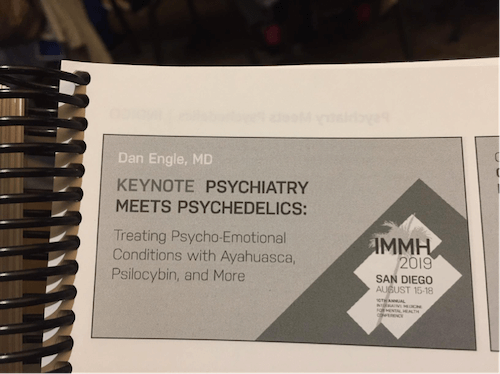
Dr. Dan Engle, MD, did one of the keynote presentations at the recent IMMH conference. The topic was “Psychiatry Meets Psychedelics: Treating Psycho-Emotional Conditions with Ayahuasca, Psilocybin and more.”

psychedelics

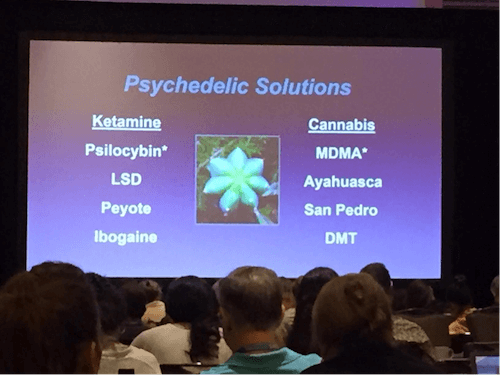
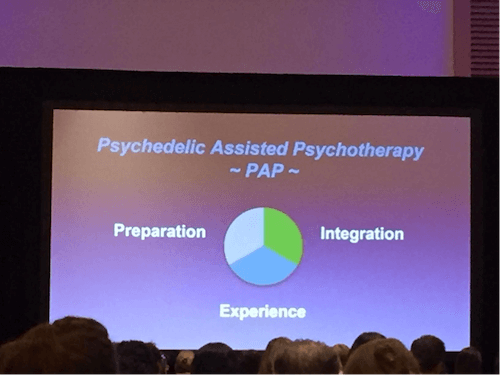
This was not about recreational use of psychedelics but rather Psychedelic Assisted Psychotherapy or PAP, which is “professionally supervised use of ketamine, MDMA, psilocybin, LSD and ibogaine as part of elaborated psychotherapy programs.” Dr. Engle also talked about peyote, cannabis, ayahuasca, San Pedro and DMT.

psychedelics

psychedelics

I had the pleasure of meeting Dr. Engle the day before during the speaker panel we were both part of and shared that I was coming to his presentation because I have a curious mind and love to learn but to be honest “I’m not yet sure if I’m on board with pyschedelics because I’m concerned about the adverse effects AND that too many folks will rush into this approach before exhausting all other nutritional and functional medicine options.” He appreciated my honesty, saying the fact that I was going to come to his talk was a great first step.

psychedelics

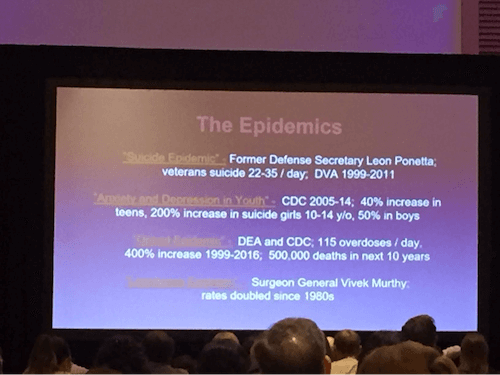
He highlighted the epidemics of suicide (22-23/day in veterans), anxiety and depression in youth (40% increase in teens and 200% increase in suicide in girls 10-14 years old, and a 50% increase in boys, opioids (115 overdoses/day and a 400% increase from 1999-206) and loneliness (where rates have doubled since the 1980s).

This is all very horrifying and calls for drastic interventions. Is Psychedelic Assisted Psychotherapy the solution and is it safe and effective?

Let’s take MDMA as one example. In case you’re new to the term, MDMA is the abbreviation for 3,4-Methyl​enedioxy​methamphetamine. This 2018 article, Is psychiatry ready for medical MDMA? shares this:

Advocates for MDMA-assisted psychotherapy have been at pains to distinguish the street drug ecstasy from MDMA, the medicine. Ecstasy can contain a range of substances as well as varying doses of MDMA.

psychedelics

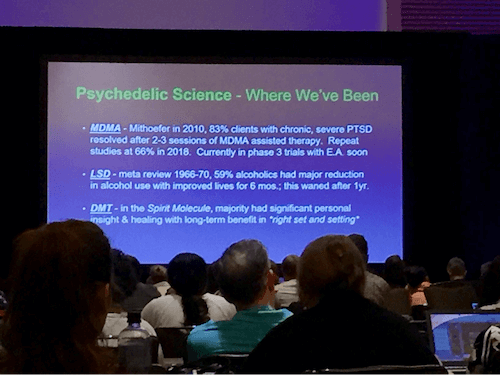
Dr. Engle shared some of the psychedelic science, with impressive results for MDMA.

The study by Mithoefer in 2010 reported that 83% of patients with severe treatment-resistant PTSD saw their symptoms resolve after 2-3 sessions of MDMA assisted therapy. These are very encouraging results, however the patients were described as having treatment-resistant PTSD as a result of not seeing resolution of their symptoms with either psychotherapy or psychopharmacology (i.e. medications). They had not been offered a functional medicine/nutritional approach. This is all good and well if there were no adverse reactions with the MDMA assisted therapy.

According to the above paper: There were no drug-related serious adverse events, adverse neurocognitive effects or clinically significant blood pressure increases.

However, what wasn’t mentioned in Dr. Engle’s presentation is that some studies do show adverse effects of MDMA. For me, this is an area of concern as far as psychedelic use goes, and I would have liked to hear more about what kinds of problems we need to be aware of.

This 2014 paper: The potential dangers of using MDMA for psychotherapy lists a number of very concerning potential dangers:

  • Early studies from the 1980s noted that MDMA was an entactogen, engendering feelings of love and warmth. However, negative experiences can also occur with MDMA since it is not selective in the thoughts or emotions it releases. This unpredictability in the psychological material released is similar to another serotonergic drug, LSD.
  • Acute MDMA has powerful neurohormonal effects, increasing cortisol, oxytocin, testosterone, and other hormone levels. The release of oxytocin may facilitate psychotherapy, whereas cortisol may increase stress and be counterproductive.
  • MDMA administration is followed by a period of neurochemical recovery, when low serotonin levels are often accompanied by lethargy and depression.
  • MDMA could increase the likelihood of suicide in those individuals with strong post-recovery feelings of depression.
  • Regular usage can also lead to serotonergic neurotoxicity, memory problems, and other psychobiological problems.
  • Proponents of MDMA-assisted therapy state that it should only be used for reactive disorders (such as PTSD) since it can exacerbate distress in those with a prior psychiatric history.

The author ends by saying: My own position is that it will always be far safer to undertake psychotherapy without using co-drugs. In selected cases MDMA might provide an initial boost, but it also has far too many potentially damaging effects for safe general usage.

There are many practitioners who, like me, are not yet on board with Psychedelic Assisted Psychotherapy, because adverse effects appear to be under-reported and not discussed. A more recent 2018 paper calls for more research about the safety of MDMA assisted therapy: an immediate need for more research directly examining its safe usage in the therapeutic context.

Hopefully the phase 3 MDMA trial Dr. Engle mentioned on this slide will provide further insights about potential safety issues.

psychedelics

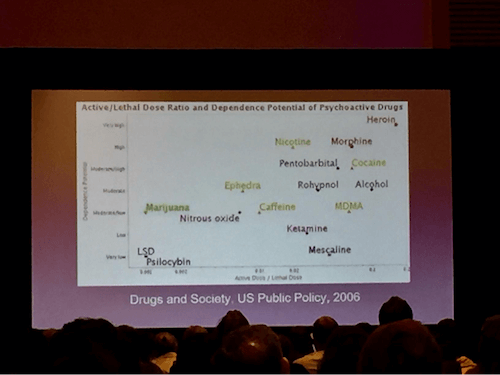
Dr. Engle did also share this interesting slide: Active/Lethal Dose Ratio and Dependence Potential of Psychoactive Drugs, Drugs and Society, US Public Policy, 2006. It’s apparently from this paper published by Gable, RS (I’ll confirm once I find out). You can see MDMA on the far right indicating a rather high potential for acute lethality (bottom scale), with a moderate/low risk for dependence (the scale on the left).

Dr. Engle stopped by my booth after his presentation to see if he’d been able to change my mind. I shared my concerns about the potential risks. I also said that it would be helpful to see a study comparing MDMA assisted therapy with a functional medicine/nutritional approach. I also said I’ll keep reading and learning and will keep an open mind but right now I’m still very much on the fence. This approach does seem to be very effective but I have concerns about safety.

I blogged about some of my concerns last year: MDMA-Assisted Psychotherapy for Treating Chronic PTSD: Why I feel we can do better and the role of nutrition and amino acids like GABA

I agree there is an immense need for successful treatment approaches, but jumping to MDMA from psychotherapy and/or psychiatric medications is skipping out the entire nutritional and biochemical step which is SO powerful and doesn’t have the above adverse effects. I’m concerned too many who have not seen benefits from therapy or medications are seeing MDMA as THE solution and are going to be harmed even further.

One other big reason is that I’m very much on the fence is that I see so much success with the nutritional approach that I use with clients.

In addition to psychotherapy, there are also so many nutritional and biochemical factors we can consider when it comes to PTSD. These don’t have any of the above harmful effects seen with MDMA.

Here are a few to consider:

  • In this blog post, PTSD from 3 tours in Afghanistan: Can GABA help with the anxiety? how low GABA can lead to physical anxiety, muscle tension and the need to self-medicate with alcohol or sugary foods in order to calm down and relax. We also have research supporting the use of GABA for helping with unwanted obtrusive thoughts which are common with PTSD. When low GABA is suspected we do an amino acid trial with GABA, one of the calming amino acids.
  • A 2016 reports that blueberries boost serotonin and may help with PTSD and anxiety. This was an animal study where the traumatized rats were fed a blueberry-enriched diet. The study authors report an increase in serotonin levels, suggesting that “non-pharmacological approaches might modulate neurotransmitters in PTSD.”
  • A recent meta-analysis, Association between posttraumatic stress disorder and lack of exercise, poor diet, obesity, and co-occuring smoking, confirms the diet and lifestyle connection to being more impacted by trauma when health is not optimal.
  • Depression, hostility, anger, and aggression and common in returning veterans with PTSD. These are classic signs of low serotonin and a trial of tryptophan may be warranted given that insomnia and anxiety are so common too.

I feel it is these kinds of interventions that should be considered for PTSD, rather than subjecting individuals who are already suffering to treatments that have adverse reactions AND are not addressing underlying nutritional deficiencies of low GABA, low serotonin, out of balance endocannabinoid system, dysbiosis and overall health, to name a few of the many possible underlying biochemical factors.

Real whole food, exercise, GABA, tryptophan, zinc, berries, probiotics etc. wouldn’t even feature on a chart such as the one above! They are effective approaches and they are safe!

In case you missed the previous IMMH blogs:

  • Last week I shared some highlights on mold, oxalates, anxiety, panic attacks and depersonalization
  • Here are a few highlights from my IMMH presentation: “GABA for Anxiety, Insomnia, ADHD, Autism and Addictions: Research and Practical Applications” – benzodiazepines are not the solution, some new 2019 research on the far-reaching benefits of GABA, and the role of GABA in ADHD.
  • A few weeks before IMMH I wrote this blog post on one of the new studies in my presentation: how a combination of GABA and theanine improves sleep and reduces anxiety.

Have you been part of a Psychedelic Assisted Psychotherapy program with MDMA or one of the other psychedelics? What benefits did you experience? Did you have any adverse effects?

Would you consider Psychedelic Assisted Psychotherapy with MDMA or one of the other psychedelics?

Have you see benefits and/or adverse effects with your patients or clients?

As a practitioner, do you want to learn more about how to incorporate GABA and the other targeted individual amino acids, tryptophan/5-HTP, DPA, glutamine and tyrosine, into your work to help your clients/patients with anxiety and PTSD? I invite you to check out my new online practitioner training here: Balancing Neurotransmitters – The Fundamentals. I’m extending the $100 discount offered at IMMH for a few weeks (use coupon code immh2019).

Filed Under: Events Tagged With: amino acids, anxiety, Dan Engle, depression, GABA, IMMH, Integrative Medicine for Mental Health conference, MDMA, MDMA assisted therapy, Psychedelics, PTSD

DIY moisturizer recipes to lower inflammation and reduce anxiety, panic, PTSD, phobias and social anxiety?

May 3, 2019 By Trudy Scott 16 Comments

Could daily use of a good quality moisturizer help to reduce anxiety, panic, PTSD, phobias and social anxiety by reducing inflammation? Last week I blogged about a new pilot study on how a skin moisturizer reduced inflammation in older adults and extrapolated these results suggesting this may well be applicable for you if you suffer from anxiety because of the reduced inflammation. The benefits of touch, the oxytocin boost and slowing down for some self-care most likely play a role too. I promised to share some DIY home-made moisturizer recipes so here goes. You’ll see that many of these include ingredients that are helpful for anxiety when used stand-alone, so you get that benefit too.

Dr. Mariza shares Lavender-Cocoa Body Lotion Bars and a Soothing Skin Roller Blend

Dr. Mariza Snyder, author of The Essential Oils Hormone Solution (my Amazon link) and Smart Mom’s Guide to Essential Oils (my Amazon link), has a lovely recipe for DIY lotion bars on her site which she gave me permission to share here. She describes these bars as a “luxurious chocolaty-lavender post-shave moisturizer.” She adds that “Lavender and Geranium essential oils are the perfect combination when it comes to softening the skin while helping you to relax in the process.”

Lavender-Cocoa Body Lotion Bars

Ingredients:

1 cup beeswax pastilles
1 cup cocoa butter
1 cup coconut oil
2 teaspoons vitamin E
10 drops lavender essential oil
10 drops geranium essential oil

Directions: Combine all ingredients except essential oils in a double boiler or a glass bowl over a smaller sauce pan with 1 inch of water in it. Bring to a boil. Stir ingredients until they are completely melted and smooth. Remove from heat and then add essential oils and stir. Pour mixture into silicone bake cup molds for the lotion to solidify, allowing them to completely dry before removing them from the molds. Store lotion bars in a clean container and apply to body after a shower. The heat from your body will melt the lotion! Yield: 10-12 bars (depending on molds).

Check out her blog for other self-care recipes like a salt scrub, a cooling peppermint shaving cream and a razor burn serum (with versions for both women and men).

When I reached out to her for recipes, Dr. Mariza also shared a soothing skin healing blend recipe saying: “I’ve used this blend to reduce inflammation and redness on irritated skin with incredible success! I’ve treated a lot of acute eczema and psoriasis with this blend flare ups.” 

Soothing Skin Roller Blend 

Ingredients:

5 drops Melaleuca/Tea Tree essential oil
5 drops Geranium essential oil
6 drops Rose essential oil (optional)
6 drops Lavender essential oil
6 drops Frankincense essential oil
Fractionated Coconut Oil or Carrier Oil of choice

Directions:  Add essential oils to 10ml roller bottle and top off with Fractionated Coconut oil, or carrier oil of your choice.  Apply directly over the area of concern to reduce red, irritated skin.  Use as needed.

You can read my review of her book here): The Essential Oils Hormone Solution.

Dr. Z and Mama Z share their most used recipe: DIY Healing Skin Serum

Dr. Eric Zielinski, author of The Healing Power of Essential Oils (my Amazon link), and known affectionately as Dr. Z, and his wonderful wife, Mama Z, gave me permission to share this DIY Healing Skin Serum recipe. They run the Natural Living Family site.

Mama Z’s DIY Healing Skin Serum

Ingredients:

1 tablespoon cold fresh frozen aloe, or aloe vera gel
1 tablespoon organic coconut oil (softened or melted)
5 drops lavender essential oil
2 drops frankincense essential oil

Directions:

  1. Blend the aloe gel, coconut oil and essential oils in a Magic Bullet or food processor until smooth.
  2. Once well mixed, store in a class jar or glass salve container in a cool place so the coconut oil remains hardened.
  3. Store in fridge or cool place and enjoy at least once per day. Make fresh each week.

Notes: No matter what allergies you may have, there’s a carrier oil that’s right for you. You can use any, or a combination of these: Avocado, Fractionated Coconut, Grapeseed, Jojoba, Sweet Almond.

Be sure to read the entire blog post to get the back story on how Mama Z used this to heal her face after experiencing some chemical burns from store bought facial cleansers and creams when she was a teen, how it helped her dad with some skin cancer on his hands, some tips on aloe and some recipe variations.

Dr. Z gives it this glowing endorsement: “This is by far the most proven and most used DIY recipe that we have. It helps people with everything with skin cancer to sun burn, eczema to acne to psoriasis to you name it.”

Here is my review of Dr. Z’s book: The Healing Power of Essential Oils. You’ll find additional recipes here.

If you’re looking to learn how to use essential oils, I highly recommend their Essential Oils for Abundant Living 10-Part Video Masterclass.

Rachael, herbal skincare formulator, shares a lovely Skin Repair Souffle recipe

Rachael Pontillo, Licensed Aesthetician, herbal skincare formulator, educator and author of Love Your Skin, Love Yourself (my Amazon link) shares this lovely Skin Repair Souffle recipe.

Skin Repair Souffle Recipe

Supplies needed:

A glass jar–4 oz is preferred
A small double boiler/bain marie
Heat element (stove, cooktop, hot plate)
Kitchen scale
A small whisk
Small hand mixer, milk frother, or immersion blender

Ingredients:

30 g shea butter
30 g jojoba oil
15 drops total essential oils (Frankincense, Helichrysum, Geranium, and Lavender are the essential oils Rachael likes best for barrier support. She says either choose one or create a blend).

Instructions:

  1. Heat your double boiler until the water is boiling, then reduce to a simmer.
  2. Add the shea and jojoba and whisk gently until completely melted.
  3. Remove the vessel from the heat (careful not to get water into the mixture), and cool to room temperature in an ice bath while stirring gently.
  4. Add your essential oils, one by one, stirring gently.
  5. Blend gently with your milk frother or blender until the mixture begins to rise with a meringue-like texture (usually about 60 seconds)
  6. Pour into your jar. Close the jar immediately. Refrigerate overnight.

Dr. Keira, The Skin Whisperer, shares Lavender Bath Oil and Rejuvenating Serum

Dr. Keira L. Barr, MD, Founder and Chief Wellness Officer of Resilient Health Institute and author of The Skin Whisperer: A Dermatologist Reveals How to Look Younger, Radiate Beauty and Create the Life you Crave (my Amazon link), shares two wonderful recipes.

Lavender Bath Oil

Ingredients:

30 ml Almond Oil (or other carrier oil)
3 drops lavender essential oil
1 drop jasmine essential oil
1 drop myrrh essential oil

Instructions:

Mix all oils together in a bottle and shake well. This oil can be applied to skin in the shower, added to bath water or used after bathing or showering (while skin is damp but not completely dry to aid in absorption). Note: essential oil is 1% dilution.

Rejuvenating Serum 

Ingredients:

4ml Rosehip Seed Oil
3 ml Argan Oil
1 ml Pomegranate seed Oil
1 ml Sea Buckthorn Oil
1 drop carrot seed essential oil
Pour into 10 ml amber or dark colored glass bottle and label

Instructions:

Blend all the oils together adding the carrot seed essential oil last. Shake thoroughly and store in the refrigerator. Apply 3 to 5 drops after cleansing the skin nightly. Can be used on the face, neck and back of hands.

Calming essential oils and the original blog

As I mentioned above many of these recipes include ingredients that are calming and helpful for anxiety when used stand-alone, so you get that benefit too:

  • Intoxicating fragrance: Jasmine as valium substitute? New 2019 research confirms this
  • Blend of lavender, ylang-ylang, marjoram, and neroli reduces stress and lowers cortisol
  • Essential oils to help alleviate anxiety and improve sleep

If you missed the original blog with the research or would like a recap here it is: Could a daily moisturizer help to lower markers of inflammation and reduce anxiety, panic, PTSD, phobias and social anxiety?

You can learn more about the study; why poor skin health leads to inflammation; the role of inflammation on anxiety and other mental health conditions; the many nutritional approaches for reducing cytokines and inflammation; some studies on the benefit of touch and a boost of oxytocin; and tips for adding skin moisturizing to your daily self-care routine.

Skin moisturizing, diet and calming nutrients

As I said in the original blog, I feel very comfortable saying you now have a new tool – daily skin moisturizing – to add to your toolbox to help lower inflammation and reduce anxiety, panic, PTSD, phobias and social anxiety. Let’s use this – together with dietary changes and key calming nutrients – to eliminate anxiety and feel your absolute best.

These recipes provide safe and fun options for you to try. Have fun with these recipes and be sure to share which ones you try and like or if you have your own favorite. Also share what your moisturizing self-care routine is like.

I have more to share – all the feedback from a recent Facebook post on favorite home-made and store-bought moisturizers and will share this in the next installment. Do let me know what else you’d like me to cover.

Filed Under: Inflammation Tagged With: anxiety, coconut oil, diet, essential oils, geranium, Inflammation, lavender, moisturizer, panic, phobias and social anxiety, PTSD, skin

Could a daily moisturizer help to lower markers of inflammation and reduce anxiety, panic, PTSD, phobias and social anxiety?

April 26, 2019 By Trudy Scott 43 Comments

Could using a good quality moisturizer on a daily basis help to lower markers of inflammation (proinflammatory markers) and actually help reduce anxiety, panic, PTSD, phobias, social anxiety and other mental health symptoms, plus other chronic health conditions at the same time? Based on a new pilot study, I’m going out on a limb and saying this may well pan out to be true. And there is certainly no harm in making this a daily self-care routine until further research confirms this, certainly because of the other benefits of using a moisturizer.

New study: a skin moisturizer reduces markers of inflammation

Let’s take a look at this new study which reports how using a skin moisturizer actually reduces markers of inflammation in the body: Topical Applications of an Emollient Reduce Circulating Pro-Inflammatory Cytokine Levels in Chronically Aged Humans: A Pilot Clinical Study

Emollients are moisturizers that help keep the skin moist and supple by reducing water loss from the epidermis, the outer layer of the skin.

The study set out to mirror an animal study where skin problems in older/aged mice was tied to elevated markers of inflammation called cytokines. When epidermal function/skin health in the mice was improved, the circulating cytokine levels were reduced:

Thirty‐three aged humans were treated twice‐daily for 30 days, with ≈3 ml of an emollient, previously shown to improve epidermal [i.e. skin] function

Changes in epidermal function and levels of three key, age‐related, plasma cytokines (IL‐1β, IL‐6 and TNFα) were measured at baseline and after treatment.

Circulating levels of proinflammatory cytokines in the body, IL‐1β, IL‐6 and TNFα, were higher in the older adults before the use of the emollient. After topical use, i.e, using the cream on their skin twice a day for 30 days:

circulating levels of IL‐1β and IL‐6 normalized, while TNFα levels declined substantially.

The authors suggest larger clinical trials to confirm this connection between high levels of proinflammatory cytokines and chronic inflammatory disorders and to show how improving skin health by moisturizing may prevent chronic inflammatory disorders such as heart disease, type II diabetes, osteoporosis and Alzheimer’s disease in older adults.

The University of California explains the mechanism:

Our skin starts to deteriorate around age 50 with changes to epidermal pH, hydration, and the permeability barrier, which keeps water in and bacteria and other potential pathogens out. A loss of moisture and breaks in the permeability barrier cause the skin to release inflammatory cytokines. Ordinarily, these cytokines help to repair defects in the barrier, but in aging skin the barrier can’t be fixed as easily, so the inflammatory signals continue to be released, eventually reaching the blood.

This article and the study authors are suggesting this is an issue to be addressed with older adults and with respect to the above chronic diseases, but there is enough research on the role of inflammation on anxiety and other mental health conditions at any age, that this study had me perk up and take notice. Also, if you’re young and not moisturizing or living in a dry climate or have other factors contributing to inflammation (more on that below), could this be happening too? I believe it’s highly likely.

The role of inflammation on anxiety and other mental health conditions

Here is one of the many anxiety-inflammation studies: Inflammation in Fear- and Anxiety-Based Disorders: PTSD, GAD, and Beyond, reporting that:

heightened concentrations of inflammatory signals, including cytokines and C-reactive protein, have been described in posttraumatic stress disorder (PTSD), generalized anxiety disorder (GAD), panic disorder (PD), and phobias (agoraphobia, social phobia), etc.

And concludes that:

targeting inflammation may serve as a potential therapeutic target for treating these fear- and anxiety-based disorders in the future

Inflammation plays a role in depression too. This paper, Role of Inflammation in Depression and Treatment Implications reports that:

Numerous studies (including meta-analyses) have found elevated peripheral and central inflammatory cytokines and acute phase proteins in depression.

The ongoing inflammation affects neurotransmitters and makes antidepressants less effective:

Chronic exposure to increased inflammation is thought to drive changes in neurotransmitters and neurocircuits that lead to depressive symptoms and that may also interfere with or circumvent the efficacy of antidepressants.

Many approaches for reducing cytokines and inflammation

I do want to address the one statement in the emollient study where they say that “approaches that reduce circulating cytokines are not yet available.” There are, in fact, many approaches for reducing cytokines and inflammation.

In one study vitamin D supplementation improved mood, reduced anxiety and lowered markers of inflammation (CRP and IL-10) in female diabetics who had low levels of vitamin D.

In another study looking at anxiety in women with PCOS (polycystic ovary syndrome), probiotics and selenium improved their mental health and hormonal profiles, lowered markers of inflammation and reduced oxidative stress.

This paper lists a number of underling root causes that cause systemic inflammation and depression: psychosocial or life stressors, poor diet, physical inactivity, obesity, smoking, altered gut permeability (i.e. leaky gut), atopy (a genetic tendency to allergies – this could include gluten sensitivity), poor dental health, sleep issues and vitamin D deficiency.

Of course, these factors may also play a role in anxiety and using a functional medicine and nutritional approach, you can reduce the inflammation and eliminate the anxiety/depression. It’s a matter of finding your root cause/s and addressing them.

Research is also finding that GABA, one of the main calming neurotransmitters, may also have a possible role in “neuroimmune interaction, being involved in the modulation of immune cell activity associated with different systemic and enteric inflammatory conditions.”

Low zinc and low vitamin B6 are also factors in inflammation, and addressing low levels reduces inflammation and eases anxiety such as pyroluria (a social anxiety condition) and low GABA and low serotonin anxiety because zinc and vitamin B6 are co-factors for making these brain chemicals.

The benefit of touch and a boost of oxytocin

I’d like to mention other benefits of using a daily moisturizer – the benefits of touch, massage and a boost of oxytocin:

  • Hand massage and therapeutic touch has been shown to decrease anxiety and make the elderly in a nursing home feel more comforted. If you’re a caregiver to a parent, make daily moisturizing part of your routine.
  • Swedish massage reduces anxiety in ICU patients and improves vital signs.
  • Touch increases the release of oxytocin improving well-being and may also have “applications in neuropsychiatric disorders especially those characterized by persistent fear, repetitive behavior, reduced trust and avoidance of social interactions.”

Adding skin moisturizing to your daily self-care routine

I feel very comfortable saying you now we have a new tool – daily skin moisturizing – to add to your toolbox to help lower your markers of inflammation and reduce anxiety, panic, PTSD, phobias and social anxiety. Let’s use everything at your disposal to heal and feel your absolute best.

It’s something most women (and a few men) are already doing, and this information can give you more reason to continue to do it.

It’s a lovely self-care routine if you’ve not been doing it for some time or have never regularly used a moisturizer. This information can be an incentive to add it back to your daily routine or start doing it.

The biggest problem I see with moisturizing is using toxic chemicals and less than ideal creams on your skin so I reached out to colleagues and my community on Facebook to get input on their favorite home-made and store-bought moisturizers:

  • Here are the DIY recipes: DIY moisturizer recipes to lower inflammation and reduce anxiety, panic, PTSD, phobias and social anxiety?
  • Stay tuned for a new blog on favorite good quality store-bought moisturizers

In the meanwhile, feel free to share your favorites and what your moisturizing self-care routine is like, and if you get regular massages and use moisturizing creams with love ones. Simply comment below.

Filed Under: Inflammation Tagged With: anxiety, diet, gluten, Inflammation, massage, moisturizer, oxytocin, panic, phobias and social anxiety, PTSD, skin, touch, vitamin D

MDMA-Assisted Psychotherapy for Treating Chronic PTSD: Why I feel we can do better and the role of nutrition and amino acids like GABA

November 2, 2018 By Trudy Scott 7 Comments

You may be familiar with MDMA (3,4-methylenedioxymethamphetamine), also known as “ecstasy”, because of its reputation as a party drug. And you have likely seen some of the media reports on the new research and growing support for MDMA-Assisted psychotherapy for treating chronic PTSD (post-traumatic stress disorder). Due to adverse effects I’d like to share my concerns about this research and treatment and why I feel we can do better – by addressing nutrition and using amino acids like GABA and others.

In a recent press release, Colorado Study Shows Lasting Benefits of MDMA-Assisted Psychotherapy for Treating Chronic PTSD, the non-profit organization, Multidisciplinary Association for Psychedelic Studies (MAPS) reports these study results:

28 participants found that one month after their second day-long experimental session, 42.9% in the active-dose (100 mg and 125 mg) MDMA groups did not qualify for a diagnosis of PTSD, compared to 33.3% in the low-dose MDMA (40 mg active placebo) control group.

The results were even more notable 12 months after the third active-dose experimental session, which found that one year following treatment with MDMA-assisted psychotherapy, 76% of participants no longer had PTSD.

It is the largest U.S. FDA-regulated double-blind, placebo-controlled clinical trial of MDMA-assisted psychotherapy for the treatment of chronic PTSD and the results are impressive: 76% of the study participants no longer had PTSD after a year and 3 treatment sessions. I’m really happy for the participants BUT I believe we can do better because there are adverse reactions to this treatment and there are other safer approaches for recovery.

This comment about an acceptable risk profile and adverse reactions concerns me (and I suspect it concerns you too):

The study replicated previous research showing an acceptable risk profile for MDMA, with the most frequently reported adverse reactions during experimental sessions being anxiety, jaw clenching, headache, muscle tension, dizziness, fatigue, and low mood.

Adverse reactions one week following treatment included insomnia, low mood, irritability, and ruminations. Temporary elevations in pulse, blood pressure, and temperature were also recorded during MDMA sessions, and did not require medical intervention.

A common theme we see in the research on psychedelics is how effective it is for PTSD that doesn’t respond to therapy or medications. This paper states:

There is an immense need for innovative treatment options that improve outcomes, especially for PTSD refractory to psychotherapy and/or pharmacotherapies

I agree there is an immense need for successful treatment approaches, but jumping to MDMA from psychotherapy and/or psychiatric medications is skipping out the entire nutritional and biochemical step which is SO powerful and doesn’t have the above adverse effects. I’m concerned too many who have not seen benefits from therapy or medications are seeing MDMA as THE solution and are going to be harmed even further.

This paper, The Potential Dangers of Using MDMA for Psychotherapy, the author is concerned about the fact that “acute MDMA can stimulate the release of difficult feelings and memories, which may be distressing” and also the negative moods that occur after MDMA treatment:

This period of negative cognitions may be counter-productive, especially in psychiatrically vulnerable clients, for instance those with predispositions to anxiety, depression, or psychosis. For example, it could increase the likelihood of suicide in those individuals with strong post-recovery feelings of depression.

Because of this, I wholeheartedly agree with the author’s position:

it will always be far safer to undertake psychotherapy without using co-drugs. In selected cases MDMA might provide an initial boost, but it also has far too many potentially damaging effects for safe general usage.

In addition to psychotherapy, there are also so many nutritional and biochemical factors we can consider when it comes to PTSD. These don’t have any of the above damaging effects seen with MDMA. Here are a few to consider:

  • In this blog post, PTSD from 3 tours in Afghanistan: Can GABA help with the anxiety? how low GABA can lead to physical anxiety, muscle tension and the need to self-medicate with alcohol or sugary foods in order to calm down and relax. We also have research supporting the use of GABA for helping with unwanted obtrusive thoughts which are common with PTSD. When low GABA is suspected we do an amino acid trial with GABA, one of the calming amino acids.
  • A 2016 reports that blueberries boost serotonin and may help with PTSD and anxiety https://www.everywomanover29.com/blog/blueberries-serotonin-ptsd-anxiety/. This was an animal study where the traumatized rats were fed a blueberry-enriched diet. The study authors report an increase in serotonin levels, suggesting that “non-pharmacological approaches might modulate neurotransmitters in PTSD.”
  • A recent meta-analysis, Association between posttraumatic stress disorder and lack of exercise, poor diet, obesity, and co-occuring smoking, confirms the diet and lifestyle connection to being more impacted by trauma when health is not optimal.

I feel it is these above approaches and others like this that we need to be using to address PTSD, rather than subjecting individuals who are already suffering to treatments that have adverse reactions AND are not addressing underlying nutritional deficiencies of low GABA, low serotonin, out of balance endocannabinoid system and overall health, to name a few of many possible underlying biochemical factors.

If this treatment approach is approved, I would hope that all the adverse effects and dangers are clearly explained and I’d also like there to be informed consent before it is used – so individuals know exactly what they are getting into. Hopefully, by the time it is approved, nutritional psychiatry will be more accepted.

I’d love to hear your thoughts on this research and treatment approach. Is it something you have considered or would possibly consider in the future – you personally or with patients?

Or do you have similar concerns that I have?

Have you already tried MDMA recreationally (possibly for therapeutic reasons) and what were your experiences like?

Filed Under: PTSD/Trauma Tagged With: anxiety, biochemical, blueberries, depression, GABA, insomnia, irritability, low mood, MAPS, MDMA, nutrition, nutritional, PTSD, ruminations

Associations between Parental Anxiety/Depression and Child Behavior Problems

June 10, 2018 By Trudy Scott 2 Comments

In my interview on the Autism, ADHD and Sensory Processing Disorder Summit (June 11 to June 20, 2018) I discuss Self-care strategies for parents that are stressed out, anxious and depressed – without using medications.

You may think “why do I need research to show what I already feel and know?” but I can share that many of the moms I’ve worked find this validating and almost a relief to know they are not alone in this.

The paper, Associations between Parental Anxiety/Depression and Child Behavior Problems Related to Autism Spectrum Disorders: The Roles of Parenting Stress and Parenting Self-Efficacy reports that

Parents of children with autism spectrum disorders (ASDs) have been shown to experience increases in stress, depression, and anxiety, which are also associated with child behavior problems related to ASDs.

The paper lists some reasons for the increased parental stress, anxiety and depression:

  1. First and foremost, the realization that there is no cure for the disorder may serve to increase parenting stress.
  2. Aspects of the child’s behavior, specifically socially inappropriate and aggressive behaviors typically associated with ASD, have been found to be associated with increases in parenting stress… due to a lack of understanding of ASD
  3. Additionally, raising a child with ASD typically involves allocating extra time to meet the needs of the children.

This event addresses all of the above and more by providing you with insights and tools on how to recover your child using a biomedical and nutritional approach together with traditional behavioral models (#1 addressed). This event also helps you understand what some of the underlying causes of socially inappropriate and aggressive behaviors may be – like pyroluria and low serotonin and gluten issues (#2 addressed). And finally, the planning resources that Tara offers via her coaching program help you manage your time while you’re figuring all this out (#3 addressed).

And as an added bonus you get my nutritional advice to help make you more resilient and better able to handle the stress and worry that comes with parenting a cild with ASD or other developmental disorder.

As always, I share about the amazing amino acids that provide anxiety-relief and end the overwhelm, spinning mind, second guessing from day one while you’re figuring everything else out.

In my interview (which airs on day 1), I share:

  • How amino acids can provide instantaneous relief to symptoms of anxiety
  • Low serotonin anxiety, what are the symptoms, and what nutrients can help
  • Low GABA anxiety, how to identify and how to help
  • How to trial amino acids to see if they can help you (and your child)
  • How caring for a child with a neurodevelopmental disorder can be equivalent to combat and result in a form of PTSD
  • B vitamins and adaptogenic herbs for PTSD nutritional support
  • The benefits of a ketogenic diet for caregivers and our children
  • How collagen can actually make anxiety, depression and insomnia worse.
  • EMFs role in our health and how they are contributing to our stress.

This event brings together 30+ of the leading doctors, nutritionists, and researchers working to help parents by sharing the latest information and strategies for achieving recovery for children with Autism, ADHD and Sensory Processing Disorder.

Having a child with Autism, ADHD or Sensory Processing Disorder is challenging. Figuring out what to do to help them is just as challenging. Join us for 10 days of eye-opening information into the root causes of your child’s neurological dysfunction. Imagine learning about what may have caused their symptoms and how to address them with nutrition and biomedical approaches and leverage the power of positive neuroplasticity to improve function, health, and their lives.

Anxiety, stress, depression and PTSD-like symptoms are common in any caregiver situation, so even if you don’t have a child with a neurological disorder, this may be of interest to you if you are taking care of an older parent, a sibling, a spouse or expect to in the near future.

Register for the summit here

Hope to see you there.

Filed Under: Autism, Children/Teens, Events Tagged With: ADHD, amino acids, autism, PTSD, Self-care, spd

  • « Go to Previous Page
  • Page 1
  • Page 2
  • Page 3
  • Go to Next Page »

Primary Sidebar

NEW! GABA QuickStart Homestudy (with special intro pricing)

gaba quickstart homestudy

Free Report

9 Great Questions Women Ask about Food, Mood and their Health

You'll also receive a complimentary subscription to my ezine "Food, Mood and Gal Stuff"


Connect with me

Popular Posts

  • Amino Acids Mood Questionnaire from The Antianxiety Food Solution
  • The Antianxiety Food Solution Amino Acid and Pyroluria Supplements
  • Pyroluria Questionnaire from The Antianxiety Food Solution
  • Collagen and gelatin lower serotonin: does this increase your anxiety and depression?
  • Tryptophan for the worry-in-your-head and ruminating type of anxiety
  • GABA for the physical-tension and stiff-and-tense-muscles type of anxiety
  • The Antianxiety Food Solution by Trudy Scott
  • Seriphos Original Formula is back: the best product for anxiety and insomnia caused by high cortisol
  • Am I an anxious introvert because of low zinc and vitamin B6? My response to Huffington Post blog
  • Vagus nerve rehab with GABA, breathing, humming, gargling and key nutrients

Recent Posts

  • What do I use instead of Seriphos to help lower high cortisol that is affecting my sleep and making me anxious at night?
  • BeSerene™ GABA/theanine cream eases severe muscle tension in her neck/shoulders, prevents her bad headaches and quells her anxiety
  • How the correct approach, dose and sublingual use of GABA can be calming and not cause a flushed and itchy face and neck
  • The amino acid glutamine improves low mood by addressing gut health, and it has calming effects too
  • Flight anxiety with heightened breath, physical tension and also fearing the worst (the role of low GABA and low serotonin)

Categories

  • 5-HTP
  • AB575
  • Addiction
  • ADHD
  • Adrenals
  • Alcohol
  • Allergies
  • Alzheimer's disease
  • Amino Acids
  • Anger
  • Antianxiety
  • Antianxiety Food Solution
  • Antidepressants
  • Anxiety
  • Anxiety and panic
  • Autism
  • Autoimmunity
  • benzodiazapines
  • Bipolar disorder
  • Books
  • Caffeine
  • Cancer
  • Candida
  • Children/Teens
  • Collagen
  • Cooking equipment
  • Coronavirus/COVID-19
  • Cravings
  • Depression
  • Detoxification
  • Diabetes
  • Diet
  • DPA/DLPA
  • Drugs
  • EFT/Tapping
  • EMF
  • EMFs
  • Emotional Eating
  • Endorphins
  • Environment
  • Essential oils
  • Events
  • Exercise
  • Fear
  • Fear of public speaking
  • Fertility and Pregnancy
  • Fish
  • Food
  • Food and mood
  • Functional neurology
  • GABA
  • Gene polymorphisms
  • General Health
  • Giving
  • Giving back
  • Glutamine
  • Gluten
  • GMOs
  • Gratitude
  • Gut health
  • Heart health/hypertension
  • Histamine
  • Hormone
  • Hyperparathyroidism
  • Hypoglycemia
  • Immune system
  • Inflammation
  • Insomnia
  • Inspiration
  • Introversion
  • Joy and happiness
  • Ketogenic diet
  • Lithium orotate
  • Looking awesome
  • Lyme disease and co-infections
  • MCAS/histamine
  • Medication
  • Men's health
  • Mental health
  • Mercury
  • Migraine
  • Mold
  • Movie
  • MTHFR
  • Multiple sclerosis
  • Music
  • NANP
  • Nature
  • Nutritional Psychiatry
  • OCD
  • Osteoporosis
  • Oxalates
  • Oxytocin
  • Pain
  • Paleo
  • Parasites
  • Parkinson’s disease
  • PCOS
  • People
  • PMS
  • Postpartum
  • PTSD/Trauma
  • Pyroluria
  • Questionnaires
  • Real whole food
  • Recipes
  • Research
  • Schizophrenia
  • serotonin
  • SIBO
  • Sleep
  • Special diets
  • Sports nutrition
  • Stress
  • Sugar addiction
  • Sugar and mood
  • Supplements
  • Teens
  • Testimonials
  • Testing
  • The Anxiety Summit
  • The Anxiety Summit 2
  • The Anxiety Summit 3
  • The Anxiety Summit 4
  • The Anxiety Summit 5
  • The Anxiety Summit 6
  • Thyroid
  • Thyroid health
  • Toxins
  • Tryptophan
  • Tyrosine
  • Uncategorized
  • Vegan/vegetarian
  • Women's health
  • Yoga

Archives

  • October 2025
  • September 2025
  • August 2025
  • July 2025
  • June 2025
  • May 2025
  • April 2025
  • March 2025
  • February 2025
  • January 2025
  • November 2024
  • October 2024
  • September 2024
  • August 2024
  • July 2024
  • June 2024
  • May 2024
  • April 2024
  • March 2024
  • February 2024
  • January 2024
  • December 2023
  • November 2023
  • October 2023
  • September 2023
  • August 2023
  • July 2023
  • June 2023
  • May 2023
  • April 2023
  • March 2023
  • February 2023
  • January 2023
  • December 2022
  • November 2022
  • October 2022
  • September 2022
  • August 2022
  • July 2022
  • June 2022
  • May 2022
  • April 2022
  • March 2022
  • February 2022
  • January 2022
  • December 2021
  • November 2021
  • October 2021
  • September 2021
  • August 2021
  • July 2021
  • June 2021
  • May 2021
  • April 2021
  • March 2021
  • February 2021
  • January 2021
  • December 2020
  • November 2020
  • October 2020
  • September 2020
  • August 2020
  • July 2020
  • June 2020
  • May 2020
  • April 2020
  • March 2020
  • February 2020
  • January 2020
  • December 2019
  • November 2019
  • October 2019
  • September 2019
  • August 2019
  • July 2019
  • June 2019
  • May 2019
  • April 2019
  • March 2019
  • February 2019
  • January 2019
  • December 2018
  • November 2018
  • October 2018
  • September 2018
  • August 2018
  • July 2018
  • June 2018
  • May 2018
  • April 2018
  • March 2018
  • February 2018
  • January 2018
  • December 2017
  • November 2017
  • October 2017
  • September 2017
  • August 2017
  • July 2017
  • June 2017
  • May 2017
  • April 2017
  • March 2017
  • February 2017
  • January 2017
  • December 2016
  • November 2016
  • October 2016
  • September 2016
  • August 2016
  • July 2016
  • June 2016
  • May 2016
  • April 2016
  • March 2016
  • February 2016
  • January 2016
  • December 2015
  • November 2015
  • October 2015
  • September 2015
  • August 2015
  • July 2015
  • June 2015
  • May 2015
  • April 2015
  • March 2015
  • February 2015
  • January 2015
  • December 2014
  • November 2014
  • October 2014
  • September 2014
  • August 2014
  • July 2014
  • June 2014
  • May 2014
  • April 2014
  • March 2014
  • February 2014
  • January 2014
  • December 2013
  • November 2013
  • October 2013
  • September 2013
  • August 2013
  • July 2013
  • June 2013
  • May 2013
  • April 2013
  • March 2013
  • February 2013
  • January 2013
  • December 2012
  • November 2012
  • October 2012
  • August 2012
  • July 2012
  • June 2012
  • May 2012
  • April 2012
  • March 2012
  • February 2012
  • January 2012
  • December 2011
  • November 2011
  • October 2011
  • September 2011
  • August 2011
  • July 2011
  • June 2011
  • May 2011
  • April 2011
  • March 2011
  • February 2011
  • January 2011
  • December 2010
  • October 2010
  • September 2010
  • July 2010
  • May 2010
  • April 2010
  • March 2010
  • February 2010
  • January 2010
  • November 2009

Share the knowledge!

The above statements have not been evaluated by the Food and Drug Administration. Products listed in this website are not intended to diagnose, treat, cure or prevent any disease.

The information provided on this site is for informational and educational purposes only and is not intended as a substitute for advice from your physician or other health care professional. You should consult with a healthcare professional before starting or modifying any diet, exercise, or supplementation program, before taking or stopping any medication, or if you have or suspect you may have a health problem.


Copyright © 2026 Trudy Scott. All Rights Reserved. | Privacy | Terms and Conditions | Refund Policy | Medical Disclaimer

Free Report

9 Great Questions Women Ask about Food, Mood and their Health

You’ll also receive a complimentary subscription to my ezine “Food, Mood and Gal Stuff”