• Skip to primary navigation
  • Skip to main content
  • Skip to primary sidebar

everywomanover29 blog

Food, Mood and Women's Health – Be your healthiest, look and feel great!

  • Blog
  • About
  • Services
  • Store
  • Resources
  • Testimonials
  • The Book
  • Contact
  • Search this site

PMS

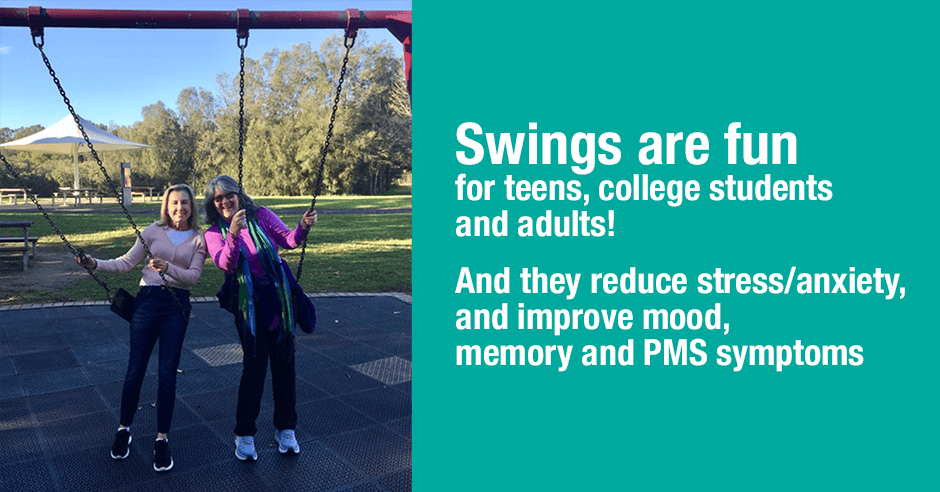
Swings are fun for teens, college students and adults! And they reduce stress/anxiety, and improve mood, memory and PMS symptoms

June 18, 2021 By Trudy Scott 21 Comments

swings for anxiety

Earlier this month I met up with a dear childhood friend for a walk and catch-up and we both rediscovered the joy of swings. I always suggest a walk or hike or swim when meeting with friends and colleagues, and this time was no different except that I really wanted to go somewhere with a swing!

The reason that I wanted to find a swing set was because I had just read an article about swings and teen girls needing a better place to hang out. I love the outdoors and love to play, laugh and have fun, and I couldn’t resist it once I started looking at the research. I discovered all the wonderful benefits of improved mood, reduced anxiety and stress, improved cognition and memory, reduced PMS symptoms, improved social relationships and reduced pain.

These pictures are us swinging and catching up – we laughed and laughed and had such fun!  It’s hard to believe we’ve been friends for close to 50 years and it always feels like we were never apart when we do get together.

swings

Our swing experience made it extra special this time! You can see the pure joy on our faces!

Teen girls needing a better public space to hang out

The recent Bloomberg article I had read, Teen Girls Need Better Public Spaces to Hang Out shares this:

Making space for girls means rethinking which age groups need to swing and climb, how to encourage physical activity (and not just playing a sport), and how to make a safe, sheltered place for outdoor conversation.

And this about movement:

While lack of activity among teens is a major public health issue, many girls are looking for more creative, less competitive ways of moving their bodies.

It features really cool images of swings called “Swing Time.” They are designed by Höweler + Yoon Architecture and deliver “the kind of fun, physical outdoor experience with room for face-to-face conversation that many teen girls are looking for.”

As I mentioned above, I was immediately intrigued because I love the idea of outdoor play and social interaction in a safe place for young girls.

Beth Jones, a Mindset and Wellness Coach who works with teen girls and their moms incorporating movement, play and nutrition, posted the Bloomberg article on Facebook saying:

I love this idea so much. I used to love going to the playground in my teens to swing, hang out, just have a space for me. There’s a reason why my business logo has a girl on a swing. That swinging and twisting are also so great for the vestibular system and can help calm anxiety (the back and forth swinging). Maybe they should bring back some swings to middle and high schools.

I’m familiar with the use of swings in occupational therapy to address sensory processing disorders in children. But I was also very interested to know if there was any research on the health benefits of swings for teens and adults. I went searching and was very pleased with what I found, hence this blog post.

Before we get into the research I’d like to extend a big thanks to Beth Jones for the inspiration for all this! Now the research …..

PMS symptoms improved: mood, stress, anxiety, social relationships, pain and memory

This small study, Vestibular stimulation for management of premenstrual syndrome found the following benefits after 2 months of using the swing in females 18-30 years of age:

  • Depression and stress scores decreased
  • Anxiety scores decreased (although it was not statistically significant)
  • Serum cortisol levels decreased.
  • Social relationships improved
  • Systolic blood pressure decreased (there was no change in diastolic blood pressure and pulse rate)
  • Pain levels decreased
  • Spatial and verbal memory improved

These are amazing benefits using something as simple as a swing. I feel we could safely extrapolate to younger teen girls and even women above 30 years of age too.

Swings for stress management in college students

Vestibular stimulation using swings is the specialty of Dr. Mukkadan, Founder and Research Director of Little Flower Medical Research Centre in India. Together with his team, he published the above PMS paper and this paper on Vestibular Stimulation for Stress Management in Students.

They recommend “placement of swings in college campuses … which may be a simple approach to alleviate stress among college students.”

This is such a simple and yet powerful (and also fun!) intervention especially given the huge rise in anxiety and mental health issues in students. It would be a perfect approach to use in conjunction with amino acid supplements and nutritional psychiatry for these students.

According to another study published by his team, college students will also see improved spatial and verbal memory.

What about swings for teen boys and all adults too?

Once I saw the images in the Bloomberg article, and after reading the research, and after playing on swings again after all these years, my thinking started expanding. I believe everyone could benefit from using a swing.

I certainly wanted to swing right away (hence the walk and swing meet up with my friend a few weeks ago) and now seek out swings when I go for walks. I would love to see an area set aside in parks for teen girls (and boys too) and as Beth says, in middle and high schools too. And how about a designated area in parks for adults who want to swing too?

There are now parks with Liberty swings for children and adults in wheelchairs. The vestibular benefits of rocking chairs are helping veterans dealing with substance abuse and mood issues. I also see an application for stress reduction in the workplace. The opportunities are endless.

Here are some of my recommendations:

  • Seek out swings in parks. Give it a try to see how you feel and how much you enjoy it!
  • Advocate for swings in your communities, middle schools, high schools, colleges and place of business.
  • Get a rocking chair for yourself and/or older family members
  • Get a swing for your backyard (suitable for teens and adults). I’m looking into options for my backyard and will share more once I find some suitable options.

When did you last go for a swing as an adult? How much fun was it!?

If it’s been some time, does this – my pictures and the research – inspire you to want to look for a swing and have a go again?

Does your teen or college student seek out outdoor play like swings and see benefits?

If you are an OT/occupational therapist or exercise physiologist or other health professional using vestibular therapy with swings please do share so we can all learn.

Feel free to post any questions here too.
Filed Under: Anxiety, Joy and happiness, Stress, Teens, Women's health Tagged With: adults, amino acids, anxiety, calm anxiety, cognition, college students, Dr. Mukkadan, fun, joy, laugh, liberty swing, memory, mood, nutritional psychiatry, pain, play, PMS, premenstrual syndrome, social relationships, stress, stress management, swing, Swings, teen girls, teens, vestibular system, veterans

Tryptophan calms comfort eating, eases self-doubt, reduces uncontrollable late night snacking and results in a lot more peace around food.

March 26, 2021 By Trudy Scott 26 Comments

tryptophan calms

Zoe shares her life long story about comfort eating, her insecurities and self-doubt in her teens, the comfort-foods that allowed her to “escape” and how addressing low serotonin at 41 years of age led to her feeling a lot more peace around food. The effects of one chewable tryptophan were instant! Here is her story in her own words, some insights from me and possible next steps for Zoe to consider.

Historically I had comfort eaten and felt insecure and had lots of self-doubt. This led to trying alcohol and cocaine in my early 20s, plus I’m a vegetarian so I think I blew through all my natural serotonin by the time I tried tryptophan at 41!

I think [low] serotonin was huge for me and tryptophan helped calm my comfort eating.

My comfort eating started at secondary school, around 14, an escape from my feelings when I got home from school. I would eat mashed potatoes with loads of butter or a Sara Lee Chocolate gateau.

Thinking about it now, I realize I was craving carbohydrates and I would eat till I felt sick. I craved feeling really full and sadly was bulimic for a few years there as a teenager. I think my feelings of not feeling good enough/unloved drove me to comfort eating and not feeling understood. I would eat, be sick then do an exercise video before my parents even got home! It may also have been hormonal as I get PMS. I also have PCOS (polycystic ovarian syndrome).

Good news is I tried tryptophan last summer and the effects were instant.

I hadn’t read the instructions properly so ate a Lidtke chewable tryptophan tablet with my meal and instantly felt the effect. I stopped eating and feeling hungry instantly. I took the chewables for a couple of months then went onto Lidtke 500mg for another few months.

I do still have a tendency to snack late at night but it’s gone from totally uncontrollable 8 or 9 out of 10 to a 3 or 4 out of 10. I don’t crave food anywhere near as much as I used to and I have a lot more peace around food now.

Thank you for being the one to introduce me to them, you are a super star.

A few thoughts from me

This is a wonderful outcome and I’m thrilled for her transformation! I also appreciate Zoe giving me permission to share here so you can be inspired and have hope!

A few thoughts from me:

  • PMS/dysphoria is common with low serotonin levels and research shows that tryptophan can help ease symptoms in a few cycles
  • Low levels of serotonin and endorphins can lead to alcohol consumption and experimenting with drugs as a means of self-medication. This can often be replaced with sugar addiction and cravings which are also a way to self-medicate.
  • Low serotonin is a factor with bulimia, although it’s typically an under-recognized factor when it comes to eating disorders.

I share where I’d start if we were working together and possible next steps below.

How did she use tryptophan and which products did she use?

Zoe initially used the Lidtke chewable (each one is 100mg) for a few months: ”I used the Lidtke chewable as I don’t need much to feel the effects of aminos!”

Then she switched to the Lidtke 500mg: “I was taking 500mg mixed with banana on an empty stomach every day for about 6 months.”

This amount of tryptophan would be considered low for most folks. 500mg is a typical starting dose often used 1-2 mid-afternoon and 1-2 in the evening.

You may see all her low serotonin symptoms and think she has a lot going on and will likely need large doses of tryptophan for serotonin support. But you never know how much tryptophan will work until you do a trial.

Low endorphins and DPA for eliminating comfort eating

Zoe actually posted much of the above in response to a question I posted on Facebook about eliminating comfort eating and the amino acid called DPA (d-phenylalanine). DPA typically helps the kind of eating where you feel “I deserve this or this is my reward or this is my treat.” Until you address low endorphins with DPA, you may also feel eating these foods are numbing – as in numbing or blocking emotional pain.

She shared “Yes I’ve tried DPLA and it had a very nice effect.” But as you’ve read above, low serotonin was a bigger issue for Zoe and it was the tryptophan that really helped calm her comfort eating.

DLPA or DPA?

I reminded her that DPLA (dl-phenylalanine) is quite different from DPA (d-phenylalanine). DLPA works on boosting low catecholamines (improving low motivation, poor focus and fatigue and stay-in-bed kind of depression) and to a small extent also low endorphins. DPA works purely on boosting low endorphins.

But Zoe did see benefits from DLPA:

DPLA made me feel very content with my life. I felt very happy where I was all of a sudden, instead of feeling the need to chase something better all the time. I’ve never had just straight DPA, I’ve found it hard to find.

It’s not uncommon to see low serotonin and low endorphins in situations like this.

Tryptophan is no longer helping: my feedback and other ideas

Zoe did also share this about the 500mg tryptophan no longer helping like it used to:

The tryptophan doesn’t seem to have the same effect on me anymore sadly but that maybe because I’m ‘topped up’ but I did wonder if I had ruined the quality of my tryptophan by storing it on top of my microwave (so they were heating up).

I’ll try the [Lidtke] Tryptophan Complete this time and hope they work as I do still get a bit of PMS which seemed to go away for a while.

I did hear about mixing it with inositol being a possible solution too?

Here is my feedback on some of this, where I’d start if we were working together and possible next steps:

  • My favorite DPA product is also made by Lidtke and it’s called Endorphigen. It may help with the last remaining snacking
  • However, timing wise late-night snacks for carbs tends to be low serotonin. I would try again with Lidtke 500mg (the microwave heat may have been an issue), considering a trial of 1000mg, trialing the Lidtke Tryptophan Complete (as she may be missing the cofactors to make serotonin) and even consider going back to the chewable Lidtke tryptophan which worked so well initially.
  • I would also look at other factors that may be lowering serotonin levels: has gluten snuck back in or is there any accidental exposure? Has she started consuming collagen and/or gelatin which can lower serotonin in susceptible folks?
  • I would consider trialing inositol if there is an obsessive tendency to the snacking. It does help with PCOS too.
  • She had said “I thought GABA would be amazing for me but it wasn’t.” Since GABA helps with PCOS and PMS, I would revisit GABA trials using different forms, higher doses and making sure trials are sublingual. Progesterone or herbs that support progesterone is another option.
  • I agree with Zoe’s comments about being a vegetarian. Low levels of neurotransmitters are common and we cover the benefits of grass-fed red meat for women in my interview with Dr. Felice Jacka on the first Anxiety Summit. I’d encourage adding some quality animal protein if she’s open to it.
  • For vegetarians, we often also add a free form amino acid blend with tryptophan, especially if adding animal protein is a no-no.
  • I would also consider pyroluria (the social anxiety condition) too as PMS is common, pyrolurics are often vegetarians, and the pyroluria protocol provides necessary cofactors for making serotonin. Zinc is often low in vegetarians too.
  • I would also assess for low iron and low B12 (also often low in vegetarians) and needed for serotonin production; and look into the BCP (birth control pill) or other meds that may be lowering serotonin.
  • I would have her doctor check thyroid health as low thyroid can reduce the effectiveness of the amino acids

As with everyone, a full functional workup looking at diet, nutritional deficiencies, digestion, all hormones, toxins and infections (and so on) is key to address all possible root causes.

Have you found that tryptophan calmed your comfort eating, reduced your self-doubt and late night carb snacking and led to feelings of peace around food? Did it also reduce PMS and other low serotonin symptoms?

If you’re a practitioner working with women who comfort-eat and have typical low serotonin symptoms, have you found tryptophan to help?

Feel free to post your questions and feedback in the comments below.

Filed Under: Cravings, serotonin, Tryptophan Tagged With: alcohol, bulimia, cocaine, comfort eating, craving, GABA, insecure, PCOS, peace, peace around food, PMS, pyroluria, self-doubt, self-medication, serotonin, snacking, thyroid, tryptophan, unloved, vegetarian

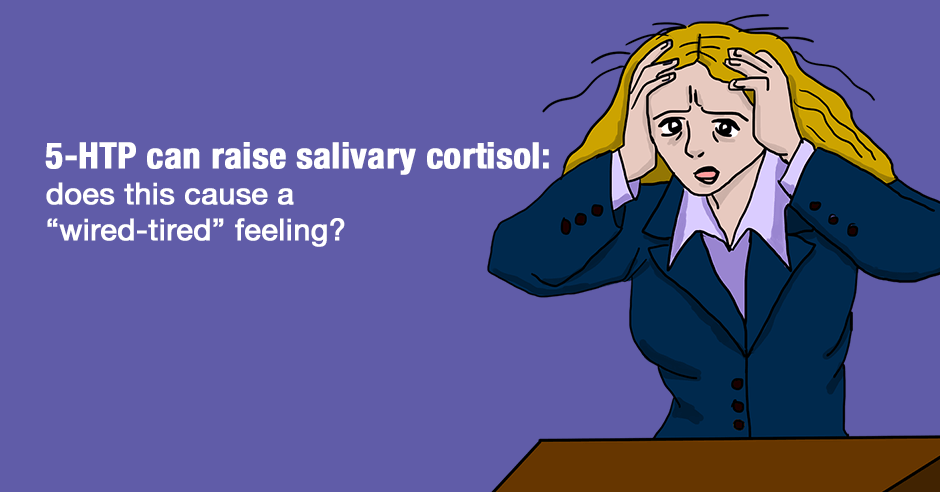
5-HTP can raise salivary cortisol: does this cause a “wired-tired” feeling?

August 14, 2020 By Trudy Scott 48 Comments

5-htp salivary

Are you aware that 5-HTP – an amino acid supplement that supports serotonin levels – can raise cortisol levels and leave you feeling “wired-tired”? You may be able to relate to this if you’ve ever used 5-HTP to help with anxiety and insomnia and ended up feeling more anxious and more wide-awake despite your exhaustion and need for sleep. You feel “wired-tired” and it’s not pleasant at all.

Both 5-HTP and tryptophan, used as supplements, help to boost serotonin levels so you can feel happy, calm, sleep well and not crave carbs in the afternoon/evening. They also help with panic attacks and phobias, lack of confidence, depression, negativity, imposter syndrome, PMS, irritability, anger issues, pain/fibromyalgia, TMJ and anger. I typically have my clients with low serotonin symptoms start with a trial of tryptophan because I see such excellent results with this amino acid. That being said, some people simply do better on one versus the other and you may do better with 5-HTP.

However there is one big caveat with 5-HTP. I don’t recommend 5-HTP when a client has elevated cortisol levels because we know that it can raise cortisol levels in certain individuals. This can leave you feeling agitated, cranky, as well as wired and yet tired at the same time.

In this 2002 study, L-5-hydroxytryptophan induced increase in salivary cortisol in panic disorder patients and healthy volunteers

Salivary cortisol levels were measured in 24 panic disorder patients and 24 healthy volunteers, following ingestion of 200 mg L-5-hydroxytryptophan or placebo.

The experiment was carried out in the afternoon, “when basal cortisol secretion is more stable.” The first saliva sample was obtained at 1pm and the subjects ingested the 200mg 5-HTP at 2pm. Additional saliva samples were obtained at 2:30pm, 3:00pm and 3:30pm.

They report the following:

A significant rise in cortisol was observed in both patients and controls following ingestion of L-5-hydroxytryptophan. No such effects were seen in the placebo condition.

Here are a few additional comments and my thoughts:

  • This study was done to find evidence for “serotonin receptor hypersensitivity in panic disorder” and not specifically to test for the effects of 5-HTP on cortisol levels but it serves this purpose rather nicely (and it’s one of many similar studies, some of which measure plasma cortisol levels)
  • Keep in mind 200mg of 5-HTP is a large starting dose. It’s typical to start with 50mg so may be a factor to consider
  • In this study they did not assess cortisol levels beyond the 1.5 hours from ingestion of the 5-HTP. It would have been useful to see when levels started to go down
  • We would want to consider the ramifications of using 5-HTP for weeks (whether it’s 50 or 200mg). What impact would that have on cortisol and the adrenals? (I am not aware of a study like this having been done)
  • I’m also not aware of a study being done with 50mg but if you feel worse and feel “wired-tired” with 5-HTP and switch to tryptophan (the equivalent starting dose is 500mg) and your anxiety and other low serotonin symptoms resolve then you have found your solution
  • You may be wondering: “could I use 5-HTP to raise my low cortisol levels”? Theoretically yes and possibly very short-term. But I would question the timing since 5-HTP and tryptophan are best dosed mid-afternoon and later. This is when we would expect our cortisol levels to be on the downward slope as we end our day. I’d also want to nourish the adrenals with B vitamins and herbal adaptogen and remove the trigger/s that are leading to low cortisol.

If you suspect low serotonin symptoms and are new to using the amino acids and do not have my book I highly recommend getting it and reading it before jumping in to taking supplements: The Antianxiety Food Solution – How the Foods You Eat Can Help You Calm Your Anxious Mind, Improve Your Mood, and End Cravings.

There is a complete chapter on the amino acids and one for pyroluria, plus information on real whole food, sugar and blood sugar, gluten, digestion and much more.  If you’re not a reader there is now also an audible version.

Here is the Amino Acids Mood Questionnaire from The Antianxiety Food Solution and additional information on Anxiety and targeted individual amino acid supplements: a summary

Please also read and follow these Amino Acid Precautions.

This lists The Antianxiety Food Solution Amino Acid and Pyroluria Supplements that I use with my individual clients and those in my group programs.

Have you used 5-HTP with success? Or have you used it and felt “wired-tired”? Have you correlated the success or failure of your 5-HTP use with your salivary cortisol levels?

If you switched from 5-HTP to tryptophan did you have success with that?

If you’re a practitioner is this something you see with your clients/patients and take into consideration?

Feel free to post your questions here too.

Filed Under: Antianxiety Tagged With: 5-HTP, adrenals, amino acid, anger, anger issues, calm, cortisol, depression, Fibromyalgia, happy, Imposter syndrome, irritability, L-5-hydroxytryptophan, negativity, pain, panic attacks, Panic disorder, phobias, PMS, serotonin, sleep, TMJ, tryptophan, wired-tired

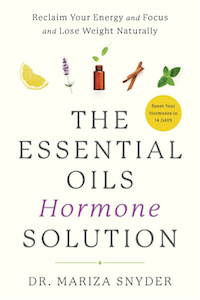
The Essential Oils Hormone Solution by Dr. Mariza Snyder – my book review

February 22, 2019 By Trudy Scott 15 Comments

Together with dietary changes and key nutrients like GABA, tryptophan, zinc and vitamin B6, using essential oils are a wonderful tool for helping to ease anxiety, reduce stress, improve sleep and focus and contribute to overall hormonal health for women. Now we have a new book that is a wonderful essential oil resource specifically for women, The Essential Oils Hormone Solution: Reclaim Your Energy and Focus and Lose Weight Naturally by Dr. Mariza Snyder.

She shares this about essential oils:

Essential oils are natural aromatic com­pounds found in the roots, seeds, stems, bark, leaves, and flowers of various plants. They are super-charged, fifty to seventy times more potent than their dried-herbal counterparts. They’re simply the best plant-based remedy that exists, and they have been success­fully used for thousands of years.

Dr. Mariza lists these top 5 must-have hormone-support essential oils for perimenopausal and menopausal women: clary sage, geranium, lavender, peppermint and rosemary. Lavender and peppermint have been long-time favorites of mine and I recently learned about clary sage and rosemary and love both.

She covers so many wonderful essential oils in the book but for the purposes of this review I’ll focus on clary sage since it was new to me until recently and may be new to you too.

In the chapter on sleep, she shares this about the benefits of clary sage and how to use this essential oil:

CLARY SAGE (Salvia sclarea)

  • Promotes relaxation of the body for a restful night’s sleep
  • Calms and soothes the mind and body
  • Supportive during menstrual distress

Aromatic Use 

  • Apply 1–2 drops directly to bedclothes or pillow.
  • Diffuse 3–4 drops before bedtime.

Topical Use

  • Dilute 1–2 drops with your favorite carrier oil and massage into abdomen.
  • Add 2–3 drops to a warm bath with ¼ cup Epsom salts dis­solved in the water.
  • Dilute 1–2 drops with your favorite carrier oil and massage into your soles before bedtime.

I had looked into clary sage about 6 months ago when I learned that it supports serotonin production and also lowers high cortisol.

Interestingly, I didn’t care for the aroma of clary sage when I first purchased it and I diffused it with lavender and rosemary to disguise the aroma. But I have grown to really like it and use a drop on a hanky each night and look forward to how much it helps me sleep and the fact that it eased the mild hot flashes I had started to experience again.

I love the combinations/blends Dr. Mariza recommends in the book and would have welcomed these ideas when I first started using clary sage myself. Here is one example of a rollerball blend with clary sage:

Tense-Away Rollerball Blend

10 drops Lavender essential oil

10 drops Clary Sage essential oil

10 drops Peppermint essential oil

Carrier oil of choice

I also really like that Dr. Mariza describes different ways to use the oils other than only diffusing – like using rollerballs, using them for massages and in baths, and applying the essential oils on various parts of the body for a more direct impact. One such example is the Hormone Synergy Rollerball Blend (which contains clary sage, lavender, geranium, bergamot and ylang ylang). She recommends applying this blend directly over your ovaries.

I learned this direct application tip from Dr. Mariza last year and started using lavender, peppermint and rosemary (in a carrier oil) topically on my belly before bed. It helps with digestion, occasional belly bloat from SIBO (if I’ve eaten something that triggers symptoms) and is relaxing too. I think I’ll add clary sage to this belly blend too for the added hormone benefits. This could be one way to use clary sage for the benefits if you find you don’t really like the aroma (because it will be further from your nose!)

Here are some of the benefits of the other top 5 hormone-support essential oils for perimenopausal and menopausal women that Dr. Mariza shares:

  • geranium – calming and soothing and “rejuvenates and revitalizes skin, complexion, and hair” (I haven’t been using this one and looking forward to trying this one)
  • lavender – “eases and calms feelings of anxiety, stress, and tension while rebalancing emotions” and “relieves discomfort associated with menstrual cycles” (I’ve been using lavender for years)
  • peppermint – “stimulates mental focus and energy by enlivening the senses” and supports your respiratory system (I also use this one all the time. It’s also great for headaches and neck pain)
  • and rosemary – “increases memory, concentration, and focus” (I also use it for EMF/electromagnetic radiation protection. Research shows rosemary could play a protective role against this harmful effect through its antioxidant activity)

Clary sage is also featured in the libido chapter: “Commonly used to stimulate sexual energy and boost libido.” This aspect was new to me, but it makes sense given that it lowers cortisol and supports serotonin production (and hence estrogen). Dr. Mariza also covers many other wonderful essential oils that boost libido too: jasmine, neroli, rose, sandalwood, ylang ylang and geranium.  In one study neroli, lavender, fennel, geranium, and rose significantly improved sexual function in menopausal women.

Here is the official book blurb:

Have your hormones been hijacked? Do you feel energy-depleted and irritable, unable to sleep, stay focused, or lose weight? You may have attributed these symptoms to the natural hormonal fluctuations that occur with age. But behind the scenes, there are a host of pesky culprits wreaking havoc on your hormonal health: chronic stress, air pollution, chemical-laden foods and cleaning supplies, and the synthetic estrogens in personal care products. Women of all ages are left vulnerable to the consequences, suffering from unnecessary hormonal imbalance and frustrating symptoms that are often dismissed by their doctors.

Dr. Mariza Snyder is here to help put you back in control of your health. In The Essential Oils Hormone Solution, you will learn how to heal hormonal chaos and revitalize the body from the inside out with the support of high-quality essential oils. You’ll learn how essential oils work on a cellular level to mitigate the toxic loads we carry, and how to use essential oils to reduce cravings, get deep, restful sleep, ease stress, improve mood, banish the worst symptoms of PMS, regain focus and concentration, boost libido, and increase energy.

Featuring a 14-day plan to jumpstart your hormonal health, with over 100 essential oil blends, daily self-care rituals, and delicious, easy-to-prepare recipes, you’ll discover how to reset your body and pave the way for improved hormonal health, without taking hormones.

Grab your copy of The Essential Oils Hormone Solution here (my Amazon link).

I’d like to add my thoughts on what I have found to be safe use of essential oils, and what I share with my clients (I consider myself an essential oil user like you – I’m not an expert):

  • Always use a carrier oil, unless you are diffusing, and this includes using essential oils in the bath (I know there is some conflicting advice on this, but I like to err on the side of caution)
  • Don’t try to remove too much of an essential oil with water – it will only drive it deeper into the skin
  • Think low doses i.e. a little goes a long way
  • Be sure to rotate your essential oils
  • Don’t ingest the oils neat or even in a gelatin capsule. I would only consider doing so if I was working with an experienced practitioner and using an enteric coated capsule  (there is definitely conflicting advice on this one but again I like to err on the side of caution)

It’s a fun book with wonderful ideas for how to combine essential oils and use them to improve hormone imbalance. I love this quote from Dr. Mariza:

Inhaling them and applying them is like adorning yourself in something truly beautiful

What are your favorite essential oils and combinations for easing anxiety, reducing stress, improving sleep and balancing your hormones? How are you “adorning yourself” and what is your favorite way to use them – diffused, topically, via a rollerball, or via a massage or in the bath? Feel free to post questions here too.

Filed Under: Books, Essential oils Tagged With: anxiety, calming, clary sage, cortisol, Dr. Mariza Snyder, energy, essential oils, focus, hormone, hormones, insomnia, lavender, libido, mood, peppermint, PMS, serotonin, sleep, stress, The Essential Oils Hormone Solution

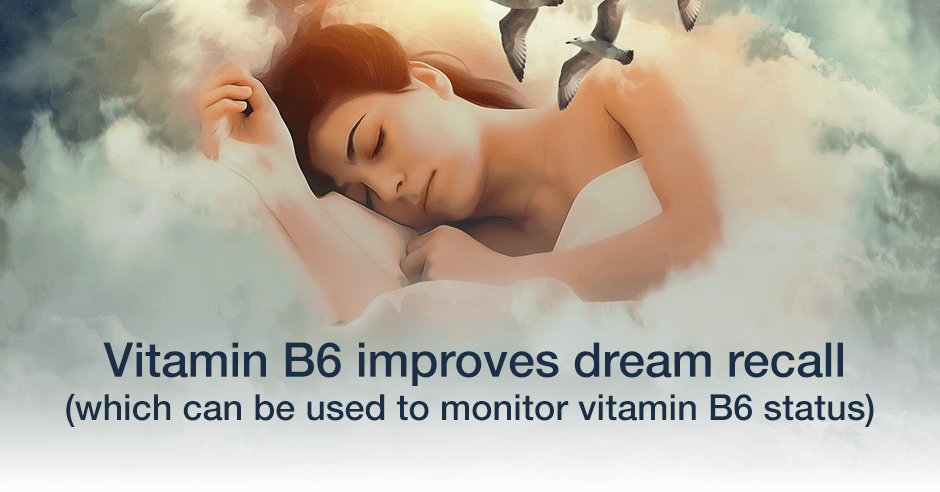
Vitamin B6 improves dream recall (which can be used to monitor vitamin B6 status)

July 27, 2018 By Trudy Scott 40 Comments

It’s exciting to see new research confirming the connection between vitamin B6 and dream recall. In this new study, Effects of Vitamin B6 (Pyridoxine) and a B Complex Preparation on Dreaming and Sleep (which was randomized, double-blind and placebo-controlled), 100 participants from across Australia were given 240 mg vitamin B6 (pyridoxine hydrochloride) before bed for five consecutive days. Other study participants were given a B complex. This is the outcome of the study:

  • vitamin B6 significantly increased the amount of dream content participants recalled but did not significantly affect dream vividness, bizarreness, or color, nor did it significantly affect other sleep-related variables
  • participants in the B complex group showed significantly lower self-rated sleep quality and significantly higher tiredness on waking

Here are my thoughts on these results:

  • It’s wonderful to read that Vitamin B6 improves dream recall – this is what I see with my clients all the time.
  • With an optimal dose of vitamin B6, I would expect changes in “dream vividness, bizarreness, or color” and this also what I also see with my clients. If they are having horrible/vivid/bizarre dreams, the vitamin B6 changes them to pleasant dreams OR if dreams were not recalled prior to supplementation, they are now remembered and pleasant. The dose of 240 mg was used across the board but based on what we know about biochemical individuality, 240mg may be too much for some folks and not enough for others, so this could have impacted the results.
  • It’s not surprising that the B complex taken at bedtime impacted sleep. It’s known to be stimulating and it’s not something I’d advise any client to do. For this reason, I don’t feel it was the ideal control for this study.

The lead researcher is Dr. Denholm Aspy and his primary research focus is lucid dreaming. On his researcher profile on the University of Adelaide website, he describes lucid dreaming and the potential benefits:

In a lucid dream, the dreamer realizes that they are dreaming and can then explore and even control the dream. Lucid dreaming has a wide range of potential benefits and applications such as creative problem solving, treatment for recurrent nightmares and improvement of motor skills through rehearsal in the dream environment (e.g. for elite athletes or people recovering from physical trauma).

He shares that the purpose of his research is to address exploration of the potential applications of lucid dreaming and to “develop reliable ways to induce lucid dreams.” Looking for potential applications of lucid dreaming is very interesting and new to me.

Vitamin B6/dream recall research and pyroluria (a social anxiety condition)

However, this vitamin B6/dream recall research is of particular interest to me because of my work with pyroluria, a social anxiety condition which responds really well to supplementation with zinc, vitamin B6 or P5P (pyridoxal-5-phosphate) or a combination of both, and a few other key nutrients.  Here is the pyroluria questionnaire.

One of the classic signs of pyroluria is poor dream recall, stressful or bizarre dreams, or nightmares, signs which the late Carl Pfeiffer, MD attributed to low vitamin B6 status. He suggested that your dreams and dream recall serve as a good indicator of your need for vitamin B6. You should dream every night and you should remember your dreams. They should be pleasant—the kind of dreams where you wake up and want to close your eyes and continue dreaming.

Going back to the above discussion of lucid dreaming, in lucid dreams “the dreamer is aware of dreaming and often able to influence the ongoing dream content.” This is exactly how I would describe my dreams when I have good levels of vitamin B6 and my clients say the same.

Keep in mind that if you do have pyroluria, you may need to increase your dose of vitamin B6 in times of stress. Vitamin B6 can also be depleted by oral contraceptives because they cause both low vitamin B6 and zinc, reduce serotonin levels and increase anxiety. Vitamin B6 can also be depleted by antidepressants, diuretics, and cortisone, so if you start or stop taking any of these, you may need to adjust the amount you supplement.

If this intrigues you and you’re new to pyroluria, I write about dreams and vitamin B6 in the pyroluria chapter of my book, The Antianxiety Food Solution. My blog is also a wealth of information on pyroluria:

  • Pyroluria prevalence and associated conditions
  • Joint hypermobility / Ehlers-Danlos Syndrome and pyroluria?
  • Pyroluria and focal musician’s dystonia or musician’s cramp
  • Am I an anxious introvert because of low zinc and vitamin B6? My response to Huffington Post blog

Dream recall and vitamin B6 status is important even if you don’t have pyroluria

Observing your dream recall and hence vitamin B6 status is important even if you don’t have pyroluria. This is because vitamin B6 it has been implicated as a co-factor in more than 140 biochemical reactions in the cell, playing a role making amino acids and neurotransmitters, making fatty acids, and even quenching reactive oxygen species (ROS).

This is partial list showing the importance of vitamin B6 (with both research and clinical evidence) for:

  • carpal tunnel syndrome – I’ve had many clients see major improvements to the extent that surgery is able to be cancelled
  • PMS (together with magnesium) – all the women I work with see the benefits of vitamin B6 for PMS, perimenopause and menopausal symptoms
  • issues with dietary oxalates – vitamin B6 is one of the key nutrients for preventing metabolism of food to oxalate
  • morning sickness/vomiting during pregnancy
  • protective potential against Alzheimer’s disease due to antioxidant properties
  • inflammation and IBD/irritable bowel disease

You may also wonder what the mechanism of action is? How does vitamin B6 impact your dream recall? One hypothesis is that vitamin B6 is a co-factor nutrient used in the conversion of tryptophan to serotonin which is then used to make melatonin. Vitamin B6 is also an antioxidant, is anti-inflammatory, and modulates immunity and gene expression.

If you’re looking for a quality vitamin B6 product, my supplements blog lists a range of vitamin B6 supplements that I use with clients and those in my group program.

Monitoring your dream recall is one very simple way to assess changes in your vitamin B6 status. And we now have new research supporting this. I look forward to follow-on studies by these authors, learning more from them about lucid dreaming and I hope to be able to offer some of my insights from clinical practice.

*** I address some concerns about vitamin B6 toxicity in this blog: Why is vitamin B6 toxic for some and why don’t symptoms resolve when vitamin B6 is stopped? I have yet to see any signs of toxicity in my clients, but I have also not ever recommended more than 500mg/day. However, I was recently made aware (thanks to some folks in my community) that there are some individuals who have issues with very small amounts of vitamin B6.  If you have experienced any issues with using vitamin B6 supplementation please share.

What are your dreams like and do you use your dreams to monitor your vitamin B6 status? What improvements have you noticed by addressing low vitamin B6 levels?

If you’re a practitioner do you use dream recall as an indication of vitamin B6 status?  Have you seen adverse issues with vitamin B6 supplementation and at what doses?

Filed Under: Anxiety, Sleep Tagged With: anxiety, B6, carpel tunnel, dream recall, dreams, PMS, pyridoxine, pyroluria, serotonin, tryptophan, vitamin B6

Essential oils for dementia, agitation, anxiety on the Alzheimer’s & Dementia Summit

July 31, 2016 By Trudy Scott 6 Comments

essential-oils-for-dimentia

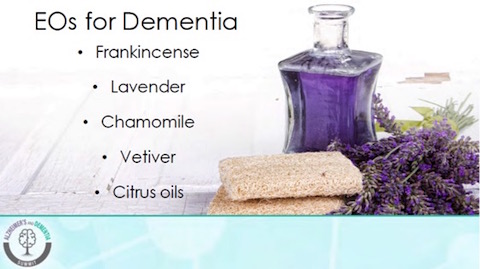
One of the excellent speakers, Eric Zielinski, DC, MPH(c) is interviewed on the Alzheimer’s & Dementia Summit. He’s fondly known as Dr. Z and I love everything he shares about the simplicity and power of essential oils (and all the research).

The topic of his interview is “Best Essential Oils for Brain Health”, dementia and Alzheimer’s disease – but as you will hear these essential oils also help with anxiety, agitation, insomnia and social withdrawal.

One aspect that I find very interesting is the discussion about aromatherapy versus using essential oils in lotions with those with dementia and Alzheimer’s disease. The latter is more effective because of the loss of sense of smell with advanced dementia.

Here are some of the gems he shares (from Professor Elaine Perry’s paper: Aromatherapy for the treatment of Alzheimer’s disease:

Lemon balm (Melissa) lotion was applied to the face and arms of 36 patients, whilst another 36 patients had sunflower oil applied. Melissa was associated with highly significant reductions measured on an agitation inventory and social withdrawal, together with an increase in constructive activities (dementia care mapping).

In a trial involving 122 non-demented patients in intensive care, massage aromatherapy using lavender oil was well received, the greatest improvements being in mood and reduction in anxiety.

In another trial, lavender, geranium and mandarin essential oils in an almond oil base were applied to the skin of 39 patients over an unspecified period. This resulted in increased alertness, contentment and sleeping at night; and reduced levels of agitation, withdrawal and wandering.

I’m so pleased Dr. Z talks about antipsychotics and how a number of studies have shown a reduced need for these medications when using essential oils.

This interview and other interviews on the Alzheimer’s & Dementia Summit are well-worth tuning in to. They represent a unique opportunity to discover how to prevent, slow down and even reverse (yes reverse!) the symptoms of Alzheimer’s disease and dementia.

I say “yes reverse!” because I received this concerned question from someone in my community

It’s a big claim to say you can reverse Alzheimer’s, especially to those of us sensitized to the issue because of a very ill parent. On what studies or peer-reviewed research do you and your colleagues rely? Do you mean when someone is so far along that they are unable to communicate effectively? How would you find the “root cause” then? I am interested in alternative approaches but sometimes the claims seem to veer toward irresponsible

I feel for this concerned caregiver and her question is very valid because we have been led to believe that Alzheimer’s disease cannot be reversed. I only share information I have vetted and always make sure it is research-based and this summit is no exception, even when someone can no longer communicate effectively. Simply using essential oils in a lotion is a wonderful start. Getting the testing that Dr. Bredesen recommends would be the next step. There really is SO much that can be done!

Here are some of my other favorite interviews:

  • Christopher Shade PhD – Brain Defense: What to Do About Heavy Metal Toxicity
  • Niki Gratrix – Dementia Warning: Uncovering the Threat of Emotional Stress
  • Nadine Artemis – Protecting the Brain: Why You Should Care About Oral Health
  • Datis Kharrazian, DHSc, DC, MS – Dementia Solutions: Overlooked Therapies Revealed
  • Dale E. Bredesen, MD – Reversing Alzheimer’s Disease: A Comprehensive Approach (read more here and see his research)
  • David Minkoff, MD – Link Between Lyme Disease and Alzheimer’s

These interviews also provide a resource for you if you are just starting to notice that your own memory and focus is not quite what it used to be, if you have low motivation, if you suffer from brain fog and if you have anxiety and/or insomnia.

Today is the last day of the Alzheimer’s & Dementia Summit and REPLAYS of all the speakers will be tomorrow Monday August 1. You can still register here:
https://qt247.isrefer.com/go/ALZ16reg/trudyscottcn/

Prices will increase after the final REPLAY DAY that so if you know you want to purchase the series, now is the time. This is one summit I highly RECOMMEND purchasing! Here is the order link:
https://qt247.isrefer.com/go/ALZ16order/trudyscottcn/

If you have questions or feedback please feel free to post them in the comments.

PS. If you enjoyed this information and interview and want to learn more about essential oils, don’t forget that Dr. Z is hosting The Essential Oils Revolution 2 online from August 22-29. You can register for this one now.

Filed Under: Essential oils Tagged With: 5-HTP, anxiety, GABA, our calming neurotransmitter, PMS, sleep

  • « Go to Previous Page
  • Page 1
  • Page 2
  • Page 3
  • Go to Next Page »

Primary Sidebar

NEW! GABA QuickStart Homestudy (with special intro pricing)

gaba quickstart homestudy

Free Report

9 Great Questions Women Ask about Food, Mood and their Health

You'll also receive a complimentary subscription to my ezine "Food, Mood and Gal Stuff"


Connect with me

Popular Posts

  • Amino Acids Mood Questionnaire from The Antianxiety Food Solution
  • The Antianxiety Food Solution Amino Acid and Pyroluria Supplements
  • Pyroluria Questionnaire from The Antianxiety Food Solution
  • Collagen and gelatin lower serotonin: does this increase your anxiety and depression?
  • Tryptophan for the worry-in-your-head and ruminating type of anxiety
  • GABA for the physical-tension and stiff-and-tense-muscles type of anxiety
  • The Antianxiety Food Solution by Trudy Scott
  • Seriphos Original Formula is back: the best product for anxiety and insomnia caused by high cortisol
  • Am I an anxious introvert because of low zinc and vitamin B6? My response to Huffington Post blog
  • Vagus nerve rehab with GABA, breathing, humming, gargling and key nutrients

Recent Posts

  • What do I use instead of Seriphos to help lower high cortisol that is affecting my sleep and making me anxious at night?
  • BeSerene™ GABA/theanine cream eases severe muscle tension in her neck/shoulders, prevents her bad headaches and quells her anxiety
  • How the correct approach, dose and sublingual use of GABA can be calming and not cause a flushed and itchy face and neck
  • The amino acid glutamine improves low mood by addressing gut health, and it has calming effects too
  • Flight anxiety with heightened breath, physical tension and also fearing the worst (the role of low GABA and low serotonin)

Categories

  • 5-HTP
  • AB575
  • Addiction
  • ADHD
  • Adrenals
  • Alcohol
  • Allergies
  • Alzheimer's disease
  • Amino Acids
  • Anger
  • Antianxiety
  • Antianxiety Food Solution
  • Antidepressants
  • Anxiety
  • Anxiety and panic
  • Autism
  • Autoimmunity
  • benzodiazapines
  • Bipolar disorder
  • Books
  • Caffeine
  • Cancer
  • Candida
  • Children/Teens
  • Collagen
  • Cooking equipment
  • Coronavirus/COVID-19
  • Cravings
  • Depression
  • Detoxification
  • Diabetes
  • Diet
  • DPA/DLPA
  • Drugs
  • EFT/Tapping
  • EMF
  • EMFs
  • Emotional Eating
  • Endorphins
  • Environment
  • Essential oils
  • Events
  • Exercise
  • Fear
  • Fear of public speaking
  • Fertility and Pregnancy
  • Fish
  • Food
  • Food and mood
  • Functional neurology
  • GABA
  • Gene polymorphisms
  • General Health
  • Giving
  • Giving back
  • Glutamine
  • Gluten
  • GMOs
  • Gratitude
  • Gut health
  • Heart health/hypertension
  • Histamine
  • Hormone
  • Hyperparathyroidism
  • Hypoglycemia
  • Immune system
  • Inflammation
  • Insomnia
  • Inspiration
  • Introversion
  • Joy and happiness
  • Ketogenic diet
  • Lithium orotate
  • Looking awesome
  • Lyme disease and co-infections
  • MCAS/histamine
  • Medication
  • Men's health
  • Mental health
  • Mercury
  • Migraine
  • Mold
  • Movie
  • MTHFR
  • Multiple sclerosis
  • Music
  • NANP
  • Nature
  • Nutritional Psychiatry
  • OCD
  • Osteoporosis
  • Oxalates
  • Oxytocin
  • Pain
  • Paleo
  • Parasites
  • Parkinson’s disease
  • PCOS
  • People
  • PMS
  • Postpartum
  • PTSD/Trauma
  • Pyroluria
  • Questionnaires
  • Real whole food
  • Recipes
  • Research
  • Schizophrenia
  • serotonin
  • SIBO
  • Sleep
  • Special diets
  • Sports nutrition
  • Stress
  • Sugar addiction
  • Sugar and mood
  • Supplements
  • Teens
  • Testimonials
  • Testing
  • The Anxiety Summit
  • The Anxiety Summit 2
  • The Anxiety Summit 3
  • The Anxiety Summit 4
  • The Anxiety Summit 5
  • The Anxiety Summit 6
  • Thyroid
  • Thyroid health
  • Toxins
  • Tryptophan
  • Tyrosine
  • Uncategorized
  • Vegan/vegetarian
  • Women's health
  • Yoga

Archives

  • October 2025
  • September 2025
  • August 2025
  • July 2025
  • June 2025
  • May 2025
  • April 2025
  • March 2025
  • February 2025
  • January 2025
  • November 2024
  • October 2024
  • September 2024
  • August 2024
  • July 2024
  • June 2024
  • May 2024
  • April 2024
  • March 2024
  • February 2024
  • January 2024
  • December 2023
  • November 2023
  • October 2023
  • September 2023
  • August 2023
  • July 2023
  • June 2023
  • May 2023
  • April 2023
  • March 2023
  • February 2023
  • January 2023
  • December 2022
  • November 2022
  • October 2022
  • September 2022
  • August 2022
  • July 2022
  • June 2022
  • May 2022
  • April 2022
  • March 2022
  • February 2022
  • January 2022
  • December 2021
  • November 2021
  • October 2021
  • September 2021
  • August 2021
  • July 2021
  • June 2021
  • May 2021
  • April 2021
  • March 2021
  • February 2021
  • January 2021
  • December 2020
  • November 2020
  • October 2020
  • September 2020
  • August 2020
  • July 2020
  • June 2020
  • May 2020
  • April 2020
  • March 2020
  • February 2020
  • January 2020
  • December 2019
  • November 2019
  • October 2019
  • September 2019
  • August 2019
  • July 2019
  • June 2019
  • May 2019
  • April 2019
  • March 2019
  • February 2019
  • January 2019
  • December 2018
  • November 2018
  • October 2018
  • September 2018
  • August 2018
  • July 2018
  • June 2018
  • May 2018
  • April 2018
  • March 2018
  • February 2018
  • January 2018
  • December 2017
  • November 2017
  • October 2017
  • September 2017
  • August 2017
  • July 2017
  • June 2017
  • May 2017
  • April 2017
  • March 2017
  • February 2017
  • January 2017
  • December 2016
  • November 2016
  • October 2016
  • September 2016
  • August 2016
  • July 2016
  • June 2016
  • May 2016
  • April 2016
  • March 2016
  • February 2016
  • January 2016
  • December 2015
  • November 2015
  • October 2015
  • September 2015
  • August 2015
  • July 2015
  • June 2015
  • May 2015
  • April 2015
  • March 2015
  • February 2015
  • January 2015
  • December 2014
  • November 2014
  • October 2014
  • September 2014
  • August 2014
  • July 2014
  • June 2014
  • May 2014
  • April 2014
  • March 2014
  • February 2014
  • January 2014
  • December 2013
  • November 2013
  • October 2013
  • September 2013
  • August 2013
  • July 2013
  • June 2013
  • May 2013
  • April 2013
  • March 2013
  • February 2013
  • January 2013
  • December 2012
  • November 2012
  • October 2012
  • August 2012
  • July 2012
  • June 2012
  • May 2012
  • April 2012
  • March 2012
  • February 2012
  • January 2012
  • December 2011
  • November 2011
  • October 2011
  • September 2011
  • August 2011
  • July 2011
  • June 2011
  • May 2011
  • April 2011
  • March 2011
  • February 2011
  • January 2011
  • December 2010
  • October 2010
  • September 2010
  • July 2010
  • May 2010
  • April 2010
  • March 2010
  • February 2010
  • January 2010
  • November 2009

Share the knowledge!

The above statements have not been evaluated by the Food and Drug Administration. Products listed in this website are not intended to diagnose, treat, cure or prevent any disease.

The information provided on this site is for informational and educational purposes only and is not intended as a substitute for advice from your physician or other health care professional. You should consult with a healthcare professional before starting or modifying any diet, exercise, or supplementation program, before taking or stopping any medication, or if you have or suspect you may have a health problem.


Copyright © 2026 Trudy Scott. All Rights Reserved. | Privacy | Terms and Conditions | Refund Policy | Medical Disclaimer

Free Report

9 Great Questions Women Ask about Food, Mood and their Health

You’ll also receive a complimentary subscription to my ezine “Food, Mood and Gal Stuff”