• Skip to primary navigation
  • Skip to main content
  • Skip to primary sidebar

everywomanover29 blog

Food, Mood and Women's Health – Be your healthiest, look and feel great!

  • Blog
  • About
  • Services
  • Store
  • Resources
  • Testimonials
  • The Book
  • Contact
  • Search this site

perimenopause

Berberine in perimenopause and menopause: improving mood, calming the anxious mind, and improving heart health, blood sugar and bone health

May 10, 2024 By Trudy Scott 15 Comments

berberine and menopause

… Berberine, an isoquinoline alkaloid derived from plants of the generis Berberis, has been recognized as being capable of decreasing oxidative stress, LDL, triglycerides, and insulin resistance and of improving the mood. This review describes the cellular and clinical effects associated with the use of berberine, which suggest that this molecule could be an effective natural supplement to ensure a smooth peri- and postmenopausal transition.

The above is from a paper published in 2015, Potential benefits of berberine in the management of perimenopausal syndrome.

These are just a few of the many benefits of berberine. Other research reports impacts on the microbiome, benefits for bone density and kidney health – all very relevant in perimenopause and menopause.

I feel that berberine may be a nutrient to consider, in addition to dietary changes, stress reduction and lifestyle changes, and targeted individual amino acids. Read on to discover some of the mechanisms and the benefits of using a comprehensive approach, and feedback from folks in the community who are using berberine with success.

Impacts on oxidative stress, blood sugar/insulin resistance, lipids and heart health, and mood

I encourage you to read the full paper in order to get an overview of the impacts on oxidative stress, blood sugar/insulin resistance, lipids and heart health, and mood. Here is a very high level summary:

  • Estrogen deficiency, increased cardiovascular risk, an “overproduction of reactive oxygen species (ROS)” and reduced nitric oxide (NO) which are important contributing factors when it comes to “menopause-related endothelial dysfunction, atherosclerosis, hypertension, cardiovascular, and renal diseases.” Berberine counters this via various mechanisms.
  • Type 2 diabetes is higher amongst menopausal women, causing high blood sugar and insulin resistance. This paper shares a study that found berberine “significantly lowered fasting blood glucose (FBG), hemoglobin A1c, triglycerides, and insulin levels in patients with Type 2 diabetes as well as metformin and rosiglitazone.” One way berberine does this is via “increased insulin receptor (InsR) messenger RNA and protein expression.”
  • “inactivity of LDL receptor (LDLR)” in liver cells leads to higher levels of oxidized LDL, a risk factor for “endothelial dysfunction and atherosclerosis.” One mechanism is that berberine improves LDLR expression and has lipid-lowering activity.
  • When it comes to mood issues, the increased oxidative stress, immune dysfunction and inflammation play a role because of “interactions between neurotransmitters, neuropeptides, oxidative and nitrosative stress, and cytokines.” Higher levels of inflammatory markers such as interleukin-6 (IL-6), C-reactive protein, interleukin-1-beta (IL-1β), and TNFα “can enter the brain and may cause alterations of the metabolism of serotonin and dopamine.” Berberine helps to counter this inflammatory cascade and “inhibits the expression of MAO” , increasing norepinephrine, serotonin, and dopamine – and improving mood and presumably reducing anxiety too.
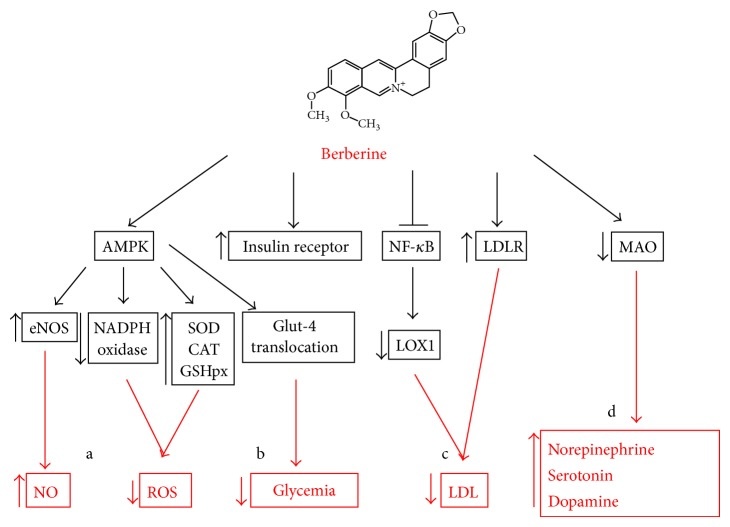
Berberine benefits menopause
From: Potential benefits of berberine in the management of perimenopausal syndrome

Feedback from folks in the community

When I shared this research on Facebook I received much in the way of positive results.

Susan shared this: “A functional medicine doctor suggested I take it with every meal. My A1C was not bad, (5.3) but my last level was 4.8. This was over the course of about 1 year.”

Becky shared this: “I used it for about 6 months along with diet changes to drop my A1C. Have been holding steady since with dietary measures alone. I didn’t realize berberine also helped lower LDL. Mine is slightly elevated. Not enough that my traditional MD has called me on it, but I’ve adjusted my diet again and hearing this about berberine I think I’ll try going back on it.”

Liz shared this: “I had gained some caregiver weight so started on berberine twice a day and it was helpful. However my Doc quickly had me switch over to [a combination product with berberine, chromium and alpha lipoic acid] and it’s fabulous! Twice a day and I feel great, my carb cravings are at bay and my bloodwork and overall health has vastly improved in just a few months.”

Marcy shared this: “Yes!! My son had been steadily gaining weight from binge eating and medications. In October 2022 his triglycerides were through the roof and I was so worried about his health. I put him on 500 mg of Berberine twice a day. Fast forward to today, he has lost approximately 50 pounds and his triglycerides are normal. There were other factors that may have contributed to the weight loss such as therapy and more structured eating times, but I absolutely believe the Berberine supported all this!” (this was also a combination product with berberine and a small amount of alpha lipoic acid and grape seed extract)

Marcia shared this: “I’ve used Berberine for appetite suppression, which it seems to help with, though not enough for me to lose any weight. But it did also actually lift my mood, which I was not expecting.”

Berberine: the microbiota, the gut-brain connection and anxiety

The number of studies on berberine is impressive and growing by the day. It’s not discussed in the above paper, but this paper, Effects of Berberine on the Gastrointestinal Microbiota states this: “The mechanism underlying the role of berberine in lipid‐lowering and insulin resistance is incompletely understood, but one of the possible mechanisms is related to its effect on the gastrointestinal microbiota.” Given what we know about the gut-brain connection, this is another likely mechanism for mood and anxiety benefits.

In another paper, Berberine ameliorates ovariectomy-induced anxiety-like behaviors by enrichment in equol generating gut microbiota, the authors propose that the use of berberine “modulates the gut microbiota, stimulates equol production, and improves anxiety-like symptoms” … “suggesting a direct link between gut microbiota modulation and estrogen deficiency-induced anxiety.”

Berberine: osteoporosis and the kidneys

An osteoporosis study shows that berberine regulates “the estrogen and thyroid hormone signaling pathways to treat osteoporosis in a multi-target, multi-pathway, and multi-system manner.”

And berberine used in conjunction with calcium carbonate and vitamin D, helps to prevent drug-induced bone loss too: “berberine inhibits bone resorption and improves bone formation to prevent glucocorticoid-induced osteoporosis.” I’d be considering vitamin K and other approaches like working towards optimal homocysteine, addressing food sensitivities, addressing possible oxalate and gallbladder issues too. The latter are more common during and after perimenopause.

Interestingly berberine also improves kidney health. One study reports that berberine “significantly ameliorated chronic kidney disease by altering the composition of the gut microbiota and inhibiting the production of gut-derived uremic toxins.”

A comprehensive approach that includes amino acids

As I mentioned above, I feel that berberine may be a nutrient to consider, in addition to dietary changes, stress reduction and lifestyle changes, and targeted individual amino acids. Berberine is relatively new to me and not covered in my book “The Antianxiety Food Solution” but it’s a great resource for the rest.

Here are are few blog posts specific to amino acids in perimenopause and menopause:

  • Tryptophan had the added benefit of turning me completely off alcohol when I took it to improve mood and sleep during perimenopause
  • “Potion” of tyrosine, Endorphigen, GABA and tryptophan has been nothing less than a miracle for my depression and anxiety – how long can I remain on these?
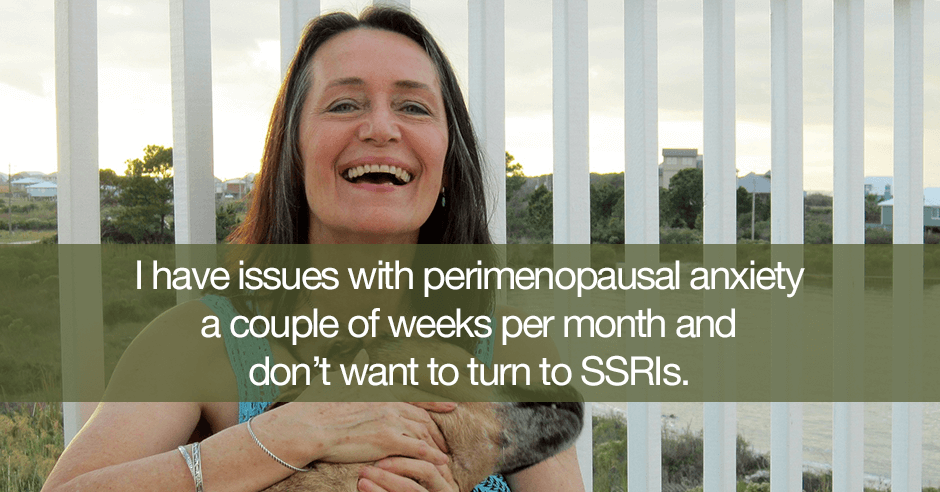
  • I have issues with perimenopausal anxiety a couple of weeks per month and don’t want to turn to SSRIs
  • The individual amino acids glutamine, GABA, tryptophan (or 5-HTP), DPA and tyrosine are powerful for eliminating sugar cravings, often within 5 minutes

The good news is that the amino acids provide immediate relief while the berberine is slower-acting and starting to have an impact.

Product recommendation: Thorne Berberine

There are many good berberine products available. I did some reading and research and landed on Thorne Berberine.

thorne berberine

It is available from my online store (Fullscript – only available to US customers – use this link to set up an account) and it’s available via iherb (use this link to save 5%).

If you’re new to berberine, be sure to discuss the research and if it may be something to consider with your practitioner.

Additional resources when you are new to using amino acids as supplements

As always, I use the symptoms questionnaire to figure out if low GABA or other neurotransmitter imbalances may be an issue.

If you suspect low levels of any of the neurotransmitters and do not yet have my book, The Antianxiety Food Solution – How the Foods You Eat Can Help You Calm Your Anxious Mind, Improve Your Mood, and End Cravings, I highly recommend getting it and reading it before jumping in and using amino acids on your own so you are knowledgeable. And be sure to share it with the practitioner/health team you or your loved one is working with.

There is an entire chapter on the amino acids and they are discussed throughout the book in the sections on gut health, gluten, blood sugar control (this is covered in an entire chapter too), sugar cravings, anxiety and mood issues.

The book doesn’t include product names (per the publisher’s request) so this blog, The Antianxiety Food Solution Amino Acid and Pyroluria Supplements, lists the amino acids that I use with my individual clients and those in my group programs.

If, after reading this blog and my book, you don’t feel comfortable figuring things out on your own (i.e. doing the symptoms questionnaire and respective amino acids trials), a good place to get help is the GABA QuickStart Program (if you have low GABA symptoms too). This is a paid online/virtual group program where you get my guidance and community support.

If you are a practitioner, join us in The Balancing Neurotransmitters: the Fundamentals program. This is also a paid online/virtual program with an opportunity to interact with me and other practitioners who are also using the amino acids.

Wrapping up and your feedback

I do always appreciate feedback from the community and being able to share it on the blog.

Now I’d love to hear from you – have you used berberine with success? How much have you used, which product and how has it helped?

Were you aware of all these benefits?

Have you also used amino acids and dietary approaches as you start to see hormonal shifts?

If you’re a practitioner do you berberine with your clients/patients?

And please let me know if it’s helpful that I’m now including product recommendations and where to get them.

Feel free to share and ask your questions below.
Filed Under: Anxiety, Depression, Women's health Tagged With: amino acids, anxious, anxious mind, berberine, blood sugar, bone density, bone health, calming, GABA, GABA Quickstart; Balancing Neurotransmitters: the Fundamentals program for practitioners, gut-brain, heart health, insulin resistance, kidney, LDL, menopause, microbiome, mood, osteoporosis, oxalates, oxidative stress, perimenopause, triglycerides, tryptophan

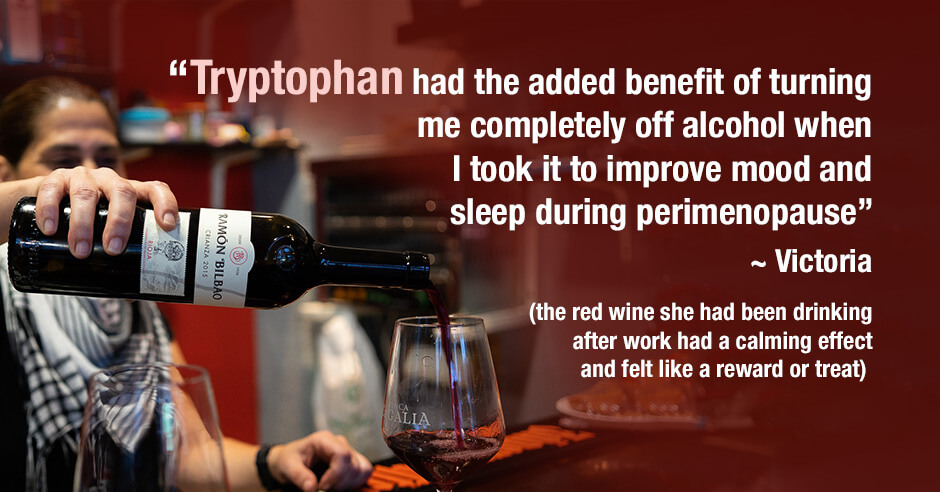
Tryptophan had the added benefit of turning me completely off alcohol when I took it to improve mood and sleep during perimenopause

May 12, 2023 By Trudy Scott 33 Comments

tryptophan alcohol

I started taking tryptophan 3 years ago to improve mood and sleep (not recognizing I was in perimenopause which it helped), but had the added benefit of turning me completely off alcohol! Lol. What serendipitous timing! I use amino therapy with pretty much all my perimenopause patients now. Thanks to you and Julia Ross’s work. Forever grateful.

Victoria shared this wonderful feedback about the benefits she experienced with tryptophan on a recent Facebook thread and kindly gave me permission to share.

Self-medicating with wine (and other alcoholic beverages) is common when we are anxious or stressed and typically we use it to wind down at the end of the day and to fit in socially. This is common when GABA levels are low and also happens due to low serotonin which declines from mid-afternoon into the evening.

I asked what she had been drinking and how often? And if it was calming for her? This was her response:

Red wine the minute I walked in the door in the evening. I guess it was calming… maybe more reward driven? It would be my reward for getting home from work via picking kids up from sport and doing a grocery shop and … (fill in the blank) that we working mums do and then having to walk straight into the kitchen to start on dinner.

The wine was like my little treat or reward to motivate me to just keep moving with my chores. No time to sit and unwind, just pour the wine and start chopping! Lol… I had tried to stop before but just couldn’t pick up a knife without the wine glass!

Within days, the tryptophan made the wine taste like cat’s pee! Haven’t touched it since. No desire at all. Almost hypnosis like?

How much tryptophan Victoria used and how did it help her quit?

Victoria used the Now Tryptophan 1000 mg at 3pm and 9pm for about a year, eventually stopping it and saying: “Alcohol still does not interest me at all.”

What wonderful results! A typical starting dose for tryptophan is 500 mg midafternoon and evening and she increased this to find her ideal dose of 1000 mg twice a day. She did report that 5-HTP didn’t work for her the way tryptophan did. This is not unusual as some folks do better with one versus the other.   

She has a great explanation regarding how tryptophan helped her quit without having to use willpower. She had no time to sit and unwind ….. so she was experiencing some of the calming aspects of getting serotonin support with the amino acid tryptophan. This is a very common benefit.

Serotonin appears to regulate the secretion of beta-endorphins

It is interesting that Victoria mentions a reward/treat benefit which is often due to low endorphins rather than low serotonin. This paper, Roles of β-Endorphin in Stress, Behavior, Neuroinflammation, and Brain Energy Metabolism, states that β-endorphins, in addition to their “potent analgesic effects” i.e. pain relief (both physical and emotional pain), are also involved in “reward-centric and homeostasis-restoring behaviors.”

However, as stated in this same paper, beta-endorphins play a role in stress-relief (common with working moms like Victoria) and are closely connected with serotonin. In fact “serotonin appears to regulate the secretion of β-endorphins” and vice versa. The body is fascinating and so smart.

Amino acids for alcohol addiction: 5-HTP, DLPA and glutamine

We know that amino acids help with alcohol cravings and addiction and have even been used in inpatient settings. This blog illustrates this well – An amino acid supplement with DLPA, glutamine and 5-HTP (and a few other nutrients) eases alcohol withdrawal symptoms at an inpatient detoxification program.

The study authors state that: “the physiological craving for alcohol may be the result of a deficiency of the naturally occurring opiate like substances as well as other neurochemical deficits (i.e., dopaminergic, GABAergic, and serotonergic).

Both tryptophan and 5-HTP support low serotonin worry-type anxiety, low mood and insomnia. Victoria happened to benefit from tryptophan. Someone else may benefit more from 5-HTP or DLPA or glutamine or a combination as illustrated in the above study. And even GABA, which can help with stress-drinking or stress-eating, as well as physical anxiety.

DPA and DLPA support endorphins and provide the reward/treat benefits from red wine that Victoria mentions.  You can read about the difference between DPA and DLPA here.

What if you have afternoon and evening sugar cravings instead of wine?

You may self-medicate with sugar, carbs, gluten, dairy instead of wine. Late afternoon/evening cravings are typically related to low serotonin when there are other low serotonin symptoms like low mood, anxiety, ruminations, worry, insomnia, PMS etc. You can see all the low serotonin symptoms here.

In this case, tryptophan or 5-HTP can be used in a similar way to stop the cravings with no willpower required and no feelings of being deprived. You’ll also experience reduced anxiety, improved mood and better sleep. Read more about this on this blog: Would using 5-HTP or tryptophan help when you crave sugar (as a sort of antidepressant) late afternoon/evening?

Other changes Victoria made and how is she doing now?

Victoria did also share that hot flushes “got me in the end though and I gave in to body identical progesterone for the final year of peri” and takes estradiol transdermally now that she is in menopause. Based on seeing these benefits while in perimenopause, she is now trialing tryptophan again for increased irritability. That is a huge plus with amino acids: once we’ve experienced the benefits, you have them at our disposal again and again in the future as your hormones or situation starts to change.

I love that she now uses tryptophan with her patients. She is a physio/physical therapist and exercise scientist turned Functional Health Practitioner having studied with IFM during the pandemic.

Of course, I thanked her for the kind words and shared how fortunate I was to work in Julia Ross’ clinic for 2 years. I also appreciate her for sharing this feedback and allowing me to share it here as a blog post so you get to learn, be inspired and have hope.

And finally, all this illustrates that there is no one-size-fits-all and we often get unexpected side-benefits when using amino acids.

Tryptophan and 5-HTP product options

Victoria happens to respond well to tryptophan and yet some folks do better with 5-HTP so it’s a matter of doing a trial of each.

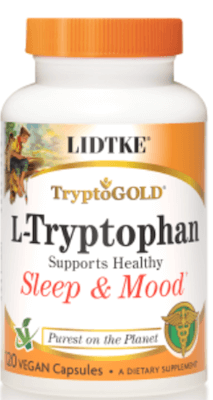
lydke l-tryptophan
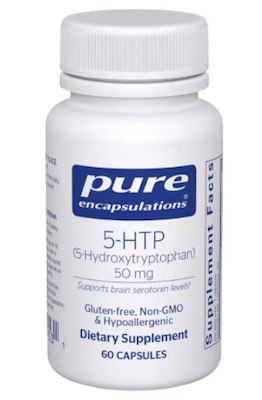
pure 5htp

Products I recommend include Lidtke 500 mg Tryptophan, and Pure Encapsulations 50 mg 5-HTP.  You can purchase these from my online store (Fullscript – only available to US customers – use this link to set up an account).

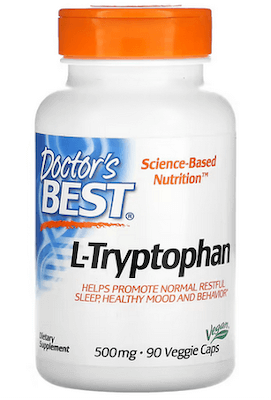
nature's best l-tryptophan
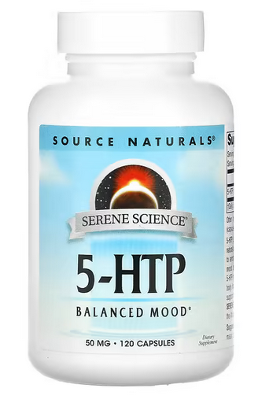
source natural 5-htp

If you’re not in the US, Doctor’s Best L-Tryptophan 500mg and Source Naturals 50 mg 5-HTP  are products I recommend on iherb (use this link to save 5%).

Resources if you are new to using amino acids as supplements

If you are new to using amino acids as supplements, here is the Amino Acids Mood Questionnaire from The Antianxiety Food Solution (you can see all the symptoms of neurotransmitter imbalances, including low GABA, low serotonin and low endorphins).

If you suspect low levels of any of the neurotransmitters and do not yet have my book, The Antianxiety Food Solution – How the Foods You Eat Can Help You Calm Your Anxious Mind, Improve Your Mood, and End Cravings, I highly recommend getting it and reading it before jumping in and using amino acids on your own so you are knowledgeable. And be sure to share it with the practitioner/health team you or your loved one is working with.

There is an entire chapter on the amino acids and they are discussed throughout the book in the sections on gut health, gluten, blood sugar control, sugar cravings, anxiety and mood issues.

The book doesn’t include product names (per the publisher’s request) so this blog, The Antianxiety Food Solution Amino Acid and Pyroluria Supplements, lists the amino acids that I use with my individual clients and those in my group programs. You can find them all in my online store.

If, after reading this blog and my book, you don’t feel comfortable figuring things out on your own (i.e. doing the symptoms questionnaire and respective amino acids trials), a good place to get help is the GABA QuickStart Program (if you have low GABA symptoms too). This is a paid online/virtual group program where you get my guidance and community support.

If you are a practitioner, join us in The Balancing Neurotransmitters: the Fundamentals program. This is also a paid online/virtual program with an opportunity to interact with me and other practitioners who are also using the amino acids.

Has tryptophan helped you quit alcohol easily when you could not do so with willpower alone?

Does tryptophan also help with your low mood, anxiety and sleep issues?

What about 5-HTP (some folks do better on one versus the other)?

And has either tryptophan or 5-HTP helped with other afternoon/evening cravings like sugar and other carbs?

If you have questions and other feedback please share it here too.

Filed Under: Addiction, Amino Acids, Anxiety, Tryptophan Tagged With: 5-HTP, alcohol, alcohol addiction, amino acids, anxious, beta-endorphins, calming, DLPA, evening, GABA, GABA Quickstart online program; Balancing Neurotransmitters: the Fundamentals program for practitioners, glutamine, mid-afternoon, mood, perimenopause, red wine, reward, self-medicating, serotonin, sleep, stressed, sugar cravings, treat, tryptophan, wine

Increased kidney stones in postmenopausal women with lower estradiol levels. What about increased dietary oxalate issues too?

June 3, 2022 By Trudy Scott 20 Comments

oxalate menopause

Epidemiological data reveal that the overall risk for kidney stones disease is lower for women compared to age-matched men. However, the beneficial effect for the female sex is lost upon menopause, a time corresponding to the onset of fall in estrogen levels.

The above is from a 2013 paper, Serum estradiol and testosterone levels in kidney stones disease with and without calcium oxalate components in naturally postmenopausal women.

The aim of this study was to look at serum estradiol and testosterone levels of naturally postmenopausal women who had kidney stones.

It was a small study with 113 naturally postmenopausal women with newly diagnosed kidney stones (some with calcium oxalate stones and some with non-calcium oxalate stones) and 84 controls, all around 52 to 62 years of age.

The results were as follows:

  • Serum estradiol (E2) was significantly lower in kidney stones patients compared to controls (21.1 vs. 31.1 pg/ml)
  • Serum testosterone (T) levels did not significantly differ among the groups.

The authors came to the conclusion that “Naturally postmenopausal women with higher remaining estradiol levels appear less likely to suffer from kidney calcium oxalate stones.

These findings support the hypothesis that higher postmenopausal endogenous [produced by the body] estrogens may protect against kidney stones with ageing.”

This is very encouraging research because it means we can do something about it (more on that below).

My question is this: What about increased dietary oxalate issues in this age group? And can there be similar issues in perimenopausal women too? This study only looked at kidney stones but I propose that there is a connection and that declining estradiol is the common factor. I also propose that providing estrogen support may help to counter both issues – kidney stones and/or dietary oxalate issues with no kidney stones, especially with the clinical observations and feedback I have had (more on that below).

Now this may not be the case for all women and is clearly not the only factor when it comes to kidney stones and dietary oxalate issues. But I do feel it needs to be part of the discussion. In menopause, osteoporosis and heart disease are on our radar but kidney stones and dietary oxalate issues are not.

Dr. Felice Gersch talks about estrogen and calcium in bone health and osteoporosis

I really thought I was onto something after hearing Dr. Felice Gersh, MD (a integrative gynecologist who focuses on women’s health and menopause) talk about estrogen and calcium in bone health/osteoporosis on The Osteoporosis Summit earlier this year. This is some of what she shared:

Estrogen affects everything! So estrogen is involved in the development of bone, but it’s even more complex. For example, estrogen allows the proper absorption of calcium, so that you get proper absorption of calcium from food in the gastrointestinal tract. That involves having proper estrogen levels. And having proper estrogen levels allows the reabsorption of calcium in the kidneys so that you don’t excrete a lot of calcium that you shouldn’t be excreting.

As soon as I heard calcium and the kidneys, the light bulbs went off and I started looking for some research. I didn’t expect there to be much because a higher incidence of kidney stones in menopause and the estrogen connection is not something I’ve heard discussed by menopause experts. However, the above study was one of many. Here are a few more studies that support this connection:

  • Estrogen replacement increased the citrate and calcium excretion rates in postmenopausal women with recurrent urolithiasis (urolithiasis is kidney stone disease)
  • Etiological role of estrogen status in renal stone formation

Interestingly this 2021 paper, Association between sex hormones and kidney stones: analysis of the National Health and Nutrition Examination Survey, reports that there is “no independent association between sex hormones (testosterone and estradiol) and history of kidney stones in either males or females.”  This conclusion may be related to the fact that there are fewer studies that include women. I look forward to future research in this area and until then we use the other research and what we see clinically.

How common are dietary oxalate issues in my community of perimenopausal and menopausal women?

I posted the 2013 study and this question on Facebook to see how common an issue it is:

If you have dietary oxalate issues (with or without kidney stones) I’m curious if there is a hormonal connection and specifically if things got worse for you in perimenopause, and got really bad in menopause (as estrogen declines even further). This has certainly been the case for me.

Here is some of the feedback I’ve received on this post and related posts:

Cynthia shared this: “Really interesting! I definitely had oxalate issues (perimenopause) provoked by ruptured appendix/SBO/abscesses and fistula formation (13 day hospitalization)….I had to remove all oxalates and go full carnivore for 9 months….I’m still oxalate sensitive and had not been before…. I will definitely be sharing this with my communities….there are SO many middle aged women with oxalate issues”

Kirsten shared this: “Interesting to know. At the age of 49 (I am now 51), for the first time in my life I developed kidney stones – probably the most painful experience of my life. I eliminated vitamin C supplements and some oxalates (I had a daily dose of “green juice” that I was consuming as well that I no longer take) however I never understood the relationship between estrogen and their development. I am not post menopausal as of yet -but definitely experiencing symptoms common in peri-menopause… Perimenopausal symptoms include – anxiety (the worrying type) which is at its worst around the time I menstruate (taking 5-HTP which helps but doesn’t completely resolve), night sweats, hypoglycemia, HPA dysfunction (which could be a result of perimeno as well as its own issue – or both). If I don’t keep my stress levels in check, everything becomes exacerbated – meditation helps too.”

Leah shared this: I developed oxalate issues after menopause (I’m in my 60s) and didn’t realize what is was until I read your post about it during the early days of the pandemic when people were overdosing on vitamin C (at least you were trying to figure out if there was a connection at the time). With more research, I discovered a product called Kidney Cop that I still take (though I never get stones, only skin issues on my face). I also switched to liposomal vitamin C and amla and cut back on the offensive [high oxalate] foods for me. I do also experience a similar effect when I use collagen powder with peptides (skin issues). When I switched to a powder that didn’t contain peptides but has collagen types 1-5 in it, I had no issues. I don’t know if this is oxalate-related or not, but the skin issue is the same (clear fluid-filled bumps around my mouth and chin only).”

A number of women in the Facebook group Trying Low Oxlaates have shared comments like this: “I was never bothered by oxalate issues before menopause” and “I can tell you that my oxalate problems became far worse – along with everything else, pyroluria, copper toxicity etc – in perimenopause.”

Personally, my severe dietary oxalate issues started in 2012, when I was 52, and it manifested as excruciating foot pain. It was a combination of hot-burning-coals-pain and shards-of-glass-pain. Later it affected my left eye and more recently it impacted my sleep in a big way. I eat low oxalate and use vitamin B6 and calcium citrate (carefully timed) to keep symptoms away. My next plan is to see if addressing my low estrogen will help even more (more on that below).

Approaches to support declining estrogen levels in perimenopause and menopause

Briefly, here is a summary for supporting declining estrogen levels in perimenopause and menopause:

  • Diet and lifestyle including exercise and stress-reduction
  • Amino acid support as needed (GABA supports progesterone and tryptophan supports estrogen) and the pyroluria protocol of zinc, vitamin B6 and evening primrose oil (more on this here)
  • Adrenal support
  • Essential oils such as geranium and rose otto and clary sage and other oils to help with anxiety and stress
  • Liver and kidney support
  • Avoiding environmental toxins, especially xenoestrogens (plastics, fragrances, pesticides etc) which bind to estrogen receptor sites
  • Maca – the research on Femmenessence Maca-Pause for bone and cardio health is very encouraging and I suspect there may be benefits for dietary oxalate issues and kidney stones too (when there is a low estrogen trigger). I will be trying this approach and I’ll report back on what I find.
  • Other herbal approaches for hormonal support: Black cohosh, red clover, dong quai (which, interestingly, are reno-protective too)
  • Bioidentical hormone replacement therapy

This section deserves an entire blog post and is important to address over and above the mood issues, increased anxiety, compromised sleep, low libido, vaginal issues and hot flashes – because of the impacts for heart health, cognitive decline and bone health.

Kidney stones and dietary oxalate issues in men

This 2016 paper addresses kidney stones in males and makes the testosterone connection for men under 60 years of age: Possible role of elevated serum testosterone in pathogenesis of renal stone formation

Urolithiasis [kidney stones] occurs with greater frequency in males with incidences three times higher compared to females indicating some role played by androgens. Stone formation in renal tissues before puberty is similar between males and females, whereas greater frequency is seen in the third to the fourth decade of life when the levels of serum testosterone are also the highest in males.

With advancing age, the probability for stone formation also decreases as consistent with the decline in serum testosterone levels with more than 20% of healthy men over 60 years of age presenting with serum levels of hormone below the range for young men.

This paper does also support the menopausal estrogen connection I’ve mentioned above: “With females, the frequency for stone formation is considered more compared with premenopausal postulated mainly due to low estrogen levels.”

There is so mention of dietary oxalate issues but we do see this clinically.

My other resources on oxalates if this is new to you

This blog, Oxalate crystal disease, dietary oxalates and pain: the research & questions, came out of my quest for finding a medical explanation/term for my own pain caused by dietary oxalates and a desire to gain a better understanding for my clients who experience similar pain.

You can read an overview of oxalates, my pain issues with dietary oxalates, a deeper dive into the condition called oxalate crystal disease (with some of my insights and questions), and the autism and atherosclerosis research.

As I mentioned above, my severe dietary oxalate issues started in 2012 (when I was 52) and it manifested as excruciating foot pain. It was a combination of hot-burning-coals-pain and shards-of-glass-pain. Later it affected my left eye.

You can also read how oxalates can contribute to anxiety, sleep issues (this has been a more recent issue for me), headaches, fatigue and other symptoms.

When I did the research for this older blog I didn’t come across any studies related to menopause and estrogen levels.

I published this blog, Coronavirus and vitamin C for immune support: new pain or more severe pain due to oxalate issues?, to help folks identify the increase in different types of pain they were seeing as a result of using high dose vitamin C. This could be joint pain, eye pain, foot pain, vulvodynia, bladder issues, insomnia, gut pain, kidney pain, changes in thyroid health/labs, bone pain etc.

This blog, Vitamin C causes oxalate formation resulting in pain, anxiety, and insomnia (when there is a defect in ascorbic acid or oxalate metabolism)? is part 2 and reviews some of the research on vitamin C/ascorbic acid being a possible trigger for the formation of oxalates in certain instances.

I do mention the big disconnect that we see in this research is always the mention of kidney stones. The missing piece – in the research and in many articles – is that you can have issues with dietary oxalates when there is no kidney disease/no kidney stones. I propose similar logic for dietary oxalate issues in perimenopause and menopause with declining estrogen levels i.e. dietary oxalate issues with or without kidney stones.

If you’re in perimenopause or menopause have approaches for supporting estrogen (estradiol) made your dietary oxalate issues and/or kidney stones less severe? Please share what has helped and if you have both – dietary oxalate issues and kidney stones/kidney disease.

If you’re a younger woman and have dietary oxalate issues and kidney stones/kidney disease, have you noticed any hormonal connections?

If this doesn’t affect you personally, have you seen the benefits of supporting estrogen with your perimenopausal/menopausal female clients/patients who have dietary oxalate issues and kidney stones/kidney disease?

If you’re male and have had dietary oxalate issues and/or kidney stones have you found they get less severe as you get older and testosterone declines?

If you have questions please share them here too.

Filed Under: Oxalates, Women's health Tagged With: anxiety, bone health, calcium, calcium oxalate, cognitive decline, dietary oxalate issues, Dr. Felice Gersch, estrogen, heart health, hot-flashes, insomnia, kidney stones, libido, lower estradiol levels, men, mood issues, osteoporosis, oxalate menopause, pain, perimenopausal, perimenopause, postmenopausal women, postmenopause, sleep, testosterone, vaginal, vitamin C

Perimenopause and menopause: low GABA, pyroluria and the adrenals

March 16, 2019 By Trudy Scott 14 Comments

As you go into perimenopause and menopause you don’t have to settle for increased anxiety, dull moods, depression, a foggy brain, a flabby belly, night sweats, insomnia, fatigue, low libido, weight gain and the bone loss that so “common” and “accepted” with getting older.

There are natural, effective and easy-to-implement solutions to balance your hormones at any age!

My perimenopausal symptoms hit with a vengeance in my late 30s. The stress that I was experiencing at work, together with all the hormone changes and what I call my “perfect storm” of gluten issues, heavy metals, low GABA, low serotonin, low zinc, adrenal issues, vegetarian diet, candida, pyroluria and leaky gut, all worked together to cause my anxiety and panic attacks.

I didn’t settle and as soon as I used GABA and tryptophan the anxiety and panic attacks stopped and I could take a step back and work on all the other underlying issues, without all the overwhelm.

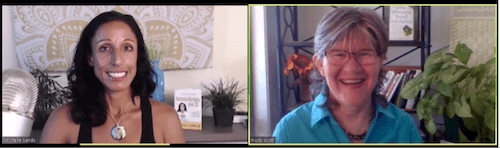
I share my story in my interview on the Perimenopause Summit with summit host Dr. Michelle Sands, and go into great detail about how to use the amino acids in the most effective way to ease anxiety, worry, fear, negative self-talk, ruminations and overwhelm.

I also share a study about tryptophan easing PMS symptoms in just 3 cycles, as well as some of my other tips for PMS symptom relief (think liver support).

I also talk about a topic that no-one is addressing and yet there is such a simple solution for this excruciatingly painful condition called proctalgia fugax. You may not have heard this term but if you have you know it! In the medical literature it is described as “a condition that leads to rectal spasms and sharp fleeting pain in the lower rectum or anus.” Sublingual GABA works miracles in a few minutes).

My interview – Amino Acid Therapy for Anxiety

  • Problems with commonly prescribed anti-anxiety meds
  • How food affects mood
  • Right and wrong way to use amino acid therapy

Unfortunately, hormone and women’s health issues are incredibly misdiagnosed and misunderstood, leaving many women feeling hopeless, broken and stuck.

Dr. Michelle gets all this because she was also there, in her 20s with irregular and absent periods, mood swings, joint pain, infertility, low libido, digestive issues and insomnia. She was told her ovaries had failed and to manage her symptoms for the rest of her life with birth control pills, antidepressants and other medications. So, she found a better way — a natural way to help her body heal itself — and she’s here to teach you how to do the very same, no matter whether you’re in your 20s or decades older!

The pyroluria perimenopause connection

There are little known connections between pyroluria (a social anxiety condition) and perimenopause.

The nutrients, zinc, vitamin B6 and evening primrose oil, eliminate the social anxiety symptoms and have a direct tie in to perimenopause because these same nutrients:

  • are needed to make neurotransmitters like GABA and serotonin
  • are also are needed to make our sex hormones (and help so much with PMS and perimenopausal hormone imbalance)

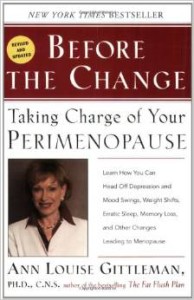
In my interview with Dr. Michelle I also share how I discovered I had pyroluria before I even knew what pyroluria was. I was in perimenopause and had terrible PMS. I read Ann Louise Gittleman’s wonderful book Before the Change: Taking Charge of Your Perimenopause (my Amazon link), and she recommended zinc, vitamin B6, and evening primrose oil for PMS symptoms. Once I started taking these nutrients I had fewer hormonal issues and they helped so much with my social anxiety.

A few years later when I was working with clients with pyroluria and I looked at the pyroluria questionnaire I thought: “that looks like me, maybe I’ve got this too!” I did the urine test and I discovered that I have pyroluria.

In my interview I talk about :

  • the pyroluria-introvert connection and why I believe there is a nutritional aspect to introversion and it’s not purely a personality trait
  • the pyroluria-Lyme connection and how Klinghardt feels that Lyme Disease cannot be treated until the underlying pyroluria is addressed

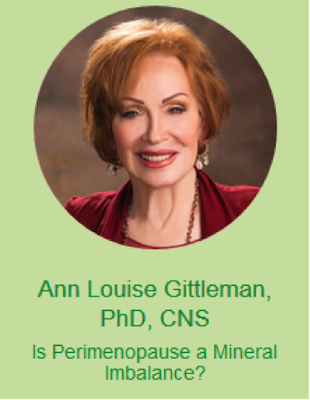
Be sure to also tune in to Ann Louise Gittleman’s interview. Her discussion about zinc and copper is a perfect complement to my interview.

Ann Louise Gittleman, PhD, CNS: Is Perimenopause a Mineral Imbalance?

  • Do you have toxic levels of this mineral (copper)?
  • Best way to test mineral imbalance
  • Overcoming nutrient and mineral imbalance

Adrenal health is so important during perimenopause

Adrenal health is so important during perimenopause. This is covered in this interview – Adrenals are a Perimenopausal Gal’s Bestie with Marcelle Pick MSN, OB-GYN, NP. She covers the following:

  • Role of the adrenal glands in hormone balance
  • Causes and consequences of adrenal burnout
  • Caring for your adrenals.

And shares these gems:

  • Prior to menopause about 15% of our sex hormones are produced by our adrenals and after menopause it’s 30% – this is why adrenal health is so important!
  • When you are stressed the adrenals will make cortisol at the expense of estrogen and progesterone

She also talks about how we handle stress impact the adrenals and why it’s so important to work on lifestyle changes. One great example she shares is this: “are we a perfectionist and do we expect too much of ourselves?”

I’d like to add to this and say that the first step is recognizing that you are a perfectionist and reminding you that perfectionism is a classic sign of low serotonin. That way you can consider using the amino acids tryptophan or 5-HTP to say goodbye to perfectionism and ease some of your stress.

I talk all about low serotonin in my interview but want to help you make this connection as you listen to Dr. Marcelle’s and my interviews.

Dr. Marcelle also discusses what to eat, some of her favorite adaptogenic herbs for the adrenals, exercise advice (and why to do less when you are healing your adrenals) and the effects of childhood trauma.

Do let us know if any of this resonates with you and feel free to post questions in the comments below.

Filed Under: Women's health Tagged With: adrenals, GABA, Michelle Sands, perimenopause, pyroluria, stress

I have issues with perimenopausal anxiety a couple of weeks per month and don’t want to turn to SSRIs.

March 8, 2019 By Trudy Scott 10 Comments

My challenges with anxiety have been hormonal. I’ve had issues with both postpartum anxiety and now perimenopausal anxiety a couple of weeks per month as I’m approaching menopause. I don’t want to turn to SSRIs but some days are pretty miserable and most other days I feel fine. Any info you have to share regarding this topic or any natural solutions would be of great interest.

When I’m working with a client who reports symptoms like this we start with serotonin and GABA support; determine if they have low zinc, low vitamin B6 and low iron. I also always ask the question: are you on the birth control pill (now or in even in the past).

I’ve blogged about much of this in the past so I’m going to share snippets and blogs for further reading.

Serotonin support with tryptophan for immediate worry-type anxiety relief

In a study published in 1999, A placebo-controlled clinical trial of L-tryptophan in premenstrual dysphoria, tryptophan was found to reduce symptoms of PMS when used in the luteal phase or second half of the cycle (i.e. after ovulation).

This is very typical when I’m working with someone with both PMS (premenstrual syndrome) and perimenopausal anxiety, depression, irritability and mood swings. It typically takes 2 to 3 cycles for an amino acid like tryptophan to have an impact on the cyclical nature of your perimenopausal symptoms.

However, tryptophan does typically start to work right away on the less severe anxiety and mood symptoms assuming you find the ideal dose for your needs. I use the trial method to help my clients figure this out.

When you boost serotonin you also reduce the worry-in-your-head and ruminating type of anxiety, and end to panic attacks and phobias, a boost of confidence, no more depression and negativity, imposter syndrome that is no more, an end to your anger issues and irritability, an improvement in sleep and no more afternoon/evening cravings for something sweet.

You can read more about tryptophan here: Tryptophan for the worry-in-your-head and ruminating type of anxiety

GABA support for relief from tension-type anxiety

During perimenopause progesterone is often low and when it is low, we can expect GABA to be low too. Research confirms low GABA and high glutamate-glutamine in premenstrual dysphoric disorder (PMDD) and that shifting hormones may lead to dysregulation of GABA which contributes to HPA axis dysfunction. The HPA (hypothalamic pituitary adrenal) axis is your stress response system and when it’s not functioning well you are more susceptible to the effects of stress and more likely to feel depressed and anxious.

If your GABA levels are low you will feel increased physical tension and insomnia. The amino acid GABA, opened on to the tongue, can provide calming results within minutes.

Dee likes the instant calm and compares how it worked as well as Xanax had worked for her in the past:

I have taken Xanax in the past for panic attacks. My functional medicine doctor suggested this product as I wanted a natural product. I was amazed how it works just like the Xanax did – instant calm feeling within 10 mins of taking 2 capsules. I use them as needed when I am having heightened stress and anxiety.

Low zinc, low vitamin B6 and/or low iron?

Low iron/ferritin is common if you’re still having a period and it’s one of the important -cofactors for making serotonin, thyroid hormones and the sex hormones. Low iron, together with low vitamin B6 plays a role in anxiety and panic attacks. In one study premenopausal women who had been admitted to the emergency room with panic attacks were found to have both low iron and low vitamin B6. I have an entire blog post on this topic here

The other key co-factor for making serotonin is zinc. You’ll want to look into and address pyroluria if you feel more anxious in social situations like family gatherings, going to church events or community picnics, or even while doing business networking or in work meetings. The key nutrients for pyroluria are zinc and vitamin B6 and both help with PMS and perimenopausal anxiety, and hormone balance.

Are you on the birth control pill?

I recently reviewed Beyond the Pill A 30-Day Program to Balance Your Hormones, Reclaim Your Body, and Reverse the Dangerous Side Effects of the Birth Control Pill by Dr. Jolene Brighten.

If you currently on the pill or have been in the recent past read the above review and get the book to give you an excellent understanding of what may be going on with your body.

Dr. Jolene shares that mood disruption is common and mentions a study in the Journal of the American Medical Association which reports the following:

women who began the pill were more likely to be prescribed an antidepressant – which means it contributes to a bit more than moodiness

She writes in great detail about Post–birth control syndrome (PBCS) which is “is a constellation of symptoms women experience when they discontinue hormonal birth control.” She has found the symptoms of PBCS typically occur in the first 4-6 months after stopping the pill. As well as mood swings and anxiety, you may also experience heavy bleeding or no period, acne, headaches, infertility, pill-induced PCOS (polycystic ovarian syndrome), hypothyroidism, gut issues and even autoimmune symptoms.

You also want to reduce your stress levels. Here are some ideas for you:

  • Get into nature and experience the incredible benefits of forest bathing
  • Do some bird-watching in your backyard or at a nearby park: People living in neighborhoods with more birds, shrubs and trees are less likely to suffer from depression, anxiety and stress
  • Get outside and start bouldering or go and “play” in a climbing gym: A growing body of research suggests that bouldering, a form of rock climbing, can help build muscle and endurance while reducing stress

All the above is a great starting point. You also want to consider adrenal support if needed; and support liver health, together with dietary changes, addressing gut health and thyroid health, getting toxins out of your life and figuring out whatever your own root causes may be.

Here is the link to the amino acids and pyroluria supplements I use with my clients.

Have you found that any of the above has helped you with your PMS or perimenopausal anxiety?

Do you have any stress-relief tips to share with other women who find themselves so stressed out at this age?

Feel free to post questions here too.

Filed Under: Women's health Tagged With: adrenals, anxiety, Beyond the Pill, bird-watching, bouldering, depression, forest bathing, GABA, iron, perimenopause, serotonin, stress, the pill, vitamin B6, zinc

The Anxiety Summit – The Parasite/Anxiety Connection

May 9, 2015 By Trudy Scott 46 Comments


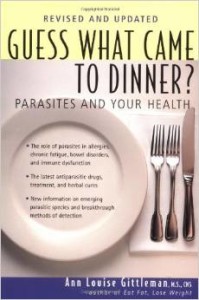
Ann Louise Gittleman PhD, CNS, author of The Fat Flush Plan and Guess What Came to Dinner, was interviewed on the Anxiety Summit by host of the Anxiety Summit, Trudy Scott, Food Mood Expert and Nutritionist, author of The Antianxiety Food Solution.

The Parasite/Anxiety Connection

  • How common are parasites and how do we become infected (even if we live in a first world country)
  • How do parasites contribute to anxiety and depression and even schizophrenia
  • Other symptoms of a parasitic infection
  • How to avoid being exposed to parasites
  • How to test for parasites and how do we get rid of the parasite/s

Here are some gems from our interview:

Parasitic infections in the USA are far more common than you would expect – in fact the estimates are that 1 in every 3 people have a parasite or more than one

Parasites can contribute to or cause anxiety and fear by altering “hormonal and neurotransmitter communication and/or direct interference with the neurons and brain regions that mediate behavioural expression”

According to folklore, parasites are more active around the full moon, so testing and treating around this time may yield better results

Toxoplasma gondii is one parasite that has been researched a great deal and is one that has big implications for anxiety and other mood conditions, especially schizophrenia.

Ann Louise shared this interesting article from Scientific American called Toxoplasma’s Dark Side: The Link Between Parasite and Suicide

In 2003, E. Fuller Torrey of the Stanley Medical Research Institute in Bethesda, Maryland his colleagues noted a link between Toxoplasma and schizophrenia – specifically, that women with high levels of the parasite were more likely to give birth to schizophrenics-to-be

scientists have discovered a link between suicide and parasite infection

In 2006, researchers linked Toxoplasma infection to neuroticism in both men and women.

When we are infected with a parasite like Toxoplasma gondii, our immune system goes on the offensive, producing a group of molecules called cytokines that activate various immune cell types. The exact mechanism by which cytokines cause depression and other mental illnesses is poorly understood, but we do know they are able to pass the blood-brain barrier and alter neurotransmitters like serotonin and dopamine in the brain.

Here is the parasite testing and products we discussed:  

The Expanded GI panel (for testing)

Colon Cleaning kit with Verma-Plus and Para- Key (together with a probiotic)

Verma-Plus contains the Native American herb called Centaury (aerial portion) (Centaurium erythraea)

It seems to have antimicrobial properties too: Volatile organic compounds from Centaurium erythraea Rafn (Croatia) and the antimicrobial potential of its essential oil.

And gastroprotective effects: Gastroprotective effect of small centaury (Centaurium erythraea L) on aspirin-induced gastric damage in rats.

We also talked about using filtered water for washing fruits and vegetables and this is the water filter Ann Louise recommends: Countertop Ultra-Ceramic Water Filter. “It purifies your tap water for the removal of incoming contaminants including parasites, chlorine, chloramines, heavy metals, cloudiness and sediment. The ceramic filter also inhibits the growth of bacteria”

Ann Louise has written many wonderful books.  Here are three of them that were mentioned in this interview:

Guess What Came to Dinner? Parasites and Your Health (this is the book about parasites)

Ann Louise Gittleman_guess what came to dinner


Before the Change: Taking Charge of Your Perimenopause (this is the one that helped me so much when I was in my late thirties and having perimenopausal symptoms – with the zinc, vitamin B6 and evening primrose oil )

Ann Louise Gittleman_before the change


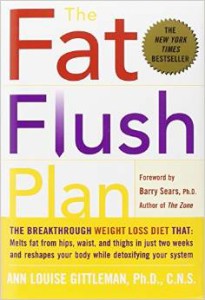
The Fat Flush Plan (this is one of many her classic weight loss books)

AnnLouiseGittleman_fat flush plan


Here is her gift: a 50-Page Report on Parasites – Still the Greatest Masqueraders of All Time

If you are not already registered for the Anxiety Summit you can get live access to the speakers of the day here: www.theAnxietySummit.com

Missed this interview or can’t listen live? Or want this and the other great interviews for your learning library? Purchase the MP3s or MP3s + transcripts and listen when it suits you.

You can find your purchasing options here: Anxiety Summit Season 1, Anxiety Summit Season 2, and Anxiety Summit Season 3.

Filed Under: Antianxiety, Parasites, Testing, The Anxiety Summit 3 Tagged With: ann louise gittleman, parasites, perimenopause, schizophrenia, the anxiety summit, toxoplasma gondii, Trudy Scott

Primary Sidebar

NEW! GABA QuickStart Homestudy (with special intro pricing)

gaba quickstart homestudy

Free Report

9 Great Questions Women Ask about Food, Mood and their Health

You'll also receive a complimentary subscription to my ezine "Food, Mood and Gal Stuff"


Connect with me

Popular Posts

  • Amino Acids Mood Questionnaire from The Antianxiety Food Solution
  • The Antianxiety Food Solution Amino Acid and Pyroluria Supplements
  • Pyroluria Questionnaire from The Antianxiety Food Solution
  • Collagen and gelatin lower serotonin: does this increase your anxiety and depression?
  • Tryptophan for the worry-in-your-head and ruminating type of anxiety
  • GABA for the physical-tension and stiff-and-tense-muscles type of anxiety
  • The Antianxiety Food Solution by Trudy Scott
  • Seriphos Original Formula is back: the best product for anxiety and insomnia caused by high cortisol
  • Am I an anxious introvert because of low zinc and vitamin B6? My response to Huffington Post blog
  • Vagus nerve rehab with GABA, breathing, humming, gargling and key nutrients

Recent Posts

  • What do I use instead of Seriphos to help lower high cortisol that is affecting my sleep and making me anxious at night?
  • BeSerene™ GABA/theanine cream eases severe muscle tension in her neck/shoulders, prevents her bad headaches and quells her anxiety
  • How the correct approach, dose and sublingual use of GABA can be calming and not cause a flushed and itchy face and neck
  • The amino acid glutamine improves low mood by addressing gut health, and it has calming effects too
  • Flight anxiety with heightened breath, physical tension and also fearing the worst (the role of low GABA and low serotonin)

Categories

  • 5-HTP
  • AB575
  • Addiction
  • ADHD
  • Adrenals
  • Alcohol
  • Allergies
  • Alzheimer's disease
  • Amino Acids
  • Anger
  • Antianxiety
  • Antianxiety Food Solution
  • Antidepressants
  • Anxiety
  • Anxiety and panic
  • Autism
  • Autoimmunity
  • benzodiazapines
  • Bipolar disorder
  • Books
  • Caffeine
  • Cancer
  • Candida
  • Children/Teens
  • Collagen
  • Cooking equipment
  • Coronavirus/COVID-19
  • Cravings
  • Depression
  • Detoxification
  • Diabetes
  • Diet
  • DPA/DLPA
  • Drugs
  • EFT/Tapping
  • EMF
  • EMFs
  • Emotional Eating
  • Endorphins
  • Environment
  • Essential oils
  • Events
  • Exercise
  • Fear
  • Fear of public speaking
  • Fertility and Pregnancy
  • Fish
  • Food
  • Food and mood
  • Functional neurology
  • GABA
  • Gene polymorphisms
  • General Health
  • Giving
  • Giving back
  • Glutamine
  • Gluten
  • GMOs
  • Gratitude
  • Gut health
  • Heart health/hypertension
  • Histamine
  • Hormone
  • Hyperparathyroidism
  • Hypoglycemia
  • Immune system
  • Inflammation
  • Insomnia
  • Inspiration
  • Introversion
  • Joy and happiness
  • Ketogenic diet
  • Lithium orotate
  • Looking awesome
  • Lyme disease and co-infections
  • MCAS/histamine
  • Medication
  • Men's health
  • Mental health
  • Mercury
  • Migraine
  • Mold
  • Movie
  • MTHFR
  • Multiple sclerosis
  • Music
  • NANP
  • Nature
  • Nutritional Psychiatry
  • OCD
  • Osteoporosis
  • Oxalates
  • Oxytocin
  • Pain
  • Paleo
  • Parasites
  • Parkinson’s disease
  • PCOS
  • People
  • PMS
  • Postpartum
  • PTSD/Trauma
  • Pyroluria
  • Questionnaires
  • Real whole food
  • Recipes
  • Research
  • Schizophrenia
  • serotonin
  • SIBO
  • Sleep
  • Special diets
  • Sports nutrition
  • Stress
  • Sugar addiction
  • Sugar and mood
  • Supplements
  • Teens
  • Testimonials
  • Testing
  • The Anxiety Summit
  • The Anxiety Summit 2
  • The Anxiety Summit 3
  • The Anxiety Summit 4
  • The Anxiety Summit 5
  • The Anxiety Summit 6
  • Thyroid
  • Thyroid health
  • Toxins
  • Tryptophan
  • Tyrosine
  • Uncategorized
  • Vegan/vegetarian
  • Women's health
  • Yoga

Archives

  • October 2025
  • September 2025
  • August 2025
  • July 2025
  • June 2025
  • May 2025
  • April 2025
  • March 2025
  • February 2025
  • January 2025
  • November 2024
  • October 2024
  • September 2024
  • August 2024
  • July 2024
  • June 2024
  • May 2024
  • April 2024
  • March 2024
  • February 2024
  • January 2024
  • December 2023
  • November 2023
  • October 2023
  • September 2023
  • August 2023
  • July 2023
  • June 2023
  • May 2023
  • April 2023
  • March 2023
  • February 2023
  • January 2023
  • December 2022
  • November 2022
  • October 2022
  • September 2022
  • August 2022
  • July 2022
  • June 2022
  • May 2022
  • April 2022
  • March 2022
  • February 2022
  • January 2022
  • December 2021
  • November 2021
  • October 2021
  • September 2021
  • August 2021
  • July 2021
  • June 2021
  • May 2021
  • April 2021
  • March 2021
  • February 2021
  • January 2021
  • December 2020
  • November 2020
  • October 2020
  • September 2020
  • August 2020
  • July 2020
  • June 2020
  • May 2020
  • April 2020
  • March 2020
  • February 2020
  • January 2020
  • December 2019
  • November 2019
  • October 2019
  • September 2019
  • August 2019
  • July 2019
  • June 2019
  • May 2019
  • April 2019
  • March 2019
  • February 2019
  • January 2019
  • December 2018
  • November 2018
  • October 2018
  • September 2018
  • August 2018
  • July 2018
  • June 2018
  • May 2018
  • April 2018
  • March 2018
  • February 2018
  • January 2018
  • December 2017
  • November 2017
  • October 2017
  • September 2017
  • August 2017
  • July 2017
  • June 2017
  • May 2017
  • April 2017
  • March 2017
  • February 2017
  • January 2017
  • December 2016
  • November 2016
  • October 2016
  • September 2016
  • August 2016
  • July 2016
  • June 2016
  • May 2016
  • April 2016
  • March 2016
  • February 2016
  • January 2016
  • December 2015
  • November 2015
  • October 2015
  • September 2015
  • August 2015
  • July 2015
  • June 2015
  • May 2015
  • April 2015
  • March 2015
  • February 2015
  • January 2015
  • December 2014
  • November 2014
  • October 2014
  • September 2014
  • August 2014
  • July 2014
  • June 2014
  • May 2014
  • April 2014
  • March 2014
  • February 2014
  • January 2014
  • December 2013
  • November 2013
  • October 2013
  • September 2013
  • August 2013
  • July 2013
  • June 2013
  • May 2013
  • April 2013
  • March 2013
  • February 2013
  • January 2013
  • December 2012
  • November 2012
  • October 2012
  • August 2012
  • July 2012
  • June 2012
  • May 2012
  • April 2012
  • March 2012
  • February 2012
  • January 2012
  • December 2011
  • November 2011
  • October 2011
  • September 2011
  • August 2011
  • July 2011
  • June 2011
  • May 2011
  • April 2011
  • March 2011
  • February 2011
  • January 2011
  • December 2010
  • October 2010
  • September 2010
  • July 2010
  • May 2010
  • April 2010
  • March 2010
  • February 2010
  • January 2010
  • November 2009

Share the knowledge!

The above statements have not been evaluated by the Food and Drug Administration. Products listed in this website are not intended to diagnose, treat, cure or prevent any disease.

The information provided on this site is for informational and educational purposes only and is not intended as a substitute for advice from your physician or other health care professional. You should consult with a healthcare professional before starting or modifying any diet, exercise, or supplementation program, before taking or stopping any medication, or if you have or suspect you may have a health problem.


Copyright © 2026 Trudy Scott. All Rights Reserved. | Privacy | Terms and Conditions | Refund Policy | Medical Disclaimer

Free Report

9 Great Questions Women Ask about Food, Mood and their Health

You’ll also receive a complimentary subscription to my ezine “Food, Mood and Gal Stuff”