• Skip to primary navigation
  • Skip to main content
  • Skip to primary sidebar

everywomanover29 blog

Food, Mood and Women's Health – Be your healthiest, look and feel great!

  • Blog
  • About
  • Services
  • Store
  • Resources
  • Testimonials
  • The Book
  • Contact
  • Search this site

panic

Seriphos to lower high cortisol: Help prevent an adrenaline-type surge and waking with anxiety and panic. Your questions answered

January 26, 2024 By Trudy Scott 16 Comments

seriphos and high cortisol

When you have high night-time cortisol it can cause you to wake in the middle of the night with anxiety and/or feeling like you’re having a panic attack. If your cortisol is really high in the early morning (outside of the normal range), you can also wake with a jolt and feelings of anxiety and panic. Seriphos, a phosphorylated serine product, can help to lower your high cortisol and eventually prevent these symptoms.

Today I’m addressing your questions about how to use Seriphos to lower high cortisol and help prevent an adrenaline-type surge – like dosing/timing at night and in the early morning, how long you can take it for, cortisol salivary testing, interactions, brands and another option to Seriphos.

Soma shared her symptoms on Facebook when I said I’d be taking questions:

Can feel the adrenaline rush “crash” over me. I responded so so to beta blockers but still having fitful sleep and occasional “shocks” into wakefulness in the night as if tragedy struck … fight or flight upon waking. Tremendous night sweats. Generally hyper vigilant as a person.

This is her question: “What dosage and when to take (how soon before bed) is recommended?”

Addressing dosage and timing is a good place to start (and a common question) but I asked her if she has done a 4-5x cortisol salivary collection to confirm that her night time cortisol is high. She has not done this simple and very effective adrenal test and I highly recommend it before using Seriphos. The reason is that low cortisol can often have similar symptoms to high cortisol and using Seriphos is going to make things worse.

What dosage and when to take Seriphos (how soon before bed) is recommended?

Assuming Soma has done the adrenal saliva test and knows her middle of the night cortisol (5th saliva collection) is high, using 1-3 capsules a few hours before the high cortisol seems to be most effective. For example, for 2-4 am waking this typically means taking Seriphos right before bed. In some instances, taking 1 on waking in the night can help too (for a maximum of 3).

If her late evening 10 pm (4th saliva collection) is high too, the dose can be split. For example, taking 1 Seriphos at 7- 8 pm (a few hours before the high cortisol at 10 pm) and 1-2 right before bed for the 2 -4 am high cortisol.

The bottle states to use 1 capsule with water 15 minutes before a meal. I’m really not sure why they state this.

How to use Seriphos for high morning cortisol and adrenaline surge on waking?

Syd asks this question about high morning cortisol (as confirmed by saliva adrenal testing):

Opinion about using it for confirmed high MORNING cortisol? (Yup, I know cortisol is supposed to be highest in the morning, but this is off the charts, literally, high.)

“Adrenaline surge” or “catecholamine surge” is exactly how I’ve explained it to people!! No cognitive worrying, just that surge.

Because Seriphos works best taken a few hours in advance of high cortisol, I typically have clients use Lactium in this situation. It’s a hydrolyzed casein product that also lowers high cortisol. If casein is an issue then Relora is another option. I’ve blogged about both – Lactium here and Relora here.

One other option is to experiment with Seriphos – using it in the morning and also trying it at bedtime.

Should I take two Seriphos? I wake halfway through the night

Anne asks this question:

I only take one capsule? Should I take two? I wake halfway through the night, usually due to a full bladder. I fall back to sleep easily if I use a CBD gummy. Tested high for cortisol throughout the day on a DUTCH complete test, which measures at least 4 times.

Anne has done a DUTCH test which includes 4 adrenal saliva collections but doesn’t know if her cortisol is high in the middle of the night.  As mentioned above, 1-3 capsules of Seriphos is ideal so I have clients start with 1 and increase to 2 and then 3. Since her cortisol is high throughout the day she may do better using Seriphos in the day and continuing with CBD at night when she wakes.

She may also want to consider low GABA and/or low serotonin as factors causing her to not sleep through the night. This applies to anyone using Seriphos to lower high cortisol. More on amino acids below.

If she does have bladder issues addressing this is key too.

For how long can Seriphos be taken?

It is recommended to take a one-month break after 3 months of Seriphos use. Ideally, once some or all the root causes of high cortisol are addressed (like gluten, stress, parasites, infections, trauma etc), you should be able to stop anyway.  Or take a break, retest cortisol and then continue.

Does Seriphos have any interactions? And is there any cohort who should not use it?

Someone asked about using Seriphos with a beta blocker and someone else asked about using it with a SSRI. I’m not aware of any medication interactions but it’s best to always discuss with the prescribing physician.

What brands make Seriphos and where can I find it?
seriphos

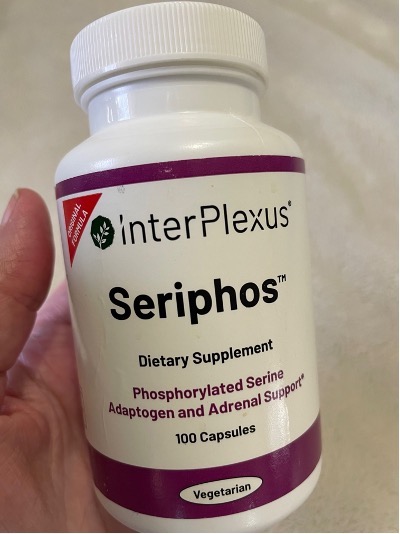
There is only one product and it’s called Interplexis Seriphos. You can purchase this from my online store (Fullscript – only available to US customers – use this link to set up an account) and you can also find it on iherb (use this link to save 5%).
de-stress
bioactive milk peptides

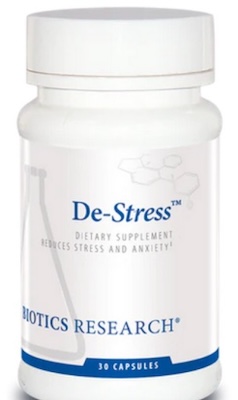
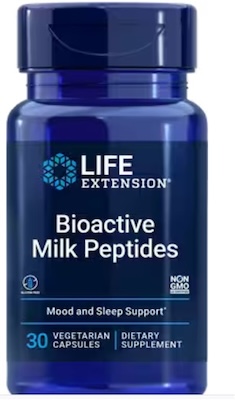
Since I mentioned Lactium above, Biotics Research De-Stress contains 150mg hydrolyzed casein or lactium. You can find this in my online Fullscript too – use this link to set up an account.  For non-US customers, Life Extension Bioactive Milk Peptides also contains 150mg hydrolyzed casein or lactium (you’ll see casein decapeptide and lactium on the label.)  You can find this on iherb (use this link to save 5%).

Additional resources when you are new to using amino acids as supplements

We use the symptoms questionnaire to figure out if low serotonin or low GABA and other neurotransmitter imbalances may be an issue for you.

If you suspect low levels of any of the neurotransmitters and do not yet have my book, The Antianxiety Food Solution – How the Foods You Eat Can Help You Calm Your Anxious Mind, Improve Your Mood, and End Cravings, I highly recommend getting it and reading it before jumping in and using amino acids on your own so you are knowledgeable. And be sure to share it with the practitioner/health team you or your loved one is working with.

There is an entire chapter on the amino acids and they are discussed throughout the book in the sections on gut health, gluten, blood sugar control, sugar cravings, anxiety and mood issues. The importance of quality animal protein is also covered.

The book doesn’t include product names (per the publisher’s request) so this blog, The Antianxiety Food Solution Amino Acid and Pyroluria Supplements, lists the amino acids that I use with my individual clients and those in my group programs.

If, after reading this blog and my book, you don’t feel comfortable figuring things out on your own (i.e. doing the symptoms questionnaire and respective amino acids trials), a good place to get help is the GABA QuickStart Program (if you have low GABA symptoms too). This is a paid online/virtual group program where you get my guidance and community support.

If you are a practitioner, join us in The Balancing Neurotransmitters: the Fundamentals program. This is also a paid online/virtual program with an opportunity to interact with me and other practitioners who are also using the amino acids.

Have you had success with Seriphos (or Lactium or Relora) to lower high cortisol and help with anxiety, panic and/or adrenaline-type surges?

Have you used Seriphos in combination with amino acids and dietary changes?

If you’re a practitioner do you use Seriphos with clients/patients?

Feel free to share and ask your questions below.
Filed Under: Adrenals, Anxiety and panic, Insomnia Tagged With: adrenaline-type surge, anxiety, cortisol, de-stress, dosage, fight or flight, high cortisol, interactions; GABA Quickstart; Balancing Neurotransmitters: the Fundamentals program for practitioners, jolt, lactium, panic, phosphorylated serine, safe, salivary testing, seriphos, shocks, Timing, waking

How to use bright light therapy for increased anxiety, increased panic and SAD during the cold dark winter months

January 19, 2024 By Trudy Scott 2 Comments

bright light therapy

There is a seasonality to anxiety and panic disorder just as there are seasonal variations in mood for certain susceptible individuals:

Following a clinical observation of increased anxiety symptoms and mood changes during winter in panic disorder patients, the Seasonal Pattern Assessment Questionnaire (SPAQ) was completed by 133 patients. Global Seasonality Scores (GSS), and the prevalence of Seasonal Affective Disorder (SAD), were significantly higher than reported in general population studies.

Seasonal changes were also found in anxiety and panic attacks.

These findings suggest the possibility of a common aetiology [etiology or cause] for panic disorder and SAD, that seasonality may be a far more general phenomenon in psychopathology, and that light therapy may be a useful treatment for some panic disorder patients.

The above abstract is from this paper: Seasonality in panic disorder

If you’re new to bright light therapy or are currently using it with success and would like to learn more, I’d like to point you to this excellent review paper, Bright Light as a Personalized Precision Treatment of Mood Disorders. The authors of the above paper cover some of the basics like how to use bright light for SAD (seasonal affective disorder) or the winter blues, and for how long, possible adverse effects and who should not use bright light therapy (this last aspect is theoretical).

This information about bright light and mood disorders can be applied to anxiety and panic attacks, in addition to SAD.

As you’ll read below there are also often benefits for non seasonal depression, bipolar disorder, fatigue, sleep issues, emotional eating and other conditions too.  And bright light therapy can be used in conjunction with the amino acids tryptophan or 5-HTP, and is often used with psychiatric medications too.

How to use bright light for SAD and winter anxiety/panic and for how long?

You sit in front of the light box or full spectrum lamp – on a table or your desk – with open eyes.  Using a standing lamp as a source of light is another option.

The authors of the Bright Light paper share the following approach for SAD (seasonal affective disorder or the winter blues), all of which is applicable for increased anxiety and panic attacks in winter too):

  • Start with a “duration of 30 minutes, using a light intensity of 10,000 lux.” (more on lux comparisons below)
  • “Early morning administration offers greater chances for remission” (although there is documented research and clinical results that for some folks later in the day works well too).
  • “Measured at eye level, a therapeutic distance of 60–80 cm from the light box can be seen as standard requirements (some other devices recommend a distance of 30 cm, so we advise to follow the device recommendations that take into account light parameters and distance).” Most of the lights/devices I recommend state a distance of 30 cm so it’s best to follow the manufacturer’s guidelines.
  • “Lower intensities also appear to be effective, but need longer exposure durations: 2,500 Lux for 2 hours per day or 5,000 Lux for 1 hour a day.” This means sitting further away may allow you to sit in front of the lamp/device for longer duration and get the same benefits.
  • “Significant effects appear only at 2–3 weeks of treatment.” Based on my clinical results, I have clients start to feel some improvements right away with the correct distance and a good lamp.
  • “Treatment is usually continued until the time of usual spontaneous remission in the spring or summer” (and is ideally started as fall/autumn starts to approach rather than in the middle of winter).

I’m also adding this missing and yet important fact from another paper: “The light box is angled ~30° from the line of gaze. The user does not stare directly into the light.”

They also discuss guidelines for year round use of bright light therapy for non-seasonal unipolar depression, another term for major depressive disorder. And midday or morning use for bipolar depression (when on mood stabilizers). I share more about this in my blog: Midday bright light therapy for bipolar depression. I refer you to the study for this information so it can be discussed with your doctor.

Bright light therapy for insomnia and decreased alertness/fatigue

The Bright Light paper also mentions how light therapy “may also be useful to improve sleep quality” … and … “abnormalities in circadian rhythms such as sleep phase delay syndrome, that are frequently associated in mood disorders.”

The authors also mention how light therapy can also help “decreased alertness”, presumably as a result of poor sleep.

Clinically, I see these benefits for clients in similar ways that tryptophan or 5-HTP help with sleep issues. This is related to the serotonin boosting mechanism of bright light therapy. Keep in mind anxiety and panic are symptoms of low serotonin.

What are some possible adverse effects of bright light therapy?

The authors state that bright light therapy “is well-tolerated by patients; adverse effects such as headache, eyestrain, nausea and agitation, are usually transient and mild.” Clinically, I have seldom seen clients experience headache, eyestrain and nausea.

However, I have seen agitation and other low serotonin symptoms get worse – like feeling more sad or more worried or more angry or more irritated or more sleep issues (or all of the above). Too much bright light therapy can ramp up low serotonin symptoms in a similar way that too much tryptophan or 5-HTP can. In other words, it can be overdone and more is not necessarily better. You have to find a balance and figure out what works best for your needs.

I also have clients who are prescribed antidepressants discuss light therapy with their prescribing doctor as I suspect there is the possibility of serotonin syndrome. I don’t see any reports of this in the research and a number of reports of bright light therapy being used successfully in conjunction with antidepressants.

Who should not use bright light therapy?

The authors share these contraindications: “ophthalmic disorders (cataract, macular degeneration, glaucoma, retinitis pigmentosa) and disorders affecting the retina (retinopathy, diabetes, herpes, etc.).” They recommend getting an eye examination if you are in doubt.

Other papers state that the above is theoretical and there are no documented cases of eye damage from bright light therapy. But if you suspect you may be at high risk, get the approval from your ophthalmologist and ongoing monitoring too.

Recommended lights, lamps and panels: always 10,000 lux

This blog post, Winter blues or SAD: light therapy has been updated (as of Jan 2024) with new links for recommended lights/lamps/panels, all 10,000 lux. You can also read feedback from folks who use and find the benefits of full spectrum light or bright light therapy. For example, Chrstine shared this:

My office is the darkest room in the house and I have one sitting on my desk, especially helpful in the winter. This is the second Verilux Happy Light I have used and I really like it. Living in Nevada where there is sunshine over 330 days of the year I am so accustomed to light and brightness that if I am in a dark room or space for too long it really affects me. This has been a great product for me and I can recommend it.

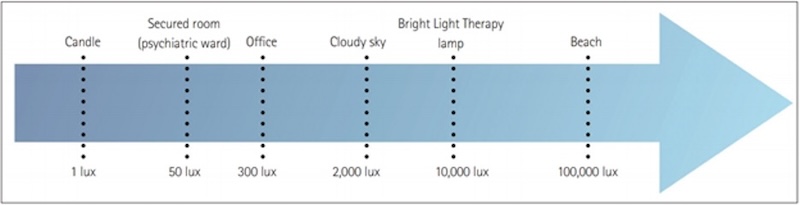
If you’re curious about lux, it is a unit of illumination and this paper, Light Therapy in Mood Disorders: A Brief History with Physiological Insights, includes this very useful lux comparison image:

light therapy and mood disorders
The above is shared under the Creative Commons Attribution License and can be found here .

The combination of using bright light therapy with amino acids such as tryptophan and 5-HTP

I often recommend the use of light therapy in conjunction with amino acids such as tryptophan and 5-HTP. This offers additional serotonin support and helps ease worry-type anxiety, panic attacks, low mood, insomnia, cravings and more. I discuss this combination approach in the winter blues blog.

When someone is already using amino acids with some success, we may just add light therapy and keep amino acid dosing the same or we may use higher doses of amino acids like tryptophan, 5-HTP and GABA during the winter months. We may also use both depending on the person’s unique needs.

I had one client who did really well with tryptophan: his anxiety decreased dramatically but then ramped up before winter. Increasing tryptophan was too much for him so we kept the original tryptophan dose and he started bright light therapy. This worked very well for him until the end of spring when he was able to stop the light therapy.

I also share links to increased OCD (obsessive compulsive disorder), intrusive thoughts, PMDD (premenstrual dysphoric disorder), PMS (premenstrual syndrome), binge eating/emotional eating and drinking/alcoholism in the winter months – and the role of light therapy and amino acids.

Additional resources when you are new to using tryptophan or other amino acids as supplements

We use the symptoms questionnaire to figure out if low serotonin or other neurotransmitter imbalances may be an issue for you.

If you suspect low levels of any of the neurotransmitters and do not yet have my book, The Antianxiety Food Solution – How the Foods You Eat Can Help You Calm Your Anxious Mind, Improve Your Mood, and End Cravings, I highly recommend getting it and reading it before jumping in and using amino acids on your own so you are knowledgeable. And be sure to share it with the practitioner/health team you or your loved one is working with.

There is an entire chapter on the amino acids and they are discussed throughout the book in the sections on gut health, gluten, blood sugar control, sugar cravings, anxiety and mood issues. The importance of quality animal protein is also covered.

The book doesn’t include product names (per the publisher’s request) so this blog, The Antianxiety Food Solution Amino Acid and Pyroluria Supplements, lists the amino acids that I use with my individual clients and those in my group programs.

If, after reading this blog and my book, you don’t feel comfortable figuring things out on your own (i.e. doing the symptoms questionnaire and respective amino acids trials), a good place to get help is the GABA QuickStart Program (if you have low GABA symptoms too). This is a paid online/virtual group program where you get my guidance and community support.

If you are a practitioner, join us in The Balancing Neurotransmitters: the Fundamentals program. This is also a paid online/virtual program with an opportunity to interact with me and other practitioners who are also using the amino acids.

Do you experience increased anxiety, panic attacks and/or the winter blues in the winter months? Have you had success with bright light therapy?

If yes, which full spectrum lamp have you found to be the most useful? What time of the day do you use it, how often do you use it and for what duration?

Have you used a combination of amino acids and light therapy, and adjusted up your amino acids during the colder and darker winter months?

If you’re a practitioner do you recommend light therapy to your clients/patients?

Feel free to share and ask your questions below.
Filed Under: Amino Acids, Anxiety and panic, Depression, Emotional Eating Tagged With: 000 lux, 10, 5-HTP, anxiety, Bipolar, Bright light therapy, depression, emotional eating amino acids, fatigue, GABA Quickstart; Balancing Neurotransmitters: the Fundamentals program for practitioners, how to use, light therapy, mood, panic, SAD, seasonal affective disorder, seasonality, sleep, tryptophan, winter, winter blues

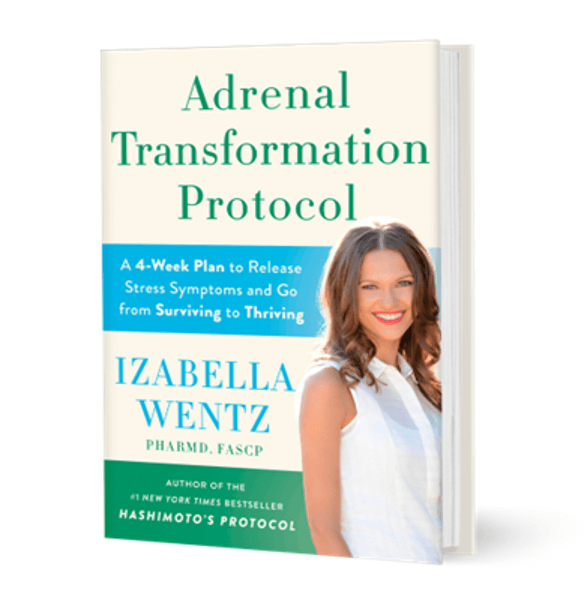
Are adrenal issues causing your anxiety? Highlights from the book: Adrenal Transformation Protocol by Izabella Wentz PharmD

April 21, 2023 By Trudy Scott 8 Comments

adrenal transformation protocol

This is a guest post from my friend and colleague, Dr. Izabella Wentz, who just came out with her latest book, Adrenal Transformation Protocol (my Amazon link). The book is focused on healing your adrenals, and in it she shares specific strategies to support anxiety. Izabella shares a few of the many strategies with you here in this guest post.

You’ll notice that we share many common approaches:

  • Addressing low blood sugar (much more on that below)
  • Caffeine intake: Izabella recommends reducing caffeine but I have found many folks in my community need to quit altogether. I have noticed that those with panic disorders experience increases in symptoms such as nervousness, fear, nausea, heart palpitations, and tremors after consuming caffeine and said the effects were similar to how they felt during a panic attack.
  • Gluten elimination: Interestingly, I have found in my clinical experience and research that there is a connection between gluten and anxiety, social phobia, depression, and even schizophrenia.
  • Using herbal adaptogens, addressing nutrient deficiencies, and even pyroluria which can deplete key nutrients needed for adrenal health (especially when under high amounts of stress).

All of her approaches focus on adrenal health specifically and she has now taken over 3000 people on an adrenal healing journey. And 86% of them reported that their anxiety improved after going through her protocol.

By Dr. Izabella Wentz. PharmD

Stress is at the root cause of many chronic health issues, and very well may be at the root of your anxiety, too. Chronic stress can put a burden on our adrenal glands, resulting in an excess of stress hormones like cortisol. The body’s repeated exposure to cortisol can result in increased blood sugar levels, increased heart rate, and increased blood pressure, all of which can lead to feelings of anxiety.

The adrenals are two small glands, located on top of each kidney, that release hormones such as cortisol and adrenaline. Adrenal dysfunction generally occurs when your hypothalamic-pituitary-adrenal (HPA) axis is unable to effectively manage your stress response. The HPA axis describes the interactive feedback loop that takes place among these three endocrine, or hormone-producing, glands. If the communication among these three breaks down, your adrenals and their ability to produce important essential hormones can be jeopardized.

Overactive adrenals can leave you feeling like you’re constantly in “fight or flight” mode. First, your body releases high levels of stress chemicals like adrenaline and cortisol. To ensure you’re ready to defend yourself or run, these chemicals spike your blood sugar, as well as increase heart rate, blood pressure, and insulin levels – making you feel anxious, stressed and wide awake at night.

Chronic stress is one of the most common causes of adrenal dysfunction. Our bodies are well-equipped to respond to acute stressors (like being chased by a bear or getting out of the way of an oncoming car), where we experience activation of the fight-or-flight response, followed by a return to the rest-and-digest state.

However, many of us today face a never-ending presence of stressful, yet non-life-threatening, situations that can lead to the constant activation of the stress response.

With enough chronic stress, the HPA axis becomes overwhelmed and desensitized to the usual feedback loop, and stops sending messages to the adrenals to produce more hormones or less hormones, no matter what’s happening.[1]

Other common causes of adrenal dysfunction include sleep deprivation, blood sugar dysregulation, and chronic inflammation (which are all forms of stress on the body).

Symptoms of poor adrenal function may include the following:

  • Feeling overwhelmed
  • Feeling anxious
  • Feeling tired despite adequate sleep
  • Trouble falling asleep or trouble staying asleep
  • Difficulty getting up in the morning
  • Dependency on caffeine
  • Cravings for salty foods (a.k.a. the “I just ate a whole bag of chips” syndrome)
  • Cravings for sweet foods
  • Increased effort required for everyday activities
  • Intolerance to exercise
  • Low blood pressure
  • Feeling faint/dizzy when getting up quickly
  • Easily startled
  • Mental fog or trouble concentrating
  • Alternating diarrhea/constipation
  • Low blood sugar (often presenting as feeling angry when hungry or, as I like to call it, “hangry”)
  • Decreased sex drive
  • Decreased ability to handle stress
  • Longer healing time
  • Mild depression
  • Less enjoyment in life
  • Feeling worse after skipping meals
  • Increased premenstrual syndrome (PMS)
  • Reduced ability to make decisions
  • Reduced productivity
  • Poor memory

If you have three or more of these symptoms, and if these symptoms developed after experiencing a period of acute or chronic stress, sleep deprivation, an infection, or toxic exposure, chances are that you have adrenal dysfunction.

The anxiety adrenal connection

Anxiety is a hallmark symptom of adrenal dysfunction. When the adrenals are compromised, your resilience to stress starts to go down, and you might start to feel more anxious.

Of course, anxiety and adrenal dysfunction run on a two-way street. Chronic stress and anxiety can tax the adrenals, and weakened adrenals can contribute to feelings of anxiety.[2]

There’s another connection here that I’d like to highlight, and that is the thyroid. The thyroid is impacted by adrenal function, and anxiety can also be connected to thyroid conditions. In fact, I’ve noticed that up to 50 percent of my clients with anxiety have Hashimoto’s, an autoimmune thyroid condition.

A 2004 study found an association between the presence of a mood or anxiety disorder, and the presence of anti-TPO antibodies (indicating Hashimoto’s).[3] It also noted that a slight reduction in thyroid hormone secretion (such as that found in subclinical hypothyroidism) may affect mood as well. Therefore, it’s also possible that the anxiety you are feeling is related to your thyroid.

Anxiety solutions: Use the ABC’s

One of the first places to start is with the ABCs of adrenal health – adaptogens, B vitamins, and vitamin C.

Adaptogens both tone down overactive systems and boost underactive systems in the body, and are thought to help normalize the HPA axis. Examples of adaptogenic herbs that may increase the body’s ability to resist stress include: ashwagandha, astragalus, reishi mushroom, dang shen, eleuthero, ginseng, jiaogulan, licorice, maca, schisandra, spikenard, and suma.

Ashwagandha in particular is helpful for stress and anxiety, and it can also support thyroid health. Research supports that ashwagandha may offer antidepressant, antioxidant, anti-inflammatory and neuroprotective benefits.[4] It also may reduce anxiety, improve sleep, and even help address sexual dysfunction in women.[5]

Rhodiola is another favorite for stress support, mood support, and improved sleep. Sometimes referred to as golden root, rhodiola focuses on our nervous system health. Izabella has found it to be helpful for those with depressed cortisol levels (which can happen in later stages of adrenal dysfunction).

One of the main chemicals in rhodiola is salidroside, found to have neuroprotective effects that reduce the impact of stress on the immune system and the neuro-endocrine system.[6] Studies have found an anti-fatigue effect along with cognitive function improvements, such as memory improvements (during stressful conditions), and it’s also been shown to diminish depressive symptoms.[7]

B vitamins and vitamin C tend to be depleted during times of stress and high cortisol production. In particular, deficiencies in pantothenic acid and biotin (vitamins in the “B” family), have been linked to decreased adrenal function in animals and humans.[8]

Vitamin C is an important antioxidant that helps support the adrenals, mitochondria, collagen production, and immune function.[9] It’s also needed for the production of cortisol.

Supplementing with the ABCs is a really good place to start if you’re experiencing anxiety or adrenal dysfunction.

Balancing blood sugar

One of the most important strategies to reduce your anxiety involves addressing blood sugar issues. Blood sugar swings can put us on an emotional rollercoaster.

After consuming carbohydrate-rich foods, some people find their blood sugar goes up too high, too quickly.

This leads to a rapid, sometimes excessive release of insulin (a hormone that regulates blood sugar levels). These insulin surges can cause low blood sugar, which can cause unpleasant symptoms such as anxiety, nervousness, lightheadedness, fatigue, excessive hunger, and “hanger”.[10]

You can balance your blood sugar by reducing your intake of carbohydrates, and increasing your protein and fat intake. A low-carb or ketogenic diet (a low-carb diet where the body breaks down fats for fuel instead of relying on carbohydrates) could be beneficial for some.

Starting the day off by having a breakfast that is filled with good fats (for example, avocado or coconut milk), as well as a good source of protein, while limiting your intake of sugars (even from fruit). Some options include eggs with avocados, burger patties, or protein and fat-based smoothies. In addition to a good breakfast, eating frequent protein and fat-containing meals and snacks, help to balance your blood sugar throughout the day.

Eat on a schedule to avoid getting “Hangry”

It’s ideal to eat every two to three hours, and avoid high carbohydrate foods, to support balanced blood sugar. This will also help with energy levels, feelings of anxiety, and “hanger”. A typical day would look like this:

  • Start the day with an energizing Adrenal Kick Start (recipe is in the book), followed by a blood-sugar-balancing breakfast smoothie.
  • A mid-morning snack/caffeine-free latte/tea/green juice to help with blood sugar, hunger, hormones, and energy levels.
  • A nourishing and balancing midday lunch.
  • Another snack/caffeine-free latte/tea/green juice two to three hours later.
  • An easy-to-digest dinner is scheduled for the early evening to set up for restful sleep.
  • An optional after dinner snack or tea, to support restful sleep through stable blood sugar levels at night.

Reduce (and ideally eliminate) caffeine

If you’re currently drinking coffee, soda, green tea, or black tea, removing or reducing your intake of caffeine can be helpful for an immediate reduction in anxiety, and is supportive over time to your adrenals.

Some people who are slow metabolizers of caffeine and do not clear it effectively out of their body may not be able to have any caffeine at all – not even chocolate! Others who are fast metabolizers and are able to clear caffeine more quickly from their bodies, may be able to tolerate more daily caffeine without it impacting their anxiety levels.

Regardless of your genes and metabolism of caffeine, the weaker your adrenals and the more unbalanced your blood sugar levels are, the more likely you are to experience anxiety from caffeine. This is because caffeine forces more glucose to be produced by the liver, sending the body on a blood sugar rollercoaster that can trigger anxiety.

If you’re thinking about reducing your caffeine intake, do it gradually over time, instead of quitting cold-turkey, which can cause withdrawal symptoms such as headaches, fatigue and even vomiting.

There are ways to improve energy levels and sleep before trying to get off caffeine, such as supporting your mitochondria and tuning into the circadian rhythm.

[Trudy’s note: be sure to read my comment above about the need to eliminate caffeine altogether in many instances]

Address low magnesium

Research suggests that a magnesium deficiency may be associated with anxiety. Several studies have found that feelings of fear and panic can be greatly reduced with an increased magnesium intake.[11] It has even been shown to have a positive effect on both post-traumatic anxiety and premenstrual anxiety, as well.[12]

Even more interesting, is the understanding that magnesium also controls the hypothalamic-pituitary-adrenocortical (HPA) axis, which is the hub of the body’s stress response system.[13] This could provide some explanation as to why a magnesium deficiency could lead to increased stress and anxiety when the HPA axis is out of balance. Other signs of a magnesium deficiency include headaches, insomnia, constipation, and menstrual cramps.

A magnesium supplement throughout the day may help, or at bedtime if you have insomnia or a racing mind when you’re trying to fall asleep. The citrate version is best if you tend to be constipated (magnesium citrate has stool softening effects), and I recommend the glycinate version if you tend to have normal bowel movements or diarrhea. Keep in mind that, for some people, magnesium glycinate can worsen anxiety symptoms. If you notice that your anxiety increases after taking magnesium glycinate, try switching to magnesium citrate.

Remove reactive foods

The most common food reactions responsible for anxiety symptoms are due to gluten, dairy, soy, grains (especially corn), sugar, caffeine (as discussed above), and surprisingly to some, nuts.[14]

Doing targeted food sensitivity testing, or simply a trial of eliminating the suspect foods for a period of time (with an elimination diet), can help you uncover your food triggers.

If anxiety is not resolved using the strategies above, there are many advanced strategies for anxiety support, and the book provides plenty of information and options for testing.

Address copper toxicity

A toxic buildup of copper may be at the root of anxiety, racing thoughts, mood swings, fatigue, and insomnia.[15] High-copper foods include shellfish, oysters, nuts, seeds, and chocolate. We can also absorb copper from our water and metal pipes and products. Certain medications (oral contraceptives, antacids, copper-rich multivitamins), excess estrogen, copper IUDs, and zinc deficiency can increase our exposure. Many people with adrenal dysfunction have a congested liver, so that is likely one reason copper toxicity is a common root cause.

Reducing copper containing foods, and increase zinc containing foods (non-organ meats, eggs, poultry).

Balance thyroid hormones

Having an excess amount of thyroid hormone can make us extremely anxious, irritable and on edge. This is commonly attributed to Graves’ disease, but can also occur in Hashimoto’s. The ideal TSH for most people is between 0.5-2 μIU/mL. Levels that are too high or too low indicate an imbalance of thyroid hormone levels and have been associated with various symptoms, including anxiety. Work with your doctor to test your thyroid and adjust medication if needed.

Address female hormone imbalances

Estrogen dominance and/or low progesterone may lead to many symptoms like irritability, mood lability, depression, and mood swings.[16] If tests reveal low progesterone, supplementing with oral or topical bioidentical progesterone might just be the chill pill you need.

Address gut infections

An imbalance of gut bacteria can contribute to mood issues. There are also certain overgrowths and gut infections that can impact anxiety levels. For example, overgrowth of Streptococcus bacteria has been associated with obsessive-compulsive disorder.[17] The book includes recommendations for further testing that can help you determine if you have an overgrowth or infection.

Address iron toxicity/overload

A buildup of too much iron can cause irritability and depression.[18] Ferritin levels above 200 ng/dL in women (300 ng/mL in men) can indicate iron toxicity or overload. The book offers several different options for treatment.

Address mold toxicity

There is a big connection between mood issues and mold exposure.[19] If your symptoms appeared or increased after moving into a new home, there’s a good chance your anxiety may be connected to mold exposure.

Address common nutrient deficiencies

Nutrient deficiencies are common in those with adrenal issues, and could be contributing to feelings of anxiety. Address these important nutrients for mood support: omega-3 fatty acids, folate (vitamin B9), iron, vitamin B12, and vitamin D.

Address the social anxiety condition called pyroluria

Symptoms of social anxiety have been associated with pyroluria, which is a condition where there are too many pyrrole molecules in your body.[20] These molecules can deplete your system of essential nutrients that play an important role in mood and adrenal health.

[Trudy’s note: I’m really pleased to see pyroluria mentioned in this book, because it’s not often acknowledged as a condition. I also appreciate the reference, in the pyroluria section, to my work and book, The Antianxiety Food Solution.]

Adrenal Transformation Protocol – for anxiety

Adrenal Transformation Protocol (my Amazon link) provides comprehensive support for the many potential stressors the body can experience, so that you can heal anxiety using a whole body, root-cause approach.

When we address the root causes of adrenal fatigue and anxiety, like blood sugar imbalances, food sensitivities, and nutrient deficiencies, we can increase our resilience and reduce feelings of anxiety!

Adrenal dysfunction often begins after a stressful period in our lives. When the body puts cortisol front and center, rebuilding and repairing go on the backburner, and we can end up with a host of symptoms including fatigue, brain fog, and anxiety.

While most people can bounce back from small stressors, some of us can get caught up in a stress cycle that ends up affecting our physiology. When we are caught in this stress cycle, it throws our hormonal systems out of balance, and leads to us being stuck in “fight or flight” mode. Prolonged “fight or flight” mode eventually leads to burnout, and often contributes to anxiety.

Through years of research, patient study, and work with thousands of clients, my signature protocol has been shown to reverse symptoms of adrenal fatigue. It provides a foundation for optimal health, and can even be one of the keys to resolving anxiety.

In both my own work and Izabella’s, we have found that addressing the adrenals often results in the complete resolution of chronic stress symptoms!

Izabella has experienced multiple bouts of adrenal fatigue and has struggled with anxiety. She realized that her body was responding to the various stress triggers in her environment, and decided to send it safety signals instead, to put it into a healing and rebuilding state. The protocol worked so well for her that she piloted it as a program with a small group in 2020. Despite all of the things that happened in 2020, people reported that the program helped them rebalance their stress response.

Over 3000 people have now completed this protocol, with incredible results, and it’s all in her new book, Adrenal Transformation Protocol (my Amazon link). The book outlines a simple four-week plan to help you recover your adrenal function and resolve symptoms like fatigue, brain fog, depression, and anxiety. The protocol is designed to help you feel calm, strong, excited about life, and brilliant once more!

In addition to reduced brain fog, reduced fatigue, and better sleep, participants reported incredible results in mood – 86 percent reported reduced anxiety and 80 percent reported reduced feelings of nervousness.

Adrenal dysfunction can be a root cause of anxiety. If you’re still experiencing anxiety symptoms and feel like you’ve tried everything, but haven’t yet addressed your adrenal health, I’d highly recommend Adrenal Transformation Protocol (my Amazon link)!

Feel free to share your feedback once you’ve read the book.

Also, let us know if any of the above approaches have helped you address your adrenal issues?

If you have questions and other feedback please share it here too.


[1] Cook SB. Current Controversy: Does Adrenal Fatigue Exist?. Natural Medicine Journal. 2017;9(10).[2] Faravelli C, Lo Sauro C, Lelli L, et al. The role of life events and HPA axis in anxiety disorders: a review. Curr Pharm Des. 2012;18(35):5663-5674. doi:10.2174/138161212803530907

[3] Carta M, Loviselli A, Hardoy M et al. The link between thyroid autoimmunity (antithyroid peroxidase autoantibodies) with anxiety and mood disorders in the community: A field of interest for public health in the future. BMC Psychiatry. 2004;4(1). doi:10.1186/1471-244x-4-25.

[4] Lopresti AL, Smith SJ, Malvi H, Kodgule R. An investigation into the stress-relieving and pharmacological actions of an ashwagandha (Withania somnifera) extract: A randomized, double-blind, placebo-controlled study. Medicine (Baltimore). 2019;98(37):e17186. doi:10.1097/MD.0000000000017186

[5] Dongre S, Langade D, Bhattacharyya S. Efficacy and Safety of Ashwagandha (Withania somnifera) Root Extract in Improving Sexual Function in Women: A Pilot Study. Biomed Res Int. 2015;2015:284154. doi:10.1155/2015/284154

[6]  Lee Y, Jung JC, Jang S, et al. Anti-Inflammatory and Neuroprotective Effects of Constituents Isolated from Rhodiola rosea. Evid Based Complement Alternat Med. 2013;2013:514049. doi:10.1155/2013/514049

[7] Cropley M, Banks AP, Boyle J. The Effects of Rhodiola rosea L. Extract on Anxiety, Stress, Cognition and Other Mood Symptoms. Phytother Res. 2015;29(12):1934-1939. doi:10.1002/ptr.5486

[8] Pan L, Jaroenporn S, Yamamoto T, et al. Effects of pantothenic acid supplement on secretion of steroids by the adrenal cortex in female rats. Reprod Med Biol. 2011;11(2):101-104. Published 2011 Dec

[9] Valdés F. Vitamina C [Vitamin C]. Actas Dermosifiliogr. 2006;97(9):557-568. doi:10.1016/s0001-7310(06)73466-4

[10] Mathew P, Thoppil D. Hypoglycemia. In: StatPearls. Treasure Island (FL): StatPearls Publishing; July 23, 2022.

[11] Boyle NB, Lawton C, Dye L. The Effects of Magnesium Supplementation on Subjective Anxiety and Stress—A Systematic Review. Nutrients. 2017 May; 9(5): 429. doi:10.3390/nu9050429.

[12] Fromm L, Heath DL, Vink R, Nimmo AJ. Magnesium attenuates post-traumatic depression/anxiety following diffuse traumatic brain injury in rats. J Am Coll Nutr. 2004;23(5):529S-533S. doi:10.1080/07315724.2004.10719396

[13] Sartori SB, Whittle N, Hetzenauer A, Singewald N. Magnesium deficiency induces anxiety and HPA axis dysregulation: modulation by therapeutic drug treatment. Neuropharmacology. 2012;62(1):304-312. doi:10.1016/j.neuropharm.2011.07.027

[14] Vatn MH. Food intolerance and psychosomatic experience. Scand J Work Environ Health. 1997;23 Suppl 3:75-78.

[15] Russo AJ. Decreased zinc and increased copper in individuals with anxiety. Nutr Metab Insights. 2011;4:1-5. Published 2011 Feb 7. doi:10.4137/NMI.S6349

[16] Glick ID, Bennett SE. Psychiatric complications of progesterone and oral contraceptives. J Clin Psychopharmacol. 1981;1(6):350-367. doi:10.1097/00004714-198111000-00003

[17] Mell LK, Davis RL, Owens D. Association between streptococcal infection and obsessive-compulsive disorder, Tourette’s syndrome, and tic disorder. Pediatrics. 2005;116(1):56-60. doi:10.1542/peds.2004-2058

[18] Cutler P. Iron overload and psychiatric illness. Can J Psychiatry. 1994;39(1):8-11. doi:10.1177/070674379403900104

[19] Harding CF, Pytte CL, Page KG, et al. Mold inhalation causes innate immune activation, neural, cognitive and emotional dysfunction. Brain Behav Immun. 2020;87:218-228. doi:10.1016/j.bbi.2019.11.006

[20] Mensah A. Mood instability: Pyrrole disorder underlying cause bipolar, DMDD. Mensah Medical. https://www.mensahmedical.com/pyroluria-pyrrole-disorder/. Published July 12, 2016. Accessed February 8, 2023.

Filed Under: Adrenals, Books Tagged With: adaptogens, adrenal issues, Adrenal Transformation Protocol, adrenaline, adrenals, anxiety, B vitamins, caffeine, copper toxicity, cortisol, depression, gluten, hormones, iron overload, izabella wentz, low blood sugar, magnesium, nutrient deficiencies, panic, pyroluria, social phobia, stress

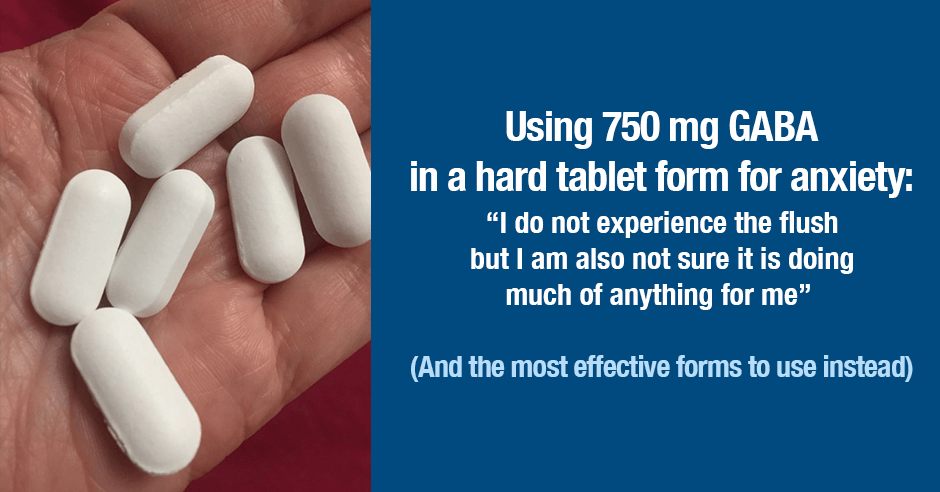
Using 750 mg GABA in a hard tablet form for anxiety: I do not experience the flush but I am also not sure it is doing much of anything for me

July 15, 2022 By Trudy Scott 21 Comments

gaba hard tablet

Today I’m addressing a question from someone in this community about a particular GABA product and her confusion about dosing with 750mg and using a hard tablet (she calls it a pill). When she uses it she doesn’t notice any effect i.e. no calming benefits and no adverse niacin-type tingly flush either. This is what she asked:

Not sure if “Source Naturals GABA Calm Mind” is on your list, but I thought it was one you had recommended at one time? Anyway, these are pills that cannot be opened like a capsule and 1 pill = 750 mg.

Personally, I had the tingly flush when I used a different product that WAS a capsule and opened it on my tongue…unfortunately I do not recall dosage or product name but I purchased at Whole Foods.

With this particular product (Source Naturals GABA Calm Mind) in pill form, although the dosage could be higher, I do not experience the flush…(however, I also am not sure it is doing much of anything for me).

This is my feedback for her: I have never recommended the Source Naturals GABA Calm Mind 750 mg tablet ever (she calls it a pill but I know she is referring to the hard tablets).

These are not a very effective way to use GABA. As you can see, she doesn’t feel it’s doing anything for her in terms of easing her anxiety and being calming. With a high dose of GABA we also often see a niacin-like flush or tingling and yet with this pill/tablet form she didn’t experience this either. GABA is much more effective when used sublingually or opening a capsule (and starting low at 125mg). More on this below.

But I’m not surprised she is confused and asking this question. The Source Naturals GABA Calm Mind has a very similar bottle/name/label to Source Naturals GABA Calm (the sublingual with 125mg GABA) and there is also a Source Naturals GABA Calm Mind 750 mg capsules (which can be opened).

She mentions the tingly flush when using a different product that was a capsule and opened on to her tongue. I’d suspect the tingling happened with a 500 mg GABA or 750 mg GABA product as this is a common dosage found in health stores. Opening the capsule and using less is best when starting out.

If you have to break it it’s a tablet and much less effective

All this logic applies to any brand of hard GABA tablet. Someone just shared on Facebook that she had purchased a GABA product in the Netherlands and broke it in half in order to use a lower dose. If you have to break it it’s a tablet and much less effective and possibly not at all effective. Be sure to read the front and back of the bottle and avoid hard tablets.

From time to time someone will see some benefit with a GABA tablet that is swallowed but it’s usually minimal.

The most effective forms of GABA to use

Here is a quick recap if you’re new to GABA. It’s an amino acid that is used as a supplement to boost GABA levels (a calming neurotransmitter) and ease physical tension type anxiety symptoms. It’s most effective when used sublingually, or as a powder or by using a GABA capsule opened on to the tongue or as a liposomal product.

When using GABA it must ideally be in one of these forms for the best effects:

  • Capsule form so the gelatin or cellulose capsule can be opened and the contents sprinkled onto the tongue, or some of it depending on dosing (NFH GABA-T SAP is a good example of this one – it contains GABA and theanine)
  • Sublingual form which is sucked/held in the mouth (Source Naturals GABA Calm 125mg is a good example of this – this is the GABA product that I have the most success with and it’s easy to use when out and about; PharmaGABA chewables are another option)
  • Powder form which is measured out using special tiny measuring spoon and sprinkled on to the tongue (Healthwise and Bulk Nutrients are good examples of this one)
  • Liposomal form which is sprayed into the mouth and held for a few minutes (Designs for Health Liposomal Neurocalm and Quicksilver Scientific Liposomal GABA with L-Theanine are good examples of this form)

This blog, Antianxiety Food Solution Amino Acid and Pyroluria Supplements, lists the amino acids that I use with my individual clients and those in my group programs. You can find a list of selected GABA products.

Here are a few success stories where the above different forms have been used:

  • Drastic reduction in intrusive thoughts, anxiety and fears (and better sleep) with GABA, tryptophan, 5-HTP and the pyroluria protocol
  • Keep GABA powder handy for choking episodes, stridor and panic (and find the ideal dose and be consistent for prevention/easing anxiety)
  • GABA helps 14-year-old with Tourette’s Syndrome (the tics and sleep), and tyrosine makes him happier and his mind sharper
  • GABA, Heartmath and EFT ease Micki’s mold-induced anxiety and panic attacks
  • PharmaGABA eases physical anxiety in a young man who has recently given up Adderall, alcohol and nicotine
  • GABA is the answer after 40 years of a lump-in-the-throat sensation, nervousness and muscle tension at work

Resources if you are new to using the amino acids as supplements

If you are new to using any of the amino acids as supplements, here is the Amino Acids Mood Questionnaire from The Antianxiety Food Solution (you can see all the symptoms of neurotransmitter imbalances, including low GABA).

If you suspect low levels of any of the neurotransmitters and do not yet have my book, The Antianxiety Food Solution – How the Foods You Eat Can Help You Calm Your Anxious Mind, Improve Your Mood, and End Cravings, I highly recommend getting it and reading it before jumping in and using amino acids on your own so you are knowledgeable. And be sure to share it with the practitioner/health team you or your loved one is working with.

There is an entire chapter on the amino acids and they are discussed throughout the book in the sections on gut health, gluten, blood sugar control, sugar cravings, self-medicating with alcohol and more.

The book doesn’t include product names (per the publisher’s request) so as mentioned above, this blog, The Antianxiety Food Solution Amino Acid and Pyroluria Supplements, lists the amino acids that I use with my individual clients and those in my group programs.

If, after reading this blog and my book, you don’t feel comfortable figuring things out on your own (i.e. doing the symptoms questionnaire and respective amino acids trials), a good place to get help is the GABA QuickStart Program (if you have low GABA symptoms). This is a paid online/virtual group program where you get my guidance and community support. There are many moms in the program who are having much success with their kids.

If you are a practitioner, join us in The Balancing Neurotransmitters: the Fundamentals program. This is also a paid online/virtual program with an opportunity to interact with me and other practitioners who are also using the amino acids with success with their clients/patients.

Did you use a GABA product that didn’t work for you before finding the ideal product and dose?

Please share which product didn’t work (was it a hard tablet?) and what did work for you. And be sure to share how it helps to ease your physical anxiety, insomnia, pain, intrusive thoughts and cravings (for sugar or alcohol).

Have you experienced the niacin-like flush or tingle from using too high a dose of GABA? How much did that and which product?

If you’re a practitioner, which forms of GABA do you find the most success with?

If you have questions please share them here too.

Filed Under: Amino Acids, Anxiety, GABA, Supplements Tagged With: 125mg, 750 mg GABA, anxiety, Balancing Neurotransmitters: the Fundamentals, calming, choking, flush, GABA, GABA Calm, GABA Quickstart program, hard tablet, intrusive thoughts, lump-in-the-throat sensation, mold-induced anxiety, muscle tension, nervousness, niacin-type flush, not doing much, opening a capsule, panic, pharmaGABA, pill, sleep, Source Naturals GABA Calm Mind, sublingual, tics, tingly, Tourette’s Syndrome

Keep GABA powder handy for choking episodes, stridor and panic (and find the ideal dose and be consistent for prevention/easing anxiety)

April 22, 2022 By Trudy Scott 24 Comments

gaba powder

If you are prone to laryngospasm, “choking” episodes and swallowing problems (also known as dysphagia), it makes sense to keep GABA powder on hand (and in a number of locations) and to find the ideal dose for your unique needs since what works for one person may be too little or too much for you. In today’s blog, I share Shawna’s experience with choking episodes, stridor and panic, and how GABA helped her very quickly. She applied some of what she had read about in this recent blog post: Paroxysmal laryngospasm with low GABA physical-tension-type-anxiety: Is GABA powder rubbed on the inside of the cheek a solution?

Her results were profound (as you’ll read about below, and in her own words) but she could have been better prepared with GABA powder and her dosing was not ideal. I share my insights and advice for her and for you if you are prone to similar episodes.

This is how she describes her choking episodes:

I too experience “choking” episodes/laryngospasm. For me it seems my throat reflex doesn’t kick in quick enough and liquid (often just saliva) will go down the wrong way. It can even happen just as I’m falling asleep. Then my throat seems to close and stridor ensues where I can barely wheeze any air in. It definitely sets off panic in me. The length of the episode is likely only a few minutes but it feels much longer. I’d say it can happen 4 or 5x/year for me.

Shortly after reading the above blog post, Shawna had an episode. She shares this:

This situation actually just happened again to me today, I was sitting on the couch and had a bit of a reflux burp and then all of a sudden … “I can’t get air in.” Luckily I had read Trudy’s article (and am so glad I did! It was good to know I am not alone, and there were possible solutions. It is more common than I thought).

When the stridor happens my adrenaline kicks in, and I really can’t think straight. I did know I needed to go to the kitchen and get my GABA though. Initially I could only find the lozenge, so I rubbed that inside my cheek as I was searching for the capsule.

Once I got the capsule open, I shook some on my finger and rubbed it into my cheek, then I just dumped the rest of the 750 mg GABA capsule right under my tongue.

In a matter of seconds (literally just a couple!) the stridor released, and I could get air in!!! WOW! It really works! I have never had an episode clear that quickly before. I am literally amazed and so very grateful. I will carry GABA powder with me wherever I go now. Thank you SO much Trudy! <3

I am eternally grateful for you sharing this trick, it feels almost life-saving to me!

She also shared what she experienced 45 minutes after dumping 750mg GABA onto her tongue. It stopped the stridor and choking but she had a mild adverse effect:

Within 45 minutes after taking the GABA today, I felt so sleepy – like I needed to sleep, then a weird sensation of heartbeat irregularity and almost like an adrenaline rush that lasted about 5 minutes. Strange!

I thanked her for sharing and said how wonderful to hear about her very quick response. I also asked about sharing her success in a future blog post on this topic. She said yes. I appreciate this opportunity to share a powerful success story with GABA and  to use some of her story as a way to educate my community and hopefully also help her further.

These episodes started over 15 years ago and she had mentioned this to the doctor years ago, saying she had stridor from choking. However, because it was so irregular, the doctor never suggested any testing.

She also shared that she does have symptoms of both low GABA (feeling worried/fearful, unable to relax, insomnia, overactive brain) and low serotonin (anxiety, perfectionism, anxiety that is worse in the winter, disturbed sleep, self-criticism, TMJ). More on this below.

Keep GABA powder handy

I shared that for folks who are prone to these kinds of episodes I recommend keeping GABA powder on hand in various places in the home and when out and about. This could look like little containers of GABA powder in the bedroom, bathroom, living room, kitchen, handbag, gym bag and even in the car.

I also recommend telling family members about the GABA powder and where it’s kept so as to be prepared in the instance of a more severe episode. You can also demonstrate how they can help you – by tipping some GABA powder into the palm of their hand and holding it out for you or even putting some on the inside of your cheek if needed.

If you’re the parent or caregiver, you can also do this for your child or the person you’re caring for i.e. rub some GABA powder on the inside of the cheek.

Find the ideal dose for your choking episodes

The sleepiness and then weird symptoms (heartbeat irregularity and adrenaline-like rush) after the GABA is likely due to the very high dose of 750mg. I typically start clients on 125mg and there is a large variation in dosing, as explained in this blog.

Shawna’s adverse symptoms only lasted 5 minutes but they can be experienced for up to 30-60 minutes in some folks.

It’s important to find the ideal dose for your choking or swallowing episodes. You do this with the trial method, starting low and increasing based on your unique needs. This may mean you won’t get optimal results the first few times.

Another option is to do what Shawna did and use a relatively high dose initially and so you do get results. And then use less the next time if you get adverse effects from too much GABA.

I prefer the former approach – starting low and slow. Typical is 125mg GABA (and less for very sensitive folks) and increasing frequency and or dosing to 250mg after a week of tracking results. And continuing up from there or backing down if adverse effects are seen.

Consistent use for prevention and easing anxiety

Consistent use of GABA is key especially when there are other low GABA symptoms. Shawna mentions feeling worried/fearful, being unable to relax, experiencing insomnia, and having an overactive brain.

Being consistent with GABA – daily use and a few times a day based on your needs – will raise GABA levels and hopefully prevent or at least reduce future choking or swallowing episodes.

Shawna also shared that she currently takes 100mg of GABA in a sleep remedy. Based on my experience this isn’t enough for her needs. The fact that it is part of a sleep remedy makes it challenging to adjust up and down as needed. For this reason I like a GABA-only or GABA-theanine product.

She does have plans on ordering the GABA Calm lozenges for daytime use to “see if that has an overall decrease in my GABA symptoms.” She did however voice her concerns about Calm Calm not being GABA-only and how she’d respond to the taurine and tyrosine in them. This is a valid concern and a trial will provide the answer.

She also feels it’s difficult to find a GABA-only product in such a low dose. My feedback is to get a GABA powder and simply measure out the dose she requires with a tiny measuring spoon or use the 750mg GABA capsules she has, opened and divided into smaller doses.

GABA is always more effective as a powder or used by opening a capsule.

As always, a full functional workup is important to identify all possible triggers and address them.

And be sure to also get a diagnosis, keeping in mind that can be challenging. And keep your doctor informed about GABA and other supplement use.

Address low serotonin-type anxiety with tryptophan too

Shawna also mentions low serotonin-type symptoms: worry-type of anxiety, perfectionism, anxiety that is worse in the winter, disturbed sleep (this can be caused by low serotonin and low GABA), self-criticism and TMJ.

She would need to do a similar trial with tryptophan or 5-HTP to address these low serotonin symptoms. I recommend trialing one amino acid at a time.

She would also need to work with someone to investigate why she has low GABA and low serotonin and also address these triggers (such as gluten issues, leaky gut, low zinc, low B6, parasites, pyroluria, toxins, sugar/alcohol and so on).

In case you’re new to paroxysmal laryngospasm and stridor

If you are new to paroxysmal laryngospasm here is a good definition:

One type of reactive airway obstruction is paroxysmal laryngospasm, which is a rare laryngeal disease in adults. In this condition, the throat is completely closed due to some form of hypersensitivity or a protective laryngeal reflex causing a transient, complete inability to breathe. Paroxysmal laryngospasm onset in patients is often characterized by a sudden and complete inability to breathe, along with voice loss or hoarseness and stridor. Paroxysmal laryngospasm usually lasts from several seconds to several minutes and may be accompanied by obvious causes such as upper respiratory tract infection, emotional agitation or tension, and/or severe coughing.

I wrote about some of the research, hysterical stridor in adult females who are anxious and/or depressed, and my personal use of GABA during a laryngospasm episode in this blog – Paroxysmal laryngospasm with low GABA physical-tension-type-anxiety: Is GABA powder rubbed on the inside of the cheek a solution?.

I also share that stridor is “an abnormal high-pitched sound produced by turbulent airflow through a partially obstructed airway.”) It’s awful and scary to experience, and distressing to hear a loved one struggling with a partially blocked airway.

The following video offers a helpful illustration of “Laryngospasm and Vocal Cord Dysfunction.” It shows how the vocal cords should open and shows what happens when they don’t, and the accompanying stridor sound. I personally find the sound quite distressing so please use your own discretion when watching and listening.

Resources if you are new to using GABA as a supplement

If you are new to using GABA as a supplement, here is the Amino Acids Mood Questionnaire from The Antianxiety Food Solution (you can see all the low GABA symptoms).

If you suspect low levels of any of the neurotransmitters and do not yet have my book, The Antianxiety Food Solution – How the Foods You Eat Can Help You Calm Your Anxious Mind, Improve Your Mood, and End Cravings, I highly recommend getting it and reading it before jumping in and using amino acids on your own so you are knowledgeable. And be sure to share it with the team you or your loved one is working with.

I don’t cover choking or swallowing issues in my book but there is a detailed chapter covering the  amino acids.

The book doesn’t include product names (per the publisher’s request) so this blog, The Antianxiety Food Solution Amino Acid and Pyroluria Supplements, lists the amino acids that I use with my individual clients and those in my group programs.

If you don’t feel comfortable figuring things out on your own (doing the symptoms questionnaire and doing respective trials), after reading this blog and my book, you can get guidance from me in the GABA Quickstart Program (online/virtual).

If you are a practitioner, join us in The Balancing Neurotransmitters: the Fundamentals program. It’s an opportunity to interact with me and other practitioners who are also using the amino acids.

Have you experienced choking episodes/laryngospasm and problems swallowing? And do you have the low GABA physical-tension-type-anxiety symptoms?

If you’ve already been using GABA with success, have you noticed a reduction in these episodes?

Have you ever used GABA in the way Shawna did to stop an episode quickly? And how much helped? Have you done a trial to figure out your ideal dose?

Do you keep GABA powder on hand in various places in your home and when out?

Feel free to ask your questions here too.

Filed Under: Anxiety, GABA Tagged With: anxiety, choking episodes, close, consistent, dysphagia, GABA, GABA powder, GABA Quickstart, I can’t get air in, ideal dose, laryngospasm, panic, paroxysmal laryngospasm, practitioner training, Prevention, stridor, swallowing problems, throat

Does 5-HTP make you “wired-tired” and affect your sleep when cortisol is high? (“yes” and “not sure” and “no, 5-HTP was miraculous!”)

January 14, 2022 By Trudy Scott 38 Comments

5-htp and sleep

Both 5-HTP and tryptophan are amino acid supplements that are known to help to boost serotonin levels so you can feel happy, calm, sleep well and not crave carbs in the afternoon/evening. They also help with panic attacks and phobias, lack of confidence, depression, negativity, imposter syndrome, PMS, irritability, anger issues, pain/fibromyalgia, TMJ and anger. I typically have my clients with low serotonin symptoms start with a trial of tryptophan because I see such excellent results with this amino acid. That being said, some people simply do better on one versus the other and you may do better with 5-HTP.

There is one big caveat with 5-HTP. I don’t recommend 5-HTP when a client has elevated cortisol levels because we know that it can raise cortisol levels in certain individuals. This can leave you feeling agitated, cranky, as well as “wired and tired” at the same time. You may be able to relate to this if you’ve ever used 5-HTP to help with anxiety and insomnia and ended up feeling more anxious and more wide-awake despite your exhaustion and need for sleep.

Today you’ll hear actual feedback from members of my community who responded to a past blog post: 5-HTP can raise salivary cortisol: does this cause a “wired-tired” feeling?.

Read on to hear how one woman found that 5-HTP did lead to her feeling wired and tired and how 5-HTP made sleep worse and worse in another; how one woman wasn’t sure if 5-HTP caused her disturbed sleep and waking in the night; and how one man found that 5-HTP was miraculous for his wife.  In each instance I offer input and next steps if necessary.  As you can see their responses were very different and my hope is that you may see yourself in some of these “cases” and learn more about using the amino acids.

And be sure to read the original blog post if you’d like to check out the study and some of my feedback on it and using 5-HTP.

5-HTP did lead to feeling wired and tired and made sleep worse and worse

Gloria shared  how 5-HTP did not help her sleep and made her feel wired and tired. She figured out the tryptophan did work for her:

I so appreciate your blog and have learned so much that is helpful. I tried 5-HTP and it did not help me sleep. I do much better on Lidtke tryptophan. The 5-HTP did make me feel wired and tired. I also have that reaction to GABA Calm because of the taurine and do much better on GABA-T SAP. Thank you for all your research.

I appreciate her sharing and am so pleased she has good results with tryptophan. The Lidtke brand is the one I have the most success with. The GABA-T SAP is a combination of GABA and theanine and is another product I recommend and see good results with.

Alexandra knew she had high night time cortisol and yet has been taking 5-HTP at the recommendation of her psychiatrist and her sleep was getting worse and worse. She shared this on the above blog post:

Your posts do not stop amazing me! I have been diagnosed with HPA axis dysfunction with high cortisol at night, my psychiatrist had me on 200 mg of 5-HTP and my sleep was getting worse and worse! I had to stop taking it because I was going to get the DUTCH test done by Geneva and noticed I slept much better without it…. I am so grateful for your posts!

I appreciate her for sharing and glad she made the connection. Hopefully she shared this information with her doctor too.

The 200mg 5-HTP dose is considered relatively high, certainly as a starting dose. I start clients on 50mg and increase based on symptoms so I assume she worked up to taking 200mg.

When 5-HTP is making things worse we switch to tryptophan, also starting low and increasing based on need. Keep in mind that 50mg 5-HTP is equivalent to 500mg tryptophan but I like to have clients start low when making a switch and increase based on results.

It’s always important to address the high cortisol levels (with Seriphos and other adrenal support). And to consider checking for parasites, changes in sex hormones, SIBO (small intestinal bacterial overgrowth), gluten issues and other food intolerances, toxin exposure, new EMF exposure, medication side-effects, mold toxicity and infections – all of which can affect sleep and may impact cortisol levels.

Not sure if 5-HTP caused disturbed sleep and waking in the night

Merrily experienced some really good results using 5-HTP, starting low and working up to her ideal dose of 200mg. And then she started experiencing disturbed sleep and wasn’t sure if it was the 5-HTP:

Because of mood issues – dysthymia [low mood], irritability, negative thoughts, and low energy, my doctor recommended 5-HTP. I started on 50mg 5-HTP and have worked up to 200mg daily (which I’ve been taking at bedtime for over 2 years now). On the occasions when I cut back, mood issues returned which does suggest to me it’s working.

Lately I am experiencing problems with disturbed sleep, waking during the night which I had not associated with the 5-HTP. Shall I switch to tryptophan?

Thank you so much for your blogs, your book and lectures. You really make a difference Trudy!

She has a few options. One is to cut back the 5-HTP again and see if her mood issues return. If they don’t return and sleep improves she can stay on the lower dose but may need to increase it temporarily during the winter time

Another option is to space out her dosing and take less at night and some mid-afternoon.

Finally she could switch to tryptophan. As I mentioned above, 50mg 5-HTP is equivalent to 500mg tryptophan but I like to have clients start low when making a switch and increase based on results.

If these approaches don’t work it would be useful to test salivary cortisol levels to see if her cortisol levels are now high and if yes, address this with Seriphos and other adrenal support as I mentioned for Alexandra above. And to consider checking the same root causes that can affect sleep and cause high cortisol levels.

No, 5-HTP was miraculous for his wife!

When serotonin levels are low and cortisol is not high, results with 5-HTP can be miraculous for some individuals. Russell shared how much his wife benefitted from just 50mg 5-HTP twice a day:

I treated my wife with 5-HTP when she suffered from work burn out, depression and menopause. This all hit at once.

I spent hours researching what I could to relieve the night sweats, mood swings etc. and came upon 5-HTP. I used 50 mg 5-HTP, one before bedtime and the other on waking up and it basically fixed everything that was associated with the problems mentioned above.It was miraculous to say the least and my wife was also very happy.

I’m thrilled for his wife and thanked him for sharing the wonderful results she has experienced with 5-HTP.

If her results were not sustained, I’d suggest taking her doses mid-afternoon and before bed as this is when serotonin is lowest. Otherwise, I’d say continue as above.

Keep in mind that 50mg 5-HTP twice a day is a typical starting dose and we increase from there. In her case, this was sufficient and she did not need to increase her dose or take additional doses during the day.

Positive research and positive case studies

My intention is not to scare you away from doing a trial of 5-HTP if you have low serotonin symptoms, but rather to educate. As with all nutritional approaches, there is no one-size-fits-all so we just need to be smart with using amino acids.

There are also many studies supporting the serotonin-boosting effects of 5-HTP:

  • Sleep promoting effects of combined GABA and 5-HTP: new research
  • Fibromyalgia: tryptophan or 5-HTP for anxiety, depression, pain and insomnia
  • 5-HTP in Parkinson’s disease: benefits for depression, levodopa-induced motor complications, anxiety and sleep issues
  • Pharmacotherapeutic management of sleep disorders in children with neurodevelopmental disorders

These blog posts illustrate other positive case studies where 5-HTP was extremely beneficial:

  • 5-HTP benefits both adopted daughters who had prenatal exposure to alcohol: they are happier, more focused and can stay on task
  • ADHD: 5-HTP melts have been a miracle for one of my adopted kids

I see wonderful results like this all the time, but always keep the high cortisol and “wired and tired” potential issues in the back of my mind.

Unfortunately many practitioners only ever recommend 5-HTP due to their concerns about tryptophan.

Resources if you are new to using 5-HTP (or tryptophan) as a supplement

If you are new to using the the amino acid 5-HTP (or tryptophan) as a supplements, here is the Amino Acids Mood Questionnaire from The Antianxiety Food Solution (you can see the low serotonin and other low neurotransmitter symptoms) and a brief overview here: Anxiety and targeted individual amino acid supplements: a summary.

If you suspect low levels of serotonin and do not yet have my book, The Antianxiety Food Solution – How the Foods You Eat Can Help You Calm Your Anxious Mind, Improve Your Mood, and End Cravings, I highly recommend getting it and reading it before jumping in and using amino acids so you are knowledgeable. And be sure to share it with the team you or your loved one is working with.

The book doesn’t include product names (per the publisher’s request) so this blog, The Antianxiety Food Solution Amino Acid and Pyroluria Supplements, lists the 5-HTP and tryptophan products that I use with my individual clients and those in my group programs.

Have you used 5-HTP with success? Or have you used it and felt “wired-tired” with an impact on your sleep? Have you correlated the success or failure of your 5-HTP use with your salivary cortisol levels?

What approaches have you used to lower your cortisol levels?

If you switched from 5-HTP to tryptophan did you have success with that?

If you’re a practitioner is this something you see with your clients/patients and take into consideration?

Feel free to ask your questions here too.

Filed Under: 5-HTP, Adrenals, Anxiety, Insomnia, serotonin Tagged With: 5-HTP, anxiety, anxious, calm, cortisol, happy, high cortisol, panic, phobia, serotonin, sleep, tryptophan, wired and tired, wired-tired

  • « Go to Previous Page
  • Page 1
  • Page 2
  • Page 3
  • Page 4
  • Page 5
  • Go to Next Page »

Primary Sidebar

NEW! GABA QuickStart Homestudy (with special intro pricing)

gaba quickstart homestudy

Free Report

9 Great Questions Women Ask about Food, Mood and their Health

You'll also receive a complimentary subscription to my ezine "Food, Mood and Gal Stuff"


Connect with me

Popular Posts

  • Amino Acids Mood Questionnaire from The Antianxiety Food Solution
  • The Antianxiety Food Solution Amino Acid and Pyroluria Supplements
  • Pyroluria Questionnaire from The Antianxiety Food Solution
  • Collagen and gelatin lower serotonin: does this increase your anxiety and depression?
  • Tryptophan for the worry-in-your-head and ruminating type of anxiety
  • GABA for the physical-tension and stiff-and-tense-muscles type of anxiety
  • The Antianxiety Food Solution by Trudy Scott
  • Seriphos Original Formula is back: the best product for anxiety and insomnia caused by high cortisol
  • Am I an anxious introvert because of low zinc and vitamin B6? My response to Huffington Post blog
  • Vagus nerve rehab with GABA, breathing, humming, gargling and key nutrients

Recent Posts

  • What do I use instead of Seriphos to help lower high cortisol that is affecting my sleep and making me anxious at night?
  • BeSerene™ GABA/theanine cream eases severe muscle tension in her neck/shoulders, prevents her bad headaches and quells her anxiety
  • How the correct approach, dose and sublingual use of GABA can be calming and not cause a flushed and itchy face and neck
  • The amino acid glutamine improves low mood by addressing gut health, and it has calming effects too
  • Flight anxiety with heightened breath, physical tension and also fearing the worst (the role of low GABA and low serotonin)

Categories

  • 5-HTP
  • AB575
  • Addiction
  • ADHD
  • Adrenals
  • Alcohol
  • Allergies
  • Alzheimer's disease
  • Amino Acids
  • Anger
  • Antianxiety
  • Antianxiety Food Solution
  • Antidepressants
  • Anxiety
  • Anxiety and panic
  • Autism
  • Autoimmunity
  • benzodiazapines
  • Bipolar disorder
  • Books
  • Caffeine
  • Cancer
  • Candida
  • Children/Teens
  • Collagen
  • Cooking equipment
  • Coronavirus/COVID-19
  • Cravings
  • Depression
  • Detoxification
  • Diabetes
  • Diet
  • DPA/DLPA
  • Drugs
  • EFT/Tapping
  • EMF
  • EMFs
  • Emotional Eating
  • Endorphins
  • Environment
  • Essential oils
  • Events
  • Exercise
  • Fear
  • Fear of public speaking
  • Fertility and Pregnancy
  • Fish
  • Food
  • Food and mood
  • Functional neurology
  • GABA
  • Gene polymorphisms
  • General Health
  • Giving
  • Giving back
  • Glutamine
  • Gluten
  • GMOs
  • Gratitude
  • Gut health
  • Heart health/hypertension
  • Histamine
  • Hormone
  • Hyperparathyroidism
  • Hypoglycemia
  • Immune system
  • Inflammation
  • Insomnia
  • Inspiration
  • Introversion
  • Joy and happiness
  • Ketogenic diet
  • Lithium orotate
  • Looking awesome
  • Lyme disease and co-infections
  • MCAS/histamine
  • Medication
  • Men's health
  • Mental health
  • Mercury
  • Migraine
  • Mold
  • Movie
  • MTHFR
  • Multiple sclerosis
  • Music
  • NANP
  • Nature
  • Nutritional Psychiatry
  • OCD
  • Osteoporosis
  • Oxalates
  • Oxytocin
  • Pain
  • Paleo
  • Parasites
  • Parkinson’s disease
  • PCOS
  • People
  • PMS
  • Postpartum
  • PTSD/Trauma
  • Pyroluria
  • Questionnaires
  • Real whole food
  • Recipes
  • Research
  • Schizophrenia
  • serotonin
  • SIBO
  • Sleep
  • Special diets
  • Sports nutrition
  • Stress
  • Sugar addiction
  • Sugar and mood
  • Supplements
  • Teens
  • Testimonials
  • Testing
  • The Anxiety Summit
  • The Anxiety Summit 2
  • The Anxiety Summit 3
  • The Anxiety Summit 4
  • The Anxiety Summit 5
  • The Anxiety Summit 6
  • Thyroid
  • Thyroid health
  • Toxins
  • Tryptophan
  • Tyrosine
  • Uncategorized
  • Vegan/vegetarian
  • Women's health
  • Yoga

Archives

  • October 2025
  • September 2025
  • August 2025
  • July 2025
  • June 2025
  • May 2025
  • April 2025
  • March 2025
  • February 2025
  • January 2025
  • November 2024
  • October 2024
  • September 2024
  • August 2024
  • July 2024
  • June 2024
  • May 2024
  • April 2024
  • March 2024
  • February 2024
  • January 2024
  • December 2023
  • November 2023
  • October 2023
  • September 2023
  • August 2023
  • July 2023
  • June 2023
  • May 2023
  • April 2023
  • March 2023
  • February 2023
  • January 2023
  • December 2022
  • November 2022
  • October 2022
  • September 2022
  • August 2022
  • July 2022
  • June 2022
  • May 2022
  • April 2022
  • March 2022
  • February 2022
  • January 2022
  • December 2021
  • November 2021
  • October 2021
  • September 2021
  • August 2021
  • July 2021
  • June 2021
  • May 2021
  • April 2021
  • March 2021
  • February 2021
  • January 2021
  • December 2020
  • November 2020
  • October 2020
  • September 2020
  • August 2020
  • July 2020
  • June 2020
  • May 2020
  • April 2020
  • March 2020
  • February 2020
  • January 2020
  • December 2019
  • November 2019
  • October 2019
  • September 2019
  • August 2019
  • July 2019
  • June 2019
  • May 2019
  • April 2019
  • March 2019
  • February 2019
  • January 2019
  • December 2018
  • November 2018
  • October 2018
  • September 2018
  • August 2018
  • July 2018
  • June 2018
  • May 2018
  • April 2018
  • March 2018
  • February 2018
  • January 2018
  • December 2017
  • November 2017
  • October 2017
  • September 2017
  • August 2017
  • July 2017
  • June 2017
  • May 2017
  • April 2017
  • March 2017
  • February 2017
  • January 2017
  • December 2016
  • November 2016
  • October 2016
  • September 2016
  • August 2016
  • July 2016
  • June 2016
  • May 2016
  • April 2016
  • March 2016
  • February 2016
  • January 2016
  • December 2015
  • November 2015
  • October 2015
  • September 2015
  • August 2015
  • July 2015
  • June 2015
  • May 2015
  • April 2015
  • March 2015
  • February 2015
  • January 2015
  • December 2014
  • November 2014
  • October 2014
  • September 2014
  • August 2014
  • July 2014
  • June 2014
  • May 2014
  • April 2014
  • March 2014
  • February 2014
  • January 2014
  • December 2013
  • November 2013
  • October 2013
  • September 2013
  • August 2013
  • July 2013
  • June 2013
  • May 2013
  • April 2013
  • March 2013
  • February 2013
  • January 2013
  • December 2012
  • November 2012
  • October 2012
  • August 2012
  • July 2012
  • June 2012
  • May 2012
  • April 2012
  • March 2012
  • February 2012
  • January 2012
  • December 2011
  • November 2011
  • October 2011
  • September 2011
  • August 2011
  • July 2011
  • June 2011
  • May 2011
  • April 2011
  • March 2011
  • February 2011
  • January 2011
  • December 2010
  • October 2010
  • September 2010
  • July 2010
  • May 2010
  • April 2010
  • March 2010
  • February 2010
  • January 2010
  • November 2009

Share the knowledge!

The above statements have not been evaluated by the Food and Drug Administration. Products listed in this website are not intended to diagnose, treat, cure or prevent any disease.

The information provided on this site is for informational and educational purposes only and is not intended as a substitute for advice from your physician or other health care professional. You should consult with a healthcare professional before starting or modifying any diet, exercise, or supplementation program, before taking or stopping any medication, or if you have or suspect you may have a health problem.


Copyright © 2026 Trudy Scott. All Rights Reserved. | Privacy | Terms and Conditions | Refund Policy | Medical Disclaimer

Free Report

9 Great Questions Women Ask about Food, Mood and their Health

You’ll also receive a complimentary subscription to my ezine “Food, Mood and Gal Stuff”