• Skip to primary navigation
  • Skip to main content
  • Skip to primary sidebar

everywomanover29 blog

Food, Mood and Women's Health – Be your healthiest, look and feel great!

  • Blog
  • About
  • Services
  • Store
  • Resources
  • Testimonials
  • The Book
  • Contact
  • Search this site

pain

5-HTP can raise salivary cortisol: does this cause a “wired-tired” feeling?

August 14, 2020 By Trudy Scott 48 Comments

5-htp salivary

Are you aware that 5-HTP – an amino acid supplement that supports serotonin levels – can raise cortisol levels and leave you feeling “wired-tired”? You may be able to relate to this if you’ve ever used 5-HTP to help with anxiety and insomnia and ended up feeling more anxious and more wide-awake despite your exhaustion and need for sleep. You feel “wired-tired” and it’s not pleasant at all.

Both 5-HTP and tryptophan, used as supplements, help to boost serotonin levels so you can feel happy, calm, sleep well and not crave carbs in the afternoon/evening. They also help with panic attacks and phobias, lack of confidence, depression, negativity, imposter syndrome, PMS, irritability, anger issues, pain/fibromyalgia, TMJ and anger. I typically have my clients with low serotonin symptoms start with a trial of tryptophan because I see such excellent results with this amino acid. That being said, some people simply do better on one versus the other and you may do better with 5-HTP.

However there is one big caveat with 5-HTP. I don’t recommend 5-HTP when a client has elevated cortisol levels because we know that it can raise cortisol levels in certain individuals. This can leave you feeling agitated, cranky, as well as wired and yet tired at the same time.

In this 2002 study, L-5-hydroxytryptophan induced increase in salivary cortisol in panic disorder patients and healthy volunteers

Salivary cortisol levels were measured in 24 panic disorder patients and 24 healthy volunteers, following ingestion of 200 mg L-5-hydroxytryptophan or placebo.

The experiment was carried out in the afternoon, “when basal cortisol secretion is more stable.” The first saliva sample was obtained at 1pm and the subjects ingested the 200mg 5-HTP at 2pm. Additional saliva samples were obtained at 2:30pm, 3:00pm and 3:30pm.

They report the following:

A significant rise in cortisol was observed in both patients and controls following ingestion of L-5-hydroxytryptophan. No such effects were seen in the placebo condition.

Here are a few additional comments and my thoughts:

  • This study was done to find evidence for “serotonin receptor hypersensitivity in panic disorder” and not specifically to test for the effects of 5-HTP on cortisol levels but it serves this purpose rather nicely (and it’s one of many similar studies, some of which measure plasma cortisol levels)
  • Keep in mind 200mg of 5-HTP is a large starting dose. It’s typical to start with 50mg so may be a factor to consider
  • In this study they did not assess cortisol levels beyond the 1.5 hours from ingestion of the 5-HTP. It would have been useful to see when levels started to go down
  • We would want to consider the ramifications of using 5-HTP for weeks (whether it’s 50 or 200mg). What impact would that have on cortisol and the adrenals? (I am not aware of a study like this having been done)
  • I’m also not aware of a study being done with 50mg but if you feel worse and feel “wired-tired” with 5-HTP and switch to tryptophan (the equivalent starting dose is 500mg) and your anxiety and other low serotonin symptoms resolve then you have found your solution
  • You may be wondering: “could I use 5-HTP to raise my low cortisol levels”? Theoretically yes and possibly very short-term. But I would question the timing since 5-HTP and tryptophan are best dosed mid-afternoon and later. This is when we would expect our cortisol levels to be on the downward slope as we end our day. I’d also want to nourish the adrenals with B vitamins and herbal adaptogen and remove the trigger/s that are leading to low cortisol.

If you suspect low serotonin symptoms and are new to using the amino acids and do not have my book I highly recommend getting it and reading it before jumping in to taking supplements: The Antianxiety Food Solution – How the Foods You Eat Can Help You Calm Your Anxious Mind, Improve Your Mood, and End Cravings.

There is a complete chapter on the amino acids and one for pyroluria, plus information on real whole food, sugar and blood sugar, gluten, digestion and much more.  If you’re not a reader there is now also an audible version.

Here is the Amino Acids Mood Questionnaire from The Antianxiety Food Solution and additional information on Anxiety and targeted individual amino acid supplements: a summary

Please also read and follow these Amino Acid Precautions.

This lists The Antianxiety Food Solution Amino Acid and Pyroluria Supplements that I use with my individual clients and those in my group programs.

Have you used 5-HTP with success? Or have you used it and felt “wired-tired”? Have you correlated the success or failure of your 5-HTP use with your salivary cortisol levels?

If you switched from 5-HTP to tryptophan did you have success with that?

If you’re a practitioner is this something you see with your clients/patients and take into consideration?

Feel free to post your questions here too.
Filed Under: Antianxiety Tagged With: 5-HTP, adrenals, amino acid, anger, anger issues, calm, cortisol, depression, Fibromyalgia, happy, Imposter syndrome, irritability, L-5-hydroxytryptophan, negativity, pain, panic attacks, Panic disorder, phobias, PMS, serotonin, sleep, TMJ, tryptophan, wired-tired

I am an emotional eater and eat sugar as a reward and find myself craving it when I am fatigued. Do you have clients on more than one amino acid?!

July 24, 2020 By Trudy Scott 24 Comments


emotional eating and amino acides

This is a question I received from a stressed out mom in my community. She has identified when she craves sugar and the emotion connected to her cravings. Now she has questions about how to trial and use amino acids to stop her cravings, get her energy back and feel emotionally stable:

I know I am an emotional eater, I know I eat sugar as a reward and I do find myself craving it when I am fatigued. I also seem to crave it after a very savory meal; especially one with garlic. What is THAT about?! Do you have clients on more than one amino acid?!

I have been a caregiver for my son (multiple disabilities) for 30 years; he has uncontrolled seizures and my husband has PTSD. It is a stressful household.

This is what I shared with her about the brain chemical imbalances and amino acids:

  • Many of my clients need more than one amino acid but it’s best to trial one at a time. When I hear my client say they eat sugar as a reward we immediately consider a trial of DPA (d-phenylalanine) especially if they are also overly emotional/weepy and also have physical pain.
  • When I hear my client say “I do find myself craving sugar when I am fatigued” we consider low catecholamines and a trial of tyrosine especially if they also have poor focus, low motivation and a flat mood. If the fatigue is caused by low blood sugar this can cause fatigue, irritability/crankiness and anxiety and a trial of glutamine may be a better option. If the DPA helps the emotional-reward-eating after a week or two, then we may do a trial of tyrosine and/or glutamine (one at a time) and use them in addition to the DPA.
  • When I hear “sugar cravings after a savory meal” we consider low serotonin and a trial of tryptophan if it’s after lunch or dinner. Serotonin dips in the afternoon and evening triggering this type of craving. With low serotonin we also see worry, anxiety, depression, anger, PMS, insomnia and irritability. Let’s assume the DPA helps and the tyrosine helps with the fatigue, then we’d consider a trial of tryptophan and add that.

So yes I do have many clients needing more than one amino acid! But we always trial one at a time and find a good baseline before adding the next one or doing a new trial if the first one didn’t give expected results.

With regards to which amino acid trial to do first, I always ask my client which area is causing the most problem or distress in your life and we start there. Since she mentioned emotional eating and then fatigue and then cravings after a savory meal, this sequence may be best for her. But addressing the fatigue with tyrosine first may be a better approach for someone else.

With regards to cravings after a savory meal we also look into how much protein and healthy fats the client has in that meal. I don’t know why garlic would be a trigger other than it’s possibly stirring up candida. Candida is also a big factor when it comes to sugar cravings, fatigue and feeling sad/emotional so we would also possibly need to address this too.

Adrenal and sleep support is also key and I recommend this resource for additional caregiver support for her – The psychological trauma of coronavirus – nutritional support for doctors, nurses and their loved ones.

For her husband’s PTSD I recommend this resource – PTSD from 3 tours in Afghanistan: Can GABA help with the anxiety?

For her son’s seizures I recommend this paper, Ketogenic Diet and Epilepsy: What We Know So Far, and working with a practitioner who could offer consultation and guidance on a ketogenic diet.  Another useful resource is this one – Use of Cannabidiol in the Treatment of Epilepsy: Efficacy and Security in Clinical Trials.

If you suspect low levels of any any of the neurotransmitters and are new to using the amino acids and do not have my book I highly recommend getting it and reading it before jumping in to taking supplements: The Antianxiety Food Solution – How the Foods You Eat Can Help You Calm Your Anxious Mind, Improve Your Mood, and End Cravings.

There is a complete chapter on the amino acids and one for pyroluria, plus information on real whole food, sugar and blood sugar, gluten, digestion and much more.  If you’re not a reader there is now also an audible version.

Here is the Amino Acids Mood Questionnaire from The Antianxiety Food Solution and additional information on Anxiety and targeted individual amino acid supplements: a summary

Please also read and follow these Amino Acid Precautions.

This lists The Antianxiety Food Solution Amino Acid and Pyroluria Supplements that I use with my individual clients and those in my group programs. You’ll find DPA, tyrosine and tryptophan listed here.

Please share your emotional eating and sugar craving success story if you have one using DPA.

And let us know if tyrosine helps with your fatigue and low-energy driven sugar cravings?

And does tryptophan help your afternoon and evening sugar cravings?

Feel free to post your questions here too.
Filed Under: Cravings Tagged With: anxiety, DPA, emotional eating, endorphins, energy, fatigue, glutamine, insomnia, low mood, pain, PTSD, seizures, serotonin, stressed, sugar, tryptophan, worry

Tryptophan ends TMJ pain, headaches and worry, and improves mood and sleep: a success story

July 17, 2020 By Trudy Scott 32 Comments

tryptophan success story

Today I’m sharing a success story on how the amino acid tryptophan, taken as a supplement, ends  TMJ (temporomandibular joint) pain and headaches in a woman in my community. She had the added benefits of an improved mood and less worrying and her sleep improved too.

There is evidence to support the low serotonin connection to TMJ and pain like fibromyalgia and I share that research below.

Before I share the success story, in case you’re new to neurotransmitter imbalances, the other symptoms we see with low serotonin are the worrying-type of anxiety, panic attacks and phobias, lack of confidence, depression, negativity, imposter syndrome, PMS, irritability, anger issues, insomnia and afternoon/evening cravings. Tryptophan can be used to boost serotonin levels and improve these symptoms as you’ll see below.

Right after speaking on the recent Trauma and Mind-Body Super Conference, Renee shared her wonderful success story on Facebook:

Out of all the interviews I felt yours gave the most actionable steps. I was taking amitriptyline for TMJ and didn’t like the side effects, however what other options did I have? Not many according to my GP [general practitioner]. Luckily I found your suggestion of tryptophan. And I can’t explain how much of a change it made! I weaned off the medicine and took tryptophan instead and not only did it help the TMJ but also helped me feel more even emotionally.

I am being referred for trauma therapy and I am optimistic that I will be discomfort free soon.

So huge thanks for sharing your knowledge. It helped me at a time when I was really starting to think there were no ‘natural’ options and conventional meds were all I could take.

I checked in with her, thanking her and acknowledging her wonderful feedback. I also asked how much tryptophan made this difference and how quickly she saw an improvement. And what side-effects she was seeing with the medication. She shared this:

I am a week into taking tryptophan, and I’m taking 500mg. I saw improvements with the TMJ within an hour of taking it. My jaw felt loose and I had no headaches, I also felt more ‘even’ mood wise. Like an underlying worry had gone. [worry is a classic symptom of low serotonin – more on that here]

I also had some stress yesterday that usually would have made me crumble, but instead I was able to stand up for myself and see subjectively the extent of the issue and resolve it. I am amazed!

My original medication (amitriptyline) had given me extreme dry mouth, which I found hard to manage, the headaches were also not relieved as much as I had hoped, plus I was having sessions of palpitations.

I haven’t had any palpitations from the day I started tryptophan whereas the dry mouth took some time to subside.

These really are wonderful results and typical that we’d see results this quickly with tryptophan if the root cause of the TMJ and headaches is low serotonin. It can sometimes take a few weeks to find the ideal dose but Renee found it with the initial trial amount of 500mg.

Sleep improved but made her too sleepy too early (some of the medication side-effects went away too)

The tryptophan also improved her sleep (and the palpitations and dry mouth side-effects from the medication stopped):

I was struggling to get to sleep and stay asleep, suffering bouts of insomnia, prior to any medication. I still am sleeping well taking tryptophan which I am pleased about.

She did however share that the timing of the tryptophan was making her too sleepy too early in the evening and she was planning to shift the timing:

I am finding tryptophan is making me feel drowsy in the evening, so I am trying different times during the day to take it. Hopefully I can push back the tiredness to perhaps 8/9 at night to coincide with bedtime.

My advice to her was that I have my clients use tryptophan MA (mid-afternoon) and evening and if MA makes them too sleepy they just do an evening dose. That can be enough for TMJ the next day. Sometimes more than 1 x 500mg in the evening is needed for easing TMJ and headache pain that night and the next day too.

I did check with her about weaning off the medication as cold-turkey quitting of psychiatric medications are dangerous and not advised. She shared this:

I weaned off over 1 week, but I was only on it for 8 weeks in total before I found tryptophan.

A slow taper under the guidance of the prescribing doctor is always recommended (more on this for amitriptyline/Elavil withdrawal here).

Some research supporting this serotonin/TMJ connection

  • Plasma tryptophan and kynurenine in females with temporomandibular disorders and fibromyalgia – An exploratory pilot study

…both temporomandibular disorders myalgia (TMDM) and fibromyalgia (FM) have been linked to central and peripheral changes in serotonin availability.” (tryptophan is not used in this study which also makes the serotonin/anxiety connection)

  • The effects of dietary tryptophan on chronic maxillofacial pain and experimental pain tolerance

Over the 4 weeks of the study, there was a greater reduction in reported clinical pain and a greater increase in pain tolerance threshold in the tryptophan group than in the placebo group. The tryptophan group was given “three grams of tryptophan in conjunction with a high carbohydrate, low fat, low protein diet.”

Additional resources when you are new to using tryptophan and other amino acids as supplements

As always, I use the symptoms questionnaire to figure out if low serotonin or other neurotransmitter imbalances may be an issue.

If you suspect low levels of any of the neurotransmitters and do not yet have my book, The Antianxiety Food Solution – How the Foods You Eat Can Help You Calm Your Anxious Mind, Improve Your Mood, and End Cravings, I highly recommend getting it and reading it before jumping in and using amino acids on your own so you are knowledgeable. And be sure to share it with the practitioner/health team you or your loved one is working with.

There is an entire chapter on the amino acids and they are discussed throughout the book in the sections on gut health, gluten, blood sugar control (this is covered in an entire chapter too), sugar cravings, anxiety and mood issues.

The book doesn’t include product names (per the publisher’s request) so this blog,The Antianxiety Food Solution Amino Acid and Pyroluria Supplements, lists the amino acids that I use with my individual clients and those in my group programs.

If, after reading this blog and my book, you don’t feel comfortable figuring things out on your own (i.e. doing the symptoms questionnaire and respective amino acids trials), a good place to get help is the GABA QuickStart Program (if you have low GABA symptoms). This is a paid online/virtual group program where you get my guidance and community support. You can sign up to be notified when the next live launch is happening.

If you need serotonin support, the Serotonin QuickStart Program is a good place to get help. This is also a paid online/virtual group program where you get my guidance on using tryptophan and 5-HTP safely, and community support during 5 LIVE Q&A calls. You can sign up to be notified when the next live launch of this program is happening.

If you are a practitioner, join us in The Balancing Neurotransmitters: the Fundamentals program. This is also a paid online/virtual program with an opportunity to interact with me and other practitioners who are also using the amino acids.

Wrapping up and your feedback

I appreciate Renee sharing her success story and I’m thrilled with her results.

Please share your TMJ/headache tryptophan success story if you have one (and how much tryptophan or 5-HTP helped you).

What about mood, anxiety and sleep (and any other low serotonin symptoms) – did they improve too?

And do share if other nutrients or approaches have helped.

And feel free to post your questions here too.
Filed Under: Anxiety, Pain, Tryptophan Tagged With: anxiety, Headaches, insomnia, mood, pain, palpitations, serotonin, sleep, temporomandibular joint pain, TMJ, TMJ pain, tryptophan, worry

Oxalate crystal disease, dietary oxalates and pain: the research & questions

June 26, 2020 By Trudy Scott 143 Comments

oxalate crystal disease

This blog post came out of my quest for finding a medical explanation/term for my own pain caused by dietary oxalates and a desire to gain a better understanding for my clients who experience similar pain. It’s been on my writing list for some time and I’ve been gathering articles and research but the current coronavirus pandemic and recommendations for high vitamin C intake had me concerned enough to blog about it and ask for feedback from my community.

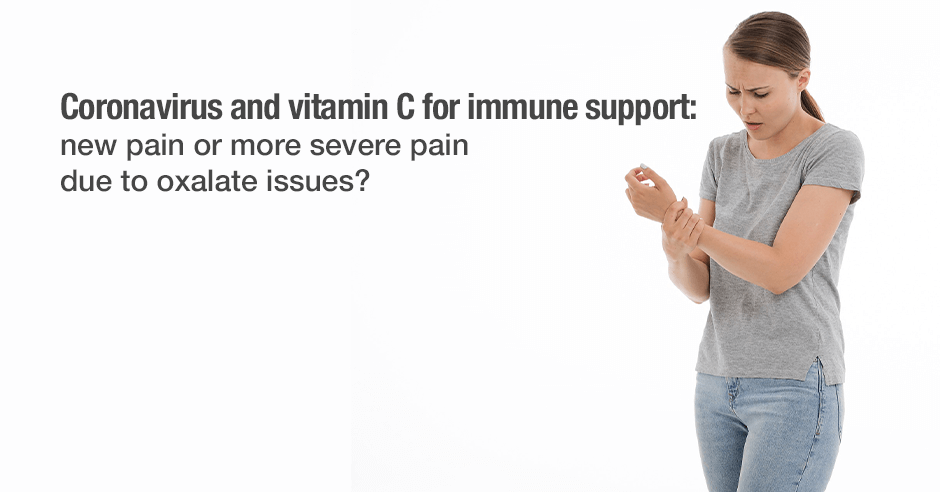
This is the blog, Coronavirus and vitamin C for immune support: new pain or more severe pain due to oxalate issues?, where I pose the question about recent increased intake of vitamin C or the addition of large doses for immune support and increased pain: joint pain, eye pain, foot pain, vulvodynia, bladder issues, insomnia, gut pain, kidney pain, changes in thyroid health/labs, bone pain etc?  The feedback on this blog and on Facebook has been huge and confirms the connection.  Thank you if you’ve already contributed to the discussion!

Today I’ll share an overview of oxalates, my pain issues with dietary oxalates, a deeper dive into the condition called oxalate crystal disease (with some of my insights and questions), and the autism and atherosclerosis research. It’s by no means a comprehensive blog on all things oxalates but rather a way to try and connect some dots and pose some questions for going deeper.

The next blog will address my vitamin C/oxalate/pain story and the research on vitamin C, oxalates and pain, together with questions.

Oxalates defined and food sources

Before we review oxalate crystal disease, let’s define calcium oxalates. Julie Matthews, my good friend and colleague and an oxalate expert shares this in her blog, Oxalates: Their Influence on Chronic Disease

Oxalates present in our body as sharp crystals or crystalline structures with jagged edges that cause pain, irritation, and distress. They can bind with certain minerals; particularly calcium and magnesium, as well as iron and copper

You’ll find many different lists of low, medium and high oxalate foods. When I started eating low oxalate I found Susan Owen’s site simple and very helpful. I then joined the Trying Low Oxalates Facebook group for support and feedback.

In summary, these are the common medium-oxalate and high-oxalate foods that many folks have problems with: nuts, nut-butters and nut-flour (something to watch when eating Paleo or GAPS), wheat, chocolate, kiwi fruit (very high – see the raphides image below), star fruit (also very high), beets, potatoes, legumes, berries, spinach and soy.

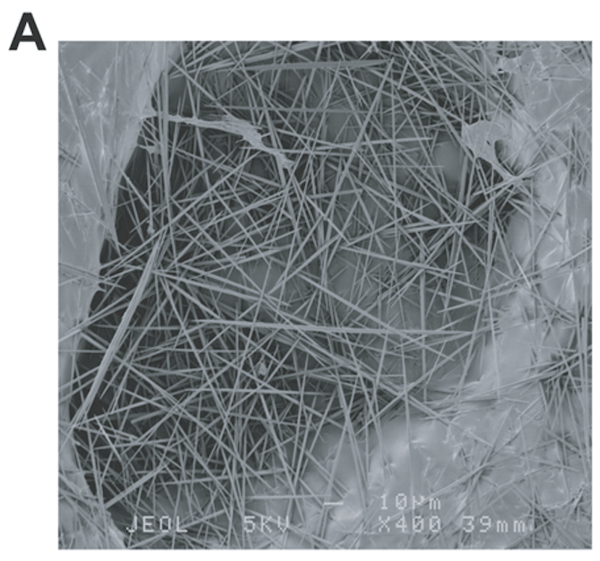
You can see why these needle shaped calcium oxalate crystals found in kiwi fruit could inflict pain. This is just one example – there are many different shapes of calcium oxalate crystals.

raphides purified from kiwifruit
Raphides purified from kiwifruit. Raphides, needle shaped calcium oxalate crystals, were collected from kiwifruit homogenate through heavy media separation using a dense CsCl solution. (A) The SEM image of purified raphides (x400). Shared from: Synergistic Defensive Function of Raphides and Protease through the Needle Effect via Creative Commons.

My oxalate story: severe foot pain and eye pain

I personally had severe dietary oxalate issues in 2012 which manifested as excruciating foot pain. It was a combination of hot-burning-coals-pain and shards-of-glass-pain. It was just after my book, The Antianxiety Solution (my Amazon link), came out. Due to my book tours and events, I would be on my feet all day presenting, often for 3 full consecutive days, so I figured that must be the reason. When I travelled, I took a blender and made smoothies with berries, ate plenty of healthy nuts as my snacks and took kale chips with me to make sure I was getting my greens. Kiwi fruit was a favorite of mine!

I was eating a high oxalate diet and had no idea until I heard Julie present at an Integrative Medicine for Mental Health Conference on dietary oxalates and autism. A light-bulb went off and then I worked with her to learn about oxalates and figure out if it was in fact because of oxalates and sure enough, as soon as I removed high and medium oxalate foods the pain resolved. Note: the advice is NOT to remove all high and medium oxalate foods at once because dumping can occur. I was fortunate that this didn’t happen with me, possibly because of the vitamin B6 I was already taking as part of the pyroluria protocol.

When I eat a low oxalate diet I do really well. However, more recently dietary oxalates have been causing me eye pain when I have a treat like eggplant or carob. It starts out as a kind of scratchy discomfort and mild pain and then gets worse and worse. I also have a goopy kind of discharge from the inner part of my eye and burning/redness crystal-like teariness on the outer parts of my eyes.  I recently had one very severe incident where the eye pain in my left eye was agonizing for about 2 hours. I was beside myself and tried GABA, DPA and tryptophan for an attempt at pain relief – with no success. When I took 500mg of vitamin B6 the pain eased immediately.

The theory is that oxalates cause issues where you have a weakness. I injured my left eye walking into a low tree-branch while rock-climbing 15 years ago, so I suspect this is why my left eye is more severely affected.

Oxalate crystal disease

The condition “oxalate crystal disease” is the closest explanation I’ve found that explains the pain I’ve experienced and makes the most sense, other than the fact that all the studies mention kidney disease and yet I don’t have kidney disease and have never had kidney stones. I’ve also never had a problem with my estimated Glomerular Filtration Rate (eGFR). In case eGFR is new to you it measures how well your kidneys filter the wastes from your blood and is the best overall measure of kidney function/damage.

This paper, Update on oxalate crystal disease, summarizes it:

Oxalate arthropathy is a rare cause of arthritis characterized by deposition of calcium oxalate crystals within synovial fluid. This condition typically occurs in patients with underlying primary or secondary hyperoxaluria. Primary hyperoxaluria constitutes a group of genetic disorders resulting in endogenous overproduction of oxalate, whereas secondary hyperoxaluria results from gastrointestinal disorders associated with fat malabsorption and increased absorption of dietary oxalate. In both conditions, oxalate crystals can deposit in the kidney leading to renal failure. Since oxalate is primarily renally eliminated, it accumulates throughout the body in renal failure, a state termed oxalosis. Affected organs can include bones, joints, heart, eyes, and skin. Since patients can present with renal failure and oxalosis before the underlying diagnosis of hyperoxaluria has been made, it is important to consider hyperoxaluria in patients who present with unexplained soft tissue crystal deposition. The best treatment of oxalosis is prevention. If patients present with advanced disease, treatment of oxalate arthritis consists of symptom management and control of the underlying disease process.

Let me break this down because I’ve had to look up terminology and read and re-read papers in order to get a better understanding of things:

#1 Oxalate arthropathy is a rare cause of arthritis characterized by deposition of calcium oxalate crystals within synovial fluid.

Oxalate arthropathy is a disease of the joints caused by oxalates depositing in the synovial fluid of the joints.  The paper states it is a rare cause of arthritis, but I suspect it is much more common given what we’re seeing clinically.

Also, because all the research connects oxalate crystal disease with kidney disease, it may be overlooked when there is no kidney disease (more on that below).

Synovial fluid is the fluid between the joints that acts as a lubricant and nutrient source.

#2 This condition typically occurs in patients with underlying primary or secondary hyperoxaluria.

Hyperoxaluria occurs when you have “too much oxalate in your urine.”

#3 Primary hyperoxaluria constitutes a group of genetic disorders resulting in endogenous overproduction of oxalate and… secondary hyperoxaluria results from gastrointestinal disorders associated with fat malabsorption and increased absorption of dietary oxalate.

Primary hyperoxaluria is genetic and results in endogenous or internal overproduction of oxalate, causing too much oxalate in the urine.

The secondary hyperoxaluria description mentions “gastrointestinal disorders associated with fat malabsorption and increased absorption of dietary oxalate.”  There are a number of other factors which I’ll address in a future blog.

According to this paper and others, secondary hyperoxaluria also results in too much oxalate in the urine.

#4 In both conditions, oxalate crystals can deposit in the kidney leading to renal failure. Since oxalate is primarily renally eliminated, it accumulates throughout the body in renal failure, a state termed oxalosis.

Affected organs can include bones, joints, heart, eyes, and skin.

Mayo clinic states oxalosis occurs if your kidneys fail. “Because your body can no longer eliminate the extra oxalate, it starts accumulating — first in your blood, then in your eyes, bones, skin, muscles, blood vessels, heart and other organs.”

My comment is that in some instances, oxalates accumulate in various parts of the body without kidney failure. I share more about this aspect and what we see clinically below, plus an autism and atherosclerosis study.

This paper, Oxalate crystal deposition disease, also mentions the following: “osteopathy, acute and chronic arthropathy with chondrocalcinosis, synovial calcification, and miliary skin calcium oxalate deposits and vascular calcifications that affect mainly the hands and feet.” The paper is focused on primary hyperoxaluria (and does also discuss the kidney involvement) but I’m including it because of the conditions listed. You may have received one of these diagnoses and not linked it back to dietary oxalates and/or vitamin C intake possibly playing a role.

The authors do report “systemic life-threatening cardiovascular, neurologic, and hematologic manifestations”, saying they are rare.

Calcium oxalates: anxiety, sleep, headaches, fatigue and other symptoms

Calcium oxalate crystals can also be found in the thyroid, and ear, leading to hearing loss under some circumstances.

Julie Matthews, in her blog, Oxalates: Their Influence on Chronic Disease, also shares that

Clinical studies and anecdotal experience indicate that oxidative stress, mitochondrial disruption and damage, and nutrient depletions, trigger widely varied symptoms including fatigue and inflammatory cascades, joint pain or pain anywhere in the body. Chronic low energy is very common because of a reduction in ATP in the mitochondria. Oxalates could be a hidden source of headaches, urinary pain, genital irritation, joint, muscle, intestinal or eye pain.

Other common oxalate-caused symptoms may include mood conditions, anxiety, sleep problems, weakness, or burning feet. Indicators can be digestive, respiratory, or even bedwetting for children.

What the researchers are saying – always kidney disease

I’ve reached out to a number of researchers, practitioners and labs and they all state that oxalate crystal disease only happens with kidney disease/kidney stones. This is what one researcher shared with me: “Plasma oxalate concentrations only elevate enough to cause systemic disease when there is significant kidney disease (typically GFR <20-30). I have never seen a significantly elevated plasma oxalate without chronic kidney disease.”

Could this be the case because they are kidney specialists and therefore only seeing patients who already have kidney disease?

The good news is that a number of them are intrigued and interested in learning more.

Oxalate crystals in autism and atherosclerosis without kidney issues

However, based on my own experience and according to many in this community and other communities like the Trying Low Oxalates Facebook group, pain issues related to dietary oxalate intake may occur without kidney issues/kidney stones, and often does.

These papers offer some support for what I suspect we are seeing clinically – systemic oxalate deposits can occur deposits without kidney stones or renal failure:

  • A Potential Pathogenic Role of Oxalate in Autism

Children with ASD [autism spectrum disorder] demonstrated 3-fold greater plasma oxalate levels … and 2.5-fold greater urinary oxalate concentrations. Despite significant hyperoxaluria no evidence of kidney stone disease…was observed

  • Atherosclerotic Oxalosis in Coronary Arteries

calcium oxalate crystals were observed within atherosclerotic plaques in the coronary arteries. Similar deposits were seen in the thyroid gland and other organs but not in the kidneys. None of the patients had chronic renal failure…. We suggest the phrase “atherosclerotic oxalosis” to describe this finding.

These are the disconnects I’m seeing in the research and questions I have:

  • Oxalate crystal disease is reported to be rare and it only happens with kidney disease/kidney stones – could it be more common than reported? As Julie states: “New science and clinical experience reveal concerns about oxalates that far exceed traditional kidney stone pathology.”
  • Should we be calling it hyperoxaluria. “too much oxalate in your urine” if the kidney is not involved? Or do we need to expand the definition of hyperoxaluria to include too much oxalate in other tissues outside the kidney and urine?
  • Could oxalate crystal disease with no kidney disease be a new syndrome that has yet to be widely and clearly identified in the research?

I mean no disrespect to the study authors and researchers by sharing my insights and questions here and in the section above.  I appreciate the work they do and the opportunity to learn from them.

Searching through the literature on this has been extremely challenging because studies always refer to the kidney. It may well be that there is a perfectly logical explanation for much of this and someone has already gone through the research and has answers to all my questions.  I am very willing to be enlightened so please do share if you’ve come across a good explanation.

Either way, please share your insights based on what I’ve shared in this blog and in relation to your experiences with pain caused by dietary oxalates and/or pain caused by vitamin C intake. I will be sharing this blog and the comments with the researchers and practitioners who are open to all this.

Read all posts in this series:

  • Coronavirus and vitamin C for immune support: new pain or more severe pain due to oxalate issues? (part 1)
  • Oxalate crystal disease, dietary oxalates and pain: the research & questions (part 2)
  • Vitamin C causes oxalate formation resulting in pain, anxiety, and insomnia (when there is a defect in ascorbic acid or oxalate metabolism)? (part 3)
  • Willow’s survival story: Easter Lilies cause acute renal failure in cats and Peace Lilies cause oxalate issues (part 4)
  • Waking in the night due to environmental toxins: impacts on the liver, gallbladder and fat digestion (making oxalate issues worse) (part 5)
  • Increased kidney stones in postmenopausal women with lower estradiol levels. What about increased dietary oxalate issues too?
  • Vulvodynia: oxalates, GABA, tryptophan and physical therapy
  • Ox bile as a supplement: to help counter the effects of dietary oxalates very likely caused by bile issues and poor fat digestion
  • Low oxalate success stories: resolution of joint/body pain, insomnia, peripheral neuropathy and can walk without a cane
  • Bright light to reset circadian rhythm: a solution for jet lag (with melatonin) and for disturbed sleep caused by bile issues?

Filed Under: Oxalates Tagged With: atherosclerosis, autism, calcium oxalates, dietary oxalates, eyes, Julie Matthews, kidney disease, oxalate crystal disease, oxalates, pain, questions, research, susan owen, vulvodynia, xalate crystal disease

Coronavirus and vitamin C for immune support: new pain or more severe pain due to oxalate issues?

May 15, 2020 By Trudy Scott 113 Comments

coronavirus pain vitamin c

I have concerns regarding the use of high doses of oral vitamin C for boosting immunity – for a subset of susceptible individuals who have dietary oxalate issues. This is directly related to the many recommendations that have been and are being made in relation to the coronavirus pandemic, but it applies beyond the pandemic for anyone who has dietary oxalate issues.  My concerns relate to high doses of vitamin C making existing pain symptoms worse or even causing new pain symptoms in someone who is not aware they may have oxalate problems. This may include joint pain, vulvodynia, bladder pain, painful urination, eye pain, headaches, foot pain, stomach pain, general body pain, deep bone pain etc. All this can manifest as fatigue, irritability, anxiety, low mood and insomnia.

I’ve been promising to blog about this topic for over a month and have gathered enough information for a short book! I figured a good place to start is to share feedback I’ve received so far and ask for your feedback so we can learn and heal, educate and inform others going through this, as well as offer insights to researchers and doctors who are not aware of this issue (and sometimes say “based on biology it’s not possible”).

In the coming weeks, if there is enough interest, I’ll share additional information on mechanisms, what the research says and what the research says is not possible, labs, types of oxalate issues (there are many), the possible causes (there are also many) and long-term impacts beyond pain (for the thyroid, mitochondria, heart and more), the solutions, additional resources and  feedback from experts (of which there are very few – as of now I’ve been reading everything published by Susan Owens, Julie Matthews, Great Plains Labs and research published by kidney specialists).

Until then I’m humbly asking for your feedback. If you have no idea what oxalates are or are taking vitamin C with no issues, then please don’t worry. Things will become clearer as you read this blog and read follow-on blogs. I feel it’s really important to get this initial blog out rather than waiting until I have everything written up perfectly.

I’ve also been hearing feedback from folks who have now recovered from coronavirus or are still recovering, with many reporting lingering pain and fatigue. I am concerned some of that pain may be related to high doses of oral vitamin C or IV (intravenous) vitamin C leading to oxalate issues they may not be aware of.

My request to you – please share your vitamin C oxalate story

This is what I posted on facebook and I’ll simply share it again here: I’m looking for oxalate vitamin C stories to share with folks who don’t believe or are not aware that high dose vitamin C causes issues for those with dietary oxalate issues.

1) What symptoms do you experience?

2) How quickly do you notice symptoms after taking vitamin C?

3) What form of C have you tried? (ascorbic acid or Ester C or whole food sources of C like camu camu/amla/goji berry/acerola cherry/rosehips/kakadu plum/acai berry/ maqui berry or liposomal or something else). Please also share the brand and source of vitamin C if you know

4) How much vitamin C do you use and is this more than you usually take or are you/were you taking this for the first time?

5) How long did it take to get back to normal/no pain/no symptoms once you stopped taking vitamin C?

NOTE – ONLY VITAMIN C: for questions 2) through 5) – in order to be sure the new symptoms are due to vitamin C and not something else – the addition of vitamin C must be the only change made and then stopping vitamin C must also be the only change made. I have clients keep a log too and repeat the “test” if they are not sure. This can be likened to a gluten elimination trial but in reverse. Repeating the “test”also depends on the symptom severity.

6) Does/did anything help to counter the adverse effects (like calcium citrate, vitamin B6, NAC, MSM, biotin, bile support, Epsom salts baths or anything else)?

7) How long have oxalates been an issue for you and are you eating low oxalate? Or is this all new to you?

8) Would you equate the effects of vitamin C to eating high oxalate foods like spinach, raspberries, nuts and seeds, kiwi fruit, figs, turmeric, chocolate, wheat, white potato, soy, beets etc (less severe/same symptoms/more severe)?

I’m also adding these new questions based on some of the research I’ve been doing:

9) Are you aware of any kidney issues and if you get regular blood work done do you track and take note of your estimated Glomerular Filtration Rate (eGFR)?  What have you observed in terms of values? (In case eGFR is new to you it measures how well your kidneys filter the wastes from your blood and is the best overall measure of kidney function. It helps determine if you have any kidney damage.)  Have you ever been told you have kidney issues and have other kidney lab markers out of range?

10) What are your results on the Great Plains Lab organic acids test (OAT) for the following: Oxalic acid, Glycolic acid (glycolate), Glyceric acid (glycerate), Arabinose (a yeast/candida marker) Ascorbic acid (ascorbate, vitamin C), Pyridoxic acid (marker of vitamin B6 status), Furandicarboxylic acid and hydroxy-methylfuroic acid (markers for fungi such as Aspergillus), and markers of bacterial imbalance?

11) Do you have pyroluria (based on a urine test) or have more than 15 symptoms from the the pyroluria questionnaire and/or are susceptible to low vitamin B6 (poor dream recall and/or nightmares) and low zinc (and therefore high copper)?

12) How do you score on symptoms of low serotonin, low GABA, low endorphins and low catecholamines? (here is that questionnaire). Is your anxiety, low mood, cravings or sleep worse when you are dealing with your other oxalate symptoms/pain?

13) Do you have any genetic markers that indicate a susceptibility for oxalate issues?

14) Do you have celiac disease, gluten sensitivity, leaky gut, liver issues, gall stones, no gallbladder, poor bile production, fat malabsorption, mold toxicity issues, low pancreatic enzymes, candida, high iron/ferritin?

15) What are your results on a mold toxicity test such as the Great Plains MycoTOX profile? and/or do you live in a moldy home/worked in a moldy environment or have in the recent past?

16) What are you results on a stool test (and which stool test)?

17) Do you have high mercury, high lead or high levels of other metals?

18) What is your vitamin D level (now if you happen to know it and/or typical levels in the past) and did you start to take extra vitamin D during this pandemic too? If you are taking extra vitamin D how much extra? And does your vitamin D supplement also contain vitamin K1 and vitamin K2?

19) Do you have any other out-of-range (functional levels) markers on blood work or other lab tests?

I will come back and add references and the rationale for posing these questions.

Also, feel free to comment with a nickname to keep your health information private.

Josefin’s story: painful “fat tissue” around elbows, knees and hips, and an irritated bladder

I share some of the Facebook feedback below, but first, here are Josefin’s comments on my coronavirus blog. Josefin thanked me for not ignoring the oxalate problems that might come with higher doses of vitamin C, saying she has “experienced them first-hand and it is not something to take lightly.”

I asked her to share what happens when she eats medium and high oxalate foods (like spinach, nuts, kiwi fruit, chocolate etc). She shared this:

I gradually decreased my oxalate content in food as recommended in the TLO-group. During that year I experienced periods with a lot of the typical dumping-signs like sandy stools, pain in body and especially in joints and muscles, sand in eyes, bladder pain, peeing a lot, cravings for oxalate foods and a temporary relief in the dumping symptoms when I ate some higher oxalate foods.

I also realized that the painful “fat tissue” that I had all over the body (but mainly around elbows, knees and hips) for 10 years was really deposited oxalates with mostly fluid around it, since I lost it more and more while I dumped and had more pain there also when I dumped. Now the deposits are all gone.

I did want to know if the adverse symptoms she experienced with vitamin C were the same as when eating foods high in oxalates, and she confirmed they were:

Many of the symptoms of dumping were the same as I had previously experienced a few days to weeks after trying to do bowel flushes with vitamin C.

Josefin has been on a low oxalate diet for 3 years and has found the most vitamin C she can tolerate is 200-250mg of vitamin C per day. More about that in her own words:

Now after being on a low oxalate diet for 3 years (carnivore the last year) I have tried taking vitamin C very many times and come to the conclusion that about 200-250 mg per day is what I can take. If I take more I will get a gradual increase of that painful fat-tissue that will start after a few days to weeks depending on how much vitamin C I take. I will also get more of a flu feeling and irritated bladder.

When I stop taking the vitamin C I will within a day or two get all my typical dumping symptoms and they will continue for days to weeks depending on how much I have taken. Symptoms severity also depends on how much I have been taking.

It turns out she gets similar reactions with various forms of vitamin C: “ascorbic acid, calcium ascorbate, multimineral buffered ascorbate and also liposomal vitamin C from Quicksilver Scientific”.

Syd’s story: cystitis, along with a crashed brain

Syd shared this on the Facebook post:

I get symptoms from taking high dose Vitamin C within about 45 minutes. It shows up as cystitis, mostly, along with a crashed brain.

She did confirm that when taking vitamin C (possibly the ascorbic acid form) the symptoms mimic her symptoms when eating high oxalate foods. She also wants to try liposomal vitamin C and camu camu to figure out if she gets the same reactions:

I have the very same response to high oxalate foods. I used to think it was a bladder infection, but I tested four times and every time the test was negative. I’m having a response at the moment. I (stupidly) started eating protein bars that have nuts in them and after eating about four of them across several days, I have the cystitis symptoms.

I’m staring at some liposomal Vit C in the fridge that I’ve been wanting to try at a low dose. Same with some camu camu. I need the cystitis symptoms to abate first.

Virginia, Cathi and Melissa and their pain stories

Virginia also offered feedback on Facebook on her experiences with vitamin C, and again they are similar to when she eats high oxalate foods:

I took a pack of Vit C 1000mg (ascorbic acid) at night last week, next morning I noticed oxalate dumping. Took calcium citrate and it was gone within a day and yes the reaction is similar to eating high oxalate foods

On another Facebook thread my question got Cathi wondering if vitamin C was a factor in her worsening arthritis:

Hmmmmmm this has me thinking. I started Vitamin C crystals 1000mg a day – small spoonful in water. It is sour and not awful. Then, a couple of months ago the arthritis deposits in my right hand fingers got much worse and my right wrist has given me so much grief I have had to reduce my yoga. And I got a weird cyst or something on the inside of my right wrist. I wonder…. Gonna stop it and see if it makes a difference!!! Thank you as I was totally stumped and I hope this is the answer!!!!

On this same thread, Melissa shared that noticed severe joint and muscle pain within 2 or 3 days of starting vitamin C:

When the COVID stuff started, I started taking vitamin C as a preventative measure to keep my immune system strong. Within two or three days, I had system joint and muscle pain everywhere. I could hardly move! I stopped the vitamin C and it cleared up in 3 or 4 days. I’ve never had kidney stones, but my brother has, so maybe it’s a genetic predisposition? I do have a history of on & off systemic joint pain since my early 20’s.

I never thought I had oxalate issues but now I’m wondering if it might be related to my random systemic joint pain. 

I was taking between 1,000 to 3,000 mg per day. The label says Solaray timed release vitamin c (ascorbic acid), acerola cherry and rose hips.

Thanks to these folks, everyone who has already contributed on other blogs, all the Facebook feedback (and to you if you provide feedback today).

My hesitation – I don’t have all the answers and we are in the midst of a pandemic where vitamin C is so important

I planned to include this in part 2 but I’m adding this section now because a few hours after publication there are already so many comments and questions. I did hesitate about publishing this blog when I don’t have all the answers and because we’re in the midst of a pandemic where vitamin C has been shown to be very important.

There is plenty of research on the benefits of vitamin C and it’s widely used with much success during serious illness and for sepsis. This paper, An Update on Current Therapeutic Drugs Treating COVID-19, published just last month, discusses vitamin C (ascorbic acid) as a supporting agent, playing a role as a potent antioxidant, with benefits for immune health and as an antiviral against flu viruses.

It also discusses an IV vitamin C coronavirus trial and high dosages currently being used in various hospitals for this virus. The authors do also say “no major side effects” which is what we are typically told about vitamin C.

The Orthomolecular Medicine News Service have issued a number of valuable press releases on vitamin C specific to coronavirus but they are steadfast in their conviction that there are no issues with vitamin C, saying it doesn’t cause kidney stones.

For the majority (I think) there will be no major side-effects but for those with oxalate issues high doses of vitamin C are clearly problematic.

One caveat is that there may be a place for short-term high-dose use during a healing crisis, even for someone with dietary oxalate issues. Unfortunately I don’t have an answer for this aspect yet and I’m hoping a vitamin C expert will contribute to the discussion or I’ll discover some research about this.

And let’s not forget this study published in 1994, The clinical effects of vitamin C supplementation in elderly hospitalised patients with acute respiratory infections, where 200mg of supplemental vitamin C per day resulted in an 80% decrease in deaths among severely ill, hospitalized respiratory disease patients.

This topic is near and dear to my heart and folks have oxalate issues now so I decided to go ahead and publish this information. I’m looking for a solution for my community who are already aware they have oxalate issues (many of you have already reached out to me so thank you) and for myself too. I’ll share details of my oxalate story (my pain is in my feet and my eyes) and my vitamin C experiment in a future blog (I used food based vitamin C and 100-200mg/day and it didn’t go well).

As I mentioned above, I’m also concerned there are many people who don’t know they have oxalate issues and may end up with issues because of all the well-meaning vitamin C advice that is being shared during this pandemic.

I may have bitten off more than I can handle with this topic – I’m learning voraciously and it’s like drinking from a fire-hose! But I’m doing what I often do … I learn by teaching and asking for your feedback and questions, and I’m open about the fact that I’m not an expert and don’t have all the answers.

**** Some cautions *****
Please discuss your situation with your doctor and other health practitioners before stopping or reducing vitamin C based on what you’re reading here.

If you are completely new to the topic of oxalates, this is sound advice from Susan Owens on getting started: “work your way gradually into a completely low oxalate diet.” You can learn more on getting started here. Susan runs the Trying Low Oxalate Group (TLO) on facebook and they are extremely helpful.  I will be sharing additional resources/studies/practitioner feedback etc. but this will get you started.

A reminder that pain can have many root causes other than dietary oxalate issues (or in addition to oxalate issues): gluten issues, nightshades, low GABA, low serotonin, low endorphins, Lyme disease (bartonella can cause foot pain), fibromyalgia, low B12, heavy metals, mold toxicity, autoimmune conditions etc.

******************

Feel free to comment below – share your feedback and ask your questions. And do let me know if you’re interested in learning more about this topic and additional blog posts.

If you’re a practitioner who works with individuals with dietary oxalate issues I’d love to hear from you too.

Read all posts in this series:

  • Coronavirus and vitamin C for immune support: new pain or more severe pain due to oxalate issues? (part 1)
  • Oxalate crystal disease, dietary oxalates and pain: the research & questions (part 2)
  • Vitamin C causes oxalate formation resulting in pain, anxiety, and insomnia (when there is a defect in ascorbic acid or oxalate metabolism)? (part 3)
  • Willow’s survival story: Easter Lilies cause acute renal failure in cats and Peace Lilies cause oxalate issues (part 4)
  • Waking in the night due to environmental toxins: impacts on the liver, gallbladder and fat digestion (making oxalate issues worse) (part 5)

Filed Under: Anxiety, Coronavirus/COVID-19, Oxalates Tagged With: anxiety, arthritis, ascorbic acid, bladder, Coronavirus, COVID-19, eGFR, estimated Glomerular Filtration Rate, fatigue, foot pain, immune support, immunity, joint pain, kidney, low mood, muscle pain, oxalates, pain, vitamin C

Tapping (or EFT) for reducing anxiety, depression, pain and cravings, plus physiological changes in cortisol, heart rate, blood pressure and SigA

February 21, 2020 By Trudy Scott 16 Comments

tapping and anxiety

Awareness about tapping or EFT (emotional freedom technique) is growing and so is the research. I’ve been intrigued by tapping for some time and I’m impressed by some of the very positive feedback I’ve heard about how it reduces anxiety, depression, pain and cravings. I’m now more intrigued after reading a 2019 paper that describes some of the physiological changes (i.e. changes in the body) that improve after tapping.

This paper, Clinical EFT (Emotional Freedom Techniques) Improves Multiple Physiological Markers of Health, describes EFT as “an evidence-based self-help therapeutic method”, reporting that “over 100 studies demonstrate its efficacy.”

It’s further described as “a brief intervention combining elements of exposure, cognitive therapy, and somatic [or physical] stimulation of acupressure points on the face and body.” The full paper here goes into great detail if you’d like to read more.

The objectives of this study were to measure and describe some of the physiological changes that occur after tapping, in order to understand some of the mechanisms. Up until now “information about the physiological effects of EFT is limited.”

As far as physiological changes, these included: heart rate variability and heart coherence, resting heart rate and blood pressure, salivary cortisol (to show changes in the endocrine system), and salivary immunoglobulin A (SigA) (to show impacts on the immune system).

They also measured these psychological symptoms: anxiety, depression, posttraumatic stress disorder, pain, and cravings. After a 4-day training workshop on tapping, the researchers reported that happiness increased by 31% and the following declines in psychological symptoms in 203 participants were reported:

  • anxiety (-40%)
  • depression (-35%)
  • posttraumatic stress disorder (-32%)
  • pain (-57%) and
  • cravings (-74%)

These physiological improvements were found in the subset of 31 participants that were tested:

  • resting heart rate (-8%)
  • salivary cortisol (-37%)
  • systolic blood pressure (-6%) and diastolic blood pressure (-8%)
  • heart rate variability and heart coherence
  • salivary immunoglobulin A (SigA) (+113%)

The authors conclude that

gains were maintained on follow-up, indicating EFT results in positive health effects as well as increased mental well-being.

If you’ve been following me for awhile you know I like to look into the research so I’m excited by this study and look forward to further research and gaining a better understanding of this tool.

I also look forward to learning how lasting these psychological and physiological changes are and if you need to keep tapping in order to sustain the changes.

Possible impacts on boosting neurotransmitter levels

Because of the psychological benefits I was also curious about the possible impacts of tapping on boosting neurotransmitter levels such as GABA and serotonin. I found this research on acupuncture which we may be able to partially extrapolate from since EFT does have the acupressure aspect: Effect of Acupuncture on Neurotransmitters/Modulators

In general, acupuncture enhances the activity of the endogenous opioid peptides, serotonin, dopamine, ACh [actelyl-choline], and inhibitory amino acids such as γ-aminobutyric acid (GABA), glycine, taurine, and lactamine, while it attenuates the activity of noradrenalin and excitatory amino acids including glutamate and aspartic acid.

Compliments the dietary/nutritional/biochemical approach

Based on what I’ve been recently learned, tapping compliments the dietary/nutritional/biochemical approach I use my clients for helping to ease anxiety, overwhelm and stress.

I reached out on Facebook and here is some of the feedback I received:

  • Maria shares how she uses both EFT and tryptophan: I started using EFT and it has helped – wasn’t expecting it to, but it really does work. However, having had a particular problem for many years, I realize that it’s going to take time to really be at the level I want to be. I also got a teenager to try it, and to their amazement, it did settle their anxiousness – from what they initially said was a 10 -11 – down to 7 in just a few minutes. Last night, I tried the Lidtke Tryptophan and couldn’t believe how deeply and undisturbed I slept – thank you Trudy – I learnt about that product from you during the anxiety summit. By the way, I will be joining the Tapping Summit – can’t wait for that one!
  • Terri Hirning is a practitioner and shares that her and her biz partner bring it to their clients in conjunction with lifestyle changes for maximum effect. She shares: I find that anxiety is a big issue for my clients. So while they are implementing dietary or supplement changes, tapping can help reduce those emotions while their biochemistry comes into alignment.

She also says: I taught it to my children and they have The Tapping Solution app and will proactively use it when they need to shift things. I am so thankful for this work.

  • Meeta Darji is a health coach and says this: YES! EFT is profound in helping with anxiety and stress. I have been doing it for the last two years and use it on my kids too. I’m training at the moment and learning how it can help with cravings and addictions. Absolutely incredible and I can’t wait to add it to my health coaching practice.

She does use amino acids like GABA, tryptophan, DPA, glutamine for anxiety and cravings/addictions and agrees that EFT is definitely a good compliment. EFT is great for using with limiting beliefs, traumas, addictions, fears and so much more, so together with amino acids, it’s very powerful.

  • Benita Scott shares this: EFT is so great! I use it as part of my professional practice as a psychologist and in conjunction with Nutritional therapies it’s a game changer for so many vulnerable clients. It’s been shown to increase GABA levels, decrease cortisol and alter brain cells in relation to food cravings too. There has been a paradigm shift in psychology recently and I think EFT, Matrix and nutritional supplements are changing how we work and heal.
  • Dede shares how EFT changed her life: I was on permanent disability for 20 years due to panic attacks. EFT changed all that so I became a practitioner. This was 11 years ago.

She shares how she went through “the literal hell of getting off psych meds. I wouldn’t have survived without EFT and food changes.”

It does seem to be very individualized and works very well for some folks and not very well or not at all for others:

  • One person said EFT is soothing in the moment but she didn’t find any significant or lasting benefits.
  • Someone else shared: I have tried it, my daughter and her son went to a practitioner, and it did nothing for me or them. I have studied how to do it on-line from well known sites, and still nothing. I’m wondering if a lot of healings are the placebo effect.
  • It doesn’t seem to work for me either (more on that below)

My tapping experience is very limited

I will admit that, at this point, my tapping experience is very limited.  I have such great success with amino acids like GABA, tryptophan and glutamine to provide quick anxiety-relief, end the overwhelm and stop the carb cravings for my clients, I haven’t felt the need to look into tapping.

In case you’re new to me and my work, here is a sampling of a few tools I use with my anxious clients:

  • My main approach is using targeted amino acids such as tryptophan or 5-HTP for the low serotonin worry-in-your-head anxiety where folks may also experience fears, panic attacks, ruminations, phobias, insomnia, PMS, anger, irritability and cravings; and GABA for the low GABA physical-anxiety that also includes muscle tension, overwhelm, insomnia and the need to self-medicate with alcohol to calm down
  • Another amino acid is DPA (d-phenylalanine) and I’m mentioning this one because it boosts endorphins (in a similar way to acupuncture) and helps my clients who are experiencing weepiness, pain and are big comfort/reward eaters. I blog about this here: DPA for weepiness, pain and comfort and reward eating)
  • Since the EFT study mentions cortisol, I’ll share one of my key nutrients for lowering cortisol – Seriphos (I blog about this here: Seriphos Original Formula is back: the best product for anxiety and insomnia caused by high cortisol)
  • And of course everything else: diet, no sugar, no caffeine, gut health, improving sleep, toxin removal and addressing all nutritional deficiencies etc (covered in great detail in my book “The Antianxiety Food Solution” and elsewhere on this blog.)

I’m getting newly acquainted with EFT

I have been hearing about tapping/EFT for years – first from Dr. Mercola and then had a group session at a conference with Brad Yates and didn’t notice any benefits. I’ve tried it again a few times and have yet to experience any profound benefits. I’d expect to be a good candidate given my history with anxiety/insomnia.

I really do like to be able to share resources and products I have experienced personally but in this instance I’m still a newbie.

As of now I don’t know why tapping/EFT doesn’t help me and some other folks. Perhaps there is a bioindividual aspect? Just like some folks do well with herbs and some with vitamins/amino acids; some folks thrive on spinach and some have oxalate issues; some folks do well with  meditation and others struggle with it; some find nature to be an elixir and others find dancing to be their magic?

However, based on what I’ve recently learned about the physiological changes and the feedback I’ve heard, I’m getting newly acquainted with EFT and it’s an additional resource I want to offer you – my community of anxious women.

Right now I’m seeing it as another tool in the toolbox (for some folks), together with dietary changes, addressing biochemical imbalances, gut health, getting out in nature etc.

Resources for additional learning

If you’re new to tapping and would like to learn more, the 13th Annual Tapping World Summit airs online Feb 24 – March 7. Here is the main summit registration page.

This is a great introductory video from summit host Nick Ortner (register to watch it and get access to the summit)

I’d love to hear back from you in the comments below

  • Do you use tapping/EFT in conjunction with dietary/nutritional/biochemical changes to help ease your anxiety, stress, overwhelm? (if you’re a practitioner, do you use both with clients/patients?)
  • Do you find one approach to be better than the other?
  • Have you tried tapping without success?
  • If you’re new to tapping/EFT are you interested in learning how to incorporate it into your life?

Please share so I can learn from you and we can all learn from each other (and thanks to everyone who has contributed to the discussion already).

Filed Under: Anxiety, EFT/Tapping Tagged With: anxiety, blood pressure, cortisol, cravings, dawson church, depression, eft, emotional freedom technique, GABA, happiness, heart rate, Nick Ortner, pain, physiological, psychological, seriphos, serotonin, sIgA, tapping, tapping solution

  • « Go to Previous Page
  • Page 1
  • Interim pages omitted …
  • Page 4
  • Page 5
  • Page 6
  • Page 7
  • Page 8
  • Page 9
  • Go to Next Page »

Primary Sidebar

NEW! GABA QuickStart Homestudy (with special intro pricing)

gaba quickstart homestudy

Free Report

9 Great Questions Women Ask about Food, Mood and their Health

You'll also receive a complimentary subscription to my ezine "Food, Mood and Gal Stuff"


Connect with me

Popular Posts

  • Amino Acids Mood Questionnaire from The Antianxiety Food Solution
  • The Antianxiety Food Solution Amino Acid and Pyroluria Supplements
  • Pyroluria Questionnaire from The Antianxiety Food Solution
  • Collagen and gelatin lower serotonin: does this increase your anxiety and depression?
  • Tryptophan for the worry-in-your-head and ruminating type of anxiety
  • GABA for the physical-tension and stiff-and-tense-muscles type of anxiety
  • The Antianxiety Food Solution by Trudy Scott
  • Seriphos Original Formula is back: the best product for anxiety and insomnia caused by high cortisol
  • Am I an anxious introvert because of low zinc and vitamin B6? My response to Huffington Post blog
  • Vagus nerve rehab with GABA, breathing, humming, gargling and key nutrients

Recent Posts

  • What do I use instead of Seriphos to help lower high cortisol that is affecting my sleep and making me anxious at night?
  • BeSerene™ GABA/theanine cream eases severe muscle tension in her neck/shoulders, prevents her bad headaches and quells her anxiety
  • How the correct approach, dose and sublingual use of GABA can be calming and not cause a flushed and itchy face and neck
  • The amino acid glutamine improves low mood by addressing gut health, and it has calming effects too
  • Flight anxiety with heightened breath, physical tension and also fearing the worst (the role of low GABA and low serotonin)

Categories

  • 5-HTP
  • AB575
  • Addiction
  • ADHD
  • Adrenals
  • Alcohol
  • Allergies
  • Alzheimer's disease
  • Amino Acids
  • Anger
  • Antianxiety
  • Antianxiety Food Solution
  • Antidepressants
  • Anxiety
  • Anxiety and panic
  • Autism
  • Autoimmunity
  • benzodiazapines
  • Bipolar disorder
  • Books
  • Caffeine
  • Cancer
  • Candida
  • Children/Teens
  • Collagen
  • Cooking equipment
  • Coronavirus/COVID-19
  • Cravings
  • Depression
  • Detoxification
  • Diabetes
  • Diet
  • DPA/DLPA
  • Drugs
  • EFT/Tapping
  • EMF
  • EMFs
  • Emotional Eating
  • Endorphins
  • Environment
  • Essential oils
  • Events
  • Exercise
  • Fear
  • Fear of public speaking
  • Fertility and Pregnancy
  • Fish
  • Food
  • Food and mood
  • Functional neurology
  • GABA
  • Gene polymorphisms
  • General Health
  • Giving
  • Giving back
  • Glutamine
  • Gluten
  • GMOs
  • Gratitude
  • Gut health
  • Heart health/hypertension
  • Histamine
  • Hormone
  • Hyperparathyroidism
  • Hypoglycemia
  • Immune system
  • Inflammation
  • Insomnia
  • Inspiration
  • Introversion
  • Joy and happiness
  • Ketogenic diet
  • Lithium orotate
  • Looking awesome
  • Lyme disease and co-infections
  • MCAS/histamine
  • Medication
  • Men's health
  • Mental health
  • Mercury
  • Migraine
  • Mold
  • Movie
  • MTHFR
  • Multiple sclerosis
  • Music
  • NANP
  • Nature
  • Nutritional Psychiatry
  • OCD
  • Osteoporosis
  • Oxalates
  • Oxytocin
  • Pain
  • Paleo
  • Parasites
  • Parkinson’s disease
  • PCOS
  • People
  • PMS
  • Postpartum
  • PTSD/Trauma
  • Pyroluria
  • Questionnaires
  • Real whole food
  • Recipes
  • Research
  • Schizophrenia
  • serotonin
  • SIBO
  • Sleep
  • Special diets
  • Sports nutrition
  • Stress
  • Sugar addiction
  • Sugar and mood
  • Supplements
  • Teens
  • Testimonials
  • Testing
  • The Anxiety Summit
  • The Anxiety Summit 2
  • The Anxiety Summit 3
  • The Anxiety Summit 4
  • The Anxiety Summit 5
  • The Anxiety Summit 6
  • Thyroid
  • Thyroid health
  • Toxins
  • Tryptophan
  • Tyrosine
  • Uncategorized
  • Vegan/vegetarian
  • Women's health
  • Yoga

Archives

  • October 2025
  • September 2025
  • August 2025
  • July 2025
  • June 2025
  • May 2025
  • April 2025
  • March 2025
  • February 2025
  • January 2025
  • November 2024
  • October 2024
  • September 2024
  • August 2024
  • July 2024
  • June 2024
  • May 2024
  • April 2024
  • March 2024
  • February 2024
  • January 2024
  • December 2023
  • November 2023
  • October 2023
  • September 2023
  • August 2023
  • July 2023
  • June 2023
  • May 2023
  • April 2023
  • March 2023
  • February 2023
  • January 2023
  • December 2022
  • November 2022
  • October 2022
  • September 2022
  • August 2022
  • July 2022
  • June 2022
  • May 2022
  • April 2022
  • March 2022
  • February 2022
  • January 2022
  • December 2021
  • November 2021
  • October 2021
  • September 2021
  • August 2021
  • July 2021
  • June 2021
  • May 2021
  • April 2021
  • March 2021
  • February 2021
  • January 2021
  • December 2020
  • November 2020
  • October 2020
  • September 2020
  • August 2020
  • July 2020
  • June 2020
  • May 2020
  • April 2020
  • March 2020
  • February 2020
  • January 2020
  • December 2019
  • November 2019
  • October 2019
  • September 2019
  • August 2019
  • July 2019
  • June 2019
  • May 2019
  • April 2019
  • March 2019
  • February 2019
  • January 2019
  • December 2018
  • November 2018
  • October 2018
  • September 2018
  • August 2018
  • July 2018
  • June 2018
  • May 2018
  • April 2018
  • March 2018
  • February 2018
  • January 2018
  • December 2017
  • November 2017
  • October 2017
  • September 2017
  • August 2017
  • July 2017
  • June 2017
  • May 2017
  • April 2017
  • March 2017
  • February 2017
  • January 2017
  • December 2016
  • November 2016
  • October 2016
  • September 2016
  • August 2016
  • July 2016
  • June 2016
  • May 2016
  • April 2016
  • March 2016
  • February 2016
  • January 2016
  • December 2015
  • November 2015
  • October 2015
  • September 2015
  • August 2015
  • July 2015
  • June 2015
  • May 2015
  • April 2015
  • March 2015
  • February 2015
  • January 2015
  • December 2014
  • November 2014
  • October 2014
  • September 2014
  • August 2014
  • July 2014
  • June 2014
  • May 2014
  • April 2014
  • March 2014
  • February 2014
  • January 2014
  • December 2013
  • November 2013
  • October 2013
  • September 2013
  • August 2013
  • July 2013
  • June 2013
  • May 2013
  • April 2013
  • March 2013
  • February 2013
  • January 2013
  • December 2012
  • November 2012
  • October 2012
  • August 2012
  • July 2012
  • June 2012
  • May 2012
  • April 2012
  • March 2012
  • February 2012
  • January 2012
  • December 2011
  • November 2011
  • October 2011
  • September 2011
  • August 2011
  • July 2011
  • June 2011
  • May 2011
  • April 2011
  • March 2011
  • February 2011
  • January 2011
  • December 2010
  • October 2010
  • September 2010
  • July 2010
  • May 2010
  • April 2010
  • March 2010
  • February 2010
  • January 2010
  • November 2009

Share the knowledge!

The above statements have not been evaluated by the Food and Drug Administration. Products listed in this website are not intended to diagnose, treat, cure or prevent any disease.

The information provided on this site is for informational and educational purposes only and is not intended as a substitute for advice from your physician or other health care professional. You should consult with a healthcare professional before starting or modifying any diet, exercise, or supplementation program, before taking or stopping any medication, or if you have or suspect you may have a health problem.


Copyright © 2026 Trudy Scott. All Rights Reserved. | Privacy | Terms and Conditions | Refund Policy | Medical Disclaimer

Free Report

9 Great Questions Women Ask about Food, Mood and their Health

You’ll also receive a complimentary subscription to my ezine “Food, Mood and Gal Stuff”