• Skip to primary navigation
  • Skip to main content
  • Skip to primary sidebar

everywomanover29 blog

Food, Mood and Women's Health – Be your healthiest, look and feel great!

  • Blog
  • About
  • Services
  • Store
  • Resources
  • Testimonials
  • The Book
  • Contact
  • Search this site

liver

Side stitch when running or exercising: the anxiety/stress connection (and the pyroluria protocol of zinc and vitamin B6 as a solution?)

August 4, 2023 By Trudy Scott 21 Comments

side stitch and anxiety

If you get a painful side stitch when running or doing other exercise or experienced a side stitch  when you were a kid, you may be as intrigued as I was to learn there is new research that points to an anxiety/stress connection. This cross-sectional observational study was done involving an anonymous survey of one hundred sixty-eight male and female adults who were running at least 10 miles/16 km per week.

The conclusion of this study, Thorn in Your Side or Thorn in Your Head? Anxiety and Stress as Correlates of Exercise-Related Transient Abdominal Pain, is as follows: “anxiety and stress are associated with the presence of ETAP.” A runner’s side stitch is referred to as ETAP i.e. exercise-related transient abdominal pain. The authors mention the fact that this is the first study to reveal this anxiety/stress connection. This is relevant given the numerous recent studies looking for a cause and no definitive solutions.

This research is also really intriguing to me given what Dr. Carl Pfeiffer MD, PhD, identified 50+ years ago in the 1970s i.e. side stitches are common in those with pyroluria/social anxiety. What’s important is the fact that the pyroluria nutrient protocol eases social anxiety and prevents side stitches in my clients. You’ll read feedback from individuals in the community who resonate with this research and the pyroluria connections. I share more about pyroluria below in case it’s new to you and a possible cause of the side stitch pain.

My feedback and feedback from others in the community

I have pyroluria and always got a left side stitch as a kid, in my teens when running and playing squash and in my 20s/30s when running. And then they stopped (and the social anxiety and related symptoms resolved) when I addressed my pyroluria with zinc, B6 and EPO, and a copper-free multi that contains manganese. I see these kinds of results with my clients all the time so a light-bulb went off when I read this new research .

I shared this research and the anxiety/stress/pyroluria connection on Facebook and asked: did you/do you get side stitches when running/exercising? Here is some of the feedback I received, where the pyroluria protocol did help.

Kameka shared this: “I had side stitches as a kid and as an adult. Running was the main exercise that caused it and it was usually the left side. Now that you mention it, I haven’t had them since I started supplementing for pyroluria. Also, my social anxiety is sooo much better as well!”

She did the symptoms questionnaire and the pyroluria urine test (which can give false negative results) and confirmed she takes vitamin B6, zinc, magnesium, and primrose oil.

Bec shared this: “I hated PE at high school for that reason. While everyone was running, I was suffering from side stitches (I think it was my right side) and having breaks. I have pyroluria with lots of symptoms. I do well with zinc and P5P.”

Not everyone reported an improvement with the protocol but many folks resonated with the side stitch/pyroluria connections:

Megan said: “Couldn’t run as a kid. A stitch every time. I can’t recall which side, never really paid too much attention. Looking at the pyroluria symptoms, I think I may have always had it.”

Janie exclaimed: “Oh, boy, did I!” (while distance running). She finds it hard to remember but thinks it may have been on her right side. She also shared that “tests for zinc come back normal, but I have many of the [pyroluria] symptoms, especially the less common ones. I scored high. I always want breakfast but all the other questions fit me like a glove, like pieces of a puzzle with my photo on the box.

My lack of dream recall is another sign. I take 25 mg of methylated B6, but still no dreams. The question regarding being seated in the middle of a restaurant…THAT IS ME!! My throat will feel like it’s closing up, so much tension.”

I explained that most zinc testing is not accurate and that we increase until we get symptom resolution. I also referred her to the pyroluria chapter in my book.

Susie shared this: “Yes I always got side stitches so I gave up running. I suspected pyroluria but not sure if I have it.”

Leah said “I’d say my daughter and I both [had side stitches] more when we were younger. Both socially anxious and pyroluria. Less exercising now too.”

Information if you’re new to pyroluria

Pyroluria is frequently associated with a type of anxiety characterized by social anxiety, avoidance of crowds, a feeling of inner tension, and bouts of depression. People with this problem experience varying degrees of anxiety or fear, often starting in childhood, but they usually manage to cover it up and push through. They tend to build their life around one person, become more of a loner over time, have difficulty handling stress or change, and have heightened anxiety symptoms when under more stress.

Also on the list of symptoms is this one: “Upper abdominal pain on your left side under the ribs or, as a child, having a stitch in your side as you ran.”

Addressing low levels of the mineral zinc and vitamin B6, together with some other nutrients and stress management, are key to addressing these symptoms.

Here is the complete symptoms questionnaire on the blog. This questionnaire can also be found in the pyroluria chapter in my book, The Antianxiety Food Solution. You’ll find the detailed supplement protocol and additional information on how to assess for low zinc and low vitamin B6 in this chapter too.

You can read more about the prevalence and associated conditions here. It’s most often considered a genetic condition but is possibly environmentally triggered too.

There are many pyroluria blog posts where I cover various aspects such as the importance of addressing pyroluria for recovery from MCAS and Lyme, pyroluria and Ehlers Danlos Syndrome, pyroluria and intrusive thoughts and many more. I encourage you to use the search feature on the blog.

A possible cause of the side stitch in pyroluria

Here is an excerpt from a paper published in 1974 by Dr. Pfeiffer and colleagues, Treatment of Pyroluric Schizophrenia Malvaria With Large Doses of Pyridoxine and zinc, describing why the side pain probably occurs:

This 15-year-old upper middle-class patient (now 19 after studying for four years) represents a case of nutrient deficiency in which vitamins (specifically B6) and the trace minerals manganese and zinc were inadequate for the development of normal knee joints and normal brain function.

The deficiency was sufficiently severe at its peak to cause prolonged psychosis, atypical seizures, arthritis, amenorrhea, constipation, and splenic pain. The pain is probably due to hemolytic crisis in which red cell fragments engorge the Kupfer cells of the spleen and liver, extend the capsule, and cause pain. The double deficiency is produced by the formation of KP [kryptopyrroles] which combines with pyridoxal and zinc.

Based on the above and other publications by Dr. Pfeiffer, when the stitch happens on the left side, my understanding is that the pain is in the spleen. And when it happens on the right side, the pain is in the liver area. Most individuals with pyroluria say they felt/feel their side stitch on the left side. Either way it appears to be caused by low zinc, low vitamin B6 and the other nutrients needed by those with pyroluria. And resolved when on the pyroluria protocol.

I would love to see these ETAP researchers take their anxiety/stress research one step further and identify how common pyroluria is in runners who get side stitches and if the pyroluria protocol prevents the side stitches.

My book as a resource and pyroluria supplements

As mentioned above, there is an entire chapter on pyroluria in my book, The Antianxiety Food Solution – How the Foods You Eat Can Help You Calm Your Anxious Mind, Improve Your Mood, and End Cravings, I highly recommend getting it and reading it before jumping in and addressing these deficiencies. And be sure to share it with the practitioner/health team you or your loved one is working with.

Keep in mind that these nutrients are cofactors for making neurotransmitters and are a key part of my protocol when working with individual amino acids.

The book doesn’t include product names (per the publisher’s request) so this blog, The Antianxiety Food Solution Amino Acid and Pyroluria Supplements, lists the pyroluria supplements and amino acids that I use with my individual clients and those in my group programs. You can find them all in my online store.

If you are a practitioner, join us in The Balancing Neurotransmitters: the Fundamentals program. This is also a paid online/virtual program with an opportunity to interact with me and other practitioners who are also using the amino acids and pyroluria protocol.

Thanks to everyone who contributed to the discussion on Facebook. Now I would love to hear from you so I can approach the authors with their feedback and yours too.

Did you get a side stitch as a kid and did it affect your ability to take part in school sports?

Do you still get a side stitch when running or doing other exercises? If yes, does it hold you back and with which exercise?

Did/does the side stitch occur on the left or right side?

And do you have pyroluria? (based on the symptoms questionnaire and/or pyroluria urine test)?

Does the pyroluria protocol prevent your painful side stitches? And had you made the connection to pyroluria/anxiety/stress?

Are you seeing a similar pattern with your kid/s? (pyroluria, side stitch and the protocol helps them too)

If you have questions and feedback please share them here too.
Filed Under: Anxiety, Exercise, Pyroluria Tagged With: anxiety, Carl Pfeiffer, ETAP, exercise, exercise-related transient abdominal pain, exercising, liver, painful side stitch, pyroluria, running, side stitch, social anxiety, spleen, stress, vitamin B6, zinc

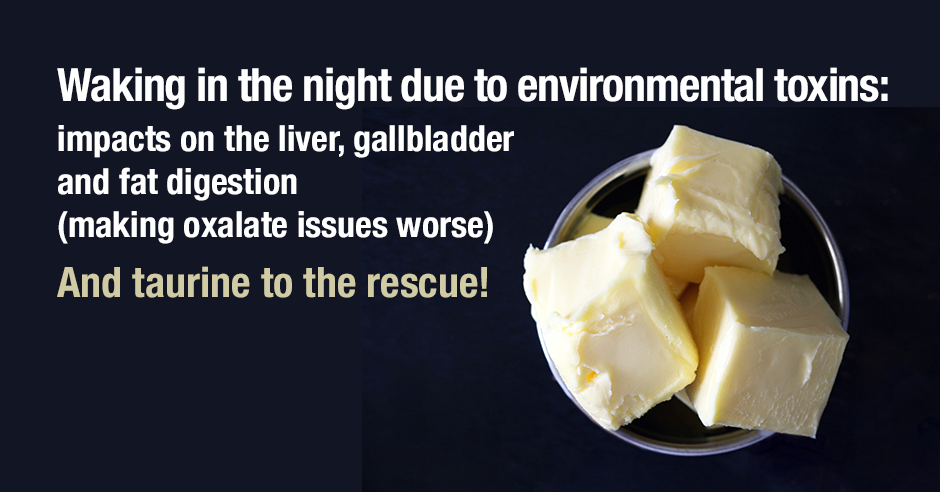
Waking in the night due to environmental toxins: impacts on the liver, gallbladder and fat digestion (making oxalate issues worse)

September 9, 2022 By Trudy Scott 37 Comments

night waking environmental toxins

Today I’m sharing how waking in the night may be caused by oxalate issues that are  made more severe because of home cleaning products, environmental toxins and fragrances/phthalates. It can happen because of the additional detoxification work required and adverse impacts on your liver and gallbladder. This can impact bile production so fat digestion is impaired. And when you have impaired fat digestion this can contribute to more severe oxalate issues because more oxalates are absorbed in the gut. This can lead to increased pain, worsening sleep and/or waking in the night, increased anxiety, fatigue, depression, more severe bladder symptoms, eye problems etc.

Using extra calcium citrate in the night can help in the short term. But improving fat digestion (with lipase, ox bile, taurine, a lipotropic formula, digestive bitters etc.) and supporting the liver/gallbladder is key because it gets to the root of the problem. And of course, avoid the chemical exposure. Sometimes this can’t be done – which is the case when you are traveling – so you have to do your best to reduce exposure.

This is actually my story. I’m traveling in South Africa at the moment and had a flare of my old oxalate issues, with increased foot pain at night, so much so that it was waking me at 3am in the morning. I’d be awake from 3-5am feeling agitated and restless and waiting for the extra calcium citrate to work. I’m a hot mess when I don’t get a solid 8-9 hours sleep so I had to figure out what the issue was and fix it quickly. It was a somewhat convoluted journey (more on that below) but eventually I landed on taurine as the solution and it’s been wonderful to get my solid sleep with no waking in the night!

I do eat a fair amount of fat – plenty of butter on my steamed veggies, olive oil, coconut oil, avocados, the fat from grass-fed meat, chicken skin, full fat cheese and eggs – and didn’t want to cut back.

So when taurine came to the rescue I was thrilled and still am!

I took 500mg before bed the first day and woke briefly twice but went right back to sleep. The second day I took 500mg taurine mid-morning, 500mg taurine mid-afternoon and 500mg before bed (all away from food). That night I woke briefly once and went right back to sleep. The third day I did the same and slept solidly through the night. My goal had been to increase to 3000mg per day but I’ll stick with 1500mg as long as this continues.

There were a few clues that indicated a need for liver-gallbladder support: the 3am waking is classic for liver issues; and my stool had become pale despite nothing else changing.

Impaired fat digestion leads to an increase in oxalate absorption

As mentioned above, when you have impaired fat digestion this can contribute to more severe oxalate issues because more oxalates are absorbed in the gut. This paper, Fat malabsorption induced by gastrointestinal lipase inhibitor leads to an increase in urinary oxalate excretion, summarizes the mechanism well:

Unabsorbed bile acids and fatty acids may react with calcium in the intestinal lumen, forming “soaps” that limit the amount of free calcium binding with oxalate, with a consequent increase in intestinal oxalate absorption leading to hyperoxaluria

In the above study, it’s orlistat (Xenical®), a gastrointestinal lipase inhibitor rather than environmental toxins and bile issues, that causes the increase in oxalates. I share it because it has a helpful explanation of the mechanism.

I share more about my issues with dietary oxalates here – Oxalate crystal disease, dietary oxalates and pain: the research & questions. My main issues in the past have been foot pain and eye pain, with downstream impacts on sleep. This blog has links to a number of other dietary oxalate blogs if this topic is new to you.

Bile production and detoxification

You may recall my wonderful interview with Ann Louise Gittleman on The Anxiety Summit 5: Gut-Brain Axis. The topic was: Why Bile is the Key to Anxiety & Hormone Havoc. I’ll add sleep to that too.

She covered the role of bile in PMS, estrogen imbalance and thyroid health; and importantly, how it’s involved in the removal of toxins from the body:

Bile is the dumping ground for hormones like estrogen. It’s the dumping ground for heavy metals that create anxiety like mercury, as well as too much aluminum and lead. And it’s the dumping ground, also, for a bunch of chemicals. So you got to keep the bile flowing. You have to keep it decongested. You have to thin it out.

She mentions simple tools to improve bile production: bitters (already part of my routine), lemon and water in the morning (also part of my daily routine), coffee (I can’t drink coffee as it makes me anxious), grapefruit and watercress. She also discusses key  nutrients for bile production and quality: choline, inositol, methionine and taurine.

I could not find any lipotropic formula with choline, inositol, methionine (they all had rice flour). And I could not find any products that contained only lipase or ox bile.

While I was looking for something to improve my bile production, I did try a milk thistle extract (for overall liver support) and a liver-gallbladder herbal tincture but both made things worse. So I did some reading on taurine, found a nice taurine only 500mg product and haven’t looked back. Read on for some of the mechanisms.

Taurine and bile acid conjugation and detoxification

Metabolic actions of the amino acid taurine include: “bile acid conjugation, detoxification, membrane stabilization, osmoregulation, and modulation of cellular calcium levels.”

This paper, The Continuing Importance of Bile Acids in Liver and Intestinal Disease, explains the significance of bile acid conjugation with taurine:

After biosynthesis from cholesterol and before excretion from the hepatocyte, bile acid molecules are conjugated with glycine or taurine, which converts a weak acid to a strong acid. As a result, conjugated bile acids are fully ionized at the range of pH values present in the small intestine.

Taurine works on GABA receptors and is a GABA alternative

What is really interesting is that taurine works on GABA receptors and has a synergistic effect with GABA. I suspect this played a role for me too.

In this editorial, Taurine and GABA neurotransmitter receptors, a relationship with therapeutic potential?, the authors share the following::

  • “Taurine exerts its neuronal inhibitory effect through the activation of GABAA receptors (GABAAR) but with less affinity than the specific agonists of each receptor.
  • GABA and taurine act synergistically in extra-synaptic GABA receptors.
  • Some experiments suggest that taurine activates GABAB receptors with high affinity”

In countries where over-the-counter GABA is not available (like the UK, Australia and New Zealand), I will recommend taurine as an option. I don’t find it to be as effective as GABA but it is slightly calming.

You may need to course-correct from time to time

I share this story to illustrate that things can be going well in terms of sleep, pain, anxiety, depression and so on, and then something can happen and you have to course-correct.

I also often hear from folks in my community saying: “GABA and/or tryptophan was working perfectly to help me sleep and all of a sudden it’s no longer working. What is going on?”  A situation like this shows how something else can change and it has nothing to do with the amino acids no longer working.

I do already use GABA, tryptophan (more on these below), melatonin and magnesium at bedtime and continued taking these supplements but I had to fix the root cause – the fat digestion issue.

I will add this: even if you don’t have dietary oxalate issues, this approach may be worth considering if you have no gallbladder, have fat digestion issues, are exposed to environmental toxins, have liver issues and wake in the night.

Resources if you are new to using amino acids as supplements

If you are new to using any of the amino acids as supplements, here is the Amino Acids Mood Questionnaire from The Antianxiety Food Solution (you can see all the symptoms of neurotransmitter imbalances, including low serotonin and low GABA).

If you suspect low levels of any of the neurotransmitters and do not yet have my book, The Antianxiety Food Solution – How the Foods You Eat Can Help You Calm Your Anxious Mind, Improve Your Mood, and End Cravings, I highly recommend getting it and reading it before jumping in and using amino acids on your own so you are knowledgeable. And be sure to share it with the practitioner/health team you or your loved one is working with.

There is an entire chapter on the amino acids and they are discussed throughout the book in the sections on gut health, gluten, blood sugar control, sugar cravings, self-medicating with alcohol and more.

The book doesn’t include product names (per the publisher’s request) so this blog, The Antianxiety Food Solution Amino Acid and Pyroluria Supplements, lists the amino acids that I use with my individual clients and those in my group programs. You can find them all in my online store.

If, after reading this blog and my book, you don’t feel comfortable figuring things out on your own (i.e. doing the symptoms questionnaire and respective amino acids trials), a good place to get help is the GABA QuickStart Program (if you have low GABA symptoms). This is a paid online/virtual group program where you get my guidance and community support.

If you are a practitioner, join us in The Balancing Neurotransmitters: the Fundamentals program. This is also a paid online/virtual program with an opportunity to interact with me and other practitioners who are also using the amino acids.

Have you experienced any adverse symptoms when exposed to environmental toxins? And has this made your oxalate issues worse or affected your fat digestion?

Have you used taurine with success? How much helps you?

Have other liver or gallbladder approaches also helped?

If you have questions please share them here too.

Read all posts in this series:

  • Coronavirus and vitamin C for immune support: new pain or more severe pain due to oxalate issues? (part 1)
  • Oxalate crystal disease, dietary oxalates and pain: the research & questions (part 2)
  • Vitamin C causes oxalate formation resulting in pain, anxiety, and insomnia (when there is a defect in ascorbic acid or oxalate metabolism)? (part 3)
  • Willow’s survival story: Easter Lilies cause acute renal failure in cats and Peace Lilies cause oxalate issues (part 4)
  • Waking in the night due to environmental toxins: impacts on the liver, gallbladder and fat digestion (making oxalate issues worse) (part 5)

Filed Under: GABA, Insomnia, Oxalates, Pain Tagged With: anxiety, Balancing Neurotransmitters: the Fundamentals program for practitioners, bile, bladder symptoms, calcium citrate, depression, detoxification, digestive bitters; GABA Quickstart program, environmental toxins, eye problems, fat digestion, fatigue, fragrances, gallbladder, home cleaning products, insomnia, lipase, lipotropic formula, liver, ox bile, oxalates, pain, phthalates, sleep, taurine, Waking in the night

The seasonality of GABA: worsening anxiety, insomnia and intrusive thoughts in winter (and the need for increased GABA supplementation)

January 7, 2022 By Trudy Scott 33 Comments

seasonability of gaba

Seasonal variations in serotonin have long been documented with much research on the winter blues and SAD lamps. There is less awareness about GABA seasonality and I only recently started to look into the research when I wrote about the need to increase tryptophan or 5-HTP temporarily when a winter dip in serotonin causes more severe anxiety, OCD and/or the winter blues.

Following on from my blog post on the seasonality of serotonin, it’s important to be aware of the seasonality of GABA and that GABA levels may also be lower in the winter months. This is also due to shorter days and less light because of more overcast and cloudy/rainy/snowy days.

You may find you need to increase your GABA supplement dosing during this time, in order to get the same benefits for your low GABA physical anxiety, stiff and tense muscles, insomnia (the low GABA lying-awake-tense type), feelings of overwhelm, intrusive thoughts (the low-GABA type), and stress-eating or self-medicating with alcohol.

Read on to learn more about seasonal fluctuations in GABA, an example of how adjusting GABA could look and some of the possible mechanisms.

Intuitively increased GABA without knowing about the seasonality of GABA

A few weeks ago I shared on Facebook that GABA has a seasonal aspect and an increase may be needed in winter when it’s darker earlier and colder. Elicia offered this input:.

I use GABA Calm and usually take 1 or 2 a day. The past two days I’ve taken 4 because I suspected that I needed an increase.

I take it for physical anxiety, insomnia and intrusive thoughts. My symptoms had been worsening recently. The increased GABA seems to be helping.

She also asked what an increase in GABA would look like.

My feedback for her is (you guessed it!) that it depends on each person. If 4 x instead of 1 or 2 x GABA Calm a day helps to ease her symptoms then that’s the right amount for her unique needs at this time. It may be less or more for someone else. And it’s going to change again after the winter season.

I’m so glad to hear she intuitively increased her dose without knowing about the seasonality of GABA and that she saw her worsening symptoms improve.

Other approaches to boost GABA levels may help too: Yoga, meditation, tai chi and essential oils.

Seasonal fluctuations are also found in anxiety disorders and bulimia nervosa

As I mentioned above, SAD or seasonal affective disorder, appears to be relatively common and is well-recognized.

This review paper, An overview of epidemiological studies on seasonal affective disorder mentions anxiety and other conditions too:

  • Seasonal variations in mood, depressive symptoms usually peaking in winter
  • SAD was more prevalent at higher northern latitudes, but the prevalence varied across ethnic groups.
  • SAD has also been identified in children and adolescents.
  • Seasonal exacerbations and remissions are not limited to mood disorders, it has also been found in bulimia nervosa, anxiety disorders and other psychiatric illnesses.

Some of this may be related to low serotonin and as you’ll see below, melatonin and low GABA (and low dopamine too), and the liver, all may play a role too.

GABA is higher in summer/lower in winter and tied to liver function

In this animal study, Effect of the pineal gland on 5-hydroxytryptamine and γ-aminobutyric acid secretion in the hippocampus of male rats during the summer and winter, they report that

GABA secretion in the hippocampus of rats had a seasonal rhythm consisting of increased secretion in summer and decreased secretion in the winter.

Additionally, the liver can regulate the content of active substances, including GABA, and its function is controlled by brain centers, especially in the marginal lobe.

This paper reports similar seasonal changes with respect to serotonin, stating that both fluctuations may be related to the seasonal changes of “regulation by the liver”. The authors remind us that in Chinese Medicine the liver is closely related to emotions, and that the liver functions well in hot weather and is weak in winter.

GABA exhibits seasonal rhythms related to the pineal gland and melatonin

The introduction of this animal study (by the same authors), Molecular mechanisms of seasonal photoperiod effects of the pineal gland on the hippocampus in rats highlights a number of points related to seasonal variations in mood:

Based on the theory of “five Zang-organs corresponding to the seasons” in traditional Chinese medicine (TCM), physiological functions including emotions vary with the seasons.

The production of mood-related neurotransmitters such as 5-hydroxytryptamine [serotonin], γ-aminobutyric acid [GABA], dopamine, and norepinephrine exhibits seasonal rhythms, which are related to the regulation of the hippocampus by the pineal gland-MT [melatonin] system.

In other words, GABA (and these other neurotransmitters) exhibit seasonal rhythms related to melatonin secreted by the pineal gland, thereby impacting the hippocampus.

Be sure to read the paper for additional information on depression, seasonal affective disorder and bright light therapy; the seasonal effects of the pineal gland on the hippocampus; the role of melatonin and photoperiod/length of night; the hippocampus and melatonin receptors and more.

The authors were looking for direct evidence of the signalling mechanisms that cause this to happen:

Our findings suggest that the MTR-Gs/Gi-cAMP-PKA-CREB signaling pathway is involved in the seasonal photoperiod [length of night] effects of the pineal gland on the hippocampus and may underpin seasonal changes in emotions.

Feel free to read more about all this in the paper too as it’s beyond the topic of this blog.

Other factors to consider: sugar/alcohol, stress/pyroluria and low serotonin

I’d also consider the following:

  • The increased consumption of sugar at this time can lead to reduced zinc, magnesium and B vitamins (like vitamin B6 and thiamine) and this can further reduce GABA levels, which relies on these nutrients as cofactors for production. By boosting GABA levels with the amino acid GABA (and higher amounts if needed) you can actually reduce some of the cravings and stress-eating.
  • Overindulging in alcoholic holiday beverages can also deplete zinc and B vitamins, further affecting GABA production. Using higher amounts of the amino acid GABA (if needed) can also prevent self-medicating with alcohol. This often happens when trying to fit in and socialize.
  • If you have the social anxiety condition called pyroluria, the added stress of family and holiday gatherings can also contribute to zinc and vitamin B6 being dumped, and further impacting serotonin production.
  • The need to also increase tryptophan or 5-HTP temporarily when a winter dip in serotonin causes more severe anxiety (the low serotonin worry-type), OCD and/or the winter blues.

Resources if you are new to using GABA as a supplement

If you are new to using the the amino acid GABA as a supplements, here is the Amino Acids Mood Questionnaire from The Antianxiety Food Solution (you can see the low GABA and other low neurotransmitter symptoms) and a brief overview here: Anxiety and targeted individual amino acid supplements: a summary.

If you suspect low levels of GABA and do not yet have my book, The Antianxiety Food Solution – How the Foods You Eat Can Help You Calm Your Anxious Mind, Improve Your Mood, and End Cravings, I highly recommend getting it and reading it before jumping in and using amino acids so you are knowledgeable. And be sure to share it with the team you or your loved one is working with.

The book doesn’t include product names (per the publisher’s request) so this blog, The Antianxiety Food Solution Amino Acid and Pyroluria Supplements, lists the GABA products that I use with my individual clients and those in my group programs.

Have you noticed worsening anxiety, insomnia, intrusive thoughts or even bulimia in the winter months?

Have you noticed you need more GABA in the winter? And then you ease off at the end of winter again?

What changes in your dosing have made a difference with your symptoms?

Did you adjust intuitively or were you aware of the GABA seasonality aspect?

And do you notice something similar with serotonin support and needing additional melatonin in winter too (if you already use it)?

If you’re a practitioner, do you have your clients/patients make adjustments too?

Feel free to ask your questions here too.

Filed Under: Anxiety, GABA, Insomnia, serotonin Tagged With: alcohol, anxiety, bulimia, depression, GABA, insomnia, intrusive thoughts, liver, melatonin, pineal gland, pyroluria, SAD lamps, seasonality, self-medicating, serotonin, stress-eating, sugar, winter, winter blues

Tryptophan doesn’t work, then it does and then it doesn’t: could it be hormonal shifts, dietary factors and/or parasites?

November 26, 2021 By Trudy Scott 19 Comments

tryptophan result

Have you been in a situation where tryptophan doesn’t work, then it does work, and then sometimes it doesn’t work as expected? There is a reasonable explanation as to why it may not work initially – too much or too little was used. The variable results and the need to switch between lower and higher doses on an ongoing basis can happen but it’s not very pronounced unless there is a specific reason. In this blog I cover some of these reasons – hormone shifts, dietary factors and parasites/other digestive issues.

I’m writing this blog in response to a question that was posted on one of my speaker pages on the Anxiety Summit: Gut-Brain Axis. This is the actual question:

I tried to use tryptophan the first time (whole capsule) and got really high. Some time later I tried again, but used 1/4 of a capsule and had a good result. A few weeks later 1/4 of the capsule didn’t work at night. So I went up to half a capsule. And that’s where  I am now. But some nights (very rare) I can only get good results from a whole capsule. I use it along with the same amount of GABA. Is that a normal reaction for tryptophan?

I don’t know what brand of tryptophan she was using but assume 500mg was her starting dose and she now shifts between 125 mg (¼ capsule) and 250 mg (½ capsule) with variable results.

It’s not unusual for someone to not feel great on 500 mg if that dose is too much for their unique needs. She did the right thing by lowering her dose.  It’s also reasonable that someone may find 500 mg as an initial dose isn’t enough to reduce symptoms.

The variable results and the need to switch between 125 mg and 250 mg can happen but it’s not very pronounced unless there is a specific reason. Some of these reasons include hormone shifts, dietary factors, parasites/other digestive issues, thyroid issues, low lithium, product quality and environmental factors. More on all this below.

Hormone shifts/more serotonin is needed in the luteal phase

I have my clients track when the variability happens, with female clients documenting their cycles. Some women need more serotonin support in the luteal phase i.e. after ovulation and right up to before their periods. Some may even need additional tryptophan for the first few days of their periods too.

Write about tryptophan working well in the luteal phase in this blog – Tryptophan for PMS: premenstrual dysphoria, mood swings, tension, and irritability

In a study published in 1999, A placebo-controlled clinical trial of L-tryptophan in premenstrual dysphoria, tryptophan was found to reduce symptoms of PMS when used in the luteal phase or second half of the cycle (i.e. after ovulation):

37 patients with premenstrual dysphoric disorder were treated with L-tryptophan 6 g per day, and 34 were given placebo. The treatments were administered under double-blind conditions for 17 days, from the time of ovulation to the third day of menstruation, during three consecutive menstrual cycles.

They looked at dysphoria, which is defined as a state of unease or generalized dissatisfaction with life, plus mood swings, tension (and anxiety), and irritability and they found a 34.5% reduction of symptoms with tryptophan compared to 10.4% with placebo.

The paper concludes: “that these results suggest that increasing serotonin synthesis during the late luteal phase of the menstrual cycle has a beneficial effect in patients with premenstrual dysphoric disorder.”

It’s a small study but the results are powerful and it’s something I see clinically with my clients. The one big difference is that I typically have clients using tryptophan throughout the month.

But if you are seeing tryptophan work and then not work at similar times each month this is something to consider and track. And then if need be, increase and decrease tryptophan accordingly (and track again).

Dietary factors – collagen, gluten, sugar, wine and coffee

There are other factors to consider too and dietary impacts is one. For example, collagen leads to a higher need for tryptophan in susceptible individuals (due to it’s serotonin-lowering effects – I blog about this here)

Another dietary factor is accidental gluten exposure in susceptible individuals or a newly discovered gluten issue

High sugar intake, alcohol and/or caffeine consumption may also be a factor – contributing to added stress for the adrenals and depletions in zinc and the B vitamins. This can contribute to lowered serotonin and a need for a higher dose of tryptophan.

Now imagine if it’s just before her period and she adds collagen to her diet and she also eats out and gets zapped by gluten. Triple whammy for this woman!

And she goes to a party and happens to indulge in cocktails or wine, and then goes on a binge at the dessert table, followed by a few cups of coffee (or even one dessert and one cup of coffee).

A food-mood log really helps you figure things out.  And then, if need be, increase and decrease tryptophan accordingly.  And track again and address the dietary issues.

Parasites and other gut issues

If she has a very pronounced shift in symptoms for 4-5 days around a full moon each month – more severe insomnia, more anxious, more depressed – I would want to check for parasites.

I would also want to check for other digestion issues like dysbiosis, SIBO (small intestinal bacterial overgrowth), candida and liver health as they may all be factors. With SIBO and candida, dietary slip-ups may make symptoms worse right after the slip-up, for example increased bloating making sleep and anxiety worse.

Using tryptophan sublingually/opened on the tongue may bypass some of the digestive/liver  issues until they are resolved.

As mentioned above, if need be, increase and decrease tryptophan accordingly. And track again and address the underlying issues.

Other factors to rule out – thyroid, lithium, environmental factors and the product

Two other underlying root causes we always want to rule out when we see variable results using tryptophan (and any of the amino acids) are Hashimoto’s thyroiditis (because we can have variable thyroid results – sometimes hypo/low and sometimes hyper/high) and low levels of lithium (because this can affect the results we see with all the amino acids).

And we always check environmental factors like mold, EMFs and outside stresses. And look for infections like Lyme disease or EBV.  If the basics are not unearthing the solution we continue to dig deeper and do a full functional medicine workup. And adjust the tryptophan as needed.

And finally the quality of the product is key. I find Lidtke Tryptophan to be better than many other brands. I’ve also had many clients switch to Lidtke tryptophan and see better results and often need a lower dose.

Resources if you are new to using tryptophan and the amino acids as supplements

If you are new to using the amino acids tryptophan/5-HTP and the other amino acids as supplements, here is the Amino Acids Mood Questionnaire from The Antianxiety Food Solution (you can see the low serotonin symptoms here) and a brief overview here, Anxiety and targeted individual amino acid supplements: a summary.

If you suspect low serotonin or low levels of any of the neurotransmitters and do not yet have my book, The Antianxiety Food Solution – How the Foods You Eat Can Help You Calm Your Anxious Mind, Improve Your Mood, and End Cravings, I highly recommend getting it and reading it before jumping in and using amino acids so you are knowledgeable. And be sure to share it with the team you or your loved one is working with.

The book doesn’t include product names (per the publisher’s request) so this blog, The Antianxiety Food Solution Amino Acid and Pyroluria Supplements, lists the amino acid products that I use with my individual clients and those in my group programs.

I always appreciate good questions like this and hope this feedback has helped her and you too if you’ve experienced something like this (or if you do in the future). In case you’re wondering, this question was posted after someone tuned into my interview, “GABA & Tryptophan: Gut-Anxiety Connections” on the Anxiety Summit 5: Gut-Brain Axis.

Have you had a variable response to tryptophan (or 5-HTP) and can you relate to any of this?

What did you figure out to be the reason?

Feel free to ask your questions here too.

Filed Under: Anxiety, Depression, Gut health, serotonin, Tryptophan Tagged With: amino acids, anxiety, coffee, collagen, depressed, diet, environmental, GABA, gluten, gut, hormonal shifts, lithium, liver, luteal phase, neurotransmitter, parasites, quality, serotonin, sugar, thyroid, tryptophan, variable, wine

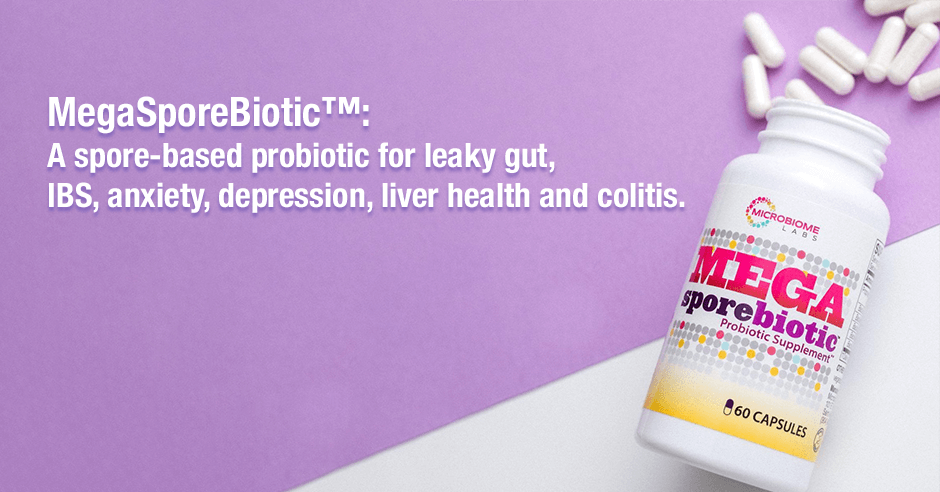
MegaSporeBiotic™: A spore-based probiotic for leaky gut, IBS, anxiety, depression, liver health and colitis

May 7, 2021 By Trudy Scott 44 Comments

megasporebiotic

MegaSporeBiotic™ is “a 100% spore-based broad-spectrum probiotic shown to maintain healthy gut barrier function” i.e. leaky gut. Research and clinical results show it is promising for irritable bowel syndrome (IBS) or SIBO (small intestinal bacterial overgrowth), recovery from liver injury caused by acetaminophen, and is protective in ulcerative colitis (an inflammatory bowel disease). Given the gut-brain connection and the fact that the majority of serotonin is produced in the gut, it’s not surprising that spore-based probiotics may also help ease anxiety and depression.

Here are some of the studies supporting this spore-based probiotic for gut issues:

  • Oral spore-based probiotic supplementation was associated with reduced incidence of post-prandial dietary endotoxin, triglycerides, and disease risk biomarkers

The key findings of the present study is that oral spore-based probiotic supplementation reduced symptoms indicative of “leaky gut syndrome”.

  • Bacillus spp. Spores-A Promising Treatment Option for Patients with Irritable Bowel Syndrome

The results demonstrated that patients treated with MegaSporeBiotic, compared with those treated with rifaximin followed by nutraceutical or low-FODMAP diet, had similar severity scores and rectal volume sensation test results for all parameters tested and statistically significant improvement in measurements of quality of life.

  • Probiotic Bacillus Spores Protect Against Acetaminophen Induced Acute Liver Injury in Rats

This is important because “Acetaminophen  is one of the most used analgesics [pain-reducing] and antipyretic [fever-lowering] agents in the world. Intoxication with acetaminophen is the main cause of acute liver toxicity in both the US and Europe.”

  • Probiotic Bacillus Spores Together with Amino Acids and Immunoglobulins Exert Protective Effects on a Rat Model of Ulcerative Colitis

Pretreatment with probiotic spore-forming Bacillus strains and a supplement of amino acids in combination with immunoglobulins exhibited anti-inflammatory and antioxidant effects in an AA-induced rat model of ulcerative colitis.

In one study, Bacillus coagulans (one of the spore-forming strains in MegaSporeBiotic™), when used alone was shown to help ease depression and gut problems in IBS patients. It was a randomised, double-blind, placebo controlled, multi-centre, pilot clinical study and:

The improvement in depression and IBS symptoms was statistically significant and clinically meaningful. These findings support B. coagulans MTCC 5856 as an important new treatment option for major depressive disorder in IBS patients.

During The Anxiety Summit 5: Gut-Brain Axis, I interviewed Kiran Krishnan who is a microbiologist, one of the founders of Microbiome Labs and a co-creator of MegaSporeBiotic™. He reminds us about the gut-brain connection and how anxiety and mental health issues come from the gut “because the vast majority of serotonin in your body – more than ninety percent of it – is actually produced in the gut” and not in the brain.

He talks about the type of cell in the gut that produces serotonin – the enterochromaffin cell – and the fact that “spore forming bacteria are some of the best stimulators of the enterochromaffin cell to produce serotonin.”

With low levels of serotonin you’ll experience the worry-type of anxiety with ruminations, obsessing, panic attacks, insomnia (often lying awake worrying). Other low serotonin symptoms include low mood/depression, late afternoon and evening carbohydrate cravings, pain, PMS, irritability, rage and anger, TMJ, low confidence, imposter syndrome and perfectionism. This type of low-serotonin anxiety is different from the low GABA physical/tension type anxiety.

These cells also play a crucial role in gastrointestinal regulation, particularly intestinal motility. We know low serotonin also contributes to digestive/IBS-type symptoms.

You can see a list of all the low serotonin symptoms here.

Brandy’s positive feedback on digestive issues and mental health

Brandy Oto, a marriage, couple and family counselor, incorporates  an integrative nutrition approach with her clients and she shares this:

MegaSporeBiotic™ makes a HUGE difference in my body! I have used every probiotic I can think of. Megaspore has not only resolved my digestive issues and allows me regular bowel movements, I find my mental health is much better! I have decided to use it in my practice as well now. Clients consistently report better mental health!

I asked her how quickly she notices an improvement when using MegaSporeBiotic™ and what aspects of mental health improve for her and her clients. She shares this:

I personally notice physical and mental anxiety decrease usually about 4-5 days, bowel movements easy within a couple days, ability to tolerate foods I was sensitive to after 6 or so months on them.

Clients report all types of improvements from anxiety, depression, to digestive issues improving. I have even heard from one client that when she gets off the probiotic symptoms of schizophrenia return.

In Brandy’s mental health practice, she does use amino acids to address neurotransmitter deficiencies too (for example tryptophan or 5-HTP to address low serotonin symptoms like worry, fear, panic attacks). She uses this spore-based probiotic to address underlying issues that cause those deficiencies.

It’s not one or the other – the probiotics and amino acids are part of a comprehensive plan.

Not everyone raves about this probiotic and some folks report it either does nothing for them or is too strong for them. So, as with everything, it’s very individualized.

How do spore-based probiotics differ from other probiotics?

During the Anxiety Summit interview with Kiran, he explains how they differ from other probiotics and why this is important for them to get into the gut:

These are organisms that have a unique capability of covering themselves in a thick calcified protein-like coating. So it’s armor, essentially, around the bacterial cell.

This allows these bacteria to come in through the gastric system, through the oral route, and survive the gauntlet that bacteria have to go through just getting through the process of digestion.

So the first step is the stomach acid. The stomach acid is called the gastric barrier and that’s because it acts as an actual physical barrier through the function of hydrochloric acid to try to kill off as many microbes that are trying to enter the system through food and other exposure.

If something gets past the stomach acid then the second piece of the gauntlet are the bile salts. Bile salts are released into the duodenum itself. Those are very strong antimicrobials and part of their function is to act as an antimicrobial to protect the system against a lot of bacteria coming in on a regular basis.

And then the last part is the pancreatic enzymes that help you digest your food – they also act as antimicrobials.

So there’s this really difficult gauntlet that the microbes that are entering the system through the oral route have to go through in order to make it past these initial systems to get to the site of action in the deeper part of the intestines where they’re supposed to function as a probiotic.

These spores have developed this unique, natural capability of covering themselves in this armor which allows them to survive through all of that.

This study, Survival and persistence of Bacillus clausii in the human gastrointestinal tract following oral administration as spore-based probiotic formulation confirms the above for one particular strain and concludes that “Bacillus clausii spores survive transit through the human gastrointestinal tract.”

Where can I buy MegaSporeBiotic™?

megasporebiotic supplement facts

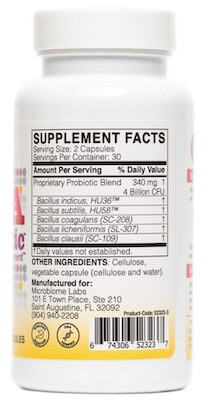
These are the spore-based bacteria contained in the MegaSporeBiotic™ product: Bacillus Licheniformis, Bacillus Indicus HU36™, Bacillus Subtilis HU58™, Bacillus Clausii and Bacillus Coagulans.

You can purchase MegaSporeBiotic™ directly from Microbiome Labs once you have set up an account with them under my name. Use this link (and make sure the Direct2Patient™ Code says tscott).

You can also read more about the product on the Microbiome Labs site here.

If you already have an account with Fullscript, my online supplement store, you can purchase from there too.

If you don’t yet have an account with Fullscript you can read more about how to set up an account here.

Let us know if you’ve used MegaSporeBiotic™ with success and how it helped you with anxiety, depression and/or gut and liver health.

Let us know if you’ve used another spore-based probiotic and which one? Or do you have a favorite probiotic that is not spore-based?

I’m going to a product review like this once a month so please let me know if you like this format with research, feedback and mechanisms.  And let me know what other products you’d like me to review.

Feel free to post your questions here too.


Filed Under: Anxiety, Depression, Gut health, serotonin Tagged With: acetaminophen, amino acids, anxiety, Bacillus clausii, bacillus coagulans, colitis, depression, enterochromaffin, IBS, Kiran Krishnan, leaky gut, liver, MegaSporeBiotic™, Microbiome Labs, probiotics, serotonin, SIBO, spore-based probiotic

The liver/thyroid/serotonin and liver/GABA/progesterone connections: The Anxiety Summit 6

September 30, 2020 By Trudy Scott 10 Comments

liver thyroid serotonin

Dr. Ameet Aggarwal is one of my guest experts on The Anxiety Summit 6: Toxins/Meds/Infections!
and our topic is Liver Function and Bile: Anxiety, Detox, the Gut and Hormones. Here is some of what we cover in our interview:  

  • The liver/anxiety connections: thyroid/serotonin, microbiome and GABA/progesterone
  • Foods and nutrients like NAC, triphala, turmeric, taurine and lycopodium
  • Gilbert’s syndrome and schizophrenia; misophonia; family constellations therapy; giving and endorphins

and much more.

ameet aggarwal

We discuss a number of the mechanisms as to why poor liver function affects your mood. There is the liver/thyroid/serotonin connection, and the liver/GABA/progesterone connection.

In the discussion on the liver/thyroid/serotonin connection and anxiety, Dr. Ameet shares from this paper – The Relationship between the thyroid gland and the liver (paraphrased as I don’t yet have transcripts):

  • Thyroxine and tri‐iodothyronine are essential for normal organ growth, development and function
  • These hormones regulate the basal metabolic rate of all cells, including hepatocytes, and thereby modulate hepatic [liver] function
  • The liver in turn metabolizes the thyroid hormones and regulates their systemic endocrine effects.
  • Thyroid dysfunction may perturb liver function
  • Liver disease modulates thyroid hormone metabolism.

The catecholamine and thyroid interrelationship is well recognized but less is known about the serotonin and the thyroid. Dr. Ameet shares the synergy between the thyroid hormones, serotonin and mood:

  • animal studies shows that the thyroid economy has a modulating impact on the brain serotonin system
  • studies in hypothyroid patients have shown that thyroid replacement therapy improves serotonin production

In summary, if we have compromised liver function and/or low thyroid function this may impact serotonin levels and lead to increased anxiety.

Here is a snippet from our discussion on the liver/GABA/progesterone and anxiety:

  • We often think about mental health as being neurotransmitters alone but it also depends on hormones. Progesterone affects how GABA works in the brain.
  • GABA is your anti-anxiety neurotransmitter but it requires progesterone to work well in your brain and your liver metabolizes all your hormones through phase 1 and phase 2 detoxification
  • If your liver is compromised then you’re likely to have lower progesterone levels and estrogen dominance.
  • With low progesterone GABA won’t work as well as well in the brain, leading to anxiety and insomnia.

Again, if we have compromised liver function this may impact progesterone levels, having an effect on how GABA works and causing increased anxiety.

If you recall, I shared this GABA/progesterone snippet a few weeks ago before the site was ready and now it’s ready for you to register.

This interview is one of the registration gifts so you can listen to it right away as soon as you register (there will also be a complimentary transcript made available as soon as it’s completed.)

ameet interview

Here is a little about the summit… as you know, anxiety can be related to your daily life experiences BUT it can also be triggered by:

  • foods you eat and what you drink (like wheat, oxalates, alcohol and more)
  • environmental toxins (like lead, plastics, fragrances, insecticides, fluoride and more)
  • many types of medications (like the birth control pill, acne medication, fluoroquinolone antibiotics and more) and/or
  • chronic infections (like Lyme disease, PANDAS, parasites, candida and more).

Once you identify the root causes and understand anxiety’s mechanisms you can support the liver/gallbladder, detox, address infections, implement targeted and supportive solutions, and get relief!

WHY ATTEND?

This is my 6th Anxiety Summit, featuring all new topics and the latest research related to anxiety and toxins, medications and infections.

I’ve also experienced many of these health challenges myself – lead and mercury toxicity, gluten issues and candida – and I’m currently dealing with chronic Lyme disease and dietary oxalate issues. You’ll hear some of my healing journey and my solutions in a few interviews too.

anxiety summit 6

WHAT SETS THIS ONLINE EVENT APART?

What sets this apart from other events on toxins and infections is being able to make the many connections to GABA (the main calming neurotransmitter) and serotonin (a happy and calming neurotransmitter) AND how to use  the amino acids GABA and tryptophan to ease your anxiety right away while you are dealing with the other underlying root causes – which take longer to address.

You will see this woven into each of the expert interviews (just like this one with Dr. Schaffner) and also addressed in detail in my 3 interviews where I do a deep dive into specific applications.

For example, in my toxins interview, I share how GABA reverses fluoride-induced anxiety and hypothyroidism, and how tryptophan and vitamin C ease anxiety symptoms associated with lead toxicity  (I’ll be sharing more about this in the future so stay tuned….)

Over the course of the next 6 weeks you’ll be seeing frequent emails from me with snippets and highlights from various interviews – like this one. I do hope you continue to enjoy them and get excited about the summit! Please do share if you know someone who has anxiety!

It’s been wonderful to get all the emails saying how excited you are and seeing so many of you signing up. These last few months have been full-time on research and interviews and I’ll shortly get to share it all with you!

You’ve heard me say the Anxiety Summit has been called “a bouquet of hope!”  My wish for you is that this summit is your bouquet of hope!

I hope you’ll join me and these incredible speakers, be enlightened and find YOUR solutions!

Here’s to no more anxiety and you feeling on top of the world again!


If you’re already familiar with some of this information and practice some of this already please share how it’s helped you. That way we can all learn.

If you’d like to ask a question, please post in the comments below.

I’d also love to hear from you once you’ve listened to this interview. Please do come back and comment about some of the highlights of this interview and what changes you plan to make.

Filed Under: The Anxiety Summit 6 Tagged With: Ameet Aggarwal, anxiety, GABA, liver, progesterone, serotonin, The Anxiety Summit 6, thyroid

  • Page 1
  • Page 2
  • Go to Next Page »

Primary Sidebar

NEW! GABA QuickStart Homestudy (with special intro pricing)

gaba quickstart homestudy

Free Report

9 Great Questions Women Ask about Food, Mood and their Health

You'll also receive a complimentary subscription to my ezine "Food, Mood and Gal Stuff"


Connect with me

Popular Posts

  • Amino Acids Mood Questionnaire from The Antianxiety Food Solution
  • The Antianxiety Food Solution Amino Acid and Pyroluria Supplements
  • Pyroluria Questionnaire from The Antianxiety Food Solution
  • Collagen and gelatin lower serotonin: does this increase your anxiety and depression?
  • Tryptophan for the worry-in-your-head and ruminating type of anxiety
  • GABA for the physical-tension and stiff-and-tense-muscles type of anxiety
  • The Antianxiety Food Solution by Trudy Scott
  • Seriphos Original Formula is back: the best product for anxiety and insomnia caused by high cortisol
  • Am I an anxious introvert because of low zinc and vitamin B6? My response to Huffington Post blog
  • Vagus nerve rehab with GABA, breathing, humming, gargling and key nutrients

Recent Posts

  • What do I use instead of Seriphos to help lower high cortisol that is affecting my sleep and making me anxious at night?
  • BeSerene™ GABA/theanine cream eases severe muscle tension in her neck/shoulders, prevents her bad headaches and quells her anxiety
  • How the correct approach, dose and sublingual use of GABA can be calming and not cause a flushed and itchy face and neck
  • The amino acid glutamine improves low mood by addressing gut health, and it has calming effects too
  • Flight anxiety with heightened breath, physical tension and also fearing the worst (the role of low GABA and low serotonin)

Categories

  • 5-HTP
  • AB575
  • Addiction
  • ADHD
  • Adrenals
  • Alcohol
  • Allergies
  • Alzheimer's disease
  • Amino Acids
  • Anger
  • Antianxiety
  • Antianxiety Food Solution
  • Antidepressants
  • Anxiety
  • Anxiety and panic
  • Autism
  • Autoimmunity
  • benzodiazapines
  • Bipolar disorder
  • Books
  • Caffeine
  • Cancer
  • Candida
  • Children/Teens
  • Collagen
  • Cooking equipment
  • Coronavirus/COVID-19
  • Cravings
  • Depression
  • Detoxification
  • Diabetes
  • Diet
  • DPA/DLPA
  • Drugs
  • EFT/Tapping
  • EMF
  • EMFs
  • Emotional Eating
  • Endorphins
  • Environment
  • Essential oils
  • Events
  • Exercise
  • Fear
  • Fear of public speaking
  • Fertility and Pregnancy
  • Fish
  • Food
  • Food and mood
  • Functional neurology
  • GABA
  • Gene polymorphisms
  • General Health
  • Giving
  • Giving back
  • Glutamine
  • Gluten
  • GMOs
  • Gratitude
  • Gut health
  • Heart health/hypertension
  • Histamine
  • Hormone
  • Hyperparathyroidism
  • Hypoglycemia
  • Immune system
  • Inflammation
  • Insomnia
  • Inspiration
  • Introversion
  • Joy and happiness
  • Ketogenic diet
  • Lithium orotate
  • Looking awesome
  • Lyme disease and co-infections
  • MCAS/histamine
  • Medication
  • Men's health
  • Mental health
  • Mercury
  • Migraine
  • Mold
  • Movie
  • MTHFR
  • Multiple sclerosis
  • Music
  • NANP
  • Nature
  • Nutritional Psychiatry
  • OCD
  • Osteoporosis
  • Oxalates
  • Oxytocin
  • Pain
  • Paleo
  • Parasites
  • Parkinson’s disease
  • PCOS
  • People
  • PMS
  • Postpartum
  • PTSD/Trauma
  • Pyroluria
  • Questionnaires
  • Real whole food
  • Recipes
  • Research
  • Schizophrenia
  • serotonin
  • SIBO
  • Sleep
  • Special diets
  • Sports nutrition
  • Stress
  • Sugar addiction
  • Sugar and mood
  • Supplements
  • Teens
  • Testimonials
  • Testing
  • The Anxiety Summit
  • The Anxiety Summit 2
  • The Anxiety Summit 3
  • The Anxiety Summit 4
  • The Anxiety Summit 5
  • The Anxiety Summit 6
  • Thyroid
  • Thyroid health
  • Toxins
  • Tryptophan
  • Tyrosine
  • Uncategorized
  • Vegan/vegetarian
  • Women's health
  • Yoga

Archives

  • October 2025
  • September 2025
  • August 2025
  • July 2025
  • June 2025
  • May 2025
  • April 2025
  • March 2025
  • February 2025
  • January 2025
  • November 2024
  • October 2024
  • September 2024
  • August 2024
  • July 2024
  • June 2024
  • May 2024
  • April 2024
  • March 2024
  • February 2024
  • January 2024
  • December 2023
  • November 2023
  • October 2023
  • September 2023
  • August 2023
  • July 2023
  • June 2023
  • May 2023
  • April 2023
  • March 2023
  • February 2023
  • January 2023
  • December 2022
  • November 2022
  • October 2022
  • September 2022
  • August 2022
  • July 2022
  • June 2022
  • May 2022
  • April 2022
  • March 2022
  • February 2022
  • January 2022
  • December 2021
  • November 2021
  • October 2021
  • September 2021
  • August 2021
  • July 2021
  • June 2021
  • May 2021
  • April 2021
  • March 2021
  • February 2021
  • January 2021
  • December 2020
  • November 2020
  • October 2020
  • September 2020
  • August 2020
  • July 2020
  • June 2020
  • May 2020
  • April 2020
  • March 2020
  • February 2020
  • January 2020
  • December 2019
  • November 2019
  • October 2019
  • September 2019
  • August 2019
  • July 2019
  • June 2019
  • May 2019
  • April 2019
  • March 2019
  • February 2019
  • January 2019
  • December 2018
  • November 2018
  • October 2018
  • September 2018
  • August 2018
  • July 2018
  • June 2018
  • May 2018
  • April 2018
  • March 2018
  • February 2018
  • January 2018
  • December 2017
  • November 2017
  • October 2017
  • September 2017
  • August 2017
  • July 2017
  • June 2017
  • May 2017
  • April 2017
  • March 2017
  • February 2017
  • January 2017
  • December 2016
  • November 2016
  • October 2016
  • September 2016
  • August 2016
  • July 2016
  • June 2016
  • May 2016
  • April 2016
  • March 2016
  • February 2016
  • January 2016
  • December 2015
  • November 2015
  • October 2015
  • September 2015
  • August 2015
  • July 2015
  • June 2015
  • May 2015
  • April 2015
  • March 2015
  • February 2015
  • January 2015
  • December 2014
  • November 2014
  • October 2014
  • September 2014
  • August 2014
  • July 2014
  • June 2014
  • May 2014
  • April 2014
  • March 2014
  • February 2014
  • January 2014
  • December 2013
  • November 2013
  • October 2013
  • September 2013
  • August 2013
  • July 2013
  • June 2013
  • May 2013
  • April 2013
  • March 2013
  • February 2013
  • January 2013
  • December 2012
  • November 2012
  • October 2012
  • August 2012
  • July 2012
  • June 2012
  • May 2012
  • April 2012
  • March 2012
  • February 2012
  • January 2012
  • December 2011
  • November 2011
  • October 2011
  • September 2011
  • August 2011
  • July 2011
  • June 2011
  • May 2011
  • April 2011
  • March 2011
  • February 2011
  • January 2011
  • December 2010
  • October 2010
  • September 2010
  • July 2010
  • May 2010
  • April 2010
  • March 2010
  • February 2010
  • January 2010
  • November 2009

Share the knowledge!

The above statements have not been evaluated by the Food and Drug Administration. Products listed in this website are not intended to diagnose, treat, cure or prevent any disease.

The information provided on this site is for informational and educational purposes only and is not intended as a substitute for advice from your physician or other health care professional. You should consult with a healthcare professional before starting or modifying any diet, exercise, or supplementation program, before taking or stopping any medication, or if you have or suspect you may have a health problem.


Copyright © 2026 Trudy Scott. All Rights Reserved. | Privacy | Terms and Conditions | Refund Policy | Medical Disclaimer

Free Report

9 Great Questions Women Ask about Food, Mood and their Health

You’ll also receive a complimentary subscription to my ezine “Food, Mood and Gal Stuff”