• Skip to primary navigation
  • Skip to main content
  • Skip to primary sidebar

everywomanover29 blog

Food, Mood and Women's Health – Be your healthiest, look and feel great!

  • Blog
  • About
  • Services
  • Store
  • Resources
  • Testimonials
  • The Book
  • Contact
  • Search this site

IBS

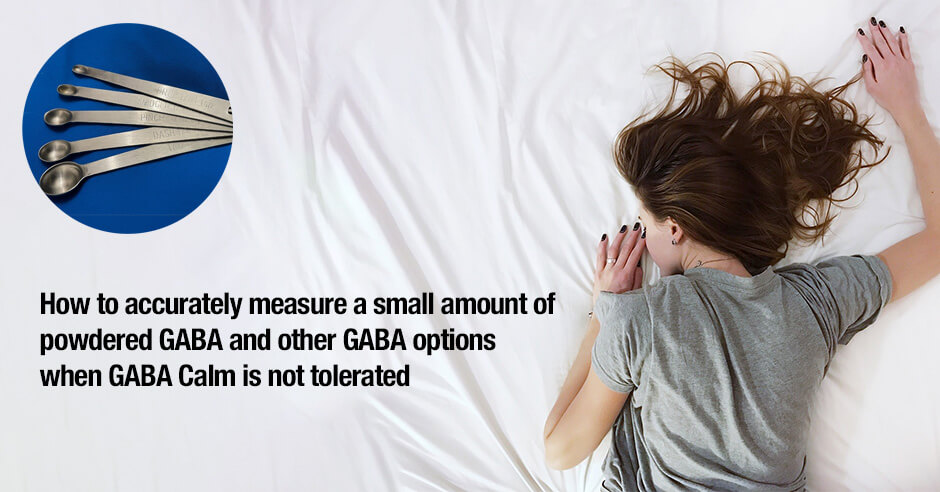
How to accurately measure a small amount of powdered GABA and other GABA options when GABA Calm is not tolerated

April 26, 2024 By Trudy Scott 18 Comments

measuring gaba powder

Brenda finds one GABA Calm helps her sleep but more than one affects her sleep and she suspects the sugar alcohols in the product. She’d like advice on using an alternative and how to accurately measure a small amount of powdered GABA. Here is her question in her own words:    

I have been on the FODMAP diet for a while and it is helping but I just realized that when I take GABA Calm I am ingesting sorbitol and mannitol. I take a bit more than one of those tablets each night to help me sleep and am very aware that if I take too much it can keep me awake.

Now that I have realized about the sorbitol and mannitol, I am looking for an alternative source of GABA. I see that you are now recommending the Now GABA Pure Powder product. I was about to purchase this to avoid the sorbitol and mannitol but then realized that I would have to take 1/16th teaspoon of the powder to equate to 150mg. I can’t see me ever getting that measurement correct.

So my question is, can you recommend another source of GABA that would enable me to take 150mg plus a little bit with a fair degree of accuracy and without those added FODMAPs? Thank you very much. I am very grateful for your work.

Brenda has likely been diagnosed with SIBO (small intestinal bacterial overgrowth) or IBS (irritable bowel syndrome) even though she doesn’t mention it. In some folks with SIBO or IBS, sugar alcohols such as xylitol, sorbitol and mannitol can cause digestive upset. Not everyone with SIBO or IBS has issues with GABA Calm. In fact, it’s typically very well tolerated and GABA Calm is a product I have been recommending for many years. However, some folks do have issues and it’s wise to look for an alternative and not push through.

In this blog I share more about sugar alcohols, how to accurately measure out 1/16 teaspoon of the GABA powder to equate to close to 150 mg, how I use my mini measuring spoon, a GABA/theanine product that is low dose and can be opened, and another option she could consider.

Sugar alcohols in GABA Calm and other GABA chewable products

Many of the chewable or sublingual forms of GABA, including GABA Calm contain sugar alcohols which can be problematic and cause digestive upset and often explosive diarrhea. The digestive upset alone could impact sleep.

Sugar alcohols include xylitol, sorbitol, mannitol and erythritol. Your reaction will depend on the amount of sugar alcohols used, how many chewable/sublingual tablets you use and how accustomed you are to sugar alcohols. You may get used to them and eventually be fine with consuming small amounts and yet for others the tiniest amount is an issue.

I share more about sugar alcohols on this blog: Why does chewable GABA make me run to the bathroom and what GABA do I use instead?

Using a mini measuring spoon set and GABA powder

It’s wonderful that GABA Calm is helping Brenda with her sleep issues and when we start to get benefits we do want to increase the amount to see if we can get further benefits.

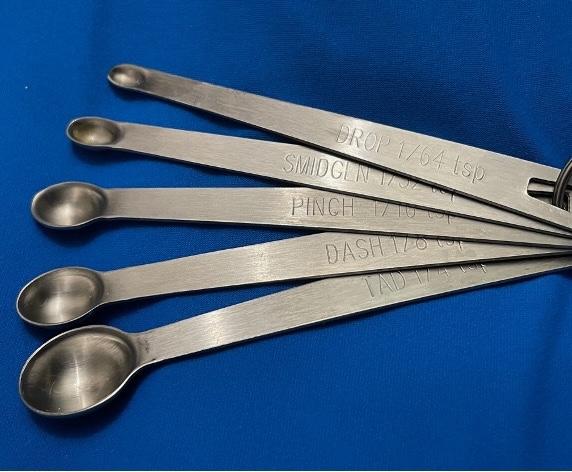
She has a few options and one is to use the NOW GABA powder (or another GABA powder) with a mini measuring spoon set like this one (my Amazon link). This is mine and it is very easy to use, convenient and accurate.
measuring spoons

As you can see it comes in various sizes: 1/4 teaspoon, 1/8 teaspoon, 1/16 teaspoon, 1/32 teaspoon and 1/64 teaspoon.

It is important to look at the product and work out how much you need to measure out. For example, the NOW GABA powder states 1/4 teaspoon is equivalent to 500 mg GABA. This means 1/16 is equivalent to 125 mg GABA. So if Barbara wants to take 150 mg she would use a little more than what would be in the 1/16 spoon (maths is coming in handy after all!)

Keep in mind that product equivalents do differ. For example tryptophan is typically lighter and fluffier than GABA. My tryptophan states 1 teaspoon is 1000 mg tryptophan so a typical starting dose of 500 mg tryptophan would be 2 x 1/4 teaspoon since each 1/4 is 250mg.

I love my mini measuring spoon and use mine on a daily basis for theanine in the day, calcium citrate after dinner (for my oxalate issues), and for GABA and tryptophan at bed time.

Combined GABA and theanine: GABA-T SAP as one option

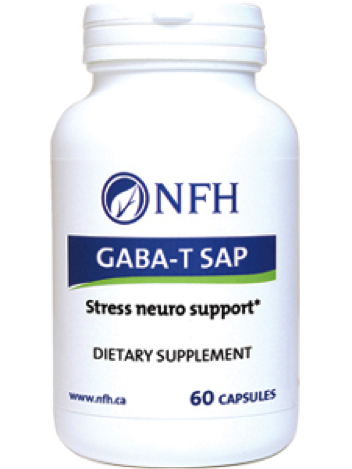
Another option is using a lower mg GABA/theanine product and opening it. Nutritional Fundamentals for Health GABA-T SAP is another favorite of mine. This product is pleasant-tasting when opened on to the tongue and works very well when GABA Calm can’t be used. It contains 300 mg GABA and 150 mg theanine, so can easily be halved to provide the 150 mg GABA she is looking for.

Research shows that the combination of GABA and theanine may improve sleep: GABA and l-theanine mixture decreases sleep latency and improves NREM sleep. The authors share the sleep and anxiety benefits of both GABA and theanine:

γ-Aminobutyric acid (GABA) is the main inhibitory neurotransmitter and it is well established that activation of GABAA receptors favours sleep.

l-Theanine, a naturally occurring amino acid first discovered in green tea, is a well-known anti-anxiety supplement with proven relaxation benefits.

But Barabra is going to have to do a trial to see if this combination works for her.

Mixing and matching as an other option

And finally, if she was also taking GABA Calm in the day for stress and overwhelm, she could  do a trial of using this during the day (for the convenience factor) and then at night use the GABA powder or opened GABA/theanine capsule (because it’s a bit more finicky). This way she’s consuming less sugar alcohols overall.

Both GABA products, the mini measuring spoon set and where to find them
gaba pure poder

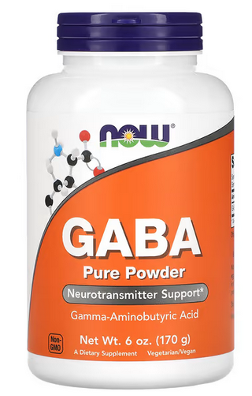
Today I mentioned the Now GABA Powder and NFH GABA-T SAP.  You can purchase these from my online store (Fullscript – only available to US customers – use this link to set up an account).
gaba pure poder
zenmind

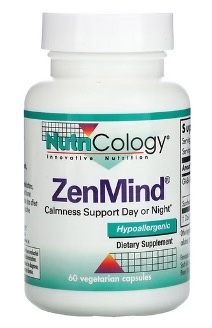
If you’re not in the US, the Now GABA Powder and Nutricology ZenMind (a GABA/theanine combination comparable to GABA-T SAP) is available via iherb (use this link to save 5%).

And the mini measuring spoon set can be found here (my Amazon link)

Additional resources when you are new to using GABA and other amino acids as supplements

As a reminder, low GABA can cause physical tension, anxious feelings, feelings of panic and problems sleeping, as well as self–medicating with alcohol or carbs to relax or fit in. As always, I use the symptoms questionnaire to figure out if low GABA or other neurotransmitter imbalances may be an issue.

If you suspect low levels of any of the neurotransmitters and do not yet have my book, The Antianxiety Food Solution – How the Foods You Eat Can Help You Calm Your Anxious Mind, Improve Your Mood, and End Cravings, I highly recommend getting it and reading it before jumping in and using amino acids on your own so you are knowledgeable. And be sure to share it with the practitioner/health team you or your loved one is working with.

There is an entire chapter on the amino acids and they are discussed throughout the book in the sections on gut health, gluten, blood sugar control (this is covered in an entire chapter too), sugar cravings, anxiety and mood issues.

The book doesn’t include product names (per the publisher’s request) so this blog, The Antianxiety Food Solution Amino Acid and Pyroluria Supplements, lists the amino acids that I use with my individual clients and those in my group programs (over and above the GABA products I mentioned above).

If, after reading this blog and my book, you don’t feel comfortable figuring things out on your own (i.e. doing the symptoms questionnaire and respective amino acids trials), a good place to get help is the GABA QuickStart Program (if you have low GABA symptoms too). This is a paid online/virtual group program where you get my guidance and community support.

If you are a practitioner, join us in The Balancing Neurotransmitters: the Fundamentals program. This is also a paid online/virtual program with an opportunity to interact with me and other practitioners who are also using the amino acids.

Wrapping up and your feedback

I do always appreciate questions like this so keep them coming so I can share and educate further.

Now I’d love to hear from you – do you have issues with the sugar alcohols in GABA Calm or another chewable GABA product? (if yes which one?)

Did you move to a GABA powder and do you use a min spoon set? Or does another GABA product work for you?

Please share how GABA helps and how much helps you?

If you’re a practitioner do you use GABA powder and mini spoons with your clients/patients?

And please let me know if it’s helpful that I’m now including product recommendations and where to get them.

Feel free to share and ask your questions below.
Filed Under: Anxiety, GABA, Insomnia Tagged With: amino acid, cravings, GABA, GABA Calm, GABA powder, GABA Quickstart; Balancing Neurotransmitters: the Fundamentals program for practitioners, GABA-T SAP, IBS, insomnia, measure, mini measuring spoon set, physical-tension, SIBO, sleep, sugar alcohols, theanine

Non-celiac gluten sensitivity manifestations outside the gut: foggy mind, depression, anxiety, neuropathy, joint pain, headache, fatigue and IBS

July 1, 2022 By Trudy Scott 2 Comments

non-celiac gluten sensitivity

Celiac disease is “a digestive and autoimmune disorder that can damage your small intestine. People with celiac disease might experience symptoms like diarrhea, bloating, gas, anemia and growth issues. Celiac disease can be triggered by a protein called gluten. Gluten is found in grains, like wheat, barley and rye” (and oats that are contaminated with gluten). This description by the Cleveland Clinic is well-understood and recognized.

However, what is less recognized and understood, is extra-intestinal (or outside the gut) manifestations of non-celiac gluten sensitivity.  A paper published in 2018, Extra-intestinal manifestations of non-celiac gluten sensitivity: An expanding paradigm lists a number of symptoms and conditions that gluten consumption may cause and/or contribute to, even when you do not have celiac disease.

These can include: ‘foggy mind’; psychiatric diseases such as depression, anxiety and even psychosis; gluten ataxia, gluten neuropathy and gluten encephalopathy (causing memory and cognitive problems); joint and muscle pain, and leg or arm numbness; headache and fatigue;  irritable bowel syndrome (IBS); autoimmune disorders; and and fibromyalgia.

This blog post highlights excerpts from the 2018 non-celiac gluten sensitivity paper and stories from real people who have experienced relief when removing gluten from their diets. And resources if you find you need neurotransmitter support to help break the addiction and not feel deprived.

This is from the abstract of the above paper:

Non celiac gluten sensitivity (NCGS) is a syndrome characterized by a cohort of symptoms related to the ingestion of gluten-containing food in subjects who are not affected by celiac disease (CD) or wheat allergy. The possibility of systemic manifestations in this condition has been suggested by some reports.

  • In most cases they are characterized by vague symptoms such as ‘foggy mind’, headache, fatigue, joint and muscle pain, leg or arm numbness even if more specific complaints have been described.
  • NCGS has an immune-related background. Indeed there is strong evidence that a selective activation of innate immunity may be the trigger for NCGS inflammatory response. The most common autoimmune disorders associated with NCGS are Hashimoto thyroiditis, dermatitis herpetiformis, psoriasis and rheumatologic diseases.
  • A possible neurological involvement has been underlined by NCGS association with gluten ataxia, gluten neuropathy and gluten encephalopathy.
  • NCGS patients may show even psychiatric diseases such as depression, anxiety and psychosis.
  • Finally, a link with functional disorders (irritable bowel syndrome and fibromyalgia) is a topic under discussion.

We see all this clinically so it’s wonderful to see this being addressed in the research. However, the authors are saying we need more research and better studies:

the novelty of this matter has generated an expansion of literature data with the unavoidable consequence that some reports are often based on low levels of evidence. Therefore, only studies performed on large samples with the inclusion of control groups will be able to clearly establish whether the large information from the literature regarding extra-intestinal NCGS manifestations could be supported by evidence-based agreements.

Until then we use what we know works clinically: a gluten-free diet and observation of symptom resolution. We also use amino acids to balance brain chemicals so we break the addiction and don’t feel deprived (more on that below). Nutritional deficiencies caused by damage to the gut/leaky gut also need to be addressed, as well as healing the leaky gut and dysbiosis.

I shared the study abstract on Facebook asking for feedback and the response was so overwhelming that I can only share some of the feedback. I will do follow-up posts sharing more detailed information from their healing journeys.

Caroline had bloating, pain and chronic sadness, and discovered  “joie de vivre”

Caroline confirmed that she has gluten sensitivity saying she stopped eating wheat in 2011:

Within a few months, my chronic sadness disappeared and I discovered the “joie de vivre”. It also allowed me to get rid of my swelling belly (bloating). Every evening I looked like a woman 2-3 months pregnant. [this likely falls into the irritable bowel syndrome category mentioned in the paper]

The pain in my joints also ended up disappearing.

I read so much about gluten once I started to realize it had changed my life to quit eating that stuff that now I’m convinced grains shouldn’t be part of human food, and I mean all grains (botanically speaking).

I think grains should at least be taken off all the menus in all hospitals, especially the psychiatric ones.

I adore her “joie de vivre” feedback and am so happy for her! I had this same feeling of pure joy when I went gluten-free. And I get so much feedback like this from clients who had no idea life could be so much better.

I also agree with her sentiment about gluten and grains being an issue too, especially in psychiatric settings.

Daphne was emotionally dysregulated with negative feelings and a pressure headache

Daphne shared what she calls an odd effect that she gets soon after eating bread: roiling emotions:

I get emotionally dysregulated. Negative feelings surface in various degrees, for me primarily anger and the reviewing of the incidents that caused it (aka ruminating thoughts?); less often sadness, disappointment, and overwhelm (that usually surfaces on its own anyway).

I also get what I call ‘bread head.’ I get a pressure headache from between my eyebrows, up the center of my head to my crown.

An additional effect: ‘the hangover’. Overnight the pressure headache subsides and the next day my whole head feels heavy and I am slower physically and mentally, and my hands in particular are achy

Also, I have had chicken bumps on my skin my whole life, until I stopped eating bread. I still have some, maybe from rice, potato and corn reactions. Starch is not my friend.

As I mentioned above, many folks are surprised at the emotional changes they see when eating gluten. Daphne called it an odd effect but her response is a very typical extra-intestinal (outside the gut) psychiatric response. And yes starches and grains are an issue for many folks.

Other feedback: fibromyalgia pain, brain fog, depression, cystic acne, anxiety, body aches, fatigue, PCOS and hypothyroidism

Here is some feedback from a few other women. As you can see the symptoms can vary per person:

  • “Removal of gluten and all grains has improved my fibromyalgia pain symptoms … The difference in pain was so dramatic that it was worth it.”
  • “It makes such a difference with my brain fog and depression! And cystic acne. If I have gluten, I have cystic acne for about 2 weeks.”
  • “My joint pain, anxiety, and depression are much improved when I avoid gluten (and corn.)”
  • “Yes! Within 15 min of ingesting gluten containing food I get all over body aches, fatigue and brain fog. It’s very unpleasant. I cut gluten out of my diet simply because I can’t function properly while eating it. I also have had episodes of reactive hypoglycemia from it too.”
  • “Removing gluten has cured my hypothyroidism. Also has improved my PCOS, anxiety and depression.”

Stay tuned for a follow-up blog with more from their healing journeys and additional insights from me.

Using the amino acids to help break the gluten addiction and feel less deprived

Sometimes it’s difficult to figure out why you crave or are addicted to gluten. It can be challenging to determine which part of your brain chemistry it’s affecting, and you may not associate cravings with mood issues.

Your drug-of-choice is something you self-medicate with and it is something that makes you feel good or “normal.” It could be starchy gluten-containing foods like bread or pasta or cookies. It could also be candy, chocolate, ice-cream, coffee, sodas, wine/beer, cigarettes, marijuana, a prescription medication like Prozac, street drugs, or even shopping or exercise.

Cravings for these substances (or behaviors) typically indicate a brain chemistry imbalance, so it’s very helpful to identify how the substances you crave affect you. This will help you determine which amino acids you might supplement to address the imbalance.

Use your “drug-of-choice” from your gluten or grain list (perhaps you love bread or chocolate chip muffins) and the chart below to help you determine what brain chemistry imbalance may be affecting you and which amino acid you may benefit from.

How you feel before How you feel after Brain chemistry imbalance Amino acid to supplement
Anxious or stressed Calm or relaxed Low GABA GABA
Depressed or anxious Happy or content Low serotonin Tryptophan or 5-HTP
Tired or unfocused Energetic, alert, or focused Low catecholamines Tyrosine
Wanting a reward or sad Rewarded or comforted Low endorphins DPA (d-phenylalanine)
Irritable and shaky Grounded or stable Low blood sugar Glutamine

Once you address that brain chemical imbalance, it’s easy to quit and you won’t feel deprived.

You can read more about why you crave on this blog post

Resources if you are new to using the amino acids as supplements

If you are new to using any of the amino acids as supplements, here is the Amino Acids Mood Questionnaire from The Antianxiety Food Solution (you can see all the symptoms of neurotransmitter imbalances).

If you suspect low levels of any of the neurotransmitters and do not yet have my book, The Antianxiety Food Solution – How the Foods You Eat Can Help You Calm Your Anxious Mind, Improve Your Mood, and End Cravings, I highly recommend getting it and reading it before jumping in and using amino acids on your own so you are knowledgeable. And be sure to share it with the practitioner/health team you or your loved one is working with.

There is an entire chapter on the amino acids and they are discussed throughout the book in the sections on gut health, gluten, blood sugar control, sugar cravings, self-medicating with alcohol and more. There is also an entire chapter on gluten and grains if this is new to you.

The book doesn’t include product names (per the publisher’s request) so this blog, The Antianxiety Food Solution Amino Acid and Pyroluria Supplements, lists the amino acids that I use with my individual clients and those in my group programs.

If, after reading this blog and my book, you don’t feel comfortable figuring things out on your own (i.e. doing the symptoms questionnaire and respective amino acids trials), a good place to get help is the GABA Quickstart Program (if you have low GABA symptoms). This is a paid online/virtual group program where you get my guidance and community support. There are many moms in the program who are having much success with their kids.

If you are a practitioner, join us in The Balancing Neurotransmitters: the Fundamentals program. This is also a paid online/virtual program with an opportunity to interact with me and other practitioners who are also using the amino acids.

With much appreciation for these women for sharing their stories. I’d love to get some of these published as case studies to further add to the evidence.

Do you have (or suspect you may have) non celiac gluten sensitivity (NCGS)?

And has gluten removal resolved any of the above issues? And have you seen an improvement in gut issues too?

Have you observed other improvements since eating gluten and/or grain-free?

Did you find the amino acids helped you break your addiction and feel less deprived?

Or are you stuck and still eating gluten and have no idea where to start on quitting? If this is you, would a webinar series help?

If you have questions please share them here too.

Filed Under: Anxiety, Endorphins, GABA, Gluten, Pain, serotonin Tagged With: "joie de vivre", addiction, amino acids, anxiety, Autoimmunity, bloating, body aches, brain fog, celiac, cystic acne, depression, deprived, emotionally dysregulated, extra-intestinal, fatigue, Fibromyalgia, foggy mind, GABA, GABA Quickstart program, gluten, gluten encephalopathy, headache, hypothyroidism, IBS, joint pain, NCGS, negative feelings, neuropathy, Non-celiac gluten sensitivity, outside the gut, PCOS, psychosis, sadness, wheat

MegaSporeBiotic™: A spore-based probiotic for leaky gut, IBS, anxiety, depression, liver health and colitis

May 7, 2021 By Trudy Scott 44 Comments

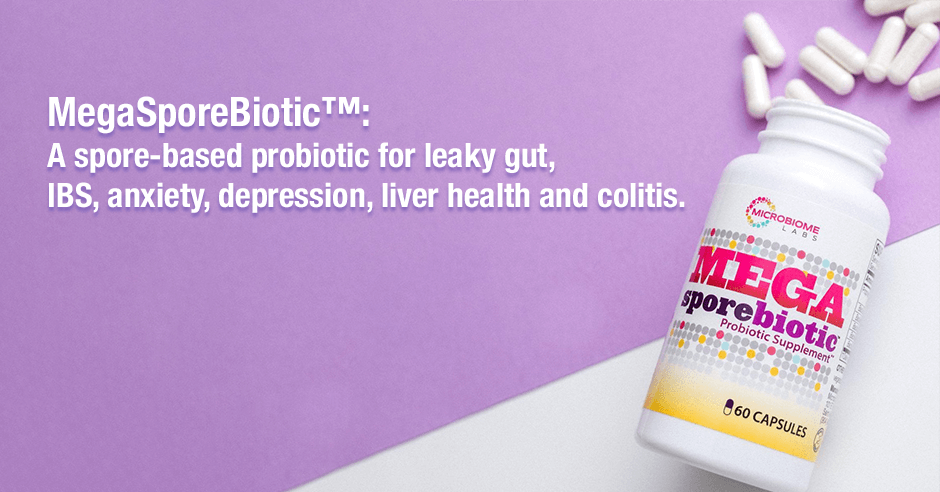
megasporebiotic

MegaSporeBiotic™ is “a 100% spore-based broad-spectrum probiotic shown to maintain healthy gut barrier function” i.e. leaky gut. Research and clinical results show it is promising for irritable bowel syndrome (IBS) or SIBO (small intestinal bacterial overgrowth), recovery from liver injury caused by acetaminophen, and is protective in ulcerative colitis (an inflammatory bowel disease). Given the gut-brain connection and the fact that the majority of serotonin is produced in the gut, it’s not surprising that spore-based probiotics may also help ease anxiety and depression.

Here are some of the studies supporting this spore-based probiotic for gut issues:

  • Oral spore-based probiotic supplementation was associated with reduced incidence of post-prandial dietary endotoxin, triglycerides, and disease risk biomarkers

The key findings of the present study is that oral spore-based probiotic supplementation reduced symptoms indicative of “leaky gut syndrome”.

  • Bacillus spp. Spores-A Promising Treatment Option for Patients with Irritable Bowel Syndrome

The results demonstrated that patients treated with MegaSporeBiotic, compared with those treated with rifaximin followed by nutraceutical or low-FODMAP diet, had similar severity scores and rectal volume sensation test results for all parameters tested and statistically significant improvement in measurements of quality of life.

  • Probiotic Bacillus Spores Protect Against Acetaminophen Induced Acute Liver Injury in Rats

This is important because “Acetaminophen  is one of the most used analgesics [pain-reducing] and antipyretic [fever-lowering] agents in the world. Intoxication with acetaminophen is the main cause of acute liver toxicity in both the US and Europe.”

  • Probiotic Bacillus Spores Together with Amino Acids and Immunoglobulins Exert Protective Effects on a Rat Model of Ulcerative Colitis

Pretreatment with probiotic spore-forming Bacillus strains and a supplement of amino acids in combination with immunoglobulins exhibited anti-inflammatory and antioxidant effects in an AA-induced rat model of ulcerative colitis.

In one study, Bacillus coagulans (one of the spore-forming strains in MegaSporeBiotic™), when used alone was shown to help ease depression and gut problems in IBS patients. It was a randomised, double-blind, placebo controlled, multi-centre, pilot clinical study and:

The improvement in depression and IBS symptoms was statistically significant and clinically meaningful. These findings support B. coagulans MTCC 5856 as an important new treatment option for major depressive disorder in IBS patients.

During The Anxiety Summit 5: Gut-Brain Axis, I interviewed Kiran Krishnan who is a microbiologist, one of the founders of Microbiome Labs and a co-creator of MegaSporeBiotic™. He reminds us about the gut-brain connection and how anxiety and mental health issues come from the gut “because the vast majority of serotonin in your body – more than ninety percent of it – is actually produced in the gut” and not in the brain.

He talks about the type of cell in the gut that produces serotonin – the enterochromaffin cell – and the fact that “spore forming bacteria are some of the best stimulators of the enterochromaffin cell to produce serotonin.”

With low levels of serotonin you’ll experience the worry-type of anxiety with ruminations, obsessing, panic attacks, insomnia (often lying awake worrying). Other low serotonin symptoms include low mood/depression, late afternoon and evening carbohydrate cravings, pain, PMS, irritability, rage and anger, TMJ, low confidence, imposter syndrome and perfectionism. This type of low-serotonin anxiety is different from the low GABA physical/tension type anxiety.

These cells also play a crucial role in gastrointestinal regulation, particularly intestinal motility. We know low serotonin also contributes to digestive/IBS-type symptoms.

You can see a list of all the low serotonin symptoms here.

Brandy’s positive feedback on digestive issues and mental health

Brandy Oto, a marriage, couple and family counselor, incorporates  an integrative nutrition approach with her clients and she shares this:

MegaSporeBiotic™ makes a HUGE difference in my body! I have used every probiotic I can think of. Megaspore has not only resolved my digestive issues and allows me regular bowel movements, I find my mental health is much better! I have decided to use it in my practice as well now. Clients consistently report better mental health!

I asked her how quickly she notices an improvement when using MegaSporeBiotic™ and what aspects of mental health improve for her and her clients. She shares this:

I personally notice physical and mental anxiety decrease usually about 4-5 days, bowel movements easy within a couple days, ability to tolerate foods I was sensitive to after 6 or so months on them.

Clients report all types of improvements from anxiety, depression, to digestive issues improving. I have even heard from one client that when she gets off the probiotic symptoms of schizophrenia return.

In Brandy’s mental health practice, she does use amino acids to address neurotransmitter deficiencies too (for example tryptophan or 5-HTP to address low serotonin symptoms like worry, fear, panic attacks). She uses this spore-based probiotic to address underlying issues that cause those deficiencies.

It’s not one or the other – the probiotics and amino acids are part of a comprehensive plan.

Not everyone raves about this probiotic and some folks report it either does nothing for them or is too strong for them. So, as with everything, it’s very individualized.

How do spore-based probiotics differ from other probiotics?

During the Anxiety Summit interview with Kiran, he explains how they differ from other probiotics and why this is important for them to get into the gut:

These are organisms that have a unique capability of covering themselves in a thick calcified protein-like coating. So it’s armor, essentially, around the bacterial cell.

This allows these bacteria to come in through the gastric system, through the oral route, and survive the gauntlet that bacteria have to go through just getting through the process of digestion.

So the first step is the stomach acid. The stomach acid is called the gastric barrier and that’s because it acts as an actual physical barrier through the function of hydrochloric acid to try to kill off as many microbes that are trying to enter the system through food and other exposure.

If something gets past the stomach acid then the second piece of the gauntlet are the bile salts. Bile salts are released into the duodenum itself. Those are very strong antimicrobials and part of their function is to act as an antimicrobial to protect the system against a lot of bacteria coming in on a regular basis.

And then the last part is the pancreatic enzymes that help you digest your food – they also act as antimicrobials.

So there’s this really difficult gauntlet that the microbes that are entering the system through the oral route have to go through in order to make it past these initial systems to get to the site of action in the deeper part of the intestines where they’re supposed to function as a probiotic.

These spores have developed this unique, natural capability of covering themselves in this armor which allows them to survive through all of that.

This study, Survival and persistence of Bacillus clausii in the human gastrointestinal tract following oral administration as spore-based probiotic formulation confirms the above for one particular strain and concludes that “Bacillus clausii spores survive transit through the human gastrointestinal tract.”

Where can I buy MegaSporeBiotic™?

megasporebiotic supplement facts

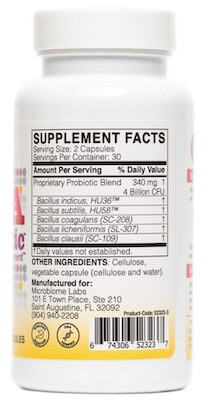
These are the spore-based bacteria contained in the MegaSporeBiotic™ product: Bacillus Licheniformis, Bacillus Indicus HU36™, Bacillus Subtilis HU58™, Bacillus Clausii and Bacillus Coagulans.

You can purchase MegaSporeBiotic™ directly from Microbiome Labs once you have set up an account with them under my name. Use this link (and make sure the Direct2Patient™ Code says tscott).

You can also read more about the product on the Microbiome Labs site here.

If you already have an account with Fullscript, my online supplement store, you can purchase from there too.

If you don’t yet have an account with Fullscript you can read more about how to set up an account here.

Let us know if you’ve used MegaSporeBiotic™ with success and how it helped you with anxiety, depression and/or gut and liver health.

Let us know if you’ve used another spore-based probiotic and which one? Or do you have a favorite probiotic that is not spore-based?

I’m going to a product review like this once a month so please let me know if you like this format with research, feedback and mechanisms.  And let me know what other products you’d like me to review.

Feel free to post your questions here too.


Filed Under: Anxiety, Depression, Gut health, serotonin Tagged With: acetaminophen, amino acids, anxiety, Bacillus clausii, bacillus coagulans, colitis, depression, enterochromaffin, IBS, Kiran Krishnan, leaky gut, liver, MegaSporeBiotic™, Microbiome Labs, probiotics, serotonin, SIBO, spore-based probiotic

The Antianxiety Food Solution by Trudy Scott

April 26, 2021 By Trudy Scott 54 Comments

antianxiety food solution

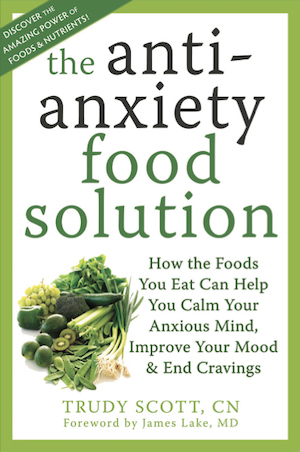
The Antianxiety Food Solution

– How the Foods You Eat Can Help You Calm Your Anxious Mind, Improve Your Mood and End Cravings
by Trudy Scott, CN (published by New Harbinger, 2011)

It’s remarkable how much the foods we eat can impact our brain chemistry and emotions. What and when we eat can make the difference between feeling anxious and staying calm and in control. But most of us don’t realize how much our diets influence our moods, thoughts, and feelings until we make a change. In this book, you’ll find four unique antianxiety diets designed to help you address nutritional deficiencies that may be at the root of your anxiety and enjoy the many foods that foster increased emotional balance.

This easy-to-use guide helps you choose the best plan for you and incorporates effective anxiety-busting foods and nutrients. You’ll soon be on the path to freeing yourself from anxiety—and enjoying an improved overall mood, better sleep, fewer cravings, and optimal health—the natural way!

In The Antianxiety Food Solution, you’ll discover:

  • How to assess your diet for anxiety-causing and anxiety-calming foods and nutrients
  • Foods and nutrients that balance your brain chemistry
  • Which anxiety-triggering foods and drinks you may need to avoid
  • Easy lifestyle changes that reduce anxiety and increase happiness

Buy your copy


Buy the book from Amazon
Buy the book from New Harbinger
Buy the Kindle from Amazon
Buy the book in German


Endorsements

This book “fills an important gap in the popular literature on anxiety. It provides clear, helpful guidelines for utilizing nutrition to overcome anxiety.Edmund Bourne, PhD, author of The Anxiety and Phobia Workbook
A great book with plenty of practical advice backed by science.Daniel G. Amen, MD, author of Change Your Brain, Change Your Life
Every one of the millions now suffering from anxiety has a new friend in Trudy Scott, whose book offers them a nutritional lifeline.  Replete with specific and practical suggestions, this book is backed up by research and clinical expertise.Julia Ross, MA, MFT, author of The Mood Cure and The Diet Cure
This book is a must-read if you have anxiety and want to treat the underlying causes and heal, rather than having to rely on medications. Adjust your brain chemistry with the right nutrients and you can reclaim your brain and your life!Hyla Cass, MD, author of 8 Weeks to Vibrant Health
This book is a real tour-de-force in complementary mental health literature and should be on the shelves of every anxiety sufferer. It’s a user-friendly and balanced book about foods and nutrients that can reduce anxiety, and it is also refreshingly original.Jonathan Prousky, MSc, ND, professor of clinical nutrition at the Canadian College of Naturopathic Medicine and author of Anxiety: Orthomolecular Diagnosis and Treatment
As a nutrition and fitness expert and the mother of a child with an emotional disorder, I find this book invaluable. It is one I will use myself and recommend to both clients and colleagues.JJ Virgin, CNS, CHFS, nutrition and fitness expert, author of Six Weeks to Sleeveless and Sexy, and cohost of TLC’s Freaky Eaters
A leader in the field of food and mental health, Trudy Scott supplements the core themes of food and gut health with chapters on amino acids, pyroluria, and lifestyle changes. Trudy aptly emphasizes that readers should try to find the root cause of their health problems.Lawrence E. Cormier, MD, holistic psychiatrist in Denver, CO
This book may be the key you’ve been looking for. It does an excellent job of explaining the science behind anxiety and then bringing it to a practical level, providing a nutritional and integrative approach to anxiety.Elizabeth Lipski, PhD, CCN, director of doctoral studies at Hawthorn University in Whitethorn, CA, and author of Digestive Wellness
Trudy Scott’s work communicates something I tell my patients every day: there is a powerful connection between what we eat and how we feel.Mike Dow, PsyD, cohost of TLC’s Freaky Eaters
I recommend this book not only to those who suffer from anxiety, but to their health care providers as well.Karla Maree, certified nutrition consultant, neuronutrient therapist, and director of nutritional therapy at Recovery Systems Clinic
A comprehensive book providing the nation with much-needed formulas for overcoming anxiety and restoring stable emotions!Joan Mathews-Larson, PhD, LADC, founder of the Health Recovery Center in Minneapolis, MN, and author of Depression-Free, Naturally
This book offers a wealth of useful information for those who would like to try dietary and other lifestyle changes in order to improve their mental health. It is also a valuable resource for clinicians interested in broadening their approach to the treatment of anxiety.Felice N. Jacka, PhD, research fellow at the University of Melbourne in Australia
Full of practical tips for restoring balance to your body and mind. I highly recommend it.Mark Atkinson, MD, author of The Mind-Body Bible
The Antianxiety Food Solution is one of the most comprehensive guides to nutritional healing for anxiety.Elizabeth Large, ND
Trudy Scott is an expert on the relationship between food and mood, an often neglected area. This book provides clearly presented practical information, which I believe to be important adjunctive help in the treatment of anxiety, depression, and serious mental illness.Katherine Falk, MD, psychiatrist in New York, NY
An easy-to-read book that should help many people with anxiety.Michael B. Schachter, MD, CNS, board-certified psychiatrist
Buy the book from Amazon
Buy the book from New Harbinger
Buy the Kindle from Amazon
Buy the book in German


Reviews from readers

I can “recommend it for practitioners who have patients/clients who want to improve their affect, increase energy levels (who doesn’t!), suffer from anxiety, poor memory or sleep issues. Pass on this book to them and ask them to read it through cover to cover. It’s got a wealth of tips and resources linking behaviour with nutrition, and does it gracefully and with much self-insight.

I’ve read many books on the subject of psychology and biochemical links, and this is definitely one of the best written. It’s aimed at the intelligent reader who may have a little knowledge of nutrition, as well as practitioners and those who use patient centred approaches within their practice.

Donald Scott, Osteopath & Naturopath, Natural Therapy Centre, Kilmacolm, Inverclyde, United Kingdom

I cried my way thru this book ~ out of JOY~ for finally finding a very helpful book! I have been on a journey for 10 years trying to navigate issues with depression, stress, anxiety, insomnia and other fun things. I’ve been to doctors, psychologists, psychiatrists and counselors. I’ve been put on medication which after many years of that left me suicidal, overweight, depressed and very angry. It is VERY frustrating trying to navigate doctors, testing and information out there that could help you. This summer I read several books that addressed depression from a dietary and nutrition standpoint. This one was the best in my opinion. It’s not too long, easy to read and understand, and well organized. And it agreed with several things I had read in other books ~ such as the use of amino acids, vitamins and issues with gluten and sugar to address depression, etc. There’s many good ‘life stories’ in it too which help you relate. Thanks Trudy Scott!

Kathy Masterson, Amazon review

Book reviews

  • by Mira Dessy, Certified Nutrition Educator and holistic health columnist and featured in Nourishing Bytes, the ezine produced by the National Association of Nutrition Professionals, June 2011.
  • by Dr Winston Chung, MD and Child Psychiatrist, and featured the SFGate blog City Brights.

Table of contents

Introduction

My Story
Anxiety Statistics and Facts
Causes of Anxiety
What Is a Natural Approach and Why Use It?
Overview of the Book

Chapter 1: Figure Out Your Optimum Antianxiety Diet

The Antianxiety Food Solution Diets

Antianxiety Food Solution Diet 1: Gluten Free
Antianxiety Food Solution Diet 2: Gluten Free and Dairy Free
Antianxiety Food Solution Diet 3: Grain Free and Dairy Free
Antianxiety Food Solution Diet 4: Traditional Foods

Foods to Include

Eat Real, Whole, Good-Quality Foods
Eat Frequently Enough
Eat Quality Animal Protein

Red Meat
Poultry and Eggs
Fish and Other Seafood

Eat Nonstarchy Fresh Vegetables
Eat Fresh Fruit
Eat Good Fats
Keep Hydrated
Eat Legumes
Eat Starchy Fresh Vegetables
Eat Gluten-Free Whole Grains
Consume Dairy
Eat Whole Grains That Contain Gluten

Foods to Avoid

Avoid Empty Foods
Other Foods You May Need to Avoid

Eat Bonus Foods
Recipe and Food Resources
Wrapping Up

Chapter 2: Avoid Sugar and Control Blood Sugar Swings

The Harmful Effects of Sugar and Sweeteners
Sugars and Sweeteners Defined
Where Sugar Is Found
Artificial Sweeteners
What to Use Instead of Unhealthy Sugars and Artificial Sweeteners
Control Blood Sugar Swings

Benefits of Controlling Blood Sugar Swings
Simple Dietary Changes to Help Control Blood Sugar Swings
Supplements

How Quickly You Can Expect Improvements
If You Have a Sugar or Carb Addiction and Can’t Quit

Chapter 3. Avoid Caffeine, Alcohol, and Nicotine

Coffee and Caffeine

Caffeine and Anxiety
Other Reasons to Consider Giving Up Caffeine
How to Quit Caffeine and What to Drink Instead
If You Do Want to Drink Coffee

Alcohol

Nutritional Deficiencies Due to Alcohol Consumption
Alcohol and Low Blood Sugar
Alcohol Sensitivity
How to Quit Alcohol

Nicotine

Nicotine and Anxiety
How to Quit Smoking

How Quickly You Can Expect Improvements

Chapter 4. Address Problems with Gluten and Other Foods

Why Food May Be Affecting Your Mood
True Food Allergies
Food Sensitivities or Delayed Food Reactions
Problems with Gluten

Gluten, Anxiety, and Other Mood Problems
Gluten and the Digestive System

Testing for Gluten Sensitivities

Two-Week Gluten Elimination-Challenge Trial
Lab Tests for Gluten Sensitivity

Salivary Antigliadin Antibodies
IgG Antibodies for Gluten-Containing Grains
Elevated Thyroid Antibodies

Testing for Celiac Disease

Alternatives to Grains That Contain Gluten
If Gluten Isn’t a Problem
Problems with Dairy Consumption
Problems with Other Foods
Problems with All Grains and Starchy Vegetables
Using Amino Acids to Reduce Cravings
Allergies and Anxiety Due to Low Blood Histamine
How Quickly You Can Expect Improvements

Chapter 5. Improve Your Digestion

The Digestive Process

Why Good Digestion and Absorption Are Important
Using Your Stool as a Clue to Your Digestive Function

Eating Guidelines for Good Digestion

Eat Foods That Promote Good Digestion and Skip Poor-Quality Food
Change Your Eating Habits

Causes of Poor Digestion and How to Improve Your Digestion

Low Levels of Stomach Acid or Pancreatic Enzymes

Testing for Low Stomach Acid and Pancreatic Enzymes
How to Correct Low Stomach Acid or Low Pancreatic Enzymes

Large Intestine Issues
Bacterial Imbalance or Parasites
Candida Overgrowth

Testing for Bacterial Imbalance, Parasites, and Candida
Controlling Candida and Increasing Beneficial Bacteria

Foods and Nutrients for Healing a Damaged Digestive System
Liver or Gallbladder Problems
How Quickly You Can Expect Improvements

Chapter 6. Balance Brain Chemistry with Amino Acids

GABA

Steps to Raise GABA Levels

Serotonin

Steps to Raise Serotonin Levels

Catecholamines

Steps to Raise Catecholamine Levels

Endorphins

Steps to Raise Endorphin Levels

Testing for Levels of Amino Acids
Drug of Choice
Guidelines for Supplementing with Amino Acids
Amino Acid Precautions
How Quickly You Can Expect Improvements

Chapter 7. Address Pyroluria or Low Levels of Zinc and Vitamin B6

Prevalence of Pyroluria and Co-occurring Disorders
Testing for Pyroluria

Pyroluria Urine Test
Zinc Taste Test
Vitamin B6 Testing
Fatty Acid Testing
Comprehensive Metabolic Profile

Zinc, Vitamin B6, and Fatty Acids for Pyroluria

Zinc Supplementation
Food Sources of Zinc
Vitamin B6 Supplementation
Food Sources of Vitamin B6
Fatty Acids for Pyroluria
Other Nutrients for Pyroluria

How Quickly You Can Expect Improvements

Chapter 8. Other Nutrients, Hormone Imbalances, Toxins, Medications, and Lifestyle Changes

Basic Supplements

Multivitamin and Multimineral with B Vitamins
Iron
Vitamin C

Individual Nutrients for Anxiety

Extra B Vitamins
Magnesium and Calcium
Vitamin D
Omega-3s and Omega-6s
Theanine and Lactium

Hormone Imbalances

Adrenal Dysfunction
Thyroid Dysfunction
Sex Hormone Imbalances in Women

Reduce Your Exposure to Toxins

Toxins in the Home
Heavy Metals

Understand the Effects of Medications

Make Important Lifestyle Changes

Do Some Exercise, Preferably Outdoors
Get Enough Sleep
Consider Therapy and Support Groups
Set Aside Time for Relaxation

Take Up Yoga, Tai Chi, Qigong, or Meditation
Take a Real Vacation Every Year
Try Guided Imagery
Other Techniques That May Help

Parting Words

Appendices

  1. Sue’s Story
  2. Food, Mood, Energy, Cravings, and Sleep Log

Resources

Internet Resources for Healthy Eating and Living
Lab Tests
Recommended Reading

Nutritional Healing
Food, Cooking, and Cookbooks

References

A selection of quotes and facts from each chapter

Here are a selection of quotes and facts from each chapter of the book:

Introduction

“There’s a reason why I’m so passionate about working with people with anxiety and why I’m writing this book. I’ve had my own personal journey with anxiety…”

Chapter 1: Figure Out Your Optimum Antianxiety Diet

There are 4 antianxiety diets but “Eating real, whole, good-quality food is the foundation of this book and any program to prevent and alleviate mental health issues such as anxiety….”

Chapter 2: Avoid Sugar and Control Blood Sugar Swings

“Sugar and alcohol may contribute to elevated levels of lactate in the blood, which can cause anxiety and panic attacks”

Chapter 3: Avoid Caffeine, Alcohol, and Nicotine

In a study, “…those with panic disorders experienced increases in symptoms such as nervousness, fear, nausea, heart palpitations, and tremors after consuming caffeine and said the effects were similar to how they felt during a panic attack…”

Chapter 4: Address Problems with Gluten and Other Foods

“Clinical experience and specific studies support the connection between gluten and anxiety, social phobia, depression, and even schizophrenia”

Chapter 5: Improve Your Digestion

“…people with digestive complaints such IBS, food allergies and sensitivities, small intestinal bacterial overgrowth and ulcerative colitis frequently suffer from anxiety and…depression.”

Chapter 6: Balance Brain Chemistry with Amino Acids

“GABA plays a major role in anxiety, and serotonin plays a role in at least some types of anxiety…. The great thing about supplementing with amino acids is that you’ll get immediate feedback: positive effects, adverse effects, or no changes at all.”

Chapter 7: Address Pyroluria or Low Levels of Zinc and Vitamin B6

“Low levels of zinc and vitamin B6 are frequently associated with a type of anxiety characterized by social anxiety, avoidance of crowds, a feeling of inner tension, and bouts of depression”

Chapter 8: Other Nutrients, Hormone Imbalances, Toxins, Medications, & Lifestyle Changes

“Mild to moderate deficiency of vitamin C may be associated with increased nervousness and anxiety… Supplemental magnesium together with vitamin B6 was shown to alleviate anxiety-related premenstrual symptoms, as well as breast tenderness and menstrual weight gain…”

As you can see, there are many factors that can affect how anxious you feel and since we are all biochemically unique it’s important to figure out and address what may be triggering your anxiety, mood issues and associated cravings.

Buy the book from Amazon
Buy the book from New Harbinger
Buy the Kindle from Amazon
Buy the book in German


Once you’ve read your copy (or listened to the audio version) I would love to hear back from you on how my book has helped you and/or family members – either here in the comments below or via an Amazon review or a review on another platform.

Feel free to post your questions too.

Filed Under: Antianxiety Food Solution, Anxiety, Books Tagged With: 5-HTP, anxiety, anxious, blood sugar, caffeine, diet, digestive, GABA, gluten, IBS, panic, premenstrual, pyroluria, real whole food, serotonin, sugar, the antianxiety food solution, Trudy Scott, tryptophan

GABA for bladder pain/interstitial cystitis and urgency, IBS pain and anxiety?

January 29, 2021 By Trudy Scott 19 Comments

gaba for pain

Is there a place for using the amino acid GABA as a supplement to help with bladder pain/interstitial cystitis and urgency and also help with IBS (irritable bowel syndrome) pain – at the same time as easing physical anxiety caused by low GABA levels?

I’d like to share some quotes from this commentary, GABAB receptors in the bladder and bowel: therapeutic potential for positive allosteric modulators?

The bladder pain syndrome (or interstitial cystitis/painful bladder syndrome) is a spectrum of urological symptoms characterized by frequency, urgency and pain on bladder filling.

Bladder pain syndrome is often present in those who have IBS and abdominal pain and the authors mention the role of GABA in both:

Of further note is the co-morbidity between bladder pain syndrome and other functional pain syndromes, in particular, irritable bowel syndrome, a functional gastrointestinal disorder associated with visceral abdominal pain and altered bowel habit.

… it is tempting to speculate that GABAB receptor positive allosteric modulators may display efficacy in not only functional pain disorders of the bladder, but also of the bowel, through modulation of either central and peripheral GABAB receptors, or both

Positive allosteric modulators increase the activity of the receptor so in this case they are referring to increasing the activity of the GABAB receptor, reducing both bladder pain and gut pain.

This commentary and the original paper refer to ADX71441, which has been shown in animal studies to be “a novel positive allosteric modulator (PAM) of the GABAB receptor that has shown encouraging results in pre-clinical models of anxiety, pain, overactive bladder and alcohol addiction.”

We know GABA eases anxiety and pain and is extremely beneficial when it comes to alcohol and other addictions. In a recent blog post I shared how PharmaGABA eases physical anxiety in a young man who has recently given up Adderall, alcohol and nicotine.

And given that depression, anxiety and stress is higher in women with urinary incontinence it makes sense that an amino acid such as GABA may also help ease some of the symptoms of bladder pain syndrome when low GABA is a factor.

Depending on the root cause/s it’s likely addressing low serotonin, low endorphins and low vitamin D may play a role too. Of course, a full functional medicine and nutritional work up and review of diet is key too. Bladder dysfunction is seen in up to one third of celiac patients. This can cause leaky gut and nutritional deficiencies leading to low levels of neurotransmitters such a GABA and serotonin. Dietary oxalates can often be a factor with bladder issues and pain.

Considering all of this in conjunction with learning from/working with a pelvic floor physical therapist is key.  I highly recommend someone like Isa Herrera, MSPT, CSCS who hosts online masterclass training sessions for those with pelvic health issues. Her next series airs online mid-February and you can learn more and register here.

Here are some related blog posts that you may find helpful:

  • How GABA eases agonizing rectal pain and spasms in under 2 minutesProctalgia fugax is described as a condition that leads to rectal spasms and sharp fleeting pain in the lower rectum or anus….and GABA can ease the severe pain or prevent the spasms before they get severe
  • How to address rectal spasms with GABA, pelvic floor work, gluten removal and squats
  • GABA reduces the visceral pain of IBS & SIBO, eases anxiety and helps with insomnia

In case you’re new to GABA you can read more about it here: GABA for the physical-tension and stiff-and-tense-muscles type of anxiety.

The supplements blog lists GABA products I use with clients and recommend to those in my community.

I’m proposing that there is a place for doing a trial of the amino acid GABA (as a supplement) to help with bladder pain/interstitial cystitis and urgency, especially when there are symptoms of low GABA. If GABA helps to ease the visceral pain caused by IBS/SIBO, it may also help with bladder pain.

Have you observed less bladder pain when using GABA for easing physical symptoms of low GABA anxiety (stiff and tense muscles, overwhelm, lying awake tensely at night, anxious and using alcohol to self-medicate in order to calm down)?

Have you noticed any reduction in bladder urgency when using GABA for anxiety?

Do you also have IBS pain or SIBO (small intestinal bacterial overgrowth) pain that is eased by GABA?

Have the following helped: going gluten-free, lowering oxalates and/or working with a pelvic floor physical therapist?

If you’re a practitioner have you made any of these observations?

Please do share in the comments below and let me know if you found this helpful, what else has helped you or if you have questions.

Filed Under: Anxiety, GABA, Women's health Tagged With: addiction, anxiety, bladder pain, bladder urgency, celiac, depression, dietary oxalates, GABA, gluten, IBS, IBS pain, interstitial cystitis, physical therapist, physical-tension, Proctalgia fugax, rectal pain, SIBO, stiff muscles, stress, tense

Spore-based Probiotics for Serotonin and GABA with Kiran Krishnan: The Anxiety Summit 5

November 15, 2019 By Trudy Scott 9 Comments

spore-based probiotics

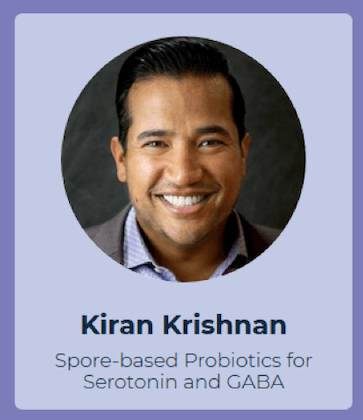
Kiran Krishnan is one my guest experts on The Anxiety Summit 5: Gut-Brain Axis and our topic is: Spore-based Probiotics for Serotonin and GABA.  What you’ll learn

  • How are spore-based probiotics different
  • Bacillus coagulans for depression with IBS symptoms
  • How they increase carotenoids and serotonin, and reduce inflammation
  • and more

Kiran Krishnan AS5

Kiran starts by explaining what makes spore-based probiotics different from other probiotics:

in terms of what makes them different – to begin with these are organisms that have a unique capability of covering themselves in a thick calcified protein-like coating. So it’s armor, essentially, around the bacterial cell.

This allows the bacteria to, of course. exist indefinitely in the environment. In harsh conditions under UV, radiation and desiccation.These are typically conditions that would kill off a lot of the bacteria that live in your gut. Virtually most of the bacteria, 90% of them cannot exist in that type of environment.

But it also allows these bacteria to come in through the gastric system, through the oral route, and survive the gauntlet that bacteria have to go through just getting through the process of digestion.

He goes on to explain how they can survive the stomach acid, the bile salts and the pancreatic enzymes and how all this is “a very specialized function of these microbes” and how very few bacteria have this capability.

We talk about a number of specific strains of spore-based probiotics and how they directly impact mood, anxiety, your gut health and microbiome:

  • bacillus coagulans is associated with bringing down depression, clinical depression, and at the same time alleviating IBS. And when you look at the correlation there it’s really interesting because IBS is associated with having a high risk for clinical depression.
  • bacillus licheniformis…it tends to increase the growth of other beneficial bacteria. Because one of the characteristics about these spore formers is that they have the ability to do something called quorum sensing. They get into the gut and they breed the microbial environment. They can find the overgrown pathogens or opportunistic bacteria that are causing problems. They’ll sit next to them and they’ll produce up to twenty five different antibiotics in that little micro environment to bring down the growth of those pathogens.

I ask some pressing questions like:

  • what have we seen in the research in terms of seeing changes in the microbiome if you do a stool test?
  • how Megaspore is best used when someone starts out because there is a method of titrating up?
  • why do you say other probiotics aren’t working? We do see some research showing that they are working

I find all of this quite fascinating and we do geek out a fair bit. He shares this: “what’s important to know is that these microbes had been producing these neurotransmitters and compounds before humans ever existed.”

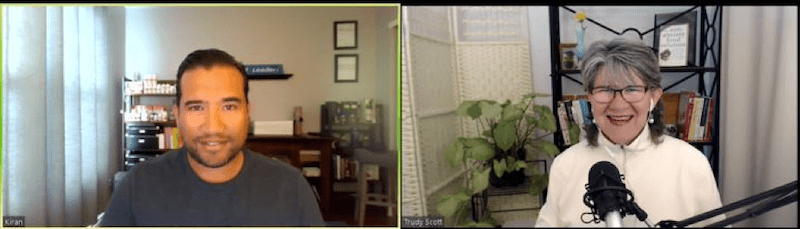
kiran krishnan and trudy scott as5

Be sure to listen to Kiran’s wonderful interview to get a complete understanding of spore-based probiotics and how to use them to improve gut health and help with anxiety and mood issues.

You can listen to each of the interviews (and get transcripts) by purchasing The Anxiety Summit 5: Gut-Brain Axis.

If you’d like to give feedback or ask a question, please post in the comments section. I’d love to hear from you once you’ve listened in.

If you’re already familiar with spore-based probiotics please share how they have helped you. That way we can all learn.

If you’d like to ask a question, please post in the comments below.

I’d also love to hear from you once you’ve listened in to Kiran’s interview and the others.


Filed Under: The Anxiety Summit 5 Tagged With: anxiety, anxiety summit, bacillus coagulans, bacillus licheniformis, depression, IBS, Kiran Krishnan, Megaspore, serotonin, spore-based probiotics, stool test

  • Page 1
  • Page 2
  • Page 3
  • Go to Next Page »

Primary Sidebar

NEW! GABA QuickStart Homestudy (with special intro pricing)

gaba quickstart homestudy

Free Report

9 Great Questions Women Ask about Food, Mood and their Health

You'll also receive a complimentary subscription to my ezine "Food, Mood and Gal Stuff"


Connect with me

Popular Posts

  • Amino Acids Mood Questionnaire from The Antianxiety Food Solution
  • The Antianxiety Food Solution Amino Acid and Pyroluria Supplements
  • Pyroluria Questionnaire from The Antianxiety Food Solution
  • Collagen and gelatin lower serotonin: does this increase your anxiety and depression?
  • Tryptophan for the worry-in-your-head and ruminating type of anxiety
  • GABA for the physical-tension and stiff-and-tense-muscles type of anxiety
  • The Antianxiety Food Solution by Trudy Scott
  • Seriphos Original Formula is back: the best product for anxiety and insomnia caused by high cortisol
  • Am I an anxious introvert because of low zinc and vitamin B6? My response to Huffington Post blog
  • Vagus nerve rehab with GABA, breathing, humming, gargling and key nutrients

Recent Posts

  • What do I use instead of Seriphos to help lower high cortisol that is affecting my sleep and making me anxious at night?
  • BeSerene™ GABA/theanine cream eases severe muscle tension in her neck/shoulders, prevents her bad headaches and quells her anxiety
  • How the correct approach, dose and sublingual use of GABA can be calming and not cause a flushed and itchy face and neck
  • The amino acid glutamine improves low mood by addressing gut health, and it has calming effects too
  • Flight anxiety with heightened breath, physical tension and also fearing the worst (the role of low GABA and low serotonin)

Categories

  • 5-HTP
  • AB575
  • Addiction
  • ADHD
  • Adrenals
  • Alcohol
  • Allergies
  • Alzheimer's disease
  • Amino Acids
  • Anger
  • Antianxiety
  • Antianxiety Food Solution
  • Antidepressants
  • Anxiety
  • Anxiety and panic
  • Autism
  • Autoimmunity
  • benzodiazapines
  • Bipolar disorder
  • Books
  • Caffeine
  • Cancer
  • Candida
  • Children/Teens
  • Collagen
  • Cooking equipment
  • Coronavirus/COVID-19
  • Cravings
  • Depression
  • Detoxification
  • Diabetes
  • Diet
  • DPA/DLPA
  • Drugs
  • EFT/Tapping
  • EMF
  • EMFs
  • Emotional Eating
  • Endorphins
  • Environment
  • Essential oils
  • Events
  • Exercise
  • Fear
  • Fear of public speaking
  • Fertility and Pregnancy
  • Fish
  • Food
  • Food and mood
  • Functional neurology
  • GABA
  • Gene polymorphisms
  • General Health
  • Giving
  • Giving back
  • Glutamine
  • Gluten
  • GMOs
  • Gratitude
  • Gut health
  • Heart health/hypertension
  • Histamine
  • Hormone
  • Hyperparathyroidism
  • Hypoglycemia
  • Immune system
  • Inflammation
  • Insomnia
  • Inspiration
  • Introversion
  • Joy and happiness
  • Ketogenic diet
  • Lithium orotate
  • Looking awesome
  • Lyme disease and co-infections
  • MCAS/histamine
  • Medication
  • Men's health
  • Mental health
  • Mercury
  • Migraine
  • Mold
  • Movie
  • MTHFR
  • Multiple sclerosis
  • Music
  • NANP
  • Nature
  • Nutritional Psychiatry
  • OCD
  • Osteoporosis
  • Oxalates
  • Oxytocin
  • Pain
  • Paleo
  • Parasites
  • Parkinson’s disease
  • PCOS
  • People
  • PMS
  • Postpartum
  • PTSD/Trauma
  • Pyroluria
  • Questionnaires
  • Real whole food
  • Recipes
  • Research
  • Schizophrenia
  • serotonin
  • SIBO
  • Sleep
  • Special diets
  • Sports nutrition
  • Stress
  • Sugar addiction
  • Sugar and mood
  • Supplements
  • Teens
  • Testimonials
  • Testing
  • The Anxiety Summit
  • The Anxiety Summit 2
  • The Anxiety Summit 3
  • The Anxiety Summit 4
  • The Anxiety Summit 5
  • The Anxiety Summit 6
  • Thyroid
  • Thyroid health
  • Toxins
  • Tryptophan
  • Tyrosine
  • Uncategorized
  • Vegan/vegetarian
  • Women's health
  • Yoga

Archives

  • October 2025
  • September 2025
  • August 2025
  • July 2025
  • June 2025
  • May 2025
  • April 2025
  • March 2025
  • February 2025
  • January 2025
  • November 2024
  • October 2024
  • September 2024
  • August 2024
  • July 2024
  • June 2024
  • May 2024
  • April 2024
  • March 2024
  • February 2024
  • January 2024
  • December 2023
  • November 2023
  • October 2023
  • September 2023
  • August 2023
  • July 2023
  • June 2023
  • May 2023
  • April 2023
  • March 2023
  • February 2023
  • January 2023
  • December 2022
  • November 2022
  • October 2022
  • September 2022
  • August 2022
  • July 2022
  • June 2022
  • May 2022
  • April 2022
  • March 2022
  • February 2022
  • January 2022
  • December 2021
  • November 2021
  • October 2021
  • September 2021
  • August 2021
  • July 2021
  • June 2021
  • May 2021
  • April 2021
  • March 2021
  • February 2021
  • January 2021
  • December 2020
  • November 2020
  • October 2020
  • September 2020
  • August 2020
  • July 2020
  • June 2020
  • May 2020
  • April 2020
  • March 2020
  • February 2020
  • January 2020
  • December 2019
  • November 2019
  • October 2019
  • September 2019
  • August 2019
  • July 2019
  • June 2019
  • May 2019
  • April 2019
  • March 2019
  • February 2019
  • January 2019
  • December 2018
  • November 2018
  • October 2018
  • September 2018
  • August 2018
  • July 2018
  • June 2018
  • May 2018
  • April 2018
  • March 2018
  • February 2018
  • January 2018
  • December 2017
  • November 2017
  • October 2017
  • September 2017
  • August 2017
  • July 2017
  • June 2017
  • May 2017
  • April 2017
  • March 2017
  • February 2017
  • January 2017
  • December 2016
  • November 2016
  • October 2016
  • September 2016
  • August 2016
  • July 2016
  • June 2016
  • May 2016
  • April 2016
  • March 2016
  • February 2016
  • January 2016
  • December 2015
  • November 2015
  • October 2015
  • September 2015
  • August 2015
  • July 2015
  • June 2015
  • May 2015
  • April 2015
  • March 2015
  • February 2015
  • January 2015
  • December 2014
  • November 2014
  • October 2014
  • September 2014
  • August 2014
  • July 2014
  • June 2014
  • May 2014
  • April 2014
  • March 2014
  • February 2014
  • January 2014
  • December 2013
  • November 2013
  • October 2013
  • September 2013
  • August 2013
  • July 2013
  • June 2013
  • May 2013
  • April 2013
  • March 2013
  • February 2013
  • January 2013
  • December 2012
  • November 2012
  • October 2012
  • August 2012
  • July 2012
  • June 2012
  • May 2012
  • April 2012
  • March 2012
  • February 2012
  • January 2012
  • December 2011
  • November 2011
  • October 2011
  • September 2011
  • August 2011
  • July 2011
  • June 2011
  • May 2011
  • April 2011
  • March 2011
  • February 2011
  • January 2011
  • December 2010
  • October 2010
  • September 2010
  • July 2010
  • May 2010
  • April 2010
  • March 2010
  • February 2010
  • January 2010
  • November 2009

Share the knowledge!

The above statements have not been evaluated by the Food and Drug Administration. Products listed in this website are not intended to diagnose, treat, cure or prevent any disease.

The information provided on this site is for informational and educational purposes only and is not intended as a substitute for advice from your physician or other health care professional. You should consult with a healthcare professional before starting or modifying any diet, exercise, or supplementation program, before taking or stopping any medication, or if you have or suspect you may have a health problem.


Copyright © 2026 Trudy Scott. All Rights Reserved. | Privacy | Terms and Conditions | Refund Policy | Medical Disclaimer

Free Report

9 Great Questions Women Ask about Food, Mood and their Health

You’ll also receive a complimentary subscription to my ezine “Food, Mood and Gal Stuff”