• Skip to primary navigation
  • Skip to main content
  • Skip to primary sidebar

everywomanover29 blog

Food, Mood and Women's Health – Be your healthiest, look and feel great!

  • Blog
  • About
  • Services
  • Store
  • Resources
  • Testimonials
  • The Book
  • Contact
  • Search this site

food

This Is Your Brain on Food by Uma Naidoo, MD (video interview and review)

August 21, 2020 By Trudy Scott 6 Comments

brain on food

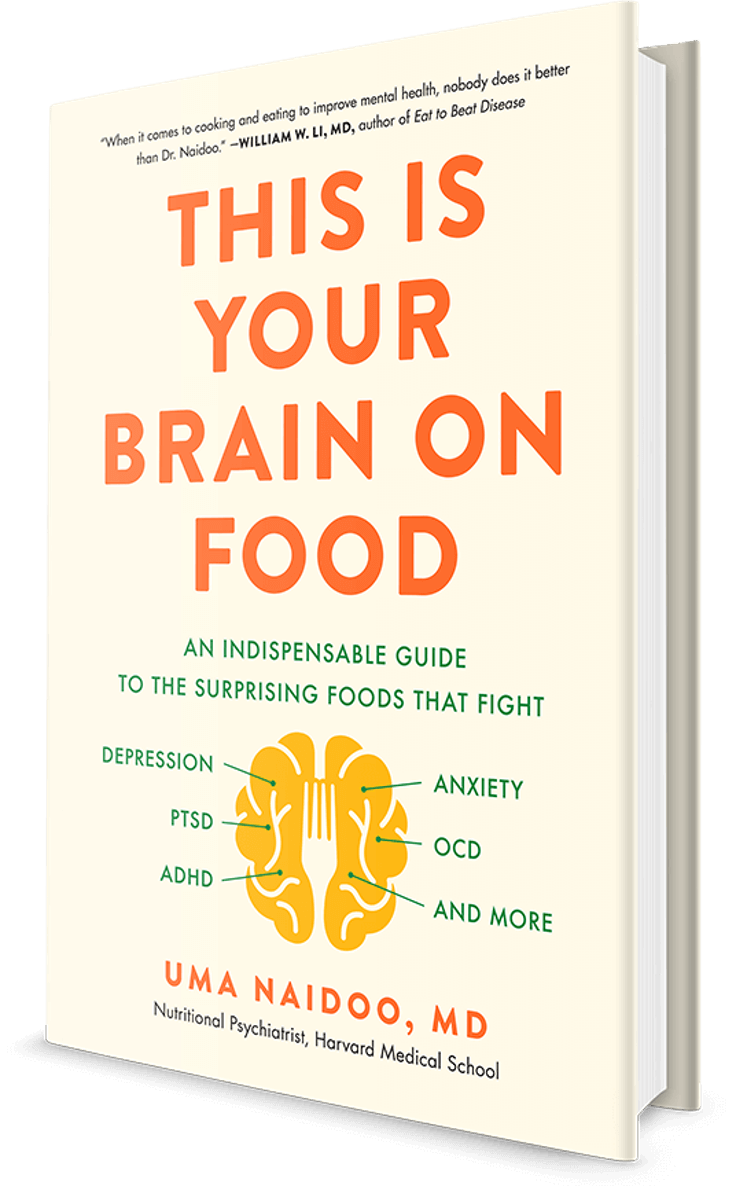
Dr. Uma Naidoo has a wonderful new book called This Is Your Brain on Food: An Indispensable Guide to the Surprising Foods that Fight Depression, Anxiety, PTSD, OCD, ADHD, and More (my Amazon link)

Her big bold message is this “Until we solve nutritional problems, no amount of medication and psychotherapy is going to be able to stem the tide of mental issues in our society.”  This is something I wholeheartedly agree with!

I had the wonderful opportunity to interview Dr. Naidoo and we talked about the benefits of fermented foods and social anxiety, vitamin D and anxiety, dietary sources of polyphenols for ADHD and much more:

  • A 2015 study, Fermented foods, neuroticism, and social anxiety, reports that people eating fermented foods saw a reduction in their social anxiety and neurotic traits
  • Dr. Naidoo recommends unflavored kefir (which can be used to make a creamy dressing), miso, fermented vegetables and kombucha (watch the added sugars)
  • I mention kombucha as a source of fluoride (watch if you have issues with fluoride)
  • Vitamin D and anxiety: we discuss a 2019 study, Effect of Vitamin D Supplement on Mood Status and Inflammation in Vitamin D Deficient Type 2 Diabetic Women with Anxiety: A Randomized Clinical Trial

51 women with type 2 diabetes and vitamin D deficiency were randomly allocated to receive one oral pearl of 50,000 IU vitamin D3 (26 women) or a placebo (25 women) fortnightly for 16 weeks

Anxiety score changes were significantly lower in vitamin D group than the controls

  • Dr . Naidoo recommends these sources of vitamin D: egg yolks, salmon, mushrooms and sun exposure (sun through a window doesn’t count)
  • Dietary polyphenols and ADHD: We talk about a 2018 study, Rationale for Dietary Antioxidant Treatment of ADHD

Dietary polyphenols… have antioxidant capacities as well as immunoregulatory effects and, therefore, appear appropriate in ADHD therapy.

  • Dr. Naidoo recommends these sources of polyphenols: berries and other fruit, vegetables, extra virgin olive oil.
  • I’m fascinated by the fact that polyphenols “act as a low-dose toxin that trains the body to mount an immune response in a process called hormesis” (there are many geeky gems like this in the book)
  • Dr. Naidoo shares the story of her 36 year old patient with severe anxiety. He was a binge eater and also had a history of alcohol abuse. Vitamin B1 (250mg) was every effective for him…“In animal studies, thiamine appears to reduce stress-like responses because it protects the hippocampus”
  • We talk about chamomile tea and how it helps with sleep. There are some cautions if you’re on a blood thinner prescription or going to have surgery. Pregnant women should also avoid it.
  • Dr. Naidoo shares a delicious Golden Milk recipe with tips on how to use turmeric (one her favorite spices and inspired by her grandmother’s cooking) with black pepper. You’ll find this in the recipes section.
  • Dr Naidoo also shares one of her favorite comfort foods – a yummy lentil soup recipe called dal in south Indian cuisines. It’s a great source of fiber, plant-based protein and is very affordable. And really healthy when cooked with vegetables and spices like mustard seeds, ginger, garlic and turmeric. She shares a tip to improve the flavors – making tadka (listen to the interview below, enjoy and be inspired!)


It’s a wonderful book that I highly recommend if:

  • you are new to nutritional psychiatry and the power of food
  • you are a seasoned foodie and want to geek out on mechanisms and the science
  • you want to learn about foods and nutrients (all science-based) specifically for depression, anxiety, PTSD, OCD, ADHD and insomnia
  • you are a practitioner and want to learn and share a wonderful book with your patients or clients

I read it cover to cover and picked up so many gems. I also loved reading about her memories of cooking with her Pinetown granny (Pinetown is just outside Durban where we both happened to grow up)!

We do have a few professional differences of opinion that I feel I should mention:

  • I am not in favor of canola oil and I’d switch out the recipes that call for canola oil with olive oil
  • I have a difficult time extrapolating high-fat diets in rat studies to concerns about saturated fat consumption in humans (given the nature of the rat chow in many of these studies)
  • I’m more concerned with portion-size of carbs than I am with portion-size of healthy fats (and typically recommend full-fat coconut milk, and chicken and turkey with skin-on)
  • I find grass-red meat to be beneficial for my clients with anxiety and mood issues
  • Many of my anxious clients cannot tolerate any caffeine and I consider 14 alcoholic drinks a week for men and 7 alcoholic drinks a week for women to be excessive
  • I prefer stove-top and oven cooking to using a microwave.

This is the official book blurb:

Did you know that blueberries can help you cope with the aftereffects of trauma? That salami can cause depression, or that boosting Vitamin D intake can help treat anxiety?

When it comes to diet, most people’s concerns involve weight loss, fitness, cardiac health, and longevity. But what we eat affects more than our bodies; it also affects our brains. And recent studies have shown that diet can have a profound impact on mental health conditions ranging from ADHD to depression, anxiety, sleep disorders, OCD, dementia and beyond.

A triple threat in the food space, Dr. Uma Naidoo is a board-certified psychiatrist, nutrition specialist, and professionally trained chef. In This Is Your Brain on Food, she draws on cutting-edge research to explain the many ways in which food contributes to our mental health, and shows how a sound diet can help treat and prevent a wide range of psychological and cognitive health issues.

Packed with fascinating science, actionable nutritional recommendations, and delicious, brain-healthy recipes, This Is Your Brain on Food is the go-to guide to optimizing your mental health with food.

Uma Naidoo, MD is board-certified psychiatrist (Harvard Medical School), professional chef (Cambridge School of Culinary Arts), and nutrition specialist (Cornell University). She is currently the Director of Nutritional and Lifestyle Psychiatry at Massachusetts General Hospital (MGH), where she consults on nutritional interventions for the psychiatrically and medically ill; Director of Nutritional Psychiatry at the Massachusetts General Hospital Academy; and has a private practice in Newton, MA. She also teaches at The Cambridge School of Culinary Arts.

Dr. Naidoo speaks frequently at conferences at Harvard, for Goop audiences, the New York City Jewish Community Center (JCC), and Ivy Boston. She blogs for Harvard Health and Psychology Today and completed a unique video cooking series for the MGH Academy which teaches Nutritional Psychiatry using culinary techniques in the kitchen.

You can get your copy of This Is Your Brain on Food here (my Amazon link) and find additional information about Dr. Naidoo here and the book here.

Let us know what you think in the comments below and be sure to leave Dr. Naidoo a review once you read your copy!

Feel free to post your questions here too.
Filed Under: Anxiety, Books Tagged With: ADHD, anxiety, brain, chamomile tea, dal, depression, Dr. Uma Naidoo, fermented food, food, insomnia, OCD, polyphenols, PTSD, sleep, This Is Your Brain on Food, turmeric, Uma Naidoo, vitamin D

Food Fix by Dr. Mark Hyman – my review

February 27, 2020 By Trudy Scott 4 Comments

food fix by mark hyman

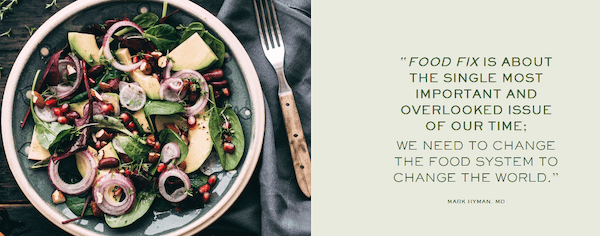
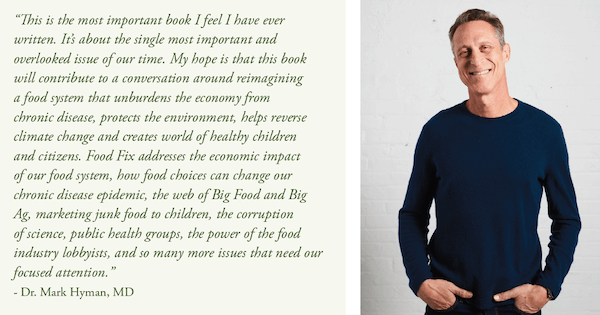
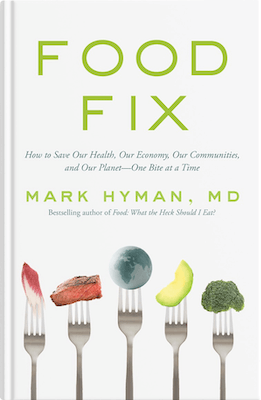
Dr. Mark Hyman has a brilliant new book called called Food Fix: How to Save Our Health, Our Economy, Our Communities, and Our Planet – One Bite at a Time and his big bold message is that: “We need to change the food system to change the world.”  It is an issue that is seriously overlooked and he wants to change this.

food fix

Watch this short video clip to hear it from Dr. Hyman himself.

food fix

Here are some of the key messages from Food Fix

  • If we don’t change the food system, we’re going to spend $95 trillion dollars on chronic disease – heart disease, obesity, type 2 diabetes, cancer, and dementia – over the next 35 years.
  • Big food spends a lot of money in Washington to keep us fat and sick.
  • The food industry preys on our most vulnerable citizens – children.

According to the American Psychological Association, children under the age of 8 don’t instinctively recognize the difference between TV Commercials and programs, which makes them particularly vulnerable.

  • Big Food buys partnerships with public schools.
  • Minorities are also targeted by the food industry.

Researchers at the University of Connecticut found that junk food companies spend the most on ads that target African Americans and Spanish speakers. Guess which products were most heavily advertised toward minorities—Gatorade, Pop Tarts, Twix Candy Bar, Cinnamon Toast Crunch Cereal, and Tyson Frozen Entrees

The worse the nutritional profile the more heavily the products were promoted through advertising.

Where are the broccoli ads?

These findings, the researchers noted, “highlight important disparities in the food and beverage industry’s heavy marketing of unhealthy foods to Hispanic and black youth, and the corresponding lack of promotion of healthier options.”

  • Bad food is making us anxious, depressed, and is messing with our brains. I’m thrilled that Dr. Hyman highlights how nutritional medicine is a key to mental health and psychiatry. Here are some snippets :

Studies show that adults with many types of mental health issues and children with ADHD have very low levels of antioxidants (which come from fruits and vegetables), such as the fifty-six-year-old man with lifelong crippling depression who improved by cleaning up his diet and taking a cocktail of B vitamins. I remember one man who presented with severe panic attacks every afternoon. Turned out he was eating a diet very high in sugar and starch and had wild swings in his blood sugar, which triggered the anxiety. When he cut out sugar and starch, his anxiety and panic attacks vanished. These stories are not anomalies. They are predictable results from applying nutritional medicine.

In recent years, major medical journals have clearly shown the link between nutrition and mental health. The Lancet Psychiatry, a top medical journal, maps out just how nutritional medicine is a key to mental health and psychiatry. Overall diet quality, high sugar loads, and rampant nutritional deficiencies (including omega‑3 fats, zinc, magnesium, vitamin D, and B vitamins) all drive mental illness. In other words, the culprit is once again the American and increasingly global industrial diet. We have discussed the costs of obesity and chronic disease, but most don’t connect mental illness to the costs of chronic disease. In fact, the cost of mental illness to the economic burden is far greater than the costs of heart disease, diabetes, and cancer.

Population studies have found that more fruits and vegetables and less french fries, fast food, and sugar are associated with a lower prevalence of mental illness, and that junk food creates moderate to severe psychological distress. The good news is that interventional studies have shown that treatment of mental illness with diet works well (especially since most medications for mental illness don’t work that well, despite being the second biggest category of drugs sold).

And here are a few of the many solutions proposed in the book:

  • Support regenerative agriculture and sustainable food.
  • Stop purchasing franken-foods:

Today 60% of our diet is ultra-processed food made from commodity crops—corn, soy, and wheat—that’s turned into various sizes, shapes, and colors from the raw materials—high fructose corn syrup, white flour, and refined soybean oil. When you vote with your dollars and your fork to stay away from these foods, you send a message to big food to stop subsidizing commodity crops and grow more fruits and vegetables!

  • End food waste:

Buy only what you need.  If food may go bad soon, make a soup or stew. Get a compost bucket for your kitchen.  Start a compost pile in your backyard, or buy an in-home composter.  Use it in your garden or donate it to someone who has a garden.

  • Be an activist and teach your family why food matters.
  • Address food deserts and food swamps in African American communities, and recognize that this is:

“food apartheid,” an embedded social and political form of discrimination.

Here is the official book blurb:

Help to transform the planet in crisis with this indispensable guide to healthy, ethical, and economically sustainable food from #1 New York Times bestselling author Mark Hyman, MD.

Food is our most powerful tool to reverse the global epidemic of chronic disease, heal the environment, reform politics, and revive economies. What we eat has tremendous implications not just for our waistlines, but also for the planet, society, and the global economy. What we do to our bodies, we do to the planet; and what we do to the planet, we do to our bodies. 

In Food Fix, Mark Hyman explains how our food and agriculture policies are corrupted by money and lobbies that drive our biggest global crises: the spread of obesity and food-related chronic disease, climate change, poverty, violence, educational achievement gaps, and more.

Pairing the latest developments in nutritional and environmental science with an unflinching look at the dark realities of the global food system and the policies that make it possible, Food Fix is a hard-hitting manifesto that will change the way you think about – and eat – food forever, and will provide solutions for citizens, businesses, and policy makers to create a healthier world, society, and planet.

I love that Dr. Hyman says he is left with a sense of hope and possibility after writing this book … “understanding the problems and challenges we face sets the foundations for the solutions.”

Wise words indeed! This book is much-needed, brilliant, eye-opening and shocking at times, but hopeful and solution-based.

You can get your copy of Food Fix here (my Amazon link) and find additional information and resources on the official book site here.

Filed Under: Books Tagged With: African Americans, chronic disease, climate change, education, environmental, food, food and agriculture policies, food deserts, Food Fix, food swamps, mark hyman, mental health, nutrition, Nutritional medicine, obesity, poverty, psychiatry, the planet, violence

Food: What the Heck Should I Cook by Dr. Mark Hyman

October 23, 2019 By Trudy Scott 2 Comments

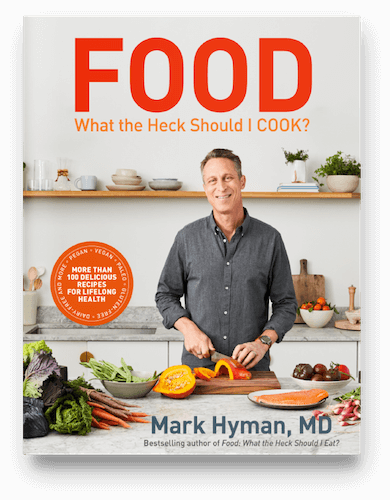
Dr. Mark Hyman proudly shares this about his new recipe book – Food: What the Heck Should I Cook

This cookbook is a beautiful work of art—full color, lots of recipe pictures, and over 100 delicious and healthy pegan recipes. The book features tasty recipes with delicious whole food ingredients.

Everything in the cookbook meets my Pegan Diet guidelines, which means all the recipes are gluten-free, dairy-free, refined sugar-free, and nutrient-dense. Whether you or someone in your household is Paleo, vegetarian, vegan, keto, pescatarian—it’s got super satisfying meals you’ll all love and can enjoy together.

Plus, I talk about how to create a conscious kitchen – which includes how I choose the ingredients I cook with as well as the safest cooking tools.

And he shares more about why he wrote this new cookbook – a companion book to Food: What the Heck Should I Eat – in the book trailer video.

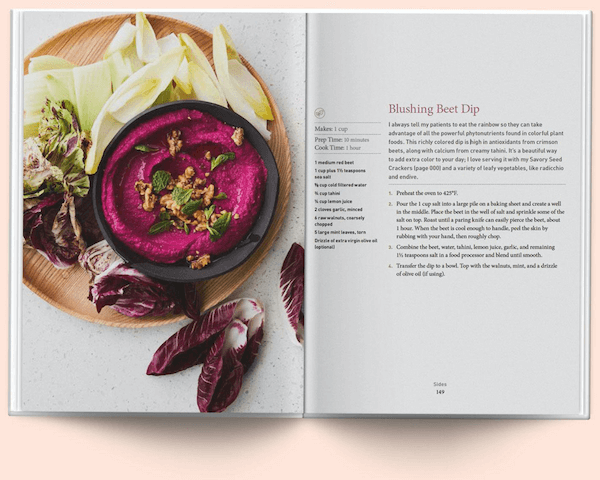
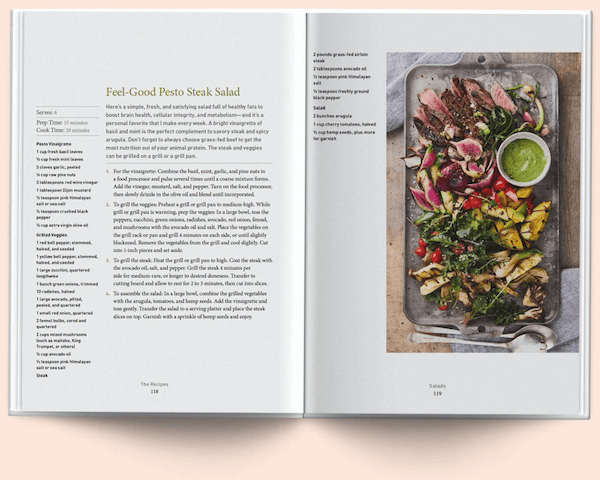
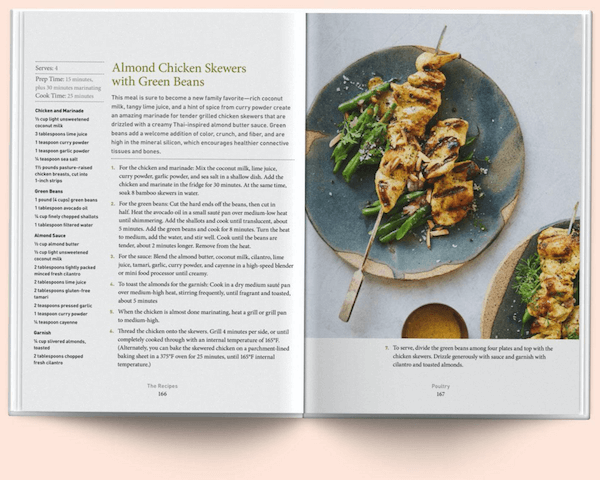
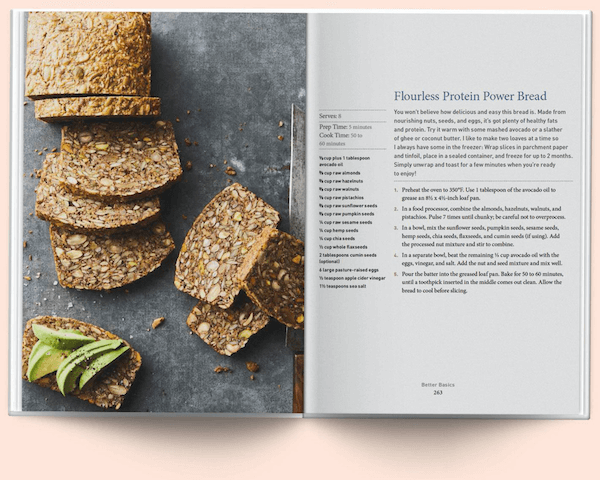
Here are few recipes from the book to get you inspired and cooking: Blushing Beet Soup, Feel-Good Pesto Steak Salad, Almond Chicken Skewers with Green Beans and Flourless Protein Power Bread.

blushing beet dip

pesto steak salad

almond chicken skewers

protein power break

Here are a few of the many other recipes: Superfood Smoothie Bowl, Green Shakshuka, Crispy Carrot Fries with Pesto, Coriander Salmon with Coconut-Tomato Salsa, Toasted Sage Butternut Pizza, Lemon-Berry Rose Cream Cake, and Chocolate-Almond Sandwich Cookies.

He calls this recipe book  “one of my most exciting personal projects to date, one that I hope will be something you can use to create better health while sharing great times with the people you love.”

Learn more about the book here

Buy your copy on Amazon here (my Amazon link).

I hope it inspires you to create delicious healthy real food meals to eat and enjoy with your loved ones! And let us know which recipes you decide to make.

Filed Under: Books Tagged With: cooking, dairy-free, Dr. Mark Hyman, food, Food: What the Heck Should I Cook, gluten-free, nutrient-dense, paleo, Pegan, recipe book, recipes, refined sugar-free, vegetarian

Can food and nutrients really help me if I have very severe anxiety and/or panic attacks and I’m using medications?

June 21, 2019 By Trudy Scott 8 Comments

food, nutrients and med

As I prepare for “The Anxiety Summit 5: Gut-Brain Axis” (airing in November 2019) I have been going through interviews from the first Anxiety Summit in 2014 and would like to share something that I addressed in my opening interview as a good recap for you as you are on your healing journey with anxiety (or in case this comes up again in the future) – you truly can eliminate anxiety entirely!

This is a question I am often asked: “Can I really eliminate anxiety using food, nutrients (and a functional medicine approach) if I have very severe anxiety and/or panic attacks and I’m using medications?”

Way too many folks don’t believe it’s possible but yes, you can! You can completely eliminate full blown anxiety, panic attacks, social anxiety (where you cannot go out to social event or go and feel so anxious), phobias like fear of spiders or agoraphobia (where you cannot get out of the house), and even obsessive-compulsive disorder (OCD).

Many folks believe their anxiety is much too severe and that food and nutrients couldn’t possibly help. I’m here to tell you this is just not true.

It’s not uncommon for well-known thought leaders to perpetuate this myth, implying anxiety and fears never go away.

Ali Brown, entrepreneurial guru for women, and one of my amazing business mentors, created a program to help businesswomen overcome their fears. She shared this in the program information: “Let’s not forget women’s darkest best friends: anxiety and worry” and admitted “I still have to fight it. I come from a long line of worriers.”

I say no, you don’t have to fight it. Just because you come from a long line of worriers doesn’t necessarily mean that you have to put up with it and live with it. There is something you can do to eliminate the anxiety, worries and fears.

Seth Godin, author and thought leader, says this: “When fear shows up, understand that it never goes away. Dance with it instead.”

While I really enjoy the dance suggestion – it’s fun and the joy of dancing and the exercise may help – however I really do disagree with the fact that he says fear never goes away.

In season 1 interviewed Julia Ross, MA, my mentor and author of The Mood Cure (my Amazon link), on using amino acids for anxiety and she summed it up perfectly:

On a scale from zero to 10, zero is not an unrealistic goal when it comes to anxiety. It’s really the human potential and GABA and tryptophan give us access to it.

I’m going to repeat this because I think it’s really worth repeating. Zero is not an unrealistic goal when it comes to anxiety. Bravo Julia – I totally agree with this and I want you to know this!

It starts with doing trials of GABA and tryptophan, and using food and nutrients, and finding all the root causes and addressing them.

I really want you to know this, remember this, and don’t stop looking for the answer and the root causes. It may be food changes that you need to make. It may be breakfast that you need to eat. It may be low serotonin or low GABA. It may be foods that are problems for you like gluten or dairy. It may be additives in the foods that you’re eating. It may be toxins in your environment. There are many possible root causes, and you may have one or many root causes that are causing your anxiety.

Addressing these root causes with food and nutrients (and a functional medicine approach you can completely eliminate your anxiety even if you have very severe anxiety and/or panic attacks and you’re using medications.

Resources for you

  • My book The Antianxiety Food Solution (my Amazon affiliate link) covers the 9 steps I use with clients. Read it and become a savvy health-advocate for yourself. Share a copy with your doctor and point out the references.
  • Here is a blog on: How to do an amino acid trial for anxiety
  • You can find GABA and tryptophan and other nutrients in my supplement store here
  • Here is a blog on: 60+ Nutritional & Biochemical Causes of Anxiety

Do you believe your anxiety is much too severe for food and nutrients to be of help?

Or did you believe this and started looking at nutritional and biochemical root causes anyway and found solutions and anxiety resolution?

Filed Under: Food and mood Tagged With: anxiety, food, medications, nutrients, panic attacks, root causes, social anxiety

Help! I’m worried all the time! Soothe with supplements and tame worry with food!

April 20, 2018 By Trudy Scott 3 Comments

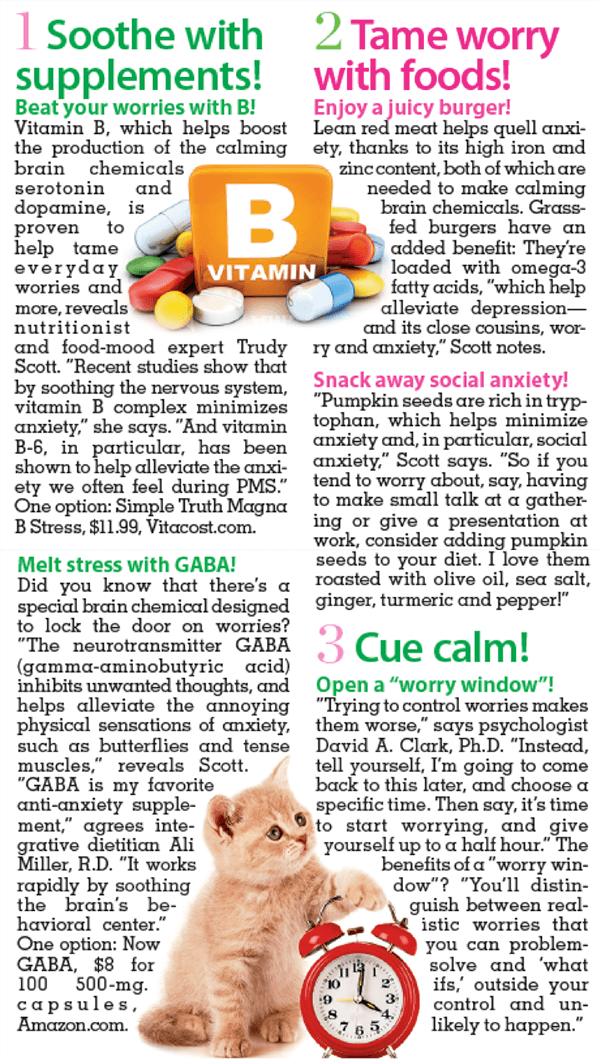
Some of my simple tips for worry were shared in the April edition of Women’s World so here they are for you to enjoy in case you didn’t see them in the magazine. I’m quite chuffed to see it’s for a piece called “Ask America’s Ultimate Experts.”

I share tips about the benefits of a B- complex vitamin (for adrenal support), vitamin B6 (especially for PMS-type anxiety and worry, the calming amino acid called GABA, plus the mood-boosting and calming benefits of a grass-fed burger (loaded with zinc, iron and omega-3s) and pumpkin seeds as a snack (because they’re rich in both tryptophan and zinc)

Here are my tips from the article:

#1 Soothe with supplements

Here are some supporting articles and research for some of the above tips. A good B- complex vitamin for adrenal support has been shown to minimize psychological stress after a natural disaster and vitamin B6 (or pyridoxine) helps with PMS-type anxiety and worry.

A paper titled Pyridoxine in the treatment of premenstrual syndrome: a retrospective survey in 630 patients, reports the following results:

The daily doses of pyridoxine hydrochloride varied from 40 to 100 mg early in the study and from 120 to 200 mg in the later period of the investigations. The response to treatment was recorded as good (no significant residual complaints) in 40 per cent or more of patients taking 100-150 mg pyridoxine daily and in 60 per cent of patients treated with 160-200 mg daily. Together with partial response (useful benefit but still some significant complaints), the positive effect of the treatment increased to 65-68 per cent and 70-88 per cent respectively. No symptoms consistent with a diagnosis of peripheral neuropathy were reported

The calming amino acid called GABA helps with the physical-tension and stiff-and-tense-muscles type of anxiety and helps with worry and inhibition of unwanted thoughts.

#2 Tame worry with foods

Professor Felice Jacka, nutritional psychiatry researcher, discusses the mood-boosting and calming benefits of grass-fed beef (loaded with zinc, iron and omega-3s) on our Anxiety Summit interview: The Research – Food to prevent and treat anxiety and depression?

Pumpkin seeds are rich in tryptophan and zinc and research shows that a functional food made from these seeds actually helps with social anxiety.

Here are a few minor discrepancies in the above sections:

  • In #1 dopamine is not a calming brain chemical but instead it’s stimulating and helps with focus and motivation. The B vitamin mentioned contain folic acid whereas methyl folate is the preferred choice.
  • In #2 the GABA product recommended is 500mg and I find starting much lower is a more effective approach with my clients.

#3 Cue calm – open a worry window

Opening a worry window is a new approach for me and I’d love to hear if it helps you now or has helped you in the past.

Anti-anxiety gummies and low serotonin

Ali Miller, RD, shares a recipe for anti-anxiety gummies (you can see it in the PDF) and I love that it includes coconut water, ginger and turmeric. I’d replace the cup of orange juice (which is high in sugar) with water and use 2 tablespoons instead. Be sure to watch that these gelatin gummies don’t make your anxiety (or depression or sleep worse). It’s a small amount of gelatin but if you’re eating a lot of them and you’re prone to low serotonin, this may be a problem for you. I write about this in a blog post here – Collagen and gelatin lower serotonin: does this increase your anxiety and depression? If it does cause an adverse reaction it doesn’t mean you can’t eat them, instead it simply means you may need to take tryptophan when eating them (if low serotonin is the issue.

If you’d like a PDF of the article you can grab a copy here.

I’d love to hear if any of these approaches have helped you or your clients/patients. Keep in mind that it’s a fun article that is by no means comprehensive in terms of addressing all the possible root causes of anxiety.

Filed Under: Anxiety Tagged With: anxiety, B-complex, food, GABA, grass-fed red meat, omega-3s, pumpkin seeds, supplements, vitamin B6, Women’s World, worry, zinc

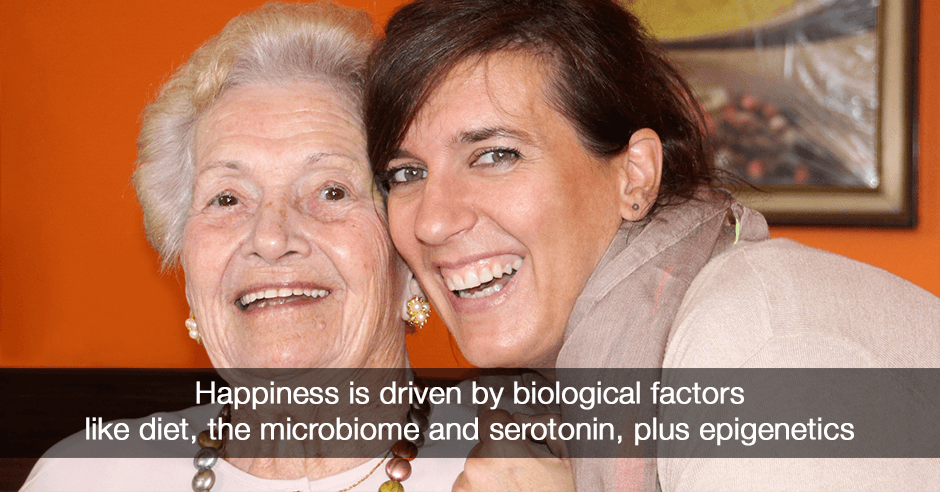
Happiness is driven by biological factors like diet, the microbiome and serotonin, plus epigenetics

March 9, 2018 By Trudy Scott 5 Comments

As a food mood expert and nutritionist, I believe one very overlooked way we can address the lack of happiness or joy is the biochemical aspect.

One classic root cause of depression or unhappiness is low serotonin and this low serotonin can also lead to fear, worry, anxiety, self-doubt, lack of confidence, ruminations, insomnia and imposter syndrome, all of which are classic signs of low serotonin.  

A poor diet or a diet that is not right for you is a big factor in serotonin production and therefore happiness and a sense of calm.

The biological or biochemical connections to lack of happiness

This paper, Happiness & Health: The Biological Factors – Systematic Review Article, supports the biological or biochemical connections to lack of happiness (and the other signs of low serotonin), listing endogenic (or internal) as well as exogenic (or external) factors :

Happiness underlying factors are considerable from two dimensions:

  • endogenic factors (biological, cognitive, personality and ethical sub-factors) and
  • exogenic factors (behavioral, social/cultural, economical, geographical, life events and aesthetics sub-factors).

Among all endogenic [or internal] factors, biological sub-factors are the significant predictors of happiness.

The external factors are the ones we’re most familiar with i.e. things that are going on in our lives like relationships, income, where we live and life events. It’s the internal factors that we don’t discuss.

This study looked at biological factors (one of the internal factors) that underlie happiness and optimism. Five sub-groups of biological factors were found:

  1. brain and neurotransmitters (dopamine, serotonin and endorphins playing a role in happiness)
  2. endocrinology and hormones (cortisol and oxytocin playing a role in happiness)
  3. physical health
  4. physical attractiveness
  5. genetic (this accounted for 35-50% of happiness)

Nutritional psychiatry and the first 4 sub-groups

The work of nutritional psychiatry, a new and growing field, shows that food and nutrients have a direct impact on the first 4 groups: brain and neurotransmitters, on endocrinology and hormones and on physical health (and thereby physical attractiveness too):

The International Society for Nutritional Psychiatry Research hosted their first international conference in August last year in Bethesda, MD, and I had the pleasure of attending.

The new SMILES trial was presented at the conference: the first randomized controlled diet depression study where ONE THIRD of the dietary intervention group saw improvements in their depression and anxiety symptoms by switching from processed/junk food to real food with no specific dietary restrictions.

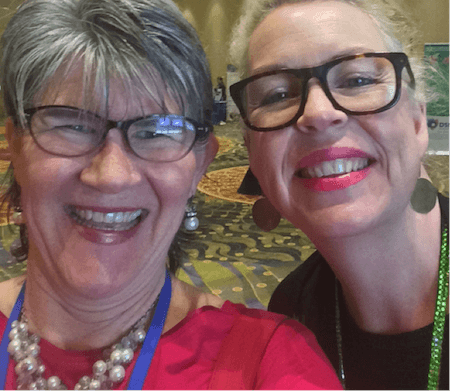
Here I am with world-renowned nutritional psychiatry researcher, Professor Felice Jacka

I participated in the rapid fire presentation session at the conference. In my talk, Applications of the Paleo diet and Gluten-free diet for Anxiety, I shared how Paleo and grain-free diets can increase happiness and reduce anxiety.

This November 2017 review, Nutritional psychiatry: the present state of the evidence, mentions the SMILES trial and provides the latest overview of the evidence in nutritional psychiatry:

Potential biological pathways related to mental disorders include inflammation, oxidative stress, the gut microbiome, epigenetic modifications and neuroplasticity. Consistent epidemiological evidence, particularly for depression, suggests an association between measures of diet quality and mental health, across multiple populations and age groups; these do not appear to be explained by other demographic, lifestyle factors or reverse causality.

Genetics (the last sub-group), epigenetics, diet and the microbiome

It saddens me when I hear someone say: “depression runs in my family – my grandmother suffered, I suffer with depression and I don’t know what kind of life my daughter is going to have.”

Even though genetics (the last sub-group) is reported to accounted for 35-50% of happiness, we now know that “our genes are not our destiny” and we can actually switch on good genes and switch off bad genes when we change our diet and environment.

This paper, Microbiome, inflammation, epigenetic alterations, and mental diseases, sums it up perfectly, reporting that recent findings show that the onset and development of mental diseases such as autism, bipolar disorder, schizophrenia, and depression cannot be well described by the one-gene/one-disease approach:

Even though the involvement of many genes are likely, up regulating and activation or down regulation and silencing of these genes by the environmental factors play a crucial role in contributing to their pathogenesis. Much of this interplay may be moderated by epigenetic changes.

Environmental factors such as diet, gut microbiota, and infections have significant role in these epigenetic modifications.

The authors conclude that the potential interactions of diet, gastrointestinal microbiome, and inflammation can all contribute to epigenetic alterations in psychiatric disorders.

If the term epigenetic is new to you, here is a helpful explanation:

The word “epigenetic” literally means “in addition to changes in genetic sequence.” The term has evolved to include any process that alters gene activity without changing the DNA sequence, and leads to modifications that can be transmitted to daughter cells.

What this means is that you can change your destiny in a positive way – by changing your diet – even if you have bad genes passed on from your grandmother and mother or other family members.

And don’t forget the environmental factors (as stated in the above paper) that can change your genes in a negative way: heavy metals, pesticides, diesel exhaust, tobacco smoke, polycyclic aromatic hydrocarbons (environmental pollutants from coal, oil, petrol, and wood), radioactivity, viruses and bacteria.

The take-aways are to eat quality real whole food, avoid sugar, caffeine and gluten, address the microbiome and nutritional deficiencies, avoid toxins/chemicals, detox if needed, address infections and the adrenals. This is exactly what my book The Antianxiety Food Solution covers so if you don’t yet have a copy, grab one from your nearest bookstore or from Amazon here (my affiliate link).

For a deeper dive into the epigenetics aspect and detoxification, I recommend Dr. Ben Lynch’s new book called Dirty Genes (my Amazon link).

Are you ready to find the biological root causes of your lack of happiness and anxiety?

Or are you already there and have seen the benefits already?

Filed Under: Food and mood Tagged With: anxiety, biochemical, biological, depression, epigenetics, food, genes, happiness, microbiome

  • Page 1
  • Page 2
  • Page 3
  • Interim pages omitted …
  • Page 5
  • Go to Next Page »

Primary Sidebar

NEW! GABA QuickStart Homestudy (with special intro pricing)

gaba quickstart homestudy

Free Report

9 Great Questions Women Ask about Food, Mood and their Health

You'll also receive a complimentary subscription to my ezine "Food, Mood and Gal Stuff"


Connect with me

Popular Posts

  • Amino Acids Mood Questionnaire from The Antianxiety Food Solution
  • The Antianxiety Food Solution Amino Acid and Pyroluria Supplements
  • Pyroluria Questionnaire from The Antianxiety Food Solution
  • Collagen and gelatin lower serotonin: does this increase your anxiety and depression?
  • Tryptophan for the worry-in-your-head and ruminating type of anxiety
  • GABA for the physical-tension and stiff-and-tense-muscles type of anxiety
  • The Antianxiety Food Solution by Trudy Scott
  • Seriphos Original Formula is back: the best product for anxiety and insomnia caused by high cortisol
  • Am I an anxious introvert because of low zinc and vitamin B6? My response to Huffington Post blog
  • Vagus nerve rehab with GABA, breathing, humming, gargling and key nutrients

Recent Posts

  • What do I use instead of Seriphos to help lower high cortisol that is affecting my sleep and making me anxious at night?
  • BeSerene™ GABA/theanine cream eases severe muscle tension in her neck/shoulders, prevents her bad headaches and quells her anxiety
  • How the correct approach, dose and sublingual use of GABA can be calming and not cause a flushed and itchy face and neck
  • The amino acid glutamine improves low mood by addressing gut health, and it has calming effects too
  • Flight anxiety with heightened breath, physical tension and also fearing the worst (the role of low GABA and low serotonin)

Categories

  • 5-HTP
  • AB575
  • Addiction
  • ADHD
  • Adrenals
  • Alcohol
  • Allergies
  • Alzheimer's disease
  • Amino Acids
  • Anger
  • Antianxiety
  • Antianxiety Food Solution
  • Antidepressants
  • Anxiety
  • Anxiety and panic
  • Autism
  • Autoimmunity
  • benzodiazapines
  • Bipolar disorder
  • Books
  • Caffeine
  • Cancer
  • Candida
  • Children/Teens
  • Collagen
  • Cooking equipment
  • Coronavirus/COVID-19
  • Cravings
  • Depression
  • Detoxification
  • Diabetes
  • Diet
  • DPA/DLPA
  • Drugs
  • EFT/Tapping
  • EMF
  • EMFs
  • Emotional Eating
  • Endorphins
  • Environment
  • Essential oils
  • Events
  • Exercise
  • Fear
  • Fear of public speaking
  • Fertility and Pregnancy
  • Fish
  • Food
  • Food and mood
  • Functional neurology
  • GABA
  • Gene polymorphisms
  • General Health
  • Giving
  • Giving back
  • Glutamine
  • Gluten
  • GMOs
  • Gratitude
  • Gut health
  • Heart health/hypertension
  • Histamine
  • Hormone
  • Hyperparathyroidism
  • Hypoglycemia
  • Immune system
  • Inflammation
  • Insomnia
  • Inspiration
  • Introversion
  • Joy and happiness
  • Ketogenic diet
  • Lithium orotate
  • Looking awesome
  • Lyme disease and co-infections
  • MCAS/histamine
  • Medication
  • Men's health
  • Mental health
  • Mercury
  • Migraine
  • Mold
  • Movie
  • MTHFR
  • Multiple sclerosis
  • Music
  • NANP
  • Nature
  • Nutritional Psychiatry
  • OCD
  • Osteoporosis
  • Oxalates
  • Oxytocin
  • Pain
  • Paleo
  • Parasites
  • Parkinson’s disease
  • PCOS
  • People
  • PMS
  • Postpartum
  • PTSD/Trauma
  • Pyroluria
  • Questionnaires
  • Real whole food
  • Recipes
  • Research
  • Schizophrenia
  • serotonin
  • SIBO
  • Sleep
  • Special diets
  • Sports nutrition
  • Stress
  • Sugar addiction
  • Sugar and mood
  • Supplements
  • Teens
  • Testimonials
  • Testing
  • The Anxiety Summit
  • The Anxiety Summit 2
  • The Anxiety Summit 3
  • The Anxiety Summit 4
  • The Anxiety Summit 5
  • The Anxiety Summit 6
  • Thyroid
  • Thyroid health
  • Toxins
  • Tryptophan
  • Tyrosine
  • Uncategorized
  • Vegan/vegetarian
  • Women's health
  • Yoga

Archives

  • October 2025
  • September 2025
  • August 2025
  • July 2025
  • June 2025
  • May 2025
  • April 2025
  • March 2025
  • February 2025
  • January 2025
  • November 2024
  • October 2024
  • September 2024
  • August 2024
  • July 2024
  • June 2024
  • May 2024
  • April 2024
  • March 2024
  • February 2024
  • January 2024
  • December 2023
  • November 2023
  • October 2023
  • September 2023
  • August 2023
  • July 2023
  • June 2023
  • May 2023
  • April 2023
  • March 2023
  • February 2023
  • January 2023
  • December 2022
  • November 2022
  • October 2022
  • September 2022
  • August 2022
  • July 2022
  • June 2022
  • May 2022
  • April 2022
  • March 2022
  • February 2022
  • January 2022
  • December 2021
  • November 2021
  • October 2021
  • September 2021
  • August 2021
  • July 2021
  • June 2021
  • May 2021
  • April 2021
  • March 2021
  • February 2021
  • January 2021
  • December 2020
  • November 2020
  • October 2020
  • September 2020
  • August 2020
  • July 2020
  • June 2020
  • May 2020
  • April 2020
  • March 2020
  • February 2020
  • January 2020
  • December 2019
  • November 2019
  • October 2019
  • September 2019
  • August 2019
  • July 2019
  • June 2019
  • May 2019
  • April 2019
  • March 2019
  • February 2019
  • January 2019
  • December 2018
  • November 2018
  • October 2018
  • September 2018
  • August 2018
  • July 2018
  • June 2018
  • May 2018
  • April 2018
  • March 2018
  • February 2018
  • January 2018
  • December 2017
  • November 2017
  • October 2017
  • September 2017
  • August 2017
  • July 2017
  • June 2017
  • May 2017
  • April 2017
  • March 2017
  • February 2017
  • January 2017
  • December 2016
  • November 2016
  • October 2016
  • September 2016
  • August 2016
  • July 2016
  • June 2016
  • May 2016
  • April 2016
  • March 2016
  • February 2016
  • January 2016
  • December 2015
  • November 2015
  • October 2015
  • September 2015
  • August 2015
  • July 2015
  • June 2015
  • May 2015
  • April 2015
  • March 2015
  • February 2015
  • January 2015
  • December 2014
  • November 2014
  • October 2014
  • September 2014
  • August 2014
  • July 2014
  • June 2014
  • May 2014
  • April 2014
  • March 2014
  • February 2014
  • January 2014
  • December 2013
  • November 2013
  • October 2013
  • September 2013
  • August 2013
  • July 2013
  • June 2013
  • May 2013
  • April 2013
  • March 2013
  • February 2013
  • January 2013
  • December 2012
  • November 2012
  • October 2012
  • August 2012
  • July 2012
  • June 2012
  • May 2012
  • April 2012
  • March 2012
  • February 2012
  • January 2012
  • December 2011
  • November 2011
  • October 2011
  • September 2011
  • August 2011
  • July 2011
  • June 2011
  • May 2011
  • April 2011
  • March 2011
  • February 2011
  • January 2011
  • December 2010
  • October 2010
  • September 2010
  • July 2010
  • May 2010
  • April 2010
  • March 2010
  • February 2010
  • January 2010
  • November 2009

Share the knowledge!

The above statements have not been evaluated by the Food and Drug Administration. Products listed in this website are not intended to diagnose, treat, cure or prevent any disease.

The information provided on this site is for informational and educational purposes only and is not intended as a substitute for advice from your physician or other health care professional. You should consult with a healthcare professional before starting or modifying any diet, exercise, or supplementation program, before taking or stopping any medication, or if you have or suspect you may have a health problem.


Copyright © 2026 Trudy Scott. All Rights Reserved. | Privacy | Terms and Conditions | Refund Policy | Medical Disclaimer

Free Report

9 Great Questions Women Ask about Food, Mood and their Health

You’ll also receive a complimentary subscription to my ezine “Food, Mood and Gal Stuff”