• Skip to primary navigation
  • Skip to main content
  • Skip to primary sidebar

everywomanover29 blog

Food, Mood and Women's Health – Be your healthiest, look and feel great!

  • Blog
  • About
  • Services
  • Store
  • Resources
  • Testimonials
  • The Book
  • Contact
  • Search this site

dysbiosis

What causes low serotonin? Use tryptophan/5-HTP to help with the anxiety, overwhelm and worry right away and address all the root causes

May 13, 2022 By Trudy Scott 40 Comments

what causes low serotonin

Low serotonin has a number of root causes which can be different for each person. If you do have low serotonin levels you always want to figure and address why it’s low. This can take time to figure out and resolve so you want to be using either tryptophan or 5-HTP (and sometimes both) to boost your serotonin levels and get symptom relief quickly. This helps with the worry, overwhelm, anxiety, insomnia, carb cravings, TMJ, irritability, PMS, anger, OCD, low mood and ruminations right away. It also helps with the worry and overwhelm triggered by sometimes complex and challenging root causes.

Here is a list of some of the many factors that may cause low serotonin for you:

  • stress and adrenal dysfunction (high cortisol affects your sex hormone and neurotransmitter production, inlcuding serotonin)
  • eating junk food and sugar (a Western diet “of processed or fried foods, refined grains, sugary products, and beer was associated with a higher odds of mood disorders”
  • consuming caffeine (which reduces zinc and B vitamins, needed to make serotonin)
  • not consuming enough quality animal protein (amino acids are the building blocks of our neurotransmitters, and grass fed red meat provides zinc, iron and omega-3s – all needed to make serotonin)
  • low stomach acid (meaning you can’t digest the protein you’re consuming)
  • gluten issues (leading to low serotonin and other nutritional deficiencies such as low iron, low vitamin D etc.)
  • low vitamin D (“Brain serotonin is synthesized from tryptophan by tryptophan hydroxylase 2, which is activated by vitamin D hormone”)
  • low iron/ferritin levels (iron is a cofactor for making serotonin)
  • dysbiosis and microbiome imbalances (we make so much serotonin in the gut)
  • candida (in one study short exposure to serotonin resulted in antifungal activity)
  • liver issues (affecting how you process xenoestrogens)
  • low bile production (affecting how you digest the healthy fats you’re eating)
  • sex hormone imbalances (serotonin and estrogen are very closely linked and women make less serotonin than men. In one study, tryptophan improved the low serotonin PMS symptoms)
  • thyroid imbalance (“it is postulated that one mechanism, among others, through which exogenous thyroid hormones may exert their modulatory effects in affective illness is via an increase in serotonergic neurotransmission”)
  • histamine imbalances (in one study “Acute LPS-induced inflammation increases CNS histamine and decreases CNS serotonin)”
  • the birth control pill (which lowers zinc and vitamin B6, both of which are needed for serotonin production)
  • statins (leading to cholesterol that is too low)
  • mold exposure/mycotoxins/mold poisoning
  • heavy metal toxicity such as lead (and tryptophan and ascorbic acid can help ease the anxiety)
  • Lyme disease and other co-infections (serotonin was found to be low in cerebrospinal fluid in patients with post-Lyme disease syndrome i.e. chronic Lyme)
  • collagen consumption (in susceptible folks this can lower serotonin levels)
  • seasonal allergies (“Cytokines may lead to a mood disturbance via the expression of the IDO enzyme, which shifts the synthesis of tryptophan from serotonin to kynurenine. The resultant acute tryptophan depletion results in decreased brain serotonin”)
  • genetics (one example is the MTHFR polymorphism)
  • low zinc, low vitamin B6 (and other B vitamins), low selenium, low magnesium etc. – all needed to make serotonin
  • oxalates (which can bind to zinc and deplete it)
  • a high copper diet (nut flours on Paleo diets can be problematic), copper IUD, copper pipes etc. (which can cause low zinc)
  • lack of nature (forest bathing reduces cortisol which affects serotonin production)
  • lack of exercise
  • lack of sunshine (like in the winter when serotonin declines)

When I posted some of this list on Facebook earlier this week, there was a great deal of interest, hence this blog. I’ve included one relevant link for each one so you can read further on the topic.

When I posted it I also asked this: “Have you figured out your root cause/s that are contributing to your low serotonin levels? And has tryptophan or 5-HTP helped while you’re figuring it all out?”

Leanne has mold, dysbiosis, Lyme, low vitamin D, bile issues and more

Leanne responded and gave me the go ahead to share especially if this helps someone else (I appreciate that!) She shared she has identified these root causes:

Mold. Dysbiosis. Possible Lyme/co-infections. Low vitamin D. Bile and motility issues. Liver issues. Stress. Low HCL. Those are the ones I’m aware of. And taking each and every day to work on them.  It takes time to heal

I agree it takes time to heal and can be a longer journey for some folks, especially when there are a number of underlying factors. She is in a good frame of mind, saying pragmatically, it takes time to heal. This confirms her serotonin levels are robust i.e. she is not in a state of overwhelm and worry. Sure enough, when I asked if tryptophan or 5-HTP has been helping this was her response:

5-HTP and GABA calm initially helped me in my first round of going through this back in 2015. Then I discovered l-tryptophan about a year ago and that seemed to be a better help over 5-HTP.

Since I’ve just identified that histamine is an issue and started a low histamine diet this past week I noticed less of a need for l-tryptophan as I did before. My body is calming down significantly. And my digestion is working a little better.

But I still have to address mold, SIBO, candida, parasites and possibly Lyme and underlying hidden viruses.

So I know these amino acids will play a key part in supporting me as I dive deeper into addressing them all.

It’s wonderful the amino acids have helped her so much and they will most likely continue to help. A quick comment on her preference for tryptophan over 5-HTP – some folks do better on one vs the other.

Regarding the histamine issues/root cause, it’s good that she is now addressing this. Already she needs less tryptophan (for now). Things may fluctuate in the future again as she peels away the onion layers of root causes. She may find she needs tryptophan again or a higher dose or needs to get back on the GABA.

As you can see she has been working on her health for some time. This is not unusual. Slow and steady is just fine, especially when there is so much going on.

The amino acids are intended for short-term use while diet and underlying root causes are addressed. But when the list is long this is a common reason for the ongoing need for serotonin support. Keep in mind, your list may be a short one and may be quick to resolve. And not everyone has the same root causes.

Resources if you are new to using tryptophan or 5-HTP as supplements

If you are new to using tryptophan or 5-HTP as supplements, here is the Amino Acids Mood Questionnaire from The Antianxiety Food Solution (you can see all the low serotonin symptoms).

If you suspect low levels of serotonin or any of the neurotransmitters and do not yet have my book, The Antianxiety Food Solution – How the Foods You Eat Can Help You Calm Your Anxious Mind, Improve Your Mood, and End Cravings, I highly recommend getting it and reading it before jumping in and using amino acids on your own so you are knowledgeable. And be sure to share it with the team you or your loved one is working with.

There is an entire chapter on the amino acids and they are discussed throughout the book in the sections on gut health, blood sugar control, sugar cravings, self-medicating with alcohol and more.

The book doesn’t include product names (per the publisher’s request) so this blog, The Antianxiety Food Solution Amino Acid and Pyroluria Supplements, lists the amino acids that I use with my individual clients and those in my group programs.

If you are a practitioner, join us in The Balancing Neurotransmitters: the Fundamentals program. This is also a paid online/virtual program with an opportunity to interact with me and other practitioners who are also using the amino acids.

Have you figured out your root cause/s that are contributing to your low serotonin levels? And does this give you a better understanding of your own issues?

Do you have any other root causes I may have missed? (when I posted this list on Facebook, a few people pointed out I had missed a few. I’ll update the list and continue to add as we discover new connections).

Has tryptophan and/or 5-HTP helped you feel less overwhelmed and worried while you’re figuring it all out?

Have you adjusted doses of tryptophan and/or 5-HTP as things change and root causes are addressed/resolved?

If you’re a practitioner, do you have anything to add and do your clients/patients find this useful?

If you have questions please share them here too.
Filed Under: 5-HTP, Anxiety, serotonin, Tryptophan Tagged With: 5-HTP, adrenal dysfunction, anxiety, bile issues, candida, collagen, diet junk food, dysbiosis, gluten, high cortisol, histamine, iron, Lead toxicity, low cholesterol, low stomach acid, lyme, mold, overwhelm, red meat, root causes, seasonal allergies, serotonin, stress, sugar, thyroid, tryptophan, vitamin D, What causes low serotonin?, worry

SSRI/antidepressant impact on the microbiome, discontinuation syndrome and safe tapering

October 16, 2021 By Trudy Scott 2 Comments


Antidepressants can have an antibiotic effect, causing dysbiosis and impacting serotonin, GABA and dopamine production. This can cause psychiatric symptoms and even suicidal thoughts or behaviors. Various SSRI (selective serotonin reuptake inhibitors) and SNRI (serotonin norepinephrine reuptake inhibitors) have more of an effect than others. And the top known side effects for SSRIs are gut symptoms: nausea, diarrhea and vomiting.

These medications are seldom prescribed with informed consent and can cause severe psychological, cognitive, physical and neurological withdrawal side effects (also known as discontinuation syndrome). A functional medicine and nutritional approach using 5-HTP, GABA, theanine and glycine can often be used to smooth the taper process.

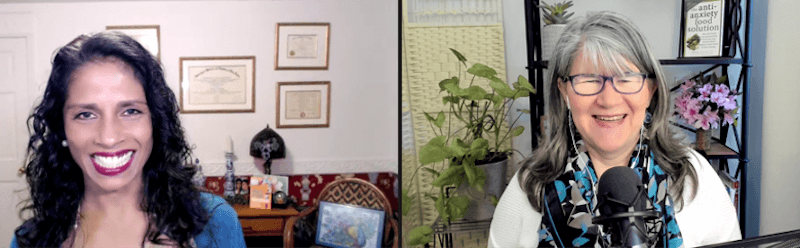
Dr. Achina Stein addresses all this in her interview, SSRI Impact on the Microbiome and Safe SSRI Tapering, on The Anxiety Summit 5: Gut-Brain Axis.

achina stein and trudy scott

We cover the following:

  • Antibiotic effect of antidepressants: dysbiosis and impacts on serotonin/GABA/dopamine
  • Withdrawal/discontinuation syndrome symptoms of SSRIs and benzodiazepines
  • 5-HTP, GABA, theanine and glycine to smooth the taper process

Here are a few snippets from our interview.

We start with a discussion on the antibiotic effect of antidepressants and a review of this paper – Serotonin Reuptake Inhibitors and the Gut Microbiome: Significance of the Gut Microbiome in Relation to Mechanism of Action, Treatment Response, Side Effects, and Tachyphylaxis.

Dr. Stein comments on this study sharing how SSRIs affect the gut and microbiome in many different ways:

  • “This paper is important. It’s one of several papers that talk about how the SSRIs or serotonin reuptake inhibitors affect the gastrointestinal tract. And as you know, the gastrointestinal tract is really full of serotonin.
  • SSRIs, as well as other psychotropic medications, actually exert an antibiotic effect, which can have a direct consequence in disrupting the integrity and stability of the gut microbiome.
  • And the ones that are most likely to do that are Sertraline, fluoxetine, and paroxetine in that order. And it’s followed by fluvoxamine, escitalopram, and citalopram, having the least impact.
  • What they’re noticing is that this antibiotic effect actually results in dysbiosis.
  • The top known side effects for SSRIs are gut symptoms: nausea, diarrhea, vomiting.
  • We know that the gut microbiome has a significant effect on emotions, behaviors, and metabolic changes.
  • And it’s involved in the metabolism of drugs, and this combination is what really causes psychiatric symptoms and even suicidal thoughts or behaviors.”

She also talks about the bidirectional gut-brain connection/communication, the microbiome and short-chain fatty acids (which are a common theme you’ll hear throughout the summit):

  • “There is this huge connection between the gut microbiome and the brain.
  • And there’s also other indirect communication pathways because we’ve always wondered, well, how does this happen that the gut is connected to the brain?
  • So the other pathways which are more indirect are the hypothalamic-pituitary-adrenal axis.
  • And there’s also an immune-mediated connection where there’s a communication between short-chain fatty acids and microglia in the brain.
  • So short-chain fatty acids are the main metabolites produced by the microbiota in the large intestine through bacterial fermentation of indigestible polysaccharides, which are dietary fiber and resistant starch. And they possess neuroactive properties. So they influence the communication between these short-chain fatty acids between the gut and the microglia of the brain.
  • And it’s a bidirectional communication too.”

And we talk about tachyphylaxis or the poop-out effect of antidepressants.

The discussion on the SSRI (selective serotonin reuptake inhibitors) and SNRI (serotonin norepinephrine reuptake inhibitors) discontinuation syndrome (or withdrawal symptoms) is eye-opening and sobering, Here are just a few of the many psychological symptoms that she says patients may experience when tapering:

I’m just going to read them off because I think it’s important for people to know: mood swings, unstable moods, hypomania, hyperarousal, anxiety, medication-induced agitation – which is described as being caffeinated – impulsive behavior, aggression, irritability, crying spells, lowered mood or depression.

Dr. Stein also shares the many cognitive, physical and neurological side effects, and how she works with her patients with a functional medicine and nutritional approach to try and mitigate the side effects. She likes to use 5-HTP, GABA, theanine and glycine to smooth the taper process.

We also have a lengthy discussion about informed consent and the fact that it’s not happening and should be.

We do a deep dive into all this and much more.

The interviews that dove-tail well with this topic are as follows:

  • My interviews, GABA & Tryptophan: Gut-Anxiety Connections and Glutamine, DPA and Tyrosine for Anxiety and Sugar Cravings. The amino acids help during the  tapering process and help you make the dietary changes.
  • Thiamine Deficiency in Anxiety and Gut Health (Part 1 and 2) with Chandler Marrs. She talks about how medications can deplete thiamine. Could this contribute to some of the severe discontinuation syndrome symptoms we see?
  • Anxiety, Gut-Brain Communication and Diet with David Perlmutter, MD, FACN, ABIHM. This one gives you an excellent overview of the gut-brain communication and fermented foods, short-chain fatty acids and histone deacetylases (HDACs).
  • Gut-Brain Axis and Mental Health with Peter Bongiorno, ND, LAc. This is also a great overview on the mental health impacts of the microbiome. He goes deep into serotonin and GABA production mechanisms.

I encourage you to tune in if you have:

  • Anxiety & feel overwhelmed & stressed by little things
  • Panic attacks &/or obsessive thoughts or behaviors
  • Social anxiety/pyroluria
  • Phobias or fears (flying, spiders or even driving on a highway)

And also if you suffer from…

  • Food sensitivities, IBS/SIBO, parasites or gallbladder issues
  • Constipation, diarrhea, bloating, gas, pain & other digestive issues
  • Leaky gut, a leaky blood-brain barrier or vagus nerve issues

Join us if you are also an emotional eater with intense sugar cravings (and know you suffer from low blood sugar), experience insomnia, low mood, PMS, poor focus and/or low motivation.

This is THE online event to learn about the powerful individual amino acids – GABA, theanine, tryptophan, 5-HTP, glutamine, DPA and tyrosine – to quickly ease anxiety and help with gut symptoms while you are dealing with other root causes which take longer to address. (They also help with cravings as with this example, and sleep and immunity).

With research-based anxiety nutritional solutions and practical steps, you can determine your root causes, ease your anxiety and prevent it from coming back so you can feel on top of the world again!

If you are a practitioner, please join us too and find advanced solutions for your clients or patients too!

You’ve heard me say the Anxiety Summit has been called “a bouquet of hope!”  My wish for you is that this summit is your bouquet of hope!

I hope you’ll join me and these incredible speakers, be enlightened and find YOUR solutions!

Here’s to no more anxiety and you feeling on top of the world again!

Learn more/purchase now


How have antidepressants impacted your gut and digestion?

Have you experienced discontinuation syndrome when tapering from an SSRI or SNRI or benzodiazepines? And have diet and the amino acids helped smooth the taper process?

Feel free to post your questions here too.

Filed Under: Antidepressants, Anxiety, Depression, The Anxiety Summit 5 Tagged With: 5-HTP, antibiotic, antidepressant, anxiety summit, cognitive, discontinuation syndrome, dopamine, Dr. Achina Stein, dysbiosis, functional medicine, GABA, glycine, gut-brain, informed consent, microbiome, neurological, nutritional, physical, psychiatric symptoms, psychological, safe tapering, serotonin, SNRI, SSRI, Suicidal, taper, theanine, withdrawal side effects

GABA-consuming bacteria discovered: Evtepia gabavorous

July 15, 2016 By Trudy Scott 25 Comments

bacteria

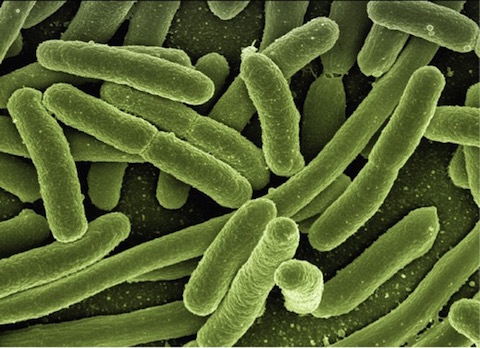
New bacteria that consumes GABA, the main calming neurotransmitter, has been discovered. It has provisionally been named KLE1738 Evtepia gabavorous (vorous means “eating”).

This new discovery was presented at the recent American Society for Microbiology conference in Boston in the Microbial Mind Control session.

Here is the entire abstract: Gaba Modulating Bacteria of the Human Gut Microbiome:

The gut microbiome affects many different diseases, and has been recently linked to human mental health. The microbiome community is diverse, but 50-80% of its diversity remains uncultured. We previously reported that uncultured bacteria from the marine environment require growth factors from neighboring species, and by using co-culture, we could cultivate novel diversity. In the present study, we used a similar co-culture approach to grow bacteria from humans stool samples. KLE1738, a “Most-Wanted” member of the human gut microbiome only known by its 16S rDNA signature, was found to require the presence of Bacteroides fragilis KLE1758 for growth. Using bio-assay driven purification of B. fragilis KLE1758 supernatant, γ-aminobutyric acid (GABA), the major inhibitory neurotransmitter of the central nervous system, was identified as the growth factor for KLE1738. We found no other tested compound but GABA supported the growth of KLE1738, and genomic analysis suggests an unusual metabolism focused on consuming GABA. Due to this unique growth requirement, we provisionally name KLE1738 Evtepia gabavorous. Using growth of E. gabalyticus as an indicator, we then identified novel GABA producing bacteria from the gut microbiome. Reduced levels of GABA are associated with depression, and we found fewer GABA producers in a human cohort of depressed individuals. By modulating the level of GABA, microbial producers and consumers of this neurotransmitter may be influencing host behavior.

If you’re anxious and especially if you have physical anxiety, it’s worth considering if low GABA is an issue and addressing your anxiety by trying to raise your GABA levels by taking GABA as a supplement, with lifestyle activities like yoga sessions, by eating a real whole foods traditional diet and by addressing gut health.

There is much research supporting the gut-brain connection and how imbalances of the microbiome i.e. intestinal dysbiosis, can contribute to:

  • anxiety, depression, social behaviour, cognition and visceral pain
  • neurobehavioral alterations in offspring
  • anorexia and anxiety/depression
  • alcohol use disorders and anxiety

Could Evtepia gabavorous be a factor in all of the above? It’s too soon to know but I expect we’ll know more as more research is completed.

If you’re looking for more information on GABA and the gut:

  • I recently covered GABA in my presentation during season 4 of the Anxiety Summit
  • and I’ve had the pleasure of interviewing Ted Dinan on psychobiotics on a previous summit
  • I also have a whole chapter on digestion and gut health in my book The Antianxiety Food Solution. It is still very relevant but could do with the addition of all this new research!

We certainly appreciate Postdoctoral Research Associate, Phillip Strandwitz and his team for the work they are doing. Strandwitz shares this on his bio:

my work has led me to focus on the gut-microbe-brain axis, specifically microbes able to modulate levels of neurotransmitters

I reached out to I asked him why he is interested this area of research and he shared this with me:

I think mental health is an incredible burden to society and there is not nearly enough spotlight nor funding to understand and treat these issues. I believe the microbiome is involved (at least to some capacity), and I’m passionate about trying to understand this involvement to create novel therapies to help those in need. I’m also a strong supporter of diet/lifestyle changes for better cognition!

How wonderful is this!

It’s early days and right now we can only speculate but it may be worth to considering if the presence of Evtepia gabavorous may be a reason why some individuals continue to need to take GABA supplements long-term to keep anxiety at bay. It also gives us additional reasons to focus on addressing gut health and boosting good bacteria to help to reduce the need for ongoing GABA supplementation.

As soon as the paper is published, I’ll have more details to share. In the meantime, enjoy the fascination and wonderment of the human body and our microbiome.

Please share if you have signs of low GABA and have you been taking GABA supplements long-term? Do you also have gut issues and dysbiosis too (based on stool testing)?

PS. So many of you contacted me with a link to this preliminary research so I’d just like to say thanks!

Filed Under: GABA Tagged With: anxiety, bacteria, depression, dysbiosis, GABA, Gabavorous, gut health, microbiome

Organic Acids Testing by Great Plains Lab

December 15, 2014 By Trudy Scott Leave a Comment

greatplainslabThis is a 1-day professional training being held in Berkeley, CA on January 24, 2015: An Overview of Organic Acids Testing and Why it is so Important

Hundreds of organic acid metabolites are found in the urine of all mammals including humans. These metabolites can be used for both diagnostic and therapeutic measurements for: detecting abnormal gastrointestinal overgrowth or dysbiosis, assessing mitochondrial energy production, detecting genetic diseases, assessing malnutrition and suboptimum nutrition, revealing toxic exposure, finding alterations of neurotransmitter metabolites in neurological and psychiatric disorders, and assessing metabolites that cause severe inflammation in a variety of chronic illnesses.

The Interrelationship between Chronic Yeast and Various Issues

The OAT evaluates for various fungal toxins, including specific markers for Candida. Many people rely on stool testing for Candida diagnosis and miss the presence of Candida toxins through the Organic Acid Test. Candida can lead to neurochemical imbalances in the brain, as well as sensory problems and self-stimulatory behavior (often seen in autism).

The Interrelationship between Clostridia and Various Health Issues

The OAT evaluates for two specific toxins related to Clostridia bacteria – HPHPA and 4-cresol. Both of these toxins can inhibit a dopamine converting enzyme, leading to excess dopamine and toxic reactions in the brain and nervous system. Problems such as moodiness, irritability, aggression, self-injurious behavior, sleep difficulties and more can be associated with Clostridia bacteria overgrowth.

Correlating Oxalate Problems

The OAT includes glycolic and glyceric acids in the oxalate section, which can differentiate between genetic and nutritional components in disturbed oxalate metabolism. Oxalates are compounds found in many foods, and can be worsened from Candida overgrowth. High oxalates are associated with pain in the joints, muscles, and connective tissues. They can also trap heavy metals (such as mercury, lead, and arsenic) in the body and lead to mineral imbalances. Certain behavioral issues and self-injurious tendencies have been associated with high oxalates.

Organic Acids Testing and Neurochemical Imbalances

The OAT evaluates for imbalances in serotonin (an important brain chemical for mood, fine and gross motor skills, and calmness), as well additional markers that can indicate toxic stress in the brain and nervous system, such as Quinolinic Acid. High Quinolinic Acid suggests toxic stress in the brain and is important to evaluate before prescribing certain supplements, particularly L-Tryptophan which is commonly used to help with sleep.

Case Studies

This presentation will highlight various patient cases from clinical practice that show the role of biomedical intervention for various patient scenarios such as dietary therapy, yeast and Clostridia treatment, and methylation support.

All of the above, together with start and end times, and breaks can be found here on the presentation schedule page

Presenter: Kurt N. Woeller, D.O., has been an integrative medicine physician and biomedical autism specialist for 15+ years. He is an author of several health books including “Autism – The Road To Recovery,” “Methyl-B12 Therapy For Autism,” “Methyl-B12 for Alzheimer’s Disease and Dementia,” and “5 Things You MUST Do Right Now To Help With Your Rheumatoid Arthritis.” He is a lecturer (United States and International), educator and experienced clinician offering specialized treatment and testing for individuals with complex medical conditions such as Autism-Spectrum Disorders, Chronic Fatigue Syndrome, Mental Health Disorders, Multiple Sclerosis and other chronic health conditions.

I’m sharing this training on behalf of Dr. Kat Toups, M.D., Distinguished Fellow APA, Functional Medicine Psychiatry, BayAreaWellness.net

Dr. Toups shared this with me and I would suggest you call Great Plains Lab if you are unsure whether you are eligible to order testing:

This includes a free test kit. My understanding about the free test kits at the Organic Acid Testing conference is that they are available for anyone licensed to order testing. You do not have to be a Physician. Their website says the following: “Please note that to receive the FREE Organic Acids Test practitioners must be qualified as MD, DO, NP, NMD, DC, PsyD, PA, LAc or otherwise have the authority to order laboratory testing. Other healthcare practitioners will receive a voucher for 50% off one Organic Acids Test.

The pricing will increase by $40 on 12/22/14, so please register as early as possible to allow time to receive your OAT kit, complete it, mail back and get results before the conference. Things may get a little backed up around the holidays.

For those of you new to Organic Acid Testing, you can also request a complimentary consult at Great Plains once you receive your results. They will go over them with you.

Register here  Early bird expires 12/22/14

Location details are here

Filed Under: Anxiety and panic, Events, Testing Tagged With: anxiety, dysbiosis, great plains, mood, organic acids, serotonin, sleep

Primary Sidebar

NEW! GABA QuickStart Homestudy (with special intro pricing)

gaba quickstart homestudy

Free Report

9 Great Questions Women Ask about Food, Mood and their Health

You'll also receive a complimentary subscription to my ezine "Food, Mood and Gal Stuff"


Connect with me

Popular Posts

  • Amino Acids Mood Questionnaire from The Antianxiety Food Solution
  • The Antianxiety Food Solution Amino Acid and Pyroluria Supplements
  • Pyroluria Questionnaire from The Antianxiety Food Solution
  • Collagen and gelatin lower serotonin: does this increase your anxiety and depression?
  • Tryptophan for the worry-in-your-head and ruminating type of anxiety
  • GABA for the physical-tension and stiff-and-tense-muscles type of anxiety
  • The Antianxiety Food Solution by Trudy Scott
  • Seriphos Original Formula is back: the best product for anxiety and insomnia caused by high cortisol
  • Am I an anxious introvert because of low zinc and vitamin B6? My response to Huffington Post blog
  • Vagus nerve rehab with GABA, breathing, humming, gargling and key nutrients

Recent Posts

  • What do I use instead of Seriphos to help lower high cortisol that is affecting my sleep and making me anxious at night?
  • BeSerene™ GABA/theanine cream eases severe muscle tension in her neck/shoulders, prevents her bad headaches and quells her anxiety
  • How the correct approach, dose and sublingual use of GABA can be calming and not cause a flushed and itchy face and neck
  • The amino acid glutamine improves low mood by addressing gut health, and it has calming effects too
  • Flight anxiety with heightened breath, physical tension and also fearing the worst (the role of low GABA and low serotonin)

Categories

  • 5-HTP
  • AB575
  • Addiction
  • ADHD
  • Adrenals
  • Alcohol
  • Allergies
  • Alzheimer's disease
  • Amino Acids
  • Anger
  • Antianxiety
  • Antianxiety Food Solution
  • Antidepressants
  • Anxiety
  • Anxiety and panic
  • Autism
  • Autoimmunity
  • benzodiazapines
  • Bipolar disorder
  • Books
  • Caffeine
  • Cancer
  • Candida
  • Children/Teens
  • Collagen
  • Cooking equipment
  • Coronavirus/COVID-19
  • Cravings
  • Depression
  • Detoxification
  • Diabetes
  • Diet
  • DPA/DLPA
  • Drugs
  • EFT/Tapping
  • EMF
  • EMFs
  • Emotional Eating
  • Endorphins
  • Environment
  • Essential oils
  • Events
  • Exercise
  • Fear
  • Fear of public speaking
  • Fertility and Pregnancy
  • Fish
  • Food
  • Food and mood
  • Functional neurology
  • GABA
  • Gene polymorphisms
  • General Health
  • Giving
  • Giving back
  • Glutamine
  • Gluten
  • GMOs
  • Gratitude
  • Gut health
  • Heart health/hypertension
  • Histamine
  • Hormone
  • Hyperparathyroidism
  • Hypoglycemia
  • Immune system
  • Inflammation
  • Insomnia
  • Inspiration
  • Introversion
  • Joy and happiness
  • Ketogenic diet
  • Lithium orotate
  • Looking awesome
  • Lyme disease and co-infections
  • MCAS/histamine
  • Medication
  • Men's health
  • Mental health
  • Mercury
  • Migraine
  • Mold
  • Movie
  • MTHFR
  • Multiple sclerosis
  • Music
  • NANP
  • Nature
  • Nutritional Psychiatry
  • OCD
  • Osteoporosis
  • Oxalates
  • Oxytocin
  • Pain
  • Paleo
  • Parasites
  • Parkinson’s disease
  • PCOS
  • People
  • PMS
  • Postpartum
  • PTSD/Trauma
  • Pyroluria
  • Questionnaires
  • Real whole food
  • Recipes
  • Research
  • Schizophrenia
  • serotonin
  • SIBO
  • Sleep
  • Special diets
  • Sports nutrition
  • Stress
  • Sugar addiction
  • Sugar and mood
  • Supplements
  • Teens
  • Testimonials
  • Testing
  • The Anxiety Summit
  • The Anxiety Summit 2
  • The Anxiety Summit 3
  • The Anxiety Summit 4
  • The Anxiety Summit 5
  • The Anxiety Summit 6
  • Thyroid
  • Thyroid health
  • Toxins
  • Tryptophan
  • Tyrosine
  • Uncategorized
  • Vegan/vegetarian
  • Women's health
  • Yoga

Archives

  • October 2025
  • September 2025
  • August 2025
  • July 2025
  • June 2025
  • May 2025
  • April 2025
  • March 2025
  • February 2025
  • January 2025
  • November 2024
  • October 2024
  • September 2024
  • August 2024
  • July 2024
  • June 2024
  • May 2024
  • April 2024
  • March 2024
  • February 2024
  • January 2024
  • December 2023
  • November 2023
  • October 2023
  • September 2023
  • August 2023
  • July 2023
  • June 2023
  • May 2023
  • April 2023
  • March 2023
  • February 2023
  • January 2023
  • December 2022
  • November 2022
  • October 2022
  • September 2022
  • August 2022
  • July 2022
  • June 2022
  • May 2022
  • April 2022
  • March 2022
  • February 2022
  • January 2022
  • December 2021
  • November 2021
  • October 2021
  • September 2021
  • August 2021
  • July 2021
  • June 2021
  • May 2021
  • April 2021
  • March 2021
  • February 2021
  • January 2021
  • December 2020
  • November 2020
  • October 2020
  • September 2020
  • August 2020
  • July 2020
  • June 2020
  • May 2020
  • April 2020
  • March 2020
  • February 2020
  • January 2020
  • December 2019
  • November 2019
  • October 2019
  • September 2019
  • August 2019
  • July 2019
  • June 2019
  • May 2019
  • April 2019
  • March 2019
  • February 2019
  • January 2019
  • December 2018
  • November 2018
  • October 2018
  • September 2018
  • August 2018
  • July 2018
  • June 2018
  • May 2018
  • April 2018
  • March 2018
  • February 2018
  • January 2018
  • December 2017
  • November 2017
  • October 2017
  • September 2017
  • August 2017
  • July 2017
  • June 2017
  • May 2017
  • April 2017
  • March 2017
  • February 2017
  • January 2017
  • December 2016
  • November 2016
  • October 2016
  • September 2016
  • August 2016
  • July 2016
  • June 2016
  • May 2016
  • April 2016
  • March 2016
  • February 2016
  • January 2016
  • December 2015
  • November 2015
  • October 2015
  • September 2015
  • August 2015
  • July 2015
  • June 2015
  • May 2015
  • April 2015
  • March 2015
  • February 2015
  • January 2015
  • December 2014
  • November 2014
  • October 2014
  • September 2014
  • August 2014
  • July 2014
  • June 2014
  • May 2014
  • April 2014
  • March 2014
  • February 2014
  • January 2014
  • December 2013
  • November 2013
  • October 2013
  • September 2013
  • August 2013
  • July 2013
  • June 2013
  • May 2013
  • April 2013
  • March 2013
  • February 2013
  • January 2013
  • December 2012
  • November 2012
  • October 2012
  • August 2012
  • July 2012
  • June 2012
  • May 2012
  • April 2012
  • March 2012
  • February 2012
  • January 2012
  • December 2011
  • November 2011
  • October 2011
  • September 2011
  • August 2011
  • July 2011
  • June 2011
  • May 2011
  • April 2011
  • March 2011
  • February 2011
  • January 2011
  • December 2010
  • October 2010
  • September 2010
  • July 2010
  • May 2010
  • April 2010
  • March 2010
  • February 2010
  • January 2010
  • November 2009

Share the knowledge!

The above statements have not been evaluated by the Food and Drug Administration. Products listed in this website are not intended to diagnose, treat, cure or prevent any disease.

The information provided on this site is for informational and educational purposes only and is not intended as a substitute for advice from your physician or other health care professional. You should consult with a healthcare professional before starting or modifying any diet, exercise, or supplementation program, before taking or stopping any medication, or if you have or suspect you may have a health problem.


Copyright © 2026 Trudy Scott. All Rights Reserved. | Privacy | Terms and Conditions | Refund Policy | Medical Disclaimer

Free Report

9 Great Questions Women Ask about Food, Mood and their Health

You’ll also receive a complimentary subscription to my ezine “Food, Mood and Gal Stuff”