• Skip to primary navigation
  • Skip to main content
  • Skip to primary sidebar

everywomanover29 blog

Food, Mood and Women's Health – Be your healthiest, look and feel great!

  • Blog
  • About
  • Services
  • Store
  • Resources
  • Testimonials
  • The Book
  • Contact
  • Search this site

diet

The marketing of Risperdal and how atypical antipsychotics became a multi-billion-dollar industry – a shockingly eye-opening article!

August 22, 2025 By Trudy Scott 2 Comments

marketing of risperdal

Even though I’m very aware this happens, this shockingly eye-opening article by Lydia Green is  the best explanation I’ve heard….

I didn’t set out to shape the field of psychiatry. I was just a copywriter working in pharmaceutical advertising. But over time, I found myself at the center of a campaign that would help transform how mental illness—and its treatment—are understood in the U.S. This is the story of how we marketed one drug, Risperdal, and how that effort helped turn atypical antipsychotics into a multi-billion-dollar industry.

If you’ve ever wondered how this powerful class of drugs ended up being prescribed for everything from adolescent mood swings to agitated nursing home patients, you’re not alone. The rise of atypical antipsychotics was a business and marketing phenomenon—driven in part by a wave of pharmaceutical mergers in the 1990s. First introduced for schizophrenia, atypical antipsychotics were promoted as more effective and safer than older drugs like Haldol or Thorazine.

While journalists and regulators have addressed this issue, I want to share my memories of marketing Risperdal—the first widely prescribed atypical antipsychotic. This is the story of how we promoted Risperdal not just as a medication, but as a revolution in psychiatric care. It’s also the story of how we redefined schizophrenia, rewrote the safety narrative of antipsychotics, and helped drive one of the most successful (and concerning) pharmaceutical launches in history.

It was also my first realization of the immense power marketers have to shape their version of the truth—and how I eventually came to question the very system I helped build.

This is an excerpt from the excellent article recently published on the Mad in America site.  We all need to be aware what happened with this medication and is still happening. It’s so wrong and is just heart-breaking to think how individuals and their families were manipulated and impacted. Unfortunately it’s very likely also happening with many other block-buster medications too – like Ozempic (for weight-loss),  Evenity (for osteoporosis) and more.

In this blog, I share stories from social workers and psychologists who were working in the field at time, the overprescribing of atypical antipsychotics to children and teens in the mid-1990s and now, and the powerful effects of tryptophan, GABA, other nutrients and diet for anxiety, agitation, rage and sleep issues in autism, dementia and ADHD.

You can read the full article here – Confessions of an Ad Writer: How I Helped Turn Atypical Antipsychotics into a Billion-Dollar Industry.

Be sure to read some of the many comments from individuals and families who bore the brunt of this. It’s heartbreaking.

Stories from individuals who were working in the trenches at the time

I shared this article on Facebook and here is some of the feedback I received from the community. Laura Ann’s response:

Thank you for sharing this article. I can remember when I was fresh out of my grad social work program and was working in child psychiatry at the University of Maryland, our docs were pushing this drug for young children with ADHD and conduct disorder. Unbelievable! These companies and their executives should be criminally prosecuted.

We tend to think of these scandals as something that happened but aren’t currently happening. I think we will be reading similar articles about GLP-1’s.

I appreciate her for sharing what she was seeing as a social worker at the time. This is so sad and so wrong. I agree that these companies should be prosecuted. Instead they pay massive fines which are part of their marketing and just-doing-business budget, and continue as before.

Unfortunately Laura Ann is spot on, as much of this continues with Risperdal and other psychiatric meds and it’s already happening with GLP-1s. I share more on this below.

Elizabeth Mary’s response:

Just reading your post gave me chills and made my stomach turn. I worked with folks with developmental disabilities during this time period, I had for years! I watched as the antipsychotics and various psych meds infiltrated the group homes and joined a team of co-workers to fight it. We lost. It was disgusting. And I had no idea all this was happening in the background

My heart breaks for these individuals and their families. Bravo to her for trying to fight it and I appreciate her for sharing what she saw happening.

And this feedback from someone else in the community:

This drug was pushed on individuals with ASD (autism spectrum disorder)! Probably still is! Very sad!

I am a retired psychologist who worked primarily with individuals with developmental disabilities. I saw it all the time. The “medical model” was used a lot, meaning many saw psychiatrists and/or PCPs (primary care providers) who prescribed these meds. It has a long history.

Overprescribing of atypical antipsychotics and other psychiatric medications to children and teens – then and now

As mentioned above, I’ve been aware for some time that there is overprescribing of psychiatric medications to children and teens. In one of my interviews on an Anxiety Summit, “Psychiatric Medications in Children and Teens” with Dr. Nicole Beurkens, we discuss these results from this 2019 paper, Current Pattern of Psychiatric Comorbidity and Psychotropic Drug Prescription in Child and Adolescent Patients:

  • Our study indicates that the rate of presentation to child and adolescent psychiatry outpatient clinics is increasing, and rates of diagnosis and initiation of psychiatry drugs are high among the presented children.
  • The prevalence of ADHD shows an increase in males and females in our country, and psychiatric polypharmacy (multiple medications) has reached significant rates.

Keep in mind that Lydia Green shared her marketing work began in the mid-1990s, about 25 years before the above paper was published.

Unfortunately not much has changed. This 2025 paper from Swedish authors reports that the “number of prescriptions to children aged 5-17 years has increased” and that “most prescribed drugs were risperidone [Risperdal] and aripiprazole.”

This 2025 paper report that in a group of Australian children with intellectual disability, autism spectrum disorder and cerebral palsy, “risperidone was the most prescribed antipsychotic medication” and it was often prescribed off-label.

Similar increases in antipsychotic prescriptions are also reported in children and teens in Israel in 2025. The list of papers goes on and on and there are similar papers for dementia and other conditions.

There are versions of this story about a lot of diseases: osteoporosis is another one

Melissa’s response to the Risperdal article was this: “Makes you wonder about therapies they are pushing today.” It’s creating awareness which is what we need and she is asking a great question. Yes – there are many versions of this story about other medications.

Here is a perfect quote from this 2009 article: How A Bone Disease Grew To Fit The Prescription

There’s a powerful economic incentive for pharmaceutical firms to expand the boundaries of the use of different therapies. So whether you consider treatments for osteoporosis or treatments for depression or treatments for high cholesterol — in all of these settings — pharmaceutical firms stand to benefit if the therapies for these diseases are broadly used, even if they’re used among people who have very mild forms of these diseases.

In this same article, Caleb Alexander, a pharmaco-epidemiologist at the University of Chicago, is writing about the marketing of osteoporosis medications and says “the dynamic is well understood.” But all this applies equally to the marketing of all medications i.e. “There are versions of this story about a lot of diseases.”

Dubious marketing by the makers of Ozempic and Wegovy (GLP-1s for weight loss)

This is happening right now for GLP-1s. There were already reports in 2023 about dubious marketing by Novo Nordisk, the makers of Ozempic and Wegovy:

In Great Britain, the company has paid within three years a total of around 21.7 million pounds (24.7 million euros) to experts and organisations including important opinion leaders who have since touted semaglutide as a “game changer” in obesity in a campaign described as an “orchestrated PR campaign.

Sadly I expect their marketing campaigns to run unchecked and get more and more sophisticated, with unsuspecting consumers being taken advantage of and harmed.

Families are not aware of the powerful effects of tryptophan, GABA, other nutrients and diet

My goal is to try and change this lack of awareness so families and individuals can explore other options when they are faced with decisions about some of these medications.

Instead of using antipsychotics for a family member with dementia or Alzheimer’s who is experiencing agitation, aggression and anxiety, consider tryptophan and melatonin, and GABA:

  • Sundowning in Alzheimer’s and dementia: melatonin/tryptophan for the agitation, restlessness, anxiety, disturbed sleep and aggression
  • GABA lessens anxiety, agitation and defiance in 98 year old mother who has been “sundowning” for a couple of years

Instead of using antipsychotics, explore the use of 5-HTP/tryptophan and/or GABA for kids with ADHD:

  • ADHD: 5-HTP melts have been a miracle for one of my adopted kids
  • GABA for children: ADHD, focus issues, irritability, anxiety and tantrums

Instead of antipsychotics and other psychotropic medications in autism, explore tryptophan and GABA:

  • Pathological Demand Avoidance (PDA) in children with autism – how much is behavioral and how much is due to low serotonin?
  • Half a crushed GABA Calm for my autistic child: sleep, anxiety and sensorimotor skills (writing, horse riding and swimming) improve

This is by no means a conclusive approach to addressing these symptoms in dementia/Alzheimer’s, ADHD and autism. We also need to consider and address diet, other nutritional imbalances, infections, gut health, toxins and much more.

Additional resources when you are new to using GABA and tryptophan as supplements

As always, I use the symptoms questionnaire to figure out if low GABA or low serotonin or other neurotransmitter imbalances may be an issue.

If you suspect low levels of any of the neurotransmitters and do not yet have my book, The Antianxiety Food Solution – How the Foods You Eat Can Help You Calm Your Anxious Mind, Improve Your Mood, and End Cravings, I highly recommend getting it and reading it before jumping in and using amino acids on your own so you are knowledgeable. And be sure to share it with the practitioner/health team you or your loved one is working with.

There is an entire chapter on the amino acids and they are discussed throughout the book in the sections on gut health, gluten, blood sugar control (this is covered in an entire chapter too), sugar cravings, anxiety and mood issues.

The book doesn’t include product names (per the publisher’s request) so this blog, The Antianxiety Food Solution Amino Acid and Pyroluria Supplements, lists the amino acids that I use with my individual clients and those in my group programs.

If, after reading this blog and my book, you don’t feel comfortable figuring things out on your own (i.e. doing the symptoms questionnaire and respective amino acids trials), a good place to get help is the GABA QuickStart Program (if you have low GABA symptoms). This is a paid online/virtual group program where you get my guidance and community support. You can sign up to be notified when the next live launch is happening.

If you need serotonin support, the Serotonin QuickStart Program is a good place to get help. This is also a paid online/virtual group program where you get my guidance on using tryptophan and 5-HTP safely, and community support during 5 LIVE Q&A calls. You can sign up to be notified when the next live launch of this program is happening.

If you are a practitioner, join us in The Balancing Neurotransmitters: the Fundamentals program. This is also a paid online/virtual program with an opportunity to interact with me and other practitioners who are also using the amino acids.

Wrapping up and your feedback

I appreciate Lydia for sharing this and enlightening us, and Mad in Arica for inviting her to do the article. And I appreciate community members for sharing and allowing me to share on this blog

Have you or a family member been the victim of the overprescribing of atypical antipsychotics ?

Have you seen this overprescribing of atypical antipsychotics happening in the work you do as a social worker, psychologist, doctor or other health professional?

Are you surprised to learn about similar strategies being used for marketing osteoporosis and GLP-1 medications?

Feel free to share and ask your questions below.
Filed Under: ADHD, Alzheimer's disease, Autism, GABA, Medication, serotonin Tagged With: ADHD, agitation, anxiety, atypical antipsychotics, autism, children, dementia, diet, Evenity, GABA, Lydia Green, marketing, mood swings, multi-billion-dollar industry, osteoporosis, overprescribing, Ozempic, pharmaceutical, psychiatry, rage, risperdal, sleep, teens, tryptophan, weight-loss

How to use GABA cream for a 9 year old boy who is anxious, has sensory issues, is a picky eater and has anger outbursts?

May 3, 2024 By Trudy Scott 8 Comments

gaba cream for boy

Devon is looking for input on using a GABA cream product to help her anxious 9-year old son who has some anger and sensory issues. She’d like advice on timing too. He is a picky eater and doesn’t like GABA Calm. I share my insights about using GABA cream for raising levels of GABA (a calming neurotransmitter), some of the GABA sensory connections, the GABA anger connections and other factors to address (nutritional imbalances, diet and infections).

Here is her question and some additional background information from our online discussion:

My son has SPD/GAD (sensory processing disorder/generalized anxiety disorder). His anxiety is causing school refusal and a lot of angry outbursts. I suspect PANDAS but his primary care doctor doesn’t think he has that (I might try a different path).

He doesn’t have a problem with sleep, it is mostly anxiety/anger in the day. I am wondering if he can use this GABA cream during the day vs at night?Or would applying this at night help him through the day?

I am really hopeful that the GABA cream will help him attain a little more peace in his days.

Devon doesn’t recall if ARFID (Avoidant restrictive food intake disorder) was part of his diagnosis but he is a picky eater and

has a carb heavy diet that centers only around certain foods. He recently added corn on the cob and artichokes.

He has tried GABA here and there but can’t get past the flavor of the chewable so has never taken it consistently.

Any thoughts on this would be great. I have learned so much from your blog. Thank you for all of the info you share.

Using GABA cream for a child with these symptoms

Devon asked this question on the Somnium Nighttime GABA Cream blog where I write about using it for insomnia, anxiety, bloated belly, muscle spasms, MS (multiple sclerosis), ARFID, anorexia, Alzheimer’s and autism.

I shared that I’ve had many parents use GABA cream during the day with success to help with anxious feelings their children are experiencing. With sleep not being an issue for her son I would start really low and increase the amount and timing from there based on symptom resolution. A pea-size amount is recommended and I’d start with a 1/4 of this in the morning before school when the symptoms are causing school refusal.

Devon doesn’t mention if they noticed benefits with GABA Calm but we use sublingual /powder/liposomal GABA in a similar way. So when this has helped in the past it’s a good clue that GABA cream will help.

Sublingual /powder/ liposomal GABA is typically used morning, mid-morning, mid-afternoon, evening and during the night if needed.  Similar timing can be followed with the cream, however, for some children (and adults)  just once a day may be enough with additional use based on the situation, for example anger outbursts at a play date. The key to use is to start low and go slow and figure out what works for each child’s unique needs. More severe symptoms don’t necessarily mean more GABA is needed. The other key is consistency in order to increase GABA levels.

It can be applied behind the ears, inner forearm and belly but keep in mind that mom or the caregiver applying it will be getting a dose of GABA too.

A clue that too much is being used is increased sleepiness. If benefits are seen but the child is too sleepy another option is to use it at night and observe if benefits are carried through to the next day.

The GABA research: autism, social impairment and sensory issues

In this paper looking at autistic children, the authors report “increased cerebellar glutamate levels compared to neurotypical children” which means lower GABA levels. They also found that “altered excitatory/inhibitory signaling in the cerebellum was more clear-cut when analyses were restricted to male participants.” And this altered signaling of GABA/glutamate correlated with “more severe social impairment” in males.

This paper looking at adults with autism highlights the relationships “between sensory processing difficulties, loneliness, and anxiety.” And another study identifies “reduced inhibitory neurotransmission (reduced GABA) in a higher-order motor area, which modulates motor commands and integrates multiple sensory modalities” and “may underlie sensory hyper-responsiveness in ASD (autism spectrum disorder).”

Although Devon’s son hasn’t been diagnosed with autism, many of the studies have been done in this population and much can be gleaned from them.

There is also much clinical evidence supporting how GABA can help in situations like this and it’s not only in boys. This blog is just one example that highlights how GABA Calm helped a young girl improve her sleep issues, anxiety feelings and sensorimotor skills.

Picky eating, carb cravings, ARFID and the neurotransmitters

When the picky eating and carb cravings are driven by low GABA and stress/physical anxiety, GABA cream can help reduce those in the same way sublingual GABA does.

Anger is typically associated with low serotonin but can often be low GABA too. More here – GABA helps ease symptoms of anger, rage, and dark moods. I share one paper that reports “Gamma-aminobutyric acid (GABA), the primary inhibitory neurotransmitter, may be critical in the neurochemical control of aggressive behavior.”

I’d also consider low serotonin as a possible contributing factor because other signs are increased anxious feelings, and also late afternoon and evening cravings.

Devon is not sure if ARFID is part of her son’s diagnosis but addressing low serotonin can help if there is an element of fear around eating too. More on ARFID here.

Just like we track his anxious feelings and outburst of anger, tracking his eating is important too. And introducing one amino acid at a time so there is no confusion as to which one is helping which symptoms.

Pyroluria, low zinc, low vitamin B6, low magnesium and dietary factors

Zinc, vitamin B6 and magnesium are needed for neurotransmitter production i.e. to make GABA and serotonin. They are also very common deficiencies and looking at and addressing low levels are important. Zinc also affects appetite and low levels can make sensory issues more severe.

Devon shares that suspects his zinc levels a few years ago were good, based on the liquid zinc test. Levels can change and given her son’s school refusal I’d assess for the social anxiety condition called pyroluria (zinc and vitamin B6 are key). The liquid zinc is also a great way to increase zinc since it tastes like water if you are deficient.

Topical magnesium is an excellent option – as a spray, a roller (she has been using this with him) –  or epsom salts baths are another option for increasing magnesium.

As always dietary factors need to be addressed as and when his sensory issues improve: real whole food, quality animal protein (especially at breakfast for blood sugar control), organic fruits and veggies, healthy fats, fermented veggies, gluten-free (and possibly grain-free), sugar-free and caffeine-free. And special diets may need to be considered too – low oxalate, low salicylate, low glutamate and/or low phenol.

PANDAS, Lyme disease and addressing the infection/s

Devon mentions that she suspects PANDAS (Pediatric Autoimmune Neuropsychiatric Disorders Associated with Streptococcal Infections) and it’s unfortunate that she is being dismissed but sadly it’s not unusual. It’s important to find a doctor who will support her in getting testing for this and either ruling it out or addressing the infection/s. You can read more about PANDAS and PANS here.

She doesn’t mention Lyme disease but I’m mentioning it because many infections can cause neuropsychiatric symptoms and should be considered.

The good news is that supporting low GABA, low serotonin and other imbalances, does provide much symptom relief. But we always want to get to the root cause as to why there are imbalances.

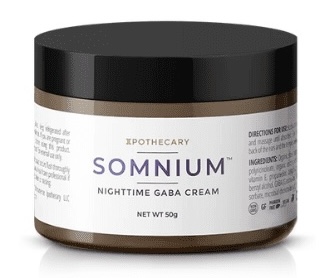
A topical GABA product: Somnium

somnium cream

Use this link to read more about Somnium and get the coupon code.

Additional resources when you are new to using GABA and other amino acids as supplements

As a reminder, low GABA can cause physical tension, anxious feelings, feelings of panic and problems sleeping, as well as self–medicating with alcohol or carbs to relax or fit in. As always, I use the symptoms questionnaire to figure out if low GABA or other neurotransmitter imbalances may be an issue.

If you suspect low levels of any of the neurotransmitters and do not yet have my book, The Antianxiety Food Solution – How the Foods You Eat Can Help You Calm Your Anxious Mind, Improve Your Mood, and End Cravings, I highly recommend getting it and reading it before jumping in and using amino acids on your own so you are knowledgeable. And be sure to share it with the practitioner/health team you or your loved one is working with.

There is an entire chapter on the amino acids and they are discussed throughout the book in the sections on gut health, gluten, blood sugar control (this is covered in an entire chapter too), sugar cravings, anxiety and mood issues.

The book doesn’t include product names (per the publisher’s request) so this blog, The Antianxiety Food Solution Amino Acid and Pyroluria Supplements, lists the amino acids that I use with my individual clients and those in my group programs (over and above the topical GABA product I mentioned above).

If, after reading this blog and my book, you don’t feel comfortable figuring things out on your own (i.e. doing the symptoms questionnaire and respective amino acids trials), a good place to get help is the GABA QuickStart Program (if you have low GABA symptoms too). This is a paid online/virtual group program where you get my guidance and community support.

If you are a practitioner, join us in The Balancing Neurotransmitters: the Fundamentals program. This is also a paid online/virtual program with an opportunity to interact with me and other practitioners who are also using the amino acids.

Wrapping up and your feedback

I do always appreciate questions like this so keep them coming so I can share and educate further. I will also update this blog once I hear back from Devon. She has purchased Somnium GABA Cream and plans to have her son use it.

And keep in mind, although this blog is specific for sensitive children and teens, it’s applicable to adults and folks who prefer a cream to a supplement.

Now I’d love to hear from you – does your child have low GABA levels and have you considered using a GABA cream?

If you have had success with Somnim please do share how it helps, how much you use and where you apply it?

Have you also addressed other nutritional imbalances, infections and diet?

If you’re a practitioner do you use GABA cream with your clients/patients?

And please let me know if it’s helpful that I’m now including product recommendations and where to get them.

Feel free to share and ask your questions below.
Filed Under: Anger, Anxiety, Children/Teens, GABA Tagged With: amino acid, anger, anger outbursts, anxious, ARFID, Avoidant Restrictive Food Intake Disorder, calming, cravings, diet, GABA, GABA Calm, GABA cream, GABA Quickstart; Balancing Neurotransmitters: the Fundamentals program for practitioners, GAD, generalized anxiety disorder, infections, lyme, neurotransmitter, PANDAS, peace, picky eater, school refusal, sensory issues, Sensory Processing Disorder, Somnium, spd

“Potion” of tyrosine, Endorphigen, GABA and tryptophan has been nothing less than a miracle for my depression and anxiety – how long can I remain on these?

August 11, 2023 By Trudy Scott 21 Comments

amino acids duration

Amy shares how much her particular “potion” or combination of amino acids has helped her depression and anxiety and wants to know how long she can remain on them:

I currently take 500 mg of l-tyrosine in the morning, 1 Endorphigen 2xday, 1 GABA calm 2x day and 1000 mg of tryptophan before bed with some natural calm & true calm. This “potion” has been nothing less than a miracle. I feel pretty good.

The past few years have been rough, managing depression and anxiety with frequent relapse, and I finally feel ok.

I don’t want to wean off yet and am curious as to how long I can remain on these. Is it dangerous to keep on it too long? Is there a maximum time? I follow your blog and reached out to you last year. Your information has been extremely helpful. Thank you.

I’m glad to hear Amy is doing so well on this miracle combination and finally feels ok. Before stopping the amino acids, the goal is to address diet, gut health, nutritional imbalances, toxins and all the underlying factors that lead to low catecholamines, low endorphins, low GABA and low serotonin.

It’s fine to stop taking them and see how you do and add some or all of them back if you find you still need that neurotransmitter support. This is one of a few approaches I use with clients. But here are times when it’s best to wait and continue using them (like when on the pill and when affected by seasonal depression). I share my insights on this and other ways to cut back below.

How long can you remain on amino acids and when do you consider stopping them?

There is no set time frame for staying on the amino acids. As I mentioned above you can stop taking the individual amino acids and see how you do and then add some or all of them back if you find you still need that neurotransmitter support. This is one of a few approaches I use with clients.

Other approaches include: completely stopping one amino acid at a time and monitoring symptoms or reducing the amount one amino acid at a time, also monitoring symptoms. I prefer the latter especially with someone like Amy who has been “managing depression and anxiety with frequent relapse.”

I can also hear that she has some hesitation about stopping her “potion” and going with your gut is a good thing too. She also has a few confounding factors that make me feel staying on them longer may be in her best interest. One factor is her long-term use of birth control pills.

Long term use of birth control pills and the impact on mood and nutritional status

Amy also shares about her use of the birth control pill and how she suspects it’s a factor in her depression and anxiety:

I should also mention I just went off birth control pills. I have taken them since age 16 only stopping for 3 pregnancies and breastfeeding. I am 46. I’ve been on for painful periods. I made the decision to stop for fear of clots, cardiac issues and most importantly my mental well being. I truly believe they contributed to my depression. I believe I’m in perimenopause and have higher than normal anxiety. I’m extremely worried about my periods if I stop the pill and think my amino acid supplements help these worries and I cope better. That’s why I’m reluctant to stop the supplements but still worried about long term use.

Because Amy has been using the birth control pill for around 25 years I’d have her continue with the amino acids for now and address the effects on her gut health and nutritional status first.

Women taking the pill and other hormonal contraception are more likely to be depressed. A Danish study published in JAMA Psychiatry of more than 1 million women aged 15 to 34, with no prior history of depression, were included in the study and followed for 13 years. The researchers found that those women who used the pill were 23% more likely to be depressed and  use antidepressants.

You can read more about the effects of the birth control pill on this blog and my book review of “Beyond the Pill” by Dr. Jolene Brighten. As you’ll read it causes vitamin, mineral, and antioxidant depletion (such as folate, B12, vitamin B6 and zinc).

She did actually come back and share that she tried and it didn’t work out going off the birth control pill. She was unable to manage the pain. She needs to address all these root causes first.

There is also no reason for her to be worried about long term use of the amino acids when they are clearly addressing her neurotransmitter imbalances.

The seasonal impact on mood and anxiety

I don’t have clients make changes to their amino acids in the Fall or Winter when there can be seasonal impacts on mood and anxiety. She had shared this too:

I’m more prone to depression this time of year. I think with these 2 factors [seasonal mood changes and the pill] I’ll stay on the regime until the spring.

This is a wise decision for Amy.

I would also hold off on making changes if someone is prone to airborne allergies. This is because there can be a higher need for neurotransmitter support when there are allergies.

Amy has already made many diet and lifestyle changes so she is heading in the right direction:

I have given my diet an overhaul. Not perfect but significantly less refined carbs and sugar. Plenty of fresh produce, healthy fats and protein ( especially animal). I also have committed to daily “body movement”: yoga, Pilates, max trainer, light weights or bike.

All of these changes are starting to support her overall nutritional status and resilience.

A recap of the amino acids Amy is using and the rationale for each one

If you’re new to using individual amino acids, here is a quick recap of the amino acids Amy is using and the rationale for each one.

She is using 500 mg of l-tyrosine in the morning. This supports low levels of dopamine/catchecolamines and improves the curl-up-in-bed kind of depression. You can read more about tyrosine here.

She is also using Endorphigen twice a day. This is a Lidtke product called Endorphigen and provides 500 mg  DPA/d-phenylalanine  per capsule. It raises endorphin levels, offering a mood boost, typically helping with weepiness and also emotional eating. You can read more about DPA here.

Amy is also using GABA Calm 2x day.  This is a sublingual/chewable product made by Source Naturals and is a nice low dose of 125mg per chewable. You can read more about GABA here.

And finally, she is using 1000 mg of tryptophan before bed. This supports low serotonin and improves worry-kind of anxiety and depression, ruminating, obsessive tendencies and also sleep issues. You can read more about tryptophan here.

Keep in mind this is what Amy found works for her unique needs and would have done trials of the amino acids one by one to figure out which ones to use and how much of each to use. There is no one size fits all.

It’s not unusual for folks using the amino acids to describe their results as miraculous!

Resources if you are new to using amino acids as supplements

If you are new to using amino acids as supplements, here is the Amino Acids Mood Questionnaire from The Antianxiety Food Solution (you can see all the symptoms of neurotransmitter imbalances, including low GABA, low serotonin, low dopamine, low blood sugar and low endorphins).

If you suspect low levels of any of the neurotransmitters and do not yet have my book, The Antianxiety Food Solution – How the Foods You Eat Can Help You Calm Your Anxious Mind, Improve Your Mood, and End Cravings, I highly recommend getting it and reading it before jumping in and using amino acids on your own so you are knowledgeable. And be sure to share it with the practitioner/health team you or your loved one is working with.

There is an entire chapter on the amino acids and they are discussed throughout the book in the sections on gut health, gluten, blood sugar control, sugar cravings, anxiety and mood issues.

The book doesn’t include product names (per the publisher’s request) so this blog, The Antianxiety Food Solution Amino Acid and Pyroluria Supplements, lists the amino acids that I use with my individual clients and those in my group programs. You can find them all in my online store.

If, after reading this blog and my book, you don’t feel comfortable figuring things out on your own (i.e. doing the symptoms questionnaire and respective amino acids trials), a good place to get help is the GABA QuickStart Program (if you have low GABA symptoms too). This is a paid online/virtual group program where you get my guidance and community support.

If you are a practitioner, join us in The Balancing Neurotransmitters: the Fundamentals program. This is also a paid online/virtual program with an opportunity to interact with me and other practitioners who are also using the amino acids.

Thanks to Amy for sharing her results and asking this question.

Have you seen similar benefits when using individual amino acids? If yes, which ones have helped you?

What approach have you used to stop or reduce your doses?

And have you continued using the amino acids because of the effects of the pill, seasonal mood shifts or seasonal allergies (or some other reason)?

If you have questions and feedback please share them here too.

Filed Under: Amino Acids, Anxiety, Depression, Women's health Tagged With: amino acids, catecholamines, dangerous, depression, diet, DPA, Endorphigen, endorphins, GABA, GABA Calm, GABA Quickstart online program; Balancing Neurotransmitters: the Fundamentals program for practitioners, gut health, how long, miracle, neurotransmitters, nutritional imbalances, seasonal depression, serotonin, the pill, toxins, tryptophan, tyrosine

PCOS (polycystic ovarian syndrome): GABA helped ease lifelong anxiety, wean off anxiety medication, ovulate each month and stop PCOS meds

May 19, 2023 By Trudy Scott 19 Comments

PCOS and GABA

I was diagnosed with PCOS (polycystic ovarian syndrome) when I was 27. (I’m currently 43 now). When diagnosed they immediately put me on birth control and metformin.

I also eventually went on anti-anxiety medication. I’ve been anxious my whole life, even as a kid, but my anxiety increased through my late 20s and peaked in my late 30s when panic attacks started taking over, even with anti-anxiety medication(Lexapro). It was debilitating.

I first heard about GABA/amino acids and how they can help with anxiety from a podcast you did with Wellness Mama about 3 years ago. I started to wean off my anxiety medication and I started taking GABA and noticed a huge difference [in my anxiety].

I eventually got off birth control and all medication for my PCOS and started regulating my cycle with diet, lifestyle changes and supplements, all while still taking GABA. Now I ovulate every month! Which I could never do on my own before.

Debbie shared this wonderful feedback on this blog: GABA eases anxiety and is protective against metabolic and reproductive disturbances in polycystic ovarian syndrome (PCOS)?

I love that GABA helped her so much with her anxiety and allowed her to get off her anxiety meds. And that GABA helped her resolve her PCOS, together with making diet, lifestyle changes and using other supplements too.

As you can read on the above blog, the study reports some very specific benefits of GABA being protective against metabolic and reproductive disturbances in PCOS. It’s an animal study but the results are profound: “the effects observed with GABA were comparable to that with metformin” with none of the side-effects (which can actually include anxiety, a racing heart, shakiness and depression).

If you’re new to PCOS, I share this in the above blog:

Research suggests that 5% to 10% of females 18 to 44 years of age are affected by PCOS, making it the most common endocrine abnormality among women of reproductive age in the U.S. Women seeking help from health care professionals to resolve issues of obesity, acne, amenorrhea, excessive hair growth, and infertility often receive a diagnosis of PCOS.

If you’re interested, here is the podcast where Debbie first learned about GABA – 105: Trudy Scott on How to Beat Anxiety & Resolve Panic Attacks

I commend her for taking control and making changes and then for seeking answers when her panic attacks returned.

Debbie started having panic attacks again – this time it was collagen causing low serotonin

Then about three and a half years ago, Debbie started having panic attacks again out of nowhere! She was very surprised and shared this:

I couldn’t understand why [I started having panic attacks again]. I wasn’t stressed. One attack even landed me in the ER (again). I was disappointed to be on this road again. Then I came across your interview talking about collagen and how it can lower your serotonin. I also have the MTHFR gene variant so I run low on serotonin already. I had started taking some collagen supplements not knowing that it was probably setting me into a panic attack mode.

As soon as I stopped taking collagen (and switched all my supplements that were in gelatin caps to veggie caps) I never had another episode again. Or if I felt one coming on, I know now to take Tryptophan to help counteract it.

Here is the interview she is referring to – Collagen Can Cause Anxiety and Insomnia with Trudy Scott: The Anxiety Summit 5

And here is the blog where I first wrote about this topic – Collagen and gelatin lower serotonin: does this increase your anxiety and depression?

Debbie mentions the MTHFR polymorphism and it’s impact on serotonin but another aspect is a predisposition to low serotonin in PCOS. This review paper, Neuroendocrine Determinants of Polycystic Ovary Syndrome, states that “different neurotransmitters (gamma-aminobutyric acid (GABA), glutamate, serotonin, dopamine, and acetylcholine) can also be involved in neuroendocrine etiopathogenesis [i.e. cause and development] of PCOS.” 

As you’ll read in the latter collagen blog, collagen affects a subset of susceptible individuals in this way. We can now add PCOS to that list.

Different root causes of anxiety (low GABA and then low serotonin) and different solutions

Debbie’s story illustrates that things can change and we need to figure out the root cause and course-correct if anxiety and panic attacks show up again. Earlier on, her anxiety and panic attacks were caused by low GABA, which also contributed to her PCOS symptoms.

Then later, the addition of collagen lowered her serotonin levels, because as someone with PCOS she was susceptible. What helped her was stopping the collagen and using tryptophan as needed. This was smart of her to connect the dots with her panic attacks and collagen, and use tryptophan as needed.

I will add that another option would have been to continue using collagen and use tryptophan at the same time. I’m also not sure how big an impact gelatin capsules would have been but switching them clearly gave her peace of mind.

Debbie’s oldest daughter asks for GABA, her “happy pills”

She also shared this lovely feedback when she commented on the blog:

My oldest daughter who is 9 has been showing early signs of developing PCOS and other of my issues. When her mood started changing and she was getting angry out of nowhere and very dark and moody, I started her on a small dose of GABA. Immediately both of us saw the difference in her mood. She now asks for her “happy pills” daily because she doesn’t want to feel those dark feelings anymore. I wish this information was around when I was young. It could’ve helped so much of what I had to struggle with for years.

What an amazing healing journey Debbie has had and she gets to help her daughter too!

She thanked Katie Wells and myself saying: “I want to thank you so much for both of those podcasts/interviews that I feel literally helped save my life.”

I never get tired of hearing this and thanked her for the kind words. I also appreciate her for sharing her wonderful results and said I’d share it as a blog post so you get to learn, be inspired and have hope.

And finally, all this illustrates that there is no one-size-fits-all and we often get unexpected side-benefits when using amino acids.

Resources if you are new to using amino acids as supplements

If you are new to using amino acids as supplements, here is the Amino Acids Mood Questionnaire from The Antianxiety Food Solution (you can see all the symptoms of neurotransmitter imbalances, including low GABA, low serotonin and low endorphins).

If you suspect low levels of any of the neurotransmitters and do not yet have my book, The Antianxiety Food Solution – How the Foods You Eat Can Help You Calm Your Anxious Mind, Improve Your Mood, and End Cravings, I highly recommend getting it and reading it before jumping in and using amino acids on your own so you are knowledgeable. And be sure to share it with the practitioner/health team you or your loved one is working with.

There is an entire chapter on the amino acids and they are discussed throughout the book in the sections on gut health, gluten, blood sugar control, sugar cravings, anxiety and mood issues.

The book doesn’t include product names (per the publisher’s request) so this blog, The Antianxiety Food Solution Amino Acid and Pyroluria Supplements, lists the amino acids that I use with my individual clients and those in my group programs. You can find them all in my online store.

If, after reading this blog and my book, you don’t feel comfortable figuring things out on your own (i.e. doing the symptoms questionnaire and respective amino acids trials), a good place to get help is the GABA QuickStart Program (if you have low GABA symptoms too). This is a paid online/virtual group program where you get my guidance and community support.

If you are a practitioner, join us in The Balancing Neurotransmitters: the Fundamentals program. This is also a paid online/virtual program with an opportunity to interact with me and other practitioners who are also using the amino acids.

Do you have PCOS and has GABA helped you or your loved one in any of these ways – easing anxiety and being able to quit anxiety meds, birth control and PCOS medications?

What other approaches have helped your PCOS?

Has collagen lowered your serotonin and does tryptophan or 5-HTP help?

What about low GABA and dark moods/anger – has GABA helped you or a loved one?

If you have questions and other feedback please share it here too.

Filed Under: Anxiety, GABA, PCOS, Women's health Tagged With: amino acids, anger, anxiety, anxiety medication, anxious, birth control, collagen serotonin, dark mood, diet, GABA, lifestyle, metabolic, metformin, ovulate, panic attacks, PCOS, polycystic ovarian syndrome, reproductive, tryptophan, “happy pills”; the GABA Quickstart online program; and Balancing Neurotransmitters: the Fundamentals program for practitioners

GABA Calm is a game changer for husband’s sound and tactile hypersensitivity, significant coordination problems and his anxiety

February 10, 2023 By Trudy Scott 20 Comments

gaba calm

My husband is low in GABA and he had significant coordination problems and sensory sensitivity ….. until GABA Calm. 3 tablets per day work great. If he has none, he gets hyper sensitive again and starts tripping over things in the house.

He has always struggled with anxiety and sound / tactile hypersensitivity. Alongside that he often tripped over things. He made great progress when he started using The Listening Program. I wonder if this sound therapy raises GABA and that was why it helped him (although it only partially helped with anxiety)?

When he stopped The Listening Program then his symptoms came back.

He started taking GABA Calm as I saw it in your blogs years ago. Then he found that he didn’t need to do the Listening Program any more.

GABA Calm is a game changer for him.

Denise shared this feedback about her husband’s great results on a blog post about GABA Calm helping with anxiety and sensorimotor skills in an autistic child.

I thanked her for sharing these wonderful results her husband is experiencing.  I am inspired to share this feedback as a blog to give others hope. And also because this illustrates the diversity of how GABA can help i.e. it works for adults and children, males and females, and there is different dosing according to each person’s unique needs.

Music therapy: calming effect and GABA mechanisms

This study, Emotional Inhibitory Effect of Music Therapy on Anxiety Neurosis Based on Neural Content Analysis in Hippocampus, reports that music therapy has a calming effect by adjusting the glutamate/GABA balance. This is likely why Denise’s husband found The Listening Program to be helpful in certain ways – glutamate is the main excitatory neurotransmitter and GABA is the main calming neurotransmitter.

GABA, the GABA Calm supplement, hypersensitivity and sensorimotor difficulties (research)

GABA (gamma-aminobutyric acid) is your main inhibitory neurotransmitter and the amino acid GABA can be used as a supplement to raise GABA levels and ease physical anxiety symptoms, help with insomnia, stress eating, intrusive thoughts and stiff/tense muscles.

GABA Calm is one of many different GABA supplements that I recommend to my clients. This particular one is a sublingual/chewable offered as a 125mg dose, which is where I have most of my clients start. Denise’s husband finds that 3 GABA Calm used throughout the day are enough for his needs. These alleviate his anxiety and also stop his sound and tactile hypersensitivity, and significant coordination problems such as tripping.

This paper reports that“Sensory over-responsivity (SOR), extreme sensitivity to or avoidance of sensory stimuli (e.g., scratchy fabrics, loud sounds)… is present in 5–15% of the general population and is even more common (rates over 50%) in individuals with both genetic and environmentally-based psychiatric and neurodevelopmental disorders such as anxiety, attention deficit hyperactivity disorder, early life adversity, and autism spectrum disorder (ASD).”

The authors discuss altered thalamic sensory gating and an excitatory (glutamate) / inhibitory (GABA) neurochemical imbalance in ASD youth. Most of the research on sensory issues and GABA has been done in ASD children but it clearly applies to adults with anxiety too.

I highlight the motor issues with GABA/glutamate imbalances in the above GABA sensorimotor skills blog. This research is also looking at ASD populations but these mechanisms may account for her husband’s significant coordination problems/tripping.

You can read the current list of low GABA symptoms here. This list will be updated with sound and tactile hypersensitivity, and coordination problems/tripping (and a few others like asthma and laryngospasm).

An occupational therapist who is training as a nutritional therapist

Denise is an occupational therapist (OT) who is training as a nutritional therapist so she can recommend supplements for the kids she works with, alongside the other therapies she uses as an OT.   I love this. I’m a big believer in using everything we have at our disposal and am a huge advocate of OT.  I would love to see more OTs and other practitioners using the amino acids and nutritional therapy.

Denise shared that she actually started her journey in nutritional therapy 20 years ago due to the impact she was seeing in diet and autism. She took a very long break and had her own children and has now restarted her training. She shared this:

I plan to integrate nutritional advice into my work with families. As I am currently a NT student I haven’t been able to advise families even regarding the GABA Oolong tea [more on that below]. I am excited to qualify as I see various sensory, motor and attention issues that can be easily treated through nutritional adjustments and supplements.

Denise is already using the amino acids personally and with her family, sharing: “I love using aminos e.g. 5-HTP and L-theanine for myself and my daughters and GABA for my husband, tyrosine occasionally for my son.”

She has my book “The Antianxiety Food Solution”, a great resource that is practical and fully referenced, for both consumers and practitioners.

I encouraged her to also look into the amino acid training I offer for practitioners once she has completed her training as a nutritional therapist, so she can confidently use them with her clients too.

Having her in the program is also an opportunity for me and others in the group to learn from Denise about her expertise on integrating amino acids, nutrition and OT.

Her feedback on GABA oolong tea or GABA Calm for children with autism?

She also commented that she loved reading the GABA Oolong research – GABA Oolong tea in children with autism: improvements in sensorimotor skills, autism profiles, anxiety and sleep (new research)

I asked for her feedback and if she has kids in her practice, see any benefits when drinking this GABA Oolong tea. And what their responses are to the taste. Since she is still a student she can’t yet advise families regarding the GABA Oolong tea but she did say this:

To be honest I think the Source Naturals GABA Calm sublingual will be easier to tolerate for lots of children compared with tea.

As fascinating as the GABA Oolong tea research is, I feel the same way and  I really appreciate this feedback from an OT. I have actually received similar feedback from a number of other practitioners too. Stay tuned as I continue to gather feedback.

Autism: diet, GABA and working with an OT

It’s amazing that 20 years ago Denise was seeing the impact of diet in kids with autism. If you would like to learn more, this blog – Nutritional and Dietary Intervention for Autism Spectrum Disorder – summarizes a 2018 study and offers many insights into to the progress since then.

As I mentioned above, her husband’s success with 3 GABA Calm illustrates the diversity of how GABA can help i.e. adults and children, males and females, and different dosing according to each person’s unique needs.

This is the blog Denise commented on – Half a crushed GABA Calm for my autistic child: sleep, anxiety and sensorimotor skills (writing, horse riding and swimming) improve.

In the above blog, I share Vic’s feedback about just half a GABA Calm improving her daughter’s sleep, social skills and sensorimotor skills such as pen and pencil use, horse riding and swimming. Her daughter is also working with an OT and getting those added benefits too.

Resources if you are new to using GABA and other amino acids as supplements

If you are new to using tryptophan, GABA or any of the other amino acids as supplements, here is the Amino Acids Mood Questionnaire from The Antianxiety Food Solution (you can see all the symptoms of neurotransmitter imbalances, including low GABA and low serotonin).

If you suspect low levels of any of the neurotransmitters and do not yet have my book, The Antianxiety Food Solution – How the Foods You Eat Can Help You Calm Your Anxious Mind, Improve Your Mood, and End Cravings, I highly recommend getting it and reading it before jumping in and using amino acids on your own so you are knowledgeable. And be sure to share it with the practitioner/health team you or your loved one is working with.

There is an entire chapter on the amino acids and they are discussed throughout the book in the sections on gut health, gluten, blood sugar control, sugar cravings, self-medicating with alcohol and more.

The book doesn’t include product names (per the publisher’s request) so this blog, The Antianxiety Food Solution Amino Acid and Pyroluria Supplements, lists the amino acids that I use with my individual clients and those in my group programs. You can find them all in my online store.

If, after reading this blog and my book, you don’t feel comfortable figuring things out on your own (i.e. doing the symptoms questionnaire and respective amino acids trials), a good place to get help is the GABA QuickStart Program (if you have low GABA symptoms). This is a paid online/virtual group program where you get my guidance and community support.

If you are a practitioner, join us in The Balancing Neurotransmitters: the Fundamentals program. This is also a paid online/virtual program with an opportunity to interact with me and other practitioners who are also using the amino acids.

Have you or a family member had GABA help with sound and tactile hypersensitivity, coordination problems and anxiety?

Which GABA product and how much?

And is the GABA product used sublingually or the capsule opened?

Are you an OT using amino acids and nutritional approaches with your clients, in addition to other approaches?

Do you find music therapy to be calming, in a similar way to the calming effects of GABA?

If you have other questions and feedback please share them here too.

Filed Under: Anxiety, GABA, Men's health Tagged With: adults, amino acids, anxiety, autism, children, coordination problems, diet, female, GABA, GABA Calm, GABA Oolong tea, husband, hypersensitivity, male, music, occupational therapist, sensorimotor, sensory sensitivity, sound, sound and tactile hypersensitivity, tactile, the GABA Quickstart online program; and Balancing Neurotransmitters: the Fundamentals program for practitioners, The Listening Program, tripping

Tryptophan doesn’t work, then it does and then it doesn’t: could it be hormonal shifts, dietary factors and/or parasites?

November 26, 2021 By Trudy Scott 19 Comments

tryptophan result

Have you been in a situation where tryptophan doesn’t work, then it does work, and then sometimes it doesn’t work as expected? There is a reasonable explanation as to why it may not work initially – too much or too little was used. The variable results and the need to switch between lower and higher doses on an ongoing basis can happen but it’s not very pronounced unless there is a specific reason. In this blog I cover some of these reasons – hormone shifts, dietary factors and parasites/other digestive issues.

I’m writing this blog in response to a question that was posted on one of my speaker pages on the Anxiety Summit: Gut-Brain Axis. This is the actual question:

I tried to use tryptophan the first time (whole capsule) and got really high. Some time later I tried again, but used 1/4 of a capsule and had a good result. A few weeks later 1/4 of the capsule didn’t work at night. So I went up to half a capsule. And that’s where  I am now. But some nights (very rare) I can only get good results from a whole capsule. I use it along with the same amount of GABA. Is that a normal reaction for tryptophan?

I don’t know what brand of tryptophan she was using but assume 500mg was her starting dose and she now shifts between 125 mg (¼ capsule) and 250 mg (½ capsule) with variable results.

It’s not unusual for someone to not feel great on 500 mg if that dose is too much for their unique needs. She did the right thing by lowering her dose.  It’s also reasonable that someone may find 500 mg as an initial dose isn’t enough to reduce symptoms.

The variable results and the need to switch between 125 mg and 250 mg can happen but it’s not very pronounced unless there is a specific reason. Some of these reasons include hormone shifts, dietary factors, parasites/other digestive issues, thyroid issues, low lithium, product quality and environmental factors. More on all this below.

Hormone shifts/more serotonin is needed in the luteal phase

I have my clients track when the variability happens, with female clients documenting their cycles. Some women need more serotonin support in the luteal phase i.e. after ovulation and right up to before their periods. Some may even need additional tryptophan for the first few days of their periods too.

Write about tryptophan working well in the luteal phase in this blog – Tryptophan for PMS: premenstrual dysphoria, mood swings, tension, and irritability

In a study published in 1999, A placebo-controlled clinical trial of L-tryptophan in premenstrual dysphoria, tryptophan was found to reduce symptoms of PMS when used in the luteal phase or second half of the cycle (i.e. after ovulation):

37 patients with premenstrual dysphoric disorder were treated with L-tryptophan 6 g per day, and 34 were given placebo. The treatments were administered under double-blind conditions for 17 days, from the time of ovulation to the third day of menstruation, during three consecutive menstrual cycles.

They looked at dysphoria, which is defined as a state of unease or generalized dissatisfaction with life, plus mood swings, tension (and anxiety), and irritability and they found a 34.5% reduction of symptoms with tryptophan compared to 10.4% with placebo.

The paper concludes: “that these results suggest that increasing serotonin synthesis during the late luteal phase of the menstrual cycle has a beneficial effect in patients with premenstrual dysphoric disorder.”

It’s a small study but the results are powerful and it’s something I see clinically with my clients. The one big difference is that I typically have clients using tryptophan throughout the month.

But if you are seeing tryptophan work and then not work at similar times each month this is something to consider and track. And then if need be, increase and decrease tryptophan accordingly (and track again).

Dietary factors – collagen, gluten, sugar, wine and coffee

There are other factors to consider too and dietary impacts is one. For example, collagen leads to a higher need for tryptophan in susceptible individuals (due to it’s serotonin-lowering effects – I blog about this here)

Another dietary factor is accidental gluten exposure in susceptible individuals or a newly discovered gluten issue

High sugar intake, alcohol and/or caffeine consumption may also be a factor – contributing to added stress for the adrenals and depletions in zinc and the B vitamins. This can contribute to lowered serotonin and a need for a higher dose of tryptophan.

Now imagine if it’s just before her period and she adds collagen to her diet and she also eats out and gets zapped by gluten. Triple whammy for this woman!

And she goes to a party and happens to indulge in cocktails or wine, and then goes on a binge at the dessert table, followed by a few cups of coffee (or even one dessert and one cup of coffee).

A food-mood log really helps you figure things out.  And then, if need be, increase and decrease tryptophan accordingly.  And track again and address the dietary issues.

Parasites and other gut issues

If she has a very pronounced shift in symptoms for 4-5 days around a full moon each month – more severe insomnia, more anxious, more depressed – I would want to check for parasites.

I would also want to check for other digestion issues like dysbiosis, SIBO (small intestinal bacterial overgrowth), candida and liver health as they may all be factors. With SIBO and candida, dietary slip-ups may make symptoms worse right after the slip-up, for example increased bloating making sleep and anxiety worse.

Using tryptophan sublingually/opened on the tongue may bypass some of the digestive/liver  issues until they are resolved.

As mentioned above, if need be, increase and decrease tryptophan accordingly. And track again and address the underlying issues.

Other factors to rule out – thyroid, lithium, environmental factors and the product

Two other underlying root causes we always want to rule out when we see variable results using tryptophan (and any of the amino acids) are Hashimoto’s thyroiditis (because we can have variable thyroid results – sometimes hypo/low and sometimes hyper/high) and low levels of lithium (because this can affect the results we see with all the amino acids).

And we always check environmental factors like mold, EMFs and outside stresses. And look for infections like Lyme disease or EBV.  If the basics are not unearthing the solution we continue to dig deeper and do a full functional medicine workup. And adjust the tryptophan as needed.

And finally the quality of the product is key. I find Lidtke Tryptophan to be better than many other brands. I’ve also had many clients switch to Lidtke tryptophan and see better results and often need a lower dose.

Resources if you are new to using tryptophan and the amino acids as supplements

If you are new to using the amino acids tryptophan/5-HTP and the other amino acids as supplements, here is the Amino Acids Mood Questionnaire from The Antianxiety Food Solution (you can see the low serotonin symptoms here) and a brief overview here, Anxiety and targeted individual amino acid supplements: a summary.

If you suspect low serotonin or low levels of any of the neurotransmitters and do not yet have my book, The Antianxiety Food Solution – How the Foods You Eat Can Help You Calm Your Anxious Mind, Improve Your Mood, and End Cravings, I highly recommend getting it and reading it before jumping in and using amino acids so you are knowledgeable. And be sure to share it with the team you or your loved one is working with.

The book doesn’t include product names (per the publisher’s request) so this blog, The Antianxiety Food Solution Amino Acid and Pyroluria Supplements, lists the amino acid products that I use with my individual clients and those in my group programs.

I always appreciate good questions like this and hope this feedback has helped her and you too if you’ve experienced something like this (or if you do in the future). In case you’re wondering, this question was posted after someone tuned into my interview, “GABA & Tryptophan: Gut-Anxiety Connections” on the Anxiety Summit 5: Gut-Brain Axis.

Have you had a variable response to tryptophan (or 5-HTP) and can you relate to any of this?

What did you figure out to be the reason?

Feel free to ask your questions here too.

Filed Under: Anxiety, Depression, Gut health, serotonin, Tryptophan Tagged With: amino acids, anxiety, coffee, collagen, depressed, diet, environmental, GABA, gluten, gut, hormonal shifts, lithium, liver, luteal phase, neurotransmitter, parasites, quality, serotonin, sugar, thyroid, tryptophan, variable, wine

  • Page 1
  • Page 2
  • Page 3
  • Interim pages omitted …
  • Page 5
  • Go to Next Page »

Primary Sidebar

NEW! GABA QuickStart Homestudy (with special intro pricing)

gaba quickstart homestudy

Free Report

9 Great Questions Women Ask about Food, Mood and their Health

You'll also receive a complimentary subscription to my ezine "Food, Mood and Gal Stuff"


Connect with me

Popular Posts

  • Amino Acids Mood Questionnaire from The Antianxiety Food Solution
  • The Antianxiety Food Solution Amino Acid and Pyroluria Supplements
  • Pyroluria Questionnaire from The Antianxiety Food Solution
  • Collagen and gelatin lower serotonin: does this increase your anxiety and depression?
  • Tryptophan for the worry-in-your-head and ruminating type of anxiety
  • GABA for the physical-tension and stiff-and-tense-muscles type of anxiety
  • The Antianxiety Food Solution by Trudy Scott
  • Seriphos Original Formula is back: the best product for anxiety and insomnia caused by high cortisol
  • Am I an anxious introvert because of low zinc and vitamin B6? My response to Huffington Post blog
  • Vagus nerve rehab with GABA, breathing, humming, gargling and key nutrients

Recent Posts

  • What do I use instead of Seriphos to help lower high cortisol that is affecting my sleep and making me anxious at night?
  • BeSerene™ GABA/theanine cream eases severe muscle tension in her neck/shoulders, prevents her bad headaches and quells her anxiety
  • How the correct approach, dose and sublingual use of GABA can be calming and not cause a flushed and itchy face and neck
  • The amino acid glutamine improves low mood by addressing gut health, and it has calming effects too
  • Flight anxiety with heightened breath, physical tension and also fearing the worst (the role of low GABA and low serotonin)

Categories

  • 5-HTP
  • AB575
  • Addiction
  • ADHD
  • Adrenals
  • Alcohol
  • Allergies
  • Alzheimer's disease
  • Amino Acids
  • Anger
  • Antianxiety
  • Antianxiety Food Solution
  • Antidepressants
  • Anxiety
  • Anxiety and panic
  • Autism
  • Autoimmunity
  • benzodiazapines
  • Bipolar disorder
  • Books
  • Caffeine
  • Cancer
  • Candida
  • Children/Teens
  • Collagen
  • Cooking equipment
  • Coronavirus/COVID-19
  • Cravings
  • Depression
  • Detoxification
  • Diabetes
  • Diet
  • DPA/DLPA
  • Drugs
  • EFT/Tapping
  • EMF
  • EMFs
  • Emotional Eating
  • Endorphins
  • Environment
  • Essential oils
  • Events
  • Exercise
  • Fear
  • Fear of public speaking
  • Fertility and Pregnancy
  • Fish
  • Food
  • Food and mood
  • Functional neurology
  • GABA
  • Gene polymorphisms
  • General Health
  • Giving
  • Giving back
  • Glutamine
  • Gluten
  • GMOs
  • Gratitude
  • Gut health
  • Heart health/hypertension
  • Histamine
  • Hormone
  • Hyperparathyroidism
  • Hypoglycemia
  • Immune system
  • Inflammation
  • Insomnia
  • Inspiration
  • Introversion
  • Joy and happiness
  • Ketogenic diet
  • Lithium orotate
  • Looking awesome
  • Lyme disease and co-infections
  • MCAS/histamine
  • Medication
  • Men's health
  • Mental health
  • Mercury
  • Migraine
  • Mold
  • Movie
  • MTHFR
  • Multiple sclerosis
  • Music
  • NANP
  • Nature
  • Nutritional Psychiatry
  • OCD
  • Osteoporosis
  • Oxalates
  • Oxytocin
  • Pain
  • Paleo
  • Parasites
  • Parkinson’s disease
  • PCOS
  • People
  • PMS
  • Postpartum
  • PTSD/Trauma
  • Pyroluria
  • Questionnaires
  • Real whole food
  • Recipes
  • Research
  • Schizophrenia
  • serotonin
  • SIBO
  • Sleep
  • Special diets
  • Sports nutrition
  • Stress
  • Sugar addiction
  • Sugar and mood
  • Supplements
  • Teens
  • Testimonials
  • Testing
  • The Anxiety Summit
  • The Anxiety Summit 2
  • The Anxiety Summit 3
  • The Anxiety Summit 4
  • The Anxiety Summit 5
  • The Anxiety Summit 6
  • Thyroid
  • Thyroid health
  • Toxins
  • Tryptophan
  • Tyrosine
  • Uncategorized
  • Vegan/vegetarian
  • Women's health
  • Yoga

Archives

  • October 2025
  • September 2025
  • August 2025
  • July 2025
  • June 2025
  • May 2025
  • April 2025
  • March 2025
  • February 2025
  • January 2025
  • November 2024
  • October 2024
  • September 2024
  • August 2024
  • July 2024
  • June 2024
  • May 2024
  • April 2024
  • March 2024
  • February 2024
  • January 2024
  • December 2023
  • November 2023
  • October 2023
  • September 2023
  • August 2023
  • July 2023
  • June 2023
  • May 2023
  • April 2023
  • March 2023
  • February 2023
  • January 2023
  • December 2022
  • November 2022
  • October 2022
  • September 2022
  • August 2022
  • July 2022
  • June 2022
  • May 2022
  • April 2022
  • March 2022
  • February 2022
  • January 2022
  • December 2021
  • November 2021
  • October 2021
  • September 2021
  • August 2021
  • July 2021
  • June 2021
  • May 2021
  • April 2021
  • March 2021
  • February 2021
  • January 2021
  • December 2020
  • November 2020
  • October 2020
  • September 2020
  • August 2020
  • July 2020
  • June 2020
  • May 2020
  • April 2020
  • March 2020
  • February 2020
  • January 2020
  • December 2019
  • November 2019
  • October 2019
  • September 2019
  • August 2019
  • July 2019
  • June 2019
  • May 2019
  • April 2019
  • March 2019
  • February 2019
  • January 2019
  • December 2018
  • November 2018
  • October 2018
  • September 2018
  • August 2018
  • July 2018
  • June 2018
  • May 2018
  • April 2018
  • March 2018
  • February 2018
  • January 2018
  • December 2017
  • November 2017
  • October 2017
  • September 2017
  • August 2017
  • July 2017
  • June 2017
  • May 2017
  • April 2017
  • March 2017
  • February 2017
  • January 2017
  • December 2016
  • November 2016
  • October 2016
  • September 2016
  • August 2016
  • July 2016
  • June 2016
  • May 2016
  • April 2016
  • March 2016
  • February 2016
  • January 2016
  • December 2015
  • November 2015
  • October 2015
  • September 2015
  • August 2015
  • July 2015
  • June 2015
  • May 2015
  • April 2015
  • March 2015
  • February 2015
  • January 2015
  • December 2014
  • November 2014
  • October 2014
  • September 2014
  • August 2014
  • July 2014
  • June 2014
  • May 2014
  • April 2014
  • March 2014
  • February 2014
  • January 2014
  • December 2013
  • November 2013
  • October 2013
  • September 2013
  • August 2013
  • July 2013
  • June 2013
  • May 2013
  • April 2013
  • March 2013
  • February 2013
  • January 2013
  • December 2012
  • November 2012
  • October 2012
  • August 2012
  • July 2012
  • June 2012
  • May 2012
  • April 2012
  • March 2012
  • February 2012
  • January 2012
  • December 2011
  • November 2011
  • October 2011
  • September 2011
  • August 2011
  • July 2011
  • June 2011
  • May 2011
  • April 2011
  • March 2011
  • February 2011
  • January 2011
  • December 2010
  • October 2010
  • September 2010
  • July 2010
  • May 2010
  • April 2010
  • March 2010
  • February 2010
  • January 2010
  • November 2009

Share the knowledge!

The above statements have not been evaluated by the Food and Drug Administration. Products listed in this website are not intended to diagnose, treat, cure or prevent any disease.

The information provided on this site is for informational and educational purposes only and is not intended as a substitute for advice from your physician or other health care professional. You should consult with a healthcare professional before starting or modifying any diet, exercise, or supplementation program, before taking or stopping any medication, or if you have or suspect you may have a health problem.


Copyright © 2026 Trudy Scott. All Rights Reserved. | Privacy | Terms and Conditions | Refund Policy | Medical Disclaimer

Free Report

9 Great Questions Women Ask about Food, Mood and their Health

You’ll also receive a complimentary subscription to my ezine “Food, Mood and Gal Stuff”