• Skip to primary navigation
  • Skip to main content
  • Skip to primary sidebar

everywomanover29 blog

Food, Mood and Women's Health – Be your healthiest, look and feel great!

  • Blog
  • About
  • Services
  • Store
  • Resources
  • Testimonials
  • The Book
  • Contact
  • Search this site

coffee

Tyrosine had an amazing effect: he had more clarity, could interact with people and joke, and he started reasoning in a more organized way

September 20, 2024 By Trudy Scott 8 Comments

tyrosine

I tried tyrosine yesterday, and Wow! What an amazing effect!

I answered positively to many of the low catecholamines symptoms and I’m also trying to break my coffee addiction – I take espresso shots throughout the day to get through.

So I gave it a try and took 300 mg of tyrosine yesterday at 4pm.

I had more clarity, I could interact with people, I could joke, I started reasoning in a more organized way.

I can’t believe how powerful tyrosine is. Now I finally understand that my brain fog is a result of low dopamine among other neurotransmitters and me drinking that much coffee is just a symptom of low dopamine and I would not need it otherwise.

Today, thanks to tyrosine, I’m better equipped to break this addiction, although I’m a bit scared about a few things before I can use it more spontaneously.

Steve shared this wonderful feedback in a blog comment. I said how happy I was for him and thanked him for sharing.

He also asked a few questions about his sleep being impacted, the chances of getting dependent on tyrosine and concerns for thyroid health. I addressed his questions (read my feedback below) and links for further reading about the catecholamines and using the amino acid tyrosine as a supplement. I also share some tyrosine research, my tyrosine recommendations for quitting coffee, and a key nutritional deficiency to address (low thiamine/vitamin B1).

Tyrosine impacted his sleep (and how to prevent this)

This was the first of his questions:

I could not fall asleep last night because of tyrosine. I was awake 3 hours after my regular bedtime. Maybe because I took it in the afternoon and I drank 2 cups of coffee that morning? Coffee never kept me from sleeping.

There is a simple way to get the benefits of tyrosine and not have it impact your sleep. Tyrosine is best used on waking, mid-morning and only mid-afternoon (no later than 3pm) if sleep is not an issue. If sleep is an issue we start with using it on waking and mid-morning.

I recommend having the bottle of tyrosine beside the bed especially if an espresso shot (likely in Steve’s case) or cup of coffee is needed to get going first thing. Right away it’s helping with the caffeine addiction and offering energy and clarity or focus. It’s also boosting dopamine and improving mood … “I could interact with people, I could joke”.

He could trial just twice a day and then consider another tyrosine no later than 3pm and see how he feels and watch for sleep impacts.

I mentioned to Steve that all this is explained in my book “The Antianxiety Food Solution” which I recommend everyone reads before using amino acids.

One important consideration with high caffeine consumption like this, is a strong possibility of vitamin B1/thiamine deficiency. I share more about this here. Zinc and other B vitamins can become depleted too.

Will the brain adapt and become dependent on tyrosine?

This is a common question I get about the amino acids and Steve was justifiably concerned about it too:

If I’m taking tyrosine to correct low dopamine in my brain, don’t you think that the brain will adapt and will be dependent on tyrosine to create enough dopamine? What is the real cause behind the brain lacking dopamine? I took psychiatric medication in the past and I know they can affect the brain long term; so isn’t it the same about tyrosine?

Using a foreign substance to hijack the brain’s normal working and chemistry and then be dependent on it to produce the right amount?

How will the tyrosine correct this imbalance and help me heal? Do I go back to low levels when I stop it?

There are no concerns about dependence. Tyrosine is addressing low levels of dopamine, one of the catecholamines. It should be a short-term solution when other nutritional imbalances (like low zinc, low vitamin B1 low vitamin B6, low iron etc) are addressed and the dietary changes (all laid out in my book) are implemented too.

Short-term could be a month to 3 months for one-person and up to 6-12 months for someone else. It really depends on the complexity of health issues and other compounding factors (like Steve’s past use of psychiatric medications).

As you can read below, Steve is already gluten-free and dairy-free so this is a great start.

A question about tyrosine and thyroid concerns

I have a history of hypothyroidism in my family and I’m afraid that tyrosine could trigger that for me? I’m healthy now and I eat Gluten/Dairy free

Tyrosine is actually one of the raw materials the thyroid needs and uses for the synthesis of the thyroid hormone thyroxine so there is no issue with it triggering hypothyroidism (an underactive thyroid).

There is, however, an issue with Graves’ disease, an autoimmune disorder that can cause hyperthyroidism (or overactive thyroid). Tyrosine should not be used in this instance. You can read all the amino acid precautions here.

Tyrosine and the research: cognitive performance

Here are some excerpts from this paper: Effect of tyrosine supplementation on clinical and healthy populations under stress or cognitive demands–A review

Consuming the amino-acid tyrosine, the precursor of dopamine and norepinephrine, may counteract decrements in neurotransmitter function and cognitive performance…

Tyrosine does seem to effectively enhance cognitive performance, particularly in short-term stressful and/or cognitively demanding situations.

The conclusion made by the authors is in line with how I recommend using tyrosine i.e. only when “dopamine and/or norepinephrine is temporarily depleted.” This is the same for all amino acids and we use the symptoms questionnaire as a starting point to indicate the possibility of low levels of each of the neurotransmitters.

Tyrosine can also be calming and help with sugar addiction too

As you can see from these blog posts, tyrosine has many applications:

  • Tyrosine for alleviating anxiety and panic attacks and creating a feeling of calm focus
  • “Potion” of tyrosine, Endorphigen, GABA and tryptophan has been nothing less than a miracle for my depression and anxiety – how long can I remain on these?
  • GABA helps 14-year-old with Tourette’s Syndrome (the tics and sleep), and tyrosine makes him happier and his mind sharper
  • The individual amino acids glutamine, GABA, tryptophan (or 5-HTP), DPA and tyrosine are powerful for eliminating sugar cravings, often within 5 minutes

And this blog is a good introduction to using tyrosine for improved focus, motivation, energy, a good mood and even for easing anxiety

Additional resources when you are new to using tyrosine and other amino acids as supplements

As always, I use the symptoms questionnaire to figure out if low low dopamine/catecholamines or other neurotransmitter imbalances may be an issue.

If you suspect low levels of any of the neurotransmitters and do not yet have my book, The Antianxiety Food Solution – How the Foods You Eat Can Help You Calm Your Anxious Mind, Improve Your Mood, and End Cravings, I highly recommend getting it and reading it before jumping in and using amino acids on your own so you are knowledgeable. And be sure to share it with the practitioner/health team you or your loved one is working with.

There is an entire chapter on the amino acids and they are discussed throughout the book in the sections on gut health, gluten, blood sugar control (this is covered in an entire chapter too), sugar cravings, anxiety and mood issues.

The book doesn’t include product names (per the publisher’s request) so this blog, The Antianxiety Food Solution Amino Acid and Pyroluria Supplements, lists the amino acids that I use with my individual clients and those in my group programs.

If, after reading this blog and my book, you don’t feel comfortable figuring things out on your own (i.e. doing the symptoms questionnaire and respective amino acids trials), a good place to get help is the GABA QuickStart Program (if you have low GABA symptoms). This is a paid online/virtual group program where you get my guidance and community support.

If you are a practitioner, join us in The Balancing Neurotransmitters: the Fundamentals program. This is also a paid online/virtual program with an opportunity to interact with me and other practitioners who are also using the amino acids.

Wrapping up and your feedback

I appreciate Steve for sharing his success with tyrosine and asking these questions. I do hope this information has been helpful for you and for him too.

Now I’d love to hear from you – does any of this resonate with you? Have you had success like this with tyrosine or experienced other benefits?

If you’re a practitioner is tyrosine one of the amino acids you use with your clients/patients?

Feel free to share and ask your questions below.
Filed Under: Addiction, Anxiety, Caffeine, Insomnia, Men's health, Tyrosine Tagged With: amino acid, anxious, brain fog, catecholamines, clarity, coffee, coffee addiction, dependent, espresso shots, interaction, joke, low dopamine, neurotransmitters, organized, quitting coffee, reasoning, sleep, Thiamine, thyroid, tyrosine, vitamin B1

Tryptophan doesn’t work, then it does and then it doesn’t: could it be hormonal shifts, dietary factors and/or parasites?

November 26, 2021 By Trudy Scott 19 Comments

tryptophan result

Have you been in a situation where tryptophan doesn’t work, then it does work, and then sometimes it doesn’t work as expected? There is a reasonable explanation as to why it may not work initially – too much or too little was used. The variable results and the need to switch between lower and higher doses on an ongoing basis can happen but it’s not very pronounced unless there is a specific reason. In this blog I cover some of these reasons – hormone shifts, dietary factors and parasites/other digestive issues.

I’m writing this blog in response to a question that was posted on one of my speaker pages on the Anxiety Summit: Gut-Brain Axis. This is the actual question:

I tried to use tryptophan the first time (whole capsule) and got really high. Some time later I tried again, but used 1/4 of a capsule and had a good result. A few weeks later 1/4 of the capsule didn’t work at night. So I went up to half a capsule. And that’s where  I am now. But some nights (very rare) I can only get good results from a whole capsule. I use it along with the same amount of GABA. Is that a normal reaction for tryptophan?

I don’t know what brand of tryptophan she was using but assume 500mg was her starting dose and she now shifts between 125 mg (¼ capsule) and 250 mg (½ capsule) with variable results.

It’s not unusual for someone to not feel great on 500 mg if that dose is too much for their unique needs. She did the right thing by lowering her dose.  It’s also reasonable that someone may find 500 mg as an initial dose isn’t enough to reduce symptoms.

The variable results and the need to switch between 125 mg and 250 mg can happen but it’s not very pronounced unless there is a specific reason. Some of these reasons include hormone shifts, dietary factors, parasites/other digestive issues, thyroid issues, low lithium, product quality and environmental factors. More on all this below.

Hormone shifts/more serotonin is needed in the luteal phase

I have my clients track when the variability happens, with female clients documenting their cycles. Some women need more serotonin support in the luteal phase i.e. after ovulation and right up to before their periods. Some may even need additional tryptophan for the first few days of their periods too.

Write about tryptophan working well in the luteal phase in this blog – Tryptophan for PMS: premenstrual dysphoria, mood swings, tension, and irritability

In a study published in 1999, A placebo-controlled clinical trial of L-tryptophan in premenstrual dysphoria, tryptophan was found to reduce symptoms of PMS when used in the luteal phase or second half of the cycle (i.e. after ovulation):

37 patients with premenstrual dysphoric disorder were treated with L-tryptophan 6 g per day, and 34 were given placebo. The treatments were administered under double-blind conditions for 17 days, from the time of ovulation to the third day of menstruation, during three consecutive menstrual cycles.

They looked at dysphoria, which is defined as a state of unease or generalized dissatisfaction with life, plus mood swings, tension (and anxiety), and irritability and they found a 34.5% reduction of symptoms with tryptophan compared to 10.4% with placebo.

The paper concludes: “that these results suggest that increasing serotonin synthesis during the late luteal phase of the menstrual cycle has a beneficial effect in patients with premenstrual dysphoric disorder.”

It’s a small study but the results are powerful and it’s something I see clinically with my clients. The one big difference is that I typically have clients using tryptophan throughout the month.

But if you are seeing tryptophan work and then not work at similar times each month this is something to consider and track. And then if need be, increase and decrease tryptophan accordingly (and track again).

Dietary factors – collagen, gluten, sugar, wine and coffee

There are other factors to consider too and dietary impacts is one. For example, collagen leads to a higher need for tryptophan in susceptible individuals (due to it’s serotonin-lowering effects – I blog about this here)

Another dietary factor is accidental gluten exposure in susceptible individuals or a newly discovered gluten issue

High sugar intake, alcohol and/or caffeine consumption may also be a factor – contributing to added stress for the adrenals and depletions in zinc and the B vitamins. This can contribute to lowered serotonin and a need for a higher dose of tryptophan.

Now imagine if it’s just before her period and she adds collagen to her diet and she also eats out and gets zapped by gluten. Triple whammy for this woman!

And she goes to a party and happens to indulge in cocktails or wine, and then goes on a binge at the dessert table, followed by a few cups of coffee (or even one dessert and one cup of coffee).

A food-mood log really helps you figure things out.  And then, if need be, increase and decrease tryptophan accordingly.  And track again and address the dietary issues.

Parasites and other gut issues

If she has a very pronounced shift in symptoms for 4-5 days around a full moon each month – more severe insomnia, more anxious, more depressed – I would want to check for parasites.

I would also want to check for other digestion issues like dysbiosis, SIBO (small intestinal bacterial overgrowth), candida and liver health as they may all be factors. With SIBO and candida, dietary slip-ups may make symptoms worse right after the slip-up, for example increased bloating making sleep and anxiety worse.

Using tryptophan sublingually/opened on the tongue may bypass some of the digestive/liver  issues until they are resolved.

As mentioned above, if need be, increase and decrease tryptophan accordingly. And track again and address the underlying issues.

Other factors to rule out – thyroid, lithium, environmental factors and the product

Two other underlying root causes we always want to rule out when we see variable results using tryptophan (and any of the amino acids) are Hashimoto’s thyroiditis (because we can have variable thyroid results – sometimes hypo/low and sometimes hyper/high) and low levels of lithium (because this can affect the results we see with all the amino acids).

And we always check environmental factors like mold, EMFs and outside stresses. And look for infections like Lyme disease or EBV.  If the basics are not unearthing the solution we continue to dig deeper and do a full functional medicine workup. And adjust the tryptophan as needed.

And finally the quality of the product is key. I find Lidtke Tryptophan to be better than many other brands. I’ve also had many clients switch to Lidtke tryptophan and see better results and often need a lower dose.

Resources if you are new to using tryptophan and the amino acids as supplements

If you are new to using the amino acids tryptophan/5-HTP and the other amino acids as supplements, here is the Amino Acids Mood Questionnaire from The Antianxiety Food Solution (you can see the low serotonin symptoms here) and a brief overview here, Anxiety and targeted individual amino acid supplements: a summary.

If you suspect low serotonin or low levels of any of the neurotransmitters and do not yet have my book, The Antianxiety Food Solution – How the Foods You Eat Can Help You Calm Your Anxious Mind, Improve Your Mood, and End Cravings, I highly recommend getting it and reading it before jumping in and using amino acids so you are knowledgeable. And be sure to share it with the team you or your loved one is working with.

The book doesn’t include product names (per the publisher’s request) so this blog, The Antianxiety Food Solution Amino Acid and Pyroluria Supplements, lists the amino acid products that I use with my individual clients and those in my group programs.

I always appreciate good questions like this and hope this feedback has helped her and you too if you’ve experienced something like this (or if you do in the future). In case you’re wondering, this question was posted after someone tuned into my interview, “GABA & Tryptophan: Gut-Anxiety Connections” on the Anxiety Summit 5: Gut-Brain Axis.

Have you had a variable response to tryptophan (or 5-HTP) and can you relate to any of this?

What did you figure out to be the reason?

Feel free to ask your questions here too.

Filed Under: Anxiety, Depression, Gut health, serotonin, Tryptophan Tagged With: amino acids, anxiety, coffee, collagen, depressed, diet, environmental, GABA, gluten, gut, hormonal shifts, lithium, liver, luteal phase, neurotransmitter, parasites, quality, serotonin, sugar, thyroid, tryptophan, variable, wine

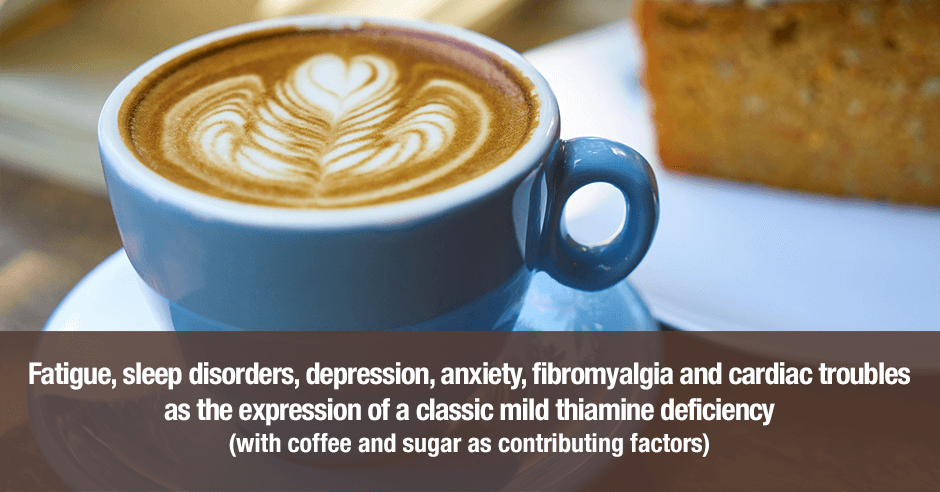
Fatigue, sleep disorders, depression, anxiety, fibromyalgia and cardiac troubles as the expression of a classic mild thiamine deficiency

October 8, 2021 By Trudy Scott 15 Comments

coffee sugar thiamine

Fatigue, sleep disorders, depression, anxiety, fibromyalgia and cardiac troubles are some of the symptoms we see as the expression of a classic mild thiamine deficiency. Thiamine deficiency is very under-rated and under-recognized, and can have far reaching ramifications. And a magnesium deficiency and high dose magnesium can actually cause a thiamine deficiency. There are also many other causes of thiamine deficiency that may not be on your radar: a high carb/processed food/sugar diet, coffee, tea, alcohol, genetics, environmental toxins, medications, celiac disease, leaky gut, bariatric surgery and malabsorption.

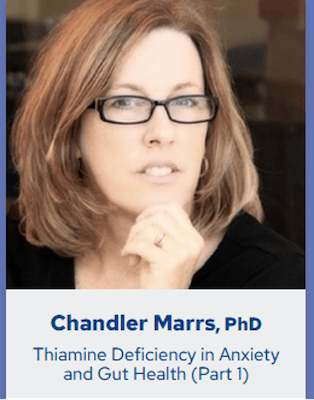
It’s for this reason that I invited Chandler Marrs, PhD to speak on the Anxiety Summit 5: Gut-Brain Axis. We had so much to cover and it ended up being so long, that we split it into part 1 and part 2.

chandler marrs

This is what we cover in Thiamine Deficiency in Anxiety and Gut Health (Part 1)

  • Excessive carbs, alcohol, medications and genetics as causes of low B1/thiamine
  • Dysbiosis, dysmotility, constipation, anxiety, depression, panic attacks, low energy
  • Psychiatric and digestive effects: research, history and other symptoms

This is what we cover in Thiamine Deficiency in Anxiety and Gut Health (Part 2)

  • The mitochondria, dysautonomia and POTS
  • Other symptoms: hyperemesis, exercise intolerance, muscle pain, neuropathy
  • Thiamine supplementation – forms, dosing and paradoxical reactions

Thiamine deficiency is under-rated and under-recognized

We start with why it’s an under-rated and under-recognized deficiency and Dr. Marrs shares that the assumption is that deficiency is not common and even when you test it looks like you are not deficient:

  • “The assumption is that there is no such thing [as a thiamine deficiency] and that it’s rare unless you are a chronic alcoholic. And even then, it’s missed 80% of the time. Or you have a severe injury or illness that depletes thiamine rapidly.
  • The presumption is that we’ve solved it, and it’s rare, and it only happens in countries where food availability is problematic.
  • The reality is that the chemistry of our foods, the chemistry of our environment, the medications that we take all combine and accrue to not only deplete the available thiamine on the basis of intake but to increase the need and to damage a lot of the enzymes involved in the processing of thiamine.
  • So a lot of folks are functionally deficient in that even though by definition they meet the daily requirement and they may, based upon lab testing, show up as being sufficient and not frankly deficient.
  • And so, I think that we just have taken our eye off of the ball with regard to this particular nutrient.”

Magnesium deficiency (and high dose magnesium) can actually cause a thiamine deficiency

Dr. Marrs also shares how a magnesium deficiency (which is very common) can actually cause a thiamine deficiency:

  • “One of the things that’s interesting is it requires magnesium to activate thiamine into its active form.
  • If someone is thiamine sufficient and magnesium deficient, then they are actually functionally deficient in thiamine because you cannot take the free thiamine and activate it into thiamine pyrophosphate.
  • So magnesium deficiency itself can cause thiamine deficiency. And there’s a good percentage of the population that doesn’t get enough magnesium.”

And she also shares how when taking high dose magnesium it’s so crucial to also be addressing low thiamine in order to prevent them becoming more thiamine deficient:

  • “Now, the flip side of that is really interesting. And I think this is important for your audience, in particular, is that magnesium supplementation, when someone has a problem with thiamine, will actually shut down thiamine processing and mitochondrial processing at one of the enzymes. Because if you don’t have thiamine with magnesium, then the enzyme α-ketoglutarate dehydrogenase kind of shuts the whole sequence down.
  • So if you are giving someone high dose magnesium, which is common to supplement, and not tackling the thiamine as well, you risk them becoming more thiamine deficient and reducing ATP output, energy output even further. So everything has to be in balance to some extent or another.”

I can think of one situation where this could be common. You use high dose magnesium due to constipation. Low thiamine may be one of the underlying causes of your constipation and now high dose magnesium is going to make the low thiamine situation worse.

Up to 30% of psychiatric patients have a thiamine deficiency

We talk about how up to 30% of psychiatric patients have a thiamine deficiency but that there hasn’t been enough work on psychiatric disorders which Dr. Marrs says “is strange given the fact that some of the strongest symptoms involve brain function and the most dangerous or some of the more dangerous damage is relative to areas of the brain.”

I share some quotes from a 2019 paper that does actually look at the psychiatric aspects – Neurological, Psychiatric, and Biochemical Aspects of Thiamine Deficiency in Children and Adults:

  • “The brain is highly vulnerable to thiamine deficiency due to its heavy reliance on mitochondrial ATP production. This is more evident during rapid growth, i.e., perinatal and children.
  • Thiamine deficiency contributes to a number of conditions spanning from mild neurological and psychiatric symptoms, confusion, reduced memory, sleep disturbances, and severe encephalopathy, ataxia, congestive heart failure, muscle atrophy, and even death.”

This paper also looks at the beneficial effect of thiamine supplementation in autism spectrum disorder (ASD) and other neurological conditions.

Below, I share some additional studies that we didn’t talk about in the interview but add value to the topic.

Fatigue, sleep disorders, depression, anxiety, fibromyalgia and cardiac troubles as the expression of a classic mild thiamine deficiency

This paper, High-dose thiamine improves the symptoms of fibromyalgia, states that “It is our opinion that fatigue, sleep disorders, depression, anxiety and cardiac troubles are the expressions of a classic mild thiamine deficiency.”

The authors share 3 cases where thiamine/vitamin B1 improved symptoms in all areas for all these women:

  • Patient 1: Female, 58 years old, weight 59 kg. From 1998, the patient began to have widespread pain accompanied by severe fatigue, depression, anxiety, irritability, sleep disorders, trouble concentrating, dry skin, general sickness, continuous headache, intolerance to low temperatures and, more recently, episodes of tachycardia and extrasystolia [alteration in heart rhythm].
  • Patient 2: Female, 37 years old, weight 74 kg. From 1999, the patient has had widespread pain and all the symptoms described for patient 1, with the only exception being that of cardiac symptoms.
  • Patient 3: Female, 60 years old, weight 65 kg. From 2006, the patient began to have widespread pain, fatigue, depression, anxiety, sleep disorders. Trouble concentrating.

As you can see the symptoms can be very varied and this is what makes it challenging to identify low thiamine as being the issue.

Thiamine deficiency after bariatric surgery

Here one case study where thiamine deficiency occurred after bariatric surgery: Wernicke’s encephalopathy mimicking multiple sclerosis in a young female patient post-bariatric gastric sleeve surgery:

We describe a case of Wernicke’s encephalopathy secondary to thiamine (B1) deficiency in a patient status post-bariatric sleeve gastrectomy.

The presenting symptoms of new-onset weakness, diplopia [double-vision], and confusion in a young female patient raised suspicion for multiple sclerosis (MS), but given a history of bariatric surgery, thiamine levels were checked, revealing significant Vitamin B1 (thiamine) deficiency.

This case highlights the importance of thorough history taking, as a misdiagnosis of MS in this case could have resulted in irreversible neurological deterioration and hematological and infectious consequences associated with the inappropriate administration of disease-modifying therapies.

Bariatric surgery is one of many causes of thiamine deficiency.

Some of the other many causes of thiamine deficiency

Other causes of thiamine deficiency include factors that may not be on your radar: a high carb/processed food/sugar diet (and even consistent smaller amounts of “healthy” sweeteners), coffee and tea consumption, alcohol consumption (excessive consumption and even moderate consumption i.e. social drinking), genetics (we talk about specific genes in the interview), environmental toxins, certain medications, celiac disease, leaky gut and malabsorption etc.

We do a deep dive into all this in the two interviews (and much more).

chandler marrs interview
(As you can see, when I do interviews I take notes throughout for a few reasons: writing consolidates the information into my brain and it allows me to make notes for follow-up questions. It also helps the video editing process later.)

Interviews that dove-tail well with this topic are these ones:

  • Michael Collins – Sugar/Fructose Addiction: Anxiety, ADHD and Aggression (because sugar and carbs lead to low thiamine)
  • My interviews, Glutamine, DPA and Tyrosine for Anxiety and Sugar Cravings and GABA & Tryptophan: Gut-Anxiety Connections (because the amino acids help you quit sugar/carbs, coffee and alcohol easily)
  • Tara Hunkin, NTP, CGP, RWP – Mitochondrial Dysfunction in Anxiety (because low thiamine adversely affects the mitochondria)

I encourage you to tune in if you have:

  • Anxiety & feel overwhelmed & stressed by little things
  • Panic attacks &/or obsessive thoughts or behaviors
  • Social anxiety/pyroluria
  • Phobias or fears (flying, spiders or even driving on a highway)

And also if you suffer from…

  • Food sensitivities, IBS/SIBO, parasites or gallbladder issues
  • Constipation, diarrhea, bloating, gas, pain & other digestive issues
  • Leaky gut, a leaky blood-brain barrier or vagus nerve issues

Join us if you are also an emotional eater with intense sugar cravings (and know you suffer from low blood sugar), experience insomnia, low mood, PMS, poor focus and/or low motivation.

This is THE online event to learn about the powerful individual amino acids – GABA, theanine, tryptophan, 5-HTP, glutamine, DPA and tyrosine – to quickly ease anxiety and help with gut symptoms while you are dealing with other root causes which take longer to address. (They also help with cravings as with this example, and sleep and immunity).

With research-based anxiety nutritional solutions and practical steps, you can determine your root causes, ease your anxiety and prevent it from coming back so you can feel on top of the world again!

If you are a practitioner, please join us too and find advanced solutions for your clients or patients too!

You’ve heard me say the Anxiety Summit has been called “a bouquet of hope!” My wish for you is that this summit is your bouquet of hope!

I hope you’ll join me and these incredible speakers, be enlightened and find YOUR solutions! More about this summit and other Anxiety Summits here.

Here’s to no more anxiety and you feeling on top of the world again!

Please share if these thiamine deficiency symptoms are new to you.

Also let us know if you’ve benefited from thiamine in the past or are currently using some form of thiamine – and how helped/is helping.

Have you seen this correlation between low magnesium and low thiamine OR taking high doses of magnesium and low thiamine symptoms?

Feel free to post your questions here too.

Learn more/purchase now

Filed Under: Anxiety, Depression, Sugar addiction, The Anxiety Summit 5 Tagged With: alcohol, anxiety, Anxiety Summit 5, carbs, cardiac, Chandler Marrs PhD., coffee, depression, fatigue, Fibromyalgia, insomnia, magnesium, neurological, psychiatric, sleep disorders, sugar, sugar craving, Thiamine, vitamin B1

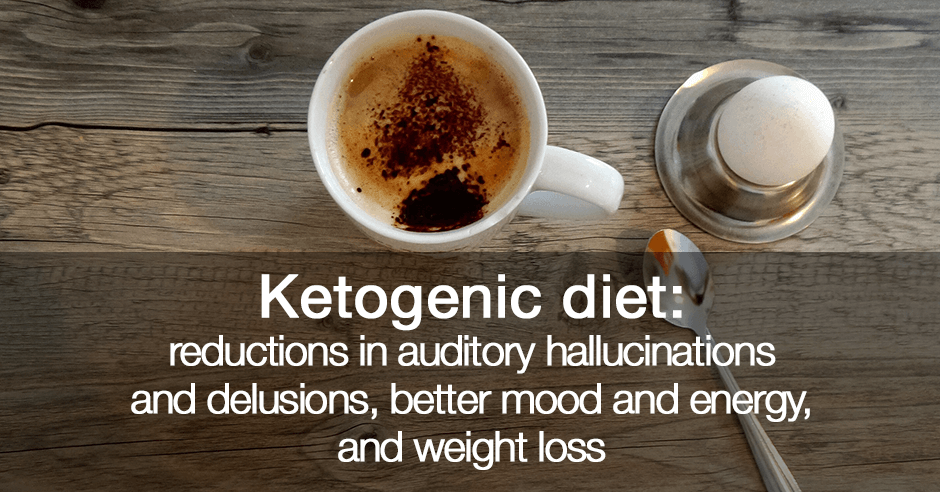
Ketogenic diet: reductions in auditory hallucinations and delusions, better mood and energy, and weight loss

April 6, 2018 By Trudy Scott 5 Comments

Two schizoaffective patients of Dr. Chris Palmer, a psychiatrist from Harvard’s McLean Hospital in Belmont, Massachusetts, tried a ketogenic diet for weight loss. As well as losing weight, they experienced reductions in auditory hallucinations and delusions, had a better mood and had more energy.

Here is additional information about these remarkable results, published late last year in this letter to the editor – Ketogenic diet in the treatment of schizoaffective disorder: Two case studies.

The male patient: lost weight, reductions in auditory hallucinations and delusions, better mood and energy

The male patient, diagnosed with schizoaffective disorder, with a prior psychiatric history of attention deficit hyperactivity disorder and major depression, experienced “dramatic” reductions in auditory hallucinations and delusions, as well as better mood and energy on the ketogenic diet. He also lost weight, losing 104 pounds over the course of a year.

He weighed 322 lb and wanted to lose weight by following a ketogenic diet, typically consisting of coffee with medium chain triglyceride (MCT) oil and butter (“bulletproof coffee”), eggs, meat, fish, poultry, spinach, kale, and olive oil. Within 3 weeks, he had lost 15 lb, but also noted a dramatic reduction in his auditory hallucinations and delusions, and improvement in his mood, energy, and ability to concentrate. For the past year, he has largely remained on this ketogenic diet and has lost 104 lb.

His functioning has improved and he has become more independent:

He completed a certification course, successfully participates in an online college program, has friends, began dating, and moved from his father’s home into an independent apartment.

The female patient: lost weight, resolution of her delusions

After four weeks on the ketogenic diet, the female patient, also diagnosed with schizoaffective disorder, and with a prior psychiatric history of major depression and anorexia nervosa, had resolution of her delusions and lost ten pounds:

she wanted to lose weight, and went on a ketogenic diet, consisting mostly of coffee, eggs, poultry, and lettuce. Within 4 weeks, she lost 10 lb and noted that her delusions were no longer present, and that her mood and energy were much better. After 4 months, she lost a total of 30 lb and her PANSS score decreased to 70 [down from 107]

In both instances their symptoms returned when they stopped the diet, but then improved again when back on the ketogenic diet.

In case you’re not familiar with the ketogenic diet here is a quick summary:

The ketogenic diet is a high-fat / low carbohydrate [and low protein] diet that has been used since the 1920’s to treat childhood epilepsy, with some studies suggesting that over 50% of patients experience significant reductions in seizure frequency. The ketogenic diet results in ketone bodies, instead of glucose, being used as the primary energy source in the brain.

There simply is no psychiatric medication available with the power to accomplish these results

I had the pleasure of meeting Dr. Georgia Ede, MD  last year at the ISNPR conference. She is a Harvard-trained psychiatrist and nutrition consultant practicing at Smith College, and writes about these two schizoaffective cases in her article – Low-Carbohydrate Diet Superior to Antipsychotic Medications:

These outcomes are truly remarkable: improvement by dozens of points on the PANSS, significant weight loss, and better quality of life. There simply is no psychiatric medication available with the power to accomplish these results.

I agree with Dr. Ede especially when we look at the medications these patients had trialed. These medication trials for the male patient: methylphenidate, amphetamine salts, dextroamphetamine, bupropion, sertraline, paroxetine, buspirone, lamotrigine, lorazepam, clonazepam, gabapentin, haloperidol, perphenazine, aripiprazole, olanzapine, quetiapine, and clozapine. The female patient had a similarly long list of medication trials and she also received 23 electroconvulsive therapy treatments. For both of them, positive and negative symptoms persisted.

I do still have questions about the ketogenic diet

The research in epilepsy is extensive and the research in mental health is growing. I am really impressed with the results, but I do still have questions about the ketogenic diet. Perhaps you have some similar questions and concerns. Here goes…

  1. If this particular nutritional psychiatry approach works so well for severe mental health disorders such as schizophrenia and psychosis, how will it work for less severe conditions like anxiety and panic attacks? Are these severe cases like the “canaries in the coal-mine” paving the way and teaching us about the benefits of this way of eating?
  2. Should you use a ketogenic dietary approach as the first approach or consider it as a last resort once the other dietary approaches have been implemented and you’re not seeing full symptom resolution? In other words, should you start with a real whole foods diet, then implement a gluten-free diet, then a grain-free diet, then remove dairy (if it’s an issue), then incorporate low FODMAPs if needed and only then implement a ketogenic diet? (low oxalate, low salicylate and low histamine would be incorporated as needed earlier in the process, based on each person’s unique needs).  If we look only at schizoaffective disorder,  there is growing evidence of the role of gluten  in some individuals with this paper “suggesting that an antigliadin IgG positive population of schizophrenia could be a distinct subgroup.” This 2 person pilot study reports the benefits of a gluten-free diet: “this potential mechanism is exciting and may provide improvement for up to one-fourth of patients (antibody-positive) who suffer from this devastating disorder.”
  3. How do we clearly define a ketogenic diet and communicate this definition to practitioners and to those who choose to implement this way of eating on their own? I’ve had feedback from many people who tell me they have been on a ketogenic diet (and it’s worked well for them or maybe it hasn’t worked so well for them), only to discover they are not really eating a true ketogenic diet. How do we simplify this way of eating and make it easy for individuals to understand and then stay in ketosis?
  4. How do we create a ketogenic diet that is nutrient dense and also offers the benefits seen in this research. I have major concerns about long-term nutritional deficiencies with a diet of coffee, eggs, poultry, and lettuce (as eaten by the female patient in this case study). It should ideally include plenty of leafy greens, non-starchy vegetables like broccoli, cauliflower, asparagus etc. and healthy fats like avocado, grass-fed butter and coconut oil, together with fermented vegetables and bone broths. I’m also not convinced that coffee should be part of the ketogenic diet, especially if coffee increases your anxiety and affects your sleep.

  1. How do we help individuals make the switch to this way of low carb eating and help them maintain so they don’t feel deprived and are not relying on willpower alone? As you can see from these 2 cases, the diet can be challenging to sustain and slip ups are common. If you are eating enough health fats (and it’s a lot more than you’re used to eating), this typically helps with cravings. If you still have cravings and feel you are deprived and missing out on treats, the targeted individual amino acids offer powerful results: tryptophan (for afternoon cravings), GABA (for stress eating), DPA (for comfort eating), tyrosine (when there is low motivation) and glutamine (for low blood sugar cravings).
  2. Is the ketogenic diet the next big fad or weight-loss trend as we’re hearing in the media? Based on the above research it truly does have impressive therapeutic benefits beyond only weight-loss. So can we see similar benefits with a modified ketogenic diet, using intermittent fasting and/or cycling in and out of ketosis, and even adding in a ‘feasting day’ of carbs?
  3. Who shouldn’t adopt a ketogenic diet? For example: those with the APOE4 gene, women with adrenal and hormone issues, and individuals with thyroid issues and no gallbladder? The question then becomes this: of those suffering with anxiety and depression or another mental health disorder, who doesn’t have one of these issues? And how do we address the keto rash, constipation, fat malabsorption, fatigue, mineral deficiencies and other issues some people experience on a ketogenic diet?

Right now, this is my thinking: as with any nutritional or functional medicine approach, I would say there is no one-size-fits all for who should implement a ketogenic diet (we need to consider the unique biochemistry of each person) and there is no one set ketogenic diet (it will need to be customized for each person).

Please do share if you’ve adopted a ketogenic diet and the benefits you have experienced, and if you experienced any issues. Be sure to share what a typical day’s diet looks like for you.

Filed Under: Anxiety, Diet, Sugar addiction Tagged With: anxiety, coffee, delusions, depression, diet, Dr. Chris Palmer, energy, hallucinations, Ketogenic, mood, schizoaffective, weight-loss

Tyrosine for focus, motivation, energy, a good mood and possibly even anxiety

September 27, 2017 By Trudy Scott 42 Comments

Today I’m reviewing tyrosine, the amino acid that boosts catecholamines and helps with focus, motivation, energy (especially when you crave carbs for energy) and the blah kind of depression. It’s wonderful for helping you easily quit coffee/caffeine (when you are using it to “self-medicate” due to low catecholamines). It also provides support for the thyroid and surprising as it sounds, it may even ease some types of anxiety.

I’m also sharing some additional resources for you on tyrosine.

Tyrosine helps with energy, gives someone else migraines – look at precautions

Here is some feedback from my recent facebook post about tyrosine

  • Lorraine shared:

It really helped me have energy and endurance to be able to work out again! I went from not being able to even handle 20 minutes of weight lifting to doing regular 30 minute sessions and feeling energised and strong instead of depleted and exhausted.

  • Fay shared that it gives her a migraine. Migraines are one of contraindications with tyrosine if you are prone to them or have a history of migraines (and Fay does a history). This doesn’t mean you can’t ever benefit from tyrosine. With clients with migraine history we just start low, having them open a 500mg capsule and use just 50-100mg to start and then increase if they can.
  • Aaron Mello, Master Nutrition Therapist and founder of MoodFood Clinic, a practice that focuses on men’s mental health, loves using tyrosine with his clients and prefers it over phenylalanine because of the PKU contraindication. I agree and prefer tyrosine although I’ve only ever had one client with PKU. Aaron also mentioned that he also likes a combination product like Designs for Health DopaBoost: “I like that it has P5P and the mucuna is a natural source of L-dopa in addition to the tyrosine.” I do prefer standalone amino acids to start with (so just using tyrosine alone) but do also like the combinations in DopaBoost.

With all the amino acids, it’s important to be aware of the precautions. I mentioned PKU above. Here are other situations when tyrosine cannot be used: melanoma and Grave’s disease/overactive thyroid.

As with migraines, tyrosine does need to be watched with high blood pressure and bipolar disorder i.e. it may be tolerated and may not be tolerated. A trial will help you figure this out.

I personally can’t use either mucuna or tyrosine in large quantities but can tolerate the small amount in the Source Naturals GABA Calm product. The same tyrosine precautions do need to be considered when using GABA Calm for the low GABA type of anxiety.

Focus issues and ADHD – tyrosine or GABA?

Anxiety can often show up as focus issues or ADHD, especially in children who may not be able to articulate that they are anxious. Jenny is a mom in my facebook community and a friend of hers recommended GABA for her daughter after reading some of my posts. She shared this wonderful feedback:

My daughter hasn’t been diagnosed with ADHD but has a lot of ADHD qualities. We were having a huge amount of behavior problems as she is getting older (she’s 11). I did some research and went to the health food store and bought a bottle [of GABA Calm]. At this point I was mentally exhausted from all the fighting and drama at home and at school. I was desperate and didn’t want to put her on any hard medication.

She has had amazing behavior at school and at home since giving it to her. She’s almost like different child. GABA has truly changed our life. She’s been taking it for almost 2 months.

Anxiety and ADHD – where to start?

I recently received a great question from someone who heard my interview on the migraine summit:

I have a whole lot of overlap here. I’ve been diagnosed with ADHD with have anxiety issues. I also have a gluten sensitivity and migraines. Luckily, since I meditate daily, my migraines only occur every other month or so but usually involve weather changes.

It’s not uncommon to have overlaps and often addressing a few factors helps all issues. It sounds like she is gluten-free which is one common underlying factor in ADHD, migraines and anxiety. If someone is coming to see me for their anxiety we’ll work on that first – using GABA or tryptophan first – because tyrosine can help with ADHD but can make someone more anxious. We calm them first and then look at improving focus issues. With ADHD and anxiety, I also consider low blood sugar and making sure animal protein is being consumed at breakfast, and also check for low zinc and low iron (for starters).

GABA didn’t help her anxiety but tyrosine did

Everyone is different so using the trial method is the best way to figure out what you need. One of my past clients who had terrible anxiety, trialed both GABA and tryptophan and while she did get some benefits with both it just wasn’t enough.

She was sleeping better but still felt so stressed and anxious when preparing for an important meeting at work. The anxiety also seemed to get worse during the meeting which she was in charge of running. She did score high on the low catecholamines section on the amino acid questionnaire but were working on the anxiety before addressing poor focus and low motivation. It turned out that her anxiety escalated around her work meetings because of her lack of focus and low motivation – she was pushing herself to get through them. Once she added tyrosine her anxiety was under control. In this instance tyrosine actually helped ease the anxiety because he ADHD and motivation and drive improved!

Using tyrosine

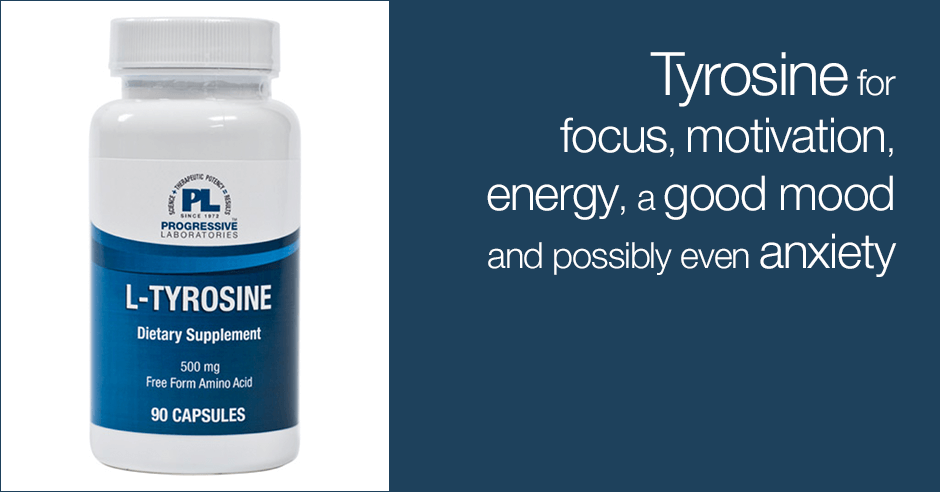
Here is one tyrosine product I use (there are many others on the market)

Progressive Labs tyrosine 500mg: 500mg l-tyrosine.  As I mentioned this is the last amino acid I trial with my anxious clients because it can make you more anxious (although as I mentioned above, with one client, it reduced her anxiety because she was able to focus better at work).

As with all the amino acids, when using tyrosine:

  • Start low (500mg is a typical starting dose) and increase as needed.
  • Do a trial to determine if the ADHD, fatigue, depression, low motivation is due to low catecholamines. I always do this with clients before starting any amino acid. Be sure to read how to do an amino acid trial. It has the amino acid questionnaire, the precautions and information on how to use targeted individual amino acids.
  • Take between meals and away from protein for the best effects

Tyrosine should never be used after 3pm as it’s too stimulating when used after this time. For my clients with sleep issues we go slow and stop after the mid-morning dose until we determine if sleep is being affected.

This blog post is part of the series of amino acid product reviews:

  • Tryptophan for low serotonin (worry-in-the-head anxiety)
  • GABA for low GABA symptoms (physical anxiety)
  • Glutamine for calming, intense sugar cravings, gut healing and low blood sugar
  • DPA for weepiness, pain and comfort and reward eating

The resources in this blog and my other articles are intended to be used in conjunction with my book: The Antianxiety Food Solution – How the Foods You Eat Can Help You Calm Your Anxious Mind, Improve Your Mood, and End Cravings. If you do not have my book I highly recommend getting it and reading it before jumping in and taking the amino acid supplements.

There is a complete chapter on the amino acids and one for pyroluria, plus information on real whole food, sugar and blood sugar, gluten, digestion and much more.

You can find the tyrosine product I recommend on this blog: The Antianxiety Food Solution Amino Acid and Pyroluria Supplements


For today’s tyrosine review:

  • What about your success stories with tyrosine? how has it helped you?
  • Or has it been an issue for you?
  • As I mentioned above it’s the last amino acid I used with my anxious clients because it can make you more anxious but it may just help your anxiety

If you have questions or feedback please post them below or on the supplements blog

Filed Under: Amino Acids, Anxiety, Caffeine, Supplements Tagged With: anxiety, blahs, caffeine, coffee, depression, energy, focus, GABA, tryptophan, tyrosine

The Anxiety Summit – Is Coffee Your Hidden Anxiety Trigger and How to Substitute It with Delicious and Healing Drinks

June 7, 2016 By Trudy Scott 25 Comments

Magdalena Wszelaki_Anxiety4

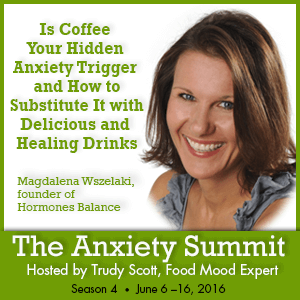
Magdalena Wszelaki, founder of Hormones Balance, was interviewed on the Anxiety Summit by host of the Anxiety Summit, Trudy Scott, Food Mood Expert and Nutritionist, author of The Antianxiety Food Solution.

Is Coffee Your Hidden Anxiety Trigger and How to Substitute It with Delicious and Healing Drinks

  • Caffeine, anxiety and panic attacks and our genetics
  • How coffee impacts blood sugar and increases sugar cravings
  • Coffee: the gut, adrenals, sex hormones and the thyroid
  • Is decaf ok?
  • How to use chicory, dandelion, carob and reishi as great alternatives
  • Rooibos and tulsi/holy basil as anti-stress herbal teas

Here are some gems from our interview:

If you’re having type 2 adrenal fatigue so that means sometimes it’s s super high.  Your adrenals are pumping out too much cortisol.  Sometimes it’s too low, sometimes it’s just okay.  You can get that done through testing – hormone testing, saliva testing with cortisol.  The issue is that in times of low cortisol release you’re going to be pretty brain dead and this is when we want to bring the cortisol level up with coffee. 

The problem is the adrenals are already exhausted and that’s the reason why they are firing off with the wrong timing.  Sometimes it’s too high, sometimes it’s too low.  Women who have this “I’m tired and wired” thing going on late at night where they’re just lying in bed exhausted, can’t fall asleep.  That’s very often adrenal fatigue stage 2 with higher cortisol levels at night.  And so this is where coffee just exhausts your adrenals even further.  So you might get that instant release as in like you’re getting this clarity in your head.  You’re getting that energy to get through the day. But in the long term coffee is really going to just exhaust the adrenals to the maximum.

Here are some of the studies on anxiety and coffee discussed in the interview:

Caffeine can cause anxiety and panic attacks.  This study showed that people with panic disorder and social anxiety may be more sensitive to the anxiety-causing effects of caffeine.

In this paper, Caffeine abstention in the management of anxiety disorders, the participants had generalized anxiety disorder and panic disorder.  They had been on medication and they’d been on therapy and they drank one-and-a-half to three-and-a-half cups of coffee a day.  None of them had benefitted from either the therapy or the medication.  When they stopped the coffee within a week the anxiety disappeared. 

Here are additional studies we discussed:

  • Coffee and gastrointestinal function: facts and fiction. A review.
  • Caffeine as an intensifier of stress-induced hormonal and pathophysiologic changes in mice
  • Maternal caffeine consumption during pregnancy and the risk of miscarriage: a prospective cohort study
  • Caffeine and caffeinated beverage consumption and fecundability in a preconception cohort
  • Caffeine effects on sleep taken 0, 3, or 6 hours before going to bed.


magdalena roasted chicory latte

Here is Magdalena’s recipe for ROASTED CHICORY ROOT LATTE

Time to prepare: 15 minutes; Time to steep: 10minutes; Serves: 1; Equipment: blender

Ingredients

1 tbsp roasted chicory root

2 cups water

1 tbsp ghee, coconut butter or butter (if tolerated)

1 pitted date

fresh nutmeg (nut or powder)

How to make:

  1. Bring water to a boil, add chicory root and steep for 10 minutes.
  2. Strain and transfer to a blender.
  3. Add the ghee (or any fat you decide to use) and the date. Blend for 1 minute at high speed.
  4. Top with freshly grated nutmeg and enjoy.


I shared my carob recipe: Carob Cinnamon Delight instead of coffee – a calming hot beverage and mentioned rooibos tea how it’s A Functional Food in the Management of Stress (an interview from a prior anxiety summit)

Here is Magdalena’s gift: Finding Hormonal Balance Through Food and Essential Oils


hormone-balancing-workshop

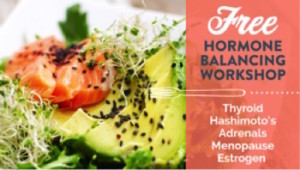
And here is Magdalena’s wonderful no-cost introductory Hormone Balancing Workshop/webinar   (many of my clients have attended and love learning about eating for hormone balance from Magdalena)

If you are not already registered for the Anxiety Summit you can get live access to the speakers of the day here: www.theAnxietySummit.com

Missed this interview or can’t listen live? Or want this and the other great interviews for your learning library? Purchase the MP3s or MP3s + transcripts and listen when it suits you.

You can find your purchasing options here.: Anxiety Summit Season 1, Anxiety Summit Season 2, Anxiety Summit Season 3, and Anxiety Summit Season 4.

Filed Under: Events, The Anxiety Summit 4 Tagged With: anxiety, anxiety summit, caffeine, coffee, Magdalena Wszelaki, Trudy Scott

  • Page 1
  • Page 2
  • Go to Next Page »

Primary Sidebar

NEW! GABA QuickStart Homestudy (with special intro pricing)

gaba quickstart homestudy

Free Report

9 Great Questions Women Ask about Food, Mood and their Health

You'll also receive a complimentary subscription to my ezine "Food, Mood and Gal Stuff"


Connect with me

Popular Posts

  • Amino Acids Mood Questionnaire from The Antianxiety Food Solution
  • The Antianxiety Food Solution Amino Acid and Pyroluria Supplements
  • Pyroluria Questionnaire from The Antianxiety Food Solution
  • Collagen and gelatin lower serotonin: does this increase your anxiety and depression?
  • Tryptophan for the worry-in-your-head and ruminating type of anxiety
  • GABA for the physical-tension and stiff-and-tense-muscles type of anxiety
  • The Antianxiety Food Solution by Trudy Scott
  • Seriphos Original Formula is back: the best product for anxiety and insomnia caused by high cortisol
  • Am I an anxious introvert because of low zinc and vitamin B6? My response to Huffington Post blog
  • Vagus nerve rehab with GABA, breathing, humming, gargling and key nutrients

Recent Posts

  • What do I use instead of Seriphos to help lower high cortisol that is affecting my sleep and making me anxious at night?
  • BeSerene™ GABA/theanine cream eases severe muscle tension in her neck/shoulders, prevents her bad headaches and quells her anxiety
  • How the correct approach, dose and sublingual use of GABA can be calming and not cause a flushed and itchy face and neck
  • The amino acid glutamine improves low mood by addressing gut health, and it has calming effects too
  • Flight anxiety with heightened breath, physical tension and also fearing the worst (the role of low GABA and low serotonin)

Categories

  • 5-HTP
  • AB575
  • Addiction
  • ADHD
  • Adrenals
  • Alcohol
  • Allergies
  • Alzheimer's disease
  • Amino Acids
  • Anger
  • Antianxiety
  • Antianxiety Food Solution
  • Antidepressants
  • Anxiety
  • Anxiety and panic
  • Autism
  • Autoimmunity
  • benzodiazapines
  • Bipolar disorder
  • Books
  • Caffeine
  • Cancer
  • Candida
  • Children/Teens
  • Collagen
  • Cooking equipment
  • Coronavirus/COVID-19
  • Cravings
  • Depression
  • Detoxification
  • Diabetes
  • Diet
  • DPA/DLPA
  • Drugs
  • EFT/Tapping
  • EMF
  • EMFs
  • Emotional Eating
  • Endorphins
  • Environment
  • Essential oils
  • Events
  • Exercise
  • Fear
  • Fear of public speaking
  • Fertility and Pregnancy
  • Fish
  • Food
  • Food and mood
  • Functional neurology
  • GABA
  • Gene polymorphisms
  • General Health
  • Giving
  • Giving back
  • Glutamine
  • Gluten
  • GMOs
  • Gratitude
  • Gut health
  • Heart health/hypertension
  • Histamine
  • Hormone
  • Hyperparathyroidism
  • Hypoglycemia
  • Immune system
  • Inflammation
  • Insomnia
  • Inspiration
  • Introversion
  • Joy and happiness
  • Ketogenic diet
  • Lithium orotate
  • Looking awesome
  • Lyme disease and co-infections
  • MCAS/histamine
  • Medication
  • Men's health
  • Mental health
  • Mercury
  • Migraine
  • Mold
  • Movie
  • MTHFR
  • Multiple sclerosis
  • Music
  • NANP
  • Nature
  • Nutritional Psychiatry
  • OCD
  • Osteoporosis
  • Oxalates
  • Oxytocin
  • Pain
  • Paleo
  • Parasites
  • Parkinson’s disease
  • PCOS
  • People
  • PMS
  • Postpartum
  • PTSD/Trauma
  • Pyroluria
  • Questionnaires
  • Real whole food
  • Recipes
  • Research
  • Schizophrenia
  • serotonin
  • SIBO
  • Sleep
  • Special diets
  • Sports nutrition
  • Stress
  • Sugar addiction
  • Sugar and mood
  • Supplements
  • Teens
  • Testimonials
  • Testing
  • The Anxiety Summit
  • The Anxiety Summit 2
  • The Anxiety Summit 3
  • The Anxiety Summit 4
  • The Anxiety Summit 5
  • The Anxiety Summit 6
  • Thyroid
  • Thyroid health
  • Toxins
  • Tryptophan
  • Tyrosine
  • Uncategorized
  • Vegan/vegetarian
  • Women's health
  • Yoga

Archives

  • October 2025
  • September 2025
  • August 2025
  • July 2025
  • June 2025
  • May 2025
  • April 2025
  • March 2025
  • February 2025
  • January 2025
  • November 2024
  • October 2024
  • September 2024
  • August 2024
  • July 2024
  • June 2024
  • May 2024
  • April 2024
  • March 2024
  • February 2024
  • January 2024
  • December 2023
  • November 2023
  • October 2023
  • September 2023
  • August 2023
  • July 2023
  • June 2023
  • May 2023
  • April 2023
  • March 2023
  • February 2023
  • January 2023
  • December 2022
  • November 2022
  • October 2022
  • September 2022
  • August 2022
  • July 2022
  • June 2022
  • May 2022
  • April 2022
  • March 2022
  • February 2022
  • January 2022
  • December 2021
  • November 2021
  • October 2021
  • September 2021
  • August 2021
  • July 2021
  • June 2021
  • May 2021
  • April 2021
  • March 2021
  • February 2021
  • January 2021
  • December 2020
  • November 2020
  • October 2020
  • September 2020
  • August 2020
  • July 2020
  • June 2020
  • May 2020
  • April 2020
  • March 2020
  • February 2020
  • January 2020
  • December 2019
  • November 2019
  • October 2019
  • September 2019
  • August 2019
  • July 2019
  • June 2019
  • May 2019
  • April 2019
  • March 2019
  • February 2019
  • January 2019
  • December 2018
  • November 2018
  • October 2018
  • September 2018
  • August 2018
  • July 2018
  • June 2018
  • May 2018
  • April 2018
  • March 2018
  • February 2018
  • January 2018
  • December 2017
  • November 2017
  • October 2017
  • September 2017
  • August 2017
  • July 2017
  • June 2017
  • May 2017
  • April 2017
  • March 2017
  • February 2017
  • January 2017
  • December 2016
  • November 2016
  • October 2016
  • September 2016
  • August 2016
  • July 2016
  • June 2016
  • May 2016
  • April 2016
  • March 2016
  • February 2016
  • January 2016
  • December 2015
  • November 2015
  • October 2015
  • September 2015
  • August 2015
  • July 2015
  • June 2015
  • May 2015
  • April 2015
  • March 2015
  • February 2015
  • January 2015
  • December 2014
  • November 2014
  • October 2014
  • September 2014
  • August 2014
  • July 2014
  • June 2014
  • May 2014
  • April 2014
  • March 2014
  • February 2014
  • January 2014
  • December 2013
  • November 2013
  • October 2013
  • September 2013
  • August 2013
  • July 2013
  • June 2013
  • May 2013
  • April 2013
  • March 2013
  • February 2013
  • January 2013
  • December 2012
  • November 2012
  • October 2012
  • August 2012
  • July 2012
  • June 2012
  • May 2012
  • April 2012
  • March 2012
  • February 2012
  • January 2012
  • December 2011
  • November 2011
  • October 2011
  • September 2011
  • August 2011
  • July 2011
  • June 2011
  • May 2011
  • April 2011
  • March 2011
  • February 2011
  • January 2011
  • December 2010
  • October 2010
  • September 2010
  • July 2010
  • May 2010
  • April 2010
  • March 2010
  • February 2010
  • January 2010
  • November 2009

Share the knowledge!

The above statements have not been evaluated by the Food and Drug Administration. Products listed in this website are not intended to diagnose, treat, cure or prevent any disease.

The information provided on this site is for informational and educational purposes only and is not intended as a substitute for advice from your physician or other health care professional. You should consult with a healthcare professional before starting or modifying any diet, exercise, or supplementation program, before taking or stopping any medication, or if you have or suspect you may have a health problem.


Copyright © 2026 Trudy Scott. All Rights Reserved. | Privacy | Terms and Conditions | Refund Policy | Medical Disclaimer

Free Report

9 Great Questions Women Ask about Food, Mood and their Health

You’ll also receive a complimentary subscription to my ezine “Food, Mood and Gal Stuff”