• Skip to primary navigation
  • Skip to main content
  • Skip to primary sidebar

everywomanover29 blog

Food, Mood and Women's Health – Be your healthiest, look and feel great!

  • Blog
  • About
  • Services
  • Store
  • Resources
  • Testimonials
  • The Book
  • Contact
  • Search this site

celiac

Osteoporosis: two of my favorite self-help books by R. Keith McCormick DC (and some of my own story)

August 16, 2024 By Trudy Scott 3 Comments

osteoporosis books

In May 2023 I posted this on Facebook and it never made it on to the blog so here goes …. osteoporosis and two of my favorite self-help books by R. Keith McCormick DC:

Earlier this week I read this book, The Whole-Body Approach to Osteoporosis: How to Improve Bone Strength and Reduce Your Fracture Risk by R. Keith McCormick DC, and wow, I’m very impressed and learned a ton.

It actually consolidates and builds on what I learned from him at the in-depth and excellent interviews with him on the Osteoporosis Summit, hosted by my friend and colleague, Margie Bissinger, MS, PT, CHC (thanks Margie! – I’ve ordered his newest book too).

I really love how Dr. McCormicks walks us through him being a detective with clients (the cases are excellent). And his information and interpretation on advanced bone health tests (like CTX, P1NP), other basic blood work (CRP, homocysteine, fibrinogen, vitamin D etc.) and functional testing (celiac/gluten sensitivity labs) he does is invaluable.

I’m curious to see what updates he’s made (if any) in his newest book, Great Bones: Taking Control of Your Osteoporosis.  Does he now prefer MK-4 to MK-7 (forms of vitamin K), if he addresses the tricky calcium-oxalate issues (I’m trying to figure this one out too) and if he also discusses Trabecular Bone Score (TBS) which can be included in the DXA.

I do like that he discusses prevention too – for younger women and men! He was in his 40s when he started to have osteoporotic fractures.

I’m in my early 60s and don’t have osteopenia or osteoporosis but I want to be proactive and do comprehensive testing. I do have concerns due to my dietary oxalate issues and calcium homeostasis as a result of this.

Read about both books below and more on my own osteoporosis story (yes, I do have osteoporosis after all!)  and probable root causes.

The Whole-Body Approach to Osteoporosis
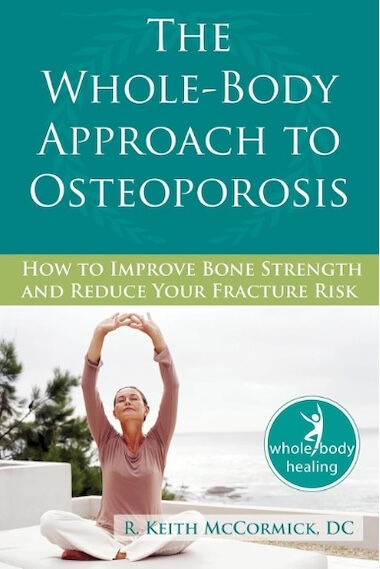
whole body approach to osteoporosis

Here is the official blurb for this book:

No pill will cure you of osteoporosis. While medication can sometimes help, it won’t fully address the underlying causes of your osteoporosis or osteopenia. To restore bone health, you’ll need a targeted program combining the best bone-building strategies from traditional and holistic medicine. The Whole-Body Approach to Osteoporosis distills these complex strategies into a whole-body plan you can begin today to dramatically improve your bone strength and overall vitality.

This comprehensive guide includes information on:

    • What to eat for stronger bones
    • Choosing bone-building supplements and osteoporosis medications
    • Foods and medications that may be contributing to bone loss
    • Signs and symptoms that can help you monitor your bone health
    • How lab tests can help you personalize your plan

It was published in 2009, and I found it to be eye-opening and a wonderful introduction to the comprehensive functional medicine, nutritional and lifestyle approach that needs to be considered when addressing bone health. It’s written for the layperson but is meaty enough for practitioners new to the mechanisms of bone building and bone breakdown, osteoporosis medication and the impacts of environmental toxins.

As I mentioned above, his information and interpretation on advanced bone health tests (like CTX, P1NP), and other labs that are important for bone health (CRP, homocysteine, fibrinogen, vitamin D etc.) is invaluable. He also covers the basics that I cover in my book/work – like eating real food, digestive health and celiac/gluten sensitivity.

It comes highly recommended and you can find it in bookstores and on Amazon here (my Amazon link).

Great Bones: Taking Control of Your Osteoporosis
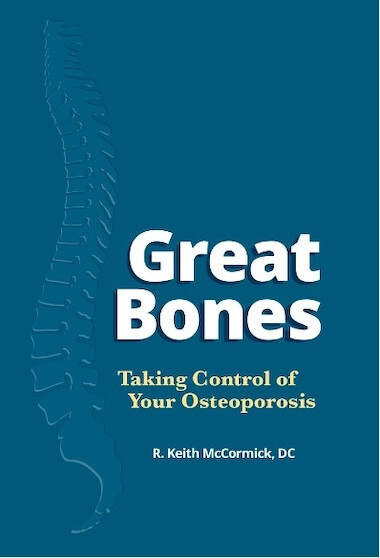
great bones

Here is the official blurb for this book:

Dr. McCormick knows what potential dangers lurk for women and men who don’t understand the life cycle of bone, who don’t realize the role nutrition plays in bone health, who don’t know what can happen to bone even when they think they’re doing “everything right.”

In his mission to help readers — women and men, athletes and nonathletes, primary care physicians and specialists — Dr. McCormick explains not just the fundamentals of osteoporosis but also the pathophysiology of bone loss and what it takes to regain skeletal health.

If you’re a patient suffering from bone loss, Dr. McCormick helps you take control of your osteoporosis; if you’re a doctor, he lays out the most up-to date science so you can best serve your patients. Great Bones is a book everyone can use to achieve better skeletal health well into their 70s, 80s, and beyond.

This one was published in 2023 and is a hefty 714 pages (vs 200 pages for his first book). This book takes everything in his first book to the next level. And while it is more geared to practitioners it is easy enough to follow for the health-savvy layperson.

Every time I pick it up to search for something I learn so much more. Here are a few eye-opening gems:

  • Test CTX early morning and avoid biotin and collagen for 48 hours beforehand (I also heard him say this on the osteoporosis summits)
  • “Butyric acid can increase bone formation by lowering osteoclastic formation” (bone break down) “and stimulating the deposition of calcium into the collagen matrix”
  • “High concentration of lead are found in the cement lines – where mineralized bone meets non-mineralized collagen and where zinc concentration is highest” (and more information on how lead adversely affects our bones)
  • “Post-menopausal women excrete eight times more urinary zinc than women with normal bone density”

With regards to my questions I had before getting this book – he does use both forms of vitamin K (MK-4 and MK-7) and he also discusses Trabecular Bone Score (TBS) which is an add-on for the DXA and a good indicator of bone texture and quality.

Unfortunately he doesn’t address the tricky calcium-oxalate issues that I’m trying to figure out, other than a very brief mention on one page.

I’m eagerly waiting for a kindle version to come out so I can more easily search for advanced topics. My index is full of my scribbles as I find some topics buried within other topics, like some of the TBS information.

This book is also highly recommended and you can find it on Amazon here (my Amazon link).

My osteoporosis story (some of it anyway)

When I posted about these books in May 2023, I was planning to be proactive and do comprehensive testing to get a good baseline in my early 60s. After reading these books and two others, I had my first DXA in July that included a TBS and testing of my left forearm. I was shocked to find out I have osteoporosis, despite the fact I have exercised my entire life – running (road and trails), playing tennis and then squash, rock-climbing, doing weights to train for climbing, backpacking with heavy packs, mountain biking, skiing and wind-surfing.

Because of this I’m really passionate about getting the message out about testing early (for women and men) and being informed and proactive. Dr. McCormick suggests women do their first DXA at 50 and men at 55 (and earlier if they’ve had a fracture).

Given my many possible root causes, I now wonder if I should have tested myself at 40 years of age? As I mentioned above, my dietary oxalate issues and the disruption of calcium homeostasis is likely a major factor. I’ve added these as contributing factors too: my long-term gut issues (since childhood), gluten sensitivity, SIBO, my history and propensity for anxiety and panic attacks, my past exposure to toxic lead (in my 20s I worked in an oil refinery and was exposed to jet fuel at a small airport), the fact that I have pyroluria (the zinc and vitamin B6 connections – I’ll be publishing a blog post on this and osteoporosis) and my liver/bile issues (which play into the oxalate issues).

Dr. McCormick says this at the start of Great Bones …  “you need to understand the causes” and I do so now I can work on all of this.  I love that he also says: “In this book what you will find is hope – within realistic physiological limitations – that you can improve your bone health.”

Dr. Kim Millman’s healthier bones course

With these books and other reading I’m doing, I now have the knowledge and tools. I’ve seen some improvements in the last year and I’m ready to jump in and do further testing and additional adjustments to actually reverse my bone loss.

But I need more so I’ve just signed up to do Dr. Kim Millman, MD’s online Restore & Rebuild: 100 Days to Healthier Bones program. Dr. Millman was also a speaker on Margie’s osteoporosis summit and if you are also looking for support and expert guidance via an online program, this one is a no-brainer. There is also an opportunity to ask your questions.  It’s really short notice and if you can’t make this cohort, I’ll share my feedback in case you make the 2025 class.

Dr. Millman shared this in one of her interviews with Margie: “I think that the most important thing to understand is that it is possible to reverse bone loss and drastically reduce your risk of fractures naturally. And in my 15 years of evaluating and treating the root causes of bone loss, my patients do not break bones, and they don’t feel fragile anymore. Their fear fades. They don’t feel vulnerable, and they return to living their most active lives and doing the things they love.”

Hearing this gives me even more hope and I’m excited!

And in case you’re wondering, I’m still glad I’ve read both these books and have them to refer back to again and again. Both are heavily referenced too and I love to look at the research.

Wrapping up and your feedback

Now I’d love to hear from you – do you have osteoporosis and have you read either of these books and have any gems to share?

Do you have another favorite book on bone health?

Have you done Dr. Millman’s program?

What age were you diagnosed with osteopenia or osteoporosis and were you surprised?

Have you been able to reverse your bone loss and drastically reduce your risk of fractures naturally?

What root causes do you feel play a role for you?

If you’re a practitioner working with clients/patients with osteopenia or osteoporosis I’d love your insights

Feel free to share and ask your questions below.
Filed Under: Anxiety, Osteoporosis, Pyroluria Tagged With: anxiety, bile, bone, books, calcium, celiac, CTX, Dr. Kim Millman, Dr. McCormick, DXA, fibrinogen, fracture, gluten sensitivity, Great Bones, homocysteine, Margie Bissinger, MK-4, MK-7, osteoporosis, Osteoporosis Summit, oxalate issues, P1NP, pyroluria, R. Keith McCormick, TBS, The Whole-Body Approach to Osteoporosis, vitamin D, vitamin K

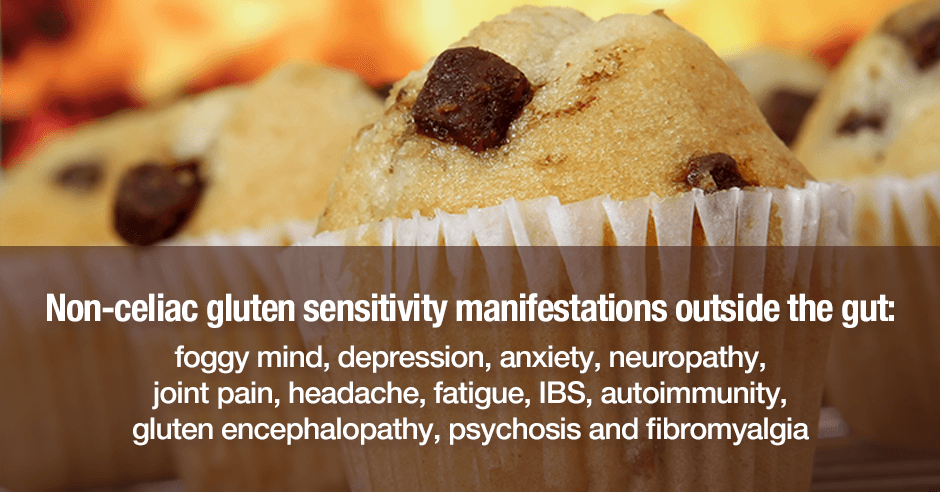
Non-celiac gluten sensitivity manifestations outside the gut: foggy mind, depression, anxiety, neuropathy, joint pain, headache, fatigue and IBS

July 1, 2022 By Trudy Scott 2 Comments

non-celiac gluten sensitivity

Celiac disease is “a digestive and autoimmune disorder that can damage your small intestine. People with celiac disease might experience symptoms like diarrhea, bloating, gas, anemia and growth issues. Celiac disease can be triggered by a protein called gluten. Gluten is found in grains, like wheat, barley and rye” (and oats that are contaminated with gluten). This description by the Cleveland Clinic is well-understood and recognized.

However, what is less recognized and understood, is extra-intestinal (or outside the gut) manifestations of non-celiac gluten sensitivity.  A paper published in 2018, Extra-intestinal manifestations of non-celiac gluten sensitivity: An expanding paradigm lists a number of symptoms and conditions that gluten consumption may cause and/or contribute to, even when you do not have celiac disease.

These can include: ‘foggy mind’; psychiatric diseases such as depression, anxiety and even psychosis; gluten ataxia, gluten neuropathy and gluten encephalopathy (causing memory and cognitive problems); joint and muscle pain, and leg or arm numbness; headache and fatigue;  irritable bowel syndrome (IBS); autoimmune disorders; and and fibromyalgia.

This blog post highlights excerpts from the 2018 non-celiac gluten sensitivity paper and stories from real people who have experienced relief when removing gluten from their diets. And resources if you find you need neurotransmitter support to help break the addiction and not feel deprived.

This is from the abstract of the above paper:

Non celiac gluten sensitivity (NCGS) is a syndrome characterized by a cohort of symptoms related to the ingestion of gluten-containing food in subjects who are not affected by celiac disease (CD) or wheat allergy. The possibility of systemic manifestations in this condition has been suggested by some reports.

  • In most cases they are characterized by vague symptoms such as ‘foggy mind’, headache, fatigue, joint and muscle pain, leg or arm numbness even if more specific complaints have been described.
  • NCGS has an immune-related background. Indeed there is strong evidence that a selective activation of innate immunity may be the trigger for NCGS inflammatory response. The most common autoimmune disorders associated with NCGS are Hashimoto thyroiditis, dermatitis herpetiformis, psoriasis and rheumatologic diseases.
  • A possible neurological involvement has been underlined by NCGS association with gluten ataxia, gluten neuropathy and gluten encephalopathy.
  • NCGS patients may show even psychiatric diseases such as depression, anxiety and psychosis.
  • Finally, a link with functional disorders (irritable bowel syndrome and fibromyalgia) is a topic under discussion.

We see all this clinically so it’s wonderful to see this being addressed in the research. However, the authors are saying we need more research and better studies:

the novelty of this matter has generated an expansion of literature data with the unavoidable consequence that some reports are often based on low levels of evidence. Therefore, only studies performed on large samples with the inclusion of control groups will be able to clearly establish whether the large information from the literature regarding extra-intestinal NCGS manifestations could be supported by evidence-based agreements.

Until then we use what we know works clinically: a gluten-free diet and observation of symptom resolution. We also use amino acids to balance brain chemicals so we break the addiction and don’t feel deprived (more on that below). Nutritional deficiencies caused by damage to the gut/leaky gut also need to be addressed, as well as healing the leaky gut and dysbiosis.

I shared the study abstract on Facebook asking for feedback and the response was so overwhelming that I can only share some of the feedback. I will do follow-up posts sharing more detailed information from their healing journeys.

Caroline had bloating, pain and chronic sadness, and discovered  “joie de vivre”

Caroline confirmed that she has gluten sensitivity saying she stopped eating wheat in 2011:

Within a few months, my chronic sadness disappeared and I discovered the “joie de vivre”. It also allowed me to get rid of my swelling belly (bloating). Every evening I looked like a woman 2-3 months pregnant. [this likely falls into the irritable bowel syndrome category mentioned in the paper]

The pain in my joints also ended up disappearing.

I read so much about gluten once I started to realize it had changed my life to quit eating that stuff that now I’m convinced grains shouldn’t be part of human food, and I mean all grains (botanically speaking).

I think grains should at least be taken off all the menus in all hospitals, especially the psychiatric ones.

I adore her “joie de vivre” feedback and am so happy for her! I had this same feeling of pure joy when I went gluten-free. And I get so much feedback like this from clients who had no idea life could be so much better.

I also agree with her sentiment about gluten and grains being an issue too, especially in psychiatric settings.

Daphne was emotionally dysregulated with negative feelings and a pressure headache

Daphne shared what she calls an odd effect that she gets soon after eating bread: roiling emotions:

I get emotionally dysregulated. Negative feelings surface in various degrees, for me primarily anger and the reviewing of the incidents that caused it (aka ruminating thoughts?); less often sadness, disappointment, and overwhelm (that usually surfaces on its own anyway).

I also get what I call ‘bread head.’ I get a pressure headache from between my eyebrows, up the center of my head to my crown.

An additional effect: ‘the hangover’. Overnight the pressure headache subsides and the next day my whole head feels heavy and I am slower physically and mentally, and my hands in particular are achy

Also, I have had chicken bumps on my skin my whole life, until I stopped eating bread. I still have some, maybe from rice, potato and corn reactions. Starch is not my friend.

As I mentioned above, many folks are surprised at the emotional changes they see when eating gluten. Daphne called it an odd effect but her response is a very typical extra-intestinal (outside the gut) psychiatric response. And yes starches and grains are an issue for many folks.

Other feedback: fibromyalgia pain, brain fog, depression, cystic acne, anxiety, body aches, fatigue, PCOS and hypothyroidism

Here is some feedback from a few other women. As you can see the symptoms can vary per person:

  • “Removal of gluten and all grains has improved my fibromyalgia pain symptoms … The difference in pain was so dramatic that it was worth it.”
  • “It makes such a difference with my brain fog and depression! And cystic acne. If I have gluten, I have cystic acne for about 2 weeks.”
  • “My joint pain, anxiety, and depression are much improved when I avoid gluten (and corn.)”
  • “Yes! Within 15 min of ingesting gluten containing food I get all over body aches, fatigue and brain fog. It’s very unpleasant. I cut gluten out of my diet simply because I can’t function properly while eating it. I also have had episodes of reactive hypoglycemia from it too.”
  • “Removing gluten has cured my hypothyroidism. Also has improved my PCOS, anxiety and depression.”

Stay tuned for a follow-up blog with more from their healing journeys and additional insights from me.

Using the amino acids to help break the gluten addiction and feel less deprived

Sometimes it’s difficult to figure out why you crave or are addicted to gluten. It can be challenging to determine which part of your brain chemistry it’s affecting, and you may not associate cravings with mood issues.

Your drug-of-choice is something you self-medicate with and it is something that makes you feel good or “normal.” It could be starchy gluten-containing foods like bread or pasta or cookies. It could also be candy, chocolate, ice-cream, coffee, sodas, wine/beer, cigarettes, marijuana, a prescription medication like Prozac, street drugs, or even shopping or exercise.

Cravings for these substances (or behaviors) typically indicate a brain chemistry imbalance, so it’s very helpful to identify how the substances you crave affect you. This will help you determine which amino acids you might supplement to address the imbalance.

Use your “drug-of-choice” from your gluten or grain list (perhaps you love bread or chocolate chip muffins) and the chart below to help you determine what brain chemistry imbalance may be affecting you and which amino acid you may benefit from.

How you feel before How you feel after Brain chemistry imbalance Amino acid to supplement
Anxious or stressed Calm or relaxed Low GABA GABA
Depressed or anxious Happy or content Low serotonin Tryptophan or 5-HTP
Tired or unfocused Energetic, alert, or focused Low catecholamines Tyrosine
Wanting a reward or sad Rewarded or comforted Low endorphins DPA (d-phenylalanine)
Irritable and shaky Grounded or stable Low blood sugar Glutamine

Once you address that brain chemical imbalance, it’s easy to quit and you won’t feel deprived.

You can read more about why you crave on this blog post

Resources if you are new to using the amino acids as supplements

If you are new to using any of the amino acids as supplements, here is the Amino Acids Mood Questionnaire from The Antianxiety Food Solution (you can see all the symptoms of neurotransmitter imbalances).

If you suspect low levels of any of the neurotransmitters and do not yet have my book, The Antianxiety Food Solution – How the Foods You Eat Can Help You Calm Your Anxious Mind, Improve Your Mood, and End Cravings, I highly recommend getting it and reading it before jumping in and using amino acids on your own so you are knowledgeable. And be sure to share it with the practitioner/health team you or your loved one is working with.

There is an entire chapter on the amino acids and they are discussed throughout the book in the sections on gut health, gluten, blood sugar control, sugar cravings, self-medicating with alcohol and more. There is also an entire chapter on gluten and grains if this is new to you.

The book doesn’t include product names (per the publisher’s request) so this blog, The Antianxiety Food Solution Amino Acid and Pyroluria Supplements, lists the amino acids that I use with my individual clients and those in my group programs.

If, after reading this blog and my book, you don’t feel comfortable figuring things out on your own (i.e. doing the symptoms questionnaire and respective amino acids trials), a good place to get help is the GABA Quickstart Program (if you have low GABA symptoms). This is a paid online/virtual group program where you get my guidance and community support. There are many moms in the program who are having much success with their kids.

If you are a practitioner, join us in The Balancing Neurotransmitters: the Fundamentals program. This is also a paid online/virtual program with an opportunity to interact with me and other practitioners who are also using the amino acids.

With much appreciation for these women for sharing their stories. I’d love to get some of these published as case studies to further add to the evidence.

Do you have (or suspect you may have) non celiac gluten sensitivity (NCGS)?

And has gluten removal resolved any of the above issues? And have you seen an improvement in gut issues too?

Have you observed other improvements since eating gluten and/or grain-free?

Did you find the amino acids helped you break your addiction and feel less deprived?

Or are you stuck and still eating gluten and have no idea where to start on quitting? If this is you, would a webinar series help?

If you have questions please share them here too.

Filed Under: Anxiety, Endorphins, GABA, Gluten, Pain, serotonin Tagged With: "joie de vivre", addiction, amino acids, anxiety, Autoimmunity, bloating, body aches, brain fog, celiac, cystic acne, depression, deprived, emotionally dysregulated, extra-intestinal, fatigue, Fibromyalgia, foggy mind, GABA, GABA Quickstart program, gluten, gluten encephalopathy, headache, hypothyroidism, IBS, joint pain, NCGS, negative feelings, neuropathy, Non-celiac gluten sensitivity, outside the gut, PCOS, psychosis, sadness, wheat

GABA for bladder pain/interstitial cystitis and urgency, IBS pain and anxiety?

January 29, 2021 By Trudy Scott 19 Comments

gaba for pain

Is there a place for using the amino acid GABA as a supplement to help with bladder pain/interstitial cystitis and urgency and also help with IBS (irritable bowel syndrome) pain – at the same time as easing physical anxiety caused by low GABA levels?

I’d like to share some quotes from this commentary, GABAB receptors in the bladder and bowel: therapeutic potential for positive allosteric modulators?

The bladder pain syndrome (or interstitial cystitis/painful bladder syndrome) is a spectrum of urological symptoms characterized by frequency, urgency and pain on bladder filling.

Bladder pain syndrome is often present in those who have IBS and abdominal pain and the authors mention the role of GABA in both:

Of further note is the co-morbidity between bladder pain syndrome and other functional pain syndromes, in particular, irritable bowel syndrome, a functional gastrointestinal disorder associated with visceral abdominal pain and altered bowel habit.

… it is tempting to speculate that GABAB receptor positive allosteric modulators may display efficacy in not only functional pain disorders of the bladder, but also of the bowel, through modulation of either central and peripheral GABAB receptors, or both

Positive allosteric modulators increase the activity of the receptor so in this case they are referring to increasing the activity of the GABAB receptor, reducing both bladder pain and gut pain.

This commentary and the original paper refer to ADX71441, which has been shown in animal studies to be “a novel positive allosteric modulator (PAM) of the GABAB receptor that has shown encouraging results in pre-clinical models of anxiety, pain, overactive bladder and alcohol addiction.”

We know GABA eases anxiety and pain and is extremely beneficial when it comes to alcohol and other addictions. In a recent blog post I shared how PharmaGABA eases physical anxiety in a young man who has recently given up Adderall, alcohol and nicotine.

And given that depression, anxiety and stress is higher in women with urinary incontinence it makes sense that an amino acid such as GABA may also help ease some of the symptoms of bladder pain syndrome when low GABA is a factor.

Depending on the root cause/s it’s likely addressing low serotonin, low endorphins and low vitamin D may play a role too. Of course, a full functional medicine and nutritional work up and review of diet is key too. Bladder dysfunction is seen in up to one third of celiac patients. This can cause leaky gut and nutritional deficiencies leading to low levels of neurotransmitters such a GABA and serotonin. Dietary oxalates can often be a factor with bladder issues and pain.

Considering all of this in conjunction with learning from/working with a pelvic floor physical therapist is key.  I highly recommend someone like Isa Herrera, MSPT, CSCS who hosts online masterclass training sessions for those with pelvic health issues. Her next series airs online mid-February and you can learn more and register here.

Here are some related blog posts that you may find helpful:

  • How GABA eases agonizing rectal pain and spasms in under 2 minutesProctalgia fugax is described as a condition that leads to rectal spasms and sharp fleeting pain in the lower rectum or anus….and GABA can ease the severe pain or prevent the spasms before they get severe
  • How to address rectal spasms with GABA, pelvic floor work, gluten removal and squats
  • GABA reduces the visceral pain of IBS & SIBO, eases anxiety and helps with insomnia

In case you’re new to GABA you can read more about it here: GABA for the physical-tension and stiff-and-tense-muscles type of anxiety.

The supplements blog lists GABA products I use with clients and recommend to those in my community.

I’m proposing that there is a place for doing a trial of the amino acid GABA (as a supplement) to help with bladder pain/interstitial cystitis and urgency, especially when there are symptoms of low GABA. If GABA helps to ease the visceral pain caused by IBS/SIBO, it may also help with bladder pain.

Have you observed less bladder pain when using GABA for easing physical symptoms of low GABA anxiety (stiff and tense muscles, overwhelm, lying awake tensely at night, anxious and using alcohol to self-medicate in order to calm down)?

Have you noticed any reduction in bladder urgency when using GABA for anxiety?

Do you also have IBS pain or SIBO (small intestinal bacterial overgrowth) pain that is eased by GABA?

Have the following helped: going gluten-free, lowering oxalates and/or working with a pelvic floor physical therapist?

If you’re a practitioner have you made any of these observations?

Please do share in the comments below and let me know if you found this helpful, what else has helped you or if you have questions.

Filed Under: Anxiety, GABA, Women's health Tagged With: addiction, anxiety, bladder pain, bladder urgency, celiac, depression, dietary oxalates, GABA, gluten, IBS, IBS pain, interstitial cystitis, physical therapist, physical-tension, Proctalgia fugax, rectal pain, SIBO, stiff muscles, stress, tense

Delayed IgG food sensitivities: depression and anxiety due to inflammation, leaky gut, leaky blood brain barrier and low serotonin

July 20, 2018 By Trudy Scott 7 Comments

It’s really encouraging and exciting to see a major study confirming what we’ve known about IgG food sensitivities or IgG food reactivity for years, and also reporting a link to irritable bowel syndrome (IBS) and depression. The paper, published in May this year, The Food-Specific Serum IgG Reactivity in Major Depressive Disorder Patients, Irritable Bowel Syndrome Patients and Healthy Controls states

There is an increasing amount of evidence which links the pathogenesis of irritable bowel syndrome (IBS) with food IgG hyperreactivity. Some authors have suggested that food IgG hyperreactivity could be also involved in the pathophysiology of major depressive disorder (MDD).

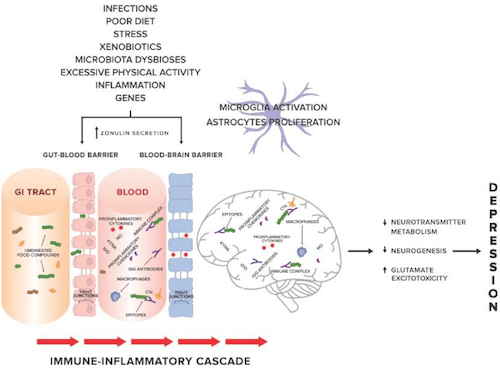
The following diagram and excerpt illustrates the gut-immune-inflammatory-brain model for depression that is associated with food IgG hyperreactivity or sensitivity.

The gut-immune-inflammatory-brain model for Major Depressive Disorder associated with food IgG hyperreactivity. According to the hypothesis proposed in our previous work, we present a possible mechanism underlying the MDD [major depressive disorder] development, suggesting that the interplay between genetic and environmental factors may lead to disruption of tight junctions, the loss of their integrity and both gut and BBB [blood brain barrier] permeability. Undigested food compounds, which would normally break down in the gut, translocate into the blood circulation, and trough epitopes combine with food IgG antibodies to form immune complexes. This, in turn, provokes an abnormal response and triggers immune-inflammatory cascade. Uncontrolled release of the proinflammatory mediators may contribute to low-grade systemic inflammation and low-grade neuroinflammation, which, via pathological processes in CNS [central nervous system], i.e., changes in neurotransmitter metabolism, neurogenesis, glutamate excitotoxicity, may in consequence induce and then maintain and prolong depression.

[diagram and excerpt from The Food-Specific Serum IgG Reactivity in Major Depressive Disorder Patients, Irritable Bowel Syndrome Patients and Healthy Controls]

I wrote my book, The Antianxiety Food Solution, in 2011 and there wasn’t research on the gut-immune-inflammatory-brain model, but I do write extensively about delayed IgG food sensitivities (as well as other types of food issues). If you don’t have my book I’m including some of the highlights related to this (and I encourage you to pick up a copy too!). If you do have my book I hope this next section encourages you to go back and read chapter 4 again (and even check out the other books I mention below).

I write about how with delayed food reactions, it may take a few hours to several days before symptoms appear, which can make it difficult to identify the offending food or foods. In these reactions, the body responds by creating a type of antibody known as IgG (immunoglobulin G).

I also write about how food sensitivities can have effects beyond physiological symptoms, including creating imbalances in key chemicals in the brain, which can cause anxiety, phobias, depression, irritability, and mood swings. When food sensitivities have these effects, they are sometimes termed “brain allergies” or “cerebral allergies.” Dr. Carl Pfeiffer wrote extensively about this and used these terms in his wonderful book, Nutrition and Mental Illness, way back in 1987. (This book is a quick read and is one of my favorite older books on the subject of mental health and biochemical imbalances.)

I also reference the work of my colleague and friend, clinical nutritionist Liz Lipski. In her 2004 book, the 3rd edition of Digestive Wellness she shares that

24 percent of American adults claim they have delayed food and environmental reactions.

She feels that these sensitivities are often the result of leaky gut syndrome, a condition characterized by damage to the microvilli lining the intestinal walls. This allows undigested food particles to travel across the intestinal wall and into the blood, where the immune system responds to them as foreign, harmful substances and creates antibodies to neutralize them.

All this sounds very similar to what the new study is reporting doesn’t it? I’d prefer it not to take so long for the knowledge from as far back as 1987 to get into mainstream journals but it’s the world we live in and we can just appreciate that we are moving forward and in the right direction!

The 2018 paper mentioned above concludes the following:

Our findings suggest more common food-specific serum IgG hyperreactivity among patients with IBS and MDD [major depressive disorder], which may be one of the mechanisms leading to the development of immune activation and low-grade inflammation observed in these disorders.

They do support an elimination diet for IBS but not for depression:

There is no causal relationship which could confirm clinical utility of an elimination diet in patients with depression

I do love research, but this really bothers me as it’s just common-sense and we do have some case studies supporting the use of elimination diets. In this case study the patient’s “treatment-resistant” depression improved considerably with an elimination diet, with similar results in another case study where a gluten-free elimination diet improved both anxiety and depression and everyday functioning.

In the meantime, we’ll continue to rely on the wisdom of practitioners like Dr. Pfeiffer and Liz Lipski, and all the clinical evidence showing how an elimination diet does help with both depression and anxiety. Just read some of the success stories on this blog – Paleo and grain free diets: anxiety and depression success stories.

Other mechanisms: nutrient malabsorption and serotonin production

There are other mechanisms that I also cover in my book – nutrient malabsorption and a more direct impact on serotonin production.

One possible mechanism is indirect effects of gastrointestinal damage due to eating problem foods, resulting in nutrient malabsorption. In a 2009 double blind placebo-controlled study:

65 celiac patients aged 45-64 years on a strict gluten-free diet for several years [and showing signs of low folate, low vitamin B12 and low vitamin B6] were randomized to a daily dose of 0.8 mg folic acid,0.5 mg cyanocobalamin and 3 mg pyridoxine or placebo for 6 months

I doubt folic acid or this form of B12 would be used today but even with these forms at these low doses, the study participants showed homocysteine in a good range and reported improvement in general well-being – after just 6 months of supplementation.

Another possible mechanism is the fact that gluten sensitivity and the resulting damage to the gut can limit the availability of tryptophan and therefore lead to decreases in levels of serotonin. Research published in 2005, Gluten-free diet may alleviate depressive and behavioural symptoms in adolescents with coeliac disease: a prospective follow-up case-series study, reports that:

serotonergic dysfunction due to impaired availability of tryptophan may play a role in vulnerability to depressive and behavioral disorders among adolescents with untreated coeliac disease

In addition to removing the foods that are causing the sensitivities, you need to heal the gut and boost serotonin levels with a targeted individual amino acid like tryptophan.

Give the link between anxiety and depression, all of the above could apply if you have anxiety too.

Have you had IgG food sensitivity testing and found that an elimination diet helped reduce your depression or anxiety symptoms?

Filed Under: Depression Tagged With: anxiety, blood brain barrier, celiac, depression, gluten, IgG, leaky BBB, leaky gut, serotonin, tryptophan

Electrosmog and autoimmune disease: silver-threaded caps result in improved symptoms for 90% of study participants

April 27, 2018 By Trudy Scott 40 Comments

One of the most compelling studies I learned about in the recent Electrosmog Rx course (hosted by Nick Pineault) is the study by Trevor Marshall, MD and Trudy Heil, RN: Electrosmog and autoimmune disease. In this study, 90% of the participants – all with an autoimmune diagnosis of either arthritis, lupus, multiple sclerosis, sjogrens or celiac disease – reported improved symptoms as a result of wearing silver-threaded EMF protective caps.

The paper provides a good overview from NASA on what electrosmog is i.e. all the electromagnetic waves we’re exposed to on a daily basis:

As you sit watching TV, not only are there visible light waves from the TV striking your eyes, but also radio waves, transmitting from a nearby station, and microwaves carrying cellphone calls and text messages, and waves from your neighbor’s WiFi, and GPS units in the cars driving by. There is a chaos of waves from all across the spectrum passing through your room right now.

Patients who were participating in Dr. Marshall’s autoimmune/VDR/electrosmog research were purchasing commercially available shielded clothing and tenting on their own from retailers and reporting symptom improvements:

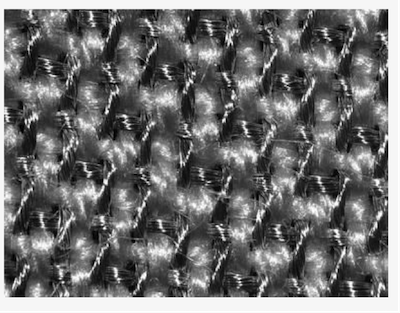
This clothing typically has silver-coated polyester threads interwoven with the supporting fabric so that the garment is capable of partially blocking microwave Electrosmog.

Fig. 5: A X20 micrograph of a microwave-blocking fabric woven with a mesh of silver-coated polyester strands among the supporting bamboo fibers (Electrosmog and autoimmune disease)

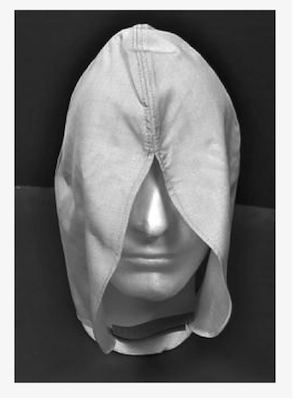
Because there were frequent anecdotal reports of symptom improvement, especially when their brain and brain stem were “shielded” during sleep, Dr. Marshall and his team decided to create a standardized sleeping cap so the EMF shielding effect could be easily analyzed and optimized.

Fig. 6: A photograph of a sleeping cap sewn from the microwave-shielding fabric (Electrosmog and autoimmune disease)

Study participants wore the cap once for 4 hours during sleeping and once for 4 hours during normal activity. The results were impressive, with 90 % of the 64 patients reporting a “Definite” or “Strong” change in their symptoms.

The authors share that those with an autoimmune condition seem to be predisposed to Electrosmog hypersensitivity (now being called EHS) at levels currently existing in typical home and work environments. They suggest the following:

effective control of environmental Electrosmog immunomodulation may soon become necessary for successful therapy of autoimmune disease.

Caution does need to be exercised as some people can feel worse when going from being bombarded by EMFs on a daily basis to much less exposure. This could almost be considered a Herxheimer reaction and is described in the paper as follows:

When the Electrosmog in a patient’s environment is reduced, the immune system tends to become more active. This may result in immunopathology. Indeed, some patients have reported a surge in disease symptoms, occasionally an intolerable surge, after WiFi routers and cell phones have been switched off in their homes. Others have reported that travel to a very quiet area, such as a remote canyon, caused a surge in their immune symptoms.

This is something that Dr. Klinghardt finds when working with his patients and the authors agree that we need a plan on how best to address this. I can attest to this personally – I have discovered that I have Electrosmog hypersensitivity – and as I have started to mitigate my own EMF exposure I’ve had to be careful.

This proposed go-slow EMF mitigation plan includes:

  • the basic foundational work based on my book “The Antianxiety Food Solution” and the material on my blog
  • additional nutritional support specific to the EMF detox: mitochondria support, added antioxidants and melatonin, rosemary, propolis, kombucha, vitamin D and more
  • and only then removal of EMF sources, EMF-protective clothing, grounding and devices such as pendants, and supporting specific symptoms such as increased insomnia/anxiety
  • working with a knowledgeable functional medicine practitioner if heavy metals are being stirred up and are causing worse symptoms (Dr. Klinghardt reports this to be a common issue).
  • reducing some of the support nutrients once EMF mitigation is in place and the ‘herxheimer’ reaction is over, adding them back when you know you’ll be exposed to WiFi i.e. during travel and when ill or during times of stress

I’ll be sharing more about my journey and my detailed proposed go-slow EMF mitigation plan with links to research in a future blog.

Going back to the study – we are still learning more about what this may all mean for someone with an autoimmune disease. The results are clearly very powerful and the benefits wonderful. But for me this study is so promising on many other levels because it shows that:

  • EMFs can and do have an adverse impact on health and this adds to the growing body of evidence (despite this research and many more studies, the dangers of EMFs are not common knowledge)
  • we have control and can do something about the adverse effects of EMFs
  • those of us with less severe symptoms but still sensitive to EMFs, can also hopefully expect to see some improvements when mitigation approaches like this are implemented

I write about how Wi-Fi is an important threat to human health and may contribute to unresolved anxiety, SIBO, oxalate issues and high cortisol. This is just the tip of the iceberg and it’s something we all need to be taking seriously.

I’d love to hear from you. How concerned are you about EMFs and what changes have you made? Did you experience a Herxheimer reaction when reducing EMF exposure and what helped you?

If you’re a practitioner – are you talking to your clients/patients about this and seeing improvements in their symptoms when they make changes? Are you interested in learning more about this topic so you can further help them? If yes, the evergreen digital version of the Electrosmog Rx program created by investigative health journalist Nicolas Pineault is now available.  You can learn more about the program here. I highly recommend it!

His book, “The Non-Tinfoil Guide to EMFs” (my Amazon link), is also recommended reading for all of us.


Filed Under: Anxiety, EMFs Tagged With: anxiety, arthritis, autoimmune disease, celiac, Dr. Marshall, electrosmog, EMFs, high cortisol, MS, SIBO, silver-threaded caps

The Anxiety Summit – Gluten’s impact on the inflamed brain: reducing anxiety and depression

November 4, 2014 By Trudy Scott 32 Comments

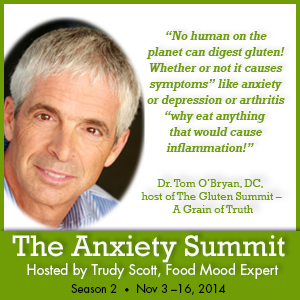
Tom

Dr. Tom O’Bryan, DC host of ‘The Gluten Summit – A Grain of Truth’ is interviewed  by host of the Anxiety Summit, Trudy Scott, Food Mood Expert and Nutritionist, author of The Antianxiety Food Solution.

Gluten’s impact on the inflamed brain: reducing anxiety and depression

  • Terminology and why it’s not called gluten intolerance but sensitivity
  • Is gluten sensitivity just a fad and the recent FODMAPs research
  • The multitude of diseases and symptoms caused by gluten sensitivity
  • Gluten sensitivity as a contributing factor to psychiatric manifestations/anxiety/depression and new 2014 research from Italy
  • Suicide rates in kids with celiac disease (even when they quit gluten), and kids celiac camps
  • The conundrum with testing
  • Doing an elimination and then challenge?
  • Can anyone eat wheat or should we all be gluten-free

One of my favorite quotes in my anxiety food talks is this one from a 2012 paper by Jackson and Fasano called Neurologic and psychiatric manifestations of celiac disease and gluten sensitivity

gluten sensitivity remains undertreated and underrecognized as a contributing factor to psychiatric and neurologic manifestations.

Here are some snippets from our interview:

73% of kids with celiac disease have social phobia, 63% still have social phobia on a gluten-free diet. You have to also heal the gut and address nutritional deficiencies

No human on the planet can digest gluten! Whether or not it causes symptoms like anxiety or depression or arthritis why eat anything that would cause inflammation!

He shares recent research published in BMC Medicine. The study looking at Italians with non-celiac gluten sensitivity, found that 68% of participants felt “a lack of well-being” and 39% experienced anxiety. In the large majority of patients, the time lapse between gluten ingestion and the appearance of symptoms varied from a few hours to 1 day.

No human on the planet can digest gluten! Whether or not it causes symptoms” like anxiety or depression or arthritis “why eat anything that would cause inflammation”

The gluten-FODMAPs discussion and non-celiac gluten sensitivity is a fad:

  • No effects of gluten in patients with self-reported non-celiac gluten sensitivity after dietary reduction of fermentable, poorly absorbed, short-chain carbohydrates.
  • The article in Forbes : Gluten Intolerance May Not Exist
  • Randomised clinical trial: gluten may cause depression in subjects with non-coeliac gluten sensitivity – an exploratory clinical study.

Dr. O’Bryan summed it up like this:

it took two studies to do this but it appears to be the FODMAPs in the wheat that cause the GI complaints (the bloating, the gas, the abdominal pain) but it’s the proteins that cause symptoms in the brain and other parts of the body

I write about gluten often. Here are some additional links for you:

  • I was interviewed on Gaiam TV and discussed the gluten-mood connection
  • I presented a poster called Gluten and the serious effects on mental health at the 2013 annual conference of the Anxiety and Depression Association of America/ADAA
  • and here part 1 of a 2 part blog on gluten and mood

Last year Dr. O’Bryan hosted the fantastic Gluten Summit and you can grab a copy of one of the interviews here: Dr. Marsh’s Gluten Summit interview: Why the Early Stages of Celiac Disease Must be Taken Seriously

If you are not already registered for the Anxiety Summit you can get live access to the speakers of the day here www.theAnxietySummit.com

Filed Under: Antianxiety, Gluten, The Anxiety Summit 2 Tagged With: anxiety, celiac, depression, gluten, Inflammation, suicide, the anxiety summit, tom o’bryan, Trudy Scott

Primary Sidebar

NEW! GABA QuickStart Homestudy (with special intro pricing)

gaba quickstart homestudy

Free Report

9 Great Questions Women Ask about Food, Mood and their Health

You'll also receive a complimentary subscription to my ezine "Food, Mood and Gal Stuff"


Connect with me

Popular Posts

  • Amino Acids Mood Questionnaire from The Antianxiety Food Solution
  • The Antianxiety Food Solution Amino Acid and Pyroluria Supplements
  • Pyroluria Questionnaire from The Antianxiety Food Solution
  • Collagen and gelatin lower serotonin: does this increase your anxiety and depression?
  • Tryptophan for the worry-in-your-head and ruminating type of anxiety
  • GABA for the physical-tension and stiff-and-tense-muscles type of anxiety
  • The Antianxiety Food Solution by Trudy Scott
  • Seriphos Original Formula is back: the best product for anxiety and insomnia caused by high cortisol
  • Am I an anxious introvert because of low zinc and vitamin B6? My response to Huffington Post blog
  • Vagus nerve rehab with GABA, breathing, humming, gargling and key nutrients

Recent Posts

  • What do I use instead of Seriphos to help lower high cortisol that is affecting my sleep and making me anxious at night?
  • BeSerene™ GABA/theanine cream eases severe muscle tension in her neck/shoulders, prevents her bad headaches and quells her anxiety
  • How the correct approach, dose and sublingual use of GABA can be calming and not cause a flushed and itchy face and neck
  • The amino acid glutamine improves low mood by addressing gut health, and it has calming effects too
  • Flight anxiety with heightened breath, physical tension and also fearing the worst (the role of low GABA and low serotonin)

Categories

  • 5-HTP
  • AB575
  • Addiction
  • ADHD
  • Adrenals
  • Alcohol
  • Allergies
  • Alzheimer's disease
  • Amino Acids
  • Anger
  • Antianxiety
  • Antianxiety Food Solution
  • Antidepressants
  • Anxiety
  • Anxiety and panic
  • Autism
  • Autoimmunity
  • benzodiazapines
  • Bipolar disorder
  • Books
  • Caffeine
  • Cancer
  • Candida
  • Children/Teens
  • Collagen
  • Cooking equipment
  • Coronavirus/COVID-19
  • Cravings
  • Depression
  • Detoxification
  • Diabetes
  • Diet
  • DPA/DLPA
  • Drugs
  • EFT/Tapping
  • EMF
  • EMFs
  • Emotional Eating
  • Endorphins
  • Environment
  • Essential oils
  • Events
  • Exercise
  • Fear
  • Fear of public speaking
  • Fertility and Pregnancy
  • Fish
  • Food
  • Food and mood
  • Functional neurology
  • GABA
  • Gene polymorphisms
  • General Health
  • Giving
  • Giving back
  • Glutamine
  • Gluten
  • GMOs
  • Gratitude
  • Gut health
  • Heart health/hypertension
  • Histamine
  • Hormone
  • Hyperparathyroidism
  • Hypoglycemia
  • Immune system
  • Inflammation
  • Insomnia
  • Inspiration
  • Introversion
  • Joy and happiness
  • Ketogenic diet
  • Lithium orotate
  • Looking awesome
  • Lyme disease and co-infections
  • MCAS/histamine
  • Medication
  • Men's health
  • Mental health
  • Mercury
  • Migraine
  • Mold
  • Movie
  • MTHFR
  • Multiple sclerosis
  • Music
  • NANP
  • Nature
  • Nutritional Psychiatry
  • OCD
  • Osteoporosis
  • Oxalates
  • Oxytocin
  • Pain
  • Paleo
  • Parasites
  • Parkinson’s disease
  • PCOS
  • People
  • PMS
  • Postpartum
  • PTSD/Trauma
  • Pyroluria
  • Questionnaires
  • Real whole food
  • Recipes
  • Research
  • Schizophrenia
  • serotonin
  • SIBO
  • Sleep
  • Special diets
  • Sports nutrition
  • Stress
  • Sugar addiction
  • Sugar and mood
  • Supplements
  • Teens
  • Testimonials
  • Testing
  • The Anxiety Summit
  • The Anxiety Summit 2
  • The Anxiety Summit 3
  • The Anxiety Summit 4
  • The Anxiety Summit 5
  • The Anxiety Summit 6
  • Thyroid
  • Thyroid health
  • Toxins
  • Tryptophan
  • Tyrosine
  • Uncategorized
  • Vegan/vegetarian
  • Women's health
  • Yoga

Archives

  • October 2025
  • September 2025
  • August 2025
  • July 2025
  • June 2025
  • May 2025
  • April 2025
  • March 2025
  • February 2025
  • January 2025
  • November 2024
  • October 2024
  • September 2024
  • August 2024
  • July 2024
  • June 2024
  • May 2024
  • April 2024
  • March 2024
  • February 2024
  • January 2024
  • December 2023
  • November 2023
  • October 2023
  • September 2023
  • August 2023
  • July 2023
  • June 2023
  • May 2023
  • April 2023
  • March 2023
  • February 2023
  • January 2023
  • December 2022
  • November 2022
  • October 2022
  • September 2022
  • August 2022
  • July 2022
  • June 2022
  • May 2022
  • April 2022
  • March 2022
  • February 2022
  • January 2022
  • December 2021
  • November 2021
  • October 2021
  • September 2021
  • August 2021
  • July 2021
  • June 2021
  • May 2021
  • April 2021
  • March 2021
  • February 2021
  • January 2021
  • December 2020
  • November 2020
  • October 2020
  • September 2020
  • August 2020
  • July 2020
  • June 2020
  • May 2020
  • April 2020
  • March 2020
  • February 2020
  • January 2020
  • December 2019
  • November 2019
  • October 2019
  • September 2019
  • August 2019
  • July 2019
  • June 2019
  • May 2019
  • April 2019
  • March 2019
  • February 2019
  • January 2019
  • December 2018
  • November 2018
  • October 2018
  • September 2018
  • August 2018
  • July 2018
  • June 2018
  • May 2018
  • April 2018
  • March 2018
  • February 2018
  • January 2018
  • December 2017
  • November 2017
  • October 2017
  • September 2017
  • August 2017
  • July 2017
  • June 2017
  • May 2017
  • April 2017
  • March 2017
  • February 2017
  • January 2017
  • December 2016
  • November 2016
  • October 2016
  • September 2016
  • August 2016
  • July 2016
  • June 2016
  • May 2016
  • April 2016
  • March 2016
  • February 2016
  • January 2016
  • December 2015
  • November 2015
  • October 2015
  • September 2015
  • August 2015
  • July 2015
  • June 2015
  • May 2015
  • April 2015
  • March 2015
  • February 2015
  • January 2015
  • December 2014
  • November 2014
  • October 2014
  • September 2014
  • August 2014
  • July 2014
  • June 2014
  • May 2014
  • April 2014
  • March 2014
  • February 2014
  • January 2014
  • December 2013
  • November 2013
  • October 2013
  • September 2013
  • August 2013
  • July 2013
  • June 2013
  • May 2013
  • April 2013
  • March 2013
  • February 2013
  • January 2013
  • December 2012
  • November 2012
  • October 2012
  • August 2012
  • July 2012
  • June 2012
  • May 2012
  • April 2012
  • March 2012
  • February 2012
  • January 2012
  • December 2011
  • November 2011
  • October 2011
  • September 2011
  • August 2011
  • July 2011
  • June 2011
  • May 2011
  • April 2011
  • March 2011
  • February 2011
  • January 2011
  • December 2010
  • October 2010
  • September 2010
  • July 2010
  • May 2010
  • April 2010
  • March 2010
  • February 2010
  • January 2010
  • November 2009

Share the knowledge!

The above statements have not been evaluated by the Food and Drug Administration. Products listed in this website are not intended to diagnose, treat, cure or prevent any disease.

The information provided on this site is for informational and educational purposes only and is not intended as a substitute for advice from your physician or other health care professional. You should consult with a healthcare professional before starting or modifying any diet, exercise, or supplementation program, before taking or stopping any medication, or if you have or suspect you may have a health problem.


Copyright © 2026 Trudy Scott. All Rights Reserved. | Privacy | Terms and Conditions | Refund Policy | Medical Disclaimer

Free Report

9 Great Questions Women Ask about Food, Mood and their Health

You’ll also receive a complimentary subscription to my ezine “Food, Mood and Gal Stuff”