• Skip to primary navigation
  • Skip to main content
  • Skip to primary sidebar

everywomanover29 blog

Food, Mood and Women's Health – Be your healthiest, look and feel great!

  • Blog
  • About
  • Services
  • Store
  • Resources
  • Testimonials
  • The Book
  • Contact
  • Search this site

benzodiazepines

My son has alcohol dependence and I want to help him quit drinking with GABA and other amino acid supplements

September 8, 2023 By Trudy Scott 15 Comments

alcohol and gaba

My son has alcohol dependence and I want to help him quit drinking with GABA and other amino acid supplements. Alcohol and the benzodiazepines used in treatment both block GABA receptors, but I assume having GABA available in your system is better than none (especially as nutrition has been very poor). Have you an article on this? Thank you for your knowledge and understanding.

MJ posted this question on one of the GABA blogs and I shared a few blogs to get her started (some of those are listed below). I also shared that with addictions to alcohol (and sugar and drugs) it’s a matter of figuring out which amino acids are needed in order to balance the neurotransmitters and help you to quit with no willpower and without feeling deprived. This can differ for each person and it’s a matter of doing a trial of each amino acid based on unique needs.

He may well need GABA if he self-medicates with alcohol when under stress, but he may also need serotonin support with tryptophan or 5-HTP if he drinks when depressed and needs a mood lift.

I decided to create a new blog because it’s a much needed topic and so I could share additional resources and a table I use (see below) to help you figure out where your need may be. We use this in conjunction with the symptoms questionnaire for each neurotransmitter.

In addition to addressing her benzodiazepine question, I also shared the need to address low blood sugar, low vitamin B1 and overall nutrient status. She does mention nutrition has been poor and it often is with alcohol addiction.

Which emotions are driving the need to self-medicate with alcohol and which amino acids to trial?

This is how I help you figure out which emotions are driving the need to self-medicate with alcohol and which amino acids to trial:

How do you feel before drinking alcohol? How do you feel after drinking alcohol? Likely brain chemistry imbalance Amino acid/s to supplement
Anxious or stressed (physical anxiety) Calm or relaxed Low GABA GABA, pharmaGABA or theanine
Depressed or worried? (mental anxiety) Happy or content Low serotonin Tryptophan or 5-HTP
Tired or unfocused Energetic, alert, or focused Low catecholamines Tyrosine
Wanting a reward or treat, and sad (weepy) Rewarded or comforted Low endorphins DPA (d-phenylalanine) or DLPA
Irritable and shaky Grounded or stable Low blood sugar Glutamine

We use this in conjunction with the symptoms questionnaire for each neurotransmitter.

Many individuals with alcohol addiction have imbalances in all areas. We use the same approach when it comes to alcohol addictions that we use sugar/carb/junk food addictions i.e. we tackle one imbalance at a time so we know which amino acid is helping and how much is needed.

The amino acids play many roles in addressing alcohol addiction:

  • They help you to quit alcohol with no willpower and without feeling deprived
  • They help to mitigate many of the adverse effects of quitting (like insomnia and increased anxiety and depression)
  • They address the root cause of the addiction i.e. neurotransmitter imbalances
  • They address the emotional aspect so mood and anxiety is improved
  • They help to heal the damage that has been done to the gut: glutamine, GABA and tryptophan
  • They prevent the need to find a replacement like sugar, coffee, Diet soda and cigarettes (intake is often ramped up when drinking ceases)
  • They even help children who have had prenatal exposure to alcohol – 5-HTP benefits both adopted daughters who had prenatal exposure to alcohol: they are happier, more focused and can stay on task

PharmaGABA eases physical anxiety, amino acids ease alcohol withdrawal symptoms, and tryptophan turns you off alcohol

These blog posts illustrate the many applications of amino acids when it comes to quitting alcohol

  • PharmaGABA eases physical anxiety in a young man who has recently given up Adderall, alcohol and nicotine (some folks do better with GABA and some with pharmaGABA)
  • An amino acid supplement with DLPA, glutamine and 5-HTP eases alcohol withdrawal symptoms at an inpatient detoxification program
  • Tryptophan had the added benefit of turning me completely off alcohol when I took it to improve mood and sleep during perimenopause (this need for serotonin support could be applicable for a male too and at any age)

As I mentioned above, be sure to use the search feature to find other blogs on this site: use alcohol, addiction and sugar (and replace sugar with alcohol in the sugar blogs).

Does his prior benzodiazepine prescription prevent him from being able to use GABA?

MJ asks if her son’s prior benzodiazepine prescription will prevent him from being able to use GABA. He will need to taper very very slowly under the guidance of someone knowledgeable and with oversight by the prescribing physician.

It is true that GABA receptors can be affected by benzodiazepines but despite this, many of my clients and others in my community do get relief from GABA during the taper period and afterwards.

We do start with a very small dose – I typically have someone start with 25mg GABA and go up from there – and only use sublingual GABA (or pharmaGABA). For some very sensitive folks we will start even lower as in this example where Syd gets sleep and body anxiety benefits with just 1.5 mg to 3 mg GABA.

I share more on this blog – Rebound insomnia after tapering a benzodiazepine: will taking GABA or any other natural supplement interfere with healing?

One big caveat is that nutritional stability is key when it comes to tapering benzodiazepines. It is also imperative when it comes to addiction recovery.

Good nutritional status, low blood sugar and low vitamin B1

MJ does mention that her son’s nutrition has been poor. It often is with alcohol addiction. I also shared with her the need to address low blood sugar and overall nutrient status.

When you are new to the amino acids and anxiety nutrition solutions my book “The Antianxiety Food Solution” is an excellent resource for all of the above – and the information applies to those with addictions too.  

Here is a blog with additional information and a study on the importance of addressing low blood sugar when it comes to anxiety and also addictions – Anxiety and Hypoglycemia Symptoms Improve with Diet Modification.

This highlights the importance of consuming enough protein, fats and fiber, especially at breakfast. There is an entire chapter on blood sugar in my book – it’s that important.

Finally, low thiamine/vitamin B1 must be addressed: “alcohol misuse is the most common risk factor for thiamine deficiency.” More about this here.

A complete nutritional assessment for other issues should be done too: low vitamin D, low zinc, other vitamin B deficiencies, low magnesium, adrenal insufficiency, leaky gut and more.

Medically assisted withdrawal treatment

If you are wanting to quit alcohol and don’t have an alcohol use disorder, all of the above approaches can be safely used.

However, medically assisted withdrawal treatment may be needed in some instances: “Excessive chronic alcohol users, and particularly patients with alcohol use disorder, may present an alcohol withdrawal syndrome if they abruptly stop drinking. Alcohol withdrawal syndrome requires pharmacological treatment for the treatment of withdrawal symptoms and to prevent withdrawal complications. Medically assisted withdrawal treatment is used in alcohol treatment units, but it is also frequently required in patients admitted to hospital for other conditions.”

It’s important that this is recognized for those who need it. MJ mentions benzodiazepines were used in her son’s treatment so presumably he had medically assisted withdrawal treatment.

In this situation, once her son has safely quit alcohol everything I mention above would then apply – looking at the amino acids and nutritional status so there is no relapse. And so recovery is easier and sustainable with a stable mood and no anxiety.

Resources if you are new to using amino acids as supplements

If you suspect low levels of any of the neurotransmitters and do not yet have my book, The Antianxiety Food Solution – How the Foods You Eat Can Help You Calm Your Anxious Mind, Improve Your Mood, and End Cravings, I highly recommend getting it and reading it before jumping in and using amino acids on your own so you are knowledgeable. And be sure to share it with the practitioner/health team you or your loved one is working with.

There is an entire chapter on the amino acids and they are discussed throughout the book in the sections on gut health, gluten, blood sugar control, sugar cravings, anxiety and mood issues.

The book doesn’t include product names (per the publisher’s request) so this blog, The Antianxiety Food Solution Amino Acid and Pyroluria Supplements, lists the amino acids that I use with my individual clients and those in my group programs. You can find them all in my online store.

If, after reading this blog and my book, you don’t feel comfortable figuring things out on your own (i.e. doing the symptoms questionnaire and respective amino acids trials), a good place to get help is the GABA QuickStart Program (if you have low GABA symptoms too). This is a paid online/virtual group program where you get my guidance and community support.

If you are a practitioner, join us in The Balancing Neurotransmitters: the Fundamentals program. This is also a paid online/virtual program with an opportunity to interact with me and other practitioners who are also using the amino acids.

Have you or a loved one used the amino acids to help with alcohol dependence/alcohol use disorder?

If benzodiazepines were used in the treatment center, was GABA still helpful?

Have the amino acids helped prevent new addictions to sugar/coffee/cigarettes and improved anxiety, depression and insomnia?

If you have questions and other feedback please share in the comments too.
Filed Under: Addiction, Alcohol, Amino Acids, GABA Tagged With: 5-HTP, alcohol, alcohol dependence, amino acid, benzodiazepines, depressed, deprived, drinking, drugs, emotions, GABA, low blood sugar, low vitamin B1, Medically assisted withdrawal treatment; GABA Quickstart; Balancing Neurotransmitters: the Fundamentals program for practitioners, neurotransmitters, nutrition, pharmaGABA, quit drinking, self-medicates, serotonin, stress, sugar, tryptophan, willpower

Multiple sclerosis: low GABA research and the amino acid GABA for anxiety, muscle stiffness, swallowing/voice issues and pain

April 14, 2023 By Trudy Scott 12 Comments

Multiple sclerosis and low GABA

I’m excited about the GABA research – an older paper and some new studies – on multiple sclerosis (MS). This means there is the potential for using GABA supplementation in similar ways it’s used with other conditions where anxiety, insomnia and pain are issues. This can include the typical low GABA-type physical anxiety, stiff and tense muscles, insomnia and pain, and also MS-specific issues such as spasticity, laryngospasms, balance issues, swallowing and speaking/voice issues and sensorimotor problems.

Anxiety is common in MS and benzodiazepines are commonly prescribed. The ideal is to use the amino acid that supports GABA, instead of needing to use benzodiazepines. I share some of the GABA/MS research and specific applications for using GABA below.

Prevalence of anxiety/depression in MS and the use of benzodiazepines

Anxiety and depression is common in multiple sclerosis. This paper, The incidence and prevalence of psychiatric disorders in multiple sclerosis: A systematic Review, included 118 studies and found that:

Among population-based studies, the prevalence of anxiety was 21.9% (and up to 35.0% in some papers), 23.7% for depression, 14.8% for alcohol abuse, 5.83% for bipolar disorder, 4.3% for psychosis and 2.5% for substance abuse.

psychiatric comorbidity remains understudied.

What is concerning is that benzodiazepines such as Ativan, Valium and Xanax are commonly prescribed for MS patients for their anxiety, insomnia, spasticity and pain. Recent research, Use of Benzodiazepines and Z-Drugs in Multiple Sclerosis found that benzodiazepine use is more “more common in people with MS than in general population controls, and use of these agents is in persons with MS is often chronic” i.e. for longer than 6 months.

This is problematic given that anything over 2 weeks can cause dependence, tolerance and withdrawal. They can cause balance issues and can actually cause anxiety and insomnia. Someone in my community was totally disabled for over 3 years with “locked shoulder muscles, neck, jaw …internal vibrations… bad headaches, jelly legs, distorted vision like floaters and squiggles and fireworks …cortisol rushes through the body.. And tortured every day.” Read more about her horror story and benzos here.

The ideal is to use the amino acid that supports GABA, instead of needing to use benzodiazepines.

Low GABA plays a role in multiple sclerosis: the research

Low GABA (gamma-aminobutyric acid) plays a role in multiple sclerosis. This paper, Reduced gamma-aminobutyric acid concentration is associated with physical disability in progressive multiple sclerosis states that there are

reduced GABA levels in the hippocampus and sensorimotor cortex of patients, and show that reduced GABA in the sensorimotor cortex is associated with increased motor impairment. Changes in GABA may be a marker of neurodegeneration.

This study supports the idea that modulation of gamma-aminobutyric acid neurotransmission may be an important target for neuroprotection in multiple sclerosis.

Of course, the authors don’t mention using the calming amino acid GABA, but we extrapolate and use what we see clinically in other conditions like autism (more on that below).

Two other papers support the GABA connections. This 2021 paper, Altered Plasma Metabolic Profiles in Chinese Patients With Multiple Sclerosis, observed “a great increase in the levels of L-glutamic acid” in patients with MS. Increased glutamate typically means low GABA levels.

Guanidinoacetic acid (GAA) is an experimental nutrient that is new to me, but the GABA effects and mechanisms are encouraging. In this 2022 paper, Guanidinoacetic Acid as a Nutritional Adjuvant to Multiple Sclerosis Therapy the author states that GAA may benefit MS patients via “modulation of gamma-aminobutyric acid (GABA)ergic neurotransmission and brain oxidant-antioxidant status, or a reduction of glutamate neurotoxicity.’

The author also shares that “demyelination is often characterized by various neurochemical abnormalities in GABA-glutamate metabolism.” 

In case you’re new to MS and demyelination, this Mayo Clinic article describes them as follows:

A demyelinating disease is any condition that causes damage to the protective covering (myelin sheath) that surrounds nerve fibers in your brain, the nerves leading to the eyes (optic nerves) and spinal cord. When the myelin sheath is damaged, nerve impulses slow or even stop, causing neurological problems.

Multiple sclerosis is the most common demyelinating disease of the central nervous system. In this disorder, your immune system attacks the myelin sheath or the cells that produce and maintain it.

This attack causes inflammation and injury to the nerve sheath and ultimately to the nerve fibers that it surrounds. The process can result in multiple areas of scarring (sclerosis).

I gathered some of this research while preparing for an interview with the wonderful Dr. Terry Wahls, MD and author of “The Wahls Protocol.” We were both pleasantly surprised to see these GABA/MS connections.

Using GABA for easing anxiety, overwhelm and insomnia in multiple sclerosis

There is no research that I am aware of that has studied the use of GABA supplementation in MS. We can, however, extrapolate from other conditions and use GABA for easing various MS symptoms based on what we see clinically.

As mentioned above, anxiety is common in MS and if you have the low GABA type of physical anxiety, GABA is worth a trial for easing typical low GABA symptoms of physical anxiety, feelings of overwhelm and intrusive thoughts, stress eating, using alcohol to relax or fit in socially and insomnia. You can read more about GABA for physical anxiety here and see all the low GABA symptoms here.

And here are a few examples/case studies:

  • GABA is a life saver for anxiety, theanine helps at night (insomnia) and 5-HTP makes a significant difference in lessening daily pain
  • GABA is the answer after 40 years of a lump-in-the-throat sensation, nervousness and muscle tension at work

Using GABA to help with balance, and sensorimotor and coordination issues in multiple sclerosis

These case studies illustrate an application for GABA being used for balance, sensorimotor and coordination issues that are common in MS (they are not folks with MS):

  • Half a crushed GABA Calm for my autistic child: sleep, anxiety and sensorimotor skills (writing, horse riding and swimming) improve
  • GABA Calm is a game changer for husband’s sound and tactile hypersensitivity, significant coordination problems and his anxiety

Much of the research in this area has been done with  autism, as illustrated by this GABA Oolong tea study tea in children with autism. They saw improvements in sensorimotor skills, autism profiles, anxiety and sleep.

Using GABA to help with stiff and tense muscles, spasticity, voice issues, laryngospasms and difficulty swallowing in multiple sclerosis

GABA helps to ease stiff and tense muscles in those with physical anxiety. In a similar way we see GABA help with these common MS symptoms: muscle spasms, spasticity, voice issues, laryngospasms and swallowing difficulties (dysphagia affects about a third of folks with MS).

These case studies illustrate an application for GABA being used for some of above issues that are common in MS (they are not folks with MS):

  • Keep GABA powder handy for choking episodes, stridor and panic (and find the ideal dose and be consistent for prevention/easing anxiety)
  • Paroxysmal laryngospasm with low GABA physical-tension-type-anxiety: Is GABA powder rubbed on the inside of the cheek a solution?
  • GABA mixed in water and swished in his mouth before a meal prevents esophageal spasms /choking/vomiting, and allows him to swallow

Again, there is no research that I am aware of specifically with MS, but clinically I see GABA helping all of the above symptoms related to spasms and muscle tension, often with anxiety and pain as an underlying factor too.

Other MS symptoms that may also be supported by addressing low GABA levels: bowel issues and rectal spasms, bladder issues/spasms, tremor and problems with memory/thinking, and possibly even vision issues.

I really look forward to seeing future research on the use of the amino acid GABA in MS. And I’d love to be involved in some studies if you are associated with a research facility or do research.

Low serotonin and low endorphins are common in multiple sclerosis too

Low GABA is just the tip of the iceberg when it comes to the underlying neurotransmitter imbalances in MS.

The amino acid DPA/d-phenylalanine may help ease some of the low endorphin pain symptoms, weepy kind of depression, and alcohol addiction. You can read about this here.

Tryptophan and/or 5-HTP may help ease some of the low serotonin worry-type of anxiety, fear, panic attacks, obsessing, low mood and MS-specific pain issues and insomnia. I’ll write more about this and the supporting research in a follow-up blog.

If you do have more than one imbalance (which is not unusual), you need to figure out which imbalance you have and address that with the relevant amino acids, one at a time. I have clients pick the area that is more problematic for them and start there.

Resources if you are new to using GABA and the other amino acids as supplements

If you are new to using GABA and the other amino acids as supplements, here is the Amino Acids Mood Questionnaire from The Antianxiety Food Solution (you can see all the symptoms of neurotransmitter imbalances, including low GABA, low serotonin and low endorphins).

If you suspect low levels of any of the neurotransmitters and do not yet have my book, The Antianxiety Food Solution – How the Foods You Eat Can Help You Calm Your Anxious Mind, Improve Your Mood, and End Cravings, I highly recommend getting it and reading it before jumping in and using amino acids on your own so you are knowledgeable. And be sure to share it with the practitioner/health team you or your loved one is working with.

There is an entire chapter on the amino acids and they are discussed throughout the book in the sections on gut health, gluten, blood sugar control, sugar cravings, anxiety and mood issues.

The book doesn’t include product names (per the publisher’s request) so this blog, The Antianxiety Food Solution Amino Acid and Pyroluria Supplements, lists the amino acids that I use with my individual clients and those in my group programs. You can find them all in my online store.

If, after reading this blog and my book, you don’t feel comfortable figuring things out on your own (i.e. doing the symptoms questionnaire and respective amino acids trials), a good place to get help is the GABA QuickStart Program (if you have low GABA symptoms). This is a paid online/virtual group program where you get my guidance and community support.

If you are a practitioner, join us in The Balancing Neurotransmitters: the Fundamentals program. This is also a paid online/virtual program with an opportunity to interact with me and other practitioners who are also using the amino acids.

Do you have multiple sclerosis and has the amino acid GABA helped with your anxiety and fears; muscle stiffness and spasticity; swallowing, laryngospasms and voice problems; balance and sensorimotor issues, insomnia and pain?)

How much has helped and which product do you use?

Do you find sublingual, powder or an opened capsule helps more than swallowing the GABA capsule?

Were you surprised that GABA would help so much?

What else has helped your multiple sclerosis symptoms? And have you also addressed low serotonin and low endorphins with amino acids tryptophan and DPA?

If you have questions and other feedback please share it here too.

Filed Under: Amino Acids, GABA, Multiple sclerosis Tagged With: amino acids, anxiety, balance issues, benzodiazepines, demyelination, GABA, GABA Quickstart online program; Balancing Neurotransmitters: the Fundamentals program for practitioners, insomnia, laryngospasms, multiple sclerosis, muscle stiffness, pain, physical anxiety, sensorimotor issues, spasticity, speaking issues, stiff and tense muscles, swallowing issues, voice issues, voice issues and sensorimotor issues

GABA is not the same as gabapentin. GABA (gamma-aminobutyric acid) is an amino acid supplement; gabapentin is a prescription medication

December 23, 2022 By Trudy Scott 53 Comments

gaba and gabapentin

One common question I hear from folks who are new to my work is this: “is GABA the same as gabapentin?”  Quite frankly it has always surprised me to get this question since they are different words – why would you think they are the same? But I’d carefully explain the difference, educate the person and move on. A few months ago I shared a blog post on how the amino acid GABA was effective for an 11 year old with ADHD, irritability, anxiety and tantrums and someone asked this question again: “GABA sold at health store or prescription Gabapentin?”

I decided it was finally time to ask why she thought they may be the same thing. I first explained what GABA is (an amino acid supplement), shared some links to products and said “no, not prescription Gabapentin – I’m curious why you’d think that?”

She replied that “some people refer to GABA the same as Gabapentin” and thanked me for the clarification.

I appreciate her response but it did still concern me that the amino acid GABA is lumped together with prescription gabapentin. My next step was a facebook post sharing the above dialogue and asking my community there for feedback: “Have you heard GABA and gabapentin used interchangeably? Did you think they were the same thing at one stage?”

The response was enlightening, hence this blog post to provide clarification if you’re not sure either or if you know exactly what GABA is but have had confused conversations with your practitioner, family members, friends and/or colleagues. And to also get your feedback on this topic.

GABA is not the same as gabapentin. GABA (gamma-aminobutyric acid) is an amino acid supplement and neurotransmitter; gabapentin is a prescription medication. They are often used interchangeably (as you’ll read below) and should not be!

GABA and gabapentin is used interchangeably by a variety of practitioners

Here are some of the many responses showing how GABA and gabapentin is used interchangeably by a variety of practitioners:

Jennifer shared this: Yes in the vet world, gabapentin is often called gaba. Not surprising since western medicine likes to pretend that supplements don’t exist. I didn’t know GABA existed as a supplement for many years. I always explain what it is when I talk about it, to make sure there’s no confusion.

Val shared this: I was just at the dentist and I shared that I take Gaba to help me sleep. She said “Gabapentin?” I said “no I don’t take a synthetic medication, instead I take Gaba which is an amino acid.” It’s good to share with all who are willing to listen.

Katie shared this: I have never heard them used interchangeably but, whenever I talk about GABA, I say “GABA otc amino acid, not gabapentin the prescription” to be extra clear and educational.

Heather said: I was wondering this earlier in the week. My husband’s [nurse practitioner] suggested gabapentin temporarily for a back injury but she used the term “gaba”. I quickly got clarification. Hopefully she won’t do that again. But I understand it. Her field is all pain management.

Theresa shared this: Nurses who don’t know medicine often do that. I’ve found that [gaba] is listed in my med list when they don’t seem to know the difference.

Laura shared this: I always knew that they were different but I have had psychiatrists use them interchangeably. 

Bonnie shared this: I mentioned GABA to my dad’s nurse and she got all upset, thinking I meant Gabapentin. At the time I didn’t know it was two different things. Dad was in the hospital and I suggested gaba to calm him. She said, no, no, no! I didn’t realize we were speaking of two different things.

Lisa shared this: When I told my primary doctor [an MD] that I was taking Gaba instead of prescription drugs she asked “gabapentin?” I said “no, Gaba which is a supplement”. She looked confused.

Lindy shared this: It’s a common assumption. I think some GPs (general practitioners) shorten gapapentin to gaba.

Jane shared this: “Yes – I am very careful to say the “supplement GABA.” I mentioned it to an Anesthesiologist when I had surgery. I normally don’t tell the medical profession my supplements – they have no idea what they are. I do specify the “supplement GABA” to holistic providers – I don’t want any misunderstanding. I was on Gabapentin and Lyrica for a long time. Horrific medications with severe consequences

If you relate to any of this feedback, keep sharing in order to educate, explain the difference and clarify to make sure there is no confusion.

What is GABA?

If you are new to the amino acid GABA, it’s a supplement that is used to raise low GABA (the neurotransmitter) levels and ease the physical-tension and stiff-and-tense-muscles type of anxiety.

The other symptoms we see with low GABA are panic attacks, physical tension in certain settings like public speaking or driving, and the need to self-medicate to calm down, often with alcohol but sometimes with carbs and sugary foods. Insomnia can also be due to low GABA and you’ll experience physical tension (rather than the ruminating thoughts which is the low serotonin type of insomnia – although it’s not uncommon to experience both). GABA also helps with muscle spasms and pain relief when muscles are tight.

You can read this blog, GABA for the physical-tension and stiff-and-tense-muscles type of anxiety for my biggest takeaways for using GABA effectively.  I also share a number of GABA products and some feedback from folks who have experienced the benefits. One example is this:

I have used GABA (several brands, just open a capsule and sprinkle a small amount under the tongue) for years now, with calming results within minutes.

With regards to the question about GABA being available in health stores: there are amino acid supplements that are available over the counter at a health store and also via my online health store here (these are products I have vetted and use with clients).

Here is the blog I referred to above: GABA for children: ADHD, focus issues, irritability, anxiety and tantrums. My blog is a wealth of information when it comes to GABA so be sure to use the search feature.

What is gabapentin?

Per the Cleveland Clinic site:

Gabapentin is a prescription medication known as a gamma aminobutyric acid (GABA) analogue. GABA reduces the excitability of nerve cells (neurons) in the brain, which play a role in seizures and the transmission of pain signals. Gabapentin mirrors the effects of GABA calming excited neurons. Gabapentin is in a class of medications called anticonvulsants.

It’s been approved for seizures and nerve pain caused by shingles, however, off-label use is common when it comes to other types of pain, anxiety and depression. This  paper, Outpatient Off-Label Gabapentin Use for Psychiatric Indications Among U.S. Adults, 2011-2016 warns of

risks associated with gabapentin combined with central nervous system depressant (CNS-D) drugs, which are commonly prescribed in psychiatric treatment….Over 6 years, 58.4% of off-label gabapentin visits listed one or more concomitant CNS-D medications, most frequently antidepressants (24.3%), opioids (22.9%), and benzodiazepines (17.3%).

The above Cleveland Clinic site lists some brand names – Horizant®, Gralise® and Neurontin® – but it is known by many different names in other countries. You can look it up in your country here.

You’ll also see all the side effects and the fact that dependence and withdrawal is downplayed despite the growing evidence that these are very real issues. More on that below.

There are many issues with gabapentin dependence and withdrawal

This blog post is really about terminology and the interchangeable use of GABA and gabapentin, but if you’re new to gabapentin, it’s important to be aware that there are many issues with dependence and withdrawal (often similar to benzodiazepines):

  • Withdrawal symptoms after gabapentin discontinuation

On day 3 of hospitalization, she developed restlessness, disorientation, confusion, agitation, and anxiety. She was presumed to be suffering from ethanol withdrawal and was treated with benzodiazepines but had no improvement in symptoms. During days 4 and 5, the patient became increasingly confused, agitated, and anxious, with complaints of headache, light sensitivity, and increasing nervousness. On day 5, gabapentin was reinitiated, and the patient’s confusion and agitation improved that evening. The next morning, the patient was calm, alert, and cooperative.

  • Akathisia induced by gabapentin withdrawal

To our knowledge, this is the first reported cases of akathisia induced by gabapentin withdrawal. Available case reports suggest that gabapentin withdrawal can occur at doses ranging from 400-8000 mg/day. Patients experienced symptoms similar to those that develop with benzodiazepine withdrawal and were taking gabapentin for as little as 3 weeks to as long as 5 years.

  • Gabapentin dependence and withdrawal requiring an 18-month taper in a patient with alcohol use disorder: a case report

This case highlights the need for patient-centered slow tapers in patients with severe gabapentin dependence and withdrawal.

The withdrawal took 18 months.

There is one case report of macular edema after gabapentin use and gabapentinoid (pregabalin/Lyrica) more so than gabapentin/Neurontin) prescriptions increased risk of suicidal behavior and unintentional overdose.

This 2017 paper, Gabapentin and pregabalin: do the benefits outweigh the harms? summarizes as follows: “Prescribers should be aware of the very limited clinical evidence for use of gabapentin and pregabalin outside their licensed indications, as well as their capacity to do harm.”

The amino acid GABA has none of these issues.

Why it may be confusing for practitioners

Other than the fact that gabapentin is described as a GABA analogue, I can see why it may be confusing for practitioners who don’t yet know about my work and the amino acid GABA.

The fact that GABA is an amino acid supplement and also a neurotransmitter may also be contributing to some of the confusion.

The other fact that I believe is adding to the confusion is because of how gabapentin is often referred to in the research. Let’s take this 2020 paper as an example: γ-Aminobutyric Acid and Derivatives Reduce the Incidence of Acute Pain after Herpes Zoster – A Systematic Review and Meta-analysis

It has γ-aminobutyric acid and derivatives in the paper title and as part of the aim, is mentioned in the results and elsewhere too:

  • The aim of the present study was to investigate the effectiveness of GABA and its derivatives in reducing acute pain incidence in patients having HZ.
  • The results showed that the treatment with GABA and its derivatives significantly reduced the number of patients with acute zoster pain.
  • There is no guideline for using and dosing GABA and its derivatives to prevent acute HZ pain.

And elsewhere they refer to GABA-like compounds:

  • The optimal dosage of GABA-like compounds is still to be determined.
  • Nevertheless, the presently available data indicate that the application of GABA-like compounds in this respect is very promising.

The entire review is about gabapentin/neurontin and is not about the amino acid GABA at all, even though the search terms used for this paper included: gamma-aminobutyric acid and gaba.

This is just one example of many such papers. I know what the amino acid GABA is and I was initially confused when reading the title and abstract, and even when reading the full paper (initially hopeful the paper would also be discussing the amino acid GABA).

Resources if you are new to using GABA and other amino acids as supplements

If you are new to using GABA or any of the other amino acids as supplements, here is the Amino Acids Mood Questionnaire from The Antianxiety Food Solution (you can see all the symptoms of neurotransmitter imbalances, including low GABA and low serotonin).

If you suspect low levels of any of the neurotransmitters and do not yet have my book, The Antianxiety Food Solution – How the Foods You Eat Can Help You Calm Your Anxious Mind, Improve Your Mood, and End Cravings, I highly recommend getting it and reading it before jumping in and using amino acids on your own so you are knowledgeable. And be sure to share it with the practitioner/health team you or your loved one is working with.

There is an entire chapter on the amino acids and they are discussed throughout the book in the sections on gut health, gluten, blood sugar control, sugar cravings, self-medicating with alcohol and more.

The book doesn’t include product names (per the publisher’s request) so this blog, The Antianxiety Food Solution Amino Acid and Pyroluria Supplements, lists the amino acids that I use with my individual clients and those in my group programs. You can find them all in my online store.

If, after reading this blog and my book, you don’t feel comfortable figuring things out on your own (i.e. doing the symptoms questionnaire and respective amino acids trials), a good place to get help is the GABA QuickStart Program (if you have low GABA symptoms). This is a paid online/virtual group program where you get my guidance and community support.

If you are a practitioner, join us in The Balancing Neurotransmitters: the Fundamentals program. This is also a paid online/virtual program with an opportunity to interact with me and other practitioners who are also using the amino acids.

I appreciate these women for sharing their interactions with practitioners so we can all be enlightened.

Have you heard GABA and gabapentin used interchangeably? Did you think they were the same thing at one stage?

How do you refer to GABA and gabapentin in order to avoid confusion?

If you’ve been prescribed gabapentin what was/is it prescribed for? And did you/do you also have a prescription for an antidepressant, opioid or benzodiazepine?

Have you had/do you have any issues using gabapentin?

Have you had success using the amino acid GABA? If yes, what for?

Feel free to post your questions and feedback in the comments below.

Filed Under: Anxiety, GABA, Medication Tagged With: ADHD, amino acid, Antidepressants, anxiety, benzodiazepines, dependence, depression, GABA, GABA Quickstart online program; Balancing Neurotransmitters: the Fundamentals program for practitioners, gabapentin, gamma-aminobutyric acid, irritability, is GABA the same as gabapentin?, medication, off-label use, opioids, pain, prescription, some people refer to GABA the same as Gabapentin, supplement, withdrawal

GABA for anxiety, unwanted thoughts, sleep, gut pain, burning mouth (and the blood brain barrier theory and zinc-copper imbalance)

November 5, 2021 By Trudy Scott 13 Comments

gaba for anxiety

In the lead up to The Anxiety Summit 5: Gut-Brain Axis, today I am going to highlight GABA (gamma-aminobutyric acid), so you can really connect the dots and understand how far-reaching an impact this calming neurotransmitter has, and how important GABA is as an amino acid supplement.

Here are a few of the many interviews on the summit that feature GABA. Some of these gems come from the experts and some are from me helping to make the connections.

The GABA challenge for a leaky blood brain barrier: a theory

In my interview with Dr. Datis Kharrazian, Fix the Brain to Fix the Gut, we take a deep dive into his GABA Challenge for a leaky blood brain barrier and he shares how it is a theory and agrees that we still have much to learn about GABA:

  • The GABA challenge test was based on the lactulose mannitol test which is a well-established test in gastroenterology for measuring leaky gut.
  • He used GABA because the S100 B and blood brain permeability tests were not readily available at the time.
  • The theory was that if GABA helped ease anxiety or improved sleep, the person had a leaky blood brain barrier because of the GABA particle size.

He is still always suspicious if someone takes GABA and they have a reaction and does always want to go and check the blood brain barrier too.

But Dr. Kharrazian agrees there may be other mechanisms at play: “there is actually the possibility of other pathways that can impact GABA, maybe directly to the gut itself, through the vagus, so I don’t discount those possibilities. The real answer is, we don’t know.”

I have deep respect for Dr. Kharrazian and appreciate having the opportunity to discuss this with him.

Estrogen dominance, low progesterone, zinc-copper balance, GABA and  benzodiazepines

In my interview with Ann Louise Gittleman too, Bile: Key to Anxiety and Hormone Havoc, we talk about high estrogen, low progesterone, zinc-copper balance and GABA:

  • Part of the whole issue with estrogen dominance is that we don’t have enough zinc in our diet and we need the zinc to make progesterone. We know that when we have a copper/zinc imbalance, with high copper and low zinc, we’re going to feel more anxious.
  • And we need zinc in order to make GABA and other neurotransmitters like serotonin. We also need it to make progesterone.
  • Damage to the liver and thyroid that was caused by fluoride was reversed by using the amino acid GABA.

Ann Louise also shares how GABA was a savior for her personally. After suffering from a very bad concussion and a bout with post-traumatic stress she eventually ended up on a benzodiazepine and GABA helped her get off it. The benzo “was very very toxic for my system because I don’t have all the detox pathways functioning the way they should. GABA was my savior. So I’m a big believer in GABA. And to this day, I still take 750 mg at night and in the morning.”

Mimosa pudica seed kills parasites and the whole plant extract modulates GABA

In my interview with Dr. Jay Davidson, Parasites, Anxiety and TUDCA for Your Liver, we take a deep dive into the role of parasites in anxiety and a product he uses for doing a parasite cleanse. Dr. Jay shares these gems about mimosa pudica seed:

  • It is amazing for overall gut support: “So even if your goal isn’t a parasite cleanse, mimosa pudica seed is awesome to help support the digestive tract.”
  • It can help break up biofilm.
  • It’s really good against Candida
  • It helps to normalize microbial levels within the GI system

And I share a study where the whole plant extract of mimosa pudica was found to help modulate GABA receptors. The study reported the benefits were very similar to one of the common antianxiety medications.

I would love to know if the seed has an impact on GABA levels too and will be digging into the research. I’ll share what I find in a follow-up blog post.

Lactobacillus rhamnosus (a probiotic) increases in GABA levels

In my interview with Dr. Peter Bongiorno, Gut-Brain Axis and Mental Health, he shares a mouse study that found Lactobacillus rhamnosus (a probiotic) led to increases in the calming neurotransmitter GABA:

  • GABA is typically very low in people who have epilepsy and anxiety.
  • “This study is showing us that you can actually increase GABA by just getting a good microbiota and getting the right strains of probiotics into your body.”

I love his description of how he thinks about this: “when the brain gets over-excited it’s like a calm blanket that sort of covers the brain and makes everything feel okay.”

Everyone who has benefited from the calming effects of GABA can relate to this.

GABA for gut pain, throat spasms, burning mouth, and anxiety and sleep

And finally, in my interview, GABA & Tryptophan: Gut-Anxiety Connections, I take a deep dive into all things GABA, sharing how low GABA plays a role in poor gut health and digestion:

  • There is research that shows that low GABA may be a factor with the visceral pain we see with SIBO (small intestinal bacterial overgrowth) i.e. the bowels are very sensitive to the distention or stretch caused by bloating. Using a GABA supplement can help ease the pain very quickly.
  • GABA supplementation also helps to relax throat spasms that we see with vagus nerve issues (I share my vagus nerve story and how GABA helped me).
  • GABA supplementation helps with easing burning mouth syndrome which is very common in menopausal women.

I also go into how low levels of GABA cause physical anxiety and how to do a trial of GABA in order to ease anxiety quickly. I also share the following:

  • Hippocampal GABA enables inhibitory control over unwanted thoughts
  • A combination of GABA and theanine helps improve sleep problems

And I also go into the harmful effects of phenibut, which is often used instead of GABA. It can cause physical dependence and withdrawal issues similar to benzodiazepines.

Of course, I also share some of the profound benefits we see with GABA supplementation. One mom shared this about her daughter whose teachers were concerned about her ADHD and anxiety at school: “Since giving her GABA she has had amazing behavior at school and at home. She’s almost like a different child. GABA has truly changed her life.”

This is what we should expect. We want to have this wow effect!

These interviews dove-tail well with this topic and all tie back to and mention GABA, and anxiety and gut health:

  • Achina P. Stein, DO, DFAPA, ABIHM, IFMCP – SSRI Impact on the Microbiome and Safe SSRI Tapering
  • Hyla Cass, MD – Endocannabinoid System and Your Gut
  • Magdalena Wszelaki – Herbs to Improve Digestion and Support GABA
  • Chandler Marrs, PhD – Thiamine Deficiency in Anxiety and Gut Health (Part 1 & 2)

If this is the first time you’re hearing about the Anxiety Summit 5: Gut-Brain Axis, I encourage you to tune in if you have:

  • Anxiety & feel overwhelmed & stressed by little things
  • Panic attacks &/or obsessive thoughts or behaviors
  • Social anxiety/pyroluria
  • Phobias or fears (flying, spiders or even driving on a highway)

And also if you suffer from…

  • Food sensitivities, IBS/SIBO, parasites or gallbladder issues
  • Constipation, diarrhea, bloating, gas, pain & other digestive issues
  • Leaky gut, a leaky blood-brain barrier or vagus nerve issues

Join us if you are also an emotional eater with intense sugar cravings (and know you suffer from low blood sugar), experience insomnia, low mood, PMS, poor focus and/or low motivation.

This is THE online event to learn about the powerful individual amino acids – GABA, theanine, tryptophan, 5-HTP, glutamine, DPA and tyrosine – to quickly ease anxiety and help with gut symptoms while you are dealing with other root causes which take longer to address. (They also help with cravings as with this example, and sleep and immunity).

With research-based anxiety nutritional solutions and practical steps, you can determine your root causes, ease your anxiety and prevent it from coming back so you can feel on top of the world again!

If you are a practitioner, please join us too and find advanced solutions for your clients or patients too!

You’ve heard me say the Anxiety Summit has been called “a bouquet of hope!”  My wish for you is that this summit is your bouquet of hope!

I hope you’ll join me and these incredible speakers, be enlightened and find YOUR solutions!

Learn more/purchase now

Here’s to no more anxiety and you feeling on top of the world again!

Filed Under: Anxiety, GABA, The Anxiety Summit 5 Tagged With: ann louise gittleman, anxiety, benzodiazepines, blood brain barrier theory, burning mouth, datis kharrazian, GABA, gut pain, Jay Davidson, lactobacillus rhamnosus, mimosa pudica seed, parasites, Peter Bongiorno, sleep, throat spasms, unwanted thoughts, zinc-copper imbalance

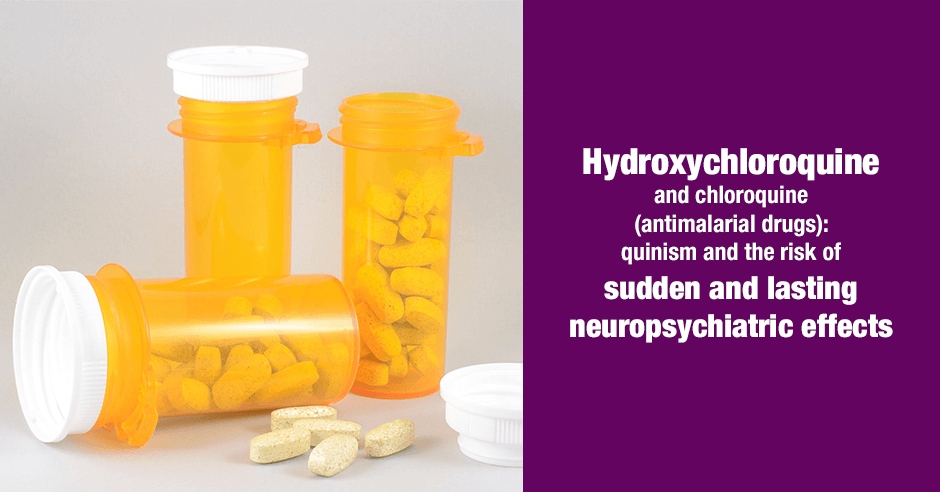
Hydroxychloroquine and chloroquine (antimalarial drugs): quinism and the risk of sudden and lasting neuropsychiatric effects

July 31, 2020 By Trudy Scott 80 Comments

Hydroxychloroquine

The Quinism Foundation, a nonprofit charitable organization “promotes and supports education and research on quinism, the family of medical disorders caused by poisoning by mefloquine, tafenoquine, chloroquine, and related quinoline drugs.”

Executive Director of the foundation, Dr. Remington Nevin, MD, MPH, DrPH, is a Johns-Hopkins trained psychiatric epidemiologist and drug safety expert and former U.S. Army public health physician. He has published extensively on the subject.

The foundation share the symptoms of chronic quinoline encephalopathy, also known as neuropsychiatric quinism:

The term “quinism” may seem new, but the symptoms of poisoning by mefloquine (previously marketed as Lariam®), tafenoquine (marketed as Krintafel® and Arakoda™), chloroquine (marketed as Aralen®), and related quinoline drugs are all too familiar: Tinnitus. Dizziness. Vertigo. Paresthesias. Visual disturbances. Gastroesophageal and intestinal problems. Nightmares. Insomnia. Sleep apnea. Anxiety. Agoraphobia. Paranoia. Cognitive dysfunction. Depression. Personality change. Suicidal thoughts.

These symptoms are not “side effects,” they are symptoms of poisoning by a class of drug that is neurotoxic and that injures the brain and brainstem. This poisoning causes a disease, and this disease has a name: Chronic quinoline encephalopathy — also known as quinism.

In March they published this press release: The Quinism Foundation Warns of Dangers from Use of Antimalarial Quinolines Against COVID‑19. Here are some highlights:

  • A risk of sudden and lasting neuropsychiatric effects from the use of antimalarial quinolines against COVID‑19, the disease caused by the novel coronavirus
  • In susceptible individuals, these drugs act as idiosyncratic neurotoxicants, potentially causing irreversible brain and brainstem dysfunction, even when used at relatively low doses

What is concerning is lasting neuropsychiatric effects and the fact that even low doses can cause irreversible effects. The Foundation “has urged policy makers, physicians, and members of the public to be alert to such effects.”

Dr. Nevin states that “these are not safe drugs” and “While it may be tempting to attribute anxiety, depression, paranoia, or other mental health symptoms to the psychological effects of the COVID‑19 pandemic, these symptoms may be an early warning sign of idiosyncratic neurotoxicity, and must be taken seriously.” 

You can read the entire March 2020 press release here. It contains a link to U.S. Food and Drug Administration’s MedWatch program for reporting adverse effects.

Another press release published late July also cautions the use of tafenoquine against COVID-19 which The Qunism Foundation states “is a neurotoxic quinoline antimalarial drug with a similar adverse effect profile to mefloquine.”

New COVID-19 research on chloroquine and hydroxychloroquine

It’s encouraging to see that new research published on COVID-19 and these medications also highlights the possibility of neuropsychiatric side effects (even through the authors state it’s considered uncommon): Psychiatric Aspects of Chloroquine and Hydroxychloroquine Treatment in the Wake of COVID-19: Psychopharmacological Interactions and Neuropsychiatric Sequelae

…neuropsychiatric side effects are very uncommon but possible, and include a potentially prolonged phenomenon of “psychosis following chloroquine.” Hydroxychloroquine has less information available about its neuropsychiatric side effects than chloroquine, with psychosis literature limited to several case reports

Case reports on psychiatric symptoms induced by hydroxychloroquine

Here is one of these case reports: Psychiatric symptoms induced by hydroxychloroquine.  A 36-year-old woman was diagnosed with Systemic Lupus Erythematosus (SLE) and antiphospholipid syndrome, and was treated with prednisone 10 mg and hydroxychloroquine 200 mg every 24 hours. Her arthritis improved but

One month after initiation of treatment, the patient began with generalized anxiety, suicidal ideation and the appearance of auditory and kinaesthetic [tactile] hallucinations.

She had similar adverse effects 5 years later  when hydroxychloroquine (without prednisone) was prescribed following an outbreak of cutaneous SLE

A week later, the patient was admitted to the Department of Psychiatry because of suicidal ideation, self-harm and kinaesthetic and auditory hallucinations, which improved after withdrawal of hydroxychloroquine and treatment in a psychiatric setting. 

Since then, the patient has not been taking hydroxychloroquine and has had no further episodes of kinaesthetic [tactile] or auditory hallucinations.

Here are two other case reports: Hydroxychloroquine-induced acute psychosis in a systemic lupus erythematosus female and Hydroxychloraquine-induced acute psychotic disorder in a female patient with rheumatoid arthritis: a case report.

Risk factors for susceptibility

This review article from 2018, Neuropsychiatric clinical manifestations in elderly patients treated with hydroxychloroquine: A review article mentions that these adverse events can range from less severe nervousness to “actual psychosis and suicidal tendencies.” 

It also lists possible risk factors that may make certain individuals more susceptible:

co-exposure to interacting drugs, alcohol intake, familial history of psychiatric diseases, female gender, and the concomitant use of low-dose glucocorticoids [such as prednisone]. 

Malaria drug causes brain damage that mimics PTSD

I first learned of this neuropsychiatric connection a number of years ago when I read about the “case of a service member diagnosed with post-traumatic stress disorder but found instead to have brain damage caused by a malaria drug.” You can read about this here – Malaria drug causes brain damage that mimics PTSD: case study.

A few years ago I also blogged about the anti-malaria medication mefloquine and how it was known to contribute to neuropsychiatric symptoms in susceptible individuals: PTSD from 3 tours in Afghanistan: Can GABA help with the anxiety?

My concerns about long-term prophylactic use and lack of awareness

My concerns are long-term prophylactic use. There are a number of clinical trials planned or in progress for long-term use in healthcare workers. If they are stressed, anxious, depressed and exhausted because of the COVID-19 work they have been doing, they may incorrectly attribute some of their symptoms to all that rather than the medication side-effects. And if they do get COVID-19, they may confuse the neurological and psychiatric effects of COVID-19 with those of chloroquine or hydroxychloroquine.

What also concerns me is the lack of awareness. None of the advocates of this class of medications mentions quinism, the possible neuropsychiatric side-effects and long-term risks, or who may be susceptible.

I would be very happy if chloroquine or hydroxychloroquine is found to be a solution (or part of a solution) for COVID-19 – alone or in combination with zinc – for certain individuals.

But I believe we do need to be very aware about side-effects as serious as these. I’d also like to see education for healthcare providers and the consumer, as well as informed consent for the consumer.

Similar concerns with other medications

In the past I’ve written about similar concerns with other medications such as benzodiazepines, SSRIs and fluoroquinolone antibiotics:

  • Antibiotic Induced Anxiety – How Fluoroquinolone Antibiotics Induce Psychiatric Illness Symptoms
  • World Benzodiazepine Awareness Day – say NO to Benzodiazepines for anxiety! 
  • The benzodiazepine valium blocks DAO and impacts histamine levels: wisdom from Yasmina Ykelenstam and a tribute to her brilliance
  • Little evidence for SSRI use in anxiety and compulsions in ASD: my interview on Nourishing Hope for Autism Summit 

Your feedback and questions so we can all learn

I encourage you to keep all this in mind as you navigate what you hear in the news, read on social media and/or read in the research on hydroxychloroquine.

Keep all this in mind too if you have future plans to travel to a malaria area for a vacation in the future (wouldn’t we love that – a trip!?).

Have you used chloroquine or hydroxychloroquine for COVID-19 and experienced psychiatric side-effects? Or know someone who has?

Have you used antimalarial medications in the past and experienced psychiatric side-effects? Was this a short-course or long-term prophylactic use?

Have you used these medications for lupus or rheumatoid arthritis with success and without psychiatric side-effects? Or have you experienced adverse effects and had to stop?

If you have had adverse psychiatric effects please share which medication, dosage and frequency? Also do you have any of the predisposing risk factors: alcohol intake at the time, history of psychiatric diseases (you or family members), are female, and were also prescribed low-dose glucocorticoids such as prednisone, and/or other medications (and which ones)?

Feel free to post your questions here too.

Filed Under: Medication Tagged With: Agoraphobia, antimalarial drugs, anxiety, benzodiazepines, chloroquine, chronic quinoline encephalopathy, Cognitive dysfunction, Coronavirus, COVID-19, depression, Dizziness, fluoroquinolone antibiotics, Hydroxychloroquine, insomnia, lasting neuropsychiatric effects, mental health symptoms, neuropsychiatric, Nightmares, paranoia, Personality change, quinism, Quinism Foundation, Sleep apnea, SSRI, Suicidal, Tinnitus, vertigo

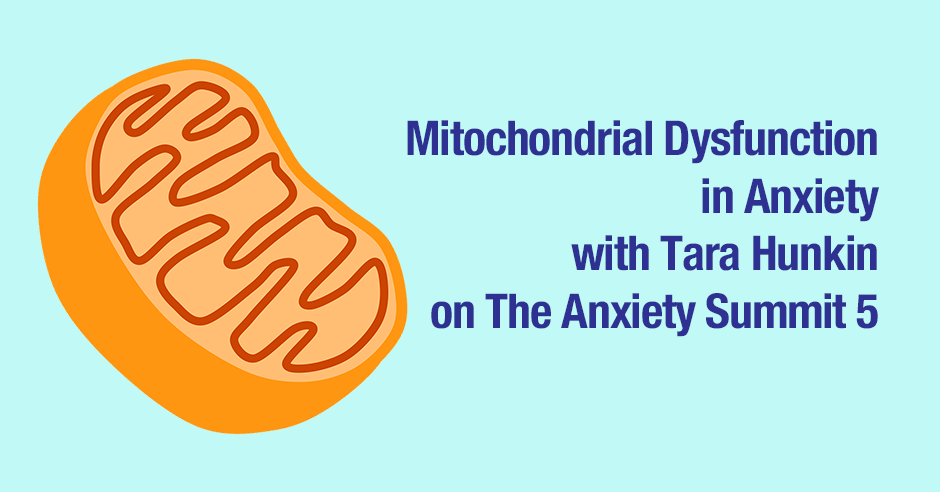
Mitochondrial Dysfunction in Anxiety with Tara Hunkin on The Anxiety Summit 5

October 18, 2019 By Trudy Scott 2 Comments

mitochondrial dysfunction

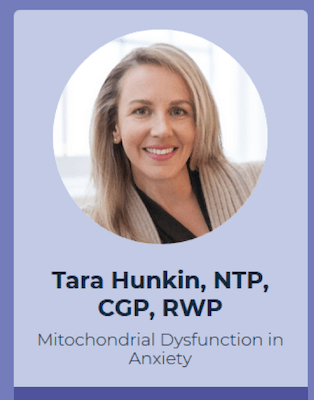
Tara Hunkin, NTP, CGP, RWP is one my guest experts on The Anxiety Summit 5: Gut-Brain Axis and our topic is: Mitochondrial Dysfunction in Anxiety. In this interview you’ll learn:

  • The role of mitochondria in the gut, brain and anxiety
  • Causes (such as medications and environmental toxins), testing, and signs and symptoms of mitochondrial dysfunction
  • Healing nutrients: Carnitine, COQ10, folinic acid, meal timing (as well as antioxidants and many other nutrients such as PQQ)

Tara starts with an overview of mitochondria, the energy powerhouses of our bodies and why they are so important in both physical and mental health.

You can hear some of this background information in this short in-person interview we did in San Diego recently.

(Note: The dates for the 2021 Anxiety Summit 5 is November 8-14, 2021)

You’ll also hear Tara share about this new bidirectional relationship that has been identified between anxiety and mitochondrial dysfunction.  One of the papers she is referring to is this 2019 review paper: Anxiety and Brain Mitochondria: A Bidirectional Crosstalk. Here are the highlights:

  • Despite the established link between mitochondrial dysfunction and various psychiatric disorders, the contribution of mitochondria in anxiety disorders has not been extensively addressed.
  • Mitochondria are emerging as modulators of anxiety-related behavior, as evidenced both in animal and human studies.
  • There is a bidirectional link between mitochondria and anxiety. Mitochondrial, energy metabolism, and oxidative stress alterations are observed in high anxiety; conversely, changes in mitochondrial function can lead to heightened anxiety.

Tara shares how important the mitochondria are when it comes to digestion and gut health too:

  • the liver is heavily mitochondrial-dense and is needed to help eliminate toxins we are exposed to (toxins that affect our mitochondria and increase anxiety)
  • the mitochondria are also important when it comes to digestion – the lining of digestive tract (the epithelial cells of the microvilli) contain large numbers of mitochondria

The authors also highlight that “Pharmacological manipulation of mitochondria may be a potential therapeutic approach to relieve high anxiety symptoms.”  One of the objectives of this summit is to highlight non-pharmacological approaches and Tara does exactly this in our interview.

She covers both lifestyle and nutritional approaches for addressing mitochondrial dysfunction (acetyl-l-carnitine, glutathione, antioxidants, coenzyme Q10, folinic acid and many more).

I also mention two other interviews on the summit where we talk about nutrients that also support mitochondrial function: PQQ (pyrroloquinoline quinone) and TUDCA (tauroursodeoxycholic acid).

Be sure to listen to these interviews for more about these two nutrients:

  • Jay Davidson, DC, PScD: Parasites, Anxiety and TUDCA for Your Liver
  • Michael Murray, ND: PQQ for Stress, Sleep, Mitochondria and Gut Health

tara hunkin and trudy scott

We also discuss testing and all the environmental factors that impact the mitochondria including medications such as risperidone/risperdal (and antipsychotic medication), valproic acid (used for seizures), fluoroquinolone antibiotics like Cipro (and others) and also benzodiazepines (the commonly prescribed anti-anxiety medications).

You can listen to each of the interviews (and get transcripts) by purchasing The Anxiety Summit 5: Gut-Brain Axis.

If you’d like to give feedback or ask a question, please post in the comments section. I’d love to hear from you once you’ve listened in.

If you’d like to give feedback or ask a question, please post in the comments section at the bottom.

I’d love to hear from you once you’ve listened in to this interview and the others.

Filed Under: The Anxiety Summit 5 Tagged With: anxiety, anxiety summit, benzodiazepines, bidirectional, digestive system, environmental, environmental toxins, fluoroquinolone, liver, mitochondria, mitochondrial dysfunction, PQQ, risperidone, Tara Hunkin, TUDCA, valproic acid

  • Page 1
  • Page 2
  • Page 3
  • Go to Next Page »

Primary Sidebar

NEW! GABA QuickStart Homestudy (with special intro pricing)

gaba quickstart homestudy

Free Report

9 Great Questions Women Ask about Food, Mood and their Health

You'll also receive a complimentary subscription to my ezine "Food, Mood and Gal Stuff"


Connect with me

Popular Posts

  • Amino Acids Mood Questionnaire from The Antianxiety Food Solution
  • The Antianxiety Food Solution Amino Acid and Pyroluria Supplements
  • Pyroluria Questionnaire from The Antianxiety Food Solution
  • Collagen and gelatin lower serotonin: does this increase your anxiety and depression?
  • Tryptophan for the worry-in-your-head and ruminating type of anxiety
  • GABA for the physical-tension and stiff-and-tense-muscles type of anxiety
  • The Antianxiety Food Solution by Trudy Scott
  • Seriphos Original Formula is back: the best product for anxiety and insomnia caused by high cortisol
  • Am I an anxious introvert because of low zinc and vitamin B6? My response to Huffington Post blog
  • Vagus nerve rehab with GABA, breathing, humming, gargling and key nutrients

Recent Posts

  • What do I use instead of Seriphos to help lower high cortisol that is affecting my sleep and making me anxious at night?
  • BeSerene™ GABA/theanine cream eases severe muscle tension in her neck/shoulders, prevents her bad headaches and quells her anxiety
  • How the correct approach, dose and sublingual use of GABA can be calming and not cause a flushed and itchy face and neck
  • The amino acid glutamine improves low mood by addressing gut health, and it has calming effects too
  • Flight anxiety with heightened breath, physical tension and also fearing the worst (the role of low GABA and low serotonin)

Categories

  • 5-HTP
  • AB575
  • Addiction
  • ADHD
  • Adrenals
  • Alcohol
  • Allergies
  • Alzheimer's disease
  • Amino Acids
  • Anger
  • Antianxiety
  • Antianxiety Food Solution
  • Antidepressants
  • Anxiety
  • Anxiety and panic
  • Autism
  • Autoimmunity
  • benzodiazapines
  • Bipolar disorder
  • Books
  • Caffeine
  • Cancer
  • Candida
  • Children/Teens
  • Collagen
  • Cooking equipment
  • Coronavirus/COVID-19
  • Cravings
  • Depression
  • Detoxification
  • Diabetes
  • Diet
  • DPA/DLPA
  • Drugs
  • EFT/Tapping
  • EMF
  • EMFs
  • Emotional Eating
  • Endorphins
  • Environment
  • Essential oils
  • Events
  • Exercise
  • Fear
  • Fear of public speaking
  • Fertility and Pregnancy
  • Fish
  • Food
  • Food and mood
  • Functional neurology
  • GABA
  • Gene polymorphisms
  • General Health
  • Giving
  • Giving back
  • Glutamine
  • Gluten
  • GMOs
  • Gratitude
  • Gut health
  • Heart health/hypertension
  • Histamine
  • Hormone
  • Hyperparathyroidism
  • Hypoglycemia
  • Immune system
  • Inflammation
  • Insomnia
  • Inspiration
  • Introversion
  • Joy and happiness
  • Ketogenic diet
  • Lithium orotate
  • Looking awesome
  • Lyme disease and co-infections
  • MCAS/histamine
  • Medication
  • Men's health
  • Mental health
  • Mercury
  • Migraine
  • Mold
  • Movie
  • MTHFR
  • Multiple sclerosis
  • Music
  • NANP
  • Nature
  • Nutritional Psychiatry
  • OCD
  • Osteoporosis
  • Oxalates
  • Oxytocin
  • Pain
  • Paleo
  • Parasites
  • Parkinson’s disease
  • PCOS
  • People
  • PMS
  • Postpartum
  • PTSD/Trauma
  • Pyroluria
  • Questionnaires
  • Real whole food
  • Recipes
  • Research
  • Schizophrenia
  • serotonin
  • SIBO
  • Sleep
  • Special diets
  • Sports nutrition
  • Stress
  • Sugar addiction
  • Sugar and mood
  • Supplements
  • Teens
  • Testimonials
  • Testing
  • The Anxiety Summit
  • The Anxiety Summit 2
  • The Anxiety Summit 3
  • The Anxiety Summit 4
  • The Anxiety Summit 5
  • The Anxiety Summit 6
  • Thyroid
  • Thyroid health
  • Toxins
  • Tryptophan
  • Tyrosine
  • Uncategorized
  • Vegan/vegetarian
  • Women's health
  • Yoga

Archives

  • October 2025
  • September 2025
  • August 2025
  • July 2025
  • June 2025
  • May 2025
  • April 2025
  • March 2025
  • February 2025
  • January 2025
  • November 2024
  • October 2024
  • September 2024
  • August 2024
  • July 2024
  • June 2024
  • May 2024
  • April 2024
  • March 2024
  • February 2024
  • January 2024
  • December 2023
  • November 2023
  • October 2023
  • September 2023
  • August 2023
  • July 2023
  • June 2023
  • May 2023
  • April 2023
  • March 2023
  • February 2023
  • January 2023
  • December 2022
  • November 2022
  • October 2022
  • September 2022
  • August 2022
  • July 2022
  • June 2022
  • May 2022
  • April 2022
  • March 2022
  • February 2022
  • January 2022
  • December 2021
  • November 2021
  • October 2021
  • September 2021
  • August 2021
  • July 2021
  • June 2021
  • May 2021
  • April 2021
  • March 2021
  • February 2021
  • January 2021
  • December 2020
  • November 2020
  • October 2020
  • September 2020
  • August 2020
  • July 2020
  • June 2020
  • May 2020
  • April 2020
  • March 2020
  • February 2020
  • January 2020
  • December 2019
  • November 2019
  • October 2019
  • September 2019
  • August 2019
  • July 2019
  • June 2019
  • May 2019
  • April 2019
  • March 2019
  • February 2019
  • January 2019
  • December 2018
  • November 2018
  • October 2018
  • September 2018
  • August 2018
  • July 2018
  • June 2018
  • May 2018
  • April 2018
  • March 2018
  • February 2018
  • January 2018
  • December 2017
  • November 2017
  • October 2017
  • September 2017
  • August 2017
  • July 2017
  • June 2017
  • May 2017
  • April 2017
  • March 2017
  • February 2017
  • January 2017
  • December 2016
  • November 2016
  • October 2016
  • September 2016
  • August 2016
  • July 2016
  • June 2016
  • May 2016
  • April 2016
  • March 2016
  • February 2016
  • January 2016
  • December 2015
  • November 2015
  • October 2015
  • September 2015
  • August 2015
  • July 2015
  • June 2015
  • May 2015
  • April 2015
  • March 2015
  • February 2015
  • January 2015
  • December 2014
  • November 2014
  • October 2014
  • September 2014
  • August 2014
  • July 2014
  • June 2014
  • May 2014
  • April 2014
  • March 2014
  • February 2014
  • January 2014
  • December 2013
  • November 2013
  • October 2013
  • September 2013
  • August 2013
  • July 2013
  • June 2013
  • May 2013
  • April 2013
  • March 2013
  • February 2013
  • January 2013
  • December 2012
  • November 2012
  • October 2012
  • August 2012
  • July 2012
  • June 2012
  • May 2012
  • April 2012
  • March 2012
  • February 2012
  • January 2012
  • December 2011
  • November 2011
  • October 2011
  • September 2011
  • August 2011
  • July 2011
  • June 2011
  • May 2011
  • April 2011
  • March 2011
  • February 2011
  • January 2011
  • December 2010
  • October 2010
  • September 2010
  • July 2010
  • May 2010
  • April 2010
  • March 2010
  • February 2010
  • January 2010
  • November 2009

Share the knowledge!

The above statements have not been evaluated by the Food and Drug Administration. Products listed in this website are not intended to diagnose, treat, cure or prevent any disease.

The information provided on this site is for informational and educational purposes only and is not intended as a substitute for advice from your physician or other health care professional. You should consult with a healthcare professional before starting or modifying any diet, exercise, or supplementation program, before taking or stopping any medication, or if you have or suspect you may have a health problem.


Copyright © 2026 Trudy Scott. All Rights Reserved. | Privacy | Terms and Conditions | Refund Policy | Medical Disclaimer

Free Report

9 Great Questions Women Ask about Food, Mood and their Health

You’ll also receive a complimentary subscription to my ezine “Food, Mood and Gal Stuff”