• Skip to primary navigation
  • Skip to main content
  • Skip to primary sidebar

everywomanover29 blog

Food, Mood and Women's Health – Be your healthiest, look and feel great!

  • Blog
  • About
  • Services
  • Store
  • Resources
  • Testimonials
  • The Book
  • Newsletter
  • Contact
  • Search this site

anxiety

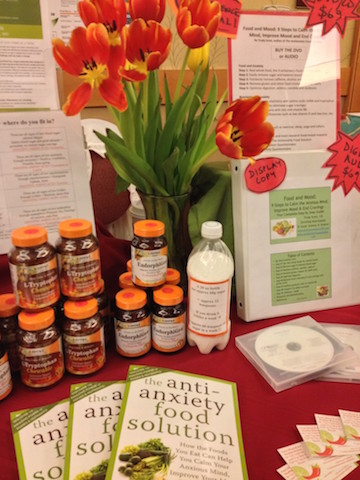
Zinc, turmeric and tryptophan for brain health and mood

September 4, 2013 By Trudy Scott 33 Comments

Boys Telling Secrets

So much can be done using the amazing healing power of foods and nutrients when it comes to brain health and mood. I truly believe this holistic health approach is the way to go because it gets back to basics and addresses the root causes of issues instead of the using the band-aid approach. The added bonus is that this approach also improves focus, skin health, digestion, heart health and more.

Here are just some of my top nutrients for a healthy brain and great mood!

Zinc is one of the top nutrient deficiencies I see with my clients.

Zinc is a key nutrient for the prevention of anxiety and depression, especially the type of social anxiety called pyroluria. Here is the pyroluria questionnaire: https://www.everywomanover29.com/blog/pyroluria-questionnaire-from-the-antianxiety-food-solution/ It’s also been shown to be beneficial for sleep, cognitive function and for healing from traumatic brain injury. Zinc is also an important co-factor in making the neurotransmitters GABA and serotonin.

Turmeric is an uncommon yet powerful supplement

Research shows that turmeric has “promising cardioprotective and anti-inflammatory properties”. We often see inflammation and brain/mood problems go hand in hand. Inflammation produces cytokines which activate the IDO enzyme, degrading tryptophan and leading to less serotonin and less melatonin. This can result in increased depression and anxiety, poor sleep and poor focus. A new randomized, controlled clinical trial published in the journal Phytotherapy Research has confirmed that the primary polyphenol in turmeric known as curcumin is both safe and effective in treating serious states of depression. One study even found that turmeric benefited 3 patients with Alzheimer’s disease and reduced symptoms of irritability, agitation, anxiety, and apathy.

Tryptophan is an amazing amino acid

It promotes sleep and improves depression, anxiety, panic, worry and OCD /obsessive compulsive symptoms in people who have low serotonin. I have my clients do this questionnaire so we can figure out which deficiency they have https://www.everywomanover29.com/blog/amino-acids-mood-questionnaire-from-the-antianxiety-food-solution/ Although there isn’t a great deal of research on this amino acid and “the evidence base is significantly larger for depression than for anxiety disorder”, tryptophan is recognized as an add-on for when someone is on medications. I see so much success using tryptophan with my clients that I wish it was the first choice before anti-depressants!

I’d like to share some recent success I’ve seen with tryptophan. I’ve been having the most amazingly rewarding sessions with a young man (and his mom). During our first session, an in-office trial of 100mg of chewable tryptophan reduced his worry, sadness and very busy thoughts from a 7/8/9 out of 10, to a 3 out of 10 within 5-10 minutes. He said “my head feels different…good different…I’m thinking happy things”. He started to smile a lot. He also has a repetitive behavior which went from 7/8 out of 10, to a 5 out of 10. Tryptophan is known for reducing OCD but it wasn’t quite enough and we have had to add inositol too. I know the amazing amino acids work wonders but I’m always thrilled when I see them in action changing lives. And most of all, I’m so pleased his mom decided to go this route first instead of having him take medications. We are simply addressing nutritional deficiencies like low serotonin and low zinc [he did also need zinc].

What supplements have you found to be beneficial for your brain health, anxiety or depression? 
Filed Under: Antianxiety Food Solution, Anxiety and panic, Food and mood Tagged With: anxiety, brain, depression, mood, panic, tryptophan, turmeric, zinc

Using Essential Oils to Survive and Thrive with Anxiety and Depression

July 5, 2013 By Trudy Scott 13 Comments

lavender

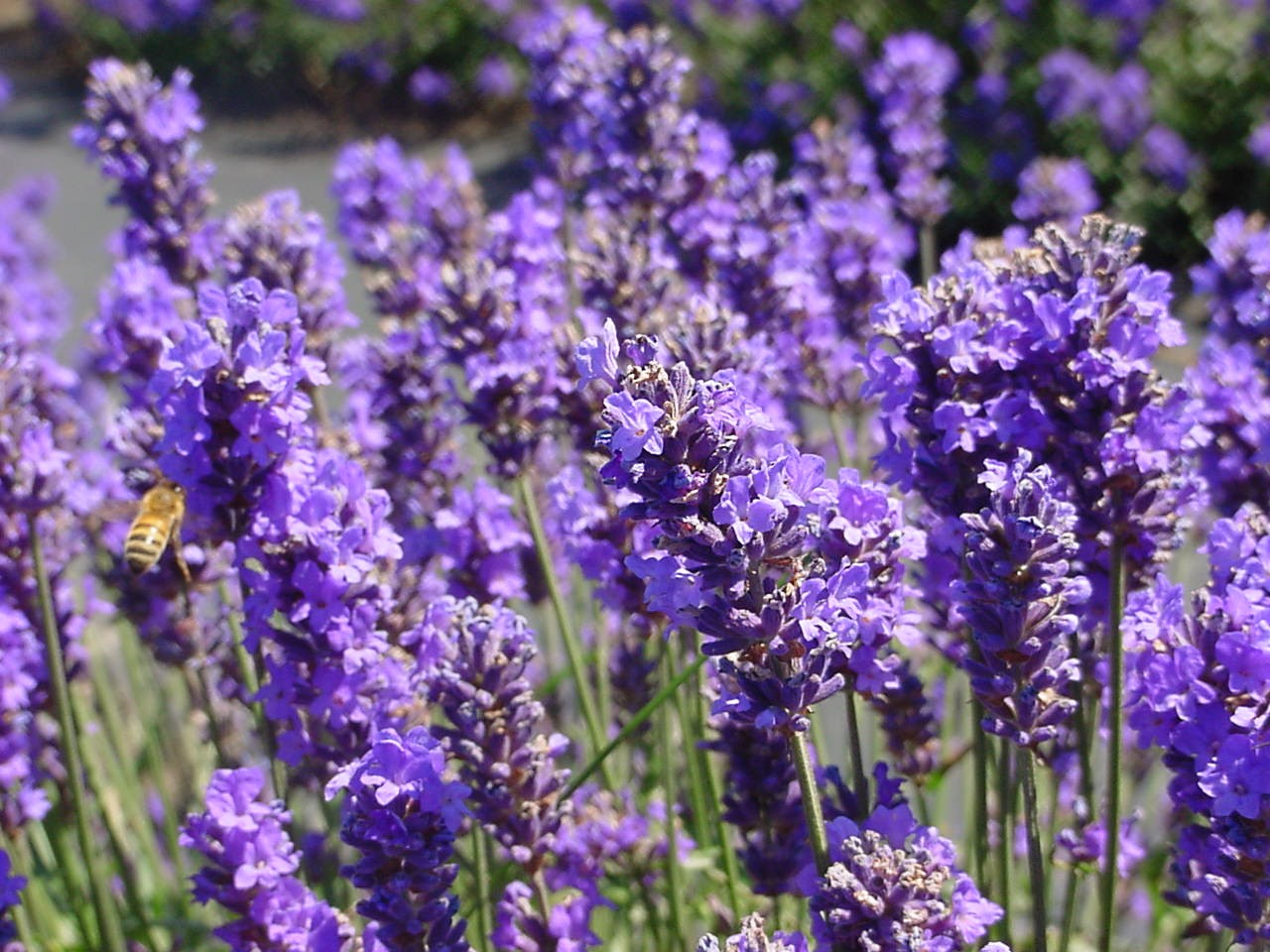
Essential oils can be a powerful addition to help relieve your anxiety, stress, depression and other mood disorders.  There is much research supporting the use of aromatherapy as we can see from this summary in a 2013 paper:  

“Molecular medical research on aromatherapy has been steadily increasing for use as an adjuvant therapy in managing psychiatric disorders and to examine its therapeutic mechanisms. Most studies, as well as clinically applied experience, have indicated that various essential oils, such as lavender, lemon and bergamot can help to relieve stress, anxiety, depression and other mood disorders. Most notably, inhalation of essential oils can communicate signals to the olfactory system and stimulate the brain to exert neurotransmitters (e.g. serotonin and dopamine) thereby further regulating mood.”

Today, I’m sharing a guest post on how to use essential oils, written by AnnaLaura Brown:

As anyone who suffers from anxiety and depression knows, it’s really hard on your life and can make it difficult to live a normal life. The drugs that are often prescribed can help but in many cases they don’t completely fix the problem and the side effects can make your health and the rest of your life even worse. So what can you do? While there are a variety of available options, essential oils have been proven to be a great natural solution. Essential oils are extracted from plants and because they are not a synthetic drug they have virtually no side effects. That said as with all products that are a form of medicine if you are currently taking drugs, then you want to talk with your doctor before you begin using essential oils.

Here are some tips to help you survive and thrive with anxiety and depression while using essential oils.

  1. If you are not on drugs now, don’t start using them and begin using essential oils instead.
  2. If you are on drugs now, talk with your doctor about your desire to gradually stop using them and work out a program to get off them over time and to begin using essential oils.
  3. Start slowly by trying one essential oil at a time. Identify your biggest health problem that you suffer with as a result of your anxiety and depression. For example, if you have problems sleeping, then you should start by using an oil that will help you sleep better. The best oil for this is lavender.
  4. Keep using that same oil for at least 2 weeks before you try another one.
  5. Take the time to do some research and to learn about different essential oils and how they are used for anxiety, depression and to help with moods. For example, citrus oils such as lemon, and orange can help uplift the moods of a lot of people. There are several books written on using oils for moods so you can probably find one with a lot of details at your local library or bookstore.
  6. Experiment with different ways of using oils. The most common ways that people use them are by either rubbing a few drops on the bottoms of your feet or your wrists, or by putting a few drops with some water into a diffuser or humidifier. You will want to try both ways and see which way works the best for you.
  7. Work on improving other aspects of your life so that you can live a more balanced life overall.
  8. Keep small amounts of the oils with you at all times so that if you start to feel depressed or anxious you can rub a little bit or smell the bottle to get some relief.

AnnaLaura Brown is passionate about helping others discover the power of essential oils for health and wellness. She personally discovered the oils while suffering from asthma and was able to get rid of her inhalers and use essential oils instead. In the past 2 years she has helped lots of people discover the power of essential oils for a variety of health and wellness uses. Grab your free copy of her report 50 ways to use essential oils at Health and Wealth with Oils.

Filed Under: Antianxiety, Antianxiety Food Solution, Anxiety and panic, Depression, Essential oils, Joy and happiness, Stress Tagged With: Antianxiety Food Solution, anxiety, depression, essential oils, lavender

Smile and laugh to de-stress, calm down and boost your mood

June 14, 2013 By Trudy Scott 15 Comments

 laughter

My biggest stress-relief and mood-boosting tip is to smile and laugh! It is one of the many things I encourage my clients to do! And I personally love a good comedy and opportunity to smile and laugh! I almost feel like I need my “fix” of laughter by the end of the day. It really relaxes me, boosts my mood and helps me sleep better.

I was further inspired to make a commitment to laugh each day when I read all the research supporting the many and varied health benefits. Many days I’ll just take a break and engage in spontaneous laughter for no reason at all – just the act of laughing leaves me feeling SO good. I do food-mood presentations around the country and typically end my talks with a laugher session with the audience! It’s a great hit and they leave my talk feeling great!

A 2012 research paper in Physiological Science actually showed that if you smile, you feel less stressed. Also in a 1999 study, “Personality traits such as warmth, calmness, extroversion, and low anxiety were closely related to an attractive smile.”

Laughter falls into a similar category as smiling and is wonderful for improving mood and reducing anxiety and stress and pain. This 2012 paper. showed that laughter “is associated with feelings of wellbeing” and improved mood, likely related to “the release of endorphins.” The release of endorphins also reduced pain levels.

Recent research also shows that the “combination of a laughter and exercise program might have physiological and psychological health benefits for the elderly”. Laughter may also “be an effective strategy to motivate the elderly to participate in physical activity.”

Laughter is actually good for the heart as indicated by the title of a 2009 paper: “The effect of mirthful laughter on the human cardiovascular system.”

Here are some things to make you chuckle: a fun post I did awhile ago about a wonderfully funny and romantic blog called The Musings of a Romantic Comedy Girl and a video of a laughing baby. Enjoy!

And of course, the added bonus: if you eat foods that raise serotonin (like grass-fed read meat and wild fish like salmon), you’ll be happier and more inclined to smile too – and feel even less anxious and less stressed. Tryptophan or 5-HTP will help boost your serotonin levels and are wonderful if you do have low serotonin. You can check for low serotonin levels using this Amino Acids Mood Questionnaire from The Antianxiety Food Solution. 

Filed Under: Antianxiety Food Solution, Anxiety and panic, Depression, Food and mood, Joy and happiness, Pain, Stress Tagged With: Antianxiety Food Solution, anxiety, calm, de-stress, happy, laughter, pain, smiling, stress

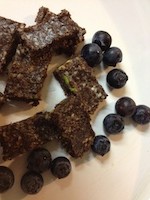
Carob Coconut Avocado bites

May 24, 2013 By Trudy Scott 15 Comments

carob-coconut-bites

¼ cup coconut oil
1 ripe avocado
1 T maple syrup
½ cup carob powder
Pinch sea salt
¾ cup coconut flakes (unsweetened)
¼ cup sesame seeds

Melt the coconut oil on the stove. Remove avocado and mash. Mix in coconut oil and all the ingredients and stir well. Spoon into a glass pan and press flat. Put in the fridge until set and then cut into small bites or squares and serve with fresh blueberries. Yummy!

This recipe was inspired by a recipe of something served at the annual conference of the National Association of Nutrition Professionals. I replaced the cocoa and nibs with carob for those with caffeine issues (some people with anxiety are super-sensitive to the effects of caffeine, even that found in cocoa and chocolate). I also omitted the stevia because it spoils the taste of everything. And I added coconut flakes for crunch and sesame seeds for calcium. 

Funny thing….I love avocado! It’s possibly one of my favorite foods (together with eggs, Brussels sprouts, lamb, coconut and paw paw) and I was excited to try it out in this recipe. But it’s totally lost – no hint of avocado! It seems rather a waste! Do let me know what you think.

Filed Under: Food and mood, Real whole food, Recipes Tagged With: anxiety, avocado, carob, coconut, depression

Amino Acids Mood Questionnaire from The Antianxiety Food Solution

May 24, 2013 By Trudy Scott 362 Comments

The targeted use of individual amino acid supplements will balance brain chemistry to alleviate anxiety, fear, worry, panic attacks, and feeling stressed or overwhelmed. They can also be helpful in addressing other problems that contribute to or exacerbate anxiety, such as sugar cravings and addictions. In addition, they can help with depression and insomnia, which often co-occur with anxiety. When you balance your brain chemistry, not only will you alleviate symptoms of anxiety, you’ll also have a great mood, eliminate cravings, sleep well, and have good energy and mental focus.

Worry and anxiety can be a result of low GABA and also low serotonin, so you may check off anxiety in both sections. Low GABA tends to result in a more physical anxiety, while low serotonin tends to result in more anxiety in the head, ruminating thoughts etc.

Low GABA

  • Physical tension/anxiety
  • Feeling worried or fearful
  • Panic attacks
  • Unable to relax or loosen up
  • Stiff or tense muscles
  • Feeling stressed and burned-out
  • Craving carbs for relaxation and calming
  • Craving alcohol for relaxation and calming
  • Craving drugs for relaxation and calming
  • Insomnia * (Aug 2019: GABA/theanine research)
  • Inability to prioritize planned actions * (Sept 2015: research and child ADHD case)
  • Poor focus/ADHD and spinning * (as above)
  • Have intrusive thoughts, perseverate or have an overactive brain (with unwanted thoughts about unpleasant memories, images or worries * (Nov 2017: research and case)
  • Acrophobia (fear of heights) * (Sep 2018: pharmaGABA research)
  • Rectal spasms (proctalgia fugax) * (Dec 2021: case studies)
  • Burning mouth * (Mar 2018: research)
  • Visceral pain/belly pain with IBS * (Aug 2018: research and case)
  • Bladder pain/interstitial cystitis and urgency * (Jan 2021: research)
  • Lyme-induced anxiety * (Jan 2022: neuropsychiatric Lyme disease and a case study)
  • Globus pharyngeus (lump in the throat) * (July 2022: research and case)
  • PCOS/polycystic ovarian syndrome * (Jan 2021: research and a case study)
  • Tourette’s syndrome (tics) * (Jan 2022: research and case)
  • Laryngospasm, “choking” episodes and swallowing problems * (Mar 2022: research and case)
  • Poor sensorimotor skills * (Dec 2022: research in autism, child with autism case study and adult case study)
  • Asthma* (Dec 2022: research and case)
  • Sound and tactile hypersensitivity * (Feb 2023: research and adult case study)
  • MS/multiple sclerosis * (April 2023: anxiety, muscle stiffness/spasms, swallowing issues and pain in MS)
  • Anger, rage and agitation * (June 2023: glutamate research and case studies and sundowning in Alzheimer’s disease)
  • High blood pressure * (Sept 2023: research)

Low Serotonin

  • Anxiety
  • Panic attacks or phobias
  • Feeling worried or fearful
  • Obsessive thoughts or behaviors
  • Perfectionism or being overly controlling
  • Irritability
  • Anxiety that’s worse in winter
  • Winter blues or seasonal affective disorder
  • Negativity or depression
  • Suicidal thoughts
  • Excessive self-criticism
  • Low self-esteem and poor self-confidence
  • PMS (premenstrual syndrome) or menopausal mood swings
  • Sensitivity to hot weather
  • Hyperactivity
  • Anger or rage
  • Digestive issues
  • Fibromyalgia, temporomandibular joint syndrome, or other pain syndromes
  • Difficulty getting to sleep
  • Insomnia or disturbed sleep
  • Afternoon or evening cravings for carbs, alcohol or drugs

Low Catecholamines

  • Depression and apathy
  • Easily bored
  • Lack of energy
  • Lack of focus
  • Lack of drive and low motivation
  • Attention deficit disorder
  • Procrastination and indecisiveness
  • Craving carbs, alcohol, caffeine, or drugs for energy

Low Endorphins

  • Heightened sensitivity to emotional pain
  • Heightened sensitivity to physical pain
  • Crying or tearing up easily
  • Eating to soothe your mood, or comfort eating
  • Really, really loving certain foods, behaviors, drugs, or alcohol
  • Craving a reward or numbing treat
  • PMS (premenstrual syndrome) or PMDD (premenstrual dysphoric disorder) * (Mar 2022: research published in 1989)

Low Blood Sugar

  • Crave sugar, starch or alcohol any time during the day
  • Irritable, shaky, headachey – especially if too long between meals
  • Intense cravings for sweets
  • Lightheaded if meals are missed
  • Eating relieves fatigue
  • Agitated, easily upset, nervous
  • Waking in the night or early hours with a jolt of anxiety/shakiness * (Feb 2024: case studies)
  • Binge eating and/or food addiction * (Feb 2024: research and a case study)

(* New additions that are not in my book. I’ve linked to some case studies above but there are many more on the blog so be sure to use the search feature)

Each of the above sections on specific neurotransmitter or brain chemical imbalances are found in The Antianxiety Food Solution: How the Foods You Eat Can Help You Calm Your Anxious Mind, Improve Your Mood and End Cravings. They were reprinted from The Mood Cure (2004) with permission from Julia Ross. They do contain some of my own modifications based on my experience with working with many clients, and the new additions as mentioned above.

Individual amino acids are used based on the above questionnaires and the results are profound and often felt within a few minutes:

  • check out this blog post on glutamine for low blood sugar and calming effects and watch how glutamine helped Nicole within 5 minutes.
  • check out how DPA was a miracle for Angie and her sugar cravings which were as a result of low endorphins.

Resources if you are new to using amino acids as supplements

If you suspect low levels of any of the neurotransmitters and do not yet have my book, The Antianxiety Food Solution – How the Foods You Eat Can Help You Calm Your Anxious Mind, Improve Your Mood, and End Cravings, (as I mentioned above) I highly recommend getting it and reading it before jumping in and using amino acids on your own so you are knowledgeable. And be sure to share it with the practitioner/health team you or your loved one is working with.

There is an entire chapter on the amino acids and they are discussed throughout the book in the sections on gut health, gluten, blood sugar control, sugar cravings, anxiety and mood issues.

The book doesn’t include product names (per the publisher’s request) so this blog, The Antianxiety Food Solution Amino Acid and Pyroluria Supplements, lists the amino acids that I use with my individual clients and those in my group programs. You can find them all in my online store.

If, after reading this blog and my book, you don’t feel comfortable figuring things out on your own (i.e. doing the symptoms questionnaire and respective amino acids trials), a good place to get help is the GABA QuickStart Program (if you have low GABA symptoms too). This is a paid online/virtual group program where you get my guidance and community support.

If you are a practitioner, join us in The Balancing Neurotransmitters: the Fundamentals program. This is also a paid online/virtual program with an opportunity to interact with me and other practitioners who are also using the amino acids.

Do you resonate with symptoms in more than one area? This is not unusual.

Do you resonate with some of the more recent additions to the low GABA section?

Feel free to share how the amino acids have helped you and if you found this symptoms questionnaire helpful for figuring out where to start.

If you have questions and other feedback please share here too.

Filed Under: Antianxiety Food Solution, Anxiety and panic, Questionnaires, Sugar addiction Tagged With: amino acids, Antianxiety Food Solution, anxiety, craving, Mood Questionnaire, panic

Gluten and the serious effects on mental health: ADAA 2013

April 1, 2013 By Trudy Scott 14 Comments

logo_adaa

The 2013 annual conference of the Anxiety and Depression Association of America  is April 5-7 at the Hyatt Regency La Jolla at Aventine (La Jolla, California).  It’s a wonderful conference to hear all the latest research on anxiety and depression.  The focus of the conference is primarily therapy and medications with some presentations and posters on exercise, nutrients, guided imagery, yoga and one topic on gluten (mine!)

I’m doing a poster presentation Friday, April 5, 6:30 – 8pm, “Evidence-based Research On The Serious Effects Of Gluten On Mental Health, With An In-depth Look At Testing And The Gluten-free Diet.” 

This poster will identify what gluten is, where it is found and if the gluten-free diet is a fad or very real concern for those with mental health disorders. The following will be explained: gluten sensitivity, celiac disease, and wheat allergies. Evidence-based research will be reviewed, showing the serious impacts of gluten on various mental health disorders: anxiety, social phobia, panic attacks, depression, schizophrenia and bipolar disorder.

Here are a few examples of some the research that will be reviewed: 

  • “gluten sensitivity remains undertreated and underrecognized as a contributing factor to psychiatric and neurologic manifestations” (Jackson, Psychiatric Quarterly 2011)
  • Spectrum of gluten-related disorders: consensus on new nomenclature and classification (Sapone, BMC Medicine, 2012)
  • Celiac disease, wheat allergy, and gluten sensitivity: when gluten free is not a fad. (Pietzak, Journal of Parenteral and Enteral Nutrition 2012)
  • Gluten-free diet may alleviate depressive and behavioural symptoms in adolescents with coeliac disease (Pynnönen , BMC Psychiatry 2005)
  • Social phobia in coeliac disease (Addolorato, Scandinavian Journal of Gastroenterology 2008)

There will be an in-depth discussion of the various testing options and the many associated health problems that may be associated with gluten intolerance. This session will clearly define gluten-containing versus gluten-free foods when it comes to eating a gluten-free diet.

Filed Under: Antianxiety, Events, Food and mood, Gluten Tagged With: ADAA, anxiety, depression, gluten, mental health, social phobia, Trudy Scott

  • « Go to Previous Page
  • Page 1
  • Interim pages omitted …
  • Page 87
  • Page 88
  • Page 89
  • Page 90
  • Page 91
  • Interim pages omitted …
  • Page 96
  • Go to Next Page »

Primary Sidebar

GABA QuickStart Homestudy

gaba quickstart homestudy

Free Report

9 Great Questions Women Ask about Food, Mood and their Health

You'll also receive a complimentary subscription to my ezine "Food, Mood and Gal Stuff"


Connect with me

Popular Posts

  • Amino Acids Mood Questionnaire from The Antianxiety Food Solution
  • The Antianxiety Food Solution Amino Acid and Pyroluria Supplements
  • Pyroluria Questionnaire from The Antianxiety Food Solution
  • Collagen and gelatin lower serotonin: does this increase your anxiety and depression?
  • Tryptophan for the worry-in-your-head and ruminating type of anxiety
  • GABA for the physical-tension and stiff-and-tense-muscles type of anxiety
  • The Antianxiety Food Solution by Trudy Scott
  • Seriphos Original Formula is back: the best product for anxiety and insomnia caused by high cortisol
  • Am I an anxious introvert because of low zinc and vitamin B6? My response to Huffington Post blog
  • Vagus nerve rehab with GABA, breathing, humming, gargling and key nutrients

Recent Posts

  • Her cravings for chips and peanut butter were triggered by stress: GABA ends cravings and reduces physical tension and fear of heights
  • It is truly miraculous to be able to move through life without crippling anxiety and panic
  • GABA and tryptophan combo provide immediate and noticeable relief for tremors and cervical dystonia in just 7 days
  • Red light therapy for back and neck pain, plantar fasciitis and low mood – a complement to the amino acids GABA, DPA and tryptophan
  • What do I use instead of Seriphos to help lower high cortisol that is affecting my sleep and making me anxious at night?

Categories

  • 5-HTP
  • AB575
  • Addiction
  • ADHD
  • Adrenals
  • Alcohol
  • Allergies
  • Alzheimer's disease
  • Amino Acids
  • Anger
  • Antianxiety
  • Antianxiety Food Solution
  • Antidepressants
  • Anxiety
  • Anxiety and panic
  • Autism
  • Autoimmunity
  • benzodiazapines
  • Bipolar disorder
  • Books
  • Caffeine
  • Cancer
  • Candida
  • Children/Teens
  • Collagen
  • Cooking equipment
  • Coronavirus/COVID-19
  • Cravings
  • Depression
  • Detoxification
  • Diabetes
  • Diet
  • DPA/DLPA
  • Drugs
  • EFT/Tapping
  • EMF
  • EMFs
  • Emotional Eating
  • Endorphins
  • Environment
  • Essential oils
  • Events
  • Exercise
  • Fear
  • Fear of public speaking
  • Fertility and Pregnancy
  • Fish
  • Food
  • Food and mood
  • Functional neurology
  • GABA
  • Gene polymorphisms
  • General Health
  • Giving
  • Giving back
  • Glutamine
  • Gluten
  • GMOs
  • Gratitude
  • Gut health
  • Heart health/hypertension
  • Histamine
  • Hormone
  • Hyperparathyroidism
  • Hypoglycemia
  • Immune system
  • Inflammation
  • Insomnia
  • Inspiration
  • Introversion
  • Joy and happiness
  • Ketogenic diet
  • Lithium orotate
  • Looking awesome
  • Lyme disease and co-infections
  • MCAS/histamine
  • Medication
  • Men's health
  • Mental health
  • Mercury
  • Migraine
  • Mold
  • Movie
  • MTHFR
  • Multiple sclerosis
  • Music
  • NANP
  • Nature
  • Nutritional Psychiatry
  • OCD
  • Osteoporosis
  • Oxalates
  • Oxytocin
  • Pain
  • Paleo
  • Parasites
  • Parkinson’s disease
  • PCOS
  • People
  • PMS
  • Postpartum
  • PTSD/Trauma
  • Pyroluria
  • Questionnaires
  • Real whole food
  • Recipes
  • Research
  • Schizophrenia
  • serotonin
  • SIBO
  • Sleep
  • Special diets
  • Sports nutrition
  • Stress
  • Sugar addiction
  • Sugar and mood
  • Supplements
  • Teens
  • Testimonials
  • Testing
  • The Anxiety Summit
  • The Anxiety Summit 2
  • The Anxiety Summit 3
  • The Anxiety Summit 4
  • The Anxiety Summit 5
  • The Anxiety Summit 6
  • Thyroid
  • Thyroid health
  • Toxins
  • Tryptophan
  • Tyrosine
  • Uncategorized
  • Vegan/vegetarian
  • Women's health
  • Yoga

Archives

  • May 2026
  • April 2026
  • October 2025
  • September 2025
  • August 2025
  • July 2025
  • June 2025
  • May 2025
  • April 2025
  • March 2025
  • February 2025
  • January 2025
  • November 2024
  • October 2024
  • September 2024
  • August 2024
  • July 2024
  • June 2024
  • May 2024
  • April 2024
  • March 2024
  • February 2024
  • January 2024
  • December 2023
  • November 2023
  • October 2023
  • September 2023
  • August 2023
  • July 2023
  • June 2023
  • May 2023
  • April 2023
  • March 2023
  • February 2023
  • January 2023
  • December 2022
  • November 2022
  • October 2022
  • September 2022
  • August 2022
  • July 2022
  • June 2022
  • May 2022
  • April 2022
  • March 2022
  • February 2022
  • January 2022
  • December 2021
  • November 2021
  • October 2021
  • September 2021
  • August 2021
  • July 2021
  • June 2021
  • May 2021
  • April 2021
  • March 2021
  • February 2021
  • January 2021
  • December 2020
  • November 2020
  • October 2020
  • September 2020
  • August 2020
  • July 2020
  • June 2020
  • May 2020
  • April 2020
  • March 2020
  • February 2020
  • January 2020
  • December 2019
  • November 2019
  • October 2019
  • September 2019
  • August 2019
  • July 2019
  • June 2019
  • May 2019
  • April 2019
  • March 2019
  • February 2019
  • January 2019
  • December 2018
  • November 2018
  • October 2018
  • September 2018
  • August 2018
  • July 2018
  • June 2018
  • May 2018
  • April 2018
  • March 2018
  • February 2018
  • January 2018
  • December 2017
  • November 2017
  • October 2017
  • September 2017
  • August 2017
  • July 2017
  • June 2017
  • May 2017
  • April 2017
  • March 2017
  • February 2017
  • January 2017
  • December 2016
  • November 2016
  • October 2016
  • September 2016
  • August 2016
  • July 2016
  • June 2016
  • May 2016
  • April 2016
  • March 2016
  • February 2016
  • January 2016
  • December 2015
  • November 2015
  • October 2015
  • September 2015
  • August 2015
  • July 2015
  • June 2015
  • May 2015
  • April 2015
  • March 2015
  • February 2015
  • January 2015
  • December 2014
  • November 2014
  • October 2014
  • September 2014
  • August 2014
  • July 2014
  • June 2014
  • May 2014
  • April 2014
  • March 2014
  • February 2014
  • January 2014
  • December 2013
  • November 2013
  • October 2013
  • September 2013
  • August 2013
  • July 2013
  • June 2013
  • May 2013
  • April 2013
  • March 2013
  • February 2013
  • January 2013
  • December 2012
  • November 2012
  • October 2012
  • August 2012
  • July 2012
  • June 2012
  • May 2012
  • April 2012
  • March 2012
  • February 2012
  • January 2012
  • December 2011
  • November 2011
  • October 2011
  • September 2011
  • August 2011
  • July 2011
  • June 2011
  • May 2011
  • April 2011
  • March 2011
  • February 2011
  • January 2011
  • December 2010
  • October 2010
  • September 2010
  • July 2010
  • May 2010
  • April 2010
  • March 2010
  • February 2010
  • January 2010
  • November 2009

Share the knowledge!

The above statements have not been evaluated by the Food and Drug Administration. Products listed in this website are not intended to diagnose, treat, cure or prevent any disease.

The information provided on this site is for informational and educational purposes only and is not intended as a substitute for advice from your physician or other health care professional. You should consult with a healthcare professional before starting or modifying any diet, exercise, or supplementation program, before taking or stopping any medication, or if you have or suspect you may have a health problem.


Copyright © 2026 Trudy Scott. All Rights Reserved. | Privacy | Terms and Conditions | Refund Policy | Medical Disclaimer

Free Report

9 Great Questions Women Ask about Food, Mood and their Health

You’ll also receive a complimentary subscription to my ezine “Food, Mood and Gal Stuff”