• Skip to primary navigation
  • Skip to main content
  • Skip to primary sidebar

everywomanover29 blog

Food, Mood and Women's Health – Be your healthiest, look and feel great!

  • Blog
  • About
  • Services
  • Store
  • Resources
  • Testimonials
  • The Book
  • Newsletter
  • Contact
  • Search this site

anxiety

Overcoming Monkey Mind in Experience Life magazine

March 22, 2013 By Trudy Scott 9 Comments

April Experience Life cover“Three experts offer tips for overcoming mental chaos and reclaiming a balanced brain.”

The first expert is Eric Maisel, PhD, psychotherapist, creativity coach, and author of 40 books, most recently Natural Psychology: The New Psychology of Meaning (Natural Psychology Press, 2012) recommends:

“monitoring your breathing and monitoring your thinking at the same time” as a “quick way to get centered and quiet monkey mind.”  He shares his 10-second technique.

The second expert is Henry Emmons, MD, integrative psychiatrist and author of The Chemistry of Calm: A Powerful, Drug-Free Plan to Quiet Your Fears and Overcome Your Anxiety (Touchstone, 2010) recommends:

reconnecting with your body by getting “out of your head and into your body.”  He suggests techniques like “placing your hand on your lap” and paying attention “to the feeling of warmth that’s exchanged between your hand and body” or simply listening to music

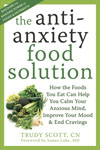
I was thrilled to be third expert and share tips for rebalancing your biochemistry and neurotransmitters…Trudy Scott, CN, nutritionist and author of The Antianxiety Food Solution: How the Foods You Eat Can Help You Calm Your Anxious Mind, Improve Your Mood, and End Cravings (New Harbinger, 2011)

I suggest the amino acid tryptophan and quality grass-fed red meat if low serotonin is the issue. Serotonin is a neurotransmitter that “helps produce feelings of well-being and also helps you switch off worry and ruminating thoughts.”  I also recommend eating a protein-rich breakfast – something that is key for every one of my clients.”  If you experience “poor focus, scattered thoughts, ADD-type symptoms and fatigue” “the supplement to try is tyrosine.”

Have you been able to switch off monkey-mind with any of these tips?

You can read the whole article in the April 2013 edition of Experience Life magazine here   or pick up a physical copy from bookstores or grocery stores. 

It’s a great magazine and I love this summary on the about page:  “Experience Life is your guide to a healthy way of life. Your road map toward real and lasting self-improvement. Your antidote to all the fuss and nonsense that dominates the vast majority of health and fitness publications. Because being healthy is a revolutionary act.” 
Filed Under: Antianxiety, Antianxiety Food Solution, Anxiety and panic, Joy and happiness, Stress, Uncategorized Tagged With: anxiety, monkey mind, serotonin

The Role of Inflammation in Stress, Anxiety and Depression

March 8, 2013 By Trudy Scott 10 Comments

NTA-Conference-2013

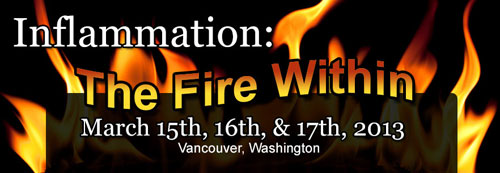
“Inflammation: The Fire Within” is the theme of the annual conference of the Nutritional Therapy Association. It will be held in Vancouver, WA on March 15, 16, 17. I’m thrilled to presenting on Friday from 10-11:30am and my topic is “The Role of Inflammation in Stress, Anxiety and Depression.”

This presentation will provide health and nutrition professionals with current, evidence-based information the role of inflammation in stress, and on anxiety and mood disorders. It will explain:

  • the negative impact of pro-inflammatory junk food, trans fats, feed-lot meat, pesticides, gluten, fructose and caffeine on stress, anxiety and depression
  • the recent research supporting the anti-inflammatory benefits of real whole food, the Mediterranean diet (for both reducing inflammation and reducing and preventing depression, fish and fish oils (with some exceptions), dark chocolate (with some caveats), probiotics, zinc and vitamin B6
  • the links between social stress and inflammation
  • the effects of maternal inflammation on anxiety and social behavior of offspring
  • the links between pyroluria (see the pyroluria questionnaire here), social anxiety and oxidative stress
  • how inflammation leads to low serotonin and mood issues

It’s quite incredible how much of an impact inflammation has on mood disorders and how simply taking steps to lower inflammation can have a positive impact. What is equally fascinating is that so many of the foods and nutrients that eliminate anxiety and depression also lower inflammation! The body is quite amazing in its ability to heal when provided with the correct nutrients!

I will also be exhibiting and will have delicious 100% certified Organic Tulsi Teas donated by Organic India and great for stress-relief and you guessed it… inflammation! Do come and try some yummy lemon-ginger or licorice or find some in your local grocery store. We’ll also do zinc status testing because zinc is key for alleviating anxiety, stress and depression. I’ll also have DVD sets and copies of my book The Antianxiety Food Solution for sale. And I’ll also be offering Lidtke samples of the amazing amino acids tryptophan (for low serotonin) and DPA/Endorphigen (for low endorphins and comfort eating). These amino acids also help with inflammation!

And I’m thrilled that my friend and colleague Mira Dessy will be joining me at my booth. She is a Nutrition Educator, Real Food Advocate and author of the fabulous new book The Pantry Principle: How to read the label and understand what’s really in your food (find her here and on facebook here).

The event has many great speakers and will be a content-rich educational three days. You can learn more and register here:
http://nutritionaltherapy.com/events-resources/nta-conferences

The sessions will be recorded and available for purchase from Nutritional Therapy Association if you can’t make it to the live event.

Filed Under: Antianxiety Food Solution, Events, Food and mood, Joy and happiness, Real whole food Tagged With: Antianxiety Food Solution, anxiety, depression, Inflammation, pyroluria, stress, Trudy Scott

Zinc deficiency is common: using liquid zinc status test as an assessment tool

December 21, 2012 By Trudy Scott 156 Comments

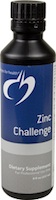
zinctest

“Zinc deficiency is quite common in the developing world. Even in the United States, about 12 percent of the population is probably at risk for zinc deficiency, and perhaps as many as 40 percent of the elderly” Science Daily, Sept 17, 2009

I, however, find that the majority of my clients with anxiety, pyroluria, depression and/or sugar and carb cravings are low in zinc. I have all my clients do the zinc status test when we start working together and then we retest their levels each week until they have good zinc levels. I use zinc sulfate, a liquid zinc that tastes a certain way depending on zinc levels.

Zinc Status test (also called zinc taste test or zinc tally or zinc challenge)

Category 1:

No specific taste or sensation – “It tastes like water” INDICATES GREATEST NEED FOR EXTRA ZINC

Category 2

No immediate taste noticed, but after a few seconds, a slight taste is noticed – ‘stale’, ‘dry mineral’, ‘furry’ or ‘sweet’ INDICATES SOME NEED FOR ZINC

Category 3

A definite mildly unpleasant taste is noticed almost immediately , and tends to intensify with time.. INDICATES LESS NEED FOR ZINC

Category 4

A very strong and very unpleasant taste is noticed immediately – bad enough to need to spit it out.. INDICATES NO NEED FOR ADDITIONAL ZINC, EXCEPT THAT FOUND IN A MULTIVITAMIN

Here is a video of Kelly taken at the recent 2012 Weston A Price conference. She did the zinc status test at my Antianxiety Food Solution booth and this is how the zinc sulfate should taste! Really really terrible! She was the one and only person over a 3 day period who had this reaction. Most of the other attendees scored either 1 or 2 i.e low zinc; a few people scored 3.

If your zinc status is good, this is what the zinc sulfate should taste like!

Zinc is an important and much-needed mineral:

  • Zinc is needed for neurotransmitter functioning ie to make “calming” GABA and “happy” serotonin
  • Zinc helps eliminate pyroluria (a social anxiety condition – see the pyroluria questionnaire here
  • Zinc is critical for wound healing, protein synthesis, muscle contractions, skin conditions
  • Zinc is critical for taste buds and appetite
  • Zinc is crucial for blood sugar control, weight control and diabetes
  • Zinc is crucial for thyroid health and sex hormones (and fertility)
  • Zinc is important for immunity and protection against yeast infections
  • Zinc helps with mental alertness and brain function, as well as sleep
  • Zinc is needed for many enzymatic processes in the body
  • Zinc is not stored in the body and can be depleted by sugar consumption, exercise and sweating and stress

Food sources of zinc

  • The highest concentration of zinc is oysters
  • Zinc is also found in other shellfish such as shrimps and crab
  • Zinc is also found in red meat, fish, poultry and cheese
  • It’s also found in smaller amounts in whole grains, beans, miso, tofu, nuts and seeds, mushrooms and broccoli (many of the plant sources also contain phytic acid which binds to zinc and prevents it being absorbed; many also contain copper so overdoing something like nuts or nut flours can be an issue for many of my clients with low zinc and anxiety)

Zinc supplements

I have found that zinc supplement containing 30mg is a good place to start if your level is low i.e. level 1 or 2 or even 3. I also find that Opti-zinc is very well absorbed by most of my clients (I like the Solaray brand). For someone with pyroluria I prefer a zinc supplement without copper and this brand is free of copper.

Here is my blog with the supplements I recommend to clients and details on how to set up an account with the fulfilment company I use.  Simply search for zinc and you’ll find various professional grade zinc products and the zinc tally or zinc challenge products.

If you’d like more information on zinc, pyroluria and anxiety, a great resource is my book The Antianxiety Food Solution: How the Foods You Eat Can Help You Calm Your Anxious Mind, Improve Your Mood and End Cravings, available in major books stores and from Amazon.  You can read more about it here.

Filed Under: Antianxiety Food Solution, Anxiety and panic, Food and mood, Sleep, Women's health Tagged With: anxiety, deficiency, GABA, pyroluria zinc taste test, serotonin, zinc, zinc sulfate

Figure out if gluten is making you anxious or depressed and win a book

November 30, 2012 By Trudy Scott 12 Comments

Even wholegrain bread may be a problem

Wouldn’t you like to know if gluten is making you anxious or depressed (or causing other health issues). I teamed up with Richard and C.R. Zwolinksi on their Therapy Soup blog on Psychcentral.com to show you how to do a gluten elimination and challenge.

And you have a chance to win one of two copies of my book The Antianxiety Food Solution: How the Foods You Eat Can Help You Calm Your Anxious Mind, Improve Your Mood and End Cravings – keep reading and I’ll share the link below. The deadline is December 3, 2012.

Here is the series of very informative blogs with everything you’ll need.

#1 Introducing the Gluten-free Challenge

“Although sugar and junk and fast foods cause health problems for many, one major dietary culprit that has been getting a lot of attention is gluten. For the next few weeks, Trudy, C.R. and I are going to talk about the importance of diet, and specifically gluten, as it affects your mental health. Many people don’t realize that they might have gluten a intolerance, or even an allergy to gluten….” More about Introducing the Gluten-free Challenge

#2 Getting Rid of Gluten

“A list of foods that contain gluten so you can avoid them”…”Several gluten-free menu suggestions”… “Suggestions for how you can keep track of what you’re eating and what kinds of symptoms might be present or lessened” More about Getting Rid of Gluten

#3 The Gluten-Mood Connection

“There are many studies supporting the gluten-mood connection – anxiety, social phobia, depression and even schizophrenia”… “Dr. Fasano is one of the leading researchers in this field and states that gluten sensitivity is undertreated and underrecognized as a contributing factor to psychiatric & neurologic manifestations.” You’ll see from some of the comments that many people are not yet ready to accept the research based evidence! More about The Gluten-Mood Connection

#4 Your Gluten-Free Shopping List

“Buckwheat is acceptable, as are the wonderful ancient grains like quinoa and amaranth. Starchy vegetables like sweet potato and squashes are a wonderfully nutritious source of carbohydrates. Rather than simply replacing the problem grain with another grain, consider incorporating more vegetables like these into your diet.” More about Your Gluten-Free Shopping List

# 5 Your Gluten-free Food and Mood Log

#6 Gluten-free Menus to Improve Your Mood.

C.R posted some lovely menu ideas and some recipes from her food blog, healthyjewishcooking.com, “(her blog is not completely gluten-free but many individual recipes are), followed by some links to gluten-free resources” More about Gluten-free Menus to Improve Your Mood

#7 I want my turkey and stuffing.

“We got an email from a reader who says she doesn’t want to miss the traditional turkey and stuffing during Thanksgiving. And she doesn’t want to “experiment” with gluten-free stuffing. So, we asked nutritionist Trudy Scott whether or not it’s okay to add back in the gluten a bit early.” More on I want my turkey and stuffing

#8 Win a free copy of The Antianxiety Food Solution

Read this blog to find out how to win one of two copies of the book. “We’d love to hear your gluten-free story if you want to include it in your email entry. If you like, please briefly describe your gluten-free experience.” Deadline for entries is Monday, December 3rd.

It’s been a lot of fun (and a real pleasure working with the Zwolinkis) and I hope you get as much out of it as we have! We will be sharing more in the coming week, talking about some testing options and how the amazing amino acids can help if you have quit but feel deprived and are using will-power.

Filed Under: Antianxiety Food Solution, Anxiety and panic, Food and mood, Real whole food Tagged With: Antianxiety Food Solution, anxiety, depression, gluten, gluten elimination, psychcentral.com, Therapy Soup

The Antianxiety Food Solution seminars in California

October 5, 2012 By Trudy Scott 14 Comments

Please join me for a full 1 day seminar to learn about the powerful connection between food and mood, and anxiety specifically.

“The Antianxiety Food Solution: Calm the Anxious Mind, Improve Mood & End Cravings”

I’ll be doing 3 talks in northern California in these locations and on these dates:

Tuesday, November 13, 2012 at 8:30 AM – 4:00 PM in Palo Alto, CA
Wednesday, November 14, 2012 at 8:30 AM – 4:00 PM in Oakland, CA
Thursday, November 15, 2012 at 8:30 AM – 4:00 PM in Sacramento, CA

The fee of $89.99 includes course materials. You can register here http://www.pesi.com/search/detail/index.asp?eventid=14682

These are PESI seminars and are geared towards mental health professionals and are also open to the public. They are delivered as a live event with Q & A at various times during the presentation. I’ll be covering all the latest research on food and mental health, as well as practical steps for implementing changes.

There is much recent research supporting the food mood connection and here is one recent study:

Davison KM, Kaplan BJ. 2012. Nutrient Intakes Are Correlated With Overall Psychiatric Functioning in Adults With Mood Disorders. Canadian Journal of Psychiatry. 57:85-92

This study looked at Canadian adults with mood disorders. Intake of carbs, fiber, total fat, linoleic acid, riboflavin, niacin, folate, vitamin B6, B12, pantothenic acid, calcium, phosphorus, potassium, iron, magnesium and zinc were measured and “higher levels of nutrients equated to better mental health.” (This study was included on my poster presentation at the 2012 Anxiety Disorders Association of America conference)

One of the study authors, Dr Kaplan, PhD was quoted as saying: “Doctors should consider counseling their patients to eat unprocessed, natural, healthy foods and refer them to a nutrition professional if specialized dietary consultation is needed.”

If you can’t make the event in person, a great resource is my book The Antianxiety Food Solution: How the Foods You Eat Can Help You Calm Your Anxious Mind, Improve Your Mood and End Cravings, available in major books stores, at Amazon and via www.antianxietyfoodsolution.com

Filed Under: Antianxiety Food Solution, Anxiety and panic, Events, Food and mood Tagged With: Antianxiety Food Solution, anxiety, food mood, mental health, PESI

Organic foods, Stanford study, pesticides and the brain

October 3, 2012 By Trudy Scott 9 Comments

Conventional peppers are highly sprayed with pesticides

We should be concerned about non-organic produce and pesticides despite the recent research published by Stanford: Smith-Spangler C, Brandeau ML et al. 2012. Are Organic Foods Safer or Healthier Than Conventional Alternatives?: A Systematic Review. Annals of Internal Medicine. 2012;157(5):348-366

There are two parts to this study:

  • the study states there is no difference between the nutrient values in organic vs non-organic produce : “The published literature lacks strong evidence that organic foods are significantly more nutritious than conventional foods.” However it appears some studies that do show differences were not included in the review – see Jeff Cox’s blog below
  • the study recognizes that pesticides are present in non-organic produce but that they are possibly nothing to be concerned about. I disagree with this and will show you the evidence.

The focus of this article is to address this statement in the conclusion: “Consumption of organic foods may reduce exposure to pesticide residues…” and why it’s important.

Let’s look at the some of the research around pesticide exposure and how this can affect the brain, cognition, ADHD, anxiety and depression in particular.

Mearns J, Dunn J et al. 1994. Psychological effects of organophosphate pesticides: A review and call for research by psychologists. Journal of Clinical Psychology 50(2):286-294.

Organophosphates (a commonly used toxic pesticide) “act directly on the nervous system by inhibiting the neurotransmitter acetylcholine.” They have “acute psychological and behavioral effects, such as anxiety, depression, and cognitive impairments.” The researchers suggest that long-term psychological effects of low-level exposure have not been determined satisfactorily.

Mackenzie Ross SJ, Brewin CR et al. 2010. Neuropsychological and psychiatric functioning in sheep farmers exposed to low levels of organophosphate pesticides. Neurotoxicoly and Teratology.32(4):452-459.

In this study sheep framers exposed to low levels of organophosphate pesticides experienced increased anxiety and depression, as well as worse cognitive function and memory.

Bouchard MF, Bellinger DC et al. 2010. Attention-deficit/hyperactivity disorder and urinary metabolites of organophosphate pesticides. Pediatrics 125(6):e1270-1277.

More recently, this study found that even low levels of pesticides in conventionally grown vegetables and fruit increased the risk of developing attention deficit/hyperactivity disorder in 8 to 15 years of age.

Cherry N, Burstyn I et al. 2012. Mental health in Alberta grain farmers using pesticides over many years. Occup Med (Lond) 62(6):400-6.

When it comes to elderly grain farmers in Alberta those “with mental ill-health in hospital discharge records were more likely to have been exposed to phenoxy compounds for ≥35 years.”

Coleman MD, O’Neil JD et al. 2012. A preliminary investigation into the impact of a pesticide combination on human neuronal and glial cell lines in vitro. PLoS One. 7(8):e42768.

This study found that certain fungicides (pyrimethanil, cyprodinil and fludioxonil), alone and also in combination “showed significant reductions in cellular ATP.” “The effects on energy metabolism were reflected in their marked toxic effects on mitochondrial membrane potential.” There was also “evidence of oxidative stress.” The authors conclude: “This report suggests that the impact of some pesticides, both individually and in combinations, merits further study in terms of their impact on human cellular health.”

Braquenier JB, Quertemont E et al. 2010. Anxiety in adult female mice following perinatal exposure to chlorpyrifos. Neurotoxicol Teratol. 32(2):234-9.

In this study “chronic perinatal exposure to low doses” of insecticides led to an increase in anxiety in the offspring of female mice. The authors suggest that “the routes of administration and the duration of exposure during brain development may be factors to consider when studying the development of anxiety.”

Malhotra A, Nair P et al. 2011. Efficacy of zinc as a nutritional supplement in ameliorating chlorpyrifos-induced neurotoxicity in rats. J Environ Pathol Toxicol Oncol. 2011;30(3):225-33.

This animal study found that pesticide exposure resulted in an “increase in the levels of lipid peroxidation and reactive oxygen species in both cerebellum and cerebrum.” Also, glutathione (a potent detoxifier) was decreased and anxiety levels were increased. The interesting thing is that researchers concluded that zinc (one of my favorite nutrients for anxiety and depression) “has potential to act as a neuroprotectant against pesticide-induced neurodegenerative and behavioral disorders but further investigations need to be conducted to understand the exact mechanism of neuroprotection.”

I’m encouraged by this research and look forward to further studies that will examine the impacts of pesticides on the nervous system. So yes, we obviously do need to be concerned about pesticides in the produce we consume. This August 2012 Neurotoxicology paper states it well: “The association between pesticide exposure and neurobehavioral and neurodevelopmental effects is an area of increasing concern .”

Footnote and additional reading:

This is the headline of one of the original Stanford blogs: Little evidence of health benefits from organic foods, Stanford study finds.

Much of the media used this and ran with it. Here is the article on ScienceDaily.com  NPR’s food blog, The Salt took the same approach as did Huffington Post and others.

Thank you France Moore Lappe for your wisdom: Stanford Scientists Shockingly Reckless on Health Risk And Organics.   And Mike Adams, the Health Ranger writes: Flawed organic foods study really just a media psyop to confuse the public about organics while pushing GMOs.   Jeff Cox, shares some of the nutrient research that seems to be missing from the Stanford study in his blog:  Monsanto’s Tricky Plan to Defeat GMO Labeling?

Filed Under: Antianxiety Food Solution, Anxiety and panic, Food and mood, Real whole food Tagged With: ADHD, anxiety, depression, organic, pesticide, Stanford

  • « Go to Previous Page
  • Page 1
  • Interim pages omitted …
  • Page 88
  • Page 89
  • Page 90
  • Page 91
  • Page 92
  • Interim pages omitted …
  • Page 96
  • Go to Next Page »

Primary Sidebar

GABA QuickStart Homestudy

gaba quickstart homestudy

Free Report

9 Great Questions Women Ask about Food, Mood and their Health

You'll also receive a complimentary subscription to my ezine "Food, Mood and Gal Stuff"


Connect with me

Popular Posts

  • Amino Acids Mood Questionnaire from The Antianxiety Food Solution
  • The Antianxiety Food Solution Amino Acid and Pyroluria Supplements
  • Pyroluria Questionnaire from The Antianxiety Food Solution
  • Collagen and gelatin lower serotonin: does this increase your anxiety and depression?
  • Tryptophan for the worry-in-your-head and ruminating type of anxiety
  • GABA for the physical-tension and stiff-and-tense-muscles type of anxiety
  • The Antianxiety Food Solution by Trudy Scott
  • Seriphos Original Formula is back: the best product for anxiety and insomnia caused by high cortisol
  • Am I an anxious introvert because of low zinc and vitamin B6? My response to Huffington Post blog
  • Vagus nerve rehab with GABA, breathing, humming, gargling and key nutrients

Recent Posts

  • Her cravings for chips and peanut butter were triggered by stress: GABA ends cravings and reduces physical tension and fear of heights
  • It is truly miraculous to be able to move through life without crippling anxiety and panic
  • GABA and tryptophan combo provide immediate and noticeable relief for tremors and cervical dystonia in just 7 days
  • Red light therapy for back and neck pain, plantar fasciitis and low mood – a complement to the amino acids GABA, DPA and tryptophan
  • What do I use instead of Seriphos to help lower high cortisol that is affecting my sleep and making me anxious at night?

Categories

  • 5-HTP
  • AB575
  • Addiction
  • ADHD
  • Adrenals
  • Alcohol
  • Allergies
  • Alzheimer's disease
  • Amino Acids
  • Anger
  • Antianxiety
  • Antianxiety Food Solution
  • Antidepressants
  • Anxiety
  • Anxiety and panic
  • Autism
  • Autoimmunity
  • benzodiazapines
  • Bipolar disorder
  • Books
  • Caffeine
  • Cancer
  • Candida
  • Children/Teens
  • Collagen
  • Cooking equipment
  • Coronavirus/COVID-19
  • Cravings
  • Depression
  • Detoxification
  • Diabetes
  • Diet
  • DPA/DLPA
  • Drugs
  • EFT/Tapping
  • EMF
  • EMFs
  • Emotional Eating
  • Endorphins
  • Environment
  • Essential oils
  • Events
  • Exercise
  • Fear
  • Fear of public speaking
  • Fertility and Pregnancy
  • Fish
  • Food
  • Food and mood
  • Functional neurology
  • GABA
  • Gene polymorphisms
  • General Health
  • Giving
  • Giving back
  • Glutamine
  • Gluten
  • GMOs
  • Gratitude
  • Gut health
  • Heart health/hypertension
  • Histamine
  • Hormone
  • Hyperparathyroidism
  • Hypoglycemia
  • Immune system
  • Inflammation
  • Insomnia
  • Inspiration
  • Introversion
  • Joy and happiness
  • Ketogenic diet
  • Lithium orotate
  • Looking awesome
  • Lyme disease and co-infections
  • MCAS/histamine
  • Medication
  • Men's health
  • Mental health
  • Mercury
  • Migraine
  • Mold
  • Movie
  • MTHFR
  • Multiple sclerosis
  • Music
  • NANP
  • Nature
  • Nutritional Psychiatry
  • OCD
  • Osteoporosis
  • Oxalates
  • Oxytocin
  • Pain
  • Paleo
  • Parasites
  • Parkinson’s disease
  • PCOS
  • People
  • PMS
  • Postpartum
  • PTSD/Trauma
  • Pyroluria
  • Questionnaires
  • Real whole food
  • Recipes
  • Research
  • Schizophrenia
  • serotonin
  • SIBO
  • Sleep
  • Special diets
  • Sports nutrition
  • Stress
  • Sugar addiction
  • Sugar and mood
  • Supplements
  • Teens
  • Testimonials
  • Testing
  • The Anxiety Summit
  • The Anxiety Summit 2
  • The Anxiety Summit 3
  • The Anxiety Summit 4
  • The Anxiety Summit 5
  • The Anxiety Summit 6
  • Thyroid
  • Thyroid health
  • Toxins
  • Tryptophan
  • Tyrosine
  • Uncategorized
  • Vegan/vegetarian
  • Women's health
  • Yoga

Archives

  • May 2026
  • April 2026
  • October 2025
  • September 2025
  • August 2025
  • July 2025
  • June 2025
  • May 2025
  • April 2025
  • March 2025
  • February 2025
  • January 2025
  • November 2024
  • October 2024
  • September 2024
  • August 2024
  • July 2024
  • June 2024
  • May 2024
  • April 2024
  • March 2024
  • February 2024
  • January 2024
  • December 2023
  • November 2023
  • October 2023
  • September 2023
  • August 2023
  • July 2023
  • June 2023
  • May 2023
  • April 2023
  • March 2023
  • February 2023
  • January 2023
  • December 2022
  • November 2022
  • October 2022
  • September 2022
  • August 2022
  • July 2022
  • June 2022
  • May 2022
  • April 2022
  • March 2022
  • February 2022
  • January 2022
  • December 2021
  • November 2021
  • October 2021
  • September 2021
  • August 2021
  • July 2021
  • June 2021
  • May 2021
  • April 2021
  • March 2021
  • February 2021
  • January 2021
  • December 2020
  • November 2020
  • October 2020
  • September 2020
  • August 2020
  • July 2020
  • June 2020
  • May 2020
  • April 2020
  • March 2020
  • February 2020
  • January 2020
  • December 2019
  • November 2019
  • October 2019
  • September 2019
  • August 2019
  • July 2019
  • June 2019
  • May 2019
  • April 2019
  • March 2019
  • February 2019
  • January 2019
  • December 2018
  • November 2018
  • October 2018
  • September 2018
  • August 2018
  • July 2018
  • June 2018
  • May 2018
  • April 2018
  • March 2018
  • February 2018
  • January 2018
  • December 2017
  • November 2017
  • October 2017
  • September 2017
  • August 2017
  • July 2017
  • June 2017
  • May 2017
  • April 2017
  • March 2017
  • February 2017
  • January 2017
  • December 2016
  • November 2016
  • October 2016
  • September 2016
  • August 2016
  • July 2016
  • June 2016
  • May 2016
  • April 2016
  • March 2016
  • February 2016
  • January 2016
  • December 2015
  • November 2015
  • October 2015
  • September 2015
  • August 2015
  • July 2015
  • June 2015
  • May 2015
  • April 2015
  • March 2015
  • February 2015
  • January 2015
  • December 2014
  • November 2014
  • October 2014
  • September 2014
  • August 2014
  • July 2014
  • June 2014
  • May 2014
  • April 2014
  • March 2014
  • February 2014
  • January 2014
  • December 2013
  • November 2013
  • October 2013
  • September 2013
  • August 2013
  • July 2013
  • June 2013
  • May 2013
  • April 2013
  • March 2013
  • February 2013
  • January 2013
  • December 2012
  • November 2012
  • October 2012
  • August 2012
  • July 2012
  • June 2012
  • May 2012
  • April 2012
  • March 2012
  • February 2012
  • January 2012
  • December 2011
  • November 2011
  • October 2011
  • September 2011
  • August 2011
  • July 2011
  • June 2011
  • May 2011
  • April 2011
  • March 2011
  • February 2011
  • January 2011
  • December 2010
  • October 2010
  • September 2010
  • July 2010
  • May 2010
  • April 2010
  • March 2010
  • February 2010
  • January 2010
  • November 2009

Share the knowledge!

The above statements have not been evaluated by the Food and Drug Administration. Products listed in this website are not intended to diagnose, treat, cure or prevent any disease.

The information provided on this site is for informational and educational purposes only and is not intended as a substitute for advice from your physician or other health care professional. You should consult with a healthcare professional before starting or modifying any diet, exercise, or supplementation program, before taking or stopping any medication, or if you have or suspect you may have a health problem.


Copyright © 2026 Trudy Scott. All Rights Reserved. | Privacy | Terms and Conditions | Refund Policy | Medical Disclaimer

Free Report

9 Great Questions Women Ask about Food, Mood and their Health

You’ll also receive a complimentary subscription to my ezine “Food, Mood and Gal Stuff”