• Skip to primary navigation
  • Skip to main content
  • Skip to primary sidebar

everywomanover29 blog

Food, Mood and Women's Health – Be your healthiest, look and feel great!

  • Blog
  • About
  • Services
  • Store
  • Resources
  • Testimonials
  • The Book
  • Contact
  • Search this site

alcohol

Fatigue, sleep disorders, depression, anxiety, fibromyalgia and cardiac troubles as the expression of a classic mild thiamine deficiency

October 8, 2021 By Trudy Scott 15 Comments

coffee sugar thiamine

Fatigue, sleep disorders, depression, anxiety, fibromyalgia and cardiac troubles are some of the symptoms we see as the expression of a classic mild thiamine deficiency. Thiamine deficiency is very under-rated and under-recognized, and can have far reaching ramifications. And a magnesium deficiency and high dose magnesium can actually cause a thiamine deficiency. There are also many other causes of thiamine deficiency that may not be on your radar: a high carb/processed food/sugar diet, coffee, tea, alcohol, genetics, environmental toxins, medications, celiac disease, leaky gut, bariatric surgery and malabsorption.

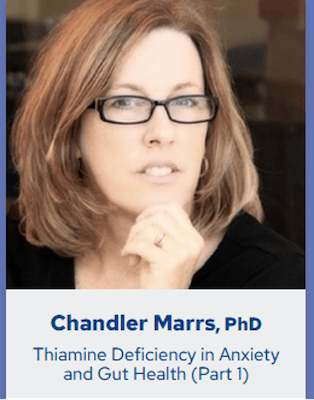
It’s for this reason that I invited Chandler Marrs, PhD to speak on the Anxiety Summit 5: Gut-Brain Axis. We had so much to cover and it ended up being so long, that we split it into part 1 and part 2.
chandler marrs

This is what we cover in Thiamine Deficiency in Anxiety and Gut Health (Part 1)

  • Excessive carbs, alcohol, medications and genetics as causes of low B1/thiamine
  • Dysbiosis, dysmotility, constipation, anxiety, depression, panic attacks, low energy
  • Psychiatric and digestive effects: research, history and other symptoms

This is what we cover in Thiamine Deficiency in Anxiety and Gut Health (Part 2)

  • The mitochondria, dysautonomia and POTS
  • Other symptoms: hyperemesis, exercise intolerance, muscle pain, neuropathy
  • Thiamine supplementation – forms, dosing and paradoxical reactions

Thiamine deficiency is under-rated and under-recognized

We start with why it’s an under-rated and under-recognized deficiency and Dr. Marrs shares that the assumption is that deficiency is not common and even when you test it looks like you are not deficient:

  • “The assumption is that there is no such thing [as a thiamine deficiency] and that it’s rare unless you are a chronic alcoholic. And even then, it’s missed 80% of the time. Or you have a severe injury or illness that depletes thiamine rapidly.
  • The presumption is that we’ve solved it, and it’s rare, and it only happens in countries where food availability is problematic.
  • The reality is that the chemistry of our foods, the chemistry of our environment, the medications that we take all combine and accrue to not only deplete the available thiamine on the basis of intake but to increase the need and to damage a lot of the enzymes involved in the processing of thiamine.
  • So a lot of folks are functionally deficient in that even though by definition they meet the daily requirement and they may, based upon lab testing, show up as being sufficient and not frankly deficient.
  • And so, I think that we just have taken our eye off of the ball with regard to this particular nutrient.”

Magnesium deficiency (and high dose magnesium) can actually cause a thiamine deficiency

Dr. Marrs also shares how a magnesium deficiency (which is very common) can actually cause a thiamine deficiency:

  • “One of the things that’s interesting is it requires magnesium to activate thiamine into its active form.
  • If someone is thiamine sufficient and magnesium deficient, then they are actually functionally deficient in thiamine because you cannot take the free thiamine and activate it into thiamine pyrophosphate.
  • So magnesium deficiency itself can cause thiamine deficiency. And there’s a good percentage of the population that doesn’t get enough magnesium.”

And she also shares how when taking high dose magnesium it’s so crucial to also be addressing low thiamine in order to prevent them becoming more thiamine deficient:

  • “Now, the flip side of that is really interesting. And I think this is important for your audience, in particular, is that magnesium supplementation, when someone has a problem with thiamine, will actually shut down thiamine processing and mitochondrial processing at one of the enzymes. Because if you don’t have thiamine with magnesium, then the enzyme α-ketoglutarate dehydrogenase kind of shuts the whole sequence down.
  • So if you are giving someone high dose magnesium, which is common to supplement, and not tackling the thiamine as well, you risk them becoming more thiamine deficient and reducing ATP output, energy output even further. So everything has to be in balance to some extent or another.”

I can think of one situation where this could be common. You use high dose magnesium due to constipation. Low thiamine may be one of the underlying causes of your constipation and now high dose magnesium is going to make the low thiamine situation worse.

Up to 30% of psychiatric patients have a thiamine deficiency

We talk about how up to 30% of psychiatric patients have a thiamine deficiency but that there hasn’t been enough work on psychiatric disorders which Dr. Marrs says “is strange given the fact that some of the strongest symptoms involve brain function and the most dangerous or some of the more dangerous damage is relative to areas of the brain.”

I share some quotes from a 2019 paper that does actually look at the psychiatric aspects – Neurological, Psychiatric, and Biochemical Aspects of Thiamine Deficiency in Children and Adults:

  • “The brain is highly vulnerable to thiamine deficiency due to its heavy reliance on mitochondrial ATP production. This is more evident during rapid growth, i.e., perinatal and children.
  • Thiamine deficiency contributes to a number of conditions spanning from mild neurological and psychiatric symptoms, confusion, reduced memory, sleep disturbances, and severe encephalopathy, ataxia, congestive heart failure, muscle atrophy, and even death.”

This paper also looks at the beneficial effect of thiamine supplementation in autism spectrum disorder (ASD) and other neurological conditions.

Below, I share some additional studies that we didn’t talk about in the interview but add value to the topic.

Fatigue, sleep disorders, depression, anxiety, fibromyalgia and cardiac troubles as the expression of a classic mild thiamine deficiency

This paper, High-dose thiamine improves the symptoms of fibromyalgia, states that “It is our opinion that fatigue, sleep disorders, depression, anxiety and cardiac troubles are the expressions of a classic mild thiamine deficiency.”

The authors share 3 cases where thiamine/vitamin B1 improved symptoms in all areas for all these women:

  • Patient 1: Female, 58 years old, weight 59 kg. From 1998, the patient began to have widespread pain accompanied by severe fatigue, depression, anxiety, irritability, sleep disorders, trouble concentrating, dry skin, general sickness, continuous headache, intolerance to low temperatures and, more recently, episodes of tachycardia and extrasystolia [alteration in heart rhythm].
  • Patient 2: Female, 37 years old, weight 74 kg. From 1999, the patient has had widespread pain and all the symptoms described for patient 1, with the only exception being that of cardiac symptoms.
  • Patient 3: Female, 60 years old, weight 65 kg. From 2006, the patient began to have widespread pain, fatigue, depression, anxiety, sleep disorders. Trouble concentrating.

As you can see the symptoms can be very varied and this is what makes it challenging to identify low thiamine as being the issue.

Thiamine deficiency after bariatric surgery

Here one case study where thiamine deficiency occurred after bariatric surgery: Wernicke’s encephalopathy mimicking multiple sclerosis in a young female patient post-bariatric gastric sleeve surgery:

We describe a case of Wernicke’s encephalopathy secondary to thiamine (B1) deficiency in a patient status post-bariatric sleeve gastrectomy.

The presenting symptoms of new-onset weakness, diplopia [double-vision], and confusion in a young female patient raised suspicion for multiple sclerosis (MS), but given a history of bariatric surgery, thiamine levels were checked, revealing significant Vitamin B1 (thiamine) deficiency.

This case highlights the importance of thorough history taking, as a misdiagnosis of MS in this case could have resulted in irreversible neurological deterioration and hematological and infectious consequences associated with the inappropriate administration of disease-modifying therapies.

Bariatric surgery is one of many causes of thiamine deficiency.

Some of the other many causes of thiamine deficiency

Other causes of thiamine deficiency include factors that may not be on your radar: a high carb/processed food/sugar diet (and even consistent smaller amounts of “healthy” sweeteners), coffee and tea consumption, alcohol consumption (excessive consumption and even moderate consumption i.e. social drinking), genetics (we talk about specific genes in the interview), environmental toxins, certain medications, celiac disease, leaky gut and malabsorption etc.

We do a deep dive into all this in the two interviews (and much more).
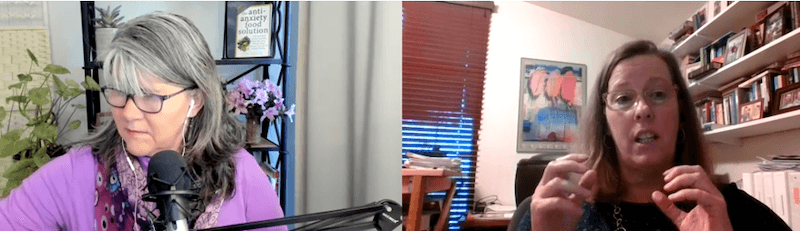
chandler marrs interview
(As you can see, when I do interviews I take notes throughout for a few reasons: writing consolidates the information into my brain and it allows me to make notes for follow-up questions. It also helps the video editing process later.)

Interviews that dove-tail well with this topic are these ones:

  • Michael Collins – Sugar/Fructose Addiction: Anxiety, ADHD and Aggression (because sugar and carbs lead to low thiamine)
  • My interviews, Glutamine, DPA and Tyrosine for Anxiety and Sugar Cravings and GABA & Tryptophan: Gut-Anxiety Connections (because the amino acids help you quit sugar/carbs, coffee and alcohol easily)
  • Tara Hunkin, NTP, CGP, RWP – Mitochondrial Dysfunction in Anxiety (because low thiamine adversely affects the mitochondria)

I encourage you to tune in if you have:

  • Anxiety & feel overwhelmed & stressed by little things
  • Panic attacks &/or obsessive thoughts or behaviors
  • Social anxiety/pyroluria
  • Phobias or fears (flying, spiders or even driving on a highway)

And also if you suffer from…

  • Food sensitivities, IBS/SIBO, parasites or gallbladder issues
  • Constipation, diarrhea, bloating, gas, pain & other digestive issues
  • Leaky gut, a leaky blood-brain barrier or vagus nerve issues

Join us if you are also an emotional eater with intense sugar cravings (and know you suffer from low blood sugar), experience insomnia, low mood, PMS, poor focus and/or low motivation.

This is THE online event to learn about the powerful individual amino acids – GABA, theanine, tryptophan, 5-HTP, glutamine, DPA and tyrosine – to quickly ease anxiety and help with gut symptoms while you are dealing with other root causes which take longer to address. (They also help with cravings as with this example, and sleep and immunity).

With research-based anxiety nutritional solutions and practical steps, you can determine your root causes, ease your anxiety and prevent it from coming back so you can feel on top of the world again!

If you are a practitioner, please join us too and find advanced solutions for your clients or patients too!

You’ve heard me say the Anxiety Summit has been called “a bouquet of hope!” My wish for you is that this summit is your bouquet of hope!

I hope you’ll join me and these incredible speakers, be enlightened and find YOUR solutions! More about this summit and other Anxiety Summits here.

Here’s to no more anxiety and you feeling on top of the world again!

Please share if these thiamine deficiency symptoms are new to you.

Also let us know if you’ve benefited from thiamine in the past or are currently using some form of thiamine – and how helped/is helping.

Have you seen this correlation between low magnesium and low thiamine OR taking high doses of magnesium and low thiamine symptoms?

Feel free to post your questions here too.
Learn more/purchase now

Filed Under: Anxiety, Depression, Sugar addiction, The Anxiety Summit 5 Tagged With: alcohol, anxiety, Anxiety Summit 5, carbs, cardiac, Chandler Marrs PhD., coffee, depression, fatigue, Fibromyalgia, insomnia, magnesium, neurological, psychiatric, sleep disorders, sugar, sugar craving, Thiamine, vitamin B1

Huge rise in anxiety in college students (and other mental health issues): amino acid supplements and nutritional psychiatry as a solution.

May 21, 2021 By Trudy Scott 17 Comments

anxiety in college students

Is your son or daughter finding college/university overwhelming? Is he or she battling with new or worsening anxiety, worrying about results, has fears about success or fitting in, lying awake imagining the worst outcomes or maybe feeling like a perfectionist and getting stuck? Perhaps they have poor self-confidence, feel like an imposter and may even have panic attacks.  These signs and symptoms are all common with the low serotonin-type of worry-in-the-head anxiety, which may also include PMS (premenstrual syndrome), obsessive tendencies and anger issues.

They may also be experiencing the low GABA type of tension-anxiety, where they lie awake at night stiff and tense and self-medicate with too much sugar, carbs, junk food and/or alcohol (and maybe even pot and other drugs). There may be intrusive thoughts too and panic attacks also triggered by low GABA.

What about focus issues/ADHD and low motivation, no ability to follow-through on tasks and projects, procrastination and missing deadlines? These are all classic signs of low catecholamine, which also includes low energy, and feeling depressed/sad/low/flat. Your son or daughter may just want to crawl up in their dorm bed and not do anything or may spend hours doing mindless activities like binge watching Netflix or scrolling mindlessly through social media.

All of these signs and symptoms point to low levels of neurotransmitters or brain chemicals: low serotonin, low GABA and low dopamine. We need the right raw materials to make these neurotransmitters and the majority of college cafeterias are not providing nutrient-dense foods and/or foods that are unique for each person’s biochemistry (more on this below).

The huge rise in anxiety and other mental health issues in college students

It’s no wonder that we are seeing a huge rise in anxiety and other mental health issues in college students. Way too many students are dropping out and so many are struggling unnecessarily.

This 2019 Harvard blog post shares some alarming stats:

Anxiety in college is very common. According to the American College Health Association Fall 2018 National College Health Assessment, 63% of college students in the US felt overwhelming anxiety in the past year. In the same survey, 23% reported being diagnosed or treated by a mental health professional for anxiety in the past year.

This article in Nature earlier this year, The problem is greater than it’s ever been’: US universities urged to invest in mental-health resources, highlights points from US National Academies of Sciences, Engineering, and Medicine report:

  • 68% of university presidents listed student mental health as one of their most pressing issues
  • the dropout rate for students with diagnosed mental-health problems ranges from 43% to as high as 86%
  • The students who said that they had more trouble with anxiety or depression after the lockdown also reported greater alcohol use

It states that faculty members should “receive formal training to address and support student well-being” and “students should learn about mental-health issues as part of their introductory training.” They also say “Hiring more counsellors could be an important step, but counsellors alone can’t turn the tide.” I agree with all this but recommend adding nutritional psychiatry awareness, training and resources too.

Poor diet and nutritional deficiencies are a major contributing factor even though it’s seldom discussed. The good news is that there are relatively simple solutions – amino acids as supplements for quick relief and diet as the foundation – but it does take work.

Using amino acids as supplements for quick relief

Amino acids, used as supplements, are a quick way to offer immediate relief of symptoms:  tryptophan or 5-HTP (for the low serotonin worry-type anxiety), GABA (for the tension-type anxiety) and tyrosine (for the low dopamine poor-focus and low symptoms). Here are some examples:

  • A 23-year-old female college student, adopted and exposed to alcohol while in the womb, has some learning struggles. She doesn’t want to miss a day of taking 5-HTP, because she says that “it keeps her on her toes,” which she says means that it “keeps me focused,” when studying.
  • Tyrosine helped a young man who was learning new software: “Within an hour the stress just melted away!”, alleviating his anxiety and panic attacks and creating a feeling of calm focus.
  • A newly qualified nutritionist shared how she suffered badly from imposter syndrome at the end of her nutrition degree and she felt socially awkward in so many outings and situations. Her anxiety and stress were through the roof and her sleep was poor. She said these wonderful results: “What really tipped the balance was the supplementation of tyrosine, tryptophan & GABA.”

If you are new to the amino acids, here is the Amino Acids Mood Questionnaire from The Antianxiety Food Solution and additional information on Anxiety and targeted individual amino acid supplements: a summary

This lists The Antianxiety Food Solution Amino Acid and Pyroluria Supplements that I use with my individual clients and those in my group programs.

We use the amino acids for quick relief of symptoms and then focus on the foundations like diet and address other imbalances.

Diet as the foundation for students i.e. nutritional psychiatry

I first blogged about nutritional psychiatry in 2015 when the ISNPR position statement was published in World Psychiatry, the official journal of the World Psychiatric Association. This 2019 paper, Nutritional psychiatry: Towards improving mental health by what you eat provides an overview of the emerging field of nutritional psychiatry:

Does it matter what we eat for our mental health? Accumulating data suggests that this may indeed be the case and that diet and nutrition are not only critical for human physiology and body composition, but also have significant effects on mood and mental wellbeing. While the determining factors of mental health are complex, increasing evidence indicates a strong association between a poor diet and the exacerbation of mood disorders, including anxiety and depression, as well as other neuropsychiatric conditions.

The 2017 SMILES Trial is the first randomized controlled diet depression study and ONE THIRD of the dietary intervention group saw improvements in their depression symptoms.  This was just diet alone and switching from processed/junk food to real food with no specific dietary restrictions. Participants also reported improvements in anxiety symptoms. And the authors even addressed the cost factor, stating it was more affordable to eat this way.

Research supports this connection in college students. This is one of a growing number of studies, Eating behavior and relationships with stress, anxiety, depression and insomnia in university students, that concludes that:

unhealthy eating patterns are common in university populations and are related to anxiety, stress, and depression. Educational interventions to reduce unhealthy food consumption in university students can also result in psychological health improvements and/or vice versa.

Unfortunately, as students get more anxious and depressed their food choices get worse (especially for male students) and it becomes a vicious cycle. This paper, Examining the Role of Anxiety and Depression in Dietary Choices among College Students, reports:

Overall, a decrease in total caloric intake and an increase in sugar consumption were found as self-reported symptoms of anxiety and depression increased. In addition, there were sex differences in the relationship between depression and food choices. Men consumed more saturated fat as well as less fruits and vegetables as self-reported symptoms of depression increased. Results suggest symptoms of depression are a greater risk factor for poor nutrition in male college students than females.

It’s time for colleges/universities to recognize all this and teach about nutritional psychiatry. My book, The Antianxiety Food Solution is an excellent starting point for students, parents and educators (together with other blogs on this site).

Checking out cafeterias and cooking options

When looking at colleges are you also looking at what the cafeteria offers and if they cater for special diets (like gluten-free, dairy-free, Paleo etc) and/or offer real whole food, organic vegetables and fruit, grass-fed meat, wild fish and fermented foods?

Can students use a slow cooker, blender, Instant Pot or electric frying pan in their dorms?

Is there a dorm kitchen and can they take their own pots and pans (so non-stick pans can be avoided) and any of the above appliances?

Are there nearby living options that include a kitchen and a store with quality food for purchase?

I feel colleges/universities should be rated on all of the above in addition to everything else.

It all starts at home before they leave for college

Having a good college cafeteria and dorm kitchens is one step in the right direction, but these young adults also need to understand the impact of a breakfast of bagels and coffee or not having breakfast or the fact that gluten may trigger a panic attack and make them sad. They need to know how to shop and cook if there is a shared dorm kitchen or apartment. And they need to make the right choices when they do eat in the cafeteria or nearby restaurants (assuming good options are available). This all starts at home with you before they leave for college.

Katie shares this about her daughter who plans to use the college cafeteria for some meals and also cook in the apartment kitchen on weekends:

My daughter was just saying today how glad she is that she doesn’t have to figure out [the connection between increased anxiety, fatigue, brain fog, sadness and what they are eating] while learning how to live on her own and go to college. I changed how I ate 8 years ago for my PCOS and about 3 years ago she decided to give it a try after feeling so horrible but seeing my change. I’m so proud of her for embracing a healthier lifestyle in her teen years when everyone around her is subsisting off energy drinks and vending machine food. It makes me think that if we offer them a little education, they’ll make good choices for themselves.

This mom can also feel proud that she led by example for her daughter (and I appreciate them for letting me share here).

But I believe the colleges need to play a role in this too. They are providing food and this is a perfect educational opportunity that will serve their students (and future generations), solve the mental health crisis they are struggling with and prevent drop-outs (which is having an impact on their bottom-line).

Do you believe colleges/universities should be rated on all of the above in addition to everything else? What have you done to check out cafeterias and cooking options for your daughter or son?

Has your son or daughter benefited from any of the amino acids or eating real whole food (and according to their own needs?

Do you work in a college and are you seeing this rise in anxiety and depression? If yes, how do we get these changes implemented?

How do we educate students once they are at college (other than making sure campus food is excellent):

  • a lifestyle/diet/anxiety app with resources and tracking?
  • online training with a nutritionist/coach and access to an online forum and live Q&As?
  • one-on-one campus nutrition coaches?
  • make nutritional psychiatry part of the curriculum?
  • produce a documentary following the lives of students on campus and showing the transformation they experience?

Feel free to post your questions and ideas here too.


Filed Under: Anxiety, Diet, GABA, Nutritional Psychiatry, serotonin Tagged With: ADHD, alcohol, amino acid supplements, anxiety, cafeteria, carbs, college, college students, cooking, daughter, fears, focus issues, GABA, imposter, junk food, low motivation, mental health, nutritional psychiatry, overwhelming, panic attacks, perfectionist, procrastination, rise in anxiety, serotonin, son, stuck, sugar, tension, tryptophan, tyrosine, university, worry, worrying

Tryptophan calms comfort eating, eases self-doubt, reduces uncontrollable late night snacking and results in a lot more peace around food.

March 26, 2021 By Trudy Scott 26 Comments

tryptophan calms

Zoe shares her life long story about comfort eating, her insecurities and self-doubt in her teens, the comfort-foods that allowed her to “escape” and how addressing low serotonin at 41 years of age led to her feeling a lot more peace around food. The effects of one chewable tryptophan were instant! Here is her story in her own words, some insights from me and possible next steps for Zoe to consider.

Historically I had comfort eaten and felt insecure and had lots of self-doubt. This led to trying alcohol and cocaine in my early 20s, plus I’m a vegetarian so I think I blew through all my natural serotonin by the time I tried tryptophan at 41!

I think [low] serotonin was huge for me and tryptophan helped calm my comfort eating.

My comfort eating started at secondary school, around 14, an escape from my feelings when I got home from school. I would eat mashed potatoes with loads of butter or a Sara Lee Chocolate gateau.

Thinking about it now, I realize I was craving carbohydrates and I would eat till I felt sick. I craved feeling really full and sadly was bulimic for a few years there as a teenager. I think my feelings of not feeling good enough/unloved drove me to comfort eating and not feeling understood. I would eat, be sick then do an exercise video before my parents even got home! It may also have been hormonal as I get PMS. I also have PCOS (polycystic ovarian syndrome).

Good news is I tried tryptophan last summer and the effects were instant.

I hadn’t read the instructions properly so ate a Lidtke chewable tryptophan tablet with my meal and instantly felt the effect. I stopped eating and feeling hungry instantly. I took the chewables for a couple of months then went onto Lidtke 500mg for another few months.

I do still have a tendency to snack late at night but it’s gone from totally uncontrollable 8 or 9 out of 10 to a 3 or 4 out of 10. I don’t crave food anywhere near as much as I used to and I have a lot more peace around food now.

Thank you for being the one to introduce me to them, you are a super star.

A few thoughts from me

This is a wonderful outcome and I’m thrilled for her transformation! I also appreciate Zoe giving me permission to share here so you can be inspired and have hope!

A few thoughts from me:

  • PMS/dysphoria is common with low serotonin levels and research shows that tryptophan can help ease symptoms in a few cycles
  • Low levels of serotonin and endorphins can lead to alcohol consumption and experimenting with drugs as a means of self-medication. This can often be replaced with sugar addiction and cravings which are also a way to self-medicate.
  • Low serotonin is a factor with bulimia, although it’s typically an under-recognized factor when it comes to eating disorders.

I share where I’d start if we were working together and possible next steps below.

How did she use tryptophan and which products did she use?

Zoe initially used the Lidtke chewable (each one is 100mg) for a few months: ”I used the Lidtke chewable as I don’t need much to feel the effects of aminos!”

Then she switched to the Lidtke 500mg: “I was taking 500mg mixed with banana on an empty stomach every day for about 6 months.”

This amount of tryptophan would be considered low for most folks. 500mg is a typical starting dose often used 1-2 mid-afternoon and 1-2 in the evening.

You may see all her low serotonin symptoms and think she has a lot going on and will likely need large doses of tryptophan for serotonin support. But you never know how much tryptophan will work until you do a trial.

Low endorphins and DPA for eliminating comfort eating

Zoe actually posted much of the above in response to a question I posted on Facebook about eliminating comfort eating and the amino acid called DPA (d-phenylalanine). DPA typically helps the kind of eating where you feel “I deserve this or this is my reward or this is my treat.” Until you address low endorphins with DPA, you may also feel eating these foods are numbing – as in numbing or blocking emotional pain.

She shared “Yes I’ve tried DPLA and it had a very nice effect.” But as you’ve read above, low serotonin was a bigger issue for Zoe and it was the tryptophan that really helped calm her comfort eating.

DLPA or DPA?

I reminded her that DPLA (dl-phenylalanine) is quite different from DPA (d-phenylalanine). DLPA works on boosting low catecholamines (improving low motivation, poor focus and fatigue and stay-in-bed kind of depression) and to a small extent also low endorphins. DPA works purely on boosting low endorphins.

But Zoe did see benefits from DLPA:

DPLA made me feel very content with my life. I felt very happy where I was all of a sudden, instead of feeling the need to chase something better all the time. I’ve never had just straight DPA, I’ve found it hard to find.

It’s not uncommon to see low serotonin and low endorphins in situations like this.

Tryptophan is no longer helping: my feedback and other ideas

Zoe did also share this about the 500mg tryptophan no longer helping like it used to:

The tryptophan doesn’t seem to have the same effect on me anymore sadly but that maybe because I’m ‘topped up’ but I did wonder if I had ruined the quality of my tryptophan by storing it on top of my microwave (so they were heating up).

I’ll try the [Lidtke] Tryptophan Complete this time and hope they work as I do still get a bit of PMS which seemed to go away for a while.

I did hear about mixing it with inositol being a possible solution too?

Here is my feedback on some of this, where I’d start if we were working together and possible next steps:

  • My favorite DPA product is also made by Lidtke and it’s called Endorphigen. It may help with the last remaining snacking
  • However, timing wise late-night snacks for carbs tends to be low serotonin. I would try again with Lidtke 500mg (the microwave heat may have been an issue), considering a trial of 1000mg, trialing the Lidtke Tryptophan Complete (as she may be missing the cofactors to make serotonin) and even consider going back to the chewable Lidtke tryptophan which worked so well initially.
  • I would also look at other factors that may be lowering serotonin levels: has gluten snuck back in or is there any accidental exposure? Has she started consuming collagen and/or gelatin which can lower serotonin in susceptible folks?
  • I would consider trialing inositol if there is an obsessive tendency to the snacking. It does help with PCOS too.
  • She had said “I thought GABA would be amazing for me but it wasn’t.” Since GABA helps with PCOS and PMS, I would revisit GABA trials using different forms, higher doses and making sure trials are sublingual. Progesterone or herbs that support progesterone is another option.
  • I agree with Zoe’s comments about being a vegetarian. Low levels of neurotransmitters are common and we cover the benefits of grass-fed red meat for women in my interview with Dr. Felice Jacka on the first Anxiety Summit. I’d encourage adding some quality animal protein if she’s open to it.
  • For vegetarians, we often also add a free form amino acid blend with tryptophan, especially if adding animal protein is a no-no.
  • I would also consider pyroluria (the social anxiety condition) too as PMS is common, pyrolurics are often vegetarians, and the pyroluria protocol provides necessary cofactors for making serotonin. Zinc is often low in vegetarians too.
  • I would also assess for low iron and low B12 (also often low in vegetarians) and needed for serotonin production; and look into the BCP (birth control pill) or other meds that may be lowering serotonin.
  • I would have her doctor check thyroid health as low thyroid can reduce the effectiveness of the amino acids

As with everyone, a full functional workup looking at diet, nutritional deficiencies, digestion, all hormones, toxins and infections (and so on) is key to address all possible root causes.

Have you found that tryptophan calmed your comfort eating, reduced your self-doubt and late night carb snacking and led to feelings of peace around food? Did it also reduce PMS and other low serotonin symptoms?

If you’re a practitioner working with women who comfort-eat and have typical low serotonin symptoms, have you found tryptophan to help?

Feel free to post your questions and feedback in the comments below.

Filed Under: Cravings, serotonin, Tryptophan Tagged With: alcohol, bulimia, cocaine, comfort eating, craving, GABA, insecure, PCOS, peace, peace around food, PMS, pyroluria, self-doubt, self-medication, serotonin, snacking, thyroid, tryptophan, unloved, vegetarian

PharmaGABA eases physical anxiety in a young man who has recently given up Adderall, alcohol and nicotine

December 11, 2020 By Trudy Scott 45 Comments

pharmaGABA and physical anxiety

Today’s blog is about a young man diagnosed with ADD (attention deficit disorder) in his early twenties and prescribed Adderal (a stimulant). He was a cigarette smoker and drank alcohol too. His mother shared this encouraging feedback about the recent changes he has made and the benefits he reports with pharmaGABA on a recent blog. She aslo has a question about the GABA timing.

If you’re new to the low GABA type of anxiety, here is a recap: with low GABA the anxiety is the physical anxiety type with stiff and tense muscles and there is often the need to self-medicate with alcohol in order to relax, feel calm and fit in socially. Cigarettes can also be calming for many folks. Anxiety can cause poor focus issues and the inability to focus can drive up anxiety.

Here is her feedback and question:

I have a son that just started GABA after I recommended it from following you all these years. He has given up Adderall, alcohol, and nicotine all this past six months and is feeling so much better than the past ten years of his life. He is 32. He had been diagnosed with ADD in his early twenties.

He has symptoms that fall under low GABA and tried a chewable PharmaGABA 100mg tablet yesterday. He took 2 tablets (200mg total) with his meals three times the past two days and said he felt it work immediately. I told him I thought perhaps on a podcast I heard dosing 30 minutes before meals or an hour after was best?

This was my feedback for this mom about the timing of the pharmaGABA:

  • It’s wonderful to hear that the chewable pharmaGABA worked immediately to ease his low GABA physical anxiety symptoms
  • The amino acid GABA is best used away from protein so, yes, 30 minutes before meals with protein or an hour after is best.
  • Your son will likely find he needs less GABA doing it this way and it’ll be more effective.

I had this encouragement and feedback about quitting and using GABA:

  • Good for him getting off Adderall and quitting alcohol and nicotine. It can be tough when using just will-power alone.
  • The amino acids actually make it easier to quit because of the self-medication aspect and alcohol and nicotine are often used as a way to ease anxiety.
  • Even so, addressing low GABA levels after the fact will make it so much easier for him to stay away from nicotine and alcohol without having to use will-power.
  • There is also research showing that GABA may offer gut protection after alcohol consumption
  • As I mention above, anxiety can cause poor focus issues and the inability to focus can drive up anxiety. GABA can help improve focus and reduce anxiety)

Imbalances of other neurotransmitter (like low serotonin and low endorphins)

If I was working with young man I would also consider imbalances of other neurotransmitter too (like low serotonin and low endorphins) especially because alcohol and nicotine addictions are so often replaced by sugar and carb addictions.

In this randomized, double blind study, The use of a food supplementation with D-phenylalanine (DPA), L-glutamine and L-5-hydroxytriptophan in the alleviation of alcohol withdrawal symptoms, amino acids were “used to replenish a lack in neurotransmitters and alleviate the symptoms of alcohol withdrawal.”

In the study 20 patients were given these amino acids before quitting alcohol and this combination was found to alleviate withdrawal symptoms. Based on my experience even when will-power is used to quit (as in this case), many of these withdrawal symptoms linger.

Another reason to look at all the neurotransmitter imbalances is that low blood sugar and gut damage is often a factor with drinkers so glutamine may also be helpful for blood sugar stability and gut healing.

Finally, poor focus can also be caused by low catecholamines, so looking into this and considering a trial with tyrosine may also be worthwhile. This may also prevent the caffeine addiction we see once someone quits alcohol too.

Addressing his diet and probable nutrient deficiencies would be the next step for him. Also looking into adrenal health, possible candida and gut issues and food sensitivities.

Additional resources when you are new to using GABA and other amino acids as supplements

As always, I use the symptoms questionnaire to figure out if low GABA may be an issue. The low GABA symptoms include: physical tension, overwhelm, fears, anxiousness, stiff and tense muscles, sleep issues, feelings of panic and stress-eating and drinking.

If you suspect low levels of any of the neurotransmitters and do not yet have my book, The Antianxiety Food Solution – How the Foods You Eat Can Help You Calm Your Anxious Mind, Improve Your Mood, and End Cravings, I highly recommend getting it and reading it before jumping in and using amino acids on your own so you are knowledgeable. And be sure to share it with the practitioner/health team you or your loved one is working with.

There is an entire chapter on the amino acids and they are discussed throughout the book in the sections on gut health, gluten, blood sugar control (this is covered in an entire chapter too), sugar cravings, anxiety and mood issues.

The book doesn’t include product names (per the publisher’s request) so this blog, The Antianxiety Food Solution Amino Acid and Pyroluria Supplements, lists the amino acids that I use with my individual clients and those in my group programs.

If, after reading this blog and my book, you don’t feel comfortable figuring things out on your own (i.e. doing the symptoms questionnaire and respective amino acids trials), a good place to get help is the GABA QuickStart Program (if you have low GABA symptoms). This is a paid online/virtual group program where you get my guidance and community support.

If you are a practitioner, join us in The Balancing Neurotransmitters: the Fundamentals program. This is also a paid online/virtual program with an opportunity to interact with me and other practitioners who are also using the amino acids.

Wrapping up and your feedback

I appreciate this mom for sharing and applaud her for telling her son about GABA. I also take my hat off to this young man for making these huge changes in his life and being willing to try GABA.

Have you successfully used GABA or any of the other amino acid to help quit alcohol or cigarettes? Or have you used them after you quit to prevent sygar cravings taking the place of alcohol or cigarettes?

Has GABA or pharmGABA helped ease the physical anxiety you experienced and also helped with focus issues?

Feel free to post your questions here on the blog too.

Filed Under: Anxiety Tagged With: 5-HTP, ADD, alcohol, anxiety, GABA, glutamine, low blood sugar, neurotransmitters, nicotine, pharmaGABA, serotonin

Women, alcohol and mental health; autism and propionic acid; toxic farmed salmon

July 19, 2019 By Trudy Scott Leave a Comment

women alcohol mental health

Today I’m sharing some interesting and popular Facebook posts for you to either just read the article or come and join the Facebook discussion:

#1 Women who stop drinking alcohol improve mental health, study finds

Glad to see this research! I see way too much social drinking to de-stress, even by women who lead otherwise healthy lives

“Many women drink alcohol to relax, feel good and take the edge off life, but new evidence suggests skipping that daily glass of wine is a better way to boost their mental health.

Women who quit alcohol improved their mental well-being, researchers reported this week in CMAJ (Canadian Medical Association Journal). The study comes as many Americans are trying out an alcohol-free life as part of the “sober-curious” movement.”

Where are you with this? Do you “self-medicate” with alcohol in order to get through your week?

And there is no judging here…just educating and creating awareness.

Here is the Facebook discussion

bread

#2 Spike In Autism May Be Linked To Preservative In Processed Foods, Study Suggests

Very interesting connection – if it’s a possible factor in autism then it’s very likely a possible factor in anxiety, depression and other mood and neurological disorders too. You can read more about propionic acid here and how it’s found in most baked goods! Here is the Facebook discussion

wild salmon


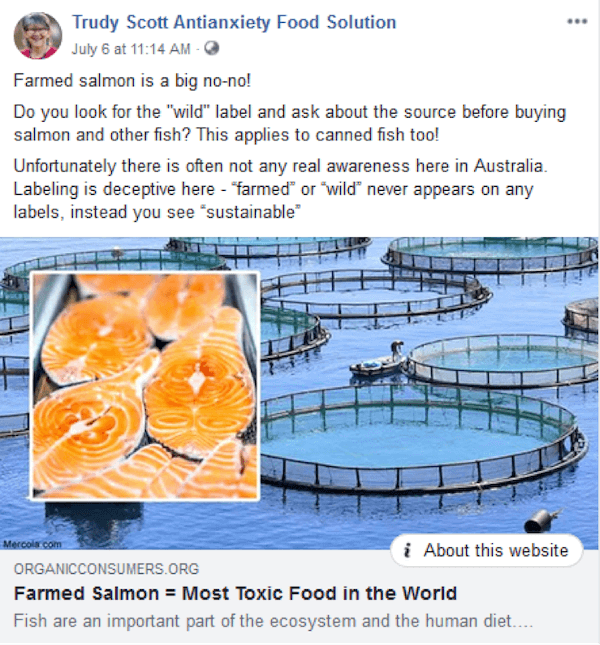
#3 Farmed Salmon = Most Toxic Food in the World

Farmed salmon is a big no-no!

Do you look for the “wild” label and ask about the source before buying salmon and other fish? This applies to canned fish too!

Unfortunately, there is often not any real awareness here in Australia. Labeling is deceptive here – “farmed” or “wild” never appears on any labels, instead you see “sustainable”

And you can’t tell if it’s farmed by just looking at it!

Here is the Facebook discussion

facebook post farmed salmon

Feel free to comment and/or post questions directly on any of the above Facebook discussions or here on the blog.

Filed Under: Women's health Tagged With: alcohol, autism, mental health, propionic acid, toxic farmed salmon, women

The individual amino acids glutamine, GABA, tryptophan (or 5-HTP), DPA and tyrosine are powerful for eliminating sugar cravings, often within 5 minutes

November 30, 2018 By Trudy Scott 28 Comments

The individual amino acids glutamine, GABA, tryptophan (or 5-HTP), DPA and tyrosine are powerful for eliminating sugar cravings, often within 5 minutes. It seems that this wonderful benefit – over and above the anxiety-reducing and mood-boosting benefits – is often overlooked or poorly understood.

I recently posted this on Facebook: GABA for ending sugar cravings (and anxiety and insomnia) and I’m writing this blog today because it’s clear there is some confusion about this cravings aspect.

Let me first recap Melissa’s experience with Source Naturals GABA Calm during her family holiday trip (the link above has all the details):

I’m glad I bought it before traveling home for Christmas – I was cool as a cucumber at the airport and was much calmer when visiting family and friends compared to last year! I notice a general calmness and am sleeping well.

As well as the calming benefits of GABA, Melissa found this unexpected reduction in cravings for sweets, chocolates, truffles and ice cream after about a week of taking it:

I didn’t even realize this until I was grocery shopping and out of habit walked towards the ice cream – I stopped and realized I didn’t want ice cream. So I walked toward the chocolate – same reaction. For once in my life, I was not craving sweets. I made truffles for a NYE party and only ate two. But what is really shocking is that the leftovers are still in my refrigerator two days later and I haven’t touched them.

This is a very typical response that I see with my clients and when I shared the above blog, others on Facebook shared similar experiences and surprise about the connections. Kim found it fascinating and very timely saying:

I ran out of GABA a month ago. Not only has my anxiety been very difficult to manage but literally I haven’t been able to stop eating. Sugary, high carb, total junk has consumed my thoughts. I never realized the correlation.

April also seemed surprised to learn that GABA was also actually helping with her sugar cravings too:

I think my sugar cravings are down (not looking for something sweet every night after dinner, maybe I treat myself to once a week and not overindulge when I do) and when I think about it, I’ve lost a bit of weight as a result. Most of all it helps me sleep and reduces tension in my neck.

In the above examples, due to low GABA levels in these women, GABA was helped with both the anxiety and the stress-eating, leading to a calming effect and reduced sugar cravings. If you have low blood sugar cravings then glutamine is the amino acid to use; low serotonin cravings then tryptophan or 5-HTP will help; low endorphin cravings then DPA will do the trick; and low catecholamines then tyrosine is the amino acid to use.

The best way to figure it which neurotransmitter deficiency is affecting your sugar cravings

The best way to figure it which neurotransmitter deficiency is affecting your sugar cravings is to do the amino acid mood questionnaire and also review this list for further clarification:

  1. If you have to eat sugar when you haven’t eaten in awhile it’s likely low blood sugar and glutamine on the tongue stops the sugar desire almost immediately and also helps with the low blood sugar symptoms of shakiness and irritability
  2. If you stress-eat your sugar cravings are likely due to low GABA, and GABA will stop the stress-eating and calm you down
  3. If you eat sugar or carbs to feel happy (and especially from late afternoon into the evening) then your sugar cravings are likely due to low serotonin, and tryptophan (or 5-HTP) stops the cravings and boosts mood and reduces anxiety
  4. If you are a comfort-eater then it’s likely due to low endorphins and DPA will stop that feeling of “I deserve-it” kind of reward-eating or comfort-eating and also give you a hug-like mood boost
  5. If you eat sugar for an energy boost or to give your focus then it’s likely due to low catecholamines and tyrosine will stop those cravings and give you a mood and energy boost, and help with mental clarity

It’s not uncommon for my anxious clients to have issues in all these areas and I have them address low blood sugar and each neurotransmitter deficiency one by one (for 2 through 5) and very methodically so they know exactly which areas are problematic for them.

When it comes to low blood sugar, addressing adrenal health is also key. And as always, we need to be making dietary changes, fixing gut health, addressing other deficiencies, removing toxins and more, using a complete functional medicine approach.

How quickly can you expect to get results?

However, using the amino acids in a targeted way like this gets you results quickly while you’re figuring out everything else.

You may say “what exactly do you mean by quickly”?   When opened onto the tongue and used with the trial method, based on your unique needs, if you have low levels, you can expect to notice effects in as quickly as 5 minutes and sometimes up to 15 minutes in some cases! This is why I like to refer to them as the amazing amino acids! They truly are amazing for eliminating cravings, reducing anxiety and improving mood and even sleep – provided they are needed.

Each of the individual amino acids

Last year I wrote a series of blog posts on each of the above-mentioned amino acids. If you missed them you may find them helpful for getting a better understanding, even though they are not specific about sugar cravings:

  • Glutamine for calming, intense sugar cravings, gut healing and low blood sugar
  • GABA for low GABA symptoms (physical anxiety)
  • Tryptophan for low serotonin (worry-in-the-head anxiety)
  • DPA for weepiness, pain and comfort and reward eating
  • Tyrosine for focus, motivation, energy, a good mood and possibly even anxiety

You can find the amino acid supplements that I use with my clients here.

The amino acids help you make dietary changes with ease

Keep in mind the amino acids are intended for relatively short-term use so the goal is to work on your diet, gut health, adrenals, nutritional deficiencies etc. so they are no longer needed or only needed in times of added stress. My book, The Antianxiety Food Solution – How the Foods You Eat Can Help You Calm Your Anxious Mind, Improve Your Mood, and End Cravings (my Amazon link), covers in-depth how to implement much of what is mentioned in the above article: a real food Mediterranean diet, red meat, oily fish, the importance of zinc, vitamin D, antioxidants and so on, and the powerful role of nutrition in immunity, inflammation, sleep, stress, anxiety and food cravings.

The amino acids help you make those dietary changes with ease, end your cravings and stress-eating or excessive drinking, so no will power is needed and you don’t feel deprived.

Pandemic stress pushed people toward overeating, mostly looking for sugary “comfort foods”

(UPDATE 4/17/2020 for coronavirus pandemic)

Keep in mind that in times of added stress – like being in the midst of a pandemic such as the coronavirus – you may find your sugar and carbohydrate cravings have increased, and you may be over-indulging, emotional-eating, comfort-eating and/or stress-eating as a way to self-medicate in order to feel calm and good.

This paper, Nutritional recommendations for CoVID-19 quarantine, published just a few days ago, shares how continuously hearing or reading about the pandemic without a break can be stressful and may be

pushing people toward overeating, mostly looking for sugary “comfort foods”. This desire to consume a specific kind of food is defined as “food craving”, which is a multidimensional concept including emotional (intense desire to eat), behavioral (seeking food), cognitive (thoughts about food), and physiological (salivation) processes.

We can apply this knowledge and logic to any stressful situation we may find ourselves experiencing.

Self-medication with alcohol as a way to calm down

You may also find you are more drawn to alcohol as a way to calm down and relax i.e. self-medication with alcohol.  According to this Forbes article, Nielsen reports that online sales of alcohol increased by 291% compared to the end of March 2019.

You may be surprised to learn that the amino acids also help with reducing alcohol cravings and the need to self-medicate with this “drug-of-choice.”  If one glass of wine leads finishing to an entire bottle in one evening or if you’re drinking beer or spirits excessively, know that the words “sweets”, “sugar”, “carbs” can be substituted in the blog post below with “alcohol” and consider trials of the respective amino acids.

This blog post illustrates this perfectly: Tryptophan had the added benefit of turning me completely off alcohol when I took it to improve mood and sleep during perimenopause.

Resources if you are new to using amino acids as supplements

If you are new to using amino acids as supplements, here is the Amino Acids Mood Questionnaire from The Antianxiety Food Solution (you can see all the symptoms of neurotransmitter imbalances, including low GABA, low serotonin and low endorphins).

If you suspect low levels of any of the neurotransmitters and do not yet have my book, The Antianxiety Food Solution – How the Foods You Eat Can Help You Calm Your Anxious Mind, Improve Your Mood, and End Cravings, I highly recommend getting it and reading it before jumping in and using amino acids on your own so you are knowledgeable. And be sure to share it with the practitioner/health team you or your loved one is working with.

There is an entire chapter on the amino acids and they are discussed throughout the book in the sections on gut health, gluten, blood sugar control, sugar cravings, anxiety and mood issues.

The book doesn’t include product names (per the publisher’s request) so this blog, The Antianxiety Food Solution Amino Acid and Pyroluria Supplements, lists the amino acids that I use with my individual clients and those in my group programs. You can find them all in my online store.

If, after reading this blog and my book, you don’t feel comfortable figuring things out on your own (i.e. doing the symptoms questionnaire and respective amino acids trials), a good place to get help is the GABA QuickStart Program (if you have low GABA symptoms too). This is a paid online/virtual group program where you get my guidance and community support.

If you are a practitioner, join us in The Balancing Neurotransmitters: the Fundamentals program. This is also a paid online/virtual program with an opportunity to interact with me and other practitioners who are also using the amino acids.

Have you found any of the amino acids to help you eliminate your cravings for sweets, chocolate, ice-cream and other high-carb foods? Were you pleasantly surprised to experience this lovely benefit when you were initially looking for anxiety-relief?

Were you / are you drinking more and have you figured out which amino acids help you quit?

If you’re a practitioner, do you see similar cravings benefits with your anxious clients/patients?

Are you still struggling with comfort-eating, stress-eating of carb/sugar or drinking alcohol to “self-medicate” and feel better?

Feel free to ask your questions and share challenges and/or successes you’ve had too.

Filed Under: Amino Acids, Coronavirus/COVID-19 Tagged With: alcohol, amino acids, anxiety, catecholamines, comfort eating, Coronavirus, COVID-19, cravings, diet, DPA, emotional-eating, endorphins, GABA, glutamine, self-eating, serotonin, sugar, tryptophan, tyrosine

  • « Go to Previous Page
  • Page 1
  • Page 2
  • Page 3
  • Go to Next Page »

Primary Sidebar

NEW! GABA QuickStart Homestudy (with special intro pricing)

gaba quickstart homestudy

Free Report

9 Great Questions Women Ask about Food, Mood and their Health

You'll also receive a complimentary subscription to my ezine "Food, Mood and Gal Stuff"


Connect with me

Popular Posts

  • Amino Acids Mood Questionnaire from The Antianxiety Food Solution
  • The Antianxiety Food Solution Amino Acid and Pyroluria Supplements
  • Pyroluria Questionnaire from The Antianxiety Food Solution
  • Collagen and gelatin lower serotonin: does this increase your anxiety and depression?
  • Tryptophan for the worry-in-your-head and ruminating type of anxiety
  • GABA for the physical-tension and stiff-and-tense-muscles type of anxiety
  • The Antianxiety Food Solution by Trudy Scott
  • Seriphos Original Formula is back: the best product for anxiety and insomnia caused by high cortisol
  • Am I an anxious introvert because of low zinc and vitamin B6? My response to Huffington Post blog
  • Vagus nerve rehab with GABA, breathing, humming, gargling and key nutrients

Recent Posts

  • What do I use instead of Seriphos to help lower high cortisol that is affecting my sleep and making me anxious at night?
  • BeSerene™ GABA/theanine cream eases severe muscle tension in her neck/shoulders, prevents her bad headaches and quells her anxiety
  • How the correct approach, dose and sublingual use of GABA can be calming and not cause a flushed and itchy face and neck
  • The amino acid glutamine improves low mood by addressing gut health, and it has calming effects too
  • Flight anxiety with heightened breath, physical tension and also fearing the worst (the role of low GABA and low serotonin)

Categories

  • 5-HTP
  • AB575
  • Addiction
  • ADHD
  • Adrenals
  • Alcohol
  • Allergies
  • Alzheimer's disease
  • Amino Acids
  • Anger
  • Antianxiety
  • Antianxiety Food Solution
  • Antidepressants
  • Anxiety
  • Anxiety and panic
  • Autism
  • Autoimmunity
  • benzodiazapines
  • Bipolar disorder
  • Books
  • Caffeine
  • Cancer
  • Candida
  • Children/Teens
  • Collagen
  • Cooking equipment
  • Coronavirus/COVID-19
  • Cravings
  • Depression
  • Detoxification
  • Diabetes
  • Diet
  • DPA/DLPA
  • Drugs
  • EFT/Tapping
  • EMF
  • EMFs
  • Emotional Eating
  • Endorphins
  • Environment
  • Essential oils
  • Events
  • Exercise
  • Fear
  • Fear of public speaking
  • Fertility and Pregnancy
  • Fish
  • Food
  • Food and mood
  • Functional neurology
  • GABA
  • Gene polymorphisms
  • General Health
  • Giving
  • Giving back
  • Glutamine
  • Gluten
  • GMOs
  • Gratitude
  • Gut health
  • Heart health/hypertension
  • Histamine
  • Hormone
  • Hyperparathyroidism
  • Hypoglycemia
  • Immune system
  • Inflammation
  • Insomnia
  • Inspiration
  • Introversion
  • Joy and happiness
  • Ketogenic diet
  • Lithium orotate
  • Looking awesome
  • Lyme disease and co-infections
  • MCAS/histamine
  • Medication
  • Men's health
  • Mental health
  • Mercury
  • Migraine
  • Mold
  • Movie
  • MTHFR
  • Multiple sclerosis
  • Music
  • NANP
  • Nature
  • Nutritional Psychiatry
  • OCD
  • Osteoporosis
  • Oxalates
  • Oxytocin
  • Pain
  • Paleo
  • Parasites
  • Parkinson’s disease
  • PCOS
  • People
  • PMS
  • Postpartum
  • PTSD/Trauma
  • Pyroluria
  • Questionnaires
  • Real whole food
  • Recipes
  • Research
  • Schizophrenia
  • serotonin
  • SIBO
  • Sleep
  • Special diets
  • Sports nutrition
  • Stress
  • Sugar addiction
  • Sugar and mood
  • Supplements
  • Teens
  • Testimonials
  • Testing
  • The Anxiety Summit
  • The Anxiety Summit 2
  • The Anxiety Summit 3
  • The Anxiety Summit 4
  • The Anxiety Summit 5
  • The Anxiety Summit 6
  • Thyroid
  • Thyroid health
  • Toxins
  • Tryptophan
  • Tyrosine
  • Uncategorized
  • Vegan/vegetarian
  • Women's health
  • Yoga

Archives

  • October 2025
  • September 2025
  • August 2025
  • July 2025
  • June 2025
  • May 2025
  • April 2025
  • March 2025
  • February 2025
  • January 2025
  • November 2024
  • October 2024
  • September 2024
  • August 2024
  • July 2024
  • June 2024
  • May 2024
  • April 2024
  • March 2024
  • February 2024
  • January 2024
  • December 2023
  • November 2023
  • October 2023
  • September 2023
  • August 2023
  • July 2023
  • June 2023
  • May 2023
  • April 2023
  • March 2023
  • February 2023
  • January 2023
  • December 2022
  • November 2022
  • October 2022
  • September 2022
  • August 2022
  • July 2022
  • June 2022
  • May 2022
  • April 2022
  • March 2022
  • February 2022
  • January 2022
  • December 2021
  • November 2021
  • October 2021
  • September 2021
  • August 2021
  • July 2021
  • June 2021
  • May 2021
  • April 2021
  • March 2021
  • February 2021
  • January 2021
  • December 2020
  • November 2020
  • October 2020
  • September 2020
  • August 2020
  • July 2020
  • June 2020
  • May 2020
  • April 2020
  • March 2020
  • February 2020
  • January 2020
  • December 2019
  • November 2019
  • October 2019
  • September 2019
  • August 2019
  • July 2019
  • June 2019
  • May 2019
  • April 2019
  • March 2019
  • February 2019
  • January 2019
  • December 2018
  • November 2018
  • October 2018
  • September 2018
  • August 2018
  • July 2018
  • June 2018
  • May 2018
  • April 2018
  • March 2018
  • February 2018
  • January 2018
  • December 2017
  • November 2017
  • October 2017
  • September 2017
  • August 2017
  • July 2017
  • June 2017
  • May 2017
  • April 2017
  • March 2017
  • February 2017
  • January 2017
  • December 2016
  • November 2016
  • October 2016
  • September 2016
  • August 2016
  • July 2016
  • June 2016
  • May 2016
  • April 2016
  • March 2016
  • February 2016
  • January 2016
  • December 2015
  • November 2015
  • October 2015
  • September 2015
  • August 2015
  • July 2015
  • June 2015
  • May 2015
  • April 2015
  • March 2015
  • February 2015
  • January 2015
  • December 2014
  • November 2014
  • October 2014
  • September 2014
  • August 2014
  • July 2014
  • June 2014
  • May 2014
  • April 2014
  • March 2014
  • February 2014
  • January 2014
  • December 2013
  • November 2013
  • October 2013
  • September 2013
  • August 2013
  • July 2013
  • June 2013
  • May 2013
  • April 2013
  • March 2013
  • February 2013
  • January 2013
  • December 2012
  • November 2012
  • October 2012
  • August 2012
  • July 2012
  • June 2012
  • May 2012
  • April 2012
  • March 2012
  • February 2012
  • January 2012
  • December 2011
  • November 2011
  • October 2011
  • September 2011
  • August 2011
  • July 2011
  • June 2011
  • May 2011
  • April 2011
  • March 2011
  • February 2011
  • January 2011
  • December 2010
  • October 2010
  • September 2010
  • July 2010
  • May 2010
  • April 2010
  • March 2010
  • February 2010
  • January 2010
  • November 2009

Share the knowledge!

The above statements have not been evaluated by the Food and Drug Administration. Products listed in this website are not intended to diagnose, treat, cure or prevent any disease.

The information provided on this site is for informational and educational purposes only and is not intended as a substitute for advice from your physician or other health care professional. You should consult with a healthcare professional before starting or modifying any diet, exercise, or supplementation program, before taking or stopping any medication, or if you have or suspect you may have a health problem.


Copyright © 2026 Trudy Scott. All Rights Reserved. | Privacy | Terms and Conditions | Refund Policy | Medical Disclaimer

Free Report

9 Great Questions Women Ask about Food, Mood and their Health

You’ll also receive a complimentary subscription to my ezine “Food, Mood and Gal Stuff”