• Skip to primary navigation
  • Skip to main content
  • Skip to primary sidebar

everywomanover29 blog

Food, Mood and Women's Health – Be your healthiest, look and feel great!

  • Blog
  • About
  • Services
  • Store
  • Resources
  • Testimonials
  • The Book
  • Contact
  • Search this site

addiction

Non-celiac gluten sensitivity manifestations outside the gut: foggy mind, depression, anxiety, neuropathy, joint pain, headache, fatigue and IBS

July 1, 2022 By Trudy Scott 2 Comments

non-celiac gluten sensitivity

Celiac disease is “a digestive and autoimmune disorder that can damage your small intestine. People with celiac disease might experience symptoms like diarrhea, bloating, gas, anemia and growth issues. Celiac disease can be triggered by a protein called gluten. Gluten is found in grains, like wheat, barley and rye” (and oats that are contaminated with gluten). This description by the Cleveland Clinic is well-understood and recognized.

However, what is less recognized and understood, is extra-intestinal (or outside the gut) manifestations of non-celiac gluten sensitivity.  A paper published in 2018, Extra-intestinal manifestations of non-celiac gluten sensitivity: An expanding paradigm lists a number of symptoms and conditions that gluten consumption may cause and/or contribute to, even when you do not have celiac disease.

These can include: ‘foggy mind’; psychiatric diseases such as depression, anxiety and even psychosis; gluten ataxia, gluten neuropathy and gluten encephalopathy (causing memory and cognitive problems); joint and muscle pain, and leg or arm numbness; headache and fatigue;  irritable bowel syndrome (IBS); autoimmune disorders; and and fibromyalgia.

This blog post highlights excerpts from the 2018 non-celiac gluten sensitivity paper and stories from real people who have experienced relief when removing gluten from their diets. And resources if you find you need neurotransmitter support to help break the addiction and not feel deprived.

This is from the abstract of the above paper:

Non celiac gluten sensitivity (NCGS) is a syndrome characterized by a cohort of symptoms related to the ingestion of gluten-containing food in subjects who are not affected by celiac disease (CD) or wheat allergy. The possibility of systemic manifestations in this condition has been suggested by some reports.

  • In most cases they are characterized by vague symptoms such as ‘foggy mind’, headache, fatigue, joint and muscle pain, leg or arm numbness even if more specific complaints have been described.
  • NCGS has an immune-related background. Indeed there is strong evidence that a selective activation of innate immunity may be the trigger for NCGS inflammatory response. The most common autoimmune disorders associated with NCGS are Hashimoto thyroiditis, dermatitis herpetiformis, psoriasis and rheumatologic diseases.
  • A possible neurological involvement has been underlined by NCGS association with gluten ataxia, gluten neuropathy and gluten encephalopathy.
  • NCGS patients may show even psychiatric diseases such as depression, anxiety and psychosis.
  • Finally, a link with functional disorders (irritable bowel syndrome and fibromyalgia) is a topic under discussion.

We see all this clinically so it’s wonderful to see this being addressed in the research. However, the authors are saying we need more research and better studies:

the novelty of this matter has generated an expansion of literature data with the unavoidable consequence that some reports are often based on low levels of evidence. Therefore, only studies performed on large samples with the inclusion of control groups will be able to clearly establish whether the large information from the literature regarding extra-intestinal NCGS manifestations could be supported by evidence-based agreements.

Until then we use what we know works clinically: a gluten-free diet and observation of symptom resolution. We also use amino acids to balance brain chemicals so we break the addiction and don’t feel deprived (more on that below). Nutritional deficiencies caused by damage to the gut/leaky gut also need to be addressed, as well as healing the leaky gut and dysbiosis.

I shared the study abstract on Facebook asking for feedback and the response was so overwhelming that I can only share some of the feedback. I will do follow-up posts sharing more detailed information from their healing journeys.

Caroline had bloating, pain and chronic sadness, and discovered  “joie de vivre”

Caroline confirmed that she has gluten sensitivity saying she stopped eating wheat in 2011:

Within a few months, my chronic sadness disappeared and I discovered the “joie de vivre”. It also allowed me to get rid of my swelling belly (bloating). Every evening I looked like a woman 2-3 months pregnant. [this likely falls into the irritable bowel syndrome category mentioned in the paper]

The pain in my joints also ended up disappearing.

I read so much about gluten once I started to realize it had changed my life to quit eating that stuff that now I’m convinced grains shouldn’t be part of human food, and I mean all grains (botanically speaking).

I think grains should at least be taken off all the menus in all hospitals, especially the psychiatric ones.

I adore her “joie de vivre” feedback and am so happy for her! I had this same feeling of pure joy when I went gluten-free. And I get so much feedback like this from clients who had no idea life could be so much better.

I also agree with her sentiment about gluten and grains being an issue too, especially in psychiatric settings.

Daphne was emotionally dysregulated with negative feelings and a pressure headache

Daphne shared what she calls an odd effect that she gets soon after eating bread: roiling emotions:

I get emotionally dysregulated. Negative feelings surface in various degrees, for me primarily anger and the reviewing of the incidents that caused it (aka ruminating thoughts?); less often sadness, disappointment, and overwhelm (that usually surfaces on its own anyway).

I also get what I call ‘bread head.’ I get a pressure headache from between my eyebrows, up the center of my head to my crown.

An additional effect: ‘the hangover’. Overnight the pressure headache subsides and the next day my whole head feels heavy and I am slower physically and mentally, and my hands in particular are achy

Also, I have had chicken bumps on my skin my whole life, until I stopped eating bread. I still have some, maybe from rice, potato and corn reactions. Starch is not my friend.

As I mentioned above, many folks are surprised at the emotional changes they see when eating gluten. Daphne called it an odd effect but her response is a very typical extra-intestinal (outside the gut) psychiatric response. And yes starches and grains are an issue for many folks.

Other feedback: fibromyalgia pain, brain fog, depression, cystic acne, anxiety, body aches, fatigue, PCOS and hypothyroidism

Here is some feedback from a few other women. As you can see the symptoms can vary per person:

  • “Removal of gluten and all grains has improved my fibromyalgia pain symptoms … The difference in pain was so dramatic that it was worth it.”
  • “It makes such a difference with my brain fog and depression! And cystic acne. If I have gluten, I have cystic acne for about 2 weeks.”
  • “My joint pain, anxiety, and depression are much improved when I avoid gluten (and corn.)”
  • “Yes! Within 15 min of ingesting gluten containing food I get all over body aches, fatigue and brain fog. It’s very unpleasant. I cut gluten out of my diet simply because I can’t function properly while eating it. I also have had episodes of reactive hypoglycemia from it too.”
  • “Removing gluten has cured my hypothyroidism. Also has improved my PCOS, anxiety and depression.”

Stay tuned for a follow-up blog with more from their healing journeys and additional insights from me.

Using the amino acids to help break the gluten addiction and feel less deprived

Sometimes it’s difficult to figure out why you crave or are addicted to gluten. It can be challenging to determine which part of your brain chemistry it’s affecting, and you may not associate cravings with mood issues.

Your drug-of-choice is something you self-medicate with and it is something that makes you feel good or “normal.” It could be starchy gluten-containing foods like bread or pasta or cookies. It could also be candy, chocolate, ice-cream, coffee, sodas, wine/beer, cigarettes, marijuana, a prescription medication like Prozac, street drugs, or even shopping or exercise.

Cravings for these substances (or behaviors) typically indicate a brain chemistry imbalance, so it’s very helpful to identify how the substances you crave affect you. This will help you determine which amino acids you might supplement to address the imbalance.

Use your “drug-of-choice” from your gluten or grain list (perhaps you love bread or chocolate chip muffins) and the chart below to help you determine what brain chemistry imbalance may be affecting you and which amino acid you may benefit from.

How you feel before How you feel after Brain chemistry imbalance Amino acid to supplement
Anxious or stressed Calm or relaxed Low GABA GABA
Depressed or anxious Happy or content Low serotonin Tryptophan or 5-HTP
Tired or unfocused Energetic, alert, or focused Low catecholamines Tyrosine
Wanting a reward or sad Rewarded or comforted Low endorphins DPA (d-phenylalanine)
Irritable and shaky Grounded or stable Low blood sugar Glutamine

Once you address that brain chemical imbalance, it’s easy to quit and you won’t feel deprived.

You can read more about why you crave on this blog post

Resources if you are new to using the amino acids as supplements

If you are new to using any of the amino acids as supplements, here is the Amino Acids Mood Questionnaire from The Antianxiety Food Solution (you can see all the symptoms of neurotransmitter imbalances).

If you suspect low levels of any of the neurotransmitters and do not yet have my book, The Antianxiety Food Solution – How the Foods You Eat Can Help You Calm Your Anxious Mind, Improve Your Mood, and End Cravings, I highly recommend getting it and reading it before jumping in and using amino acids on your own so you are knowledgeable. And be sure to share it with the practitioner/health team you or your loved one is working with.

There is an entire chapter on the amino acids and they are discussed throughout the book in the sections on gut health, gluten, blood sugar control, sugar cravings, self-medicating with alcohol and more. There is also an entire chapter on gluten and grains if this is new to you.

The book doesn’t include product names (per the publisher’s request) so this blog, The Antianxiety Food Solution Amino Acid and Pyroluria Supplements, lists the amino acids that I use with my individual clients and those in my group programs.

If, after reading this blog and my book, you don’t feel comfortable figuring things out on your own (i.e. doing the symptoms questionnaire and respective amino acids trials), a good place to get help is the GABA Quickstart Program (if you have low GABA symptoms). This is a paid online/virtual group program where you get my guidance and community support. There are many moms in the program who are having much success with their kids.

If you are a practitioner, join us in The Balancing Neurotransmitters: the Fundamentals program. This is also a paid online/virtual program with an opportunity to interact with me and other practitioners who are also using the amino acids.

With much appreciation for these women for sharing their stories. I’d love to get some of these published as case studies to further add to the evidence.

Do you have (or suspect you may have) non celiac gluten sensitivity (NCGS)?

And has gluten removal resolved any of the above issues? And have you seen an improvement in gut issues too?

Have you observed other improvements since eating gluten and/or grain-free?

Did you find the amino acids helped you break your addiction and feel less deprived?

Or are you stuck and still eating gluten and have no idea where to start on quitting? If this is you, would a webinar series help?

If you have questions please share them here too.
Filed Under: Anxiety, Endorphins, GABA, Gluten, Pain, serotonin Tagged With: "joie de vivre", addiction, amino acids, anxiety, Autoimmunity, bloating, body aches, brain fog, celiac, cystic acne, depression, deprived, emotionally dysregulated, extra-intestinal, fatigue, Fibromyalgia, foggy mind, GABA, GABA Quickstart program, gluten, gluten encephalopathy, headache, hypothyroidism, IBS, joint pain, NCGS, negative feelings, neuropathy, Non-celiac gluten sensitivity, outside the gut, PCOS, psychosis, sadness, wheat

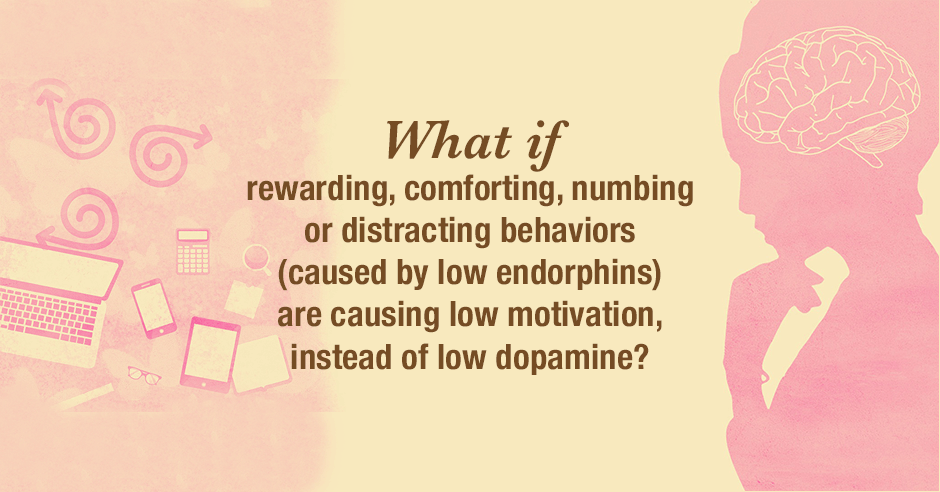
What if rewarding, comforting, numbing or distracting behaviors (caused by low endorphins) are causing low motivation, instead of low dopamine?

June 17, 2022 By Trudy Scott 21 Comments

behaviors and low motivation

One of the first things that comes to mind when someone is stuck and not able to get things done is low motivation caused by low catecholamines/low dopamine. But what if numbing, rewarding, comforting and/or distracting behaviors (caused by low endorphins) are holding you back and preventing you from getting things done instead? It may be low endorphins only or may be in conjunction with other neurotransmitter imbalances. The following question and stories from women in the community (and my insights and some of the research) may help you figure it out if any of this applies to you.

I posted a question to this effect on Facebook and there was a great deal of interest. Many folks shared examples of what their distractions are and how they fit into being rewarding and comforting for them. Here is what I posted:

I’m digging into the research connecting low endorphins and low motivation i.e. not being able to get stuff done! We associate low endorphins with physical pain, emotional pain and comfort/reward eating. But in a similar way that emotional eating /comfort food is used to numb us out and reward and comfort us, certain behaviors can do this too. Here are some examples you may relate to:

  • mindless scrolling through Facebook or other social media platforms instead of working on your new project
  • binge watching hours of Netflix shows instead of getting to bed early so you’re productive and motivated (and not distracted)
  • playing video games for days (and not going outdoors, eating proper meals and even bathing)

All of these are also an addiction and we know low endorphins are a factor when it comes to addictions too. There is also an endorphin/dopamine connection hence the motivation aspect I’m looking into.

Can you relate to any of this and has endorphin support (with the amino acid DPA/d-phenylalanine as a supplement) or exercise or LDN (low dose naltrexone) helped with your low endorphin symptoms, your lack of motivation and the distractions you almost create for yourself?

I’d expect the amino acid DLPA (dl-phenylalanine) to help since it works on boosting both low endorphins and low dopamine. I am really curious about DPA because some folks can’t tolerate DLPA or it’s contraindicated.

What are some examples of your distractions and what has helped you?

Sarah: finds looking for split ends and cutting them off very rewarding. Is this a low endorphin behavior?

Omgosh this is so me. I often wonder what the heck is wrong with me. I look around at everything that needs to be done but just get overwhelmed and have no motivation to get it done. I don’t know where to start and then get anxious about it. I will immerse myself looking for split ends in my hair instead, I can spend easily over an hour at a time just sitting there looking for split ends and cutting them off. I find it very rewarding and it’s become such a habit now that if I’m out publicly and see a pesky split end l can’t ignore it and as Í don’t typically carry scissors with me (because that would be weird right?!) so I bite them off. I often think I must look like a nutter! I am always thinking what is wrong with me???!!

Sarah describes a rewarding activity perfectly and I’d suspect endorphin support – using the amino acid DPA (d-phenylalanine) – will likely help her. This behavior is her distraction from getting things done. It’s such a distraction that she cannot ignore it even when in public.

Since she also mentions overwhelm and anxiety I’d also want to explore low GABA physical-type anxiety and low serotonin worry-type anxiety and consider trials of both GABA and tryptophan (or 5-HTP).

There may also be an obsessive element to her distracting behavior and serotonin support (with the above, inositol and possibly NAC) has been shown to help with trichotillomania (recurring habit of pulling one’s hair).

Bonnie: low motivation almost feels physical or like something is missing in my brain. Low endorphins and low dopamine?

I relate to this very much – low motivation almost feels physical or like something is missing in my brain, also an almost inability to focus or organize how to do something or get through the day. I have low motivation with poor focus … but I am also constantly craving reward, comfort, or some kind of boost in energy or pleasure to motivate or energize me – this used to be things like sweets or chocolate but I have been lowering sugar/attempting to quit.

I haven’t tried any supplements mentioned but I’m very interested to learn more as this significantly affects my life.

She says her low motivation feels physical or like something is missing. It’s great she has that awareness and she is spot on – she is missing the specific action of certain neurotransmitters (which can be resolved with amino acid supplementation).

We address neurotransmitter imbalances, one at a time:

  • DPA for low endorphin support to help with the comfort/distraction/reward
  • And tyrosine for dopamine support to help with the inability to focus and needing something to energize her
  • Her inability to focus or organize could be due to the spinning we see with the low GABA type of physical anxiety too

She also shares that she has “feelings of anxiety, hopelessness and self judgment” so low serotonin worry-type anxiety is also likely in the mix.

As always it’s best to trial one at a time and find the ideal dose before trialing the next one. I recommend trialing in the area that causes the most distress. What is great is that addressing all this will make quitting sweets and chocolate easy and with no feelings of deprivation.

Jennifer: video games are hard to break free of / switches to learning languages. Could it be low GABA and an inability to prioritize?

All of the above but video games are especially hard to break free from. Luckily I decided to use those dopamine hits to my advantage and am closing in on a 1000 day Duolingo streak, having made it to the end of the French, Norwegian, and Japanese courses.  Yes I neglect other things, but it’s better than wasting time on video games. I do worry a bit that I would lose interest if my chemistry was fully balanced, but then again there are more important things that I could be doing.

I congratulated her on her language learning and shared that it’s common to switch one addiction for another. For example alcoholics quit drinking and then get addicted to sugar or caffeine unless they address their neurotransmitter imbalances.

Jennifer has been using GABA without much success yet and once she finds the ideal dose it may be the solution or part of the solution for her spinning and inability to prioritize (which she “chalked up to ADHD, but also only became a problem when I got sick.”

Initially I would focus on GABA support (for physical anxiety) more than endorphin support, because she shares she also has all these other low GABA symptoms:

  • acrophobia (which started when she got sick)
  • proctalgia fugax/rectal spasms (recently developed
  • and burning mouth (which was a big part of her mold symptoms)

Keep in mind mold can deplete GABA and other brain chemicals so this does need to be addressed (home/office remediation and healing from the mycotoxin effects), in addition to using amino acid support.

She does check all the boxes on the symptoms questionnaire and it’ll be interesting to see which other amino acids help her with this gaming/language learning challenge. There may well be a low endorphin distraction and reward aspect too.

As always it’s best to trial one amino acid at a time and find the ideal dose before moving on to the next one.

Some of the research

I actually went looking for the research to support what I was seeing in terms of these struggles folks are experiencing i.e. another type of low motivation that is driven by low endorphins and has a numbing, rewarding and addiction aspect.

As mentioned above there is an endorphin/dopamine connection. This paper, Opioids for hedonic experience and dopamine to get ready for it, summarizes it well:

Brain dopamine has been suggested to rather code for the preparatory aspects of behavior, while brain opioids [endorphins] seem to mediate the perception of the hedonic [or pleasant] properties of rewards.

There is an addiction/cravings aspect with each of the neurotransmitter imbalances, including low endorphins.  As mentioned above, these distracting behaviors can also be addicting. And we know low endorphins are a factor when it comes to addictions to drugs, carbs/sweets and behaviors.

DPA destroys the enzyme that breaks down/inhibits endorphins and in essence raises endorphin levels, This paper discusses beta-endorphins and the reward mechanism and how they can induce euphoria, reduce pain and ease addictions and distress: “Long known for its analgesic effect, the opioid beta-endorphin is now shown to induce euphoria, and to have rewarding and reinforcing properties.” You can read more about DPA here.

With regards to DLPA (which supports low endorphins and low dopamine), a really interesting study identified low endorphins and low catecholamines as a probable cause of PMS (premenstrual syndrome) or PMDD (premenstrual dysphoric disorder) in some women. I blogged about this study and the use of DLPA here.

When it comes to exercise, this study, Opioid Release after High-Intensity Interval Training in Healthy Human Subjects, highlights the effects of different exercise intensities on opioid release, with moderate-intensity exercise being more beneficial for endorphin support. You can read about the impacts of exercise on pain, reward, and emotional processing and “the most commonly adopted theory on physical exercise induced euphoria …the ‘endorphin hypothesis’.”

LDN (low dose naltrexone) is often used in autoimmune conditions and to help with inflammation. This article, The Uses of Low-Dose Naltrexone in Clinical Practice, provides a good overview, and states that “unlike higher doses of naltrexone, LDN acts on β-endorphin receptors to stimulate the release of endorphins in the body.”  I’m not advocating the use of LDN instead of DPA or DLPA, but if you’ve been prescribed LDN you may have observed the endorphin boosting effects.

Brain chemical imbalances to consider when you experience low motivation and can’t get things done

Here is a short summary of brain chemical/neurotransmitter imbalances to consider when you have low motivation and can’t get things done:

  • Low endorphins – the less recognized low endorphin/comfort/distraction type as discussed in this blog
  • Low dopamine/low catecholamines – this is what we think of as the classic low motivation trigger where there is also poor focus, low energy and sometimes curl-up-in bed kind of depression
  • Low serotonin is another less recognized kind of low motivation I’ve blogged about: What if overthinking, fear, anxiety and worry (caused by low serotonin) is holding you back instead of low motivation/low dopamine?
  • Low GABA is also not recognized as a trigger of low motivation but since anxiety can cause inability to prioritize and spinning, this could be a factor too
  • Low blood sugar could also be a factor since it affects focus and energy

Resources if you are new to using the amino acids as supplements

If you are new to using any of the amino acids as supplements, here is the Amino Acids Mood Questionnaire from The Antianxiety Food Solution (you can see all the symptoms of neurotransmitter imbalances).

If you suspect low levels of any of the neurotransmitters and do not yet have my book, The Antianxiety Food Solution – How the Foods You Eat Can Help You Calm Your Anxious Mind, Improve Your Mood, and End Cravings, I highly recommend getting it and reading it before jumping in and using amino acids on your own so you are knowledgeable. And be sure to share it with the practitioner/health team you or your loved one is working with.

There is an entire chapter on the amino acids and they are discussed throughout the book in the sections on gut health, blood sugar control, sugar cravings, self-medicating with alcohol and more.

The book doesn’t include product names (per the publisher’s request) so this blog, The Antianxiety Food Solution Amino Acid and Pyroluria Supplements, lists the amino acids that I use with my individual clients and those in my group programs.

If, after reading this blog and my book, you don’t feel comfortable figuring things out on your own (i.e. doing the symptoms questionnaire and respective amino acids trials), a good place to get help is the GABA Quickstart Program (if you have low GABA symptoms). This is a paid online/virtual group program where you get my guidance and community support. There are many moms in the program who are having much success with their kids.

If you are a practitioner, join us in The Balancing Neurotransmitters: the Fundamentals program. This is also a paid online/virtual program with an opportunity to interact with me and other practitioners who are also using the amino acids.

With much appreciation for these women for sharing their stories and allowing me to provide my insights for them and you. We all have much to learn from each other.

Can you relate to any of this and has endorphin support with the amino acid DPA (d-phenylalanine) used as a supplement) helped?

What about exercise or LDN (low dose naltrexone) or DLPA (dl-phenylalanine)?

What are some examples of your distractions or rewarding/comforting/numbing behaviors?

And do you have a mix of neurotransmitter imbalances to address? Which is the most troubling area for you?

If you have questions please share them here too.
Filed Under: Anxiety, Endorphins, GABA, serotonin Tagged With: addiction, binge watching Netflix, catecholamines, comforting, d-phenylalanine, distracting behaviors, dl-phenylalanine, DLPA, DPA, exercise, LDN, low dopamine, low dose naltrexone, low endorphins, low motivation, mindless scrolling, neurotransmitter imbalances, numbing, playing video games, rewarding

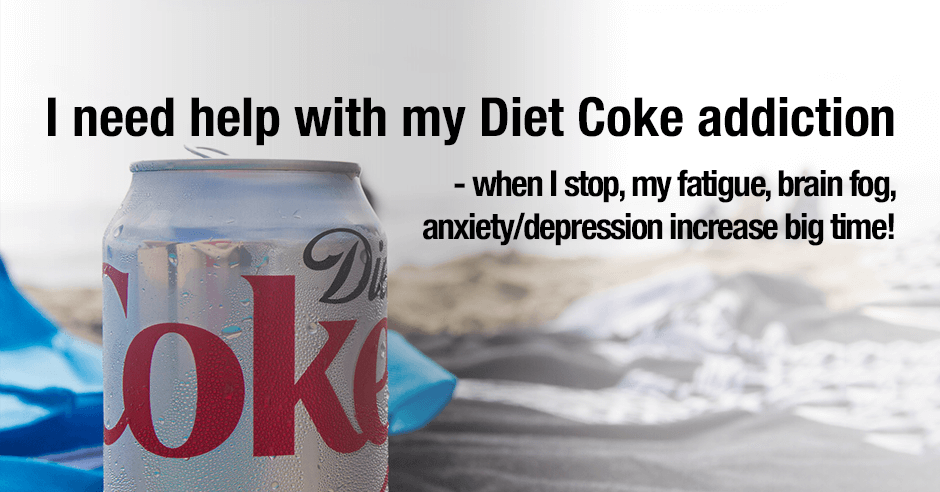
I need help with my Diet Coke addiction – when I stop, my fatigue, brain fog, anxiety/depression increase big time!

September 10, 2021 By Trudy Scott 42 Comments

diet coke addiction

A woman asked for help on the blog, wanting desperately to quit her long-time Diet Coke addiction. This woman knows her addiction is detrimental to her health and she gets withdrawal symptoms when she tries to quit – fatigue, brain fog, anxiety and depression increase big time! And yet she can’t quit. This is not unusual. I share my feedback on the brain chemical imbalances that can drive addictions and how to figure out which amino acids (or more than one) may help her quit easily. This means she doesn’t have to go cold turkey and then fail yet again. Using the amino acids means there is no willpower required and no feelings of deprivation, and it’s addressing an underlying neurotransmitter imbalance i.e. a root cause.

Here is her question:

I need help with my Diet Coke addiction. I have been using it for 35 years and I am too appalled to tell you how much I drink.

I have tried to quit many times and ended up in utter failure. A friend mentioned that phenylalanine may be a booster for my dopamine.

When I stop, my fatigue, brain fog, anxiety/depression increase big time. I know this drink is literally killing my health and I am desperate for some answers, suggestions….or a miracle.

What supplements do you recommend for helping me quit this devil of a habit? Thank you for ALL you do!” 

Here is my response …. when it comes to using amino acids to help break the addiction, pretty much everything I write about in relation to sugar addiction or cravings would likely also apply to quitting Diet Coke.

What emotions are driving the addiction?

She needs to figure out what emotions are driving her addiction and use the respective amino acid supplement/s (one or more of them) to help break the addiction and improve the mood symptoms at the same time.

These are the questions I review with my clients who have a Diet Coke addiction (or other diet soda or regular soda addiction):

  1. If you have to drink it when you haven’t eaten in awhile it’s likely low blood sugar. Glutamine on the tongue stops the desire almost immediately and also helps with the low blood sugar symptoms of shakiness and irritability
  2. If you stress-drink, your cravings are likely due to low GABA, and GABA will stop the stress-drinking and calm you down too
  3. If you drink it to feel happy (and especially from late afternoon into the evening) then your cravings are likely due to low serotonin, and tryptophan (or 5-HTP) stops the cravings and boosts mood and reduces anxiety
  4. If you drink it for comfort or a reward comfort then it’s likely due to low endorphins and DPA (d-phenylalanine) will stop that feeling of “I deserve-it” and also give you a hug-like mood boost
  5. If you drink it for an energy boost or to give you focus then it’s likely due to low catecholamines and tyrosine will stop those cravings and give you a mood and energy boost, and also help with mental clarity

Based on her question above, she mentions that “my fatigue, brain fog, anxiety/depression increase big time” when she stops. The fatigue, brain fog and depression is a big clue that #5 above will likely apply. She asks about using phenylalanine for dopamine support (dopamine is one of the catecholamines). I prefer tyrosine to l-phenylalanine for boosting levels.

The fact that anxiety also increases when she stops is a clue that #2 or #3 may apply too, and possibly #1. It’s not unusual for someone to have imbalances in multiple areas.

If this is the case, I  always recommend doing a trial of one at a time, so it’s easy to see the benefits.

It’s not the same neurotransmitter imbalance that shows up in each person

It’s also not the same neurotransmitter imbalance that shows up in each person with a Diet Coke (or other soda addiction). When I shared this on Facebook and asked what was the driving emotion behind their “self-medication” with Diet Coke this is feedback I received from two women:

  • “I had been drinking almost 6 per day for decades. I believe it was comforting.” In this instance, addressing low endorphins with DPA (#4) would have helped. Comfort or reward or treat is a common emotional driver for all addictions.
  • “I noticed I would drink Diet Coke when I felt anxious (1 or 2 times a day).” In this instance #2 or #3 would have helped i.e. GABA support if it was physical anxiety and/or tryptophan or 5-HTP for low serotonin if it was worry-type anxiety.

The caffeine addiction and the artificial sweetener Aspartame

Keep in mind, with Diet Coke, there is the caffeine addiction and the artificial sweetener Aspartame that also make it challenging to quit. Tyrosine and addressing low catecholamines (#5 above) and vitamin C can help with the caffeine addiction and quitting so headaches are minimized.

The amino acids can help with the imbalances created by aspartame. This paper, Direct and indirect cellular effects of aspartame on the brain, proposes that “excessive aspartame ingestion might be involved in the pathogenesis of certain mental disorders and also in compromised learning and emotional functioning.”  This excerpt from the abstract is relevant to this discussion:

Aspartame is composed of phenylalanine (50%), aspartic acid (40%) and methanol (10%). Phenylalanine plays an important role in neurotransmitter regulation, whereas aspartic acid is also thought to play a role as an excitatory neurotransmitter in the central nervous system. Glutamate, asparagines and glutamine are formed from their precursor, aspartic acid. Methanol, which forms 10% of the broken down product, is converted in the body to formate, which can either be excreted or can give rise to formaldehyde, diketopiperazine (a carcinogen) and a number of other highly toxic derivatives. Previously, it has been reported that consumption of aspartame could cause neurological and behavioural disturbances in sensitive individuals. Headaches, insomnia and seizures are also some of the neurological effects that have been encountered, and these may be accredited to changes in regional brain concentrations of catecholamines, which include norepinephrine, epinephrine and dopamine.

This further supports the need for catecholamine support with tyrsosine (#5 above) and GABA support with the amino acid GABA (#2 above).

Recognizing it’s an issue is a big first step

I acknowledge her for recognizing it’s an issue – that is a big first step! I did also ask her to share how much she was consuming each day because there is no judgement here and we acknowledge it’s an addiction. I’ll report back when I hear from her and will also share which amino acid/s helped her break the addiction.

As always, it’s not only about the amino acids and a comprehensive healing approach is always part of the picture. The amino acids make it easy to get started and then other underlying issues can be addressed: other nutritional deficiencies, dysbiosis, fatty liver, metabolic syndrome and so on. You can see some of the many studies below.

Of course, it’s important to be eating a real whole foods diet with quality animal protein, healthy fats, organic vegetables and fruit, no caffeine, no gluten, no sugar, fermented foods and herbs.

Reconsider your diet soda consumption if you’re on the fence

If you are on the fence about giving up your diet soda consumption here are a few additional papers that will hopefully make you reconsider:

  • Diet soda intake and risk of incident metabolic syndrome and type 2 diabetes in the Multi-Ethnic Study of Atherosclerosis (MESA) – “Although these observational data cannot establish causality, consumption of diet soda at least daily was associated with significantly greater risks of select incident metabolic syndrome components and type 2 diabetes.”
  • Altered processing of sweet taste in the brain of diet soda drinkers – “there are alterations in reward processing of sweet taste in individuals who regularly consume diet soda.” This has widespread ramifications for driving the need for sugar/carbs and all things sweet
  • A comparative study of the effect of diet and soda carbonated drinks on the histology of the cerebellum of adult female albino Wistar rats – “These results suggest that diet soda has adverse effect on the cerebellum of adult female albino Wistar rats,” with “shrunken and degenerated Purkinje cells with hypertrophied dendrites.” Purkinje cells are involved in the release of GABA.
  • Soft drinks consumption and nonalcoholic fatty liver disease – “the aspartame sweetener and caramel colorant which are rich in advanced glycation end products … potentially increase insulin resistance and inflammation”

Facts like this help you recognize it’s an issue but even when we have these facts, we often simply cannot quit. This is where the amino acids are so powerful because they work with no willpower required and no feelings of deprivation. And using them addresses the underlying neurotransmitter imbalance/root cause that led to the initial addiction or “self-medication”. They also help address the neurotransmitter deficiencies that are often made worse by diet soda consumption.

Resources if you are new to using the amino acids as supplements

If you are new to using the amino acids as supplements and want to know more, here is the Amino Acids Mood Questionnaire from The Antianxiety Food Solution and a brief overview here, Anxiety and targeted individual amino acid supplements: a summary.

If you suspect low neurotransmitters and do not yet have my book, The Antianxiety Food Solution – How the Foods You Eat Can Help You Calm Your Anxious Mind, Improve Your Mood, and End Cravings, I highly recommend getting it and reading it before jumping in and using amino acids so you are knowledgeable.

What advice do you have if you have been through this yourself and what has helped you?

What do you drink now instead of your diet soda?

If you are a practitioner, how do you help your patients/clients with this kind of addiction?

Feel free to post your questions too.

Filed Under: Addiction, Anxiety, Cravings, Depression Tagged With: 5-HTP, addiction, amino acids, anxiety, artificial sweetener, brain chemical imbalances, brain fog, caffeine, catecholamines, cold turkey, depression, Diet Coke addiction, dopamine, DPA, endorphins, fatigue, GABA, glutamine, low blood sugar, neurotransmitter, no feelings of deprivation, no willpower, quit, serotonin, sugar, tryptophan, tyrosine, withdrawal symptoms

GABA for bladder pain/interstitial cystitis and urgency, IBS pain and anxiety?

January 29, 2021 By Trudy Scott 19 Comments

gaba for pain

Is there a place for using the amino acid GABA as a supplement to help with bladder pain/interstitial cystitis and urgency and also help with IBS (irritable bowel syndrome) pain – at the same time as easing physical anxiety caused by low GABA levels?

I’d like to share some quotes from this commentary, GABAB receptors in the bladder and bowel: therapeutic potential for positive allosteric modulators?

The bladder pain syndrome (or interstitial cystitis/painful bladder syndrome) is a spectrum of urological symptoms characterized by frequency, urgency and pain on bladder filling.

Bladder pain syndrome is often present in those who have IBS and abdominal pain and the authors mention the role of GABA in both:

Of further note is the co-morbidity between bladder pain syndrome and other functional pain syndromes, in particular, irritable bowel syndrome, a functional gastrointestinal disorder associated with visceral abdominal pain and altered bowel habit.

… it is tempting to speculate that GABAB receptor positive allosteric modulators may display efficacy in not only functional pain disorders of the bladder, but also of the bowel, through modulation of either central and peripheral GABAB receptors, or both

Positive allosteric modulators increase the activity of the receptor so in this case they are referring to increasing the activity of the GABAB receptor, reducing both bladder pain and gut pain.

This commentary and the original paper refer to ADX71441, which has been shown in animal studies to be “a novel positive allosteric modulator (PAM) of the GABAB receptor that has shown encouraging results in pre-clinical models of anxiety, pain, overactive bladder and alcohol addiction.”

We know GABA eases anxiety and pain and is extremely beneficial when it comes to alcohol and other addictions. In a recent blog post I shared how PharmaGABA eases physical anxiety in a young man who has recently given up Adderall, alcohol and nicotine.

And given that depression, anxiety and stress is higher in women with urinary incontinence it makes sense that an amino acid such as GABA may also help ease some of the symptoms of bladder pain syndrome when low GABA is a factor.

Depending on the root cause/s it’s likely addressing low serotonin, low endorphins and low vitamin D may play a role too. Of course, a full functional medicine and nutritional work up and review of diet is key too. Bladder dysfunction is seen in up to one third of celiac patients. This can cause leaky gut and nutritional deficiencies leading to low levels of neurotransmitters such a GABA and serotonin. Dietary oxalates can often be a factor with bladder issues and pain.

Considering all of this in conjunction with learning from/working with a pelvic floor physical therapist is key.  I highly recommend someone like Isa Herrera, MSPT, CSCS who hosts online masterclass training sessions for those with pelvic health issues. Her next series airs online mid-February and you can learn more and register here.

Here are some related blog posts that you may find helpful:

  • How GABA eases agonizing rectal pain and spasms in under 2 minutesProctalgia fugax is described as a condition that leads to rectal spasms and sharp fleeting pain in the lower rectum or anus….and GABA can ease the severe pain or prevent the spasms before they get severe
  • How to address rectal spasms with GABA, pelvic floor work, gluten removal and squats
  • GABA reduces the visceral pain of IBS & SIBO, eases anxiety and helps with insomnia

In case you’re new to GABA you can read more about it here: GABA for the physical-tension and stiff-and-tense-muscles type of anxiety.

The supplements blog lists GABA products I use with clients and recommend to those in my community.

I’m proposing that there is a place for doing a trial of the amino acid GABA (as a supplement) to help with bladder pain/interstitial cystitis and urgency, especially when there are symptoms of low GABA. If GABA helps to ease the visceral pain caused by IBS/SIBO, it may also help with bladder pain.

Have you observed less bladder pain when using GABA for easing physical symptoms of low GABA anxiety (stiff and tense muscles, overwhelm, lying awake tensely at night, anxious and using alcohol to self-medicate in order to calm down)?

Have you noticed any reduction in bladder urgency when using GABA for anxiety?

Do you also have IBS pain or SIBO (small intestinal bacterial overgrowth) pain that is eased by GABA?

Have the following helped: going gluten-free, lowering oxalates and/or working with a pelvic floor physical therapist?

If you’re a practitioner have you made any of these observations?

Please do share in the comments below and let me know if you found this helpful, what else has helped you or if you have questions.

Filed Under: Anxiety, GABA, Women's health Tagged With: addiction, anxiety, bladder pain, bladder urgency, celiac, depression, dietary oxalates, GABA, gluten, IBS, IBS pain, interstitial cystitis, physical therapist, physical-tension, Proctalgia fugax, rectal pain, SIBO, stiff muscles, stress, tense

Digital Dementia: Addiction, brain chemical imbalances, suicide and low-level lasers for healing

June 1, 2019 By Trudy Scott Leave a Comment

digital dementia

“Digital dementia” is very real – overconsumption of screen time can lead to a breakdown of cognitive abilities and deteriorated posture, developmental delays, degraded short-term memory, seclusion and lack of motivation… especially for our children!

In my interview, Food and Mood Support to Prevent Digital Dementia, I talk about anxiety, depression and even a higher risk for suicide in overuse of screen time and how using diet and amino acids can help with the addiction and related mood issues.

krista and trudy

One of the questions Krista asks is this: “What do you think will happen to children/teens if we don’t make changes as a society?” and I share some scary stats about suicide.

In a 2018 article in Newsweek, “iPhones Pose Suicide Risk to Teenagers, Apple Investors Warn”, they share

A 2017 study by Jean Twenge, a professor of psychology at San Diego State University, who found that U.S. teenagers who spend more than three hours a day using electronic devices are 35 percent more likely to have a risk factor for suicide than those who spend less than an hour.

Teenagers who spend more than five hours on their phones are 71 percent more likely to have a risk factor for suicide.

And these are very real and sobering stats about the average American teenager – they first receive a smartphone at the age of 10 and spend over 4.5 hours a day using it!

Of course, we have to consider how much is it the biological effects of the smartphone itself (DNA damage, immune system effects, depletion of zinc and melatonin etc.) and how much is it the poor nutrient status and brain chemical imbalances that are driving this high use of smartphones (i.e. a need to self-medicate by going online) and the increased anxiety, depression and suicide risk?

It’s likely a combination of both…and a vicious cycle that can be broken with education AND addressing brain chemical imbalances. Low GABA, low serotonin, low dopamine and even low endorphins drive teens (and us adults too) to “self-medicate” with social media and iPhone use in order to feel calm, happier, stimulated and/or comforted.

We do this just like we do with sugar, street drugs, prescription pain meds, and alcohol. Just like with drugs and carbs, we can break this very serious digital addiction with individual amino acids such as GABA, tryptophan, DPA and tyrosine, and prevent digital dementia AND improve the mood and reduce the anxiety of those experiencing this. It’s imperative we use this approach in addition to dietary changes, parenting tips and education about this harm we’re doing to ourselves.

The good news is, that in addition to improving diet and nutrient status, we can also use tools to help with healing.

Kirk Gair, DC, in his interview, Lasers – Secret Weapon Against Digital Dementia, covers benefits of low-level lasers (also called photobiomodulation) for brain support and it’s fascinating. Here are a few snippets from his interview:

  • The main target area is going to be in what’s called the powerhouse or the mitochondria. They’re going to absorb the energy from the laser, and they’re going to make more ATP, which is an energy molecule that helps basically every process in the body; whether it’s your brain firing, whether it’s sports performance, or whether it’s healing tissue, you’re going to see that increased.
  • You’re also going to make something called “nitric oxide,” which dilates the blood vessels. Especially when we look at the brain, that’s really important. We dilate these blood vessels. You’re going to improve blood flow throughout the brain.
  • You’re also going to stimulate glutathione, which is a powerful antioxidant that helps to neutralize damaging free radicals, which we know can affect the aging process, can turn on different kinds of genes in our DNA, etc.
  • Numerous studies have shown the lasers being able to actually calm down autoimmunity, especially with thyroid antibodies. It’s been shown to be able to decrease those TPO antibodies, which then protects the cerebellum.
  • If we’re looking at an athlete who’s been concussed, or just a regular patient who’s had a car accident or a fall or something, the laser has been shown to be able to modulate the immune system so it knows which cells to clean up.

Learn all this and more on The Digital Dementia Summit

digital dementia summit

Host, Dr. Krista Burns, is an author and speaker who has been educating practitioners about the dangers of digital dementia for over 5 years. With this summit she believes it’s now time to reach parents directly for their health and that of their children.

Filed Under: Events Tagged With: addiction, amino acids, brain chemicals, digital dementia, GABA, iPhone, Kirk Gair, Krista Burns, LLLT, low level lasers, photobiomodulation, serotonin, suicide

Sweet Freedom Summit: industry manipulation, mouth feel and vanishing caloric density

April 8, 2017 By Trudy Scott 4 Comments

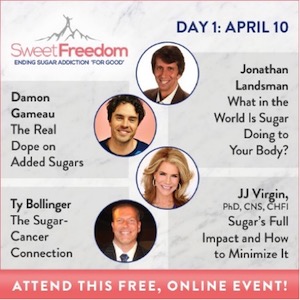
The Sweet Freedom Summit runs April 10-17. I like to do a sneak preview of some of the interviews so I can share some highlights with you and I was blown away by some of what I learned from Damon Gameau, Australian actor and producer of That Sugar Film.

His interview: The Real Dope on Added Sugars. We know this goes on but every time I hear it I feel mad (and a bit sad) that it happens and that it’s actually allowed to happen! And that so few people even know about this! Here goes:

Nestlé, for example, have about seven hundred PhD scientists just working on their foods and understanding what the mouth feel of the food is that makes us really like them or how it triggers certain parts of our brain and releases dopamine that makes us want more.

People often talk about, “It’s freedom of choice. People should be able to decide what they want.” But that’s fair enough if you understand the playing field and it’s a very one-sided playing field because these foods are being engineered to get you liking and wanting more and more of them. So, it is very hard for some people to say no to things.

This term was new to me: vanishing caloric density!

There is a great term I learned for those kind of—we have them in Australia—they are called Cheetos or Puffs where you have them and they feel like they turn to air in your mouth very quickly. It’s called vanishing caloric density. It means that you don’t feel like you are eating much. So, you can just sit there and watch TV and demolish an entire bag because it’s tricking your brain into thinking that you are actually not eating very much because they are disappearing in your mouth. So these have been designed this way, very carefully so that they’ll sell more of those products.

Damon is shocked by the manipulation and so should we all be!

That probably shocked me in terms of the manipulation there. And just to start to understand the level of rigging of science, the paid scientists, the PR companies that are pushing the food industry’s brand, how they attack certain groups in social media; just the sort of orchestration that these companies use to make sure that there is ambiguity and doubt in the public mind.

Damon’s interview airs on day 1 and not to be missed. Be sure to listen to the entire interview! You won’t believe what he did to himself in That Sugar Film! (hint: he embarked on a unique experiment to document the effects of a high sugar diet on a healthy body, consuming only foods that are commonly perceived, or promoted to be ‘healthy’.)

On day 1 you can also hear Jonathan Landsman (what sugar does in your body), JJ Virgin (sugar’s full impact) and Ty Bollinger (sugar-cancer connection).

The first step is awareness and knowing where sugar is found – this is covered extensively during the summit.

The next step is switching to a real whole foods diet with quality animal protein (I’m not a fan of a vegetarian diet – covered by one of the speakers) and healthy fats, organic produce and no sugar.

This is easier said than done for many people. You may know you need to quit sugar but willpower gets the better of you. If this sounds like you be sure to tune in to my interview.

In case you missed it, a few weeks ago I shared some snippets from my brain chemical/neurotransmitter imbalance interview with Sherry – addressing sugar cravings as well as anxiety and depression. I talk about the BIG connection between stress eating, comfort eating, emotional eating and low levels of the brain chemicals serotonin, GABA and endorphins.

Sherry loved our interview so much she’s decided to offer it as a gift to EVERYONE who signs up for the summit! So you can enjoy it from day 1 or tune in and comment when it airs.

The Sweet Freedom Summit runs April 10-17 and when you register you’ll get immediate access to my interview and some other cool sign up gifs.

Please share with family and friends who you know can benefit from this information!

Got questions or feedback? Please share them in the blog comments below.

Filed Under: Events, Sugar addiction Tagged With: addiction, anxiety, Damon Gameau, industry manipulation, mouth feel, Sherry Strong, sugar, sweet freedom summit, That Sugar Film, vanishing caloric density

  • « Go to Previous Page
  • Page 1
  • Page 2
  • Page 3
  • Go to Next Page »

Primary Sidebar

NEW! GABA QuickStart Homestudy (with special intro pricing)

gaba quickstart homestudy

Free Report

9 Great Questions Women Ask about Food, Mood and their Health

You'll also receive a complimentary subscription to my ezine "Food, Mood and Gal Stuff"


Connect with me

Popular Posts

  • Amino Acids Mood Questionnaire from The Antianxiety Food Solution
  • The Antianxiety Food Solution Amino Acid and Pyroluria Supplements
  • Pyroluria Questionnaire from The Antianxiety Food Solution
  • Collagen and gelatin lower serotonin: does this increase your anxiety and depression?
  • Tryptophan for the worry-in-your-head and ruminating type of anxiety
  • GABA for the physical-tension and stiff-and-tense-muscles type of anxiety
  • The Antianxiety Food Solution by Trudy Scott
  • Seriphos Original Formula is back: the best product for anxiety and insomnia caused by high cortisol
  • Am I an anxious introvert because of low zinc and vitamin B6? My response to Huffington Post blog
  • Vagus nerve rehab with GABA, breathing, humming, gargling and key nutrients

Recent Posts

  • What do I use instead of Seriphos to help lower high cortisol that is affecting my sleep and making me anxious at night?
  • BeSerene™ GABA/theanine cream eases severe muscle tension in her neck/shoulders, prevents her bad headaches and quells her anxiety
  • How the correct approach, dose and sublingual use of GABA can be calming and not cause a flushed and itchy face and neck
  • The amino acid glutamine improves low mood by addressing gut health, and it has calming effects too
  • Flight anxiety with heightened breath, physical tension and also fearing the worst (the role of low GABA and low serotonin)

Categories

  • 5-HTP
  • AB575
  • Addiction
  • ADHD
  • Adrenals
  • Alcohol
  • Allergies
  • Alzheimer's disease
  • Amino Acids
  • Anger
  • Antianxiety
  • Antianxiety Food Solution
  • Antidepressants
  • Anxiety
  • Anxiety and panic
  • Autism
  • Autoimmunity
  • benzodiazapines
  • Bipolar disorder
  • Books
  • Caffeine
  • Cancer
  • Candida
  • Children/Teens
  • Collagen
  • Cooking equipment
  • Coronavirus/COVID-19
  • Cravings
  • Depression
  • Detoxification
  • Diabetes
  • Diet
  • DPA/DLPA
  • Drugs
  • EFT/Tapping
  • EMF
  • EMFs
  • Emotional Eating
  • Endorphins
  • Environment
  • Essential oils
  • Events
  • Exercise
  • Fear
  • Fear of public speaking
  • Fertility and Pregnancy
  • Fish
  • Food
  • Food and mood
  • Functional neurology
  • GABA
  • Gene polymorphisms
  • General Health
  • Giving
  • Giving back
  • Glutamine
  • Gluten
  • GMOs
  • Gratitude
  • Gut health
  • Heart health/hypertension
  • Histamine
  • Hormone
  • Hyperparathyroidism
  • Hypoglycemia
  • Immune system
  • Inflammation
  • Insomnia
  • Inspiration
  • Introversion
  • Joy and happiness
  • Ketogenic diet
  • Lithium orotate
  • Looking awesome
  • Lyme disease and co-infections
  • MCAS/histamine
  • Medication
  • Men's health
  • Mental health
  • Mercury
  • Migraine
  • Mold
  • Movie
  • MTHFR
  • Multiple sclerosis
  • Music
  • NANP
  • Nature
  • Nutritional Psychiatry
  • OCD
  • Osteoporosis
  • Oxalates
  • Oxytocin
  • Pain
  • Paleo
  • Parasites
  • Parkinson’s disease
  • PCOS
  • People
  • PMS
  • Postpartum
  • PTSD/Trauma
  • Pyroluria
  • Questionnaires
  • Real whole food
  • Recipes
  • Research
  • Schizophrenia
  • serotonin
  • SIBO
  • Sleep
  • Special diets
  • Sports nutrition
  • Stress
  • Sugar addiction
  • Sugar and mood
  • Supplements
  • Teens
  • Testimonials
  • Testing
  • The Anxiety Summit
  • The Anxiety Summit 2
  • The Anxiety Summit 3
  • The Anxiety Summit 4
  • The Anxiety Summit 5
  • The Anxiety Summit 6
  • Thyroid
  • Thyroid health
  • Toxins
  • Tryptophan
  • Tyrosine
  • Uncategorized
  • Vegan/vegetarian
  • Women's health
  • Yoga

Archives

  • October 2025
  • September 2025
  • August 2025
  • July 2025
  • June 2025
  • May 2025
  • April 2025
  • March 2025
  • February 2025
  • January 2025
  • November 2024
  • October 2024
  • September 2024
  • August 2024
  • July 2024
  • June 2024
  • May 2024
  • April 2024
  • March 2024
  • February 2024
  • January 2024
  • December 2023
  • November 2023
  • October 2023
  • September 2023
  • August 2023
  • July 2023
  • June 2023
  • May 2023
  • April 2023
  • March 2023
  • February 2023
  • January 2023
  • December 2022
  • November 2022
  • October 2022
  • September 2022
  • August 2022
  • July 2022
  • June 2022
  • May 2022
  • April 2022
  • March 2022
  • February 2022
  • January 2022
  • December 2021
  • November 2021
  • October 2021
  • September 2021
  • August 2021
  • July 2021
  • June 2021
  • May 2021
  • April 2021
  • March 2021
  • February 2021
  • January 2021
  • December 2020
  • November 2020
  • October 2020
  • September 2020
  • August 2020
  • July 2020
  • June 2020
  • May 2020
  • April 2020
  • March 2020
  • February 2020
  • January 2020
  • December 2019
  • November 2019
  • October 2019
  • September 2019
  • August 2019
  • July 2019
  • June 2019
  • May 2019
  • April 2019
  • March 2019
  • February 2019
  • January 2019
  • December 2018
  • November 2018
  • October 2018
  • September 2018
  • August 2018
  • July 2018
  • June 2018
  • May 2018
  • April 2018
  • March 2018
  • February 2018
  • January 2018
  • December 2017
  • November 2017
  • October 2017
  • September 2017
  • August 2017
  • July 2017
  • June 2017
  • May 2017
  • April 2017
  • March 2017
  • February 2017
  • January 2017
  • December 2016
  • November 2016
  • October 2016
  • September 2016
  • August 2016
  • July 2016
  • June 2016
  • May 2016
  • April 2016
  • March 2016
  • February 2016
  • January 2016
  • December 2015
  • November 2015
  • October 2015
  • September 2015
  • August 2015
  • July 2015
  • June 2015
  • May 2015
  • April 2015
  • March 2015
  • February 2015
  • January 2015
  • December 2014
  • November 2014
  • October 2014
  • September 2014
  • August 2014
  • July 2014
  • June 2014
  • May 2014
  • April 2014
  • March 2014
  • February 2014
  • January 2014
  • December 2013
  • November 2013
  • October 2013
  • September 2013
  • August 2013
  • July 2013
  • June 2013
  • May 2013
  • April 2013
  • March 2013
  • February 2013
  • January 2013
  • December 2012
  • November 2012
  • October 2012
  • August 2012
  • July 2012
  • June 2012
  • May 2012
  • April 2012
  • March 2012
  • February 2012
  • January 2012
  • December 2011
  • November 2011
  • October 2011
  • September 2011
  • August 2011
  • July 2011
  • June 2011
  • May 2011
  • April 2011
  • March 2011
  • February 2011
  • January 2011
  • December 2010
  • October 2010
  • September 2010
  • July 2010
  • May 2010
  • April 2010
  • March 2010
  • February 2010
  • January 2010
  • November 2009

Share the knowledge!

The above statements have not been evaluated by the Food and Drug Administration. Products listed in this website are not intended to diagnose, treat, cure or prevent any disease.

The information provided on this site is for informational and educational purposes only and is not intended as a substitute for advice from your physician or other health care professional. You should consult with a healthcare professional before starting or modifying any diet, exercise, or supplementation program, before taking or stopping any medication, or if you have or suspect you may have a health problem.


Copyright © 2026 Trudy Scott. All Rights Reserved. | Privacy | Terms and Conditions | Refund Policy | Medical Disclaimer

Free Report

9 Great Questions Women Ask about Food, Mood and their Health

You’ll also receive a complimentary subscription to my ezine “Food, Mood and Gal Stuff”