• Skip to primary navigation
  • Skip to main content
  • Skip to primary sidebar

everywomanover29 blog

Food, Mood and Women's Health – Be your healthiest, look and feel great!

  • Blog
  • About
  • Services
  • Store
  • Resources
  • Testimonials
  • The Book
  • Newsletter
  • Contact
  • Search this site

Pain

GABA lozenge relieves excruciating pelvic floor/rectal pain and spasms within 30 seconds: a solution for proctalgia fugax

December 3, 2021 By Trudy Scott 28 Comments

gaba lorenze

Have you experienced excruciating pain in the rectum as a result of spasms in your anal sphincter? You may not even know this condition is called proctalgia fugax and you may struggle with the agonizing pelvic floor pain with no quick solution. You may also not get much help from your doctor because the management of proctalgia fugax remains challenging.

The good news is that there is a simple solution that eases the spasms and stops the pain very quickly, typically in less than 2 minutes and sometimes as quickly as 30 seconds. Ashlee discovered how quickly a GABA lozenge worked to give her immediate relief from her scary and excruciatingly painful spasms.

Here is Ashlee’s wonderful feedback on the blog I wrote on this topic a few years ago after this started happening to me:

I want to personally thank you for this article and option of GABA to relieve the excruciating pain I was having.

After research I realized that my pelvic floor was having spasms. Such a new and scary feeling to have been having, and finding your advice and immediate relief of GABA changed everything!

Of course the scariest part initially is the pain and the “what is happening feeling!” But it’s quickly followed up with “when will this happen again, where will I be, and what do I do in that situation?”

I would highly recommend the GABA lozenges which I got at the vitamin store down the street. I carry them in a little baggie with me now just in case an episode happens. I did have an episode happen when I was on site of a job, and thankfully had the GABA lozenge to immediately relieve the pain, literally (within 30 seconds!! INCREDIBLE!)

The option otherwise (and what I did when it first happened) was to soak in a warm bath or with a heating pad, which obviously is not an option if you are at work or not at home.

The other options as suggested online are even scarier… resorting to electric shock up the rectum to ease the spasms! Yikes!

I thanked her for sharing how well the GABA lozenge works for her, saying how happy I am for her! I also let her know that I’d love to share it as a new blog post because it offers so much hope to others (hence this blog).

GABA Calm lozenge and other low GABA symptoms

I assume Ashlee is referring to Source Naturals GABA Calm lozenges which contains 125mg of GABA and is a sublingual lozenge. They do really work this quickly for spasms, pain and anxiety too. GABA always works best when used in a sublingual form like this or when a GABA capsule is opened onto the tongue.

I agree with her – it’s a good plan to keep GABA on hand in case she gets the spasms during the day. I also recommend having GABA next to the bed because it often seems to happen in the middle of the night.

I did ask if using GABA has also helped with easing her other low GABA symptoms. These can include:

  • physical anxiety and overwhelm
  • intrusive thoughts
  • stiff and tense muscles or other muscle spasms/pain
  • insomnia (often the type where you lie awake feeling stiff and tense)
  • stress eating carbs or sugary treats
  • self-medicating with wine or other alcoholic beverages in order to relax and fit in

You can see the entire list of low GABA symptoms here.

(I’ll share an update when I hear back from Ashlee.)

My experience, definition of proctalgia fugax, incidence and overview

I acknowledged her comment about it being very scary the first time it happens. I first blogged about this after it happened to me in 2017 and I figured out GABA worked very quickly for my excruciatingly painful spasms. It was really scary!

You can read about my experience and triggers on this blog: How GABA eases agonizing rectal pain and spasms in under 2 minutes.

The above blog also

  • defines this condition called proctalgia fugax which leads to rectal spasms and sharp fleeting pain in the lower rectum or anus. In some people it can be more than fleeting and is often described as excruciating and agonizing
  • shares how others describe the pain and how common it is (up to 18% of the population, more common in women and affects individuals between 30 and 60 years of age).
  • discusses heating pads as a solution (they also work but can take 20 minutes to take effect and that is simply too long when you are moaning and writhing in pain)
  • mentions medications that are commonly prescribed
  • describes using 30-60 seconds of finger pressure as one possible solution
  • reviews the BEST solution – sublingual GABA. Theanine and taurine can also help

Electrical stimulation of the anorectal muscles or botox – as treatment approaches

When I had first researched this a few years ago, I had not read about “electric shock up the rectum to ease the spasms” that Ashlee mentioned in her comment.  I went looking and found this on Webmd:

For severe proctalgia fugax, electrical stimulation of the anorectal muscles may provide relief. This treatment option involves inserting a small, finger-sized probe into the rectum and using a low voltage current to relax spastic muscles through vibration.

This may be similar to the 30-60 seconds on finger pressure I described but I’ll take the GABA supplement thank you!

This article also mentions botox injections which I am aware is often done. But this opens up another whole can of worms with toxicity issues and the risk of increased panic attacks with botox.

I also share additional information here: How to address rectal spasms with GABA, pelvic floor work, gluten removal and squats

Management of proctalgia fugax remains challenging and treatment outcomes modest at best

A paper, Proctalgia Syndromes: Update in Diagnosis and Management, published June 2020 by gastroenterology departments in Ireland, Romania, Italy and the USA recognizes that “functional anorectal pain syndromes” are complicated and “are a neglected yet often disabling clinical entity resulting in significant economic and psychological burden to the patient.”

They acknowledge that “management of proctalgia fugax remains challenging and treatment outcomes modest at best” and conclude that “further investigation of treatment approaches in proctalgia fugax is required.”

I plan to reach out to the authors and share these wonderful results that individuals are reporting with the use of sublingual GABA. I would also love to get some case studies published so this approach becomes common knowledge.

Resources if you are new to using GABA and the amino acids as supplements

If you are new to using the amino acids GABA and the other amino acids as supplements, here is the Amino Acids Mood Questionnaire from The Antianxiety Food Solution (you can see the low GABA symptoms here) and a brief overview here, Anxiety and targeted individual amino acid supplements: a summary.

If you suspect low GABA or low levels of any of the neurotransmitters and do not yet have my book, The Antianxiety Food Solution – How the Foods You Eat Can Help You Calm Your Anxious Mind, Improve Your Mood, and End Cravings, I highly recommend getting it and reading it before jumping in and using amino acids so you are knowledgeable. And be sure to share it with the team you or your loved one is working with.

The book doesn’t include product names (per the publisher’s request) so this blog, The Antianxiety Food Solution Amino Acid and Pyroluria Supplements, lists the amino acid products that I use with my individual clients and those in my group programs.

Have you ever experienced this rectal pain and spasms/proctalgia fugax? Has GABA worked for you? What else has helped?

If GABA helped ease the spasms and pain, how quickly did it work and what product did you use? Did it help with some of the other low GABA symptoms too?

Have you been able to figure out possible triggers or root causes other than low GABA?

If you’re a practitioner, have you seen this with clients or patients and has GABA helped them?

Feel free to ask your questions here too.
Filed Under: Anxiety, GABA, Pain Tagged With: agonizing, anal sphincter, anorectal muscles, anxiety. Physical anxiety, botox as treatment, electrical stimulation, excruciating, GABA, GABA Calm, GABA lozenge, insomnia, muscle tension, pelvic floor pain, Proctalgia fugax, rectal pain, rectum, scary, spasms, warm bath. heating pad

Wean off prescription pain medication, improve sleep and reduce emotional eating with DPA (an endorphin-boosting amino acid)

September 3, 2021 By Trudy Scott 19 Comments

dpa

A question about using the amino acid DPA (d-phenylalanine) to help wean off prescription pain medication was posted on the blog. She was also hoping it would help ease her pain while she was weaning and improve her poor sleep too. I share my feedback on DPA for weaning, timing of vitamin C, additional information for sleep support and using DPA for emotional eating too. Concerns about oxalates and pain are mentioned and the importance of a comprehensive approach.

Here is the question that was posted:

Hi Trudy, I am trying to get off prescription pain medication and have read that DPA really helps – do you have any knowledge and/or experience with this?

There is a very popular opiate withdrawal support website that recommends DPA 500mg 3x/daily. Since amino acids need to be taken away from food and other amino acids, I feel like it could be very easy to make the DPA go to waste if not taken at exactly the right time every day.

The insomnia is the worst part of opiate withdrawal for me – days can go by with only 20-45 minutes of sleep. I have a little one to care for and the stress of no sleep just makes me want to give up.

No sleep worsens my physical pain as I toss and turn for hours on end. It isn’t a surprise that then causes terrible emotional distress.

One more question…since Vitamin C does help withdrawal does it affect/break down DPA?  I take a liposomal version multiple times a day.

Here is my response: Yes, DPA (d-phenylalanine) does help with withdrawal from prescription pain medication and I’ve used it for this purpose with great success with many clients. It does need to be used away from protein and the dosing can vary for each person.

A starting dose of DPA is 500mg and it can be used 3- 4 x day to start, and we increase from there based on the unique need of each person. We typically adjust the DPA up as the prescription medication is tapered very slowly, and under the guidance of the prescribing physician.

I share more about her vitamin C and insomnia questions below.

If you are new to DPA and endorphin support

DPA/d-phenylalanine is an amino acid used as a supplement.

DPA destroys the enzyme that breaks down/inhibits endorphins and in essence raises endorphin levels. Endorphins are feel-good chemicals that you experience with an endorphin rush when you go for a run or when someone gives you a big hug, when you show kindness to someone or an individual does something nice for you.

Taking the amino acid, DPA, as a supplement helps to raise your endorphins and helps when you feel weepy and overly emotional and reduces the need to self-medicate with treats as a reward or for comfort (more on that below). This amino acid is a favorite with so many of my clients and community because it makes them feel so lovely.

In addition to helping with emotional pain, DPA also helps with easing physical pain. And for this reason it can be used to help get off prescription pain medications.

In summary, these are the signs of low endorphins:

  • Heightened sensitivity to emotional pain
  • Heightened sensitivity to physical pain
  • Crying or tearing up easily
  • Eating to soothe your mood, or comfort eating
  • Really, really loving certain foods, behaviors, drugs, or alcohol
  • Craving a reward or numbing treat

DPA and endorphin support for pain: the research

Here is one paper, which discusses how DPA inhibits or breaks down enkephalins (endorphins are closely related compounds) and as a result helps with depression and pain, and acts as an anti-inflammatory: “proven to be beneficial in many human patients with chronic, intractable pain.” The authors also state that a compound such as DPA “may alleviate other conditions associated with decreased endorphin levels such as opiate withdrawal symptoms.”

This paper discusses beta-endorphins and the reward mechanism and how they can induce euphoria, reduce pain and ease addictions and distress: “Long known for its analgesic effect, the opioid beta-endorphin is now shown to induce euphoria, and to have rewarding and reinforcing properties.”

I would love to see DPA used instead of pain meds when possible or used in conjunction with prescription pain medications when they are needed.

I am also very curious to know which opiate withdrawal support website is recommending DPA. I’m so pleased to hear this because it helps so much – for physical pain relief and for weaning off pain medications.

Is DPA the same as DLPA?

DLPA (dl-phenylalanine), although similar sounding, is not the same as DPA and only offers about half as much endorphin support. It also provides dopamine/catecholamine support (i.e. focus, motivation, mood, energy) and this aspect means DLPA has the same precautions as tyrosine. It also means DLPA can affect sleep if used from midafternoon onwards.

I seldom have clients use DLPA and prefer DPA for endorphin support and tyrosine for dopamine/catecholamine support if needed.

Keep in mind, the amino acid DPA, is not the same as the omega-3 fatty acid called docosapentaenoic acid and also abbreviated as DPA.

The brand of DPA that I recommend for my clients

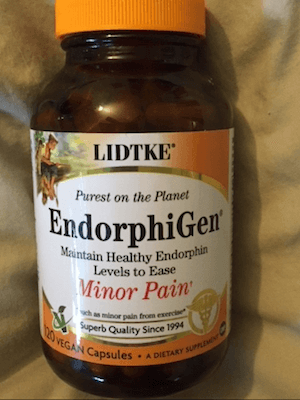
The brand I recommend for my clients is Lidtke Endorphigen. You can read about it and the other supplements I recommend on the supplements blog here.

My recommendation has always been to chew the DPA capsule for the best effects and to get results quickly (in 2-5 minutes). Instead of chewing the whole capsule I now recommend opening the capsule into your mouth. You can read more about using DPA and some client feedback here.

lidtke endorphigen

I’ve used Endorphigen personally too and it’s always with me as part of my travel first-aid kit. I write about using DPA, GABA and acupuncture for pain relief after my back injury and I had DPA, GABA and arnica on hand when I sprained my ankle while hiking in Red Rocks.

Benefits include reduction of emotional/comfort eating too

As I mentioned above, with DPA there is the bonus benefit of endorphin support to help end emotional/comfort eating where you are seeking treats as a reward i.e it helps with physical pain and emotional pain.

You may relate to this if you are someone who would say or think “I just LOVE chocolate-chip cookies!” or “PLEEEEASE don’t make me give up my treats, it’s all I have left after I gave up my coffee and wine! I deserve something nice!”

This emotional attachment to sweet treats and reward-eating is very common with low endorphins.

Using vitamin C with the amino acids and watching for oxalate pain adverse effects

She is correct, vitamin C is best used away from the amino acids so as not to reduce the beneficial effects.

I do caution clients to find the right amount of vitamin C as too much can increase pain in individuals with dietary oxalate issues. I write about oxalate crystal disease here and vitamin C and oxalates here. Both can aggravate insomnia too and increase anxiety.

Address low serotonin, low GABA and/or high cortisol for sleep too

With sleep issues we may also look into supporting low serotonin with tryptophan or 5-HTP,  and/or low GABA levels with GABA and/or theanine. These amino acids can also help with reducing pain in some instances.

Opioids have an endocrine effect via impacts on the hypothalamic-pituitary-gonadal axis, affecting sex hormones levels and cortisol levels. Endocrine dysfunction can adversely impact sleep and make anxiety worse, and needs to be addressed. GABA and serotonin support can help with some of the sex hormone imbalances and Seriphos helps when cortisol is too high.

A comprehensive approach is key

Of course, a comprehensive approach is key, so it’s important to remove inflammatory foods (gluten, maybe all grains, sugar, caffeine, unhealthy fats etc), add fish oil if omega-3s are low and include anti-inflammatory nutrients such as turmeric.

And we always want to figure out the root cause of the pain and address it. Also, ruling out if dietary oxalates (and vitamin C) are an issue is important and often overlooked.

I’m a big fan of working with a physical therapist and acupuncturist too.

Resources if you are new to using the amino acids as supplements

If you are new to using the amino acids, DPA, tryptophan or GABA, as supplements and want to know more, here is the Amino Acids Mood Questionnaire from The Antianxiety Food Solution and a brief overview here, Anxiety and targeted individual amino acid supplements: a summary.

If you suspect low endorphins, low serotonin or low GABA levels and do not yet have my book, The Antianxiety Food Solution – How the Foods You Eat Can Help You Calm Your Anxious Mind, Improve Your Mood, and End Cravings, I highly recommend getting it and reading it before jumping in and using amino acids so you are knowledgeable.

Can you relate to any of this? Has DPA helped your pain and/or helped you withdraw from prescription pain meds? And did you even know this was an option?

Did it also help you sleep and make you less anxious/worried because of the reduction in pain?

What about less emotional eating when using DPA/Endorphigen?

Feel free to post your questions too.

Filed Under: Cravings, Medication, Pain Tagged With: comfort eating, d-phenylalanine, DPA, emotional eating, Endorphigen, endorphins, GABA, get off pain medication, insomnia, Lidtke, opioid, oxalates, pain, pain medication, poor sleep, sleep, tryptophan, vitamin C, wean off prescription pain medication

Tryptophan ends TMJ pain, headaches and worry, and improves mood and sleep: a success story

July 17, 2020 By Trudy Scott 32 Comments

tryptophan success story

Today I’m sharing a success story on how the amino acid tryptophan, taken as a supplement, ends  TMJ (temporomandibular joint) pain and headaches in a woman in my community. She had the added benefits of an improved mood and less worrying and her sleep improved too.

There is evidence to support the low serotonin connection to TMJ and pain like fibromyalgia and I share that research below.

Before I share the success story, in case you’re new to neurotransmitter imbalances, the other symptoms we see with low serotonin are the worrying-type of anxiety, panic attacks and phobias, lack of confidence, depression, negativity, imposter syndrome, PMS, irritability, anger issues, insomnia and afternoon/evening cravings. Tryptophan can be used to boost serotonin levels and improve these symptoms as you’ll see below.

Right after speaking on the recent Trauma and Mind-Body Super Conference, Renee shared her wonderful success story on Facebook:

Out of all the interviews I felt yours gave the most actionable steps. I was taking amitriptyline for TMJ and didn’t like the side effects, however what other options did I have? Not many according to my GP [general practitioner]. Luckily I found your suggestion of tryptophan. And I can’t explain how much of a change it made! I weaned off the medicine and took tryptophan instead and not only did it help the TMJ but also helped me feel more even emotionally.

I am being referred for trauma therapy and I am optimistic that I will be discomfort free soon.

So huge thanks for sharing your knowledge. It helped me at a time when I was really starting to think there were no ‘natural’ options and conventional meds were all I could take.

I checked in with her, thanking her and acknowledging her wonderful feedback. I also asked how much tryptophan made this difference and how quickly she saw an improvement. And what side-effects she was seeing with the medication. She shared this:

I am a week into taking tryptophan, and I’m taking 500mg. I saw improvements with the TMJ within an hour of taking it. My jaw felt loose and I had no headaches, I also felt more ‘even’ mood wise. Like an underlying worry had gone. [worry is a classic symptom of low serotonin – more on that here]

I also had some stress yesterday that usually would have made me crumble, but instead I was able to stand up for myself and see subjectively the extent of the issue and resolve it. I am amazed!

My original medication (amitriptyline) had given me extreme dry mouth, which I found hard to manage, the headaches were also not relieved as much as I had hoped, plus I was having sessions of palpitations.

I haven’t had any palpitations from the day I started tryptophan whereas the dry mouth took some time to subside.

These really are wonderful results and typical that we’d see results this quickly with tryptophan if the root cause of the TMJ and headaches is low serotonin. It can sometimes take a few weeks to find the ideal dose but Renee found it with the initial trial amount of 500mg.

Sleep improved but made her too sleepy too early (some of the medication side-effects went away too)

The tryptophan also improved her sleep (and the palpitations and dry mouth side-effects from the medication stopped):

I was struggling to get to sleep and stay asleep, suffering bouts of insomnia, prior to any medication. I still am sleeping well taking tryptophan which I am pleased about.

She did however share that the timing of the tryptophan was making her too sleepy too early in the evening and she was planning to shift the timing:

I am finding tryptophan is making me feel drowsy in the evening, so I am trying different times during the day to take it. Hopefully I can push back the tiredness to perhaps 8/9 at night to coincide with bedtime.

My advice to her was that I have my clients use tryptophan MA (mid-afternoon) and evening and if MA makes them too sleepy they just do an evening dose. That can be enough for TMJ the next day. Sometimes more than 1 x 500mg in the evening is needed for easing TMJ and headache pain that night and the next day too.

I did check with her about weaning off the medication as cold-turkey quitting of psychiatric medications are dangerous and not advised. She shared this:

I weaned off over 1 week, but I was only on it for 8 weeks in total before I found tryptophan.

A slow taper under the guidance of the prescribing doctor is always recommended (more on this for amitriptyline/Elavil withdrawal here).

Some research supporting this serotonin/TMJ connection

  • Plasma tryptophan and kynurenine in females with temporomandibular disorders and fibromyalgia – An exploratory pilot study

…both temporomandibular disorders myalgia (TMDM) and fibromyalgia (FM) have been linked to central and peripheral changes in serotonin availability.” (tryptophan is not used in this study which also makes the serotonin/anxiety connection)

  • The effects of dietary tryptophan on chronic maxillofacial pain and experimental pain tolerance

Over the 4 weeks of the study, there was a greater reduction in reported clinical pain and a greater increase in pain tolerance threshold in the tryptophan group than in the placebo group. The tryptophan group was given “three grams of tryptophan in conjunction with a high carbohydrate, low fat, low protein diet.”

Additional resources when you are new to using tryptophan and other amino acids as supplements

As always, I use the symptoms questionnaire to figure out if low serotonin or other neurotransmitter imbalances may be an issue.

If you suspect low levels of any of the neurotransmitters and do not yet have my book, The Antianxiety Food Solution – How the Foods You Eat Can Help You Calm Your Anxious Mind, Improve Your Mood, and End Cravings, I highly recommend getting it and reading it before jumping in and using amino acids on your own so you are knowledgeable. And be sure to share it with the practitioner/health team you or your loved one is working with.

There is an entire chapter on the amino acids and they are discussed throughout the book in the sections on gut health, gluten, blood sugar control (this is covered in an entire chapter too), sugar cravings, anxiety and mood issues.

The book doesn’t include product names (per the publisher’s request) so this blog,The Antianxiety Food Solution Amino Acid and Pyroluria Supplements, lists the amino acids that I use with my individual clients and those in my group programs.

If, after reading this blog and my book, you don’t feel comfortable figuring things out on your own (i.e. doing the symptoms questionnaire and respective amino acids trials), a good place to get help is the GABA QuickStart Program (if you have low GABA symptoms). This is a paid online/virtual group program where you get my guidance and community support. You can sign up to be notified when the next live launch is happening.

If you need serotonin support, the Serotonin QuickStart Program is a good place to get help. This is also a paid online/virtual group program where you get my guidance on using tryptophan and 5-HTP safely, and community support during 5 LIVE Q&A calls. You can sign up to be notified when the next live launch of this program is happening.

If you are a practitioner, join us in The Balancing Neurotransmitters: the Fundamentals program. This is also a paid online/virtual program with an opportunity to interact with me and other practitioners who are also using the amino acids.

Wrapping up and your feedback

I appreciate Renee sharing her success story and I’m thrilled with her results.

Please share your TMJ/headache tryptophan success story if you have one (and how much tryptophan or 5-HTP helped you).

What about mood, anxiety and sleep (and any other low serotonin symptoms) – did they improve too?

And do share if other nutrients or approaches have helped.

And feel free to post your questions here too.

Filed Under: Anxiety, Pain, Tryptophan Tagged With: anxiety, Headaches, insomnia, mood, pain, palpitations, serotonin, sleep, temporomandibular joint pain, TMJ, TMJ pain, tryptophan, worry

RICE, arnica, GABA and DPA for my sprained ankle

August 9, 2019 By Trudy Scott 34 Comments

sprained ankle

I’m in the USA for 2 conferences and I just spent 3 super days visiting my brother and his family in Las Vegas. We had a super hike in Red Rocks National Park.

We went early to avoid the heat and it was fabulous until I slipped on some sand when going down a steep section in the way out.

I twisted my ankle and at the time I thought this is bad! This is very bad!

It was a big relief that I was able to walk out. I walked very slowly and used my sister-in-law’s shoulder in the steep sections, always keeping my foot flat.

However when we got home I found I could not put any weight on it at all. The pain was really bad if I tried! How was I going to be able to navigate airports, hotels, conferences, speaking on stages and standing at my booth over the next 10 days?

At Mindshare, I’m thrilled to have been selected to present on The Future of Health, a 5 min TEDx type talk. My topic is: Why Social Anxiety, Introversion and Loneliness can be Lethal and a Simple Nutritional Solution. It will be videotaped and I’ll be sure to share with you.

[UPDATE: January 2020 – Here is the blog post with a link to the presentation and additional information on pyroluria]

I’ve also be nominated for a Rising Tide award at Mindshare.

And I’m presenting at the Integrative Medicine for Mental Health (IMMH) conference on “GABA for Anxiety, ADHD, Autism, Insomnia, and Addictions: Research and Practical Applications.”

I had to get it healed as quickly as possible!

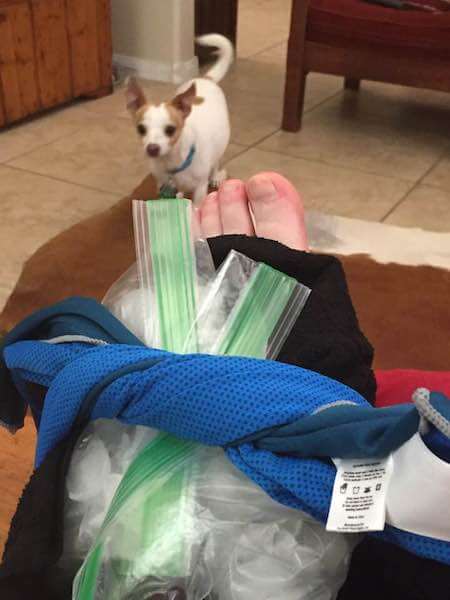
iced foot

I pampered my foot for the next 12 hours, keeping it elevated and alternating between ice and using a compression bandage.

The RICE – rest, ice, compression, elevate – technique really does work.

I was taken care of my my darling nieces and little Rascal, the taco-terrier came to check on me from time to time.

I could not stand on my foot at all that first day. When I did need to get up, I used the crutches. I was keeping well- hydrated so there were frequent bathroom breaks.

I also used arnica cream topically and arnica homeopathic pills orally 3 times a day.

It was pretty painful that first day so I also used DPA (d-phenylalanine), an amino acid which is great for physical pain. I also decided to use GABA, a calming amino acid  – this helped me relax and feel calm, sleep better and I suspect it helped ease some of the muscle stiffness and the pain too.

By the next day I was able to walk very carefully and 2 days later I was walking with almost no limp. I did continue with all of the above RICE, arnica, GABA and DPA supplements too.

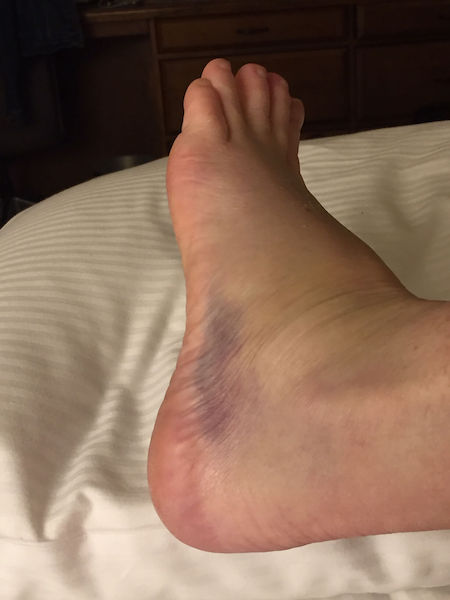
bruised foot

This is how my foot looks 4 days later. There is slight bruising and very little swelling. I can walk without a limp and can now wriggle my toes with no pain.

[UPDATE: July 2021]

I injured my knee last week (the diagnosis is patellofemoral pain syndrome) and I have been hobbling around (I had to use crutches for 2 days), doing physical therapy sessions, doing home exercises from the physical therapist, and using the RICE, arnica, GABA and DPA approach outlined above. It’s doing so much better in just a week but this injury got me thinking “why does this happen to me and how can I prevent it again?”

I have pyroluria and one of the classic set of symptoms with pyroluria is this: “Joints popping, cracking, or aching; pain or discomfort between the shoulder blades; or cartilage problems” (due to low zinc). That’s my first clue.

Because of the pandemic and being mostly home, I’m not taking the pyroluria supplements consistently. That’s my second clue.

I do have Lyme disease. There is a pyroluria-Lyme connection, and it’s well recognized that the Borrelia burgdorferi spirochete often affects the musculoskeletal system. That’s my third clue.

I also have dietary oxalate and pain issues and with the oxalate-vitamin B6 connection, I suspect this may be my fourth clue.

Now I plan to dig deeper into this particular set of pyroluria symptoms and look at the mechanisms at play that cause knee/ankle/hip/shoulder and other injuries to tendons, joints and cartilage (I’ve had many injuries over the years). It’s fascinating what I’m learning so far.

Stay tuned for an entire blog post on the topic. Until then please do share your experiences below if you have pyroluria and/or Lyme disease and/or dietary oxalate issues, and have or have had a lot of injuries.  Keep in mind that just having pyroluria is enough to have these types of injuries and it’s the Lyme and oxalate issues that add to the problems.  Having Ehlers Danlos Syndrome (EDS) adds to the complexity too.

If you’re new to pyroluria, this blog with my Mindshare video, Why social anxiety, introversion and loneliness can be lethal and a simple nutritional solution, has the following information:

  • A brief overview of pyroluria
  • A link to the Pyroluria Questionnaire from my book The Antianxiety Food Solution (which has an entire chapter on the topic).
  • A discussion on how I first discovered the pyroluria-introversion connection
  • And information on loneliness and the sociability/vagus nerve connections

Do you have pyroluria (social anxiety or introversion) or score high on the pyroluria questionnaire?

Have you noticed you are more injury prone when you are not on the pyroluria protocol or that your injuries stopped or became less frequent once you discovered you have pyroluria and started supplementing? And then got worse again when not supplementing?

What kinds of injuries have you had or have now?

Do you also have Lyme disease and/or dietary oxalate issues?

Have you used a similar approach for an ankle or knee injury – RICE, arnica, GABA and DPA?

What other tips do you have for a sprained ankle or knee injury?

Filed Under: Pain Tagged With: DPA, GABA, injury, nature, pain

GABA oral rinse reduces burning mouth pain

March 2, 2018 By Trudy Scott 47 Comments

Burning Mouth Syndrome (BMS) is a chronic pain condition characterized by persistent burning in the mouth. It affects mostly females, especially postmenopausal women, and conventional approaches are often not very successful. You’ll often see articles and papers with the terms ‘refractory’ and ‘unknown etiology’/unknown causes.

Medications like SRNIs and benzodiazepines

Some studies report limited success with medications like venlafaxine/Effexor, an SRNI and topical and oral use of benzodiazepines such as clonazepam/Klonopin. In this paper, Refractory burning mouth syndrome: clinical and paraclinical evaluation, comorbidities, treatment and outcome, 8 participants saw their pain diminish by half within 3 months.

Another paper, The Effect of Clonazepam Mouthwash on the Symptomatology of Burning Mouth Syndrome: An Open Pilot Study, reports success with a benzodiazepine mouthwash in half the participants.

Other than the poor quality of life and having to continue to live with pain, the bigger concern is the side-effects of medications like these, plus concerns with tolerance and then issues with withdrawal.

New oral GABA research for burning mouth

It’s for this reason that I’m excited about the recent research, γ-Aminobutyric acid (GABA) oral rinse reduces capsaicin-induced burning mouth pain sensation: An experimental quantitative sensory testing study in healthy subjects, that finds that both and men and women experienced immediate benefits when using GABA for burning mouth pain.

The burning mouth pain was caused by the application of capsaicin to the tongues of thirty healthy males and females. Capsaicin is the compound that makes chili peppers hot. (I find it interesting that capsaicin was the compound used to cause the burning mouth sensation because this same compound is used in topical creams and patches to ease pain.)

The study concludes as follows:

Capsaicin-induced burning tongue pain and decreases in WDT (warm detection) and HPT (heat pain) can be ameliorated by rinsing the mouth with lidocaine and GABA solutions.

Rinsing the mouth with an oral GABA containing solution ameliorated burning pain and increased heat sensitivity produced by application of capsaicin to the tongue. This finding suggests that GABA can act as a local analgesic agent in the oral cavity.

Lidocaine, a numbing medication, was part of the GABA solution in this study, but because it has side-effects that may include anxiety, I recommend a trial of a GABA-only solution to ease the burning mouth pain.

Using a GABA-only oral solution

Using a GABA-only oral solution makes sense given that the likely mechanism of action of topical benzodiazepines in burning mouth pain is via local action on peripheral GABAA receptors found in the nerve fibers of the tongue.

This is also very feasible based on how effective GABA is for other pain such as proctalgia fugax/rectal spasms, and the visceral pain and muscle tension in your gut caused by the bloating symptoms of SIBO (small intestinal bacterial overgrowth) and muscular back pain after a fall.

How much GABA will help?

As with any use of GABA and the other amino acids, how much will help depends on each person’s unique biochemistry and needs at the time. In the same way I do a trial of GABA with my anxiety clients to determine how much would help, I do the same with burning mouth pain (and other pain situations).

I recommend a trial of a GABA-only product and starting low with 100 to 200mg of GABA swished held in the mouth with some water for a few minutes. This can be used three or four times a day in between meals and with the mg increased slowly based on results.  You can find the GABA supplements I recommend here.

GABA is an amino acid that is recognized for calming physical anxiety and tension and since anxiety (and depression) is very common in those with burning mouth pain, the GABA is going to provide calming benefits too.

As with any health condition, finding the underlying root causes using a comprehensive functional medicine approach is key. One such root cause may be low GABA and using oral GABA is going to address this one and provide some relief while other root causes are identified and addressed.

These other root causes can be very varied as explained in the paper Burning Mouth Syndrome. They can include: age-related reduction in estrogen and progesterone levels, lower cortisol, diabetes mellitus and hypothyroidism, allergic reactions to foods, additives and even metals in the mouth, autoimmune connective tissue disorders, nutritional deficiencies (B1, B2, B6, B12. folate, and/or zinc), smoking and candida, and medication side-effects as mentioned above.

Have you experienced burning mouth pain and seen relief with GABA or other nutritional approaches?

If you’re a practitioner, is burning mouth pain common in your postmenopausal clients or patients and what approaches have you found most successful? Have you found GABA to be helpful?

If you are still suffering with burning mouth please share the following when you comment:

  • Your age (it seems to be more prevalent in women 59 and older)
  • If you have anxiety and/or depression now and have been prone to either in the past
  • How you score on the low GABA questionnaire and which symptoms you relate to? This will provide a clue that low GABA may be an issue and the oral GABA rinse is more likely to help
  • How you score on the low serotonin questionnaire (same link as GABA questionnaire above) and which symptoms you relate to? SSRIs have been shown to help in some cases and we know tryptophan/5-HTP help with pain so serotonin support may help too. Perhaps a tryptophan or 5-HTP rinse is worth a trial too?
  • How long it’s been an issue, what approaches you’ve tried and which approaches have helped (even if they only helped a short while or helped the pain a little)
  • Current and past medications (burning mouth is caused by certain medications)

I’d love to gather a list of all this so we can help you and more women who suffer with these awful symptoms.

Filed Under: Amino Acids, Anxiety, benzodiazapines, GABA, Pain Tagged With: anxiety, benzodiazepines, burning mouth, burning mouth pain, burning mouth syndrome, depression, GABA, Klonopin, pain

How much GABA should I use and which GABA product is best?

December 8, 2017 By Trudy Scott 61 Comments

The most common question I get about GABA (gamma-amino butyric acid) is the one about the blood-brain barrier and does it even work (it certainly does – read here for information on this one).

The next most common question I get about GABA is this one:

How much GABA should I use and which GABA product is best?

This exact question was actually asked of me a number of times last week after I published: Herbal therapy is equivalent to rifaximin for the treatment of small intestinal bacterial overgrowth (SIBO). In this blog I share about my trials of using sublingual GABA for the visceral pain and muscle tension in my gut caused by the bloating symptoms of SIBO.

There is no simple answer! It requires a blog post to provide a good answer because we are all unique, have different needs and these needs can even differ at different times depending on the issue and what is going on in our lives at the moment.

Let’s first do a quick recap of GABA (gamma-amino butyric acid) in case this is new to you. GABA is a calming amino acid that can be used as a supplement to raise GABA levels (GABA is also a neurotransmitter. It’s one of the amino acids I use most frequently with my anxious clients (together with tryptophan). GABA helps with the physical anxiety and tension, as well as panic attacks. New research shows it also helps with inhibition of unwanted thoughts and may also offer gut protection after alcohol consumption. It also helps with stiff and tense muscles and muscle pain and spasms.

How I have benefited from GABA

Here is a quick summary of how I’ve benefited from GABA supplements. I use this information to inform my use of GABA to help with the visceral pain I now experience due to my SIBO (more on that below).

If you have never used GABA or if you’ve used it once or twice, reading this should give you a clue as to why there is no one answer and how we need to use a trial approach to figure out what is best for each situation.

This also illustrates that there is no one size fits all for everyone and even for the same person under different situations.

  1. The anxiety and panic attacks I experienced 15 years ago:
    1. I used 1-2 GABA Calm three times a day and a combination GABA product at night. GABA Calm contains 125mg GABA and the GABA product contains 200mg GABA. My anxiety eased and my panic attacks stopped in a few days, giving me immediate relief and hope while I started to address all the other root causes like gluten sensitivity, adrenal issues, low zinc, gut health, low vitamin B6 and more
    2. The doses of GABA I used for my anxiety and panic attacks are typical amounts my clients benefit from and I would not have someone start on 500mg.
    3. If someone is a “pixie-dust” person and very sensitive I’d have them start with a pinch/dab or ¼ of 125 mg GABA Calm.
  1. The “ice-pick” headaches on the top of the skull that I discovered were caused by neck spasms:
    1. Physical therapy, high doses of GABA and high doses of magnesium were essential.
    2. Because of the low doses of GABA I had used for my anxiety years before this, I started with low doses of GABA increasing slowly from 200mg up to 1000mg GABA. This higher amount worked for me at this time for this injury.
  1. Throat spasms and the loss of my voice due to vagus nerve issues caused by a terrifying plane ride:
    1. Based on my prior ice-pick headache experience I now knew I could tolerate higher doses and started with 500mg GABA and used more as needed.
    2. I must have been really low in GABA because I was actually able to use upwards of 5 (and sometime more) doses of 500mg a day and not feel too wiped out, even during the day.
    3. That’s a lot of GABA for me – as I mentioned above 125mg to 250mg used to be enough for the anxiety I experienced 15 years ago.
    4. I write more about all this here: Vagus nerve rehab with GABA, breathing, humming, gargling and key nutrients (with videos to demonstrate immediate effects when using GABA sublingually)
  1. Rectal spasms/proctalgia fugax. These seem to be related to SIBO/IBS and I still experience these from time to time.
    1. I have found that 250mg to 500mg GABA opened onto my tongue works best for me for this particular muscle spasm.
    2. Again, it eases the spasms and pain in a few minutes. I write more about this here: How GABA eases agonizing rectal pain and spasms in under 2 minutes
  1. A back injury in August causing severe muscle spasms and pain.
    1. Again, based on my previous experiences using GABA, right after my fall I started taking 1000mg of GABA powder every few hours (held in my mouth for 1-2 minutes) and then reduced it to 2 or 3 times a day as needed.
    2. I share more in this blog: Acupuncture boosts GABA to reduce back pain and oral GABA further reduces the pain
    3. In the above blog you can also read some research about the mechanism of how GABA supplements ease inflammation and tracheal spasms associated with asthma.
  1. Visceral pain caused by SIBO.
    1. My SIBO is really well-controlled with diet but I’ve been having pain, bloating and insomnia while doing this herbal SIBO protocol. I suspect the cellulose in one of the herbal products is causing this bloating and pain after dinner. It was getting so bad it was keeping me awake (this is typical when I am accidently exposed to problematic foods and get a flare-up).
    2. SIBO patients can have visceral hypersensitivity where their pain can be due to the pressure of the gas that is produced and the muscles in the digestive system actually contracting against this pressure.
    3. It got me thinking about how effective GABA is for relieving muscle tension and how much it’s helped me in the past. I also use GABA with my clients all the time for relief of their physical anxiety and stiff and tense muscles. There are GABA receptors all over the gut and I recently discovered that GABA is important for motility.
    4. Over the last 2 weeks I’ve trialed 300mg GABA (opened on to the tongue) a few times to ease the pain and pressure and it’s been amazing at how much it’s helped and how quickly it’s eased the pain. I’ve used it as soon as I notice the bloating starting and it GABA helps me sleep too (as does the tryptophan I’ve also added). I suspect I could safely double this dose in the evening and may do this if the lower dose isn’t enough some evenings. I’ve also used it some days the next morning when I wake with the bloated ache in my belly.

How much should I use and which GABA product is best?

I have a blog post listing the products I use with clients: The Antianxiety Food Solution Amino Acid and Pyroluria Supplements

Always read the precautions (there is a link on the above blog) and do the amino acid questionnaire (the link is also on the above blog) before starting a trial. I also recommend reading the amino acids chapter in my book The Antianxiety Food Solution so you are a well-informed savvy consumer.

If you’re doing a trial for anxiety and panic attacks:

  • If you can use tyrosine the Source Naturals GABA Calm product is the one I use with most of my anxious clients.
  • The other GABA products listed on the supplements blog need to be opened onto the tongue and started with a low dose (100-200mg is a good starting dose) and increase based on symptom relief. More can often be used at night, especially if sleep is also an issue – sometimes up to 500mg.

If you have SIBO/IBS and are doing a trial for visceral pain:

  • I’d suggest NOT starting with the Source Naturals GABA Calm because the sugar alcohols can be problematic for some individuals. Or if you do, be aware that it may not help and may make things worse in the short-term. Personally, I have not found this product to be an issue with my SIBO and I have very few clients report an issue.
  • The other GABA products listed on the supplements blog need to be opened onto the tongue and started with a low dose and increased based on symptom relief.
  • For a client totally new to GABA I’d start with 100-200mg in the evening and also increase slowly over a few weeks based on symptom relief, up to 500-1000mg.
  • For early morning belly pain I’d start a client on 100-200mg because too much in the day can make you feel tired.    

If you have other pain issues:

  • For a client totally new to GABA I’d start with 100-200mg in the evening and increase slowly over a few weeks based on symptom relief, up to 500-1000mg.  Depending on the pain more may often be needed and higher doses can often be tolerated during the day.
  • Keep in mind that pain can have any many root causes and it may be more than low just GABA or may not be due to low GABA at all. Other factors to consider include but are not limited to: low serotonin, low magnesium, low endorphins, inflammation, structural damage, low omega-3s, gluten issues, Lyme disease etc.  Physical therapy and acupuncture are wonderful approaches to include too.

As you can see from my experiences above it’s a matter of doing trials to find the ideal amount for you for your particular situation.  

If you’ve used GABA supplements for anxiety, visceral pain or other muscles spasms I’d love to hear from you.

This GABA-pain connection is not well recognized and I’d love to have more people know about this as a possible option. The more we share our experiences the more we all learn.

If you plan a trial similar to any of the above I’d also love to hear your questions and feedback.

Filed Under: GABA, Pain, SIBO Tagged With: anxiety, back spasms, GABA, IBS, muscle, pain, SIBO, tryptophan, vagus nerve, visceral pain

  • « Go to Previous Page
  • Page 1
  • Page 2
  • Page 3
  • Page 4
  • Page 5
  • Page 6
  • Go to Next Page »

Primary Sidebar

GABA QuickStart Homestudy

gaba quickstart homestudy

Free Report

9 Great Questions Women Ask about Food, Mood and their Health

You'll also receive a complimentary subscription to my ezine "Food, Mood and Gal Stuff"


Connect with me

Popular Posts

  • Amino Acids Mood Questionnaire from The Antianxiety Food Solution
  • The Antianxiety Food Solution Amino Acid and Pyroluria Supplements
  • Pyroluria Questionnaire from The Antianxiety Food Solution
  • Collagen and gelatin lower serotonin: does this increase your anxiety and depression?
  • Tryptophan for the worry-in-your-head and ruminating type of anxiety
  • GABA for the physical-tension and stiff-and-tense-muscles type of anxiety
  • The Antianxiety Food Solution by Trudy Scott
  • Seriphos Original Formula is back: the best product for anxiety and insomnia caused by high cortisol
  • Am I an anxious introvert because of low zinc and vitamin B6? My response to Huffington Post blog
  • Vagus nerve rehab with GABA, breathing, humming, gargling and key nutrients

Recent Posts

  • Her cravings for chips and peanut butter were triggered by stress: GABA ends cravings and reduces physical tension and fear of heights
  • It is truly miraculous to be able to move through life without crippling anxiety and panic
  • GABA and tryptophan combo provide immediate and noticeable relief for tremors and cervical dystonia in just 7 days
  • Red light therapy for back and neck pain, plantar fasciitis and low mood – a complement to the amino acids GABA, DPA and tryptophan
  • What do I use instead of Seriphos to help lower high cortisol that is affecting my sleep and making me anxious at night?

Categories

  • 5-HTP
  • AB575
  • Addiction
  • ADHD
  • Adrenals
  • Alcohol
  • Allergies
  • Alzheimer's disease
  • Amino Acids
  • Anger
  • Antianxiety
  • Antianxiety Food Solution
  • Antidepressants
  • Anxiety
  • Anxiety and panic
  • Autism
  • Autoimmunity
  • benzodiazapines
  • Bipolar disorder
  • Books
  • Caffeine
  • Cancer
  • Candida
  • Children/Teens
  • Collagen
  • Cooking equipment
  • Coronavirus/COVID-19
  • Cravings
  • Depression
  • Detoxification
  • Diabetes
  • Diet
  • DPA/DLPA
  • Drugs
  • EFT/Tapping
  • EMF
  • EMFs
  • Emotional Eating
  • Endorphins
  • Environment
  • Essential oils
  • Events
  • Exercise
  • Fear
  • Fear of public speaking
  • Fertility and Pregnancy
  • Fish
  • Food
  • Food and mood
  • Functional neurology
  • GABA
  • Gene polymorphisms
  • General Health
  • Giving
  • Giving back
  • Glutamine
  • Gluten
  • GMOs
  • Gratitude
  • Gut health
  • Heart health/hypertension
  • Histamine
  • Hormone
  • Hyperparathyroidism
  • Hypoglycemia
  • Immune system
  • Inflammation
  • Insomnia
  • Inspiration
  • Introversion
  • Joy and happiness
  • Ketogenic diet
  • Lithium orotate
  • Looking awesome
  • Lyme disease and co-infections
  • MCAS/histamine
  • Medication
  • Men's health
  • Mental health
  • Mercury
  • Migraine
  • Mold
  • Movie
  • MTHFR
  • Multiple sclerosis
  • Music
  • NANP
  • Nature
  • Nutritional Psychiatry
  • OCD
  • Osteoporosis
  • Oxalates
  • Oxytocin
  • Pain
  • Paleo
  • Parasites
  • Parkinson’s disease
  • PCOS
  • People
  • PMS
  • Postpartum
  • PTSD/Trauma
  • Pyroluria
  • Questionnaires
  • Real whole food
  • Recipes
  • Research
  • Schizophrenia
  • serotonin
  • SIBO
  • Sleep
  • Special diets
  • Sports nutrition
  • Stress
  • Sugar addiction
  • Sugar and mood
  • Supplements
  • Teens
  • Testimonials
  • Testing
  • The Anxiety Summit
  • The Anxiety Summit 2
  • The Anxiety Summit 3
  • The Anxiety Summit 4
  • The Anxiety Summit 5
  • The Anxiety Summit 6
  • Thyroid
  • Thyroid health
  • Toxins
  • Tryptophan
  • Tyrosine
  • Uncategorized
  • Vegan/vegetarian
  • Women's health
  • Yoga

Archives

  • May 2026
  • April 2026
  • October 2025
  • September 2025
  • August 2025
  • July 2025
  • June 2025
  • May 2025
  • April 2025
  • March 2025
  • February 2025
  • January 2025
  • November 2024
  • October 2024
  • September 2024
  • August 2024
  • July 2024
  • June 2024
  • May 2024
  • April 2024
  • March 2024
  • February 2024
  • January 2024
  • December 2023
  • November 2023
  • October 2023
  • September 2023
  • August 2023
  • July 2023
  • June 2023
  • May 2023
  • April 2023
  • March 2023
  • February 2023
  • January 2023
  • December 2022
  • November 2022
  • October 2022
  • September 2022
  • August 2022
  • July 2022
  • June 2022
  • May 2022
  • April 2022
  • March 2022
  • February 2022
  • January 2022
  • December 2021
  • November 2021
  • October 2021
  • September 2021
  • August 2021
  • July 2021
  • June 2021
  • May 2021
  • April 2021
  • March 2021
  • February 2021
  • January 2021
  • December 2020
  • November 2020
  • October 2020
  • September 2020
  • August 2020
  • July 2020
  • June 2020
  • May 2020
  • April 2020
  • March 2020
  • February 2020
  • January 2020
  • December 2019
  • November 2019
  • October 2019
  • September 2019
  • August 2019
  • July 2019
  • June 2019
  • May 2019
  • April 2019
  • March 2019
  • February 2019
  • January 2019
  • December 2018
  • November 2018
  • October 2018
  • September 2018
  • August 2018
  • July 2018
  • June 2018
  • May 2018
  • April 2018
  • March 2018
  • February 2018
  • January 2018
  • December 2017
  • November 2017
  • October 2017
  • September 2017
  • August 2017
  • July 2017
  • June 2017
  • May 2017
  • April 2017
  • March 2017
  • February 2017
  • January 2017
  • December 2016
  • November 2016
  • October 2016
  • September 2016
  • August 2016
  • July 2016
  • June 2016
  • May 2016
  • April 2016
  • March 2016
  • February 2016
  • January 2016
  • December 2015
  • November 2015
  • October 2015
  • September 2015
  • August 2015
  • July 2015
  • June 2015
  • May 2015
  • April 2015
  • March 2015
  • February 2015
  • January 2015
  • December 2014
  • November 2014
  • October 2014
  • September 2014
  • August 2014
  • July 2014
  • June 2014
  • May 2014
  • April 2014
  • March 2014
  • February 2014
  • January 2014
  • December 2013
  • November 2013
  • October 2013
  • September 2013
  • August 2013
  • July 2013
  • June 2013
  • May 2013
  • April 2013
  • March 2013
  • February 2013
  • January 2013
  • December 2012
  • November 2012
  • October 2012
  • August 2012
  • July 2012
  • June 2012
  • May 2012
  • April 2012
  • March 2012
  • February 2012
  • January 2012
  • December 2011
  • November 2011
  • October 2011
  • September 2011
  • August 2011
  • July 2011
  • June 2011
  • May 2011
  • April 2011
  • March 2011
  • February 2011
  • January 2011
  • December 2010
  • October 2010
  • September 2010
  • July 2010
  • May 2010
  • April 2010
  • March 2010
  • February 2010
  • January 2010
  • November 2009

Share the knowledge!

The above statements have not been evaluated by the Food and Drug Administration. Products listed in this website are not intended to diagnose, treat, cure or prevent any disease.

The information provided on this site is for informational and educational purposes only and is not intended as a substitute for advice from your physician or other health care professional. You should consult with a healthcare professional before starting or modifying any diet, exercise, or supplementation program, before taking or stopping any medication, or if you have or suspect you may have a health problem.


Copyright © 2026 Trudy Scott. All Rights Reserved. | Privacy | Terms and Conditions | Refund Policy | Medical Disclaimer

Free Report

9 Great Questions Women Ask about Food, Mood and their Health

You’ll also receive a complimentary subscription to my ezine “Food, Mood and Gal Stuff”