• Skip to primary navigation
  • Skip to main content
  • Skip to primary sidebar

everywomanover29 blog

Food, Mood and Women's Health – Be your healthiest, look and feel great!

  • Blog
  • About
  • Services
  • Store
  • Resources
  • Testimonials
  • The Book
  • Newsletter
  • Contact
  • Search this site

Events

Mindd International Forum 2017, Sydney, Australia

April 21, 2017 By Trudy Scott Leave a Comment

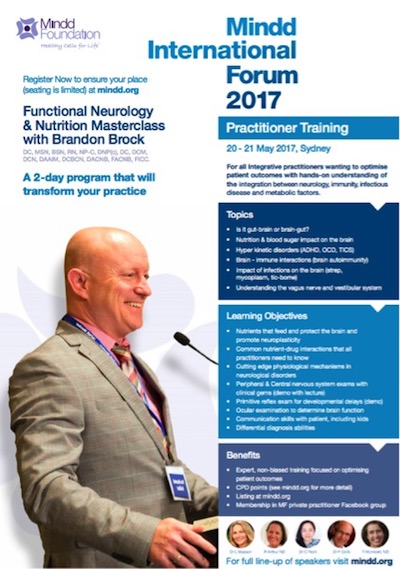
The Mindd Forum Practitioner Training 2017 runs 20-21 May, 2017 at University of New South Wales, Sydney.

It will focus on brain-immuno-gut health in children and women, covering case studies, pre-natal care and women’s health (healthy mothers lead to better healthcare outcomes for the whole family). Here are some of the speakers/topics:

  • Robyn Cosford: Herbs in treating PANDAS
  • Rachel Arthur, ND: Getting your bearings regarding the pregnant thyroid – for mum and baby
  • Christine Houghton: Nutrigenomics in Treating Autism Spectrum Disorders
  • Dr Nirala Jacobi, BHSc, ND (USA): Diagnosis and treatment of small intestine bacterial overgrowth (SIBO)
  • Dr Christabelle Yeoh: Microbial energy economics- our mitochondria
  • John Smartt: Osteopathic treatment for improving the gut function of people with brain-gut conditions

Masterclass training will feature the power of combining Functional Nutrition and Functional Neurology with expert clinician Brandon Brock MSN, BSN, RN.

Dr. Brock has a passion for lecturing and giving learners didactic and academic skills in a way that is easy to digest, comprehend and utilize in a clinical setting. He has developed over 5000 hours of curriculum pertaining to neurology, nutrition, physical diagnosis, pharmacology, immunology, endocrinology and students of all from multiple educational backgrounds, including medical doctors, nurse practitioners and chiropractors

In his Mindd Masterclass Dr Brock will cover how to assess and treat a range of brain-immuno-gut conditions including ASD, ADHD, OCD, Anorexia, LD, SPD, CFS, PANDAS, Tic-Borne Illness and more.

Topics that Dr Brock will cover:

  • Is it gut-brain or brain-gut?
  • Nutrition and blood sugar impact on the brain
  • Hyper kinetic disorders (ADHD, OCD, TICS)
  • Brain – immune interactions (brain autoimmunity)
  • Impact of infections on the brain (strep, mycoplasm, tic-borne)
  • Understanding the vagus nerve and vestibular system
Details and registration for MINDD Forum 2017 here. This is a practitioner-only training and I will share highlights afterwards.


Filed Under: Events Tagged With: Brandon Brock, Functional neurology, mental health, microbiome, mindd, Mindd International Forum 2017

Autism, anxiety and the gut: Microbiota transfer therapy or fecal microbiota transplant

April 17, 2017 By Trudy Scott 8 Comments

We know that one of your greatest ally in health is your microbiome – the trillions of bacteria that are the control center of your health! But sometimes your microbiome can actually cause problems. One way to improve the microbiome is via microbiota transfer therapy (MTT), also called fecal microbiota transplant (FMT).  

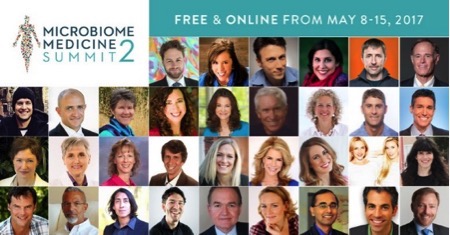
I was recently interviewed by Dr. Raphael Kellman for the Microbiome Medicine Summit 2 (it starts May 8) and shared newly published research on this approach – Microbiota Transfer Therapy alters gut ecosystem and improves gastrointestinal and autism symptoms: an open-label study

Here are some of the details of this very promising research:

  • It was a small study on children 6 to 7 years old
  • They were given antibiotics for 2 weeks
  • They were given a bowel cleanse
  • They were given an extended fecal microbiota transplant. This was a high initial dose followed by daily and lower maintenance doses for 7–8 weeks.
  • By the end of treatment and 80% reduction of gastrointestinal symptoms were seen. This included: constipation, diarrhea, indigestion, and abdominal pain.
  • These gastrointestinal symptoms improvements persisted for 8 weeks after treatment.
  • They also saw behavioral autism spectrum disorder symptoms improve significantly and remain improved 8 weeks after treatment ended. These symptoms included irritability, hyperactivity, lethargy and socialization

During the interview Dr. Kellman asked what bacterial changes were observed and I didn’t have the study on hand. I looked it up after the interview and this is what they report

Specifically, overall bacterial diversity and the abundance of Bifidobacterium, Prevotella, and Desulfovibrio among other taxa increased following MTT, and these changes persisted after treatment stopped (followed for 8 weeks).

Also

following MTT, the relative abundance of Bifidobacterium significantly increased fourfold and became comparable to its relative abundance in neurotypical children

They conclude that the MTT

shifted gut microbiota of children with ASD toward that of neurotypical children … consistent with the hypothesis that gut microbiota may be at least partially responsible for GI and ASD symptoms

Research just published last month reports similar results with digestive issues and anxiety. Germ-free mice were given the fecal microbiota from healthy control individuals or IBS patients with diarrhea, with or without anxiety. They found that the microbiota profiles in the mice matched the microbiota profiles of the human donors, affecting their digestive function and anxiety levels! I’ll share more on this study in a future blog post.

I hope you’ll join us on the Microbiome Medicine Summit 2, May 8-15, 2017 to learn more

Your host, Dr. Raphael Kellman, has seen the profound healing power of microbiome medicine and how it can address many diseases.

Learn the lessons and methodologies of microbiome medicine – it could improve your health, longevity, vitality and assist with unresolved problems!

It can enhance your brain function, improve mood, reduce anxiety and depression; and address gastrointestinal illnesses, including IBS, Crohn’s and colitis; counter newly identified GI/brain syndromes; and address autism and autoimmune diseases at the root cause!

I thoroughly enjoyed my interview with Dr. Kellman and look forward to hearing all the other great interviews. You can find details and registration here

I hope you can join us!

Filed Under: Autism, Events Tagged With: anxiety, autism, Dr. Kellman, fecal microbiota transplant, microbiome medicine summit, Microbiota transfer therapy

The definition of stress and why we need it: Global Stress Summit

April 12, 2017 By Trudy Scott Leave a Comment

I really enjoyed this interview between Dr. Heidi Hanna, host of the Global Stress Summit and guest expert Dr. Susan Peirce Thompson, author of Bright Line Eating: The Science of Living Happy, Thin & Free.

Dr. Heidi Hanna starts by asking what the definition of stress is, first sharing her definition:

What’s so crazy is if you look at that same textbook, depending on who wrote it, you can find a thousand different definitions for what stress actually is. And I think one of the things that you and I also, without knowing, really connect on is this idea that stress is not necessarily bad. My definition of stress is what happens when demand exceeds capacity. So that doesn’t have to be bad.

When we feel like we don’t have the resources we need to adapt appropriately, there’s a tension that exists. And that can actually help us grow. Or it can wear us out.

Dr. Susan likes this definition and I do too: “stress is what happens when demand exceeds capacity.” Dr. Susan goes on to say we actually need stress – all of the meaningful things in life come with stress (success, love, marriage etc.) – and how she can handle high stress because she keeps her support really high:

And I personally prefer to run high stress. I just do. I like activity. I like engagement. I like meaning. I like to stay active. I just do. So I’ve learned that I just need to keep my support really high.

And that makes my days really, really full. I’m an extrovert so I like a lot of human connection. And so for me, staying in touch with my friends on the phone is one of the best ways that I can manage my stress, just process it, process it, process it. Get enough sleep. I eat immaculately.

You put those things together. And you’re good to go. I can shoulder a lot of stress.

Later on in the interview Dr. Susan emphasizes the self-care aspect, to know how much you need and why it should be as automatic as brushing your teeth twice a day:

We all should be taking exquisite care of ourselves. Some of us just don’t get away with it when we don’t though, whether it’s because we’re highly sensitive or because we’re addictive.

For me, the consequences of not taking care of myself are really high. So I get the bounty of, therefore, meditating every morning and hopefully getting a good night’s sleep and having a wonderful support network.

But it’s definitely worth it to know what kind of person you are and to build up your self-care regimen accordingly, for sure.

….You want to be executing your self-care habits like you brush your teeth.

Dr. Susan also covers the stress and sugar addiction connections and how some of us have brains that are susceptible to the addictive pull of sugar and how some of us have brains that are just not affected.

And as a society, we need to understand. Sugar is more addictive than nicotine, more addictive than cocaine.

She shares interesting information about how a third of the population will say “Oh yeah. I don’t think that’s true. I can take a cookie or leave it alone” because that’s the percentage that doesn’t experience that addictive pull at all. And how two-thirds of the population do experience that addictive pull – there are one third who experience it mildly and then the other third find the addictive pull of sugar and carbs to be very severe.

If you’d like to hear more from Dr. Susan Peirce Thompson, tune in to the Global Stress Summit, which is online from April 24 – May1, 2017

Your host, Dr. Heidi Hanna, began her expedition into the world of stress science at the early age of 12 when she began to suffer from debilitating anxiety, depression, and panic attacks. With no medical explanation, she was forced to dive into mind-body research to try to put the puzzle pieces together. In this Global Stress Summit, Dr. Hanna interviews the very pioneering researchers and thought leaders who helped her learn how to utilize stress as a stimulus for growth rather than a trigger for burnout and breakdown, as she passionately encourages us to do the same. Here is the registration link.

Filed Under: Events, Stress Tagged With: Bright Line Eating, Dr. Heidi Hanna, Dr. Susan Peirce Thompson, global stress summit, stress, Sugar addiction

Sweet Freedom Summit: industry manipulation, mouth feel and vanishing caloric density

April 8, 2017 By Trudy Scott 4 Comments

The Sweet Freedom Summit runs April 10-17. I like to do a sneak preview of some of the interviews so I can share some highlights with you and I was blown away by some of what I learned from Damon Gameau, Australian actor and producer of That Sugar Film.

His interview: The Real Dope on Added Sugars. We know this goes on but every time I hear it I feel mad (and a bit sad) that it happens and that it’s actually allowed to happen! And that so few people even know about this! Here goes:

Nestlé, for example, have about seven hundred PhD scientists just working on their foods and understanding what the mouth feel of the food is that makes us really like them or how it triggers certain parts of our brain and releases dopamine that makes us want more.

People often talk about, “It’s freedom of choice. People should be able to decide what they want.” But that’s fair enough if you understand the playing field and it’s a very one-sided playing field because these foods are being engineered to get you liking and wanting more and more of them. So, it is very hard for some people to say no to things.

This term was new to me: vanishing caloric density!

There is a great term I learned for those kind of—we have them in Australia—they are called Cheetos or Puffs where you have them and they feel like they turn to air in your mouth very quickly. It’s called vanishing caloric density. It means that you don’t feel like you are eating much. So, you can just sit there and watch TV and demolish an entire bag because it’s tricking your brain into thinking that you are actually not eating very much because they are disappearing in your mouth. So these have been designed this way, very carefully so that they’ll sell more of those products.

Damon is shocked by the manipulation and so should we all be!

That probably shocked me in terms of the manipulation there. And just to start to understand the level of rigging of science, the paid scientists, the PR companies that are pushing the food industry’s brand, how they attack certain groups in social media; just the sort of orchestration that these companies use to make sure that there is ambiguity and doubt in the public mind.

Damon’s interview airs on day 1 and not to be missed. Be sure to listen to the entire interview! You won’t believe what he did to himself in That Sugar Film! (hint: he embarked on a unique experiment to document the effects of a high sugar diet on a healthy body, consuming only foods that are commonly perceived, or promoted to be ‘healthy’.)

On day 1 you can also hear Jonathan Landsman (what sugar does in your body), JJ Virgin (sugar’s full impact) and Ty Bollinger (sugar-cancer connection).

The first step is awareness and knowing where sugar is found – this is covered extensively during the summit.

The next step is switching to a real whole foods diet with quality animal protein (I’m not a fan of a vegetarian diet – covered by one of the speakers) and healthy fats, organic produce and no sugar.

This is easier said than done for many people. You may know you need to quit sugar but willpower gets the better of you. If this sounds like you be sure to tune in to my interview.

In case you missed it, a few weeks ago I shared some snippets from my brain chemical/neurotransmitter imbalance interview with Sherry – addressing sugar cravings as well as anxiety and depression. I talk about the BIG connection between stress eating, comfort eating, emotional eating and low levels of the brain chemicals serotonin, GABA and endorphins.

Sherry loved our interview so much she’s decided to offer it as a gift to EVERYONE who signs up for the summit! So you can enjoy it from day 1 or tune in and comment when it airs.

The Sweet Freedom Summit runs April 10-17 and when you register you’ll get immediate access to my interview and some other cool sign up gifs.

Please share with family and friends who you know can benefit from this information!

Got questions or feedback? Please share them in the blog comments below.

Filed Under: Events, Sugar addiction Tagged With: addiction, anxiety, Damon Gameau, industry manipulation, mouth feel, Sherry Strong, sugar, sweet freedom summit, That Sugar Film, vanishing caloric density

GABA, toxins, hormones, autoimmunity – encore of The Diabetes Summit

March 28, 2017 By Trudy Scott Leave a Comment

Brain Mowll is host of the 4th season of the Diabetes Summit and here are all the speakers and topics in the encore replay line-up (including yours truly).

TRUDY SCOTT, CN: Understanding Anxiety: The Connection to Diabetes

  • Learn about the link between diabetes, anxiety, and depression
  • Understanding the root imbalances underlying anxiety
  • Natural solutions and supplemental support for anxiety 

We may need to look at low serotonin as well because we’ve got two kinds of anxiety when it comes to neurotransmitters, the low GABA, which is the physical anxiety, and the low serotonin, which is more the ruminating thoughts, the worry in the head, the reprocessing, the negative self-talk. So we often have low GABA, and we often have low serotonin as well. And both of those have a corresponding amino acid that helps to raise it. With low GABA we use GABA. With low serotonin we use tryptophan or 5-HTP. And we’re going talk about that one in a second. But the interesting thing is I was really excited to see that there’s some really new research on how GABA has some pretty promising benefits in terms of diabetes support as well.

Read some additional snippets from my interview: Diabetes, anxiety and GABA


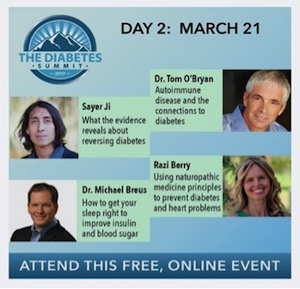
RAZI BERRY: Using Naturopathic Principles to Prevent Diabetes

  • Learning from Razi’s health experience and journey
  • How toxins in our environment can disrupt metabolism
  • Natural solutions to improve blood sugar and overall health

Read some snippets from her interview here: Anxiety, phenibut, toxins and cold showers for detoxification


ANNA CABECA, DO: Creating Hormone Balance to Optimize Metabolic Health

  • The keys to balancing hormones to burn fat and control sugar
  • Understanding the connection between menopause and metabolism
  • How to optimize hormone levels

Dr Cabeca shares this about the ketogenic diet (for women), going keto-crazy and being like a witch when eating too low-carb:

…if you’re working on a ketogenic diet and lifestyle, check to see your urine. And you’re most likely acidic. But now, get that pH up into an alkaline range, and you’ll see your neurotransmitters will balance. You’ll feel calmer. You’ll sleep better. You’ll start to melt fat away which is huge. And that made all the difference in the world, combing those two.

Read some additional snippets from her interview: Menopause: insulin, cortisol, and oxytocin (an interview with Dr. Anna Cabeca)


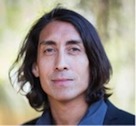
TOM O’BRYAN: Autoimmune Disease and the Connection To Diabetes
  • Understanding what drives autoimmune disease
  • Exploring various toxins that inundate our lives
  • How to balance the immune response to allow proper healing


SAYER JI: What the Evidence Reveals About Reversing Diabetes

  • What the peer reviewed, medical literature shows
  • The best natural strategies to reverse diabetes
  • The role of supplements and helpful nutrients


BJ HARDICK: Sugar, Detox, and The Brain: Natural Strategies For Healing

  • Understanding damaging foods and how to remove them
  • How to properly structure a detoxification program
  • Type 3 diabetes and how dysglycemia effects the brain


SACHIN PATEL: A New Model for Medicine, Diabetes, and Blood Sugar Health

  • Re-evaluating the healthcare model and redefining our roles
  • How to be empowered to control your health as a patient
  • A new model for caring for the body and optimizing health

This aspect of why we eat is seldom addressed and it’s profound:

When you are living a life that is on purpose – that requires you to be eating healthy because you’re going to do whatever it takes to eliminate things that are going to impact that purpose.

I also love the analogy of the right fuel in the car but driving in the wrong direction (like hating your job or not having a purpose):

When you are living a life that is on purpose – that requires you to be eating healthy because you’re going to do whatever it takes to eliminate things that are going to impact that purpose


NIKI GRATRIX: The Mind-Body Connection to Metabolic Health

  • How to tap into your internal abundance of energy
  • Understand ACE (adverse childhood events) score and how childhood events impact health
  • Natural techniques and strategies to let go of limits


PETER OSBORNE: The Autoimmune Connection to Blood Sugar and Diabetes

  • The connection between autoimmune and blood sugar
  • How to test and treat autoimmune disease effectively
  • Natural solutions to reduce inflammation and heal the body


MICHAEL MURRAY, ND: The Four Types of Blood Sugar Problems in Diabetes

  • Understanding a natural medicine approach to diabetes
  • Dr. Murray’s four types of blood sugar problems
  • Natural strategies to address the specific blood sugar issues


JOEL KAHN, MD: A Plant-Based Approach to Heart Health and Blood Sugar Health 

  • Sorting through the confusion about dietary strategies
  • Understanding the importance of plant-based foods
  • Key nutrients and supplements for heart health

I’d like to add that while I respect Dr. Kahn’s cardiology diet expertise, I am an advocate of quality animal protein and have found that many people with anxiety and depression typically don’t do very well on a vegan diet. His discussion was professional and very respectful and I do wholeheartedly agree with this:

I think whether grass fed beef, free range, omega 3 rich eggs are healthy or not, and that’s probably not possible to solve that question completely, the data’s here, there, or frankly there’s not enough data, just always add these organic brightly colored fruits and vegetables to whatever you’re eating

He also acknowledged Dr. Hyman’s coining of the term, the Pegan diet, which combines the best of a Paleo and vegan diet saying

It’s a useful term. It’s another way to say eat a very clean, very vegetable rich diet with a little wiggle room [i.e. the addition of quality animal protein]

We really do need a study comparing a real foods diet with feedlot meat and farmed fish – with a real foods diet with grass-fed meat and wild fish!

Here is the link to register for the Diabetes Summit if this is the first you’re hearing about it. You can still sign up to listen!

Enjoy these encore day replays!

Filed Under: Antianxiety, Depression, Diabetes, Events Tagged With: ana cabeca, bj hardick, Diabetes Summit, joel kahn, michael murray, niki gratrix, peter osborne, Razi Berry, sachin patel, Sayer Ji, tom o’bryan

Anxiety, phenibut, toxins and cold showers for detoxification

March 19, 2017 By Trudy Scott 10 Comments

Anxiety, phenibut, toxins, cold showers for detox and more. All of this and more is being covered on the upcoming online Diabetes Summit.

Starting Monday March 20th

I’m really pleased to be a speaker on this summit this year. I cover the anxiety diabetes connection. Anxiety is very common in diabetes – some research shows it’s as high as 25%, and women with diabetes are twice as likely to be affected with anxiety and depression. I also cover how and how GABA helps reduce physical anxiety AND how new research shows GABA is also a promising treatment for diabetes!

Dr. Mowll asked me about using phenibut instead of GABA:

I’ve seen a number of papers that talk about tolerance. I’ve talked to practitioners who’ve said they’ll rotate. They’ll have people be on Phenibut for five days, two days off. And I’ve seen some really scary drug forums where people are using Phenibut as a sort of mood enhancing and performance enhancing drug. They are using very high doses and there are protocols on how to safely taper off Phenibut.

So when I see things like that it concerns me. I’ve had a handful of people, who’ve had some pretty bad side effects from Phenibut. So with someone who’s going through anxiety I just don’t want to add anything else into the mix that may cause problems.

The concern is it does seem to work really well for anxiety and sleep, so that’s why I think a lot of practitioners are drawn to using it. And it may be that they’re not recommending the GABA/ Gamma Amino Butyric Acid sublingually. And they may not be doing a trial to find the optimal dose [so that’s why they are not seeing the results they’d hope to see]. So I would steer clear of phenibut.

We also cover the following (all relevant if you have diabetes AND if you don’t have diabetes):

  • doing a GABA trial and the blood brain barrier controversy
  • benzodiazepine tapers and nutritional support during a taper
  • rooibos tea for metabolic support and adrenal health

On day 2 of the summit, Razi Berry shares this about the toxins in our environment and the impacts they have on our health:

Out of the 80,000 chemicals that we have in our world, we have barely studied any of them. A couple presidents ago, the Environment Protection Agency was supposed to study the first 300 of these 80,000 chemicals. And so far they’ve only studied one, which is BPA. And BPA is all around us

She had to get rid of the toxins in her environment to help her fibromyalgia and chronic fatigue.

I had to stop using the body sprays that I love from Bath and Body, and the perfumes

I got rid of everything fragrant. And I didn’t use essential oils at first either because you still want to use them judiciously and in the right way. So I switched to everything unscented. And I found a lot about beeswax candles. Beeswax candles are so not only beautiful, and they have this honey like scent to them, but they actually neutralize odors and toxins in the air. They don’t just cover it up. So you actually can clean the air by burning beeswax candles. For centuries churches could not burn tallow or paraffin. They could only burn beeswax.

She covers tons of other everyday toxins we are exposed to and how we can safely avoid them. And then importantly, how we can detoxify from these toxins. One approach she covers is hot and cold showers or hydrotherapy (very powerful and very easy to do at home):

Hydrotherapy is a really old technique. It became really popular in the last turn of the century, the late 1800s, early 1900s. And it’s this use of water and/or temperature to help prime your body to get rid of toxins.

So one of the ways that you can do hydrotherapy at home is through what’s called a constitutional hydrotherapy shower. And it’s basically taking a hot and cold shower where you alternate. You start with the water as hot as you possibly can handle it. And you do that for like 12 seconds. Then you turn it to as cold as you can take it.

And the first switch from hot to cold is the most important because it really creates this pump in your lymphatic system, the hot, cold, hot, cold, and really helps to move toxins through your body so it can be eliminated by your kidneys, by your liver, through your respiration.

As you can see there’s plenty to learn from these experts!

Here are just a few of the topics being covered (general topics and applicable if you have diabetes):

  • How food allergens can trigger blood sugar problems, and how to detoxify the body safely
  • Understanding the stress continuum and how children trauma, adverse life events, and daily stressors can lead to diabetes (all of this is applicable to any health condition)
  • Natural strategies to balance blood sugar including new supplement recommendations, essential oils, and using food as medicine
  • Breaking down various eating strategies including the ketogenic diet (vegan diets and raw food diets are also addressed but I must add that I don’t endorse this way of eating if you do have anxiety)
  • Menopause and blood sugar issues (insulin, cortisol and oxytocin)
  • How to get your sleep right to balance insulin and blood sugar

And some topics taking a deeper diver into very specific diabetes areas (if you have type 1 or type 2 diabetes):

  • Developing a deeper understanding of peripheral neuropathy – how to test for it and how to treat it, naturally and effectively
  • Important strategies for those dealing with type 1 diabetes in themselves or a child 
  • Autoimmunity and diabetes

I hope you’ll join us to learn from these experts on the online Diabetes Summit.  My friend and diabetes expert, Dr. Brian Mowll, is hosting this life-changing event for the fourth year, and this year’s event looks amazing.

You can register for this online event here.

Feel free to ask questions in the comments below.


Filed Under: Events Tagged With: Brian Mowll, diabetes, Diabetes Summit, GABA, Razi Berry

  • « Go to Previous Page
  • Page 1
  • Interim pages omitted …
  • Page 11
  • Page 12
  • Page 13
  • Page 14
  • Page 15
  • Interim pages omitted …
  • Page 35
  • Go to Next Page »

Primary Sidebar

GABA QuickStart Homestudy

gaba quickstart homestudy

Free Report

9 Great Questions Women Ask about Food, Mood and their Health

You'll also receive a complimentary subscription to my ezine "Food, Mood and Gal Stuff"


Connect with me

Popular Posts

  • Amino Acids Mood Questionnaire from The Antianxiety Food Solution
  • The Antianxiety Food Solution Amino Acid and Pyroluria Supplements
  • Pyroluria Questionnaire from The Antianxiety Food Solution
  • Collagen and gelatin lower serotonin: does this increase your anxiety and depression?
  • Tryptophan for the worry-in-your-head and ruminating type of anxiety
  • GABA for the physical-tension and stiff-and-tense-muscles type of anxiety
  • The Antianxiety Food Solution by Trudy Scott
  • Seriphos Original Formula is back: the best product for anxiety and insomnia caused by high cortisol
  • Am I an anxious introvert because of low zinc and vitamin B6? My response to Huffington Post blog
  • Vagus nerve rehab with GABA, breathing, humming, gargling and key nutrients

Recent Posts

  • Her cravings for chips and peanut butter were triggered by stress: GABA ends cravings and reduces physical tension and fear of heights
  • It is truly miraculous to be able to move through life without crippling anxiety and panic
  • GABA and tryptophan combo provide immediate and noticeable relief for tremors and cervical dystonia in just 7 days
  • Red light therapy for back and neck pain, plantar fasciitis and low mood – a complement to the amino acids GABA, DPA and tryptophan
  • What do I use instead of Seriphos to help lower high cortisol that is affecting my sleep and making me anxious at night?

Categories

  • 5-HTP
  • AB575
  • Addiction
  • ADHD
  • Adrenals
  • Alcohol
  • Allergies
  • Alzheimer's disease
  • Amino Acids
  • Anger
  • Antianxiety
  • Antianxiety Food Solution
  • Antidepressants
  • Anxiety
  • Anxiety and panic
  • Autism
  • Autoimmunity
  • benzodiazapines
  • Bipolar disorder
  • Books
  • Caffeine
  • Cancer
  • Candida
  • Children/Teens
  • Collagen
  • Cooking equipment
  • Coronavirus/COVID-19
  • Cravings
  • Depression
  • Detoxification
  • Diabetes
  • Diet
  • DPA/DLPA
  • Drugs
  • EFT/Tapping
  • EMF
  • EMFs
  • Emotional Eating
  • Endorphins
  • Environment
  • Essential oils
  • Events
  • Exercise
  • Fear
  • Fear of public speaking
  • Fertility and Pregnancy
  • Fish
  • Food
  • Food and mood
  • Functional neurology
  • GABA
  • Gene polymorphisms
  • General Health
  • Giving
  • Giving back
  • Glutamine
  • Gluten
  • GMOs
  • Gratitude
  • Gut health
  • Heart health/hypertension
  • Histamine
  • Hormone
  • Hyperparathyroidism
  • Hypoglycemia
  • Immune system
  • Inflammation
  • Insomnia
  • Inspiration
  • Introversion
  • Joy and happiness
  • Ketogenic diet
  • Lithium orotate
  • Looking awesome
  • Lyme disease and co-infections
  • MCAS/histamine
  • Medication
  • Men's health
  • Mental health
  • Mercury
  • Migraine
  • Mold
  • Movie
  • MTHFR
  • Multiple sclerosis
  • Music
  • NANP
  • Nature
  • Nutritional Psychiatry
  • OCD
  • Osteoporosis
  • Oxalates
  • Oxytocin
  • Pain
  • Paleo
  • Parasites
  • Parkinson’s disease
  • PCOS
  • People
  • PMS
  • Postpartum
  • PTSD/Trauma
  • Pyroluria
  • Questionnaires
  • Real whole food
  • Recipes
  • Research
  • Schizophrenia
  • serotonin
  • SIBO
  • Sleep
  • Special diets
  • Sports nutrition
  • Stress
  • Sugar addiction
  • Sugar and mood
  • Supplements
  • Teens
  • Testimonials
  • Testing
  • The Anxiety Summit
  • The Anxiety Summit 2
  • The Anxiety Summit 3
  • The Anxiety Summit 4
  • The Anxiety Summit 5
  • The Anxiety Summit 6
  • Thyroid
  • Thyroid health
  • Toxins
  • Tryptophan
  • Tyrosine
  • Uncategorized
  • Vegan/vegetarian
  • Women's health
  • Yoga

Archives

  • May 2026
  • April 2026
  • October 2025
  • September 2025
  • August 2025
  • July 2025
  • June 2025
  • May 2025
  • April 2025
  • March 2025
  • February 2025
  • January 2025
  • November 2024
  • October 2024
  • September 2024
  • August 2024
  • July 2024
  • June 2024
  • May 2024
  • April 2024
  • March 2024
  • February 2024
  • January 2024
  • December 2023
  • November 2023
  • October 2023
  • September 2023
  • August 2023
  • July 2023
  • June 2023
  • May 2023
  • April 2023
  • March 2023
  • February 2023
  • January 2023
  • December 2022
  • November 2022
  • October 2022
  • September 2022
  • August 2022
  • July 2022
  • June 2022
  • May 2022
  • April 2022
  • March 2022
  • February 2022
  • January 2022
  • December 2021
  • November 2021
  • October 2021
  • September 2021
  • August 2021
  • July 2021
  • June 2021
  • May 2021
  • April 2021
  • March 2021
  • February 2021
  • January 2021
  • December 2020
  • November 2020
  • October 2020
  • September 2020
  • August 2020
  • July 2020
  • June 2020
  • May 2020
  • April 2020
  • March 2020
  • February 2020
  • January 2020
  • December 2019
  • November 2019
  • October 2019
  • September 2019
  • August 2019
  • July 2019
  • June 2019
  • May 2019
  • April 2019
  • March 2019
  • February 2019
  • January 2019
  • December 2018
  • November 2018
  • October 2018
  • September 2018
  • August 2018
  • July 2018
  • June 2018
  • May 2018
  • April 2018
  • March 2018
  • February 2018
  • January 2018
  • December 2017
  • November 2017
  • October 2017
  • September 2017
  • August 2017
  • July 2017
  • June 2017
  • May 2017
  • April 2017
  • March 2017
  • February 2017
  • January 2017
  • December 2016
  • November 2016
  • October 2016
  • September 2016
  • August 2016
  • July 2016
  • June 2016
  • May 2016
  • April 2016
  • March 2016
  • February 2016
  • January 2016
  • December 2015
  • November 2015
  • October 2015
  • September 2015
  • August 2015
  • July 2015
  • June 2015
  • May 2015
  • April 2015
  • March 2015
  • February 2015
  • January 2015
  • December 2014
  • November 2014
  • October 2014
  • September 2014
  • August 2014
  • July 2014
  • June 2014
  • May 2014
  • April 2014
  • March 2014
  • February 2014
  • January 2014
  • December 2013
  • November 2013
  • October 2013
  • September 2013
  • August 2013
  • July 2013
  • June 2013
  • May 2013
  • April 2013
  • March 2013
  • February 2013
  • January 2013
  • December 2012
  • November 2012
  • October 2012
  • August 2012
  • July 2012
  • June 2012
  • May 2012
  • April 2012
  • March 2012
  • February 2012
  • January 2012
  • December 2011
  • November 2011
  • October 2011
  • September 2011
  • August 2011
  • July 2011
  • June 2011
  • May 2011
  • April 2011
  • March 2011
  • February 2011
  • January 2011
  • December 2010
  • October 2010
  • September 2010
  • July 2010
  • May 2010
  • April 2010
  • March 2010
  • February 2010
  • January 2010
  • November 2009

Share the knowledge!

The above statements have not been evaluated by the Food and Drug Administration. Products listed in this website are not intended to diagnose, treat, cure or prevent any disease.

The information provided on this site is for informational and educational purposes only and is not intended as a substitute for advice from your physician or other health care professional. You should consult with a healthcare professional before starting or modifying any diet, exercise, or supplementation program, before taking or stopping any medication, or if you have or suspect you may have a health problem.


Copyright © 2026 Trudy Scott. All Rights Reserved. | Privacy | Terms and Conditions | Refund Policy | Medical Disclaimer

Free Report

9 Great Questions Women Ask about Food, Mood and their Health

You’ll also receive a complimentary subscription to my ezine “Food, Mood and Gal Stuff”