Recent research has shown that the amino acid glutamine can positively affect gut health by supporting the gut microbiome, gut mucosal wall integrity, and by modulating inflammatory responses.
As modulated by the vagus nerve, via the enteric nervous system, the gut-brain connection can impact the brain’s neurochemical environment. Poor gut health can disrupt the balance of neurotransmitters, which can result in neuropsychiatric based conditions such as depression.
Glutamine supplementation may provide significant adjunctive nutritional support in cases of depression by promoting proper gut health and function.
The above is an excerpt from the paper, The role of glutamine in supporting gut health and neuropsychiatric factors, published in 2021.
The authors do note the fact that glutamine is a “fundamental precursor to the most prevalent neurotransmitters, GABA and glutamate.” This is why glutamine supplementation can be calming for many individuals and may sometimes be too stimulating for some folks. It also highlights the importance of biochemical individuality and why it’s important to find your ideal dose (more on that below).
I appreciate their call for more research on glutamine, “as well as studies which could explore using glutamine in concert with other supportive amino acids, such as GABA and tyrosine, in an effort to restore neurotransmitter equilibrium” (more on that below too).
Read on below to learn more about how glutamine directly supports gut health and what harms the gut; how to know if glutamine will be calming or too stimulating, and how much to use; and other clues that you may benefit from glutamine; and additional resources when are new to amino acids such as glutamine, GABA and others.
How glutamine directly supports gut health and what harms the gut
From the above paper, glutamine:
1) has a positive impact on sustaining the balance of the gut microbiome
2) increases the expression of tight junction proteins and the integrity of the intestinal lining (i.e. it heals leaky gut)
3) helps to minimize the inflammatory response in situations of gut mucosal irritation (i.e the inner most lining of the digestive tract).
The authors also discuss all of the many factors that are harmful for the gut: highly processed foods, refined sugars, saturated fat, and minimal healthy fatty acids and antioxidants; lack of probiotics and prebiotics; blood sugar swings; stress and high cortisol; medications and alcohol consumption. Much of this is addressed in my book “The Antianxiety Food Solution”
It’s well-worth reading the entire paper for a full understanding of the two-way gut-brain connection via the vagus nerve and the role of the microbiome when it comes to neurotransmitter production and much more.
How to know if glutamine will be calming or too stimulating, and how much to use
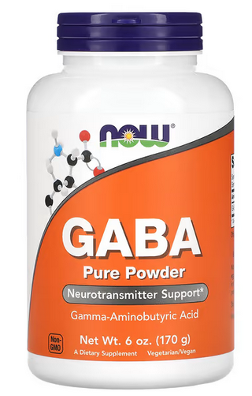
As mentioned above, the authors share that glutamine is a precursor to GABA, a calming neurotransmitter i.e. it is often calming.
Glutamine is also a precursor to glutamate and can be too stimulating for some, typically when very high doses are used.
The paper mentions studies that “observed the effects of glutamine supplementation used at doses of between 15 g and 30 g,” however my recommendation is to start low and slowly increase based on your unique need. I have clients and those in my programs start with 500 mg once a day and increase to 1-3 x 500 mg, up to 3 or 4 times a day.
The only way to know if it will be calming or stimulating is to do a trial alone i.e. with no other new supplements, and carefully track the effects.
I also find using glutamine powder and holding it for 1-2 minutes on the tongue is more effective and less is often needed. This has additional benefits of stopping intense sugar cravings in their tracks (more on this below).
Other clues that you may benefit from glutamine: symptoms of low blood sugar
As mentioned above, glutamine helps reduce intense sugar cravings, and prevents low blood sugar (which can actually cause anxiety and panic attacks). This aspect is not mentioned in the paper but addressing low blood sugar is yet another application of glutamine when it comes to anxiety and low mood.
Here are all the symptoms we see with low blood sugar:
- Crave sugar, starch or alcohol any time during the day
- Irritable, shaky, headachey – especially if going too long between meals
- Intense cravings for sweets
- Lightheaded if meals are missed
- Eating relieves fatigue
- Agitated, easily upset
- Nervous, anxious, panic attacks
And here are some other blog posts that illustrate some of the above:
- Reactive hypoglycemia in binge eating disorder, food addiction and intense sugar cravings, and how glutamine stops the cravings
- Waking with a jolt, feeling shaky and anxious: low blood sugar/hypoglycemia, glutamine and eating for blood sugar stability
- Glutamine for hypoglycemia/low blood sugar: “500mg mixed in water works in 15 minutes and keeps me going for 2 – 3 hours”
- “A demonic urge to eat sugar and all things sweet”: glutamine opened onto the tongue stops the urge every time!
Together with low serotonin and low GABA, addressing low blood sugar is one of the most effective approaches I use with clients to help ease anxiety. We achieve this with the use of glutamine and by controlling blood sugar by starting the day with a breakfast that includes quality animal protein.
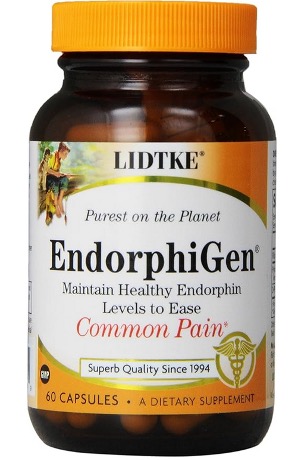
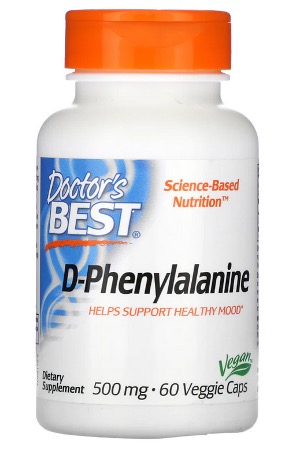
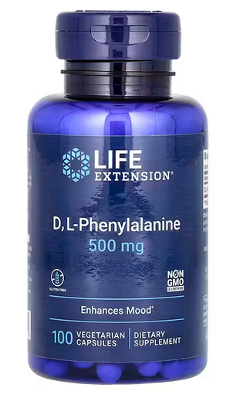
We may also use tyrosine if there are low dopamine symptoms and d-phenylalanine if there are low endorphin symptoms, in an “effort to restore neurotransmitter equilibrium.”
Additional resources when you are new to using glutamine, GABA or tyrosine, or other amino acids as supplements
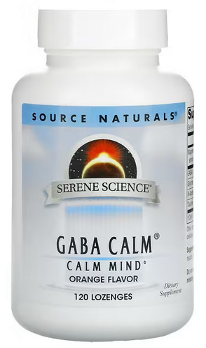
We use the symptoms questionnaire to figure out if low blood sugar (indicating a possible need for glutamine) or low GABA (indicating a possible need for GABA or theanine) or low dopamine (indicating a possible need for tyrosine) or other neurotransmitter imbalances may be an issue for you.
If you suspect low levels of any of the neurotransmitters and do not yet have my book, The Antianxiety Food Solution – How the Foods You Eat Can Help You Calm Your Anxious Mind, Improve Your Mood, and End Cravings. I highly recommend getting it and reading it before jumping in and using amino acids on your own so you are knowledgeable. And be sure to share it with the practitioner/health team you or your loved one is working with.
There is an entire chapter on the amino acids and they are discussed throughout the book in the sections on gut health, gluten, blood sugar control (this and glutamine is covered in an entire chapter too), sugar cravings, anxiety and mood issues. The importance of quality animal protein and healthy fats is also covered.
The book doesn’t include product names (per the publisher’s request) so this blog, The Antianxiety Food Solution Amino Acid and Pyroluria Supplements, lists the amino acids that I use with my individual clients and those in my group programs.
If, after reading this blog and my book, you don’t feel comfortable figuring things out on your own (i.e. doing the symptoms questionnaire and respective amino acids trials), a good place to get help is the GABA QuickStart Program (if you have low GABA symptoms too). This is a paid online/virtual group program where you get my guidance and community support.
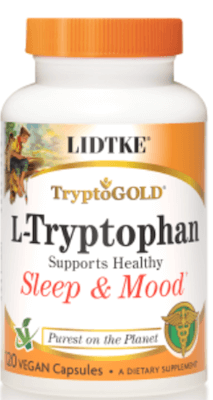
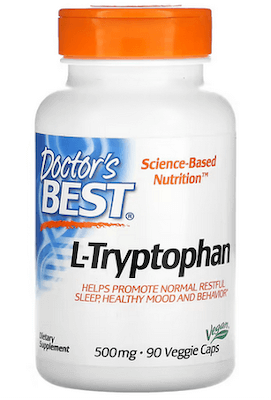
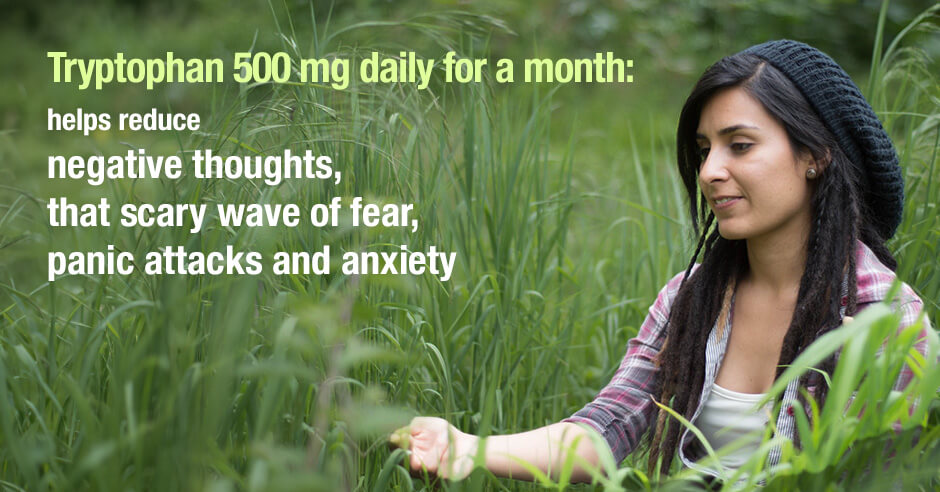
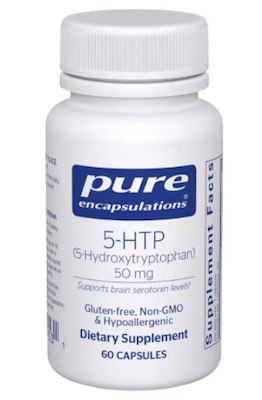
If you need serotonin support, the Serotonin QuickStart Program is a good place to get help. This is also a paid online/virtual group program where you get my guidance on using tryptophan and 5-HTP safely, and community support during 5 LIVE Q&A calls. You can sign up to be notified when the next live launch of this program is happening.
If you are a practitioner, join us in The Balancing Neurotransmitters: the Fundamentals program. This is also a paid online/virtual program with an opportunity to interact with me and other practitioners who are also using the amino acids.
Now I’d love to hear from you…
Has glutamine helped you with your leaky gut, low mood and/or offered calming effects?
What about intense cravings for something sweet or irritability and poor focus? And other low blood sugar symptoms?
How much do you find helps? And do you use powder or capsules?
Are you interested in a program to learn more about the safe and effective use of glutamine and/or tyrosine?
Feel free to share and ask your questions below.