• Skip to primary navigation
  • Skip to main content
  • Skip to primary sidebar

everywomanover29 blog

Food, Mood and Women's Health – Be your healthiest, look and feel great!

  • Blog
  • About
  • Services
  • Store
  • Resources
  • Testimonials
  • The Book
  • Contact
  • Search this site

tryptophan

I have chronic insomnia and I started getting headaches with GABA, 5-HTP and melatonin

February 1, 2019 By Trudy Scott 14 Comments

A combination of GABA (gamma-aminobutyric acid) and 5-HTP (5-hydroxytryptophan) can often improve sleep duration more than the use of either of these two amino acids alone. I blogged about this and the supporting research published in 2016.

Eve asked this question about her chronic sleep problems and headaches that she suspects are being triggered by the supplements:

I have chronic insomnia and I have been using 100mg 5-HTP, 250mg GABA and 1mg melatonin during the night for a week but the second day I used them I started getting a headache. Do you have idea what happened and can you please help me?

I shared this feedback about each person having unique needs and that I trial one amino acid at a time to find the ideal dose and then once we have a good baseline with good results and no adverse effects, we add the next one if needed. With 3 new supplements being started at once, we don’t know which one may be helping and which one (or more) is causing headaches.

A reminder I give all my clients is NOT to push through with the amino acids when you are experiencing any adverse effects. Headaches are more common with tyrosine rather than 5-HTP or GABA but too much of any one of the amino acids may cause a headache and with some folks, even a small amount can cause a headache especially if it’s not needed. At the first sign of a headache my advice is to stop the latest supplement added and see how you do. If 3 where started at one time, as in this situation, stop all 3 and add them back one at a time, watching for headaches and benefits.

Eve didn’t say which GABA product she was using. Source Naturals GABA Calm is the one I most often recommend, and the small amount of tyrosine could be causing her headaches. If this is the case, a switch to a GABA-only product or a GABA-theanine product may be what is needed.

It’s always important to also review the amino acid precautions before use. If you have migraines, tyrosine may make them worse.

But I do want to also add that some folks cannot tolerate 500mg tyrosine at all and yet they do just fine with the 25mg of tyrosine in the GABA Calm product (and sometimes up to 75mg of tyrosine when three GABA Calm lozenges are needed at once).

It’s also good to be aware that some folks do better on tryptophan versus 5-HTP so if it is the 5-HTP that is the problem I’d consider a trial of tryptophan. The best way to do that is to replace the 5-HTP with tryptophan (and I recommend Lidtke 500mg tryptophan).

You want to also look carefully at each of the products in case there are fillers that could be causing the headaches.

If it turns out that none of these are working i.e. the problem with sleep isn’t because of low serotonin and low GABA, then we ask these questions and address them:

  • is there a gut issue i.e. is there candida, parasites and/or dysbiosis?
  • is night-time cortisol high?
  • is gluten or other grains an issue? or was there accidental gluten exposure?
  • is caffeine or alcohol consumption a problem?
  • is there EMF and WiFi exposure?
  • are there medication side-effects?
  • has there been mold exposure or some other environmental trigger?

Have you had issues when trialing amino acids for sleep or anxiety and then figured out what the problem was?
Filed Under: Sleep Tagged With: 5-HTP, GABA, Headaches, insomnia, melatonin, serotonin, sleep, tryptophan

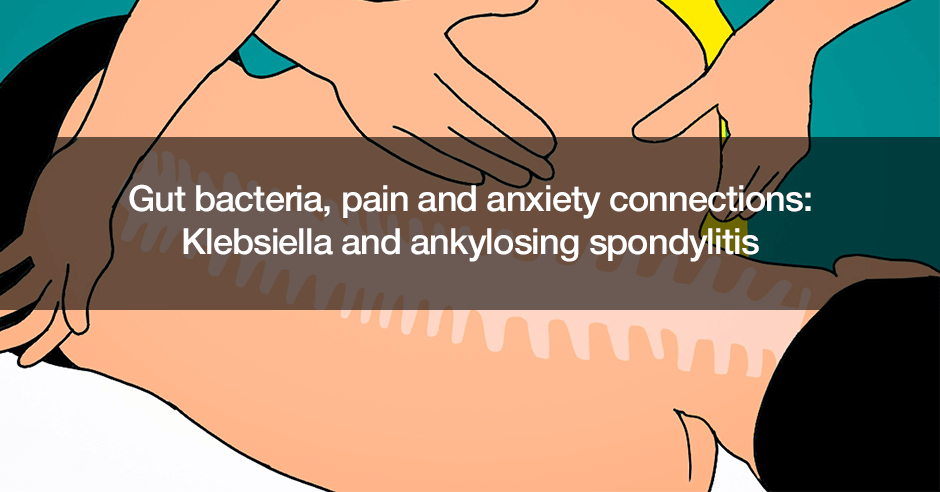
Gut bacteria, pain and anxiety connections: Klebsiella and ankylosing spondylitis

December 28, 2018 By Trudy Scott 21 Comments

We know about the gut-brain connection where the health of our microbiome impacts how anxious or depressed we feel, but we often forget that there is a gut-pain connection too and how addressing dysbiosis and bad bacteria in the gut can have far-reaching benefits.

An old work friend recently reached out asking for help for her husband who had been diagnosed with ankylosing spondylitis, ulcerative colitis and gluten sensitivity, and was not seeing results with conventional treatment. I did some digging for them and a colleague mentioned that they had addressed Klebsiella when they discovered that her husband had genes predisposing him to ankylosing spondylitis. Read on to see what I’ve learned.

Klebsiella as a precursor to ankylosing spondylitis

The paper shared with me: The relationship between Klebsiella infection and ankylosing spondylitis, discusses the HLA-B27 gene and the Klebsiella connection:

Klebsiella-reactive arthritis is the precursor stage occurring in the early and active phases of ankylosing spondylitis.

Let’s learn more about Klebsiella, ankylosing spondylitis, the anxiety connection and prevalence, the role of neuro-inflammation and genes, the problems of a high carb diet and the role the amino acids GABA, tryptophan and DPA play in pain and anxiety relief and being able to quit the carbs easily, plus provide sleep support.

In case you’re not familiar with Klebsiella, this excellent FX Medicine article describes it as follows:

Klebsiella pneumoniae (KP) is a type of gram-negative rod-shaped bacteria that can cause different types of infections ranging from pneumonia (lung), blood infections (septicaemia), wound or surgical infections, urinary tract infections, small intestinal bowel overgrowth (SIBO), ankylosing spondylitis, Crohn’s disease, ulcerative colitis and meningitis (brain).

Ankylosing spondylitis is an inflammatory disease of the spine

In case you’re not familiar with the condition ankylosing spondylitis (pronounced like this) the Mayo Clinic site provides this summary:

Ankylosing spondylitis is an inflammatory disease that, over time, can cause some of the vertebrae in your spine to fuse. This fusing makes the spine less flexible and can result in a hunched-forward posture. If ribs are affected, it can be difficult to breathe deeply.

Ankylosing spondylitis affects men more often than women. Signs and symptoms typically begin in early adulthood. Inflammation also can occur in other parts of your body – most commonly, your eyes.

They say there is no cure and the treatments include pain medications and physical therapy to ease symptoms (and surgery in some cases).

I’m all for physical therapy but you’ll notice there is no mention of gut health or Klebsiella. This is why we have to keep searching for root causes – and work with a functional medicine practitioner – no matter what the health condition, be it ankylosing spondylitis or anything else.

Prevalence of anxiety in ankylosing spondylitis

As with most physical conditions there is a connection with anxiety. This paper: Prevalence of psychological disorders, sleep disturbance and stressful life events and their relationships with disease parameters in Chinese patients with ankylosing spondylitis reports that

AS [ankylosing spondylitis] patients had more severe psychological disorders, sleep disturbance, and stressful life events.

Prevalence of anxiety, depression, and sleep disturbance was 31.6%, 59.3%, and 31.0% respectively.

We have to ask ourselves if we have anxiety, depression and insomnia because of the pain being experienced or because of one or more of the root causes that contribute to both pain and anxiety.

Microbiota disturbance, neuro-inflammation, and anxiety

Often the research focuses on the former but we know that there is Evidence for interplay among antibacterial-induced gut microbiota disturbance, neuro-inflammation, and anxiety in mice. In this 2018 animal study treatment with lactobacilli suppresses this neuro-inflammation.

Ankylosing spondylitis, Crohn’s disease, genes and a high carb diet

The above FX Medicine article shares the connection between ankylosing spondylitis, Crohn’s disease and ulcerative colitis, as well as the genetic susceptibility, together with the problems of a high carb diet:

Genetically susceptible people, such as those who have the HLA-B27 allelotypes and consume a high starch/carbohydrate diet, can trigger a growth in Klebsiella in the bowel, the starch becoming a main food supply for the Klebsiella.

The amino acids for pain, carb addition, anxiety and insomnia

The amino acids come into the picture again, helping to ease the pain, provide precursors for neurotransmitter production until the microbiome is balanced, and eliminate carbohydrate cravings so they can be given up without willpower.

As always figuring out your own imbalance and doing an amino acid trial is key. Here is a summary of how they may help in this instance, assuming you have low levels of GABA, serotonin and/or endorphins:

  • GABA helps with stress eating of carbs, eases physical anxiety, eases some pain.
  • Tryptophan helps with afternoon and evening carb cravings, eases mental worry-type anxiety and depression, and also eases some pain. Both GABA and tryptophan help with insomnia.
  • DPA boosts endorphins providing acupuncture-like pain relief and provides the emotional comfort that starchy treats often do.

The FX Medicine article has treatment and prevention tips for you to share with your functional medicine doctor, who will be able to run a functional stool test such as the GI-MAP offered by Diagnostic Solutions Lab.

Just because there are these gut bacteria, pain, anxiety, Klebsiella and ankylosing spondylitis connections, it doesn’t necessarily mean everyone with ankylosing spondylitis has Klebsiella or that everyone who has Klebsiella will go on to develop ankylosing spondylitis (as stated above) or even that everyone with ankylosing spondylitis will have anxiety. I’m simply connecting some dots so you can start to think outside the box.

I’d love to hear what has worked for you or a loved one with ankylosing spondylitis and/or if you’ve seen elevated Klebsiella on your stool test or have the genetic predisposition?

Have the amino acids and a low-carb diet helped the healing process and eased some of your anxiety while addressing the underlying Klebsiella infection?

Filed Under: Gut health Tagged With: amino acids, ankylosing spondylitis, anxiety, back pain, carbs, cravings, DPA, endorphins, GABA, GI MAP, insomnia, Klebsiella, microbiome, pain, serotonin, tryptophan

The amino acids GABA and tryptophan can help to relieve anxiety in children: an interview with Dr. Nicole Beurkens

December 14, 2018 By Trudy Scott 16 Comments

Using individual amino acids such as GABA and tryptophan can have an incredible impact on children with anxiety, easing anxiety very quickly. I don’t often write or talk about using amino acids with children and since many of you have asked for more resources for children, today I’m sharing an interview I recently did on this topic on The Better Behavior Show. This is a podcast hosted by my colleague and good friend Dr. Nicole Beurkens.

I share specifics on how Amino acids can help to relieve anxiety in children, together with some case studies.

Dr. Nicole sums up the power of the amino acids beautifully – and this is exactly why my clients love them so much – they take the edge off quickly, provide results and help with overwhelm:

I think that the fact that these [amino acids] can work quickly is really helpful. And as you said, it helps to take the edge off, it helps to reduce the symptoms so then we can more effectively address all of the underlying things. Because often, I’ll have parents say, “Oh, you want me to change the diet and do all these things, I just feel so overwhelmed, my kid is having so many issues, I don’t know how we’re going to do any of that.” And then when you can use things like targeted aminos to help take the edge off the symptoms for the parent and the child, it makes all of that other stuff more doable, I think.

Here are some snippets from one of the stories I share – the wonderful results I had with a 11-year old girl who had been adopted, was diagnosed with reactive attachment disorder and had explosive anger issues. This young girl:

….also had insomnia, so she was not sleeping well at all. She was very fatigued in the day, had really bad anxiety about going to school and loved colored candies and she was a big bread eater.

This family didn’t have much money to spend so I really had to find an affordable solution with the biggest benefits. She was anemic so we addressed that with iron supplements and getting her eating quality grass-fed red meat again and we figured out that gluten was an issue so she went gluten-free and this made a big difference with the outbursts.

The other factor was to figure out if low serotonin was a factor and address this. The big clues were the anger, the insomnia, the anxiety and the sugary cravings:

I was talking to her about the fact that she loved candies and she loved bread, and I said — how would you feel about giving it up? She was fuming with me. She was in a swivel chair and she turned her back to me and she didn’t want to talk about it.

I offered her a 100mg chewable tryptophan to see if it would help with her sugar cravings and the fact that she was furious with me:

“How about trying this amino acid, it’s called tryptophan and it’s chewable and it doesn’t taste bad… and then we’ll talk a little bit later. Don’t worry about what I said earlier.” So I gave her 100mg of chewable tryptophan.

She chewed the tryptophan and within 5 minutes, she turned around, smiled at me and said, “I think I can do it, I’m ready to do it.”

She was calm and smiling, and ready to give up the candies and bread and other gluten-containing products. These 3 interventions – addressing her low iron levels, having her go gluten-free and supplementing with tryptophan – completely turned this little girl’s life around.

Here is the link to the entire transcript of our interview: Amino acids can help to relieve anxiety in children. You can also find the audio interview at this same link or by going directly to iTunes – simply search for “The Better Behavior Show.”

Do listen in and/or read the transcript and learn more about:

  • how I do a trial of the amino acids (this allows for quick results in 5-10 minutes)
  • how I’ve worked with non-verbal children
  • a simple trick for using the unpleasant tasting tryptophan sublingually
  • what low GABA anxiety looks like in a child
  • why ADHD symptoms in children may actually be anxiety (I share another success story in this section)
  • why I use GABA Calm with children and adults (Dr. Nicole uses this GABA product too and loves that it’s sublingual and tastes great)
  • times you may consider using tyrosine or DPA
  • and much more

It was a pleasure to be on the show of someone whose work I deeply respect. Dr. Nicole is a unique combination of clinical psychologist, nutritionist, and special education teacher, and shares these resources for help with improving your child’s behavior naturally: her book Life Will Get Better, blog, and the Better Behavior Naturally Parent Program.  and tune in to my interview and some of the other excellent interviews.

If you’d like to learn more about these supplements, look at my supplements blog here

There is also a “Liquid and powder options for children” section on this blog – with other products you may find useful for children.

I’d also like offer a caution about the 100mg chewable tryptophan This chewable form is both good and bad. It’s good because it’s a nice 100mg of tryptophan per tablet, is chewable, tastes good and is suitable for children and “pixie dust” individuals who need a very small amount and for when doing the initial trial. The bad aspect is that it does contain sugar and is quite sweet. Because you are continually consuming something sweet you may end up over-consuming them if sugar addiction is your issue. I’ve seen the same with children who want to eat them like candy. So, what I do most of the time is use the chewable tryptophan for the trial and then switch to the 500mg tryptophan after that. We did that with the 11-year old with anger issues, anxiety and candy cravings.

One more thing: Lidtke is the only brand of tryptophan I use and recommend because of its quality. I forgot to mention that in our interview.

Have you benefited from using any of the amino acids and then found they also help your child/children?

Filed Under: Amino Acids Tagged With: amino acids, anger, anxiety, children, cravings, Dr. Nicole Beurkens, GABA, insomnia, serotonin, tryptophan

The role of low serotonin, low vitamin B6 and low iron in anxiety and panic attacks

December 7, 2018 By Trudy Scott 17 Comments

Low serotonin can cause anxiety and panic attacks. Because vitamin B6 and iron are required raw materials for making serotonin, we know that low levels of these two nutrients often contribute to anxiety and panic attacks.

We have some pretty recent research supporting all this: Low serum concentrations of vitamin B6 and iron are related to panic attack and hyperventilation attack

Reduced serotonin level is known as one of the causes of panic attacks and hyperventilation attacks ….

In the serotonin synthesis system of the brain, vitamin B6 is a coenzyme for tryptophan hydroxylase, which is involved in the conversion of tryptophan into 5-hydroxytryptophan and iron serves as a cofactor for aromatic L-amino acid decarboxylase involved in the formation of serotonin from 5-hydroxytryptophan. Therefore, a reduction in vitamin B6 and iron levels can suppress the progression of the serotonin synthesis.

The study authors measured serum levels of vitamins B2, B6, and B12 and iron in 21 premenopausal women who had been admitted to the emergency room with panic attacks.

The results were compared with lab values from 20 volunteers, also premenopausal women, and this is what they reported:

We found that both vitamin B6 and iron levels were significantly lower in the panic attack/hyperventilation attack group than in the volunteer group. There was no significant difference in the serum levels of vitamins B2 or B12.

These results suggest that low serum concentrations of vitamin B6 and iron are involved in panic attacks and hyperventilation attacks.

This certainly confirms what I see with my clients. When I’m working with someone with anxiety, we always assess for low serotonin, low iron and low vitamin B6 levels, and when we address low levels we almost always see improvements – both in the reduction of anxiety and panic attacks. We’ll often see a mood boost too, sleep improvements and a reduction in carb cravings.

Here are some additional factors to consider:

  • Vitamin B6 can be challenging to measure in serum so I like to also use the pyroluria questionnaire and poor dream recall as a clue. The authors mention that serum pyridoxal 5-phosphate (PLP) is often used as an indication of B6 status, however they opted to use pyridoxal (PAL) after conversion from PLP.
  • Supplementing with vitamin B6 can often lead to some improvements in a few weeks with many folks who have pyroluria reporting feeling less anxious and more social within a week.
  • There is the potential for vitamin B6 toxicity. I have yet to see any signs of toxicity in my clients, but I have also not ever recommended more than 500mg/day. However, there are some individuals who have issues with very small amounts of vitamin B6. Unfortunately, I do not know why this happens.
  • Testing ferritin levels are an excellent way to assess iron levels and iron should never be supplemented unless iron is low. Dr. Izabella Wentz, shares in her book Hashimoto’s Protocol and blog that the optimal ferritin level for thyroid function is between 90-110 ng/m. Addressing low iron levels can take awhile to see a shift in labs.
  • Because zinc and magnesium are also cofactors for making serotonin, low levels may also need to be addressed. I would have loved to see these included in this study,
  • As always, we assess for low serotonin levels using the amino acid questionnaire and start on tryptophan or 5-HTP right away, based on doing trials – so we can see anxiety reduction and relief from panic attacks right away, while the other changes are starting to provide the raw materials for serotonin production.

Keep in mind that low serotonin and low iron and/or low vitamin B6 – although very common with anxiety and panic attacks – are not the only root cause and many other factors may also need to be addressed.

We’d love to hear if addressing low iron and/or low vitamin B6 levels have helped you? Did you use tryptophan and/or 5-HTP at the same time?

If you’re a practitioner, are often do you see low iron and/or low vitamin B6 in your anxious clients/patients?

Filed Under: Anxiety Tagged With: 5-HTP, anxiety, ferritin, hyperventilation attacks, iron, magnesium, panic attacks, premenopausal, serotonin, tryptophan, vitamin B6, women, zinc

The individual amino acids glutamine, GABA, tryptophan (or 5-HTP), DPA and tyrosine are powerful for eliminating sugar cravings, often within 5 minutes

November 30, 2018 By Trudy Scott 28 Comments

The individual amino acids glutamine, GABA, tryptophan (or 5-HTP), DPA and tyrosine are powerful for eliminating sugar cravings, often within 5 minutes. It seems that this wonderful benefit – over and above the anxiety-reducing and mood-boosting benefits – is often overlooked or poorly understood.

I recently posted this on Facebook: GABA for ending sugar cravings (and anxiety and insomnia) and I’m writing this blog today because it’s clear there is some confusion about this cravings aspect.

Let me first recap Melissa’s experience with Source Naturals GABA Calm during her family holiday trip (the link above has all the details):

I’m glad I bought it before traveling home for Christmas – I was cool as a cucumber at the airport and was much calmer when visiting family and friends compared to last year! I notice a general calmness and am sleeping well.

As well as the calming benefits of GABA, Melissa found this unexpected reduction in cravings for sweets, chocolates, truffles and ice cream after about a week of taking it:

I didn’t even realize this until I was grocery shopping and out of habit walked towards the ice cream – I stopped and realized I didn’t want ice cream. So I walked toward the chocolate – same reaction. For once in my life, I was not craving sweets. I made truffles for a NYE party and only ate two. But what is really shocking is that the leftovers are still in my refrigerator two days later and I haven’t touched them.

This is a very typical response that I see with my clients and when I shared the above blog, others on Facebook shared similar experiences and surprise about the connections. Kim found it fascinating and very timely saying:

I ran out of GABA a month ago. Not only has my anxiety been very difficult to manage but literally I haven’t been able to stop eating. Sugary, high carb, total junk has consumed my thoughts. I never realized the correlation.

April also seemed surprised to learn that GABA was also actually helping with her sugar cravings too:

I think my sugar cravings are down (not looking for something sweet every night after dinner, maybe I treat myself to once a week and not overindulge when I do) and when I think about it, I’ve lost a bit of weight as a result. Most of all it helps me sleep and reduces tension in my neck.

In the above examples, due to low GABA levels in these women, GABA was helped with both the anxiety and the stress-eating, leading to a calming effect and reduced sugar cravings. If you have low blood sugar cravings then glutamine is the amino acid to use; low serotonin cravings then tryptophan or 5-HTP will help; low endorphin cravings then DPA will do the trick; and low catecholamines then tyrosine is the amino acid to use.

The best way to figure it which neurotransmitter deficiency is affecting your sugar cravings

The best way to figure it which neurotransmitter deficiency is affecting your sugar cravings is to do the amino acid mood questionnaire and also review this list for further clarification:

  1. If you have to eat sugar when you haven’t eaten in awhile it’s likely low blood sugar and glutamine on the tongue stops the sugar desire almost immediately and also helps with the low blood sugar symptoms of shakiness and irritability
  2. If you stress-eat your sugar cravings are likely due to low GABA, and GABA will stop the stress-eating and calm you down
  3. If you eat sugar or carbs to feel happy (and especially from late afternoon into the evening) then your sugar cravings are likely due to low serotonin, and tryptophan (or 5-HTP) stops the cravings and boosts mood and reduces anxiety
  4. If you are a comfort-eater then it’s likely due to low endorphins and DPA will stop that feeling of “I deserve-it” kind of reward-eating or comfort-eating and also give you a hug-like mood boost
  5. If you eat sugar for an energy boost or to give your focus then it’s likely due to low catecholamines and tyrosine will stop those cravings and give you a mood and energy boost, and help with mental clarity

It’s not uncommon for my anxious clients to have issues in all these areas and I have them address low blood sugar and each neurotransmitter deficiency one by one (for 2 through 5) and very methodically so they know exactly which areas are problematic for them.

When it comes to low blood sugar, addressing adrenal health is also key. And as always, we need to be making dietary changes, fixing gut health, addressing other deficiencies, removing toxins and more, using a complete functional medicine approach.

How quickly can you expect to get results?

However, using the amino acids in a targeted way like this gets you results quickly while you’re figuring out everything else.

You may say “what exactly do you mean by quickly”?   When opened onto the tongue and used with the trial method, based on your unique needs, if you have low levels, you can expect to notice effects in as quickly as 5 minutes and sometimes up to 15 minutes in some cases! This is why I like to refer to them as the amazing amino acids! They truly are amazing for eliminating cravings, reducing anxiety and improving mood and even sleep – provided they are needed.

Each of the individual amino acids

Last year I wrote a series of blog posts on each of the above-mentioned amino acids. If you missed them you may find them helpful for getting a better understanding, even though they are not specific about sugar cravings:

  • Glutamine for calming, intense sugar cravings, gut healing and low blood sugar
  • GABA for low GABA symptoms (physical anxiety)
  • Tryptophan for low serotonin (worry-in-the-head anxiety)
  • DPA for weepiness, pain and comfort and reward eating
  • Tyrosine for focus, motivation, energy, a good mood and possibly even anxiety

You can find the amino acid supplements that I use with my clients here.

The amino acids help you make dietary changes with ease

Keep in mind the amino acids are intended for relatively short-term use so the goal is to work on your diet, gut health, adrenals, nutritional deficiencies etc. so they are no longer needed or only needed in times of added stress. My book, The Antianxiety Food Solution – How the Foods You Eat Can Help You Calm Your Anxious Mind, Improve Your Mood, and End Cravings (my Amazon link), covers in-depth how to implement much of what is mentioned in the above article: a real food Mediterranean diet, red meat, oily fish, the importance of zinc, vitamin D, antioxidants and so on, and the powerful role of nutrition in immunity, inflammation, sleep, stress, anxiety and food cravings.

The amino acids help you make those dietary changes with ease, end your cravings and stress-eating or excessive drinking, so no will power is needed and you don’t feel deprived.

Pandemic stress pushed people toward overeating, mostly looking for sugary “comfort foods”

(UPDATE 4/17/2020 for coronavirus pandemic)

Keep in mind that in times of added stress – like being in the midst of a pandemic such as the coronavirus – you may find your sugar and carbohydrate cravings have increased, and you may be over-indulging, emotional-eating, comfort-eating and/or stress-eating as a way to self-medicate in order to feel calm and good.

This paper, Nutritional recommendations for CoVID-19 quarantine, published just a few days ago, shares how continuously hearing or reading about the pandemic without a break can be stressful and may be

pushing people toward overeating, mostly looking for sugary “comfort foods”. This desire to consume a specific kind of food is defined as “food craving”, which is a multidimensional concept including emotional (intense desire to eat), behavioral (seeking food), cognitive (thoughts about food), and physiological (salivation) processes.

We can apply this knowledge and logic to any stressful situation we may find ourselves experiencing.

Self-medication with alcohol as a way to calm down

You may also find you are more drawn to alcohol as a way to calm down and relax i.e. self-medication with alcohol.  According to this Forbes article, Nielsen reports that online sales of alcohol increased by 291% compared to the end of March 2019.

You may be surprised to learn that the amino acids also help with reducing alcohol cravings and the need to self-medicate with this “drug-of-choice.”  If one glass of wine leads finishing to an entire bottle in one evening or if you’re drinking beer or spirits excessively, know that the words “sweets”, “sugar”, “carbs” can be substituted in the blog post below with “alcohol” and consider trials of the respective amino acids.

This blog post illustrates this perfectly: Tryptophan had the added benefit of turning me completely off alcohol when I took it to improve mood and sleep during perimenopause.

Resources if you are new to using amino acids as supplements

If you are new to using amino acids as supplements, here is the Amino Acids Mood Questionnaire from The Antianxiety Food Solution (you can see all the symptoms of neurotransmitter imbalances, including low GABA, low serotonin and low endorphins).

If you suspect low levels of any of the neurotransmitters and do not yet have my book, The Antianxiety Food Solution – How the Foods You Eat Can Help You Calm Your Anxious Mind, Improve Your Mood, and End Cravings, I highly recommend getting it and reading it before jumping in and using amino acids on your own so you are knowledgeable. And be sure to share it with the practitioner/health team you or your loved one is working with.

There is an entire chapter on the amino acids and they are discussed throughout the book in the sections on gut health, gluten, blood sugar control, sugar cravings, anxiety and mood issues.

The book doesn’t include product names (per the publisher’s request) so this blog, The Antianxiety Food Solution Amino Acid and Pyroluria Supplements, lists the amino acids that I use with my individual clients and those in my group programs. You can find them all in my online store.

If, after reading this blog and my book, you don’t feel comfortable figuring things out on your own (i.e. doing the symptoms questionnaire and respective amino acids trials), a good place to get help is the GABA QuickStart Program (if you have low GABA symptoms too). This is a paid online/virtual group program where you get my guidance and community support.

If you are a practitioner, join us in The Balancing Neurotransmitters: the Fundamentals program. This is also a paid online/virtual program with an opportunity to interact with me and other practitioners who are also using the amino acids.

Have you found any of the amino acids to help you eliminate your cravings for sweets, chocolate, ice-cream and other high-carb foods? Were you pleasantly surprised to experience this lovely benefit when you were initially looking for anxiety-relief?

Were you / are you drinking more and have you figured out which amino acids help you quit?

If you’re a practitioner, do you see similar cravings benefits with your anxious clients/patients?

Are you still struggling with comfort-eating, stress-eating of carb/sugar or drinking alcohol to “self-medicate” and feel better?

Feel free to ask your questions and share challenges and/or successes you’ve had too.

Filed Under: Amino Acids, Coronavirus/COVID-19 Tagged With: alcohol, amino acids, anxiety, catecholamines, comfort eating, Coronavirus, COVID-19, cravings, diet, DPA, emotional-eating, endorphins, GABA, glutamine, self-eating, serotonin, sugar, tryptophan, tyrosine

Metal-on-metal hip replacement and cobalt toxicity: anxious, tearful, lowered self-esteem, social withdrawal and poor sleep

October 26, 2018 By Trudy Scott 8 Comments

I’m always on the look-out for out-of-the-box root causes for anxiety, insomnia and low mood and the role of targeted amino acids like GABA, tryptophan and tyrosine in easing symptoms clients and boy was I surprised to learn about the connection between metal-on-metal hip replacements and mental health symptoms.

I first learned about this in the new Netflix documentary called The Bleeding Edge which is an “eye-opening look at the fast-growing medical device industry” and “reveals how the rush to innovate can lead to devastating consequences for patients.”

With metal-on-metal hip replacements it’s the cobalt and chromium in the metal-on-metal hip replacements that are causing toxicity in many individuals. In the Guardian article The Bleeding Edge: behind the terrifying new Netflix documentary we hear about Stephen Tower, an orthopedic doctor who shared his story in the documentary:

He had developed a tremor and was having a hard time thinking when he decided to scrawl all over the walls and ceiling of a hotel room during a medical conference, eventually using soap as ink.

Tower, his friends and family knew he was in the throes of mental health crisis, but no one was sure why. So, Tower studied himself until he found the answer in a blood and urine sample: his levels of cobalt, a metal used in rechargeable batteries, were more than a hundred times higher than normal.

Tower thought it might be related to his metal-on-metal hip replacement and had it redone. On the operating table, his surgeon found metal sludge seeping from the device before it was removed.

Dr. Tower shares that within a month of having his hip replacement redone his recovery was remarkable – he could think again, and his psychiatric symptoms resolved.

The sad thing is that he actually admits that he would never have believed this could be possible without having had experienced it himself. We see this all too often in the medical profession.

But he is now enlightened and of course he’s passionate about sharing what he experienced and has started documenting similar adverse experiences in his patients. He says the EPA and FDA should be studying this and reporting it and so they should be.

I was curious to find out how serious an issue this was and how long it’s been an issue because surely we’d be hearing more about it.

A paper published in 2017: Neuropsychiatric symptoms following metal-on-metal implant failure with cobalt and chromium toxicity reports depression and short term memory problems, as well as “disorientation in place, problems with tests of concentration and word finding difficulties.”

The paper includes feedback from some of the study participants. This is what two of them shared about their mood, sleep and anxiety post-hip replacement:

Ms. X … persistent anxieties about the need for future surgery and a feeling she must always be cautious about protecting her hip, tearfulness, lability of mood, lowered self-esteem – “I used to be very active and now I feel a mess”, guilt about being a burden on her husband, a fear about the effects of ions on her body and poor concentration.

Mrs. Z … complained of poor sleep with early morning wakening, low mood and emotional lability, social withdrawal, poor appetite, forgetfulness and a tendency to repeat herself reported by relatives, her frustration at being unable to do day to day activities such as cleaning, she felt she was a burden to relatives, and complained of anhedonia [or an inability to feel pleasure in normally pleasurable activities]. She was disorientated in person, was unable to perform serial sevens and was able to register, but not able to retain any elements of a new name and address on cognitive testing.

The study authors state that “in order preserve neurocognitive function implant removal conceivably should be as soon as possible after toxicity is detected.”

They admit it’s a small sample and that some of the depression and anxiety may be typical after a surgery HOWEVER once I looked at how long metal-on-metal cobalt toxicity has been an issue I feel we really need to take this very very seriously. Here are just a few of the studies from 2017 going back to 2011:

  • Are the cobalt hip prosthesis dangerous? (published 2017)

Cobalt can be responsible for local toxicity (including metallosis, hypersensitivity reaction, and benign tumor) or systemic toxicity (including cardiomyopathy, polycythemia, hypothyroidism, and neurological disorders).

  • Systemic cobalt toxicity from total hip arthroplasties: review of a rare condition Part 1 – history, mechanism, measurements, and pathophysiology (published 2016).
  • Systemic toxicity related to metal hip prostheses (published 2014) This systematic review states toxicity is rare but reported cases of cardiotoxicity, thyroid toxicity, peripheral neuropathy, hearing loss, cognitive decline and visual impairment.
  • Prosthetic hip-associated cobalt toxicity (published 2013)

Prosthetic hip-associated cobalt toxicity (PHACT) is gaining recognition due to the use of metal-on-metal total hip replacements

  • Cobalt toxicity–an emerging clinical problem in patients with metal-on-metal hip prostheses (published 2011)

And then we have this study reporting toxicity issues as far back as 1999:

  • Increased blood cobalt and chromium after total hip replacement

Our findings suggest that in total hip replacements using metal-metal pairings, metal ions of the alloys are released. This release may lead to significantly elevated metal concentrations in biological fluids. Long-term studies are needed to determine the risk of metal-metal implants as a potential cause of cobalt and chromium toxicity.

You may wonder how this toxicity problem has been ignored and swept under the rug for so long. If you watch the documentary, you’ll soon see that the medical devices industry is far more powerful than the pharmaceutical industry and has its own set of rules for medical device approval. It’s basically the wild west and the FDA is doing nothing about it (even though it is acknowledged to be a problem)!

I’m not suggesting we shouldn’t be doing hip replacements – they are amazing surgical innovations that give many people their mobility and lives back – but instead I suggest we consider the following:

  • Know what you’re getting into before you embark on a major medical procedure
  • Understand that the testing for medical devices is very inadequate
  • Ask questions and get detailed information about the medical device: what materials are being used, how long it’s been around, any known adverse effects etc.
  • Search for information using terms like “horror stories metal-on metal hip replacement” and “law suits metal-on metal replacement”
  • Have a plan in place should you start to notice adverse symptoms after a hip replacement (or other major procedure). You may even want a medical directive in case you become cognitively incapacitated

I have no expertise on what the safest type of hip replacement is and will find an expert for a part 2 of the blog. If you know of someone please do share in the comments.

How do we address the cobalt and chromium toxicity?

  • Tower, the orthopedic doctor in The Bleeding Edge documentary found his symptoms resolved once the metal-on-metal hip replacement was removed. The research seems to support this approach too
  • A 2-person case study supports the use of N-acetyl-cysteine (NAC) for reducing blood levels
  • An in vivo (test tube) study found astaxanthin “mitigated cobalt cytotoxicity … by modulating oxidative stress”

How do we address the anxiety, insomnia and associated mood issues?

  • I recommend using the calming amino acid GABA to help with the physical anxiety symptoms, sleep issues and social isolation. There is no research supporting this but we can extrapolate given that cobalt is toxic to the thyroid and the fact that animal studies show that GABA protects against hypothyroidism caused by fluoride and reduces anxiety
  • I recommend using the amino acid tryptophan for the mental anxiety, tearfulness, low mood, lowered self-esteem
  • I recommend using the amino acid DPA for endorphin boosting to address the inability to feel pleasure and tearfulness
  • I recommend using the amino acid tyrosine to help with poor cognitive function and forgetfulness

I recommend using the above amino acids short-term to ease symptoms before the hip revision surgery is done and for as long afterwards as they are needed. And, as always, base the use of the amino acids on trials per the amino acid questionnaire.

Also, work with a thyroid expert for thyroid support which will also help the mood and cognitive issues. And work with a heart specialist to rule out any damage to the heart.

If you’ve had a metal-on-metal hip replacement in the past and have chronic anxiety or cognitive issues (that started or got worse after the surgery), then I encourage you to look into cobalt toxicity as a possible root cause or contributory root cause.

Please feel free to share your experiences with this surgery – both good and bad – so we can all learn. And if the amino acids have helped ease anxiety and mood symptoms and helped you sleep while going through this.

And do let us know what you think about the Netflix documentary The Bleeding Edge.

Filed Under: Toxins Tagged With: amino acids, anxious, Bleeding Edge, chromium, cobalt toxicity, DPA, GABA, lowered self-esteem, Metal-on-metal hip replacement, poor sleep, social withdrawal, tearful, tryptophan, tyrosine

  • « Go to Previous Page
  • Page 1
  • Interim pages omitted …
  • Page 16
  • Page 17
  • Page 18
  • Page 19
  • Page 20
  • Interim pages omitted …
  • Page 31
  • Go to Next Page »

Primary Sidebar

NEW! GABA QuickStart Homestudy (with special intro pricing)

gaba quickstart homestudy

Free Report

9 Great Questions Women Ask about Food, Mood and their Health

You'll also receive a complimentary subscription to my ezine "Food, Mood and Gal Stuff"


Connect with me

Popular Posts

  • Amino Acids Mood Questionnaire from The Antianxiety Food Solution
  • The Antianxiety Food Solution Amino Acid and Pyroluria Supplements
  • Pyroluria Questionnaire from The Antianxiety Food Solution
  • Collagen and gelatin lower serotonin: does this increase your anxiety and depression?
  • Tryptophan for the worry-in-your-head and ruminating type of anxiety
  • GABA for the physical-tension and stiff-and-tense-muscles type of anxiety
  • The Antianxiety Food Solution by Trudy Scott
  • Seriphos Original Formula is back: the best product for anxiety and insomnia caused by high cortisol
  • Am I an anxious introvert because of low zinc and vitamin B6? My response to Huffington Post blog
  • Vagus nerve rehab with GABA, breathing, humming, gargling and key nutrients

Recent Posts

  • What do I use instead of Seriphos to help lower high cortisol that is affecting my sleep and making me anxious at night?
  • BeSerene™ GABA/theanine cream eases severe muscle tension in her neck/shoulders, prevents her bad headaches and quells her anxiety
  • How the correct approach, dose and sublingual use of GABA can be calming and not cause a flushed and itchy face and neck
  • The amino acid glutamine improves low mood by addressing gut health, and it has calming effects too
  • Flight anxiety with heightened breath, physical tension and also fearing the worst (the role of low GABA and low serotonin)

Categories

  • 5-HTP
  • AB575
  • Addiction
  • ADHD
  • Adrenals
  • Alcohol
  • Allergies
  • Alzheimer's disease
  • Amino Acids
  • Anger
  • Antianxiety
  • Antianxiety Food Solution
  • Antidepressants
  • Anxiety
  • Anxiety and panic
  • Autism
  • Autoimmunity
  • benzodiazapines
  • Bipolar disorder
  • Books
  • Caffeine
  • Cancer
  • Candida
  • Children/Teens
  • Collagen
  • Cooking equipment
  • Coronavirus/COVID-19
  • Cravings
  • Depression
  • Detoxification
  • Diabetes
  • Diet
  • DPA/DLPA
  • Drugs
  • EFT/Tapping
  • EMF
  • EMFs
  • Emotional Eating
  • Endorphins
  • Environment
  • Essential oils
  • Events
  • Exercise
  • Fear
  • Fear of public speaking
  • Fertility and Pregnancy
  • Fish
  • Food
  • Food and mood
  • Functional neurology
  • GABA
  • Gene polymorphisms
  • General Health
  • Giving
  • Giving back
  • Glutamine
  • Gluten
  • GMOs
  • Gratitude
  • Gut health
  • Heart health/hypertension
  • Histamine
  • Hormone
  • Hyperparathyroidism
  • Hypoglycemia
  • Immune system
  • Inflammation
  • Insomnia
  • Inspiration
  • Introversion
  • Joy and happiness
  • Ketogenic diet
  • Lithium orotate
  • Looking awesome
  • Lyme disease and co-infections
  • MCAS/histamine
  • Medication
  • Men's health
  • Mental health
  • Mercury
  • Migraine
  • Mold
  • Movie
  • MTHFR
  • Multiple sclerosis
  • Music
  • NANP
  • Nature
  • Nutritional Psychiatry
  • OCD
  • Osteoporosis
  • Oxalates
  • Oxytocin
  • Pain
  • Paleo
  • Parasites
  • Parkinson’s disease
  • PCOS
  • People
  • PMS
  • Postpartum
  • PTSD/Trauma
  • Pyroluria
  • Questionnaires
  • Real whole food
  • Recipes
  • Research
  • Schizophrenia
  • serotonin
  • SIBO
  • Sleep
  • Special diets
  • Sports nutrition
  • Stress
  • Sugar addiction
  • Sugar and mood
  • Supplements
  • Teens
  • Testimonials
  • Testing
  • The Anxiety Summit
  • The Anxiety Summit 2
  • The Anxiety Summit 3
  • The Anxiety Summit 4
  • The Anxiety Summit 5
  • The Anxiety Summit 6
  • Thyroid
  • Thyroid health
  • Toxins
  • Tryptophan
  • Tyrosine
  • Uncategorized
  • Vegan/vegetarian
  • Women's health
  • Yoga

Archives

  • October 2025
  • September 2025
  • August 2025
  • July 2025
  • June 2025
  • May 2025
  • April 2025
  • March 2025
  • February 2025
  • January 2025
  • November 2024
  • October 2024
  • September 2024
  • August 2024
  • July 2024
  • June 2024
  • May 2024
  • April 2024
  • March 2024
  • February 2024
  • January 2024
  • December 2023
  • November 2023
  • October 2023
  • September 2023
  • August 2023
  • July 2023
  • June 2023
  • May 2023
  • April 2023
  • March 2023
  • February 2023
  • January 2023
  • December 2022
  • November 2022
  • October 2022
  • September 2022
  • August 2022
  • July 2022
  • June 2022
  • May 2022
  • April 2022
  • March 2022
  • February 2022
  • January 2022
  • December 2021
  • November 2021
  • October 2021
  • September 2021
  • August 2021
  • July 2021
  • June 2021
  • May 2021
  • April 2021
  • March 2021
  • February 2021
  • January 2021
  • December 2020
  • November 2020
  • October 2020
  • September 2020
  • August 2020
  • July 2020
  • June 2020
  • May 2020
  • April 2020
  • March 2020
  • February 2020
  • January 2020
  • December 2019
  • November 2019
  • October 2019
  • September 2019
  • August 2019
  • July 2019
  • June 2019
  • May 2019
  • April 2019
  • March 2019
  • February 2019
  • January 2019
  • December 2018
  • November 2018
  • October 2018
  • September 2018
  • August 2018
  • July 2018
  • June 2018
  • May 2018
  • April 2018
  • March 2018
  • February 2018
  • January 2018
  • December 2017
  • November 2017
  • October 2017
  • September 2017
  • August 2017
  • July 2017
  • June 2017
  • May 2017
  • April 2017
  • March 2017
  • February 2017
  • January 2017
  • December 2016
  • November 2016
  • October 2016
  • September 2016
  • August 2016
  • July 2016
  • June 2016
  • May 2016
  • April 2016
  • March 2016
  • February 2016
  • January 2016
  • December 2015
  • November 2015
  • October 2015
  • September 2015
  • August 2015
  • July 2015
  • June 2015
  • May 2015
  • April 2015
  • March 2015
  • February 2015
  • January 2015
  • December 2014
  • November 2014
  • October 2014
  • September 2014
  • August 2014
  • July 2014
  • June 2014
  • May 2014
  • April 2014
  • March 2014
  • February 2014
  • January 2014
  • December 2013
  • November 2013
  • October 2013
  • September 2013
  • August 2013
  • July 2013
  • June 2013
  • May 2013
  • April 2013
  • March 2013
  • February 2013
  • January 2013
  • December 2012
  • November 2012
  • October 2012
  • August 2012
  • July 2012
  • June 2012
  • May 2012
  • April 2012
  • March 2012
  • February 2012
  • January 2012
  • December 2011
  • November 2011
  • October 2011
  • September 2011
  • August 2011
  • July 2011
  • June 2011
  • May 2011
  • April 2011
  • March 2011
  • February 2011
  • January 2011
  • December 2010
  • October 2010
  • September 2010
  • July 2010
  • May 2010
  • April 2010
  • March 2010
  • February 2010
  • January 2010
  • November 2009

Share the knowledge!

The above statements have not been evaluated by the Food and Drug Administration. Products listed in this website are not intended to diagnose, treat, cure or prevent any disease.

The information provided on this site is for informational and educational purposes only and is not intended as a substitute for advice from your physician or other health care professional. You should consult with a healthcare professional before starting or modifying any diet, exercise, or supplementation program, before taking or stopping any medication, or if you have or suspect you may have a health problem.


Copyright © 2026 Trudy Scott. All Rights Reserved. | Privacy | Terms and Conditions | Refund Policy | Medical Disclaimer

Free Report

9 Great Questions Women Ask about Food, Mood and their Health

You’ll also receive a complimentary subscription to my ezine “Food, Mood and Gal Stuff”