• Skip to primary navigation
  • Skip to main content
  • Skip to primary sidebar

everywomanover29 blog

Food, Mood and Women's Health – Be your healthiest, look and feel great!

  • Blog
  • About
  • Services
  • Store
  • Resources
  • Testimonials
  • The Book
  • Contact
  • Search this site

panic attack

Calming GABA, tryptophan to relinquish the evening bottle of red wine, theanine for focus and the pyroluria protocol

November 29, 2024 By Trudy Scott 5 Comments

gaba tryptophan theanine

I’m 61 years old postmenopausal. 2 GABA Calm under my tongue the second my eyes open in the morning. I keep it at the bedside. So that’s 250mg.

In the beginning I would also use two if I woke up at 2AM with a panic attack. That doesn’t happen as much anymore. I keep a bottle in my purse for panic attacks during the day. I haven’t had one of those in a couple of years. When I have a low stress week ahead, such as no social interaction scheduled, I go several days without any, but then that clutch in my chest reminds me to start back.

I also am diligent in treating my Pyroluria (diagnosed with a urine test)…it makes a difference. Daily zinc, B vitamins (especially 15mg methylfolate/day – check out the research papers on that dose being as effective as most antidepressants, I’m heterozygous not homozygous, MTHFR), Magnesium Threonate.

I am having good results with 1000 mg L-Tryptophan/day. I’ve just started adding another 1000mg/day in a bid to relinquish my evening bottle of red wine.

I keep a bottle of L-theanine on hand if I have a day ahead that I need to focus. ADHD does not improve with age!! I seriously liked it better in my day when my third-grade teacher labeled me a “dreamer”. Fortunately, I live on a farm and the cows don’t seem to mind that it takes me a bit to focus long enough to get the chores done.

I also have a regular yoga practice and I do physical work outside and in the winter use a SAD light.

I will also add that the last 8 months I have been in a very stressful family situation at home and the above regimen is holding.

If anyone has stuck with this wandering post to the end, don’t give up. Keep fighting to find what works for you.

Jennifer responded with the above in response to my question on Facebook about your starting GABA dose and if it’s changed over the years based on stress levels, hormone changes and life events.

I thanked her for sharing and for her encouraging words for others in the community and asked if I could share her feedback as a blog. She said yes saying “I have learned so very much from the stories of others on the page” – so here we are …

Stories offer hope, motivation and inspiration and we do learn so much from them.

I also told her that she is a poster child for how we want to use GABA and share more about that and her desire to relinquish her bottle of wine (and how amino acids make it easier) below.

She is a poster child for how we want to use GABA

Initially a higher dose of GABA may be needed and then as GABA levels increase and we also start to address other underlying root causes, less GABA is needed on a regular basis.

Initially Jennifer needed 4 x GABA Calm (for a total of 400mg/day) and then just 250mg GABA per day once she addressed pyroluria and B vitamin deficiencies. Yoga also supports GABA production.

On some low-stress days she doesn’t need any GABA at all, but she wisely keeps some in her purse for “panic attacks during the day” (but hasn’t had one in a couple of years).

She had struggled with perimenopause: “I must say that postmenopausal is a hell of a lot better, even with the paper thin skin and wrinkles, than the hell that was perimenopause!!!!”

And she did mention her phenyl-GABA mistake/ignorance and the fact that I helped her identify this issue 5 years ago. If you’re not aware, phenyl-GABA or phenibut can cause similar tolerance, dependence and discontinuation issues to benzodiazepines. More on phenibut here.

All of the above very likely contributed to her higher need for GABA initially.

Additional serotonin support to relinquish her evening bottle of red wine

Jennifer is already supporting her serotonin with 1000mg tryptophan per day, a SAD light in winter and physical exercise on the farm.

Afternoon and evening cravings are common when serotonin isn’t optimal – this can be carb/sugar cravings and/or also a need to self-medicate with wine. The first step is to recognize and acknowledge that a bottle of wine each evening is too much.

This amount of alcohol affects the liver, contributes to leaky gut, can cause blood sugar swings and reduces B vitamins, especially thiamine/vitamin B3. And it could also be considered an added “stress” if you have pyroluria.

Most of us are aware of these harmful effects and yet cannot easily quit. Her use of the word relinquish is a clue as to how she feels about this i.e. some common synonyms of relinquish are “abandon, resign, surrender” which “may suggest some regret, reluctance, or weakness.”

But because she understands the power of amino acids, she plans to increase her tryptophan from 1000mg to 2000mg to address this addiction without the need for willpower or with no feelings of regret or surrender.

If you are new to using this tryptophan for this purpose, this blog is worth reading: Tryptophan had the added benefit of turning me completely off alcohol when I took it to improve mood and sleep during perimenopause

Theanine for when she needs additional focus

Theanine provides a feeling of calm focus, offering support for the following neurotransmitters: GABA, serotonin and dopamine.

Jennifer also uses 400mg of theanine (Suntheanine) for her focus issues, using it only on days she needs it. She says “I rarely have a day when I would need more than 3-4 hours of paperwork concentration as my life on the farm and keeping up with grandchildren is more physical than mental focus.”

Now that she has used GABA, tryptophan and theanine with success, she has these amino acids in her toolbox whenever she needs them in the future and when she needs to increase the dose if the situation requires a change.

A few GABA product options  – a sublingual and a powder
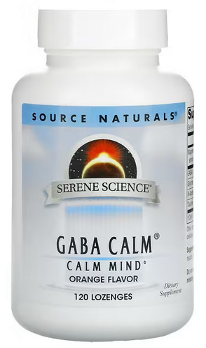
gaba calm
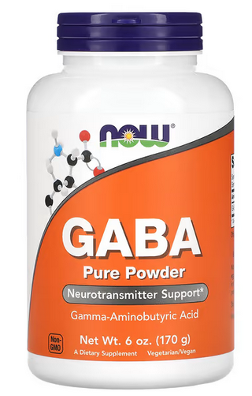
gaba pure poder

Jennifer used Source Naturals GABA Calm lozenges, a product I recommend. It’s a good low dose of 125 mg and is convenient and effective because it’s a sublingual lozenge.

Now GABA Powder is another product I use and recommend. It does need to be measured out to provide a 125 mg typical starting dose. I have clients use a handy mini measuring spoon like this one (my Amazon link) and share more about how to measure out GABA powder on this blog).

For Source Naturals GABA Calm lozenges and Now GABA Powder:

  • You can purchase these from my online store (Fullscript – only available to US customers – use this link to set up an account).
  • If you’re not in the US, you can purchase these at iherb (use this link to save 5%).

Additional resources when you are new to using GABA, tryptophan and other amino acids as supplements

As always, I use the symptoms questionnaire to figure out if low GABA, low serotonin or other neurotransmitter imbalances may be an issue.

If you suspect low levels of any of the neurotransmitters and do not yet have my book, The Antianxiety Food Solution – How the Foods You Eat Can Help You Calm Your Anxious Mind, Improve Your Mood, and End Cravings, I highly recommend getting it and reading it before jumping in and using amino acids on your own so you are knowledgeable. And be sure to share it with the practitioner/health team you or your loved one is working with.

There is an entire chapter on the amino acids and they are discussed throughout the book in the sections on gut health, gluten, blood sugar control (this is covered in an entire chapter too), sugar cravings, anxiety and mood issues.

The book doesn’t include product names (per the publisher’s request) so this blog, The Antianxiety Food Solution Amino Acid and Pyroluria Supplements, lists the amino acids that I use with my individual clients and those in my group programs.

If, after reading this blog and my book, you don’t feel comfortable figuring things out on your own (i.e. doing the symptoms questionnaire and respective amino acids trials), a good place to get help is the GABA QuickStart Program (if you have low GABA symptoms). This is a paid online/virtual group program where you get my guidance and community support.

If you are a practitioner, join us in The Balancing Neurotransmitters: the Fundamentals program. This is also a paid online/virtual program with an opportunity to interact with me and other practitioners who are also using the amino acids.

Wrapping up and your feedback

I appreciate Jennifer for sharing and giving me permission to share her story on the blog. Despite the wine and her very stressful family situation I am thrilled she says she is doing well. I also love that she ends with this: “… don’t give up. Keep fighting to find what works for you.”

I’d love to hear from you – has any of this worked for you?

Feel free to share about your GABA success and how much it helps you and if this has changed over time. And let us know what you feel has contributed to the need for less or more GABA i.e. which other root causes have you addressed?

Feel free to share if tryptophan (or another amino acid) has helped with quitting wine or another alcoholic beverage.

And do share if you use theanine for calm focus.

Feel free to share and ask your questions below.
Filed Under: Addiction, Anxiety, GABA, serotonin, Tryptophan Tagged With: addiction, ADHD, amino acids, anxiety, anxious, calming, focus, GABA, GABA Calm, neurotransmitter, panic attack, pyroluria, red wine, stress, theanine, tryptophan

Pathological Demand Avoidance (PDA) in children with autism – how much is behavioral and how much is due to low serotonin?

June 9, 2023 By Trudy Scott 14 Comments

pda in children with autism

Pathological Demand Avoidance (PDA) is a condition associated with Autism Spectrum Disorder (ASD). It is a rare behavioral phenotype of ASD that is characterized by an overwhelming or obsessional need to resist or avoid demands, which can often lead to sensory overwhelm causing meltdowns and violent outbursts.

Although children in general may often try to avoid demands, children with PDA engage in avoidant behaviors at a greater level.

The key underlying factor is the extreme levels of anxiety associated with a loss of control, which can feel like a panic attack. Because of high levels of anxiety, they will often respond with a “No” even to tasks or activities that they normally enjoy and can spend a great deal of energy trying to gain control of situations and people.

(from an Australian PDA article: What is Pathological Demand Avoidance (PDA) and how can we address it? so I changed the spelling of behavioural and characterised to be American)

This is a typical overview of PDA and the common recommendations (as outlined in the above article) are all behavioral interventions: be an active listener and build trust, depersonalize requests, provide indirect praise, use humor and so on. Many parents find these helpful but the biochemical imbalances that trigger these behaviors are being ignored and/or there is a lack of awareness. I’d like to change this so more children and teens get quick relief.

There may be many different root causes such as low serotonin, low GABA, low blood sugar, gluten sensitivities, low zinc, low vitamin B6, low vitamin D, toxins, infections, phenols, salicylates etc. Today I’m going to discuss low serotonin and my rationale for reaching this conclusion. It’s also one of the quickest root causes to confirm (more on that below).

My rationale for proposing that Pathological Demand Avoidance (PDA) in children with autism is related to low serotonin

If we take the description above, all of these symptoms are classically found when a child (or adult) has low serotonin:

  • Extreme levels of anxiety
  • Can feel like a panic attack
  • Overwhelm
  • Meltdowns and violent outbursts
  • Loss of control
  • Spending a great deal of energy trying to gain control of situations and people (i.e. controlling)
  • Obsessional need to resist (any kind of obsessing is common when serotonin is low)

The second reason I suspect low serotonin with PDA is the timing of these behaviors i.e. later in the day. The article mentions that “A child with PDA can be very calm, cool and compliant at school and behave much worse at home. This is not because of incompetent parenting but because they have reached their tolerance levels and need to release that suppressed anxiety.”

This may well be a factor, however low serotonin symptoms are recognized as being more severe in the afternoon/evening when serotonin levels start to decline. If these children have low serotonin then it makes sense that these symptoms would start to increase once they get home.

My third reason is that low serotonin is common in autism/autism spectrum disorder (ASD).

Low serotonin is common in autism/autism spectrum disorder (ASD)

This paper, Vitamin D hormone regulates serotonin synthesis. Part 1: relevance for autism, summarizes it as follows: “The disruption of the serotonergic system is one of the most consistent observations associated with autism. Serotonin in the brain promotes prosocial behavior and correct assessment of emotional social cues.”  

Their recommendations are vitamin D and tryptophan supplementation which they say “may be a simple method of increasing brain serotonin without negative side effects.”

Testing for low levels of vitamin D and supplementing accordingly is important.

Are there other low serotonin symptoms and using a trial of tryptophan to confirm

As mentioned above, low serotonin is also one of the quickest root causes to confirm. As always, regardless of the diagnosis, we assess for low serotonin by rating symptoms on a scale of 1 to 10 (with 10 being most severe) and do a trial of tryptophan (chewed or a capsule opened on to the tongue). You will have your answer very quickly because we rate improvements in symptoms in the next 5 to 30 minutes.

In addition to the above symptoms we also look for these: worry-in-your-head and ruminating type of anxiety, phobias, lack of confidence, depression, negativity, imposter syndrome, PMS, irritability, insomnia and afternoon/evening cravings for carbs and sugar.

Lidtke is the only brand of tryptophan that I recommend simply because I see it work so well and because of quality issues with tryptophan in the past. Here are the Lidtke tryptophan products I recommend:

  • Lidtke Chewable Tryptophan 100 mg is a good for doing a trial and works when lower doses are needed as with children.
  • Lidtke Tryptophan 500 mg can be used for doing a trial. I open the capsule and use 100mg for a child. Going forward this product is helpful when higher doses are needed, especially at night. When opened it doesn’t taste very good but can be mixed with inositol or even glutamine powder or mashed banana.

You can read more on this blog: Tryptophan for the worry-in-your-head and ruminating type of anxiety, see the full list of low serotonin symptoms here and find the tryptophan products on the supplements blog here.

If you’re new to PDA, the DSM and low serotonin/other biochemical factors

Professor Elizabeth Newson was a developmental psychologist known for her work with children in the autism spectrum. This is her 2003 paper on the topic – Pathological demand avoidance syndrome: a necessary distinction within the pervasive developmental disorders

It’s not part of the DSM-5, the standard classification of mental disorders used by mental health professionals in the United States. This article, A Brief History of Pathological Demand Avoidance, offers a good backstory and shares why families want it to be part of the DSM.

Whether or not it becomes a distinct condition or autism subtype in the DSM, I’d like to see low serotonin (and likely low vitamin D) being recognized as one root cause. And acknowledging that there may be many other biochemical/nutritional approaches that should also be explored.

These symptoms are listed in the above article, in addition to avoidance behaviors, and all could fall into typical low serotonin symptoms:

  • verbal and physical aggression when feeling loss of control
  • self-injurious behavior
  • property destruction
  • refusal to participate in self-care such as bathing or brushing teeth (is this depression?)
  • inability to attend social events (is this fear and social anxiety?)
  • controlling what noises are allowed in a home, such as no music, or only certain music
  • inability to allow parents to have friends visit the home (is this also controlling?)
  • are often combative with siblings
  • issues with food, what to eat, when to eat, who to eat with
  • conflict with siblings

As mentioned above we also look into low GABA and low blood sugar (trials of GABA and glutamine will give quick confirmation too), gluten sensitivity, low zinc, low vitamin B6, toxins, infections, phenols, salicylates and so on. Of course, Nutritional and Dietary Intervention for Autism Spectrum Disorder is crucial.

Some success stories and connecting the dots with low serotonin

These two success stories illustrate how successful tryptophan and GABA can be and also how quickly they offer relief:

  • Rage, anxiety, cravings & insomnia in 11-year old girl with RAD/reactive attachment disorder: chewable tryptophan turns things around
  • Half a crushed GABA Calm for my autistic child: sleep, anxiety and sensorimotor skills (writing, horse riding and swimming) improve

This blog post illustrates similar low serotonin symptoms and end-of-the-day timing in adults with Alzheimer’s – Sundowning in Alzheimer’s and dementia: melatonin/tryptophan for the agitation, restlessness, anxiety, disturbed sleep and aggression. It’s low serotonin that is the cause, regardless of the diagnosis.

This blog illustrates another mechanism for these types of disruptive behaviors: Christmas tree phenols as a trigger for anger, meltdowns, anxiety, hyperactivity, insomnia, aggression, self-injury and autistic symptoms? There is a serotonin connection when there are phenol issues too.

Resources if you are new to using amino acids as supplements

If you are new to using amino acids as supplements, here is the Amino Acids Mood Questionnaire from The Antianxiety Food Solution (you can see all the symptoms of neurotransmitter imbalances, including low GABA, low serotonin and low endorphins).

If you suspect low levels of any of the neurotransmitters and do not yet have my book, The Antianxiety Food Solution – How the Foods You Eat Can Help You Calm Your Anxious Mind, Improve Your Mood, and End Cravings, I highly recommend getting it and reading it before jumping in and using amino acids on your own so you are knowledgeable. And be sure to share it with the practitioner/health team you or your loved one is working with.

There is an entire chapter on the amino acids and they are discussed throughout the book in the sections on gut health, gluten, blood sugar control, sugar cravings, anxiety and mood issues.

The book doesn’t include product names (per the publisher’s request) so this blog, The Antianxiety Food Solution Amino Acid and Pyroluria Supplements, lists the amino acids that I use with my individual clients and those in my group programs. You can find them all in my online store.

If, after reading this blog and my book, you don’t feel comfortable figuring things out on your own (i.e. doing the symptoms questionnaire and respective amino acids trials), if you need serotonin support, the Serotonin QuickStart Program is a good place to start. This is a paid online/virtual group program where you get my guidance on using tryptophan and 5-HTP safely, and community support during 5 LIVE Q&A calls. You can sign up to be notified when the next live launch of this program is happening. We take a deep dive into product options including Lidtke products and others if you’re not able to access Lidtke.

If you also have low GABA symptoms, the next step to get help is the GABA QuickStart Program.This is also a paid online/virtual group program where you get my guidance and community support. Another option is the budget-friendly GABA QuickStart Homestudy program.

If you are a practitioner, join us in The Balancing Neurotransmitters: the Fundamentals program. This is also a paid online/virtual program with an opportunity to interact with me and other practitioners who are also using the amino acids.

Now I’d like to hear from you

Have you been told your child may have Pathological Demand Avoidance (PDA)? Have you only been offered behavioral change tools and how have they helped?

Has low serotonin (and other biochemistry imbalances) been discussed too?

What symptoms does your child have and are things worse later in the day?

Has tryptophan helped reduce the above low serotonin symptoms in your child? How much helps and how quickly?

Or do you find 5-HTP works better? If yes, how much helps and how quickly?

What other biochemical changes have helped?

If you’re a practitioner, are you hearing about increased discussion of Pathological Demand Avoidance (PDA) and do you address low serotonin with your clients/patients?

Feel free to post your feedback and questions here in the comments.

Filed Under: Anger, Anxiety, Autism, Children/Teens, Depression, Tryptophan Tagged With: amino acids, anxiety, ASD, autism, behavioral, behavioural, biochemical imbalances, control, demands, GABA, gluten, infections, low blood sugar, low GABA, low serotonin, meltdowns, neurotransmitters, obsessional, outbursts, overwhelming, panic attack, Pathological Demand Avoidance, PDA, Phenols, salicylates, sensory overwhelm, the GABA Quickstart online program; and Balancing Neurotransmitters: the Fundamentals program for practitioners, toxins, tryptophan, violent, vitamin D

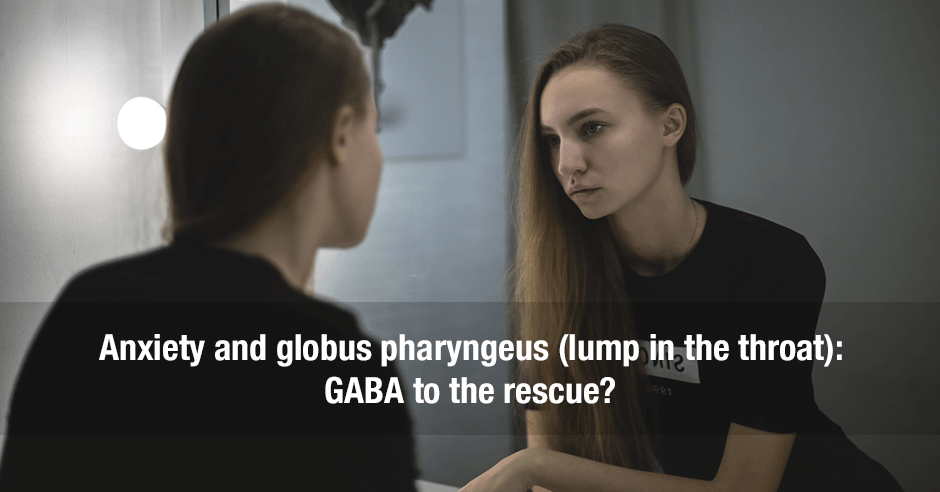
Anxiety and globus pharyngeus (lump in the throat): GABA to the rescue?

July 3, 2020 By Trudy Scott 69 Comments

globus pharyngeus and gaba

Low levels of GABA, a calming neurotransmitter can lead to anxiety, fears and panic attacks. With low GABA, the anxiety is a physical kind of anxiety with muscle tension or muscle spasms.  Today you’ll read how low GABA may be one possible root cause of globus pharyngeus, which you may have experienced as a rather scary golf-ball-like lump or constriction in the throat.

Let me describe globus pharyngeus and then I’ll share my story with globus pharyngeus, why low GABA may be a factor (and supplemental sublingual GABA to the rescue) and other possible root causes that should be considered.

This 2015 paper, Globus pharyngeus: an update for general practice, defines it as follows:

Globus pharyngeus or globus sensation is the painless sensation of a lump in the throat and may be described as a foreign body sensation, a tightening or choking feeling.

Globus means globe or sphere and it can actually feel like you have a golf-ball sized object in your throat.

You may have experienced it without even knowing the medical name. Only a few of my clients and those in my community have ever heard the term. I also only learned about the name many years after my episode.

What is very surprising is that, according to the above paper, up to 45% of the population have experienced it.

My story with globus pharyngeus

I’m one of the 45% and for me it was a terrifying experience.  As you may know, I experienced anxiety, PMS, fears and panic attacks in my late 30s and early 40s (it’s why I do this work).

Fortunately I only had one episode. It truly felt like I had a golf-ball in my throat and was horrifying. I knew I needed to swallow so I could get rid of this obstruction but at the same time I was terrified to swallow in case it got stuck and choked and killed me.

I remember going to the mirror to try and see this golf-ball sized object in my throat. I was so surprised that I couldn’t see anything.

Looking back, I suspect the addition of GABA Calm to my protocol prevented further episodes. I was also using progesterone cream at the time and this promotes GABA production too.

I’ve had many clients report that looking back they also realized their episodes stopped once they addressed their low GABA levels.

I was also under a great deal of stress at the time: work stress (long hours and my adrenals were a mess) and physical stress (due to amalgam removal, gluten issues, perimenopausal changes and much more).

Globus pharyngeus and GABA

The fact that the throat or pharynx “is a muscular tube that runs from the back of your nose down into your neck” is one reason for considering a muscle spasm and low GABA as a root cause.

The amino acid GABA, when used sublingually, eases muscle spasms within 15 seconds to 2 minutes. Some examples where we see this:

  • Physical tension with anxiety
  • Rectal spasms or proctalgia fugax
  • Throat spasms caused by vagus nerve issues

If you’re in the midst of an episode it’s impossible to open a capsule of GABA into your mouth. Until a client knows how much they can tolerate we start with 100-125 mg and increased based on the trial.  Taking the powder and dabbing it with a wet finger and putting the finger to the inside cheek a few times is the best way for quick relief.

A product that is GABA-only in a capsule such as Enzymatic Therapy GABA or ProThera 500mg GABA are my choices for in-the moment relief (more on these in my supplement store here).

Source Naturals GABA Calm is my most popular GABA product and is my choice for everyday use.

Of course, I recommend this approach to doing nothing. The authors state: “simple reassurance may be all that is required” or “Advise patients to resist the urge to dry swallow.” We can do better.

Once your GABA levels are sufficient, it’s less likely to happen unless you’re under a great deal of stress and/or there are psychological factors at play:

There is increased reporting of stressful life events prior to development of symptoms and research suggests that as many as 96% of patients with globus sensation report an exacerbation of symptoms during times of emotional intensity.

During times of added stress, folks may experience other “physical symptoms such as palpitations, poor sleep, and feelings of panic.”

Other root causes and possible solutions

The above paper does also list other root causes and solutions that would need to be investigated if GABA doesn’t help or possibly in conjunction with GABA support: tonsil issues, hiatus hernia, reflux in 23 -68% of individuals (I would look for the root cause rather than using a proton pump inhibitor/PPI), sinusitis, post-nasal drip, goitre, an actual foreign body, high consumption of alcohol/caffeine/tobacco and cancer (which they state is rare).

Interestingly, speech and language therapy has been shown to improve globus pharyngeus in two studies, possibly due to the reassurance experienced.

The paper concludes as follows:

Finally the link between anxiety and globus sensation must be considered. Evidence supports the use of cognitive behavioural therapy, but very little evidence exists for the use of anxiolytics or antidepressants.

I’ll add to this: the link between low GABA and globus sensation must also be considered, especially if you experience the physical type of low GABA anxiety. GABA to the rescue!

Based on the research, low serotonin, vagus nerve function, thyroid health and h/pylori may also be factors. I suspect food sensitivities play a role. And pyroluria too, because of the additional loss of zinc and vitamin B6 which is needed for GABA production. I’ll leave all this for a follow-up blog.

Have you experienced a globus sensation episode? And what did it feel like?

Did you get a diagnosis or is the term new to you?

Has GABA helped … in the moment or if you look back on your use of GABA for anxiety?

Did you discover other root causes and solutions? Please do share.

Please share if  you have pyroluria and your episodes were triggered by a very stressful event

And feel free to post your questions.

If you’re a practitioner I’d love to hear your feedback too.

Filed Under: Amino Acids, Anxiety, GABA Tagged With: anxiety, choked, choking, constriction in the throat, GABA, GABA Calm, globus pharyngeus, golf ball, lump in the throat, panic attack, spasm, swallow, vagus nerve

Theanine for easing stress and anxiety, and improving cognition and sleep in healthy adults

January 24, 2020 By Trudy Scott 46 Comments

theanine for anxiety

L-Theanine is a “unique non-protein amino acid found in green tea” which according to the study below, has shown benefits when used short-term or acutely as a supplement for it’s anti-stress effects, reducing anxiety, improving sleep quality, improving cognition and even easing depression.

This 2019 study, Effects of L-Theanine Administration on Stress-Related Symptoms and Cognitive Functions in Healthy Adults: A Randomized Controlled Trial, aimed to examine the effects of four weeks use of l-theanine:

on stress-related symptoms and cognitive functions in healthy adults. Participants were 30 individuals (nine men and 21 women; aged 20-69) who had no major psychiatric illness.

The trial was randomized, placebo-controlled, crossover, and double-blind.

L-theanine (200 mg/day of Suntheanine), was used by study participants before going to bed each night and was used for four-weeks.

Study participants who used the theanine for two weeks observed the following:

  • For sleep: Reductions in sleep latency (the amount of time it takes to fall asleep), sleep disturbance and less use of sleep medication
  • For cognitive function: Improvements in verbal fluency (especially letter fluency) and improvements in executive function (planning, multi-tasking etc)

The Japanese versions of The Self-rating Depression Scale, State-Trait Anxiety Inventory-trait, and Pittsburgh Sleep Quality Index (PSQI) scores decreased and the study concludes as follows:

Our findings suggest that L-theanine has the potential to promote mental health in the general population with stress-related ailments and cognitive impairments.

The authors also note that “there were no significant adverse events, demonstrating the safety of four weeks of L-theanine administration.”

As expected, the participants saw increases in serum theanine concentrations.

Some of the reported possible mechanisms of action

Here are some of the reported possible mechanisms of action of theanine from some studies referenced in his paper:

  • via glutamate receptors (improving cognitive dysfunction)
  • as a neuroprotective agent and “increases in brain serotonin, dopamine, GABA levels” (improving mood and focus and reducing anxiety)
  • enhances hippocampal activity (the hippocampus has a major role in learning and memory)
  • via a proposed increase in the expression of brain-derived neurotrophic factor (BDNF) in the hippocampus (BDNF is a protein implicated in the stress response, long-term memory, Alzheimer’s disease, and psychiatric disorders)

Impacts on cortisol levels?

What is unusual and inconsistent with previous studies, is the fact that there was “no significant effect on cortisol or immunoglobulin A levels in the saliva or serum.”  The authors report that “the reduction of salivary cortisol and immunoglobulin A levels may be a short term, recoverable effect of L-theanine administration.”  

Update Sept 2025:

In this 2021 paper, A Randomized, Triple-Blind, Placebo-Controlled, Crossover Study to Investigate the Efficacy of a Single Dose of AlphaWave®l-Theanine on Stress in a Healthy Adult Population “there was a significant reduction in salivary cortisol with a single dose of AlphaWave® l-Theanine relative to the placebo, immediately following the stress-inducing task 1 h post-dose.”

In other words, within an hour of taking AlphaWave l-theanine, cortisol levels were lower. This paper also mentions that in a previous study, cortisol levels were only lower 3 hours after taking theanine.

Suntheanine and AlphaWave are different theanine products, each produced by their own  proprietary manufacturing process. There are a number of other l-theanine products/manufacturing processes and this may explain why some individuals do well on some theanine products and not others, and why impacts on cortisol levels may vary.

Theanine or GABA – which one to use when?

I typically start my clients with a trial of GABA Calm for low GABA symptoms like physical tension, stress and overwhelm, panic attacks and insomnia. If we are not getting all the expected benefits with GABA and there is a need for added cognitive benefits then we’ll consider adding theanine too. Some folks find one works better than the other and some like a combination (at the same time or theanine in the day/GABA at night or GABA in the day/theanine at night).

I recently reached out on facebook asking:

“Theanine or GABA? Which do you prefer for anxiety and why? How much helps? And any other benefits (like reduced body pain, better thinking/cognition, easing IBS (irritable bowel syndrome) and gut pain, reduced cravings, less negative self-talk etc)? Or do you like a combination of both?”

As you can see from these varied responses it’s a matter or trialing both to find what works for each person’s unique needs:

  • Lorraine shared this: “They are both good, but I reach for GABA Calm first.. 2 or 3 lozenges. If anxiety doesn’t leave quickly with GABA ( which works well for a panic attack), and I continue to have anxiety humming along in the background, then I’ll reach for theanine.”
  • Jackie shared this: “I take 200mg theanine in morning, then 100mg GABA around 4pm, when the kids get home from school. I had a panic attack in the middle of the night last week, took GABA 100 mg, then seemed to calm down.” I asked if theanine gives her a feeling of calm focus and she said: “yes, I think so. I noticed if I take 200mg of GABA, it makes me drowsy.”
  • Evelyn shared this: “I use both at night for sleep. If I could only use one it would be l-theanine.” Theanine is more consistently helpful for stress reduction and sleep for me. I use 200mg. When I use GABA it’s 500mg of chewables.”
  • Sara shared this: “GABA during the day, theanine at night.”
  • Karine shared this: “GABA!! The Source Naturals Theanine Serene with Holy Basil is really good. But GABA Calm (also Source Naturals which is a sublingual lozenge) is the only thing for a severe issue/episode and helps me concentrate right before an important presentation at work etc. Pure GABA from any supplier is good for long periods where you need a boost or to tone down general anxiety. I also bought a probiotic that also includes GABA (Jarrodophilus Mood) and notice it improves digestion too.”

Some of my top GABA/theanine products

You can find my favorite GABA/theanine combination product, a theanine-only product and my most popular GABA products on the supplements blog here (and with details for how to set up an account for my online store)

Nutritional Fundamentals for Health GABA-T SAP: 300mg GABA, 150mg theanine. This is pleasant-tasting when opened on to the tongue and works very well when GABA Calm can’t be used.

Pure Encapsulations L-Theanine: 200mg theanine. This is also pleasant-tasting when opened on to the tongue. Unlike like GABA, it can also be swallowed.

Source Naturals GABA Calm. This is a pleasant-tasting sublingual product that is my most popular and most effective form of GABA I use with my clients. It can be used in conjunction with theanine.

Enzymatic Therapy GABA: 250 mg GABA. This is also pleasant-tasting when opened on to the tongue and works very well when GABA Calm can’t be used. It can also be used in conjunction with theanine.

BeSerene IR (instant relief): a topical GABA/theanine cream which can be used in conjunction with other GABA and theanine products or instead of them.

Additional resources when you are new to using GABA or theanine and other amino acids as supplements

We use the symptoms questionnaire to figure out if low serotonin or low GABA or low dopamine or other neurotransmitter imbalances may be an issue for you.

If you suspect low levels of any of the neurotransmitters and do not yet have my book, The Antianxiety Food Solution – How the Foods You Eat Can Help You Calm Your Anxious Mind, Improve Your Mood, and End Cravings. I highly recommend getting it and reading it before jumping in and using amino acids on your own so you are knowledgeable. And be sure to share it with the practitioner/health team you or your loved one is working with.

There is an entire chapter on the amino acids and they are discussed throughout the book in the sections on gut health, gluten, blood sugar control (this is covered in an entire chapter too), sugar cravings, anxiety and mood issues. The importance of quality animal protein and healthy fats is also covered.

The book doesn’t include product names (per the publisher’s request) so this blog, The Antianxiety Food Solution Amino Acid and Pyroluria Supplements, lists the amino acids that I use with my individual clients and those in my group programs.

If, after reading this blog and my book, you don’t feel comfortable figuring things out on your own (i.e. doing the symptoms questionnaire and respective amino acids trials), a good place to get help is the GABA QuickStart Program (if you have low GABA symptoms too). This is a paid online/virtual group program where you get my guidance and community support.

If you need serotonin support, the Serotonin QuickStart Program is a good place to get help. This is also a paid online/virtual group program where you get my guidance on using tryptophan and 5-HTP safely, and community support during 5 LIVE Q&A calls. You can sign up to be notified when the next live launch of this program is happening.

If you are a practitioner, join us in The Balancing Neurotransmitters: the Fundamentals program. This is also a paid online/virtual program with an opportunity to interact with me and other practitioners who are also using the amino acids.

Now I’d love to hear from you

Please let us know … theanine or GABA: which do you prefer for anxiety and why? How much helps? And any other benefits (like reduced body pain, better thinking/cognition, easing IBS gut pain, reduced cravings, less negative self-talk etc)? Or do you like a combination of both?”

Feel free to share and ask your questions below.
Filed Under: Amino Acids Tagged With: adults, anxiety, BDNF, cognition, cognitive function, GABA, GABA Calm, panic attack, sleep, stress, theanine

Aubrey Huff anxiety attack: could it be a food-mood issue?

May 15, 2012 By Trudy Scott 11 Comments

Photo by Jeffjeff08 (from Wikimedia Commons)

Do world-class athletes actually have performance anxiety and panic attacks? And could there be a food mood and nutrient connection?  Yes, food does have a big impact on our mood. And yes, anxiety can affect anyone and many athletes are affected! The most recent example is baseball player Aubrey Huff, from the San Francisco Giants. Henry Schulman wrote about Aubrey’s panic attack in SFGate in an article titled Aubrey Huff opens up about his anxiety attacks :

Aubrey Huff says his first panic attack lasted for eight hours.

Aubrey Huff was standing in his New York hotel room at 5 o’clock in the morning in the early stages of what would be an eight-hour panic attack. The Giant were to play a doubleheader against the Mets that afternoon and evening. Baseball was the last thing on Huff’s mind.

“I couldn’t breathe,” Huff recalled. “I felt I was taking short breaths. Right then and there I thought I was having a heart attack. I told myself, ‘I’ll be damned if I’m going to be sitting in this hotel room and die of a heart attack. I’ve got to get out of here.'”

I used to have social anxiety and panic attacks and it was horrible! And very scary! I really feel for Aubrey and would love to be able to help!

If I was working with Aubrey this is what I’d have him do (this is my approach for anyone who is experiencing anxiety and anxiety attacks/panic attacks):

  1. I’d have him keep a 3 day food diary and we’d look at his intake of real whole food (including grass-fed meat) compared to junk food and fast food
  2. We’d look at caffeine and sugar intake and reduce this and eventually eliminate it. Caffeine can induce anxiety and for many people it’s a tough one to eliminate so we’d have to address the underlying fatigue and reason for “self-medication”. For Aubrey, it could possibly be burned out adrenals. High sugar consumption also affects the adrenals and results in nutrient depletion of minerals like zinc and magnesium, both of which help with anxiety
  3. We’d also look at his gluten intake and assess for gluten intolerance and/or celiac disease and have him start right away on a 2 week gluten elimination trial. Whether or not gluten is a contributing factor to the anxiety, as Melissa Mclean Jory says in the Gluten-Free Edge, athletes perform better when gluten is not a part of their diets
  4. We’d have him start on the first of the 4 antianxiety diets: real whole food, good quality protein, good fats, plenty of organic veggies and fruit, and with no gluten. And make sure he eating a good breakfast that does include protein – keeping blood sugar stable is key for anxiety
  5. We must also always consider neurotransmitter imbalances. In the same SF gate interview Aubrey said this “I couldn’t control one thought in my head. There were so many thoughts going through”. Low serotonin can cause anxiety, panic attacks and ruminating thoughts, so assessing for low serotonin would be key. If low serotonin is a factor then using the amino acid supplements tryptophan or 5-HTP would be worth considering. Research supports the use of 5-HTP for panic. GABA is a calming amino acid and it’s likely that Aubrey would benefit from this too, especially if he has stiff and tense muscles
  6. I would also consider the possibility of pyroluria. In an interview on his blog, Aubrey stated: “I was very shy in high school, if you can believe it. I broke out of my shell at the University of Miami when I got around guys like Burrell. I learned how to believe in myself – and I learned how to project confidence even when I didn’t feel very confident.” As reported by Carey Vanderborg, “the Social Anxiety Institute says that social anxiety disorder, also known as performance anxiety, is a persistent fear of performance situations–such as an athletic event–in which you’re exposed to unfamiliar people or to possible judgment by others.” Zinc, vitamin B6 and evening primrose oil can completely eliminate social anxiety in someone with pyroluria. Here is the pyroluria questionnaire that I’d have Aubrey use for assessing if this is part of the issue. Raising serotonin levels also helps with boosting confidence so it doesn’t have to be learned or forced.

Each person has their own unique biochemistry and there may be other factors involved but this would be a great start. This is what I wish for Aubrey Huff with this food-mood approach: totally free of anxiety, no more panic attacks, zero performance anxiety, feeling super-confident, have no ruminating thoughts, plus playing his best baseball ever!

I would LOVE to send a copy of my book to Aubrey so if you know how to get fan-mail to him please let me know. I tried the Giants office and didn’t have any luck.

You can find out more in The Antianxiety Food Solution: How the Foods You Eat Can Help You Calm Your Anxious Mind, Improve Your Mood and End Cravings, available in major books stores, at Amazon and via www.antianxietyfoodsolution.com.

Filed Under: Antianxiety Food Solution, Anxiety and panic, Food and mood, Gluten, People Tagged With: antianxiety diet, Antianxiety Food Solution, anxiety, anxiety attack, Aubrey Huff, mood, panic attack, pyroluria

Primary Sidebar

NEW! GABA QuickStart Homestudy (with special intro pricing)

gaba quickstart homestudy

Free Report

9 Great Questions Women Ask about Food, Mood and their Health

You'll also receive a complimentary subscription to my ezine "Food, Mood and Gal Stuff"


Connect with me

Popular Posts

  • Amino Acids Mood Questionnaire from The Antianxiety Food Solution
  • The Antianxiety Food Solution Amino Acid and Pyroluria Supplements
  • Pyroluria Questionnaire from The Antianxiety Food Solution
  • Collagen and gelatin lower serotonin: does this increase your anxiety and depression?
  • Tryptophan for the worry-in-your-head and ruminating type of anxiety
  • GABA for the physical-tension and stiff-and-tense-muscles type of anxiety
  • The Antianxiety Food Solution by Trudy Scott
  • Seriphos Original Formula is back: the best product for anxiety and insomnia caused by high cortisol
  • Am I an anxious introvert because of low zinc and vitamin B6? My response to Huffington Post blog
  • Vagus nerve rehab with GABA, breathing, humming, gargling and key nutrients

Recent Posts

  • What do I use instead of Seriphos to help lower high cortisol that is affecting my sleep and making me anxious at night?
  • BeSerene™ GABA/theanine cream eases severe muscle tension in her neck/shoulders, prevents her bad headaches and quells her anxiety
  • How the correct approach, dose and sublingual use of GABA can be calming and not cause a flushed and itchy face and neck
  • The amino acid glutamine improves low mood by addressing gut health, and it has calming effects too
  • Flight anxiety with heightened breath, physical tension and also fearing the worst (the role of low GABA and low serotonin)

Categories

  • 5-HTP
  • AB575
  • Addiction
  • ADHD
  • Adrenals
  • Alcohol
  • Allergies
  • Alzheimer's disease
  • Amino Acids
  • Anger
  • Antianxiety
  • Antianxiety Food Solution
  • Antidepressants
  • Anxiety
  • Anxiety and panic
  • Autism
  • Autoimmunity
  • benzodiazapines
  • Bipolar disorder
  • Books
  • Caffeine
  • Cancer
  • Candida
  • Children/Teens
  • Collagen
  • Cooking equipment
  • Coronavirus/COVID-19
  • Cravings
  • Depression
  • Detoxification
  • Diabetes
  • Diet
  • DPA/DLPA
  • Drugs
  • EFT/Tapping
  • EMF
  • EMFs
  • Emotional Eating
  • Endorphins
  • Environment
  • Essential oils
  • Events
  • Exercise
  • Fear
  • Fear of public speaking
  • Fertility and Pregnancy
  • Fish
  • Food
  • Food and mood
  • Functional neurology
  • GABA
  • Gene polymorphisms
  • General Health
  • Giving
  • Giving back
  • Glutamine
  • Gluten
  • GMOs
  • Gratitude
  • Gut health
  • Heart health/hypertension
  • Histamine
  • Hormone
  • Hyperparathyroidism
  • Hypoglycemia
  • Immune system
  • Inflammation
  • Insomnia
  • Inspiration
  • Introversion
  • Joy and happiness
  • Ketogenic diet
  • Lithium orotate
  • Looking awesome
  • Lyme disease and co-infections
  • MCAS/histamine
  • Medication
  • Men's health
  • Mental health
  • Mercury
  • Migraine
  • Mold
  • Movie
  • MTHFR
  • Multiple sclerosis
  • Music
  • NANP
  • Nature
  • Nutritional Psychiatry
  • OCD
  • Osteoporosis
  • Oxalates
  • Oxytocin
  • Pain
  • Paleo
  • Parasites
  • Parkinson’s disease
  • PCOS
  • People
  • PMS
  • Postpartum
  • PTSD/Trauma
  • Pyroluria
  • Questionnaires
  • Real whole food
  • Recipes
  • Research
  • Schizophrenia
  • serotonin
  • SIBO
  • Sleep
  • Special diets
  • Sports nutrition
  • Stress
  • Sugar addiction
  • Sugar and mood
  • Supplements
  • Teens
  • Testimonials
  • Testing
  • The Anxiety Summit
  • The Anxiety Summit 2
  • The Anxiety Summit 3
  • The Anxiety Summit 4
  • The Anxiety Summit 5
  • The Anxiety Summit 6
  • Thyroid
  • Thyroid health
  • Toxins
  • Tryptophan
  • Tyrosine
  • Uncategorized
  • Vegan/vegetarian
  • Women's health
  • Yoga

Archives

  • October 2025
  • September 2025
  • August 2025
  • July 2025
  • June 2025
  • May 2025
  • April 2025
  • March 2025
  • February 2025
  • January 2025
  • November 2024
  • October 2024
  • September 2024
  • August 2024
  • July 2024
  • June 2024
  • May 2024
  • April 2024
  • March 2024
  • February 2024
  • January 2024
  • December 2023
  • November 2023
  • October 2023
  • September 2023
  • August 2023
  • July 2023
  • June 2023
  • May 2023
  • April 2023
  • March 2023
  • February 2023
  • January 2023
  • December 2022
  • November 2022
  • October 2022
  • September 2022
  • August 2022
  • July 2022
  • June 2022
  • May 2022
  • April 2022
  • March 2022
  • February 2022
  • January 2022
  • December 2021
  • November 2021
  • October 2021
  • September 2021
  • August 2021
  • July 2021
  • June 2021
  • May 2021
  • April 2021
  • March 2021
  • February 2021
  • January 2021
  • December 2020
  • November 2020
  • October 2020
  • September 2020
  • August 2020
  • July 2020
  • June 2020
  • May 2020
  • April 2020
  • March 2020
  • February 2020
  • January 2020
  • December 2019
  • November 2019
  • October 2019
  • September 2019
  • August 2019
  • July 2019
  • June 2019
  • May 2019
  • April 2019
  • March 2019
  • February 2019
  • January 2019
  • December 2018
  • November 2018
  • October 2018
  • September 2018
  • August 2018
  • July 2018
  • June 2018
  • May 2018
  • April 2018
  • March 2018
  • February 2018
  • January 2018
  • December 2017
  • November 2017
  • October 2017
  • September 2017
  • August 2017
  • July 2017
  • June 2017
  • May 2017
  • April 2017
  • March 2017
  • February 2017
  • January 2017
  • December 2016
  • November 2016
  • October 2016
  • September 2016
  • August 2016
  • July 2016
  • June 2016
  • May 2016
  • April 2016
  • March 2016
  • February 2016
  • January 2016
  • December 2015
  • November 2015
  • October 2015
  • September 2015
  • August 2015
  • July 2015
  • June 2015
  • May 2015
  • April 2015
  • March 2015
  • February 2015
  • January 2015
  • December 2014
  • November 2014
  • October 2014
  • September 2014
  • August 2014
  • July 2014
  • June 2014
  • May 2014
  • April 2014
  • March 2014
  • February 2014
  • January 2014
  • December 2013
  • November 2013
  • October 2013
  • September 2013
  • August 2013
  • July 2013
  • June 2013
  • May 2013
  • April 2013
  • March 2013
  • February 2013
  • January 2013
  • December 2012
  • November 2012
  • October 2012
  • August 2012
  • July 2012
  • June 2012
  • May 2012
  • April 2012
  • March 2012
  • February 2012
  • January 2012
  • December 2011
  • November 2011
  • October 2011
  • September 2011
  • August 2011
  • July 2011
  • June 2011
  • May 2011
  • April 2011
  • March 2011
  • February 2011
  • January 2011
  • December 2010
  • October 2010
  • September 2010
  • July 2010
  • May 2010
  • April 2010
  • March 2010
  • February 2010
  • January 2010
  • November 2009

Share the knowledge!

The above statements have not been evaluated by the Food and Drug Administration. Products listed in this website are not intended to diagnose, treat, cure or prevent any disease.

The information provided on this site is for informational and educational purposes only and is not intended as a substitute for advice from your physician or other health care professional. You should consult with a healthcare professional before starting or modifying any diet, exercise, or supplementation program, before taking or stopping any medication, or if you have or suspect you may have a health problem.


Copyright © 2026 Trudy Scott. All Rights Reserved. | Privacy | Terms and Conditions | Refund Policy | Medical Disclaimer

Free Report

9 Great Questions Women Ask about Food, Mood and their Health

You’ll also receive a complimentary subscription to my ezine “Food, Mood and Gal Stuff”