• Skip to primary navigation
  • Skip to main content
  • Skip to primary sidebar

everywomanover29 blog

Food, Mood and Women's Health – Be your healthiest, look and feel great!

  • Blog
  • About
  • Services
  • Store
  • Resources
  • Testimonials
  • The Book
  • Newsletter
  • Contact
  • Search this site

GABA

New testing approach for Lyme disease: ultrasound and PCR urine testing

June 7, 2017 By Trudy Scott 16 Comments

Dr. Dietrich Klinghardt’s interview with Dr Jay Davidson, host The Chronic Lyme Disease Summit 2 is one of the most interesting and encouraging Lyme disease interviews I’ve heard for a long time! He covers the Latest on Lyme Testing and Treatments. The reason it’s so encouraging is that chronic Lyme disease is notoriously difficult to test for.

Dr. Klinghardt starts by sharing why Lyme disease goes undiagnosed in many instances:

Lyme is highly compartmentalized. That means it sets up sanctuaries in different body compartments, and chronic Lyme is not living in the blood. Lyme may be in the blood in acute Lyme but not in chronic Lyme.

In chronic Lyme it may be in the right hippocampus but not in the entire brain, maybe in the brain stem but not the liver. It may be in your disk of L4-L5 but not in other disks and so on and so forth.

It lives in biofilm. We know that. It lives in the cell, but it doesn’t stray.

He goes on to share that the common immune system-based Lyme disease tests that use blood testing are misleading because with chronic Lyme

the blood or the white blood cells are not in contact with the actual microbes and you do not get the immune activation…So many cases go undiagnosed.

Dr. Klinghardt shares a wonderful technique that he and one of the world’s most renowned ultrasound radiologists, Dr. Marco Ruggiero, have developed for both testing and to improve treatment:

We know that when you put ultrasound …on a group of cells, it squeezes and relaxes the cells at a very high speed and squeezes out things from the cell that shouldn’t be in there. And so, we had the theory if you apply ultrasound to an area where we suspect Lyme spirochetes or Bartonella or Babesia or Ehrlichia, then those microbes are forced into the connective tissue. And some of them will stray from there into the blood, and some of them will be excreted through the kidneys into the urine.

With that principle, we found an incredible increase in our findings that most of the people that were suspected of having chronic Lyme disease didn’t just have Borrelia burgdorferi, but they had also Borrelia miyamotoi. They had Babesia duncani, Babesia microti. They had Bartonella henselae.

So what we do, we have set up a certain sequence of using ultrasound on the brain, on the thymus, on the spleen, on the vagus nerve, and on the brain stem. We drive out the microbes, and then we collect the urine and find the microbes. This is by far the best test we use – the PCR testing – looking for whole strands of DNA of the bugs in the urine.

That testing has been the most rewarding test in my whole lifetime. We are publishing a paper that comes out later this month in the American Journal of Immunology where we lay out the details of this technique. That’s what we do at the Sophia Health Institute.

The whole treatment takes less than 10 minutes, and then it’s the first urine that naturally occurs after that that’s collected. And then we send it to the lab for PCR testing, and insurance pays if you do it with Lab Corp. There’s other labs that offer this test now. And it can cost up to $500 to test for 14 of the coinfections.

Here is the title of that paper: The Ruggiero-Klinghardt (RK) Protocol for the Diagnosis and Treatment of Chronic Conditions with Particular Focus on Lyme Disease and the lab DNA Connexions is mentioned in this paper. 

He goes on to explain how they also use the therapeutic ultrasound as an instrument to optimize drug uptake and utilization in specific areas of the body order to eliminate the bacteria.

Later on in the interview Dr. Klinghardt makes this bold and rather concerning statement:

Most of my patients with severe, persistent Lyme disease have never had a tick bite. They had a spider bite or a flea bite or a bite from a stinging fly. So these are insect-borne diseases but not tick-borne diseases.

Dr. Klinghardt has been at the forefront of Lyme disease treatment for years and now bringing even further wisdom to this very challenging condition. I really look forward to learning more about all this from this amazing practitioner.
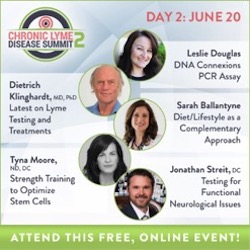
The Chronic Lyme Disease Summit 2 runs June 19-26, 2017 and Dr. Klinghardt’s interview airs on day 2 of the summit.

Be sure to also listen to:

  • Leslie Douglas: DNA Connexions PCR Assay (the testing Dr. Klinghardt uses) and
  • Jonathan Streit: Testing for Functional Neurological Issues

This summit will help you understand symptoms (common and rare), diagnosis and testing, practical at-home health tips, healing protocol explanations and more!

And it will hopefully give you some insights to any ongoing health issues you may have that may actually be due to Lyme disease (even if you have not yet been diagnosed). It’s something I consider with all my clients that are not seeing symptom resolution.

Register here for The Chronic Lyme Disease Summit 2

Last year I was interviewed on Lyme anxiety and how to use GABA and other amino acids to ease the anxiety while you are working on addressing the Lyme disease. I’m not speaking this year but that interview and some of my other Lyme anxiety resources are available to summit purchasers. I actually mention Dr Klinghardt in that interview because he finds that his Lyme patients don’t get well until they have addressed pyroluria.

If you live in Sydney, Australia, you can hear Dr. Kinghardt present live this weekend during his 1 day event: Core Protocols for Chronic Illness. If you’re not a practitioner be sure to let your healthcare provider know about this event.
Feel free to post questions or feedback below.

Filed Under: Events, Lyme disease and co-infections Tagged With: anxiety, Chronic Lyme Summit, Dr. Jay Davidson, Dr. Klinghardt, GABA, Lyme Disease, pyroluria, ultrasound

Anxiety in autism, ADHD and sensory processing disorders

June 5, 2017 By Trudy Scott 8 Comments

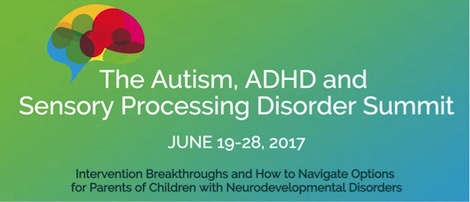
I had the pleasure of being interviewed by Tara Hunkin on the upcoming Autism, ADHD and Sensory Processing Disorder Summit and share my expertise on anxiety since we so often see anxiety in this population. My topic is: Anxiety’s Role in ASD, ADHD and SPD and how nutrient therapy can help.

I start out sharing some of the research on the incidence and connections.

This 2009 paper Sensory Overresponsivity and Anxiety in Children With ADHD in the American Journal of Occupational Therapy, reports that:

Approximately 25% of children with attention deficit hyperactivity disorder (ADHD) have a comorbid anxiety disorder.

The purpose of this particular study was to determine whether sensory overresponsivity (SOR) or sensory processing disorders are related to increased anxiety in children with ADHD. There were twenty-four children between the age of 6 to 10 with ADHD and 24 children without ADHD.

The study concluded that:

Children in the ADHD + SOR [sensory over responsivity] group were significantly more anxious than both the ADHD-only and non-ADHD (control) groups.

Occupational therapists treating children with ADHD and SOR should be aware that these children may also have anxiety and discuss options with families for prevention or treatment.

I would add that anyone working with these children should be aware of the connections: doctors, nutritionists, psychologists and anyone else on the health team.

We also discuss this 2012 paper, also from the American Journal of Occupational Therapy – Sensory Overresponsivity and Anxiety in Typically Developing Children and Children With Autism and Attention Deficit Hyperactivity Disorder: Cause or Coexistence?

Reviews of the coexistence of ASD [autism spectrum disorder] and anxiety disorders have concluded that among children and youth with ASD, anxiety disorders are highly prevalent, clinically significant, and varied as to specific type of anxiety disorder

Approximately 25% of children with attention deficit hyperactivity disorder (ADHD) also have anxiety disorder, a rate that is elevated when ADHD is seen in conjunction with conduct or oppositional defiant disorders

The paper mentions these 3 factors as models worthy of further study in order to understand the relationship between anxiety, sensory overresponsivity, autism and ADHD:

(1) anxiety caused by, or a symptom of, SOR (primary anxiety model);
(2) SOR caused by, or a symptom of, anxiety (primary SOR model); and
(3) the presence of both anxiety and SOR, linked by way of another factor

Based on what I know about anxiety I feel it could be a combination of all of the above.

My interview also covers the following around how to address the anxiety in these children and their moms (who also often have anxiety):

  • Low serotonin anxiety, symptoms, using tryptophan and 5-HTP and precautions with using them with an SSRI
  • A young girl with RAD (reactive attachment disorder) with rage/anger, anxiety, insomnia, and sugar cravings and the successful use of chewable tryptophan, addressing low iron and a gluten-free diet
  • A young boy with OCD and the successful use of both tryptophan and inositol
  • Low GABA anxiety, the use of GABA and not phenibut, and cautions about using too much
  • A young girl with ADHD and irritability and the successful use of GABA
  • Pyroluria incidence and symptoms and how it ties back to neurotransmitter imbalances

Sensory processing disorders, ADHD and autism are not my expertise and I don’t work much with children so I’m really pleased to be bringing you this information via the other amazing speakers AND listening and learning myself!

Here are some speakers and topics I’m particularly interested in

  • Brandon Brock, RN, DC: Understanding PANS and PANDAS role in ASD, ADHD and SPD.
  • Elizabeth Mumper, MD: Mitochondrial Dysfunction: What it is and how to address the underlying causes.
  • Richard Frye, MD, Ph.D.: Cerebral Folate Deficiency: and how it impairs neurological health.
  • Nancy O’Hara, MD: What you need to know about cell danger response in ASD & other neurodevelopmental disorders.
  • John Tjenos, NTP: The importance of the vagus nerve and how to build vagal tone with essential oils.

We have so much to learn from practitioners and researchers working in this area. And children affected by these conditions do recover!

The Autism, ADHD and Sensory Processing Disorder Summit, hosted by Tara Hunkin, NTP, runs from June 19-28, 2017.

It will be 10 days of eye opening information into the root causes of your child’s neurological dysfunction. Imagine learning about what may have caused their symptoms and how to address them with nutrition and biomedical approaches and leverage the power of positive neuroplasticity to improve function, health and their lives.

Do also keep in mind that these topics may have relevance for you even if you don’t have a child with a sensory processing disorder, ADHD and/or autism. These children are the canaries in the coal mine and many of my clients with anxiety can benefit from the biomedical support that many of these speakers are addressing. Simply replace sensory processing disorder, ADHD and/or autism with anxiety and listen and learn.

You can register for The Autism, ADHD and Sensory Processing Disorder Summit here

Feel free to ask questions or provide feedback and your experiences in the comment section below.

Filed Under: Autism, Events Tagged With: ADHD, anxiety, autism, Brandon Brock, Elizabeth Mumper, GABA, inositol, Nancy O’Hara, sensory overresponsivity, Sensory Processing Disorder, serotonin, Tara Hunkin, tryptophan

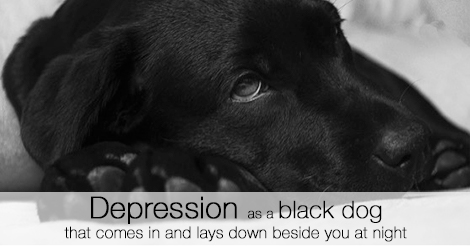
Depression as a black dog that comes in and lays down beside you at night

May 26, 2017 By Trudy Scott 18 Comments

Trevor King’s interview about his journey with depression – on That Vitamin Summit – is not to be missed if you are depressed, have ever suffered with depression or if you have a loved one or friend with depression. He shares how he feels a sense of complete hopelessness at times:

It descends like a black cloud that makes me almost sort of retreat into myself. And my eyes will know and I don’t want to take the world in. I don’t want to get out of bed at times. Actually, that’s one of the things that … one of the only things that actually helps me, is going to bed and lying down.

Winston Churchill famously described it as this black dog who’d come in and lay beside him at night.

“From the moment my eyes opened in the morning, I am engaged in a battle. I must protect myself with armor against ongoing, negative, intrusive thoughts that flood into my brain, while sending my prefrontal cortex, which is the home of logical thought, the green light to make decisions and take charge of my brain’s limbic system. That is, before the fear center completely spazzes out. I spend more time and energy chasing and maintaining good health than I do in any other aspect of my life. My marriage, family or work. Because I know that everything meaningful and good around me depends on a stable base. And I hope and pray that one day, I don’t have to fight so hard for my sanity.”

He talks about how he is affected by sugar and low blood sugar, and how he’s found some benefits with niacin, chromium, magnesium and tryptophan (when he’s consistent with taking them!).

Trevor actually talks about the GABA interview I did with him a few days earlier and how he’s very interested in what he learned. He is planning to do a trial of GABA to see if it can help him further.

Here is a snippet from my interview on GABA (so do tune in to this interview if you’re new to my work and the targeted amino acids):

GABA is really quite profound. When I had my anxiety, GABA was my lifesaver. It completely turned my life around. Within three days of using GABA, the panic attacks stopped and the anxiety started to go down, and then I had to look for all the other root causes. It worked immediately so I’m a complete believer, just because I’ve experienced it myself. You’ll hear a lot of people say GABA won’t work. It doesn’t cross the blood/brain barrier so it’s not going to have an impact.

We’ve now got research showing that there may be ways that it crosses the blood/brain barrier. We’ve also got research showing that we have GABA receptors in various parts of our body. We’ve got a lot in our muscles, and with low GABA symptoms you’ll have physical tension.

The beautiful thing is it works. It works quickly, and if you have these low GABA symptoms, which is the physical anxiety, which could be panic attacks. It could be stress eating, it could be drinking to calm down. If you are the kind of person who needs wine to wind down at the end of the day, that’s a big sign that you may need GABA. You take the GABA and you just feel this physical tension release from you, you know you’re onto something good.

I just wish I’d known about his struggles with depression at the time of our interview – I would have talked more about tyrosine for dopamine support (for curl up in bed depression) and DPA for endorphin boosting (for low endorphins weepy depression). 

I did discuss gluten and would consider this especially since his daughter has issues with it. I talked about low serotonin and mentioned Lidtke tryptophan.  If someone doesn’t do well on another brand I’d have them trial the Lidtke brand.  I’d also look into SIBO – I have SIBO and rice and grains make me feel flat and low and I see this often with clients.  Finally I’d look into lithium orotate for keeping an even mood. 

Trevor shares these wise words at the end of his interview:

You do find that when you actually bite the bullet and share it with people,

people are very, very understanding. And actually, you’re amazed that many people have been there themselves.

I could not agree more which is why I’ve always shared my journey with anxiety. I appreciate him for being willing to share his story with depression!

If you’re not already registered here is the registration link for That Vitamin Summit

Feel free to post questions or feedback below – and share your story with anxiety or depression if you feel drawn to do so

Filed Under: Bipolar disorder, Depression, Events, GABA, Mental health, People Tagged With: anxiety, depression, GABA, low blood sugar, niacin, sugar, That Vitamin Summit, Trevor King, tryptophan

GABA protects against hypothyroidism caused by fluoride and reduces anxiety

April 21, 2017 By Trudy Scott 39 Comments

GABA (gamma-aminobutyric acid) is a calming amino acid that when taken as a supplement (ideally sublingually) works to relax, calm, ease anxiety and social anxiety, quiet the mind, help with sleeping challenges, reduce neck and other body tension, remove uneasiness and worry, and give hope.

It’s one of the main amino acids I use with my anxious clients and they see great results. We are seeing more and more research that this amino acid does work and yet I still get weekly questions about GABA: “I’ve been told it won’t work unless I have a leaky blood brain barrier.” This is a myth I’m trying to dispel and cover this topic in great detail in my GABA talk on the last Anxiety Summit.

GABA also protects against hypothyroidism caused by fluoride

Because of all this I’m always excited to see new research on the benefits of GABA and this recent study is no exception. It was an animal study and the authors report that GABA also protects against hypothyroidism caused by fluoride: γ-Aminobutyric acid ameliorates fluoride-induced hypothyroidism in male Kunming mice.

The mice that were injected with sodium fluoride were found to have decreased blood levels of T4, T3 and thyroid hormone-binding globulin (TBG) and damage to the thyroid:

fluoride intoxication induced structural abnormalities in thyroid follicles.

The fluoride-exposed mice that were subsequently treated with GABA were found to have improved results for T4, T3 and thyroid hormone-binding globulin (TBG levels) and healing of the structural abnormalities in thyroid follicles that were observed after fluoride exposure.

The authors conclude with this statement, reporting that GABA acted as a natural antioxidant:

To the best of our knowledge, this is the first study to establish the therapeutic efficacy of GABA as a natural antioxidant in inducing thyroprotection against fluoride-induced toxicity.

If you can’t get access to GABA, a paper published earlier this year reports similar results with taurine, an amino acid that promotes GABA production: Taurine Ameliorates Renal Oxidative Damage and Thyroid Dysfunction in Rats Chronically Exposed to Fluoride.

Added to our water supplies, fluoride affects the thyroid

Although this post is about GABA I recognize that I also have to address the fluoride aspect which I know is a controversial topic! We all know that fluoride has been added to our water supplies in an attempt to try and prevent tooth decay. Izabella Wentz, author of the new book Hashimoto’s Protocol, writes about what she calls the Fluoride Conspiracy:

However, most people don’t know that fluoride was used as an antithyroid drug that suppressed thyroid activity in people with overactive thyroids before the invention of antithyroid drugs.

A dose of 2 to 5 mg per day was typically found to be effective for suppressing an overactive thyroid. If you’re following directions and drinking your eight cups of water each day, chances are, you are taking in enough fluoride to suppress your thyroid if you live in the typical fluoridated community!

While most Westernized countries have rightfully rejected fluoridation without any apparent consequences on tooth decay, the United States, Canada, and parts of the UK continue to fluoridate their water.

In research that was way overdue, a 2015 British study reported that medical practices in a fluoridated area of the UK (West Midlands vs. those in a nonfluoridated area, Greater Manchester) were twice as likely to report a high prevalence of hypothyroidism in their patients! Furthermore, analysis of different parts of the UK found that the rates of hypothyroidism were statistically matched to the rates of fluoride in the local water supply!

Medications and other sources of fluoride

Izabella also lists some of the most commonly used medications that contain fluoride in this blog post: Fluoride And Your Thyroid

  • Prozac®, Lexapro®, Celexa®, Paxil®: used for depression, anxiety, or OCD
  • Prevacid®: used for acid reflux
  • Diflucan®: an antifungal used for yeast infections.
  • Fluoroquinolone antibiotics (Cipro®, Levaquin®, Avelox®): used for UTIs and other infections
  • Celebrex®: used for pain
  • Lipitor®, Zetia®: used to lower cholesterol

Other common sources of fluoride are fluoridated toothpastes and dental preparations, processed beverages and foods, pesticides, tea, mechanically deboned meat, Teflon pans and exposure in the workplace. You can read more about these sources from The Fluoride Action Network (FAN), an organization that seeks to broaden awareness about the toxicity of fluoride compounds among citizens, scientists, and policymakers alike.

The GABA and taurine hypothyroid-fluoride research is too new to have made it into Izabella’s book but since anxiety is a common symptom in hypothyroidism and Hashimoto’s thyroiditis, and based on this research, using either GABA or taurine shows promise for helping both the thyroid to heal after fluoride exposure (via water, medications, diet or workplace exposure) AND to help reduce the physical anxiety symptoms.

It seems to be a two-way street because we’ve always known that the amino acids will be effective for addressing low GABA and low serotonin levels ONLY when thyroid health is optimal (and not many people are aware of this).

I also can’t help but wonder if a small amount of GABA (or taurine) wouldn’t be helpful after known exposure to fluoride sources and certainly while you are working to reduce fluoride exposure – even if hypothyroidism is not a problem. I look forward to future research in this area.

If you’d like an overview of how I use GABA and the other amino acids with my clients you can read all about it here.

I’d love to hear if you have observed an improvement in thyroid health since using GABA for your anxiety? And how dedicated you are to avoid fluoride?

Filed Under: GABA Tagged With: fluoride, GABA, hypothyroidism

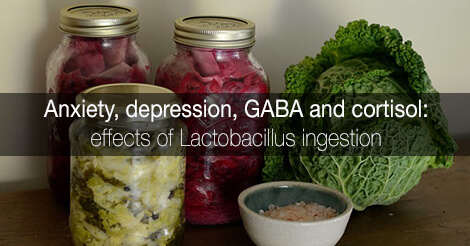
Anxiety, depression, GABA and cortisol: effects of Lactobacillus ingestion

April 14, 2017 By Trudy Scott 23 Comments

We now know that good bacteria or probiotics have the potential to alter brain chemistry and have an impact on anxiety and depression. You may recall my interview with Professor Ted Dinan on a prior Anxiety Summit – Microbes in the gut and psychobiotics as a potential treatment for anxiety and depression. He shared his paper and this definition of Psychobiotics: a novel class of psychotropic.

…we define a psychobiotic as a live organism that, when ingested in adequate amounts, produces a health benefit in patients suffering from psychiatric illness. As a class of probiotic, these bacteria are capable of producing and delivering neuroactive substances such as gamma-aminobutyric acid and serotonin, which act on the brain-gut axis.

Research published by Dinan, Cryan and their teams also found benefits of Lactobacillus rhamnosus on stress, anxiety and depression type behaviors in mice. This is older research (published in 2011) but it’s the first time I’ve shared it on the blog. I talk about this paper in the upcoming Microbiome Medicine 2 Summit so I like to share study excerpts and links to the study.

The write up in Science Daily is a good one – Mind-Altering Microbes: Probiotic Bacteria May Lessen Anxiety and Depression

…mice fed with Lactobacillus rhamnosus JB-1 showed significantly fewer stress, anxiety and depression-related behaviours than those fed with just broth. Moreover, ingestion of the bacteria resulted in significantly lower levels of the stress-induced hormone, corticosterone.

The part that I find fascinating is the effects of Lactobacillus on GABA receptors in the brain (GABA is your main calming neurotransmitter):

The researchers also showed that regular feeding with the Lactobacillus strain caused changes in the expression of receptors for the neurotransmitter GABA in the mouse brain, which is the first time that it has been demonstrated that potential probiotics have a direct effect on brain chemistry in normal situations.

In this paper the authors discuss the vagus nerve and the three-way communication:

…the vagus nerve is the main relay between the microbiome (bacteria in the gut) and the brain. This three way communication system is known as the microbiome-gut-brain axis and these findings highlight the important role of bacteria in the communication between the gut and the brain, and suggest that certain probiotic organisms may prove to be useful adjunct therapies in stress-related psychiatric disorders.

What is even more fascinating is this:

the neurochemical and behavioral effects were not found in vagotomized mice

What does this mean? When the researchers severed the vagus nerve in the test mice – removing the communication between the gut and the brain – they found that the behaviors and stress hormone levels reverted back to the way they had been i.e. the vagotomized mice were more anxious, more stressed, more depressed and had higher corticosterone levels.

You can find the abstract of the paper here: Ingestion of Lactobacillus strain regulates emotional behavior and central GABA receptor expression in a mouse via the vagus nerve.

What does this mean for you? It means that good bacteria in your diet could well improve your anxiety and depression symptoms and even have an impact on your adrenals and cortisol levels. This could be in the form of a good probiotic and should always include fermented foods like sauerkraut, kimchi, kombucha, yogurt and kefir (if dairy is tolerated), water kefir (if dairy is not tolerated).

Have you observed an improvement in your anxiety and stress levels since adding a probiotic or fermented foods into your diet?

Filed Under: GABA, Gut health Tagged With: anxiety, cortisol, depression, GABA, lactobacillus, lactobacillus ingestion, psychobiotics, Ted Dinan, vagus nerve

GABA for children: ADHD, focus issues, irritability, anxiety and tantrums

April 7, 2017 By Trudy Scott 117 Comments

Is GABA safe for children with symptoms of ADHD? I was asked this question after my interview on anxiety on the Diabetes Summit. I shared the question and my answer on facebook:

I’ve used GABA (and theanine) very successfully with children with physical anxiety symptoms and ADHD. I’ve also used tyrosine for the attention/focus issues. Plus I always consider gluten, blood sugar control (animal protein at breakfast often makes the biggest difference), colors/additives, low iron, low zinc and candida (this list is not inclusive but is a good starting point)

Jenny is a mom in my facebook community and responded to the above post, sharing that a friend of hers recommended GABA for her daughter after reading some of my posts. She shared this wonderful feedback:

My daughter hasn’t been diagnosed with ADHD but has a lot of ADHD qualities. We were having a huge amount of behavior problems as she is getting older (she’s 11). I did some research and went to the health food store and bought a bottle. At this point I was mentally exhausted from all the fighting and drama at home and at school. I was desperate and didn’t want to put her on any hard medication.

She has had amazing behavior at school and at home since giving it to her. She’s almost like different child. GABA has truly changed our life. She’s been taking it for almost 2 months.

What wonderful results! I’m thrilled for Jenny and her daughter. I asked Jenny to share what her daughter’s symptoms/behaviors were before they used the GABA and which symptoms improved. This is what Jenny shared:

…before the GABA she was irritable, she was fighting with her teacher and schoolmates, she couldn’t focus and was distracted by anything and everything, she was constantly disrupting the class and she was throwing major tantrums over ridiculous stuff (like her hair didn’t do what she wanted), she was mouthy and everything was a fight.

We are not seeing 99% of those behaviors at all anymore. She of course is still your typical pre-teen but if I say “no you can’t have that” our “no you can’t go there” her reaction is OK. Before it would have been a major fight or meltdown. Her teacher is reporting to me every day about her wonderful days.

I love hearing this feedback and it’s not unusual for children to act out when they have low GABA levels. Adults may identify with being anxious, but children may appear irritable, unfocused and distracted, may have tantrums and meltdowns, and all the while not be able to articulate how they are feeling.

Long–term use of GABA and root causes of low GABA

Jenny also posed some additional questions about GABA:

I do have some questions – I can’t really find anything online saying that it’s OK to give to kids. I mean, I’ve seen the results but it still worries me. She takes one 25 mg pill a day – do you think that’s OK?? Should I give her more or less or keep it the same? Just wondering your opinion?

I shared some of this feedback on the facebook thread and have elaborated on it here on the blog.

There is no research on children and the long-term use of amino acids but plenty of clinical evidence showing they can be used safely for 3-12 months. But I am also always working with my clients to find out why there is the deficiency in the first place and addressing that. This could include any or all of the following:

  • low zinc/vitamin B6/low iron which are all co-factors needed to make GABA (and then I’d want to know why are these low)
  • dysbiosis, parasites and/or candida (we make GABA in the gut and we may have GABA-eating bacteria in the gut – such as gabavorous)
  • too much stress at school, playing sports and/or at home
  • not getting enough sleep
  • not eating animal protein at breakfast (this affects blood sugar control and can stress the adrenals and impact cortisol, sex hormones and brain chemicals)
  • gluten sensitivity (gluteomorphins in gluten can impact mood and gluten can damage the gut leading to nutritional deficiencies)
  • low animal protein intake and/or eating a low-fat diet
  • low stomach acid (so you can’t digest the protein you’re eating)
  • toxin exposure (like pesticides or BPA)
  • low total cholesterol (caused in part by low levels of enzymes for fat digestion or a low-fat diet)

I shared these 60+ Nutritional and Biochemical Causes of Anxiety on my closing call of the The Anxiety Summit season 3.   I use this to help put the puzzle pieces together for my clients to resolve their anxiety and related issues like ADHD, insomnia, sadness, irritability etc.

When Jenny saw some of the root causes for low GABA she shared that she’s going to be making an appointment with her doctor. Keep in mind that in this instance it will need to be a functional medicine doctor or nutritionally trained doctor or a doctor who is open to learning about all this. I always also suggest taking a copy of my book The Antianxiety Food Solution to share with the doctor too!

What GABA product?

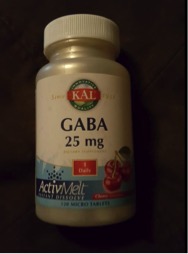
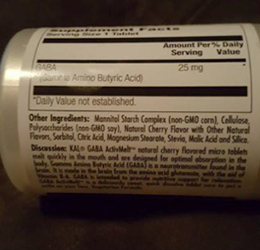
I typically have clients start with Source Naturals GABA Calm which contains 125mg of GABA. I was curious to know which 25mg GABA product she was using. It turns out to be a sublingual product by KAL.


You can find the other GABA products I use and recommend here and the precautions with using GABA here. Typically it’s an amino acid that has the least issues, unless too high an amount is used.   I often hear that 500mg or 1000mg was used and caused dizziness or breathlessness – these are clues it’s too much!

As mentioned, one product I use and recommend is Source Naturals GABA Calm lozenges. It’s a good low dose of 125 mg and is convenient and effective because it’s a sublingual lozenge.

Now GABA Powder is another product I use and recommend. It does need to be measured out to provide a 125 mg typical starting dose or less (as needed). I have clients use a handy mini measuring spoon like this one (my Amazon link) and share more about how to measure out GABA powder on this blog).

For Source Naturals GABA Calm lozenges and Now GABA Powder:

  • You can purchase these from my online store (Fullscript – only available to US customers – use this link to set up an account).
  • If you’re not in the US, you can purchase these at iherb (use this link to save 5%).

Somnium GABA Cream is another option that could be considered especially for children and those with special needs. It is available in the US and elsewhere with international shipping. Read more about the product and who else may benefit from using a cream, and grab my coupon code to save 15%.

Why does GABA help in a situation like this?

These results are exceptional and it’s seldom just low GABA that needs to be addressed but in this instance it was. The low GABA type of ADHD is a bit different than low dopamine or low ferritin ADHD. With low GABA, it’s the anxiety that is causing the spinning, lack of focus, irritability and tantrums.

This blog post and study explains some of it – Oral GABA supplementation allows better prioritizing of planned actions: new research. GABA provides a better ability to handle tasks (complex and/or planned tasks) with less spinning and feelings of overwhelm, and prioritization of tasks is improved.

In addition to addressing low GABA, we also typically address the diet, gut health, toxin exposures (cosmetics are a big issue at this age), screen-time/EMFs (also a big issue at this age), and any other nutritional deficiencies.

Resources if you are new to using GABA as a supplement

If you are new to using GABA as a supplement, here is the Amino Acids Mood Questionnaire from The Antianxiety Food Solution (you can see all the low GABA symptoms).

If you suspect low levels of GABA or any of the neurotransmitters and do not yet have my book, The Antianxiety Food Solution – How the Foods You Eat Can Help You Calm Your Anxious Mind, Improve Your Mood, and End Cravings, I highly recommend getting it and reading it before jumping in and using amino acids on your own so you are knowledgeable. And be sure to share it with the team you or your loved one is working with.

There is an entire chapter on the amino acids and they are discussed throughout the book in the sections on gut health, blood sugar control, sugar cravings, self-medicating with alcohol and more.

The book doesn’t include product names (per the publisher’s request) so this blog, The Antianxiety Food Solution Amino Acid and Pyroluria Supplements, lists the amino acids that I use with my individual clients and those in my group programs.

If, after reading this blog and my book, you don’t feel comfortable figuring things out on your own (i.e. doing the symptoms questionnaire and respective amino acids trials), a good place to get help is the GABA QuickStart Program. This is a paid online/virtual group program where you get my guidance and community support. There are many moms in the program who are having much success with their kids.

If you are a practitioner, join us in The Balancing Neurotransmitters: the Fundamentals program. This is also a paid online/virtual program with an opportunity to interact with me and other practitioners who are also using the amino acids.

Have you noticed that your child (or even you personally) has seen improvements in these symptoms after using GABA: ADHD, focus issues, irritability, anxiety and tantrums?

Does it seem like it gives them (or you) a better ability to handle tasks (complex and/or planned tasks) with less spinning and feelings of overwhelm? Is prioritization improved?

If you are a practitioner are you seeing results like this with your clients/patients?

If you have questions please share them here too.

I asked Jenny if I could share here to give other mom’s hope and inspiration and practical results so they can help their children – and I really appreciate her being willing to do so.

Thanks for sharing Jenny! Happy mama and happy daughter – it warms my heart to hear stories like this!

Filed Under: GABA Tagged With: ADHD, children, GABA, tantrums

  • « Go to Previous Page
  • Page 1
  • Interim pages omitted …
  • Page 37
  • Page 38
  • Page 39
  • Page 40
  • Page 41
  • Interim pages omitted …
  • Page 49
  • Go to Next Page »

Primary Sidebar

GABA QuickStart Homestudy

gaba quickstart homestudy

Free Report

9 Great Questions Women Ask about Food, Mood and their Health

You'll also receive a complimentary subscription to my ezine "Food, Mood and Gal Stuff"


Connect with me

Popular Posts

  • Amino Acids Mood Questionnaire from The Antianxiety Food Solution
  • The Antianxiety Food Solution Amino Acid and Pyroluria Supplements
  • Pyroluria Questionnaire from The Antianxiety Food Solution
  • Collagen and gelatin lower serotonin: does this increase your anxiety and depression?
  • Tryptophan for the worry-in-your-head and ruminating type of anxiety
  • GABA for the physical-tension and stiff-and-tense-muscles type of anxiety
  • The Antianxiety Food Solution by Trudy Scott
  • Seriphos Original Formula is back: the best product for anxiety and insomnia caused by high cortisol
  • Am I an anxious introvert because of low zinc and vitamin B6? My response to Huffington Post blog
  • Vagus nerve rehab with GABA, breathing, humming, gargling and key nutrients

Recent Posts

  • Her cravings for chips and peanut butter were triggered by stress: GABA ends cravings and reduces physical tension and fear of heights
  • It is truly miraculous to be able to move through life without crippling anxiety and panic
  • GABA and tryptophan combo provide immediate and noticeable relief for tremors and cervical dystonia in just 7 days
  • Red light therapy for back and neck pain, plantar fasciitis and low mood – a complement to the amino acids GABA, DPA and tryptophan
  • What do I use instead of Seriphos to help lower high cortisol that is affecting my sleep and making me anxious at night?

Categories

  • 5-HTP
  • AB575
  • Addiction
  • ADHD
  • Adrenals
  • Alcohol
  • Allergies
  • Alzheimer's disease
  • Amino Acids
  • Anger
  • Antianxiety
  • Antianxiety Food Solution
  • Antidepressants
  • Anxiety
  • Anxiety and panic
  • Autism
  • Autoimmunity
  • benzodiazapines
  • Bipolar disorder
  • Books
  • Caffeine
  • Cancer
  • Candida
  • Children/Teens
  • Collagen
  • Cooking equipment
  • Coronavirus/COVID-19
  • Cravings
  • Depression
  • Detoxification
  • Diabetes
  • Diet
  • DPA/DLPA
  • Drugs
  • EFT/Tapping
  • EMF
  • EMFs
  • Emotional Eating
  • Endorphins
  • Environment
  • Essential oils
  • Events
  • Exercise
  • Fear
  • Fear of public speaking
  • Fertility and Pregnancy
  • Fish
  • Food
  • Food and mood
  • Functional neurology
  • GABA
  • Gene polymorphisms
  • General Health
  • Giving
  • Giving back
  • Glutamine
  • Gluten
  • GMOs
  • Gratitude
  • Gut health
  • Heart health/hypertension
  • Histamine
  • Hormone
  • Hyperparathyroidism
  • Hypoglycemia
  • Immune system
  • Inflammation
  • Insomnia
  • Inspiration
  • Introversion
  • Joy and happiness
  • Ketogenic diet
  • Lithium orotate
  • Looking awesome
  • Lyme disease and co-infections
  • MCAS/histamine
  • Medication
  • Men's health
  • Mental health
  • Mercury
  • Migraine
  • Mold
  • Movie
  • MTHFR
  • Multiple sclerosis
  • Music
  • NANP
  • Nature
  • Nutritional Psychiatry
  • OCD
  • Osteoporosis
  • Oxalates
  • Oxytocin
  • Pain
  • Paleo
  • Parasites
  • Parkinson’s disease
  • PCOS
  • People
  • PMS
  • Postpartum
  • PTSD/Trauma
  • Pyroluria
  • Questionnaires
  • Real whole food
  • Recipes
  • Research
  • Schizophrenia
  • serotonin
  • SIBO
  • Sleep
  • Special diets
  • Sports nutrition
  • Stress
  • Sugar addiction
  • Sugar and mood
  • Supplements
  • Teens
  • Testimonials
  • Testing
  • The Anxiety Summit
  • The Anxiety Summit 2
  • The Anxiety Summit 3
  • The Anxiety Summit 4
  • The Anxiety Summit 5
  • The Anxiety Summit 6
  • Thyroid
  • Thyroid health
  • Toxins
  • Tryptophan
  • Tyrosine
  • Uncategorized
  • Vegan/vegetarian
  • Women's health
  • Yoga

Archives

  • May 2026
  • April 2026
  • October 2025
  • September 2025
  • August 2025
  • July 2025
  • June 2025
  • May 2025
  • April 2025
  • March 2025
  • February 2025
  • January 2025
  • November 2024
  • October 2024
  • September 2024
  • August 2024
  • July 2024
  • June 2024
  • May 2024
  • April 2024
  • March 2024
  • February 2024
  • January 2024
  • December 2023
  • November 2023
  • October 2023
  • September 2023
  • August 2023
  • July 2023
  • June 2023
  • May 2023
  • April 2023
  • March 2023
  • February 2023
  • January 2023
  • December 2022
  • November 2022
  • October 2022
  • September 2022
  • August 2022
  • July 2022
  • June 2022
  • May 2022
  • April 2022
  • March 2022
  • February 2022
  • January 2022
  • December 2021
  • November 2021
  • October 2021
  • September 2021
  • August 2021
  • July 2021
  • June 2021
  • May 2021
  • April 2021
  • March 2021
  • February 2021
  • January 2021
  • December 2020
  • November 2020
  • October 2020
  • September 2020
  • August 2020
  • July 2020
  • June 2020
  • May 2020
  • April 2020
  • March 2020
  • February 2020
  • January 2020
  • December 2019
  • November 2019
  • October 2019
  • September 2019
  • August 2019
  • July 2019
  • June 2019
  • May 2019
  • April 2019
  • March 2019
  • February 2019
  • January 2019
  • December 2018
  • November 2018
  • October 2018
  • September 2018
  • August 2018
  • July 2018
  • June 2018
  • May 2018
  • April 2018
  • March 2018
  • February 2018
  • January 2018
  • December 2017
  • November 2017
  • October 2017
  • September 2017
  • August 2017
  • July 2017
  • June 2017
  • May 2017
  • April 2017
  • March 2017
  • February 2017
  • January 2017
  • December 2016
  • November 2016
  • October 2016
  • September 2016
  • August 2016
  • July 2016
  • June 2016
  • May 2016
  • April 2016
  • March 2016
  • February 2016
  • January 2016
  • December 2015
  • November 2015
  • October 2015
  • September 2015
  • August 2015
  • July 2015
  • June 2015
  • May 2015
  • April 2015
  • March 2015
  • February 2015
  • January 2015
  • December 2014
  • November 2014
  • October 2014
  • September 2014
  • August 2014
  • July 2014
  • June 2014
  • May 2014
  • April 2014
  • March 2014
  • February 2014
  • January 2014
  • December 2013
  • November 2013
  • October 2013
  • September 2013
  • August 2013
  • July 2013
  • June 2013
  • May 2013
  • April 2013
  • March 2013
  • February 2013
  • January 2013
  • December 2012
  • November 2012
  • October 2012
  • August 2012
  • July 2012
  • June 2012
  • May 2012
  • April 2012
  • March 2012
  • February 2012
  • January 2012
  • December 2011
  • November 2011
  • October 2011
  • September 2011
  • August 2011
  • July 2011
  • June 2011
  • May 2011
  • April 2011
  • March 2011
  • February 2011
  • January 2011
  • December 2010
  • October 2010
  • September 2010
  • July 2010
  • May 2010
  • April 2010
  • March 2010
  • February 2010
  • January 2010
  • November 2009

Share the knowledge!

The above statements have not been evaluated by the Food and Drug Administration. Products listed in this website are not intended to diagnose, treat, cure or prevent any disease.

The information provided on this site is for informational and educational purposes only and is not intended as a substitute for advice from your physician or other health care professional. You should consult with a healthcare professional before starting or modifying any diet, exercise, or supplementation program, before taking or stopping any medication, or if you have or suspect you may have a health problem.


Copyright © 2026 Trudy Scott. All Rights Reserved. | Privacy | Terms and Conditions | Refund Policy | Medical Disclaimer

Free Report

9 Great Questions Women Ask about Food, Mood and their Health

You’ll also receive a complimentary subscription to my ezine “Food, Mood and Gal Stuff”