• Skip to primary navigation
  • Skip to main content
  • Skip to primary sidebar

everywomanover29 blog

Food, Mood and Women's Health – Be your healthiest, look and feel great!

  • Blog
  • About
  • Services
  • Store
  • Resources
  • Testimonials
  • The Book
  • Newsletter
  • Contact
  • Search this site

GABA

GABA and tryptophan for pain and anxiety in Parkinson’s disease?

August 25, 2017 By Trudy Scott 12 Comments

Last week I blogged about my recent back injury and how acupuncture boosts GABA to reduce back pain and how oral GABA further reduces the pain. Both these interventions have helped me so much and I’m doing so much better.

I love the feedback I receive in the blog comments and the great questions – which get to help the person asking the question and everyone else reading the blog and comments. So thank you if you comment!

I received this lovely feedback about GABA and anxiety, and a question about Parkinson’s disease (on the above blog) and want to share it and my response here so you and families with a loved one with Parkinson’s disease will also have access to this information:

I have loved reading your articles for a long time and listen to you whenever you are on a summit. I have learned a lot. GABA definitely helps me to relax, reduce my monkey mind and sleep better.

My mom has Parkinson’s disease and is very stiff and tight. She hurts often, especially her back. She also has afternoon anxiety, some call it “sundowners”. Can she take GABA with carbidopa-levidopa and blood pressure meds? She needs some kind of help!

Thank you in advance for any suggestions you might have to give her any quality of life as right now it is not good and the doctors offer no suggestions beyond possibly more prescriptions.

I responded saying how glad I was to hear GABA helps her to relax, reduces her monkey mind and also helps her to sleep better and how sorry I was to hear about her mom’s stiffness, pain and anxiety.

I posted this regarding the stiffness and back pain: share this paper with your doctor and get his/her approval to do a trial of GABA – Parkinson’s Disease and Neurodegeneration: GABA-Collapse Hypothesis:

the original description of Parkinson’s disease (PD) as due to the selective damage of dopaminergic neurons in the mesencephalon should be updated into the concept of a severe multisystemic neurodegenerative disorder of the nervous system, whose clinical symptoms reflect the localization and progression of the most advanced GABA pathology. A future and more complete therapeutic approach to PD should be aimed first at slowing (or stopping) the progression of Ca(2+)/GABA functional decline.

I have worked with a few people with Parkinson’s disease and GABA has been very helpful for the stiffness and pain, the physical anxiety, easing some of their tremors and helping with insomnia. I always do a trial so we know how much the individual will need.

For someone on blood pressure medication I’d start with a GABA-only product or GABA-theanine product rather than GABA Calm which does contain tyrosine.

I posted this regarding the “sundowners” question: I’d share this with your doctor and get the approval to do a trial of tryptophan – Sundown Syndrome in Persons with Dementia: An Update

sundown syndrome is characterized by the emergence or increment of neuropsychiatric symptoms such as agitation, confusion, anxiety, and aggressiveness in late afternoon, in the evening, or at night.

Although this paper refers to dementia, these symptoms also happen to be classic low serotonin symptoms that typically respond really well to tryptophan. The paper mentions melatonin as an intervention but since tryptophan converts to melatonin I’d start with tryptophan (based on doing a trial) and then consider adding melatonin too if needed.

I shared a few more resources on Parkinson’s disease:

  • Chris Kresser has an excellent blog post called New Research and Treatments for Parkinson’s Disease where he writes about the microbiome, constipation, SIBO, gluten, the HPA axis, low-dose naltrexone (LDN) and the possible autoimmune aspect, iron overload and the benefits of curcumin, a ketogenic diet and glutathione.
  • The Wahls Protocol for MS (some versions of which are ketogenic diets) shows promise for many neurodegenerative diseases and is also being researched for Parkinson’s disease

I also shared this amazing and inspiring video created by physical therapist Anicea Gunlock, on how using music while gait training can be beneficial for those suffering from Parkinsons’s disease

You read more about this music approach Anicea Gunlock used with her patient here.

The amino acids GABA and tryptophan can often be used in conjunction with all of the above approaches and often provide immediate relief for anxiety, pain, agitation and insomnia while some of the other root causes are being addressed.

I’ve recently updated the Antianxiety Food Solution Amino Acid and Pyroluria Supplements blog with some of my favorite GABA and tryptophan products mentioned above. You’ll also see the amino acid questionnaire and amino acid precautions on this blog.

Instead of only considering the amino acids for someone whose primary issue is anxiety, I’d like you to start thinking about using the amino acids for anyone who has a medical diagnosis – such as autism, cancer, ALS, Parkinson’s disease, MS, Alzheimer’s disease or anything else – and who also happens to suffer from anxiety.

Have you used GABA or tryptophan to ease stiff and tense muscles and pain in your Parksinson’s disease, for a family member or for a patient/client?

And have you used tryptophan for the low serotonin worry-type of anxiety, agitation and insomnia?
Filed Under: Anxiety, GABA, serotonin Tagged With: agitation, anxiety, autism, GABA, MS, pain, Parkinson's disease, serotonin, stiff and tense muscles, sundowners, tryptophan

Acupuncture boosts GABA to reduce back pain and oral GABA further reduces the pain

August 18, 2017 By Trudy Scott 13 Comments

I fell and injured my back last week but I am doing much better already. I’m going to be sharing a series of articles on post what I’m doing to ease the pain and heal – acupuncture and cupping being two of the approaches. As well as heat (with a hot water bottle), I’m also using a long list of nutrients such as:

  • high-dose fish oil and curcumin (as anti-inflammatories)
  • relaxing magnesium
  • arnica for bruising
  • GABA for relaxing my muscles and helping with the acute pain, and for easing the fear and anxiety (initially I was very fearful I had a serious back injury) and
  • DPA (d-phenylalanine) for the endorphin-boosting pain-relief

Today I’m going to share some research on GABA and how it helps with pain reduction and muscle tension, and how the acupuncture actually boosts GABA (as well as endorphins) to reduce pain.

Based on the examination I have soft tissue bruising around the lumbar area (L3 to L5). Sitting had been impossible until 2 days ago and even now I have to alternate between sitting and standing. I also twisted my ankle in the fall so initially standing was even challenging!  

I had one acupuncture and cupping session last Saturday and will be having another one this coming Saturday. I felt some immediate relief after this session and my back has been getting better and better each day.

Oral sublingual GABA for the acute pain and muscle relaxation

In the interim, between acupuncture/cupping sessions I felt I needed relaxing support for my stiff and spasming back muscles so I immediately started using high doses of GABA for the acute pain. And it’s been working amazingly well.

Right after the fall I was taking 1g of GABA powder every few hours (held in my mouth for 1-2 minutes) and now I only need to take it 2 or 3 times a day as needed. This is the dose I started with only because I know this dose works for me for the rectal spasms I sometimes experience. I always have clients do a trial and start low and increase slowly based on need and response. The starting dose is typically 125mg as found in GABA Calm but I suspect this is likely too low if you are someone needing pain relief.

With the oral sublingual GABA I feel relief from the pain within 5 minutes and it lasts a few hours.

My pain level was 10/10 and is now down to 2/10 most of the time with a few times during the day when it is 4/10. I’m walking, standing, able to turn over in bed and sleep through the night, and able to get off the bed without assistance. I can now also put on my yoga pants, socks and shoes myself – these were impossible tasks in the first 5 days after my fall!

Acupuncture boosts GABA and downregulates substance P and CGRP

I have not been able to find research on oral GABA for easing pain but do have some research to share. In this first paper, Effect of electroacupuncture on thermal pain threshold and expression of calcitonin-gene related peptide, substance P and γ-aminobutyric acid in the cervical dorsal root ganglion of rats with incisional neck pain the authors state that it is known that acupuncture therapy effectively reduces post-surgical pain, but its mechanism of action remains unclear. The aim of the study was to investigate:

whether expression of γ-aminobutyric acid (GABA) and the neuropeptides substance P (SP) and calcitonin gene-related peptide (CGRP) in the primary sensory neurons of cervical dorsal root ganglia (DRG) are involved in electroacupuncture (EA)-induced analgesia [pain reduction]in a rat model of incisional neck pain.

The conclusion is as follows: acupuncture increases the pain threshold i.e. it reduces pain and the mechanism is likely related to

downregulation of pronociceptive mediators SP/CGRP and upregulation of the inhibitory transmitter GABA in the primary sensory neurons of cervical DRGs

In case you’re not familiar with the terms substance P (SP) and calcitonin gene-related peptide (CGRP) I’m going to explain what they are, how they are connected to pain and why downregulation helps with pain reduction.

What is substance P (SP)?

Founders and Directors of Neuroplastix, Marla Golden, DO and Michael Moskowitz, MD share this about substance-P (SP), the main pain neurotransmitter:

It has five basic functions in the body. They are pain, inflammation, anxiety, depression and nausea. Even though these seem like negative experiences, they are important for survival. Problems arise with excessive production and release of Substance-P.

They share a very descriptive video that:

depicts a nerve injury causing a massive release of Substance-P, up to 5 times greater than in acute pain. This diffuses out to three to five times more local area. This is a major way that the pain map expands in persistent pain and keeps the pain going.

Be sure to watch the video on this page.

What is calcitonin gene-related peptide (CGRP)?

Calcitonin gene-related peptide (CGRP) is relatively new marker for pain as this recent review paper discusses – Calcitonin gene-related peptide and pain: a systematic review

The present review revealed the association between measured CGRP levels and somatic, visceral, neuropathic and inflammatory pain. These data suggest that CGRP may act as a neuromodulator in non-headache pain conditions. However, more studies are needed to fully understand the role of CGRP in nociceptive processing and therapy of chronic pain.

Oral GABA lowers substance P and CGRP in asthmatic children

As I mentioned there is no research on the effects of oral GABA on pain reduction so I’m going to extrapolate from this study on asthma – Effect of gamma-aminobutyric acid treatment on plasma substance P and calcitonin gene-related peptide levels in children with asthma.

In this study of 75 children with asthma, 36 children were in the GABA treatment group and received oral GABA (25-30 mg/kg per day) in addition to standard asthma medications. For a 100 lb /45 kg child this would equate to 1125-1350mg of GABA per day.

The conclusion of the study is that oral GABA

can significantly decrease plasma levels of SP and CGRP in children suffering from acute asthma.

The authors propose that airway inflammation may be a factor in asthma and since GABA reduces SP and CGRP, eases neurogenic inflammation and tracheal spasms, it may offer a new approach for the prevention and treatment of asthma (this is my best translation from the Chinese paper).

In summary, oral GABA, used sublingually has helped me tremendously with the acute pain of my muscle injury, and it helped ease the anxiety and fear I felt right after the incident.

As you read above, I am using more than just the GABA, but because it works so quickly I saw benefits right away and had hope while all the other approaches are starting to slowly help too. I just love that I get to experience this first-hand and share it with you – although I would have preferred not falling and that initial severe pain!

I also have a good history of GABA helping me so this was a clue for me to try it now. It was my life-saver when I first experienced my terrible anxiety and panic attacks and helped me tremendously within a few days.  I also did very well with GABA when I used it for throat spasms during  my vagus nerve issue after that scary plane ride, and another incidence when I was getting terrible ice-pick type headaches that turned out to be a jammed neck issue.   I really am a GABA girl aren’t I!?

I have used high doses of GABA like this with one client who had a back and neck injury after a construction accident. It also helped him tremendously.

Have you used high doses of GABA for muscle injuries and seen improvements like this? Or do you use this approach with your clients/patients?

Filed Under: Anxiety, GABA, Pain Tagged With: Acupuncture, anxiety, asthma, back, calcitonin gene-related peptide, CGRP, GABA, Inflammation, muscle injury, pain, SP, substance P

Toxoplasma gondii: schizophrenia, bipolar disorder, OCD and unresolved anxiety?

August 14, 2017 By Trudy Scott 17 Comments

Toxoplasma gondii is a microscopic parasite that infects cats and can be found in the soil – research shows it may be a factor in schizophrenia, bipolar disorder and OCD in susceptible individuals. Could toxoplasma gondii could be one of the root causes of unresolved anxiety? I believe so and feel it’s under-rated.

This is the one of the parasitic infections I cover in an interview I did on The Parasite Summit.

Here are a few snippets from my interview:

A single-celled parasite called Toxoplasma gondii causes a disease known as toxoplasmosis.

Toxoplasma gondii is a microscopic parasite that infects cats and can be found in the soil. The infection can be acquired by ingesting contaminated food or water, by handling contaminated cat litter, or by transmission from mother-to-child.

According to the CDC – as of Mar 1, 2017 – in the United States it is estimated that 11% of the population 6 years and older have been infected with Toxoplasma. In various places throughout the world, it has been shown that up to 95% of some populations have been infected with Toxoplasma.

I love cats and have always been a cat person and pets are wonderful companions helping many of us humans recovering from PTSD and trauma – but we always need to dig deeper:

  • some individuals don’t respond as well to dietary changes, brain chemical balancing and addressing other biochemical/nutritional factors
  • I’m always looking for root possible causes. I’ve identified 70+ causes of anxiety and one of them is parasites
  • any parasite could be a factor – it causes stress and inflammation in the body, and we may see high cortisol leading to increased anxiety, insomnia and inflammation
  • could toxoplasma gondii could be one of the root causes of unresolved anxiety? I believe so and feel it’s under-rated – and believe we’ll be hearing more about it as more research comes out

I discuss this review paper published this year: Is Toxoplasma gondii a Trigger of Bipolar Disorder?

The association between T. gondii and schizophrenia/schizoaffective disorder is one of the most studied links between one pathogen and a psychiatric disorder.

However, growing emerging evidence has also documented an association between latent toxoplasmosis and the risk of [bipolar disorder] and suicidal/aggressive behaviors. T. gondii infection, as previously suggested for schizophrenia, may contribute to the onset and the progressive course of the disease interacting with genetic hereditary predisposing factors, as well as affecting neurotransmitter systems and immune responses, which have recently been shown to be closely linked to the pathogenesis of BD and its medical comorbidities.

The link between this parasite and psychiatric disorders could be also explained by its ability to influence neurotransmitter pathways. Indeed, T. gondii has been shown to increase dopamine levels, as well as to modulate serotonin, gamma-aminobutyric acid (GABA) and glutamate signaling.

With the impacts on neurotransmitters it’s clear how this parasite could directly trigger anxiety, panic attacks, fears, worry and even OCD. I cover this and more (malaria and malaria medications too) in my interview and book.

Parasites may be silently impacting your health and they’re FAR MORE COMMON than you think! Parasites aren’t just found in third-world countries, millions are already infected in industrialized countries and parasites could be silently hampering your health. Fortunately, with awareness and appropriate care, parasites can be prevented and treated, once detected.

If you’re struggling with any of the following, it may be worth looking into parasites:

  • Gastrointestinal: pain/cramps, excess gas, bloating, constipation/diarrhea
  • Infertility and hormone disorders
  • Skin issues: acne, itching, rashes
  • Mental health: depression, bipolar disorder, anxiety, OCD, schizophrenia
  • Challenges with autoimmune disease recovery (Toxoplasma gondii may also be a factor in Hashimoto’s thyroiditis)

Please share feedback and ask questions in the comments below.

Filed Under: Anxiety and panic, Events, Parasites Tagged With: anxiety, bipolar disorder, cats, dopamine, GABA, hashimoto's thyroiditis, OCD, parasite, schizophrenia, serotonin, The Parasite Summit, toxoplasma gondii, Trudy Scott

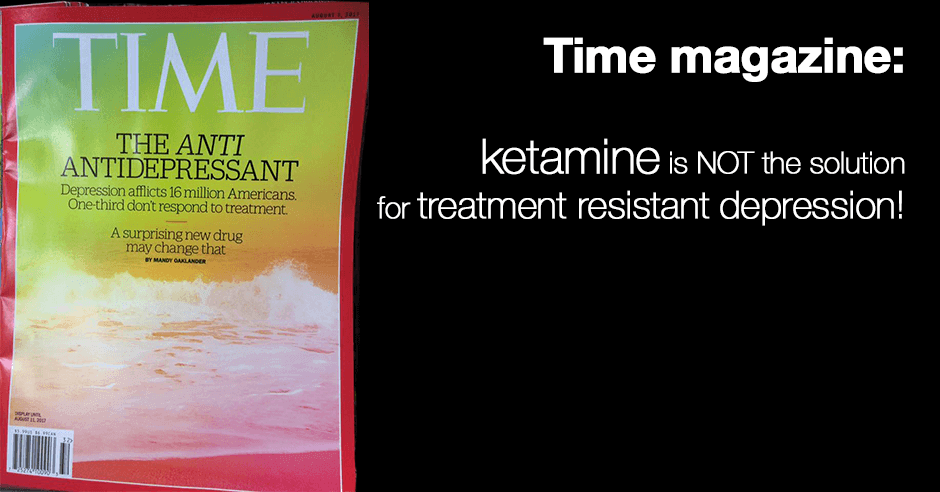
Time magazine: ketamine is NOT the solution for treatment resistant depression!

August 11, 2017 By Trudy Scott 25 Comments

Seen at LAX airport en route back to Australia – this cover of Time magazine:

The Anti Antidepressant. Depression affects 16 million Americans. One third don’t respond to treatment. A surprising new drug may change that.

It’s scary to think that ketamine and ketamine-like drugs are being considered the solution to “treatment resistant depression”. I’ve never liked this term and in my opinion, what it really means is that the root cause of the depression has not been found. To me it looks like the mainstream medical mental health community is desperate!

It really is time to get all the well-researched nutritional psychiatry approaches to the forefront! They do work! The timing of this article is even more interesting since I was returning from the first international meeting of the International Society for Nutritional Psychiatry Research in Bethesda, MD.

Lead food mood researcher Professor Felice Jacka presented her SMILES paper where dietary changes from a junk food diet to a real whole foods diet reduced depression in 30% of the participants.

Microbiome researcher Professor John Cryan discussed the gut brain connection. This paper: Recent developments in understanding the role of the gut microbiota in brain health and disease, was published just last week:

recent preclinical and clinical evidence suggest that targeting the microbiota through prebiotic, probiotic, or dietary interventions may be an effective “psychobiotic” strategy for treating symptoms in mood, neurodevelopmental disorders, and neurodegenerative diseases

And research on sulforaphane for psychosis, and depression and anxiety was presented: Sulforaphane produces antidepressant- and anxiolytic-like effects in adult mice

these findings demonstrated that SFN [sulforaphane] has antidepressant- and anxiolytic-like activities in stressed mice model of depression, which likely occurs by inhibiting the hypothalamic-pituitary-adrenal (HPA) axis and inflammatory response to stress. These data support further exploration for developing SFN [sulforaphane] as a novel agent to treat depression and anxiety disorders.

I presented on the benefits of a gluten-free/grain free/Paleo diet for certain individuals for depression and anxiety, and did a poster presentation on GABA for eliminating anxiety. 

As you can see from the TIME Magazine article the only approaches that have been considered (and have failed) are medications in various different combinations:

Every week, when Ian Hanley sits down with his therapist, he goes through a list of depression treatments he’s been researching online. The best-known treatments at the top of the list–half a dozen antidepressants and known combinations of those drugs–are all crossed out….

Most diagnoses do not come with 20-plus medicines approved by the Food and Drug Administration to treat it–and yet with depression, more options don’t always mean better outcomes. Ever since the first antidepressants were introduced 60 years ago, doctors have had patients like Hanley–people who don’t seem to get better even after they’ve worked their way through the lengthy list of available drugs. About 30% of all people with depression don’t respond adequately to the available treatments. That’s a dismal failure rate for a class of drugs designed to improve a person’s basic ability to function.

According to this article in Time magazine:

The biggest development has been the rediscovery of a promising, yet fraught, drug called ketamine. It’s best known as a psychedelic club drug that makes people hallucinate, but it may also have the ability to ease depression–and fast. In a race to shape the next generation of antidepressants, Johnson & Johnson and Allergan are fast-tracking new medicines inspired by ketamine.

I encourage you to read the entire article and take note of the following: the side-effects seen with medications over the years and the fact that doctors “don’t know the consequences and potential side effects of taking tiny doses of ketamine over and over again”; “she tried nearly everything” (you’ll read this in all the articles advocating for ketamine but unfortunately they are only referring to medications); the ketamine effects are temporary and cost $15,000 per year (and are not covered by insurance); and ketamine “is thought to stimulate an opioid receptor in the brain” and is already known to be addictive.  

When I shared this image and article on my Facebook page I discovered that is a pretty divided topic with a number of people feeling really strongly about the fact that this approach needs to be researched further and considered.  I acknowledge their concern for the individuals who have not found a solution for their depression. BUT my question is this: have all the dietary and nutritional approaches been considered and looked into with these people who have not responded to antidepressants? 

I strongly believe that ketamine is NOT the solution and that nutritional psychiatry is!

Have you used this ketamine approach personally or with patients?

Would you consider using ketamine personally if the antidepressants didn’t work for you? Or would you be more willing to work with a functional medicine or functional nutrition practitioner to find your true root causes and address them with diet, nutrients and a functional medicine approach?

Filed Under: Depression, Food and mood, Mental health, Nutritional Psychiatry, Real whole food Tagged With: anxiety, depression, GABA, gluten, ketamine, nutritional psychiatry, sulforaphane, time magazine, treatment resistant

GABA: an amino acid supplement for neurotransmitter support and anxiety relief

August 4, 2017 By Trudy Scott 44 Comments

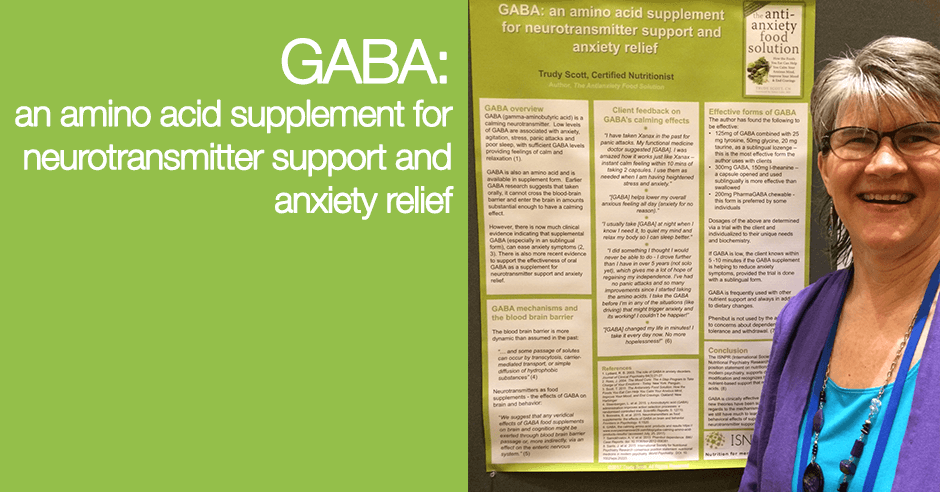
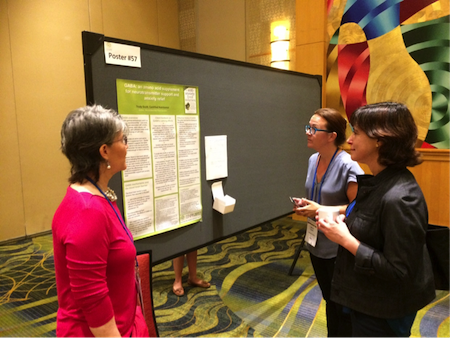
I recently attended the first international meeting of International Society for Nutritional Psychiatry Research and was honored and thrilled to present my poster – GABA: an amino acid supplement for neurotransmitter support and anxiety relief

Because you were not able to be there, here are the contents of my poster word for word.

GABA overview

GABA (gamma-aminobutyric acid) is a calming neurotransmitter. Low levels of GABA are associated with anxiety, agitation, stress, panic attacks and poor sleep, with sufficient GABA levels providing feelings of calm and relaxation (1).

GABA is also an amino acid and is available in supplement form. Earlier GABA research suggests that taken orally, it cannot cross the blood-brain barrier and enter the brain in amounts substantial enough to have a calming effect.

However, there is now much clinical evidence indicating that supplemental GABA (especially in a sublingual form), can ease anxiety symptoms (2, 3). There is also more recent evidence to support the effectiveness of oral GABA as a supplement for neurotransmitter support and anxiety relief.

GABA mechanisms and the blood brain barrier

The blood brain barrier is more dynamic than assumed in the past:

… and some passage of solutes can occur by transcytosis, carrier-mediated transport, or simple diffusion of hydrophobic substances (4)

Neurotransmitters as food supplements – the effects of GABA on brain and behavior:

We suggest that any veridical effects of GABA food supplements on brain and cognition might be exerted through blood brain barrier passage or, more indirectly, via an effect on the enteric nervous system. (5)

Client feedback on GABA’s calming effects

I have taken Xanax in the past for panic attacks. My functional medicine doctor suggested [GABA]. I was amazed how it works just like Xanax – instant calm feeling within 10 mins of taking 2 capsules. I use them as needed when I am having heightened stress and anxiety.

[GABA] helps lower my overall anxious feeling all day (anxiety for no reason).

I usually take [GABA] at night when I know I need it, to quiet my mind and relax my body so I can sleep better.”

I did something I thought I would never be able to do – I drove further than I have in over 5 years (not solo yet), which gives me a lot of hope of regaining my independence. I’ve had no panic attacks and so many improvements since I started taking the amino acids. I take the GABA before I’m in any of the situations (like driving) that might trigger anxiety and its working! I couldn’t be happier!

[GABA] changed my life in minutes! I take it every day now. No more hopelessness! (6)

Effective forms of GABA

The author has found the following to be effective:

  • 125mg of GABA combined with 25 mg tyrosine, 50mg glycine, 20 mg taurine, as a sublingual lozenge – this is the most effective form the author uses with clients
  • 300mg GABA, 150mg l-theanine – a capsule opened and used sublingually is more effective than swallowed
  • 200mg PharmaGABA chewable – this form is preferred by some individuals

Dosages of the above are determined via a trial with the client and individualized to their unique needs and biochemistry.

If GABA is low, the client knows within 5 -10 minutes if the GABA supplement is helping to reduce anxiety symptoms, provided the trial is done with a sublingual form.

GABA is frequently used with other nutrient support and always in addition to dietary changes.

Phenibut is not used by the author due to concerns about dependence, tolerance and withdrawal. (7)

Conclusion

The ISNPR (International Society for Nutritional Psychiatry Research) consensus position statement on nutritional medicine in modern psychiatry, supports dietary modification and recognizes the need for nutrient-based support that may include amino acids. (8)

GABA is clinically effective for anxiety, and new theories have been suggested with regards to the mechanism of action. However, we still have much to learn about the behavioral effects of supplemental GABA for neurotransmitter support and anxiety relief. (5)

References

  1. Lydiard, R. B. 2003. The role of GABA in anxiety disorders. Journal of Clinical Psychiatry 64(3):21-27.
  2. Ross, J. 2004. The Mood Cure: The 4-Step Program to Take Charge of Your Emotions – Today. New York: Penguin.
  3. Scott, T. 2011. The Antianxiety Food Solution: How the Foods You Eat Can Help You Calm Your Anxious Mind, Improve Your Mood, and End Cravings. Oakland: New Harbinger 
  4. Steenbergen, L. et al. 2015. γ-Aminobutyric acid (GABA) administration improves action selection processes: a randomised controlled trial. Scientific Reports. 5: 12770.
  5. Boonstra, E. et al. 2015. Neurotransmitters as food supplements: the effects of GABA on brain and behavior. Frontiers in Psychology. 6:1520.
  6. GABA, the calming amino acid: products and results (accessed July, 25, 2017)
  7. Samokhvalov, A. V. et al. 2013. Phenibut dependence. BMJ Case Reports. doi: 10.1136/bcr-2012-008381.
  8. Sarris, J. et al. 2015. International Society for Nutritional Psychiatry Research consensus position statement: nutritional medicine in modern psychiatry. World Psychiatry. DOI: 10. 1002/wps.20223

It was very encouraging to see the interest in my poster and this topic of GABA for anxiety! I shared how I use GABA with a number of psychiatrists, some dietitians, a psychiatric nurse practitioner, a number of researchers, and a number of nutritionists and health coaches.

I’m really pleased to have had the opportunity to meet so many amazing researchers and hope to be able to collaborate on research.  

Please let me know if you have questions and do share if you use GABA personally or use it with clients/patients.

Filed Under: Events, GABA Tagged With: anxiety relief, GABA, International Society for Nutritional Psychiatry Research, neurotransmitter support

Electromagnetic frequency pollution and wireless: a significant risk factor for disease

July 23, 2017 By Trudy Scott 23 Comments

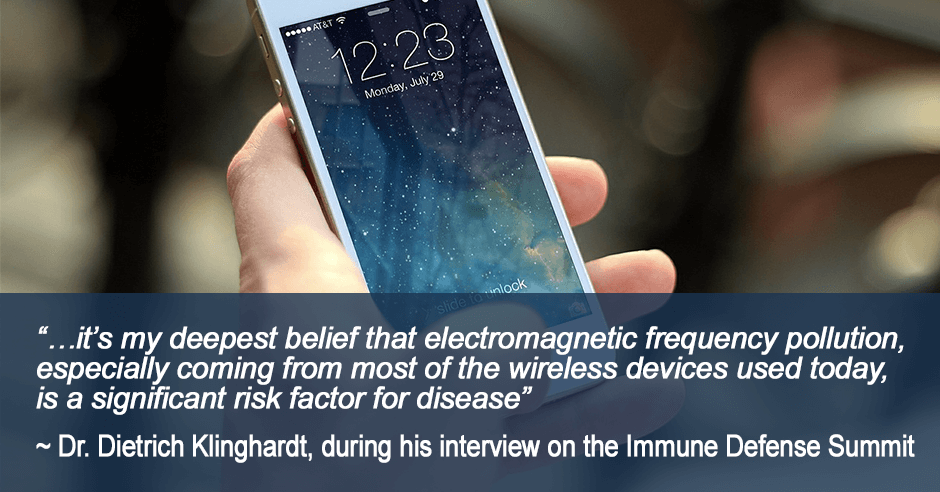
…it’s my deepest belief that electromagnetic frequency pollution, especially coming from most of the wireless devices used today, is a significant risk factor for disease”
~ Dr. Dietrich Klinghardt, during his interview on the Immune Defense Summit

Dr. Klinghardt is founder of the Klinghardt Academy, the American Academy of Neural Therapy, medical director of the Institute of Neural Biology, and lead clinician at the Sophia Health Institute shares this:

All the research points to the fact that it’s the cumulative effect of all the sources of Wi-Fi. We have the Wi-Fi router in the home; unfortunately, most of the cordless phones that are used in the US are also based on Wi-Fi technology. And they use 900 MHz, and they’re broadcasting 24/7 into the rooms in the home. Then we have the baby monitors, a huge source. And then the alarm systems in the house. And the new source, of course, the new kid on the block, is the smart meters…which create devastating amounts of radiation in the home, usually in a sheet that kind of goes horizontally through the house on the level where the smart meter is.

This is an in-depth interview and one of the best I’ve heard on the topic of EMFs and wireless technology and the dangers! He covers mercury containing compact fluorescent lights; Wi-Fi in schools; the responsible use of the cell phone; the impacts of this wireless technology on autism and insomnia, GABA and anxiety levels; how mold becomes more virulent in the presence of Wi-Fi; and how heavy metals in the brain can make you much more susceptible to microwave and wireless technology; how moisture contained in your mattress makes it a microwave receiver and more.    

He doesn’t expand on the insomnia mechanisms but because he mentions GABA I would assume using GABA as a supplement would help with both anxiety and sleep issues, in a similar way GABA helps with Lyme anxiety and GABA protects against fluoride-induced hypothyroidism.  This is an area I’m going to be researching further but clearly we want to be removing the source of exposure and not use GABA as a band-aid but rather as a tool to address the low GABA levels and anxiety/insomnia in the interim.

Dr. Klinghardt shares so much about how to protect yourself on the Immune Defense Summit. Here is some advice on how to protect your home from the incoming radio waves from the cell phone towers nearby, and from the neighbors:

We recommend the German system building biology. They have developed wall paints that can be applied to outside the home or inside the home with a graphite paint that’s electroconductive. It creates a faraday cage, basically, that needs to be grounded into the ground wire of your electric system, and shielding curtains that are made from silver coated cloth that deflect the incoming radio waves. That’s pretty much what we do with all of our clients.

He also offers the following tips for reducing exposure:

  • a sleep sanctuary that looks like a mosquito net that’s put over the bed that reduces the radiation to one-ten thousandths on the inside of it
  • only switch it on the Wi-Fi router if you need it – if you’re actually doing something with it
  • Stetzer filters

and much much more.

I was surprised that Dr. Klinghardt didn’t mention the Blushield devices which I learned about recently at the Sydney MINDD conference. I’m going to be following up with him to find out what results he has seen with these protective devices and will report back.

I do hope you can join us! Click here to register. The summit runs July 24-31

Be prepared – this interview is not for the faint of heart – Dr. Klinghardt is direct and to the point and doesn’t hold back.

Feel free to post questions and share your tips and experiences with EMFs and wireless in the comments.

Filed Under: Anxiety and panic, Environment, Events Tagged With: anxiety, Dr. Dietrich Klinghardt, electromagnetic frequency pollution, EMF, GABA, heavy metals, Immune Defense Summit, mold, wireless

  • « Go to Previous Page
  • Page 1
  • Interim pages omitted …
  • Page 35
  • Page 36
  • Page 37
  • Page 38
  • Page 39
  • Interim pages omitted …
  • Page 49
  • Go to Next Page »

Primary Sidebar

GABA QuickStart Homestudy

gaba quickstart homestudy

Free Report

9 Great Questions Women Ask about Food, Mood and their Health

You'll also receive a complimentary subscription to my ezine "Food, Mood and Gal Stuff"


Connect with me

Popular Posts

  • Amino Acids Mood Questionnaire from The Antianxiety Food Solution
  • The Antianxiety Food Solution Amino Acid and Pyroluria Supplements
  • Pyroluria Questionnaire from The Antianxiety Food Solution
  • Collagen and gelatin lower serotonin: does this increase your anxiety and depression?
  • Tryptophan for the worry-in-your-head and ruminating type of anxiety
  • GABA for the physical-tension and stiff-and-tense-muscles type of anxiety
  • The Antianxiety Food Solution by Trudy Scott
  • Seriphos Original Formula is back: the best product for anxiety and insomnia caused by high cortisol
  • Am I an anxious introvert because of low zinc and vitamin B6? My response to Huffington Post blog
  • Vagus nerve rehab with GABA, breathing, humming, gargling and key nutrients

Recent Posts

  • Her cravings for chips and peanut butter were triggered by stress: GABA ends cravings and reduces physical tension and fear of heights
  • It is truly miraculous to be able to move through life without crippling anxiety and panic
  • GABA and tryptophan combo provide immediate and noticeable relief for tremors and cervical dystonia in just 7 days
  • Red light therapy for back and neck pain, plantar fasciitis and low mood – a complement to the amino acids GABA, DPA and tryptophan
  • What do I use instead of Seriphos to help lower high cortisol that is affecting my sleep and making me anxious at night?

Categories

  • 5-HTP
  • AB575
  • Addiction
  • ADHD
  • Adrenals
  • Alcohol
  • Allergies
  • Alzheimer's disease
  • Amino Acids
  • Anger
  • Antianxiety
  • Antianxiety Food Solution
  • Antidepressants
  • Anxiety
  • Anxiety and panic
  • Autism
  • Autoimmunity
  • benzodiazapines
  • Bipolar disorder
  • Books
  • Caffeine
  • Cancer
  • Candida
  • Children/Teens
  • Collagen
  • Cooking equipment
  • Coronavirus/COVID-19
  • Cravings
  • Depression
  • Detoxification
  • Diabetes
  • Diet
  • DPA/DLPA
  • Drugs
  • EFT/Tapping
  • EMF
  • EMFs
  • Emotional Eating
  • Endorphins
  • Environment
  • Essential oils
  • Events
  • Exercise
  • Fear
  • Fear of public speaking
  • Fertility and Pregnancy
  • Fish
  • Food
  • Food and mood
  • Functional neurology
  • GABA
  • Gene polymorphisms
  • General Health
  • Giving
  • Giving back
  • Glutamine
  • Gluten
  • GMOs
  • Gratitude
  • Gut health
  • Heart health/hypertension
  • Histamine
  • Hormone
  • Hyperparathyroidism
  • Hypoglycemia
  • Immune system
  • Inflammation
  • Insomnia
  • Inspiration
  • Introversion
  • Joy and happiness
  • Ketogenic diet
  • Lithium orotate
  • Looking awesome
  • Lyme disease and co-infections
  • MCAS/histamine
  • Medication
  • Men's health
  • Mental health
  • Mercury
  • Migraine
  • Mold
  • Movie
  • MTHFR
  • Multiple sclerosis
  • Music
  • NANP
  • Nature
  • Nutritional Psychiatry
  • OCD
  • Osteoporosis
  • Oxalates
  • Oxytocin
  • Pain
  • Paleo
  • Parasites
  • Parkinson’s disease
  • PCOS
  • People
  • PMS
  • Postpartum
  • PTSD/Trauma
  • Pyroluria
  • Questionnaires
  • Real whole food
  • Recipes
  • Research
  • Schizophrenia
  • serotonin
  • SIBO
  • Sleep
  • Special diets
  • Sports nutrition
  • Stress
  • Sugar addiction
  • Sugar and mood
  • Supplements
  • Teens
  • Testimonials
  • Testing
  • The Anxiety Summit
  • The Anxiety Summit 2
  • The Anxiety Summit 3
  • The Anxiety Summit 4
  • The Anxiety Summit 5
  • The Anxiety Summit 6
  • Thyroid
  • Thyroid health
  • Toxins
  • Tryptophan
  • Tyrosine
  • Uncategorized
  • Vegan/vegetarian
  • Women's health
  • Yoga

Archives

  • May 2026
  • April 2026
  • October 2025
  • September 2025
  • August 2025
  • July 2025
  • June 2025
  • May 2025
  • April 2025
  • March 2025
  • February 2025
  • January 2025
  • November 2024
  • October 2024
  • September 2024
  • August 2024
  • July 2024
  • June 2024
  • May 2024
  • April 2024
  • March 2024
  • February 2024
  • January 2024
  • December 2023
  • November 2023
  • October 2023
  • September 2023
  • August 2023
  • July 2023
  • June 2023
  • May 2023
  • April 2023
  • March 2023
  • February 2023
  • January 2023
  • December 2022
  • November 2022
  • October 2022
  • September 2022
  • August 2022
  • July 2022
  • June 2022
  • May 2022
  • April 2022
  • March 2022
  • February 2022
  • January 2022
  • December 2021
  • November 2021
  • October 2021
  • September 2021
  • August 2021
  • July 2021
  • June 2021
  • May 2021
  • April 2021
  • March 2021
  • February 2021
  • January 2021
  • December 2020
  • November 2020
  • October 2020
  • September 2020
  • August 2020
  • July 2020
  • June 2020
  • May 2020
  • April 2020
  • March 2020
  • February 2020
  • January 2020
  • December 2019
  • November 2019
  • October 2019
  • September 2019
  • August 2019
  • July 2019
  • June 2019
  • May 2019
  • April 2019
  • March 2019
  • February 2019
  • January 2019
  • December 2018
  • November 2018
  • October 2018
  • September 2018
  • August 2018
  • July 2018
  • June 2018
  • May 2018
  • April 2018
  • March 2018
  • February 2018
  • January 2018
  • December 2017
  • November 2017
  • October 2017
  • September 2017
  • August 2017
  • July 2017
  • June 2017
  • May 2017
  • April 2017
  • March 2017
  • February 2017
  • January 2017
  • December 2016
  • November 2016
  • October 2016
  • September 2016
  • August 2016
  • July 2016
  • June 2016
  • May 2016
  • April 2016
  • March 2016
  • February 2016
  • January 2016
  • December 2015
  • November 2015
  • October 2015
  • September 2015
  • August 2015
  • July 2015
  • June 2015
  • May 2015
  • April 2015
  • March 2015
  • February 2015
  • January 2015
  • December 2014
  • November 2014
  • October 2014
  • September 2014
  • August 2014
  • July 2014
  • June 2014
  • May 2014
  • April 2014
  • March 2014
  • February 2014
  • January 2014
  • December 2013
  • November 2013
  • October 2013
  • September 2013
  • August 2013
  • July 2013
  • June 2013
  • May 2013
  • April 2013
  • March 2013
  • February 2013
  • January 2013
  • December 2012
  • November 2012
  • October 2012
  • August 2012
  • July 2012
  • June 2012
  • May 2012
  • April 2012
  • March 2012
  • February 2012
  • January 2012
  • December 2011
  • November 2011
  • October 2011
  • September 2011
  • August 2011
  • July 2011
  • June 2011
  • May 2011
  • April 2011
  • March 2011
  • February 2011
  • January 2011
  • December 2010
  • October 2010
  • September 2010
  • July 2010
  • May 2010
  • April 2010
  • March 2010
  • February 2010
  • January 2010
  • November 2009

Share the knowledge!

The above statements have not been evaluated by the Food and Drug Administration. Products listed in this website are not intended to diagnose, treat, cure or prevent any disease.

The information provided on this site is for informational and educational purposes only and is not intended as a substitute for advice from your physician or other health care professional. You should consult with a healthcare professional before starting or modifying any diet, exercise, or supplementation program, before taking or stopping any medication, or if you have or suspect you may have a health problem.


Copyright © 2026 Trudy Scott. All Rights Reserved. | Privacy | Terms and Conditions | Refund Policy | Medical Disclaimer

Free Report

9 Great Questions Women Ask about Food, Mood and their Health

You’ll also receive a complimentary subscription to my ezine “Food, Mood and Gal Stuff”