• Skip to primary navigation
  • Skip to main content
  • Skip to primary sidebar

everywomanover29 blog

Food, Mood and Women's Health – Be your healthiest, look and feel great!

  • Blog
  • About
  • Services
  • Store
  • Resources
  • Testimonials
  • The Book
  • Newsletter
  • Contact
  • Search this site

anxiety

Calming GABA, tryptophan to relinquish the evening bottle of red wine, theanine for focus and the pyroluria protocol

November 29, 2024 By Trudy Scott 5 Comments

gaba tryptophan theanine

I’m 61 years old postmenopausal. 2 GABA Calm under my tongue the second my eyes open in the morning. I keep it at the bedside. So that’s 250mg.

In the beginning I would also use two if I woke up at 2AM with a panic attack. That doesn’t happen as much anymore. I keep a bottle in my purse for panic attacks during the day. I haven’t had one of those in a couple of years. When I have a low stress week ahead, such as no social interaction scheduled, I go several days without any, but then that clutch in my chest reminds me to start back.

I also am diligent in treating my Pyroluria (diagnosed with a urine test)…it makes a difference. Daily zinc, B vitamins (especially 15mg methylfolate/day – check out the research papers on that dose being as effective as most antidepressants, I’m heterozygous not homozygous, MTHFR), Magnesium Threonate.

I am having good results with 1000 mg L-Tryptophan/day. I’ve just started adding another 1000mg/day in a bid to relinquish my evening bottle of red wine.

I keep a bottle of L-theanine on hand if I have a day ahead that I need to focus. ADHD does not improve with age!! I seriously liked it better in my day when my third-grade teacher labeled me a “dreamer”. Fortunately, I live on a farm and the cows don’t seem to mind that it takes me a bit to focus long enough to get the chores done.

I also have a regular yoga practice and I do physical work outside and in the winter use a SAD light.

I will also add that the last 8 months I have been in a very stressful family situation at home and the above regimen is holding.

If anyone has stuck with this wandering post to the end, don’t give up. Keep fighting to find what works for you.

Jennifer responded with the above in response to my question on Facebook about your starting GABA dose and if it’s changed over the years based on stress levels, hormone changes and life events.

I thanked her for sharing and for her encouraging words for others in the community and asked if I could share her feedback as a blog. She said yes saying “I have learned so very much from the stories of others on the page” – so here we are …

Stories offer hope, motivation and inspiration and we do learn so much from them.

I also told her that she is a poster child for how we want to use GABA and share more about that and her desire to relinquish her bottle of wine (and how amino acids make it easier) below.

She is a poster child for how we want to use GABA

Initially a higher dose of GABA may be needed and then as GABA levels increase and we also start to address other underlying root causes, less GABA is needed on a regular basis.

Initially Jennifer needed 4 x GABA Calm (for a total of 400mg/day) and then just 250mg GABA per day once she addressed pyroluria and B vitamin deficiencies. Yoga also supports GABA production.

On some low-stress days she doesn’t need any GABA at all, but she wisely keeps some in her purse for “panic attacks during the day” (but hasn’t had one in a couple of years).

She had struggled with perimenopause: “I must say that postmenopausal is a hell of a lot better, even with the paper thin skin and wrinkles, than the hell that was perimenopause!!!!”

And she did mention her phenyl-GABA mistake/ignorance and the fact that I helped her identify this issue 5 years ago. If you’re not aware, phenyl-GABA or phenibut can cause similar tolerance, dependence and discontinuation issues to benzodiazepines. More on phenibut here.

All of the above very likely contributed to her higher need for GABA initially.

Additional serotonin support to relinquish her evening bottle of red wine

Jennifer is already supporting her serotonin with 1000mg tryptophan per day, a SAD light in winter and physical exercise on the farm.

Afternoon and evening cravings are common when serotonin isn’t optimal – this can be carb/sugar cravings and/or also a need to self-medicate with wine. The first step is to recognize and acknowledge that a bottle of wine each evening is too much.

This amount of alcohol affects the liver, contributes to leaky gut, can cause blood sugar swings and reduces B vitamins, especially thiamine/vitamin B3. And it could also be considered an added “stress” if you have pyroluria.

Most of us are aware of these harmful effects and yet cannot easily quit. Her use of the word relinquish is a clue as to how she feels about this i.e. some common synonyms of relinquish are “abandon, resign, surrender” which “may suggest some regret, reluctance, or weakness.”

But because she understands the power of amino acids, she plans to increase her tryptophan from 1000mg to 2000mg to address this addiction without the need for willpower or with no feelings of regret or surrender.

If you are new to using this tryptophan for this purpose, this blog is worth reading: Tryptophan had the added benefit of turning me completely off alcohol when I took it to improve mood and sleep during perimenopause

Theanine for when she needs additional focus

Theanine provides a feeling of calm focus, offering support for the following neurotransmitters: GABA, serotonin and dopamine.

Jennifer also uses 400mg of theanine (Suntheanine) for her focus issues, using it only on days she needs it. She says “I rarely have a day when I would need more than 3-4 hours of paperwork concentration as my life on the farm and keeping up with grandchildren is more physical than mental focus.”

Now that she has used GABA, tryptophan and theanine with success, she has these amino acids in her toolbox whenever she needs them in the future and when she needs to increase the dose if the situation requires a change.

A few GABA product options  – a sublingual and a powder
gaba calm
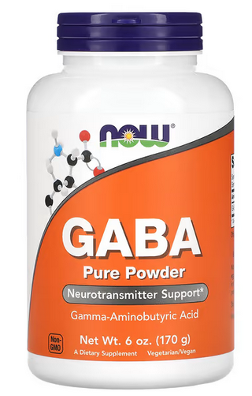
gaba pure poder

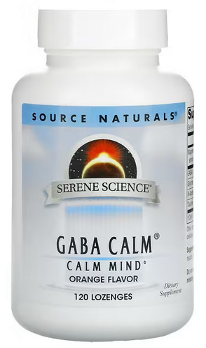
Jennifer used Source Naturals GABA Calm lozenges, a product I recommend. It’s a good low dose of 125 mg and is convenient and effective because it’s a sublingual lozenge.

Now GABA Powder is another product I use and recommend. It does need to be measured out to provide a 125 mg typical starting dose. I have clients use a handy mini measuring spoon like this one (my Amazon link) and share more about how to measure out GABA powder on this blog).

For Source Naturals GABA Calm lozenges and Now GABA Powder:

  • You can purchase these from my online store (Fullscript – only available to US customers – use this link to set up an account).
  • If you’re not in the US, you can purchase these at iherb (use this link to save 5%).

Additional resources when you are new to using GABA, tryptophan and other amino acids as supplements

As always, I use the symptoms questionnaire to figure out if low GABA, low serotonin or other neurotransmitter imbalances may be an issue.

If you suspect low levels of any of the neurotransmitters and do not yet have my book, The Antianxiety Food Solution – How the Foods You Eat Can Help You Calm Your Anxious Mind, Improve Your Mood, and End Cravings, I highly recommend getting it and reading it before jumping in and using amino acids on your own so you are knowledgeable. And be sure to share it with the practitioner/health team you or your loved one is working with.

There is an entire chapter on the amino acids and they are discussed throughout the book in the sections on gut health, gluten, blood sugar control (this is covered in an entire chapter too), sugar cravings, anxiety and mood issues.

The book doesn’t include product names (per the publisher’s request) so this blog, The Antianxiety Food Solution Amino Acid and Pyroluria Supplements, lists the amino acids that I use with my individual clients and those in my group programs.

If, after reading this blog and my book, you don’t feel comfortable figuring things out on your own (i.e. doing the symptoms questionnaire and respective amino acids trials), a good place to get help is the GABA QuickStart Program (if you have low GABA symptoms). This is a paid online/virtual group program where you get my guidance and community support.

If you are a practitioner, join us in The Balancing Neurotransmitters: the Fundamentals program. This is also a paid online/virtual program with an opportunity to interact with me and other practitioners who are also using the amino acids.

Wrapping up and your feedback

I appreciate Jennifer for sharing and giving me permission to share her story on the blog. Despite the wine and her very stressful family situation I am thrilled she says she is doing well. I also love that she ends with this: “… don’t give up. Keep fighting to find what works for you.”

I’d love to hear from you – has any of this worked for you?

Feel free to share about your GABA success and how much it helps you and if this has changed over time. And let us know what you feel has contributed to the need for less or more GABA i.e. which other root causes have you addressed?

Feel free to share if tryptophan (or another amino acid) has helped with quitting wine or another alcoholic beverage.

And do share if you use theanine for calm focus.

Feel free to share and ask your questions below.

Filed Under: Addiction, Anxiety, GABA, serotonin, Tryptophan Tagged With: addiction, ADHD, amino acids, anxiety, anxious, calming, focus, GABA, GABA Calm, neurotransmitter, panic attack, pyroluria, red wine, stress, theanine, tryptophan

GABA and theanine for sedation, anxiety, and cognition in preoperative surgical patients (a randomized controlled study)

October 18, 2024 By Trudy Scott 7 Comments

amino acids for sedation

L-theanine is a unique amino acid found in green tea. It prevents stress, produces anxiolysis, modulates alpha activity, and provides beneficial effects on mental state, including sleep quality.

Gamma-aminobutyric acid (GABA) is a non-proteinogenic amino acid and a phytochemical that is the main inhibitory neurotransmitter in the mammalian brain. It is beneficial in anxiety and stress regulation.

This overview of theanine and GABA come from this paper, Comparison of the effects of two amino acids, Gamma-aminobutyric acid (GABA) and L-theanine, on sedation, anxiety, and cognition in preoperative surgical patients – A randomized controlled study, a very promising paper published in May this year.

This novel study was planned to study and compare the effects of L-theanine and GABA on anxiety, sedation, and cognition in preoperative patients posted for major elective surgeries under general anesthesia.

The conclusion is that: “GABA and L-theanine result in effective preoperative anxiolysis with minimal sedation and improvement of cognitive skills.”

In other words, both these amino acids are calming before a surgical procedure, don’t cause too much drowsiness and improve cognition.

There are a number of reasons why I feel this study is so promising: anxiety before surgery is very common; laryngospasms (or vocal cord spasms) during surgery are potentially life threatening and clinically we see GABA to be helpful outside of the surgical setting; and any research confirming the calming benefits of GABA (and other amino acids like theanine) supports what we see clinically and furthers the field. This is especially the case when it’s a randomized controlled study such as this one. More on all this below.

The study information and benzodiazepine comparison with GABA/theanine

It was a small study with a “total of 168 patients aged between 18 and 55 years .. who were randomly divided into three groups that received either oral L-theanine, oral GABA, or oral alprazolam 0.25 mg. The anxiety score, sedation score, and psychomotor and cognitive performance scores were noted 60 minutes before and after the administration of the drugs” and amino acids.

Alprazolam is an antianxiety medication known as a benzodiazepine which impairs “psychomotor performance and cause excessive sedation.” I’ve blogged extensively about many of the  known issues with benzodiazepines.

Because of this it’s worth noting that the authors share this exciting information: “To our knowledge, our study is the first comparative study that compares GABA with L-theanine and alprazolam.”

This in itself is very encouraging but more so because the outcome “showed that oral L-theanine, oral GABA, and oral alprazolam were equally effective in producing anxiolysis.”

How much GABA and theanine was used in the study? And what is optimal?

The authors had the study participants use 500 mg GABA and 200 mg of theanine. Both were used as capsules and swallowed. If you’ve been following my work, you’re aware that I find sublingual (or powder or liposomal or topical) use of GABA to be more effective than swallowing a capsule. For this reason it’s possible that using a lower dose sublingually may be as effective or possibly even more effective.

As always, dosing of GABA (and other amino acids such as theanine) is individualized to the unique needs of the person. Ideally, the person has figured out their optimal dose for easing anxiety in their day to day life before going in for surgery. They may find that a higher dose is needed the weeks leading up to surgery and the day of surgery.

You can read the entire study here: Comparison of the effects of two amino acids, Gamma-aminobutyric acid (GABA) and L-theanine, on sedation, anxiety, and cognition in preoperative surgical patients – A randomized controlled study

Laryngospasms during anesthetic – could GABA help prevent this?

Laryngospasm is a life threatening complication during the perioperative period (time of surgery) with an incidence of 0.78-5% depending on the surgical type, patient age, pre-existing conditions and anesthetic technique.”

It is described as “the sustained closure of the vocal cords resulting in the partial or complete loss of the patient’s airway. Although described in the conscious state and associated with silent reflux, laryngospasm is a problematic reflex which occurs often under general anaesthesia.”

The authors state that “a clear management plan is required to avoid significant morbidity and even mortality.” They do discuss the use of magnesium “due to both an increased depth of anaesthetic and muscle relaxation” and the authors state that this “agent may have a role to play in the future prevention of laryngospasm, but more studies are needed.”

Clinically we see GABA to be helpful for the prevention of laryngospasms outside of a surgical setting (I blogged about this here) and it’s intriguing to consider that the use of GABA before surgery may actually help prevent or reduce the severity of this complication. I look forward to future research on this application of GABA.

Until then it may be worth discussing with your surgeon and anesthetist. I have a family member who is susceptible to laryngospasms and GABA powder rubbed on the inside of his cheek during an episode, stops the spasm and stridor (abnormal high-pitched sound) in a matter of 30 seconds. Prior to a recent surgical procedure, he discussed this with his surgeon and anesthetist. We were both pleasantly surprised that they were both interested and open to having him take GABA with him into surgery.

GABA for anxiety, stress, muscle spasms and pain too

I shared this excerpt in a recent blog but it’s worth sharing again: a number of studies have shown that “GABA is implicated in a large number of diseases including anxiety and stress disorders, pain, musculoskeletal disorders, sleep disorders, depression, addiction and withdrawal syndromes.”

Let’s consider GABA (and theanine) during the often stressful and anxiety-provoking periods leading up to surgery and on the day of surgery. It’s likely to help with muscle spasms, pain reduction and sleep too.

A few GABA product options  – a sublingual, a powder and a cream

gaba calm
gaba pure poder
somnium gaba cream

The authors had the study participants use 500 mg GABA, swallowed. As I mentioned above, using a lower dose sublingually may be as effective or possibly even more effective. Also, dosing of GABA (and other amino acids) is individualized to the unique needs of the person.

One product I use and recommend is Source Naturals GABA Calm lozenges. It’s a good low dose of 125 mg and is convenient and effective because it’s a sublingual lozenge.

Now GABA Powder is another product I use and recommend. It does need to be measured out to provide a 125 mg typical starting dose. I have clients use a handy mini measuring spoon like this one (my Amazon link) and share more about how to measure out GABA powder on this blog).

For Source Naturals GABA Calm lozenges and Now GABA Powder:

  • You can purchase these from my online store (Fullscript – only available to US customers – use this link to set up an account).
  • If you’re not in the US, you can purchase these at iherb (use this link to save 5%).

Somnium GABA Cream is another option that could be considered especially for children and those with special needs. It is available in the US and elsewhere with international shipping. Read more about the product and who else may benefit from using a cream, and grab my coupon code to save 15%.

Additional resources when you are new to using GABA and other amino acids as supplements

As always, I use the symptoms questionnaire to figure out if low low GABA or other neurotransmitter imbalances may be an issue.

If you suspect low levels of any of the neurotransmitters and do not yet have my book, The Antianxiety Food Solution – How the Foods You Eat Can Help You Calm Your Anxious Mind, Improve Your Mood, and End Cravings, I highly recommend getting it and reading it before jumping in and using amino acids on your own so you are knowledgeable. And be sure to share it with the practitioner/health team you or your loved one is working with.

There is an entire chapter on the amino acids and they are discussed throughout the book in the sections on gut health, gluten, blood sugar control (this is covered in an entire chapter too), sugar cravings, anxiety and mood issues.

The book doesn’t include product names (per the publisher’s request) so this blog, The Antianxiety Food Solution Amino Acid and Pyroluria Supplements, lists the amino acids that I use with my individual clients and those in my group programs.

If, after reading this blog and my book, you don’t feel comfortable figuring things out on your own (i.e. doing the symptoms questionnaire and respective amino acids trials), a good place to get help is the GABA QuickStart Program (if you have low GABA symptoms). This is a paid online/virtual group program where you get my guidance and community support.

If you are a practitioner, join us in The Balancing Neurotransmitters: the Fundamentals program. This is also a paid online/virtual program with an opportunity to interact with me and other practitioners who are also using the amino acids.

Wrapping up and your feedback

I’d love to hear from you – does any of this resonate with you? Do you feel increasingly anxious before surgery and other medical procedures and is GABA and/or theanine part of your calming repertoire?

And have either helped you when experiencing a laryngospasm?

Have you ever discussed either of these two amino acids with your surgeon or anesthetist prior to surgery and were they open?

If you’re a practitioner do you recommend GABA and theanine to your anxious clients/patients and as a surgeon or anesthetist would you consider these amino acids in the future (especially in patients more prone to laryngospasm)?

Feel free to share and ask your questions below.
Filed Under: Anxiety, benzodiazapines, GABA Tagged With: amino acids, anesthesia, anxiety, anxiolysis, anxious, benzodiazepine, calming, cognition, GABA, inhibitory, l-theanine, laryngospasms, neurotransmitter, preoperative, sedation, sleep quality, stress, surgery, surgical, theanine

Fran suffered from proctalgia fugax alarmingly frequently for over 10 years: GABA is the only thing that helps and has absolutely changed her life

October 4, 2024 By Trudy Scott 4 Comments

proctalgia fugax and gaba

Trudy, your information about GABA has absolutely changed my life. I was suffering from proctalgia fugax alarmingly frequently over the last 10 + years, not just during the night but also during the day, at work, while driving, anywhere… which caused so much anxiety and stress for me. I had many episodes where I had vasovagal episodes and passed out (which instantly resolved the symptoms but left me exhausted and battered.)

Now, because of your information I have a strategy that seems to work almost all the time- I take half a teaspoon of GABA powder sublingually as soon as I feel the twinge coming on. I sit on the ground in a safe place where I can either slump left or right without hitting my head (seriously! ).

I open the “breathing app” on my phone (free app) and focus on breathing in time with the inflating and deflating ball on the screen . I have more powder if the symptoms are not fading. Reducing the panic by controlling my breath is absolutely crucial, and the GABA powder short cuts the whole episode.

In the past, before GABA, I have had episodes that lasted over an hour. I have small tubs of GABA stashed in my handbag, gym bag, office, car etc. This has been the only thing that helped. Thank you

Fran posted this wonderful feedback about how the amino acid GABA, used as a supplement, is life-changing for her proctalgia fugax. If, like Fran and I, you’ve experienced these anal cramps (or butt cramps or anal sphincter spasms or “cramps in your bottom”), I know you can relate to how intense the pain can often be.

Today’s blog highlights more about this condition in case proctalgia fugax is new to you or if this application of GABA is new to you. I also discuss GABA dosing and some insights that may help Fran (and her son) get even more relief. And I share some of the latest research which unfortunately doesn’t offer much in the way of a solution.

How much GABA does Fran use?

I thanked Fran for sharing her wonderful success using GABA for proctalgia fugax. And I acknowledged how stressful it is to not know when the next episode will happen and then to be in such pain for over an hour in some instances. Like Fran, I’ve had a few clients also report passing out due to the pain.

She mentions using “half a teaspoon of GABA powder sublingually” as soon as she feels the twinge coming on. The key here is use it as soon as you feel the twinge of pain and using it sublingually like Fran does is perfect. Half a teaspoon of the powder is around 1500 mg GABA, which is a very high dose (a typical starting dose is 125 mg GABA).

I first blogged about GABA as a solution for my agonizing rectal pain and spasms in 2017. I find that 125 mg to 250 mg GABA works well for my needs and have had similar feedback from others in the community. I share this to illustrate the variability in the amount that may help.

For Fran, increasing the amount of GABA may help with prevention. But given the high dose she is already using I suspect that as time goes on and her GABA levels increase, it’s possible that her need to sit on the ground and use the breathing app may no longer be needed. She may find her GABA levels rebound with consistent GABA use throughout the day, even when she is not experiencing rectal spasms.

She does also mention feelings of panic so it’s possible that low serotonin may also be a factor. If this is the case then a trial of tryptophan or 5-HTP is worth considering.

GABA helps Fran’s son too

Fran added this PS to her comment:

Ps my 21 yo son has started experiencing these symptoms recently and he follows the process of taking GABA and using the breathing app and hasn’t had an episode last longer than a few minutes. I am so grateful that he hasn’t experienced a full blown episode of proctalgia fugax.

How wonderful that this helps her son too!

For both of them, I’d recommend trying to figure out what may be contributing to their low GABA levels and addressing those root causes. My book is a great starting point to address dietary factors, gut health, low zinc, low vitamin B6, toxins and infections that may play a role.

What is proctalgia fugax pain like and how is it treated medically?

This recent paper, Chronic anal pain: A review of causes, diagnosis, and treatment shares that “chronic anal pain is a relatively common problem affecting up to 11.6% of the US population.” Proctalgia fugax is one type of chronic anal pain and in this paper the pain is described as follows:

  • “Short-lasting (seconds or minutes) sharp deep rectal stabbing or cramping. No radiation. No anorectal pain between episodes.
  • The pain can occur night or day and vary in severity from uncomfortable to unbearable.”

It’s really disappointing to me that the solution offered is simply reassurance and an explanation:

From a treatment perspective, the problem with diagnosing proctalgia fugax is that symptoms are generally too brief or infrequent to treat. Thus, the key is patient reassurance and explanation, such as describing the condition as a “cramp in your bottom” that is harmless and not indicative of any serious bowel disease.

It may be harmless but I’ve had clients describe the pain as excruciating and agonizing, with many saying it’s worse than childbirth.

As you read above, these episodes caused Fran “so much anxiety and stress”, caused her to pass out and left her feeling “exhausted and battered.” I don’t know what her medical team told her but I believe we can do better than what these authors are proposing.

The first time I experienced a proctalgia fugax episode, I was terrified and beside myself, not knowing what it was or what to do. The pain was extremely severe and lasted about an hour.  I eventually figured out the solution because I had used GABA for my own anxiety and to ease tense muscles and other kinds of pain.

GABA for anxiety, pain and muscle spasms (and more)

A number of studies have shown that “GABA is implicated in a large number of diseases including anxiety and stress disorders, pain, musculoskeletal disorders, sleep disorders, depression, addiction and withdrawal syndromes.”

It’s time that GABA supplementation is recognized and used more for pain, muscle spasms and anxiety – everything that Fran and her son experience. I’d love to get some cases like this published so we can get the message out in a bigger way and have the research catch up with what we are seeing clinically. If you know of anyone who could help in this regard please do comment below or reach out.  

A few GABA product options  – a sublingual, a powder and a cream

gaba calm
gaba pure poder
somnium gaba cream

Fran used a GABA powder, possibly similar to Now GABA Powder (which does need to be measured out to provide a 125 mg typical starting dose). Keep in mind, some individuals need less to start and some like Fran may need more.

When using GABA powder I have clients use a handy mini measuring spoon like this one (my Amazon link) and share more about how to measure out GABA powder on this blog).

Source Naturals GABA Calm lozenges (a good low dose of 125 mg) is another GABA product I recommend and is helpful in cases of proctalgia fugax because of the lozenge instead of it being a powder that needed to be measured.

For Source Naturals GABA Calm lozenges and Now GABA Powder:

  • You can purchase these from my online store (Fullscript – only available to US customers – use this link to set up an account).
  • If you’re not in the US, you can purchase these at iherb (use this link to save 5%).

Somnium GABA Cream used before bed may prevent an episode in the night and is less likely to stop an episode that is in full force. It is available in the US and elsewhere with international shipping. Read more about the product and who else may benefit from using a cream, and grab my coupon code to save 15%.

Additional resources when you are new to using GABA and other amino acids as supplements

As always, I use the symptoms questionnaire to figure out if low low GABA or other neurotransmitter imbalances may be an issue.

If you suspect low levels of any of the neurotransmitters and do not yet have my book, The Antianxiety Food Solution – How the Foods You Eat Can Help You Calm Your Anxious Mind, Improve Your Mood, and End Cravings, I highly recommend getting it and reading it before jumping in and using amino acids on your own so you are knowledgeable. And be sure to share it with the practitioner/health team you or your loved one is working with.

There is an entire chapter on the amino acids and they are discussed throughout the book in the sections on gut health, gluten, blood sugar control (this is covered in an entire chapter too), sugar cravings, anxiety and mood issues.

The book doesn’t include product names (per the publisher’s request) so this blog, The Antianxiety Food Solution Amino Acid and Pyroluria Supplements, lists the amino acids that I use with my individual clients and those in my group programs.

If, after reading this blog and my book, you don’t feel comfortable figuring things out on your own (i.e. doing the symptoms questionnaire and respective amino acids trials), a good place to get help is the GABA QuickStart Program (if you have low GABA symptoms). This is a paid online/virtual group program where you get my guidance and community support.

If you are a practitioner, join us in The Balancing Neurotransmitters: the Fundamentals program. This is also a paid online/virtual program with an opportunity to interact with me and other practitioners who are also using the amino acids.

Wrapping up and your feedback

I appreciate Fran for sharing her success with GABA and the success her son has experienced too. I do hope this information has been helpful for you and for them too.

Now I’d love to hear from you – does any of this resonate with you? Have you had success like this with GABA? What solution has your medical team offered?

If you’re a practitioner is GABA one of the amino acids you use with your clients/patients?

Feel free to share and ask your questions below.

Filed Under: Anxiety, GABA, Women's health Tagged With: amino acid anal cramps, anal sphincter spasms, anxiety, butt cramps, cramps in your bottom, GABA, pain, panic, passed out, Proctalgia fugax, twinge, vasovagal episodes

I’m anxious about GABA side effects and feel like adding a bit of tryptophan before increasing GABA (to avoid overdoing it with either one)

September 6, 2024 By Trudy Scott 9 Comments

gaba side effects

I have symptoms from both low GABA and low serotonin on your questionnaire. So I suspect I need to supplement with both. The main issues I have (anxiety, panic) are common to both deficiencies. I took a trial dose of 1 Gaba Calm and it seemed to help a bit. Should one continue increasing the dose of GABA or introduce some tryptophan next?

I am trying to avoid GABA side effects because now that I read your last post on tingling etc (which would be a huge trigger for me), I’m anxious about that.

I feel like adding a bit of tryptophan before increasing GABA and going up like that, one at a time. Versus going higher and higher with GABA since the symptoms are on both lists – in order to avoid overdoing it with one .

Does that make sense or do you still recommend doing one at a time (I just read on one of your blog posts that one should try one amino acid first before introducing another one)? Thank you!

Liz asked this great question on one of the blogs where I discuss how there can be an extremely large variation in dosing for GABA and how too much can cause a niacin-like flush and tingling.

Her concerns are very valid – especially for someone who is anxious – but I still recommend doing a trial of just one amino acid before introducing another. In today’s blog I share why this is my recommendation and why sometimes there is an exception to this recommendation (and how best to implement it).

My recommendation and her results

Liz is correct, I do always recommend doing a trial of one amino acid at a time before introducing the next one. I confirmed that this is still my recommendation and also reminded her that when “one GABA Calm seems to help a bit” it’s a positive sign. When I hear this it’s a big clue that you are on track and the next step is to continue to increase the GABA to determine if you’ll get even better results. I told her we are looking for a wow effect in a few days to weeks.

In case you’re wondering, she did increase just the GABA (without adding tryptophan) and shared “I’ve now increased to 2 GABA Calms and it helps a lot!”

With this kind of result she may decide to stay with just 2 GABA Calm or she may decide to increase yet again if this amount hasn’t substantially reduced her low GABA symptoms of physical tension, anxious thoughts, self-medicating with sugar or alcohol to relax, feelings of panic, pain etc. You can see all the low GABA symptoms here).

As always, I also reminded her what when you are new to the amino acids and other anxiety nutrition solutions like eating real whole food, quality animal protein, fermented foods, organic produce, healthy fats, gluten/sugar/caffeine removal, eating for blood sugar control, addressing gut health and pyroluria, my book “The Antianxiety Food Solution” is a great place to start. It’s a comprehensive approach – amino acids AND diet.

She has “been eating organic, gluten-free, whole foods for 10+ yrs” (this is a wonderful foundation). However the stress of the last few years has really gotten to her and she has been meaning to get my book to get some help with amino acids. Hopefully she now has a  copy!

Why do I recommend doing a trial of one amino acid at a time before introducing the next one?

As she mentioned, she has overlaps with low GABA and low serotonin symptoms: “anxiety, panic.” This is not uncommon. Although they do differ – with low GABA it’s more physical and with low serotonin it’s more mental – it can often be challenging to figure out which neurotransmitter imbalance is the issue. Doing a trial of one of the amino acids and seeing/feeling the results provides the answer.

In this case, Liz discovered all or some of her anxiety was caused by low GABA levels. I say some, because it can be due to both low GABA and low serotonin. Once she has a good baseline of GABA and assuming she still has some lingering anxiety symptoms (and other low serotonin symptoms like PMS, anger, low mood, afternoon cravings etc – see them all here), she would then trial tryptophan without changing GABA dosing.

Laying in the tryptophan (after doing an initial trial) would help Liz know that low serotonin is also an issue for her.

And it would have all been challenging to figure out what was doing what had she done some GABA and some tryptophan and then more GABA and then more tryptophan.

Too much GABA and the adverse effects

Liz was understandably concerned about potential adverse effects of using too much GABA after reading this blog post: How much GABA should I use for my anxiety? It depends on your unique needs (and there is an extremely large variation in dosing). (This is the blog she commented on)

I’ve also published these blogs with similar messages:

  • Too much GABA causes a tingling niacin-like flush sensation (in the brain and body). It’s awful and very uncomfortable!
  • High dose GABA (750 mg) caused her to feel anxious and nervous with feelings of panic. She also felt agitated, flushed and hot

Learning about adverse effects like this may make you feel more anxious rather than educated and empowered – hence her question about using tryptophan. However, too much tryptophan can also increase feelings of anxiousness and keep you awake (and it’s going to complicate the trial).

Knowing about vitamin C as an antidote often helps mitigate some of the anxious feelings but when it doesn’t then there may be an exception.

Why there may be an exception to my recommendation (and how best to implement it).

Typically when someone has profound fears that hold them back and stop them from using any of the amino acids, my recommendation is always to start with serotonin support as it can allay fears, worry, obsessing and ruminations about possible adverse effects.

In a situation like Liz describes, if anxious thoughts and worrying prevents her from increasing GABA, we would discuss all of the above and I’d help her decide what to do next:

  • Layer on tryptophan before she has found her ideal dose of GABA, without any change to GABA i.e. one change only. And then go from there to increase the GABA and eventually increase the tryptophan later if she needs to
  • Stop GABA and switch to tryptophan only and then come back to GABA. It isn’t ideal to lose the gains experienced, even when GABA only “seems to help a bit.”

The good news is that Liz felt comfortable enough increasing the GABA and saw the benefits. This may not be the case for everyone and the above are some options to consider.

A few GABA product options  – a sublingual, a powder and a cream

gaba calm
gaba pure poder
somnium gaba cream

Liz used Source Naturals GABA Calm lozenges (a good low dose of 125 mg). It’s one of the many products I recommend. Another one is Now GABA Powder (which does need to be measured out to provide a 125 mg typical starting dose). Keep in mind, some individuals need less to start.

When using GABA powder I have clients use a handy mini measuring spoon like this one (my Amazon link) and share more about how to measure out GABA powder on this blog).

For Source Naturals GABA Calm lozenges and Now GABA Powder:

  • You can purchase these from my online store (Fullscript – only available to US customers – use this link to set up an account).
  • If you’re not in the US, you can purchase these at iherb (use this link to save 5%).

Somnium GABA Cream is available in the US and elsewhere with international shipping. Read more about the product and who may benefit from using a cream, and grab my coupon code to save 15%.

Additional resources when you are new to using GABA and other amino acids as supplements

As always, I use the symptoms questionnaire to figure out if low low GABA or other neurotransmitter imbalances may be an issue.

If you suspect low levels of any of the neurotransmitters and do not yet have my book, The Antianxiety Food Solution – How the Foods You Eat Can Help You Calm Your Anxious Mind, Improve Your Mood, and End Cravings, I highly recommend getting it and reading it before jumping in and using amino acids on your own so you are knowledgeable. And be sure to share it with the practitioner/health team you or your loved one is working with.

There is an entire chapter on the amino acids and they are discussed throughout the book in the sections on gut health, gluten, blood sugar control (this is covered in an entire chapter too), sugar cravings, anxiety and mood issues.

The book doesn’t include product names (per the publisher’s request) so this blog, The Antianxiety Food Solution Amino Acid and Pyroluria Supplements, lists the amino acids that I use with my individual clients and those in my group programs.

If, after reading this blog and my book, you don’t feel comfortable figuring things out on your own (i.e. doing the symptoms questionnaire and respective amino acids trials), a good place to get help is the GABA QuickStart Program (if you have low GABA symptoms). This is a paid online/virtual group program where you get my guidance and community support.

If you are a practitioner, join us in The Balancing Neurotransmitters: the Fundamentals program. This is also a paid online/virtual program with an opportunity to interact with me and other practitioners who are also using the amino acids.

Wrapping up and your feedback

I appreciate Liz for asking this question. I do hope this information has been helpful for you and for her too.

Now I’d love to hear from you – does any of this resonate with you? Have you felt anxious or fearful about increasing your dose of GABA? And how did you resolve it?

If you’re a practitioner is this how you advise your clients/patients?

Feel free to share and ask your questions below.
Filed Under: Anxiety, GABA, serotonin, Tryptophan Tagged With: amino acid, anxiety, anxious, avoid overdoing it, GABA, GABA Calm, GABA side effects, niacin-like flush, panic, serotonin, side-effects, tingling, tryptophan

Osteoporosis: two of my favorite self-help books by R. Keith McCormick DC (and some of my own story)

August 16, 2024 By Trudy Scott 5 Comments

osteoporosis books

In May 2023 I posted this on Facebook and it never made it on to the blog so here goes …. osteoporosis and two of my favorite self-help books by R. Keith McCormick DC:

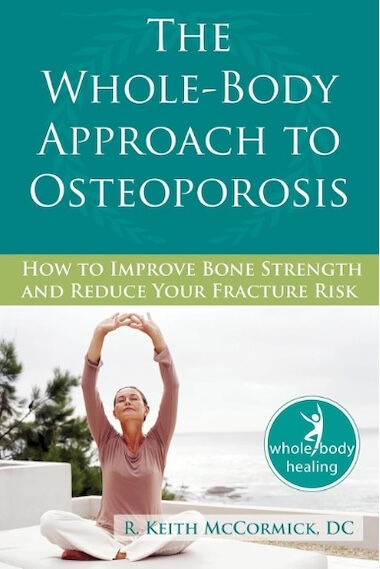
Earlier this week I read this book, The Whole-Body Approach to Osteoporosis: How to Improve Bone Strength and Reduce Your Fracture Risk by R. Keith McCormick DC, and wow, I’m very impressed and learned a ton.

It actually consolidates and builds on what I learned from him at the in-depth and excellent interviews with him on the Osteoporosis Summit, hosted by my friend and colleague, Margie Bissinger, MS, PT, CHC (thanks Margie! – I’ve ordered his newest book too).

I really love how Dr. McCormicks walks us through him being a detective with clients (the cases are excellent). And his information and interpretation on advanced bone health tests (like CTX, P1NP), other basic blood work (CRP, homocysteine, fibrinogen, vitamin D etc.) and functional testing (celiac/gluten sensitivity labs) he does is invaluable.

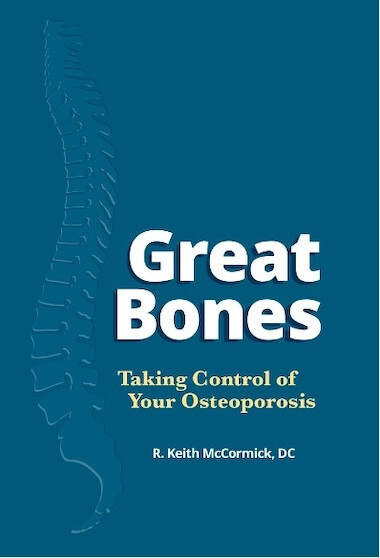
I’m curious to see what updates he’s made (if any) in his newest book, Great Bones: Taking Control of Your Osteoporosis.  Does he now prefer MK-4 to MK-7 (forms of vitamin K), if he addresses the tricky calcium-oxalate issues (I’m trying to figure this one out too) and if he also discusses Trabecular Bone Score (TBS) which can be included in the DXA.

I do like that he discusses prevention too – for younger women and men! He was in his 40s when he started to have osteoporotic fractures.

I’m in my early 60s and don’t have osteopenia or osteoporosis but I want to be proactive and do comprehensive testing. I do have concerns due to my dietary oxalate issues and calcium homeostasis as a result of this.

Read about both books below and more on my own osteoporosis story (yes, I do have osteoporosis after all!)  and probable root causes.

The Whole-Body Approach to Osteoporosis

whole body approach to osteoporosis

Here is the official blurb for this book:

No pill will cure you of osteoporosis. While medication can sometimes help, it won’t fully address the underlying causes of your osteoporosis or osteopenia. To restore bone health, you’ll need a targeted program combining the best bone-building strategies from traditional and holistic medicine. The Whole-Body Approach to Osteoporosis distills these complex strategies into a whole-body plan you can begin today to dramatically improve your bone strength and overall vitality.

This comprehensive guide includes information on:

    • What to eat for stronger bones
    • Choosing bone-building supplements and osteoporosis medications
    • Foods and medications that may be contributing to bone loss
    • Signs and symptoms that can help you monitor your bone health
    • How lab tests can help you personalize your plan

It was published in 2009, and I found it to be eye-opening and a wonderful introduction to the comprehensive functional medicine, nutritional and lifestyle approach that needs to be considered when addressing bone health. It’s written for the layperson but is meaty enough for practitioners new to the mechanisms of bone building and bone breakdown, osteoporosis medication and the impacts of environmental toxins.

As I mentioned above, his information and interpretation on advanced bone health tests (like CTX, P1NP), and other labs that are important for bone health (CRP, homocysteine, fibrinogen, vitamin D etc.) is invaluable. He also covers the basics that I cover in my book/work – like eating real food, digestive health and celiac/gluten sensitivity.

It comes highly recommended and you can find it in bookstores and on Amazon here (my Amazon link).

Great Bones: Taking Control of Your Osteoporosis

great bones

Here is the official blurb for this book:

Dr. McCormick knows what potential dangers lurk for women and men who don’t understand the life cycle of bone, who don’t realize the role nutrition plays in bone health, who don’t know what can happen to bone even when they think they’re doing “everything right.”

In his mission to help readers — women and men, athletes and nonathletes, primary care physicians and specialists — Dr. McCormick explains not just the fundamentals of osteoporosis but also the pathophysiology of bone loss and what it takes to regain skeletal health.

If you’re a patient suffering from bone loss, Dr. McCormick helps you take control of your osteoporosis; if you’re a doctor, he lays out the most up-to date science so you can best serve your patients. Great Bones is a book everyone can use to achieve better skeletal health well into their 70s, 80s, and beyond.

This one was published in 2023 and is a hefty 714 pages (vs 200 pages for his first book). This book takes everything in his first book to the next level. And while it is more geared to practitioners it is easy enough to follow for the health-savvy layperson.

Every time I pick it up to search for something I learn so much more. Here are a few eye-opening gems:

  • Test CTX early morning and avoid biotin and collagen for 48 hours beforehand (I also heard him say this on the osteoporosis summits)
  • “Butyric acid can increase bone formation by lowering osteoclastic formation” (bone break down) “and stimulating the deposition of calcium into the collagen matrix”
  • “High concentration of lead are found in the cement lines – where mineralized bone meets non-mineralized collagen and where zinc concentration is highest” (and more information on how lead adversely affects our bones)
  • “Post-menopausal women excrete eight times more urinary zinc than women with normal bone density”

With regards to my questions I had before getting this book – he does use both forms of vitamin K (MK-4 and MK-7) and he also discusses Trabecular Bone Score (TBS) which is an add-on for the DXA and a good indicator of bone texture and quality.

Unfortunately he doesn’t address the tricky calcium-oxalate issues that I’m trying to figure out, other than a very brief mention on one page.

I’m eagerly waiting for a kindle version to come out so I can more easily search for advanced topics. My index is full of my scribbles as I find some topics buried within other topics, like some of the TBS information.

This book is also highly recommended and you can find it on Amazon here (my Amazon link).

My osteoporosis story (some of it anyway)

When I posted about these books in May 2023, I was planning to be proactive and do comprehensive testing to get a good baseline in my early 60s. After reading these books and two others, I had my first DXA in July that included a TBS and testing of my left forearm. I was shocked to find out I have osteoporosis, despite the fact I have exercised my entire life – running (road and trails), playing tennis and then squash, rock-climbing, doing weights to train for climbing, backpacking with heavy packs, mountain biking, skiing and wind-surfing.

Because of this I’m really passionate about getting the message out about testing early (for women and men) and being informed and proactive. Dr. McCormick suggests women do their first DXA at 50 and men at 55 (and earlier if they’ve had a fracture).

Given my many possible root causes, I now wonder if I should have tested myself at 40 years of age? As I mentioned above, my dietary oxalate issues and the disruption of calcium homeostasis is likely a major factor. I’ve added these as contributing factors too: my long-term gut issues (since childhood), gluten sensitivity, SIBO, my history and propensity for anxiety and panic attacks, my past exposure to toxic lead (in my 20s I worked in an oil refinery and was exposed to jet fuel at a small airport), the fact that I have pyroluria (the zinc and vitamin B6 connections – I’ll be publishing a blog post on this and osteoporosis) and my liver/bile issues (which play into the oxalate issues).

Dr. McCormick says this at the start of Great Bones …  “you need to understand the causes” and I do so now I can work on all of this.  I love that he also says: “In this book what you will find is hope – within realistic physiological limitations – that you can improve your bone health.”

Dr. Kim Millman’s healthier bones course

With these books and other reading I’m doing, I now have the knowledge and tools. I’ve seen some improvements in the last year and I’m ready to jump in and do further testing and additional adjustments to actually reverse my bone loss.

But I need more so I’ve just signed up to do Dr. Kim Millman, MD’s online Restore & Rebuild: 100 Days to Healthier Bones program. Dr. Millman was also a speaker on Margie’s osteoporosis summit and if you are also looking for support and expert guidance via an online program, this one is a no-brainer. There is also an opportunity to ask your questions.  It’s really short notice and if you can’t make this cohort, I’ll share my feedback in case you make the 2025 class.

Dr. Millman shared this in one of her interviews with Margie: “I think that the most important thing to understand is that it is possible to reverse bone loss and drastically reduce your risk of fractures naturally. And in my 15 years of evaluating and treating the root causes of bone loss, my patients do not break bones, and they don’t feel fragile anymore. Their fear fades. They don’t feel vulnerable, and they return to living their most active lives and doing the things they love.”

Hearing this gives me even more hope and I’m excited!

And in case you’re wondering, I’m still glad I’ve read both these books and have them to refer back to again and again. Both are heavily referenced too and I love to look at the research.

Wrapping up and your feedback

Now I’d love to hear from you – do you have osteoporosis and have you read either of these books and have any gems to share?

Do you have another favorite book on bone health?

Have you done Dr. Millman’s program?

What age were you diagnosed with osteopenia or osteoporosis and were you surprised?

Have you been able to reverse your bone loss and drastically reduce your risk of fractures naturally?

What root causes do you feel play a role for you?

If you’re a practitioner working with clients/patients with osteopenia or osteoporosis I’d love your insights

Feel free to share and ask your questions below.

Filed Under: Anxiety, Osteoporosis, Pyroluria Tagged With: anxiety, bile, bone, books, calcium, celiac, CTX, Dr. Kim Millman, Dr. McCormick, DXA, fibrinogen, fracture, gluten sensitivity, Great Bones, homocysteine, Margie Bissinger, MK-4, MK-7, osteoporosis, Osteoporosis Summit, oxalate issues, P1NP, pyroluria, R. Keith McCormick, TBS, The Whole-Body Approach to Osteoporosis, vitamin D, vitamin K

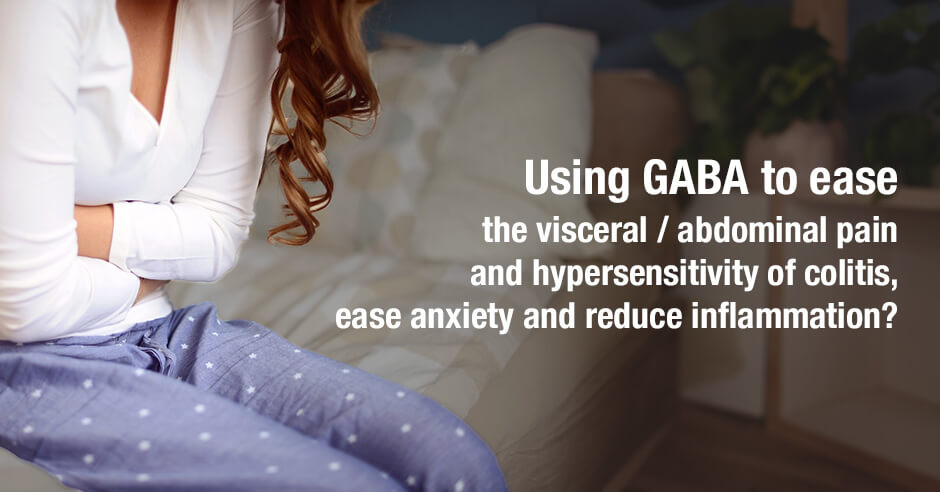
Using GABA to ease the visceral / abdominal pain and hypersensitivity of colitis, ease anxiety and reduce inflammation?

April 12, 2024 By Trudy Scott 13 Comments

gaba and visceral pain

Can the amino acid GABA be used as a supplement to ease the visceral (or abdominal) pain and hypersensitivity of colitis? And at the same time help to ease physical anxiety/tension, spasms and even reduce inflammation? A new animal study suggests this may be possible, with the authors stating “these results raise the promising possibility that GABA … may be an effective therapeutic strategy for the management of symptoms associated with colitis.”

Clinically we see that GABA does ease visceral pain in many digestive conditions and there is much evidence that it eases physical anxiety too. I share my personal experiences and feedback from someone in my community below.

What is especially exciting about this paper is that it’s specific for colitis and many markers of inflammation are favorably impacted by GABA supplementation too. The authors do state that human studies are needed to confirm this research. I look forward to these human studies and until then I say let’s use what we see clinically, based on symptoms and a trial of GABA.

Here is the paper: Experimental colitis-induced visceral hypersensitivity is attenuated by GABA treatment and the overview of their hypothesis:

Ulcerative colitis is linked with inflammation of the large intestine due to an overactive response of the colon-immune system. Ulcerative colitis is associated with weight loss, rectal bleeding, diarrhea, and abdominal pain.

Given that γ-amino butyric acid (GABA) suppresses immune cell activity and the excitability of colonic afferents, and that there is a decrease in colonic GABA during ulcerative colitis, we hypothesized that ulcerative colitis pain is due to a decrease in the inhibition of colonic afferents. Thus, restoring GABA in the colon will attenuate inflammatory hypersensitivity.

Colonic afferents are neurons that “carry information from sensory receptors of … organs” like the colon “to the central nervous system (i.e. brain and spinal cord).” They are involved in the perception of pain.

The study and favorable outcomes

They tested their hypothesis in a mouse model of colitis and GABA was given at the same time.

What they found is that GABA reduced the “increase in the colon permeability” i.e. prevented leaky gut; reduced the “clinical progression of colitis (disease activity index or DAI)”; reduced the “colon histological score” (or measure of disease activity in inflammatory bowel diseases) and reduced visceral hypersensitivity (or abdominal pain).

There were also favorable changes in inflammatory markers: “GABA inhibited the …increase in the proinflammatory cytokines tumor necrosis factor-α (TNF-α), interferon-γ (IFN-γ), interleukin-12 (IL-12), and increased the expression of the anti-inflammatory cytokine IL-10 in the colon tissue.”

Their conclusion is as follows: “These data suggest that increasing gastrointestinal levels of GABA may be useful for the treatment of colitis.”

My GABA visceral pain story

I have chronic SIBO (small intestinal bacterial overgrowth) and found that sublingual GABA helped when I would get that awful and painful belly bloat. When my SIBO was at its worst I would be in pain all night, tossing and turning and unable to sleep because of the belly distension/bloat.

It was often a combined approach of sublingual GABA, Iberogast and topical peppermint and lavender essential oil on my bloated belly.

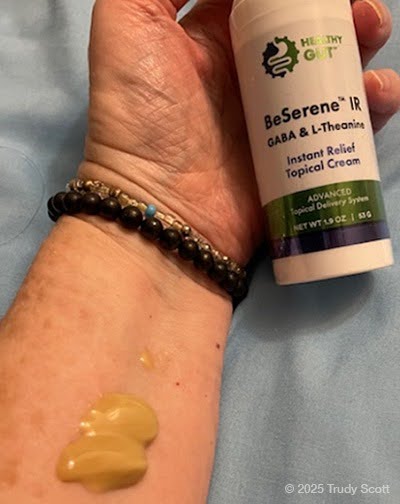
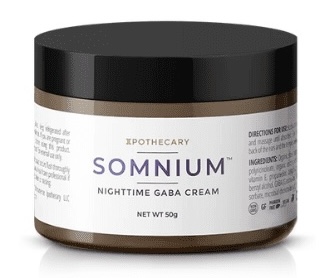
More recently I found that the topical GABA called Somnium, rubbed onto my bloated belly,  helped tremendously too. You can read more about Somnium here.

(My SIBO is much much better now, since I’ve been using berberine, but that is a topic for another blog post.)

GABA: stress, anxiety and visceral pain

As you know, I consider myself a GABA girl and it also helps ease my physical anxiety.

The above animal study doesn’t address the impacts of GABA on anxiety but there is research showing that “in concert with chronic visceral pain, there is a high comorbidity with stress-related psychiatric disorders including anxiety and depression.

Evidence suggests that long term stress facilitates pain perception and sensitizes pain pathways, leading to a feed-forward cycle promoting chronic visceral pain disorders such as irritable bowel syndrome (IBS).”

It makes total sense that GABA can play a role in addressing all of this for me – the visceral pain and IBS, the physical anxiety and sleep issues too.

GABA eases Gail’s painful gut spasms and reduces her stress

Neither myself or Gail have colitis and yet GABA helps us both with SIBO and the visceral pain we experience, and the associated anxiety. Gail shares this: “I’ve had diarrheal IBS for decades, recently diagnosed SIBO. Missed a lot of work with pain spasms and diarrhea almost every work morning. I had a phenomenal experience with my first dose of GABA at bedtime and like a miracle I’m pain-free in the morning.

It’s a huge huge improvement! (unless there’s a major stressor in my life like when my mom recently passed away)

I also take GABA at work if I anticipate a stressful situation. I love that I am still sharp mentally on this.”

A few GABA product options  – a sublingual, a powder and a cream

gaba calm
gaba pure poder
somnium gaba cream

Some of the GABA products I recommend include Source Naturals GABA Calm lozenges and Now GABA Powder.  You can purchase these from my online store (Fullscript – only available to US customers – use this link to set up an account).

If you’re not in the US, Source Naturals GABA Calm lozenges and Now GABA Powder are available via iherb (use this link to save 5%).

Somnium GABA Cream is available with international shipping. Click here to get Somnium GABA Cream (and use my coupon code TRUDY15 to save 15%).

Additional resources when you are new to using GABA and other amino acids as supplements

As always, I use the symptoms questionnaire to figure out if low GABA or other neurotransmitter imbalances may be an issue for you.

If you suspect low levels of any of the neurotransmitters and do not yet have my book, The Antianxiety Food Solution – How the Foods You Eat Can Help You Calm Your Anxious Mind, Improve Your Mood, and End Cravings, I highly recommend getting it and reading it before jumping in and using amino acids on your own so you are knowledgeable. And be sure to share it with the practitioner/health team you or your loved one is working with.

There is an entire chapter on the amino acids and they are discussed throughout the book in the sections on gut health, gluten, blood sugar control (this is covered in an entire chapter too), sugar cravings, anxiety and mood issues.

The book doesn’t include product names (per the publisher’s request) so this blog, The Antianxiety Food Solution Amino Acid and Pyroluria Supplements, lists the amino acids that I use with my individual clients and those in my group programs (over and above the few I mentioned above).

If, after reading this blog and my book, you don’t feel comfortable figuring things out on your own (i.e. doing the symptoms questionnaire and respective amino acids trials), a good place to get help is the GABA QuickStart Program (if you have low GABA symptoms too). This is a paid online/virtual group program where you get my guidance and community support.

If you are a practitioner, join us in The Balancing Neurotransmitters: the Fundamentals program. This is also a paid online/virtual program with an opportunity to interact with me and other practitioners who are also using the amino acids.

Wrapping up and your feedback

I do always appreciate questions and feedback like this so keep your questions and comments coming. I do hope my sharing my experience with GABA for visceral pain and this other feedback has been helpful to you.

While this blog is specific to the research on GABA for colitis, I feel comfortable saying the use of GABA could also be considered for belly pain/visceral pain in someone with a diagnosis such as Crohn’s disease (which like colitis is also classed an IBD/inflammatory bowel disease) or IBS/SIBO (irritable bowel syndrome/small intestinal bacterial overgrowth).

How has GABA helped reduce your visceral pain? (please share if you have colitis or Crohn’s disease or IBS/SIBO or another digestive issue).

Has GABA also helped to reduce your physical anxiety, tension and self-medicating with sugar or alcohol in order to relax?

If yes, which products have helped, how much and do you find swallowed or capsule opened or powder is more effective for your needs?

If you’re a practitioner do you use GABA with your colitis clients/patients?

And please let me know if it’s helpful that I’m now including product recommendations and where to get them?

Feel free to share and ask your questions below.

Filed Under: Anxiety and panic, GABA, Gut health, Inflammation, Pain Tagged With: abdominal pain, amino acid, anxiety, colitis, digestive conditions, GABA, GABA Quickstart; Balancing Neurotransmitters: the Fundamentals program for practitioners, hypersensitivity, Inflammation, neurotransmitters, spasms, tension, ulcerative colitis, visceral pain

  • « Go to Previous Page
  • Page 1
  • Page 2
  • Page 3
  • Page 4
  • Page 5
  • Interim pages omitted …
  • Page 96
  • Go to Next Page »

Primary Sidebar

GABA QuickStart Homestudy

gaba quickstart homestudy

Free Report

9 Great Questions Women Ask about Food, Mood and their Health

You'll also receive a complimentary subscription to my ezine "Food, Mood and Gal Stuff"


Connect with me

Popular Posts

  • Amino Acids Mood Questionnaire from The Antianxiety Food Solution
  • The Antianxiety Food Solution Amino Acid and Pyroluria Supplements
  • Pyroluria Questionnaire from The Antianxiety Food Solution
  • Collagen and gelatin lower serotonin: does this increase your anxiety and depression?
  • Tryptophan for the worry-in-your-head and ruminating type of anxiety
  • GABA for the physical-tension and stiff-and-tense-muscles type of anxiety
  • The Antianxiety Food Solution by Trudy Scott
  • Seriphos Original Formula is back: the best product for anxiety and insomnia caused by high cortisol
  • Am I an anxious introvert because of low zinc and vitamin B6? My response to Huffington Post blog
  • Vagus nerve rehab with GABA, breathing, humming, gargling and key nutrients

Recent Posts

  • Her cravings for chips and peanut butter were triggered by stress: GABA ends cravings and reduces physical tension and fear of heights
  • It is truly miraculous to be able to move through life without crippling anxiety and panic
  • GABA and tryptophan combo provide immediate and noticeable relief for tremors and cervical dystonia in just 7 days
  • Red light therapy for back and neck pain, plantar fasciitis and low mood – a complement to the amino acids GABA, DPA and tryptophan
  • What do I use instead of Seriphos to help lower high cortisol that is affecting my sleep and making me anxious at night?

Categories

  • 5-HTP
  • AB575
  • Addiction
  • ADHD
  • Adrenals
  • Alcohol
  • Allergies
  • Alzheimer's disease
  • Amino Acids
  • Anger
  • Antianxiety
  • Antianxiety Food Solution
  • Antidepressants
  • Anxiety
  • Anxiety and panic
  • Autism
  • Autoimmunity
  • benzodiazapines
  • Bipolar disorder
  • Books
  • Caffeine
  • Cancer
  • Candida
  • Children/Teens
  • Collagen
  • Cooking equipment
  • Coronavirus/COVID-19
  • Cravings
  • Depression
  • Detoxification
  • Diabetes
  • Diet
  • DPA/DLPA
  • Drugs
  • EFT/Tapping
  • EMF
  • EMFs
  • Emotional Eating
  • Endorphins
  • Environment
  • Essential oils
  • Events
  • Exercise
  • Fear
  • Fear of public speaking
  • Fertility and Pregnancy
  • Fish
  • Food
  • Food and mood
  • Functional neurology
  • GABA
  • Gene polymorphisms
  • General Health
  • Giving
  • Giving back
  • Glutamine
  • Gluten
  • GMOs
  • Gratitude
  • Gut health
  • Heart health/hypertension
  • Histamine
  • Hormone
  • Hyperparathyroidism
  • Hypoglycemia
  • Immune system
  • Inflammation
  • Insomnia
  • Inspiration
  • Introversion
  • Joy and happiness
  • Ketogenic diet
  • Lithium orotate
  • Looking awesome
  • Lyme disease and co-infections
  • MCAS/histamine
  • Medication
  • Men's health
  • Mental health
  • Mercury
  • Migraine
  • Mold
  • Movie
  • MTHFR
  • Multiple sclerosis
  • Music
  • NANP
  • Nature
  • Nutritional Psychiatry
  • OCD
  • Osteoporosis
  • Oxalates
  • Oxytocin
  • Pain
  • Paleo
  • Parasites
  • Parkinson’s disease
  • PCOS
  • People
  • PMS
  • Postpartum
  • PTSD/Trauma
  • Pyroluria
  • Questionnaires
  • Real whole food
  • Recipes
  • Research
  • Schizophrenia
  • serotonin
  • SIBO
  • Sleep
  • Special diets
  • Sports nutrition
  • Stress
  • Sugar addiction
  • Sugar and mood
  • Supplements
  • Teens
  • Testimonials
  • Testing
  • The Anxiety Summit
  • The Anxiety Summit 2
  • The Anxiety Summit 3
  • The Anxiety Summit 4
  • The Anxiety Summit 5
  • The Anxiety Summit 6
  • Thyroid
  • Thyroid health
  • Toxins
  • Tryptophan
  • Tyrosine
  • Uncategorized
  • Vegan/vegetarian
  • Women's health
  • Yoga

Archives

  • May 2026
  • April 2026
  • October 2025
  • September 2025
  • August 2025
  • July 2025
  • June 2025
  • May 2025
  • April 2025
  • March 2025
  • February 2025
  • January 2025
  • November 2024
  • October 2024
  • September 2024
  • August 2024
  • July 2024
  • June 2024
  • May 2024
  • April 2024
  • March 2024
  • February 2024
  • January 2024
  • December 2023
  • November 2023
  • October 2023
  • September 2023
  • August 2023
  • July 2023
  • June 2023
  • May 2023
  • April 2023
  • March 2023
  • February 2023
  • January 2023
  • December 2022
  • November 2022
  • October 2022
  • September 2022
  • August 2022
  • July 2022
  • June 2022
  • May 2022
  • April 2022
  • March 2022
  • February 2022
  • January 2022
  • December 2021
  • November 2021
  • October 2021
  • September 2021
  • August 2021
  • July 2021
  • June 2021
  • May 2021
  • April 2021
  • March 2021
  • February 2021
  • January 2021
  • December 2020
  • November 2020
  • October 2020
  • September 2020
  • August 2020
  • July 2020
  • June 2020
  • May 2020
  • April 2020
  • March 2020
  • February 2020
  • January 2020
  • December 2019
  • November 2019
  • October 2019
  • September 2019
  • August 2019
  • July 2019
  • June 2019
  • May 2019
  • April 2019
  • March 2019
  • February 2019
  • January 2019
  • December 2018
  • November 2018
  • October 2018
  • September 2018
  • August 2018
  • July 2018
  • June 2018
  • May 2018
  • April 2018
  • March 2018
  • February 2018
  • January 2018
  • December 2017
  • November 2017
  • October 2017
  • September 2017
  • August 2017
  • July 2017
  • June 2017
  • May 2017
  • April 2017
  • March 2017
  • February 2017
  • January 2017
  • December 2016
  • November 2016
  • October 2016
  • September 2016
  • August 2016
  • July 2016
  • June 2016
  • May 2016
  • April 2016
  • March 2016
  • February 2016
  • January 2016
  • December 2015
  • November 2015
  • October 2015
  • September 2015
  • August 2015
  • July 2015
  • June 2015
  • May 2015
  • April 2015
  • March 2015
  • February 2015
  • January 2015
  • December 2014
  • November 2014
  • October 2014
  • September 2014
  • August 2014
  • July 2014
  • June 2014
  • May 2014
  • April 2014
  • March 2014
  • February 2014
  • January 2014
  • December 2013
  • November 2013
  • October 2013
  • September 2013
  • August 2013
  • July 2013
  • June 2013
  • May 2013
  • April 2013
  • March 2013
  • February 2013
  • January 2013
  • December 2012
  • November 2012
  • October 2012
  • August 2012
  • July 2012
  • June 2012
  • May 2012
  • April 2012
  • March 2012
  • February 2012
  • January 2012
  • December 2011
  • November 2011
  • October 2011
  • September 2011
  • August 2011
  • July 2011
  • June 2011
  • May 2011
  • April 2011
  • March 2011
  • February 2011
  • January 2011
  • December 2010
  • October 2010
  • September 2010
  • July 2010
  • May 2010
  • April 2010
  • March 2010
  • February 2010
  • January 2010
  • November 2009

Share the knowledge!

The above statements have not been evaluated by the Food and Drug Administration. Products listed in this website are not intended to diagnose, treat, cure or prevent any disease.

The information provided on this site is for informational and educational purposes only and is not intended as a substitute for advice from your physician or other health care professional. You should consult with a healthcare professional before starting or modifying any diet, exercise, or supplementation program, before taking or stopping any medication, or if you have or suspect you may have a health problem.


Copyright © 2026 Trudy Scott. All Rights Reserved. | Privacy | Terms and Conditions | Refund Policy | Medical Disclaimer

Free Report

9 Great Questions Women Ask about Food, Mood and their Health

You’ll also receive a complimentary subscription to my ezine “Food, Mood and Gal Stuff”