• Skip to primary navigation
  • Skip to main content
  • Skip to primary sidebar

everywomanover29 blog

Food, Mood and Women's Health – Be your healthiest, look and feel great!

  • Blog
  • About
  • Services
  • Store
  • Resources
  • Testimonials
  • The Book
  • Contact
  • Search this site

ADHD

GABA Calm is in short supply – what other GABA products are there for easing anxiety?

January 22, 2021 By Trudy Scott 90 Comments

gaba calm alternatives

Sheila contacted me via the blog asking about Source Naturals GABA Calm ~ I am from Brussels/Belgium. I cannot find the Source Naturals GABA Calm sublingual anymore. The one you recommend. I’ve been recommending this for years to clients since I read your book “The Antianxiety Food Solution.” I already contacted Source Naturals a few times but no response. Do you know why they have stopped selling this in Europe?

After doing some checking around and contacting Source Naturals it seems there is a world-wide shortage of Source Naturals GABA Calm 125mg lozenges. When I reached out to them I was told it’s indefinite (with no reason why) and to check back at the end of January. Two other people were told it would be available mid-January and mid-February so the messages are mixed.

Today I’m sharing some other GABA product options until GABA Calm comes back or in case it doesn’t or if there is another shortage in the future. It’s such a pity since it is so effective for so many folks as you can see in these blogs:

  • Source Naturals GABA Calm™: Why I recommend it for anxiety
  • GABA Calm instead of Xanax for panic attacks, heightened stress and anxiety: questions and my feedback
  • GABA for children: ADHD, focus issues, irritability, anxiety and tantrums

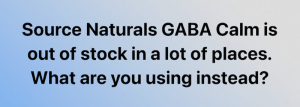
I also posted this message on Facebook to let my community there know and to find out what they were using instead.
gaba calm alternative question facebook

This is some of the feedback I received:

  • Mary ~ Oh my goodness! I just found it in my local Vitamin Shoppe tonight! There was one bottle left.
  • Diana ~I noticed. My son uses this, I’m a little worried.

I shared that there are other products that will hopefully work as well and asked everyone who was using something else: Do  you use it opened onto the tongue or swallowed? And if you’ve used Source Naturals GABA Calm in the past how does it compare for you?

A number of people said they like Thorne pharmaGABA capsules, someone said she like Now GABA Powder and a few people like Natural Factors pharmaGABA chewables:

  • Tara ~ I’ve only used Thorne PharmaGABA because of how it’s derived [fermented]. I just swallow the capsule and I’m immediately calm within 5-15 mins. I was previously prescribed a benzo & this is much better. 100mg is all I take when I feel a panic attack coming on. I’ve been thru a few years of absolute hell of benzo withdrawal coming off of my klonopin prescription. The GABA feels almost the exact same as the benzo except the benzo would actually cause rebound panic attacks (I didn’t realize it at the time) & the GABA does not.
  • Jane ~I use Now Foods GABA powder. A little under the tongue works well.I have found both effective. Powder good for rapid effect at home (1/4 teaspoon as needed). GABA Calm good to take out with you.
  • Meesh ~ I use the Natural Factors pharmaGABA (100mg) and it works great. I use it in combo with L-theanine 250mg (which also contains 20mg of magnesium)… and the combination is magic

I’ve updated the supplements blog with the above products and a few additional similar products so you have many options to select from based on your unique needs and taste preferences, and what’s available at the time:

  • Thorne PharmaGABA-100: the label says Gamma-Aminobutyric Acid (GABA) 100 mg but it also states that the product uses Pharma Foods International’s Gamma-Aminobutyric Acid (PharmaGABA®).  This is also pleasant-tasting when opened on to the tongue and is most effective when used this way. [AS OF NOV 24, 2021 THIS MAY ALSO BE UNAVAILABLE]
  • Thorne PharmaGABA-250: as above but contains 250mg of PharmaGABA®. This is also pleasant-tasting when opened on to the tongue and is most effective when used this way. [AS OF NOV 24, 2021 THIS MAY ALSO BE UNAVAILABLE]
  • Designs for Health PharmaGABA Chewables: gamma-amino butyric acid (pharmaGABA) 200 mg in 2 chewable tablets. It’s quick-acting and convenient like GABA-Calm because it’s chewable. This does contain xylitol, natural flavors, stevia and some other ingredients so taste may be a factor and xylitol can cause gas, bloating and diarrhea when too much is consumed.
  • Natural Factors PharmaGABA: gamma-amino butyric acid (pharmaGABA) 200 mg in 2 chewable tablets. It’s quick-acting and convenient like GABA-Calm because it’s chewable. However it also contains organic cane sugar and natural fruit flavors so it’s a little too candy-like for my preference, especially if you have low GABA-related sugar cravings. Also 2 chewable tablets – 4g of carbs which is almost 1 teaspoon of sugar!
    [January 22, 2021: I’ve included this as a stand-by option for occasional use until Source Naturals GABA Calm is readily available again or if Designs for Health PharmaGABA Chewables are not available.]
  • Now Foods GABA Powder: 1/4 Level Teaspoon (500mg). This is pleasant-tasting when opened on to the tongue and is most effective when used this way. The only challenge with powder like this is making sure you don’t use too much by mistake. And it’s especially challenging when you only need 100mg.
  • Quicksilver Scientific Liposomal GABA with L-Theanine: 2ml (4 Pumps) provides (Gamma Amino Butyric Acid) 240mg, L-Theanine 100mg and Phosphatidylcholine 120mg (from purified sunflower seed lecithin). It does contain ethanol so would not be suitable for alcoholics or young children.
  • GABA-Pro Calming Effect Chewable: This is a chewable that contains 100 mg of pharmaGABA in 1 tablet. It is pharmaGABA even though the product says GABA-Pro on the front and the label states Gamma Amino Butyric Acid (GABA). This product is a reasonable replacement for Source Naturals GABA Calm.  It does contain natural flavors and xylitol.
  • GABA-Pro Calming Effect: This contains 100 mg of pharmaGABA in 1 tablet. It is pharmaGABA even though the product says GABA-Pro on the front and the label states Gamma Amino Butyric Acid (GABA). This capsule can be opened onto the tongue.  It does contain rice flour which can be an issue if you have a rice allergy/sensitivity and/or SIBO.

I do want to add that Nutritional Fundamentals for Health GABA-T SAP is still a firm favorite of mine: gamma-Aminobutyric acid (GABA) 300 mg, l-Theanine 150 mg. This is pleasant-tasting when opened on to the tongue and works very well when GABA Calm can’t be used (because of the tyrosine or taste or sugar alcohols). It is also often used with GABA Calm – like GABA Calm in the day and GABA-T SAP at night or some combination.  I find best results when it is used opened on to the tongue and it offers a feeling of calm focus. It could easily be used as a substitute for GABA Calm in the short-term.

In case you’re new to GABA you can read more about it here: GABA for the physical-tension and stiff-and-tense-muscles type of anxiety.

UPDATE Nov 24, 2021:
=================

Source Naturals GABA Calm is in short supply again, so I’ve updated this blog with some other options (above) because the Thorne Products may also be unavailable for now:

  • GABA-Pro Calming Effect Chewable
  • GABA-Pro Calming Effect

Is Source Naturals GABA Calm a favorite of yours? And how has it helped you?  What have you found works as well – for physical anxiety, tension, insomnia, pain, sugar cravings, muscle spasms – when it’s not available?

If you’ve used a GABA product in capsules, do you use it opened onto the tongue or swallowed? And if you’ve used Source Naturals GABA Calm in the past how does it compare for you?

If you’re a practitioner do you use GABA Calm and/or other GABA products?

Please do share in the comments below and let me know if you found this helpful or if you have questions. And thanks for the questions and contributions so far!
Filed Under: Amino Acids, Anxiety, GABA Tagged With: ADHD, chewable, cravings, GABA, GABA Calm, insomnia, irritability, opened onto tongue, panic, pharmaGABA, powder, Source Naturals GABA Calm, sublingual, sugar, tension

ADHD: 5-HTP melts have been a miracle for one of my adopted kids

January 15, 2021 By Trudy Scott 77 Comments

ADHD and 5-HTP

A mom in my community responded to an ADHD blog sharing how 5-HTP melts have been a miracle for one of her adopted children – after one week! 5-HTP is not where I typically start with ADHD so I quizzed her to get more details and then went looking for the research to understand the mechanisms. This blog shares her rationale for using 5-HTP, the truly wonderful results her son experienced, some of the research and some possible serotonin/dopamine mechanisms. This is what she posted:

5-HTP melts have been a miracle for one of my adopted kids. He had lots of trauma and off the charts ADHD. 5-HTP is better than methylphenidate (Ritalin) and we are now weaning off the non-stimulants.

Just 80mg 5-HTP in the morning is all he needs. He was super ADHD, he had a para (teacher’s aide) in public school for years to keep him on track and this year at a school for ADHD the teachers were complaining that he was never on task.

Now after a week it has changed his life. I am so thankful for the anxiety summit. Thank you Trudy

This is truly wonderful to hear! I responded saying how thrilled I was to hear the impact it was having and asked why this mom decided to try 5-HTP? This amino acid, which is a serotonin precursor, is not typically my first choice for alleviating ADHD symptoms. I consider low GABA (and using GABA) or low catecholamines (and using tyrosine), together with dietary changes, blood sugar control, and assessing for low zinc, low iron and low omega-3s – as a starting point.

I wanted to know if he had low serotonin symptoms such as the worry, ruminating, and obsessive type of anxiety which could have possibly been driving the ADHD symptoms? Were there any other symptoms that were a clue that low serotonin may be a factor: insomnia (with fatigue the next day impacting focus) or sugar cravings in the afternoon/evening (causing blood sugar swings affecting focus and mood)?

Why she used 5-HTP and which low serotonin symptoms he had

This was her response about why she used 5-HTP and which low serotonin symptoms he had:

We have tried all the amino acids over the years. I tried 5-HTP this time because SSRIs were the only class of medication he has not tried. I thought maybe it was worth a try and I also found this study: Comparative study of efficacy of 1-5-hydroxytryptophan and fluoxetine in patients presenting with first depressive episode (where the therapeutic efficacy of 5-HTP was considered as equal to that of the SSRI fluoxetine).

As for cravings or insomnia: he is a kid who loves sugar so I’m not sure if it’s a craving or typical. He takes 0.3mg of melatonin each night because guanfacine, the non-stimulant, prevents the production of melatonin.

She also mentioned that she has followed me for years and that DPA, an endorphin-boosting amino acid, works for her. She is a dietitian and shares my handouts and blog posts with her clients, so she clearly felt comfortable experimenting with the amino acids with her son.

5-HTP products and dosing

I also asked which product they were using and how she landed at 80mg. She wanted a fast-acting supplement that would dissolve in his mouth and purchased Natrol 5-HTP:

They are 100mg but we are breaking off a little because he was falling asleep in class.

I reminded her that 5-HTP (or tryptophan) is typically best used late afternoon and evening so if someone is falling asleep in the day I’d switch to bedtime dosing.  If he needs it during the day for the ADHD symptoms then reducing the dose is the smart thing to do.

I love the sublingual/melt aspect of this product for quick results and because children do so well with a product that tastes pleasant.

However, I do not recommend this particular product because of very mixed ingredients information online. I have not seen the bottle of the actual product used but some of the online information states the product is gluten-free and soy-free and yet other information states it does contains gluten and soy. In some places they state it contains sucralose and an artificial flavor and in other places you see xylitol and natural flavor. This is all rather concerning. I’ll update this section as soon as I can confirm.

What does this mean for this mom? Now that she has figured out that 5-HTP helps her son, it’s best to find a better quality product so as not to cause other problems.

There are two chewable products in my online supplement store that come close to this product:

  • Serotrex Chewable: Two chewables contain 200mg theanine and 60mg 5-HTP. This could be used in the day or at night.
  • Designs for Health Insomnitol Chewables: Two chewables contain 10mg vitamin B6, 500mg inositol, 200mg theanine, 100mg 5-HTP and 3mg melatonin. This would need to be used at night instead.

Both of these contain theanine. Research shows that theanine reduces anxiety and improves cognition via “improvements in verbal fluency (especially letter fluency) and improvements in executive function (planning, multi-tasking etc).”

The research on 5-HTP and tryptophan for ADHD

This paper, The effects of 5-hydroxytryptophan on attention and central serotonin neurochemistry in the rhesus macaque, shares that

Individuals with depression and anxiety typically experience impaired executive function and emotional cognition, symptoms that are generally studied by examining disruptions in attention.

This study used 5-HTP as an intramuscular injection, rather than using it orally but the authors did report the following:

Our findings provide unique causal and mechanistic evidence suggesting that enhancing central serotonergic function results in categorically distinct changes in fundamental cognitive operations such as attention.

This paper, Does serotonin deficit mediate susceptibility to ADHD? summarizes the role of serotonin in ADHD, the interplay with dopamine and the use of oral tryptophan (a serotonin precursor similar to 5-HTP):

  • A chronic deficit of serotonin at the synapse may trigger symptoms of childhood ADHD (developmentally inappropriate levels of hyperactivity, impulsivity and inattention).
  • Studies from animal models of ADHD indicate intimate interplay between serotonin and dopaminergic neurotransmission.
  • Selective serotonin re-uptake inhibitors (SSRIs)…as non-stimulant drugs acting on the serotonin system are … clinically effective.
  • Oral administration of l-tryptophan, the amino acid precursor of serotonin, significantly alleviates ADHD symptoms.
  • Serotoninergic gene variants are associated with increased risk of ADHD.

I appreciate this mom for giving me permission to share here on the blog so we can inspire hope (and I wish for more and more improvements for this young boy):

My son is a 10-year old RAD (reactive attachment disorder) kid that was meth exposed and adopted at 3 years old. 5-HTP has worked so well. He has not thrown a fit in a month. Before fits were a daily occurrence. This might give hope to other parents.

Additional resources when you are new to using GABA, 5-HTP and other amino acids as supplements

As always, I use the symptoms questionnaire to figure out if low serotonin or low GABA or other neurotransmitter imbalances may be an issue.

If you suspect low levels of any of the neurotransmitters and do not yet have my book, The Antianxiety Food Solution – How the Foods You Eat Can Help You Calm Your Anxious Mind, Improve Your Mood, and End Cravings, I highly recommend getting it and reading it before jumping in and using amino acids on your own so you are knowledgeable. And be sure to share it with the practitioner/health team you or your loved one is working with.

There is an entire chapter on the amino acids and they are discussed throughout the book in the sections on gut health, gluten, blood sugar control (this is covered in an entire chapter too), sugar cravings, anxiety and mood issues.

The book doesn’t include product names (per the publisher’s request) so this blog, The Antianxiety Food Solution Amino Acid and Pyroluria Supplements, lists the amino acids that I use with my individual clients and those in my group programs.

If, after reading this blog and my book, you don’t feel comfortable figuring things out on your own (i.e. doing the symptoms questionnaire and respective amino acids trials), a good place to get help is the GABA QuickStart Program (if you have low GABA symptoms). This is a paid online/virtual group program where you get my guidance and community support.

If you are a practitioner, join us in The Balancing Neurotransmitters: the Fundamentals program. This is also a paid online/virtual program with an opportunity to interact with me and other practitioners who are also using the amino acids.

Wrapping up and your feedback

Have you found that 5-HTP (or tryptophan) helps/helped you or your child with ADHD symptoms? If yes, do you feel the ADHD was caused in part because of anxiety and/or fear and/or feeling inadequate and/or perfectionism and/or poor sleep (all signs of low serotonin)? Or were the main symptoms poor focus, low energy, low motivation and depression caused by low catecholamines/low dopamine? Or a mixture of both?

If you’re a practitioner working with children or adults with ADHD, have you had good results with 5-HTP or tryptophan?

Please do share in the comments below.

Filed Under: ADHD, Anxiety, Children/Teens Tagged With: 5-HTP, ADHD, attention, cravings, dopamine, fits, focus, GABA, hyperactivity, impulsivity, inattention, insomnia, meth, RAD, reactive attachment disorder, Ritalin, serotonin, SSRI, sugar, tryptophan, tyrosine

Christmas tree phenols as a trigger for anger, meltdowns, anxiety, hyperactivity, insomnia, aggression, self-injury and autistic symptoms?

December 18, 2020 By Trudy Scott 16 Comments

christmastree phenols and anxiety

Are you aware that the aromatic oils that give pine trees their wonderful smell are phenols and that these phenols may be a trigger for anger and meltdowns, anxiety, hyperactivity, irritability insomnia, self-injurious behavior, digestive issues and autistic symptoms (such as stimming, swinging and hand-flapping)? All this can be caused by an indoor Christmas tree in susceptible individuals.

My colleague Julie Matthews writes about this here: Avoiding Holiday Havoc: Healthy solutions to avoid meltdowns and keep the holidays happy

“When phenols are not able to be broken-down and detoxified by a process called sulfation, which is low in many children with autism and ADHD”, they can cause these symptoms and also red cheeks and ears. She shares that “phenolic compounds come in many forms including artificial petroleum-based food additives, and salicylates (a type of phenol) found in plants and foods like strawberries and spices, as well as pine trees.”

In the above blog, Julie shares this story about a client with a 10-year old son with autism. He severely regressed during the holidays and it was because of the Christmas tree. This is what the mom shared:

During the Holidays our son regressed severely.  He became anxious, aggressive, and self-abusive. He cried and had tantrums regularly throughout the day. He couldn’t sleep anymore and was up for hours at a time, night after night. He was hand-flapping like crazy.  We have a swing in the house for him and he now wanted to swing all day long, constantly, and do nothing else. He lost eye contact and he stopped responding to his name.

Once the Christmas tree was removed the improvements were dramatic:

The next day, he was much calmer. He seemed to have “exhaled.” Within 48 hours, our son was completely back to normal.

I shared Julie’s blog on my Facebook page and a father in my community shared a similar experience about his autistic son’s severe reactions to phenols:

Yes! My autistic son who is sensitive to phenols, would completely meltdown during the holidays. We thought it was just the change in routine and his environment, but quite by accident we discovered fragrances seemed to make him worse. We got rid of the fragrances and holiday tree/decor and the improvement in our son was dramatic! We now realize it was the phenols.

My son’s reaction to phenols/fragrances are bright red cheeks/ears, dark under eye circles, headaches, inappropriate manic laughter, aggression/self injurious behavior, marathon meltdowns/screaming, incontinence, insomnia/less than 3 hrs sleep a night, bumpy rashes, GI issues/diarrhea, excessive sensory stimming (hand flapping, lip licking, running around and body slamming into things.) During the holidays, the intensity of these reactions shot through the roof.

They found out by chance that it was the Christmas tree that was causing his son’s issues each year. It started when he was a toddler and they figured it was the stress and changes of the holidays that was the issue. One year they didn’t put up a tree and they could not believe the difference. It was then they made the connection and learned more about phenols and made the necessary changes.

By reducing phenols in his diet and environment, and giving him Epsom Salt baths and enzymes (No-Fenol), most of the above symptoms were significantly reduced.

I suspect there are many families who are seeing similar meltdowns and have no idea it could be the Christmas tree. Keep in mind that the reactions may not be as severe as these two cases I’ve shared here. If you are seeing any increase in anxiety, irritability, sleep problems, digestive issues or other unusual behavior changes in your child, keep an open mind that it may be more than just the holiday changes.

Julie’s advice is this:

  • Since so many children with autism and ADHD react to salicylates/phenols – in her nutrition practice she finds an overwhelming majority react negatively – she suggests a cautious approach to holiday decorating for all families of a child with autism or ADHD. Simply avoid the pine Christmas tree.
  • If you are unsure about their sensitivity to salicylates/phenols you might ask yourself if your child is often hyper, irritable, or has red cheeks, and other common salicylate symptoms, or whether they crave salicylate-rich foods such as berries, grapes, apples, and ketchup. If so, explore salicylates further.

I encourage you to read Julie’s blog to gain a better understanding of salicylates and phenols. If you are a practitioner and want to learn more about low salicylates/phenols and other special diets her practitioner training is excellent.

I appreciate this mom and dad for sharing their experiences with their sons so we can all learn and help other families. I also so appreciate Julie’s expertise in this area and really look forward to digging further into the research and picking her brain so I can share more.

Could your holiday anxiety and/or insomnia be phenol issues too?

Julie works with children with autism and ADHD but as someone who works primarily with adults with anxiety, I’m going to be exploring sensitivity to salicylates/phenols further. Julie recently shared this with me: “if you start looking you’ll probably see a lot of your clients with anxiety have phenol issues.”

If you also notice any increase in anxiety, anger, irritability, sleep problems, digestive issues or other unusual behavior changes, keep an open mind that it may be more than just the holiday stress or winter blues/winter anxiety. It may well be phenol issues too.

Serotonin connection to phenol issues

I’ll be blogging more about this and the fascinating serotonin connection to phenol issues. You may have noticed that many of the symptoms these 2 boys experienced sound a lot like either low serotonin or high serotonin (both of which can occur in autism).  Serotonin is an endogenous phenol compound and this phenol issue is likely causing high serotonin.

When I asked Julie about this she shared this with me: “Yes, serotonin and dopamine are phenolic. And sulfation is important for the inactivation of dopamine and serotonin. So poor sulfation can lead to neurotransmitter imbalances.”

Using collagen to lower high serotonin?

I’ve blogged about how collagen can lower serotonin in susceptible folks and increase anxiety. It is also used by some folks to lower their high serotonin and make them calm. Misty reports using collagen ‘therapeutically’:

I use it to reduce tryptophan because I have a tendency toward high serotonin. I have suffered my entire life with ADD, tics as a child, grinding teeth, general anxiety, lack of motivation and later, IBS. In my 53 years I’ve never been as calm as I am now.

I don’t know if Misty has a phenol issue but I’m going to be exploring if collagen or gelatin could possibly be used to help lower the high serotonin and ease some of these severe phenol reactions quickly, in conjunction with other approaches like avoiding the foods and environmental exposures, enzymes and other nutrients, and Epsom salt baths.

Christmas tree syndrome, mold issues and toxic plastic trees

I hate to spoil the Christmas fun but here are a few other things to consider:

  • Christmas tree syndrome is also a real issue for many individuals
  • My friend and Enviornmental Toxins expert Lara Adler shares how mold from a real tree made her and her cat really sick “Within a few days of getting the tree, I broke out in a full-body rash that required a 10-day run of prednisone. I didn’t think it was the tree at first (it could have been something else), but then my cat, who was already dealing with GI inflammation and a gut issue developed asthma! Out of nowhere! She also ended up on prednisone. I got rid of the tree and both our symptoms never came back.”
  • She also shares some issues with plastic trees: they are often made from toxic PVC (polyvinyl chloride) with “softeners like lead and/or phthalates”, and often treated with endocrine-disrupting flame retardant chemicals. More about this on Lara’s blog here.

Have you observed a salicylate/phenol reaction with your child or client/patient? What about a less severe reaction with your child or with you personally?

Have the following helped you: avoiding the foods and environmental exposures like a Christmas tree, using enzymes like No-Fenol and other nutrients, and Epsom salt baths? In the midst of a very severe reaction has collagen or gelatin helped reduce symptoms quickly?

What about mold issues or allergies with a Christmas tree?

Feel free to post your questions here on the blog too.

Filed Under: ADHD, Anxiety, Autism, Toxins Tagged With: ADHD, aggression, allergy, anger, anxiety, autism, autistic symptoms, Christmas tree, collagen, hyperactivity, insomnia, irritability, meltdowns, mold, Phenols, pine tree, plastic tree, salicylates, self-injury, serotonin

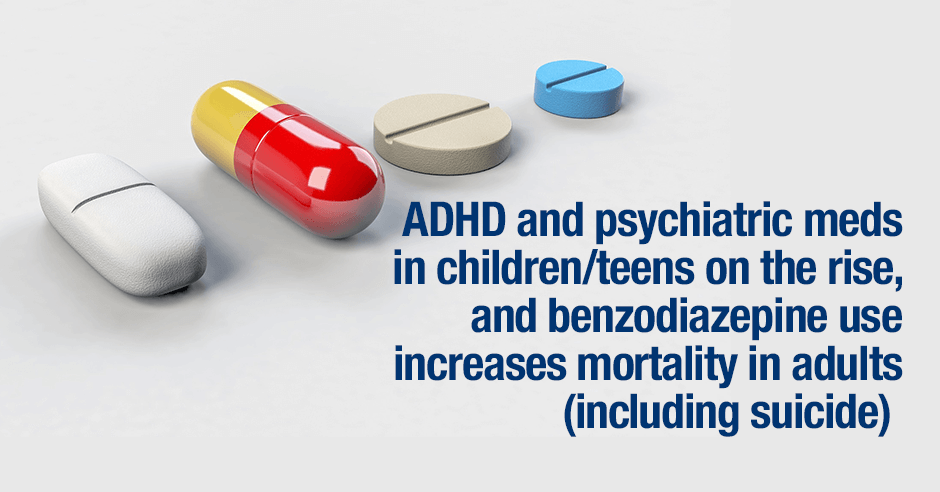
ADHD and psychiatric meds in children/teens on the rise, and benzodiazepine use increases mortality in adults (including suicide)

October 7, 2020 By Trudy Scott Leave a Comment

meds teens children

Registration for my Anxiety Summit 6: Toxins/Meds/Infections is now open and in the spirit of continuing to share valuable snippets leading up to the summit, here goes for today.

(If you’ve already registered I do hope you find these snippets of value and they help you figure out more about which interviews to tune into first. If you’re only hearing about the summit for the first time, you can register here)

Today I want to highlight some aspects from two of the interviews on psychiatric medications.

In the interview Psychiatric Medications in Children and Teens with Dr. Nicole Beurkens, we discuss these results from a 2019 paper:

  • Our study indicates that the rate of presentation to child and adolescent psychiatry outpatient clinics is increasing, and rates of diagnosis and initiation of psychiatry drugs are high among the presented children.
  • The prevalence of ADHD shows an increase in males and females in our country, and psychiatric polypharmacy has reached significant rates.

Polypharmacy means concurrent use of multiple medications by a patient. The fact that psychiatric polypharmacy is increasing in children and adolescents is most concerning. There are safer solutions that address the root causes of ADHD, anxiety and depression.

Here is what we cover in this interview:

  • Increasing ADHD, anti-anxiety, SSRI and antipsychotic meds and discontinuation syndrome
  • Disparities in BIPOC communities;
  • Psychiatric side effects of acne, constipation and asthma medications
  • Nutritional psychiatry/targeted nutrients/gut, sleep, movement, screen time and play

nicole beurkens interview

In the interview SSRIs, Benzodiazepines, Alcohol and Amino acids with Dr. Hyla Cass, she shares how benzodiazepines (a class of antianxiety medications that include Xanax, Ativan, Valium and others) are:

  • strongly associated with all cause mortality, including suicide (even when used for short durations of treatment
  • the cause of many accidents even if taken the previous day

Here is what we cover in this interview:

  • SSRI and benzodiazepine side-effects
  • Discontinuation syndrome, pre-taper protocols and tapering
  • The harmful effects of alcohol and the impacts on sleep
  • The dangers of combining alcohol with benzodiazepines, and the risks of antabuse (commonly used in alcohol addiction treatment plans)
  • GABA, tryptophan, 5-HTP, glutamine, DPA, CBD and key nutrient co-factors for medication taper, alcohol addiction, carb cravings and anxiety

hyla cass interview

Dr. Nicole Beurkens’ interview is focused on children and adolescents, and Dr. Hyla Cass’ interview is focused on adults but both are invaluable resources if you want to learn more about psychiatric medications, discontinuation syndrome, tapering and addressing the root-causes with nutritional other non-medication solutions.

Other related medication interviews of interest would be:

  • GABA and Tryptophan vs Meds for Hormone Balance – one of my 3 interviews (I also cover the birth control pill and more about using the amino acids)
  • Benzodiazepines: Short-Term Benefits, Long-Term Harms – Catherine M. Pittman, PhD, HSPP
  • 5-HTP: Anxiety, Depression, Insomnia and Liver Protection – Michael Murray, ND (he shares studies comparing 5-HTP to SSRIs)
  • Neuropsychiatric Toxicity from Fluoroquinolone Antibiotics – Lisa Bloomquist
  • Your Brain on Food: Anxiety, OCD and PTSD – Uma Naidoo, MD, PCP (she also shares studies comparing psychiatric meds to NAC and inositol)

In case you missed the first few emails about the summit … as you know, anxiety can be related to your daily life experiences BUT it can also be triggered by:

  • foods you eat and what you drink (like wheat, oxalates, alcohol and more)
  • environmental toxins (like lead, plastics, fragrances, insecticides, fluoride and more)
  • many types of medications (like the benzos/SSRIs, birth control pill, acne medication, fluoroquinolone antibiotics and more) and/or
  • chronic infections (like Lyme disease, PANDAS, parasites, candida and more).

Once you identify the root causes and understand anxiety’s mechanisms you can support the liver/gallbladder, detox, address infections, implement targeted and supportive solutions, and get relief!

This is my 6th Anxiety Summit, featuring all new topics and the latest research related to anxiety and toxins, medications and infections.

anxiety summit 6

Over the course of the next 6 weeks you’ll be seeing frequent emails from me with snippets and highlights from various interviews – like this one. I do hope you continue to enjoy them and get excited about the summit! Please do share if you know someone who has anxiety!

You’ve heard me say the Anxiety Summit has been called “a bouquet of hope!”  My wish for you is that this summit is your bouquet of hope!

I hope you’ll join me and these incredible speakers, be enlightened and find YOUR solutions!

Here’s to no more anxiety and you feeling on top of the world again!

If you’re already familiar with some of this information and practice some of this already please share how it’s helped you. That way we can all learn.

If you’d like to ask a question, please post in the comments below.

I’d also love to hear from you once you’ve listened to this interview. Please do come back and comment about some of the highlights of this interview and what changes you plan to make.

Filed Under: The Anxiety Summit 6 Tagged With: ADHD, amino acids, anxiety, benzodiazepine, cbd, children, depression, GABA, Hyla Cass, medications, mortality, Nicole Beurkens, psychiatric meds, SSRI, suicide, teens, The Anxiety Summit 6, tryptophan

Anxiety, depression and ADHD: air pollution and polycyclic aromatic hydrocarbons (PAHS) on The Anxiety Summit 6

October 2, 2020 By Trudy Scott Leave a Comment

anxiety depression adhd anxiety summit 6

Dr. Carolyn Ledowsky is one of my guest experts on The Anxiety Summit 6: Toxins/Meds/Infections
and our topic is Anxiety and Genetic Susceptibility to Environmental Toxins. Here is some of what we cover in our interview:  

  • Polycyclic aromatic hydrocarbons/PAHs (air pollution/smoke) and organophosphates
  • Moth balls, candles, xenobiotics, coffee, make-up, perfume and cosmetics
  • Role of CYP1A1, CYP2B, CYP1B1, SOD, GSTM and PON1 polymorphisms

carolyn ledowsky as6

We discuss very common sources of pollution – polycyclic aromatic hydrocarbons (PAHs) – and how certain gene polymorphisms can make us more susceptible leading to increased anxiety, depression and cognitive issues.

If you’re new to the term polycyclic aromatic hydrocarbons (PAHs), according to the EPA they “are a class of chemicals that occur naturally in coal, crude oil, and gasoline. They also are produced when coal, oil, gas, wood, garbage, and tobacco are burned.”

This essentially means that PAHs are all around us: traffic pollution, forest fires, wood burning in your home, coal burning power plants, cigarette smoke, second hand smoke, dust and more!

We discuss one study that reports how prenatal exposure to pollution can impact the ability of children when it comes to learning and make them more anxious and depressed:

  • Children of nonsmoking African-American and Dominican women in New York City were followed from in utero to 6–7 years.
  • The paper mentions urban air pollutants from fossil fuel burning and other combustion sources stating the results suggest an adverse impact of prenatal PAH exposure on child behavior that could impact cognitive development and ability to learn.
  • Anxiety, depression, and attention problems, which were associated with PAH exposure have been shown to affect subsequent academic performance.
  • The authors conclude that prenatal exposure to environmental PAH at levels encountered in the air of New York City may influence child behavior.

There are other similar studies reporting these issues in other age groups and other communities too, supporting the fact that PAHs/air pollution is more than a respiratory issue.

It contributes directly to mental health problems – anxiety, depression and ADHD – and needs to be considered as part of the solution.

—>> Find your anxiety solutions when you attend this complimentary, online event!!

We go deep into other sources of toxins and pollutants. And then look at the CYP enzymes (needed to process PAHs), and PON1 (needed to process organophosphates/pesticides) and what it means when we have polymorphisms i.e. a genetic susceptibility and what to do.

This interview is one of the registration gifts so you can listen to it right away as soon as you register (there will also be a complimentary transcript made available as soon as it’s completed.)

carolyn-ledowsky-as6-interview

Here is a little about the summit… as you know, anxiety can be related to your daily life experiences BUT it can also be triggered by:

  • foods you eat and what you drink (like wheat, oxalates, alcohol and more)
  • environmental toxins (like lead, plastics, fragrances, insecticides, fluoride and more)
  • many types of medications (like the birth control pill, acne medication, fluoroquinolone antibiotics and more) and/or
  • chronic infections (like Lyme disease, PANDAS, parasites, candida and more).

Once you identify the root causes and understand anxiety’s mechanisms you can support the liver/gallbladder, detox, address infections, implement targeted and supportive solutions, and get relief!

WHY ATTEND?

This is my 6th Anxiety Summit, featuring all new topics and the latest research related to anxiety and toxins, medications and infections.

I’ve also experienced many of these health challenges myself – lead and mercury toxicity, gluten issues and candida – and I’m currently dealing with chronic Lyme disease and dietary oxalate issues. You’ll hear some of my healing journey and my solutions in a few interviews too.

anxiety summit 6

WHAT SETS THIS ONLINE EVENT APART?

What sets this apart from other events on toxins and infections is being able to make the many connections to GABA (the main calming neurotransmitter) and serotonin (a happy and calming neurotransmitter) AND how to use  the amino acids GABA and tryptophan to ease your anxiety right away while you are dealing with the other underlying root causes – which take longer to address.

You will see this woven into each of the expert interviews (just like this one with Dr. Schaffner) and also addressed in detail in my 3 interviews where I do a deep dive into specific applications.

For example, in my toxins interview, I share how GABA reverses fluoride-induced anxiety and hypothyroidism, and how tryptophan and vitamin C ease anxiety symptoms associated with lead toxicity  (I’ll be sharing more about this in the future so stay tuned….)

Over the course of the next 6 weeks you’ll be seeing frequent emails from me with snippets and highlights from various interviews – like this one. I do hope you continue to enjoy them and get excited about the summit! Please do share if you know someone who has anxiety!

You’ve heard me say the Anxiety Summit has been called “a bouquet of hope!”  My wish for you is that this summit is your bouquet of hope!

I hope you’ll join me and these incredible speakers, be enlightened and find YOUR solutions!

Here’s to no more anxiety and you feeling on top of the world again!


If you’re already familiar with some of this information and practice some of this already please share how it’s helped you. That way we can all learn.

If you’d like to ask a question, please post in the comments below.

I’d also love to hear from you once you’ve listened to this interview. Please do come back and comment about some of the highlights of this interview and what changes you plan to make.

Filed Under: The Anxiety Summit 6 Tagged With: ADHD, air pollution, anxiety, Carolyn Ledowsky, cigarette smoke, coal burning power plants, depression, dust, forest fires, PAHs, polycyclic aromatic hydrocarbons, second hand smoke, The Anxiety Summit 6, traffic pollution, wood burning

This Is Your Brain on Food by Uma Naidoo, MD (video interview and review)

August 21, 2020 By Trudy Scott 6 Comments

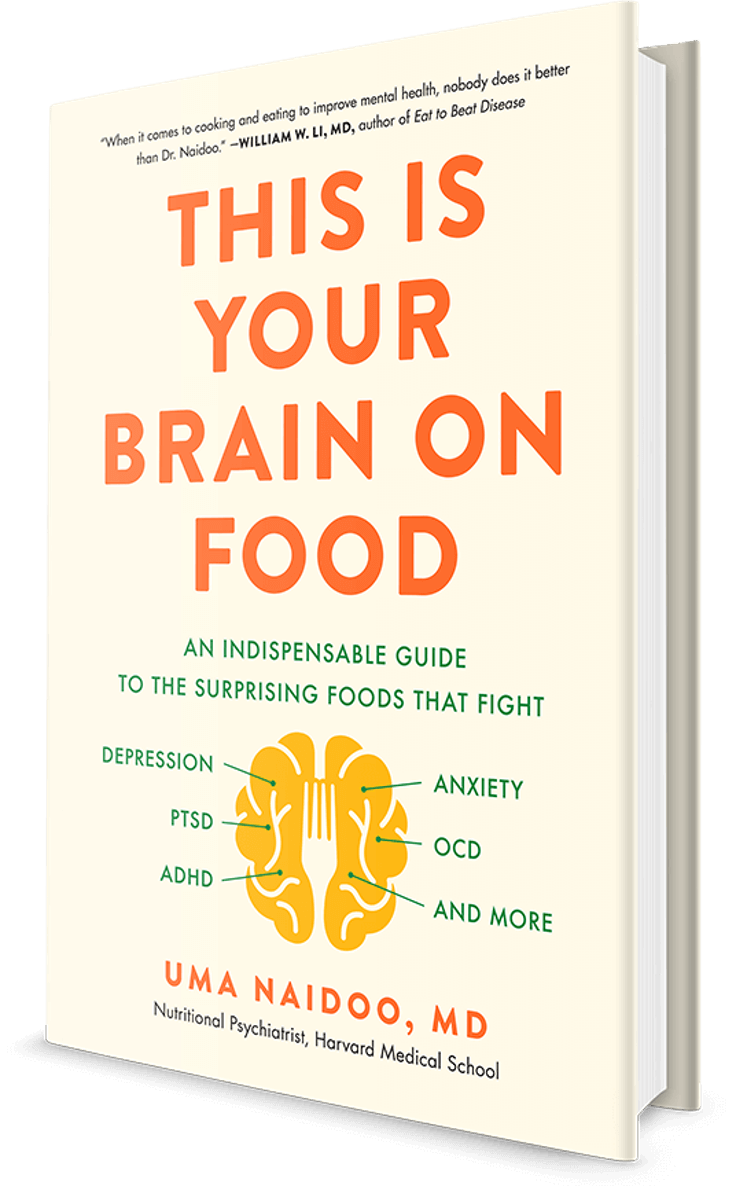
brain on food

Dr. Uma Naidoo has a wonderful new book called This Is Your Brain on Food: An Indispensable Guide to the Surprising Foods that Fight Depression, Anxiety, PTSD, OCD, ADHD, and More (my Amazon link)

Her big bold message is this “Until we solve nutritional problems, no amount of medication and psychotherapy is going to be able to stem the tide of mental issues in our society.”  This is something I wholeheartedly agree with!

I had the wonderful opportunity to interview Dr. Naidoo and we talked about the benefits of fermented foods and social anxiety, vitamin D and anxiety, dietary sources of polyphenols for ADHD and much more:

  • A 2015 study, Fermented foods, neuroticism, and social anxiety, reports that people eating fermented foods saw a reduction in their social anxiety and neurotic traits
  • Dr. Naidoo recommends unflavored kefir (which can be used to make a creamy dressing), miso, fermented vegetables and kombucha (watch the added sugars)
  • I mention kombucha as a source of fluoride (watch if you have issues with fluoride)
  • Vitamin D and anxiety: we discuss a 2019 study, Effect of Vitamin D Supplement on Mood Status and Inflammation in Vitamin D Deficient Type 2 Diabetic Women with Anxiety: A Randomized Clinical Trial

51 women with type 2 diabetes and vitamin D deficiency were randomly allocated to receive one oral pearl of 50,000 IU vitamin D3 (26 women) or a placebo (25 women) fortnightly for 16 weeks

Anxiety score changes were significantly lower in vitamin D group than the controls

  • Dr . Naidoo recommends these sources of vitamin D: egg yolks, salmon, mushrooms and sun exposure (sun through a window doesn’t count)
  • Dietary polyphenols and ADHD: We talk about a 2018 study, Rationale for Dietary Antioxidant Treatment of ADHD

Dietary polyphenols… have antioxidant capacities as well as immunoregulatory effects and, therefore, appear appropriate in ADHD therapy.

  • Dr. Naidoo recommends these sources of polyphenols: berries and other fruit, vegetables, extra virgin olive oil.
  • I’m fascinated by the fact that polyphenols “act as a low-dose toxin that trains the body to mount an immune response in a process called hormesis” (there are many geeky gems like this in the book)
  • Dr. Naidoo shares the story of her 36 year old patient with severe anxiety. He was a binge eater and also had a history of alcohol abuse. Vitamin B1 (250mg) was every effective for him…“In animal studies, thiamine appears to reduce stress-like responses because it protects the hippocampus”
  • We talk about chamomile tea and how it helps with sleep. There are some cautions if you’re on a blood thinner prescription or going to have surgery. Pregnant women should also avoid it.
  • Dr. Naidoo shares a delicious Golden Milk recipe with tips on how to use turmeric (one her favorite spices and inspired by her grandmother’s cooking) with black pepper. You’ll find this in the recipes section.
  • Dr Naidoo also shares one of her favorite comfort foods – a yummy lentil soup recipe called dal in south Indian cuisines. It’s a great source of fiber, plant-based protein and is very affordable. And really healthy when cooked with vegetables and spices like mustard seeds, ginger, garlic and turmeric. She shares a tip to improve the flavors – making tadka (listen to the interview below, enjoy and be inspired!)


It’s a wonderful book that I highly recommend if:

  • you are new to nutritional psychiatry and the power of food
  • you are a seasoned foodie and want to geek out on mechanisms and the science
  • you want to learn about foods and nutrients (all science-based) specifically for depression, anxiety, PTSD, OCD, ADHD and insomnia
  • you are a practitioner and want to learn and share a wonderful book with your patients or clients

I read it cover to cover and picked up so many gems. I also loved reading about her memories of cooking with her Pinetown granny (Pinetown is just outside Durban where we both happened to grow up)!

We do have a few professional differences of opinion that I feel I should mention:

  • I am not in favor of canola oil and I’d switch out the recipes that call for canola oil with olive oil
  • I have a difficult time extrapolating high-fat diets in rat studies to concerns about saturated fat consumption in humans (given the nature of the rat chow in many of these studies)
  • I’m more concerned with portion-size of carbs than I am with portion-size of healthy fats (and typically recommend full-fat coconut milk, and chicken and turkey with skin-on)
  • I find grass-red meat to be beneficial for my clients with anxiety and mood issues
  • Many of my anxious clients cannot tolerate any caffeine and I consider 14 alcoholic drinks a week for men and 7 alcoholic drinks a week for women to be excessive
  • I prefer stove-top and oven cooking to using a microwave.

This is the official book blurb:

Did you know that blueberries can help you cope with the aftereffects of trauma? That salami can cause depression, or that boosting Vitamin D intake can help treat anxiety?

When it comes to diet, most people’s concerns involve weight loss, fitness, cardiac health, and longevity. But what we eat affects more than our bodies; it also affects our brains. And recent studies have shown that diet can have a profound impact on mental health conditions ranging from ADHD to depression, anxiety, sleep disorders, OCD, dementia and beyond.

A triple threat in the food space, Dr. Uma Naidoo is a board-certified psychiatrist, nutrition specialist, and professionally trained chef. In This Is Your Brain on Food, she draws on cutting-edge research to explain the many ways in which food contributes to our mental health, and shows how a sound diet can help treat and prevent a wide range of psychological and cognitive health issues.

Packed with fascinating science, actionable nutritional recommendations, and delicious, brain-healthy recipes, This Is Your Brain on Food is the go-to guide to optimizing your mental health with food.

Uma Naidoo, MD is board-certified psychiatrist (Harvard Medical School), professional chef (Cambridge School of Culinary Arts), and nutrition specialist (Cornell University). She is currently the Director of Nutritional and Lifestyle Psychiatry at Massachusetts General Hospital (MGH), where she consults on nutritional interventions for the psychiatrically and medically ill; Director of Nutritional Psychiatry at the Massachusetts General Hospital Academy; and has a private practice in Newton, MA. She also teaches at The Cambridge School of Culinary Arts.

Dr. Naidoo speaks frequently at conferences at Harvard, for Goop audiences, the New York City Jewish Community Center (JCC), and Ivy Boston. She blogs for Harvard Health and Psychology Today and completed a unique video cooking series for the MGH Academy which teaches Nutritional Psychiatry using culinary techniques in the kitchen.

You can get your copy of This Is Your Brain on Food here (my Amazon link) and find additional information about Dr. Naidoo here and the book here.

Let us know what you think in the comments below and be sure to leave Dr. Naidoo a review once you read your copy!

Feel free to post your questions here too.

Filed Under: Anxiety, Books Tagged With: ADHD, anxiety, brain, chamomile tea, dal, depression, Dr. Uma Naidoo, fermented food, food, insomnia, OCD, polyphenols, PTSD, sleep, This Is Your Brain on Food, turmeric, Uma Naidoo, vitamin D

  • « Go to Previous Page
  • Page 1
  • Page 2
  • Page 3
  • Page 4
  • Page 5
  • Page 6
  • Go to Next Page »

Primary Sidebar

NEW! GABA QuickStart Homestudy (with special intro pricing)

gaba quickstart homestudy

Free Report

9 Great Questions Women Ask about Food, Mood and their Health

You'll also receive a complimentary subscription to my ezine "Food, Mood and Gal Stuff"


Connect with me

Popular Posts

  • Amino Acids Mood Questionnaire from The Antianxiety Food Solution
  • The Antianxiety Food Solution Amino Acid and Pyroluria Supplements
  • Pyroluria Questionnaire from The Antianxiety Food Solution
  • Collagen and gelatin lower serotonin: does this increase your anxiety and depression?
  • Tryptophan for the worry-in-your-head and ruminating type of anxiety
  • GABA for the physical-tension and stiff-and-tense-muscles type of anxiety
  • The Antianxiety Food Solution by Trudy Scott
  • Seriphos Original Formula is back: the best product for anxiety and insomnia caused by high cortisol
  • Am I an anxious introvert because of low zinc and vitamin B6? My response to Huffington Post blog
  • Vagus nerve rehab with GABA, breathing, humming, gargling and key nutrients

Recent Posts

  • What do I use instead of Seriphos to help lower high cortisol that is affecting my sleep and making me anxious at night?
  • BeSerene™ GABA/theanine cream eases severe muscle tension in her neck/shoulders, prevents her bad headaches and quells her anxiety
  • How the correct approach, dose and sublingual use of GABA can be calming and not cause a flushed and itchy face and neck
  • The amino acid glutamine improves low mood by addressing gut health, and it has calming effects too
  • Flight anxiety with heightened breath, physical tension and also fearing the worst (the role of low GABA and low serotonin)

Categories

  • 5-HTP
  • AB575
  • Addiction
  • ADHD
  • Adrenals
  • Alcohol
  • Allergies
  • Alzheimer's disease
  • Amino Acids
  • Anger
  • Antianxiety
  • Antianxiety Food Solution
  • Antidepressants
  • Anxiety
  • Anxiety and panic
  • Autism
  • Autoimmunity
  • benzodiazapines
  • Bipolar disorder
  • Books
  • Caffeine
  • Cancer
  • Candida
  • Children/Teens
  • Collagen
  • Cooking equipment
  • Coronavirus/COVID-19
  • Cravings
  • Depression
  • Detoxification
  • Diabetes
  • Diet
  • DPA/DLPA
  • Drugs
  • EFT/Tapping
  • EMF
  • EMFs
  • Emotional Eating
  • Endorphins
  • Environment
  • Essential oils
  • Events
  • Exercise
  • Fear
  • Fear of public speaking
  • Fertility and Pregnancy
  • Fish
  • Food
  • Food and mood
  • Functional neurology
  • GABA
  • Gene polymorphisms
  • General Health
  • Giving
  • Giving back
  • Glutamine
  • Gluten
  • GMOs
  • Gratitude
  • Gut health
  • Heart health/hypertension
  • Histamine
  • Hormone
  • Hyperparathyroidism
  • Hypoglycemia
  • Immune system
  • Inflammation
  • Insomnia
  • Inspiration
  • Introversion
  • Joy and happiness
  • Ketogenic diet
  • Lithium orotate
  • Looking awesome
  • Lyme disease and co-infections
  • MCAS/histamine
  • Medication
  • Men's health
  • Mental health
  • Mercury
  • Migraine
  • Mold
  • Movie
  • MTHFR
  • Multiple sclerosis
  • Music
  • NANP
  • Nature
  • Nutritional Psychiatry
  • OCD
  • Osteoporosis
  • Oxalates
  • Oxytocin
  • Pain
  • Paleo
  • Parasites
  • Parkinson’s disease
  • PCOS
  • People
  • PMS
  • Postpartum
  • PTSD/Trauma
  • Pyroluria
  • Questionnaires
  • Real whole food
  • Recipes
  • Research
  • Schizophrenia
  • serotonin
  • SIBO
  • Sleep
  • Special diets
  • Sports nutrition
  • Stress
  • Sugar addiction
  • Sugar and mood
  • Supplements
  • Teens
  • Testimonials
  • Testing
  • The Anxiety Summit
  • The Anxiety Summit 2
  • The Anxiety Summit 3
  • The Anxiety Summit 4
  • The Anxiety Summit 5
  • The Anxiety Summit 6
  • Thyroid
  • Thyroid health
  • Toxins
  • Tryptophan
  • Tyrosine
  • Uncategorized
  • Vegan/vegetarian
  • Women's health
  • Yoga

Archives

  • October 2025
  • September 2025
  • August 2025
  • July 2025
  • June 2025
  • May 2025
  • April 2025
  • March 2025
  • February 2025
  • January 2025
  • November 2024
  • October 2024
  • September 2024
  • August 2024
  • July 2024
  • June 2024
  • May 2024
  • April 2024
  • March 2024
  • February 2024
  • January 2024
  • December 2023
  • November 2023
  • October 2023
  • September 2023
  • August 2023
  • July 2023
  • June 2023
  • May 2023
  • April 2023
  • March 2023
  • February 2023
  • January 2023
  • December 2022
  • November 2022
  • October 2022
  • September 2022
  • August 2022
  • July 2022
  • June 2022
  • May 2022
  • April 2022
  • March 2022
  • February 2022
  • January 2022
  • December 2021
  • November 2021
  • October 2021
  • September 2021
  • August 2021
  • July 2021
  • June 2021
  • May 2021
  • April 2021
  • March 2021
  • February 2021
  • January 2021
  • December 2020
  • November 2020
  • October 2020
  • September 2020
  • August 2020
  • July 2020
  • June 2020
  • May 2020
  • April 2020
  • March 2020
  • February 2020
  • January 2020
  • December 2019
  • November 2019
  • October 2019
  • September 2019
  • August 2019
  • July 2019
  • June 2019
  • May 2019
  • April 2019
  • March 2019
  • February 2019
  • January 2019
  • December 2018
  • November 2018
  • October 2018
  • September 2018
  • August 2018
  • July 2018
  • June 2018
  • May 2018
  • April 2018
  • March 2018
  • February 2018
  • January 2018
  • December 2017
  • November 2017
  • October 2017
  • September 2017
  • August 2017
  • July 2017
  • June 2017
  • May 2017
  • April 2017
  • March 2017
  • February 2017
  • January 2017
  • December 2016
  • November 2016
  • October 2016
  • September 2016
  • August 2016
  • July 2016
  • June 2016
  • May 2016
  • April 2016
  • March 2016
  • February 2016
  • January 2016
  • December 2015
  • November 2015
  • October 2015
  • September 2015
  • August 2015
  • July 2015
  • June 2015
  • May 2015
  • April 2015
  • March 2015
  • February 2015
  • January 2015
  • December 2014
  • November 2014
  • October 2014
  • September 2014
  • August 2014
  • July 2014
  • June 2014
  • May 2014
  • April 2014
  • March 2014
  • February 2014
  • January 2014
  • December 2013
  • November 2013
  • October 2013
  • September 2013
  • August 2013
  • July 2013
  • June 2013
  • May 2013
  • April 2013
  • March 2013
  • February 2013
  • January 2013
  • December 2012
  • November 2012
  • October 2012
  • August 2012
  • July 2012
  • June 2012
  • May 2012
  • April 2012
  • March 2012
  • February 2012
  • January 2012
  • December 2011
  • November 2011
  • October 2011
  • September 2011
  • August 2011
  • July 2011
  • June 2011
  • May 2011
  • April 2011
  • March 2011
  • February 2011
  • January 2011
  • December 2010
  • October 2010
  • September 2010
  • July 2010
  • May 2010
  • April 2010
  • March 2010
  • February 2010
  • January 2010
  • November 2009

Share the knowledge!

The above statements have not been evaluated by the Food and Drug Administration. Products listed in this website are not intended to diagnose, treat, cure or prevent any disease.

The information provided on this site is for informational and educational purposes only and is not intended as a substitute for advice from your physician or other health care professional. You should consult with a healthcare professional before starting or modifying any diet, exercise, or supplementation program, before taking or stopping any medication, or if you have or suspect you may have a health problem.


Copyright © 2026 Trudy Scott. All Rights Reserved. | Privacy | Terms and Conditions | Refund Policy | Medical Disclaimer

Free Report

9 Great Questions Women Ask about Food, Mood and their Health

You’ll also receive a complimentary subscription to my ezine “Food, Mood and Gal Stuff”