• Skip to primary navigation
  • Skip to main content
  • Skip to primary sidebar

everywomanover29 blog

Food, Mood and Women's Health – Be your healthiest, look and feel great!

  • Blog
  • About
  • Services
  • Store
  • Resources
  • Testimonials
  • The Book
  • Newsletter
  • Contact
  • Search this site

Bright light to reset circadian rhythm: a solution for jet lag (with melatonin) and for disturbed sleep caused by bile issues?

August 2, 2024 By Trudy Scott 28 Comments

bright light circadian rhythm

The symptoms of jet lag cause distress to an increasing number of travelers. Potentially they may impair sleep,mood and cognitive performance. Critically timed exposure to bright light and melatonin administration can help to reduce symptoms.

Bright light is one of the most powerful synchronizers of human rhythms and melatonin serves as a ‘‘dark pulse’’ helping to induce nighttime behaviors. Thus, enhancing day and night signals to the brain, appropriate to the environmental light/dark cycle of the new time zone, can serve to reestablish adaptive timing relationships between the body’s internal biological rhythms and the external environment, and thereby reduce the symptoms of jet lag.

The above is from a paper published in 2002, Jet Lag: Minimizing It’s Effects with Critically Timed Bright Light and Melatonin Administration.

I came across this research just before my recent trip to Boston. I always use high dose melatonin to help with jet lag but because it was a business trip and I needed to be in top form as soon as I arrived, I was intrigued about the addition of bright light. So I purchased a light-weight 10,000 lux bright light panel and took it with me.

I was actually looking for solutions for my issues with a strange sleep pattern i.e. in waking in the early hours and not being able to get back to sleep on days when I would go to bed much earlier than usual. That pilot study found that “a brief course of morning bright light treatment had positive effects on subjective sleep quality, daytime sleepiness, and sleep timing in patients with primary biliary cholangitis.” And it led me to the jet lag research which is typical when you’re digging through the research!

The benefits for both situations – jet lag and disturbed sleep/bile issues – reinforced my decision and I’m so glad I got one. I love it! My jet lag results were better with the bright light and melatonin combined (with some caveats I share below). And I continue to use my light panel daily which means much improved sleep on those nights when I have to get to bed earlier. I am a hot mess when I don’t get a good 9 hours sleep and it’s something I continually work on.

I share more on both studies below, details on what timing is best for the bright light when traveling and at home, melatonin dosing (from the study and what I do) and how I plan to adjust things for my next long flight.

More from the jet lag study on bright light timing and melatonin

The jet lag paper talks about light being “one of the most powerful synchronizers of human circadian rhythms:

  • Light in the morning advances circadian rhythms and
  • Light in the evening delays circadian rhythms.”

And so the author shares different and very “specific recommendations using bright light and melatonin for eastward and westward travel before and after departure”and depending on “time zone changes of up to 6, 7-9 and 10 or more hours.”

These involve using the bright light either morning or night and likewise with the melatonin.

Since I was traveling eastbound from Sydney to Boston (21+ hours depending on the route) I should have followed those specific instructions.

How I used the bright light panel and melatonin

Instead, I kept it simple and 3 days before my departure I started using the bright light for 30 minutes in the morning and took 2.5 mg melatonin (and my other usual sleep solutions – see below).

When I arrived in Boston I had an afternoon nap and took 10mg of melatonin that first night – the usual increase in melatonin I use when doing long trips. For the duration of my time in Boston (a week), I used the light panel each morning for 30 minutes and 10mg of melatonin each night. And I did not experience any jet lag, other than feeling a little tired for about an hour each afternoon. I was waking earlier than usual (4am then 4:30am then 5am and then 6am) but was getting 8-9 hours of solid sleep.

I stopped in Hawaii and spent a week with my sister on the way home. I did the same even though the paper had different directions for flying westbound on a 12 hour trip. I was really tired on arriving and crashed early and still woke earlier than usual but had no jet lag.

I continue to use the light panel for 30 minutes each morning and am using 10mg melatonin (I’ll drop it down to 2.5mg soon – wild dreams are my clue I’m getting too much). My sleep has been solid since returning (other than an issue with cellulose in a new product I tried). My bedtime is earlier and I had a little less energy in the afternoons for the first 2 weeks.

We were sprayed with insecticide on the plane on arrival in Australia so I suspect that may have been a factor. (I am trying to get something done about this – I can’t actually believe this happens!)

You may wonder why I shared this study and what I did instead. Quite honestly, I was in a mad rush before I left and didn’t have time to work out the different recommendations. And I figured if I found it overwhelming others may too so let’s keep it simple.

That said, I’m impressed by the level of detail in the recommendations and may try to implement some of this on a future trip where I have some leeway if it doesn’t work. If you’ve done it per the recommendations in the above study please do let us know.

Morning bright light for disturbed sleep in primary biliary cholangitis

As I mentioned above, I had also just read the pilot study, Morning Bright Light Treatment for Sleep-Wake Disturbances in Primary Biliary Cholangitis. “Primary biliary cholangitis is a rare, immune-mediated cholestatic liver disease, mostly affecting women” where there is cholestasis or a decrease in bile flow, pruritus (itchiness) and fatigue.  I don’t have this condition but do have bile issues and was experiencing a new sleep problem that my usual sleep protocol wasn’t helping.

I’ve always typically been a night owl, going to bed late and getting up late. However, I’m part of a new US-based Mastermind and with the time difference I have to get up at 5:30am two mornings a week for training sessions.  I would go to bed 9 hours earlier and without fail would wake at 1am or 2am and not be able to get back to sleep.

I figured it may be liver/bile related so when I found the above paper I was very excited to give morning bright light a try. And it’s been working!

The pilot study reports these results: “a brief course of morning bright light treatment had positive effects on subjective sleep quality, daytime sleepiness, and sleep timing in patients with PBC.” This matches what I am experiencing on those early training days.

If you’re curious, I write about my current bile issues here: Ox bile as a supplement: to help counter the effects of dietary oxalates very likely caused by bile issues and poor fat digestion. I’m not suggesting it’s anything like primary biliary cholangitis other than something seems to be going on with my liver and bile production or bile quality. I will add that ox bile supplementation has reduced my daytime fatigue dramatically.

Interestingly, in other research, it was suggested that “pruritus of cholestasis is responsive to bright light in some patients” i.e, the itchiness that is experienced with chronic liver disease/bile issues.

My light panel and other sleep solutions

As I shared above, I am a hot mess when I don’t get a good 9 hours of sleep and it’s something I continually work on.

I took this photo in Boston in my hotel room. You can see the light panel and the nutrients I use at night on a regular basis. There are also 3 essential oils I use on the blue cloth (lavender, rose geranium and clary sage) and mouth tape.  I always use an eye patch and only use earplugs when traveling.

sleep solutions

I recorded a video discussing each of the above and why I use it and will share this as a separate post if there is interest.

The only change for this trip was the full spectrum light panel.

The full spectrum light panel I purchased and now recommend
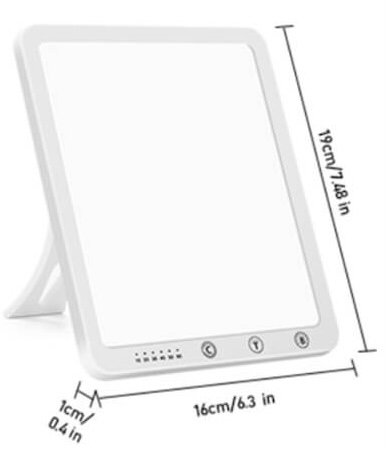
full spectrum light panel

This is the exact one I purchased (my Amazon link and above image from Amazon). It has 5 brightness levels but I’m only using the brightest one. It has a timer – 10, 20, 30, 40, 50 and 60 minutes. To be safe I started with 10 minutes, then went to 20 minutes the next day and then 30 minutes and have continued with this time. It also has 3 colors but I’ve only used the white so far.

I packed it in my suitcase in the original box and although it was a little bulky, it worked well to prevent it getting damaged.

If you already have a 10,000 lux full spectrum light box or lamp, it will provide similar results and also mood benefits if you experience the winter blues (more about that here). However the light-weight bright light panel is ideal for traveling.

Update Dec 2025:

If the above full spectrum light panel is not available here are some other comparable panel options and some lamp options too:

  • Verilux Happy Light Luxe – a light panel (my Amazon link)
  • Verilux Happy Light Alba – another light panel (my Amazon link)
  • Happy Light Therapy Lamp – a standing map for your living room, bedroom or office (my Amazon link)
  • Light Therapy Lamp – a desk lamp (my Amazon link)

Additional resources when you are new to using amino acids as supplements

As you can see I continue to use GABA and tryptophan to keep me sleeping well and anxiety-free.

For clients who may be considering using either one of these amino acids, I use the symptoms questionnaire to figure out if low low serotonin or other neurotransmitter imbalances may be an issue.

If you suspect low levels of any of the neurotransmitters and do not yet have my book, The Antianxiety Food Solution – How the Foods You Eat Can Help You Calm Your Anxious Mind, Improve Your Mood, and End Cravings, I highly recommend getting it and reading it before jumping in and using amino acids on your own so you are knowledgeable. And be sure to share it with the practitioner/health team you or your loved one is working with.

There is an entire chapter on the amino acids and they are discussed throughout the book in the sections on gut health, gluten, blood sugar control (this is covered in an entire chapter too), sugar cravings, anxiety and mood issues.

The book doesn’t include product names (per the publisher’s request) so this blog, The Antianxiety Food Solution Amino Acid and Pyroluria Supplements, lists the amino acids that I use with my individual clients and those in my group programs.

If, after reading this blog and my book, you don’t feel comfortable figuring things out on your own (i.e. doing the symptoms questionnaire and respective amino acids trials), a good place to get help is the GABA QuickStart Program (if you have low GABA symptoms too). This is a paid online/virtual group program where you get my guidance and community support.

If you are a practitioner, join us in The Balancing Neurotransmitters: the Fundamentals program. This is also a paid online/virtual program with an opportunity to interact with me and other practitioners who are also using the amino acids.

Wrapping up and your feedback

I’d love to hear from you – does any of this resonate with you? If yes, has full spectrum light therapy helped with jet lag? What light box or light panel do you use? And do you also travel with one?

Do you also use melatonin for jet lag and how much helps you? And what else is part of your sleep solutions?

Has bright light therapy improved your sleep if you have liver/bile issues? Has it prevented middle of the night waking?

If you’re a practitioner have you seen this research and seen bright light therapy help with jet lag and/or sleep disruption caused by liver/bile issues?

Feel free to share and ask your questions below.

Filed Under: Gut health, Insomnia Tagged With: 000 lux, 10, bile liver, bright light, bright light panel, cholestasis, circadian rhythm, cognitive performance, daytime sleepiness, disturbed sleep, GABA, GABA Quickstart; Balancing Neurotransmitters: the Fundamentals program for practitioners, jet lag, melatonin, mood, primary biliary cholangitis, serotonin, sleep, sleep quality, sleep timing, tryptophan, waking early

I had chemotherapy and have not been able to get off sugar since. How long will it take 5-HTP or tryptophan to stop the cravings?

July 26, 2024 By Trudy Scott 4 Comments

aminos to stop sugar cravings

Lauren shared her struggle with sugar cravings that started after chemotherapy, asking her question on a recent tryptophan/DPA cravings blog post:

If I try the tryptophan or the 5-HTP and one or the other works, how long will I need to take them for the sugar cravings to stop?

Back in 2021 I had been off sugar for 2 years and it was easy to get off by slowing eliminating sugar. The last elimination was from my coffee and then it was easy to stay away from sugar.

I had chemotherapy for 6 months in 2022. I have not been able to get off sugar since then. After chemo ended, I had the cravings and don’t know how to end the cravings.

Any advice from you would be appreciated.

The good news is that if you have cravings that are caused by low serotonin and you find your ideal dose of tryptophan or 5-HTP, you will notice reduced sugar cravings immediately and they will be further reduced with consistent use, typically a few times a day.

The key is to figure out if your cravings are caused by low serotonin and then it’s a matter of doing a trial of either tryptophan or 5-HTP (if you get results and other low serotonin symptoms improve it’s a clue you’re on track). And then you need to figure out the ideal dose for your unique needs. I share more about all this below and additional information about other types of cravings caused by neurotransmitter imbalances (and the respective amino acids that help).

Since her cravings struggles started after chemotherapy I also discuss possible impacts on neurotransmitters and also candida (sugar cravings are very common with the candida). Read on for my response to the above question from Lauren.

Sugar cravings caused by low serotonin: tryptophan or 5-HTP may offer immediate results

As I mentioned above you will notice reduced sugar cravings immediately with either tryptophan or 5-HTP if your cravings are caused by low serotonin. A big clue with low serotonin-type sugar or carb cravings is that they are more intense in the late afternoon and evening.

A good place to start (as always) is with the symptoms questionnaire. If there are other low serotonin symptoms such as feeling more anxious, worried, fearful with a low mood and irritability etc, that further confirms it’s worth doing a trial.

Some folks do better with one than the other but I have clients start with tryptophan and then switch to 5-HTP if their results are not as expected. In both instances we open the capsule or use powders or a chewable to get instant feedback on the benefits. So in that first session Lauren should be able to say “wow my cravings have reduced from 10/10 to 5/10” within 5-10 minutes. She may also report she feels more optimistic and less worried.

It is possible that her cravings are not caused by low serotonin or that they are a combination of a number of factors.

Sugar cravings caused by other neurotransmitter imbalances, and other amino acids to the rescue

We also look at sugar cravings caused by low GABA (stress eating because of physical tension), low endorphins (comfort eating or emotional eating), low dopamine (eating for an energy boost or improved focus) and low blood sugar (eating due to crankiness and irritability).

Lauren would know if any of the above may be factors based on her scores on the symptoms questionnaire i.e. scores for cravings and other symptoms. This offers further clarification:

  1. If you eat sugar or carbs to feel happy (and especially from late afternoon into the evening) then your sugar cravings are likely due to low serotonin, and tryptophan (or 5-HTP) stops the cravings and boosts mood and reduces anxiety
  2. If you stress-eat your sugar cravings are likely due to low GABA, and GABA will stop the stress-eating and calm you down
  3. If you are a comfort-eater then it’s likely due to low endorphins and DPA will stop that feeling of “I deserve-it” kind of reward-eating or comfort-eating and also give you a hug-like mood boost
  4. If you eat sugar for an energy boost or to give your focus then it’s likely due to low catecholamines and tyrosine will stop those cravings and give you a mood and energy boost, and help with mental clarity
  5. If you have to eat sugar when you haven’t eaten in awhile it’s likely low blood sugar and glutamine on the tongue stops the sugar desire almost immediately and also helps with the low blood sugar symptoms of shakiness and irritability

As you can see there is an amino acid for each of these imbalances and it’s a matter of doing a similar trial for each one. With the correct dose, Lauren can expect quick results too, provided she finds the ideal dose for her needs.

This is the blog post Lauren posted her question on: Tryptophan and DPA (d-phenylalanine) for cravings and sleep issues (and a concern about 5-HTP and nightmares).

It’s one of many posts on the site about amino acids and sugar cravings so I encourage you to use the search feature of the blog.

Chemotherapy: impacts on serotonin and dopamine

Because chemotherapy has an impact on serotonin and dopamine, this may be where Lauren needs to start when considering which amino acids to trial. Here is some additional information on “chemobrain” or  chemotherapy-induced cognitive impairment:

… a medical complication of cancer treatment that is characterized by a general decline in cognition affecting visual and verbal memory, attention, complex problem solving skills, and motor function. It is estimated that one-third of patients who undergo chemotherapy treatment will experience cognitive impairment.

Alterations in the release and uptake of dopamine and serotonin, central nervous system neurotransmitters that play important roles in cognition, could potentially contribute to impaired intellectual performance in those impacted by chemobrain.

And this may offer an explanation as to why she hasn’t been able to quit sugar since chemotherapy.

Chemotherapy, candida albicans and sugar cravings

If none of the above approaches reduce her cravings or if they do help to some extent but are not quite enough, we have to keep looking for root causes.

A big clue is that Lauren had been able to quit sugar using willpower in the past but has struggled since chemotherapy. It’s important to consider the role this may be playing. In cancer patients who have gone through chemotherapy there is increased susceptibility to Candida albicans, “a fungal commensal and a major colonizer of the human skin, as well as of the gastrointestinal and genitourinary tracts.” This is reported to be caused primarily by “chemotherapy-induced depression of innate immune cells and weakened epithelial barriers, which are the body’s first-line defenses against fungal infections.”

Sugar cravings are very common with candida and in some cases can be so severe that no amino acids will work until the candida is addressed. Interestingly, in one candida study, short exposure to serotonin resulted in antifungal activity so it’s possible that tryptophan or 5-HTP helps.

I don’t have my candida symptoms questionnaire on the blog but you can find a mini version on page 93 of my book, The Antianxiety Food Solution and additional information and my dietary/nutrient protocol in chapter 5 of my book.

The full candida questionnaire can be found in William G. Crook’s excellent book, The Yeast Connection and Women’s Health (my Amazon link).

Additional resources when you are new to using amino acids as supplements

As always, I use the symptoms questionnaire to figure out if low low serotonin or other neurotransmitter imbalances may be an issue.

If you suspect low levels of any of the neurotransmitters and do not yet have my book, The Antianxiety Food Solution – How the Foods You Eat Can Help You Calm Your Anxious Mind, Improve Your Mood, and End Cravings, I highly recommend getting it and reading it before jumping in and using amino acids on your own so you are knowledgeable. And be sure to share it with the practitioner/health team you or your loved one is working with.

There is an entire chapter on the amino acids and they are discussed throughout the book in the sections on gut health, gluten, blood sugar control (this is covered in an entire chapter too), sugar cravings, anxiety and mood issues.

The book doesn’t include product names (per the publisher’s request) so this blog, The Antianxiety Food Solution Amino Acid and Pyroluria Supplements, lists the amino acids that I use with my individual clients and those in my group programs.

If, after reading this blog and my book, you don’t feel comfortable figuring things out on your own (i.e. doing the symptoms questionnaire and respective amino acids trials), a good place to get help is the GABA QuickStart Program (if you have low GABA symptoms too). This is a paid online/virtual group program where you get my guidance and community support.

If you are a practitioner, join us in The Balancing Neurotransmitters: the Fundamentals program. This is also a paid online/virtual program with an opportunity to interact with me and other practitioners who are also using the amino acids.

Wrapping up and your feedback

I appreciate Lauren for posting her question on the blog so I can share and we all can learn.

Now I’d love to hear from you – does any of this resonate with you? If yes, what approach helped reduce your sugar cravings after chemotherapy?

If you’re a practitioner have you seen these approaches work well with your clients/patients?

Feel free to share and ask your questions below.
Filed Under: 5-HTP, Cancer, Cravings, serotonin, Tryptophan Tagged With: 5-HTP, amino acids, candida, chemo, chemotherapy, comfort eating, cravings, dopamine, endorphins, GABA, GABA Quickstart; Balancing Neurotransmitters: the Fundamentals program for practitioners, neurotransmitters, serotonin, sleep, stress-eating, sublingually, sugar, sugar cravings, tryptophan

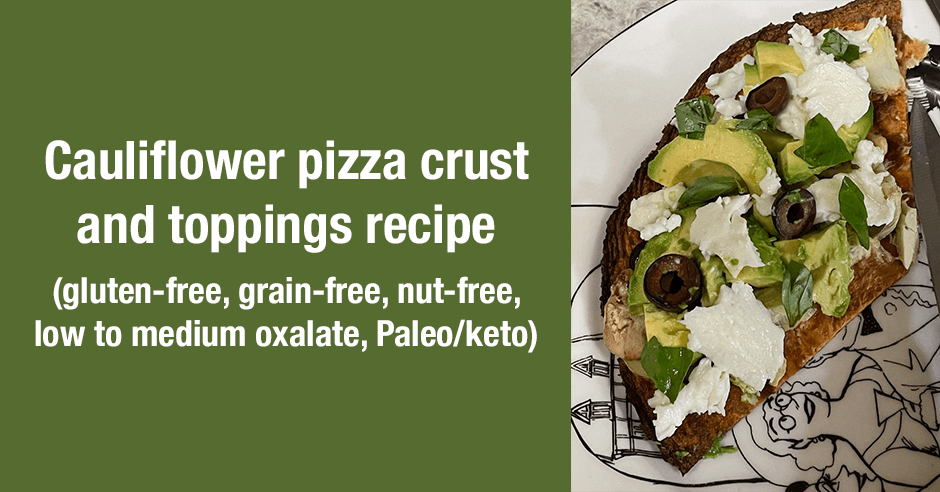
Cauliflower pizza crust and toppings recipe (gluten-free, grain-free, nut-free, low to medium oxalate, Paleo/keto)

July 19, 2024 By Trudy Scott Leave a Comment

cauliflower pizza

Today I’m sharing a really delicious cauliflower pizza crust recipe from Megan Gilmore of Detoxinista (the pizza crust recipe is unchanged and perfect just the way it is), my variations on toppings and some additional information on oxalates.

I do acknowledge, as far as pizza goes, my toppings are rather unconventional but I’ve never really been a big pizza lover (there, I said it!) But I do love cauliflower – it’s my favorite veggie – and I was excited when my sister told me about this recipe and then made it especially for me when I visited her and her family in Hawaii recently! Aren’t I spoiled?!

The fact that the cauliflower pizza crust is low oxalate makes a huge difference: the only ingredients are cauliflower, goats cheese and an egg. I’ve seen other cauliflower pizza crust recipes that include a nut flour such as almond flour. That would be a no-no for me and someone with dietary oxalate issues because almonds are high oxalate.

My topping included: a light smearing of tomato sauce, chunks of chicken (left-overs from the night before), a few halves of tinned artichoke and a few halved olives. I added all this to the prepared cauliflower pizza crust and heated it for 10 minutes.

Once it came out of the oven I loaded it up with freshly cut avocado, pieces of fresh basil and chunks of mozzarella cheese. I don’t like melted cheese and have a hard time digesting it so I prefer to add it afterwards. I think I’ll try feta cheese next time for a change.

I personally have dietary oxalate issues but right now I am doing well with a little tomato sauce, a few artichokes, a few olives and some fresh basil (as long as that is all I’m consuming that day in the way of medium oxalate foods). It’s best to figure out your own needs based on your oxalate issues and what you know you can tolerate.

Read on below for the link to the cauliflower pizza crust recipe and more about dietary oxalates.

The cauliflower pizza crust recipe from detoxinista

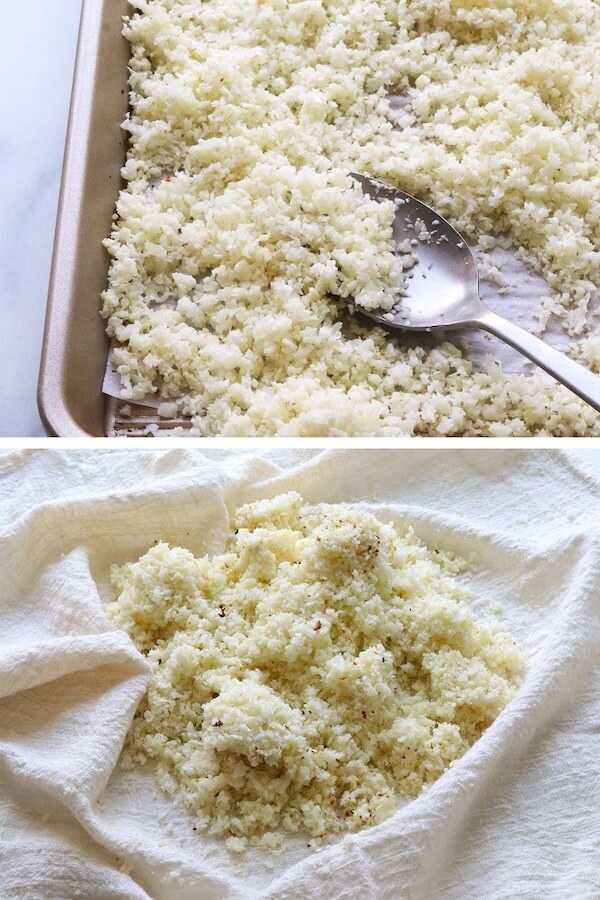
Here is the recipe for the perfect cauliflower pizza crust from Megan Gilmore. I have permission to only share the ingredients: cauliflower, egg, goats cheese, oregano, salt, and a pinch of black pepper, and photos from the site but you need to go to her site for the recipe instructions. It’s well worth it to see how it looks at the various stages. I’ve included a few of Megan’s images below.

I will add that my sister doesn’t have a food processor and just cooked the chopped cauliflower and then used a stick blender to get it looking like this.

cauliflower pizza
(Images used with permission from detoxinista)

(Images used with permission from detoxinista https://detoxinista.com/the-secret-to-perfect-cauliflower-pizza-crust/)

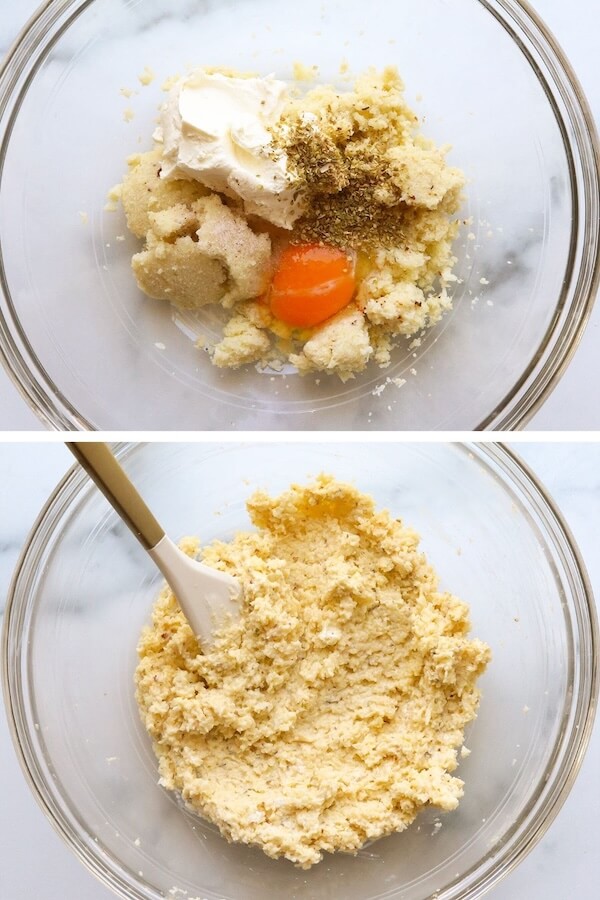
Once you add the egg and goat cheese it will have a texture and consistency like this. This is done after you have squeezed the liquid out of the cooked cauliflower – a crucial step for a firm and crunchy pizza crust.

cauliflower recipe
(Images used with permission from detoxinista)

Check out Megan’s site for other useful images, especially to see what the cooked crust looks like. One tip from my sister: once the crust is golden and crisp, flip it over and cook it another 10 minutes.

You’ll see there are also some variations with no goat cheese and no egg. If you try either of these please do share how they turned out.

Enjoying family, nature and a cauliflower crust pizza

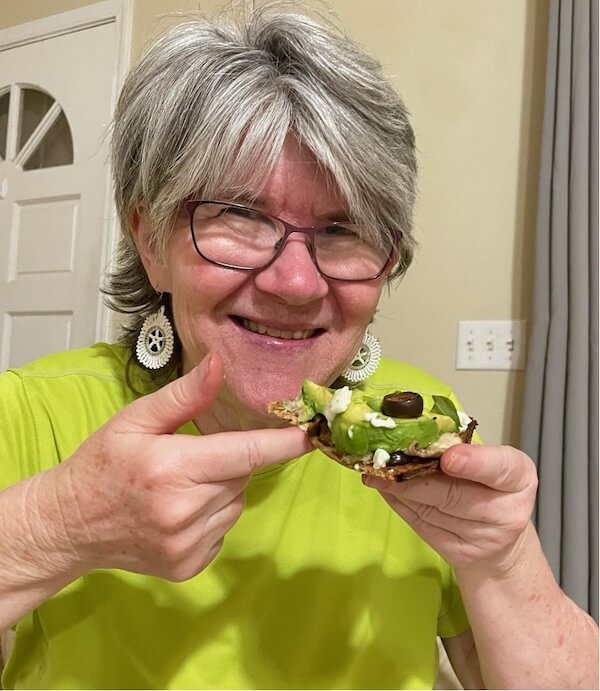
After a gorgeous evening with my sister and brother (they were camera-shy!) at Kona on the Big Island, we got back home and ate delicious pizza on this home-made cauliflower pizza crust!

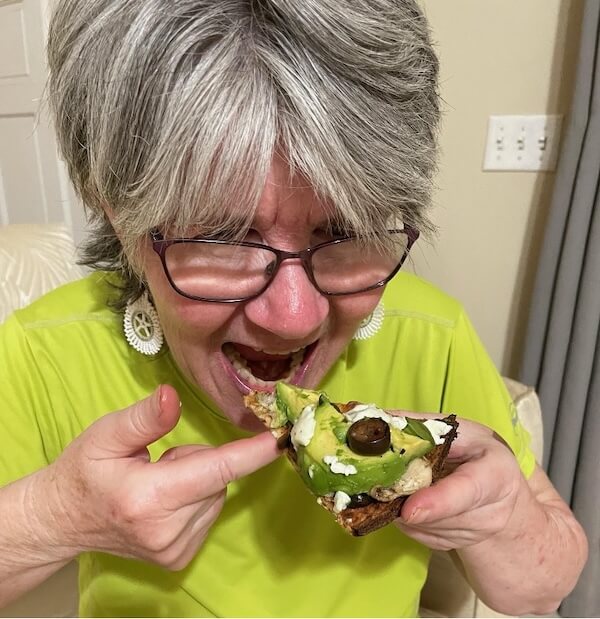
It was all prepared in advance – the crust and all the toppings – so we just put it all together based on our own likes and munched away. And boy did I rave about it – so much so that I said “hey take photos of me eating my pizza and I’ll share my my community”

cauliflower pizza

As you can see it’s a pretty firm crust and holds up well with all the toppings I added to mine. And yes my shirt matches the pizza topping – unintentional but still fun!

cauliflower pizza

It’s also really nice to eat something crunchy with a pizza-crust-like texture. If you’re gluten-free and grain-free I’m sure you can relate! And it tastes lovely.

Of course you can make it with conventional pizza toppings too. And I think you could use the pizza crust as crackers too. I plan to make a double batch and try this and freeze them.

Dietary oxalates and the problems they can cause

This blog post is a helpful one to start with if you’re new to dietary oxalates and the issues they can cause – Oxalate crystal disease, dietary oxalates and pain: the research & questions.

These are the common medium-oxalate and high-oxalate foods that many folks have problems with: nuts, nut-butters and nut-flour (especially baking with almond flour and something to watch when eating Paleo or GAPS), wheat, chocolate, kiwi fruit (very high – see the raphides image on the above blog), star fruit (also very high), beets, potatoes, sweet potatoes, legumes, raspberries, spinach and soy.

In the above blog post, I share an overview of oxalates, my pain issues with dietary oxalates (severe foot pain and eye pain), and deeper dive into the condition called oxalate crystal disease (with some of my insights and questions).

The big take-aways are that calcium oxalate crystals are sharp and can cause far reaching harm beyond pain – such as unresolved anxious feelings, thyroid issues, neurological symptoms, eye issues, hearing loss, bladder issues, headaches, fatigue, sleep issues, restless legs, autism symptoms and more. You can have issues with dietary oxalates and not have kidney disease/kidney stones, although there is very little research supporting the latter.

I’m finding dietary oxalate issues to be underappreciated especially in menopausal women when symptoms can show up and be more severe. And there is a strong connection with gallbladder issues and problems with fat digestion, which becomes more of an issue in perimenopause and beyond.

You can click on this link to read other blog posts on the topic of oxalates.

A resource if you are looking for a nutritional approach

If you are looking for a nutritional approach for your anxious feelings, mood issues, sleep problems and overall health issues, my book, The Antianxiety Food Solution – How the Foods You Eat Can Help You Calm Your Anxious Mind, Improve Your Mood, and End Cravings, is a great foundation. Be sure to share it with the practitioner/health team you or your loved one is working with.

If diet isn’t enough, there are entire chapters on the amino acids, gut health, blood sugar control and pyroluria. I don’t cover oxalates because I only became aware of them after my book was published (but I’ve published much on the blog since then – simply search this blog for other articles on the topic).

If, after reading this blog and my book, you don’t feel comfortable figuring things out on your own (i.e. doing the amino acids symptoms questionnaire and respective amino acids trials), a good place to get help is the GABA QuickStart Program (if you have low GABA symptoms too). This is a paid online/virtual group program where you get my guidance and community support.

If you are a practitioner, join us in The Balancing Neurotransmitters: the Fundamentals program. This is also a paid online/virtual program with an opportunity to interact with me and other practitioners who are also using the amino acids.

I’d love to hear if you try this recipe and enjoy it (and what modifications you made).

Do you like cauliflower and what is your favorite way to enjoy it?

Feel free to share and ask your questions below.
Filed Under: Oxalates, Recipes Tagged With: anxious, cauliflower, cauliflower pizza crust, dietary oxalate issues, egg, gluten-free, goats cheese, grain-free, Low oxalate, low to medium oxalate, Megan Gilmore, nut-free, pain, Paleo/keto, recipe, sharp crystals, sleep

Tryptophan and DPA (d-phenylalanine) for cravings and sleep issues (and a concern about 5-HTP and nightmares)

June 21, 2024 By Trudy Scott 19 Comments

tryptophan dpa craving sleep issues

Thank you for all your work! I saw your talk in the Super Trauma conference and immediately went and read your book. I suspect I am low in all 3 neurotransmitters, and have noticed the biggest difference in supplementing with DPA (d-phenylalanine). I started taking all 3 supplements by swallowing and switched to taking them sublingually after I got used to the idea.

My question is about tryptophan in particular. I struggle with nightmares already so I am a bit wary of trying 5-HTP. I tried taking mid afternoon and before bed but it made me way too tired in the afternoon. Is it okay to just double the dose right before bed? How safe are these amino acids in higher doses? I was also wanting to add an evening dose of DPA to help with cravings. Thanks again!

I get many questions like this on the blog about using either 5-HTP with DPA or tryptophan with DPA together, for helping to improve sleep and ease sugar cravings. So today I’m sharing one of these questions and my insights in case you have a similar question. This will also give you the opportunity to ask questions you may have related to using these amino acids together and gain an understanding on how to tweak the amino acids for optimal results.

Read on for my response to the above question from Amanda. I also share more about 5-HTP and nightmares (and why she may also decide to use this amino acid too), vitamin B6 and nightmares, pyroluria, and how to figure out if your cravings are due to low endorphins or low serotonin (or a combination).

Should she add an evening dose of DPA?

It’s wonderful to hear that DPA is helping with Amanda’s comfort cravings/emotional eating and other low endorphin symptoms. As a reminder these include:

  • Heightened sensitivity to emotional pain
  • Heightened sensitivity to physical pain
  • Crying or tearing up easily
  • Eating to soothe your mood, or comfort eating
  • Really, really loving certain foods, behaviors, drugs, or alcohol
  • Craving a reward or numbing treat
  • PMS (premenstrual syndrome) or PMDD (premenstrual dysphoric disorder) *

(bookmark this symptoms questionnaire because it’s updated as new research is published and has more symptoms listed that what is included in my book)

And in case you’re new to DPA (d-phenylalanine), it is an amino acid that prevents the breakdowns of endorphins so we have more of these feel-good neurotransmitters.

I’m really glad she figured out it’s more effective when opened and used on the tongue rather than swallowing it. I share more about this here – How best to use the amino acid DPA for easing heart-ache, weepiness, comfort eating and a compulsive desire for food. It really can mean the difference between no results and great results.

Amanda asks about adding an evening dose of DPA to help with endorphin-related cravings too and also using tryptophan only at night. Keep in mind that afternoon and evening cravings are typically related to low serotonin and it’s best to trial one amino acid at a time so you know which is working for which symptom. If we were working together, I’d recommend figuring out her serotonin support first and then layering in an extra DPA (or possibly two) at night if it’s still needed.

In case you’re curious, I discussed low serotonin, low endorphins and low GABA in my interview at the Trauma Super Conference so she is also using GABA. Using this one sublingually is key and it helps with easing physical tension and stress eating.

What could her serotonin support look like?

Since tryptophan used mid afternoon and before bed made her way too tired in the afternoon she could consider a lower dose of tryptophan (midafternoon and evening) or could just trial one tryptophan after dinner to help with sleep and reduce after dinner cravings.

For some folks this is enough. If not, after a few days of tracking symptoms, she could increase to one tryptophan after dinner and another at bedtime or two tryptophan at bedtime if her symptoms are not down 2/10 or 3/10.

Her concern about 5-HTP and nightmares

Some folks do better on 5-HTP and some on tryptophan and she is getting results with tryptophan so doesn’t really have to worry about 5-HTP at this stage. However, I do want to address Amanda’s concern about 5-HTP and nightmares, because in the future she may want to consider 5-HTP.

She may find she does in fact need some serotonin support earlier in the day and 5-HTP in the afternoon may be the answer for her i.e. 5-HTP midafternoon and tryptophan in the early evening and/or at bedtime.  It’s not unusual that we mix and match these two amino acids.

I’ve not had any clients report nightmares with 5-HTP, so I was surprised to hear this feedback on a Facebook thread, where a number of folks stopped using it for this reason. However, most folks on the same Facebook thread shared that 5-HTP works very well for them and does not cause nightmares. There is also research that supports the use of 5-HTP for night terrors. I suspect it may have to do with low vitamin B6 which we know contributes to poor dream recall and/or nightmares.

I share more about 5-HTP and nightmares here. And vitamin B6 and dream recall here.

I posed this question in the 5-HTP/nightmares blog: “Could it be that folks who get nightmares with 5-HTP, happen to also have pyroluria? Or perhaps they simply have low vitamin B6?” I have all my anxious clients supplement with vitamin B6 and/or P5P and this may be why nightmares with 5-HTP was news to me.

Vitamin B6 for neurotransmitter production and pyroluria

Since she does already struggle with nightmares, I’m not surprised she is concerned. However nightmares are a clue that someone may have low vitamin B6. This is typically picked up when I have clients do the pyroluria questionnaire on the intake form. Addressing low vitamin B6 is also important because it’s a cofactor for making the neurotransmitters and helps with hormone balancing.

I reminded her to read the pyroluria chapter in my book too. It includes the above questionnaire and detailed information on vitamin B6, zinc and evening primrose oil (all needed to address this condition that leads to feelings of being socially anxious).

How safe are these amino acids in higher amounts?

I share the top of the range for dosing all the amino acids in my book. This is typically 1500 mg tryptophan twice a day, 150 mg 5-HTP twice a day and 1500 mg DPA three times a day. Occasionally I have had clients need higher doses. The clue is symptom relief. We start low, monitor symptoms and adjust up as needed, and then down if no additional benefits are observed.

Using extra DPA at night for cravings?

As I mentioned above, I’d recommend figuring out serotonin support first (tryptophan only or a combination of 5-HTP and tryptophan) and then layering in an extra DPA (or possibly two) in the evening if it’s still needed for comfort cravings.

For some folks it’s very easy to identify comfort cravings (low endorphins) from worry/low mood cravings (low serotonin):

  • If you eat sugar or carbs to feel happy (and especially from late afternoon into the evening) then your sugar cravings are likely due to low serotonin, and tryptophan (or 5-HTP) stops the cravings and boosts mood and reduces anxious feelings
  • If you are a comfort-eater then it’s likely due to low endorphins and DPA will stop that feeling of “I deserve-it” kind of reward-eating or comfort-eating and also give you a hug-like mood boost

If it’s not easy to figure out the only way to know for sure is to do a trial of tryptophan and then do a trial of DPA and observe before and after feelings and the need to self-medicate with whatever the sugary treat is. Amanda may need one or the other at various times and she may even need both at certain times.

DPA and tryptophan product options

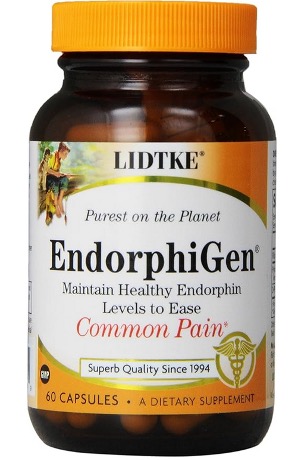
lidke endorphigen
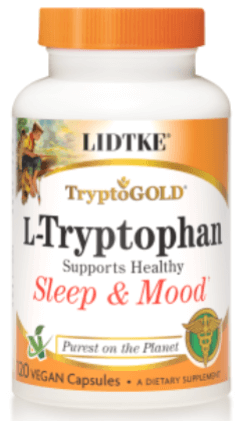
lidtke l-tryptophan

I recommend Lidtke EndorphiGen (which is DPA) and Lidtke Tryptophan 500mg. You can purchase these from my online store (Fullscript – only available to US customers – use this link to set up an account).

nature's best l-tryptophan
life extension l-tryptophan

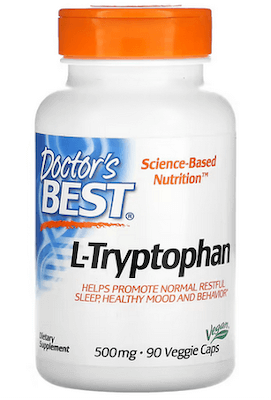
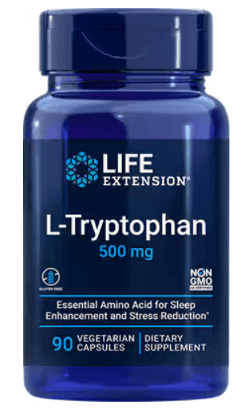
If you’re not in the US, these products are available via iherb: Doctor’s Best D-Phenylalanine (or DPA) and Life Extension Tryptophan 500mg (use this link to save 5%).

Additional resources when you are new to using amino acids as supplements

As always, I use the symptoms questionnaire to figure out if low endorphins or low serotonin or other neurotransmitter imbalances may be an issue.

If you suspect low levels of any of the neurotransmitters and do not yet have my book, The Antianxiety Food Solution – How the Foods You Eat Can Help You Calm Your Anxious Mind, Improve Your Mood, and End Cravings, I highly recommend getting it and reading it before jumping in and using amino acids on your own so you are knowledgeable. And be sure to share it with the practitioner/health team you or your loved one is working with.

There is an entire chapter on the amino acids and they are discussed throughout the book in the sections on gut health, gluten, blood sugar control (this is covered in an entire chapter too), sugar cravings, anxiety and mood issues.

The book doesn’t include product names (per the publisher’s request) so this blog, The Antianxiety Food Solution Amino Acid and Pyroluria Supplements, lists the amino acids that I use with my individual clients and those in my group programs.

If, after reading this blog and my book, you don’t feel comfortable figuring things out on your own (i.e. doing the symptoms questionnaire and respective amino acids trials), if you need serotonin support, the Serotonin QuickStart Program is a good place to start. This is a paid online/virtual group program where you get my guidance on using tryptophan and 5-HTP safely, and community support during 5 LIVE Q&A calls. You can sign up to be notified when the next live launch of this program is happening. We take a deep dive into product options including Lidtke products and others if you’re not able to access Lidtke.

Low GABA can also affect sleep and cause stress eating. If you also have low GABA symptoms, the next step to get help is the GABA QuickStart Program. This is also a paid online/virtual group program where you get my guidance and community support. Another option is the budget-friendly GABA QuickStart Homestudy program.

If you are a practitioner, join us in The Balancing Neurotransmitters: the Fundamentals program. This is also a paid online/virtual program with an opportunity to interact with me and other practitioners who are also using the amino acids.

Wrapping up and your feedback

I’m thrilled Amanda is seeing these benefits with DPA, tryptophan and GABA and is fine-tuning her results even further. I appreciate her asking her questions on the blog so I can share and we all can learn.

Now I’d love to hear from you – does any of this resonate with you? If yes, which combination has worked best for you for emotional eating and sleep issues?

Is 5-HTP or tryptophan better for you and is vitamin B6 part of your supplement list.

If you’re a practitioner have you seen this combination work well with clients/patients?

Feel free to share and ask your questions below.
Filed Under: 5-HTP, Cravings, DPA/DLPA, serotonin, Sleep Tagged With: 5-HTP, amino acids, comfort eating, cravings, d-phenylalanine, DPA, endorphins, GABA, GABA Quickstart; Balancing Neurotransmitters: the Fundamentals program for practitioners, neurotransmitters, Nightmares, pyroluria, serotonin, sleep, stress-eating, sublingually, sugar cravings, tryptophan, vitamin B6

GABA Calm and 5-HTP twice a day, after struggling with ADD-like symptoms, have made our day-to-day life so much better!

June 14, 2024 By Trudy Scott 16 Comments

gaba calm and add-like symptoms

Kimberly is a mom in the community and shared this wonderful feedback about her 8-year old son who is using just two amino acids:

I started my son on Gaba Calm and Serotrex (5-htp) twice a day after struggling with ADD-like symptoms for about 9 months. I’m not sure if he really has ADD or if his gut problems are to blame, but the amino acids have made our day-to-day life so much better!

I think we may need to do some work with his nervous system and on helping him learn to regulate his emotions, but he’s much less mouthy and argumentative than he was before. We still have hard days, but the supplements have helped pull me out of being exhausted and discouraged all the time from fighting with him constantly over everything.

I never get tired of hearing feedback like this and it’s not uncommon for young children (and adults) to see benefits like this very quickly.

She doesn’t know if he has ADD (attention deficit disorder) but she used the amino acids based on his symptoms (low GABA and low serotonin). We know it was the right choice because of his results. Could his symptoms improve even further? Absolutely! We typically increase one amino acid at a time watching for further improvement and stop when we reach the ideal dose.

Because she says “we still have hard days” I’d want to see her increase the GABA and 5-HTP (as mentioned above) and also consider a trial of DPA/d-phenylalanine (for low endorphin emotional symptoms) and possibly tyrosine (for low dopamine focus and attention issues). Low blood sugar can also cause an emotional rollercoaster and eating for blood sugar stability and glutamine helps so much.

When I hear “mouthy” and “argumentative” I immediately consider low serotonin but low blood sugar comes to mind too.

These additional amino acid trials would also be done one at a time with careful tracking of symptoms and adjustments up and down as needed.

If you’re not familiar with the symptoms of low serotonin, low GABA, low endorphins, low dopamine and low blood sugar you can see them all here.

Kimberly acknowledges that they may need to do work in other areas too – like learning to regulate his emotions and addressing gut issues. This is good as it’s seldom just one approach that is going to shift things.

Kimberly has also seen benefits with 5-HTP

I also love this feedback from Kimberly because she is less exhausted and no longer discouraged because her son is doing so much better.

By the way, this mom also experiences benefits from amino acids. 5-HTP helps her with sugar cravings. I shared her feedback in a blog post last year: Would using 5-HTP or tryptophan help when you crave sugar (as a sort of antidepressant) late afternoon/evening?

I was taking a break from tryptophan/5-HTP and realized after reading this post that that might be a mistake! So I added 5-HTP back in mid-afternoon and my sugar cravings are almost completely gone.

And 5-HTP also helped her late afternoon sadness and despair:

I took a 50 mg 5-HTP along with my mid-afternoon Endorphigen capsule, and within just a few minutes I felt the sadness and despair that I often feel in the late afternoon, start to lift. I was astonished at how quickly it worked!

I just love it when the amino acids work for mom and then mom helps her child.

It goes without saying that dietary changes are foundational in situations like this – often for the entire family. This means eating real whole foods, quality animal protein (especially at breakfast to help with blood sugar stability), organic veggies and fruit, fermented foods, healthy fats and no sugar/gluten/caffeine (all covered in detail in my book).

Assessing for and addressing nutritional deficiencies (like low zinc, low vitamin B6, low omega-3s, low iron etc.), removing toxins, addressing the gut (more on this below) and addressing infections are all important too. It’s always a comprehensive approach. But the good news is that you start to get results right away with amino acid supplementation, while you are figuring out everything else.

Gut issues and 5-HTP/serotonin and GABA

As mentioned above Kimberly also suspects possible gut problems with her son. These could include dysbiosis (microbiome imbalance), food sensitivities, leaky gut, parasites, candida and or digestive enzyme issues etc.  These always need to be investigated and addressed – because they can all contribute to low GABA and low serotonin – but until the issues are resolved, you can start to see some symptom resolution with the amino acids.

The amino acids he is taking offer an added gut benefit too. In an animal study, Effects of Serotonin and Slow-Release 5-Hydroxytryptophan on Gastrointestinal Motility in a Mouse Model of Depression, 5-HTP was shown to normalize gut motility and growth of the enteric epithelium. The paper concludes that slow release 5-HTP “might be used to treat patients with intestinal dysfunction associated with low levels of serotonin.”

Interestingly, an in-vitro (test-tube) study found that: “Serotonin showed antifungal activity towards all isolates of candida.” This was for certain strains, such as albicans, glabrata, tropicalis, and a few others).

This review article published earlier this year, Gamma-aminobutyric acid as a potential postbiotic mediator in the gut-brain axis discusses the role GABA plays in “psychological disorders, including anxiety, depression, and stress” and also attention deficit hyperactivity disorder. The authors also share that GABA has an impact on “gut microbiota composition” and confirms what has been reported in other research and what we see clinically: the “possibility that GABA may be a potent mediator of the gut-brain axis.”

Additional resources when you are new to using amino acids as supplements

As always, I use the symptoms questionnaire to figure out if low GABA or low serotonin or other neurotransmitter imbalances may be an issue.

If you suspect low levels of any of the neurotransmitters and do not yet have my book, The Antianxiety Food Solution – How the Foods You Eat Can Help You Calm Your Anxious Mind, Improve Your Mood, and End Cravings, I highly recommend getting it and reading it before jumping in and using amino acids on your own so you are knowledgeable. And be sure to share it with the practitioner/health team you or your loved one is working with.

There is an entire chapter on the amino acids and they are discussed throughout the book in the sections on gut health, gluten, blood sugar control (this is covered in an entire chapter too), sugar cravings, anxiety and mood issues.

The book doesn’t include product names (per the publisher’s request) so this blog, The Antianxiety Food Solution Amino Acid and Pyroluria Supplements, lists the amino acids that I use with my individual clients and those in my group programs.

If, after reading this blog and my book, you don’t feel comfortable figuring things out on your own (i.e. doing the symptoms questionnaire and respective amino acids trials), if you need serotonin support, the Serotonin QuickStart Program is a good place to start. This is a paid online/virtual group program where you get my guidance on using tryptophan and 5-HTP safely, and community support during 5 LIVE Q&A calls. You can sign up to be notified when the next live launch of this program is happening. We take a deep dive into product options including Lidtke products and others if you’re not able to access Lidtke.

Low GABA can cause physical tension and overwhelm, affect sleep and cause stress eating. If you also have low GABA symptoms, the next step to get help is the GABA QuickStart Program. This is also a paid online/virtual group program where you get my guidance and community support. Another option is the budget-friendly GABA QuickStart Homestudy Program.

Wrapping up and your feedback

I’m thrilled Kimberly saw these benefits with 5-HTP and then helped her son with 5-HTP and GABA. I asked if I could share here to inspire other moms and give them hope and she said yes. I do always appreciate feedback from the community and being able to share it on the blog.

Now I’d love to hear from you – Does any of this resonate with you? If yes, which amino acid has helped you and your child and how has it helped?

If you’re a practitioner have you seen GABA and 5-HTP help in situations like this?

Filed Under: 5-HTP, ADHD, Anxiety, Children/Teens, GABA Tagged With: 5-HTP, ADD, amino acids, argumentative, attention deficit disorder, children, discouraged, dopamine, DPA endorphin, emotional symptoms, emotions, exhausted, focus, GABA, GABA Calm, glutamine, gut health; GABA Quickstart; Balancing Neurotransmitters: the Fundamentals program for practitioners, low blood sugar, mouthy, serotonin, Serotrex, tyrosine

Vitamin B6 and magnesium on neurobehavioral status of autism spectrum disorder with hyperactivity and irritability (research)

May 24, 2024 By Trudy Scott 7 Comments

vitamin b6 magnesium and autism

Today I’m sharing new research that supports some of the original findings about vitamin B6 and magnesium published by autism biomedical pioneer Bernie Rimland.

Despite the small population size, this study demonstrated neurobehavioural improvement among children with ASD [autism spectrum disorder] with hyperactivity and irritability. Consequently, it can be expected that future studies conducted on a larger scale might help to establish the beneficial role of Vitamin B6 and Magnesium as a complementary treatment for autism with hyperactivity and irritability.

The above comes from the conclusion of  this 2021 paper, Vitamin B6 and Magnesium on Neurobehavioral Status of Autism Spectrum Disorder: A Randomized, Double-Blind, Placebo Controlled Study.

There were 50 children in the study, with a random assignment of 27 to the study group (vitamin B6 and magnesium) and 23 to the control group (placebo). All the children were autism patients from a pediatric autism and neurodevelopmental disorder outpatient clinic in India.

One of the primary aims over the 3 month study period was to investigate “any improvement among the six domains of ASD: general observation, cognition, emotion, social behavior, communication, and sensory deficits.”

Read on for learning more about the study outcomes, and dosing and forms of magnesium and vitamin B6 (and how this compares to P5P). I also share more about autism biomedical pioneer Bernie Rimland’s earlier research and the autism/B6/pyroluria connections. And end with some of the many possible mechanisms, GABA and vitamin B6, and other applications for vitamin B6.

More about the study outcomes

  • The improvement observed in the study/intervention group was 81% compared to only 47% in the placebo group.
  • Both the study group and control group had a mixture of patients rated as having mild, low moderate, high moderate and severe symptoms of ASD. At the conclusion of the study, there were fewer patients in high moderate and severe categories.
  • There was “an overall improvement in the symptoms of autism along with improvements in specific domains e.g. Emotion and Cognition.” The Emotion domain includes hyperactivity, aggressiveness, emotional lability (or instability) and stress.

Dosing varied by age and forms of magnesium and vitamin B6

The dosage of magnesium and vitamin B6 for the 27 children in the intervention/study group was pre-determined by the age of the subjects: “Patients aged 2-3 years received 50 mg Magnesium and 25mg Vitamin B6 daily, aged 4-8 years received 100 mg Magnesium and 50mg Vitamin B6 daily, and patients aged 9-12 years were given 200 mg Magnesium and 100mg Vitamin B6 daily.”

Patients in both groups received Risperidone for hyperactivity and irritability.

The form of magnesium used in the study was glycinate and the form of vitamin B6 was pyridoxine.

Vitamin B6 and magnesium research by autism biomedical pioneer Bernie Rimland

The authors share that of the many autism studies with nutrients, studies using vitamin B6 and magnesium “given by parents to ASD children have been observed to produce improvement for about 30 years.”

As I mentioned above, this new research builds on some of the original findings about vitamin B6 and magnesium published by autism biomedical pioneer Bernie Rimland. The study authors share this: “Rimland found significant improvement with the use of high doses of pyridoxine, however high doses of pyridoxine showed side effects which could be negated by co-administering magnesium.”

This 1988 paper by B. Rimland is referenced: Controversies in the treatment of autistic children: vitamin and drug therapy, and states that “Among the biomedical treatments, the use of high-dosage vitamin B6 and magnesium received the highest ratings”

Also referenced is this vitamin B6 paper, co-authored by B. Rimland and published 46 years ago: The effect of high doses of vitamin B6 on autistic children: a double-blind crossover study. It states that “Behavior was rated as deteriorating significantly during the B6 withdrawal.”

Vitamin B6, autism and pyroluria

My experience when it comes to vitamin B6 and P5P is primarily with the many individuals in my community who have pyroluria or suspect they do based on their symptoms (here is the pyroluria symptoms questionnaire). This is about 80% of the anxious folks in my community.

I share this because pyroluria is common in autism spectrum disorder:

  • children with learning disorders and behavioral disorders: 25% (Abram Hoffer)
  • autism spectrum disorders: 46% (Woody McGinnis)

(more on prevalence and associated conditions here)

And this study found emotional instability – a key aspect of pyroluria and autism – improved with vitamin B6 and magnesium.

For adults with pyroluria, vitamin B6 is used in the range of 100 mg  to 500 mg, starting low and increasing as needed. We use dream recall and increased ability to socialize without feeling anxious as a clue that the correct dose is being used.

Keep in mind that 25 mg P5P (pyridoxal-5-phosphate) or the active form of vitamin B6 is approximately equivalent to 100 mg pyridoxine.

I have found that some folks do better on one form of vitamin B6 than the other i.e. not everyone needs P5P and some folks do better with a combination of P5P and pyridoxine. As with all supplements there is no one–size fits all and so the protocol and form of vitamin B6 used in this study group really only serves as a guideline.

The possible mechanisms

The authors mention this as one possible mechanism under these circumstances:  “Magnesium inhibits the excitatory channel glutamate N-methyl-D-aspartate (NMDA) and reduces hyperactivity – a part of the emotional domain.” They also mention the fact that “magnesium increases presynaptic releases” enhancing “both short term and long term synaptic facilitation and long-term potentiation, improving learning and other memory functions.”

I’m adding these as possible mechanisms to consider too:

  • Vitamin B6 is a potent anti inflammatory compound
  • Vitamin B6 and magnesium are co-factors needed to make serotonin (which is calming and helps with emotional stability) and dopamine (which helps with focus and motivation)
  • “GABA is formed from glutamate via the addition of glutamate decarboxylase and vitamin B6”
  • Vitamin B6 offers neuroprotection in situations of excess glutamate release (together with vitamin B12 and B2)
  • Vitamin B6 is key (together with zinc, evening primrose oil and others) for addressing social anxiety/pyroluria which is common in autism (as mentioned above)
  • Vitamin B6 and magnesium improve hormonal health
  • Oxalate issues are common in autism, leading to depleted levels of vitamin B6 and magnesium. Supplementation can help counter some of the adverse effects.

Also vitamin B6 (and other B vitamins) and magnesium are depleted by sugar, stress, dysbiosis, food allergies, certain medications and caffeine. And it’s common to find deficiencies of both.

A comprehensive dietary and functional medicine / biomedical approach, targeted individual amino acids such as GABA and tryptophan, in addition to vitamin B6 and magnesium is imperative in ASD.

Many other applications for vitamin B6

It’s wonderful to be able to share yet another application for vitamin B6, which, in some circles, is receiving an unfavorable reputation about causing toxicity.

Here are a few other related vitamin B6 blog posts that may be of interest:

  • The role of low serotonin, low vitamin B6 and low iron in anxiety and panic attacks
  • Oral contraceptives cause low vitamin B6 and zinc, reduce serotonin levels and increase anxiety
  • Am I an anxious introvert because of low zinc and vitamin B6? My response to Huffington Post blog
  • Side stitch when running or exercising: the anxiety/stress connection (and the pyroluria protocol of zinc and vitamin B6 as a solution?)

Because of the role of vitamin B6 when it comes to calming GABA, it’s worth sharing this blog too  – Half a crushed GABA Calm for my autistic child: sleep, anxiety and sensorimotor skills (writing, horse riding and swimming) improve. Both vitamin B6 and GABA are commonly beneficial.

And sometimes, vitamin B6 on it’s own provides results – Anxiety and vomit phobia in an 8-year-old: within a week of starting vitamin B6 she made a complete turnaround.

Additional resources when you are new to using amino acids as supplements

As always, I use the symptoms questionnaire to figure out if low GABA or other neurotransmitter imbalances may be an issue.

If you suspect low levels of any of the neurotransmitters and do not yet have my book, The Antianxiety Food Solution – How the Foods You Eat Can Help You Calm Your Anxious Mind, Improve Your Mood, and End Cravings, I highly recommend getting it and reading it before jumping in and using amino acids on your own so you are knowledgeable. And be sure to share it with the practitioner/health team you or your loved one is working with.

There is an entire chapter on the amino acids and they are discussed throughout the book in the sections on gut health, gluten, blood sugar control (this is covered in an entire chapter too), sugar cravings, anxiety and mood issues.

There is also an entire chapter on pyroluria and in-depth sections on vitamin B6 and zinc.

The book doesn’t include product names (per the publisher’s request) so this blog, The Antianxiety Food Solution Amino Acid and Pyroluria Supplements, lists the amino acids that I use with my individual clients and those in my group programs.

If, after reading this blog and my book, you don’t feel comfortable figuring things out on your own (i.e. doing the symptoms questionnaire and respective amino acids trials), a good place to get help is the GABA QuickStart Program (if you have low GABA symptoms too). This is a paid online/virtual group program where you get my guidance and community support.

If you are a practitioner, join us in The Balancing Neurotransmitters: the Fundamentals program. This is also a paid online/virtual program with an opportunity to interact with me and other practitioners who are also using the amino acids.

Wrapping up and your feedback

I’d love to hear from you – have you had success with vitamin B6 and magnesium – personally or with your child? How much has helped and which products? (feel free to share the diagnosis and what symptoms have improved)

Have dietary changes and/or addressing pyroluria helped too?

If you’re a practitioner have you seen these nutrients to help in situations like this?

I’m also curious to hear if you’re familiar with the vitamin B6 and magnesium research and work done by Bernie Rimland?

Feel free to share and ask your questions below.

Filed Under: ADHD, Anxiety, Children/Teens, GABA Tagged With: ADHD, amino acids; GABA Quickstart; Balancing Neurotransmitters: the Fundamentals program for practitioners, anxious, ASD, autism, autism spectrum disorder, B6, Bernie Rimland, cognition, emotion, GABA, glutamic acid, hyperactivity, irritability, magnesium, neurobehavioral, P5P, pyroluria, vitamin B6

  • « Go to Previous Page
  • Page 1
  • Interim pages omitted …
  • Page 4
  • Page 5
  • Page 6
  • Page 7
  • Page 8
  • Interim pages omitted …
  • Page 160
  • Go to Next Page »

Primary Sidebar

GABA QuickStart Homestudy

gaba quickstart homestudy

Free Report

9 Great Questions Women Ask about Food, Mood and their Health

You'll also receive a complimentary subscription to my ezine "Food, Mood and Gal Stuff"


Connect with me

Popular Posts

  • Amino Acids Mood Questionnaire from The Antianxiety Food Solution
  • The Antianxiety Food Solution Amino Acid and Pyroluria Supplements
  • Pyroluria Questionnaire from The Antianxiety Food Solution
  • Collagen and gelatin lower serotonin: does this increase your anxiety and depression?
  • Tryptophan for the worry-in-your-head and ruminating type of anxiety
  • GABA for the physical-tension and stiff-and-tense-muscles type of anxiety
  • The Antianxiety Food Solution by Trudy Scott
  • Seriphos Original Formula is back: the best product for anxiety and insomnia caused by high cortisol
  • Am I an anxious introvert because of low zinc and vitamin B6? My response to Huffington Post blog
  • Vagus nerve rehab with GABA, breathing, humming, gargling and key nutrients

Recent Posts

  • Her cravings for chips and peanut butter were triggered by stress: GABA ends cravings and reduces physical tension and fear of heights
  • It is truly miraculous to be able to move through life without crippling anxiety and panic
  • GABA and tryptophan combo provide immediate and noticeable relief for tremors and cervical dystonia in just 7 days
  • Red light therapy for back and neck pain, plantar fasciitis and low mood – a complement to the amino acids GABA, DPA and tryptophan
  • What do I use instead of Seriphos to help lower high cortisol that is affecting my sleep and making me anxious at night?

Categories

  • 5-HTP
  • AB575
  • Addiction
  • ADHD
  • Adrenals
  • Alcohol
  • Allergies
  • Alzheimer's disease
  • Amino Acids
  • Anger
  • Antianxiety
  • Antianxiety Food Solution
  • Antidepressants
  • Anxiety
  • Anxiety and panic
  • Autism
  • Autoimmunity
  • benzodiazapines
  • Bipolar disorder
  • Books
  • Caffeine
  • Cancer
  • Candida
  • Children/Teens
  • Collagen
  • Cooking equipment
  • Coronavirus/COVID-19
  • Cravings
  • Depression
  • Detoxification
  • Diabetes
  • Diet
  • DPA/DLPA
  • Drugs
  • EFT/Tapping
  • EMF
  • EMFs
  • Emotional Eating
  • Endorphins
  • Environment
  • Essential oils
  • Events
  • Exercise
  • Fear
  • Fear of public speaking
  • Fertility and Pregnancy
  • Fish
  • Food
  • Food and mood
  • Functional neurology
  • GABA
  • Gene polymorphisms
  • General Health
  • Giving
  • Giving back
  • Glutamine
  • Gluten
  • GMOs
  • Gratitude
  • Gut health
  • Heart health/hypertension
  • Histamine
  • Hormone
  • Hyperparathyroidism
  • Hypoglycemia
  • Immune system
  • Inflammation
  • Insomnia
  • Inspiration
  • Introversion
  • Joy and happiness
  • Ketogenic diet
  • Lithium orotate
  • Looking awesome
  • Lyme disease and co-infections
  • MCAS/histamine
  • Medication
  • Men's health
  • Mental health
  • Mercury
  • Migraine
  • Mold
  • Movie
  • MTHFR
  • Multiple sclerosis
  • Music
  • NANP
  • Nature
  • Nutritional Psychiatry
  • OCD
  • Osteoporosis
  • Oxalates
  • Oxytocin
  • Pain
  • Paleo
  • Parasites
  • Parkinson’s disease
  • PCOS
  • People
  • PMS
  • Postpartum
  • PTSD/Trauma
  • Pyroluria
  • Questionnaires
  • Real whole food
  • Recipes
  • Research
  • Schizophrenia
  • serotonin
  • SIBO
  • Sleep
  • Special diets
  • Sports nutrition
  • Stress
  • Sugar addiction
  • Sugar and mood
  • Supplements
  • Teens
  • Testimonials
  • Testing
  • The Anxiety Summit
  • The Anxiety Summit 2
  • The Anxiety Summit 3
  • The Anxiety Summit 4
  • The Anxiety Summit 5
  • The Anxiety Summit 6
  • Thyroid
  • Thyroid health
  • Toxins
  • Tryptophan
  • Tyrosine
  • Uncategorized
  • Vegan/vegetarian
  • Women's health
  • Yoga

Archives

  • May 2026
  • April 2026
  • October 2025
  • September 2025
  • August 2025
  • July 2025
  • June 2025
  • May 2025
  • April 2025
  • March 2025
  • February 2025
  • January 2025
  • November 2024
  • October 2024
  • September 2024
  • August 2024
  • July 2024
  • June 2024
  • May 2024
  • April 2024
  • March 2024
  • February 2024
  • January 2024
  • December 2023
  • November 2023
  • October 2023
  • September 2023
  • August 2023
  • July 2023
  • June 2023
  • May 2023
  • April 2023
  • March 2023
  • February 2023
  • January 2023
  • December 2022
  • November 2022
  • October 2022
  • September 2022
  • August 2022
  • July 2022
  • June 2022
  • May 2022
  • April 2022
  • March 2022
  • February 2022
  • January 2022
  • December 2021
  • November 2021
  • October 2021
  • September 2021
  • August 2021
  • July 2021
  • June 2021
  • May 2021
  • April 2021
  • March 2021
  • February 2021
  • January 2021
  • December 2020
  • November 2020
  • October 2020
  • September 2020
  • August 2020
  • July 2020
  • June 2020
  • May 2020
  • April 2020
  • March 2020
  • February 2020
  • January 2020
  • December 2019
  • November 2019
  • October 2019
  • September 2019
  • August 2019
  • July 2019
  • June 2019
  • May 2019
  • April 2019
  • March 2019
  • February 2019
  • January 2019
  • December 2018
  • November 2018
  • October 2018
  • September 2018
  • August 2018
  • July 2018
  • June 2018
  • May 2018
  • April 2018
  • March 2018
  • February 2018
  • January 2018
  • December 2017
  • November 2017
  • October 2017
  • September 2017
  • August 2017
  • July 2017
  • June 2017
  • May 2017
  • April 2017
  • March 2017
  • February 2017
  • January 2017
  • December 2016
  • November 2016
  • October 2016
  • September 2016
  • August 2016
  • July 2016
  • June 2016
  • May 2016
  • April 2016
  • March 2016
  • February 2016
  • January 2016
  • December 2015
  • November 2015
  • October 2015
  • September 2015
  • August 2015
  • July 2015
  • June 2015
  • May 2015
  • April 2015
  • March 2015
  • February 2015
  • January 2015
  • December 2014
  • November 2014
  • October 2014
  • September 2014
  • August 2014
  • July 2014
  • June 2014
  • May 2014
  • April 2014
  • March 2014
  • February 2014
  • January 2014
  • December 2013
  • November 2013
  • October 2013
  • September 2013
  • August 2013
  • July 2013
  • June 2013
  • May 2013
  • April 2013
  • March 2013
  • February 2013
  • January 2013
  • December 2012
  • November 2012
  • October 2012
  • August 2012
  • July 2012
  • June 2012
  • May 2012
  • April 2012
  • March 2012
  • February 2012
  • January 2012
  • December 2011
  • November 2011
  • October 2011
  • September 2011
  • August 2011
  • July 2011
  • June 2011
  • May 2011
  • April 2011
  • March 2011
  • February 2011
  • January 2011
  • December 2010
  • October 2010
  • September 2010
  • July 2010
  • May 2010
  • April 2010
  • March 2010
  • February 2010
  • January 2010
  • November 2009

Share the knowledge!

The above statements have not been evaluated by the Food and Drug Administration. Products listed in this website are not intended to diagnose, treat, cure or prevent any disease.

The information provided on this site is for informational and educational purposes only and is not intended as a substitute for advice from your physician or other health care professional. You should consult with a healthcare professional before starting or modifying any diet, exercise, or supplementation program, before taking or stopping any medication, or if you have or suspect you may have a health problem.


Copyright © 2026 Trudy Scott. All Rights Reserved. | Privacy | Terms and Conditions | Refund Policy | Medical Disclaimer

Free Report

9 Great Questions Women Ask about Food, Mood and their Health

You’ll also receive a complimentary subscription to my ezine “Food, Mood and Gal Stuff”