• Skip to primary navigation
  • Skip to main content
  • Skip to primary sidebar

everywomanover29 blog

Food, Mood and Women's Health – Be your healthiest, look and feel great!

  • Blog
  • About
  • Services
  • Store
  • Resources
  • Testimonials
  • The Book
  • Newsletter
  • Contact
  • Search this site

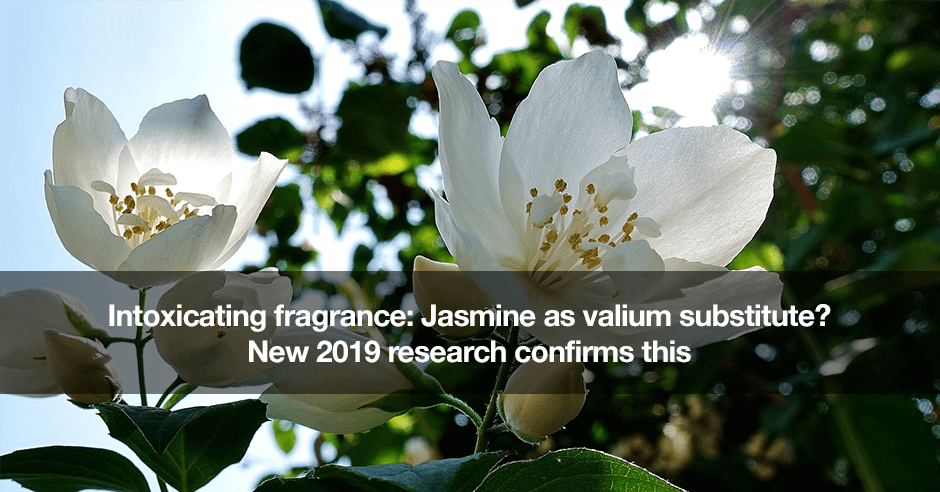
Intoxicating fragrance: Jasmine as valium substitute? New 2019 research confirms this

March 29, 2019 By Trudy Scott 11 Comments

A study from the University of the Ruhr, in Bochum, Germany, resulted in a press-release with a very provocative and enticing title – Intoxicating fragrance: Jasmine as valium substitute and a slew of articles which generated much interest. When I came across this 2010 press release recently, I was of course, intrigued and started digging deeper. Despite the fact that some folks felt it was a long stretch to extrapolate to humans, new research published this year confirms this headline may well have some merit.

Here are some highlights from the 2010 press release:

Instead of a sleeping pill or a mood enhancer, a nose full of jasmine from Gardenia jasminoides could also help, according to researchers in Germany. They have discovered that the two fragrances Vertacetal-coeur (VC) and the chemical variation (PI24513) have the same molecular mechanism of action and are as strong as the commonly prescribed barbiturates or propofol. They soothe, relieve anxiety and promote sleep.

The press release also shares that sedatives, sleeping pills and relaxants which increase the effect of GABA, are the most frequently prescribed psychotropic drugs. Also, “the benzodiazepines, which are now among the world’s most widely prescribed drugs” are “not only potentially addictive, but can also cause serious side effects, e.g. depression, dizziness, hypotension, muscle weakness and impaired coordination.” Valium, Xanax, Ativan and Klonopin are all benzodiazepines and I write more about these medications and why they are so problematic here.

Here are some really interesting facts from the press release/study:

  • The two fragrances vertacetal-coeur (VC) and the chemical variation (PI24513) were … able to increase the GABA effect by more than five times and thus act as strongly as the known drugs.
  • Injected or inhaled, the fragrances generated a calming effect.
  • Applications in sedation, anxiety, excitement and aggression relieving treatment and sleep induction therapy are all imaginable. The results can also be seen as evidence of a scientific basis for aromatherapy.

Here is a link to the 2010 paper: Fragrant dioxane derivatives identify beta1-subunit-containing GABAA receptors. I’ll be honest, it was challenging read for me and when I read the press release and actual paper at first, I wasn’t even sure they were talking about the same thing. You won’t find any mention of jasmine in the study, but instead will find vertacetal-coeur.

As I mentioned above, some organizations felt it was a long stretch to extrapolate to humans. The NHS in the UK was one example, publishing this:

Although some anti-anxiety medications are also known to interact with GABA receptors, it is far too soon to suggest that the effects of jasmine are similar to a recognised treatment for anxiety such as valium. People taking prescribed medication for anxiety should not change their treatment based on this study.

New 2019 research on jasmine for labor anxiety

However, a paper published just this month, A Systematic Review on the Anxiolytic Effect of Aromatherapy during the First Stage of Labor confirms the use of jasmine for reducing anxiety during the first stage of labor (in humans):

It is recommended that aromatherapy could be applied as a complementary therapy for reducing anxiety during the first stage of labor, but methodologically rigorous studies should be conducted in this area.

A total of 14 published papers and 2 unpublished papers were part of the review and other essential oils identified in the review for easing anxiety during labor include: rose, clary sage, geranium and frankincense, chamomile, bitter orange, sweet orange, peppermint, mandarin orange and clove.

Hopefully the NHS in the UK will update their article to include this new review.

Jasmine for other anxiety situations and feedback from real people

I feel very comfortable extrapolating this anxiety-reducing effect of jasmine during labor to other anxiety situations until we have more research.

I also asked folks on Facebook: “Do you use jasmine essential oil and love it? I’m working on a blog post on how jasmine impacts GABA levels and helps ease anxiety and I’d love to include some feedback (good or bad) in the blog. Care to share?” Here is some of the feedback –

Debra: “Never knew there was a Jasmine essential oil… love the smell of fresh Jasmine…will have to look out for it on days when I just need a bit more than what my antidepressant can do…”

Trish: “I use a blend from one of the companies called Joy that has Jasmine in it. It’s awesome, lightens the spirit, makes the day go happier. I use it as a perfume.”

Jessica: “I just started using it.. I really love it! I was using for facial purposes and then read it was good for anxiety and I do feel calm when using and just smelling it really.”

How to get some of the calming benefits of jasmine

There are many ways to enjoy the calming effects of jasmine. Here are some ideas for you:

  • Diffuse the jasmine essential oil alone in combination with other calming essential oils like lavender and one of the citrus oils like neroli or lemon. The Joy blend that Trish mentions above has bergamot, ylang ylang, geranium, lemon, coriander, tangerine, jasmine, roman chamomile, palmarosa and rose. Dr. Mariza, suggests this “Simply Soothing Diffuser Blend” in her new book The Essential Oils Hormone Solution (my review here)– 2 drops neroli, 2 drops jasmine and 2 drops ylang ylang essential oil
  • Use it topically with a carrier oil for a massage, alone or in a blend as above
  • Do what Trish suggests and use it as a perfume (I currently do this with neroli and am now going to try some jasmine)
  • Bring fresh jasmine flowers into your home or get a jasmine pot plant
  • Enjoy it in a tea. Organic India has a lovely tulsi tea that contains chamomile and jasmine. If you recall, tulsi or holy basil is an adaptogenic herb which has anti-stress effects
  • If you can tolerate caffeine, enjoy some Jasmine Oolong tea. Research suggests that the fragrant compounds in the tea “were absorbed by the brain and thereby potentiated the GABAA receptor response…and may therefore have a tranquillizing effect on the brain.”

Next steps: jasmine and GABA or jasmine alone?

It’s hard to know if jasmine used in any of the above ways will be enough to boost your GABA levels and ease your anxiety completely. The best way to find out is to try and see how you feel. It’s all very promising given that the 2010 study found that the compounds they used were able to increase the GABA effect by more than five times.

Until I’ve had clients use jasmine alone for this purpose, I’m still going to recommend the amino acid GABA (based on the questionnaire and a trial) and will suggest concurrent use of jasmine in some way. Once GABA levels have been boosted and all the other changes have been made (diet, blood sugar control, gut health, adrenals, low zinc, low vitamin B6 etc.), jasmine alone may be enough to keep GABA levels on an even keel.

However, right now I do see jasmine as a viable approach that is worth considering if you’re in the midst of tapering from a benzodiazepine and are not able to tolerate GABA and other oral supplements.

I’d love to get your feedback on jasmine and GABA and how you feel both help you (or have helped) with anxiety, depression, sleep or aggression? And if either has helped you taper off your benzodiazepine?

Please also share your favorite ways to use jasmine.

Feel free to post your questions here too.
Filed Under: Essential oils Tagged With: aggression, anxiety, anxiolytic, aromatherapy, benzodiazepine, calming, depression, essential oil, GABA, jasmine, labor, sleep, tulsi, Valium

Hashimoto’s Food Pharmacology, a new recipe book by Dr. Izabella Wentz

March 28, 2019 By Trudy Scott 2 Comments

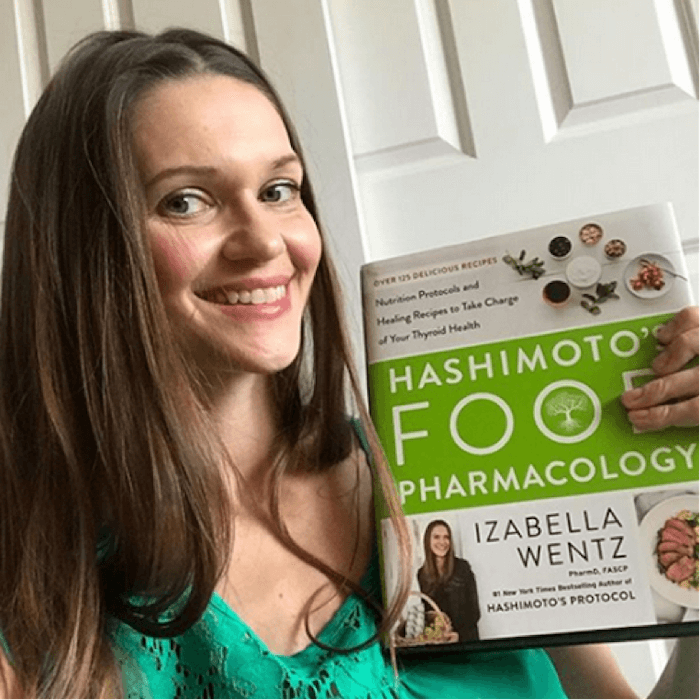
The beautiful new recipe book Hashimoto’s Food Pharmacology: Nutrition Protocols and Healing Recipes to Take Charge of Your Thyroid Health (my Amazon link) by Thyroid Pharmacist, Dr. Izabella Wentz, just launched and I want to make sure you know about it and to also share some recipes with you.

I just got my copy and I’m excited to try out some of the yummy nutrient-dense and healing recipes. Flipping through it quickly I know already that I’ll be making the Morrocan Lamb Stew, the Truffled veggies and Cilantro-Lime Guacomole (it looks like a nice spin with some different flavors), the Liver Pate (this recipe has cinnamon!), the Zucchini Bread and the Mango Salsa (yuuummmm – I love mango and adore it in a spicy salsa). I’ll also make the Farinata bread (made with garbanzo beans) and Bacon and Chive Scalloped Potatoes for my family (I have SIBO and will enjoy them soon too I hope). I could go on and on…

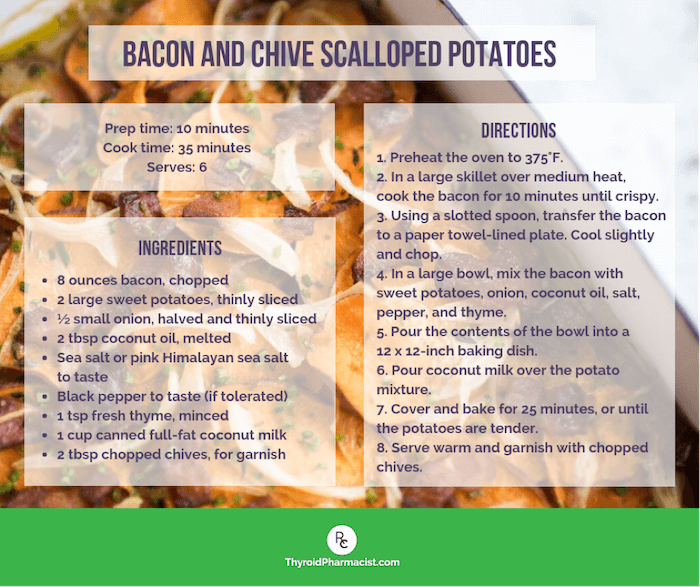
Here is the Bacon and Chive Scalloped Potatoes recipe for you to try…

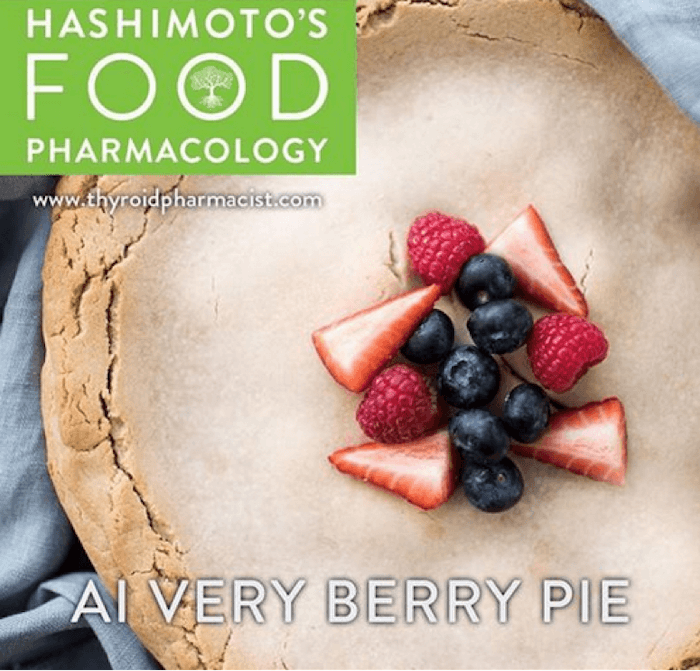
Dr. Izabella recently shared the AI Very Berry Pie recipe on Facebook and gave me permission to share it here too. She wrote that she created it when she was pregnant with their son (and why!) and more about the ingredients and nutrients:

I needed something yummy and nutrient dense! Initially the cookbook wasn’t going to have a dessert section but it ended up with 14 dessert recipes inspired by my sweet boy 😊 You can thank him and my pregnancy cravings.

The pie is filled with berries and the crust is gluten-free, dairy-free, egg-free and nut-free. This was a huge hit at all of our parties. I hope you enjoy it! AI Very Berry Pie has the texture of a crumbly shortcake and even browns like a traditional pie. The secret to the yummy texture is the palm shortening, which can be used in Paleo baking instead of butter, while the maple syrup allows for a nice light brown color. Cassava flour is a fantastic gluten-free substitute for this kind of baking. I chose a mix of berries to include in this pie because of their antioxidant status; however, you can replace the fruit in the filling with apples, cherries, plums, peaches, or any other type of fruit you like.

I do love the blurb that Dr. Izabella includes with each recipe with a bit of the backstory and all the nutrients and health benefits we’ll be getting. The recipe photos are superb too!

Here is the recipe for the AI Very Berry Pie

Ingredients
CRUST
3 cups cassava flour
1 teaspoon sea salt or pink Himalayan sea salt
1 teaspoon baking soda
1 tablespoon vanilla
½ cup maple syrup
1⅓ cup palm shortening

FILLING
5 cups mixed berries (halved strawberries, blueberries, blackberries, and raspberries)
¼ cup maple syrup (optional)

Directions

  1. Preheat the oven to 400°F.
  2. In a stand mixer, mix the cassava flour, salt, baking soda, and vanilla.
  3. Add the maple syrup and mix, until the texture becomes crumbly.
  4. Add the palm shortening, 1⁄3 cup at a time, until the crust reaches a pliable texture.
  5. Divide the dough in thirds; reserve two-thirds for the base, and one-third for the pie top.
  6. Roll out the dough with a rolling pin (used specifically for gf baking)
  7. Gently press 1/3 of the dough into the bottom of a 9-inch round pie pan to create the pie base and another third of the pie dough onto the sides of the pie pan.
  8. Toss the berries with maple syrup, if added sweetness is desired
  9. Roll out the remaining third of the crust and place on top
  10. Bake for 15-20 minutes until fruit is cooked through and crust Browned

Here is the official book blurb:

When I was in pharmacy school, I discovered that food has a profound impact on our healing and that what we put in our bodies will either heal us or make us sicker. In the same way that we use pharmaceuticals to impact our biology, we can use food as our medicine. I call this concept food pharmacology. Food is one of the most powerful tools in your healing journey.” – Dr. Izabella Wentz

More than 35 million Americans currently suffer from Hashimoto’s—the country’s fastest-growing autoimmune disease, which affects the thyroid gland and causes the body to attack its own cells. Many individuals with or without a formal diagnosis suffer daily symptoms, including chronic cough, acid reflux, irritable bowel syndrome, allergies, persistent pain, hair loss, brain fog, and forgetfulness.

Hashimoto’s Food Pharmacology (my Amazon link) combines Dr. Izabella Wentz’s revolutionary and proven approach to reversing thyroid symptoms with delicious, easy-to-use recipes that delight the taste buds while they heal the body. Inside you will discover:

  • 125 delicious and nutritious recipes for salads, smoothies, bone broths and crockpot and bibimbap-style meals, with thyroid-supporting nutrient details on every page
  • Over 100 stunning food and lifestyle photographs
  • Tips for revamping your kitchen and pantry
  • An FAQ for easy reference and quick answers
  • Easy-to-use, personalized meal plans and food rotation schedules to accommodate any diet

Successfully transforming the lives of thousands, Dr. Izabella Wentz makes it easier than ever before to live a life free from the suffering of autoimmune disease.

I recommend this book if you have hypothyroidism (an underactive thyroid), Hashimoto’s Thyroiditis or another autoimmune condition and want specific autoimmune-friendly recipes. Many of the recipes can be modified to low-FODMAP if you have SIBO (small intestinal bacterial overgrowth). If you do have oxalate issues you’ll need to adjust the recipes that use nut flours, greens like spinach, berries etc.

Even if you don’t have a thyroid or autoimmune condition it’s a lovely recipe book if you are looking for new nutrient-dense and healing recipes and some inspiration to get cooking!

Keep in mind, this book is way more than a recipe book. It’s also a nutrition guide with detailed information about how to improve your digestion and nutrient absorption; assessments and protocols; a discussion about the vegan/vegetarian diet and why a paleo-type diet with grass-fed red meat is beneficial if you have Hashimoto’s; why beets are good for you if you have the MTHFR gene mutation; crucial nutrients for thyroid function; when lab testing says you’re not gluten sensitive and much more.

You can purchase your copy of Hashimoto’s Food Pharmacology here (my Amazon link) or at your favorite bookstore.

Big congratulations to my brilliant friend Izabella Wentz!

If you have your copy already, what recipes are you most excited to try out? Or have you already tried some recipes? Do let us know.

Filed Under: Books, Recipes Tagged With: hashimoto's, izabella wentz, recipes

Case Study: Bartonella and Sudden-Onset Adolescent Schizophrenia

March 22, 2019 By Trudy Scott 26 Comments

According to a press release from North Carolina State University, researchers share a case study describing an adolescent human patient diagnosed with rapid onset schizophrenia who was found instead to have a Bartonella henselae infection. This study adds to the growing body of evidence that Bartonella infection can mimic a host of chronic illnesses, including mental illness, and could open up new avenues of research into bacterial or microbial causes of mental disorders.

Bartonella is a bacteria most commonly associated with cat scratch disease, which until recently was thought to be a short-lived (or self-limiting) infection. There are at least 30 different known species of Bartonella, and 13 of those have been found to infect human beings. The ability to find and diagnose Bartonella infection in animals and humans – it is notorious for “hiding” in the linings of blood vessels – has led to its identification in patients with a host of chronic illnesses ranging from migraines to seizures to rheumatoid illnesses that the medical community previously hadn’t been able to attribute to a specific cause.

In the case study published in the Journal of Central Nervous Disease, an adolescent with sudden onset psychotic behavior – diagnosed as schizophrenia – was seen and treated by numerous specialists and therapists over an 18-month period. All conventional treatments for both psychosis and autoimmune disorders failed. Finally, a physician recognized lesions on the patient’s skin that are often associated with Bartonella, and the patient tested positive for the infection. Combination antimicrobial chemotherapy led to full recovery.

According to the case report above, Bartonella henselae Bloodstream Infection in a Boy With Pediatric Acute-Onset Neuropsychiatric Syndrome, these are some of the many symptoms he experienced over the 18-month period:

  • He reported feeling overwhelmed, confused, depressed, and agitated.
  • He said that he was an “evil, damned son of the devil” and wanted to kill himself because he was afraid of his new-onset homicidal thoughts toward those he cared about
  • Weeks after initial hospitalization in October, he became more dysfunctional; school was not possible; he developed progressively severe psychiatric symptoms including obsessional intrusive thoughts, phobias, irrational fears, emotional lability, unpredictable rage outbursts, and increased psychotic thinking. He believed that he had special powers and that a family cat wanted to kill him.
  • By December 2015, his illness had progressed in severity, causing his mother to quit her job to provide full-time supervision. In addition to persecutory delusions related to his pets, he developed auditory, visual, and tactile hallucinations and began refusing to leave the house.
  • In January 2016, following discharge after a week-long hospitalization, he developed non-specific somatic symptoms, including excessive fatigue, daily headaches, chest pains, shortness of breath (possible panic anxiety), and urinary frequency

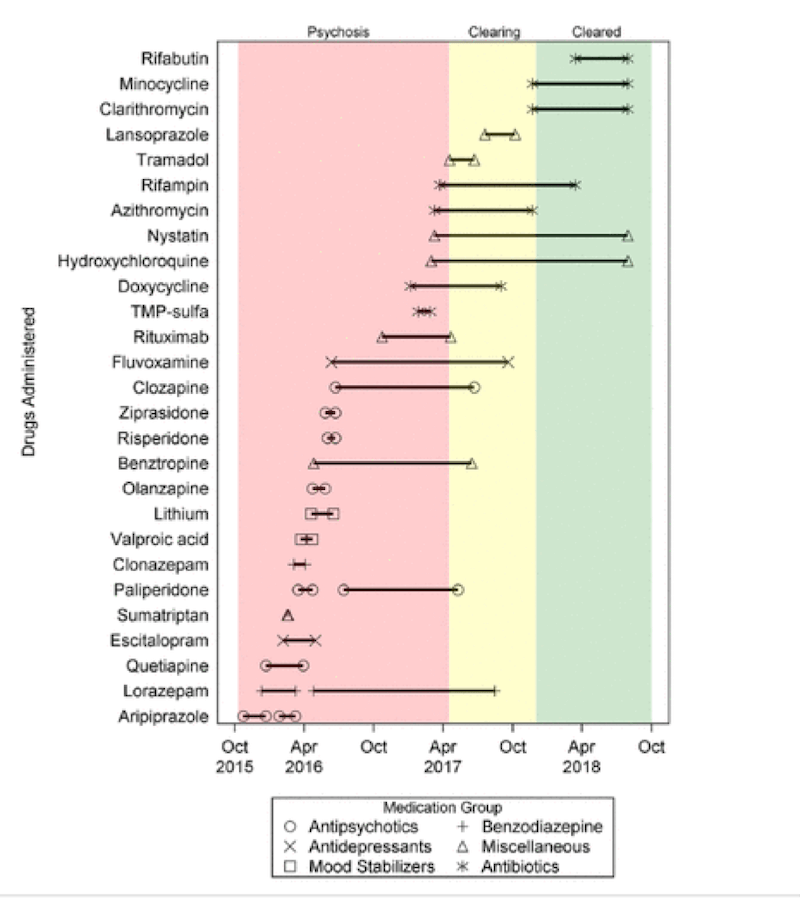
I suspect some of his later symptoms were related to side-effects from many of the medications he was prescribed over the course of his treatment. Some symptoms may also be attributed to withdrawal from some of these medications. One example mentioned in the case study was “abrupt withdrawal of clozapine and tramadol” where “he experienced severe anorexia, nausea, and vomiting, which resulted in hospitalization and a 20.5-kg weight loss over 40 days.” It’s well- documented that withdrawal signs and symptoms of antipsychotic medications such as clozapine “may include insomnia, nausea, vomiting, anxiety, and agitation.”

This figure lists the medications he was prescribed during his treatment. The pink area was during his psychotic 18-month period and the yellow area was during his antimicrobial treatment of the Bartonella.

Figure 2. Drug administration timeline for the boy, reprinted from the study

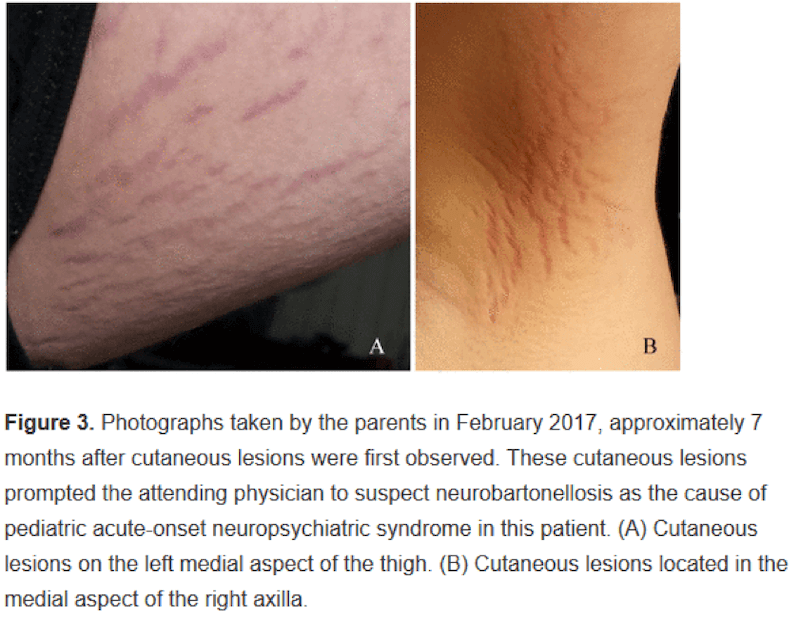
The skin lesions or “stretch mark-like” lesions on his thigh (A) and armpit (B) are tell-tale signs of a Bartonella bacterial infection or neurobartonellosis. Here are photographs taken by his parents.

Also from the study

A successful outcome for this young boy came about as a result of antimicrobial treatment in the way of antibiotics and antifungals. His skin lesions healed, his psychosis and other symptoms resolved, he was able to quit his psychiatric medications and go back to being a typical young boy. How wonderful for this young boy!  And this gives me so much hope for others who may be in a similar situation and looking for solutions.

Other than the hope I felt, these are my other thoughts that came to my mind as I read this case study:

  • How many people are being prescribed psychiatric medications when they actually have an infection or physiological condition? The authors state: “Beyond suggesting that Bartonella infection itself could contribute to progressive neuropsychiatric disorders like schizophrenia, it raises the question of how often infection may be involved with psychiatric disorders generally.”
  • How can a young boy of this age be prescribed this many psychiatric medications over an 18-month period? I’m sure his doctors were doing their best but what is it going to take for doctors to look for infectious (and/or physiological or biological or nutritional or environmental) causes for psychiatric symptoms as the first approach or certainly at the same time in a situation like this where psychosis was a factor?
  • What will it take for mainstream practitioners to get up to speed with this epidemic of Lyme disease? And when will testing for Lyme disease and co-infections be used by all doctors and not just Lyme-literate doctors and functional medicine doctors like Dr. Darin Ingels. the author of “The Lyme Solution.” (Here is my review of his excellent book.) It is worth noting that Dr. Ingels uses very successful treatments that are purely herbal, dietary and immune-supportive, and don’t require antibiotics.

We already know there is a huge psychiatric connection with Lyme disease and co-infections: anxiety, depression, panic attacks, and OCD too. This case adds to the evidence. Even though neuropsychiatric Lyme disease is well-recognized in the world of functional medicine, keep in mind that Lyme disease bacteria such as Borrelia and co-infections such as Bartonella are only one of many possible trigger/root cause of symptoms like this young boy experienced.

Other infectious causes of psychiatric conditions include chronic strep (in the case of PANDAS/PANS) and toxoplasma gondii.

Other physiological root causes of psychiatric conditions like schizophrenia, anxiety, bipolar disorder and depression could include a thyroid condition, heavy metal toxicity from say lead or mercury, mycotoxins, and even gluten.

We need to be shouting case studies like this from the rooftops so more doctors, more psychologists, more functional medicine practitioners, and more parents are aware and start to look for infectious/physiological/biological/nutritional/environmental root causes.

We appreciate those involved in publishing this case and the family for giving permission.  Hopefully, case studies like these will drive future research and treatment approaches.

What do you think and what came to your mind when you read this case study?

Feel free to post your questions here too.
Filed Under: Children/Teens Tagged With: anxiety, bartonella, bipolar disorder and depression, borrelia, lyme, neurobartonellosis, psychiatric, psychosis, psychotic, schizophrenia

Perimenopause and menopause: low GABA, pyroluria and the adrenals

March 16, 2019 By Trudy Scott 14 Comments

As you go into perimenopause and menopause you don’t have to settle for increased anxiety, dull moods, depression, a foggy brain, a flabby belly, night sweats, insomnia, fatigue, low libido, weight gain and the bone loss that so “common” and “accepted” with getting older.

There are natural, effective and easy-to-implement solutions to balance your hormones at any age!

My perimenopausal symptoms hit with a vengeance in my late 30s. The stress that I was experiencing at work, together with all the hormone changes and what I call my “perfect storm” of gluten issues, heavy metals, low GABA, low serotonin, low zinc, adrenal issues, vegetarian diet, candida, pyroluria and leaky gut, all worked together to cause my anxiety and panic attacks.

I didn’t settle and as soon as I used GABA and tryptophan the anxiety and panic attacks stopped and I could take a step back and work on all the other underlying issues, without all the overwhelm.

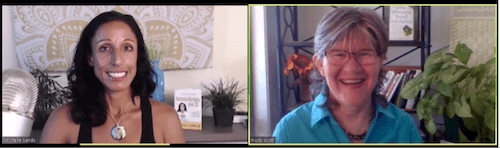
I share my story in my interview on the Perimenopause Summit with summit host Dr. Michelle Sands, and go into great detail about how to use the amino acids in the most effective way to ease anxiety, worry, fear, negative self-talk, ruminations and overwhelm.

I also share a study about tryptophan easing PMS symptoms in just 3 cycles, as well as some of my other tips for PMS symptom relief (think liver support).

I also talk about a topic that no-one is addressing and yet there is such a simple solution for this excruciatingly painful condition called proctalgia fugax. You may not have heard this term but if you have you know it! In the medical literature it is described as “a condition that leads to rectal spasms and sharp fleeting pain in the lower rectum or anus.” Sublingual GABA works miracles in a few minutes).

My interview – Amino Acid Therapy for Anxiety

  • Problems with commonly prescribed anti-anxiety meds
  • How food affects mood
  • Right and wrong way to use amino acid therapy

Unfortunately, hormone and women’s health issues are incredibly misdiagnosed and misunderstood, leaving many women feeling hopeless, broken and stuck.

Dr. Michelle gets all this because she was also there, in her 20s with irregular and absent periods, mood swings, joint pain, infertility, low libido, digestive issues and insomnia. She was told her ovaries had failed and to manage her symptoms for the rest of her life with birth control pills, antidepressants and other medications. So, she found a better way — a natural way to help her body heal itself — and she’s here to teach you how to do the very same, no matter whether you’re in your 20s or decades older!

The pyroluria perimenopause connection

There are little known connections between pyroluria (a social anxiety condition) and perimenopause.

The nutrients, zinc, vitamin B6 and evening primrose oil, eliminate the social anxiety symptoms and have a direct tie in to perimenopause because these same nutrients:

  • are needed to make neurotransmitters like GABA and serotonin
  • are also are needed to make our sex hormones (and help so much with PMS and perimenopausal hormone imbalance)

In my interview with Dr. Michelle I also share how I discovered I had pyroluria before I even knew what pyroluria was. I was in perimenopause and had terrible PMS. I read Ann Louise Gittleman’s wonderful book Before the Change: Taking Charge of Your Perimenopause (my Amazon link), and she recommended zinc, vitamin B6, and evening primrose oil for PMS symptoms. Once I started taking these nutrients I had fewer hormonal issues and they helped so much with my social anxiety.

A few years later when I was working with clients with pyroluria and I looked at the pyroluria questionnaire I thought: “that looks like me, maybe I’ve got this too!” I did the urine test and I discovered that I have pyroluria.

In my interview I talk about :

  • the pyroluria-introvert connection and why I believe there is a nutritional aspect to introversion and it’s not purely a personality trait
  • the pyroluria-Lyme connection and how Klinghardt feels that Lyme Disease cannot be treated until the underlying pyroluria is addressed

Be sure to also tune in to Ann Louise Gittleman’s interview. Her discussion about zinc and copper is a perfect complement to my interview.

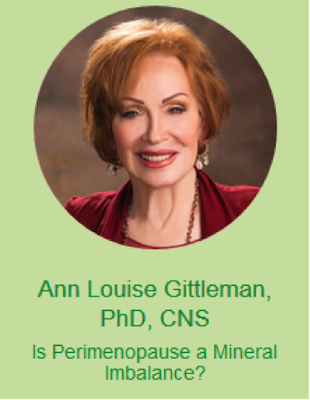
Ann Louise Gittleman, PhD, CNS: Is Perimenopause a Mineral Imbalance?

  • Do you have toxic levels of this mineral (copper)?
  • Best way to test mineral imbalance
  • Overcoming nutrient and mineral imbalance

Adrenal health is so important during perimenopause

Adrenal health is so important during perimenopause. This is covered in this interview – Adrenals are a Perimenopausal Gal’s Bestie with Marcelle Pick MSN, OB-GYN, NP. She covers the following:

  • Role of the adrenal glands in hormone balance
  • Causes and consequences of adrenal burnout
  • Caring for your adrenals.

And shares these gems:

  • Prior to menopause about 15% of our sex hormones are produced by our adrenals and after menopause it’s 30% – this is why adrenal health is so important!
  • When you are stressed the adrenals will make cortisol at the expense of estrogen and progesterone

She also talks about how we handle stress impact the adrenals and why it’s so important to work on lifestyle changes. One great example she shares is this: “are we a perfectionist and do we expect too much of ourselves?”

I’d like to add to this and say that the first step is recognizing that you are a perfectionist and reminding you that perfectionism is a classic sign of low serotonin. That way you can consider using the amino acids tryptophan or 5-HTP to say goodbye to perfectionism and ease some of your stress.

I talk all about low serotonin in my interview but want to help you make this connection as you listen to Dr. Marcelle’s and my interviews.

Dr. Marcelle also discusses what to eat, some of her favorite adaptogenic herbs for the adrenals, exercise advice (and why to do less when you are healing your adrenals) and the effects of childhood trauma.

Do let us know if any of this resonates with you and feel free to post questions in the comments below.

Filed Under: Women's health Tagged With: adrenals, GABA, Michelle Sands, perimenopause, pyroluria, stress

Mindd 2019: The cell danger response and microbiome; and microchimerism and pregnancy

March 15, 2019 By Trudy Scott 16 Comments

Today’s blog highlights two interesting and very different topics that can impact both your mental and physical health: The cell danger response: inflammation, the microbiome and digestion; and microchimerism and how pregnancy can change the health of a mother in unintended ways.

I love to share resources after I’ve attended a conference but today I’m switching it up and sharing resources before the conference for three reasons: 1) to get you fired up and excited about attending in person (or on the Livestream) 2) to share in case you can’t attend in person (or via Livestream) and 3) to highlight the amazing work that the Mindd Foundation is doing via the Mindd Forum 2019, which will be in Sydney, Australia, March 23-24, 2019.

There’s also a giveaway of 2 free tickets to the Public stream (in-person or livestream) so read on below to see how to enter.

The cell danger response: inflammation, the microbiome and digestion

The cell danger response can cause increased inflammation and have direct impacts on the microbiome and digestion. The Cell Danger Response (also known as CDR)

is the intracellular response to stressors, viruses, chemicals or toxins and any foreign particles that come into the human system that need to be expelled. If the cell danger response is constantly being activated and is defective, it may cause a heightened prevalence and severity of inflammation.

The above article highlights the effects on the cell danger response on the microbiome, digestion and nutrient absorption, with ramifications for anxiety, depression, ASD (autism spectrum disorder), ADHD (attention deficit hyperactivity disorder) and many other conditions. Here are some highlights of what the CDR can impact the lower part of the colon

  • alter disaccharide metabolism, causing the lower/distal bowel to receive a more significant number of simple sugars and change carbohydrate digestion
  • alter the cells that line the intestines leading to differences in how amino acids are processed, affecting production of neurotransmitters such as GABA, serotonin and dopamine, with consequences for both your brain and gut health

Dr. Robert Naviaux coined the term CDR and will address these links in detail and explain current research with regard to the CDR, cellular healing and how to incorporate these concepts into practice. He will address the role this plays in the healing cycle and treating chronic disease, and specifics on CDR as it applies to understanding Chronic Fatigue Syndrome. His masterclass series is titled: Cellular Pathways for Chronic Disease Recovery.

According to Mindd, three of Dr. Robert Naviaux’s research publications were the most frequently downloaded papers in the journal Mitochondrion in the last 90 days, so this gives you an idea on the relevance of this topic.

Dr Nancy O’Hara also has a helpful explanation of the CDR here cover Clinical Applications of Dr. Naviaux’s research, together with Dr. Elizabeth Mumper.

It’s a pretty complex topic and I’ve been trying to get my head around it for some time. I blogged about some of his early research on CDR and the dramatic effects of a single dose of suramin on “social communication and play, speech and language, calm and focus, repetitive behaviors and coping skills” in 10 boys, ages 5 to 14 years, all diagnosed with autism.

What does all this mean for you?

  • Could the CDR be a factor in your chronic unresolved SIBO (small intestinal bacterial overgrowth)?
  • Could there be applications for anxiety for you if you have tried ALL the nutritional/biochemical approaches and are still not seeing symptom resolution?
  • Could addressing the CDR help you if you’ve been harmed by benzodiazepines, SSRIs and/or fluoroquinolones and can’t take any supplements or can only tolerate very small doses?
  • Could addressing the CDR help when you have a combination of many stresses like past or recent trauma, genetic defects, heavy metals, mold and Lyme, as well as gut issues and nutritional imbalances?

We clearly have much to learn in this area and I’m excited to hear more from these practitioners.

Microchimerism and how pregnancy can change the health of a mother in unintended ways

Pregnancy can change the health of a mother in unintended ways, sometimes causing harm and in other instances saving the mother’s life. Microchimerism is the “two-way implantation of cells between a mother and fetus.”

Approximately 50-75% of women carry immune cells derived from their fetus after giving birth. Not only that, but the offspring can also hold onto maternal cells too. The fetal cells present in a mother can be apparent for years after giving birth, and their role in human health is currently being investigated. Research is also evaluating the likelihood of whether an older sibling/previous pregnancy can pass cells to a current fetus of a different pregnancy.

The majority of research on microchimerism has investigated its potential to cause harm. This is due to a 1996 paper hypothesizing the link between microchimerism and the cause of autoimmune conditions. However, the connection between microchimerism and positive health outcomes has been receiving attention in the last few years. This is partly due to detecting the capability of mammals to save their mother’s lives by providing cells that are repairing tissue, including bone marrow, to replace dysfunctional cells.

While the mechanism of action is currently unclear, it is understood that microchimeric fetal cells can provide repair processes within maternal tissue, via cellular differentiation.

Leah Hechtman will be speaking at the Mindd Forum 2019 on Microchimerism, mRNA and Parental Wisdom. She will review the understanding of how pregnancy can change the health of a mother in unintended ways and “how we can influence unique genetic pathways to improve the health of future generations.” Read about Leah and more about this fascinating topic in the MINDD article on microchimerism.

Ideally, attend the conference in person. These topics will all be presented as part of both the Public stream and the Practitioner stream, and will also be available via Livestream – at the Mindd Forum 2019 (links below).

Other topics of interest being presented at the Mindd forum

Alexx Stuart from Low Tox Life is presenting in the Food Is Medicine program – Foods that Support Detoxification: Brilliant Brassicas!

Are you looking for clever ways to bring delicious inspiration to your plate? Learn how to incorporate brassica vegetables (Broccoli, Cauliflower, Brussels sprouts, Cabbage, Kale and more) – this vital family of veggies – to inspire detoxification and disease-fighting, every single day. From breakfast to snacks to family meals and even dessert!

Naturopath, Nutritionist and Mindd Ambassador Helen Padarin is presenting – Nutrition & Lifestyle that Supports Mitochondria

Many symptoms can be due to your mitochondria needing support. These can include waking tired, energy slumps, fatigue, trouble concentrating, poor muscle tone, speech difficulties, learning disabilities, Autism Spectrum Disorder, vision or hearing problems, exercise intolerance or heart, liver or kidney disease. If you haven’t yet heard about your mitochondria – it’s time to get to know them and learn how to treat them well! Mitochondria are highly intelligent energy producing engines in every cell in your body.

Gillian Koziciki of Cultured Artisans is presenting – Fermenting the Rainbow for Health & Vitality

Bidirectional communication between your gut microbiota and cellular mitochondria show a link to your health and energy levels. Feeding your gut healthy, probiotic foods increases the good bacteria of your microbiome which assists your mitochondrial health. The full colour spectrum of foods can be fermented to provide guerilla nourishment.

Both Dr. Mumper and Dr. O’Hara are presenting – A Functional Approach to Conditions On-the-Rise

Clinical pearls and case histories, testing and treatment on Lyme disease, ADHD, PANDAS & PANS, Alopecia, Vitiligo and Cutaneous Mastocytosis, migraines, rhinitis, asthma, eczema, Cerebral folate deficiency, Chronic inflammatory response syndrome (i.e. toxic mold issues), POTS & Dysautonomia, Autism, Celiac & non-celiac gluten sensitivity, and ADHD without drugs.

Here are all the links

The cell danger response and the microbiome – what’s the link?

What is the Cell Danger Response? with Dr. Nancy O’Hara

A new outlook on Microchimerism

Practitioner stream link

Public stream link

You can find the Mindd Foundation on facebook here.

Drawing to win a ticket to the Public sessions (2 tickets to be won) and 10% discount

If you’d like to be entered into a drawing to enter a ticket to the Public Stream (in-person or livestream):

  1. Comment below and share why you’d like to attend/listen in and what interests you about any or all of these topics
  2. AND share this blog with a friend, colleague and/or on social media. Be sure to mention where you shared it when you comment.
  3. AND let me know if you’d like to attend the Public track in person or do the livestream Public track

I have 2 tickets to give away and I’ll announce the winners on the blog Monday March 18 at 10pm PDT (USA) which is Tuesday March 19 at 4pm AEDT (Australia), and will email you directly if you’re a winner.

As a Mindd Ambassador, I am also thrilled to be able to offer a 10% discount to my community. Use the promotional code TRUDY10 at checkout to receive this discount (this is for both the practitioner and public tracks and the livestream).

Can you see any applications of the above for your health personally or for someone in your family, or a client/patient?

Feel free to post your questions here too and I’ll do my best to try and address them.

And don’t forget to comment and share the blog for a chance to win a ticket to the Public stream!

Filed Under: Events Tagged With: anxiety, CDR, cell danger response, depression, Dr. Robert Naviaux, GABA, Leah Hechtman, microbiome, microchimerism, Mindd 2019, pregnancy, serotonin, SIBO

I have issues with perimenopausal anxiety a couple of weeks per month and don’t want to turn to SSRIs.

March 8, 2019 By Trudy Scott 10 Comments

My challenges with anxiety have been hormonal. I’ve had issues with both postpartum anxiety and now perimenopausal anxiety a couple of weeks per month as I’m approaching menopause. I don’t want to turn to SSRIs but some days are pretty miserable and most other days I feel fine. Any info you have to share regarding this topic or any natural solutions would be of great interest.

When I’m working with a client who reports symptoms like this we start with serotonin and GABA support; determine if they have low zinc, low vitamin B6 and low iron. I also always ask the question: are you on the birth control pill (now or in even in the past).

I’ve blogged about much of this in the past so I’m going to share snippets and blogs for further reading.

Serotonin support with tryptophan for immediate worry-type anxiety relief

In a study published in 1999, A placebo-controlled clinical trial of L-tryptophan in premenstrual dysphoria, tryptophan was found to reduce symptoms of PMS when used in the luteal phase or second half of the cycle (i.e. after ovulation).

This is very typical when I’m working with someone with both PMS (premenstrual syndrome) and perimenopausal anxiety, depression, irritability and mood swings. It typically takes 2 to 3 cycles for an amino acid like tryptophan to have an impact on the cyclical nature of your perimenopausal symptoms.

However, tryptophan does typically start to work right away on the less severe anxiety and mood symptoms assuming you find the ideal dose for your needs. I use the trial method to help my clients figure this out.

When you boost serotonin you also reduce the worry-in-your-head and ruminating type of anxiety, and end to panic attacks and phobias, a boost of confidence, no more depression and negativity, imposter syndrome that is no more, an end to your anger issues and irritability, an improvement in sleep and no more afternoon/evening cravings for something sweet.

You can read more about tryptophan here: Tryptophan for the worry-in-your-head and ruminating type of anxiety

GABA support for relief from tension-type anxiety

During perimenopause progesterone is often low and when it is low, we can expect GABA to be low too. Research confirms low GABA and high glutamate-glutamine in premenstrual dysphoric disorder (PMDD) and that shifting hormones may lead to dysregulation of GABA which contributes to HPA axis dysfunction. The HPA (hypothalamic pituitary adrenal) axis is your stress response system and when it’s not functioning well you are more susceptible to the effects of stress and more likely to feel depressed and anxious.

If your GABA levels are low you will feel increased physical tension and insomnia. The amino acid GABA, opened on to the tongue, can provide calming results within minutes.

Dee likes the instant calm and compares how it worked as well as Xanax had worked for her in the past:

I have taken Xanax in the past for panic attacks. My functional medicine doctor suggested this product as I wanted a natural product. I was amazed how it works just like the Xanax did – instant calm feeling within 10 mins of taking 2 capsules. I use them as needed when I am having heightened stress and anxiety.

Low zinc, low vitamin B6 and/or low iron?

Low iron/ferritin is common if you’re still having a period and it’s one of the important -cofactors for making serotonin, thyroid hormones and the sex hormones. Low iron, together with low vitamin B6 plays a role in anxiety and panic attacks. In one study premenopausal women who had been admitted to the emergency room with panic attacks were found to have both low iron and low vitamin B6. I have an entire blog post on this topic here

The other key co-factor for making serotonin is zinc. You’ll want to look into and address pyroluria if you feel more anxious in social situations like family gatherings, going to church events or community picnics, or even while doing business networking or in work meetings. The key nutrients for pyroluria are zinc and vitamin B6 and both help with PMS and perimenopausal anxiety, and hormone balance.

Are you on the birth control pill?

I recently reviewed Beyond the Pill A 30-Day Program to Balance Your Hormones, Reclaim Your Body, and Reverse the Dangerous Side Effects of the Birth Control Pill by Dr. Jolene Brighten.

If you currently on the pill or have been in the recent past read the above review and get the book to give you an excellent understanding of what may be going on with your body.

Dr. Jolene shares that mood disruption is common and mentions a study in the Journal of the American Medical Association which reports the following:

women who began the pill were more likely to be prescribed an antidepressant – which means it contributes to a bit more than moodiness

She writes in great detail about Post–birth control syndrome (PBCS) which is “is a constellation of symptoms women experience when they discontinue hormonal birth control.” She has found the symptoms of PBCS typically occur in the first 4-6 months after stopping the pill. As well as mood swings and anxiety, you may also experience heavy bleeding or no period, acne, headaches, infertility, pill-induced PCOS (polycystic ovarian syndrome), hypothyroidism, gut issues and even autoimmune symptoms.

You also want to reduce your stress levels. Here are some ideas for you:

  • Get into nature and experience the incredible benefits of forest bathing
  • Do some bird-watching in your backyard or at a nearby park: People living in neighborhoods with more birds, shrubs and trees are less likely to suffer from depression, anxiety and stress
  • Get outside and start bouldering or go and “play” in a climbing gym: A growing body of research suggests that bouldering, a form of rock climbing, can help build muscle and endurance while reducing stress

All the above is a great starting point. You also want to consider adrenal support if needed; and support liver health, together with dietary changes, addressing gut health and thyroid health, getting toxins out of your life and figuring out whatever your own root causes may be.

Here is the link to the amino acids and pyroluria supplements I use with my clients.

Have you found that any of the above has helped you with your PMS or perimenopausal anxiety?

Do you have any stress-relief tips to share with other women who find themselves so stressed out at this age?

Feel free to post questions here too.

Filed Under: Women's health Tagged With: adrenals, anxiety, Beyond the Pill, bird-watching, bouldering, depression, forest bathing, GABA, iron, perimenopause, serotonin, stress, the pill, vitamin B6, zinc

  • « Go to Previous Page
  • Page 1
  • Interim pages omitted …
  • Page 45
  • Page 46
  • Page 47
  • Page 48
  • Page 49
  • Interim pages omitted …
  • Page 160
  • Go to Next Page »

Primary Sidebar

GABA QuickStart Homestudy

gaba quickstart homestudy

Free Report

9 Great Questions Women Ask about Food, Mood and their Health

You'll also receive a complimentary subscription to my ezine "Food, Mood and Gal Stuff"


Connect with me

Popular Posts

  • Amino Acids Mood Questionnaire from The Antianxiety Food Solution
  • The Antianxiety Food Solution Amino Acid and Pyroluria Supplements
  • Pyroluria Questionnaire from The Antianxiety Food Solution
  • Collagen and gelatin lower serotonin: does this increase your anxiety and depression?
  • Tryptophan for the worry-in-your-head and ruminating type of anxiety
  • GABA for the physical-tension and stiff-and-tense-muscles type of anxiety
  • The Antianxiety Food Solution by Trudy Scott
  • Seriphos Original Formula is back: the best product for anxiety and insomnia caused by high cortisol
  • Am I an anxious introvert because of low zinc and vitamin B6? My response to Huffington Post blog
  • Vagus nerve rehab with GABA, breathing, humming, gargling and key nutrients

Recent Posts

  • Her cravings for chips and peanut butter were triggered by stress: GABA ends cravings and reduces physical tension and fear of heights
  • It is truly miraculous to be able to move through life without crippling anxiety and panic
  • GABA and tryptophan combo provide immediate and noticeable relief for tremors and cervical dystonia in just 7 days
  • Red light therapy for back and neck pain, plantar fasciitis and low mood – a complement to the amino acids GABA, DPA and tryptophan
  • What do I use instead of Seriphos to help lower high cortisol that is affecting my sleep and making me anxious at night?

Categories

  • 5-HTP
  • AB575
  • Addiction
  • ADHD
  • Adrenals
  • Alcohol
  • Allergies
  • Alzheimer's disease
  • Amino Acids
  • Anger
  • Antianxiety
  • Antianxiety Food Solution
  • Antidepressants
  • Anxiety
  • Anxiety and panic
  • Autism
  • Autoimmunity
  • benzodiazapines
  • Bipolar disorder
  • Books
  • Caffeine
  • Cancer
  • Candida
  • Children/Teens
  • Collagen
  • Cooking equipment
  • Coronavirus/COVID-19
  • Cravings
  • Depression
  • Detoxification
  • Diabetes
  • Diet
  • DPA/DLPA
  • Drugs
  • EFT/Tapping
  • EMF
  • EMFs
  • Emotional Eating
  • Endorphins
  • Environment
  • Essential oils
  • Events
  • Exercise
  • Fear
  • Fear of public speaking
  • Fertility and Pregnancy
  • Fish
  • Food
  • Food and mood
  • Functional neurology
  • GABA
  • Gene polymorphisms
  • General Health
  • Giving
  • Giving back
  • Glutamine
  • Gluten
  • GMOs
  • Gratitude
  • Gut health
  • Heart health/hypertension
  • Histamine
  • Hormone
  • Hyperparathyroidism
  • Hypoglycemia
  • Immune system
  • Inflammation
  • Insomnia
  • Inspiration
  • Introversion
  • Joy and happiness
  • Ketogenic diet
  • Lithium orotate
  • Looking awesome
  • Lyme disease and co-infections
  • MCAS/histamine
  • Medication
  • Men's health
  • Mental health
  • Mercury
  • Migraine
  • Mold
  • Movie
  • MTHFR
  • Multiple sclerosis
  • Music
  • NANP
  • Nature
  • Nutritional Psychiatry
  • OCD
  • Osteoporosis
  • Oxalates
  • Oxytocin
  • Pain
  • Paleo
  • Parasites
  • Parkinson’s disease
  • PCOS
  • People
  • PMS
  • Postpartum
  • PTSD/Trauma
  • Pyroluria
  • Questionnaires
  • Real whole food
  • Recipes
  • Research
  • Schizophrenia
  • serotonin
  • SIBO
  • Sleep
  • Special diets
  • Sports nutrition
  • Stress
  • Sugar addiction
  • Sugar and mood
  • Supplements
  • Teens
  • Testimonials
  • Testing
  • The Anxiety Summit
  • The Anxiety Summit 2
  • The Anxiety Summit 3
  • The Anxiety Summit 4
  • The Anxiety Summit 5
  • The Anxiety Summit 6
  • Thyroid
  • Thyroid health
  • Toxins
  • Tryptophan
  • Tyrosine
  • Uncategorized
  • Vegan/vegetarian
  • Women's health
  • Yoga

Archives

  • May 2026
  • April 2026
  • October 2025
  • September 2025
  • August 2025
  • July 2025
  • June 2025
  • May 2025
  • April 2025
  • March 2025
  • February 2025
  • January 2025
  • November 2024
  • October 2024
  • September 2024
  • August 2024
  • July 2024
  • June 2024
  • May 2024
  • April 2024
  • March 2024
  • February 2024
  • January 2024
  • December 2023
  • November 2023
  • October 2023
  • September 2023
  • August 2023
  • July 2023
  • June 2023
  • May 2023
  • April 2023
  • March 2023
  • February 2023
  • January 2023
  • December 2022
  • November 2022
  • October 2022
  • September 2022
  • August 2022
  • July 2022
  • June 2022
  • May 2022
  • April 2022
  • March 2022
  • February 2022
  • January 2022
  • December 2021
  • November 2021
  • October 2021
  • September 2021
  • August 2021
  • July 2021
  • June 2021
  • May 2021
  • April 2021
  • March 2021
  • February 2021
  • January 2021
  • December 2020
  • November 2020
  • October 2020
  • September 2020
  • August 2020
  • July 2020
  • June 2020
  • May 2020
  • April 2020
  • March 2020
  • February 2020
  • January 2020
  • December 2019
  • November 2019
  • October 2019
  • September 2019
  • August 2019
  • July 2019
  • June 2019
  • May 2019
  • April 2019
  • March 2019
  • February 2019
  • January 2019
  • December 2018
  • November 2018
  • October 2018
  • September 2018
  • August 2018
  • July 2018
  • June 2018
  • May 2018
  • April 2018
  • March 2018
  • February 2018
  • January 2018
  • December 2017
  • November 2017
  • October 2017
  • September 2017
  • August 2017
  • July 2017
  • June 2017
  • May 2017
  • April 2017
  • March 2017
  • February 2017
  • January 2017
  • December 2016
  • November 2016
  • October 2016
  • September 2016
  • August 2016
  • July 2016
  • June 2016
  • May 2016
  • April 2016
  • March 2016
  • February 2016
  • January 2016
  • December 2015
  • November 2015
  • October 2015
  • September 2015
  • August 2015
  • July 2015
  • June 2015
  • May 2015
  • April 2015
  • March 2015
  • February 2015
  • January 2015
  • December 2014
  • November 2014
  • October 2014
  • September 2014
  • August 2014
  • July 2014
  • June 2014
  • May 2014
  • April 2014
  • March 2014
  • February 2014
  • January 2014
  • December 2013
  • November 2013
  • October 2013
  • September 2013
  • August 2013
  • July 2013
  • June 2013
  • May 2013
  • April 2013
  • March 2013
  • February 2013
  • January 2013
  • December 2012
  • November 2012
  • October 2012
  • August 2012
  • July 2012
  • June 2012
  • May 2012
  • April 2012
  • March 2012
  • February 2012
  • January 2012
  • December 2011
  • November 2011
  • October 2011
  • September 2011
  • August 2011
  • July 2011
  • June 2011
  • May 2011
  • April 2011
  • March 2011
  • February 2011
  • January 2011
  • December 2010
  • October 2010
  • September 2010
  • July 2010
  • May 2010
  • April 2010
  • March 2010
  • February 2010
  • January 2010
  • November 2009

Share the knowledge!

The above statements have not been evaluated by the Food and Drug Administration. Products listed in this website are not intended to diagnose, treat, cure or prevent any disease.

The information provided on this site is for informational and educational purposes only and is not intended as a substitute for advice from your physician or other health care professional. You should consult with a healthcare professional before starting or modifying any diet, exercise, or supplementation program, before taking or stopping any medication, or if you have or suspect you may have a health problem.


Copyright © 2026 Trudy Scott. All Rights Reserved. | Privacy | Terms and Conditions | Refund Policy | Medical Disclaimer

Free Report

9 Great Questions Women Ask about Food, Mood and their Health

You’ll also receive a complimentary subscription to my ezine “Food, Mood and Gal Stuff”