• Skip to primary navigation
  • Skip to main content
  • Skip to primary sidebar

everywomanover29 blog

Food, Mood and Women's Health – Be your healthiest, look and feel great!

  • Blog
  • About
  • Services
  • Store
  • Resources
  • Testimonials
  • The Book
  • Newsletter
  • Contact
  • Search this site

Mycotoxin illness is real! Is mold the root cause of your mystery symptoms and unresolved anxiety?

January 21, 2019 By Trudy Scott 13 Comments

Do you suffer from mystery symptoms and unresolved anxiety? Toxic mold is one possible unrecognized root cause – it can create hormonal imbalances, brain disrepair and neurotransmitter imbalances, chronic gastrointestinal issues and multiple autoimmune conditions.

Almost 20 years ago, your host, Dr. Margaret Christensen, was a successful OB-Gyn with a booming practice. She began having debilitating fatigue, was unable to think clearly and she ached all over, to such an extent that she had to close her practice.

Her family also showed symptoms: learning difficulties, insomnia, severe mood swings, migraines, ADD, asthma and bronchitis, tremors, sinusitis. After 8 years of sickness, they finally found toxic mold in their water-damaged house.

You should suspect and look into mold toxicity if you are:

  • Enduring terrible mood swings, anxiety and/or depression
  • Suffering from sinus infections, bronchitis and migraines
  • Weakened by gut issues, brain fog, fatigue, neurologic symptoms
  • Constantly challenged with sleep issues
  • Reacting to chemicals, smells, foods, medications

You may have told mold toxicity isn’t a real issue or that it is a pseudo condition. I was digging through the recent research and it’s not surprising that many doctors say it’s not real especially with studies like this one: Toxic mold: phantom risk vs science:

Indoor mold growth is variable, and its discovery in a building does not necessarily mean occupants have been exposed. Human response to fungal antigens may induce IgE or IgG antibodies that connote prior exposure but not necessarily a symptomatic state.

When mold-related symptoms occur, they are likely the result of transient irritation, allergy, or infection. Building-related illness due to mycotoxicosis has never been proved in the medical literature. Prompt remediation of water-damaged material and infrastructure repair should be the primary response to fungal contamination in buildings. 

There are a rather large number of studies that reach the same conclusion (it’s not real) but the good news is that there is a 2013 paper – A review of the mechanism of injury and treatment approaches for illness resulting from exposure to water-damaged buildings, mold, and mycotoxins acknowledging that mycotoxins are an issue for many individuals:

Illness results from a combination of factors present in water-damaged indoor environments including, mold spores and hyphal fragments, mycotoxins, bacteria, bacterial endotoxins, and cell wall components as well as other factors. Mechanisms of illness include inflammation, oxidative stress, toxicity, infection, allergy, and irritant effects of exposure.

And ask anyone who has lived through mold toxicity and then healed and thrived, just how real and debilitating it is trying to figure out if it is in fact toxic mold that is the root cause and then what to do about it.

This same paper reviews commonly used treatments

such as glutathione, antioxidants, antifungals, and sequestering agents such as cholestyramine, charcoal, clay and chlorella, antioxidants, probiotics, and induced sweating.

All of the above will be covered in the summit (and much more).

Here are a few highlights and insights from me.

The interview with Dr. Ann Shippy – “Overview of the Journey to Recovery” – is just that, a very useful summary of all the mold connections and it highlights many of the other speakers and topics. She also shares this about Lyme disease, toxic mold and your total toxic load

Patients can have Lyme disease and not be sick but when they are sick it’s often because mold is suppressing the immune system and causing symptoms. It may not even be Lyme but mold instead.

Yuli Horesh covers: “Diffusing Probiotics to Defend Your Environment.” It is a fascinating interview I look forward to seeing some long-term research on the safety aspects. Other than this it makes so much sense and is a very exciting approach together with everything else. I also want to say that we don’t want to be thinking of this as a short-cut/quick-fix and not doing anything else.

Dr. Mary Ackerly’s interview is fabulous and is not to be missed– “Brain on Fire: The Role of Toxic Mold in Triggering Psychiatric Symptoms”. It’s very exciting to hear a psychiatrist who is so knowledgeable and passionate about this topic. I loved that she talked specific testing and about group 1, 2,3 and 3B in terms of how sick folks are and how quickly they respond to treatment and what needs to be done in terms of remediation.

I was also thrilled to learn about the International Society for Environmentally Acquired Illness (ISEAI) and encourage you to check them out as a resource for both your own recovery and if you’re a practitioner, for learning. They are hosting their first conference in May: “Healing Complex patients in a Toxic World”.

I was hoping to learn more about the NeuroQuant Triage Brain Atrophy Report (from Cortech) from her and other speakers. I wanted to know if a contrast agent is needed during the MRI as many folks have issues with gadolinium toxicity when having MRIs and I’d be very concerned about adding to the toxic load. It seems the contrast isn’t needed.

In Dr. Jill Carnahan’s interview – “Metabolic Endotoxemia and the Gut-Brain Connection”, she recommends a provoked or challenged urinary myctoxin test with some glutathione or sauna because you can get false negatives if you don’t do this before testing. She also shares all her favorite binders: charcoal, clay, zeolite, glucommanan and citrus pectin.

They also talk about SIBO (small intestinal bacterial infection) and say that a lot of SIBO is really SIFO (small intestinal fungal infection), how toxic mold can impact gut motility and and how antifungals rather than anti-bacterials are the way to go in this instance.

Jeff Bookout’s interview on “Non-Toxic Remediation for Chemically Sensitive” is wonderful. They cover dry-fogging, using non-toxic citrus based oils, practical tips for travel and hotel rooms, keeping dorm rooms safe from toxic mold and how best to clean the HVAC (heating, ventilation and air-conditioning) system so you’re not dispersing toxic mold throughout the house. This is a very practical and common-sense interview.

If you didn’t register yet, I’m hoping this inspires you to register and tune in. It’s one of the most popular summits I’ve promoted and I feel it’s a topic we all need to learn about and ideally before it’s a problem because when you’re in the midst of it, it makes it that much more challenging to deal with. You just never know when you may need this information. Take for example all the people affected recently by the dreadful floods in Townsville in Australia, and elsewhere.

If you are in the midst of dealing with your own mold toxicity I know you’re getting great resources for remediation and recovery. Be sure to have a friend or loved one who has not been affected, listen in and read the transcripts so you’re not alone in figuring things out.

Even if you don’t currently have symptoms of mold toxicity, it’s an excellent resource so you can be prepared the next time you have water damage in your home, office or school. It will also allow you to make sure you don’t have a growing mold problem which may affect your health down the road.

The Toxic Mold Summit health experts, air quality experts and mold remediation specialists will help you identify if you have mold exposure and share the latest tools and techniques for dealing with toxic mold.

When you register be sure to check out the ebook, “Got Mold? Now What? Hope for Health and Home: Overview of Toxic Mold and Biotoxin Illness!” It covers why you get the following symptoms and the mechanisms, total toxic load, recommended testing for you and your moldy home (or work place or school etc.), resources to make you more resilient, basic treatment steps and dietary approaches to consider.

Here are symptoms and illnesses caused by toxic mold exposure. Dr. Christensen explains that mold/biotoxin illness may present in many ways, even within the same family who have been exposed to mold, and often with some kind of pain or inflammation, and in almost any area of the body:

  • Chronic recurrent upper respiratory and sinus infections
  • Chronic headaches/migraines
  • Severe chronic fatigue or ongoing flu-like symptoms
  • Fibromyalgia (tender, sore muscles)
  • Neurological issues (tremors, neuropathy, brain fog, ADD, learning issues, etc.)
  • Neuro-degenerative diseases (Parkinson’s, MS, ALS, Alzheimer’s and other dementias)
  • Severe gut symptoms (IBS, Crohn’s, ulcerative colitis, SIBO/SIFO)
  • Autoimmune disorders (thyroid, Hashimoto’s, psoriasis, rheumatoid arthritis, eczema, hives)
  • Multiple chemical sensitivities and histamine intolerance (rashes and hives)
  • Night sweats (common in men of all ages, as well as women)
  • Psychiatric symptoms (anxiety, depression, panic attacks, bipolar symptoms, psychosis)
  • Severe sleep disturbances
  • Recurrent interstitial cystitis, bladder infections and frequent urination
  • Hormonal imbalances (adrenal and thyroid hormones)
  • Infertility, heavy periods and cramps, endometriosis, PMS, PCOS
  • Cardiovascular disease
  • Lyme and co-infections, including viral infections like EBV, HHV6
  • Cancer (especially hormonal, leukemias/lymphomas and bladder/kidney)
  • Children: chronic ear, throat and upper respiratory infections, asthma, allergies, ADD/ADHD, sleep, irritability, bedwetting

In the testing section she does state that “HLA genetics tests are not necessary but can be interesting” and I was intrigued to hear this because I considered this a gold standard test to have done.

Here are some of the excellent topics and speakers:

  • Chemical Sensitivity and Detoxing Your Home with Bridgit Danner, LAc, FDNP
  • Heavy Metals, Fatigue and Detox with Wendy Myers, FDN-P, NC, CHHC
  • Essentials Oils to Treat and Prevent Mold Toxicity with Jen Broyles, CHC
  • Mold Inspection and Detection with JW Biava
  • Mold, Mental Illness and Suicide Prevention with Jill Sheppard Davenport, MS, CNS, LN
  • Mold, Histamine and Multiple Chemical Sensitivity with Gail Clayton, RPh, MS, CNS
  • Brain on Fire: Mental Illness and Mold with Mary Beth Ackerley, MD, MD(H), ABIHM
  • Advanced Therapies for Mold Recovery with Mark Hyman, MD
  • Finding a Quality Mold Inspector and Remediator with Jason Earle, IEP

========================

UPDATE: March 28, 2021
This summit is being re-released for a third time on April 26 – May 2, 2021 due to the high demand and excellent content.

I was thrilled to be invited to speak on this summit AND my interview, Immediate Relief for Anxiety, also happens to be one of the registration gifts so you get access right away!

We initially cover some of the many connections between mold toxicity and anxiety and low mood. I share from this 2018 paper, Effects of Mycotoxins on Neuropsychiatric Symptoms and Immune Processes:

  • the presence of mold and dampness was associated with the prevalence of depression and emotional distress
  • it’s unclear whether neuropsychological problems are due to the adverse effects of mycotoxins or the emotional and financial stress of keeping a house clean in the face of recurrent mold [it’s very likely both + the loss of treasured possessions for some folks too]
  • a low sense of control may lead to an elevated risk for anxiety and depression.

I also share how much I learned from Dr. Neil Nathan’s presentation at one of the IMMH conferences: “Mold Toxicity as an Unrecognized Cause of Mental Health issues.” He shares that “mold  toxicity may directly trigger anxiety, panic attacks, depression, depersonalization and hallucinations AND mast cell activation, multiple chemical sensitivities, secondary porphyrias, methylation dysfunction and pyroluria” … all of which plays a role in anxiety/depression.

I go on and cover the solutions for the anxiety and panic attacks (often directly triggered by mold toxicity) and the sense of loss while you are dealing with the mold toxicity and home remediation or move:

  • mold anxiety and how to use GABA and serotonin support to ease the anxiety, fears, insomnia, worry and panic attacks that are so common with mold toxicity (so there is not the added toxic burden of psychiatric meds)
  • how certain mycotoxins may actually lead to high serotonin and what to do in this instance
  • using DPA (an amino acid that boosts endorphins) to help comfort folks who may lose their homes and beloved contents/books/photos due to mycotoxins

========================

If you or a loved one suffers from mystery symptoms and/or unresolved anxiety I encourage you to tune in to learn more.

I’ll see you online at this educational summit when you register here.

Can you relate to any of this? Have you been ill as a result of toxic mold exposure? Or do you suspect mold is one of your root causes?

Have you remediated a moldy home and healed your self with a functional medicine approach?
Filed Under: Mold, Toxins Tagged With: anxiety, biotoxin illness, depersonalization, depression, DPA, Dr. Margaret Christensen, endorphins, GABA, mold, mycotoxins, neurotransmitter, serotonin, toxic mold

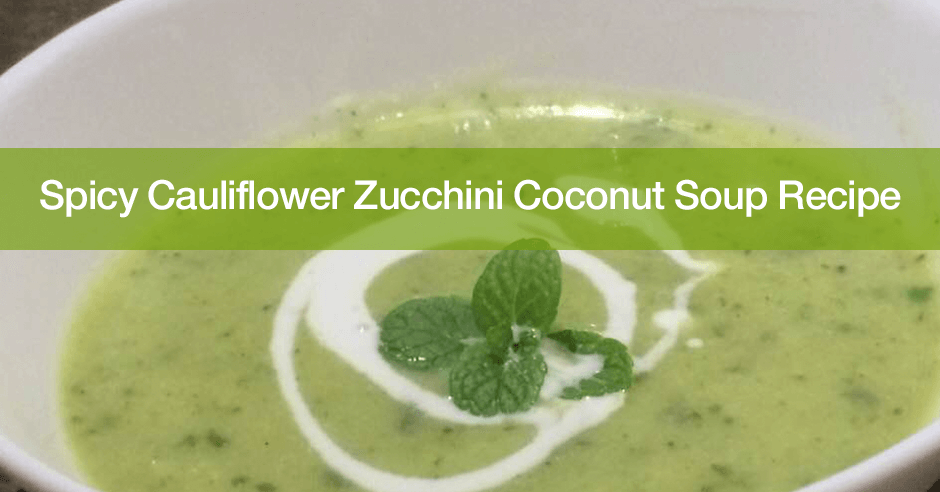
Spicy Cauliflower Zucchini Coconut Soup Recipe

January 18, 2019 By Trudy Scott 10 Comments

This recipe – Spicy Cauliflower Zucchini Coconut Soup – is my new favorite because it’s nutrient-dense, creamy (because of the cauliflower), lasts well in the fridge for a few days, freezes well, and is oh so yummy!

I tend to create my own recipes after being inspired by a recipe in a book, blog or eating something similar. I knew I wanted something creamy and went searching and found this recipe – Zucchini Soup with Fresh Mint – in The Complete Gut Health Cookbook by Pete Evans and Helen Padarin (on page 147 in case you have this book or end up buying a copy. It’s a great book by the way!).

The beautiful green color caught my eye. Cauliflower is one of my favorite vegetables and I had never made a soup with cauliflower before! Pete and Helen’s recipe calls for 2 handfuls of spinach leaves which are problematic for with my oxalate issues so I improvised with bok choy. The end result is not quite a green but it’s still pretty and is really delicious.

I also LOVE all things coconut and can’t resist adding coconut milk to soups for the added creaminess and to provide a good healthy fat. And with that coconut I just had to add some Indian spices for all the goodness and flavor they offer. I’m a mild spicy kind of girl so it’s not too hot. If oxalates are an issue for you reduce the quantities of the higher oxalate spices or leave them out (more on this below the recipe). Here’s the end result:

Spicy Cauliflower Zucchini Coconut Soup (serves 12)

6 large zucchini (or courgette if you’re in the UK or South Africa)
1 large cauliflower
2 large bunches of bok choy
Approx 16 cups /3.5 liters/4 quarts of liquid (home-made chicken broth and enough filtered water to cover the vegetables, leaving room in the pot for the coconut milk)
1 can coconut milk 

Spices

1 tablespoon turmeric (extra high oxalates)

1 tablespoon cumin (very high oxalates)

1 teaspoon curry powder or Garam masala (very high oxalates)

1 tablespoon coriander (high oxalates)

1 tablespoon ginger (low oxalates)

½ tablespoon sea salt

¼ tablespoon black pepper

(this is a mild combination of spices; you could add more curry powder to make it more spicy)

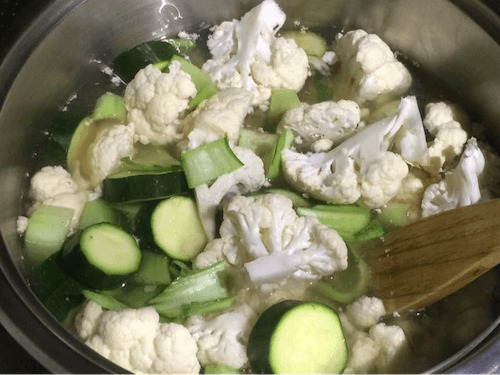
Chop the zucchini and cauliflower and add to the water in a large pot. Chop the white stalks of the bok choy and add to the water with zucchini and cauliflower. Reserve the green leaves of the bok choy and slice finely for later.

Bring to a boil, cover and simmer slowly for about 10 minutes until the vegetables are just tender (don’t overcook as it really tastes like mushy veggies – I had a well-meaning family member make it for me once and it was overcooked and no pleasant!).

Open the can of coconut milk, reserving a few tablespoons for drizzling over the served soup. Pour the remainder into the soup pot, together with the spices and cook for a further minute, stirring to blend everything. Add the finely sliced green leaves of the bok choy and cook for a few more minutes.

Blend until smooth and add back to the pot to reheat. Serve with a drizzle of coconut milk.

Some other serving options:

  • add half a chopped avocado to the serving bowl (I like the chunks) and/or some MCT oil (for more of a keto-friendly soup and to help with blood sugar stability) and/or some sauerkraut for good bacteria
  • add chunks of cooked organic chicken or slices of cooked grass-fed beef
  • or simply serve before the main meal

Enjoy!

The pot should be almost full of liquid and vegetables

The blended soup can be stored in the fridge for a few days and re-heated for lunches and dinner (in a pot and not the microwave), or even enjoyed cold. Be sure to store in glass or pyrex containers.

It also freezes well (and again, use glass or pyrex). When you’re ready to use it, either thaw ahead of time or place the frozen glass/pyrex container in warm water for a few minutes in the sink. This thaws the edges just enough so it’s easy to tip the frozen soup into a pot to finish thawing and reheat. Use low heat while it’s thawing in the pot.

If you have food challenges with oxalates, autoimmune triggers or SIBO:

1) It’s low oxalate with the bok choy instead of spinach but you could use could use 2 cups of baby spinach if oxalates are not an issue.

Per the spreadsheet in the TryingLowOxalates facebook group  run by Susan Owens, a biomedical researcher and the founder of the Autism Oxalate Project, the spices above add up to about 20-24g of oxalates.

  • turmeric (extra high oxalates)
  • cumin (very high oxalates)
  • curry powder (very high oxalates)
  • coriander (high oxalates)
  • ginger (low oxalates)

As I mention above, if you have a problem with oxalates you may need to reduce the quantities of the higher oxalate spices or use more magnesium citrate or calcium citrate with this meal.

On a personal note, I’m very sensitive to oxalates (too much and I get really painful hot-coals-burning/shards-of- glass type pain in my feet and very scratchy eyes) and I seem to tolerate the above amounts of spices in a large soup like this, provided I’m not eating other high oxalate foods at the same time.

2) It’s AIP-friendly (Autoimmune Paleo)

3) It’s FODMAPS-friendly as is or feel free to add garlic and onion if tolerated

Let me know if this sounds yummy and ask away if you have any questions. If you make it be sure to come back and let us know how you enjoyed it. And let us know if you made your own variation.

Filed Under: Recipes Tagged With: bok choy, cauliflower, coconut, oxalates, recipe, soup, spicy, vegetable, zucchini

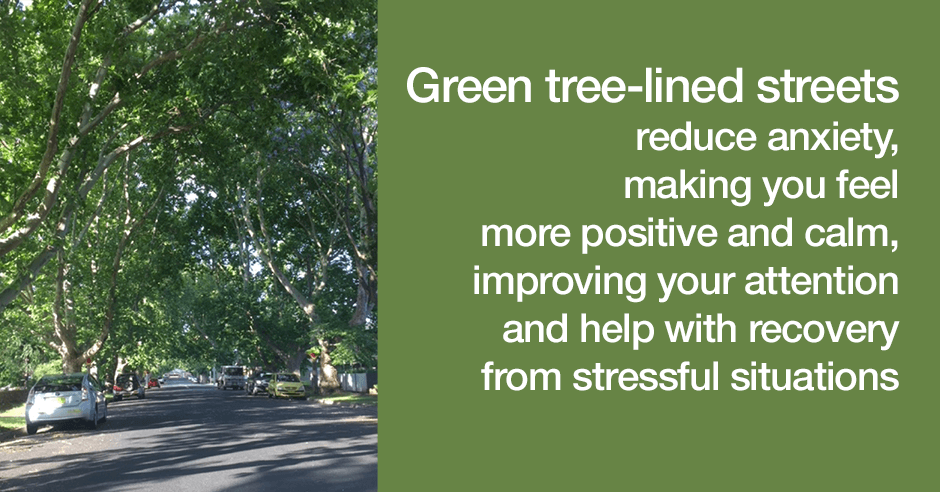
Green tree-lined streets reduce anxiety, making you feel more positive and calm, improving your attention and help with recovery from stressful situations.

January 11, 2019 By Trudy Scott 8 Comments

I’m a nature-lover and don’t need to be told that seeing trees or walking under them or driving along a tree-lined street has research supporting their benefits. I just feel the sense of wonderment, the calming effects and a heightened sense of joy and pleasure as soon as I’m in amongst trees in a street like the one above.

This is a quiet side street in the small town of Richmond in NSW, Australia. It runs perpendicular to a really busy road that heads up to North Richmond and beyond. Now the traffic doesn’t come close to comparing with Los Angeles traffic but for a small town it can be rather hectic from 4pm. If we happen to be heading towards North Richmond, we always take a detour along this wonderful tree-lined road and other similar tree-lined roads to get to where we’re going. As well as avoiding the bumper to bumper traffic we get this sense of ahhhhh!

I mentioned that I don’t need to be told there is research supporting the calming effects of tree lined-roads. But you know me: I’m always curious about the science so when I heard there was research I was of course intrigued about it and wanted to understand why they make us feel so good.

Here is some of the research I found: In Benefits of nature: what we are learning about why people respond to nature we discover that in general we respond in a positive way to nature and to trees in particular, especially “trees with spreading forms” reminiscent of trees on the African savanna. I was born in Africa and spent 32 years there so I find this so interesting! This paper also reports that

all colors were calming, but bright green trees were more calming than other tree colors, including less bright greens and oranges

and that

Adult responses to plants are also influenced by their childhood interactions with nature. We have shown that the more interaction people have with nature as children, the more positive are their attitudes towards nature as adults.

In this study: Stress recovery during exposure to natural and urban environments, the 120 participants were exposed to “color/sound videotapes of one of six different natural and urban settings” after watching a stressful movie. Watching the natural settings had a measurable impact on parasympathetic measures such as heart rate and muscle tension and they felt more positive, experienced improved attention and had better stress recovery.

In another study The View From the Road: Implications for Stress Recovery and Immunization, drivers were presented with a stress-causing stimulus and their reactions measured as they recovered from the stress. The Safe Streets report from the University of Washington summarizes the outcome:

Those viewing built-up, strip-mall-style roadside environments in a simulated drive after the stressful experience showed a slower and physiologically incomplete recovery and reported more negative feelings. Study participants seeing more natural roadside scenes (forests or golf courses) returned to normal baseline measures faster. An “immunization effect” was also detected, as initial exposure to a natural roadside setting decreased the magnitude of response to a subsequent stressful task.

And finally, the research about forest-bathing (known as Shinrin-yoku), although not directly related to stress-reduction from driving along tree-lined streets is worth mentioning. Just the word “forest-bathing” makes me smile.

Research on forest-bathing shows how spending time in forests can lower high blood pressure, and help ease modern-day “stress-state” and “technostress”. In one study, Effects of Short Forest Bathing Program on Autonomic Nervous System Activity and Mood States in Middle-Aged and Elderly Individuals:

The Profile of Mood States negative mood subscale scores of “tension-anxiety”, “anger-hostility”, “fatigue-inertia”, “depression-dejection”, and “confusion-bewilderment” were significantly lower, whereas the positive mood subscale score of “vigor-activity” was higher.

In summary, in this study, the 128 middle-aged and elderly individuals spent only 2 hours in a forest setting and felt less tense, had reduced anxiety, experienced less anger and hostility, felt less fatigued, were not depressed or dejected, felt less confused/bewildered and had more vigor and energy. This was after only 2 hours of forest-bathing!

Here are some ways you can get the most out of this information for your own sense of calm:

  • Take a detour like we do if at all possible and enjoy the calming effects of driving along a tree-lined street. Better yet, take a moment to get out the car and soak in the beauty while walking down the road. And best of all, take a full-day hike on a weekend or go camping for 2 days.
  • Plant a tree (or more than one) outside your home or get involved with a tree-planting committee at your child’s or your grand-child’s school or place of work to do the same
  • Talk to your local mayor and council members to make tree planting in your community a priority
  • If you live in a built-up city and can’t do any of the above, make an effort to spend quiet time in a nearby park
  • Find a tree-planting charity that is a good fit and make a donation in the name of a loved one in lieu of a gift or just do it for yourself
  • If you’re housebound (with agoraphobia for some other reason), find some pictures or a poster of green trees or dig out some old photos. Just looking at pictures of nature and greenery have a stress reducing effect.

On that note here is the bigger version of my Richmond tree-lined street image so you can enjoy looking at it while reading this blog AND get some of the stress-reducing benefits…until you’re in your own tree-lined street or out in nature.

Tree-lined street stress-reducing


I hope this motivates and inspires you to drive down more tree-lined streets and to do something tree-related in your life in addition to all the nutritional changes you’re making to eliminate your anxiety!

We’d love to hear how much you love trees and the outdoors. Do you have a favorite tree-planting charity? Feel free to share your feedback and questions too.

Filed Under: Anxiety, Nature Tagged With: anxiety, attention, calm, green, happy, positive, recovery from stressful situations, streets, stress, tree-lined

Fasting for hormone balance, improved mood, mental clarity and gut repair

January 7, 2019 By Trudy Scott 7 Comments

Fasting can improve hormone balance and mood, lead to mental clarity and play a role in gut repair – and much more. Dr Jocker’s shares this about fasting:

It is an ancient healing practice that dates back to the beginning of mankind, when our bodies were forced to adapt to times of famine and food scarcity on a regular basis — it STILL costs nothing to practice and could transform the health of every cell in your body!

Our ancestors once lived in a way that created robust health to help them survive the rigorous wear and tear of life. We’ve lost those life skills. Today, more and more people are struggling with their weight, chronic pain, memory loss, digestive problems, cancer, poor mental health and autoimmune diseases.

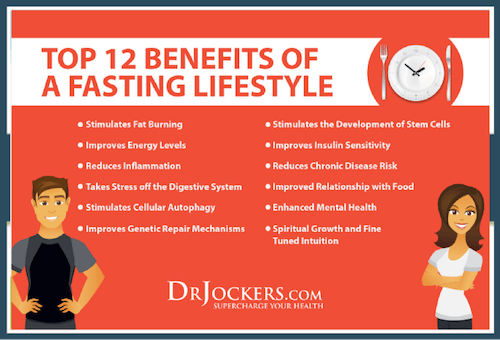
If you’re not familiar with the many benefits of fasting (and the many types of fasting) then be sure to grab a copy of The Fasting Transformation Quickstart Guide that Dr. David Jockers is giving away when you register for The Fasting Transformation Summit.

I snagged this image from The Fasting Transformation Quickstart Guide so you can see all the benefits!

Here are a few quotes from some of my favorite interviews on The Fasting Transformation Summit (which airs Jan 14 – 20)

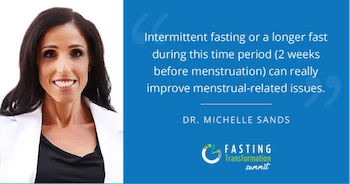
Dr. Michelle Sands shares how fasting CAN work well in women and dispels the belief that fasting doesn’t work as well for women as it does for men. Here is one example she gives:

Intermittent fasting or a longer fast during this time period (2 weeks before menstruation) can really improve menstrual-related issues

In her interview,“Fasting for Younger Women” she covers exactly how fasting impacts female hormones – in both perimenopause and menopause – as well as precautions to consider before fasting. They also discuss why fasting is so key for gut repair (I love her pothole road analogy) and how fasting boosts the anti-aging hormone HGH (human growth hormone).

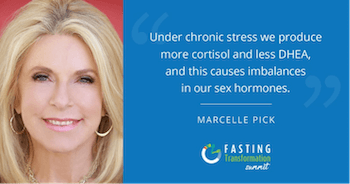
Dr. Marcelle Pick, MSN, OB-GYN, NP discusses menopause and how to reduce symptoms and optimize hormones in her interview “Intermittent Fasting for Menopausal Women.” She shares that premenopausal women and menopausal women who are

under chronic stress produce more cortisol and less DHEA and this causes imbalances in our sex hormones

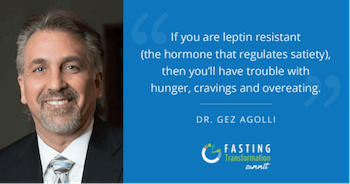
Dr. Gez Agolli discusses leptin resistance and hunger, cravings and overeating in his interview “Using Fasting Strategies in the Clinical Setting” (leptin is the hormone that regulates satiety or your feeling of fullness)

If you are leptin resistant then you’ll have trouble with hunger, cravings and overeating

Interestingly leptin resistance also impacts cognitive function and increases your risk for depression. Leptin resistance also increases anxiety/depression in menopausal women.

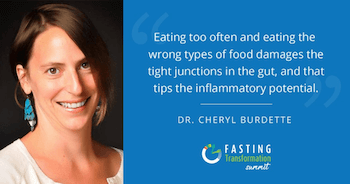
Cheryl Burdette, ND covers inflammation and how it impacts you and the “Impact of Fasting on Chronic Inflammation.” She shares that

Eating too often and eating the wrong types of foods damages the tight junctions in the gut, and that tips the inflammatory potential.

Dr. Jockers shares this about improved mental health in his talk:

As ketones elevate in the body, most people experience improved mood, mental clarity and creativity. Many people observe that they feel the most productive at the peak of their intermittent fast or after 3-4 days of extended fasting.

I’ve personally adjusted my eating to do regular intermittent fasting and am surprised at how much it helps my mental clarity and energy levels. It also leads to much more restful sleep. I’m still recovering from the harms of EMFs and fasting helps so much!

I remember feeling a bit overwhelmed by it all and thinking it was a daunting venture (especially when I wasn’t feeling great) but I learned a lot during Dr. Jocker’s Ketogenic Summit and then did his keto program. It’s really quite easy to do once you understand how to do it well.

In case you’re curious, I’m doing what he calls a Strong Fast and consume all food (2 meals) in a 6-8 hour eating window each day and fast through breakfast. Dr. Jockers describes 16 different types of fasts in The Fasting Transformation Quickstart Guide which you get access to when you register.

Join Dr. David Jockers as he interviews fasting experts, so you can learn everything you need to know about this transformational health tactic!

Register here to learn more: Fasting Transformation Summit (it airs online from Jan 14-20, 2019)

Have you found health benefits from fasting? And have you felt challenged when fasting? Feel free to share your insights and questions in the comments below.

Filed Under: Events, Uncategorized

Why does chewable GABA make me run to the bathroom and what GABA do I use instead?

January 4, 2019 By Trudy Scott 9 Comments

The amino acid GABA (gamma-amino butyric acid) helps to raise GABA neurotransmitter levels and ease the physical symptoms of anxiety: stiff and tense muscles as well as feelings of stress, overwhelm and often panic attacks and overthinking/unwanted thoughts too. It can also help with the visceral pain of IBS/SIBO and insomnia. GABA eases symptoms very quickly, often within 5 minutes but is most effective when taken sublingually, is chewed or is opened on to the tongue.

I often get feedback from individuals in my community saying GABA doesn’t work for them for one reason or another. Digestive issues are a common problem and one question I often hear is the one about chewable GABA and gas, bloating and/or diarrhea.

Rav asks this question on the blog:

What about individuals with IBS (irritable bowel syndrome) or Colitis who cannot take chewable tablets? I used to take the GABA-Pro by Bioclinic Naturals and it just made me run to the bathroom. Should those with digestive trouble steer clear from chewable forms of GABA?

This is an excellent question and something you always need to consider when having digestive upset: is it due to a new supplement I’ve recently added? You have to find a product that works for you and we’re all different. Just like we need to read labels with food we need to read and understand the labels of supplements too.

There are a number of factors to consider: sugar alcohols, natural flavors and plant-based cellulose ingredients.

Let’s look at sugar alcohols first

Many of the chewable or sublingual forms of GABA contain sugar alcohols which can be problematic and cause digestive upset and often explosive diarrhea. Sugar alcohols include xylitol, sorbitol, mannitol and erythritol. Your reaction will depend on the amount of sugar alcohols used, how many chewable tablets you use and how accustomed you are to sugar alcohols. You may get used to them and eventually be fine with consuming small amounts and yet for others the tiniest amount is an issue.

Many of the chewable forms also contain natural flavors which could potentially be problematic for you.

Let’s now look at cellulose and rice flour

I’m also starting to see more and more folks have digestive distress and gas from products with plant-based cellulose ingredients, especially when someone has IBS or SIBO (small intestinal bacterial overgrowth). For example, you may see hydroxypropylcellulose on the label. This helps the chewable keep its shape and stay intact longer when in the mouth.

With capsules you may see cellulose, methylcellulose or hypromellose on the “Other Ingredients” section on the label, with these vegetable-based ingredients replacing the gelatin capsule. This also often causes bloating and gas when IBS/SIBO is an issue.

The rice flour filler in many products can also be problematic for some folks with IBS/SIBO.

Reading the label

The product Rav mentions – GABA-Pro by Bioclinic Naturals – is not one I’m familiar with but a quick check shows these ingredients in addition to the GABA:

Xylitol, stearic acid, hydroxypropylcellulose, silica, natural tropical fruit flavour (banana, pomegranate, pineapple, mango, passionfruit, orange, tangerine, mandarin), citric acid, vegetable grade magnesium stearate (lubricant).

The xylitol is a sugar alcohol, the hydroxypropylcellulose is plant-based cellulose and there are many natural flavors in this product. Any one or all could be the issue.

Magnesium stearate, a bulking agent and lubricant, is often reported as being problematic but since it’s in so many products, it’s unlikely to be causing digestive distress in this case. If you’d like to learn more, Dr Josh Axe has a great blog addressing some of the hype around magnesium stearate concluding it’s safe to consume.

Interestingly, the product label says GABA (gamma-amino butyric acid) when in actual fact it contains pharma GABA (a fermented form of GABA). It’s unlikely that this is the issue for Rav but I do find it a strange way to label a product.

Finally, it’s always important to check quality and make sure there are no artificial colors, preservatives, or sweeteners, no dairy, no gluten and no GMO ingredients in the supplement. This product passes this test.

What GABA do I use instead?

One option is to switch to another chewable such as GABA Calm. This is one of my favorite GABA products because  it works so well, is a nice low dose of GABA, is convenient when you’re out and about and actually tastes good. This one does contain the sugar alcohols sorbitol and mannitol, as well as a natural flavor which may well also be an issue, although I’ve had few complaints from clients and those in my community.

The other option is to use a GABA-only product or a combination GABA and theanine product (such as NFH GABA-T SAP) opened onto the tongue. It’s not as convenient but if it gets you the calming results you’re looking for then it’s a non-issue.

And finally, you could do a trial of using the chewable during the day and the opened GABA capsule at night so you’re consuming less sugar alcohols overall (if that’s your issue).

You can find the GABA Calm, NFH GABA-T SAP and Enzymatic Therapy GABA on the supplements blog here. To be clear, I’m not saying the GABA-Pro product isn’t a good choice in general, rather that it may not be ideal for you, based on your unique needs and what is going on with your gut at any one time.

How do you do with these chewable GABA products (or others like this). Do you do well on them or do you end up running to the toilet or battle with gas and/or bloating?

Or do you prefer a GABA-only or GABA/theanine combination product (opened onto the tongue)?

Filed Under: GABA Tagged With: anxiety, bathroom, bloating, cellulose, diarrhea, digestive trouble, GABA, GABA Calm, gas, magnesium stearate, quality GABA T-SAP, stiff and tense muscles, sugar alcohols, toilet

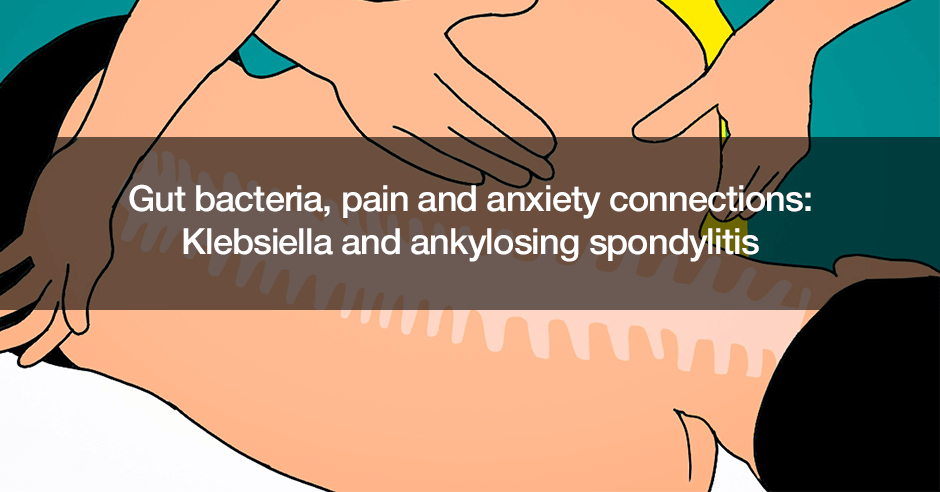
Gut bacteria, pain and anxiety connections: Klebsiella and ankylosing spondylitis

December 28, 2018 By Trudy Scott 21 Comments

We know about the gut-brain connection where the health of our microbiome impacts how anxious or depressed we feel, but we often forget that there is a gut-pain connection too and how addressing dysbiosis and bad bacteria in the gut can have far-reaching benefits.

An old work friend recently reached out asking for help for her husband who had been diagnosed with ankylosing spondylitis, ulcerative colitis and gluten sensitivity, and was not seeing results with conventional treatment. I did some digging for them and a colleague mentioned that they had addressed Klebsiella when they discovered that her husband had genes predisposing him to ankylosing spondylitis. Read on to see what I’ve learned.

Klebsiella as a precursor to ankylosing spondylitis

The paper shared with me: The relationship between Klebsiella infection and ankylosing spondylitis, discusses the HLA-B27 gene and the Klebsiella connection:

Klebsiella-reactive arthritis is the precursor stage occurring in the early and active phases of ankylosing spondylitis.

Let’s learn more about Klebsiella, ankylosing spondylitis, the anxiety connection and prevalence, the role of neuro-inflammation and genes, the problems of a high carb diet and the role the amino acids GABA, tryptophan and DPA play in pain and anxiety relief and being able to quit the carbs easily, plus provide sleep support.

In case you’re not familiar with Klebsiella, this excellent FX Medicine article describes it as follows:

Klebsiella pneumoniae (KP) is a type of gram-negative rod-shaped bacteria that can cause different types of infections ranging from pneumonia (lung), blood infections (septicaemia), wound or surgical infections, urinary tract infections, small intestinal bowel overgrowth (SIBO), ankylosing spondylitis, Crohn’s disease, ulcerative colitis and meningitis (brain).

Ankylosing spondylitis is an inflammatory disease of the spine

In case you’re not familiar with the condition ankylosing spondylitis (pronounced like this) the Mayo Clinic site provides this summary:

Ankylosing spondylitis is an inflammatory disease that, over time, can cause some of the vertebrae in your spine to fuse. This fusing makes the spine less flexible and can result in a hunched-forward posture. If ribs are affected, it can be difficult to breathe deeply.

Ankylosing spondylitis affects men more often than women. Signs and symptoms typically begin in early adulthood. Inflammation also can occur in other parts of your body – most commonly, your eyes.

They say there is no cure and the treatments include pain medications and physical therapy to ease symptoms (and surgery in some cases).

I’m all for physical therapy but you’ll notice there is no mention of gut health or Klebsiella. This is why we have to keep searching for root causes – and work with a functional medicine practitioner – no matter what the health condition, be it ankylosing spondylitis or anything else.

Prevalence of anxiety in ankylosing spondylitis

As with most physical conditions there is a connection with anxiety. This paper: Prevalence of psychological disorders, sleep disturbance and stressful life events and their relationships with disease parameters in Chinese patients with ankylosing spondylitis reports that

AS [ankylosing spondylitis] patients had more severe psychological disorders, sleep disturbance, and stressful life events.

Prevalence of anxiety, depression, and sleep disturbance was 31.6%, 59.3%, and 31.0% respectively.

We have to ask ourselves if we have anxiety, depression and insomnia because of the pain being experienced or because of one or more of the root causes that contribute to both pain and anxiety.

Microbiota disturbance, neuro-inflammation, and anxiety

Often the research focuses on the former but we know that there is Evidence for interplay among antibacterial-induced gut microbiota disturbance, neuro-inflammation, and anxiety in mice. In this 2018 animal study treatment with lactobacilli suppresses this neuro-inflammation.

Ankylosing spondylitis, Crohn’s disease, genes and a high carb diet

The above FX Medicine article shares the connection between ankylosing spondylitis, Crohn’s disease and ulcerative colitis, as well as the genetic susceptibility, together with the problems of a high carb diet:

Genetically susceptible people, such as those who have the HLA-B27 allelotypes and consume a high starch/carbohydrate diet, can trigger a growth in Klebsiella in the bowel, the starch becoming a main food supply for the Klebsiella.

The amino acids for pain, carb addition, anxiety and insomnia

The amino acids come into the picture again, helping to ease the pain, provide precursors for neurotransmitter production until the microbiome is balanced, and eliminate carbohydrate cravings so they can be given up without willpower.

As always figuring out your own imbalance and doing an amino acid trial is key. Here is a summary of how they may help in this instance, assuming you have low levels of GABA, serotonin and/or endorphins:

  • GABA helps with stress eating of carbs, eases physical anxiety, eases some pain.
  • Tryptophan helps with afternoon and evening carb cravings, eases mental worry-type anxiety and depression, and also eases some pain. Both GABA and tryptophan help with insomnia.
  • DPA boosts endorphins providing acupuncture-like pain relief and provides the emotional comfort that starchy treats often do.

The FX Medicine article has treatment and prevention tips for you to share with your functional medicine doctor, who will be able to run a functional stool test such as the GI-MAP offered by Diagnostic Solutions Lab.

Just because there are these gut bacteria, pain, anxiety, Klebsiella and ankylosing spondylitis connections, it doesn’t necessarily mean everyone with ankylosing spondylitis has Klebsiella or that everyone who has Klebsiella will go on to develop ankylosing spondylitis (as stated above) or even that everyone with ankylosing spondylitis will have anxiety. I’m simply connecting some dots so you can start to think outside the box.

I’d love to hear what has worked for you or a loved one with ankylosing spondylitis and/or if you’ve seen elevated Klebsiella on your stool test or have the genetic predisposition?

Have the amino acids and a low-carb diet helped the healing process and eased some of your anxiety while addressing the underlying Klebsiella infection?

Filed Under: Gut health Tagged With: amino acids, ankylosing spondylitis, anxiety, back pain, carbs, cravings, DPA, endorphins, GABA, GI MAP, insomnia, Klebsiella, microbiome, pain, serotonin, tryptophan

  • « Go to Previous Page
  • Page 1
  • Interim pages omitted …
  • Page 47
  • Page 48
  • Page 49
  • Page 50
  • Page 51
  • Interim pages omitted …
  • Page 160
  • Go to Next Page »

Primary Sidebar

GABA QuickStart Homestudy

gaba quickstart homestudy

Free Report

9 Great Questions Women Ask about Food, Mood and their Health

You'll also receive a complimentary subscription to my ezine "Food, Mood and Gal Stuff"


Connect with me

Popular Posts

  • Amino Acids Mood Questionnaire from The Antianxiety Food Solution
  • The Antianxiety Food Solution Amino Acid and Pyroluria Supplements
  • Pyroluria Questionnaire from The Antianxiety Food Solution
  • Collagen and gelatin lower serotonin: does this increase your anxiety and depression?
  • Tryptophan for the worry-in-your-head and ruminating type of anxiety
  • GABA for the physical-tension and stiff-and-tense-muscles type of anxiety
  • The Antianxiety Food Solution by Trudy Scott
  • Seriphos Original Formula is back: the best product for anxiety and insomnia caused by high cortisol
  • Am I an anxious introvert because of low zinc and vitamin B6? My response to Huffington Post blog
  • Vagus nerve rehab with GABA, breathing, humming, gargling and key nutrients

Recent Posts

  • Her cravings for chips and peanut butter were triggered by stress: GABA ends cravings and reduces physical tension and fear of heights
  • It is truly miraculous to be able to move through life without crippling anxiety and panic
  • GABA and tryptophan combo provide immediate and noticeable relief for tremors and cervical dystonia in just 7 days
  • Red light therapy for back and neck pain, plantar fasciitis and low mood – a complement to the amino acids GABA, DPA and tryptophan
  • What do I use instead of Seriphos to help lower high cortisol that is affecting my sleep and making me anxious at night?

Categories

  • 5-HTP
  • AB575
  • Addiction
  • ADHD
  • Adrenals
  • Alcohol
  • Allergies
  • Alzheimer's disease
  • Amino Acids
  • Anger
  • Antianxiety
  • Antianxiety Food Solution
  • Antidepressants
  • Anxiety
  • Anxiety and panic
  • Autism
  • Autoimmunity
  • benzodiazapines
  • Bipolar disorder
  • Books
  • Caffeine
  • Cancer
  • Candida
  • Children/Teens
  • Collagen
  • Cooking equipment
  • Coronavirus/COVID-19
  • Cravings
  • Depression
  • Detoxification
  • Diabetes
  • Diet
  • DPA/DLPA
  • Drugs
  • EFT/Tapping
  • EMF
  • EMFs
  • Emotional Eating
  • Endorphins
  • Environment
  • Essential oils
  • Events
  • Exercise
  • Fear
  • Fear of public speaking
  • Fertility and Pregnancy
  • Fish
  • Food
  • Food and mood
  • Functional neurology
  • GABA
  • Gene polymorphisms
  • General Health
  • Giving
  • Giving back
  • Glutamine
  • Gluten
  • GMOs
  • Gratitude
  • Gut health
  • Heart health/hypertension
  • Histamine
  • Hormone
  • Hyperparathyroidism
  • Hypoglycemia
  • Immune system
  • Inflammation
  • Insomnia
  • Inspiration
  • Introversion
  • Joy and happiness
  • Ketogenic diet
  • Lithium orotate
  • Looking awesome
  • Lyme disease and co-infections
  • MCAS/histamine
  • Medication
  • Men's health
  • Mental health
  • Mercury
  • Migraine
  • Mold
  • Movie
  • MTHFR
  • Multiple sclerosis
  • Music
  • NANP
  • Nature
  • Nutritional Psychiatry
  • OCD
  • Osteoporosis
  • Oxalates
  • Oxytocin
  • Pain
  • Paleo
  • Parasites
  • Parkinson’s disease
  • PCOS
  • People
  • PMS
  • Postpartum
  • PTSD/Trauma
  • Pyroluria
  • Questionnaires
  • Real whole food
  • Recipes
  • Research
  • Schizophrenia
  • serotonin
  • SIBO
  • Sleep
  • Special diets
  • Sports nutrition
  • Stress
  • Sugar addiction
  • Sugar and mood
  • Supplements
  • Teens
  • Testimonials
  • Testing
  • The Anxiety Summit
  • The Anxiety Summit 2
  • The Anxiety Summit 3
  • The Anxiety Summit 4
  • The Anxiety Summit 5
  • The Anxiety Summit 6
  • Thyroid
  • Thyroid health
  • Toxins
  • Tryptophan
  • Tyrosine
  • Uncategorized
  • Vegan/vegetarian
  • Women's health
  • Yoga

Archives

  • May 2026
  • April 2026
  • October 2025
  • September 2025
  • August 2025
  • July 2025
  • June 2025
  • May 2025
  • April 2025
  • March 2025
  • February 2025
  • January 2025
  • November 2024
  • October 2024
  • September 2024
  • August 2024
  • July 2024
  • June 2024
  • May 2024
  • April 2024
  • March 2024
  • February 2024
  • January 2024
  • December 2023
  • November 2023
  • October 2023
  • September 2023
  • August 2023
  • July 2023
  • June 2023
  • May 2023
  • April 2023
  • March 2023
  • February 2023
  • January 2023
  • December 2022
  • November 2022
  • October 2022
  • September 2022
  • August 2022
  • July 2022
  • June 2022
  • May 2022
  • April 2022
  • March 2022
  • February 2022
  • January 2022
  • December 2021
  • November 2021
  • October 2021
  • September 2021
  • August 2021
  • July 2021
  • June 2021
  • May 2021
  • April 2021
  • March 2021
  • February 2021
  • January 2021
  • December 2020
  • November 2020
  • October 2020
  • September 2020
  • August 2020
  • July 2020
  • June 2020
  • May 2020
  • April 2020
  • March 2020
  • February 2020
  • January 2020
  • December 2019
  • November 2019
  • October 2019
  • September 2019
  • August 2019
  • July 2019
  • June 2019
  • May 2019
  • April 2019
  • March 2019
  • February 2019
  • January 2019
  • December 2018
  • November 2018
  • October 2018
  • September 2018
  • August 2018
  • July 2018
  • June 2018
  • May 2018
  • April 2018
  • March 2018
  • February 2018
  • January 2018
  • December 2017
  • November 2017
  • October 2017
  • September 2017
  • August 2017
  • July 2017
  • June 2017
  • May 2017
  • April 2017
  • March 2017
  • February 2017
  • January 2017
  • December 2016
  • November 2016
  • October 2016
  • September 2016
  • August 2016
  • July 2016
  • June 2016
  • May 2016
  • April 2016
  • March 2016
  • February 2016
  • January 2016
  • December 2015
  • November 2015
  • October 2015
  • September 2015
  • August 2015
  • July 2015
  • June 2015
  • May 2015
  • April 2015
  • March 2015
  • February 2015
  • January 2015
  • December 2014
  • November 2014
  • October 2014
  • September 2014
  • August 2014
  • July 2014
  • June 2014
  • May 2014
  • April 2014
  • March 2014
  • February 2014
  • January 2014
  • December 2013
  • November 2013
  • October 2013
  • September 2013
  • August 2013
  • July 2013
  • June 2013
  • May 2013
  • April 2013
  • March 2013
  • February 2013
  • January 2013
  • December 2012
  • November 2012
  • October 2012
  • August 2012
  • July 2012
  • June 2012
  • May 2012
  • April 2012
  • March 2012
  • February 2012
  • January 2012
  • December 2011
  • November 2011
  • October 2011
  • September 2011
  • August 2011
  • July 2011
  • June 2011
  • May 2011
  • April 2011
  • March 2011
  • February 2011
  • January 2011
  • December 2010
  • October 2010
  • September 2010
  • July 2010
  • May 2010
  • April 2010
  • March 2010
  • February 2010
  • January 2010
  • November 2009

Share the knowledge!

The above statements have not been evaluated by the Food and Drug Administration. Products listed in this website are not intended to diagnose, treat, cure or prevent any disease.

The information provided on this site is for informational and educational purposes only and is not intended as a substitute for advice from your physician or other health care professional. You should consult with a healthcare professional before starting or modifying any diet, exercise, or supplementation program, before taking or stopping any medication, or if you have or suspect you may have a health problem.


Copyright © 2026 Trudy Scott. All Rights Reserved. | Privacy | Terms and Conditions | Refund Policy | Medical Disclaimer

Free Report

9 Great Questions Women Ask about Food, Mood and their Health

You’ll also receive a complimentary subscription to my ezine “Food, Mood and Gal Stuff”