• Skip to primary navigation
  • Skip to main content
  • Skip to primary sidebar

everywomanover29 blog

Food, Mood and Women's Health – Be your healthiest, look and feel great!

  • Blog
  • About
  • Services
  • Store
  • Resources
  • Testimonials
  • The Book
  • Newsletter
  • Contact
  • Search this site

Toxins

Mycotoxin illness is real! Is mold the root cause of your mystery symptoms and unresolved anxiety?

January 21, 2019 By Trudy Scott 13 Comments

Do you suffer from mystery symptoms and unresolved anxiety? Toxic mold is one possible unrecognized root cause – it can create hormonal imbalances, brain disrepair and neurotransmitter imbalances, chronic gastrointestinal issues and multiple autoimmune conditions.

Almost 20 years ago, your host, Dr. Margaret Christensen, was a successful OB-Gyn with a booming practice. She began having debilitating fatigue, was unable to think clearly and she ached all over, to such an extent that she had to close her practice.

Her family also showed symptoms: learning difficulties, insomnia, severe mood swings, migraines, ADD, asthma and bronchitis, tremors, sinusitis. After 8 years of sickness, they finally found toxic mold in their water-damaged house.

You should suspect and look into mold toxicity if you are:

  • Enduring terrible mood swings, anxiety and/or depression
  • Suffering from sinus infections, bronchitis and migraines
  • Weakened by gut issues, brain fog, fatigue, neurologic symptoms
  • Constantly challenged with sleep issues
  • Reacting to chemicals, smells, foods, medications

You may have told mold toxicity isn’t a real issue or that it is a pseudo condition. I was digging through the recent research and it’s not surprising that many doctors say it’s not real especially with studies like this one: Toxic mold: phantom risk vs science:

Indoor mold growth is variable, and its discovery in a building does not necessarily mean occupants have been exposed. Human response to fungal antigens may induce IgE or IgG antibodies that connote prior exposure but not necessarily a symptomatic state.

When mold-related symptoms occur, they are likely the result of transient irritation, allergy, or infection. Building-related illness due to mycotoxicosis has never been proved in the medical literature. Prompt remediation of water-damaged material and infrastructure repair should be the primary response to fungal contamination in buildings. 

There are a rather large number of studies that reach the same conclusion (it’s not real) but the good news is that there is a 2013 paper – A review of the mechanism of injury and treatment approaches for illness resulting from exposure to water-damaged buildings, mold, and mycotoxins acknowledging that mycotoxins are an issue for many individuals:

Illness results from a combination of factors present in water-damaged indoor environments including, mold spores and hyphal fragments, mycotoxins, bacteria, bacterial endotoxins, and cell wall components as well as other factors. Mechanisms of illness include inflammation, oxidative stress, toxicity, infection, allergy, and irritant effects of exposure.

And ask anyone who has lived through mold toxicity and then healed and thrived, just how real and debilitating it is trying to figure out if it is in fact toxic mold that is the root cause and then what to do about it.

This same paper reviews commonly used treatments

such as glutathione, antioxidants, antifungals, and sequestering agents such as cholestyramine, charcoal, clay and chlorella, antioxidants, probiotics, and induced sweating.

All of the above will be covered in the summit (and much more).

Here are a few highlights and insights from me.

The interview with Dr. Ann Shippy – “Overview of the Journey to Recovery” – is just that, a very useful summary of all the mold connections and it highlights many of the other speakers and topics. She also shares this about Lyme disease, toxic mold and your total toxic load

Patients can have Lyme disease and not be sick but when they are sick it’s often because mold is suppressing the immune system and causing symptoms. It may not even be Lyme but mold instead.

Yuli Horesh covers: “Diffusing Probiotics to Defend Your Environment.” It is a fascinating interview I look forward to seeing some long-term research on the safety aspects. Other than this it makes so much sense and is a very exciting approach together with everything else. I also want to say that we don’t want to be thinking of this as a short-cut/quick-fix and not doing anything else.

Dr. Mary Ackerly’s interview is fabulous and is not to be missed– “Brain on Fire: The Role of Toxic Mold in Triggering Psychiatric Symptoms”. It’s very exciting to hear a psychiatrist who is so knowledgeable and passionate about this topic. I loved that she talked specific testing and about group 1, 2,3 and 3B in terms of how sick folks are and how quickly they respond to treatment and what needs to be done in terms of remediation.

I was also thrilled to learn about the International Society for Environmentally Acquired Illness (ISEAI) and encourage you to check them out as a resource for both your own recovery and if you’re a practitioner, for learning. They are hosting their first conference in May: “Healing Complex patients in a Toxic World”.

I was hoping to learn more about the NeuroQuant Triage Brain Atrophy Report (from Cortech) from her and other speakers. I wanted to know if a contrast agent is needed during the MRI as many folks have issues with gadolinium toxicity when having MRIs and I’d be very concerned about adding to the toxic load. It seems the contrast isn’t needed.

In Dr. Jill Carnahan’s interview – “Metabolic Endotoxemia and the Gut-Brain Connection”, she recommends a provoked or challenged urinary myctoxin test with some glutathione or sauna because you can get false negatives if you don’t do this before testing. She also shares all her favorite binders: charcoal, clay, zeolite, glucommanan and citrus pectin.

They also talk about SIBO (small intestinal bacterial infection) and say that a lot of SIBO is really SIFO (small intestinal fungal infection), how toxic mold can impact gut motility and and how antifungals rather than anti-bacterials are the way to go in this instance.

Jeff Bookout’s interview on “Non-Toxic Remediation for Chemically Sensitive” is wonderful. They cover dry-fogging, using non-toxic citrus based oils, practical tips for travel and hotel rooms, keeping dorm rooms safe from toxic mold and how best to clean the HVAC (heating, ventilation and air-conditioning) system so you’re not dispersing toxic mold throughout the house. This is a very practical and common-sense interview.

If you didn’t register yet, I’m hoping this inspires you to register and tune in. It’s one of the most popular summits I’ve promoted and I feel it’s a topic we all need to learn about and ideally before it’s a problem because when you’re in the midst of it, it makes it that much more challenging to deal with. You just never know when you may need this information. Take for example all the people affected recently by the dreadful floods in Townsville in Australia, and elsewhere.

If you are in the midst of dealing with your own mold toxicity I know you’re getting great resources for remediation and recovery. Be sure to have a friend or loved one who has not been affected, listen in and read the transcripts so you’re not alone in figuring things out.

Even if you don’t currently have symptoms of mold toxicity, it’s an excellent resource so you can be prepared the next time you have water damage in your home, office or school. It will also allow you to make sure you don’t have a growing mold problem which may affect your health down the road.

The Toxic Mold Summit health experts, air quality experts and mold remediation specialists will help you identify if you have mold exposure and share the latest tools and techniques for dealing with toxic mold.

When you register be sure to check out the ebook, “Got Mold? Now What? Hope for Health and Home: Overview of Toxic Mold and Biotoxin Illness!” It covers why you get the following symptoms and the mechanisms, total toxic load, recommended testing for you and your moldy home (or work place or school etc.), resources to make you more resilient, basic treatment steps and dietary approaches to consider.

Here are symptoms and illnesses caused by toxic mold exposure. Dr. Christensen explains that mold/biotoxin illness may present in many ways, even within the same family who have been exposed to mold, and often with some kind of pain or inflammation, and in almost any area of the body:

  • Chronic recurrent upper respiratory and sinus infections
  • Chronic headaches/migraines
  • Severe chronic fatigue or ongoing flu-like symptoms
  • Fibromyalgia (tender, sore muscles)
  • Neurological issues (tremors, neuropathy, brain fog, ADD, learning issues, etc.)
  • Neuro-degenerative diseases (Parkinson’s, MS, ALS, Alzheimer’s and other dementias)
  • Severe gut symptoms (IBS, Crohn’s, ulcerative colitis, SIBO/SIFO)
  • Autoimmune disorders (thyroid, Hashimoto’s, psoriasis, rheumatoid arthritis, eczema, hives)
  • Multiple chemical sensitivities and histamine intolerance (rashes and hives)
  • Night sweats (common in men of all ages, as well as women)
  • Psychiatric symptoms (anxiety, depression, panic attacks, bipolar symptoms, psychosis)
  • Severe sleep disturbances
  • Recurrent interstitial cystitis, bladder infections and frequent urination
  • Hormonal imbalances (adrenal and thyroid hormones)
  • Infertility, heavy periods and cramps, endometriosis, PMS, PCOS
  • Cardiovascular disease
  • Lyme and co-infections, including viral infections like EBV, HHV6
  • Cancer (especially hormonal, leukemias/lymphomas and bladder/kidney)
  • Children: chronic ear, throat and upper respiratory infections, asthma, allergies, ADD/ADHD, sleep, irritability, bedwetting

In the testing section she does state that “HLA genetics tests are not necessary but can be interesting” and I was intrigued to hear this because I considered this a gold standard test to have done.

Here are some of the excellent topics and speakers:

  • Chemical Sensitivity and Detoxing Your Home with Bridgit Danner, LAc, FDNP
  • Heavy Metals, Fatigue and Detox with Wendy Myers, FDN-P, NC, CHHC
  • Essentials Oils to Treat and Prevent Mold Toxicity with Jen Broyles, CHC
  • Mold Inspection and Detection with JW Biava
  • Mold, Mental Illness and Suicide Prevention with Jill Sheppard Davenport, MS, CNS, LN
  • Mold, Histamine and Multiple Chemical Sensitivity with Gail Clayton, RPh, MS, CNS
  • Brain on Fire: Mental Illness and Mold with Mary Beth Ackerley, MD, MD(H), ABIHM
  • Advanced Therapies for Mold Recovery with Mark Hyman, MD
  • Finding a Quality Mold Inspector and Remediator with Jason Earle, IEP

========================

UPDATE: March 28, 2021
This summit is being re-released for a third time on April 26 – May 2, 2021 due to the high demand and excellent content.

I was thrilled to be invited to speak on this summit AND my interview, Immediate Relief for Anxiety, also happens to be one of the registration gifts so you get access right away!

We initially cover some of the many connections between mold toxicity and anxiety and low mood. I share from this 2018 paper, Effects of Mycotoxins on Neuropsychiatric Symptoms and Immune Processes:

  • the presence of mold and dampness was associated with the prevalence of depression and emotional distress
  • it’s unclear whether neuropsychological problems are due to the adverse effects of mycotoxins or the emotional and financial stress of keeping a house clean in the face of recurrent mold [it’s very likely both + the loss of treasured possessions for some folks too]
  • a low sense of control may lead to an elevated risk for anxiety and depression.

I also share how much I learned from Dr. Neil Nathan’s presentation at one of the IMMH conferences: “Mold Toxicity as an Unrecognized Cause of Mental Health issues.” He shares that “mold  toxicity may directly trigger anxiety, panic attacks, depression, depersonalization and hallucinations AND mast cell activation, multiple chemical sensitivities, secondary porphyrias, methylation dysfunction and pyroluria” … all of which plays a role in anxiety/depression.

I go on and cover the solutions for the anxiety and panic attacks (often directly triggered by mold toxicity) and the sense of loss while you are dealing with the mold toxicity and home remediation or move:

  • mold anxiety and how to use GABA and serotonin support to ease the anxiety, fears, insomnia, worry and panic attacks that are so common with mold toxicity (so there is not the added toxic burden of psychiatric meds)
  • how certain mycotoxins may actually lead to high serotonin and what to do in this instance
  • using DPA (an amino acid that boosts endorphins) to help comfort folks who may lose their homes and beloved contents/books/photos due to mycotoxins

========================

If you or a loved one suffers from mystery symptoms and/or unresolved anxiety I encourage you to tune in to learn more.

I’ll see you online at this educational summit when you register here.

Can you relate to any of this? Have you been ill as a result of toxic mold exposure? Or do you suspect mold is one of your root causes?

Have you remediated a moldy home and healed your self with a functional medicine approach?
Filed Under: Mold, Toxins Tagged With: anxiety, biotoxin illness, depersonalization, depression, DPA, Dr. Margaret Christensen, endorphins, GABA, mold, mycotoxins, neurotransmitter, serotonin, toxic mold

Metal-on-metal hip replacement and cobalt toxicity: anxious, tearful, lowered self-esteem, social withdrawal and poor sleep

October 26, 2018 By Trudy Scott 8 Comments

I’m always on the look-out for out-of-the-box root causes for anxiety, insomnia and low mood and the role of targeted amino acids like GABA, tryptophan and tyrosine in easing symptoms clients and boy was I surprised to learn about the connection between metal-on-metal hip replacements and mental health symptoms.

I first learned about this in the new Netflix documentary called The Bleeding Edge which is an “eye-opening look at the fast-growing medical device industry” and “reveals how the rush to innovate can lead to devastating consequences for patients.”

With metal-on-metal hip replacements it’s the cobalt and chromium in the metal-on-metal hip replacements that are causing toxicity in many individuals. In the Guardian article The Bleeding Edge: behind the terrifying new Netflix documentary we hear about Stephen Tower, an orthopedic doctor who shared his story in the documentary:

He had developed a tremor and was having a hard time thinking when he decided to scrawl all over the walls and ceiling of a hotel room during a medical conference, eventually using soap as ink.

Tower, his friends and family knew he was in the throes of mental health crisis, but no one was sure why. So, Tower studied himself until he found the answer in a blood and urine sample: his levels of cobalt, a metal used in rechargeable batteries, were more than a hundred times higher than normal.

Tower thought it might be related to his metal-on-metal hip replacement and had it redone. On the operating table, his surgeon found metal sludge seeping from the device before it was removed.

Dr. Tower shares that within a month of having his hip replacement redone his recovery was remarkable – he could think again, and his psychiatric symptoms resolved.

The sad thing is that he actually admits that he would never have believed this could be possible without having had experienced it himself. We see this all too often in the medical profession.

But he is now enlightened and of course he’s passionate about sharing what he experienced and has started documenting similar adverse experiences in his patients. He says the EPA and FDA should be studying this and reporting it and so they should be.

I was curious to find out how serious an issue this was and how long it’s been an issue because surely we’d be hearing more about it.

A paper published in 2017: Neuropsychiatric symptoms following metal-on-metal implant failure with cobalt and chromium toxicity reports depression and short term memory problems, as well as “disorientation in place, problems with tests of concentration and word finding difficulties.”

The paper includes feedback from some of the study participants. This is what two of them shared about their mood, sleep and anxiety post-hip replacement:

Ms. X … persistent anxieties about the need for future surgery and a feeling she must always be cautious about protecting her hip, tearfulness, lability of mood, lowered self-esteem – “I used to be very active and now I feel a mess”, guilt about being a burden on her husband, a fear about the effects of ions on her body and poor concentration.

Mrs. Z … complained of poor sleep with early morning wakening, low mood and emotional lability, social withdrawal, poor appetite, forgetfulness and a tendency to repeat herself reported by relatives, her frustration at being unable to do day to day activities such as cleaning, she felt she was a burden to relatives, and complained of anhedonia [or an inability to feel pleasure in normally pleasurable activities]. She was disorientated in person, was unable to perform serial sevens and was able to register, but not able to retain any elements of a new name and address on cognitive testing.

The study authors state that “in order preserve neurocognitive function implant removal conceivably should be as soon as possible after toxicity is detected.”

They admit it’s a small sample and that some of the depression and anxiety may be typical after a surgery HOWEVER once I looked at how long metal-on-metal cobalt toxicity has been an issue I feel we really need to take this very very seriously. Here are just a few of the studies from 2017 going back to 2011:

  • Are the cobalt hip prosthesis dangerous? (published 2017)

Cobalt can be responsible for local toxicity (including metallosis, hypersensitivity reaction, and benign tumor) or systemic toxicity (including cardiomyopathy, polycythemia, hypothyroidism, and neurological disorders).

  • Systemic cobalt toxicity from total hip arthroplasties: review of a rare condition Part 1 – history, mechanism, measurements, and pathophysiology (published 2016).
  • Systemic toxicity related to metal hip prostheses (published 2014) This systematic review states toxicity is rare but reported cases of cardiotoxicity, thyroid toxicity, peripheral neuropathy, hearing loss, cognitive decline and visual impairment.
  • Prosthetic hip-associated cobalt toxicity (published 2013)

Prosthetic hip-associated cobalt toxicity (PHACT) is gaining recognition due to the use of metal-on-metal total hip replacements

  • Cobalt toxicity–an emerging clinical problem in patients with metal-on-metal hip prostheses (published 2011)

And then we have this study reporting toxicity issues as far back as 1999:

  • Increased blood cobalt and chromium after total hip replacement

Our findings suggest that in total hip replacements using metal-metal pairings, metal ions of the alloys are released. This release may lead to significantly elevated metal concentrations in biological fluids. Long-term studies are needed to determine the risk of metal-metal implants as a potential cause of cobalt and chromium toxicity.

You may wonder how this toxicity problem has been ignored and swept under the rug for so long. If you watch the documentary, you’ll soon see that the medical devices industry is far more powerful than the pharmaceutical industry and has its own set of rules for medical device approval. It’s basically the wild west and the FDA is doing nothing about it (even though it is acknowledged to be a problem)!

I’m not suggesting we shouldn’t be doing hip replacements – they are amazing surgical innovations that give many people their mobility and lives back – but instead I suggest we consider the following:

  • Know what you’re getting into before you embark on a major medical procedure
  • Understand that the testing for medical devices is very inadequate
  • Ask questions and get detailed information about the medical device: what materials are being used, how long it’s been around, any known adverse effects etc.
  • Search for information using terms like “horror stories metal-on metal hip replacement” and “law suits metal-on metal replacement”
  • Have a plan in place should you start to notice adverse symptoms after a hip replacement (or other major procedure). You may even want a medical directive in case you become cognitively incapacitated

I have no expertise on what the safest type of hip replacement is and will find an expert for a part 2 of the blog. If you know of someone please do share in the comments.

How do we address the cobalt and chromium toxicity?

  • Tower, the orthopedic doctor in The Bleeding Edge documentary found his symptoms resolved once the metal-on-metal hip replacement was removed. The research seems to support this approach too
  • A 2-person case study supports the use of N-acetyl-cysteine (NAC) for reducing blood levels
  • An in vivo (test tube) study found astaxanthin “mitigated cobalt cytotoxicity … by modulating oxidative stress”

How do we address the anxiety, insomnia and associated mood issues?

  • I recommend using the calming amino acid GABA to help with the physical anxiety symptoms, sleep issues and social isolation. There is no research supporting this but we can extrapolate given that cobalt is toxic to the thyroid and the fact that animal studies show that GABA protects against hypothyroidism caused by fluoride and reduces anxiety
  • I recommend using the amino acid tryptophan for the mental anxiety, tearfulness, low mood, lowered self-esteem
  • I recommend using the amino acid DPA for endorphin boosting to address the inability to feel pleasure and tearfulness
  • I recommend using the amino acid tyrosine to help with poor cognitive function and forgetfulness

I recommend using the above amino acids short-term to ease symptoms before the hip revision surgery is done and for as long afterwards as they are needed. And, as always, base the use of the amino acids on trials per the amino acid questionnaire.

Also, work with a thyroid expert for thyroid support which will also help the mood and cognitive issues. And work with a heart specialist to rule out any damage to the heart.

If you’ve had a metal-on-metal hip replacement in the past and have chronic anxiety or cognitive issues (that started or got worse after the surgery), then I encourage you to look into cobalt toxicity as a possible root cause or contributory root cause.

Please feel free to share your experiences with this surgery – both good and bad – so we can all learn. And if the amino acids have helped ease anxiety and mood symptoms and helped you sleep while going through this.

And do let us know what you think about the Netflix documentary The Bleeding Edge.

Filed Under: Toxins Tagged With: amino acids, anxious, Bleeding Edge, chromium, cobalt toxicity, DPA, GABA, lowered self-esteem, Metal-on-metal hip replacement, poor sleep, social withdrawal, tearful, tryptophan, tyrosine

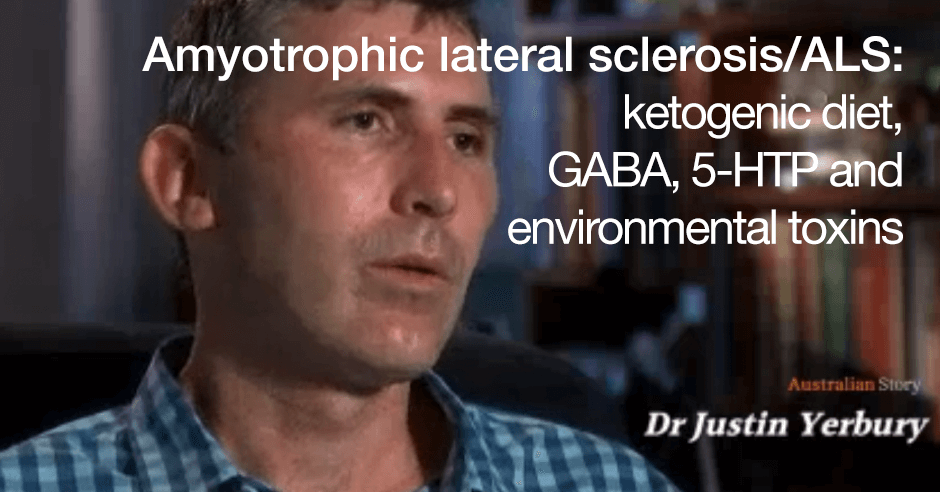
Amyotrophic lateral sclerosis/ALS: ketogenic diet, GABA, 5-HTP and environmental toxins

May 25, 2018 By Trudy Scott 31 Comments

(Image from ABC: The Enemy Within – Australian Story)

I recently watched a documentary on the life and work of Justin Yerbury, a basket-ball player turned scientist who has motor neuron disease (also referred to as ALS) and is seeking a cure. It was aired on ABC and called The Enemy Within – Australian Story

When Justin Yerbury’s family members began to die from motor neurone disease he made a life-changing decision.

He turned his back on a professional basketball career and enrolled in a science degree. Almost 20 years later, he is an internationally recognised expert on the disease, leading the way in the search for a treatment.

Recently, however, Justin’s work took on a terrible urgency as he too developed symptoms of MND.

As Australian Story filmed with Justin and his family, his condition deteriorated dramatically, requiring difficult decisions to enable him to continue his search for a cure.

Having met Justin in 2017, Professor Stephen Hawking recorded the introduction to this story shortly before his death from motor neurone disease.

(the Australian spellings are neurone instead of neuron and recognised instead of recognized)

I felt very moved by his story and work and felt compelled to reach out to Dr. Yerbury to share what I have learned about this condition in the last few years. I know of a number of practitioners who work with individuals with this condition and even some colleagues with family members who have been diagnosed with this condition. I have also had enough queries that it’s time for a blog post on the topic so you are informed too.

What is Amyotrophic lateral sclerosis (ALS) and motor neuron disease (MND)?

Let’s start with the fact sheet on Amyotrophic lateral sclerosis from the NIH (National Institute of Neurological Disorders and Stroke). They describe ALS as follows:

Amyotrophic lateral sclerosis (ALS) is a group of rare neurological diseases that mainly involve the nerve cells (neurons) responsible for controlling voluntary muscle movement. Voluntary muscles produce movements like chewing, walking, and talking. The disease is progressive, meaning the symptoms get worse over time. Currently, there is no cure for ALS and no effective treatment to halt, or reverse, the progression of the disease.

ALS belongs to a wider group of disorders known as motor neuron diseases, which are caused by gradual deterioration (degeneration) and death of motor neurons. Motor neurons are nerve cells that extend from the brain to the spinal cord and to muscles throughout the body. These motor neurons initiate and provide vital communication links between the brain and the voluntary muscles.

I encourage you to watch the 30 minute program if you want to learn more about this condition and Dr. Yerbury’s work (they call it MND rather than ALS in the documentary.)

You may also be familiar with the life and story of Professor Stephen Hawking – he had ALS or motor neuron disease.

Ketogenic diet for ALS?

Here is some of the information I sent to Dr. Yerbury, explaining my work as a nutritionist working with women with anxiety using nutritional psychiatry approaches. Many of these nutritional psychiatry approaches – such as the SMILES study – have been spear-headed in Australia by Professor Felice Jacka.

I’ve recently being looking at the growing research base on the ketogenic diet and mental health and when I saw his story on ABC my first thought was – I wonder if there is research on ketogenic diets and ALS/MND? After a very quick search I found these papers:

  • High-Fat and Ketogenic Diets in Amyotrophic Lateral Sclerosis

there are strong epidemiologic data showing that malnutrition is a common symptom of amyotrophic lateral sclerosis both in humans and in mice and may contribute to disease progression. There is also epidemiologic evidence that increased dietary fat and cholesterol intake might reduce the risk of amyotrophic lateral sclerosis and the rate disease progression. Finally, data from animal studies strongly suggest that increasing dietary intake of fat ameliorates disease progression. However, determining whether amyotrophic lateral sclerosis patients should be treated with a high-fat or ketogenic diet can be based only on randomized double-blind placebo-controlled interventional trials.

  • Neuroprotection in Metabolism-Based Therapy

Metabolism-based therapy [which includes the ketogenic diet] has been used successfully in the treatment of seizures but study of its use in other neurodegenerative disorders [such as Alzheimer’s disease, Parkinson’s disease and ALS] is growing.

A gluten-free diet?

We must always consider gluten with every chronic health condition. There is a case report of celiac disease with neurologic manifestations misdiagnosed as amyotrophic lateral sclerosis:

he was diagnosed as having CD, and a gluten-free diet was immediately begun. At a 4-month follow-up, his weight and the quality of his stool had improved gradually, and the neurological manifestations had not progressed.

Another study reports that in certain cases, ALS may be associated with autoimmunity and gluten sensitivity, with elevated transglutaminase 6 antibodies in the serum of 23 patients.

GABA and 5-HTP: the Deanna Protocol

Awhile back I was contacted by someone in my community about the Deanna Protocol for ALS because it uses amino acids GABA and 5-HTP and other nutrients like niacin and CoQ10:

It is determined that the substances in the DP™ Plan provide energy to cells that are dying and in doing so keeps them alive.  This is very important because when nerve cells die, they release glutamate which kills the contiguous cells.  If too many cells are dying then we cannot supply enough energy to keep up with the rate of death of the cells.  When the DP™ Plan​ is taken in sufficient quantities, it will support the nerves that are challenged by glutamate.

As you may already know I use targeted individual amino acids such as GABA and tryptophan/5-HTP with clients so I am very familiar with their therapeutic benefits for anxiety and I am fascinated they also ease symptoms in ALS.

There is an animal study supporting this approach: Metabolic therapy with Deanna Protocol supplementation delays disease progression and extends survival in amyotrophic lateral sclerosis (ALS) mouse model.

Anxiety and depression

There is also research indicating that psychiatric symptoms often precede an ALS diagnosis:

neuropsychiatric conditions are overrepresented in amyotrophic lateral sclerosis (ALS) patient kindreds and psychiatric symptoms may precede the onset of motor symptoms…. A diagnosis of depression was significantly associated with a first record of ALS ≥5 years later, in keeping with growing evidence for major depressive disorder as an early marker of cerebral neurodegeneration.

This doesn’t mean if you have anxiety or depression that ALS or another neurodegenerative disorder is in your future, because we can address so many of the root causes before we get to that diagnosis. Many of the nutrients in the Deanna Protocol will help both the person with ALS and the caregivers who also suffer psychological distress.

Environmental toxins and ALS

We recently spent 3 days at Shell Harbour just south of the Wollongong area and we loved it!

Lovely Red Sands Beach, NSW

As beautiful as it was I couldn’t help but be concerned about the toxins being released into the air from the steel production plants. Dr. Yerbury lives in the area and is conducting his research at the University of Wollongong. I know toxins play a role in many diseases and wondered about an ALS connection. I found this paper: Association of Environmental Toxins With Amyotrophic Lateral Sclerosis

Pollution in Wollongong

I also shared that I’m a total research geek and pretty passionate about the power of nutrition, lifestyle and environmental factors because this was how I was able to eliminate my own anxiety and panic attacks.

You can learn more about Dr. Yerbury and his publications here. We appreciate the work him and his research team are doing and thank him for sharing his story.

It would be wonderful if some of this information can help Dr. Yerbury and even be considered for future research by his very passionate research team. I also hope this information will be helpful for you or a loved one suffering with ALS or MND.

Filed Under: Anxiety, Gluten, Toxins Tagged With: 5-HTP, ALS, amyotrophic lateral sclerosis, anxiety, caregiver, depression, Dr. Justin Yerbury, environmental toxins, GABA, gluten, Ketogenic diet, MND, motor neuron disease

Thyroid health and anxiety: fluoride, mercury, nitrates, phthalates and other toxins

May 18, 2018 By Trudy Scott 3 Comments

thyroid health and anxiety

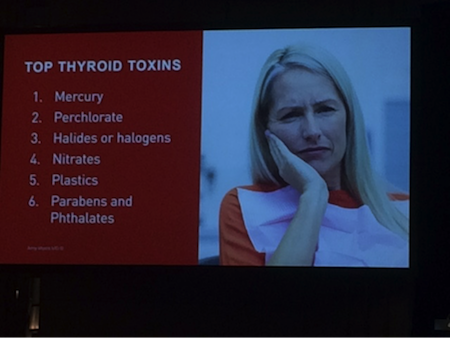
Dr. Amy Myers MD, author of The Autoimmune Solution, The Thyroid Solution and The Autoimmune Solution Cookbook, presented on thyroid health at the recent Bioceuticals Conference on Autoimmunity in Melbourne. I promised to share some highlights from her presentations (she did 4 different ones) and since toxins play such a huge role when it comes to anxiety, I’m sharing some highlights from the toxins presentation and the top thyroid toxins you need to avoid: mercury, perchlorate, halides or halogens, nitrates, plastics and parabens and phthalates. These toxins all also play a role in anxiety too.

We also have a new meta-analysis published earlier this month: Association of Depression and Anxiety Disorders With Autoimmune Thyroiditis – A Systematic Review and Meta-analysis confirming what functional medicine practitioners like Dr. Amy Myers, Dr. Mark Hyman and Dr. Izabella Wentz have been educating about for years:

Patients with AIT [autoimmune thyroiditis] exhibit an increased chance of developing symptoms of depression and anxiety or of receiving a diagnosis of depression and anxiety disorders.

Taming the toxins is one of 4 pillars that Dr. Myers covers in her approach for preventing and reversing autoimmune disease:

Pillar I: Heal your gut.

Pillar II: Get rid of gluten, grains, and legumes.

Pillar III: Tame the toxins.

Pillar IV: Heal your infections and relieve your stress.

Dr. Myers shared the top thyroid toxins you need to avoid:

  1. Mercury
  2. Perchlorate
  3. Halides or halogens
  4. Nitrates
  5. Plastics
  6. Parabens and phthalates

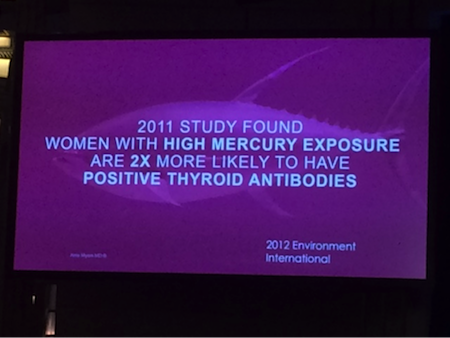
“A 2011 study found that women with high mercury exposure are 2x more likely to have positive thyroid antibodies.” The paper: Mercury and thyroid autoantibodies in U.S. women, NHANES 2007-2008, reports this increase for thyroglobulin autoantibodies.

As far as anxiety is concerned, Kris Homme shares much evidence to support her belief that mercury toxicity is a likely root cause of the other root causes of anxiety in our Anxiety Summit interview.

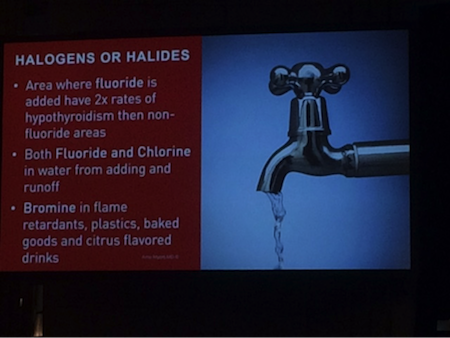
Halogens or halides also have an impact on thyroid health. In areas where fluoride is added to the water there are “2x the rates of hypothyroidism than non-fluoride areas.”

Bromine is also an issue and is found in “flame retardants, plastics, many baked goods and citrus flavored drinks.”

GABA in relation to thyroid health and fluoride was not covered in the presentation but there is research showing that GABA reversed fluoride-induced hypothyroidism in an animal study. I blogged about this research here: GABA protects against hypothyroidism caused by fluoride and reduces anxiety. The fluoride-exposed mice that were subsequently treated with GABA were found to have improved results for T4, T3 and thyroid hormone-binding globulin (TBG levels) and healing of the structural abnormalities in thyroid follicles that were observed after fluoride exposure.

The authors conclude with this statement, reporting that GABA acted as a natural antioxidant:

To the best of our knowledge, this is the first study to establish the therapeutic efficacy of GABA as a natural antioxidant in inducing thyroprotection against fluoride-induced toxicity.

The amino acid GABA  helps with physical-tension and stiff-and-tense-muscles type of anxiety, often in certain settings like public speaking or driving, and the need to self-medicate to calm down, often with alcohol but sometimes with carbs and sugary foods. Insomnia can also be due to low GABA and you’ll experience physical tension (rather than the ruminating thoughts which is the low serotonin type of insomnia – although it’s not uncommon to experience both). GABA also helps ease panic attacks, muscle spasms and pain relief when muscles are tight.

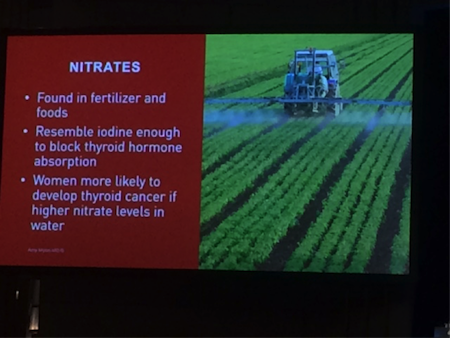
“Nitrates, found in fertilizer and foods, resemble iodine enough to block thyroid hormone absorption.” In one study, Nitrate intake and the risk of thyroid cancer and thyroid disease women were found to be “more likely to develop thyroid cancer with higher nitrate levels in the water.” Research shows similar results with nitrites and children and thyroid cancer.

Since the amino acid taurine offers neuroprotection against ammonia in the central nervous system I suspect GABA may offer some protection against nitrates too.

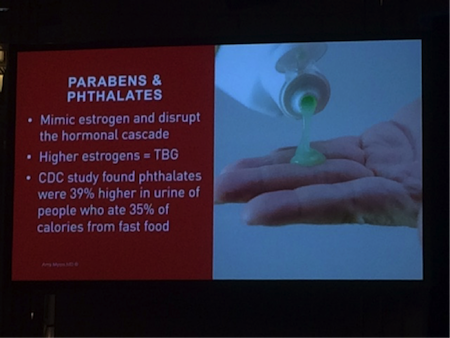
Parabens and phthalates found in many personal care products (and fast-foods) “mimic estrogen and disrupt the hormonal cascade”, with higher estrogens resulting in higher TBG (thyroxine binding globulin).

“A CDC study found phthalates were 39% higher in the urine of individuals who ate 35% of their calories from fast food.” This CNN article: Fast food serves up phthalates, too, study suggests covers many of the hormonal impacts

The American College of Obstetricians and Gynecologists released a report in 2013 stating that high levels of exposure to phthalates could lead to adverse reproductive outcomes in women. Research has linked these chemicals with increased risk of fibroids and endometriosis, which can cause infertility, and reduced IQ and behavioral problems in children exposed in the womb. High phthalate levels have also been linked with diabetes risk in women and adolescents.

There are countless ways that people can be exposed to phthalates. They are found in soaps, perfumes, nail polish, medications, and we can ingest, inhale and absorb them through the skin.

Out of all these routes of exposure, however, diet is emerging as a major one.

Dietary exposure is a major route of exposure of phthalates and this is one of many excellent reasons to cook and eat home-cooked meals. Dr. Myers makes it easy for you in her wonderful new book The Autoimmune Solution Cookbook.

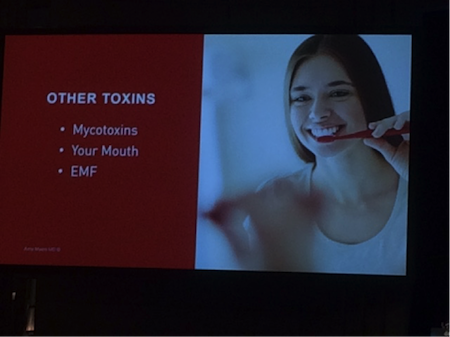
Mycotoxins from mold are also an issue as is poor mouth health. I was pleased to see EMFs mentioned as it is a growing concern and is under-rated as having harmful effects on the thyroid and when it comes to unresolved anxiety, SIBO, oxalate issues and high cortisol.

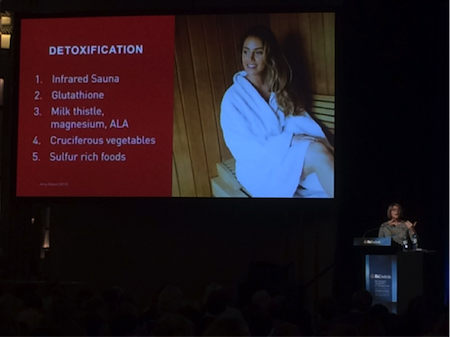
As far as detoxification, Dr Myer’s has these general recommendations:

  1. Infrared sauna
  2. Glutathione, the master antioxidant and detoxifier
  3. Milk thistle, magnesium and alpha-lipoic acid (ALA)
  4. Cruciferous vegetables such as cauliflower, broccoli, cabbage
  5. Sulfur rich foods such as onions, garlic, eggs

In her bestselling book, The Autoimmune Solution (my Amazon link), Dr. Myer’s covers the four pillars in great detail. You can read more about taming the toxins in this blog post.

Have you identified and eliminated exposure to these toxins and seen improved thyroid health and/or reduced anxiety? Is ongoing detoxification a priority for you?

Filed Under: Thyroid, Toxins Tagged With: anxiety, detoxification, Dr. Amy Myers, GABA, The Autoimmune Solution Cookbook, thyroid, toxins

Mercury detox: NBMI as a safe and non-toxic heavy metal chelator

January 22, 2018 By Trudy Scott 208 Comments

Mercury toxicity is a big issue when it comes to anxiety. Detoxification of mercury can be a complex process and is often controversial. I recently had the opportunity to hear Professor Boyd Haley’s interview on the Heavy Metals Summit where he addresses all this so well and shares some cutting-edge information. I was really quite blown away with what I learned.

Effective Mercury Detoxification Strategies is covered by Professor Haley, a researcher I have been following for years. He is interviewed by one of the summit hosts, Dr. Dietrich Klinghardt who asks brilliant questions. Be prepared for deep questions and some pretty technical feedback.

Professor Haley shares this about mercury amalgams in the mouth and iron that is displaced:

mercury vapor can penetrate any part of the body it wants. Mercury would rather be in fatty tissues, and that makes the brain a prime target. Plus, you can take it in through the axonal nerves… from the nasal cavity up into the brain. And if you breathe it, it gets into the body and it travels, basically penetrating every cell or any membrane.

When mercury is converted from Hg0 [elemental mercury] to Hg2+ [inorganic mercury] it displaces iron from iron sulfur centers in the brain. And that iron is now free, and iron is a very potent oxidative stress inducer…that’s associated with Alzheimer’s disease and other neurological illnesses [such as anxiety].

He talks about the synergistic effect of aluminum and mercury, and offers that the DMPS challenge test does show mercury body burden but isn’t good enough for reducing body burden, and that both DMPS and DMSA can make some people sicker and affect their kidneys. This has always been one of my concerns with this approach. I shared how I reacted badly to DMPS in my anxiety summit interview with Dr. John Dempster.

Professor Haley then shares how he set out to find a safe and non-toxic heavy metal chelator that would cross the blood-brain barrier, get inside the cells and bind the mercury. The compound was initially sold as an antioxidant (as OSR), is now called NBMI and is in phase 2 clinical trials:

It was sold for a long time, and called OSR, Oxidative Stress Relief. And now, it’s called NBMI…it takes a carboxybenzoate which is found in berries and couples to the carboxyl groups cystamine which is cysteine without the carboxyl group. And when you do that, you neutralize both of the charges, and you make an uncharged compound that has two sulfurs off two arms that can surround a mercury atom or any atom of any size.

And that compound is what we’re working on today. We’re now going into phase two studies. When we gave it to humans in a phase one study, the safety and pharmacokinetics, it was 60-80% absorbed into the blood. And we didn’t have one single adverse effect reported. It is the same thing we had when we sold it as a dietary antioxidant – this compound not only does it bind mercury, it is a very potent oxygen-radical scavenger, just like glutathione.

As of now this compound is only available in Switzerland and chelates any metal that binds sulfur – like mercury, lead, iron, cadmium, copper – all of which can increase anxiety when levels are high.

Dr. Klinghardt has been using it with success and feels Professor Haley deserves the Nobel Prize for his work! This is so promising because as you’ll hear in Dr. Klinghardt’s interview: Biophysics of Heavy Metal Detox (don’t miss this one either) heavy metal toxicity is at the root of most illnesses:

I found over the years that decreasing the body burden off metals, especially aluminum, lead, and mercury – if you can get that down – there is a point when we have been effective where all the vitality comes back.

I am so excited to share more as I learn more.

A good complement to the above two interviews is co-host, Dr. Christine Shaffer’s interview on Metal Allergies and Detoxing the Brain, where she shares much of what makes a detox successful. The discussion on how to get the brain’s glymphatic system working well is fascinating: sleep, melatonin (liposomal) and even GABA (also liposomal), looking at the vagus nerve and much more.


Update 7/10/20:

Here are updates on progress, new studies and proposed new applications – Mercury & gadolinium toxicity, iron overload, COVID-19: NBMI research update and potential applications.

The EmeraMed site has information about which countries are allowing early access. Please contact the company directly rather than ask me about how to obtain the product as I am simply sharing what they have shared with me. I also encourage you to sign up for EmeraMed’s newsletter so you can keep up to date with progress and access information.

I still find NBMI intriguing and look forward to it being readily available once the studies are completed. I’ll share again when I have additional information.

Filed Under: Anxiety, Detoxification, Events, Mercury, Toxins Tagged With: anxiety, Boyd Haley, detox, Dr. Dietrich Klinghard, GABA, heavy metals summit, melatonin, mercury, NBMI, non-toxic

Copper toxicity: anxiety, phobias, ADHD on the Heavy Metals Summit

December 23, 2017 By Trudy Scott 32 Comments

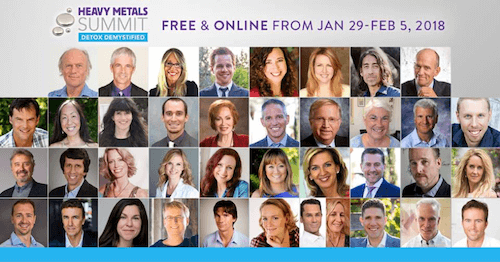
One of my favorite functional medicine practitioners, Ann Louise Gittleman covers the issue of excess copper on the Heavy Metals Summit, which airs online Jan 29 to Feb 5, 2018.

The topic is – Copper: The Double-Edged Sword – and she shares how copper is probably the most insidious of the toxic metals:

I think what lead was to the ancient Romans, copper is to modern day Americans. And I think it may be the fundamental cause of many of our orphan illnesses, our mystery illnesses, and debilitating and aging biochemical imbalances.

She shares some of the sources of copper that are most prevalent in contributing to excess copper levels and toxicity:

I think first and foremost we have to look at copper plumbing, copper cookware, which is all the rage in this day and time. There’s naturally occurring copper in water. Birth control pills can be a source of copper, because of excessive amounts of estrogen and estrogen is connected to copper the way zinc is connected to progesterone.

There are copper IUDs that are very popular amongst so many of our young women. Even dental amalgams, if they are put in your mouth post 1976 can have a very high copper amalgam percentage. And then, of course, there are fungicides for swimming pools and foods. So that’s just the beginning.

Then there’s the copper that you’re getting in common foods. Whether it’s soy; whether it’s GMO soy or not. You’re getting that in tempeh, tofu, soy protein powders. Nuts and seeds, like cashew nuts and sesame seeds. Avocados; a very healthy fat, but high in copper nevertheless. And some of our shellfish. Then you’ve got your regular tea, your green tea, your white tea, your black tea, your bran, and even your brewer’s yeast.

One of the biggest factors that I see contributing to high copper in my clients who have low zinc and anxiety, is all the baking being done with nuts flours such as almond flour! The next two areas I see as being most problematic for women, is the birth control pill and copper IUDs.  

Ann Louise talks about how excess copper can affect you: hyperactivity and ADD, thyroid issues, tooth decay, dementia, urinary tract infections, candida and functional hypoglycemia.

She also covers the following anxiety symptoms, which I commonly see in my clients and community: nervousness, phobias and unresolved fears, depression and even stuttering.

Here are my contributions to this important discussion:

  • High copper and low zinc (because these two balance each other out), is one of the most common imbalances I see in my community of anxious individuals, and especially in women because of the hormonal influence.
  • Other than removing the source of the copper, one way to address this is via zinc supplementation. If anxiety is a factor, addressing low serotonin and low GABA with amino acids like tryptophan and GABA helps until zinc increases and copper decreases.
  • Good levels of zinc are also needed to make the neurotransmitters so once levels rise (as we get rid of excess copper) we can start to make our own.

Wendy Myers, Christine Schaffner, ND, and Dietrich Klinghardt, MD, PhD, have spent the last few months gathering the right experts, information and protocols to help you understand the danger of heavy metals like copper, mercury, lead, cadmium and others, and what to do about them.

Every day, they help their patients regain health, in some part through heavy metal detoxification. People with incorrect diagnoses of multiple sclerosis, fibromyalgia, anxiety and depression, insomnia, or thyroid issues, just to name a few, have found relief through innovative and individualized protocols to reduce the burden of heavy metals.

Register here to join us on The Heavy Metals Summit January 29 – February 5, 2018. See you on the summit! I know I’m going to learn a lot too!

Have you had issues with high copper and low zinc?

Feel free to comment or post a question below.

Filed Under: Events, Toxins Tagged With: ADHD, anxiety, copper, fear, heavy metals summit, nervousness, phobias, toxicity, zinc

  • « Go to Previous Page
  • Page 1
  • Page 2
  • Page 3
  • Go to Next Page »

Primary Sidebar

GABA QuickStart Homestudy

gaba quickstart homestudy

Free Report

9 Great Questions Women Ask about Food, Mood and their Health

You'll also receive a complimentary subscription to my ezine "Food, Mood and Gal Stuff"


Connect with me

Popular Posts

  • Amino Acids Mood Questionnaire from The Antianxiety Food Solution
  • The Antianxiety Food Solution Amino Acid and Pyroluria Supplements
  • Pyroluria Questionnaire from The Antianxiety Food Solution
  • Collagen and gelatin lower serotonin: does this increase your anxiety and depression?
  • Tryptophan for the worry-in-your-head and ruminating type of anxiety
  • GABA for the physical-tension and stiff-and-tense-muscles type of anxiety
  • The Antianxiety Food Solution by Trudy Scott
  • Seriphos Original Formula is back: the best product for anxiety and insomnia caused by high cortisol
  • Am I an anxious introvert because of low zinc and vitamin B6? My response to Huffington Post blog
  • Vagus nerve rehab with GABA, breathing, humming, gargling and key nutrients

Recent Posts

  • Her cravings for chips and peanut butter were triggered by stress: GABA ends cravings and reduces physical tension and fear of heights
  • It is truly miraculous to be able to move through life without crippling anxiety and panic
  • GABA and tryptophan combo provide immediate and noticeable relief for tremors and cervical dystonia in just 7 days
  • Red light therapy for back and neck pain, plantar fasciitis and low mood – a complement to the amino acids GABA, DPA and tryptophan
  • What do I use instead of Seriphos to help lower high cortisol that is affecting my sleep and making me anxious at night?

Categories

  • 5-HTP
  • AB575
  • Addiction
  • ADHD
  • Adrenals
  • Alcohol
  • Allergies
  • Alzheimer's disease
  • Amino Acids
  • Anger
  • Antianxiety
  • Antianxiety Food Solution
  • Antidepressants
  • Anxiety
  • Anxiety and panic
  • Autism
  • Autoimmunity
  • benzodiazapines
  • Bipolar disorder
  • Books
  • Caffeine
  • Cancer
  • Candida
  • Children/Teens
  • Collagen
  • Cooking equipment
  • Coronavirus/COVID-19
  • Cravings
  • Depression
  • Detoxification
  • Diabetes
  • Diet
  • DPA/DLPA
  • Drugs
  • EFT/Tapping
  • EMF
  • EMFs
  • Emotional Eating
  • Endorphins
  • Environment
  • Essential oils
  • Events
  • Exercise
  • Fear
  • Fear of public speaking
  • Fertility and Pregnancy
  • Fish
  • Food
  • Food and mood
  • Functional neurology
  • GABA
  • Gene polymorphisms
  • General Health
  • Giving
  • Giving back
  • Glutamine
  • Gluten
  • GMOs
  • Gratitude
  • Gut health
  • Heart health/hypertension
  • Histamine
  • Hormone
  • Hyperparathyroidism
  • Hypoglycemia
  • Immune system
  • Inflammation
  • Insomnia
  • Inspiration
  • Introversion
  • Joy and happiness
  • Ketogenic diet
  • Lithium orotate
  • Looking awesome
  • Lyme disease and co-infections
  • MCAS/histamine
  • Medication
  • Men's health
  • Mental health
  • Mercury
  • Migraine
  • Mold
  • Movie
  • MTHFR
  • Multiple sclerosis
  • Music
  • NANP
  • Nature
  • Nutritional Psychiatry
  • OCD
  • Osteoporosis
  • Oxalates
  • Oxytocin
  • Pain
  • Paleo
  • Parasites
  • Parkinson’s disease
  • PCOS
  • People
  • PMS
  • Postpartum
  • PTSD/Trauma
  • Pyroluria
  • Questionnaires
  • Real whole food
  • Recipes
  • Research
  • Schizophrenia
  • serotonin
  • SIBO
  • Sleep
  • Special diets
  • Sports nutrition
  • Stress
  • Sugar addiction
  • Sugar and mood
  • Supplements
  • Teens
  • Testimonials
  • Testing
  • The Anxiety Summit
  • The Anxiety Summit 2
  • The Anxiety Summit 3
  • The Anxiety Summit 4
  • The Anxiety Summit 5
  • The Anxiety Summit 6
  • Thyroid
  • Thyroid health
  • Toxins
  • Tryptophan
  • Tyrosine
  • Uncategorized
  • Vegan/vegetarian
  • Women's health
  • Yoga

Archives

  • May 2026
  • April 2026
  • October 2025
  • September 2025
  • August 2025
  • July 2025
  • June 2025
  • May 2025
  • April 2025
  • March 2025
  • February 2025
  • January 2025
  • November 2024
  • October 2024
  • September 2024
  • August 2024
  • July 2024
  • June 2024
  • May 2024
  • April 2024
  • March 2024
  • February 2024
  • January 2024
  • December 2023
  • November 2023
  • October 2023
  • September 2023
  • August 2023
  • July 2023
  • June 2023
  • May 2023
  • April 2023
  • March 2023
  • February 2023
  • January 2023
  • December 2022
  • November 2022
  • October 2022
  • September 2022
  • August 2022
  • July 2022
  • June 2022
  • May 2022
  • April 2022
  • March 2022
  • February 2022
  • January 2022
  • December 2021
  • November 2021
  • October 2021
  • September 2021
  • August 2021
  • July 2021
  • June 2021
  • May 2021
  • April 2021
  • March 2021
  • February 2021
  • January 2021
  • December 2020
  • November 2020
  • October 2020
  • September 2020
  • August 2020
  • July 2020
  • June 2020
  • May 2020
  • April 2020
  • March 2020
  • February 2020
  • January 2020
  • December 2019
  • November 2019
  • October 2019
  • September 2019
  • August 2019
  • July 2019
  • June 2019
  • May 2019
  • April 2019
  • March 2019
  • February 2019
  • January 2019
  • December 2018
  • November 2018
  • October 2018
  • September 2018
  • August 2018
  • July 2018
  • June 2018
  • May 2018
  • April 2018
  • March 2018
  • February 2018
  • January 2018
  • December 2017
  • November 2017
  • October 2017
  • September 2017
  • August 2017
  • July 2017
  • June 2017
  • May 2017
  • April 2017
  • March 2017
  • February 2017
  • January 2017
  • December 2016
  • November 2016
  • October 2016
  • September 2016
  • August 2016
  • July 2016
  • June 2016
  • May 2016
  • April 2016
  • March 2016
  • February 2016
  • January 2016
  • December 2015
  • November 2015
  • October 2015
  • September 2015
  • August 2015
  • July 2015
  • June 2015
  • May 2015
  • April 2015
  • March 2015
  • February 2015
  • January 2015
  • December 2014
  • November 2014
  • October 2014
  • September 2014
  • August 2014
  • July 2014
  • June 2014
  • May 2014
  • April 2014
  • March 2014
  • February 2014
  • January 2014
  • December 2013
  • November 2013
  • October 2013
  • September 2013
  • August 2013
  • July 2013
  • June 2013
  • May 2013
  • April 2013
  • March 2013
  • February 2013
  • January 2013
  • December 2012
  • November 2012
  • October 2012
  • August 2012
  • July 2012
  • June 2012
  • May 2012
  • April 2012
  • March 2012
  • February 2012
  • January 2012
  • December 2011
  • November 2011
  • October 2011
  • September 2011
  • August 2011
  • July 2011
  • June 2011
  • May 2011
  • April 2011
  • March 2011
  • February 2011
  • January 2011
  • December 2010
  • October 2010
  • September 2010
  • July 2010
  • May 2010
  • April 2010
  • March 2010
  • February 2010
  • January 2010
  • November 2009

Share the knowledge!

The above statements have not been evaluated by the Food and Drug Administration. Products listed in this website are not intended to diagnose, treat, cure or prevent any disease.

The information provided on this site is for informational and educational purposes only and is not intended as a substitute for advice from your physician or other health care professional. You should consult with a healthcare professional before starting or modifying any diet, exercise, or supplementation program, before taking or stopping any medication, or if you have or suspect you may have a health problem.


Copyright © 2026 Trudy Scott. All Rights Reserved. | Privacy | Terms and Conditions | Refund Policy | Medical Disclaimer

Free Report

9 Great Questions Women Ask about Food, Mood and their Health

You’ll also receive a complimentary subscription to my ezine “Food, Mood and Gal Stuff”