• Skip to primary navigation
  • Skip to main content
  • Skip to primary sidebar

everywomanover29 blog

Food, Mood and Women's Health – Be your healthiest, look and feel great!

  • Blog
  • About
  • Services
  • Store
  • Resources
  • Testimonials
  • The Book
  • Newsletter
  • Contact
  • Search this site

Amino Acids

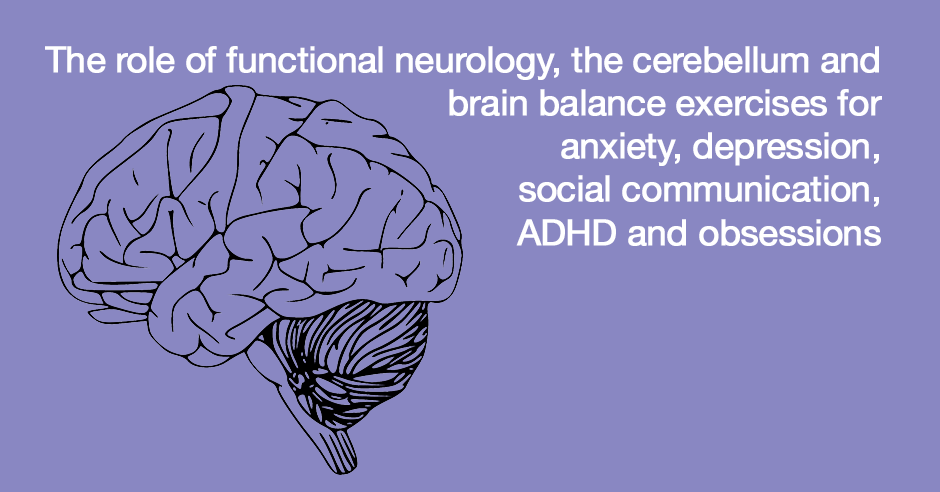
The role of functional neurology, the cerebellum and brain balance exercises for anxiety, depression, social communication, ADHD and obsessions

June 20, 2018 By Trudy Scott 29 Comments

Here are some snippets from a fascinating interview sharing cutting edge information on functional neurology and the cerebellum on the Autism, ADHD and Sensory Processing Disorder Summit.

Dr. Peter Scire, DC covers: How to Induce Neuroplastic Change in Your Teenager and Make it Fun. He shares how brain hemisphere imbalances and misfiring can be assessed and corrected with very specific exercises to induce neuroplastic change (in both children and even adults). 

I want to bring attention to, really what Schmahmann calls the cerebellum cognitive affective syndrome, so CCAS. It’s been in the literature now for 20 years. And now he’s developed a way to actually do a checklist and to look at these different aspects. But ultimately what he’s saying is that the cerebellum networks have huge relationships to your cognition of executive functions: like working memory, linguistics (your ability to generate language and to actually comprehend language), your affect, so your mood and your emotional stability. Being able to not only generate emotions, but also be able to receive emotions.

These are things that we thought for a long time were at the higher center of the brain, more of the frontal lobe specifically….. But again, the more that we’re looking at the neuro anatomy through neuroimaging, we’re able to really say, guess what? There are certain pockets of the cerebellum that specifically drive these networks.

He talks about the 3 major parts of the cerebellum, 10 subparts and how 5 of these subparts actually deal with non-motor aspects (i.e. mood and emotions, ADHD etc.). It’s this latter aspect – the non-moto aspects – that is not recognized in mainstream neurology and that forms the some of the central aspects of functional neurology: 

What we know about the cerebellum is that we have three major parts to it, and then there’s actually like 10 sub parts to it. And these 10 sub parts to it have different connections and when you look at the 10 sub parts, the first 5 have to do with more sensory motor aspects of the cerebellum. And then really the other 10 or so, give or take, are really dealing with non-motor aspects.

We have areas from the cortex that speak back to the cerebellum. We call them cerebral cerebellum loops. And then we have cerebellum back to the cerebrum. It kind of makes this bio directional system. Now it’s a little bit more complicated than that. There are other parts of the motor center, the basal ganglia and these other parts in the limbic system and stuff like that. But from a simple standpoint, for most of our attendees that understand brain gut access, just think about it in that sense. Cerebellum … brain, cerebellum, cerebellum back to the brain, okay?

And so we can have dysfunction in those systems. But again, most of the clinical model has always been looking at brain to cerebellum, not cerebellum back to the brain. And I think in my experience over the last 15 plus years, most of the work in functional neurology has actually been centered around, even chiropractic per se has been centered around cerebellum to brain, but we now are even getting more specific with our therapeutic entities.

Dr. Scire discusses the under-recognized relationships between the cerebellum networks and ADHD, social communication, mood, and emotional aspects, relationships, obsessions, compulsions, anxiety and depression: 

Again, when you look at the different phases of his work, you want to look at executive function – the whole ADHD population. You look at the linguistic processing. Obviously, we know language and social communication for autism spectrum disorders. Looking at spatial cognition so visual spatial information, visual memory aspects. Then you can begin to look at not only mood, and emotional aspects, but also relationships, obsessions, compulsions, anxiety and depression.

All this continuum of symptomatology can be traced back to the cerebellum. I agree with Doctor Melillo on this hemisphere communication model. But at the same time, in my opinion, I think that we can take it one step further and even get into the specifics of starting with these networks in the cerebellum. It starts out with this very specific examination to say okay, I want to look at motor functions of the cerebellum and I also want to look at non-motor functions of the cerebellum. And then my therapeutic entity is going to be based on that.

Dr. Scire shares the research published by Dr. Schmahmann. In this paper, The neuropsychiatry of the cerebellum – insights from the clinic they discuss the behaviors that they witnessed and that were described by patients and families:

distractibility and hyperactivity, impulsiveness, disinhibition, anxiety, ritualistic and stereotypical behaviors, illogical thought and lack of empathy, as well as aggression and irritability. Ruminative and obsessive behaviors, dysphoria and depression, tactile defensiveness and sensory overload, apathy, childlike behavior, and inability to appreciate social boundaries and assign ulterior motives were also evident.

He also recommends Dr. Robert Melillo’s book: Disconnected Kids: The Groundbreaking Brain Balance Program for Children with Autism, ADHD, Dyslexia, and Other Neurological Disorders (my Amazon link). I’ve skimmed it and will be doing a review –the functional neurology information is brilliant. I’d love to see the dietary information expanded upon.

In this interview you will learn…

  • What the latest research says about the role of the cerebellum in cognition and motor planning [and the role it also plays in anxiety, depression and ADHD]
  • What to look for when assessing cerebellar function.
  • How the cerebellum impacts executive function.
  • How to rehabilitate the brain and the importance of movement.
  • How to treat young adults with neurological disorders.
  • How what may seem to be “simple” exercises you can do at home with your child can have a major impact on their cognitive function.

I learned so much from his interview and will be delving into this aspect of functional neurology in order to add this element for clients who need this support beyond nutrition and functional medicine.

If you’re new to my work and the targeted individual amino acids be sure to catch my interview: Self-care strategies for parents that are stressed out, anxious and depressed – without using medications.

Using the targeted individual amino acids (such as tryptophan, GABA and DPA) provides quick relief from anxiety and overwhelm, giving my clients hope from day one.  And then we start to dig deeper for other root causes which can often take some time.

In this interview my focus was for stress and overwhelm support for parents but the use of amino acids is very applicable to children (and was the topic I covered in my interview in the first season).

As I learn more I expect to find that the amino acids used in conjunction with functional neurology is going to provide more comprehensive results for many individuals who also have cerebellum dysfunctions.

This event brings together 30+ of the leading doctors, nutritionists, and researchers working to help parents by sharing the latest information and strategies for achieving recovery for children with Autism, ADHD and Sensory Processing Disorder.

If you have (or a loved one has) anxiety, depression, OCD,  social anxiety, anger issues and other behavioral symptoms this event is one I highly recommend. Alzheimer’s disease, dementia and Parkinson’s disease are also covered in Dr. Scire’s interview.  This information has a wider application than autism, Asperger’s syndrome, ADHD and SPD and you will learn a great deal.

If you’ve benefited from functional neurology and these brain balancing exercises please do share in the comments. Feel free to post questions too.
Filed Under: Amino Acids, Anxiety, Autism, Children/Teens, Functional neurology, OCD, Teens Tagged With: ADHD, amino acids, anxiety, cerebellum, Dr Scire, Functional neurology, obsessions, OCD, social anxiety

Kate Spade: suicide, hormonal imbalance, antidepressants as a trigger and the stigma of mental health

June 15, 2018 By Trudy Scott 34 Comments

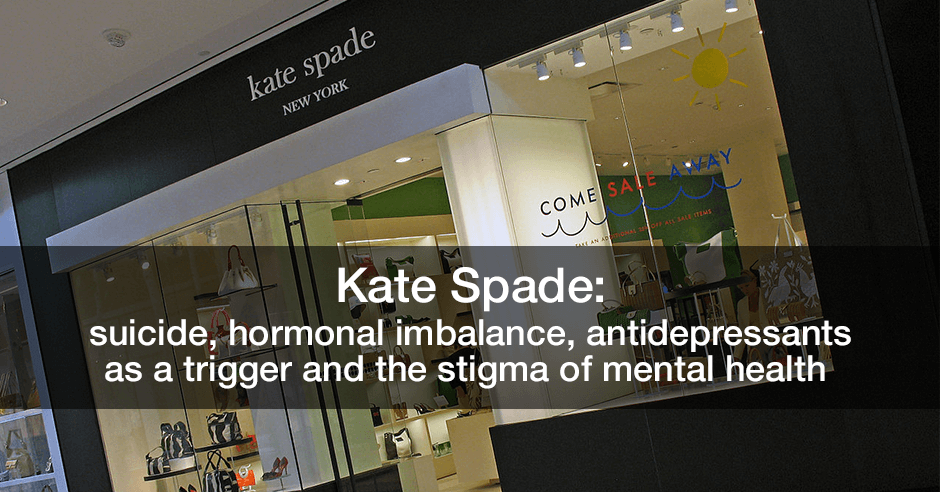
Photo by Paul Keleher (originally posted to Flickr as kate spade) [CC BY 2.0], via Wikimedia Commons
Kate Spade, a well-known American fashion icon and handbag designer, died by suicide last week at the age of 55. I’m always torn in situations like this…just share the news story with my sympathies in order to respect the family or use this as an opportunity to learn from and prevent others from suffering the same fate. This time I’m doing the latter – with the risk of appearing insensitive – because there are red flags here and I feel so strongly that we all need to learn from this in order to move mental health forward. I’m hoping her husband and family would approve.

In the announcement about Kate Spade’s suicide in the New York Times, Mr. Spade said:

that though his wife had suffered from anxiety at points during their relationship and marriage, her serious bouts of depression only began about six years ago, at the age of 49.

Kate suffered from depression and anxiety for many years. She was actively seeking help and working closely with her doctors to treat her disease, one that takes far too many lives. We were in touch with her the night before and she sounded happy. There was no indication and no warning that she would do this. It was a complete shock. And it clearly wasn’t her. There were personal demons she was battling.

My heart goes out to Kate Spade’s husband, young daughter and loved ones. Her suicide is just so sad but as I said I have a fair bit to say about this….


Hormone imbalance triggering anxiety and depression?

According to the reports, Kate’s “serious bouts of depression only began about six years ago, at the age of 49, but she had suffered “from depression and anxiety for many years”.

Perimenopause and menopause is a classic time for women to experience worsening anxiety and depression and can be driven by fluctuating hormones, especially low estrogen. In this study, Depression and the menopause: why antidepressants are not enough? the authors share that

Postmenopausal depression is more severe, has a more insidious course, is more resistant to conventional antidepressants in comparison with premenopausal women and has better outcomes when antidepressants are combined with HT (hormone therapy).

Addressing hormone imbalance as one possible root cause can eliminate the anxiety and depression. Some of my favorite resources for hormone balance are these books: The Hormone Secret and Cooking for Hormone Balance.


Low levels of neurotransmitters like serotonin, catecholamines and GABA?

Directly connected to hormonal imbalance is brain chemistry imbalance. Addressing low levels of neurotransmitters like serotonin, the catecholamines and GABA provide results quickly when they are used in a targeted way based on individual needs:

  • Low serotonin is an issue when estrogen levels are declining and the amino acid tryptophan can have profound benefits if low serotonin is one of the root causes, leading to depression, worry, fear, overwhelm and sleep issues.
  • Low catecholamines can cause the “I just want to say in bed” depression and low motivation, together with fatigue and poor focus. The amino acid tyrosine can help to eliminate some of this and also provides thyroid support.  Poor thyroid health can also be a root cause of depression.
  • We see low GABA levels when progesterone is low and if this is one of the root causes, it can result in increased physical anxiety and insomnia. The amino acid GABA, opened on to the tongue, can provide calming results within minutes.

I can totally relate to the hormonal aspect as I suffered from PMS for years and my anxiety issues and panic attacks started in my late 30s and I had a really low spell as I was going through menopause.  Both GABA and tryptophan turned things around very quickly for me as they do for my clients.


The role of diet and nutritional psychiatry?

There is so much new science behind the role of a real foods traditional diet for alleviating both depression and anxiety. The SMILES study, published by Prof Felice Jacka early 2017, was the first randomized controlled diet depression study and ONE THIRD of the dietary intervention group saw improvements in their depression symptoms.  This was just diet alone and switching from processed and junk food to real food with no specific dietary restrictions.

There is also much clinical evidence supporting how diet can have an impact. Holly, suffered from with severe depression and anxiety changed her diet and shared this with me:

Over the course of a year and a half, I was given 10 different psychiatric diagnoses and cycled through 10 different medications. I discovered the healing power of diet completely by accident, and it changed my life. I now live with no diagnoses and no symptoms.

I started with the Whole30 (strict paleo), then went paleo, dabbled with a ketogenic approach, and now I eat a modified paleo diet, with some rice and goat dairy.

This has been termed nutritional psychiatry and you can read more diet-depression and diet-anxiety success stories here.

Keep in mind that your prescribing psychiatrist may not yet be on board with this or up to date on the newest research. Just last week someone told me what happened when they discussed nutritional psychiatry with their doctor and showed them my book The Antianxiety Food Solution (my Amazon link). He said: “Good luck with that!”


Could the antidepressant medication have triggered her suicide?

The statement from Kate’s husband says “She was actively seeking help for depression and anxiety over the last 5 years, seeing a doctor on a regular basis and taking medication for both depression and anxiety.”  Could the antidepressant medication have triggered her suicide or played some part?

We will never know with Kate but this is always my first thought when I learn of a suicide and when we hear of homicides in the news. One of my colleagues shared this when her suicide was first announced: “I was wondering if she was under psych care and what role meds might have played in this tragedy.”

This paper is one of many papers reporting similar antidepressant suicide and violence risks, and concludes that:

Antidepressants double the occurrence of events in adult healthy volunteers that can lead to suicide and violence

Kelly Brogan MD – Holistic Psychiatrist​ no longer prescribes psychiatric medications because we don’t know who will experience this side-effect. She writes this about a Swedish study and antidepressants and increased suicides

As antidepressant prescriptions increased 270% over 15 years, suicide rates also increased. Strikingly, more than half of the young women who committed suicide (52%) were prescribed antidepressants within a year of committing suicide. And antidepressants were detected in 41% of the women who committed suicide, showing that they were under the influence of antidepressants at the time of death. 


What if you are taking an antidepressant and seeing benefits?

When I posted some of this on Facebook earlier in the week someone who is on an antidepressant and benefiting shared her frustration that we are blaming suicide on medications.

There are many who do benefit but there are two issues I have:

  1. Even if someone is doing well on an antidepressant, benzodiazepine or other psychiatric medication I feel we need informed consent about the side-effects and training for the individual and family on what to look out for as things can change. The can occur when meds are changed, doses are increased or decreased, new meds are added, one or more are stopped abruptly or too quickly (called discontinuation syndrome). Many doctors also need to be educated and to acknowledge that suicide and homicide are very real side-effects of these meds.
  2. We don’t know who will be adversely impacted, which is why consent/knowledge about this is so important.

When we rent ski equipment or go bungee jumping we sign an informed consent form, acknowledging the possible risks of death. Why is this not happening with these medications? I just want individuals to be going into this with eyes wide-open so they don’t say “why didn’t anyone tell us this?”

If someone is currently seeing benefits from antidepressants (or benzodiazepines) I make sure they know ALL the risks and encourage them to continue to look for root the causes and address these (never stopping medications abruptly and never without the prescribing doctor’s permission).

There are many possible biological or biomedical or metabolic causes of depression and anxiety and many of these can play a factor in suicide.  Here is a list of just some of them:

  • gluten sensitivity and celiac disease
  • low B12, low B6, low omega3s, low zinc
  • the anti-malaria drug mefloquine (has been associated with acts of violence and suicide)
  • toxoplasma gondii
  • fluoroquinolone antibiotics
  • many common drugs may be contributing to depression (over 200 including acid reflux meds, blood pressure meds, birth control pill)

My concern is that none of these – the medications or poor diet and nutritional deficiencies – are ever discussed when someone does commit suicide or goes on a violent or homicidal rampage.


The stigma of mental health and the fear of seeking help

There are reports that “Kate Spade felt unable to seek help or discuss her mental health because she feared this might damage the brand she created.”  This is a huge issue and if it was true for her or if anyone with a mental health condition feels like this, this has to change!

As Dr. Mark Hyman MD​ said this when I interviewed him last year before the launch of his Broken Brain docu-series

I began to realize that the body was driving a lot of this brain dysfunction, and that if you fix the body, a lot of the brain disorders would get better, that it wasn’t a primarily a mental problem, but it was a physical problem.

Our interview and full transcript is here and we cover the gamut in 12 minutes: the gut and microbiome, nutritional deficiencies, food sensitivities, heavy metals, other environmental toxins and medications.

We don’t hide the fact that we have a broken leg so why do we have to hide it when we have a broken brain? If we can start to acknowledge that mental health issues so often have this physical aspect (and often it’s 100% physical) then hopefully we can end this crazy stigma.

And even if there is also trauma or lifestyle factors that make someone depressed or anxious – so be it. Stop the stigma and shame. Why do we have to put on a brave face and pretend all is well. It has to stop so people can ask for help.

Last but not least, I feel we need to offer practical nutritional psychiatry resources to the family who have been traumatized by the loss of a loved one to suicide.  We know the amino acids and B vitamins help individuals recover from psychological stress after a natural disaster and these same nutrients can help the family in the midst of their sorrow.

I am aware it’s a very delicate subject and I’m sure this will rub some people the wrong way but I believe we all need to be talking about this and not tip-toeing around it.

I really feel this all needed to be said today. I hope this helps you or a loved one.

Rest in peace Kate Spade.

Filed Under: Amino Acids, Depression, Nutritional Psychiatry Tagged With: antidepressant, anxiety, depression, estrogen, fear, GABA, hormone imbalance, Kate Spade, mental health, progesterone, root causes, serotonin, SSRI, stigma, suicide

GABA oral rinse reduces burning mouth pain

March 2, 2018 By Trudy Scott 47 Comments

Burning Mouth Syndrome (BMS) is a chronic pain condition characterized by persistent burning in the mouth. It affects mostly females, especially postmenopausal women, and conventional approaches are often not very successful. You’ll often see articles and papers with the terms ‘refractory’ and ‘unknown etiology’/unknown causes.

Medications like SRNIs and benzodiazepines

Some studies report limited success with medications like venlafaxine/Effexor, an SRNI and topical and oral use of benzodiazepines such as clonazepam/Klonopin. In this paper, Refractory burning mouth syndrome: clinical and paraclinical evaluation, comorbidities, treatment and outcome, 8 participants saw their pain diminish by half within 3 months.

Another paper, The Effect of Clonazepam Mouthwash on the Symptomatology of Burning Mouth Syndrome: An Open Pilot Study, reports success with a benzodiazepine mouthwash in half the participants.

Other than the poor quality of life and having to continue to live with pain, the bigger concern is the side-effects of medications like these, plus concerns with tolerance and then issues with withdrawal.

New oral GABA research for burning mouth

It’s for this reason that I’m excited about the recent research, γ-Aminobutyric acid (GABA) oral rinse reduces capsaicin-induced burning mouth pain sensation: An experimental quantitative sensory testing study in healthy subjects, that finds that both and men and women experienced immediate benefits when using GABA for burning mouth pain.

The burning mouth pain was caused by the application of capsaicin to the tongues of thirty healthy males and females. Capsaicin is the compound that makes chili peppers hot. (I find it interesting that capsaicin was the compound used to cause the burning mouth sensation because this same compound is used in topical creams and patches to ease pain.)

The study concludes as follows:

Capsaicin-induced burning tongue pain and decreases in WDT (warm detection) and HPT (heat pain) can be ameliorated by rinsing the mouth with lidocaine and GABA solutions.

Rinsing the mouth with an oral GABA containing solution ameliorated burning pain and increased heat sensitivity produced by application of capsaicin to the tongue. This finding suggests that GABA can act as a local analgesic agent in the oral cavity.

Lidocaine, a numbing medication, was part of the GABA solution in this study, but because it has side-effects that may include anxiety, I recommend a trial of a GABA-only solution to ease the burning mouth pain.

Using a GABA-only oral solution

Using a GABA-only oral solution makes sense given that the likely mechanism of action of topical benzodiazepines in burning mouth pain is via local action on peripheral GABAA receptors found in the nerve fibers of the tongue.

This is also very feasible based on how effective GABA is for other pain such as proctalgia fugax/rectal spasms, and the visceral pain and muscle tension in your gut caused by the bloating symptoms of SIBO (small intestinal bacterial overgrowth) and muscular back pain after a fall.

How much GABA will help?

As with any use of GABA and the other amino acids, how much will help depends on each person’s unique biochemistry and needs at the time. In the same way I do a trial of GABA with my anxiety clients to determine how much would help, I do the same with burning mouth pain (and other pain situations).

I recommend a trial of a GABA-only product and starting low with 100 to 200mg of GABA swished held in the mouth with some water for a few minutes. This can be used three or four times a day in between meals and with the mg increased slowly based on results.  You can find the GABA supplements I recommend here.

GABA is an amino acid that is recognized for calming physical anxiety and tension and since anxiety (and depression) is very common in those with burning mouth pain, the GABA is going to provide calming benefits too.

As with any health condition, finding the underlying root causes using a comprehensive functional medicine approach is key. One such root cause may be low GABA and using oral GABA is going to address this one and provide some relief while other root causes are identified and addressed.

These other root causes can be very varied as explained in the paper Burning Mouth Syndrome. They can include: age-related reduction in estrogen and progesterone levels, lower cortisol, diabetes mellitus and hypothyroidism, allergic reactions to foods, additives and even metals in the mouth, autoimmune connective tissue disorders, nutritional deficiencies (B1, B2, B6, B12. folate, and/or zinc), smoking and candida, and medication side-effects as mentioned above.

Have you experienced burning mouth pain and seen relief with GABA or other nutritional approaches?

If you’re a practitioner, is burning mouth pain common in your postmenopausal clients or patients and what approaches have you found most successful? Have you found GABA to be helpful?

If you are still suffering with burning mouth please share the following when you comment:

  • Your age (it seems to be more prevalent in women 59 and older)
  • If you have anxiety and/or depression now and have been prone to either in the past
  • How you score on the low GABA questionnaire and which symptoms you relate to? This will provide a clue that low GABA may be an issue and the oral GABA rinse is more likely to help
  • How you score on the low serotonin questionnaire (same link as GABA questionnaire above) and which symptoms you relate to? SSRIs have been shown to help in some cases and we know tryptophan/5-HTP help with pain so serotonin support may help too. Perhaps a tryptophan or 5-HTP rinse is worth a trial too?
  • How long it’s been an issue, what approaches you’ve tried and which approaches have helped (even if they only helped a short while or helped the pain a little)
  • Current and past medications (burning mouth is caused by certain medications)

I’d love to gather a list of all this so we can help you and more women who suffer with these awful symptoms.

Filed Under: Amino Acids, Anxiety, benzodiazapines, GABA, Pain Tagged With: anxiety, benzodiazepines, burning mouth, burning mouth pain, burning mouth syndrome, depression, GABA, Klonopin, pain

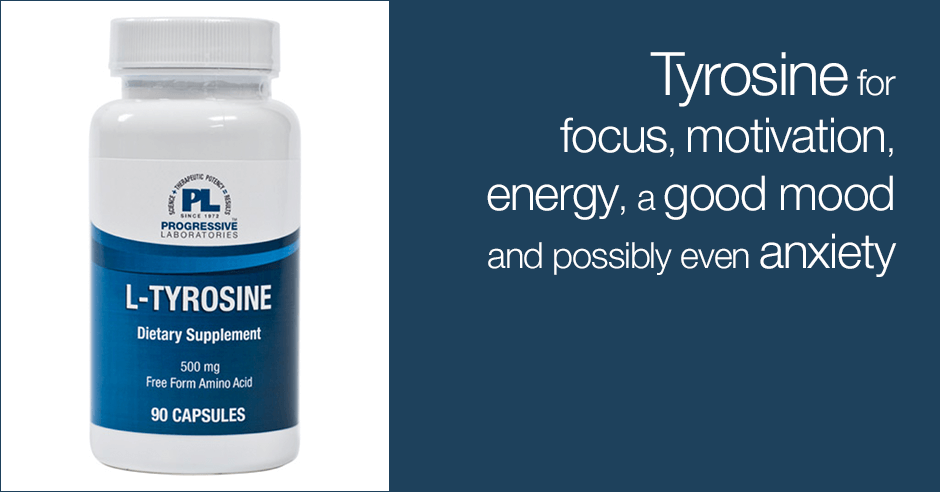
Tyrosine for focus, motivation, energy, a good mood and possibly even anxiety

September 27, 2017 By Trudy Scott 42 Comments

Today I’m reviewing tyrosine, the amino acid that boosts catecholamines and helps with focus, motivation, energy (especially when you crave carbs for energy) and the blah kind of depression. It’s wonderful for helping you easily quit coffee/caffeine (when you are using it to “self-medicate” due to low catecholamines). It also provides support for the thyroid and surprising as it sounds, it may even ease some types of anxiety.

I’m also sharing some additional resources for you on tyrosine.

Tyrosine helps with energy, gives someone else migraines – look at precautions

Here is some feedback from my recent facebook post about tyrosine

  • Lorraine shared:

It really helped me have energy and endurance to be able to work out again! I went from not being able to even handle 20 minutes of weight lifting to doing regular 30 minute sessions and feeling energised and strong instead of depleted and exhausted.

  • Fay shared that it gives her a migraine. Migraines are one of contraindications with tyrosine if you are prone to them or have a history of migraines (and Fay does a history). This doesn’t mean you can’t ever benefit from tyrosine. With clients with migraine history we just start low, having them open a 500mg capsule and use just 50-100mg to start and then increase if they can.
  • Aaron Mello, Master Nutrition Therapist and founder of MoodFood Clinic, a practice that focuses on men’s mental health, loves using tyrosine with his clients and prefers it over phenylalanine because of the PKU contraindication. I agree and prefer tyrosine although I’ve only ever had one client with PKU. Aaron also mentioned that he also likes a combination product like Designs for Health DopaBoost: “I like that it has P5P and the mucuna is a natural source of L-dopa in addition to the tyrosine.” I do prefer standalone amino acids to start with (so just using tyrosine alone) but do also like the combinations in DopaBoost.

With all the amino acids, it’s important to be aware of the precautions. I mentioned PKU above. Here are other situations when tyrosine cannot be used: melanoma and Grave’s disease/overactive thyroid.

As with migraines, tyrosine does need to be watched with high blood pressure and bipolar disorder i.e. it may be tolerated and may not be tolerated. A trial will help you figure this out.

I personally can’t use either mucuna or tyrosine in large quantities but can tolerate the small amount in the Source Naturals GABA Calm product. The same tyrosine precautions do need to be considered when using GABA Calm for the low GABA type of anxiety.

Focus issues and ADHD – tyrosine or GABA?

Anxiety can often show up as focus issues or ADHD, especially in children who may not be able to articulate that they are anxious. Jenny is a mom in my facebook community and a friend of hers recommended GABA for her daughter after reading some of my posts. She shared this wonderful feedback:

My daughter hasn’t been diagnosed with ADHD but has a lot of ADHD qualities. We were having a huge amount of behavior problems as she is getting older (she’s 11). I did some research and went to the health food store and bought a bottle [of GABA Calm]. At this point I was mentally exhausted from all the fighting and drama at home and at school. I was desperate and didn’t want to put her on any hard medication.

She has had amazing behavior at school and at home since giving it to her. She’s almost like different child. GABA has truly changed our life. She’s been taking it for almost 2 months.

Anxiety and ADHD – where to start?

I recently received a great question from someone who heard my interview on the migraine summit:

I have a whole lot of overlap here. I’ve been diagnosed with ADHD with have anxiety issues. I also have a gluten sensitivity and migraines. Luckily, since I meditate daily, my migraines only occur every other month or so but usually involve weather changes.

It’s not uncommon to have overlaps and often addressing a few factors helps all issues. It sounds like she is gluten-free which is one common underlying factor in ADHD, migraines and anxiety. If someone is coming to see me for their anxiety we’ll work on that first – using GABA or tryptophan first – because tyrosine can help with ADHD but can make someone more anxious. We calm them first and then look at improving focus issues. With ADHD and anxiety, I also consider low blood sugar and making sure animal protein is being consumed at breakfast, and also check for low zinc and low iron (for starters).

GABA didn’t help her anxiety but tyrosine did

Everyone is different so using the trial method is the best way to figure out what you need. One of my past clients who had terrible anxiety, trialed both GABA and tryptophan and while she did get some benefits with both it just wasn’t enough.

She was sleeping better but still felt so stressed and anxious when preparing for an important meeting at work. The anxiety also seemed to get worse during the meeting which she was in charge of running. She did score high on the low catecholamines section on the amino acid questionnaire but were working on the anxiety before addressing poor focus and low motivation. It turned out that her anxiety escalated around her work meetings because of her lack of focus and low motivation – she was pushing herself to get through them. Once she added tyrosine her anxiety was under control. In this instance tyrosine actually helped ease the anxiety because he ADHD and motivation and drive improved!

Using tyrosine

Here is one tyrosine product I use (there are many others on the market)

Progressive Labs tyrosine 500mg: 500mg l-tyrosine.  As I mentioned this is the last amino acid I trial with my anxious clients because it can make you more anxious (although as I mentioned above, with one client, it reduced her anxiety because she was able to focus better at work).

As with all the amino acids, when using tyrosine:

  • Start low (500mg is a typical starting dose) and increase as needed.
  • Do a trial to determine if the ADHD, fatigue, depression, low motivation is due to low catecholamines. I always do this with clients before starting any amino acid. Be sure to read how to do an amino acid trial. It has the amino acid questionnaire, the precautions and information on how to use targeted individual amino acids.
  • Take between meals and away from protein for the best effects

Tyrosine should never be used after 3pm as it’s too stimulating when used after this time. For my clients with sleep issues we go slow and stop after the mid-morning dose until we determine if sleep is being affected.

This blog post is part of the series of amino acid product reviews:

  • Tryptophan for low serotonin (worry-in-the-head anxiety)
  • GABA for low GABA symptoms (physical anxiety)
  • Glutamine for calming, intense sugar cravings, gut healing and low blood sugar
  • DPA for weepiness, pain and comfort and reward eating

The resources in this blog and my other articles are intended to be used in conjunction with my book: The Antianxiety Food Solution – How the Foods You Eat Can Help You Calm Your Anxious Mind, Improve Your Mood, and End Cravings. If you do not have my book I highly recommend getting it and reading it before jumping in and taking the amino acid supplements.

There is a complete chapter on the amino acids and one for pyroluria, plus information on real whole food, sugar and blood sugar, gluten, digestion and much more.

You can find the tyrosine product I recommend on this blog: The Antianxiety Food Solution Amino Acid and Pyroluria Supplements


For today’s tyrosine review:

  • What about your success stories with tyrosine? how has it helped you?
  • Or has it been an issue for you?
  • As I mentioned above it’s the last amino acid I used with my anxious clients because it can make you more anxious but it may just help your anxiety

If you have questions or feedback please post them below or on the supplements blog

Filed Under: Amino Acids, Anxiety, Caffeine, Supplements Tagged With: anxiety, blahs, caffeine, coffee, depression, energy, focus, GABA, tryptophan, tyrosine

How to Beat Anxiety and Resolve Panic Attacks with Targeted Amino Acids: Wellness Mama podcast

September 15, 2017 By Trudy Scott 20 Comments

Today I share my wonderful interview with Katie, the “Wellness Mama”. We talk about my favorite topic: How to Beat Anxiety and Resolve Panic Attacks with Targeted Amino Acids with some extra questions about pregnancy and nursing that I’m not often asked about. Katie is mom to 6 children and many in her community are moms too.

Here is some of what we cover in our interview:

  • nutritional deficiencies commonly linked to anxiety, depression, and other problems
  • my own story of recovery from severe panic attacks
  • why perfectionism and worry might have more to do with body chemistry than your personality
  • all about the key anti-anxiety amino acids: GABA, theanine, tryptophan, 5-HTP (and others)
  • how low vitamin D, low zinc, high copper, and other nutritional factors add to anxiety
  • the low zinc and high copper play a role in postpartum depression
  • the potential neurotransmitter issue that leads to cravings
  • biochemical reasons some people are introverted or socially anxious
  • guidance for pregnant moms who can’t take amino acids (and what to do if you’re nursing)
  • the way an MTHFR mutation is linked to anxiety and how to resolve it

Here is a snippet of our interview on the topic of how to assess for low neurotransmitters and do a trial of GABA or tryptophan, and how quickly they work:

Just like you test your vitamin D levels – that’ll tell you that you’ve got low levels and you need to supplement with vitamin D, then you’ll retest and see that your levels have come up. With the amino acids and the low neurotransmitters, I find using a questionnaire is the best way to assess the fact that you may have low GABA and you may have low serotonin. Then you do a trial of the amino acid based on your unique needs, and then you redo the questionnaire and you see how things have changed.

If you use these targeted individual amino acids based on your unique need, you can see results very quickly – within five minutes, and then over the course of the next few weeks you should be seeing results very quickly. Some people will say, “I’m not seeing any impact, should I keep trying, you know, how long should I be aiming for.” The thing that, about the amino is that are so amazing, is that you get results right away. If you don’t get results, it means it’s not enough or it means you don’t need it. The anxiety is not caused by low serotonin or low GABA.

I also talk about my personal experience with low serotonin and perfectionism:

I discovered low serotonin was a factor because although the GABA helped with the physical anxiety and the panic attacks, I still had this perfectionism issue. I remember working in that computer job and being called up to do an appraisal. And they told me I was too much of a perfectionist and I needed to let go a little bit. I couldn’t believe anyone could think that was a bad thing. So it was interesting how, as you start to implement some of these, you start to realize some of these other things that you may think is just a personality thing or it’s just me, it’s just the way I am – you realize that some of these things can be related to biochemical imbalances.

As I mention above Katie does ask me about using the amino acids during pregnancy and while nursing:

I don’t recommend anyone take them during pregnancy. It’s difficult advice for me to give because I know that there are so many issues with SSRIs during pregnancy. Because we don’t have the research, it’s not something that I can recommend. If you are prone to anxiety or you’ve had anxiety, get that sorted out before you get pregnant. I know, that’s easier said than done. A lot of women really want to get pregnant now or they are pregnant and then they realize that they’ve got the anxiety. So that’s a very difficult situation.

Once you’ve had the baby, if you are having really bad anxiety, obviously you’ve got to talk to your doctor and make sure that they are okay with you taking the amino acids right after nursing and then waiting four to six hours before nursing again. It is one way to do it. And then monitoring the baby to make sure that they are okay. There are actually two studies that came out recently showing that tryptophan and tyrosine, doesn’t seem to be an issue in breast milk.

You can listen to the entire interview (and download the interview mp3 file and read the transcript) via the Wellness Mama podcast #105 blog.

For additional information on products over and above those we covered in the interview here are some recent blogs:

  • GABA for the physical tension kind of anxiety
  • tryptophan for the worry-in-the-head anxiety

Katie, is the “Wellness Mama” and her goal is to help other families live more naturally through practical tips, real food recipes, natural beauty and cleaning tutorials, natural remedies and more. Her blog is a wealth of information and if you don’t tune in to her podcasts and get her newsletter I encourage you to check her out.

Here are a few really good ones to get you started (although they really are all excellent!):

  • Epsom Salt: 21 Surprising Uses & Benefits for Health, Beauty, and Home (the first one is to use it for a relaxing bath soak, a favorite of mine; another is a recipe for a soothing magnesium lotion)
  • Homemade Remineralizing Toothpaste Recipe (Natural + Simple)
  • Homemade HE Laundry Detergent Recipe (Laundry Soap) (this was a hot topic on a recent facebook discussion)

She shares this on her site: “my real goal with the blog is to help you and to create lasting changes so that our children can grow up in a better world.” I just love her mission and passion and all the very practical and safe solutions she offers!

Filed Under: Amino Acids Tagged With: amino acids, anxiety, GABA, Katie, nursing, panic attacks, pregnancy, tryptophan, Wellness Mama

How GABA eases agonizing rectal pain and spasms in under 2 minutes

June 30, 2017 By Trudy Scott 188 Comments

Proctalgia fugax is described as a condition that leads to rectal spasms and sharp fleeting pain in the lower rectum or anus. In some people it can be more than fleeting and is often described as excruciating and agonizing.  

This paper describing proctalgia fugax shares how this pain can

recur over weeks, is localized to the anus or lower rectum, and can last from seconds to several minutes with no pain between episodes. There is no diurnal variation. There are numerous precipitants [preceding factors] including sexual activity, stress, constipation, defecation and menstruation, although the condition can occur without a trigger.

Although the cause of proctalgia fugax is unclear, spasm of the anal sphincter is commonly implicated. The condition may be more likely to occur after sclerotherapy for hemorrhoids and vaginal hysterectomy. There are also associations with other functional pathologies, such as irritable bowel syndrome and anxiety.

My story

I have experienced this awful anal sphincter spasm and pain myself so I want to shine some light on this condition and offer the simplest and most effective solution: oral and sublingual GABA. It works to completely eliminate the pain in 1-2 minutes! And it can also be used to prevent a full-on spasm if you catch it in advance. More about this below.

Let me first share my story so you can relate to the pain. I started to experience this a few years ago. It was right after my aunt died from rectal cancer and my immediate thought was that I was dying of cancer. That’s how bad the pain was. It’s like nothing I’ve ever experienced and I’ve had some pretty bad pain experiences: shingles, a tick bite headache, ice-pick headaches from a neck injury and poking my eye on a tree-branch while hiking.

For me, since it initially used to happen during the night, it felt like I was in bad dream and was lying somewhere injured and in agony. I would half wake-up moaning in pain, not quite grasping how the pain I was feeling could be so bad. Then I would come fully awake and feel the need to bear down (as in needing to have a bowel movement) but this would actually make it worse.

How do others describe the pain?

When I shared this paper on facebook one woman said her rectal pain and spasms last 20-30 minutes and is bad a childbirth.

Someone else shared that her husband “complained of feeling like a knitting needle was being driven through his anus.”

What do I think my triggers are?

I have not had sclerotherapy for hemorrhoids or a vaginal hysterectomy. I do have a history of anxiety and panic attacks (in my late 30s) and do have IBS/SIBO right now and I suspect that both low GABA and IBS/SIBO are my biggest root causes. I no longer have any anxiety but since I respond so well to GABA I assume my GABA levels are not optimal (likely due to the SIBO). I suspect exposure to hidden sources of gluten could also be a factor, and this could also affect my GABA levels.

Medications or heating pads as a solution?

I didn’t ever consider the conventional approaches which include: botox, benzodiazepines, SSRIs, Gabapentin, lidocaine, oral diltiazem, topical glyceryl nitrate, nerve blocks or salbutamol.

A warm bath has been reported to help but I was looking for a 1-2 minute fix (and less if possible). Once you’ve experienced this pain you’ll understand that you not imagine running a bath in the midst of a spasm and waiting to get in it.

Heating pads do also work but can take 20 minutes to take effect and that is simply too long for most people.

The first solution for in-the-moment relief (takes 2 to 12 minutes)

After the first episode I started searching online and because I didn’t know it was called proctalgia fugax I searched for “rectal cramp”, “rectal spasm”, “anal cramp” and came across forums with hundreds of women asking about it and describing their pain.

But no-one really had a solution and many had seen their doctors without much success. The best solution that many people use is 30-60 seconds of finger pressure (with the finger wrapped in toilet paper) in the anal sphincter during a spasm. Sometimes this is needed for up to 2-3 mins and sometimes doing this 2 or 3 times a few minutes apart is needed. Think about how you put pressure on a calf muscle spasm to stop the cramps. This works well but the agony can last for the entire 2 to 12 minutes (depending on how many times it has to be done).  Adding a small amount of arnica cream onto the toilet paper seems to helps too.  

How common is it?

It took more searching and reading and then I discovered what it was called. Once I found a name for it and started looking into I was surprised to see how common it is:

The prevalence of proctalgia fugax in the general population may be as high as 8%–18%. Many patients present to primary health care physicians and often do not require further consultation because the symptoms are fleeting. This condition is more common among women than among men, and usually affects patients between 30 and 60 years of age.

Although it’s more common among women I worked with a male client who experienced this. During one of his episodes, the pain was SO bad he actually passed out and hit his head on the bathroom floor.

The best solution for almost-immediate relief (takes 1 minute)

I know that GABA works amazing well for physical anxiety and stiff and tense muscles and I decided to try GABA in the midst of a spasm. It worked amazingly well and within 1 minute the terrible pain started to ease. It does need to be taken sublingually and I have found that 250mg to 500mg opened onto my tongue works best for me.

Each person would need to find the ideal amount for their needs but at night this should be a reasonable amount. During the day this could be too much and make you sleepy or too relaxed.

I’ve also used a combination of sublingual GABA and theanine with similar results.

I know GABA isn’t readily available everywhere so I did an experiment with taurine and found I needed more (at least 1000 mg) and it did take longer (2-3 minutes) to get relief, but it did work.

THE immediate solution for preventing the spasm

But I have now gotten to the point where I can nip it in the bud and prevent the spasm altogether – by taking sublingual GABA at the very first hint of an ache or twinge. I’ve been fortunate that when this does happen (about once a month and sometimes every 2 months) it’s around 8-11pm.

The long-term solutions for getting to the root cause/s?

We always want to get to the root cause of an issue and that is the next step. I reached out to the practitioners in my community to ask them how they help their clients and patients with this and what approaches they have used to end the spasm and pain. I will be sharing some of their solutions and how to get to some of the root causes in part 2.

UPDATE: Here is part 2 – How to address rectal spasms with GABA, pelvic floor work, gluten removal and squats

I’d love your feedback!

I’d love your feedback so I can learn what works, so we can all learn from each other and so others get answers quicker than I did.

Have you ever experienced this rectal pain and spasms? And what has worked for you?

I’d love to know if it is more common after sclerotherapy for hemorrhoids and vaginal hysterectomy? Have you had either? Or any surgery in the abdominal area?

Do you also have IBS/SIBO?  What about celiac disease or gluten sensitivity?

Do you currently have anxiety or mood issues or have a history of anxiety or mood issues?  How many low GABA and low serotonin symptoms do you have – here is the questionnaire  (a paper from 1965 mentions that patients with proctalgia fugax have been described as irritable, perfectionistic, meticulous, obsessional, tense, and anxious)

If you’ve tried GABA or these other approaches (or decide to try them) please come back and share.  Too many people don’t know about this and it needs to change!

Filed Under: Amino Acids, Antianxiety, GABA, Hormone, Pain, SIBO, Women's health Tagged With: anal sphincter, anus, anxiety, cramp, GABA, pain, Proctalgia fugax, rectal spasm, taurine

  • « Go to Previous Page
  • Page 1
  • Interim pages omitted …
  • Page 4
  • Page 5
  • Page 6
  • Page 7
  • Page 8
  • Interim pages omitted …
  • Page 13
  • Go to Next Page »

Primary Sidebar

GABA QuickStart Homestudy

gaba quickstart homestudy

Free Report

9 Great Questions Women Ask about Food, Mood and their Health

You'll also receive a complimentary subscription to my ezine "Food, Mood and Gal Stuff"


Connect with me

Popular Posts

  • Amino Acids Mood Questionnaire from The Antianxiety Food Solution
  • The Antianxiety Food Solution Amino Acid and Pyroluria Supplements
  • Pyroluria Questionnaire from The Antianxiety Food Solution
  • Collagen and gelatin lower serotonin: does this increase your anxiety and depression?
  • Tryptophan for the worry-in-your-head and ruminating type of anxiety
  • GABA for the physical-tension and stiff-and-tense-muscles type of anxiety
  • The Antianxiety Food Solution by Trudy Scott
  • Seriphos Original Formula is back: the best product for anxiety and insomnia caused by high cortisol
  • Am I an anxious introvert because of low zinc and vitamin B6? My response to Huffington Post blog
  • Vagus nerve rehab with GABA, breathing, humming, gargling and key nutrients

Recent Posts

  • Her cravings for chips and peanut butter were triggered by stress: GABA ends cravings and reduces physical tension and fear of heights
  • It is truly miraculous to be able to move through life without crippling anxiety and panic
  • GABA and tryptophan combo provide immediate and noticeable relief for tremors and cervical dystonia in just 7 days
  • Red light therapy for back and neck pain, plantar fasciitis and low mood – a complement to the amino acids GABA, DPA and tryptophan
  • What do I use instead of Seriphos to help lower high cortisol that is affecting my sleep and making me anxious at night?

Categories

  • 5-HTP
  • AB575
  • Addiction
  • ADHD
  • Adrenals
  • Alcohol
  • Allergies
  • Alzheimer's disease
  • Amino Acids
  • Anger
  • Antianxiety
  • Antianxiety Food Solution
  • Antidepressants
  • Anxiety
  • Anxiety and panic
  • Autism
  • Autoimmunity
  • benzodiazapines
  • Bipolar disorder
  • Books
  • Caffeine
  • Cancer
  • Candida
  • Children/Teens
  • Collagen
  • Cooking equipment
  • Coronavirus/COVID-19
  • Cravings
  • Depression
  • Detoxification
  • Diabetes
  • Diet
  • DPA/DLPA
  • Drugs
  • EFT/Tapping
  • EMF
  • EMFs
  • Emotional Eating
  • Endorphins
  • Environment
  • Essential oils
  • Events
  • Exercise
  • Fear
  • Fear of public speaking
  • Fertility and Pregnancy
  • Fish
  • Food
  • Food and mood
  • Functional neurology
  • GABA
  • Gene polymorphisms
  • General Health
  • Giving
  • Giving back
  • Glutamine
  • Gluten
  • GMOs
  • Gratitude
  • Gut health
  • Heart health/hypertension
  • Histamine
  • Hormone
  • Hyperparathyroidism
  • Hypoglycemia
  • Immune system
  • Inflammation
  • Insomnia
  • Inspiration
  • Introversion
  • Joy and happiness
  • Ketogenic diet
  • Lithium orotate
  • Looking awesome
  • Lyme disease and co-infections
  • MCAS/histamine
  • Medication
  • Men's health
  • Mental health
  • Mercury
  • Migraine
  • Mold
  • Movie
  • MTHFR
  • Multiple sclerosis
  • Music
  • NANP
  • Nature
  • Nutritional Psychiatry
  • OCD
  • Osteoporosis
  • Oxalates
  • Oxytocin
  • Pain
  • Paleo
  • Parasites
  • Parkinson’s disease
  • PCOS
  • People
  • PMS
  • Postpartum
  • PTSD/Trauma
  • Pyroluria
  • Questionnaires
  • Real whole food
  • Recipes
  • Research
  • Schizophrenia
  • serotonin
  • SIBO
  • Sleep
  • Special diets
  • Sports nutrition
  • Stress
  • Sugar addiction
  • Sugar and mood
  • Supplements
  • Teens
  • Testimonials
  • Testing
  • The Anxiety Summit
  • The Anxiety Summit 2
  • The Anxiety Summit 3
  • The Anxiety Summit 4
  • The Anxiety Summit 5
  • The Anxiety Summit 6
  • Thyroid
  • Thyroid health
  • Toxins
  • Tryptophan
  • Tyrosine
  • Uncategorized
  • Vegan/vegetarian
  • Women's health
  • Yoga

Archives

  • May 2026
  • April 2026
  • October 2025
  • September 2025
  • August 2025
  • July 2025
  • June 2025
  • May 2025
  • April 2025
  • March 2025
  • February 2025
  • January 2025
  • November 2024
  • October 2024
  • September 2024
  • August 2024
  • July 2024
  • June 2024
  • May 2024
  • April 2024
  • March 2024
  • February 2024
  • January 2024
  • December 2023
  • November 2023
  • October 2023
  • September 2023
  • August 2023
  • July 2023
  • June 2023
  • May 2023
  • April 2023
  • March 2023
  • February 2023
  • January 2023
  • December 2022
  • November 2022
  • October 2022
  • September 2022
  • August 2022
  • July 2022
  • June 2022
  • May 2022
  • April 2022
  • March 2022
  • February 2022
  • January 2022
  • December 2021
  • November 2021
  • October 2021
  • September 2021
  • August 2021
  • July 2021
  • June 2021
  • May 2021
  • April 2021
  • March 2021
  • February 2021
  • January 2021
  • December 2020
  • November 2020
  • October 2020
  • September 2020
  • August 2020
  • July 2020
  • June 2020
  • May 2020
  • April 2020
  • March 2020
  • February 2020
  • January 2020
  • December 2019
  • November 2019
  • October 2019
  • September 2019
  • August 2019
  • July 2019
  • June 2019
  • May 2019
  • April 2019
  • March 2019
  • February 2019
  • January 2019
  • December 2018
  • November 2018
  • October 2018
  • September 2018
  • August 2018
  • July 2018
  • June 2018
  • May 2018
  • April 2018
  • March 2018
  • February 2018
  • January 2018
  • December 2017
  • November 2017
  • October 2017
  • September 2017
  • August 2017
  • July 2017
  • June 2017
  • May 2017
  • April 2017
  • March 2017
  • February 2017
  • January 2017
  • December 2016
  • November 2016
  • October 2016
  • September 2016
  • August 2016
  • July 2016
  • June 2016
  • May 2016
  • April 2016
  • March 2016
  • February 2016
  • January 2016
  • December 2015
  • November 2015
  • October 2015
  • September 2015
  • August 2015
  • July 2015
  • June 2015
  • May 2015
  • April 2015
  • March 2015
  • February 2015
  • January 2015
  • December 2014
  • November 2014
  • October 2014
  • September 2014
  • August 2014
  • July 2014
  • June 2014
  • May 2014
  • April 2014
  • March 2014
  • February 2014
  • January 2014
  • December 2013
  • November 2013
  • October 2013
  • September 2013
  • August 2013
  • July 2013
  • June 2013
  • May 2013
  • April 2013
  • March 2013
  • February 2013
  • January 2013
  • December 2012
  • November 2012
  • October 2012
  • August 2012
  • July 2012
  • June 2012
  • May 2012
  • April 2012
  • March 2012
  • February 2012
  • January 2012
  • December 2011
  • November 2011
  • October 2011
  • September 2011
  • August 2011
  • July 2011
  • June 2011
  • May 2011
  • April 2011
  • March 2011
  • February 2011
  • January 2011
  • December 2010
  • October 2010
  • September 2010
  • July 2010
  • May 2010
  • April 2010
  • March 2010
  • February 2010
  • January 2010
  • November 2009

Share the knowledge!

The above statements have not been evaluated by the Food and Drug Administration. Products listed in this website are not intended to diagnose, treat, cure or prevent any disease.

The information provided on this site is for informational and educational purposes only and is not intended as a substitute for advice from your physician or other health care professional. You should consult with a healthcare professional before starting or modifying any diet, exercise, or supplementation program, before taking or stopping any medication, or if you have or suspect you may have a health problem.


Copyright © 2026 Trudy Scott. All Rights Reserved. | Privacy | Terms and Conditions | Refund Policy | Medical Disclaimer

Free Report

9 Great Questions Women Ask about Food, Mood and their Health

You’ll also receive a complimentary subscription to my ezine “Food, Mood and Gal Stuff”