• Skip to primary navigation
  • Skip to main content
  • Skip to primary sidebar

everywomanover29 blog

Food, Mood and Women's Health – Be your healthiest, look and feel great!

  • Blog
  • About
  • Services
  • Store
  • Resources
  • Testimonials
  • The Book
  • Newsletter
  • Contact
  • Search this site

Amino Acids

Anxiety and the thyroid: how to make the amino acids more effective

March 2, 2017 By Trudy Scott 16 Comments

Did you know that thyroid disease can be a root cause of anxiety? In fact, most of my anxious clients have thyroid issues.

Having an excess amount of thyroid hormone can make us extremely anxious, irritable and on edge. This is one symptom that is commonly attributed to Graves’ disease but can also happen in Hashimoto’s.

In the early stages of Hashimoto’s, the thyroid is under attack by the immune system. Thyroid cells are broken down, and they release thyroid hormones into the bloodstream. This causes thyroid hormone surges or a transient hyperthyroidism.

I know how awful anxiety can feel, I had anxiety, panic attacks and pyroluria (social anxiety) in my late 30s, together with an underactive thyroid, adrenal issues, gluten sensitivity, heavy metals, low progesterone (I call it my perfect storm!).   

I’m excited to share that there is a way out and that you don’t have to feel this way forever. Everyone is different, but two of the things that worked wonders for me and now work for my clients are nutrition and targeted individual amino acids (like GABA and tryptophan).

But are you aware that the amino acids will be effective for addressing low GABA and low serotonin (in their typical quick manner, often providing relief in 5 to 10 minutes) ONLY when thyroid health is optimal (not many people know this!)

And by optimizing your thyroid health, I don’t just mean taking thyroid medications….

Dr. Izabella Wentz, the Thyroid Pharmacist, is a personal friend of mine – we’re both members of Mindshare, a collaboration of like-minded functional medicine practitioners. 

Magdalena Wzelaki, Niki Gratrix, Izabella Wentz, myself and Julie Matthews

I adore Izabella and love how she is connecting all the dots with the research and the feedback she receives from her community.  She is trailblazing and always focused on the why of how a condition develops.

She has found that thyroid disease is triggered by a combination of food sensitivities, nutrient depletions, intestinal permeability, chronic infections, toxins and also a faulty stress response.

The thing about thyroid disease, just like anxiety, is that it’s a sign of a bigger imbalance in your body – while thyroid medications and glandulars can certainly help, they do not get to the underlying root cause of the condition, and thyroid conditions, which are usually autoimmune in nature, may progress to other types of autoimmune disorders.

Hashimoto’s, a condition that affects up to 27% of the population in the United States has 5 stages to it. Out of the 90 million or so people that have it, close to 80 million don’t know that they have it. Often, they are in the earlier stages that are missed by conventional tests.

Hashimoto’s is the primary cause of hypothyroidism, accounting for 95% of cases of hypothyroid in the United States. This condition occurs when the immune system recognizes the thyroid gland as foreign invader and launches an attack against it, eventually destroying enough of the thyroid to produce hypothyroidism.

The five stages of Hashimoto’s are:

1) In the first stage, for all intents and purposes, you will just have the genetic predisposition

2) In the second stage, you start developing an autoimmune attack on the thyroid gland – at this stage, you will also have thyroid symptoms (the most common one is anxiety), but the TSH test will still be normal. Only the thyroid antibodies will be elevated at that point, and at this stage people are often misdiagnosed with anxiety or depression

3) The third stage is when the thyroid gland starts to have more damage than it can repair, and begins to fail. More symptoms are seen, but doctors often miss this stage as well because the TSH is only “slightly” elevated according to their reference ranges

4) The fourth stage, we see overt hypothyroidism. At this page a person has had a significant amount of thyroid damage, and their thyroid fully loses its ability to compensate and create thyroid hormone

5) The fifth stage is the scariest, this is when a thyroid condition progresses to another autoimmune condition. The immune system finds another target to attack, and person may end up with lupus, rheumatoid arthritis, Sjogren’s or even multiple sclerosis.

The only treatment that is offered by conventional medicine is thyroid hormones, which is prescribed in stage 4. When that can help of course, it doesn’t address most people’s symptoms and doesn’t stop the progression of the condition and autoimmunity. There is no conventional treatment for stopping or reversing the progression, but luckily we have functional medicine and nutrition to the rescue!

A shocking thing that Izabella has shared, is that it takes people on average of 10 years to get diagnosed, and this is also the time it takes to get from stage 2 to stage 4 of Hashimoto’s! Izabella was actually misdiagnosed with anxiety and chronic fatigue for almost a decade before she got the Hashimoto’s diagnosis, and many people are told that they have intractable infertility, lifelong anxiety that they are told they will have to “manage” forever or even told they have treatment-resistant depression, or that they are simply overweight and lazy.

I know that many of my clients with anxiety are likely still in the earliest stages of Hashimoto’s, and there is hope that you can eliminate your symptoms, AND you can actually prevent the damage to the thyroid gland if you intervene at this point.

Izabella created the Thyroid Secret documentary series to help you connect the dots of your own thyroid condition, so that you can rebuild your health and eliminate your symptoms (and potentially your health conditions). She shares her latest research in overcoming thyroid disorders, and interviews the top experts who share their best strategies as well.

I was so excited when Izabella asked me to join the Thyroid Secret as an expert – in fact my interview was the very last thing I did in the United States, before I moved to Australia! This topic is so important to me (and so key for my clients and you to know about) that I did the interview in an empty house, with just a few chairs and our almost-packed suitcases, and just a few hours to spare before we got on the plane!

Here are a few pictures (I was ironing my clothes on a spare table in the mostly empty study!):
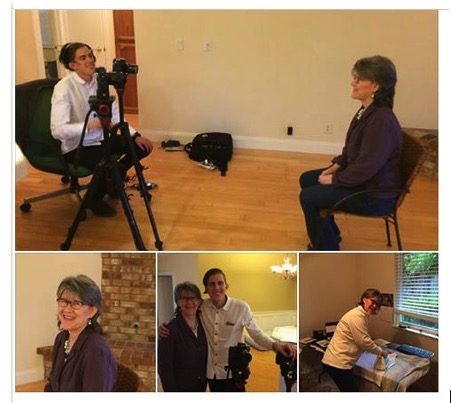
The Thyroid Secret covers not just the symptoms of thyroid disease (like anxiety) that can masquerade as mental illness, but also the triggers that can cause both conditions, and the solutions and protocols you need to recover your health.

When your thyroid is working as it should be, the amazing amino acids like GABA and tryptophan are truly effective in 5-10 minutes – so you really can say they are amazing!  You will see incredible results – anxiety relief right away – and a feeling of hope while you dig deeper for root causes that can take longer to address.

I wrote this blog for everyone using amino acids and not seeing results.  And also for everyone with a thyroid condition or if you have unresolved symptoms that could be related to your thyroid.

I do hope you’re already signed up and are enjoying watching, listening and learning as much as I am.

If you haven’t yet signed up you can still join as my guest to view the entire series at no cost (it started March 1). Just use this link to register.
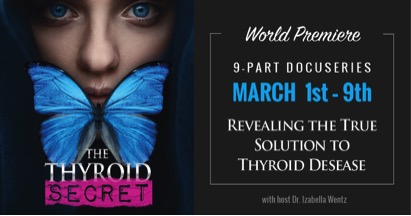
We’ve come together in this Thyroid Secret documentary to give you this information because you deserve to feel on top of the world again!

Got questions or feedback? Your favorite speaker and some takeaways?

Did you find that GABA, tryptophan and other amino acids were more effective once you addressed your thyroid health? If you’re a practitioner do you see this with patients/clients?

Please share in the blog comments below.
 

Filed Under: Amino Acids, Antianxiety, Events, Thyroid Tagged With: amino acids, anxiety, GABA, izabella wentz, The Thyroid Secret, thyroid secrets, tryptophan

Vulvodynia: oxalates, GABA, tryptophan and physical therapy

February 10, 2017 By Trudy Scott 41 Comments

On a recent webinar with Julie Matthews, I shared how healthy foods that are high in oxalates caused me excruciating foot pain: Oxalates and leaky gut for Anxiety.

We also mentioned how oxalates can be a factor in vulvodynia and someone asked this question on the blog:

I just listened to the webinar talking about oxalates. I was shocked and delighted to hear the mention of the connection between high oxalates and vulvodynia. My friend has suffered with this for 18 months with little improvement. She has painful feet so I am wondering if there is indeed a connection for her situation. Could you please explain a bit more of the vulvodynia/ oxalates connection? I would like to give my friend the information.

Before I share the resources I offered her for her friend, let me share this about vulvodynia:

Vulvodynia is defined as chronic vulvar burning, stinging, rawness, soreness or pain in the absence of objective clinical or laboratory findings to explain these symptoms. Vulvodynia is a chronic pain syndrome affecting up to 18% of the female population and is generally regarded as an underdiagnosed difficult to treat gynecological disorder.

There is still much we have to learn about vulvodynia and the causes are multifactorial:

The etiology [cause] of vulvodynia is still enigmatic and is probably multifactorial-including physiological concerns (eg, pelvic floor muscle dysfunction, neuropathic pain, and psychosocial) and sexual issues (eg, anxiety and sexual dysfunction). Although it is a common syndrome, most patients are neither correctly diagnosed nor treated. A diagnosis of vulvodynia is based upon patient history and lack of physical findings upon careful examination. No clinical or histological findings are present to aid in diagnosis. Most treatment options for vulvodynia are neither well studied nor have an evidence base, relying instead upon expert opinion, care provider experience, and use of data from other pain syndromes. However, many patients show marked improvement after physical therapy for the pelvic floor, medications for neuropathic pain, and psychosexual therapy.

You’ll notice that oxalates and other dietary approaches are not mentioned. There are actually 2 studies that state there is NO connection between dietary oxlalates and vulvodynia. This is the first one: Influence of dietary oxalates on the risk of adult-onset vulvodynia. The second paper: Urinary oxalate excretion and its role in vulvar pain syndrome concludes that:

Urinary oxalates may be nonspecific irritants that aggravate vulvodynia; however, the role of oxalates as instigators is doubtful.

In this paper: Vulvar vestibulitis-a complex clinical entity, a low oxalate diet and calcium citrate did help:

Successful outcomes were achieved in 14.3% of patients using a low oxalate diet and calcium citrate supplementation

The Vulval Pain Society is a wealth of information on vulvodynvia and they have this information on the low oxalate diet, saying it helps many women and it worth trying:

A diet low in oxalate salts has been suggested as a treatment for women who experience unexplained vulval pain or vulvodynia… it is widely used in the United States as a treatment for vulvodynia. The diet may be supplemented with the use of oral calcium citrate.

There are few doctors in the UK who are aware of or routinely use this treatment. Many specialist doctors who run vulval clinics in this country [the UK] are skeptical about the treatment, as much of the evidence has not been published in the medical literature and the treatment is not of proven value. A diet low in oxalate with or without calcium citrate may, however, benefit some women with vulval pain and this is certainly an option for some women to try.

The vulvar pain is often described as a “burning” or “cutting” or “sharp” kind of pain. You’ll see medications recommended for the neuropathic pain in many of the studies and on the Vulval Pain society site.

It does concern me that so many women are prescribed SSRIs and medications like gabapentin and benzodiazepines when there are the safer and more effective options of the amino acids such as tryptophan and GABA.   When dosed correctly these individual amino acids help with some of the pain and anxiety right away while other root causes are addressed.

For my clients, I recommend targeted individual amino acids instead of the medications. I recommend a trial of tryptophan instead of an antidepressant, assuming they score low on the serotonin section of the amino acid questionnaire.

Research shows there is serotonin involvement with vulvodynia. In this study of women with PVD (provoked vestibulodynia i.e. pain in the entrance of the vagina, common with vulvodynia):

Polymorphism in the serotonin receptor gene, 5HT-2A, has been associated with other chronic pain disorders such as fibromyalgia…. The results [of this study] indicate a contribution of alterations in the serotonergic system to the patho-genesis of PVD and gives further evidence of PVD being a general pain disorder similar to other chronic pain disorders.

I also recommend a trial of GABA instead of gabapentin or one of the benzodiazepines, assuming they score low on the GABA section of the amino acid questionnaire.

Tryptophan and GABA can help with both the pain, and the anxiety and depression that is commonly seen with vulvodynia and other pelvic floor conditions – right away while other root causes are addressed.

Since acupuncture is often reported to be helpful, I also consider a trial of DPA for endorphin boosting and hence some pain reduction too.

Physical therapy is often extremely beneficial and frequently overlooked, so finding a good pelvic floor PT to be part of your healing team is key too.

When responding to the blog question I commented that “your friend is fortunate to have you looking out for her”. Using some or all of the above approaches I would expect her to find some relief of the vulva pain, the foot pain and experience reduced anxiety and depression (assuming these are her root causes).

Please note that this is not an exhaustive list of contributing factors for vulvoldynia – other factors could include candida, infections such as HPV, IBS/SIBO, and trauma and sexual abuse. My colleague, Jessica Drummond, nutritionist and physical therapist, and an expert on female pelvic pain, writes about immunity, dysbiosis, gluten and other food sensitivities, cortisol and sex hormone imbalances in this article: Vulvovaginal Pain and The Immune System: Practical Steps for Vulvovaginal Pain Relief. A full functional workup is required and your root cause can be different from someone else’s root cause.

I’d also like to add that although dietary oxalates cause excruciating pain in my feet, I’m so fortunate, in that I do not have vulvodynia.

Additional resources when you are new to using tryptophan and other amino acids as supplements

We use the symptoms questionnaire to figure out if low serotonin or other neurotransmitter imbalances may be an issue for you.

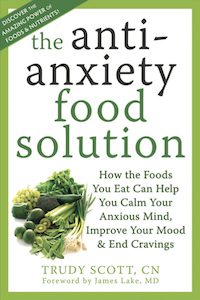
If you suspect low levels of any of the neurotransmitters and do not yet have my book, The Antianxiety Food Solution – How the Foods You Eat Can Help You Calm Your Anxious Mind, Improve Your Mood, and End Cravings, I highly recommend getting it and reading it before jumping in and using amino acids on your own so you are knowledgeable. And be sure to share it with the practitioner/health team you or your loved one is working with.

There is an entire chapter on the amino acids and they are discussed throughout the book in the sections on gut health, gluten, blood sugar control (this is covered in an entire chapter too), sugar cravings, anxiety and mood issues. The importance of quality animal protein and healthy fats is also covered.

The book doesn’t include product names (per the publisher’s request) so this blog, The Antianxiety Food Solution Amino Acid and Pyroluria Supplements, lists the amino acids that I use with my individual clients and those in my group programs.

If, after reading this blog and my book, you don’t feel comfortable figuring things out on your own (i.e. doing the symptoms questionnaire and respective amino acids trials), a good place to get help is the GABA QuickStart Program (if you have low GABA symptoms too). This is a paid online/virtual group program where you get my guidance and community support.

If you are a practitioner, join us in The Balancing Neurotransmitters: the Fundamentals program. This is also a paid online/virtual program with an opportunity to interact with me and other practitioners who are also using the amino acids.

Have you had success with a low oxalate diet and calcium citrate for vulvodynia? And other pain (in the feet or hips or elsewhere in the body)?

Has physical therapy with a pelvic floor specialist helped?

Have you found tryptophan, GABA or DPA to help with the pain and the anxiety and/or depression too?

Have any other treatments helped you?

If you’re a practitioner what approaches have helped your clients/patients?

Please share questions or feedback below.

Filed Under: Amino Acids, Women's health Tagged With: anxiety, benzodiazepine, depression, GABA, gabapentin, oxalates, pain, physical therapy, SSRI, tryptophan, vulvodynia

Anxiety and the amino acids: an overview

July 1, 2016 By Trudy Scott 31 Comments

Here is the Amino Acids Mood Questionnaire from The Antianxiety Food Solution and additional information on Anxiety and targeted individual amino acid supplements: a summary

Please read and follow these Amino Acid Precautions before using any of the amino acids.

The best way to figure out if you have a particular brain chemical imbalance and if you’ll benefit from a certain amino acid, is to do a trial.   This is something I do with all my clients with anxiety, when we’re working one-one-one and with those in group programs, and it works really well.

Because the effects of amino acids can be felt within a few minutes to a few days, it’s easy to confirm whether you do in fact have a deficiency in a certain area and whether you’ll benefit from supplementing with the associated amino acid.

Here is information on how to do a trial.

Here are the supplements I use with my clients.

If you do not have my book I highly recommend getting it and reading it before jumping in to taking amino acids: The Antianxiety Food Solution – How the Foods You Eat Can Help You Calm Your Anxious Mind, Improve Your Mood, and End Cravings

antianxiety food solution

There is a complete chapter on the amino acids and one for pyroluria, plus information on real whole food, sugar and blood sugar, gluten, digestion and much more.

Once you have read it you can use these above blogs, and others on my site, as summaries. They do contain some additional information that is not in my book.

If all this sounds too overwhelming, check out the The Amazing Aminos for Anxiety homestudy program. This homestudy group program provides guidance with using each of the targeted individual amino acids and how to do a trial.

Filed Under: Amino Acids, Antianxiety Tagged With: Amazing amino acids for anxiety, Amino acid trial, amino acids, anxiety, the antianxiety food solution

Tryptophan, red meat and baby steps for anxiety: the Brain Summit

May 1, 2016 By Trudy Scott 18 Comments

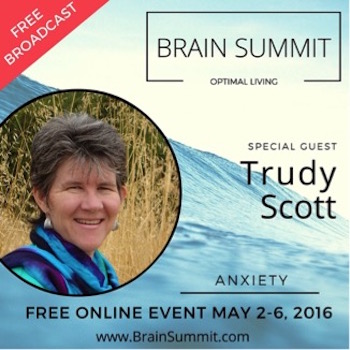
Just a quick reminder that the Brain Summit starts tomorrow, Monday, May 2nd.

brainsummit-trudy

Here are some snippets from my anxiety interview with host Erin Matlock. We started out talking about diet and grass-fed red meat and why it’s so beneficial if you have anxiety (and other mood problems):

…there’s a lot of research showing now that [a Western diet] diet is not good for so many conditions, and mental health is now coming into the research. And we know this, but to see it in the research is really beneficial. Dr. Felice Jacka did a great study in Australia that was one of the first studies that looked at anxiety and depression in women and found that the Western diet was associated with a higher risk for anxiety and depression. And this whole foods, traditional diet, that actually included grass-fed red meat, was more beneficial for anxiety and depression. And in her thesis, they actually looked at red meat thinking that they would find that red meat was actually detrimental. And, lo and behold, they found that grass-fed red meat was one of the most important predictors for good mental health. So a lot of people say, “I don’t eat red meat any more. I’m being healthy.” And in actual fact, not eating it is doing them harm.

So red meat is wonderful! And it needs to be grass fed because then you’re getting the good levels of the Omega-3s. The Omega-3 three profile of grass fed red meat is very similar to what you would find in salmon. Obviously, fish is great, so while fish like salmon or sardines are great as well, the reason I like the red meat is it’s something that most people enjoy eating. And as well as the Omega-3s, we’re getting the iron, and iron is a co-factor for making serotonin and making GABA, and it’s needed for energy and so many other functions in the body.

It’s also got zinc, and zinc is a common deficiency, way more common than we realize. And when you are anxious, you may have high copper level, and low zinc level. So getting those zinc levels up will push the copper down, and that can help with your anxiety, as well.

We also had a long discussion on serotonin and tryptophan/5-HTP:

…we often associate serotonin with depression. And a lot of people don’t realize that it’s very closely tied to anxiety, as well.  So we’ve got two types of anxiety when it comes to the brain chemicals. One is the low-serotonin type, and this is the anxiety in the head, where you’ve got the ruminating thoughts, and the busy mind, and the negative self-talk, and just this monkey mind that you can’t switch off — this worry, and sort of reprocessing things. And then we have the low-GABA kind of anxiety, where it’s in your physical body and you’re feeling stiff and tense, and you can feel it in your body, and you may feel it in your gut….

I have people do a questionnaire, and depending on how you score on that questionnaire, that’s a clue as to whether serotonin may be a factor. So all of those symptoms I’ve just mentioned, you would rate yourself on a scale of one to ten.  And then I use individual, targeted amino acids. So it’s a supplement, and the other things that obviously have an impact are food, and diet, and everything we just talked about. Getting exercise, getting outside in the light, all of those are factors.

But for quick, immediate results, and pretty profound results – people just say to me, “Could this really be happening so quickly?” that’s how quickly we get results, you know, within 30 seconds to two minutes they’re getting results – is to use these individual amino acids as supplements. And the reason they’re called “targeted” is because it’s targeted to your unique needs. Like when you do the questionnaire and it says, yes, you need some serotonin support, and then you would use either tryptophan or 5-HTP as a supplement. And again, targeted, because you need it, but also targeted to your unique biochemistry.

There’s a standard starting dose for tryptophan, which is 500 mg, while 5-HTP is 50 mg.

Be sure to tune into the interview with Debbie Hampton. She is the survivor of an acquired brain injury (from a pill overdose when trying to commit suicide) and the author of the upcoming book, Sex, Suicide, and Serotonin.  Her story and resilience is inspiring!  Here is Debbie’s wonderful answer to Erin’s question: “What advice would you give to someone who feels like it’s too late to do what they want to do? I’m already so deep in, there’s no way that I could possibly have the life that I wanted or do the work that I really wanted to do.”

debbie-hampton

It’s never too late. And those limitations, you’re putting on yourself. Those limitations are in your mind. If you think you can’t, and you think it’s too late, then it is. You’ve got to change your mind first and if your mind thinks you can, you’re halfway there.

My advice would be to start small … I’m not big on long-term plans. I’m big on a long-term bigger goal. But what you’ve got to do is you’ve got to take a little step in the right direction towards that goal, and when you get there, you look around and you say, “Okay, what is my next best step?” And when you get to that next step, there may be opportunities that you can see that you couldn’t even see back here.

So you’ve got to take it one step at a time and get there and assess your opportunities. And then figure out the next best step, and then get there and figure out the next one. And it may be a zigzag path, and you may even have to go back sometimes, regress, but as long as you just keep moving forward and keep positive momentum and positive thoughts and be your own cheerleader, and encourager, and supporter— be your own friend—that is the most important thing.

I could not agree more – there is an answer, you can do whatever you set out to do and just take baby steps!

You can register for the Brain Summit here:
http://www.brainsummit.com?orid=45505&opid=12


Filed Under: Amino Acids, Events, Food and mood, Real whole food, Tryptophan Tagged With: 5-HTP, anxiety, brain summit, Erin Matlock, iron, red meat, serotonin, Trudy Scott, tryptophan, zinc

Chronic Lyme Disease Summit – anxiety, pyroluria & more

March 21, 2016 By Trudy Scott 6 Comments

The Chronic Lyme Disease Summit runs from April 4th to 11th so I’m sharing some additional information for you.

chronic-lyme-disease-summit-y

The response to this summit, hosted by Dr. Jay Davidson, is out of this world already. Lyme disease is much more talked about than most realize and more people are affected by Lyme disease each year than breast cancer!

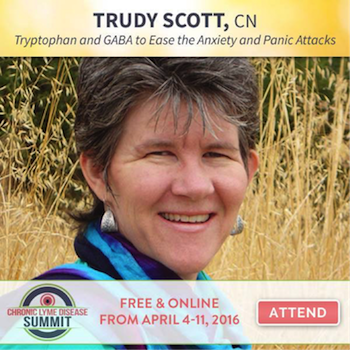
Many people with chronic Lyme disease have chronic anxiety too and the focus of my interview is how to use targeted individual amino acids GABA and tryptophan to top up low levels of GABA and serotonin while the Lyme is being addressed.

This gives Lyme sufferers resolution from much of the anxiety (if not all) right away and they don’t need to resort to meds like benzodiazepines or anti-depressants (like the women in the study below). There is also a big connection between Lyme disease and pyroluria and I cover this too.

Here is one study that shows that Lyme-anxiety is very real and that panic attacks may actually be trigged by the Lyme disease:

A paper published in the Journal of Psychiatric Practice in 2000: Panic attacks may reveal previously unsuspected chronic disseminated lyme disease

describes the histories of three patients with panic-like episodes that turned out to be related to underlying, previously unsuspected tick-borne diseases.

Each woman experienced symptoms that are not usual in panic disorder but are typical of neurological Lyme disease, including exquisite sensitivity to light, touch, and sounds, joint pain often in combination with cognitive changes including mental fogginess and loss of recent memory, and some degree of bizarre, shifting, and often excruciating neurological pain. Because these symptoms are atypical of primary panic disorder, they were very helpful in alerting the clinician to suspect an underlying physical illness.

In each case, the results of testing revealed positive hallmarks of disseminated Lyme and other tick-borne diseases [ including Lyme borreliosis caused by the spirochete, Borrelia burgdorferi, babesiosis, and ehrlichiosis.] Since beginning treatment with intensive doses of appropriate antimicrobial medications for their tick-borne infections, all three patients have become free of panic attacks.

Treatment of their infections by a specialist in Lyme disease allowed one of the women to discontinue anti-anxiety medication completely and another to reduce the dose of medication to occasional use only. The third patient is no longer anxious but her depression is resolving more slowly despite the ongoing use of an antidepressant. Two of the patients have also needed ongoing medication for pain and other symptoms of late-stage, neurological Lyme disease

lyme-trudy

One of my favorite presentations at the 2015 IMMH/Integrative Medicine for Mental Health conference was Dr. Suruchi Chandra’s Neuropsychiatric Lyme Disease talk. She shared that:

Lyme disease is one of the fastest growing infectious diseases in the United States. It can remain dormant for years and then later mimic a number of psychiatric illnesses, including anxiety disorders, mood disturbances, psychosis, and autism-like behaviors. It can be further complicated by the presence of co-infections.

Tune in to the summit to hear more about Lyme and anxiety and the amino acids GABA and tryptophan (and the Lyme-pyroluria connection).

(Please note: I’m not a Lyme disease expert – people seek me out for help with their anxiety and many of them also happen to have Lyme disease. The information we covered in the interview is very powerful for anxiety whether or not Lyme disease is a factor.)

Here are a selection of the many excellent Lyme interviews you’ll hear:

  • Dr. Jay Davidson, DC, PScD: Heavy Metal Detox and Lyme Disease
  • Connie Strasheim: Lyme Disease and Cancer
  • Jack Tips, PhD, CCN: The Gut Microbiome and Lyme disease
  • Shayne Morris, PhD: Biofilm, Bugs and Bacteriophage
  • Bradley Bush, ND: A Lab Test that Actually Works for Detecting Lyme Disease

When you register you get access to 3 talks right away – mine is one of the 3 talks! You can register here:
https://qt247.isrefer.com/go/LYME16reg/trudyscottcn

Filed Under: Amino Acids, Anxiety and panic, Events, GABA, Lyme disease and co-infections, Pyroluria, Tryptophan Tagged With: anxiety, GABA, Lyme Disease, pyroluria, tryptophan

Sleep promoting effects of combined GABA and 5-HTP: new research

March 11, 2016 By Trudy Scott 173 Comments

gaba 5-htp and sleep

A new paper published in Life Sciences reports that a combination of GABA (γ-aminobutyric acid) and 5-HTP (5-hydroxytryptophan) improved sleep and sleep duration more than the use of either of the two amino acids alone.

Insomnia is a common symptom of both low GABA and low serotonin. The amino acid GABA raises levels of GABA, our calming brain chemical/neurotransmitter. 5-HTP is one of the amino acids that raises serotonin, your happy brain chemical/neurotransmitter (which is also happens to be calming) and in turn converts to melatonin to help you sleep. Tryptophan is the other amino acid that raises serotonin.

Low levels of both brain chemicals can also make you anxious, worried and overwhelmed. With low GABA levels you’ll have physical anxiety and may lie awake in bed feeling tension in your body. With low serotonin you’ll have the busy-mind type of anxiety, often lying in bed not able to switch off the ruminating thoughts or monkey-mind. (You can find the complete amino acid questionnaire here.)

The study, Sleep-promoting effects of a GABA/5-HTP mixture: Behavioral changes and neuromodulation in an invertebrate model, used caffeine treated fruit flies and:

Behavioral assays were applied to investigate subjective nighttime activity, sleep episodes, and total duration of subjective nighttime sleep of two amino acids and GABA/5-HTP mixture

In case you’re wondering, fruit flies are often used in research. This paper shares that the “Homeostatic and circadian regulation in Drosophila are comparable to findings from mammalian sleep research.” I can’t help chuckling when I imagine these little fruit flies lying in a tiny bed, ramped up on caffeine and with busy little minds!

fruit-fly

After my attempt at some humor (laughter is good for us too!), let’s get on to the serious stuff.

The study concludes that:

using a GABA/5-HTP mixture modulates subjective nighttime activity, sleep episodes, and total duration of subjective nighttime sleep to a greater extent than single administration of each amino acid, and that this modulation occurs via GABAergic and serotonergic signaling.

How this might equate to human dosing and other possible combinations

You may be wondering how this might equate to human dosing of these amino acids. Since it was the combined use of 1% GABA and 0.1% 5-HTP that had the most impact, this could equate to:

  • 250mg GABA and 25mg 5-HTP or
  • 500mg GABA and 50mg 5-HTP or
  • 1000mg GABA and 100mg 5-HTP

Do keep in mind that we are all unique and there is no one size fits all so it’s important to do a trial to see how much of each may work for you. This means starting low and increasing until you don’t get added benefits or until you get an adverse effect.

You may do better with a combination of GABA and 5-HTP or you may even find that you do well with one or the other. And you may also find tryptophan works better for you than 5-HTP. We know that 5-HTP can raise cortisol so keep that in mind if you know you have high night-time cortisol. And for many of my clients 250mg to 500mg GABA is too much, although you may be able to get away with more at night than during the day. And different GABA products work well for different people. But again, it’s important to figure out what works for you.

Here are some possible combinations that could help you with the restless nights and anxiety:

  • GABA and 5-HTP
  • GABA alone
  • 5-HTP alone
  • Tryptophan alone
  • GABA and tryptophan (this is what recommend most of the time)

I recently blogged about the differences between Tryptophan 500mg and Tryptophan Complete (by Lidtke) so the Complete product may well be part of the equation too.

Additional resources when you are new to using tryptophan, 5-HTP, GABA and other amino acids as supplements

As always, I use the symptoms questionnaire to figure out if low serotonin or low GABA or other neurotransmitter imbalances may be an issue.

If you suspect low levels of any of the neurotransmitters and do not yet have my book, The Antianxiety Food Solution – How the Foods You Eat Can Help You Calm Your Anxious Mind, Improve Your Mood, and End Cravings, I highly recommend getting it and reading it before jumping in and using amino acids on your own so you are knowledgeable. And be sure to share it with the practitioner/health team you or your loved one is working with.

There is an entire chapter on the amino acids and they are discussed throughout the book in the sections on gut health, gluten, blood sugar control (this is covered in an entire chapter too), sugar cravings, anxiety and mood issues.

The book doesn’t include product names (per the publisher’s request) so this blog, The Antianxiety Food Solution Amino Acid and Pyroluria Supplements, lists the amino acids that I use with my individual clients and those in my group programs.

If, after reading this blog and my book, you don’t feel comfortable figuring things out on your own (i.e. doing the symptoms questionnaire and respective amino acids trials), a good place to get help is the GABA QuickStart Program (if you have low GABA symptoms). This is a paid online/virtual group program where you get my guidance and community support, and is where this question was asked of me during one of the live Q&A calls.

If you are a practitioner, join us in The Balancing Neurotransmitters: the Fundamentals program. This is also a paid online/virtual program with an opportunity to interact with me and other practitioners who are also using the amino acids.

Wrapping up and your feedback

Keep in mind that low GABA and/or low serotonin are just one of many causes of insomnia. If you try to address what appears to be low levels and it doesn’t work then you have to look for other root causes such as: high cortisol, low blood sugar, SIBO, gluten sensitivity, EMF sensitivity, medication side-effects, caffeine and sugar consumption, benzodiazepine tolerance and/or withdrawal, parasites, and too much light too late or not enough light early in the morning.

Have you used any of the above with good results for sleep? I’d love to hear if you do better with the synergistic effects of two amino acids. And how much works for you?

Or do you do better with another combination?

Feel free to share your feedback and ask your questions below in the comments section.

Filed Under: Amino Acids, GABA, Sleep

  • « Go to Previous Page
  • Page 1
  • Interim pages omitted …
  • Page 5
  • Page 6
  • Page 7
  • Page 8
  • Page 9
  • Interim pages omitted …
  • Page 13
  • Go to Next Page »

Primary Sidebar

GABA QuickStart Homestudy

gaba quickstart homestudy

Free Report

9 Great Questions Women Ask about Food, Mood and their Health

You'll also receive a complimentary subscription to my ezine "Food, Mood and Gal Stuff"


Connect with me

Popular Posts

  • Amino Acids Mood Questionnaire from The Antianxiety Food Solution
  • The Antianxiety Food Solution Amino Acid and Pyroluria Supplements
  • Pyroluria Questionnaire from The Antianxiety Food Solution
  • Collagen and gelatin lower serotonin: does this increase your anxiety and depression?
  • Tryptophan for the worry-in-your-head and ruminating type of anxiety
  • GABA for the physical-tension and stiff-and-tense-muscles type of anxiety
  • The Antianxiety Food Solution by Trudy Scott
  • Seriphos Original Formula is back: the best product for anxiety and insomnia caused by high cortisol
  • Am I an anxious introvert because of low zinc and vitamin B6? My response to Huffington Post blog
  • Vagus nerve rehab with GABA, breathing, humming, gargling and key nutrients

Recent Posts

  • Her cravings for chips and peanut butter were triggered by stress: GABA ends cravings and reduces physical tension and fear of heights
  • It is truly miraculous to be able to move through life without crippling anxiety and panic
  • GABA and tryptophan combo provide immediate and noticeable relief for tremors and cervical dystonia in just 7 days
  • Red light therapy for back and neck pain, plantar fasciitis and low mood – a complement to the amino acids GABA, DPA and tryptophan
  • What do I use instead of Seriphos to help lower high cortisol that is affecting my sleep and making me anxious at night?

Categories

  • 5-HTP
  • AB575
  • Addiction
  • ADHD
  • Adrenals
  • Alcohol
  • Allergies
  • Alzheimer's disease
  • Amino Acids
  • Anger
  • Antianxiety
  • Antianxiety Food Solution
  • Antidepressants
  • Anxiety
  • Anxiety and panic
  • Autism
  • Autoimmunity
  • benzodiazapines
  • Bipolar disorder
  • Books
  • Caffeine
  • Cancer
  • Candida
  • Children/Teens
  • Collagen
  • Cooking equipment
  • Coronavirus/COVID-19
  • Cravings
  • Depression
  • Detoxification
  • Diabetes
  • Diet
  • DPA/DLPA
  • Drugs
  • EFT/Tapping
  • EMF
  • EMFs
  • Emotional Eating
  • Endorphins
  • Environment
  • Essential oils
  • Events
  • Exercise
  • Fear
  • Fear of public speaking
  • Fertility and Pregnancy
  • Fish
  • Food
  • Food and mood
  • Functional neurology
  • GABA
  • Gene polymorphisms
  • General Health
  • Giving
  • Giving back
  • Glutamine
  • Gluten
  • GMOs
  • Gratitude
  • Gut health
  • Heart health/hypertension
  • Histamine
  • Hormone
  • Hyperparathyroidism
  • Hypoglycemia
  • Immune system
  • Inflammation
  • Insomnia
  • Inspiration
  • Introversion
  • Joy and happiness
  • Ketogenic diet
  • Lithium orotate
  • Looking awesome
  • Lyme disease and co-infections
  • MCAS/histamine
  • Medication
  • Men's health
  • Mental health
  • Mercury
  • Migraine
  • Mold
  • Movie
  • MTHFR
  • Multiple sclerosis
  • Music
  • NANP
  • Nature
  • Nutritional Psychiatry
  • OCD
  • Osteoporosis
  • Oxalates
  • Oxytocin
  • Pain
  • Paleo
  • Parasites
  • Parkinson’s disease
  • PCOS
  • People
  • PMS
  • Postpartum
  • PTSD/Trauma
  • Pyroluria
  • Questionnaires
  • Real whole food
  • Recipes
  • Research
  • Schizophrenia
  • serotonin
  • SIBO
  • Sleep
  • Special diets
  • Sports nutrition
  • Stress
  • Sugar addiction
  • Sugar and mood
  • Supplements
  • Teens
  • Testimonials
  • Testing
  • The Anxiety Summit
  • The Anxiety Summit 2
  • The Anxiety Summit 3
  • The Anxiety Summit 4
  • The Anxiety Summit 5
  • The Anxiety Summit 6
  • Thyroid
  • Thyroid health
  • Toxins
  • Tryptophan
  • Tyrosine
  • Uncategorized
  • Vegan/vegetarian
  • Women's health
  • Yoga

Archives

  • May 2026
  • April 2026
  • October 2025
  • September 2025
  • August 2025
  • July 2025
  • June 2025
  • May 2025
  • April 2025
  • March 2025
  • February 2025
  • January 2025
  • November 2024
  • October 2024
  • September 2024
  • August 2024
  • July 2024
  • June 2024
  • May 2024
  • April 2024
  • March 2024
  • February 2024
  • January 2024
  • December 2023
  • November 2023
  • October 2023
  • September 2023
  • August 2023
  • July 2023
  • June 2023
  • May 2023
  • April 2023
  • March 2023
  • February 2023
  • January 2023
  • December 2022
  • November 2022
  • October 2022
  • September 2022
  • August 2022
  • July 2022
  • June 2022
  • May 2022
  • April 2022
  • March 2022
  • February 2022
  • January 2022
  • December 2021
  • November 2021
  • October 2021
  • September 2021
  • August 2021
  • July 2021
  • June 2021
  • May 2021
  • April 2021
  • March 2021
  • February 2021
  • January 2021
  • December 2020
  • November 2020
  • October 2020
  • September 2020
  • August 2020
  • July 2020
  • June 2020
  • May 2020
  • April 2020
  • March 2020
  • February 2020
  • January 2020
  • December 2019
  • November 2019
  • October 2019
  • September 2019
  • August 2019
  • July 2019
  • June 2019
  • May 2019
  • April 2019
  • March 2019
  • February 2019
  • January 2019
  • December 2018
  • November 2018
  • October 2018
  • September 2018
  • August 2018
  • July 2018
  • June 2018
  • May 2018
  • April 2018
  • March 2018
  • February 2018
  • January 2018
  • December 2017
  • November 2017
  • October 2017
  • September 2017
  • August 2017
  • July 2017
  • June 2017
  • May 2017
  • April 2017
  • March 2017
  • February 2017
  • January 2017
  • December 2016
  • November 2016
  • October 2016
  • September 2016
  • August 2016
  • July 2016
  • June 2016
  • May 2016
  • April 2016
  • March 2016
  • February 2016
  • January 2016
  • December 2015
  • November 2015
  • October 2015
  • September 2015
  • August 2015
  • July 2015
  • June 2015
  • May 2015
  • April 2015
  • March 2015
  • February 2015
  • January 2015
  • December 2014
  • November 2014
  • October 2014
  • September 2014
  • August 2014
  • July 2014
  • June 2014
  • May 2014
  • April 2014
  • March 2014
  • February 2014
  • January 2014
  • December 2013
  • November 2013
  • October 2013
  • September 2013
  • August 2013
  • July 2013
  • June 2013
  • May 2013
  • April 2013
  • March 2013
  • February 2013
  • January 2013
  • December 2012
  • November 2012
  • October 2012
  • August 2012
  • July 2012
  • June 2012
  • May 2012
  • April 2012
  • March 2012
  • February 2012
  • January 2012
  • December 2011
  • November 2011
  • October 2011
  • September 2011
  • August 2011
  • July 2011
  • June 2011
  • May 2011
  • April 2011
  • March 2011
  • February 2011
  • January 2011
  • December 2010
  • October 2010
  • September 2010
  • July 2010
  • May 2010
  • April 2010
  • March 2010
  • February 2010
  • January 2010
  • November 2009

Share the knowledge!

The above statements have not been evaluated by the Food and Drug Administration. Products listed in this website are not intended to diagnose, treat, cure or prevent any disease.

The information provided on this site is for informational and educational purposes only and is not intended as a substitute for advice from your physician or other health care professional. You should consult with a healthcare professional before starting or modifying any diet, exercise, or supplementation program, before taking or stopping any medication, or if you have or suspect you may have a health problem.


Copyright © 2026 Trudy Scott. All Rights Reserved. | Privacy | Terms and Conditions | Refund Policy | Medical Disclaimer

Free Report

9 Great Questions Women Ask about Food, Mood and their Health

You’ll also receive a complimentary subscription to my ezine “Food, Mood and Gal Stuff”