• Skip to primary navigation
  • Skip to main content
  • Skip to primary sidebar

everywomanover29 blog

Food, Mood and Women's Health – Be your healthiest, look and feel great!

  • Blog
  • About
  • Services
  • Store
  • Resources
  • Testimonials
  • The Book
  • Contact
  • Search this site

suicide

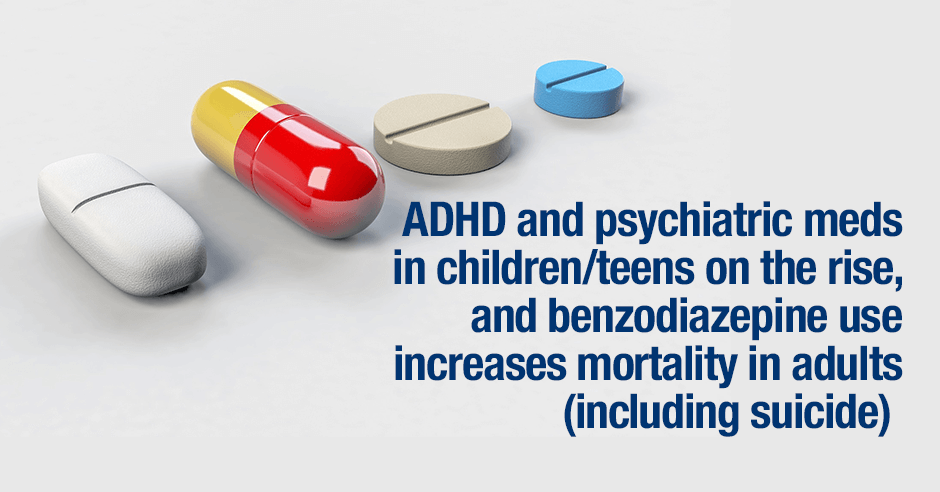
ADHD and psychiatric meds in children/teens on the rise, and benzodiazepine use increases mortality in adults (including suicide)

October 7, 2020 By Trudy Scott Leave a Comment

meds teens children

Registration for my Anxiety Summit 6: Toxins/Meds/Infections is now open and in the spirit of continuing to share valuable snippets leading up to the summit, here goes for today.

(If you’ve already registered I do hope you find these snippets of value and they help you figure out more about which interviews to tune into first. If you’re only hearing about the summit for the first time, you can register here)

Today I want to highlight some aspects from two of the interviews on psychiatric medications.

In the interview Psychiatric Medications in Children and Teens with Dr. Nicole Beurkens, we discuss these results from a 2019 paper:

  • Our study indicates that the rate of presentation to child and adolescent psychiatry outpatient clinics is increasing, and rates of diagnosis and initiation of psychiatry drugs are high among the presented children.
  • The prevalence of ADHD shows an increase in males and females in our country, and psychiatric polypharmacy has reached significant rates.

Polypharmacy means concurrent use of multiple medications by a patient. The fact that psychiatric polypharmacy is increasing in children and adolescents is most concerning. There are safer solutions that address the root causes of ADHD, anxiety and depression.

Here is what we cover in this interview:

  • Increasing ADHD, anti-anxiety, SSRI and antipsychotic meds and discontinuation syndrome
  • Disparities in BIPOC communities;
  • Psychiatric side effects of acne, constipation and asthma medications
  • Nutritional psychiatry/targeted nutrients/gut, sleep, movement, screen time and play
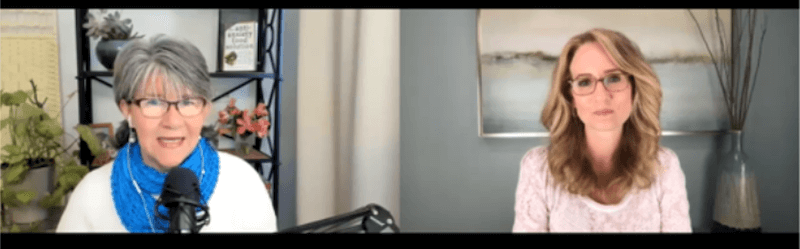
nicole beurkens interview

In the interview SSRIs, Benzodiazepines, Alcohol and Amino acids with Dr. Hyla Cass, she shares how benzodiazepines (a class of antianxiety medications that include Xanax, Ativan, Valium and others) are:

  • strongly associated with all cause mortality, including suicide (even when used for short durations of treatment
  • the cause of many accidents even if taken the previous day

Here is what we cover in this interview:

  • SSRI and benzodiazepine side-effects
  • Discontinuation syndrome, pre-taper protocols and tapering
  • The harmful effects of alcohol and the impacts on sleep
  • The dangers of combining alcohol with benzodiazepines, and the risks of antabuse (commonly used in alcohol addiction treatment plans)
  • GABA, tryptophan, 5-HTP, glutamine, DPA, CBD and key nutrient co-factors for medication taper, alcohol addiction, carb cravings and anxiety
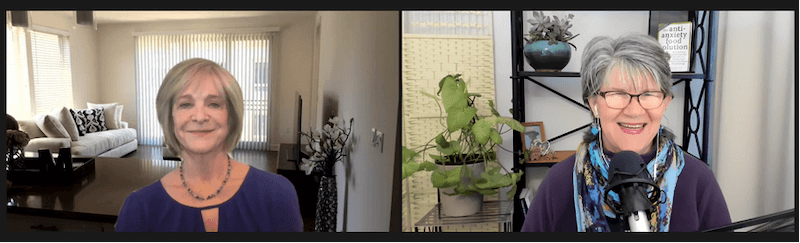
hyla cass interview

Dr. Nicole Beurkens’ interview is focused on children and adolescents, and Dr. Hyla Cass’ interview is focused on adults but both are invaluable resources if you want to learn more about psychiatric medications, discontinuation syndrome, tapering and addressing the root-causes with nutritional other non-medication solutions.

Other related medication interviews of interest would be:

  • GABA and Tryptophan vs Meds for Hormone Balance – one of my 3 interviews (I also cover the birth control pill and more about using the amino acids)
  • Benzodiazepines: Short-Term Benefits, Long-Term Harms – Catherine M. Pittman, PhD, HSPP
  • 5-HTP: Anxiety, Depression, Insomnia and Liver Protection – Michael Murray, ND (he shares studies comparing 5-HTP to SSRIs)
  • Neuropsychiatric Toxicity from Fluoroquinolone Antibiotics – Lisa Bloomquist
  • Your Brain on Food: Anxiety, OCD and PTSD – Uma Naidoo, MD, PCP (she also shares studies comparing psychiatric meds to NAC and inositol)

In case you missed the first few emails about the summit … as you know, anxiety can be related to your daily life experiences BUT it can also be triggered by:

  • foods you eat and what you drink (like wheat, oxalates, alcohol and more)
  • environmental toxins (like lead, plastics, fragrances, insecticides, fluoride and more)
  • many types of medications (like the benzos/SSRIs, birth control pill, acne medication, fluoroquinolone antibiotics and more) and/or
  • chronic infections (like Lyme disease, PANDAS, parasites, candida and more).

Once you identify the root causes and understand anxiety’s mechanisms you can support the liver/gallbladder, detox, address infections, implement targeted and supportive solutions, and get relief!

This is my 6th Anxiety Summit, featuring all new topics and the latest research related to anxiety and toxins, medications and infections.
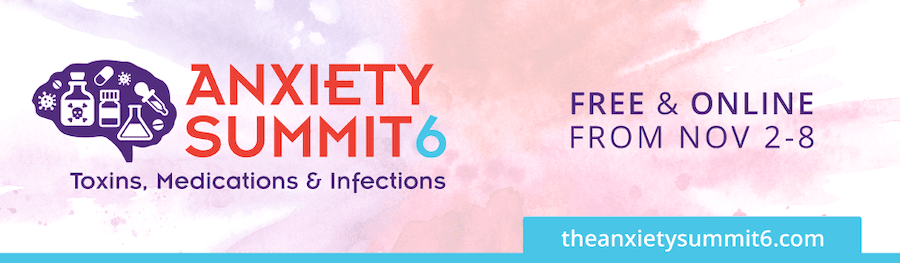
anxiety summit 6

Over the course of the next 6 weeks you’ll be seeing frequent emails from me with snippets and highlights from various interviews – like this one. I do hope you continue to enjoy them and get excited about the summit! Please do share if you know someone who has anxiety!

You’ve heard me say the Anxiety Summit has been called “a bouquet of hope!”  My wish for you is that this summit is your bouquet of hope!

I hope you’ll join me and these incredible speakers, be enlightened and find YOUR solutions!

Here’s to no more anxiety and you feeling on top of the world again!

If you’re already familiar with some of this information and practice some of this already please share how it’s helped you. That way we can all learn.

If you’d like to ask a question, please post in the comments below.

I’d also love to hear from you once you’ve listened to this interview. Please do come back and comment about some of the highlights of this interview and what changes you plan to make.
Filed Under: The Anxiety Summit 6 Tagged With: ADHD, amino acids, anxiety, benzodiazepine, cbd, children, depression, GABA, Hyla Cass, medications, mortality, Nicole Beurkens, psychiatric meds, SSRI, suicide, teens, The Anxiety Summit 6, tryptophan

Digital Dementia: Addiction, brain chemical imbalances, suicide and low-level lasers for healing

June 1, 2019 By Trudy Scott Leave a Comment

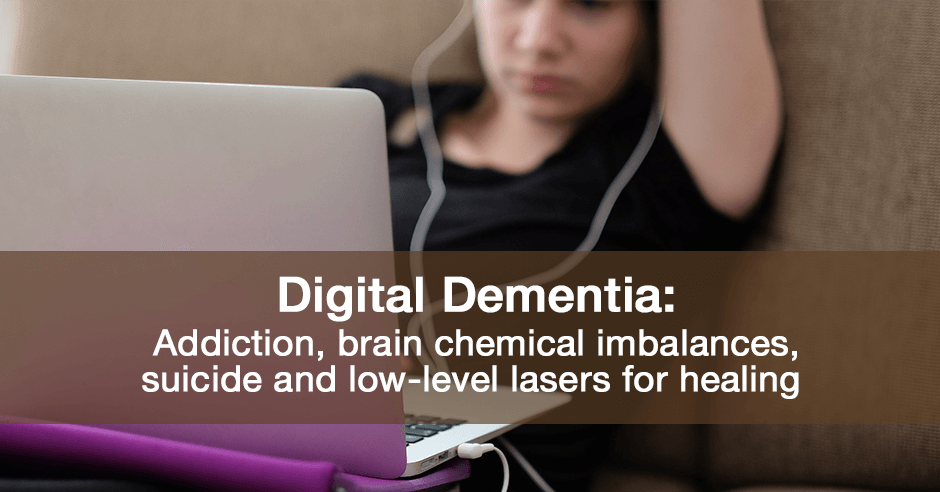
digital dementia

“Digital dementia” is very real – overconsumption of screen time can lead to a breakdown of cognitive abilities and deteriorated posture, developmental delays, degraded short-term memory, seclusion and lack of motivation… especially for our children!

In my interview, Food and Mood Support to Prevent Digital Dementia, I talk about anxiety, depression and even a higher risk for suicide in overuse of screen time and how using diet and amino acids can help with the addiction and related mood issues.

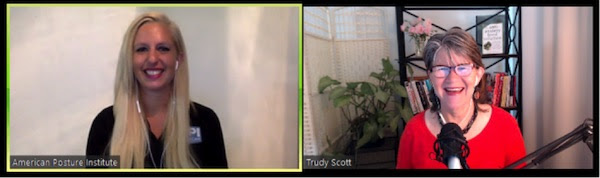
krista and trudy

One of the questions Krista asks is this: “What do you think will happen to children/teens if we don’t make changes as a society?” and I share some scary stats about suicide.

In a 2018 article in Newsweek, “iPhones Pose Suicide Risk to Teenagers, Apple Investors Warn”, they share

A 2017 study by Jean Twenge, a professor of psychology at San Diego State University, who found that U.S. teenagers who spend more than three hours a day using electronic devices are 35 percent more likely to have a risk factor for suicide than those who spend less than an hour.

Teenagers who spend more than five hours on their phones are 71 percent more likely to have a risk factor for suicide.

And these are very real and sobering stats about the average American teenager – they first receive a smartphone at the age of 10 and spend over 4.5 hours a day using it!

Of course, we have to consider how much is it the biological effects of the smartphone itself (DNA damage, immune system effects, depletion of zinc and melatonin etc.) and how much is it the poor nutrient status and brain chemical imbalances that are driving this high use of smartphones (i.e. a need to self-medicate by going online) and the increased anxiety, depression and suicide risk?

It’s likely a combination of both…and a vicious cycle that can be broken with education AND addressing brain chemical imbalances. Low GABA, low serotonin, low dopamine and even low endorphins drive teens (and us adults too) to “self-medicate” with social media and iPhone use in order to feel calm, happier, stimulated and/or comforted.

We do this just like we do with sugar, street drugs, prescription pain meds, and alcohol. Just like with drugs and carbs, we can break this very serious digital addiction with individual amino acids such as GABA, tryptophan, DPA and tyrosine, and prevent digital dementia AND improve the mood and reduce the anxiety of those experiencing this. It’s imperative we use this approach in addition to dietary changes, parenting tips and education about this harm we’re doing to ourselves.

The good news is, that in addition to improving diet and nutrient status, we can also use tools to help with healing.

Kirk Gair, DC, in his interview, Lasers – Secret Weapon Against Digital Dementia, covers benefits of low-level lasers (also called photobiomodulation) for brain support and it’s fascinating. Here are a few snippets from his interview:

  • The main target area is going to be in what’s called the powerhouse or the mitochondria. They’re going to absorb the energy from the laser, and they’re going to make more ATP, which is an energy molecule that helps basically every process in the body; whether it’s your brain firing, whether it’s sports performance, or whether it’s healing tissue, you’re going to see that increased.
  • You’re also going to make something called “nitric oxide,” which dilates the blood vessels. Especially when we look at the brain, that’s really important. We dilate these blood vessels. You’re going to improve blood flow throughout the brain.
  • You’re also going to stimulate glutathione, which is a powerful antioxidant that helps to neutralize damaging free radicals, which we know can affect the aging process, can turn on different kinds of genes in our DNA, etc.
  • Numerous studies have shown the lasers being able to actually calm down autoimmunity, especially with thyroid antibodies. It’s been shown to be able to decrease those TPO antibodies, which then protects the cerebellum.
  • If we’re looking at an athlete who’s been concussed, or just a regular patient who’s had a car accident or a fall or something, the laser has been shown to be able to modulate the immune system so it knows which cells to clean up.

Learn all this and more on The Digital Dementia Summit

digital dementia summit

Host, Dr. Krista Burns, is an author and speaker who has been educating practitioners about the dangers of digital dementia for over 5 years. With this summit she believes it’s now time to reach parents directly for their health and that of their children.

Filed Under: Events Tagged With: addiction, amino acids, brain chemicals, digital dementia, GABA, iPhone, Kirk Gair, Krista Burns, LLLT, low level lasers, photobiomodulation, serotonin, suicide

Kate Spade: suicide, hormonal imbalance, antidepressants as a trigger and the stigma of mental health

June 15, 2018 By Trudy Scott 34 Comments

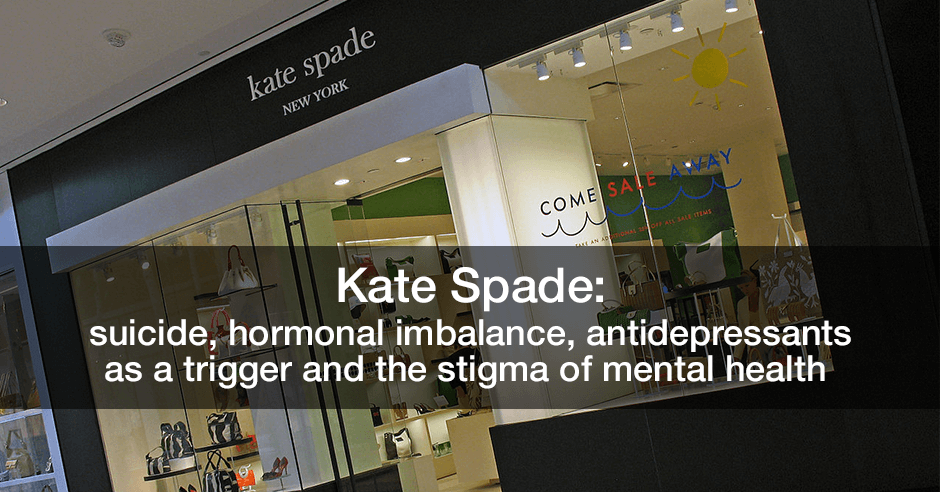
Photo by Paul Keleher (originally posted to Flickr as kate spade) [CC BY 2.0], via Wikimedia Commons
Kate Spade, a well-known American fashion icon and handbag designer, died by suicide last week at the age of 55. I’m always torn in situations like this…just share the news story with my sympathies in order to respect the family or use this as an opportunity to learn from and prevent others from suffering the same fate. This time I’m doing the latter – with the risk of appearing insensitive – because there are red flags here and I feel so strongly that we all need to learn from this in order to move mental health forward. I’m hoping her husband and family would approve.

In the announcement about Kate Spade’s suicide in the New York Times, Mr. Spade said:

that though his wife had suffered from anxiety at points during their relationship and marriage, her serious bouts of depression only began about six years ago, at the age of 49.

Kate suffered from depression and anxiety for many years. She was actively seeking help and working closely with her doctors to treat her disease, one that takes far too many lives. We were in touch with her the night before and she sounded happy. There was no indication and no warning that she would do this. It was a complete shock. And it clearly wasn’t her. There were personal demons she was battling.

My heart goes out to Kate Spade’s husband, young daughter and loved ones. Her suicide is just so sad but as I said I have a fair bit to say about this….


Hormone imbalance triggering anxiety and depression?

According to the reports, Kate’s “serious bouts of depression only began about six years ago, at the age of 49, but she had suffered “from depression and anxiety for many years”.

Perimenopause and menopause is a classic time for women to experience worsening anxiety and depression and can be driven by fluctuating hormones, especially low estrogen. In this study, Depression and the menopause: why antidepressants are not enough? the authors share that

Postmenopausal depression is more severe, has a more insidious course, is more resistant to conventional antidepressants in comparison with premenopausal women and has better outcomes when antidepressants are combined with HT (hormone therapy).

Addressing hormone imbalance as one possible root cause can eliminate the anxiety and depression. Some of my favorite resources for hormone balance are these books: The Hormone Secret and Cooking for Hormone Balance.


Low levels of neurotransmitters like serotonin, catecholamines and GABA?

Directly connected to hormonal imbalance is brain chemistry imbalance. Addressing low levels of neurotransmitters like serotonin, the catecholamines and GABA provide results quickly when they are used in a targeted way based on individual needs:

  • Low serotonin is an issue when estrogen levels are declining and the amino acid tryptophan can have profound benefits if low serotonin is one of the root causes, leading to depression, worry, fear, overwhelm and sleep issues.
  • Low catecholamines can cause the “I just want to say in bed” depression and low motivation, together with fatigue and poor focus. The amino acid tyrosine can help to eliminate some of this and also provides thyroid support.  Poor thyroid health can also be a root cause of depression.
  • We see low GABA levels when progesterone is low and if this is one of the root causes, it can result in increased physical anxiety and insomnia. The amino acid GABA, opened on to the tongue, can provide calming results within minutes.

I can totally relate to the hormonal aspect as I suffered from PMS for years and my anxiety issues and panic attacks started in my late 30s and I had a really low spell as I was going through menopause.  Both GABA and tryptophan turned things around very quickly for me as they do for my clients.


The role of diet and nutritional psychiatry?

There is so much new science behind the role of a real foods traditional diet for alleviating both depression and anxiety. The SMILES study, published by Prof Felice Jacka early 2017, was the first randomized controlled diet depression study and ONE THIRD of the dietary intervention group saw improvements in their depression symptoms.  This was just diet alone and switching from processed and junk food to real food with no specific dietary restrictions.

There is also much clinical evidence supporting how diet can have an impact. Holly, suffered from with severe depression and anxiety changed her diet and shared this with me:

Over the course of a year and a half, I was given 10 different psychiatric diagnoses and cycled through 10 different medications. I discovered the healing power of diet completely by accident, and it changed my life. I now live with no diagnoses and no symptoms.

I started with the Whole30 (strict paleo), then went paleo, dabbled with a ketogenic approach, and now I eat a modified paleo diet, with some rice and goat dairy.

This has been termed nutritional psychiatry and you can read more diet-depression and diet-anxiety success stories here.

Keep in mind that your prescribing psychiatrist may not yet be on board with this or up to date on the newest research. Just last week someone told me what happened when they discussed nutritional psychiatry with their doctor and showed them my book The Antianxiety Food Solution (my Amazon link). He said: “Good luck with that!”


Could the antidepressant medication have triggered her suicide?

The statement from Kate’s husband says “She was actively seeking help for depression and anxiety over the last 5 years, seeing a doctor on a regular basis and taking medication for both depression and anxiety.”  Could the antidepressant medication have triggered her suicide or played some part?

We will never know with Kate but this is always my first thought when I learn of a suicide and when we hear of homicides in the news. One of my colleagues shared this when her suicide was first announced: “I was wondering if she was under psych care and what role meds might have played in this tragedy.”

This paper is one of many papers reporting similar antidepressant suicide and violence risks, and concludes that:

Antidepressants double the occurrence of events in adult healthy volunteers that can lead to suicide and violence

Kelly Brogan MD – Holistic Psychiatrist​ no longer prescribes psychiatric medications because we don’t know who will experience this side-effect. She writes this about a Swedish study and antidepressants and increased suicides

As antidepressant prescriptions increased 270% over 15 years, suicide rates also increased. Strikingly, more than half of the young women who committed suicide (52%) were prescribed antidepressants within a year of committing suicide. And antidepressants were detected in 41% of the women who committed suicide, showing that they were under the influence of antidepressants at the time of death. 


What if you are taking an antidepressant and seeing benefits?

When I posted some of this on Facebook earlier in the week someone who is on an antidepressant and benefiting shared her frustration that we are blaming suicide on medications.

There are many who do benefit but there are two issues I have:

  1. Even if someone is doing well on an antidepressant, benzodiazepine or other psychiatric medication I feel we need informed consent about the side-effects and training for the individual and family on what to look out for as things can change. The can occur when meds are changed, doses are increased or decreased, new meds are added, one or more are stopped abruptly or too quickly (called discontinuation syndrome). Many doctors also need to be educated and to acknowledge that suicide and homicide are very real side-effects of these meds.
  2. We don’t know who will be adversely impacted, which is why consent/knowledge about this is so important.

When we rent ski equipment or go bungee jumping we sign an informed consent form, acknowledging the possible risks of death. Why is this not happening with these medications? I just want individuals to be going into this with eyes wide-open so they don’t say “why didn’t anyone tell us this?”

If someone is currently seeing benefits from antidepressants (or benzodiazepines) I make sure they know ALL the risks and encourage them to continue to look for root the causes and address these (never stopping medications abruptly and never without the prescribing doctor’s permission).

There are many possible biological or biomedical or metabolic causes of depression and anxiety and many of these can play a factor in suicide.  Here is a list of just some of them:

  • gluten sensitivity and celiac disease
  • low B12, low B6, low omega3s, low zinc
  • the anti-malaria drug mefloquine (has been associated with acts of violence and suicide)
  • toxoplasma gondii
  • fluoroquinolone antibiotics
  • many common drugs may be contributing to depression (over 200 including acid reflux meds, blood pressure meds, birth control pill)

My concern is that none of these – the medications or poor diet and nutritional deficiencies – are ever discussed when someone does commit suicide or goes on a violent or homicidal rampage.


The stigma of mental health and the fear of seeking help

There are reports that “Kate Spade felt unable to seek help or discuss her mental health because she feared this might damage the brand she created.”  This is a huge issue and if it was true for her or if anyone with a mental health condition feels like this, this has to change!

As Dr. Mark Hyman MD​ said this when I interviewed him last year before the launch of his Broken Brain docu-series

I began to realize that the body was driving a lot of this brain dysfunction, and that if you fix the body, a lot of the brain disorders would get better, that it wasn’t a primarily a mental problem, but it was a physical problem.

Our interview and full transcript is here and we cover the gamut in 12 minutes: the gut and microbiome, nutritional deficiencies, food sensitivities, heavy metals, other environmental toxins and medications.

We don’t hide the fact that we have a broken leg so why do we have to hide it when we have a broken brain? If we can start to acknowledge that mental health issues so often have this physical aspect (and often it’s 100% physical) then hopefully we can end this crazy stigma.

And even if there is also trauma or lifestyle factors that make someone depressed or anxious – so be it. Stop the stigma and shame. Why do we have to put on a brave face and pretend all is well. It has to stop so people can ask for help.

Last but not least, I feel we need to offer practical nutritional psychiatry resources to the family who have been traumatized by the loss of a loved one to suicide.  We know the amino acids and B vitamins help individuals recover from psychological stress after a natural disaster and these same nutrients can help the family in the midst of their sorrow.

I am aware it’s a very delicate subject and I’m sure this will rub some people the wrong way but I believe we all need to be talking about this and not tip-toeing around it.

I really feel this all needed to be said today. I hope this helps you or a loved one.

Rest in peace Kate Spade.

Filed Under: Amino Acids, Depression, Nutritional Psychiatry Tagged With: antidepressant, anxiety, depression, estrogen, fear, GABA, hormone imbalance, Kate Spade, mental health, progesterone, root causes, serotonin, SSRI, stigma, suicide

Erin Matlock: talk about suicide, don’t gloss over it and don’t flinch!

September 9, 2016 By Trudy Scott 29 Comments

erin-matlock-talk-suicide

Earlier this week when Erin Matlock shared her “Changing Fate” video from the Superhero You live event she said this:

This is hands down the most personal and most difficult talk I’ve ever given. In it I read from my own suicide note.

Please help us send this video out into the world so that people who are suffering alone can see that they are so very not alone.

I was very moved to share this video and since it’s National Suicide Prevention Week and World Suicide Prevention Day, September 10th, I’ve added to her wonderful message by sharing some powerful nutritional resources too.

You can WATCH the entire 16 minute video from the SuperheroYou live event VIA THIS LINK on the SuperheroYou facebook page. This is what Superhero You founder Jim Kwik shared when posting the video:

If you feel broken, alone, or unhappy, this might be the most important video you watch today.

Most of us think suicide is something that happens to strangers – not to people we know. But someone dies by suicide every 40 seconds. That’s 15,385 people this week and 800,000 people this year. If you have 1,000 Facebook friends, 60 of them have thought about suicide in the past year.

Erin Matlock knows this struggle well. She battled major depression for 15 years and had 4 escalating attempts on her own life. Today, Erin is a mental health advocate and founder of the Brain Summit, an online platform where experts present the latest tools and techniques to upgrade your brain. In the video, Erin shares how neuroscience helped her during this time, the challenges that even the happiest-seeming people might face, and what you can do if you (or someone you love) might be struggling.

Erin also talks about Cynthia Pasquella’s struggles with depression and saying “my brain is trying to murder me.” Here is her powerful blog where she bravely and openly shares: Let’s Talk About Depression – Because Most People Won’t And It’s Killing Us

Here is the resource list Erin shares:

National Suicide Prevention Lifeline (United States 24 hour hotline)
1-800-273-TALK

Samaritans  (United Kingdom and Republic of Ireland 24 hour hotline)
116 123 (UK) and 116 123 (ROI)

Beyond Blue (Australia 24 hour hotline and resources)
1300 22 4636

To Write Love On Her Arms
A nonprofit movement dedicated to presenting hope and finding help for people struggling with depression, addiction, self-injury, and suicide.

Mind
A UK charity with an extensive collection of information about mental health.

HeadsTogether
A UK Mental Health Awareness Campaign spearheaded by The Duke and Duchess of Cambridge and Prince Harry.

PsychologyToday Therapist Directory
Find Help From A licensed Therapist In Your Area

EEG Info Neurofeedback Provider Directory
Find a qualified clinician in your area

Advanced Brain Technologies Provider Directory
Music Listening Therapy

Fisher Wallace Stimulator
FDA approved device for the treatment of depression and anxiety. Stimulates the brain to produce serotonin while lowering cortisol.

You can find more wonderful resources from Erin on the Brain Pages and her website

erin-matlock-search-for-better-brain

In addition to the above resources Erin has so kindly shared I’d like to share some powerful and effective nutritional resources too. Just like anxiety, depression often has a biochemical and nutritional component and getting to the root cause of these imbalances and deficiencies can often completely eliminate the depression and suicidal thinking.

I hear this from Anxiety Summit attendees all the time:

Why has no-one told me that food and nutrients could have such an impact on my anxiety and panic attacks?

The same could be said for depression and suicidal thinking.

I also hear this from many in my community:

My anxiety (or depression) is SO severe there is no way that diet and nutrients could make a difference!

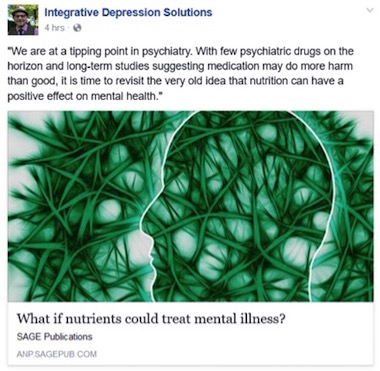
This is not true and I encourage you to have an open mind about this. We now have much research and so many integrative practitioners and nutritionists doing this work and seeing incredible results.  My colleague (and prior Anxiety Summit guest expert) Dr. Josh Friedman is one such practitioner and he has a wealth of information on his facebook page Integrative Depression Solutions. Here is just one example of a post:

nutrienta-and-mental-illness

The article was published in the Australian and New Zealand Journal of Psychiatry: What if nutrients could treat mental illness? and it starts with this sentence:

We are at a tipping point in psychiatry. With few psychiatric drugs on the horizon and long-term studies suggesting medication may do more harm than good, it is time to revisit the very old idea that nutrition can have a positive effect on mental health.

You can hear more about this topic in Julia Rucklidge’s TEDX talk: The surprisingly dramatic role of nutrition in mental health and read more about nutritional medicine in modern psychiatry from the International Society for Nutritional Psychiatry Research/ISNPR, and it’s founder Felice Jacka.

Here are some other nutritional resources for depression. Don’t let the word anxiety deter you – for some people anxiety is their biggest issue, for other it’s depression and the same underlying causes can be factors in both conditions.

60+ Nutritional & Biochemical Causes of Anxiety, a check-list to rule out possible underlying causes

The Anxiety Summit, an online event I host, now in its 4th season and called “a bouquet of hope”

The Depression Sessions, an online event hosted by Sean Croxton

The Mental Wellness Summit, an online event hosted by Dr. John Dempster and Ross McKenzie

The Medicinal Supplements Summit, co-hosted by Wendy Myers, airs next week (I cover both anxiety and depression in my interview)

The Brain Summit, hosted by Erin earlier this year.  I was fortunate enough to get to know Erin earlier this year, both as a speaker (I talked about grass-fed red meat and tryptophan) and by listening to her interview many wonderful brain experts like Alex Doman (who talked about music therapy for vagus nerve rehab).

A Mind of Your Own: The Truth about Depression and How Women Can Heal Their Bodies to Reclaim Their Lives, the wonderful best-selling book by Dr. Kelly Brogan

The Mood Cure: The 4-Step Program to Take Charge of Your Emotions–Today, the excellent book my mentor, Julia Ross

The Antianxiety Food Solution: How the Foods You Eat Can Help You Calm Your Anxious Mind, Improve Your Mood, and End Cravings, my book on anxiety

There is hope and just know there is an answer for you! Start by talking about how you feel, ask for help and work with someone to help you find your underlying cause and solution.

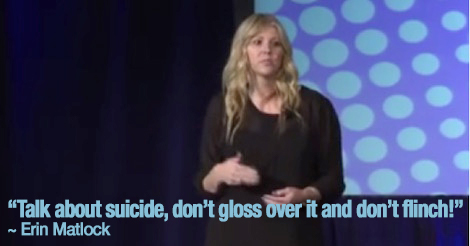
I know Erin’s courage and wisdom will get more people starting the conversation about suicide. And as she so wisely says:

talk about suicide, don’t gloss over it and don’t flinch!

I’d like to challenge you to be a superhero and talk to at least three people about suicide in the next week, whether you’re the one having suicidal thoughts or whether you’re the one concerned about a loved one or friend who may be having suicidal thoughts. Don’t gloss over it and don’t flinch!


Filed Under: Depression, Food and mood Tagged With: anxiety, Cynthia Pasquella, depression, Erin Matlock, integrative, nutritional psychiatry, suicide, SuperHero

The Anxiety Summit – Gluten’s impact on the inflamed brain: reducing anxiety and depression

November 4, 2014 By Trudy Scott 32 Comments

Tom

Dr. Tom O’Bryan, DC host of ‘The Gluten Summit – A Grain of Truth’ is interviewed  by host of the Anxiety Summit, Trudy Scott, Food Mood Expert and Nutritionist, author of The Antianxiety Food Solution.

Gluten’s impact on the inflamed brain: reducing anxiety and depression

  • Terminology and why it’s not called gluten intolerance but sensitivity
  • Is gluten sensitivity just a fad and the recent FODMAPs research
  • The multitude of diseases and symptoms caused by gluten sensitivity
  • Gluten sensitivity as a contributing factor to psychiatric manifestations/anxiety/depression and new 2014 research from Italy
  • Suicide rates in kids with celiac disease (even when they quit gluten), and kids celiac camps
  • The conundrum with testing
  • Doing an elimination and then challenge?
  • Can anyone eat wheat or should we all be gluten-free

One of my favorite quotes in my anxiety food talks is this one from a 2012 paper by Jackson and Fasano called Neurologic and psychiatric manifestations of celiac disease and gluten sensitivity

gluten sensitivity remains undertreated and underrecognized as a contributing factor to psychiatric and neurologic manifestations.

Here are some snippets from our interview:

73% of kids with celiac disease have social phobia, 63% still have social phobia on a gluten-free diet. You have to also heal the gut and address nutritional deficiencies

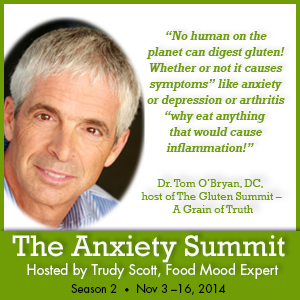
No human on the planet can digest gluten! Whether or not it causes symptoms like anxiety or depression or arthritis why eat anything that would cause inflammation!

He shares recent research published in BMC Medicine. The study looking at Italians with non-celiac gluten sensitivity, found that 68% of participants felt “a lack of well-being” and 39% experienced anxiety. In the large majority of patients, the time lapse between gluten ingestion and the appearance of symptoms varied from a few hours to 1 day.

No human on the planet can digest gluten! Whether or not it causes symptoms” like anxiety or depression or arthritis “why eat anything that would cause inflammation”

The gluten-FODMAPs discussion and non-celiac gluten sensitivity is a fad:

  • No effects of gluten in patients with self-reported non-celiac gluten sensitivity after dietary reduction of fermentable, poorly absorbed, short-chain carbohydrates.
  • The article in Forbes : Gluten Intolerance May Not Exist
  • Randomised clinical trial: gluten may cause depression in subjects with non-coeliac gluten sensitivity – an exploratory clinical study.

Dr. O’Bryan summed it up like this:

it took two studies to do this but it appears to be the FODMAPs in the wheat that cause the GI complaints (the bloating, the gas, the abdominal pain) but it’s the proteins that cause symptoms in the brain and other parts of the body

I write about gluten often. Here are some additional links for you:

  • I was interviewed on Gaiam TV and discussed the gluten-mood connection
  • I presented a poster called Gluten and the serious effects on mental health at the 2013 annual conference of the Anxiety and Depression Association of America/ADAA
  • and here part 1 of a 2 part blog on gluten and mood

Last year Dr. O’Bryan hosted the fantastic Gluten Summit and you can grab a copy of one of the interviews here: Dr. Marsh’s Gluten Summit interview: Why the Early Stages of Celiac Disease Must be Taken Seriously

If you are not already registered for the Anxiety Summit you can get live access to the speakers of the day here www.theAnxietySummit.com

Filed Under: Antianxiety, Gluten, The Anxiety Summit 2 Tagged With: anxiety, celiac, depression, gluten, Inflammation, suicide, the anxiety summit, tom o’bryan, Trudy Scott

Primary Sidebar

NEW! GABA QuickStart Homestudy (with special intro pricing)

gaba quickstart homestudy

Free Report

9 Great Questions Women Ask about Food, Mood and their Health

You'll also receive a complimentary subscription to my ezine "Food, Mood and Gal Stuff"


Connect with me

Popular Posts

  • Amino Acids Mood Questionnaire from The Antianxiety Food Solution
  • The Antianxiety Food Solution Amino Acid and Pyroluria Supplements
  • Pyroluria Questionnaire from The Antianxiety Food Solution
  • Collagen and gelatin lower serotonin: does this increase your anxiety and depression?
  • Tryptophan for the worry-in-your-head and ruminating type of anxiety
  • GABA for the physical-tension and stiff-and-tense-muscles type of anxiety
  • The Antianxiety Food Solution by Trudy Scott
  • Seriphos Original Formula is back: the best product for anxiety and insomnia caused by high cortisol
  • Am I an anxious introvert because of low zinc and vitamin B6? My response to Huffington Post blog
  • Vagus nerve rehab with GABA, breathing, humming, gargling and key nutrients

Recent Posts

  • What do I use instead of Seriphos to help lower high cortisol that is affecting my sleep and making me anxious at night?
  • BeSerene™ GABA/theanine cream eases severe muscle tension in her neck/shoulders, prevents her bad headaches and quells her anxiety
  • How the correct approach, dose and sublingual use of GABA can be calming and not cause a flushed and itchy face and neck
  • The amino acid glutamine improves low mood by addressing gut health, and it has calming effects too
  • Flight anxiety with heightened breath, physical tension and also fearing the worst (the role of low GABA and low serotonin)

Categories

  • 5-HTP
  • AB575
  • Addiction
  • ADHD
  • Adrenals
  • Alcohol
  • Allergies
  • Alzheimer's disease
  • Amino Acids
  • Anger
  • Antianxiety
  • Antianxiety Food Solution
  • Antidepressants
  • Anxiety
  • Anxiety and panic
  • Autism
  • Autoimmunity
  • benzodiazapines
  • Bipolar disorder
  • Books
  • Caffeine
  • Cancer
  • Candida
  • Children/Teens
  • Collagen
  • Cooking equipment
  • Coronavirus/COVID-19
  • Cravings
  • Depression
  • Detoxification
  • Diabetes
  • Diet
  • DPA/DLPA
  • Drugs
  • EFT/Tapping
  • EMF
  • EMFs
  • Emotional Eating
  • Endorphins
  • Environment
  • Essential oils
  • Events
  • Exercise
  • Fear
  • Fear of public speaking
  • Fertility and Pregnancy
  • Fish
  • Food
  • Food and mood
  • Functional neurology
  • GABA
  • Gene polymorphisms
  • General Health
  • Giving
  • Giving back
  • Glutamine
  • Gluten
  • GMOs
  • Gratitude
  • Gut health
  • Heart health/hypertension
  • Histamine
  • Hormone
  • Hyperparathyroidism
  • Hypoglycemia
  • Immune system
  • Inflammation
  • Insomnia
  • Inspiration
  • Introversion
  • Joy and happiness
  • Ketogenic diet
  • Lithium orotate
  • Looking awesome
  • Lyme disease and co-infections
  • MCAS/histamine
  • Medication
  • Men's health
  • Mental health
  • Mercury
  • Migraine
  • Mold
  • Movie
  • MTHFR
  • Multiple sclerosis
  • Music
  • NANP
  • Nature
  • Nutritional Psychiatry
  • OCD
  • Osteoporosis
  • Oxalates
  • Oxytocin
  • Pain
  • Paleo
  • Parasites
  • Parkinson’s disease
  • PCOS
  • People
  • PMS
  • Postpartum
  • PTSD/Trauma
  • Pyroluria
  • Questionnaires
  • Real whole food
  • Recipes
  • Research
  • Schizophrenia
  • serotonin
  • SIBO
  • Sleep
  • Special diets
  • Sports nutrition
  • Stress
  • Sugar addiction
  • Sugar and mood
  • Supplements
  • Teens
  • Testimonials
  • Testing
  • The Anxiety Summit
  • The Anxiety Summit 2
  • The Anxiety Summit 3
  • The Anxiety Summit 4
  • The Anxiety Summit 5
  • The Anxiety Summit 6
  • Thyroid
  • Thyroid health
  • Toxins
  • Tryptophan
  • Tyrosine
  • Uncategorized
  • Vegan/vegetarian
  • Women's health
  • Yoga

Archives

  • October 2025
  • September 2025
  • August 2025
  • July 2025
  • June 2025
  • May 2025
  • April 2025
  • March 2025
  • February 2025
  • January 2025
  • November 2024
  • October 2024
  • September 2024
  • August 2024
  • July 2024
  • June 2024
  • May 2024
  • April 2024
  • March 2024
  • February 2024
  • January 2024
  • December 2023
  • November 2023
  • October 2023
  • September 2023
  • August 2023
  • July 2023
  • June 2023
  • May 2023
  • April 2023
  • March 2023
  • February 2023
  • January 2023
  • December 2022
  • November 2022
  • October 2022
  • September 2022
  • August 2022
  • July 2022
  • June 2022
  • May 2022
  • April 2022
  • March 2022
  • February 2022
  • January 2022
  • December 2021
  • November 2021
  • October 2021
  • September 2021
  • August 2021
  • July 2021
  • June 2021
  • May 2021
  • April 2021
  • March 2021
  • February 2021
  • January 2021
  • December 2020
  • November 2020
  • October 2020
  • September 2020
  • August 2020
  • July 2020
  • June 2020
  • May 2020
  • April 2020
  • March 2020
  • February 2020
  • January 2020
  • December 2019
  • November 2019
  • October 2019
  • September 2019
  • August 2019
  • July 2019
  • June 2019
  • May 2019
  • April 2019
  • March 2019
  • February 2019
  • January 2019
  • December 2018
  • November 2018
  • October 2018
  • September 2018
  • August 2018
  • July 2018
  • June 2018
  • May 2018
  • April 2018
  • March 2018
  • February 2018
  • January 2018
  • December 2017
  • November 2017
  • October 2017
  • September 2017
  • August 2017
  • July 2017
  • June 2017
  • May 2017
  • April 2017
  • March 2017
  • February 2017
  • January 2017
  • December 2016
  • November 2016
  • October 2016
  • September 2016
  • August 2016
  • July 2016
  • June 2016
  • May 2016
  • April 2016
  • March 2016
  • February 2016
  • January 2016
  • December 2015
  • November 2015
  • October 2015
  • September 2015
  • August 2015
  • July 2015
  • June 2015
  • May 2015
  • April 2015
  • March 2015
  • February 2015
  • January 2015
  • December 2014
  • November 2014
  • October 2014
  • September 2014
  • August 2014
  • July 2014
  • June 2014
  • May 2014
  • April 2014
  • March 2014
  • February 2014
  • January 2014
  • December 2013
  • November 2013
  • October 2013
  • September 2013
  • August 2013
  • July 2013
  • June 2013
  • May 2013
  • April 2013
  • March 2013
  • February 2013
  • January 2013
  • December 2012
  • November 2012
  • October 2012
  • August 2012
  • July 2012
  • June 2012
  • May 2012
  • April 2012
  • March 2012
  • February 2012
  • January 2012
  • December 2011
  • November 2011
  • October 2011
  • September 2011
  • August 2011
  • July 2011
  • June 2011
  • May 2011
  • April 2011
  • March 2011
  • February 2011
  • January 2011
  • December 2010
  • October 2010
  • September 2010
  • July 2010
  • May 2010
  • April 2010
  • March 2010
  • February 2010
  • January 2010
  • November 2009

Share the knowledge!

The above statements have not been evaluated by the Food and Drug Administration. Products listed in this website are not intended to diagnose, treat, cure or prevent any disease.

The information provided on this site is for informational and educational purposes only and is not intended as a substitute for advice from your physician or other health care professional. You should consult with a healthcare professional before starting or modifying any diet, exercise, or supplementation program, before taking or stopping any medication, or if you have or suspect you may have a health problem.


Copyright © 2026 Trudy Scott. All Rights Reserved. | Privacy | Terms and Conditions | Refund Policy | Medical Disclaimer

Free Report

9 Great Questions Women Ask about Food, Mood and their Health

You’ll also receive a complimentary subscription to my ezine “Food, Mood and Gal Stuff”