• Skip to primary navigation
  • Skip to main content
  • Skip to primary sidebar

everywomanover29 blog

Food, Mood and Women's Health – Be your healthiest, look and feel great!

  • Blog
  • About
  • Services
  • Store
  • Resources
  • Testimonials
  • The Book
  • Contact
  • Search this site

social anxiety

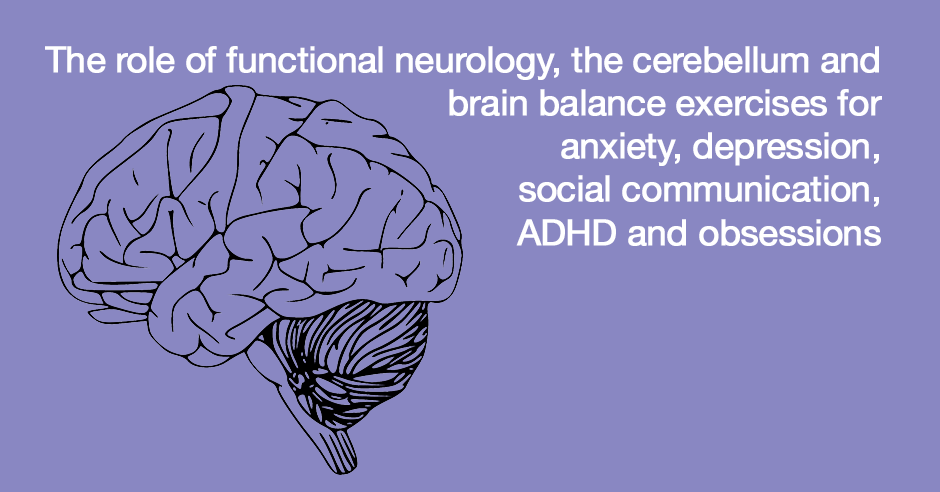
The role of functional neurology, the cerebellum and brain balance exercises for anxiety, depression, social communication, ADHD and obsessions

June 20, 2018 By Trudy Scott 29 Comments

Here are some snippets from a fascinating interview sharing cutting edge information on functional neurology and the cerebellum on the Autism, ADHD and Sensory Processing Disorder Summit.

Dr. Peter Scire, DC covers: How to Induce Neuroplastic Change in Your Teenager and Make it Fun. He shares how brain hemisphere imbalances and misfiring can be assessed and corrected with very specific exercises to induce neuroplastic change (in both children and even adults). 

I want to bring attention to, really what Schmahmann calls the cerebellum cognitive affective syndrome, so CCAS. It’s been in the literature now for 20 years. And now he’s developed a way to actually do a checklist and to look at these different aspects. But ultimately what he’s saying is that the cerebellum networks have huge relationships to your cognition of executive functions: like working memory, linguistics (your ability to generate language and to actually comprehend language), your affect, so your mood and your emotional stability. Being able to not only generate emotions, but also be able to receive emotions.

These are things that we thought for a long time were at the higher center of the brain, more of the frontal lobe specifically….. But again, the more that we’re looking at the neuro anatomy through neuroimaging, we’re able to really say, guess what? There are certain pockets of the cerebellum that specifically drive these networks.

He talks about the 3 major parts of the cerebellum, 10 subparts and how 5 of these subparts actually deal with non-motor aspects (i.e. mood and emotions, ADHD etc.). It’s this latter aspect – the non-moto aspects – that is not recognized in mainstream neurology and that forms the some of the central aspects of functional neurology: 

What we know about the cerebellum is that we have three major parts to it, and then there’s actually like 10 sub parts to it. And these 10 sub parts to it have different connections and when you look at the 10 sub parts, the first 5 have to do with more sensory motor aspects of the cerebellum. And then really the other 10 or so, give or take, are really dealing with non-motor aspects.

We have areas from the cortex that speak back to the cerebellum. We call them cerebral cerebellum loops. And then we have cerebellum back to the cerebrum. It kind of makes this bio directional system. Now it’s a little bit more complicated than that. There are other parts of the motor center, the basal ganglia and these other parts in the limbic system and stuff like that. But from a simple standpoint, for most of our attendees that understand brain gut access, just think about it in that sense. Cerebellum … brain, cerebellum, cerebellum back to the brain, okay?

And so we can have dysfunction in those systems. But again, most of the clinical model has always been looking at brain to cerebellum, not cerebellum back to the brain. And I think in my experience over the last 15 plus years, most of the work in functional neurology has actually been centered around, even chiropractic per se has been centered around cerebellum to brain, but we now are even getting more specific with our therapeutic entities.

Dr. Scire discusses the under-recognized relationships between the cerebellum networks and ADHD, social communication, mood, and emotional aspects, relationships, obsessions, compulsions, anxiety and depression: 

Again, when you look at the different phases of his work, you want to look at executive function – the whole ADHD population. You look at the linguistic processing. Obviously, we know language and social communication for autism spectrum disorders. Looking at spatial cognition so visual spatial information, visual memory aspects. Then you can begin to look at not only mood, and emotional aspects, but also relationships, obsessions, compulsions, anxiety and depression.

All this continuum of symptomatology can be traced back to the cerebellum. I agree with Doctor Melillo on this hemisphere communication model. But at the same time, in my opinion, I think that we can take it one step further and even get into the specifics of starting with these networks in the cerebellum. It starts out with this very specific examination to say okay, I want to look at motor functions of the cerebellum and I also want to look at non-motor functions of the cerebellum. And then my therapeutic entity is going to be based on that.

Dr. Scire shares the research published by Dr. Schmahmann. In this paper, The neuropsychiatry of the cerebellum – insights from the clinic they discuss the behaviors that they witnessed and that were described by patients and families:

distractibility and hyperactivity, impulsiveness, disinhibition, anxiety, ritualistic and stereotypical behaviors, illogical thought and lack of empathy, as well as aggression and irritability. Ruminative and obsessive behaviors, dysphoria and depression, tactile defensiveness and sensory overload, apathy, childlike behavior, and inability to appreciate social boundaries and assign ulterior motives were also evident.

He also recommends Dr. Robert Melillo’s book: Disconnected Kids: The Groundbreaking Brain Balance Program for Children with Autism, ADHD, Dyslexia, and Other Neurological Disorders (my Amazon link). I’ve skimmed it and will be doing a review –the functional neurology information is brilliant. I’d love to see the dietary information expanded upon.

In this interview you will learn…

  • What the latest research says about the role of the cerebellum in cognition and motor planning [and the role it also plays in anxiety, depression and ADHD]
  • What to look for when assessing cerebellar function.
  • How the cerebellum impacts executive function.
  • How to rehabilitate the brain and the importance of movement.
  • How to treat young adults with neurological disorders.
  • How what may seem to be “simple” exercises you can do at home with your child can have a major impact on their cognitive function.

I learned so much from his interview and will be delving into this aspect of functional neurology in order to add this element for clients who need this support beyond nutrition and functional medicine.

If you’re new to my work and the targeted individual amino acids be sure to catch my interview: Self-care strategies for parents that are stressed out, anxious and depressed – without using medications.

Using the targeted individual amino acids (such as tryptophan, GABA and DPA) provides quick relief from anxiety and overwhelm, giving my clients hope from day one.  And then we start to dig deeper for other root causes which can often take some time.

In this interview my focus was for stress and overwhelm support for parents but the use of amino acids is very applicable to children (and was the topic I covered in my interview in the first season).

As I learn more I expect to find that the amino acids used in conjunction with functional neurology is going to provide more comprehensive results for many individuals who also have cerebellum dysfunctions.

This event brings together 30+ of the leading doctors, nutritionists, and researchers working to help parents by sharing the latest information and strategies for achieving recovery for children with Autism, ADHD and Sensory Processing Disorder.

If you have (or a loved one has) anxiety, depression, OCD,  social anxiety, anger issues and other behavioral symptoms this event is one I highly recommend. Alzheimer’s disease, dementia and Parkinson’s disease are also covered in Dr. Scire’s interview.  This information has a wider application than autism, Asperger’s syndrome, ADHD and SPD and you will learn a great deal.

If you’ve benefited from functional neurology and these brain balancing exercises please do share in the comments. Feel free to post questions too.
Filed Under: Amino Acids, Anxiety, Autism, Children/Teens, Functional neurology, OCD, Teens Tagged With: ADHD, amino acids, anxiety, cerebellum, Dr Scire, Functional neurology, obsessions, OCD, social anxiety

30 Experts Share Their Best Advice for Brain Health by Jordan Fallis

November 24, 2017 By Trudy Scott 4 Comments

Jordan Fallis of Optimal Living Dynamics reached out to some of his favorite cutting-edge health practitioners and researchers and asked them one question:

What is the one piece of advice you would offer to people who want to improve and optimize their brain health?

I was thrilled to be one of the people he reached out to. This is my response:

This a tough question and I can think of many things such as eating sardines or other oily fish for the omega-3 benefits; eating pumpkin seeds as a great source of zinc and tryptophan (both great for anxiety and depression); dumping the bread and cookies due to the inflammatory effects of gluten on the brain and body; and eating grass-fed red meat as a great source of zinc, omega-3s and iron, all of which are needed for brain health. 

But if I had to pick only one piece of advice, I would say to optimize gut health because of the very strong gut-brain connection. This means healing a leaky gut with an amino acid like glutamine; improving the microbiome by eating fermented foods like sauerkraut; improving protein digestion with enzymes; cooking and eating quality food at home; chewing our food slowly, and addressing issues like candida, parasites, small intestinal bacterial overgrowth and dysbiosis.

In addition to the above, I always trial the use of targeted individual amino acids such as calming GABA, mood-boosting tryptophan and DPA, and addressing nutritional deficiencies with nutrients like zinc, vitamin B6, iron, magnesium and so on. You may need to also address Lyme disease, mold, heavy metals and many of the other possible biochemical causes of anxiety and depression.

Here are some snippets from a few of my favorite quotes:

  • Kelly Brogan: the brain “does not understand modern chemicals, processed foods, and industrial pollutants. It also doesn’t understand chronic stress, poor sleep, minimal movement, and indoor living”
  • Hyla Cass: “don’t follow a low-fat diet! Make sure to get sufficient fats and protein. Avoid trans fats, but eat healthy fats like omega 3’s found in fatty fish, and medium chain triglycerides from coconut oil”
  • Sayer Ji: “Turmeric is one of the most remarkable neuroprotective and neurorestorative agents yet identified”
  • Max Lugavere: “…there’s simply nothing like exercise for the brain.”
  • Gwen Olson: “Do your own due diligence before taking any pharmaceuticals. Put the name of the drug into a search engine followed by the words ‘controversy’ and ‘side effects’”
  • James Greenblatt: “As vitamins and minerals serve as co-factors in almost every enzymatic reaction in the brain, it is important to assess for adequate nutrient levels regularly to ensure that you are optimizing brain health”

You can read all the inspiring and valuable responses on Jordan’s blog: 30 Experts Share Their Best Advice for Brain Health. You’ll see some common themes: stress, the gut, exercise, real food, sleep and nutrients.

When I asked Jordan how he knew of me and my work he shared this:

I found you through Sean Croxton’s Depression Sessions. When that first came out, I was in the middle of my journey, trying to restore my own mental health. It was great timing. So I immediately purchased it and watched all the videos for more solutions.

I already knew about pyroluria, as I had read Dr. William Walsh’s book Nutrient Power at that time. But it was great to see you talk about it and bring it to light! And I believe I was taking just regular B6 before your talk. So then I switched to P-5-P. I continue to take P-5-P and zinc picolinate regularly.

I’m so thankful I’m feeling better and have my life back, so I’m going to work really hard to share everything that helped me. I just feel like I need to do that 🙂

I really appreciate that Jordan wants to share everything that has helped him and this article is a perfect way to do this.

Here are some additional resources for you on pyroluria, the social anxiety condition he mentions above:

  • Pyroluria prevalence and associated conditions
  • A snippet from the interview I did with Sean: Can Social Anxiety Be Reversed with Nutrition?
  • Some information from my interview with Dr. William Walsh on a prior Anxiety Summit: Is My Anxiety and Depression from a Methylation, Pyrrole, or Copper-Zinc Imbalance?

I hope you enjoy these resources from me, Jordan and all the experts he reached out to!

I’d love to hear what you have found to be the best brain advice you have received and implemented?  


Filed Under: Pyroluria Tagged With: anxiety, brain, brain health, copper, GABA, Jord, pyroluria, social anxiety, tryptophan, zinc

I suffer from severe anxiety, have social anxiety and am afraid of everything

June 8, 2017 By Trudy Scott 16 Comments

For the first time I have come across your blogs about amino acids and anxiety. I’ve suffered from severe anxiety since 2011, and have tried the SSRIs and hate them. I refused to take them, as they caused me to gain so much weight and [have] withdrawals. I’ve also read how bad they are for you.

In order to work, I am relying heavily on 0.5mg of Clonazepam up to 3-4 times a day. It makes me so drowsy in the mornings. I try for the most part to make sure to get 7-8 hours of sleep because I can tell how when not having enough rest can trigger my anxiety. But I’m in desperate need of a solution. Not sure if the clonazepam is something I can continue to take long term, as I also know it’s bad for you.

I suffer from social anxiety (on a level 1-10, I would be 20!) and also some agoraphobia symptoms [an abnormal fear of being in crowds, public places, or open areas, sometimes accompanied by anxiety attacks.]. I am not able to go to stores alone, and I am afraid of everything.

I suffer at work the most, because I’m constantly busy and stressed and dealing with customers all day. Please help

The above question was recently posted on my blog and I’m sharing my response to her in case you are new to using the amino acids for neurotransmitter imbalances and may be able to relate to any of the above. This is my response to her:

Welcome to the community! I use the amino acids with clients and do a trial to find out if they are needed and how much to use. This blog post Anxiety and the amino acids: an overview has links to the amino acid questionnaire, the precautions and how to do a trial. When someone has fear and phobias I immediately think we need to be looking at low serotonin and a trial of tryptophan. It’s not uncommon to also see low GABA and blood sugar imbalances being an issue too.

Once you address low GABA, low serotonin and low blood sugar I would expect the work stresses to feel less overwhelming. In an ideal world it would be wonderful to be able to remove this stress so I encourage you to consider this too.

For social anxiety I start with the pyroluria questionnaire. The great aspect of this is the nutrients for pyroluria – zinc, vitamin B6 and evening primrose oil – help the social anxiety and help to make the neurotransmitters. They also happen to help with PMS and other hormonal imbalances too.

Keep in mind it’s a comprehensive nutritional approach that I use with clients so we are also looking at diet, blood sugar control, the gut, adrenals and thyroid health, quitting sugar and caffeine and so much more. My book The Antianxiety Food Solution (on Amazon here) covers everything in detail, including the amino acids and pyroluria.

I’m sure you’re aware that Clonazepam (or Klonopin) is a benzodiazepine and should be prescribed a maximum of 2 weeks and even then they can be problematic. It may likely be contributing to your anxiety. Here is one blog post to get you started with some information about benzodiazepines: World Benzodiazepine Awareness Day – say NO to Benzodiazepines for anxiety! It covers tolerance issues and resources for tapering. I encourage you to search the blog to find plenty of additional information about the benzodiazepines.

Be very careful with the morning drowsiness as there is an increased risk of being involved in a road accident as driver when on a benzodiazepine prescription.

I speak on selected online summits that I know will be of value to my community so do keep reading the newsletter. The summits are a great way to start learning about my work and other nutritional and functional medicine approaches for anxiety and other chronic health conditions so be sure to sign up and tune in. There is also a wealth of information on this blog.

Filed Under: Anxiety and panic Tagged With: anxiety, GABA, pyroluria, social anxiety

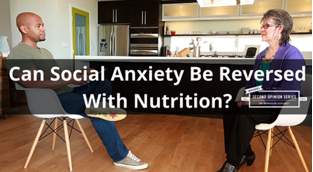
Can Social Anxiety Be Reversed with Nutrition?

May 29, 2015 By Trudy Scott 62 Comments

underground-wellness-radio

Sean Croxton host of Underground Wellness Radio shares how:

  • he was once prescribed Paxil for social anxiety (and depression)
  • he doesn’t like big crowds
  • he can speak on stage in front of 100s of people with no problem
  • as soon as people come to talk to him afterwards he wants to go!

Can you relate to any of this?

He thinks he has pyroluria, a social anxiety condition where you have a higher need for some key nutrients: zinc, vitamin B6 and evening primrose oil.

We are often surprised when we hear that someone who appears to be outgoing and extroverted (like Sean) actually has social anxiety.

It’s more common than you think and is made worse under stressful situations: life stresses, gluten sensitivities etc.

I share how my social anxiety got really bad in my late thirties (when my PMS was so bad) and how

  • many of us with pyroluria push through and deal with it
  • we just want to stay home
  • we don’t really want to see people

Not everyone needs omega-3 supplements!

We discuss omega-3s and omega-6s and how pyrolurics often don’t need to supplement with omega-3s like fish oils but can extract the omega-3s from the foods they eat: grass-fed red meat, wild fish like salmon, leafy greens and walnuts.

Pyrolurics often do need to supplement with the GLA form of omega-6 that we find in evening primrose oil as GLA is often low, plus the GLA enhances zinc absorption.

(by the way: I said alpha linolenic acid (ALA) but should have said gamma linolenic acid (GLA)

A good copper-free multi is part of the protocol because low zinc often means high copper and this can make you more anxious.

Looking at other sources of copper is a helpful for many pyrolurics: eating too many nuts, baking with nut flours, the copper IUD.

You don’t want to miss this part…Sean asks if you can cure introversion with this pyroluria protocol. If you are an introvert and force yourself in social settings, feel very uncomfortable and anxious being around big groups of people then you’re going to have to watch the end of the video for my answer!

You can watch the whole snippet here

This is part of my interview on the Depression Sessions, an online event hosted by my friend Sean. I’ll also be sharing information about the amazing amino acids – inexpensive, over-the-counter supplements that can lift your mood and end anxiety in minutes!

Sean traveled the country to interview the best of the best experts — medical doctors, naturopaths, nutritionists, and bestselling authors — on what really causes depression and anxiety and what to do about it.

Some of us (like me) flew to San Diego to be interviewed in his home. It was such a thrill to be interviewed by the legendary Sean Croxton and is an honor to be part of this group of experts!

Here are just a few of the amazing experts you’ll hear from:

  • Suzy Cohen, also known as America’s Pharmacist, uncovers specific prescription drugs that rob your body and brain of mood-friendly nutrients.
  • Datis Kharrazian will show you what insomnia, anxiety, and the symptoms that tag along with depression can tell you about what’s causing it.
  • Hyla Cass, a medical doctor and integrative psychiatrist (who has been featured on two prior Anxiety Summits), shares her best tips for transitioning OFF of psychiatric meds while avoiding or minimizing common withdrawal symptoms.
  • Ben Lynch (another Anxiety Summit favorite) reveals the incredibly common genetic mutation known to drive depression (and anxiety) … and the critical nutrients that make such a big difference.


Filed Under: Anxiety and panic, Events, Introversion, Pyroluria Tagged With: introversion, pyroluria, sean croxton, social anxiety, the depression sessions, Trudy Scott, underground wellness radio, zinc

Pyroluria/social anxiety protocol: why aren’t I getting results? (trouble-shooting checklist)

May 16, 2015 By Trudy Scott 118 Comments

pyroluria social anxiety protocol

How do you trouble-shoot when you score high on the Pyroluria Questionnaire from The Antianxiety Food Solution  or even have a positive pyroluria urine test but you don’t seem to be getting the results you expect?

You still have social anxiety, that inner tension that you push through and deal with, and likely still feel uncomfortable when in large groups. You force yourself to put on the confident brave face. You may wish you could be more like your extrovert friends and actual enjoy socializing and speaking in public/on stage – without the fear and anxiety. You may still not be a big breakfast eater and have morning nausea. You may not yet be having pleasant dreams that you always remember.

(If pyroluria is new to you here is the Pyroluria Questionnaire from The Antianxiety Food Solution and here is a nice summary – Pyroluria, social anxiety, introversion: a summary )

This checklist is a starting point to try and figure out what may be the issue. These are the questions I work through with someone who is working with me one-on-one.

I discussed 21 of these in my interview on season 3 of the Anxiety Summit: Pyroluria, Amino Acids and Anxiety: Troubleshooting when you are not getting results

As you heard during the interview, I added MTHFR and I’ve even added a few more since then. I expect this list to continue to grow.

  1. What form of zinc are you taking and is it free from copper? My favorite is Optizinc (zinc monomethionine) as it’s typically well-absorbed
  2. Have you made sure that there is no copper in your multivitamin or other supplements? (this completes with zinc)
  3. Have you been taking evening primrose oil and if yes, how much? (this enhances zinc absorption)
  4. Did you test your fatty acid levels? What are the results? Did it show a need for GLA (I like evening primrose oil rather than borage oil) and no need for omega-3s (pyrolurics typically don’t need to supplement with omega-3s like fish oil)
  5. What is your alkaline phosphatase (a blood test)? Less than 70 may indicate a need for zinc
  6. Have you done the zinc tally/challenge with zinc sulfate and does it taste like water or does it taste really bad? If you zinc levels are good it should taste really bad
  7. Did you test copper and ceruloplasmin, and if yes, what were the results?
  8. Did you do the pyroluria urine test? What are the results?
  9. What’s your score on the pyroluria questionnaire ? And which symptoms do you have?
  10. What is your score on the introversion questionnaire?
  11. What were your dreams like before starting the protocol and now? How high did you go on the vitamin B6? Did you switch to P5P and/or use a combination of both if needed?
  12. On a scale of 1-10, what was your social anxiety before and now (10 is worst)
  13. What is your stomach acid like? And have you trialed HCl supplements? Tested total protein (in blood)
  14. Do you eat grass-fed red meat (a good source of zinc, iron and omega-3s)?
  15. Do you eat sugar? Refined sugar and processed foods? Or even “healthy” sweeteners such as honey in large quantities? (sugar depletes zinc)
  16. Do you eat large quantities of nuts or bake with nut flours? (the copper in the nuts may be affecting your zinc levels)
  17. Do you have a copper IUD, copper pipes, copper pots? (this may also affect your zinc levels, keeping them low)
  18. Have you done a hair analysis and found high copper or high hidden copper? (this may also affect your zinc levels, keeping them low)
  19. How much and how often do you exercise? What about bikram/hot yoga? (sweating depletes us of zinc)
  20. Have you used any of the amino acids? And seen good results? (this could be a clue that zinc and vitamin B6 are low since they are cofactors for making neurotransmitters such as serotonin, GABA, dopamine)
  21. Do you eat gluten and have a gluten sensitivity? If yes, have you healed your gut? If not, you may have malabsorption issues
  22. Are you completely grain-free? (this may be impacting your vitamin B6 levels)
  23. Do you have amalgams/silver fillings? Did you have them removed and did a mercury detox? Were you tested for heavy metals? (zinc absorption can be blocked by heavy metals – we talked about this in season 2)
  24. Do you have the MTHFR polymorphism? It’s common with pyroluria and this may mean you need higher amounts of the supplements
  25. Do you have high histamine/hisadelia or low histamine/histapenia? Pyrolurics often have one or the other
  26. Are you taking benzodiazapines or have recently quit benzodiazapines? Your unresolved anxiety may be due to this fact (we talked about this in season 1)
  27. Do you have parasites, candida, dysbiosis, SIBO or other digestive issues? These can be considered stresses and pyroluria symptoms are worse under stress. Digestive issues also impact absorption
  28. Do you have Lyme disease or another infection? These can be considered stresses and pyroluria symptoms are worse under stress. The immune system also uses up zinc.
  29. Do you have food sensitivities?  This may contribute to malabsorption.  This can also be considered a stress and pyroluria symptoms are worse under stress
  30. Do you have problems with histamine-containing foods? This can be considered a stress and pyroluria symptoms are worse under stress.  Also, vitamin B6 is a co-factor needed for the DAO enzyme, which is responsible for the degradation of histamine.
  31. Do you have issues with oxalates? This can be considered a stress and pyroluria symptoms are worse under stress. Oxalates can also bind to minerals and lower the levels. For some folks vitamin B6 helps with oxalate issues so the need may be higher.
  32. Have you been/are you exposed to mold and other toxins? These can be considered stresses and pyroluria symptoms are worse under stress. The immune system also uses up zinc.
  33. Do you have low oxytocin levels?  Do you have a genetic variation in the oxytocin receptor gene (OXTR). Oxytocin has been implicated in anxiety, depression and related stress phenotypes
  34. Is your life super-stressful or have you suffered from a recent trauma (or have old unresolved trauma)? Stress and trauma makes pyroluria worse
  35. Do you have adrenal issues? We need good adrenal function for optimal digestion, being able to handle stress and being able to fight off infections/avoid getting parasites and dysbiosis
  36. Do you have hormonal issues – PMS, perimenopausal or menopausal symptoms?  The pyroluria protocol helps and this could be a clue that something is off
  37. Are you on the birth control pill or have used one in the past? Oral contraceptives cause low vitamin B6 and zinc, reduce serotonin levels and increase anxiety.
  38. Are you on any other prescription medications? Many medications deplete B vitamins and zinc.
  39. Do you have vagus nerve issues? Good vagus nerve function is key for digestion, immunity, inflammation, neurotransmitter production and so much more. Also, forcing yourself to socialize when you have pyroluria is stressful and impacts the vagus nerve
  40. Do you have inflammation and/or immunity issues? Vitamin B6 plays a role in reducing inflammation and immune modulation
[August 2021: the above list was updated extensively]


This list is NOT exhaustive and it’s NOT in my book The Antianxiety Food Solution because I gathered this information after the book was published. However, the pyroluria questionnaire, detailed protocol and testing information is in the book. There is an entire chapter on pyroluria.

Keep in mind that most folks do the pyroluria questionnaire, start on the recommended protocol of zinc, vitamin B6 and a copper-free multi and start to see improvements in a week. These can be dramatic improvements for many folks. And many folks see decent improvements in a few weeks and tweak things over the next few weeks before landing on the ideal doses.

This blog is for you if this doesn’t happen.

Did you miss this interview or want this and the other great interviews for your learning library? You can purchase the MP3s or MP3s + transcripts and listen/read when it suits you. You can find your purchasing options here: Anxiety Summit Season 1, Anxiety Summit Season 2, and Anxiety Summit Season 3.

Feel free to share your results in the blog comments and what you figured may be the issue/s for you.

If you tweak something and it helped do let us know too. That way we all help each other.

And feel free to ask questions in the comments too.

Filed Under: Antianxiety, Antianxiety Food Solution, Introversion, MTHFR, Pyroluria, Stress, The Anxiety Summit 3 Tagged With: anxiety, introversion, pyroluria, social anxiety, the anxiety summit, Trudy Scott, vitamin B6, zinc

The Anxiety Summit – Pyroluria, Amino Acids and Anxiety: Troubleshooting when you are not getting results

May 16, 2015 By Trudy Scott 101 Comments


Trudy Scott, Food Mood Expert and Nutritionist, author of The Antianxiety Food Solution. presents during the Anxiety Summit Season 3.

Pyroluria, Amino Acids and Anxiety: Troubleshooting when you are not getting results

  • Pyroluria and the effects of leaky gut, oxalates and low oxytocin levels
  • CFS, ADHD, autism, alcoholism, Lyme disease: the pyroluria connection
  • Introversion and musician’s dystonia: an update on the pyroluria connection
  • Troubleshooting the pyroluria protocol and mistakes I see
  • Testing for pyroluria, zinc, vitamin B6 and fatty acids
  • The 8 factors that make the targeted individual amino acids more effective
  • What to do when the amino acids are not working
  • Concerns about quinolinic acid and tryptophan?

Pyroluria/social anxiety/introversion protocol: trouble-shooting

This is the blog I mentioned that summarizes a number of prior blog posts on the topic: Pyroluria, social anxiety, introversion: a summary

We discussed factors to consider when you are not getting results on the pyroluria protocol. Here is the blog with the 21 we talked about during the interview plus additional factors that I’ve added.

Pyroluria protocol: why aren’t I getting results – trouble-shooting checklist

Here are the oxytocin blogs that discuss social anxiety, testing, the oxytocin receptor gene and connections to autism and depression:

Oxytocin, social anxiety, pyroluria and autism

Dr. Woeller shares how helpful oxytocin is for social anxiety, facial recognition and voice recognition in individuals with autism and Asperger’s syndrome

Oxytocin and social anxiety, pyroluria and depression?

Genetic variation in the oxytocin receptor gene (OXTR) has been implicated in anxiety, depression and related stress phenotypes

I mentioned my aminos and pyroluria interview with Sean Croxton on the upcoming Depression Sessions (an online video series) in June. He is an introvert and is fascinated with pyroluria-introversion connection. I said I’d share a link to the Depression Sessions but the site isn’t quite ready so please stay tuned. I’ll share it in a few days. This one is not to be missed.


Targeted individual amino acid supplements for anxiety: trouble-shooting

This is the blog I mentioned that summarizes a number of prior blog posts on the topic: Anxiety and targeted individual amino acid supplements: a summary

Here are the categories I discussed, together with the associated amino acid/s

  • low blood sugar: glutamine
  • low GABA: GABA (I prefer GABA to Phenibut or pharmaGABA)
  • low serotonin: tryptophan or 5-HTP
  • low endorphins: DPA (d-phenylalanine)
  • low catecholamines: tyrosine

Here is the Amino Acids Mood Questionnaire from The Antianxiety Food Solution. I encourage you to do and see which sections may be an issue for you (or see how much you’ve improved if you’ve been using amino acids)

I discussed why Urinary neurotransmitter testing falls short and why I use the above questionnaire instead

There are some precautions to be aware of when taking supplemental amino acids. Here are the Amino Acid Precautions

The 8 factors that make the amino acids more effective:

  1. addressing blood sugar issues and eating real whole food
  2. the brand and quality
  3. timing i.e. between meals and away from protein
  4. your unique amount for your own need
  5. addressing bipolar or bipolar-type symptoms
  6. using the pyroluria protocol at the same time (if needed)
  7. addressing thyroid health and hormonal health
  8. taking the amino acids opened up

Thanks to Dr. Josh Friedman, Integrative Psychotherapist, for the interview. As I mentioned, I interviewed him on season 1 of the Anxiety summit on: “Integrative Psychotherapy: My Journey from Psychoanalysis to Whole Person Mental Health.” If you missed it, I highly recommend it. Dr. Friedman is dear friend, colleague and integrative psychotherapist who uses amino acids and other nutritional approaches in his practice. During our season 1 interview I asked him if he uses GABA with his patients and I love his answer:

it is definitely something I use. I am not a biochemist, so I actually don’t really know whether it crosses the blood/brain barrier, nor do I care actually. the first question should be, is it harmful? Are any of these things going to cause harm? And the answer with all the amino acids are no, they’re not going to cause harm, especially when compared to psychiatric medicines. The second question is, does it work? Is it helpful for our patients that we see in our practice?

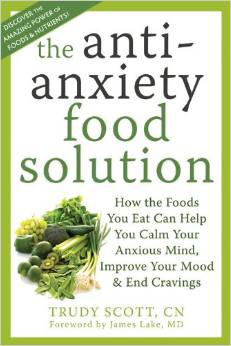
Here is a link to my book: The Antianxiety Food Solution: How the Foods You Eat Can Help You Calm Your Anxious Mind, Improve Your Mood, and End Cravings

As we mentioned, it has the amino acid questionnaire, pyroluria questionnaire and all the protocols BUT does not contain the 21+ pyroluria touble-shooting checklist (see the separate blog post for this)

trudy scott the antianxiety food solution

If you are not already registered for the Anxiety Summit you can get live access to the speakers of the day here: www.theAnxietySummit.com

Missed this interview or can’t listen live? Or want this and the other great interviews for your learning library? Purchase the MP3s or MP3s + transcripts and listen when it suits you.

You can find your purchasing options here: Anxiety Summit Season 1, Anxiety Summit Season 2, and Anxiety Summit Season 3.

Filed Under: Amino Acids, Antianxiety, Introversion, Pyroluria, The Anxiety Summit 3 Tagged With: amino acids, anxiety, dystonia, introversion, pyroluria, social anxiety, the antianxiety food solution, the anxiety summit, Trudy Scott

  • « Go to Previous Page
  • Page 1
  • Page 2
  • Page 3
  • Page 4
  • Go to Next Page »

Primary Sidebar

NEW! GABA QuickStart Homestudy (with special intro pricing)

gaba quickstart homestudy

Free Report

9 Great Questions Women Ask about Food, Mood and their Health

You'll also receive a complimentary subscription to my ezine "Food, Mood and Gal Stuff"


Connect with me

Popular Posts

  • Amino Acids Mood Questionnaire from The Antianxiety Food Solution
  • The Antianxiety Food Solution Amino Acid and Pyroluria Supplements
  • Pyroluria Questionnaire from The Antianxiety Food Solution
  • Collagen and gelatin lower serotonin: does this increase your anxiety and depression?
  • Tryptophan for the worry-in-your-head and ruminating type of anxiety
  • GABA for the physical-tension and stiff-and-tense-muscles type of anxiety
  • The Antianxiety Food Solution by Trudy Scott
  • Seriphos Original Formula is back: the best product for anxiety and insomnia caused by high cortisol
  • Am I an anxious introvert because of low zinc and vitamin B6? My response to Huffington Post blog
  • Vagus nerve rehab with GABA, breathing, humming, gargling and key nutrients

Recent Posts

  • What do I use instead of Seriphos to help lower high cortisol that is affecting my sleep and making me anxious at night?
  • BeSerene™ GABA/theanine cream eases severe muscle tension in her neck/shoulders, prevents her bad headaches and quells her anxiety
  • How the correct approach, dose and sublingual use of GABA can be calming and not cause a flushed and itchy face and neck
  • The amino acid glutamine improves low mood by addressing gut health, and it has calming effects too
  • Flight anxiety with heightened breath, physical tension and also fearing the worst (the role of low GABA and low serotonin)

Categories

  • 5-HTP
  • AB575
  • Addiction
  • ADHD
  • Adrenals
  • Alcohol
  • Allergies
  • Alzheimer's disease
  • Amino Acids
  • Anger
  • Antianxiety
  • Antianxiety Food Solution
  • Antidepressants
  • Anxiety
  • Anxiety and panic
  • Autism
  • Autoimmunity
  • benzodiazapines
  • Bipolar disorder
  • Books
  • Caffeine
  • Cancer
  • Candida
  • Children/Teens
  • Collagen
  • Cooking equipment
  • Coronavirus/COVID-19
  • Cravings
  • Depression
  • Detoxification
  • Diabetes
  • Diet
  • DPA/DLPA
  • Drugs
  • EFT/Tapping
  • EMF
  • EMFs
  • Emotional Eating
  • Endorphins
  • Environment
  • Essential oils
  • Events
  • Exercise
  • Fear
  • Fear of public speaking
  • Fertility and Pregnancy
  • Fish
  • Food
  • Food and mood
  • Functional neurology
  • GABA
  • Gene polymorphisms
  • General Health
  • Giving
  • Giving back
  • Glutamine
  • Gluten
  • GMOs
  • Gratitude
  • Gut health
  • Heart health/hypertension
  • Histamine
  • Hormone
  • Hyperparathyroidism
  • Hypoglycemia
  • Immune system
  • Inflammation
  • Insomnia
  • Inspiration
  • Introversion
  • Joy and happiness
  • Ketogenic diet
  • Lithium orotate
  • Looking awesome
  • Lyme disease and co-infections
  • MCAS/histamine
  • Medication
  • Men's health
  • Mental health
  • Mercury
  • Migraine
  • Mold
  • Movie
  • MTHFR
  • Multiple sclerosis
  • Music
  • NANP
  • Nature
  • Nutritional Psychiatry
  • OCD
  • Osteoporosis
  • Oxalates
  • Oxytocin
  • Pain
  • Paleo
  • Parasites
  • Parkinson’s disease
  • PCOS
  • People
  • PMS
  • Postpartum
  • PTSD/Trauma
  • Pyroluria
  • Questionnaires
  • Real whole food
  • Recipes
  • Research
  • Schizophrenia
  • serotonin
  • SIBO
  • Sleep
  • Special diets
  • Sports nutrition
  • Stress
  • Sugar addiction
  • Sugar and mood
  • Supplements
  • Teens
  • Testimonials
  • Testing
  • The Anxiety Summit
  • The Anxiety Summit 2
  • The Anxiety Summit 3
  • The Anxiety Summit 4
  • The Anxiety Summit 5
  • The Anxiety Summit 6
  • Thyroid
  • Thyroid health
  • Toxins
  • Tryptophan
  • Tyrosine
  • Uncategorized
  • Vegan/vegetarian
  • Women's health
  • Yoga

Archives

  • October 2025
  • September 2025
  • August 2025
  • July 2025
  • June 2025
  • May 2025
  • April 2025
  • March 2025
  • February 2025
  • January 2025
  • November 2024
  • October 2024
  • September 2024
  • August 2024
  • July 2024
  • June 2024
  • May 2024
  • April 2024
  • March 2024
  • February 2024
  • January 2024
  • December 2023
  • November 2023
  • October 2023
  • September 2023
  • August 2023
  • July 2023
  • June 2023
  • May 2023
  • April 2023
  • March 2023
  • February 2023
  • January 2023
  • December 2022
  • November 2022
  • October 2022
  • September 2022
  • August 2022
  • July 2022
  • June 2022
  • May 2022
  • April 2022
  • March 2022
  • February 2022
  • January 2022
  • December 2021
  • November 2021
  • October 2021
  • September 2021
  • August 2021
  • July 2021
  • June 2021
  • May 2021
  • April 2021
  • March 2021
  • February 2021
  • January 2021
  • December 2020
  • November 2020
  • October 2020
  • September 2020
  • August 2020
  • July 2020
  • June 2020
  • May 2020
  • April 2020
  • March 2020
  • February 2020
  • January 2020
  • December 2019
  • November 2019
  • October 2019
  • September 2019
  • August 2019
  • July 2019
  • June 2019
  • May 2019
  • April 2019
  • March 2019
  • February 2019
  • January 2019
  • December 2018
  • November 2018
  • October 2018
  • September 2018
  • August 2018
  • July 2018
  • June 2018
  • May 2018
  • April 2018
  • March 2018
  • February 2018
  • January 2018
  • December 2017
  • November 2017
  • October 2017
  • September 2017
  • August 2017
  • July 2017
  • June 2017
  • May 2017
  • April 2017
  • March 2017
  • February 2017
  • January 2017
  • December 2016
  • November 2016
  • October 2016
  • September 2016
  • August 2016
  • July 2016
  • June 2016
  • May 2016
  • April 2016
  • March 2016
  • February 2016
  • January 2016
  • December 2015
  • November 2015
  • October 2015
  • September 2015
  • August 2015
  • July 2015
  • June 2015
  • May 2015
  • April 2015
  • March 2015
  • February 2015
  • January 2015
  • December 2014
  • November 2014
  • October 2014
  • September 2014
  • August 2014
  • July 2014
  • June 2014
  • May 2014
  • April 2014
  • March 2014
  • February 2014
  • January 2014
  • December 2013
  • November 2013
  • October 2013
  • September 2013
  • August 2013
  • July 2013
  • June 2013
  • May 2013
  • April 2013
  • March 2013
  • February 2013
  • January 2013
  • December 2012
  • November 2012
  • October 2012
  • August 2012
  • July 2012
  • June 2012
  • May 2012
  • April 2012
  • March 2012
  • February 2012
  • January 2012
  • December 2011
  • November 2011
  • October 2011
  • September 2011
  • August 2011
  • July 2011
  • June 2011
  • May 2011
  • April 2011
  • March 2011
  • February 2011
  • January 2011
  • December 2010
  • October 2010
  • September 2010
  • July 2010
  • May 2010
  • April 2010
  • March 2010
  • February 2010
  • January 2010
  • November 2009

Share the knowledge!

The above statements have not been evaluated by the Food and Drug Administration. Products listed in this website are not intended to diagnose, treat, cure or prevent any disease.

The information provided on this site is for informational and educational purposes only and is not intended as a substitute for advice from your physician or other health care professional. You should consult with a healthcare professional before starting or modifying any diet, exercise, or supplementation program, before taking or stopping any medication, or if you have or suspect you may have a health problem.


Copyright © 2026 Trudy Scott. All Rights Reserved. | Privacy | Terms and Conditions | Refund Policy | Medical Disclaimer

Free Report

9 Great Questions Women Ask about Food, Mood and their Health

You’ll also receive a complimentary subscription to my ezine “Food, Mood and Gal Stuff”