• Skip to primary navigation
  • Skip to main content
  • Skip to primary sidebar

everywomanover29 blog

Food, Mood and Women's Health – Be your healthiest, look and feel great!

  • Blog
  • About
  • Services
  • Store
  • Resources
  • Testimonials
  • The Book
  • Newsletter
  • Contact
  • Search this site

serotonin

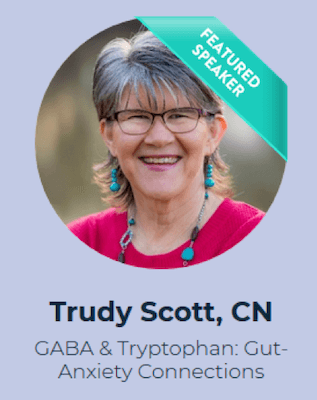
GABA & Tryptophan: The Gut-Anxiety Connections with Trudy Scott on The Anxiety Summit 5

October 14, 2019 By Trudy Scott 25 Comments

gaba and tryptophan

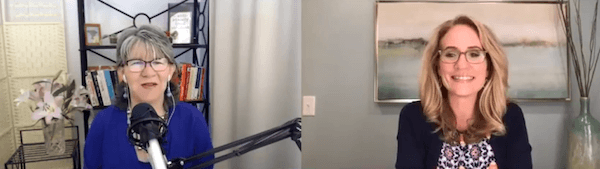
One of my three interviews on The Anxiety Summit 5: Gut-Brain Axis airs on day 1 of the summit. The topic is: GABA & Tryptophan: The Gut-Anxiety Connections. In this interview, I’m interviewed by my colleague and friend Dr. Nicole Beurkens, PhD,  and you’ll learn about:

  • Low serotonin: fear, overwhelm, gut motility & anorexia
  • Low GABA: physical tension, gut & rectal pain, burning mouth
  • Blood brain barrier, phenibut, candida & CBD
I start with some background on why a summit on the gut-brain axis, what we don’t know about the incidence of anxiety and the huge increase we are seeing. The big message is that we have growing awareness but no real solutions. This goal of this summit is to create awareness around gut issues as a possible root cause and the growing research in nutritional psychiatry – AND to provide solutions!

We cover some of the basics in case you  don’t know anything about GABA and tryptophan. If you’ve been following my work you’re likely going to be familiar with this section.
trudy scott as5

I cover plenty of new research throughout the interview and we start with 5-HTP as it relates to both gut health and anxiety.  We discuss this 2019 paper: Effects of Serotonin and Slow-Release 5-Hydroxytryptophan on Gastrointestinal Motility in a Mouse Model of Depression:

  • Administration of 5-HTP SR [slow release] to mice restored [serotonin] to the ENS [enteric nervous system] and normalized GI motility and growth of the enteric epithelium.
  • 5-HTP SR [slow release] might be used to treat patients with intestinal dysfunction associated with low levels of 5-HT [serotonin].

This paper doesn’t mention anxiety or depression but we know that serotonin support with 5-HTP or tryptophan addressed this aspect too.  And given this, it’s very possible that we could extrapolate some of this research to tryptophan.

We cover motility issues at length in the SIBO (small intestinal bacterial overgrowth) interviews with Dr. Alison Siebecker and Shivan Sarna – SIBO: Anxiety, Testing, Probiotics and Fecal Transplants (Part 1 and 2). We also talk about the fear and overwhelm factor when starting a new protocol in that interview and in this interview of mine – and how addressing low serotonin helps so much.

We also talk about one of my favorite topics: GABA and the controversial blood-brain-barrier question and point you back to the discussion I have with Dr. Datis Kharrazian in his interview: Fix the Brain to Fix the Gut. Be sure to tune in to that one.

I also share some research on low serotonin and gut health in anorexia; interesting anti-candida properties of serotonin; how CBD can make tryptophan more effective (be sure to tune in to Dr. Hyla Cass’ interview for more on this: Endocannabinoid System and Your Gut); new GABA studies; the phenibut FDA ban; and updates on some possible reasons why one or more of the amino acids don’t work as well as expected when you do the questionnaire, you have all the symptoms, you review the precautions and a do a trial.

I mentioned this is one of 4 interviews I do on the summit. My other 3 interviews cover:

  • How Collagen Can Cause Anxiety and Insomnia
  • Simple Solutions for Anxiety and Gut Health
  • Glutamine, DPA and Tyrosine for Anxiety and Sugar Cravings

Please join us and listen to my interviews and all the others on The Anxiety Summit 5: Gut-Brain Axis.

Learn more/purchase now


If you’d like to give feedback or ask a question, please post in the comments section at the bottom.

I’d love to hear from you once you’ve listened in to this interview and the others.
Filed Under: The Anxiety Summit 5 Tagged With: 5-HTP, anxiety, anxiety summit, fear, GABA, GABA & Tryptophan: The Gut-Anxiety Connections. gut-brain axis, gut-brain, motility, serotonin, Trudy Scott, tryptophan

GABA, Rescue Remedy & essential oils for eliminating dental anxiety

September 20, 2019 By Trudy Scott 8 Comments

dental anxiety

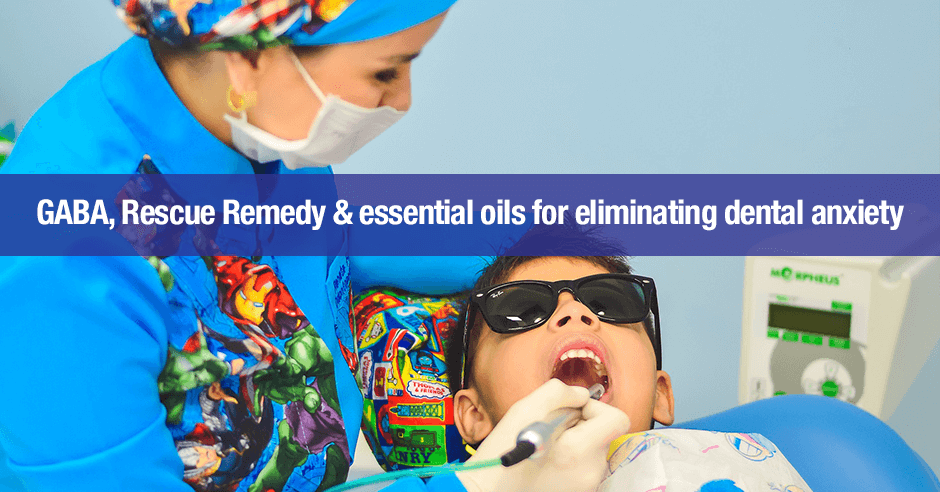
Have you used GABA to help with the anxiety you experience when going to the dentist or with one of your children who are fearful during a dental visit? I recently shared a comment on Facebook about how delighted I was with some of the feedback from Integrative Medicine for Mental Health attendees for my recent GABA presentation. I had a mom, Katie, respond and share how happy she was that GABA helped her 8 year old son on a trip to the dentist. She shared this:

My 8 year old has some anxiety, OCD-like tendencies, and sensory processing issues. Going to the dentist is extremely difficult. They recommended full sedation, which I refused. Instead, I brought his GABA, Rescue Remedy, and essential oils. He got 2 cavities filled like a champ!

I had forgotten the GABA at first and he was struggling. I stopped the dentist, gave my son a GABA lozenge to dissolve in his mouth, and within 30 seconds he was calm. The dentist was SO impressed. It really does work! I’m so grateful I learned about it from you!

GABA really does work this quickly – 30 seconds is not unusual – and this effectively and I was thrilled for this mom and her son.

A few other moms asked about which GABA product Katie used for her son, which one I recommend, and can GABA be used with children.

I like GABA Calm for kids and adults for the physical type of tension anxiety. When using with a child we want to start low and slowly increase. I’ll have the mom start them on one quarter (or sometimes less) of the GABA Calm product (which contains 125mg of GABA) and increase based on the trial and how their symptoms improve.

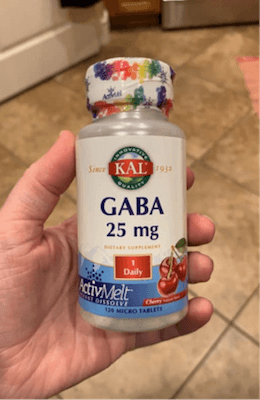
kal gaba

Katie used a 25mg GABA product by Kal, pictured here. I really like that it’s a nice low amount and that it uses what they call ActivMelt™ technology, so it melts in the mouth. Using GABA this way or sublingually or opening a capsule of a GABA-only product and holding it in the mouth is the most effective way to use GABA.

Depending on sensitivity issues you may need to test it out and consider some of the other ingredients if you notice tummy upset or something else.

Rescue Remedy and an essential oil blend

Katie also shared this about the Rescue Remedy and essential oil blend she used when they arrived (before giving him GABA):

The Rescue Remedy was very helpful. We use it on the whole family. For oils, I used a blend called Tranquility from Butterfly Express.

I had him inhale the oil plus applied it behind his ears and on the carotid artery on his neck. The dental assistant commented on how good that oil works because she felt really relaxed and calm.

I find GABA to be more effective so start there but many moms like Katie, find Rescue Remedy, a Bach Flower remedy, to help. I remember using Rescue myself, many years ago before I had discovered GABA.

The Tranquility blend contains: Blue Tansy, Geranium, Chamomile German, Lavender Officinalis, Palmarosa, Patchouli, Orange Sweet, Tangerine, and Ylang Complete. I’m not familiar with this company but the essential oils in this blend are wonderful.

Both of these – the oils and Rescue remedy – helped initially but it seems it was the GABA that gave him the most effective calming relief.

Anxiety nutritional solutions resources for dentists

Going to the dentist can be stressful at the best of times and downright terrifying in some instances and I want kids and adults alike to know they have options like this.

Now, let’s get my book, The Antianxiety Food Solution, into the hands of all dentists so they can help their anxious and fearful patients with GABA and other nutritional approaches!

And let’s also talk to the dentist about diffusing calming essential oils in the treatment and/or waiting rooms or at least encouraging their patients to bring their own blends.

Tryptophan or 5-HTP if there is a dental phobia,  intense fear or OCD-like tendencies

Keep in mind that serotonin support with tryptophan or 5-HTP should also be considered if there is a phobia and fear that is so intense, the child won’t even go to the dentist. Katie mentions her son has OCD-like tendencies too and serotonin support helps with these symptoms as does a gluten-free diet in many children (as illustrated by this case study).

Both GABA and serotonin support can help with post-dental pain and so can DPA/d-phenylalanine.

Additional resources when you are new to using GABA or other amino acids as supplements

We use the symptoms questionnaire to figure out if low GABA (indicating a possible need for GABA or theanine) or low serotonin (indicating a need for tryptophan or 5-HTP) or low endorphins (indicating a possible need for DPA) or other neurotransmitter imbalances may be an issue for you.

If you suspect low levels of any of the neurotransmitters and do not yet have my book, The Antianxiety Food Solution – How the Foods You Eat Can Help You Calm Your Anxious Mind, Improve Your Mood, and End Cravings. I highly recommend getting it and reading it before jumping in and using amino acids on your own so you are knowledgeable. And be sure to share it with the practitioner/health team you or your loved one is working with.

There is an entire chapter on the amino acids and they are discussed throughout the book in the sections on gut health, gluten, blood sugar control, sugar cravings, anxiety and mood issues. The importance of quality animal protein and healthy fats is also covered.

The book doesn’t include product names (per the publisher’s request) so this blog, The Antianxiety Food Solution Amino Acid and Pyroluria Supplements, lists the amino acids that I use with my individual clients and those in my group programs.

If, after reading this blog and my book, you don’t feel comfortable figuring things out on your own (i.e. doing the symptoms questionnaire and respective amino acids trials), a good place to get help is the GABA QuickStart Program (if you have low GABA symptoms). This is a paid online/virtual group program where you get my guidance and community support. Another option is the budget-friendly GABA QuickStart Homestudy program.

If you also need serotonin support, the Serotonin QuickStart Program is a good place to get help. This is also a paid online/virtual group program where you get my guidance on using tryptophan and 5-HTP safely, and community support during 5 LIVE Q&A calls. You can sign up to be notified when the next live launch of this program is happening.

If you are a practitioner, join us in The Balancing Neurotransmitters: the Fundamentals program. This is also a paid online/virtual program with an opportunity to interact with me and other practitioners who are also using the amino acids.

Now I’d like to hear from you …

Thank you Katie for sharing on Facebook and giving me permission to share your son’s GABA dentist story here. Well done for getting your dentist on board with both the essential oils and GABA.

Have any of the above helped your dental anxiety or fears? Or helped with fears and phobias your children have experienced going to the dentist?

If you are a dentist have you found any of the above helps your patients?


Filed Under: Uncategorized Tagged With: anxiety, Bach Flower, child, dental, dentist, essential oils, fear, GABA, gluten, KAL, serotonin, trial, tryptophan

How high to go on GABA for sleep issues and what are the negative effects of too much tyrosine?

September 13, 2019 By Trudy Scott 12 Comments

gaba and sleep issues

How high to go on GABA for sleep issues and what are the negative effects of too much tyrosine?

Today I’m sharing a great question I received about sleep issues – how high to go on GABA and what are the negative effects of too much tyrosine – together with my feedback because it’s not always a simple answer.

Here is the question about sleep, GABA and tyrosine:

I find I need more than the 500mg of sublingual Gaba Calm for sleep even with 200mg theanine. What dose can I go up to. Took a while to work up to that dose. I want to get away from sleeping tablets. Also what are the negative effects of too much tyrosine that comes with this product?

GABA Calm contains both GABA (125mg) and tyrosine (25mg) and it’s one of my most recommended products for anxiety. It sometimes works for insomnia and sometimes it doesn’t.

GABA and feeling stiff and tense with insomnia and anxiety

As you may know, with sleep issues caused by low GABA levels you’ll often lie awake with feelings of physical tension and stiff muscles rather than the ruminating thoughts which is the low serotonin type of insomnia – although it’s not uncommon to experience both. You may also have the stiff-and-tense type of anxiety, panic attacks and the need to self-medicate to calm down, often with alcohol but sometimes with carbs and sugary foods. By using the amino acid GABA you can raise your GABA levels and ease many of these symptoms.

Tyrosine can be stimulating and can be calming

Tyrosine is a considered a stimulating amino acid that is the precursor for making catecholamines (one of the neurotransmitters) like dopamine, epinephrine and norepinephrine. Boosting these neurotransmitters provides focus, increased energy and more motivation, and can also alleviate some forms of “curl-up-in-bed” depression.

Conversely tyrosine can also provide a sort of calm focus for some folks.

How much GABA and how much tyrosine?

Keeping all the above in mind, here is my feedback: 500mg of GABA is a large dose when starting out and is typically too high for most people, causing a light-headed feeling and sometimes a niacin-like flush. For this reason, it was good to hear that she worked up to that dose of GABA, found in 4 of the GABA Calm tablets i.e. 125mg of GABA for each one.

When my clients get up to multiple GABA Calm tablets I will often have them switch to a GABA-only product or a GABA/theanine product (opened up onto the tongue and held there for 2 minutes or longer) as the tyrosine can be stimulating. Some folks do fine on a small amount of tyrosine in the evening so 1-2 GABA Calm may be fine but more than that and it can be too much and may need to be avoided.

Taking 4 x GABA Calm tablets also provide a hefty dose of sugar alcohols which could cause diarrhea.

As far as using higher amounts of GABA, I have clients increase as long as they are seeing added benefits. I have had some clients go up to 1000-2000mg but more than this is rare. Theanine can often also be increased up to around 1000mg.

Here are some clues to look out for:

  • too tired in the day → too much GABA or too much theanine?
  • too tired in the day → too little GABA or too little theanine causing disturbed sleep?
  • too tired in the day → not enough tyrosine?
  • not able to sleep well → too little GABA or theanine?
  • not able to sleep well → too much tyrosine (at night or even mid-afternoon)?
  • calm energy → just enough tyrosine
  • sleep well → just enough GABA and/or theanine

There is research supporting that a GABA/theanine combination can improve sleep and that a GABA/5-HTP combination can too. There is no research on GABA Calm and insomnia but in practice it works for some people at night and not for others.

I’m sure you can agree with me that it’s not always simple and there can never be one size fits all. This doesn’t work: “Since you have insomnia take 2 GABA Calm and I’ll see you in a month” or even “This 250mg GABA with 100mg theanine will sort out your sleep issues in no time.”

It’s always a matter of figuring out what your own unique needs are.

Looking for other root causes of your insomnia

If my clients are not seeing incremental benefits as they increase the GABA and/or theanine (and stop the tyrosine) they go back down to their lower dose and we start looking for other root causes for their insomnia.

These root causes can range from low serotonin to high cortisol, also gut issues like SIBO, parasites (which are more active at night) or gluten issues. Too much caffeine (even if consumed in the morning and even a single cup of coffee!) and low blood sugar must always be ruled out too. Some sleep medications can actually make sleep worse especially benzodiazepines. And side-effects of all medications need to be looked at and also the possible effects of EMFs/WiFi.

Have you found that using the trial method with GABA and/or theanine has enabled you to find the ideal amount to take for your insomnia or anxiety? Where did you start and how high did you need to go and how much did this approach help?

Did the removal of tyrosine make a difference or make you more tired in the day?

Were there other factors at play as root causes of your insomnia or anxiety?

As a practitioner, do you want to learn more about how to incorporate GABA and theanine and the other targeted individual amino acids, tryptophan/5-HTP, DPA, glutamine and tyrosine, into your work to help your clients/patients with sleep issues and anxiety? I invite you to check out my online practitioner training here: Balancing Neurotransmitters – The Fundamentals.

Filed Under: GABA, Sleep Tagged With: anxiety, benzodiazepines, caffeine, cortisol, GABA, insomnia, serotonin, sleep, theanine, trial method

Digital Dementia: Addiction, brain chemical imbalances, suicide and low-level lasers for healing

June 1, 2019 By Trudy Scott Leave a Comment

digital dementia

“Digital dementia” is very real – overconsumption of screen time can lead to a breakdown of cognitive abilities and deteriorated posture, developmental delays, degraded short-term memory, seclusion and lack of motivation… especially for our children!

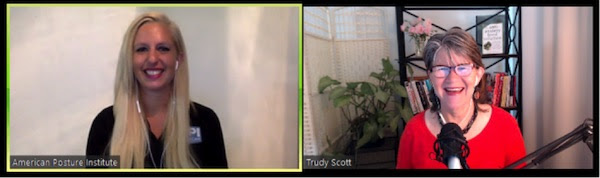
In my interview, Food and Mood Support to Prevent Digital Dementia, I talk about anxiety, depression and even a higher risk for suicide in overuse of screen time and how using diet and amino acids can help with the addiction and related mood issues.

krista and trudy

One of the questions Krista asks is this: “What do you think will happen to children/teens if we don’t make changes as a society?” and I share some scary stats about suicide.

In a 2018 article in Newsweek, “iPhones Pose Suicide Risk to Teenagers, Apple Investors Warn”, they share

A 2017 study by Jean Twenge, a professor of psychology at San Diego State University, who found that U.S. teenagers who spend more than three hours a day using electronic devices are 35 percent more likely to have a risk factor for suicide than those who spend less than an hour.

Teenagers who spend more than five hours on their phones are 71 percent more likely to have a risk factor for suicide.

And these are very real and sobering stats about the average American teenager – they first receive a smartphone at the age of 10 and spend over 4.5 hours a day using it!

Of course, we have to consider how much is it the biological effects of the smartphone itself (DNA damage, immune system effects, depletion of zinc and melatonin etc.) and how much is it the poor nutrient status and brain chemical imbalances that are driving this high use of smartphones (i.e. a need to self-medicate by going online) and the increased anxiety, depression and suicide risk?

It’s likely a combination of both…and a vicious cycle that can be broken with education AND addressing brain chemical imbalances. Low GABA, low serotonin, low dopamine and even low endorphins drive teens (and us adults too) to “self-medicate” with social media and iPhone use in order to feel calm, happier, stimulated and/or comforted.

We do this just like we do with sugar, street drugs, prescription pain meds, and alcohol. Just like with drugs and carbs, we can break this very serious digital addiction with individual amino acids such as GABA, tryptophan, DPA and tyrosine, and prevent digital dementia AND improve the mood and reduce the anxiety of those experiencing this. It’s imperative we use this approach in addition to dietary changes, parenting tips and education about this harm we’re doing to ourselves.

The good news is, that in addition to improving diet and nutrient status, we can also use tools to help with healing.

Kirk Gair, DC, in his interview, Lasers – Secret Weapon Against Digital Dementia, covers benefits of low-level lasers (also called photobiomodulation) for brain support and it’s fascinating. Here are a few snippets from his interview:

  • The main target area is going to be in what’s called the powerhouse or the mitochondria. They’re going to absorb the energy from the laser, and they’re going to make more ATP, which is an energy molecule that helps basically every process in the body; whether it’s your brain firing, whether it’s sports performance, or whether it’s healing tissue, you’re going to see that increased.
  • You’re also going to make something called “nitric oxide,” which dilates the blood vessels. Especially when we look at the brain, that’s really important. We dilate these blood vessels. You’re going to improve blood flow throughout the brain.
  • You’re also going to stimulate glutathione, which is a powerful antioxidant that helps to neutralize damaging free radicals, which we know can affect the aging process, can turn on different kinds of genes in our DNA, etc.
  • Numerous studies have shown the lasers being able to actually calm down autoimmunity, especially with thyroid antibodies. It’s been shown to be able to decrease those TPO antibodies, which then protects the cerebellum.
  • If we’re looking at an athlete who’s been concussed, or just a regular patient who’s had a car accident or a fall or something, the laser has been shown to be able to modulate the immune system so it knows which cells to clean up.

Learn all this and more on The Digital Dementia Summit

digital dementia summit

Host, Dr. Krista Burns, is an author and speaker who has been educating practitioners about the dangers of digital dementia for over 5 years. With this summit she believes it’s now time to reach parents directly for their health and that of their children.

Filed Under: Events Tagged With: addiction, amino acids, brain chemicals, digital dementia, GABA, iPhone, Kirk Gair, Krista Burns, LLLT, low level lasers, photobiomodulation, serotonin, suicide

Sjogren’s syndrome: tryptophan and GABA for anxiety, and moisturizing for dry skin and inflammation?

May 10, 2019 By Trudy Scott 33 Comments

sjogren's syndrome

A few weeks ago I blogged about a new pilot study about the use of a skin moisturizer twice a day reduced inflammation in older adults. I use the inflammation research to question if this may be applicable and helpful for you if you suffer from anxiety, extrapolating that it may well be given the added benefits of touch and an oxytocin boost.

I received a number of great questions about how to apply this information and have decided to share a question from someone with both Sjogren’s syndrome and anxiety, in order to illustrate how I’d work with someone like this.

Here is the question I received:

I would like to know how much of one’s body needs to be moisturized, and if it is also necessary to be done twice per day? Such a simple but effective way to help with anxiety. Will be slathering a lot more in the future! I have Sjogren’s so everything is dry – skin, mouth, eyes, hair. I have been trying to keep my face much “moister” and I am sure my wrinkles have lessened. I find rice bran oil is also quite good.

I’m going to address her moisturizing question below and share more about anxiety in Sjogren’s syndrome and some nutritional solutions, but first let me explain what Sjogren’s syndrome is.

An overview of Sjogren’s syndrome

Let me explain what Sjogren’s (SHOW-grins) is in case you’re not familiar with this condition. It’s an autoimmune condition and is described as follows on the Mayo Clinic site:

often accompanies other immune system disorders, such as rheumatoid arthritis and lupus. In Sjogren’s syndrome, the mucous membranes and moisture-secreting glands of your eyes and mouth are usually affected first — resulting in decreased tears and saliva.

Although you can develop Sjogren’s syndrome at any age, most people are older than 40 at the time of diagnosis. The condition is much more common in women.

The site goes on to say that other than dry eyes and mouth, some people experience joint pain and stiffness, swollen salivary glands, skin rashes or dry skin, vaginal dryness, persistent dry cough and prolonged fatigue. It’s worth a read to learn more about complications like more dental cavities, yeast infections, vision issues, problems in the lungs, kidneys or liver, the risk of lymphoma and peripheral neuropathy.

My feedback about moisturizing

In the study, moisturizing was done twice a day. I’m not sure how much of the body needs to be moisturized but if everything is dry, I’d want to moisturize as much as possible.

Given that chronic inflammation is a major factor in Sjogren’s and other autoimmune conditions like systemic lupus erythematosus, it’s feasible to expect similar benefits in terms of reduced inflammation. Hopefully we’ll see research on autoimmune conditions in the future.

When it comes to anxiety, I do want to make it clear that I was and still am extrapolating from the research on inflammation and measuring reduced anxiety was not part of the study. Moisturizing may or may not help with anxiety and I certainly wouldn’t only use this intervention.

Anxiety in Sjogren’s – low serotonin and GABA?

You may not be aware that anxiety/depression is very common in Sjogren’s. In one study they

found 33.8% patients with anxiety, and 36.9% had depression, which were significantly higher than controls.

I use a comprehensive nutritional and lifestyle approach to help my clients ease their anxiety and as I mention above, I would not only rely on moisturizing.

I would use the serotonin questionnaire to determine if low serotonin is contributing to the anxiety (the worry-in-the head and rumination type of anxiety) and do a trial of tryptophan or 5-HTP.

Interestingly, a number of studies suggest the involvement of the serotonin system in the development of Sjogren’s, with one study reporting

Significantly lower platelet levels of serotonin in Sjogren’s patients as compared to healthy controls.

They didn’t find a correlation between the levels of serotonin and how severe the Sjogren’s symptoms were, which falls in line with what we know about biochemical individuality and why doing a trial of tryptophan or 5-HTP (to find your ideal dose) is the best approach for serotonin support.

I would use also the GABA questionnaire to determine if low GABA (physical tension type of anxiety) is a factor, and do a trial of GABA.

If you recall, in the Mayo Clinic description above, stiffness is a common symptom of Sjogren’s and GABA eases stiffness.

I haven’t found any research on GABA in Sjogren’s, but one case study reports that a patient experiencing athetoid movements (a movement dysfunction, characterized by involuntary writhing movements), reported symptom improvement with hydroxychloroquine (which can have severe psychiatric effects in susceptible individuals), pilocarpine, gabapentin, and clonazepam. The latter two medications work on the GABA system.

You can find the tryptophan and GABA products I use with my clients here.

Poor sociability in Sjogrens – could this be related to pyroluria?

A study published earlier this year is reportedly the first study to conclude that patients with Sjogren’s score “high on neuroticism and anxiety and low on sociability.”

If social anxiety is a concern, I’d have her do the pyroluria questionnaire and address this if needed.

If you recall, in the Mayo Clinic description above, joint pain and dental cavities are common symptoms. These are also very common with pyroluria, so using a nutritional approach helps ease the social anxiety, and improves joint issues and mouth health.

The other factor that makes me suspect pyroluria may be common in Sjogren’s is that it’s considered a systemic connective tissue disorder, together with systemic lupus erythematosus and rheumatoid arthritis. You can read more about pyroluria and connective tissue disorders on the pyroluria prevalence blog and the Ehlers Danlos/joint hypermobility blog.

Poor mouth health is also common with histapenia/low histamine so I’d want to look into this too.

You can find the pyroluria supplements I use with my clients here.

Sjogren’s and the Autoimmune-Paleo diet

Since Sjogren’s is an autoimmune condition, following an Autoimmune-Paleo (AIP) diet is key too. Here are some books that are well-worth making part of your library, even though they are not specific to Sjogren’s syndrome they offer support for autoimmune conditions (and many individuals often have more than one autoimmune disease)

  • Hashimoto’s Protocol by Dr. Izabella Wentz (Hashimoto’s is an autoimmune thyroid condition)
  • Hashimoto’s Food Pharmacology, a recipe book by Dr. Izabella Wentz (both on Hashimoto’s but applicable to any autoimmune condition)
  • Cooking for Hormone Balance: a recipe book by Magdalena Wszelaki (she has AIP recipes)
  • The Autoimmune Solution Cookbook by Amy Myers MD

I haven’t dived into the research on all the other autoimmune conditions and the above connections (low serotonin, low GABA and pyroluria) but it’s highly likely similar connections exist. So, if you have any autoimmune condition and anxiety this could all apply for you too.

If you have been diagnosed with Sjogren’s syndrome please share if GABA and tryptophan have helped ease your anxiety, and if the pyroluria protocol has helped you with social anxiety?

And let us know if moisturizing is helping your dry skin and possibly reducing inflammation and anxiety too?

Filed Under: Anxiety, Autoimmunity, GABA, Pyroluria, serotonin, Tryptophan Tagged With: AIP diet, anxiety, autoimmune, dry skin, GABA, hashimoto's, Inflammation, moisturizer, pyroluria, serotonin, Sjogren’s syndrome, social anxiety, tryptophan

Sleeping through the night for the first time in many years: a trial and error approach to find the ideal tryptophan product

April 5, 2019 By Trudy Scott 42 Comments

If you have trouble sleeping through the night (or even have anxiety or panic attacks), finding the nutritional/biochemical root causes and addressing them is going to provide relief but it’s not always straightforward to find your root cause or causes (there are often more than one). Also, what works for you today may not work for you in 2 years time and may not work for your friend who has similar symptoms. You have to be a detective yourself and/or work with a health professional who can put all the puzzle pieces together.

I recently read a Facebook comment where someone was really frustrated about all the trial and error work that may be involved:

I’m just so tired of all this trial and error work trying to figure out why I’m anxious and depressed can’t sleep more than 4 hours a night. It’s been going on way too long I just want answers and a solution to all this. Enough already!

While I feel for this woman, I do acknowledge that it can sometimes be challenging to put all the puzzle pieces together. Other times we are able to figure things out very quickly. I’d like to share some feedback from Lorraine on the tryptophan-PMS-anxiety blog to illustrate how one small change made a big difference for her and it was a matter of trial and error.

Lorraine shares her great results with this Tryptophan Complete tweak for her insomnia:

Trudy, after listening to your talks about Lidtke Tryptophan I decided to give the Tryptophan Complete a try. I’ve taken one capsule each on the last two nights instead of two of the Tryptophan 500mg caps. Both nights I slept straight through all night and had a hard time waking up in the morning. I’ve struggled with insomnia for many, many years. The 500mg Lidtke Tryptophan supplements were helping but I was still waking up during the night. For me to sleep all night is almost miraculous.

I’ve been also taking Progesterone (low on testing), Magnesium, L-Theanine and Melatonin.

I recently added phosphatidylserine, and Holy Basil because saliva testing showed high cortisol at bedtime and off the charts high in the morning. I’m hoping to start eliminating some of those other supplements now that I’m sleeping so well.

I want to thank you for the Anxiety Summits and your book and updates on Facebook and newsletters. I have learned so much from you!

I’ve blogged about which product to use for boosting serotonin: Tryptophan 500mg or Tryptophan Complete (by Lidtke)?. I share this

  • I like to have my clients do a trial of the amino acidsso they can find the ideal dose for their needs and right now I still feel this would still be the best approach to take – using 500mg tryptophan. Once you have figured out you do well with tryptophan-only product and have your dose, then consider reducing it slightly after about 2-3 weeks and adding in additional Tryptophan Complete.
  • The other option is this: if you don’t get the expected results with Tryptophan 500mg, then try the Tryptophan Complete. You may need the other ingredients for it to work well for you.

Lorraine chose to do the latter – switching to Tryptophan Complete – since she didn’t get ideal results with Tryptophan 500mg and it worked for her. I will add that even though she slept straight through all night, I don’t like that she had a hard time waking up in the morning and when that happens, I recommend less tryptophan. It’s very possible that the ideal combination would be 1 x Tryptophan 500mg and 1 x Tryptophan Complete (my first suggestion).

Here is my quick commentary on the other products she’s using for her insomnia:

  • Progesterone and theanine: Testing progesterone levels are important before using progesterone. Both theanine and GABA support GABA production and when GABA is low, we often see low progesterone. With both low GABA and low progesterone, sleep and anxiety can be worse.
  • Magnesium: This mineral is commonly low and is needed to make both serotonin and GABA.
  • Melatonin: This is made in the body when there is sufficient serotonin and may not be needed long-term once she has good levels of serotonin (which the tryptophan product/s are helping her make).
  • Phosphatidylserine and holy basil: High cortisol is a common root cause of both insomnia and anxiety and saliva testing is an excellent way to confirm this. Phosphatidylserine can be used to lower high cortisol although I have found even better results with a phosphorylated serine product called Seriphos. Holy basil or tulsi is an adaptogenic herbal product that provides adrenal support helping with sleep problems and easing anxiety and stress.

In Lorraine’s case, her insomnia was caused by low serotonin (hence the need for tryptophan, melatonin and magnesium), low GABA/low progesterone (hence the need for progesterone, theanine and magnesium) and high cortisol (hence the need for phosphatidylserine and holy basil).

She shares she’s hoping to start eliminating some of these other supplements now that she’s sleeping so well. So, this would be another trial and error approach, stopping and/or reducing one at a time and seeing how she does. Or she may well find she needs to continue with everything for some time.

As you can see, for Lorraine it was a matter of trial and error to find her solution, but it was well worth it to get the “miraculous results” she experienced: sleeping though the night for the first time in many years!

Some of these products may work for you but it’s going to be a matter of trial and error to find your root cause/s and solution.

In case they are relevant for you, these products mentioned in this blog can all be found in my online Fullscript store:

  • Lidtke 500mg Tryptophan (with additional information here)
  • Lidtke Tryptophan Complete (with additional information here)
  • Magnesium
  • Melatonin (with additional information here)
  • Holy basil /tulsi (with additional information here)
  • Interplexus Seriphos (with additional information here)

I’d love to hear how you’ve used a trial and error approach either on your own or with the help of your practitioner to find the nutritional solution for your insomnia and/or anxiety?

If you’re a practitioner, please do share an example of how you’ve used this approach with a client or patient.

If you’ve had frustrations with this trial and error approach, please share them too.

Feel free to post your questions here too.

Filed Under: Tryptophan Tagged With: adrenals, anxiety, cortisol, depression, GABA, insomnia, Lidtke, magnesium, seriphos, serotonin, sleep, sleeping, trial and error, tryptophan, tryptophan complete, tulsi

  • « Go to Previous Page
  • Page 1
  • Interim pages omitted …
  • Page 15
  • Page 16
  • Page 17
  • Page 18
  • Page 19
  • Interim pages omitted …
  • Page 28
  • Go to Next Page »

Primary Sidebar

GABA QuickStart Homestudy

gaba quickstart homestudy

Free Report

9 Great Questions Women Ask about Food, Mood and their Health

You'll also receive a complimentary subscription to my ezine "Food, Mood and Gal Stuff"


Connect with me

Popular Posts

  • Amino Acids Mood Questionnaire from The Antianxiety Food Solution
  • The Antianxiety Food Solution Amino Acid and Pyroluria Supplements
  • Pyroluria Questionnaire from The Antianxiety Food Solution
  • Collagen and gelatin lower serotonin: does this increase your anxiety and depression?
  • Tryptophan for the worry-in-your-head and ruminating type of anxiety
  • GABA for the physical-tension and stiff-and-tense-muscles type of anxiety
  • The Antianxiety Food Solution by Trudy Scott
  • Seriphos Original Formula is back: the best product for anxiety and insomnia caused by high cortisol
  • Am I an anxious introvert because of low zinc and vitamin B6? My response to Huffington Post blog
  • Vagus nerve rehab with GABA, breathing, humming, gargling and key nutrients

Recent Posts

  • Her cravings for chips and peanut butter were triggered by stress: GABA ends cravings and reduces physical tension and fear of heights
  • It is truly miraculous to be able to move through life without crippling anxiety and panic
  • GABA and tryptophan combo provide immediate and noticeable relief for tremors and cervical dystonia in just 7 days
  • Red light therapy for back and neck pain, plantar fasciitis and low mood – a complement to the amino acids GABA, DPA and tryptophan
  • What do I use instead of Seriphos to help lower high cortisol that is affecting my sleep and making me anxious at night?

Categories

  • 5-HTP
  • AB575
  • Addiction
  • ADHD
  • Adrenals
  • Alcohol
  • Allergies
  • Alzheimer's disease
  • Amino Acids
  • Anger
  • Antianxiety
  • Antianxiety Food Solution
  • Antidepressants
  • Anxiety
  • Anxiety and panic
  • Autism
  • Autoimmunity
  • benzodiazapines
  • Bipolar disorder
  • Books
  • Caffeine
  • Cancer
  • Candida
  • Children/Teens
  • Collagen
  • Cooking equipment
  • Coronavirus/COVID-19
  • Cravings
  • Depression
  • Detoxification
  • Diabetes
  • Diet
  • DPA/DLPA
  • Drugs
  • EFT/Tapping
  • EMF
  • EMFs
  • Emotional Eating
  • Endorphins
  • Environment
  • Essential oils
  • Events
  • Exercise
  • Fear
  • Fear of public speaking
  • Fertility and Pregnancy
  • Fish
  • Food
  • Food and mood
  • Functional neurology
  • GABA
  • Gene polymorphisms
  • General Health
  • Giving
  • Giving back
  • Glutamine
  • Gluten
  • GMOs
  • Gratitude
  • Gut health
  • Heart health/hypertension
  • Histamine
  • Hormone
  • Hyperparathyroidism
  • Hypoglycemia
  • Immune system
  • Inflammation
  • Insomnia
  • Inspiration
  • Introversion
  • Joy and happiness
  • Ketogenic diet
  • Lithium orotate
  • Looking awesome
  • Lyme disease and co-infections
  • MCAS/histamine
  • Medication
  • Men's health
  • Mental health
  • Mercury
  • Migraine
  • Mold
  • Movie
  • MTHFR
  • Multiple sclerosis
  • Music
  • NANP
  • Nature
  • Nutritional Psychiatry
  • OCD
  • Osteoporosis
  • Oxalates
  • Oxytocin
  • Pain
  • Paleo
  • Parasites
  • Parkinson’s disease
  • PCOS
  • People
  • PMS
  • Postpartum
  • PTSD/Trauma
  • Pyroluria
  • Questionnaires
  • Real whole food
  • Recipes
  • Research
  • Schizophrenia
  • serotonin
  • SIBO
  • Sleep
  • Special diets
  • Sports nutrition
  • Stress
  • Sugar addiction
  • Sugar and mood
  • Supplements
  • Teens
  • Testimonials
  • Testing
  • The Anxiety Summit
  • The Anxiety Summit 2
  • The Anxiety Summit 3
  • The Anxiety Summit 4
  • The Anxiety Summit 5
  • The Anxiety Summit 6
  • Thyroid
  • Thyroid health
  • Toxins
  • Tryptophan
  • Tyrosine
  • Uncategorized
  • Vegan/vegetarian
  • Women's health
  • Yoga

Archives

  • May 2026
  • April 2026
  • October 2025
  • September 2025
  • August 2025
  • July 2025
  • June 2025
  • May 2025
  • April 2025
  • March 2025
  • February 2025
  • January 2025
  • November 2024
  • October 2024
  • September 2024
  • August 2024
  • July 2024
  • June 2024
  • May 2024
  • April 2024
  • March 2024
  • February 2024
  • January 2024
  • December 2023
  • November 2023
  • October 2023
  • September 2023
  • August 2023
  • July 2023
  • June 2023
  • May 2023
  • April 2023
  • March 2023
  • February 2023
  • January 2023
  • December 2022
  • November 2022
  • October 2022
  • September 2022
  • August 2022
  • July 2022
  • June 2022
  • May 2022
  • April 2022
  • March 2022
  • February 2022
  • January 2022
  • December 2021
  • November 2021
  • October 2021
  • September 2021
  • August 2021
  • July 2021
  • June 2021
  • May 2021
  • April 2021
  • March 2021
  • February 2021
  • January 2021
  • December 2020
  • November 2020
  • October 2020
  • September 2020
  • August 2020
  • July 2020
  • June 2020
  • May 2020
  • April 2020
  • March 2020
  • February 2020
  • January 2020
  • December 2019
  • November 2019
  • October 2019
  • September 2019
  • August 2019
  • July 2019
  • June 2019
  • May 2019
  • April 2019
  • March 2019
  • February 2019
  • January 2019
  • December 2018
  • November 2018
  • October 2018
  • September 2018
  • August 2018
  • July 2018
  • June 2018
  • May 2018
  • April 2018
  • March 2018
  • February 2018
  • January 2018
  • December 2017
  • November 2017
  • October 2017
  • September 2017
  • August 2017
  • July 2017
  • June 2017
  • May 2017
  • April 2017
  • March 2017
  • February 2017
  • January 2017
  • December 2016
  • November 2016
  • October 2016
  • September 2016
  • August 2016
  • July 2016
  • June 2016
  • May 2016
  • April 2016
  • March 2016
  • February 2016
  • January 2016
  • December 2015
  • November 2015
  • October 2015
  • September 2015
  • August 2015
  • July 2015
  • June 2015
  • May 2015
  • April 2015
  • March 2015
  • February 2015
  • January 2015
  • December 2014
  • November 2014
  • October 2014
  • September 2014
  • August 2014
  • July 2014
  • June 2014
  • May 2014
  • April 2014
  • March 2014
  • February 2014
  • January 2014
  • December 2013
  • November 2013
  • October 2013
  • September 2013
  • August 2013
  • July 2013
  • June 2013
  • May 2013
  • April 2013
  • March 2013
  • February 2013
  • January 2013
  • December 2012
  • November 2012
  • October 2012
  • August 2012
  • July 2012
  • June 2012
  • May 2012
  • April 2012
  • March 2012
  • February 2012
  • January 2012
  • December 2011
  • November 2011
  • October 2011
  • September 2011
  • August 2011
  • July 2011
  • June 2011
  • May 2011
  • April 2011
  • March 2011
  • February 2011
  • January 2011
  • December 2010
  • October 2010
  • September 2010
  • July 2010
  • May 2010
  • April 2010
  • March 2010
  • February 2010
  • January 2010
  • November 2009

Share the knowledge!

The above statements have not been evaluated by the Food and Drug Administration. Products listed in this website are not intended to diagnose, treat, cure or prevent any disease.

The information provided on this site is for informational and educational purposes only and is not intended as a substitute for advice from your physician or other health care professional. You should consult with a healthcare professional before starting or modifying any diet, exercise, or supplementation program, before taking or stopping any medication, or if you have or suspect you may have a health problem.


Copyright © 2026 Trudy Scott. All Rights Reserved. | Privacy | Terms and Conditions | Refund Policy | Medical Disclaimer

Free Report

9 Great Questions Women Ask about Food, Mood and their Health

You’ll also receive a complimentary subscription to my ezine “Food, Mood and Gal Stuff”