• Skip to primary navigation
  • Skip to main content
  • Skip to primary sidebar

everywomanover29 blog

Food, Mood and Women's Health – Be your healthiest, look and feel great!

  • Blog
  • About
  • Services
  • Store
  • Resources
  • Testimonials
  • The Book
  • Newsletter
  • Contact
  • Search this site

serotonin

Tapping (or EFT) for reducing anxiety, depression, pain and cravings, plus physiological changes in cortisol, heart rate, blood pressure and SigA

February 21, 2020 By Trudy Scott 16 Comments

tapping and anxiety

Awareness about tapping or EFT (emotional freedom technique) is growing and so is the research. I’ve been intrigued by tapping for some time and I’m impressed by some of the very positive feedback I’ve heard about how it reduces anxiety, depression, pain and cravings. I’m now more intrigued after reading a 2019 paper that describes some of the physiological changes (i.e. changes in the body) that improve after tapping.

This paper, Clinical EFT (Emotional Freedom Techniques) Improves Multiple Physiological Markers of Health, describes EFT as “an evidence-based self-help therapeutic method”, reporting that “over 100 studies demonstrate its efficacy.”

It’s further described as “a brief intervention combining elements of exposure, cognitive therapy, and somatic [or physical] stimulation of acupressure points on the face and body.” The full paper here goes into great detail if you’d like to read more.

The objectives of this study were to measure and describe some of the physiological changes that occur after tapping, in order to understand some of the mechanisms. Up until now “information about the physiological effects of EFT is limited.”

As far as physiological changes, these included: heart rate variability and heart coherence, resting heart rate and blood pressure, salivary cortisol (to show changes in the endocrine system), and salivary immunoglobulin A (SigA) (to show impacts on the immune system).

They also measured these psychological symptoms: anxiety, depression, posttraumatic stress disorder, pain, and cravings. After a 4-day training workshop on tapping, the researchers reported that happiness increased by 31% and the following declines in psychological symptoms in 203 participants were reported:

  • anxiety (-40%)
  • depression (-35%)
  • posttraumatic stress disorder (-32%)
  • pain (-57%) and
  • cravings (-74%)

These physiological improvements were found in the subset of 31 participants that were tested:

  • resting heart rate (-8%)
  • salivary cortisol (-37%)
  • systolic blood pressure (-6%) and diastolic blood pressure (-8%)
  • heart rate variability and heart coherence
  • salivary immunoglobulin A (SigA) (+113%)

The authors conclude that

gains were maintained on follow-up, indicating EFT results in positive health effects as well as increased mental well-being.

If you’ve been following me for awhile you know I like to look into the research so I’m excited by this study and look forward to further research and gaining a better understanding of this tool.

I also look forward to learning how lasting these psychological and physiological changes are and if you need to keep tapping in order to sustain the changes.

Possible impacts on boosting neurotransmitter levels

Because of the psychological benefits I was also curious about the possible impacts of tapping on boosting neurotransmitter levels such as GABA and serotonin. I found this research on acupuncture which we may be able to partially extrapolate from since EFT does have the acupressure aspect: Effect of Acupuncture on Neurotransmitters/Modulators

In general, acupuncture enhances the activity of the endogenous opioid peptides, serotonin, dopamine, ACh [actelyl-choline], and inhibitory amino acids such as γ-aminobutyric acid (GABA), glycine, taurine, and lactamine, while it attenuates the activity of noradrenalin and excitatory amino acids including glutamate and aspartic acid.

Compliments the dietary/nutritional/biochemical approach

Based on what I’ve been recently learned, tapping compliments the dietary/nutritional/biochemical approach I use my clients for helping to ease anxiety, overwhelm and stress.

I reached out on Facebook and here is some of the feedback I received:

  • Maria shares how she uses both EFT and tryptophan: I started using EFT and it has helped – wasn’t expecting it to, but it really does work. However, having had a particular problem for many years, I realize that it’s going to take time to really be at the level I want to be. I also got a teenager to try it, and to their amazement, it did settle their anxiousness – from what they initially said was a 10 -11 – down to 7 in just a few minutes. Last night, I tried the Lidtke Tryptophan and couldn’t believe how deeply and undisturbed I slept – thank you Trudy – I learnt about that product from you during the anxiety summit. By the way, I will be joining the Tapping Summit – can’t wait for that one!
  • Terri Hirning is a practitioner and shares that her and her biz partner bring it to their clients in conjunction with lifestyle changes for maximum effect. She shares: I find that anxiety is a big issue for my clients. So while they are implementing dietary or supplement changes, tapping can help reduce those emotions while their biochemistry comes into alignment.

She also says: I taught it to my children and they have The Tapping Solution app and will proactively use it when they need to shift things. I am so thankful for this work.

  • Meeta Darji is a health coach and says this: YES! EFT is profound in helping with anxiety and stress. I have been doing it for the last two years and use it on my kids too. I’m training at the moment and learning how it can help with cravings and addictions. Absolutely incredible and I can’t wait to add it to my health coaching practice.

She does use amino acids like GABA, tryptophan, DPA, glutamine for anxiety and cravings/addictions and agrees that EFT is definitely a good compliment. EFT is great for using with limiting beliefs, traumas, addictions, fears and so much more, so together with amino acids, it’s very powerful.

  • Benita Scott shares this: EFT is so great! I use it as part of my professional practice as a psychologist and in conjunction with Nutritional therapies it’s a game changer for so many vulnerable clients. It’s been shown to increase GABA levels, decrease cortisol and alter brain cells in relation to food cravings too. There has been a paradigm shift in psychology recently and I think EFT, Matrix and nutritional supplements are changing how we work and heal.
  • Dede shares how EFT changed her life: I was on permanent disability for 20 years due to panic attacks. EFT changed all that so I became a practitioner. This was 11 years ago.

She shares how she went through “the literal hell of getting off psych meds. I wouldn’t have survived without EFT and food changes.”

It does seem to be very individualized and works very well for some folks and not very well or not at all for others:

  • One person said EFT is soothing in the moment but she didn’t find any significant or lasting benefits.
  • Someone else shared: I have tried it, my daughter and her son went to a practitioner, and it did nothing for me or them. I have studied how to do it on-line from well known sites, and still nothing. I’m wondering if a lot of healings are the placebo effect.
  • It doesn’t seem to work for me either (more on that below)

My tapping experience is very limited

I will admit that, at this point, my tapping experience is very limited.  I have such great success with amino acids like GABA, tryptophan and glutamine to provide quick anxiety-relief, end the overwhelm and stop the carb cravings for my clients, I haven’t felt the need to look into tapping.

In case you’re new to me and my work, here is a sampling of a few tools I use with my anxious clients:

  • My main approach is using targeted amino acids such as tryptophan or 5-HTP for the low serotonin worry-in-your-head anxiety where folks may also experience fears, panic attacks, ruminations, phobias, insomnia, PMS, anger, irritability and cravings; and GABA for the low GABA physical-anxiety that also includes muscle tension, overwhelm, insomnia and the need to self-medicate with alcohol to calm down
  • Another amino acid is DPA (d-phenylalanine) and I’m mentioning this one because it boosts endorphins (in a similar way to acupuncture) and helps my clients who are experiencing weepiness, pain and are big comfort/reward eaters. I blog about this here: DPA for weepiness, pain and comfort and reward eating)
  • Since the EFT study mentions cortisol, I’ll share one of my key nutrients for lowering cortisol – Seriphos (I blog about this here: Seriphos Original Formula is back: the best product for anxiety and insomnia caused by high cortisol)
  • And of course everything else: diet, no sugar, no caffeine, gut health, improving sleep, toxin removal and addressing all nutritional deficiencies etc (covered in great detail in my book “The Antianxiety Food Solution” and elsewhere on this blog.)

I’m getting newly acquainted with EFT

I have been hearing about tapping/EFT for years – first from Dr. Mercola and then had a group session at a conference with Brad Yates and didn’t notice any benefits. I’ve tried it again a few times and have yet to experience any profound benefits. I’d expect to be a good candidate given my history with anxiety/insomnia.

I really do like to be able to share resources and products I have experienced personally but in this instance I’m still a newbie.

As of now I don’t know why tapping/EFT doesn’t help me and some other folks. Perhaps there is a bioindividual aspect? Just like some folks do well with herbs and some with vitamins/amino acids; some folks thrive on spinach and some have oxalate issues; some folks do well with  meditation and others struggle with it; some find nature to be an elixir and others find dancing to be their magic?

However, based on what I’ve recently learned about the physiological changes and the feedback I’ve heard, I’m getting newly acquainted with EFT and it’s an additional resource I want to offer you – my community of anxious women.

Right now I’m seeing it as another tool in the toolbox (for some folks), together with dietary changes, addressing biochemical imbalances, gut health, getting out in nature etc.

Resources for additional learning

If you’re new to tapping and would like to learn more, the 13th Annual Tapping World Summit airs online Feb 24 – March 7. Here is the main summit registration page.

This is a great introductory video from summit host Nick Ortner (register to watch it and get access to the summit)

I’d love to hear back from you in the comments below

  • Do you use tapping/EFT in conjunction with dietary/nutritional/biochemical changes to help ease your anxiety, stress, overwhelm? (if you’re a practitioner, do you use both with clients/patients?)
  • Do you find one approach to be better than the other?
  • Have you tried tapping without success?
  • If you’re new to tapping/EFT are you interested in learning how to incorporate it into your life?

Please share so I can learn from you and we can all learn from each other (and thanks to everyone who has contributed to the discussion already).
Filed Under: Anxiety, EFT/Tapping Tagged With: anxiety, blood pressure, cortisol, cravings, dawson church, depression, eft, emotional freedom technique, GABA, happiness, heart rate, Nick Ortner, pain, physiological, psychological, seriphos, serotonin, sIgA, tapping, tapping solution

Essential tremor, dystonia, anxiety and cravings – diet, GABA, tryptophan, zinc and vitamin B6

January 17, 2020 By Trudy Scott 83 Comments

Essential tremor, dystonia, anxiety and cravings

Today I’m sharing how diet, GABA, tryptophan, zinc, vitamin B6 and other B vitamins can resolve essential tremor and sugar cravings in 2 months, and also resolve musician’s dystonia and social anxiety within 4 months.

According to Medical News Today essential tremor is a movement disorder that can cause hand tremors and “is among the most common movement disorders.” … “The tremor usually affects both sides of the body, but it may be more noticeable in the dominant hand. It tends to occur when the person is moving as well as when standing still. Genetics may be responsible for around half of the cases of essential tremor.”

Essential tremor – diet, GABA, tryptophan and B vitamins

This Croatian paper, Treatment of Essential Tremor with Multi-Modal Nutritional Therapy in a Teenage Patient, reports the “case of a 13-year-old boy with [essential tremor] causing severe functional impairment” over the previous 2 years.

“A multi-modal nutritional therapy approach” was used to target three possible areas that could be contributing to the tremors: a poor diet that was high in sugar, low GABA levels and low serotonin. These changes were implemented:

(i) diet (specifically adopting a Mediterranean diet)

(ii) GABA (through oral supplementation) and

(iii) L-tryptophan/vitamin B pathways (Triptobel oral supplement).

The papers states: “After two months of therapy, his tremor decreased significantly and he regained normal function.”

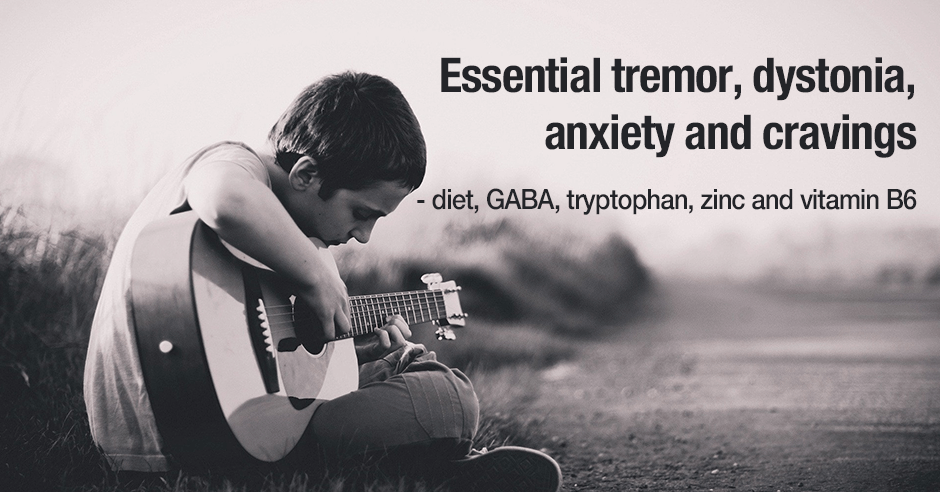
Once the essential tremor resolved, this teen was able to resume his plans to pursue a musical career as a guitar player (which had been put on hold due to the tremor and his inability to play). What wonderful results!

My commentary on the supplements and doses he used

I’m thrilled to see tryptophan and GABA being used for this condition and am really pleased to read this case report.  Here is my commentary on the supplements and doses he used for anyone wishing to try and replicate this nutritional approach (keeping in mind there is no one-size-fits-all).

  • He used 150 mg of the Triptobel supplement three times daily at 8 am, 1 pm, and 6 pm. One capsule of  the Triptobel contains 150mg L-tryptophan and a B vitamin complex of thiamine (vitamin B1), riboflavin (vitamin B2), niacin (vitamin B3), pantothenic acid (vitamin B5), vitamin B6, folic acid (vitamin B9), and cyanocobalamin (vitamin B12).  The total tryptophan dose was 450mg per day. A typical starting dose for someone with anxiety is 500mg 2 x day so his dose was on the low-end.  The Triptobel was also used at mealtimes and according to the label “on a full stomach after a light meal, preferably without protein.” I like to use tryptophan between meals (away from protein) and a B complex with meals so I’m intrigued by this application (but wonder when protein was consumed).
  • He also used 750mg GABA twice daily at 10 am and 4 pm. This is considered a high starting dose for the majority of my clients with anxiety and I start low and build up to this amount.

Anxiety and low mood was not mentioned so I don’t know if they were factors.

Sugar and carb cravings, and a potential role of gluten

It appears sugar and carb cravings were very likely a factor given that his normal daily diet contained “large amounts of refined sugars (chocolate, cake, biscuits, ice cream, etc).” The amino acids would have helped him with those cravings.

With regards to his diet, given how common movement disorders are with gluten issues, I would also consider I gluten-free diet which has been shown to have an adverse impact on neurotransmitter levels and B vitamins. Could gluten have triggered these nutritional deficiencies and the tremors?

And now to share a very similar case in an adult male … with a different and yet related approach.

Dystonia and hand tremors – and the pyroluria connection

This same Medical News Today article also describes dystonic tremor/dystonia as a movement disorder that can also cause hand tremors, stating that “the brain sends incorrect messages, resulting in overactive muscles, abnormal postures, and sustained undesired movements. Young adults and those in middle age are most likely to develop dystonic tremors, which can occur in any muscle.”

If you’ve been reading my recent articles on pyroluria (the pyroluria-vagus nerve connection and the introversion-pyroluria-loneliness connection) I’m sure you’ll be be interested to learn that there appears to be a strong link between pyroluria and focal musician’s dystonia (or musician’s cramp) in some individuals.

As you read in the blog above, Jay, also a guitar player, had to put his professional music career on hold due to musician’s dystonia. He also happened to have social anxiety and he started to notice improvements in his anxiety and tremors within the first 2 weeks. At the end of 4 months of being on the pyroluria protocol, he shared this:

I think it is, at this point, safe to say that the pyroluria treatment [120mg vitamin B6 and  60mg zinc) is, at least in my case, the cure for pyroluria and dystonia. 90%+ of my symptoms have disappeared, I am working extensively on repertoire and I am thinking about getting back into performing.

He says his experience was “akin to rebirth as a musician and also as a person.” How wonderful is that to read. Jay’s musician’s dystonia resolved and so did his social anxiety.

The outcome for the teen and Jay were similar and yet the approaches used were seemingly very different. This isn’t actually the case since zinc and vitamin B6 are co-factors that are needed to make GABA and serotonin.

Additional resources when you are new to using GABA or tryptophan as supplements

We use the symptoms questionnaire to figure out if low serotonin or low GABA or other neurotransmitter imbalances may be an issue for you.

If you suspect low levels of any of the neurotransmitters and do not yet have my book, The Antianxiety Food Solution – How the Foods You Eat Can Help You Calm Your Anxious Mind, Improve Your Mood, and End Cravings. I highly recommend getting it and reading it before jumping in and using amino acids on your own so you are knowledgeable. And be sure to share it with the practitioner/health team you or your loved one is working with.

There is an entire chapter on the amino acids and they are discussed throughout the book in the sections on gut health, gluten, blood sugar control (this is covered in an entire chapter too), sugar cravings, anxiety and mood issues. The importance of quality animal protein and healthy fats is also covered.

The book doesn’t include product names (per the publisher’s request) so this blog, The Antianxiety Food Solution Amino Acid and Pyroluria Supplements, lists the amino acids that I use with my individual clients and those in my group programs.

If, after reading this blog and my book, you don’t feel comfortable figuring things out on your own (i.e. doing the symptoms questionnaire and respective amino acids trials), a good place to get help is the GABA QuickStart Program (if you have low GABA symptoms). This is a paid online/virtual group program where you get my guidance and community support. Another option is the budget-friendly GABA QuickStart Homestudy Program.

If you need serotonin support, the Serotonin QuickStart Program is a good place to get help. This is also a paid online/virtual group program where you get my guidance on using tryptophan and 5-HTP safely, and community support during 5 LIVE Q&A calls. You can sign up to be notified when the next live launch of this program is happening.

If you are a practitioner, join us in The Balancing Neurotransmitters: the Fundamentals program. This is also a paid online/virtual program with an opportunity to interact with me and other practitioners who are also using the amino acids.

Wrapping up and your feedback

Now I’d love to hear from you.

Do you experience tremors, or have you been diagnosed with essential tremor or dystonia (or know someone who has)? And have you considered a nutritional approach?

Do share if you’ve seen success with either of the above approaches, and also experienced reduced anxiety or felt more social?

Have GABA or tryptophan helped to reduce your sugar cravings.

Feel free to ask you questions below.

Filed Under: Pyroluria Tagged With: anxiety, cravings, diet, dystonia, Essential tremor, GABA, pyroluria, serotonin, social anxiety, tremor, tryptophan, vitamin B6, zinc

Spore-based Probiotics for Serotonin and GABA with Kiran Krishnan: The Anxiety Summit 5

November 15, 2019 By Trudy Scott 9 Comments

spore-based probiotics

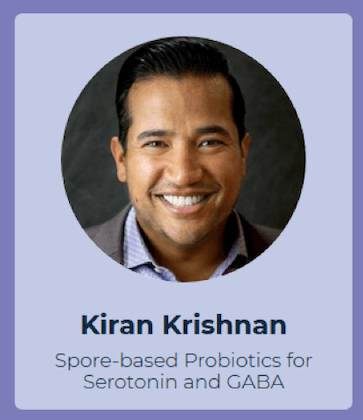
Kiran Krishnan is one my guest experts on The Anxiety Summit 5: Gut-Brain Axis and our topic is: Spore-based Probiotics for Serotonin and GABA.  What you’ll learn

  • How are spore-based probiotics different
  • Bacillus coagulans for depression with IBS symptoms
  • How they increase carotenoids and serotonin, and reduce inflammation
  • and more

Kiran Krishnan AS5

Kiran starts by explaining what makes spore-based probiotics different from other probiotics:

in terms of what makes them different – to begin with these are organisms that have a unique capability of covering themselves in a thick calcified protein-like coating. So it’s armor, essentially, around the bacterial cell.

This allows the bacteria to, of course. exist indefinitely in the environment. In harsh conditions under UV, radiation and desiccation.These are typically conditions that would kill off a lot of the bacteria that live in your gut. Virtually most of the bacteria, 90% of them cannot exist in that type of environment.

But it also allows these bacteria to come in through the gastric system, through the oral route, and survive the gauntlet that bacteria have to go through just getting through the process of digestion.

He goes on to explain how they can survive the stomach acid, the bile salts and the pancreatic enzymes and how all this is “a very specialized function of these microbes” and how very few bacteria have this capability.

We talk about a number of specific strains of spore-based probiotics and how they directly impact mood, anxiety, your gut health and microbiome:

  • bacillus coagulans is associated with bringing down depression, clinical depression, and at the same time alleviating IBS. And when you look at the correlation there it’s really interesting because IBS is associated with having a high risk for clinical depression.
  • bacillus licheniformis…it tends to increase the growth of other beneficial bacteria. Because one of the characteristics about these spore formers is that they have the ability to do something called quorum sensing. They get into the gut and they breed the microbial environment. They can find the overgrown pathogens or opportunistic bacteria that are causing problems. They’ll sit next to them and they’ll produce up to twenty five different antibiotics in that little micro environment to bring down the growth of those pathogens.

I ask some pressing questions like:

  • what have we seen in the research in terms of seeing changes in the microbiome if you do a stool test?
  • how Megaspore is best used when someone starts out because there is a method of titrating up?
  • why do you say other probiotics aren’t working? We do see some research showing that they are working

I find all of this quite fascinating and we do geek out a fair bit. He shares this: “what’s important to know is that these microbes had been producing these neurotransmitters and compounds before humans ever existed.”

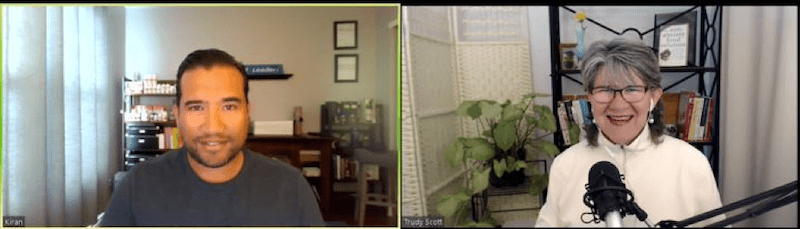
kiran krishnan and trudy scott as5

Be sure to listen to Kiran’s wonderful interview to get a complete understanding of spore-based probiotics and how to use them to improve gut health and help with anxiety and mood issues.

You can listen to each of the interviews (and get transcripts) by purchasing The Anxiety Summit 5: Gut-Brain Axis.

If you’d like to give feedback or ask a question, please post in the comments section. I’d love to hear from you once you’ve listened in.

If you’re already familiar with spore-based probiotics please share how they have helped you. That way we can all learn.

If you’d like to ask a question, please post in the comments below.

I’d also love to hear from you once you’ve listened in to Kiran’s interview and the others.


Filed Under: The Anxiety Summit 5 Tagged With: anxiety, anxiety summit, bacillus coagulans, bacillus licheniformis, depression, IBS, Kiran Krishnan, Megaspore, serotonin, spore-based probiotics, stool test

Vagus Nerve Activation to Reduce Anxiety with Dr. Navaz Habib: The Anxiety Summit 5

November 1, 2019 By Trudy Scott 11 Comments

vagus nerve activation

Navaz Habib, DC, is one my guest experts on The Anxiety Summit 5: Gut-Brain Axis and our topic is: Vagus Nerve Activation to Reduce Anxiety.  What You’ll Learn –

  • Using bowel transit time and heart rate variability to measure how your vagus nerve is working
  • How the vagus nerve becomes dysfunctional
  • Vagus nerve activation tools: gargling, auricular acupuncture, social interaction
  • and more

navaz habib as5

Dr. Navaz shares this about the vagus nerve and why good vagus nerve function is so important for both good digestion and for easing anxiety (and preventing it too):

the vagus nerve is one of many cranial nerves. So we have 12 pairs of cranial nerves, or nerves that begin within the head cavity, and they exit to the brainstem at that point.

The vagus nerve is the 10th pair of cranial nerves. So it’s called the 10th cranial nerve, as well. And there’s one on each side. There’s actually one on the left and one on the right. So it is a pair and is the vagus nerves in reality. But the vagus nerve is the only cranial nerve of those 12 pairs that will exit the cranium. Okay. So it does have some function in and around the face and the throat, but it does exit and go into other areas of the body.

And that’s what makes the vagus nerve so important. It is the only one that does so. And it goes to innervate so many different organs inside our body. This includes the heart, the lungs, stomach, gallbladder, liver, kidneys, every single part of our digestive tract, as well as our spleen. So all of these organs need to have a certain level of information that’s passed from the brain to those organs, but we also need all of those organs, especially the gut, to send that information back up to the brain. And the vagus nerve is very, very important in that specific function.

He shares the two tests he uses to ensure his clients have strong vagus nerve function:

  • the bowel transit time test: “how much time is it is actually going to take for the food that we ingest from our mouth to exit through the opposite end, to go through the entire digestive tract and leave”
  • heart rate variability test which measures vagus nerve function directly: “heart rate variability is actually the measurement of the amount of time in milliseconds between beats of the heart.”

We go into great detail on each of the above tools and how to use them and we also discuss some of the research. This paper is fascinating: Vagus Nerve as Modulator of the Brain-Gut Axis in Psychiatric and Inflammatory Disorders. Here are some highlights from our discussion:

  • how inflammatory disorders and psychiatric disorders are so interconnected through the vagus nerve function
  • gut-brain axis sends information/chemicals from gut bacteria, parasites, viruses, yeast etc. up through the vagus nerve to the brain.
  • it involves the inflammatory system or the cholinergic anti-inflammatory system and acetylcholine
  • if we have gut dysfunction that can lead to dysfunctional inflammatory control, immune dysfunction and autoimmune diseases
  • it’s going to lead to inflammation in the brain, and in the entire nervous system and that’s where a lot of mood disorders like anxiety and depression really start to come from because we now know that serotonin, dopamine, norepinephrine, and epinephrine levels are highest in the gut.
  • this can lead to depressive type symptoms, mood type symptoms, and significant fear and worry that we find in anxiety.

When I found out that Dr. Navaz had written a book called “Activate Your Vagus Nerve: Unleash Your Body’s Natural Ability to Heal” (my Amazon link), I reached out to him to speak on the summit, and I’m so glad I did. I know you’ll love this interview as much as I do and will get tons out of it!

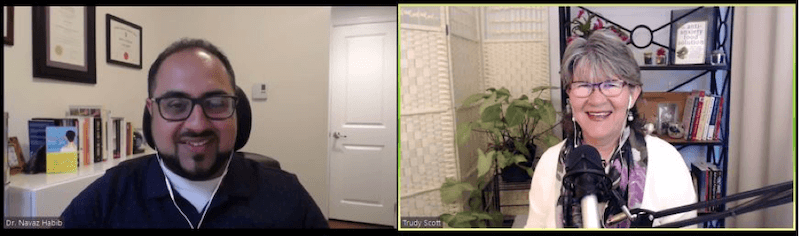
navaz habib and trudy scott

We cover how vagus nerve function can be impacted – lack of sleep and hormonal imbalances can be factors. A big trigger is trauma and I share my traumatic plane ride and how it affected my vagus nerve, voice and throat.  I blogged about this and if you missed all that be sure to check the blog and videos in advance of our interview: Vagus nerve rehab with GABA, breathing, humming, gargling and key nutrients. The amino acid GABA was central in relaxing the throat spasms I experienced.

And we end with very practical ways to activate your vagus nerve

  • Deep breathing exercises and cold showers (“cold showers are a really great way to make our breathing a little bit more difficult. It’s like adding a weight onto the breath/onto the chest so that we’re forcing ourselves to breathe as well as we possibly can even under stressful circumstances”)
  • Gargling and using the gag reflex
  • Humming, chanting and singing (I used these approaches for my vagus nerve issue)
  • Auricular acupuncture (which is also very effective for addictions)
  • And finally, social interaction (I love this one and we talk about pyroluria and why addressing this social anxiety condition with nutrients is also so important for vagus nerve

Be sure to listen to Dr Navaz’s wonderful interview to get a complete picture of the importance of the vagus nerve, how it can start to function poorly and how to reactivate it to improve gut health and help with anxiety and mood issues.

It will lay a great foundation for the mentions of vagus nerve in many of the other interviews.

Please join us and listen to my interviews and all the others on The Anxiety Summit 5: Gut-Brain Axis.

Learn more/purchase now

If you’re already familiar with the importance of the vagus nerve and already do work on activation (to improve gut health and help with anxiety) please share what you find works for you. That way we can all learn.

If you’d like to ask a question, please post in the comments below.

I’d also love to hear from you once you’ve listened in to Dr. Navaz’s interview and the others.


Filed Under: Uncategorized Tagged With: activate your vagus nerve, anxiety, anxiety summit, digestion, GABA, gut health, Navaz Habib, serotonin, throat, trauma, vagus nerve

Collagen Can Cause Anxiety and Insomnia with Trudy Scott: The Anxiety Summit 5

October 25, 2019 By Trudy Scott 109 Comments

collagen anxiety

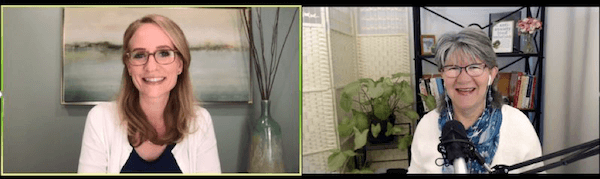
One of my three interviews on The Anxiety Summit 5: Gut-Brain Axis is: Collagen Can Cause Anxiety and Insomnia. In this interview, I’m interviewed by my colleague and friend Dr. Nicole Beurkens, PhD,  and you’ll learn:

  • How acute tryptophan depletion lowers serotonin
  • How to figure out if you may be susceptible to serotonin-lowering effects of collagen or gelatin
  • About other factors to consider: Oxalates, glutamates, arginine, glyphosate and histamine

trudy scott as5

Collagen and gelatin are an excellent source of these amino acids: proline, glycine, glutamine and arginine BUT they do not contain the amino acid tryptophan. This can cause increased anxiety, worsening insomnia and even a low mood in individuals who are susceptible to the fact that both collagen and gelatin can lower serotonin levels.

We talk about some of this in a short in-person interview I recently did in San Diego, with my friend and colleague Tara Hunkin (who also happens to be speaking on the summit – on the topic of mitochondrial dysfunction and anxiety).

(Note: The dates for the 2021 Anxiety Summit 5 is November 8-14, 2021)

I actually blogged about this topic in Sept 2017 and updated the blog with a number of studies in Dec 2017. You can read about this and all the feedback from folks who have observed similar issues when consuming collagen and/or gelatin – Collagen and gelatin lower serotonin: does this increase your anxiety and depression? (there are also quite a few naysayers)

This will get you up to speed for the summit interview if you’re hearing this for the first time or if you read this back in 2017.

In the summit interview (Dr. Nicole Beurkens is my interviewer for this one) I review the theory and serotonin-depleting mechanisms, the 3 different effects folks are noticing and share some feedback from real people, as well as my story and what I experienced.

I also discuss a new paper that further supports this very probable connection: Use of tryptophan fortified hydrolyzed collagen for nutritional support. I share this about the study: “they were using hydrolyzed collagen – because the collagen is very well digested,- for people that were very severely nutritionally depleted. But they added in tryptophan to make it more of a complete protein” and presumably also prevent these mood and sleep issues.

The authors share this about hydrolyzed collagen and the addition of tryptophan for this population:

Standard hydrolyzed collagen is not a perfect amino acid according to the established standards because it does not contain the amino acid tryptophan. A tryptophan-fortified liquid hydrolyzed collagen supplement is, in fact, considered a complete protein. Forms of hydrolyzed collagen have been utilized for several decades as a dietary supplement. Collagen hydrolysate has been of interest as a potential therapeutic agent in the treatment of osteoarthritis and osteoporosis

Closer investigation of this product will reveal that it may indeed meet the protein requirements of a malnourished individual, containing an optimal amino acid composition, high bioavailability, and high digestibility.

trudy scott as5

In the summit interview we also talk about bone broths and a step-by-step approach to figure out if your issue with collagen is one of the following and what to do about it:

  • low serotonin
  • oxalates
  • a histamine reaction
  • a reaction to glutamates or glycine
  • arginine

This is one of 4 interviews I do on the summit. My other 3 interviews are:

  • GABA & Tryptophan: The Gut-Anxiety Connections (here is the blog for this one)
  • Simple Solutions for Anxiety and Gut Health (I’ll share highlights from this ones in another email/blog)
  • Glutamine, DPA and Tyrosine for Anxiety and Sugar Cravings

Please join us and listen to this interview and all the others on The Anxiety Summit 5: Gut-Brain Axis.

If you’d like to give feedback or ask a question, please post in the comments below.

I’d love to hear from you once you’ve listened in to my interview.

Until then let us know how you do use collagen or gelatin and if you’ve noticed any mood issues, increased anxiety or insomnia? And if it was due to low serotonin or something else?

Filed Under: The Anxiety Summit 5 Tagged With: anxiety, anxiety summit, anxious, collagen, Collagen Can Cause Anxiety and Insomnia, gut-brain, insomnia, serotonin, Trudy Scott, tryptophan

Anxiety & the Gut-Brain Axis in Autism with Julie Matthews: The Anxiety Summit 5

October 21, 2019 By Trudy Scott 8 Comments

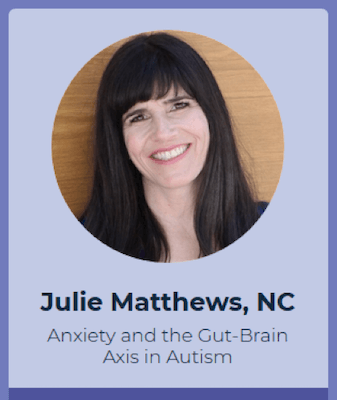
Julie Matthews, CNC, is one my guest experts on The Anxiety Summit 5: Gut-Brain Axis and our topic is: Anxiety & the Gut-Brain Axis in Autism. In this interview you’ll learn:

  • Nutritional and dietary intervention in autism (and the new study Julie contributed to)
  • Gut-immune-brain axis, mTOR and amino acids (we talk about tryptophan at length)
  • Significance of fecal microbiota transplants (and significance and future of this approach)

julie matthews

We start with a discussion about how common anxiety disorders are in autism, and how psychiatric medications are frequently prescribed.

This is why I’m so thrilled about the study Julie was part of: Comprehensive Nutritional and Dietary Intervention for Autism Spectrum Disorder-A Randomized, Controlled 12-Month Trial.

  • study participants had a significant improvement in anxiety from a special diet and various nutritional supplements
  • study participants saw improved communication skills as well as improved daily living skills and social skills – all of which can lead to reduced anxiety and social anxiety, and improved overall happiness
  • there were also improvements in happiness, focus, IQ and language, as well as symptoms of autism

We talk about some of this in the in-person interview we did recently in San Diego.

(Note: The dates for the 2021 Anxiety Summit 5 is November 8-14, 2021)

(I also blogged about this study last year, shortly after the paper was published. You can read about it here so you’re familiar with all the details when you listen to our summit interview.)

Julie and I are both research geeks and in our full interview on the summit we get geeky and talk about new research on:

  • The Gut-Immune-Brain Axis in Autism Spectrum Disorders A Focus on Amino Acids (we discuss mTOR and have a good discussion on the use of tryptophan vs 5-HTP)
  • Fecal transplants in autism (the outcomes are incredibly promising! I’ve since heard that another bigger study is being planned by the same researchers)

julie matthews and trudy scott

You’re likely familiar with Julie’s autism nutrition work and practitioner training on special diets which I wholeheartedly endorse. In case you’re new to her work, Julie is a Certified Nutrition Consultant and published researcher specializing in complex neurological, digestive, and immune conditions, most notably autism. She is the author of the award-winning book, Nourishing Hope for Autism, and co-author of a study proving the efficacy of nutrition and dietary intervention for autism published in the peer-reviewed journal, Nutrients (the study I mention above).

If you’re looking for autism/anxiety and autism/gut solutions you won’t want to miss this interview.

If you are looking for anxiety nutritional and gut solutions but don’t have an autism spectrum disorder/ASD or family member with ASD I encourage you to listen in anyway.  Julie’s approach is based on the BioIndividual Nutrition® needs of each person and stems from her 18 years of work with autism. Using autism as a model for complex chronic disease, her approach and methodology helps practitioners specializing in varied disorders improve the health and healing of their clients through her BioIndividual Nutrition Training for practitioners.

The above statement – using autism as a model for complex chronic disease – is an important one. In the short video clip above I mention how those with ASD are like the canaries in the coal mine. And we talk about many of the overlapping root causes we see in both anxiety disorders and ASD – such as methylation, nutritional deficiencies, gut issues and food sensitivities, heavy metals and so much more.  Julie and I have been highlighting these overlaps for years. Much of what we cover in the interview has wide-reaching implications for anxiety and other chronic health conditions.

I am so appreciative to Julie for helping me figure out my own dietary oxalate issues which were causing excruciating hot-coals/shards-of-glass type foot pain. I’ve learned so much from Julie on this topic and you’ll hear me bring up oxalates in a number of interviews.

julie and trudy 

We also happen to be really good friends and love to laugh together (as you can tell!). These two pictures were taken in San Diego at the Mindshare conference (left) and Integrative Medicine for Mental Health conference (right), where we both presented.

You can listen to each of the interviews (and get transcripts) by purchasing The Anxiety Summit 5: Gut-Brain Axis.

If you’d like to give feedback or ask a question, please post in the comments section. I’d love to hear from you once you’ve listened in.

If you’d like to give feedback or ask a question, please post in the comments section at the bottom.

I’d love to hear from you once you’ve listened in to this interview and the others.

Filed Under: The Anxiety Summit 5 Tagged With: anxiety, Anxiety & the Gut-Brain Axis in Autism, anxiety summit, autism, diet, fecal transplant, gut-brain, Julie Matthews, microbiome, mTOR, nutrition, serotonin, tryptophan

  • « Go to Previous Page
  • Page 1
  • Interim pages omitted …
  • Page 14
  • Page 15
  • Page 16
  • Page 17
  • Page 18
  • Interim pages omitted …
  • Page 28
  • Go to Next Page »

Primary Sidebar

GABA QuickStart Homestudy

gaba quickstart homestudy

Free Report

9 Great Questions Women Ask about Food, Mood and their Health

You'll also receive a complimentary subscription to my ezine "Food, Mood and Gal Stuff"


Connect with me

Popular Posts

  • Amino Acids Mood Questionnaire from The Antianxiety Food Solution
  • The Antianxiety Food Solution Amino Acid and Pyroluria Supplements
  • Pyroluria Questionnaire from The Antianxiety Food Solution
  • Collagen and gelatin lower serotonin: does this increase your anxiety and depression?
  • Tryptophan for the worry-in-your-head and ruminating type of anxiety
  • GABA for the physical-tension and stiff-and-tense-muscles type of anxiety
  • The Antianxiety Food Solution by Trudy Scott
  • Seriphos Original Formula is back: the best product for anxiety and insomnia caused by high cortisol
  • Am I an anxious introvert because of low zinc and vitamin B6? My response to Huffington Post blog
  • Vagus nerve rehab with GABA, breathing, humming, gargling and key nutrients

Recent Posts

  • Her cravings for chips and peanut butter were triggered by stress: GABA ends cravings and reduces physical tension and fear of heights
  • It is truly miraculous to be able to move through life without crippling anxiety and panic
  • GABA and tryptophan combo provide immediate and noticeable relief for tremors and cervical dystonia in just 7 days
  • Red light therapy for back and neck pain, plantar fasciitis and low mood – a complement to the amino acids GABA, DPA and tryptophan
  • What do I use instead of Seriphos to help lower high cortisol that is affecting my sleep and making me anxious at night?

Categories

  • 5-HTP
  • AB575
  • Addiction
  • ADHD
  • Adrenals
  • Alcohol
  • Allergies
  • Alzheimer's disease
  • Amino Acids
  • Anger
  • Antianxiety
  • Antianxiety Food Solution
  • Antidepressants
  • Anxiety
  • Anxiety and panic
  • Autism
  • Autoimmunity
  • benzodiazapines
  • Bipolar disorder
  • Books
  • Caffeine
  • Cancer
  • Candida
  • Children/Teens
  • Collagen
  • Cooking equipment
  • Coronavirus/COVID-19
  • Cravings
  • Depression
  • Detoxification
  • Diabetes
  • Diet
  • DPA/DLPA
  • Drugs
  • EFT/Tapping
  • EMF
  • EMFs
  • Emotional Eating
  • Endorphins
  • Environment
  • Essential oils
  • Events
  • Exercise
  • Fear
  • Fear of public speaking
  • Fertility and Pregnancy
  • Fish
  • Food
  • Food and mood
  • Functional neurology
  • GABA
  • Gene polymorphisms
  • General Health
  • Giving
  • Giving back
  • Glutamine
  • Gluten
  • GMOs
  • Gratitude
  • Gut health
  • Heart health/hypertension
  • Histamine
  • Hormone
  • Hyperparathyroidism
  • Hypoglycemia
  • Immune system
  • Inflammation
  • Insomnia
  • Inspiration
  • Introversion
  • Joy and happiness
  • Ketogenic diet
  • Lithium orotate
  • Looking awesome
  • Lyme disease and co-infections
  • MCAS/histamine
  • Medication
  • Men's health
  • Mental health
  • Mercury
  • Migraine
  • Mold
  • Movie
  • MTHFR
  • Multiple sclerosis
  • Music
  • NANP
  • Nature
  • Nutritional Psychiatry
  • OCD
  • Osteoporosis
  • Oxalates
  • Oxytocin
  • Pain
  • Paleo
  • Parasites
  • Parkinson’s disease
  • PCOS
  • People
  • PMS
  • Postpartum
  • PTSD/Trauma
  • Pyroluria
  • Questionnaires
  • Real whole food
  • Recipes
  • Research
  • Schizophrenia
  • serotonin
  • SIBO
  • Sleep
  • Special diets
  • Sports nutrition
  • Stress
  • Sugar addiction
  • Sugar and mood
  • Supplements
  • Teens
  • Testimonials
  • Testing
  • The Anxiety Summit
  • The Anxiety Summit 2
  • The Anxiety Summit 3
  • The Anxiety Summit 4
  • The Anxiety Summit 5
  • The Anxiety Summit 6
  • Thyroid
  • Thyroid health
  • Toxins
  • Tryptophan
  • Tyrosine
  • Uncategorized
  • Vegan/vegetarian
  • Women's health
  • Yoga

Archives

  • May 2026
  • April 2026
  • October 2025
  • September 2025
  • August 2025
  • July 2025
  • June 2025
  • May 2025
  • April 2025
  • March 2025
  • February 2025
  • January 2025
  • November 2024
  • October 2024
  • September 2024
  • August 2024
  • July 2024
  • June 2024
  • May 2024
  • April 2024
  • March 2024
  • February 2024
  • January 2024
  • December 2023
  • November 2023
  • October 2023
  • September 2023
  • August 2023
  • July 2023
  • June 2023
  • May 2023
  • April 2023
  • March 2023
  • February 2023
  • January 2023
  • December 2022
  • November 2022
  • October 2022
  • September 2022
  • August 2022
  • July 2022
  • June 2022
  • May 2022
  • April 2022
  • March 2022
  • February 2022
  • January 2022
  • December 2021
  • November 2021
  • October 2021
  • September 2021
  • August 2021
  • July 2021
  • June 2021
  • May 2021
  • April 2021
  • March 2021
  • February 2021
  • January 2021
  • December 2020
  • November 2020
  • October 2020
  • September 2020
  • August 2020
  • July 2020
  • June 2020
  • May 2020
  • April 2020
  • March 2020
  • February 2020
  • January 2020
  • December 2019
  • November 2019
  • October 2019
  • September 2019
  • August 2019
  • July 2019
  • June 2019
  • May 2019
  • April 2019
  • March 2019
  • February 2019
  • January 2019
  • December 2018
  • November 2018
  • October 2018
  • September 2018
  • August 2018
  • July 2018
  • June 2018
  • May 2018
  • April 2018
  • March 2018
  • February 2018
  • January 2018
  • December 2017
  • November 2017
  • October 2017
  • September 2017
  • August 2017
  • July 2017
  • June 2017
  • May 2017
  • April 2017
  • March 2017
  • February 2017
  • January 2017
  • December 2016
  • November 2016
  • October 2016
  • September 2016
  • August 2016
  • July 2016
  • June 2016
  • May 2016
  • April 2016
  • March 2016
  • February 2016
  • January 2016
  • December 2015
  • November 2015
  • October 2015
  • September 2015
  • August 2015
  • July 2015
  • June 2015
  • May 2015
  • April 2015
  • March 2015
  • February 2015
  • January 2015
  • December 2014
  • November 2014
  • October 2014
  • September 2014
  • August 2014
  • July 2014
  • June 2014
  • May 2014
  • April 2014
  • March 2014
  • February 2014
  • January 2014
  • December 2013
  • November 2013
  • October 2013
  • September 2013
  • August 2013
  • July 2013
  • June 2013
  • May 2013
  • April 2013
  • March 2013
  • February 2013
  • January 2013
  • December 2012
  • November 2012
  • October 2012
  • August 2012
  • July 2012
  • June 2012
  • May 2012
  • April 2012
  • March 2012
  • February 2012
  • January 2012
  • December 2011
  • November 2011
  • October 2011
  • September 2011
  • August 2011
  • July 2011
  • June 2011
  • May 2011
  • April 2011
  • March 2011
  • February 2011
  • January 2011
  • December 2010
  • October 2010
  • September 2010
  • July 2010
  • May 2010
  • April 2010
  • March 2010
  • February 2010
  • January 2010
  • November 2009

Share the knowledge!

The above statements have not been evaluated by the Food and Drug Administration. Products listed in this website are not intended to diagnose, treat, cure or prevent any disease.

The information provided on this site is for informational and educational purposes only and is not intended as a substitute for advice from your physician or other health care professional. You should consult with a healthcare professional before starting or modifying any diet, exercise, or supplementation program, before taking or stopping any medication, or if you have or suspect you may have a health problem.


Copyright © 2026 Trudy Scott. All Rights Reserved. | Privacy | Terms and Conditions | Refund Policy | Medical Disclaimer

Free Report

9 Great Questions Women Ask about Food, Mood and their Health

You’ll also receive a complimentary subscription to my ezine “Food, Mood and Gal Stuff”