• Skip to primary navigation
  • Skip to main content
  • Skip to primary sidebar

everywomanover29 blog

Food, Mood and Women's Health – Be your healthiest, look and feel great!

  • Blog
  • About
  • Services
  • Store
  • Resources
  • Testimonials
  • The Book
  • Contact
  • Search this site

oxalates

Oxalate crystal disease, dietary oxalates and pain: the research & questions

June 26, 2020 By Trudy Scott 143 Comments

oxalate crystal disease

This blog post came out of my quest for finding a medical explanation/term for my own pain caused by dietary oxalates and a desire to gain a better understanding for my clients who experience similar pain. It’s been on my writing list for some time and I’ve been gathering articles and research but the current coronavirus pandemic and recommendations for high vitamin C intake had me concerned enough to blog about it and ask for feedback from my community.

This is the blog, Coronavirus and vitamin C for immune support: new pain or more severe pain due to oxalate issues?, where I pose the question about recent increased intake of vitamin C or the addition of large doses for immune support and increased pain: joint pain, eye pain, foot pain, vulvodynia, bladder issues, insomnia, gut pain, kidney pain, changes in thyroid health/labs, bone pain etc?  The feedback on this blog and on Facebook has been huge and confirms the connection.  Thank you if you’ve already contributed to the discussion!

Today I’ll share an overview of oxalates, my pain issues with dietary oxalates, a deeper dive into the condition called oxalate crystal disease (with some of my insights and questions), and the autism and atherosclerosis research. It’s by no means a comprehensive blog on all things oxalates but rather a way to try and connect some dots and pose some questions for going deeper.

The next blog will address my vitamin C/oxalate/pain story and the research on vitamin C, oxalates and pain, together with questions.

Oxalates defined and food sources

Before we review oxalate crystal disease, let’s define calcium oxalates. Julie Matthews, my good friend and colleague and an oxalate expert shares this in her blog, Oxalates: Their Influence on Chronic Disease

Oxalates present in our body as sharp crystals or crystalline structures with jagged edges that cause pain, irritation, and distress. They can bind with certain minerals; particularly calcium and magnesium, as well as iron and copper

You’ll find many different lists of low, medium and high oxalate foods. When I started eating low oxalate I found Susan Owen’s site simple and very helpful. I then joined the Trying Low Oxalates Facebook group for support and feedback.

In summary, these are the common medium-oxalate and high-oxalate foods that many folks have problems with: nuts, nut-butters and nut-flour (something to watch when eating Paleo or GAPS), wheat, chocolate, kiwi fruit (very high – see the raphides image below), star fruit (also very high), beets, potatoes, legumes, berries, spinach and soy.

You can see why these needle shaped calcium oxalate crystals found in kiwi fruit could inflict pain. This is just one example – there are many different shapes of calcium oxalate crystals.
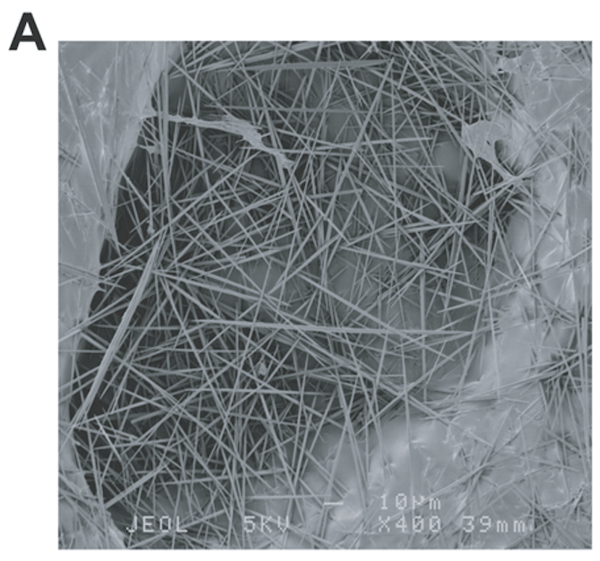
raphides purified from kiwifruit
Raphides purified from kiwifruit. Raphides, needle shaped calcium oxalate crystals, were collected from kiwifruit homogenate through heavy media separation using a dense CsCl solution. (A) The SEM image of purified raphides (x400). Shared from: Synergistic Defensive Function of Raphides and Protease through the Needle Effect via Creative Commons.

My oxalate story: severe foot pain and eye pain

I personally had severe dietary oxalate issues in 2012 which manifested as excruciating foot pain. It was a combination of hot-burning-coals-pain and shards-of-glass-pain. It was just after my book, The Antianxiety Solution (my Amazon link), came out. Due to my book tours and events, I would be on my feet all day presenting, often for 3 full consecutive days, so I figured that must be the reason. When I travelled, I took a blender and made smoothies with berries, ate plenty of healthy nuts as my snacks and took kale chips with me to make sure I was getting my greens. Kiwi fruit was a favorite of mine!

I was eating a high oxalate diet and had no idea until I heard Julie present at an Integrative Medicine for Mental Health Conference on dietary oxalates and autism. A light-bulb went off and then I worked with her to learn about oxalates and figure out if it was in fact because of oxalates and sure enough, as soon as I removed high and medium oxalate foods the pain resolved. Note: the advice is NOT to remove all high and medium oxalate foods at once because dumping can occur. I was fortunate that this didn’t happen with me, possibly because of the vitamin B6 I was already taking as part of the pyroluria protocol.

When I eat a low oxalate diet I do really well. However, more recently dietary oxalates have been causing me eye pain when I have a treat like eggplant or carob. It starts out as a kind of scratchy discomfort and mild pain and then gets worse and worse. I also have a goopy kind of discharge from the inner part of my eye and burning/redness crystal-like teariness on the outer parts of my eyes.  I recently had one very severe incident where the eye pain in my left eye was agonizing for about 2 hours. I was beside myself and tried GABA, DPA and tryptophan for an attempt at pain relief – with no success. When I took 500mg of vitamin B6 the pain eased immediately.

The theory is that oxalates cause issues where you have a weakness. I injured my left eye walking into a low tree-branch while rock-climbing 15 years ago, so I suspect this is why my left eye is more severely affected.

Oxalate crystal disease

The condition “oxalate crystal disease” is the closest explanation I’ve found that explains the pain I’ve experienced and makes the most sense, other than the fact that all the studies mention kidney disease and yet I don’t have kidney disease and have never had kidney stones. I’ve also never had a problem with my estimated Glomerular Filtration Rate (eGFR). In case eGFR is new to you it measures how well your kidneys filter the wastes from your blood and is the best overall measure of kidney function/damage.

This paper, Update on oxalate crystal disease, summarizes it:

Oxalate arthropathy is a rare cause of arthritis characterized by deposition of calcium oxalate crystals within synovial fluid. This condition typically occurs in patients with underlying primary or secondary hyperoxaluria. Primary hyperoxaluria constitutes a group of genetic disorders resulting in endogenous overproduction of oxalate, whereas secondary hyperoxaluria results from gastrointestinal disorders associated with fat malabsorption and increased absorption of dietary oxalate. In both conditions, oxalate crystals can deposit in the kidney leading to renal failure. Since oxalate is primarily renally eliminated, it accumulates throughout the body in renal failure, a state termed oxalosis. Affected organs can include bones, joints, heart, eyes, and skin. Since patients can present with renal failure and oxalosis before the underlying diagnosis of hyperoxaluria has been made, it is important to consider hyperoxaluria in patients who present with unexplained soft tissue crystal deposition. The best treatment of oxalosis is prevention. If patients present with advanced disease, treatment of oxalate arthritis consists of symptom management and control of the underlying disease process.

Let me break this down because I’ve had to look up terminology and read and re-read papers in order to get a better understanding of things:

#1 Oxalate arthropathy is a rare cause of arthritis characterized by deposition of calcium oxalate crystals within synovial fluid.

Oxalate arthropathy is a disease of the joints caused by oxalates depositing in the synovial fluid of the joints.  The paper states it is a rare cause of arthritis, but I suspect it is much more common given what we’re seeing clinically.

Also, because all the research connects oxalate crystal disease with kidney disease, it may be overlooked when there is no kidney disease (more on that below).

Synovial fluid is the fluid between the joints that acts as a lubricant and nutrient source.

#2 This condition typically occurs in patients with underlying primary or secondary hyperoxaluria.

Hyperoxaluria occurs when you have “too much oxalate in your urine.”

#3 Primary hyperoxaluria constitutes a group of genetic disorders resulting in endogenous overproduction of oxalate and… secondary hyperoxaluria results from gastrointestinal disorders associated with fat malabsorption and increased absorption of dietary oxalate.

Primary hyperoxaluria is genetic and results in endogenous or internal overproduction of oxalate, causing too much oxalate in the urine.

The secondary hyperoxaluria description mentions “gastrointestinal disorders associated with fat malabsorption and increased absorption of dietary oxalate.”  There are a number of other factors which I’ll address in a future blog.

According to this paper and others, secondary hyperoxaluria also results in too much oxalate in the urine.

#4 In both conditions, oxalate crystals can deposit in the kidney leading to renal failure. Since oxalate is primarily renally eliminated, it accumulates throughout the body in renal failure, a state termed oxalosis.

Affected organs can include bones, joints, heart, eyes, and skin.

Mayo clinic states oxalosis occurs if your kidneys fail. “Because your body can no longer eliminate the extra oxalate, it starts accumulating — first in your blood, then in your eyes, bones, skin, muscles, blood vessels, heart and other organs.”

My comment is that in some instances, oxalates accumulate in various parts of the body without kidney failure. I share more about this aspect and what we see clinically below, plus an autism and atherosclerosis study.

This paper, Oxalate crystal deposition disease, also mentions the following: “osteopathy, acute and chronic arthropathy with chondrocalcinosis, synovial calcification, and miliary skin calcium oxalate deposits and vascular calcifications that affect mainly the hands and feet.” The paper is focused on primary hyperoxaluria (and does also discuss the kidney involvement) but I’m including it because of the conditions listed. You may have received one of these diagnoses and not linked it back to dietary oxalates and/or vitamin C intake possibly playing a role.

The authors do report “systemic life-threatening cardiovascular, neurologic, and hematologic manifestations”, saying they are rare.

Calcium oxalates: anxiety, sleep, headaches, fatigue and other symptoms

Calcium oxalate crystals can also be found in the thyroid, and ear, leading to hearing loss under some circumstances.

Julie Matthews, in her blog, Oxalates: Their Influence on Chronic Disease, also shares that

Clinical studies and anecdotal experience indicate that oxidative stress, mitochondrial disruption and damage, and nutrient depletions, trigger widely varied symptoms including fatigue and inflammatory cascades, joint pain or pain anywhere in the body. Chronic low energy is very common because of a reduction in ATP in the mitochondria. Oxalates could be a hidden source of headaches, urinary pain, genital irritation, joint, muscle, intestinal or eye pain.

Other common oxalate-caused symptoms may include mood conditions, anxiety, sleep problems, weakness, or burning feet. Indicators can be digestive, respiratory, or even bedwetting for children.

What the researchers are saying – always kidney disease

I’ve reached out to a number of researchers, practitioners and labs and they all state that oxalate crystal disease only happens with kidney disease/kidney stones. This is what one researcher shared with me: “Plasma oxalate concentrations only elevate enough to cause systemic disease when there is significant kidney disease (typically GFR <20-30). I have never seen a significantly elevated plasma oxalate without chronic kidney disease.”

Could this be the case because they are kidney specialists and therefore only seeing patients who already have kidney disease?

The good news is that a number of them are intrigued and interested in learning more.

Oxalate crystals in autism and atherosclerosis without kidney issues

However, based on my own experience and according to many in this community and other communities like the Trying Low Oxalates Facebook group, pain issues related to dietary oxalate intake may occur without kidney issues/kidney stones, and often does.

These papers offer some support for what I suspect we are seeing clinically – systemic oxalate deposits can occur deposits without kidney stones or renal failure:

  • A Potential Pathogenic Role of Oxalate in Autism

Children with ASD [autism spectrum disorder] demonstrated 3-fold greater plasma oxalate levels … and 2.5-fold greater urinary oxalate concentrations. Despite significant hyperoxaluria no evidence of kidney stone disease…was observed

  • Atherosclerotic Oxalosis in Coronary Arteries

calcium oxalate crystals were observed within atherosclerotic plaques in the coronary arteries. Similar deposits were seen in the thyroid gland and other organs but not in the kidneys. None of the patients had chronic renal failure…. We suggest the phrase “atherosclerotic oxalosis” to describe this finding.

These are the disconnects I’m seeing in the research and questions I have:

  • Oxalate crystal disease is reported to be rare and it only happens with kidney disease/kidney stones – could it be more common than reported? As Julie states: “New science and clinical experience reveal concerns about oxalates that far exceed traditional kidney stone pathology.”
  • Should we be calling it hyperoxaluria. “too much oxalate in your urine” if the kidney is not involved? Or do we need to expand the definition of hyperoxaluria to include too much oxalate in other tissues outside the kidney and urine?
  • Could oxalate crystal disease with no kidney disease be a new syndrome that has yet to be widely and clearly identified in the research?

I mean no disrespect to the study authors and researchers by sharing my insights and questions here and in the section above.  I appreciate the work they do and the opportunity to learn from them.

Searching through the literature on this has been extremely challenging because studies always refer to the kidney. It may well be that there is a perfectly logical explanation for much of this and someone has already gone through the research and has answers to all my questions.  I am very willing to be enlightened so please do share if you’ve come across a good explanation.

Either way, please share your insights based on what I’ve shared in this blog and in relation to your experiences with pain caused by dietary oxalates and/or pain caused by vitamin C intake. I will be sharing this blog and the comments with the researchers and practitioners who are open to all this.

Read all posts in this series:

  • Coronavirus and vitamin C for immune support: new pain or more severe pain due to oxalate issues? (part 1)
  • Oxalate crystal disease, dietary oxalates and pain: the research & questions (part 2)
  • Vitamin C causes oxalate formation resulting in pain, anxiety, and insomnia (when there is a defect in ascorbic acid or oxalate metabolism)? (part 3)
  • Willow’s survival story: Easter Lilies cause acute renal failure in cats and Peace Lilies cause oxalate issues (part 4)
  • Waking in the night due to environmental toxins: impacts on the liver, gallbladder and fat digestion (making oxalate issues worse) (part 5)
  • Increased kidney stones in postmenopausal women with lower estradiol levels. What about increased dietary oxalate issues too?
  • Vulvodynia: oxalates, GABA, tryptophan and physical therapy
  • Ox bile as a supplement: to help counter the effects of dietary oxalates very likely caused by bile issues and poor fat digestion
  • Low oxalate success stories: resolution of joint/body pain, insomnia, peripheral neuropathy and can walk without a cane
  • Bright light to reset circadian rhythm: a solution for jet lag (with melatonin) and for disturbed sleep caused by bile issues?
Filed Under: Oxalates Tagged With: atherosclerosis, autism, calcium oxalates, dietary oxalates, eyes, Julie Matthews, kidney disease, oxalate crystal disease, oxalates, pain, questions, research, susan owen, vulvodynia, xalate crystal disease

Coronavirus and vitamin C for immune support: new pain or more severe pain due to oxalate issues?

May 15, 2020 By Trudy Scott 113 Comments

coronavirus pain vitamin c

I have concerns regarding the use of high doses of oral vitamin C for boosting immunity – for a subset of susceptible individuals who have dietary oxalate issues. This is directly related to the many recommendations that have been and are being made in relation to the coronavirus pandemic, but it applies beyond the pandemic for anyone who has dietary oxalate issues.  My concerns relate to high doses of vitamin C making existing pain symptoms worse or even causing new pain symptoms in someone who is not aware they may have oxalate problems. This may include joint pain, vulvodynia, bladder pain, painful urination, eye pain, headaches, foot pain, stomach pain, general body pain, deep bone pain etc. All this can manifest as fatigue, irritability, anxiety, low mood and insomnia.

I’ve been promising to blog about this topic for over a month and have gathered enough information for a short book! I figured a good place to start is to share feedback I’ve received so far and ask for your feedback so we can learn and heal, educate and inform others going through this, as well as offer insights to researchers and doctors who are not aware of this issue (and sometimes say “based on biology it’s not possible”).

In the coming weeks, if there is enough interest, I’ll share additional information on mechanisms, what the research says and what the research says is not possible, labs, types of oxalate issues (there are many), the possible causes (there are also many) and long-term impacts beyond pain (for the thyroid, mitochondria, heart and more), the solutions, additional resources and  feedback from experts (of which there are very few – as of now I’ve been reading everything published by Susan Owens, Julie Matthews, Great Plains Labs and research published by kidney specialists).

Until then I’m humbly asking for your feedback. If you have no idea what oxalates are or are taking vitamin C with no issues, then please don’t worry. Things will become clearer as you read this blog and read follow-on blogs. I feel it’s really important to get this initial blog out rather than waiting until I have everything written up perfectly.

I’ve also been hearing feedback from folks who have now recovered from coronavirus or are still recovering, with many reporting lingering pain and fatigue. I am concerned some of that pain may be related to high doses of oral vitamin C or IV (intravenous) vitamin C leading to oxalate issues they may not be aware of.

My request to you – please share your vitamin C oxalate story

This is what I posted on facebook and I’ll simply share it again here: I’m looking for oxalate vitamin C stories to share with folks who don’t believe or are not aware that high dose vitamin C causes issues for those with dietary oxalate issues.

1) What symptoms do you experience?

2) How quickly do you notice symptoms after taking vitamin C?

3) What form of C have you tried? (ascorbic acid or Ester C or whole food sources of C like camu camu/amla/goji berry/acerola cherry/rosehips/kakadu plum/acai berry/ maqui berry or liposomal or something else). Please also share the brand and source of vitamin C if you know

4) How much vitamin C do you use and is this more than you usually take or are you/were you taking this for the first time?

5) How long did it take to get back to normal/no pain/no symptoms once you stopped taking vitamin C?

NOTE – ONLY VITAMIN C: for questions 2) through 5) – in order to be sure the new symptoms are due to vitamin C and not something else – the addition of vitamin C must be the only change made and then stopping vitamin C must also be the only change made. I have clients keep a log too and repeat the “test” if they are not sure. This can be likened to a gluten elimination trial but in reverse. Repeating the “test”also depends on the symptom severity.

6) Does/did anything help to counter the adverse effects (like calcium citrate, vitamin B6, NAC, MSM, biotin, bile support, Epsom salts baths or anything else)?

7) How long have oxalates been an issue for you and are you eating low oxalate? Or is this all new to you?

8) Would you equate the effects of vitamin C to eating high oxalate foods like spinach, raspberries, nuts and seeds, kiwi fruit, figs, turmeric, chocolate, wheat, white potato, soy, beets etc (less severe/same symptoms/more severe)?

I’m also adding these new questions based on some of the research I’ve been doing:

9) Are you aware of any kidney issues and if you get regular blood work done do you track and take note of your estimated Glomerular Filtration Rate (eGFR)?  What have you observed in terms of values? (In case eGFR is new to you it measures how well your kidneys filter the wastes from your blood and is the best overall measure of kidney function. It helps determine if you have any kidney damage.)  Have you ever been told you have kidney issues and have other kidney lab markers out of range?

10) What are your results on the Great Plains Lab organic acids test (OAT) for the following: Oxalic acid, Glycolic acid (glycolate), Glyceric acid (glycerate), Arabinose (a yeast/candida marker) Ascorbic acid (ascorbate, vitamin C), Pyridoxic acid (marker of vitamin B6 status), Furandicarboxylic acid and hydroxy-methylfuroic acid (markers for fungi such as Aspergillus), and markers of bacterial imbalance?

11) Do you have pyroluria (based on a urine test) or have more than 15 symptoms from the the pyroluria questionnaire and/or are susceptible to low vitamin B6 (poor dream recall and/or nightmares) and low zinc (and therefore high copper)?

12) How do you score on symptoms of low serotonin, low GABA, low endorphins and low catecholamines? (here is that questionnaire). Is your anxiety, low mood, cravings or sleep worse when you are dealing with your other oxalate symptoms/pain?

13) Do you have any genetic markers that indicate a susceptibility for oxalate issues?

14) Do you have celiac disease, gluten sensitivity, leaky gut, liver issues, gall stones, no gallbladder, poor bile production, fat malabsorption, mold toxicity issues, low pancreatic enzymes, candida, high iron/ferritin?

15) What are your results on a mold toxicity test such as the Great Plains MycoTOX profile? and/or do you live in a moldy home/worked in a moldy environment or have in the recent past?

16) What are you results on a stool test (and which stool test)?

17) Do you have high mercury, high lead or high levels of other metals?

18) What is your vitamin D level (now if you happen to know it and/or typical levels in the past) and did you start to take extra vitamin D during this pandemic too? If you are taking extra vitamin D how much extra? And does your vitamin D supplement also contain vitamin K1 and vitamin K2?

19) Do you have any other out-of-range (functional levels) markers on blood work or other lab tests?

I will come back and add references and the rationale for posing these questions.

Also, feel free to comment with a nickname to keep your health information private.

Josefin’s story: painful “fat tissue” around elbows, knees and hips, and an irritated bladder

I share some of the Facebook feedback below, but first, here are Josefin’s comments on my coronavirus blog. Josefin thanked me for not ignoring the oxalate problems that might come with higher doses of vitamin C, saying she has “experienced them first-hand and it is not something to take lightly.”

I asked her to share what happens when she eats medium and high oxalate foods (like spinach, nuts, kiwi fruit, chocolate etc). She shared this:

I gradually decreased my oxalate content in food as recommended in the TLO-group. During that year I experienced periods with a lot of the typical dumping-signs like sandy stools, pain in body and especially in joints and muscles, sand in eyes, bladder pain, peeing a lot, cravings for oxalate foods and a temporary relief in the dumping symptoms when I ate some higher oxalate foods.

I also realized that the painful “fat tissue” that I had all over the body (but mainly around elbows, knees and hips) for 10 years was really deposited oxalates with mostly fluid around it, since I lost it more and more while I dumped and had more pain there also when I dumped. Now the deposits are all gone.

I did want to know if the adverse symptoms she experienced with vitamin C were the same as when eating foods high in oxalates, and she confirmed they were:

Many of the symptoms of dumping were the same as I had previously experienced a few days to weeks after trying to do bowel flushes with vitamin C.

Josefin has been on a low oxalate diet for 3 years and has found the most vitamin C she can tolerate is 200-250mg of vitamin C per day. More about that in her own words:

Now after being on a low oxalate diet for 3 years (carnivore the last year) I have tried taking vitamin C very many times and come to the conclusion that about 200-250 mg per day is what I can take. If I take more I will get a gradual increase of that painful fat-tissue that will start after a few days to weeks depending on how much vitamin C I take. I will also get more of a flu feeling and irritated bladder.

When I stop taking the vitamin C I will within a day or two get all my typical dumping symptoms and they will continue for days to weeks depending on how much I have taken. Symptoms severity also depends on how much I have been taking.

It turns out she gets similar reactions with various forms of vitamin C: “ascorbic acid, calcium ascorbate, multimineral buffered ascorbate and also liposomal vitamin C from Quicksilver Scientific”.

Syd’s story: cystitis, along with a crashed brain

Syd shared this on the Facebook post:

I get symptoms from taking high dose Vitamin C within about 45 minutes. It shows up as cystitis, mostly, along with a crashed brain.

She did confirm that when taking vitamin C (possibly the ascorbic acid form) the symptoms mimic her symptoms when eating high oxalate foods. She also wants to try liposomal vitamin C and camu camu to figure out if she gets the same reactions:

I have the very same response to high oxalate foods. I used to think it was a bladder infection, but I tested four times and every time the test was negative. I’m having a response at the moment. I (stupidly) started eating protein bars that have nuts in them and after eating about four of them across several days, I have the cystitis symptoms.

I’m staring at some liposomal Vit C in the fridge that I’ve been wanting to try at a low dose. Same with some camu camu. I need the cystitis symptoms to abate first.

Virginia, Cathi and Melissa and their pain stories

Virginia also offered feedback on Facebook on her experiences with vitamin C, and again they are similar to when she eats high oxalate foods:

I took a pack of Vit C 1000mg (ascorbic acid) at night last week, next morning I noticed oxalate dumping. Took calcium citrate and it was gone within a day and yes the reaction is similar to eating high oxalate foods

On another Facebook thread my question got Cathi wondering if vitamin C was a factor in her worsening arthritis:

Hmmmmmm this has me thinking. I started Vitamin C crystals 1000mg a day – small spoonful in water. It is sour and not awful. Then, a couple of months ago the arthritis deposits in my right hand fingers got much worse and my right wrist has given me so much grief I have had to reduce my yoga. And I got a weird cyst or something on the inside of my right wrist. I wonder…. Gonna stop it and see if it makes a difference!!! Thank you as I was totally stumped and I hope this is the answer!!!!

On this same thread, Melissa shared that noticed severe joint and muscle pain within 2 or 3 days of starting vitamin C:

When the COVID stuff started, I started taking vitamin C as a preventative measure to keep my immune system strong. Within two or three days, I had system joint and muscle pain everywhere. I could hardly move! I stopped the vitamin C and it cleared up in 3 or 4 days. I’ve never had kidney stones, but my brother has, so maybe it’s a genetic predisposition? I do have a history of on & off systemic joint pain since my early 20’s.

I never thought I had oxalate issues but now I’m wondering if it might be related to my random systemic joint pain. 

I was taking between 1,000 to 3,000 mg per day. The label says Solaray timed release vitamin c (ascorbic acid), acerola cherry and rose hips.

Thanks to these folks, everyone who has already contributed on other blogs, all the Facebook feedback (and to you if you provide feedback today).

My hesitation – I don’t have all the answers and we are in the midst of a pandemic where vitamin C is so important

I planned to include this in part 2 but I’m adding this section now because a few hours after publication there are already so many comments and questions. I did hesitate about publishing this blog when I don’t have all the answers and because we’re in the midst of a pandemic where vitamin C has been shown to be very important.

There is plenty of research on the benefits of vitamin C and it’s widely used with much success during serious illness and for sepsis. This paper, An Update on Current Therapeutic Drugs Treating COVID-19, published just last month, discusses vitamin C (ascorbic acid) as a supporting agent, playing a role as a potent antioxidant, with benefits for immune health and as an antiviral against flu viruses.

It also discusses an IV vitamin C coronavirus trial and high dosages currently being used in various hospitals for this virus. The authors do also say “no major side effects” which is what we are typically told about vitamin C.

The Orthomolecular Medicine News Service have issued a number of valuable press releases on vitamin C specific to coronavirus but they are steadfast in their conviction that there are no issues with vitamin C, saying it doesn’t cause kidney stones.

For the majority (I think) there will be no major side-effects but for those with oxalate issues high doses of vitamin C are clearly problematic.

One caveat is that there may be a place for short-term high-dose use during a healing crisis, even for someone with dietary oxalate issues. Unfortunately I don’t have an answer for this aspect yet and I’m hoping a vitamin C expert will contribute to the discussion or I’ll discover some research about this.

And let’s not forget this study published in 1994, The clinical effects of vitamin C supplementation in elderly hospitalised patients with acute respiratory infections, where 200mg of supplemental vitamin C per day resulted in an 80% decrease in deaths among severely ill, hospitalized respiratory disease patients.

This topic is near and dear to my heart and folks have oxalate issues now so I decided to go ahead and publish this information. I’m looking for a solution for my community who are already aware they have oxalate issues (many of you have already reached out to me so thank you) and for myself too. I’ll share details of my oxalate story (my pain is in my feet and my eyes) and my vitamin C experiment in a future blog (I used food based vitamin C and 100-200mg/day and it didn’t go well).

As I mentioned above, I’m also concerned there are many people who don’t know they have oxalate issues and may end up with issues because of all the well-meaning vitamin C advice that is being shared during this pandemic.

I may have bitten off more than I can handle with this topic – I’m learning voraciously and it’s like drinking from a fire-hose! But I’m doing what I often do … I learn by teaching and asking for your feedback and questions, and I’m open about the fact that I’m not an expert and don’t have all the answers.

**** Some cautions *****
Please discuss your situation with your doctor and other health practitioners before stopping or reducing vitamin C based on what you’re reading here.

If you are completely new to the topic of oxalates, this is sound advice from Susan Owens on getting started: “work your way gradually into a completely low oxalate diet.” You can learn more on getting started here. Susan runs the Trying Low Oxalate Group (TLO) on facebook and they are extremely helpful.  I will be sharing additional resources/studies/practitioner feedback etc. but this will get you started.

A reminder that pain can have many root causes other than dietary oxalate issues (or in addition to oxalate issues): gluten issues, nightshades, low GABA, low serotonin, low endorphins, Lyme disease (bartonella can cause foot pain), fibromyalgia, low B12, heavy metals, mold toxicity, autoimmune conditions etc.

******************

Feel free to comment below – share your feedback and ask your questions. And do let me know if you’re interested in learning more about this topic and additional blog posts.

If you’re a practitioner who works with individuals with dietary oxalate issues I’d love to hear from you too.

Read all posts in this series:

  • Coronavirus and vitamin C for immune support: new pain or more severe pain due to oxalate issues? (part 1)
  • Oxalate crystal disease, dietary oxalates and pain: the research & questions (part 2)
  • Vitamin C causes oxalate formation resulting in pain, anxiety, and insomnia (when there is a defect in ascorbic acid or oxalate metabolism)? (part 3)
  • Willow’s survival story: Easter Lilies cause acute renal failure in cats and Peace Lilies cause oxalate issues (part 4)
  • Waking in the night due to environmental toxins: impacts on the liver, gallbladder and fat digestion (making oxalate issues worse) (part 5)

Filed Under: Anxiety, Coronavirus/COVID-19, Oxalates Tagged With: anxiety, arthritis, ascorbic acid, bladder, Coronavirus, COVID-19, eGFR, estimated Glomerular Filtration Rate, fatigue, foot pain, immune support, immunity, joint pain, kidney, low mood, muscle pain, oxalates, pain, vitamin C

IMMH highlights: mold, oxalates, anxiety, panic attacks and depersonalization

August 30, 2019 By Trudy Scott 3 Comments

IMMH highlights

Today I’m sharing some highlights from three different presentations at the recent IMMH/Integrative Medicine for Mental Health Conference – on mold and the connection to oxalate issues, as well as a major trigger of anxiety, panic attacks, depression and depersonalization.

Matthew Pratt-Hyatt, PhD: “The Hidden Threats of Mycotoxins.”

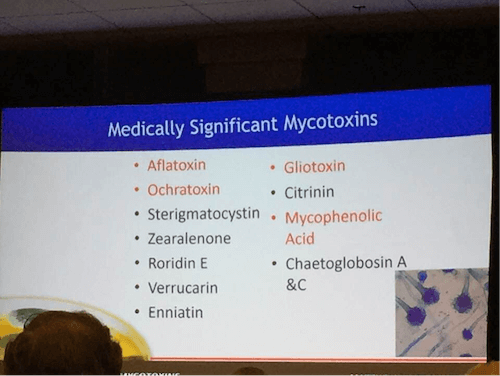
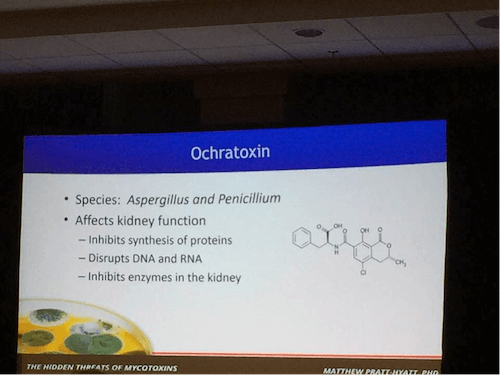
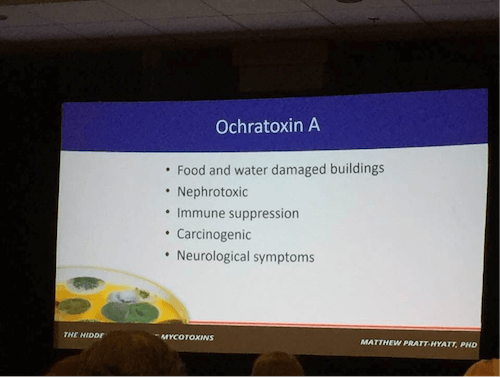
Matthew Pratt-Hyatt, PhD presented on “The Hidden Threats of Mycotoxins.” He shared medically significant mycotoxins and that ochratoxin affects the kidneys and my first thought was: “I wonder if this plays a role in oxalate issues?”

I asked Dr. Pratt-Hyatt after his presentation and he said yes, the mycotoxins produce oxalates and then dietary oxalates can be the tipping point. He wasn’t aware of any research on the mycotoxin-oxalate connection but sees the connection on the Great Plains MycoTOX lab test and Organic Acids test

Matthew Pratt-Hyatt

Matthew Pratt-Hyatt

Matthew Pratt-Hyatt

Matthew Pratt-Hyatt

Dr. Neil Nathan: “Mold Toxicity as an Unrecognized Cause of Mental Health issues.”

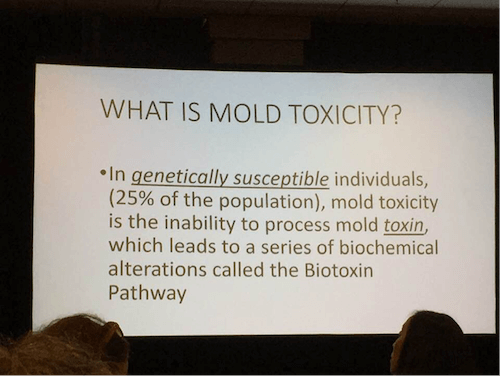
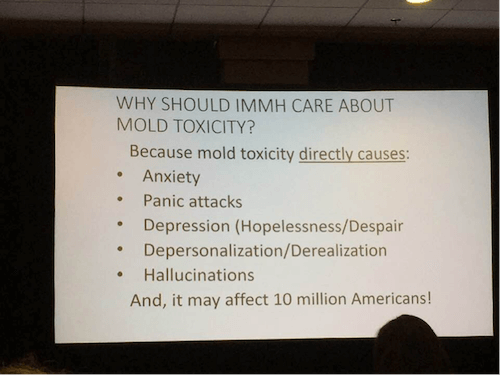
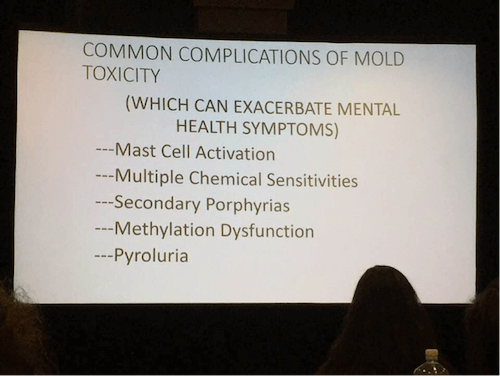
One of my favorite presentations was the one delivered by Dr. Neil Nathan on “Mold Toxicity.” He defines mold toxicity and how it can directly trigger anxiety, panic attacks, depression, depersonalization and hallucinations, as well as some of the common complications which can exacerbate mental health symptoms. These include mast cell activation, multiple chemical sensitivities, secondary porphyrias, methylation dysfunction and pyroluria.

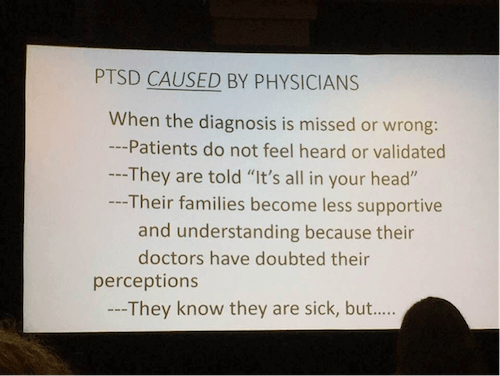
I do appreciate the fact that he addressed that there can be PTSD caused by physicians when someone knows they are sick – especially with mold toxicity – and yet they do not feel heard or validated. This can even lead to their families being less supportive.

Dr. Nathan is a brilliant and compassionate practitioner, and the author of the excellent book – Toxic: Heal Your Body from Mold Toxicity, Lyme Disease, Multiple Chemical Sensitivities, and Chronic Environmental Illness (my Amazon link)

Neil Nathan

Neil Nathan

Neil Nathan

Neil Nathan

Neil Nathan

Dr. Kurt Woeller: “Metabolic Products in Mental Health – How Fungal, Bacterial, Mitochondrial and Other Compounds Influence the Brain.”

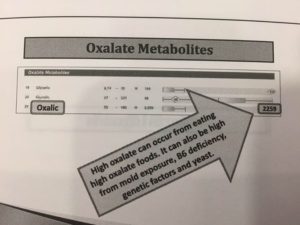
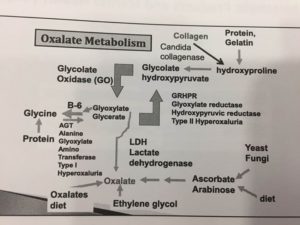
Dr. Kurt Woeller shared more about oxalates and mold in his presentation: “Metabolic Products in Mental Health.” I really like the Oxalate Metabolism diagram that shows the role of low vitamin B6, dietary oxalates including ascorbic acid, collagen and gelatin, mold, yeast and genetics in someone with high oxalates.

On a side note, low serotonin is often a factor with collagen and gelatin but it can be a source of oxalates.

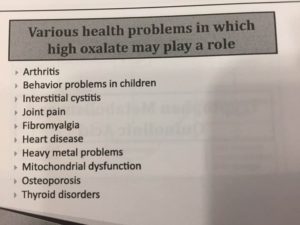
He mentions various health problems associated with high oxalates – pain issues are common and so is fatigue and behavioral issues. Dr. Woeller works primarily with children but I have seen anxiety and depression in adults with oxalate issues too.   If mold is one of the triggers then the mental health issues can be further impacted.


In case you missed the previous two IMMH blogs:

  • Last week I shared a few highlights from my IMMH presentation: “GABA for Anxiety, Insomnia, ADHD, Autism and Addictions: Research and Practical Applications” – benzodiazepines are not the solution, some new 2019 research on the far-reaching benefits of GABA, and the role of GABA in ADHD.
  • The previous week I wrote this blog post on one of the new studies in my presentation: how a combination of GABA and theanine improves sleep and reduces anxiety.

What wasn’t discussed were some of the other mechanisms that may be causing the increased anxiety – such as the impacts of toxic mold on neurotransmitters and low levels of zinc.

Have you been exposed to toxic mold and was this a trigger for your anxiety, panic attacks and other mood issues?

Did GABA, tryptophan and zinc (and other nutritional support approaches) help ease some of the anxiety symptoms while you were remediating your home and detoxing from the mold toxicity?

Do you have oxalate issues and have you ruled out the fact that toxic mold may be a trigger? I personally have oxalate issues (I share more about this here) and plan to do the MycoTOX test to learn more. I’ll keep you posted on what I find.

As a practitioner, do you want to learn more about how to incorporate GABA and the other targeted individual amino acids, tryptophan/5-HTP, DPA, glutamine and tyrosine, into your work to help your clients/patients with anxiety triggered by toxic mold? I invite you to check out my new online practitioner training here: Balancing Neurotransmitters – The Fundamentals. I’m extending the $100 discount offered at IMMH for a few weeks (use coupon code immh2019).

Filed Under: Anxiety, Depression, Environment, Events, GABA, Mold Tagged With: ADHD and addictions, anxiety, autism, benzodiazepines, depersonalization, depression, GABA, IMMH, insomnia, Integrative Medicine for Mental Health conference, mold, oxalates, panic attacks

Spicy Cauliflower Zucchini Coconut Soup Recipe

January 18, 2019 By Trudy Scott 10 Comments

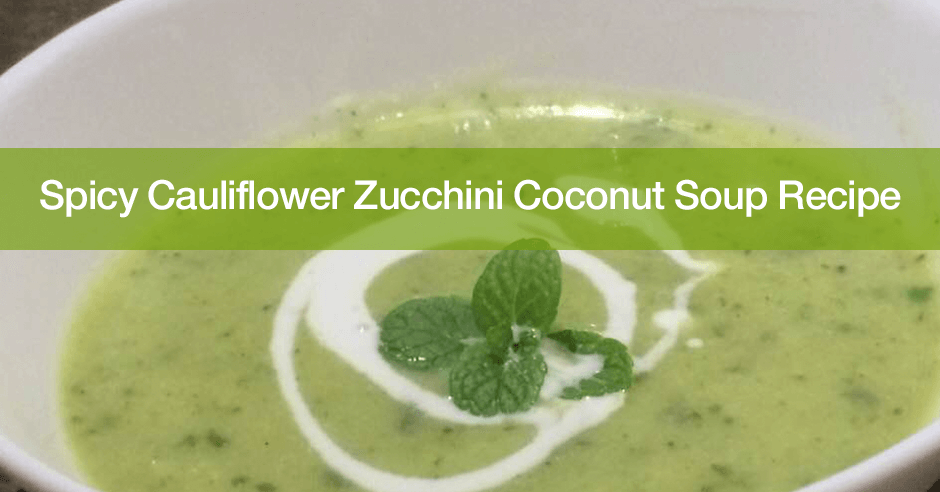
This recipe – Spicy Cauliflower Zucchini Coconut Soup – is my new favorite because it’s nutrient-dense, creamy (because of the cauliflower), lasts well in the fridge for a few days, freezes well, and is oh so yummy!

I tend to create my own recipes after being inspired by a recipe in a book, blog or eating something similar. I knew I wanted something creamy and went searching and found this recipe – Zucchini Soup with Fresh Mint – in The Complete Gut Health Cookbook by Pete Evans and Helen Padarin (on page 147 in case you have this book or end up buying a copy. It’s a great book by the way!).

The beautiful green color caught my eye. Cauliflower is one of my favorite vegetables and I had never made a soup with cauliflower before! Pete and Helen’s recipe calls for 2 handfuls of spinach leaves which are problematic for with my oxalate issues so I improvised with bok choy. The end result is not quite a green but it’s still pretty and is really delicious.

I also LOVE all things coconut and can’t resist adding coconut milk to soups for the added creaminess and to provide a good healthy fat. And with that coconut I just had to add some Indian spices for all the goodness and flavor they offer. I’m a mild spicy kind of girl so it’s not too hot. If oxalates are an issue for you reduce the quantities of the higher oxalate spices or leave them out (more on this below the recipe). Here’s the end result:

Spicy Cauliflower Zucchini Coconut Soup (serves 12)

6 large zucchini (or courgette if you’re in the UK or South Africa)
1 large cauliflower
2 large bunches of bok choy
Approx 16 cups /3.5 liters/4 quarts of liquid (home-made chicken broth and enough filtered water to cover the vegetables, leaving room in the pot for the coconut milk)
1 can coconut milk 

Spices

1 tablespoon turmeric (extra high oxalates)

1 tablespoon cumin (very high oxalates)

1 teaspoon curry powder (very high oxalates)

1 tablespoon coriander (high oxalates)

1 tablespoon ginger (low oxalates)

½ tablespoon sea salt

¼ tablespoon black pepper

(this is a mild combination of spices; you could add more curry powder to make it more spicy)

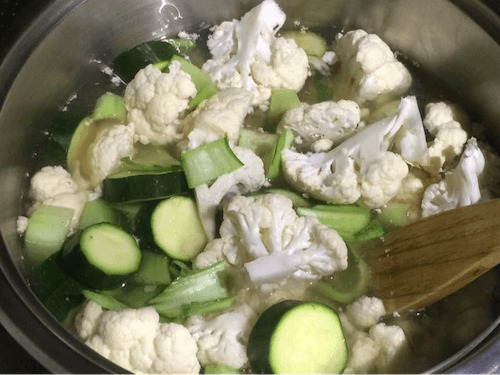
Chop the zucchini and cauliflower and add to the water in a large pot. Chop the white stalks of the bok choy and add to the water with zucchini and cauliflower. Reserve the green leaves of the bok choy and slice finely for later.

Bring to a boil, cover and simmer slowly for about 20 minutes until the vegetables are tender.

Open the can of coconut milk, reserving a few tablespoons for drizzling over the served soup. Pour the remainder into the soup pot, together with the spices and cook for a further minute, stirring to blend everything. Add the finely sliced green leaves of the bok choy and cook for a few more minutes.

Blend until smooth and add back to the pot to reheat. Serve with a drizzle of coconut milk.

Some other serving options:

  • add half a chopped avocado to the serving bowl (I like the chunks) and some MCT oil (for more of a keto-friendly soup and to help with blood sugar stability)
  • add chunks of cooked organic chicken or slices of cooked grass-fed beef
  • or simply serve before the main meal

Enjoy!

The pot should be almost full of liquid and vegetables

The blended soup can be stored in the fridge for a few days and re-heated for lunches and dinner (in a pot and not the microwave), or even enjoyed cold. Be sure to store in glass or pyrex containers.

It also freezes well (and again, use glass or pyrex). When you’re ready to use it, either thaw ahead of time or place the frozen glass/pyrex container in warm water for a few minutes in the sink. This thaws the edges just enough so it’s easy to tip the frozen soup into a pot to finish thawing and reheat. Use low heat while it’s thawing in the pot.

If you have food challenges with oxalates, autoimmune triggers or SIBO:

1) It’s low oxalate with the bok choy instead of spinach but you could use could use 2 cups of baby spinach if oxalates are not an issue.

Per the spreadsheet in the TryingLowOxalates facebook group  run by Susan Owens, a biomedical researcher and the founder of the Autism Oxalate Project, the spices above add up to about 20-24g of oxalates.

  • turmeric (extra high oxalates)
  • cumin (very high oxalates)
  • curry powder (very high oxalates)
  • coriander (high oxalates)
  • ginger (low oxalates)

As I mention above, if you have a problem with oxalates you may need to reduce the quantities of the higher oxalate spices or use more magnesium citrate or calcium citrate with this meal.

On a personal note, I’m very sensitive to oxalates (too much and I get really painful hot-coals-burning/shards-of- glass type pain in my feet and very scratchy eyes) and I seem to tolerate the above amounts of spices in a large soup like this, provided I’m not eating other high oxalate foods at the same time.

2) It’s AIP-friendly (Autoimmune Paleo)

3) It’s FODMAPS-friendly as is or feel free to add garlic and onion if tolerated

Let me know if this sounds yummy and ask away if you have any questions. If you make it be sure to come back and let us know how you enjoyed it. And let us know if you made your own variation.

Filed Under: Recipes Tagged With: bok choy, cauliflower, coconut, oxalates, recipe, soup, spicy, vegetable, zucchini

Dark chocolate reduces stress and inflammation, improves memory, immunity and mood – but are you addicted?

June 22, 2018 By Trudy Scott 21 Comments

dark chocolate addiction

A press release from Loma Linda University reports that two new studies show dark chocolate consumption reduces stress and inflammation, while improving memory, immunity and mood. These are wonderful results from human trials and if you’re like most of us I’m sure this subject brings great delight! However (and sorry to be the party-pooper here), there are a number reasons why you may want to hold back on the excitement: if you’re addicted to chocolate and/or sugar this is a big red flag, and if dietary oxalates and caffeine are issues for you then this news won’t be good. But there may be ways you can get some of the benefits without the harmful effects (more on that below).

These papers were presented as posters at the Experimental Biology 2018 annual meeting in San Diego, and the press release reports that

dark chocolate with a high concentration of cacao (minimally 70% cacao, 30% organic cane sugar) has positive effects on stress levels, inflammation, mood, memory and immunity. While it is well known that cacao is a major source of flavonoids, this is the first time the effect has been studied in human subjects to determine how it can support cognitive, endocrine and cardiovascular health.

Lee S. Berk, a researcher in psychoneuroimmunology and food science from Loma Linda University, School of Allied Health Professions, served as principal investigator on both studies and stated the following:

For years, we have looked at the influence of dark chocolate on neurological functions from the standpoint of sugar content – the more sugar, the happier we are. This is the first time that we have looked at the impact of large amounts of cacao in doses as small as a regular-sized chocolate bar in humans over short or long periods of time, and are encouraged by the findings. These studies show us that the higher the concentration of cacao, the more positive the impact on cognition, memory, mood, immunity and other beneficial effects [such as enhanced neuroplasticity].

The flavonoids found in cacao are extremely potent antioxidants and anti-inflammatory agents, with known mechanisms beneficial for brain and cardiovascular health.

In these 2 small studies (which have yet to be published in a peer-review journal) the consumption of 48g of 70% dark organic chocolate offered many of these health benefits in as quickly as 30 mins (in one the study) and when consumed every day for a week (in the other study).

In case you’re wondering how much this means in practical terms: 48 g is just over an ounce and a half, or 2 tablespoons. So think about 2 squares of 70% dark chocolate.

But are you addicted to chocolate? And do you binge?

I know I sounded like a real party pooper in the introduction but if your eyes lit up or you even got a little teary-eyed or felt a really warm “I so deserve this treat” glow or you felt realy joy at the thought of indulging (or maybe all of the above emotions) when you read the subject line then these may be red flag for you. But despair not as there are ways to help you not overdo it and binge on a week’s supply of dark chocolate in one sitting. If you relate to the binge comment you know exactly what I mean and have felt that deep regret and shame afterwards.

Lorraine shares this about her chocolate addiction:

the minute I start eating it – I am like a heroin addict. I can’t stop. I end up bingeing for a few weeks as it’s all I can think about. It’s the weirdest thing – so I mainly abstain from it and have a slip, binge, anxiety relapse about once a year until I am able to buckle down and fight the cravings knowing the anxiety is not worth the euphoria.

For some people the anxiety that is caused by chocolate is too severe (more on that below) but if Lorraine’s anxiety and bingeing are related there may be a solution for her and if yes, it would be the GABA solution below.

The brain chemistry balancing solution for bingeing

Cravings for chocolate can often be due to brain chemical imbalances and when these are addressed no willpower is required and there are no feelings of being deprived. Here is a simple way to help you figure it out:

  • if you have to eat chocolate when you haven’t eaten in awhile it’s likely low blood sugar and glutamine on the tongue stops the desire on the spot
  • if you stress-eat your chocolate cravings are likely due to low GABA, and GABA will stop the stress-eating and calm you down
  • if you eat chocolate to feel happy (and especially from late afternoon onwards) then your cravings are likely due to low serotonin, and tryptophan stops the cravings and boosts mood and reduces anxiety
  • if you eat chocolate for an energy boost then it’s likely due to low catecholamines and tyrosine will stop those cravings and give you a mood and energy boost
  • if you are a comfort-eater then it’s likely due to low endorphins and DPA will stop that “I deserve-it-reward-eating” and also give you a hug-like mood boost

I write more about this in the glutamine cravings blog and you can find all the individual amino acids listed on my supplements blog here with details on how to purchase them from my distributor.

Once you have this figured out this brain balancing there is no bingeing, you can eat a small portion and feel very satisfied and will actually address some mood and anxiety issues at the same time!

Dark chocolate is a no-no if dietary oxalates are an issue for you

If dietary oxalates cause you issues like anxiety, insomnia, vulvar pain, urinary issues, or other pain (for me they cause dreadful foot pain – like shards of glass combined with hot coals)

When considering high oxalate foods, 41mg and above is considered an exceptionally high oxalate food. In one study, the total oxalate contents of 34 samples of dark chocolate collected from 13 different countries ranged from 155 to 485 mg/100 g which equates to around 77 to 240mg for 48g.   So dark chocolate does need to be avoided and I would not even consider eating some even with calcium citrate or magnesium citrate.

In a related study published last year by lead author Professor Lee Birk, Is Chocolate Beneficial for Brain Health? the 20 subjects were subjected to a sequence of cacao sensory awareness tasks ranging from:

  • recall of past experiences
  • imagine eating chocolate right now
  • visualization/looking at real chocolate
  • olfaction [or sense of smell]
  • taste but not swallow
  • and finally chocolate consumption (70% cocoa bar) to satiation

And for many the above provided benefits for them. For me a good long deep sniff of dark chocolate feels quite satisfying, as strange as it may sound.

I do sometimes miss the texture of melted chocolate but solid coconut butter satisfies that need. Believe it or not, but so does pemmican, a savory snack that is made with beef fat and beef jerky, honey/cherries and sea salt. Check out pemmican from US Wellness Meats here (my affiliate link).

Avoid it if the caffeine causes anxiety, insomnia, heart palpitations and/or migraines

For many of my clients the caffeine in dark chocolate can cause anxiety, insomnia, heart palpitations and/or migraines. Some of these “twitchy” effects may also be due to the theobromine, a chemical compound, which roughly translates to “food of the gods” and is also what makes chocolate deadly for dogs.

I have to admit that chocolate would be my “drug” of choice before cakes, cookies or sweets. Putting aside the oxalate issues, it also affects my sleep and creates mild anxiety/sort of edginess with mild heart palpitations with restless sleep. This is how I remember a coffee buzz feeling. But worse than this is the migraine I get a day or 2 days later. It is wicked pain above my left eye that leaves me horizontal for a day. So, no chocolate for me unfortunately, other than enjoying the aroma of it.

Carob as a delicious alternative

Carob is a delicious alternative to dark chocolate as it doesn’t contain caffeine and is lower in oxalates. It has a definite chocolate-like flavor.

A 2002 study found that carob may actually have calming effects. It is also antioxidant rich, contains the polyphenol gallic acid which has been shown to help metabolic syndrome, has chemoprotective properties and helps with digestion.

Check out my Carob Cinnamon Delight al la Trudy hot beverage recipe and this recipe for Carob Coconut Avocado bites (leave out the sesame seeds and add extra coconut flakes if oxalates are an issue).

Organic and Fair Trade of course

If you can get to enjoy dark chocolate be sure to consume only organic as cocoa plants are heavily sprayed, Other than the concerns with the actual pesticides and insecticides, there is cause for concern about raised copper levels because of copper-based pesticides.

Fair Trade is a global movement made up of a diverse network of producers, companies, shoppers, advocates, and organizations putting people and planet first

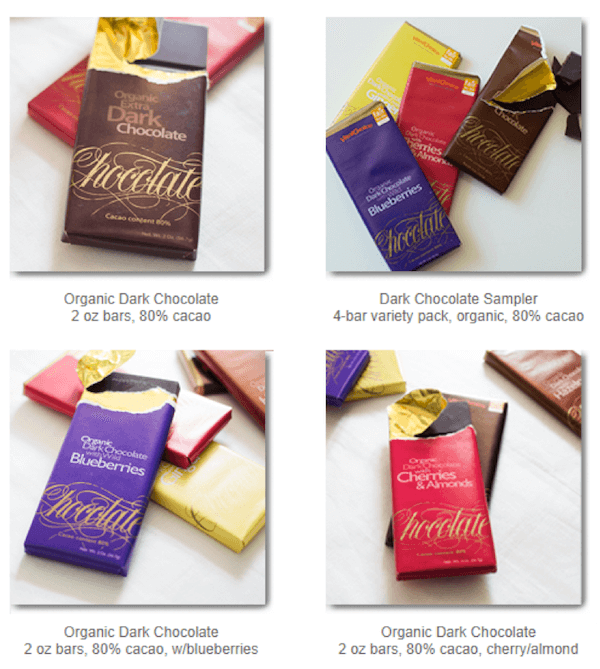
I know I’m going to get questions on what brands I recommend that are organic, Fair Trade and gluten-free so here goes – Vital Choice is my pick right now.

Vital Choice has quality dark chocolate that is both organic and Fair Trade. It is labeled gluten-free but they state it is “Manufactured on shared equipment with products containing wheat, milk, peanuts, and tree nuts.” I have not had any reports of anyone having a gluten issue with it but please use your own discretion. Here is the link to check them out and make a purchase (it is my affiliate link). Simply search for dark chocolate.

Feel free to share how you do with dark chocolate and how it makes you feel when you consume it and be sure to post any questions you may have.

And if you know of brands that are organic, Fair Trade and gluten-free please do share them.

Filed Under: Addiction Tagged With: addicted, anxiety, caffeine, comfort, Dark chocolate, DPA, immunity, Inflammation, insomnia, memory, mood, oxalates, reward, stress, tryptophan, Vital Choice

Butyrate, oxalates, sleep and the health of the microbiome

May 14, 2017 By Trudy Scott 11 Comments

Butyrate, oxalates and sleep are all closely tied to the health of the microbiome. Here are a few snippets from some of my favorite interviews on the Microbiome Medicine Summit 2:

Healthy Messages from Body to Brain: Dr. David Perlmutter

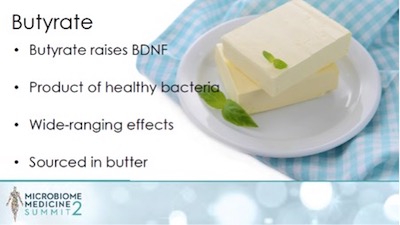
Butyrate is one of the 3 very important short chain fatty acids that are made in the gut: butyrate, propionate, and acetic acid are the products of the healthy bacteria.

And it turns out that butyrate has some far reaching effects in the body. It acts as a fuel for the cells that line the gut. It acts as a modulator of our gene expression, a fancy term called histone deacetylase inhibitor, but it changes the expression of our DNA.

It regulates the leakiness of the gut lining. It regulates the leakiness of the blood brain barrier, and it also simulates specific receptors on immune cells called G protein receptors that code for things like the formation of inflammatory chemicals, so it has wide-ranging effects.

We can increase our butyrate by having healthier gut bacteria. We can eat butyrate in certain foods. It comes from the word butter; butter is probably nature’s richest source of butyrate.

Special Diets & the Microbiome: Julie Matthews

What’s interesting about oxalates is they can affect and actually damage mitochondria. Mitochondria, those little powerhouses in the cell, there are millions and millions of those going on every second that supply our entire body, every cell, every organ of our body with energy at every second.

Issues with mitochondria are very common not only on autism but variety of conditions including fibromyalgia and all sorts of pain-related condition. And we often see when people have mitochondrial issues that they have issues with three or more systems. So if they’ve got issues with their gut and maybe something in their central nervous system or their immune system.

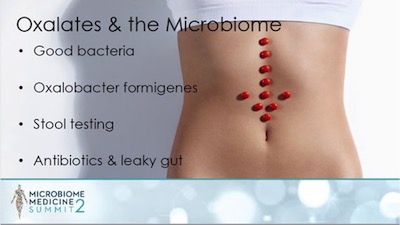
And interestingly, there is a microbiome connection with oxalates as well. And what that is, is that oxalates have to be broken down by good bacteria, particularly there is a bacteria called Oxalobacter formigenes and its job is to break down oxalates. There are other bacteria. There are Lactobacillus bacteria that can help break down oxalates, as well. Oxalobacter is particularly sensitive to antibiotics. Even a single round of antibiotics can really damage this population, sometimes not only for the short-term but sometimes for the longer term, particularly when someone has had multiple rounds.

Cleansing the Microbiome: Donna Gates

People probably don’t have this picture of the microbiome in their mind. But it’s very dynamic. It changes all the time. If you change your diet, your microbiome is going to change. If you travel, it’s going to change because you’re eating different foods and so on.

It’s also very cyclical. So, what happens at night when we go to sleep—the microbiome changes. There are certain microbes that become dormant—become quiet. And they don’t do anything much. And other ones become very active at night when we’re sleeping.

What happens if you have sleep disorders—like sleep apnea, for example, where you’re not breathing well at night—that’s going to change the diversity of the microbes in your gut. So, you want to correct sleep disorders.

You may not realize that when you don’t sleep, you’re harming the microbes in your gut. And you’re allowing the pathogenic crypts to have a heyday down in the gut. So, sleep is very important, very much connected to the microbiome.

I hope you’ll join the host Dr. Raphael Kellman and all the great speakers on the last few days of The Microbiome Medicine Summit 2.

Filed Under: Events Tagged With: Butyrate, Donna Gates, Dr. Kellman, Dr. Perlmutter, Julie Matthews, microbiome, microbiome medicine summit, oxalates, sleep

  • « Go to Previous Page
  • Page 1
  • Page 2
  • Page 3
  • Go to Next Page »

Primary Sidebar

NEW! GABA QuickStart Homestudy (with special intro pricing)

gaba quickstart homestudy

Free Report

9 Great Questions Women Ask about Food, Mood and their Health

You'll also receive a complimentary subscription to my ezine "Food, Mood and Gal Stuff"


Connect with me

Popular Posts

  • Amino Acids Mood Questionnaire from The Antianxiety Food Solution
  • The Antianxiety Food Solution Amino Acid and Pyroluria Supplements
  • Pyroluria Questionnaire from The Antianxiety Food Solution
  • Collagen and gelatin lower serotonin: does this increase your anxiety and depression?
  • Tryptophan for the worry-in-your-head and ruminating type of anxiety
  • GABA for the physical-tension and stiff-and-tense-muscles type of anxiety
  • The Antianxiety Food Solution by Trudy Scott
  • Seriphos Original Formula is back: the best product for anxiety and insomnia caused by high cortisol
  • Am I an anxious introvert because of low zinc and vitamin B6? My response to Huffington Post blog
  • Vagus nerve rehab with GABA, breathing, humming, gargling and key nutrients

Recent Posts

  • What do I use instead of Seriphos to help lower high cortisol that is affecting my sleep and making me anxious at night?
  • BeSerene™ GABA/theanine cream eases severe muscle tension in her neck/shoulders, prevents her bad headaches and quells her anxiety
  • How the correct approach, dose and sublingual use of GABA can be calming and not cause a flushed and itchy face and neck
  • The amino acid glutamine improves low mood by addressing gut health, and it has calming effects too
  • Flight anxiety with heightened breath, physical tension and also fearing the worst (the role of low GABA and low serotonin)

Categories

  • 5-HTP
  • AB575
  • Addiction
  • ADHD
  • Adrenals
  • Alcohol
  • Allergies
  • Alzheimer's disease
  • Amino Acids
  • Anger
  • Antianxiety
  • Antianxiety Food Solution
  • Antidepressants
  • Anxiety
  • Anxiety and panic
  • Autism
  • Autoimmunity
  • benzodiazapines
  • Bipolar disorder
  • Books
  • Caffeine
  • Cancer
  • Candida
  • Children/Teens
  • Collagen
  • Cooking equipment
  • Coronavirus/COVID-19
  • Cravings
  • Depression
  • Detoxification
  • Diabetes
  • Diet
  • DPA/DLPA
  • Drugs
  • EFT/Tapping
  • EMF
  • EMFs
  • Emotional Eating
  • Endorphins
  • Environment
  • Essential oils
  • Events
  • Exercise
  • Fear
  • Fear of public speaking
  • Fertility and Pregnancy
  • Fish
  • Food
  • Food and mood
  • Functional neurology
  • GABA
  • Gene polymorphisms
  • General Health
  • Giving
  • Giving back
  • Glutamine
  • Gluten
  • GMOs
  • Gratitude
  • Gut health
  • Heart health/hypertension
  • Histamine
  • Hormone
  • Hyperparathyroidism
  • Hypoglycemia
  • Immune system
  • Inflammation
  • Insomnia
  • Inspiration
  • Introversion
  • Joy and happiness
  • Ketogenic diet
  • Lithium orotate
  • Looking awesome
  • Lyme disease and co-infections
  • MCAS/histamine
  • Medication
  • Men's health
  • Mental health
  • Mercury
  • Migraine
  • Mold
  • Movie
  • MTHFR
  • Multiple sclerosis
  • Music
  • NANP
  • Nature
  • Nutritional Psychiatry
  • OCD
  • Osteoporosis
  • Oxalates
  • Oxytocin
  • Pain
  • Paleo
  • Parasites
  • Parkinson’s disease
  • PCOS
  • People
  • PMS
  • Postpartum
  • PTSD/Trauma
  • Pyroluria
  • Questionnaires
  • Real whole food
  • Recipes
  • Research
  • Schizophrenia
  • serotonin
  • SIBO
  • Sleep
  • Special diets
  • Sports nutrition
  • Stress
  • Sugar addiction
  • Sugar and mood
  • Supplements
  • Teens
  • Testimonials
  • Testing
  • The Anxiety Summit
  • The Anxiety Summit 2
  • The Anxiety Summit 3
  • The Anxiety Summit 4
  • The Anxiety Summit 5
  • The Anxiety Summit 6
  • Thyroid
  • Thyroid health
  • Toxins
  • Tryptophan
  • Tyrosine
  • Uncategorized
  • Vegan/vegetarian
  • Women's health
  • Yoga

Archives

  • October 2025
  • September 2025
  • August 2025
  • July 2025
  • June 2025
  • May 2025
  • April 2025
  • March 2025
  • February 2025
  • January 2025
  • November 2024
  • October 2024
  • September 2024
  • August 2024
  • July 2024
  • June 2024
  • May 2024
  • April 2024
  • March 2024
  • February 2024
  • January 2024
  • December 2023
  • November 2023
  • October 2023
  • September 2023
  • August 2023
  • July 2023
  • June 2023
  • May 2023
  • April 2023
  • March 2023
  • February 2023
  • January 2023
  • December 2022
  • November 2022
  • October 2022
  • September 2022
  • August 2022
  • July 2022
  • June 2022
  • May 2022
  • April 2022
  • March 2022
  • February 2022
  • January 2022
  • December 2021
  • November 2021
  • October 2021
  • September 2021
  • August 2021
  • July 2021
  • June 2021
  • May 2021
  • April 2021
  • March 2021
  • February 2021
  • January 2021
  • December 2020
  • November 2020
  • October 2020
  • September 2020
  • August 2020
  • July 2020
  • June 2020
  • May 2020
  • April 2020
  • March 2020
  • February 2020
  • January 2020
  • December 2019
  • November 2019
  • October 2019
  • September 2019
  • August 2019
  • July 2019
  • June 2019
  • May 2019
  • April 2019
  • March 2019
  • February 2019
  • January 2019
  • December 2018
  • November 2018
  • October 2018
  • September 2018
  • August 2018
  • July 2018
  • June 2018
  • May 2018
  • April 2018
  • March 2018
  • February 2018
  • January 2018
  • December 2017
  • November 2017
  • October 2017
  • September 2017
  • August 2017
  • July 2017
  • June 2017
  • May 2017
  • April 2017
  • March 2017
  • February 2017
  • January 2017
  • December 2016
  • November 2016
  • October 2016
  • September 2016
  • August 2016
  • July 2016
  • June 2016
  • May 2016
  • April 2016
  • March 2016
  • February 2016
  • January 2016
  • December 2015
  • November 2015
  • October 2015
  • September 2015
  • August 2015
  • July 2015
  • June 2015
  • May 2015
  • April 2015
  • March 2015
  • February 2015
  • January 2015
  • December 2014
  • November 2014
  • October 2014
  • September 2014
  • August 2014
  • July 2014
  • June 2014
  • May 2014
  • April 2014
  • March 2014
  • February 2014
  • January 2014
  • December 2013
  • November 2013
  • October 2013
  • September 2013
  • August 2013
  • July 2013
  • June 2013
  • May 2013
  • April 2013
  • March 2013
  • February 2013
  • January 2013
  • December 2012
  • November 2012
  • October 2012
  • August 2012
  • July 2012
  • June 2012
  • May 2012
  • April 2012
  • March 2012
  • February 2012
  • January 2012
  • December 2011
  • November 2011
  • October 2011
  • September 2011
  • August 2011
  • July 2011
  • June 2011
  • May 2011
  • April 2011
  • March 2011
  • February 2011
  • January 2011
  • December 2010
  • October 2010
  • September 2010
  • July 2010
  • May 2010
  • April 2010
  • March 2010
  • February 2010
  • January 2010
  • November 2009

Share the knowledge!

The above statements have not been evaluated by the Food and Drug Administration. Products listed in this website are not intended to diagnose, treat, cure or prevent any disease.

The information provided on this site is for informational and educational purposes only and is not intended as a substitute for advice from your physician or other health care professional. You should consult with a healthcare professional before starting or modifying any diet, exercise, or supplementation program, before taking or stopping any medication, or if you have or suspect you may have a health problem.


Copyright © 2026 Trudy Scott. All Rights Reserved. | Privacy | Terms and Conditions | Refund Policy | Medical Disclaimer

Free Report

9 Great Questions Women Ask about Food, Mood and their Health

You’ll also receive a complimentary subscription to my ezine “Food, Mood and Gal Stuff”