• Skip to primary navigation
  • Skip to main content
  • Skip to primary sidebar

everywomanover29 blog

Food, Mood and Women's Health – Be your healthiest, look and feel great!

  • Blog
  • About
  • Services
  • Store
  • Resources
  • Testimonials
  • The Book
  • Contact
  • Search this site

nutrition

More kids are showing up in ERs with anxiety, depression and other common mental health problems: why isn’t nutritional psychiatry part of the discussion?

November 16, 2018 By Trudy Scott 23 Comments

This article on NBC news, More kids are showing up in ERs (Emergency Rooms) with mental health crises, reports large increases across the country.

Dr. Anna Abrams, a pediatrician and researcher at Children’s National Medical Center in Washington, finds the numbers both shocking and disheartening.

In the 5-year period from 2012 to 2016, when looking at ER mental health admissions in 45 children’s hospitals, they found the following increases:

  • 48 % in white children
  • 64% in non-Hispanic black children
  • 77% increase in Hispanic children

with about a 55 % increase overall.

Dr. Abrams and her colleagues presented these findings at the American Academy of Pediatrics conference in earlier this month.

Other than the very large increases, there is something else to be concerned about: the researchers say they aren’t sure why we are seeing these increases, speculating it “could be due to the scarcity of mental health professionals who can help children” and “People are also talking more openly about depression, anxiety and other common mental health problems and that may make parents feel more comfortable about seeking help for their children.”

While these are very valid reasons, we really do need to be incorporating nutritional psychiatry (a term coined in 2015) and functional medicine (Dr. Mark Hyman is one of the leaders in functional medicine) into these discussions, studies and conferences. Other than poor diets and nutritional deficiencies we need to be considering stress, exposure to toxins, poor gut health and increasing Wifi exposure, to name a few.

If we look at diet alone, there is so much recent research supporting the connection between diet and mental health. Here are two of many new studies:

  • Is there an association between diet and depression in children and adolescents? A systematic review

Despite some contradictory results, overall there was support for an association between healthy dietary patterns or consumption of a high-quality diet and lower levels of depression or better mental health. Similarly, there was a relationship between unhealthy diet and consumption of low-quality diet and depression or poor mental health.

  • A Pro-Inflammatory Diet Is Associated With an Increased Odds of Depression Symptoms Among Iranian Female Adolescents: A Cross-Sectional Study

These data suggest that Iranian adolescent females eating a pro-inflammatory diet…had greater odds of having at least moderate depressive symptoms.

And here are just a few other factors to consider:

  • Integrative Medicine Approach to Pediatric Obsessive-Compulsive Disorder and Anxiety – in this case study gluten removal was a big factor
  • GABA for children: ADHD, focus issues, irritability, anxiety and tantrums With this pre-teen young girl, her mom reports that “She’s almost like different child. GABA has truly changed our life.“

How do we get this nutritional psychiatry research and case studies into the hands of those who can change actually policy and the way mental health is addressed? I believe it has to be a grass-roots effort from the bottom up and I have these suggestions:

  • share this blog and the research with your doctor and/or allied health practitioner
  • reach out to study authors, journalists and legislators and share research and success stories like the above, and your own personal results
  • if you’re a practitioner, write blogs like this sharing the good results you see with your clients and patients – with researchers, journalists and legislators
  • share in forums and on social media, and with your neighbors, friends and family
  • comment on blogs like this – with success stories in your family or with clients – so more people get to see what really is working

Every little bit helps! I’d love to hear your ideas too.
Filed Under: Children/Teens, Mental health Tagged With: adolescents, anxiety, children, depression, diet, ERs, GABA, gluten, kids, mental health, nutrition, nutritional psychiatry

MDMA-Assisted Psychotherapy for Treating Chronic PTSD: Why I feel we can do better and the role of nutrition and amino acids like GABA

November 2, 2018 By Trudy Scott 7 Comments

You may be familiar with MDMA (3,4-methylenedioxymethamphetamine), also known as “ecstasy”, because of its reputation as a party drug. And you have likely seen some of the media reports on the new research and growing support for MDMA-Assisted psychotherapy for treating chronic PTSD (post-traumatic stress disorder). Due to adverse effects I’d like to share my concerns about this research and treatment and why I feel we can do better – by addressing nutrition and using amino acids like GABA and others.

In a recent press release, Colorado Study Shows Lasting Benefits of MDMA-Assisted Psychotherapy for Treating Chronic PTSD, the non-profit organization, Multidisciplinary Association for Psychedelic Studies (MAPS) reports these study results:

28 participants found that one month after their second day-long experimental session, 42.9% in the active-dose (100 mg and 125 mg) MDMA groups did not qualify for a diagnosis of PTSD, compared to 33.3% in the low-dose MDMA (40 mg active placebo) control group.

The results were even more notable 12 months after the third active-dose experimental session, which found that one year following treatment with MDMA-assisted psychotherapy, 76% of participants no longer had PTSD.

It is the largest U.S. FDA-regulated double-blind, placebo-controlled clinical trial of MDMA-assisted psychotherapy for the treatment of chronic PTSD and the results are impressive: 76% of the study participants no longer had PTSD after a year and 3 treatment sessions. I’m really happy for the participants BUT I believe we can do better because there are adverse reactions to this treatment and there are other safer approaches for recovery.

This comment about an acceptable risk profile and adverse reactions concerns me (and I suspect it concerns you too):

The study replicated previous research showing an acceptable risk profile for MDMA, with the most frequently reported adverse reactions during experimental sessions being anxiety, jaw clenching, headache, muscle tension, dizziness, fatigue, and low mood.

Adverse reactions one week following treatment included insomnia, low mood, irritability, and ruminations. Temporary elevations in pulse, blood pressure, and temperature were also recorded during MDMA sessions, and did not require medical intervention.

A common theme we see in the research on psychedelics is how effective it is for PTSD that doesn’t respond to therapy or medications. This paper states:

There is an immense need for innovative treatment options that improve outcomes, especially for PTSD refractory to psychotherapy and/or pharmacotherapies

I agree there is an immense need for successful treatment approaches, but jumping to MDMA from psychotherapy and/or psychiatric medications is skipping out the entire nutritional and biochemical step which is SO powerful and doesn’t have the above adverse effects. I’m concerned too many who have not seen benefits from therapy or medications are seeing MDMA as THE solution and are going to be harmed even further.

This paper, The Potential Dangers of Using MDMA for Psychotherapy, the author is concerned about the fact that “acute MDMA can stimulate the release of difficult feelings and memories, which may be distressing” and also the negative moods that occur after MDMA treatment:

This period of negative cognitions may be counter-productive, especially in psychiatrically vulnerable clients, for instance those with predispositions to anxiety, depression, or psychosis. For example, it could increase the likelihood of suicide in those individuals with strong post-recovery feelings of depression.

Because of this, I wholeheartedly agree with the author’s position:

it will always be far safer to undertake psychotherapy without using co-drugs. In selected cases MDMA might provide an initial boost, but it also has far too many potentially damaging effects for safe general usage.

In addition to psychotherapy, there are also so many nutritional and biochemical factors we can consider when it comes to PTSD. These don’t have any of the above damaging effects seen with MDMA. Here are a few to consider:

  • In this blog post, PTSD from 3 tours in Afghanistan: Can GABA help with the anxiety? how low GABA can lead to physical anxiety, muscle tension and the need to self-medicate with alcohol or sugary foods in order to calm down and relax. We also have research supporting the use of GABA for helping with unwanted obtrusive thoughts which are common with PTSD. When low GABA is suspected we do an amino acid trial with GABA, one of the calming amino acids.
  • A 2016 reports that blueberries boost serotonin and may help with PTSD and anxiety https://www.everywomanover29.com/blog/blueberries-serotonin-ptsd-anxiety/. This was an animal study where the traumatized rats were fed a blueberry-enriched diet. The study authors report an increase in serotonin levels, suggesting that “non-pharmacological approaches might modulate neurotransmitters in PTSD.”
  • A recent meta-analysis, Association between posttraumatic stress disorder and lack of exercise, poor diet, obesity, and co-occuring smoking, confirms the diet and lifestyle connection to being more impacted by trauma when health is not optimal.

I feel it is these above approaches and others like this that we need to be using to address PTSD, rather than subjecting individuals who are already suffering to treatments that have adverse reactions AND are not addressing underlying nutritional deficiencies of low GABA, low serotonin, out of balance endocannabinoid system and overall health, to name a few of many possible underlying biochemical factors.

If this treatment approach is approved, I would hope that all the adverse effects and dangers are clearly explained and I’d also like there to be informed consent before it is used – so individuals know exactly what they are getting into. Hopefully, by the time it is approved, nutritional psychiatry will be more accepted.

I’d love to hear your thoughts on this research and treatment approach. Is it something you have considered or would possibly consider in the future – you personally or with patients?

Or do you have similar concerns that I have?

Have you already tried MDMA recreationally (possibly for therapeutic reasons) and what were your experiences like?

Filed Under: PTSD/Trauma Tagged With: anxiety, biochemical, blueberries, depression, GABA, insomnia, irritability, low mood, MAPS, MDMA, nutrition, nutritional, PTSD, ruminations

Mental Health Month: anxiety, nutrition, gluten, GABA, leptin and fluoroquinolones

May 13, 2016 By Trudy Scott 21 Comments

egg-asparagus-salad

Since 1949, Mental Health America and affiliates across the country have led the observance of May is Mental Health Month by reaching millions of people both online and locally. They share this:

This year’s theme for Mental Health Month is – Life with a Mental Illness – and calls on individuals to share what life with a mental illness feels like for them in words, pictures and video by tagging their social media posts with #mentalillnessfeelslike (or submitting to MHA anonymously). Posts are being collected and displayed at mentalhealthamerica.net/feelslike.

I love that they say that spreading the word that mental health issues like anxiety, depression, bipolar and other disorders is something everyone should care about.

I’d love to educate and inspire many of those individuals who have already posted on social media using #mentalillnessfeelslike and have yet to find a solution. There are so many of them and it’s heart-breaking. You can go to mentalhealthamerica.net/feelslike now and see what is being said.

Here are a few examples:

Severe anxiety feels like you are lost in a big city where no one else can speak your language and you are trying to get home.. #mentalillnessfeelslike

#anxietyfeelslike #mentalillnessfeelslike a never ending battle to keep worry from creeping in to your every thought. Trying to be present

Anxiety Attack #mentalillnessfeelslike: I’m swirling in a cyclone while also being constructed by a Boa

#MentalIllnessFeelsLike Worrying About Passing This Semester Causing Your Anxiety To Mess Up More Although Your Anxiety Put You Here

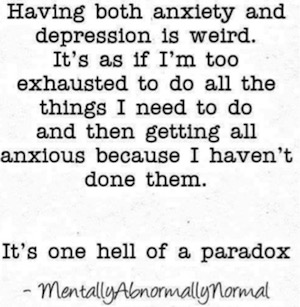
And this profound quote by MentallyAbnormallyNormal (you can find her here on Facebook)

mentally-abnormally-normal-meme

I encourage you to participate if it feels ok to you. I’d especially love you to share how nutrition and nutrients like GABA, tryptophan, zinc, vitamin B12, and/or vitamin D have helped you. You can also respond directly to the posts others have made.

Here are some links to my prior blog posts on some of the many nutritional (and biomedical) approaches so feel free to also share some of this information and use it if you’re still on your healing journey to overcome anxiety, panic attacks, OCD, insomnia and other mood problems:

  • Nutritional medicine in modern psychiatry: position statement by ISNPR
  • Integrative Medicine Approach to Pediatric Obsessive-Compulsive Disorder and Anxiety
  • GABA, the calming amino acid: products and results
  • Tryptophan for anxiety, sleep and mood: in Put Anxiety Behind You
  • Sleep promoting effects of combined GABA and 5-HTP: new research
  • Neuropsychiatric Lyme Disease by Dr. Suruchi Chandra
  • 60+ Nutritional & Biochemical Causes of Anxiety

I’ll be adding to this last blog during season 4 of The Anxiety Summit which runs June 6th – 16th. As I continue to interview experts I learn more about the myriad of possible underlying causes of anxiety:

  • Mike Mutzel will be covering how leptin resistance affects the HPA axis contributing to cortisol imbalances and how we handle stress, inflammation, immune imbalances and obesity – all playing a role in anxiety, schizophrenia and depression, and OCD and even PTSD.
  • Lisa Bloomquist will be covering fluoroquinolone related neuropsychiatric toxicity and how to recover from fluoroquinolone toxicity. Fluoroquinolones are commonly prescribed antibiotics (ciprofoxacin, levofoxacin, and moxifoxacin) and can be a major factor in anxiety and depression. She shares how this toxicity can be as bad for some individuals as benzodiazepine tolerance and withdrawal.

For some of my clients, eliminating anxiety (and other mood disorders) can be as simple as switching to a real whole foods diet, eating to balance blood sugar, quitting sugar/gluten/caffeine and adding some key nutrients like zinc and vitamin D. Many benefit immensely when using targeted individual amino acids like GABA and tryptophan. And some need to dig deeper to find the root cause of the anxiety.

But let’s always keep looking for that root cause or causes – find YOUR root cause/s – and address it/them.

My heart goes out to you if you are still suffering and still seeking a solution (and to everyone tagging themselves with #mentalillnessfeelslike and #anxietyfeelslike).

I say let’s aims to change this to the past tense so instead of #mentalillnessfeelslike let’s get to #mentalillnessfeltlike. Or how about #anxietyfeltlike or even #nutritionfixedmyanxiety ?

It truly is possible with food and nutrients! Do you agree? What has worked for you? Feel free to share in the comments and tag yourself on social media.

And do join us on The Anxiety Summit next month and share this during the Mental Health Month of May.


Filed Under: Events, Mental health Tagged With: anxiety, depression, fluoroquinolone, GABA, Leptin resistance, Mental Health Month, nutrition, OCD, PTSD, schizophrenia, the anxiety summit, tryptophan

The Anxiety Summit – What if… Nutrition could Treat Anxiety and Depression?

May 6, 2015 By Trudy Scott 18 Comments


Julia Rucklidge PhD, Professor of Clinical Psychology in the Department of Psychology at the University of Canterbury, Christchurch, New Zealand, was interviewed on the Anxiety Summit by host of the Anxiety Summit, Trudy Scott, Food Mood Expert and Nutritionist, author of The Antianxiety Food Solution.

Julia has over 75 peer-reviewed studies and is passionate about helping people find alternative treatments to medications for their psychiatric symptoms. Her current research interests can be found at the University of Canterbury site here.

What if… Nutrition could Treat Anxiety and Depression?

  • The increasing prevalence of mental health problems and medication side-effects
  • Why diet is so important when it comes to mental health (anxiety, depression, ADHD and even schizophrenia)
  • Nutritional medicine as mainstream in psychiatry and ISNPR (International Society for Nutritional Psychiatry Research)
  • The problems with food: pesticides, soil quality, Roundup
  • Micronutrient research for ADHD, anxiety, bipolar and PTSD
  • The emerging field of nutritional mental health: Inflammation, the microbiome, oxidative stress, and mitochondrial function

Here are some snippets from our interview:

Why is nutrition important? As a scientist I can just say because the data says it’s important. So if we start with the wonderful work that has really been spearheaded from Felice Jacka and there are other people in Spain and in Japan who have published similar studies showing that the more you eat a processed, western type of diet, the higher your risk for mental illness. They’ve published data on depression and anxiety, but also other mental illness as well. And the more you eat what we call, a prudent or a healthier Mediterranean type of diet, the lower your risk for depression and anxiety.

How long is it going to take our society to pay attention to the research that shows that suboptimal nutrition is contributing to the epidemic of mental illness? Are we just going to sit around and ignore this evidence to our peril? Or are we going to start paying attention and start to invest in the really important research that needs to happen?

Here is an earlier blog post I did on Dr. Rucklidge’s excellent TEDX talk: The surprisingly dramatic role of nutrition in mental health

Here is part of the recent paper titled “What if nutrients could treat mental illness?”

We are at a tipping point in psychiatry.

The growing body of literature on the effect of nutrients on mental health is compelling enough and consistent enough for us to pay attention. It is time to revisit the role of diet and supplementary nutrients in the treatment of mental illness and to invest in this line of research.

Here is the smoking and cannabis study we talked about: Use of micronutrients attenuates cannabis and nicotine abuse as evidenced from a reversal design: a case study.

This case adds to a growing body of research supporting the use of micronutrients in the treatment of psychiatric symptoms and suggests it may extend to substance dependence. Micronutrients, by assisting with mood regulation and reductions in anxiety, may assist with successful cessation of drug use.

We discussed this earthquake paper, a favorite of hers: Shaken but unstirred? Effects of micronutrients on stress and trauma after an earthquake: RCT evidence comparing formulas and doses.

This study supports micronutrients as an inexpensive and practical treatment for acute stress following a natural disaster with a slight advantage to higher doses

If you are not already registered for the Anxiety Summit you can get live access to the speakers of the day here: www.theAnxietySummit.com

Missed this interview or can’t listen live? Or want this and the other great interviews for your learning library? Purchase the MP3s or MP3s + transcripts and listen when it suits you.

You can find your purchasing options here: Anxiety Summit Season 1, Anxiety Summit Season 2, and Anxiety Summit Season 3.

Filed Under: Antianxiety, Food and mood, PTSD/Trauma, Research, The Anxiety Summit 3 Tagged With: ADHD, anxiety, depression, Julia Rucklidge, nutrition, Nutritional medicine, psychiatry, the anxiety summit, Trudy Scott

Nutritional medicine as mainstream in psychiatry

January 30, 2015 By Trudy Scott 31 Comments

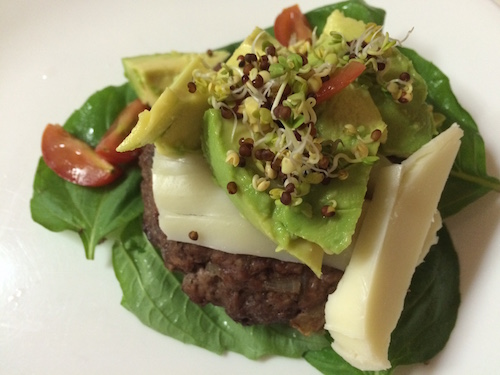
Home-made grass-fed burger, greens/basil, avocado, sprouts and cheese

Psychiatry is at an important juncture, with the current pharmacologically focused model having achieved modest benefits in addressing the burden of poor mental health worldwide. Although the determinants of mental health are complex, the emerging and compelling evidence for nutrition as a crucial factor in the high prevalence and incidence of mental disorders suggests that diet is as important to psychiatry as it is to cardiology, endocrinology, and gastroenterology. Evidence is steadily growing for the relation between dietary quality (and potential nutritional deficiencies) and mental health, and for the select use of nutrient-based supplements to address deficiencies, or as monotherapies or augmentation therapies.

I’m excited to share this groundbreaking publication, “Nutritional medicine as mainstream in psychiatry” which was published just last week in the mainstream journal Lancet. We have members of The International Society for Nutritional Psychiatry Research, also known as ISNPR to thank: Jerome Sarris, PhD, Alan C Logan, BA, Tasnime N Akbaraly, PhD, G Paul Amminger, MD, Vicent Balanzá-Martínez, MD, Marlene P Freeman, MD, Joseph Hibbeln, MD, Yutaka Matsuoka, MD, David Mischoulon, MD, Tetsuya Mizoue, MD, Akiko Nanri, MD, Daisuke Nishi, MD, Drew Ramsey, MD, Julia J Rucklidge, PhD, Almudena Sanchez-Villegas, PhD, Andrew Scholey, PhD, Kuan-Pin Su, MD, Felice N Jacka, PhD.

The abstract concludes as follows:

We present a viewpoint from an international collaboration of academics (members of the International Society for Nutritional Psychiatry Research), in which we provide a context and overview of the current evidence in this emerging field of research, and discuss the future direction. We advocate recognition of diet and nutrition as central determinants of both physical and mental health.

You may recognize some of these people from my prior writings and interviews.

  • Felice Jacka was interviewed in season 1 of the Anxiety Summit. Our topic was The Research: Food to prevent and treat anxiety and depression? She has been and still is very active in the nutrition/mental health/anxiety/depression research community
  • Julia Rucklidge recently did a fabulous TEDx talk called The surprisingly dramatic role of nutrition in mental health. She is also a very prolific researcher.

Dr. Marlene Freeman is also the author of an editorial, Nutrition and Psychiatry, published in the American Journal of Psychiatry in 2010.

It is both compelling and daunting to consider that dietary intervention at an individual or population level could reduce rates of psychiatric disorders. There are exciting implications for clinical care, public health, and research.

This is one of my favorite quotes! If you’ve ever heard me present I’m sure you’ll recognize it! This was in 2010 so we are making progress with getting nutrition recognized in the mainstream mental health world and I couldn’t be happier.

Here are a few select quotes from the new paper (which will shortly be released as an open-source document).

Mental disorders in general, and major depression and anxiety disorders in particular, account for a large burden of disability worldwide. Rapid urbanisation, and an overall transition from traditional lifestyles (concerning diet, physical activity, and social structures), which are some of the most pressing global and environmental issues of our time, have both been linked to increases in depression and other mental disorders

The mechanisms by which nutrition might affect mental health are, at least superficially, quite obvious: the human brain operates at a very high metabolic rate, and uses a substantial proportion of total energy and nutrient intake; in both structure and function (including intracellular and intercellular communication), it is reliant on amino acids, fats, vitamins, and minerals or trace elements.

The purpose of this Personal View is to provide a platform for robust debate in the specialty, particularly regarding the need to move towards a new integrated framework in psychiatry, whereby consideration of nutritional factors should be standard practice.

Diet and nutrition offer key modifiable targets for the prevention of mental disorders, having a fundamental role in the promotion of mental health. Now is time for the recognition of the importance of nutrition and nutrient supplementation in psychiatry. Nutritional medicine should now be considered as a mainstream element of psychiatric practice, with research, education, policy, and health promotion supporting this new framework.

This is so powerful! I commend the efforts of these authors and thank the researchers for all the groundwork which has led to where were are today…recognizing the very powerful connection between what we eat and how we feel. It’s exciting to be part of this movement!


Filed Under: Mental health Tagged With: anxiety, depression, diet, Jacka, Lancet, nutrition, nutritional, psychiatry

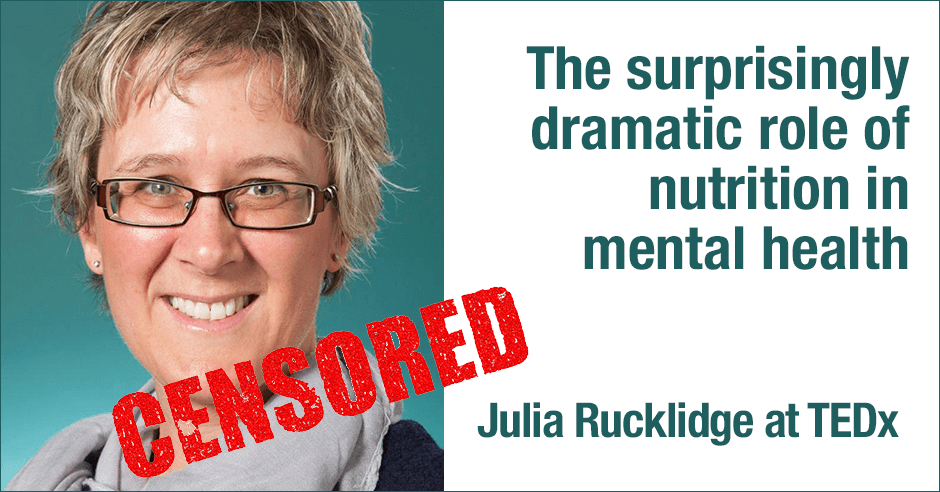
The surprisingly dramatic role of nutrition in mental health: Julia Rucklidge at TEDx

November 16, 2014 By Trudy Scott 29 Comments

Julia Rucklidge

Julia Rucklidge, PhD, researcher from New Zealand, recently did this amazing TEDx talk called: The surprisingly dramatic role of nutrition in mental health

I love how she opens with:

what I’m going to share today may sound as radical as hand-washing sounded to a mid-19th century doctor and yet it is equally scientific. It is the simple idea that optimizing nutrition is a safe and viable way to avoid, treat or lessen mental illness. Nutrition matters. Poor nutrition is a significant and modifiable risk factor for the development of mental illness

Here are some real gems from her talk:

A well-nourished body and brain is better able to withstand ongoing stress

When people get well they get well in all areas: improved sleep, mood stabilization, reduction in anxiety and less need for cigarettes/cannabis/alcohol.


My research and other research from around the world show 60-70% of people respond to micronutrients – this shows just how powerful this intervention is


We should focus on food and lifestyle changes and exercise first, then therapy and save medications for when these approaches don’t work

I’d like to share the ending of Julia Rucklidge’s talk. She shares the story of how limes on ships in the 1600s eliminated deaths from scurvy but that it took 264 years for the British government to mandate the use of citrus on ships. She closes with this profound question and challenge:

How long will it take us to recognize that that sub-optimal nutrition is contributing to the epidemic of mental illness? Nutrition matters!

Bravo Julia! And thank you for all the great research you’re doing! We appreciate you!

UPDATE: June 8, 2018

I have decided to update the blog and share it again because Professor Rucklidge is sharing powerful research-based evidence about food-as-medicine for mental health and her talk is being flagged/censored by TEDx and this is not acceptable!

Professor Bonnie J. Kaplan, PhD, from the University of Calgary shared this information with me via an email:

There have been almost 900,000 views of Julia Rucklidge’s TEDx talk on nutrition and mental health, with many complimentary comments. Last week, however, the TED organization inexplicably “flagged” the video with the following comment:

“NOTE FROM TED: We’ve flagged this talk, which was filmed at a TEDx event, because it appears to fall outside TEDx’s curatorial guidelines. There is limited evidence to support the claims made by this speaker.”

Julia has attempted to educate the TED people regarding the fact that over 35 peer-reviewed publications could hardly be described as “limited evidence,” and that her interpretations do not go beyond the data. But they are not interested in her evidence.

The whole thing seems so strange: isn’t TED supposed to be all about innovation? But clearly, some lobbyist has convinced them that a non-pharmaceutical treatment should not be respected.

I’m sharing it again and updating the blog so you can watch it again or watch it for the first time and be inspired and have hope!

We’d like to ask for your help in please sharing too. Let us support her work and all the nutritional psychiatry researchers at ISNPR and around the world!

  • Even if you have already watched it, please click on it again and watch again (click on the video link above or use this link)
  • Share the youtube video and/or this blog with others, through Facebook or email or twitter or word of mouth (or all of the above)
  • Comment below the youtube video and/or comment on this blog of mine
  • Ask your friends, family and colleagues to do the same

More about Professor Rucklidge’s research interests

Professor Rucklidge’s research interests are centered on the role of nutrition in the expression and treatment of mental illness, from ADHD to depression to stress following natural disasters. Research methodologies include single case research designs, open label trials and randomized controlled trials.

  • ADHD
  • Child and adolescent clinical psychology
  • Clinical psychology
  • Learning disabilities
  • Young Offending
  • Earthquake research
  • Nutritional interventions
  • Mood Disorders

Some of her publications on micronutrients

  • Database Analysis of Depression and Anxiety in a Community Sample-Response to Micronutrient Intervention

Overall, people from the general population who suffer from mood and anxiety problems may benefit from improved nutritional status achieved with nutritional supplements.

  • Vitamin-mineral treatment improves aggression and emotional regulation in children with ADHD: a fully blinded, randomized, placebo-controlled trial

Micronutrients improved overall function, reduced impairment and improved inattention, emotional regulation and aggression, but not hyperactive/impulsive symptoms, in this sample of children with ADHD. Although direct benefit for core ADHD symptoms was modest, with mixed findings across raters, the low rate of adverse effects and the benefits reported across multiple areas of functioning indicate micronutrients may be a favourable option for some children, particularly those with both ADHD and emotional dysregulation.

  • A randomised trial of nutrient supplements to minimise psychological stress after a natural disaster. This study was co-authored with Professor Kaplan, and adds to the body of evidence showing that nutrient formulas with multiple minerals and/or vitamins (such as a B-complex) minimise/minimize stress associated with natural disasters such as earthquakes, fires and floods. I blogged about this after Hurricane Harvey in Houston.


  • Could yeast infections impair recovery from mental illness? A case study using micronutrients and olive leaf extract for the treatment of ADHD and depression. This case study reports that infections like candida can contribute to poor gut health and inflammation, leading to nutrient absorption issues and deterioration in psychiatric symptoms. The yeast overgrowth has to be addressed in order for the micronutrients to be effective. I blog about this here also sharing the candida-serotonin connection.

 Nutritional medicine as mainstream in psychiatry

Professor Rucklidge is also a contributing author to Nutritional medicine as mainstream in psychiatry which I blog about here

Psychiatry is at an important juncture, with the current pharmacologically focused model having achieved modest benefits in addressing the burden of poor mental health worldwide. Although the determinants of mental health are complex, the emerging and compelling evidence for nutrition as a crucial factor in the high prevalence and incidence of mental disorders suggests that diet is as important to psychiatry as it is to cardiology, endocrinology, and gastroenterology. Evidence is steadily growing for the relation between dietary quality (and potential nutritional deficiencies) and mental health, and for the select use of nutrient-based supplements to address deficiencies, or as monotherapies or augmentation therapies.

As you can tell I’m a big fan of her research work and what an honor it was for me to interview her on one of the Anxiety Summits: What if… Nutrition could Treat Anxiety and Depression? She shared wise words then than seem very relevant to this censorship of her TEDx talk:

How long is it going to take our society to pay attention to the research that shows that suboptimal nutrition is contributing to the epidemic of mental illness? Are we just going to sit around and ignore this evidence to our peril? Or are we going to start paying attention and start to invest in the really important research that needs to happen?

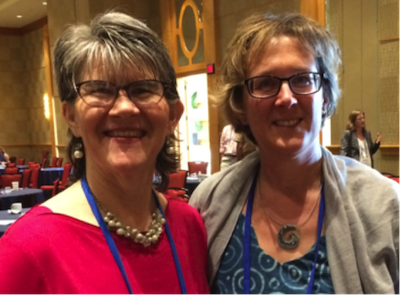
It was a thrill to then finally meet her in person last year at the ISNPR conference.

Julia Rucklidge and Trudy Scott
Meeting Julia Rucklidge at the ISNPR conference

This nutritional psychiatry work is widely supported by many practitioners

This nutritional psychiatry work is widely supported by many practitioners. Last year I interviewed Dr. Mark Hyman MD, creator of the Broken Brain series and author of What the Heck Should I Eat? In our interview he talks about somatopsychic medicine i.e. mental health symptoms caused by bodily illness and shares this about when he started to make this connection years ago:

I was just treating people’s physical systems, fixing their gut, helping their immune system, cleaning up their diet, optimizing their nutritional status, balancing their hormones, and all their mental problems would get better.

Their anxiety would get better, their depression would get better, and I wasn’t actually treating the depression or anxiety. Autism, ADD, memory issues, dementia, all these things would start to get better

And I began to realize that the body was driving a lot of this brain dysfunction, and that if you fix the body, a lot of the brain disorders would get better, that it wasn’t a primarily a mental problem, but it was a physical problem.

Dr. Nicole Beurkens, clinical psychologist and board-certified nutrition specialist, shares this about the talk:

This is an extremely important evidence-based talk on a topic that is moving the field of mental health forward. As a clinical psychologist and board-certified nutrition specialist, I see daily the positive impact that nutrition can have on mental health for children and adults. More than medication and talk therapy is needed to reduce symptoms for many people with these challenges, and nutrition is an accessible research-based option. I often recommend this video to patients and their families.

Dr. Beurkens is also speaker on a prior Anxiety Summit. It’s now in it’s fourth season and I’ve the wonderful opportunity to interview and share the nutritional psychiatry wisdom from over 70 practitioners, researchers, mental advocates and clients.

So much wonderful feedback from study participants

There is so much wonderful feedback in the comments below the youtube video. I love this comment from a study participant from New Zealand, Deidre Fraser:

I’m a pretty ordinary Kiwi, not particularly alternative. I don’t have a big appetite for risk. But I have participated in one of Julia Rucklidge’s studies and my family has benefited hugely from the introduction to, and continued use of micronutrients. Could we have achieved the same result using a pharmaceutical medicine? Some behaviours would have likely been addressed, but and it is a big BUT, one of the side effects (unexpected) would NOT have been improved happiness and self-worth, which resulted in better friendships – pretty basic things we all want from life!

We also got increased focus and the noticeably different academic performance that we thought we wanted (We just hadn’t realised that should be the secondary objective).

I don’t really understand the science behind it all, but the empirical research and published journals are there to support micronutrients as a valid option with verifiable research outcomes.

And SP Hancock shares these compelling results:

I’m so grateful for this presentation. It compelled me to find a medical doctor who looks at symptoms of mental illness from a perspective other than traditional psychiatry. He helped me heal my gut so that I can get the micronutrients I need from my food choices. 2 years ago I was using the micronutrient supplement Dr. Rucklidge had diligently researched for more than a decade. Today, I no longer need supplementation because my gut can absorb micronutrients from my food. I have been off medications for three years now–completely stable using only food after having lived for nearly two decades with acute symptoms of refractory schizoaffective disorder bipolar type with catatonia. Thank you Dr. Rucklidge for your structured, independently funded studies. Your hard work and sound research methodology gave me the courage to find a doctor willing to look at my symptoms from a fresh perspective. Keep up the exceptional work!

I hope this has inspired you to keep seeking a solution if you are still on your healing journey or and even if you have found your solution. Either way we’d love your help in getting this message out to more people so please share share and share!

Professor Bonnie Kaplan says: “Let’s see if we can quadruple the views to 5 million or so.” I’m sure we can! Thank you!

Filed Under: Food and mood Tagged With: ADHD, anxiety, depression, Julia Rucklidge, mental health, mental illness, micronutrients, natural disaster, nutrition, nutritional psychiatry, stress, TEDx

  • « Go to Previous Page
  • Page 1
  • Page 2
  • Page 3
  • Go to Next Page »

Primary Sidebar

NEW! GABA QuickStart Homestudy (with special intro pricing)

gaba quickstart homestudy

Free Report

9 Great Questions Women Ask about Food, Mood and their Health

You'll also receive a complimentary subscription to my ezine "Food, Mood and Gal Stuff"


Connect with me

Popular Posts

  • Amino Acids Mood Questionnaire from The Antianxiety Food Solution
  • The Antianxiety Food Solution Amino Acid and Pyroluria Supplements
  • Pyroluria Questionnaire from The Antianxiety Food Solution
  • Collagen and gelatin lower serotonin: does this increase your anxiety and depression?
  • Tryptophan for the worry-in-your-head and ruminating type of anxiety
  • GABA for the physical-tension and stiff-and-tense-muscles type of anxiety
  • The Antianxiety Food Solution by Trudy Scott
  • Seriphos Original Formula is back: the best product for anxiety and insomnia caused by high cortisol
  • Am I an anxious introvert because of low zinc and vitamin B6? My response to Huffington Post blog
  • Vagus nerve rehab with GABA, breathing, humming, gargling and key nutrients

Recent Posts

  • What do I use instead of Seriphos to help lower high cortisol that is affecting my sleep and making me anxious at night?
  • BeSerene™ GABA/theanine cream eases severe muscle tension in her neck/shoulders, prevents her bad headaches and quells her anxiety
  • How the correct approach, dose and sublingual use of GABA can be calming and not cause a flushed and itchy face and neck
  • The amino acid glutamine improves low mood by addressing gut health, and it has calming effects too
  • Flight anxiety with heightened breath, physical tension and also fearing the worst (the role of low GABA and low serotonin)

Categories

  • 5-HTP
  • AB575
  • Addiction
  • ADHD
  • Adrenals
  • Alcohol
  • Allergies
  • Alzheimer's disease
  • Amino Acids
  • Anger
  • Antianxiety
  • Antianxiety Food Solution
  • Antidepressants
  • Anxiety
  • Anxiety and panic
  • Autism
  • Autoimmunity
  • benzodiazapines
  • Bipolar disorder
  • Books
  • Caffeine
  • Cancer
  • Candida
  • Children/Teens
  • Collagen
  • Cooking equipment
  • Coronavirus/COVID-19
  • Cravings
  • Depression
  • Detoxification
  • Diabetes
  • Diet
  • DPA/DLPA
  • Drugs
  • EFT/Tapping
  • EMF
  • EMFs
  • Emotional Eating
  • Endorphins
  • Environment
  • Essential oils
  • Events
  • Exercise
  • Fear
  • Fear of public speaking
  • Fertility and Pregnancy
  • Fish
  • Food
  • Food and mood
  • Functional neurology
  • GABA
  • Gene polymorphisms
  • General Health
  • Giving
  • Giving back
  • Glutamine
  • Gluten
  • GMOs
  • Gratitude
  • Gut health
  • Heart health/hypertension
  • Histamine
  • Hormone
  • Hyperparathyroidism
  • Hypoglycemia
  • Immune system
  • Inflammation
  • Insomnia
  • Inspiration
  • Introversion
  • Joy and happiness
  • Ketogenic diet
  • Lithium orotate
  • Looking awesome
  • Lyme disease and co-infections
  • MCAS/histamine
  • Medication
  • Men's health
  • Mental health
  • Mercury
  • Migraine
  • Mold
  • Movie
  • MTHFR
  • Multiple sclerosis
  • Music
  • NANP
  • Nature
  • Nutritional Psychiatry
  • OCD
  • Osteoporosis
  • Oxalates
  • Oxytocin
  • Pain
  • Paleo
  • Parasites
  • Parkinson’s disease
  • PCOS
  • People
  • PMS
  • Postpartum
  • PTSD/Trauma
  • Pyroluria
  • Questionnaires
  • Real whole food
  • Recipes
  • Research
  • Schizophrenia
  • serotonin
  • SIBO
  • Sleep
  • Special diets
  • Sports nutrition
  • Stress
  • Sugar addiction
  • Sugar and mood
  • Supplements
  • Teens
  • Testimonials
  • Testing
  • The Anxiety Summit
  • The Anxiety Summit 2
  • The Anxiety Summit 3
  • The Anxiety Summit 4
  • The Anxiety Summit 5
  • The Anxiety Summit 6
  • Thyroid
  • Thyroid health
  • Toxins
  • Tryptophan
  • Tyrosine
  • Uncategorized
  • Vegan/vegetarian
  • Women's health
  • Yoga

Archives

  • October 2025
  • September 2025
  • August 2025
  • July 2025
  • June 2025
  • May 2025
  • April 2025
  • March 2025
  • February 2025
  • January 2025
  • November 2024
  • October 2024
  • September 2024
  • August 2024
  • July 2024
  • June 2024
  • May 2024
  • April 2024
  • March 2024
  • February 2024
  • January 2024
  • December 2023
  • November 2023
  • October 2023
  • September 2023
  • August 2023
  • July 2023
  • June 2023
  • May 2023
  • April 2023
  • March 2023
  • February 2023
  • January 2023
  • December 2022
  • November 2022
  • October 2022
  • September 2022
  • August 2022
  • July 2022
  • June 2022
  • May 2022
  • April 2022
  • March 2022
  • February 2022
  • January 2022
  • December 2021
  • November 2021
  • October 2021
  • September 2021
  • August 2021
  • July 2021
  • June 2021
  • May 2021
  • April 2021
  • March 2021
  • February 2021
  • January 2021
  • December 2020
  • November 2020
  • October 2020
  • September 2020
  • August 2020
  • July 2020
  • June 2020
  • May 2020
  • April 2020
  • March 2020
  • February 2020
  • January 2020
  • December 2019
  • November 2019
  • October 2019
  • September 2019
  • August 2019
  • July 2019
  • June 2019
  • May 2019
  • April 2019
  • March 2019
  • February 2019
  • January 2019
  • December 2018
  • November 2018
  • October 2018
  • September 2018
  • August 2018
  • July 2018
  • June 2018
  • May 2018
  • April 2018
  • March 2018
  • February 2018
  • January 2018
  • December 2017
  • November 2017
  • October 2017
  • September 2017
  • August 2017
  • July 2017
  • June 2017
  • May 2017
  • April 2017
  • March 2017
  • February 2017
  • January 2017
  • December 2016
  • November 2016
  • October 2016
  • September 2016
  • August 2016
  • July 2016
  • June 2016
  • May 2016
  • April 2016
  • March 2016
  • February 2016
  • January 2016
  • December 2015
  • November 2015
  • October 2015
  • September 2015
  • August 2015
  • July 2015
  • June 2015
  • May 2015
  • April 2015
  • March 2015
  • February 2015
  • January 2015
  • December 2014
  • November 2014
  • October 2014
  • September 2014
  • August 2014
  • July 2014
  • June 2014
  • May 2014
  • April 2014
  • March 2014
  • February 2014
  • January 2014
  • December 2013
  • November 2013
  • October 2013
  • September 2013
  • August 2013
  • July 2013
  • June 2013
  • May 2013
  • April 2013
  • March 2013
  • February 2013
  • January 2013
  • December 2012
  • November 2012
  • October 2012
  • August 2012
  • July 2012
  • June 2012
  • May 2012
  • April 2012
  • March 2012
  • February 2012
  • January 2012
  • December 2011
  • November 2011
  • October 2011
  • September 2011
  • August 2011
  • July 2011
  • June 2011
  • May 2011
  • April 2011
  • March 2011
  • February 2011
  • January 2011
  • December 2010
  • October 2010
  • September 2010
  • July 2010
  • May 2010
  • April 2010
  • March 2010
  • February 2010
  • January 2010
  • November 2009

Share the knowledge!

The above statements have not been evaluated by the Food and Drug Administration. Products listed in this website are not intended to diagnose, treat, cure or prevent any disease.

The information provided on this site is for informational and educational purposes only and is not intended as a substitute for advice from your physician or other health care professional. You should consult with a healthcare professional before starting or modifying any diet, exercise, or supplementation program, before taking or stopping any medication, or if you have or suspect you may have a health problem.


Copyright © 2026 Trudy Scott. All Rights Reserved. | Privacy | Terms and Conditions | Refund Policy | Medical Disclaimer

Free Report

9 Great Questions Women Ask about Food, Mood and their Health

You’ll also receive a complimentary subscription to my ezine “Food, Mood and Gal Stuff”