• Skip to primary navigation
  • Skip to main content
  • Skip to primary sidebar

everywomanover29 blog

Food, Mood and Women's Health – Be your healthiest, look and feel great!

  • Blog
  • About
  • Services
  • Store
  • Resources
  • Testimonials
  • The Book
  • Contact
  • Search this site

medications

Mitochondrial disruption and systemic benzodiazepine side effects/tapering issues: pain, fatigue, brain fog, insomnia and anxiety

May 16, 2025 By Trudy Scott 19 Comments

mitochondrial disruption

A recent article published on Naturopathic Doctor News & Review, Mitochondrial Disruption Explains Systemic Benzodiazepine Side Effects, reports on new research that identifies a possible mechanism for wide-ranging side effects of these antianxiety medications. In addition to side-effects there can also be persistent withdrawal symptoms that continue after they have been tapered:

Benzodiazepines impair mitochondrial signaling across multiple systems in the body, not just GABA receptors in the brain. Mitochondria play a central role in regulating cell energy metabolism, hormone synthesis, oxidative stress balance, and immune response.

Disrupting these pathways has systemic consequences that explain the wide range of symptoms patients report during chronic use and withdrawal.

These findings offer a cellular mechanism for persistent fatigue, pain syndromes, cognitive impairment, and inflammatory symptoms that may continue after tapering.

Many medications impact the mitochondria but this new research has identified a new possible mechanism: tryptophan-rich sensory proteins (HsTSPO1) and reactive oxygen species.

In this blog I share more about HsTSPO1 and this new research, additional symptoms of benzodiazepine withdrawal, what we already know about mitochondria and anxiety, other medications and environmental toxicants that affect the mitochondria, and some key nutrients for mitochondrial support.

Benzodiazepines bind to tryptophan-rich sensory proteins (HsTSPO1)

This article from Virginia Commonwealth University, Researchers may have solved decades-old mystery behind benzodiazepine side effects, discusses the new study and HsTSPO1:

Benzodiazepines produce their therapeutic effect by binding with GABAA receptors in the brain; however, the drug has an equally strong affinity to human mitochondrial tryptophan-rich sensory proteins (HsTSPO1), located on the outer membrane of mitochondria in cells.

This type of protein is linked to several neurodegenerative diseases, including Alzheimer’s, and researchers have suspected that HsTSPO1 may be involved in certain side effects of benzodiazepine drugs.

And “when valium and other benzodiazepines bind to HsTSPO1, they inhibit the protein’s ability to manage ROS (reactive oxygen species) levels in our cells … this both reduces the production and the neutralization of ROS.

This may help explain why such medications cause side effects over time

And the authors propose this: “The new insights into HsTSPO1’s function could help pharmaceutical companies develop improved benzodiazepines.”

I have a better idea and propose we create more awareness about how these and other medications affect the mitochondria. I believe all medications should include a warning about these mitochondrial effects, and that mitochondrial support should be included when these medications are prescribed and then tapered.

This may include a combination of the same nutrients used for neurodegenerative disorders caused by mitochondrial dysfunction – CoQ10, B-vitamins/NADH, L-carnitine, vitamin D, and alpha-lipoic acid. And should also include infrared sauna, red light therapy and other detox approaches.

Ideally, this awareness will increase the use of the amino acids GABA, tryptophan, 5-HTP and DPA (d-phenylalanine), and other nutritional approaches instead of long-term benzodiazepine prescriptions for anxiety, pain and sleep issues. More on that below.

Some of the many other symptoms of benzodiazepine withdrawal

This paper from 1994, The benzodiazepine withdrawal syndrome describes some of the many symptoms:

Physiological dependence on benzodiazepines is accompanied by a withdrawal syndrome which is typically characterized by sleep disturbance, irritability, increased tension and anxiety, panic attacks, hand tremor, sweating, difficulty in concentration, dry wretching and nausea, some weight loss, palpitations, headache, muscular pain and stiffness and a host of perceptual changes.

The mechanism is not addressed in the paper but in the light of this new research, it’s possible that tryptophan-rich sensory proteins, increased reactive oxygen species and mitochondrial dysfunction are factors.

Brain mitochondria: anxiety and fear

I first addressed mitochondrial dysfunction during the 2019 Anxiety Summit: Gut-Brain Axis. One of my guest experts, Tara Hunkin, NTP, CGP, RWP shared these highlights from this review paper – Anxiety and Brain Mitochondria: A Bidirectional Crosstalk:

  • Despite the established link between mitochondrial dysfunction and various psychiatric disorders, the contribution of mitochondria in anxiety disorders has not been extensively addressed.
  • Mitochondria are emerging as modulators of anxiety-related behavior, as evidenced both in animal and human studies.
  • There is a bidirectional link between mitochondria and anxiety. Mitochondrial, energy metabolism, and oxidative stress alterations are observed in high anxiety; conversely, changes in mitochondrial function can lead to heightened anxiety.

More recent research, published in 2024, The Emerging Role of Brain Mitochondria in Fear and Anxiety, supports this and proposes “a model in which mitochondrial function is critical for regulating the neural circuits that underpin fear and anxiety behaviors, highlighting how mitochondrial dysfunction can lead to their pathological manifestations.”

The new HsTSPO1 research builds on this research, identifying a possible mechanism and further supporting the oxidative stress connection.

On a side note, I’m really intrigued to learn more about these tryptophan-rich sensory proteins!

Other medications and environmental toxicants that impact the mitochondria

Keep in mind that it’s not only benzodiazepines that impact the mitochondria.

This 2023 paper, Drug-induced mitochondrial toxicity: Risks of developing glucose handling impairments, explores the correlation between potential mitochondrial dysfunction caused by selected medications, specifically looking at their effects on insulin signalling and glucose handling:

Drug classes such as statins, anti-diabetics, anti-epileptics, NSAIDs, anti-depressants, and certain antibiotics have been identified to induce mitochondrial toxicity.

This 2022 paper, Environmental Chemical Exposures and Mitochondrial Dysfunction: a Review of Recent Literature, states this:

Classes of environmental toxicants such as polycyclic aromatic hydrocarbons, air pollutants, heavy metals, endocrine-disrupting compounds, pesticides, and nanomaterials can damage the mitochondria in varied ways, with changes in mtDNA copy number and measures of oxidative damage the most commonly measured in human populations.

Amino acids and nutritional support: instead of benzos and before/during tapering

As I mentioned above, this awareness will hopefully increase the use of the amino acids GABA, tryptophan, 5-HTP and DPA (d-phenylalanine), and other nutritional approaches instead of long-term benzodiazepine prescriptions for anxiety, pain and sleep issues.

When it comes to tapering, it’s best to be nutritionally stable BEFORE starting to taper. This means eating real whole food that includes quality animal protein, healthy fats, fermented foods and organic vegetables and fruit; eating for blood sugar control; quitting sugar, gluten, alcohol and caffeine; addressing gut and adrenal health; addressing pyroluria and key nutritional deficiencies like low zinc, low iron, low vitamin D and more. This is all covered in my book.

Addressing neurotransmitter imbalances with amino acids before and during the tapering helps immensely too.  And so does mitochondrial support.

And a reminder: tapering should always be done very very very slowly and under medical supervision with the prescribing doctor.

Additional resources when you are new to using GABA, tryptophan and other amino acids as supplements

As always, I use the symptoms questionnaire to figure out if low serotonin or low GABA or other neurotransmitter imbalances may be an issue.

If you suspect low levels of any of the neurotransmitters and do not yet have my book, The Antianxiety Food Solution – How the Foods You Eat Can Help You Calm Your Anxious Mind, Improve Your Mood, and End Cravings, I highly recommend getting it and reading it before jumping in and using amino acids on your own so you are knowledgeable. And be sure to share it with the practitioner/health team you or your loved one is working with.

There is an entire chapter on the amino acids and they are discussed throughout the book in the sections on gut health, gluten, blood sugar control (this is covered in an entire chapter too), sugar cravings, anxiety and mood issues.

The book doesn’t include product names (per the publisher’s request) so this blog, The Antianxiety Food Solution Amino Acid and Pyroluria Supplements, lists the amino acids that I use with my individual clients and those in my group programs.

If, after reading this blog and my book, you don’t feel comfortable figuring things out on your own (i.e. doing the symptoms questionnaire and respective amino acids trials), a good place to get help is the GABA QuickStart Program (if you have low GABA symptoms). This is a paid online/virtual group program where you get my guidance and community support.

If you are a practitioner, join us in The Balancing Neurotransmitters: the Fundamentals program. This is also a paid online/virtual program with an opportunity to interact with me and other practitioners who are also using the amino acids.

Wrapping up and your feedback

Are you aware that benzodiazepines and many other medications can play a role in mitochondrial disruption? And that this mitochondrial disruption is likely a factor when it comes to systemic benzodiazepine side effects and tapering issues such as pain, fatigue, brain fog, insomnia and anxiety (and more)?

Have you considered or used mitochondrial support when tapering one of the benzodiazepines and has this approach helped?

And has it helped to be nutritionally stable BEFORE tapering and using amino acids to help with tapering? What changes did you make and which amino acids helped?

If you’re a practitioner is this a topic you discuss and address with your clients/patients?

Please do share in the comments below.
Filed Under: Anxiety, GABA, Insomnia Tagged With: alpha-lipoic acid, antianxiety medications, anxiety, B vitamins, benzodiazepine, brain fog, cell energy metabolism, CoQ10, fatigue, GABA, HsTSPO1, insomnia, L-carnitine, medications, mitochondria, Mitochondrial disruption, oxidative stress, pain, reactive oxygen species, side-effects, tapering, tryptophan-rich sensory proteins, vitamin D

Alice in Wonderland Syndrome – is there a pyroluria connection?

June 25, 2021 By Trudy Scott 48 Comments

alice in wonderland syndrome

I first learned about Alice in Wonderland Syndrome (AIWS) during one of the Anxiety Summits. I’m surprised at how many queries I get about this syndrome and the fact that everyone who has reached out also has the social anxiety condition called pyroluria or suspects they have it.

This 2017 paper, Alice in Wonderland Syndrome: A real life version of Lewis Carroll’s novel, describes it as follows:

Alice in Wonderland Syndrome was originally coined by Dr. John Todd in 1955. The syndrome is named after the sensations experienced by the character Alice in Lewis Carroll’s novel Alice’s Adventures in Wonderland. Alice in Wonderland Syndrome consists of metamorphopsia (seeing something in a distorted fashion), bizarre distortions of their body image, and bizarre perceptual distortions of form, size, movement or color. Additionally, patients with Alice in Wonderland Syndrome can experience auditory hallucinations and changes in their perception of time. Currently, there is no known specific cause of Alice in Wonderland Syndrome. However, theories point to infections such as the Epstein-Barr virus, medications such as topiramate and associated migraines.

You can read about all the types of visual and non-visual distortions in this paper: Alice in Wonderland syndrome – A systematic review. This paper also includes a list of conditions in which Alice in Wonderland syndrome has been described in the literature, with infections and migraines being very common. The authors also feel that what we see in the published literature may only be the tip of the iceberg:

Since 1955, no more than 169 case descriptions of AIWS have been published. The literature indicates that this may be only the tip of the iceberg, with many individual symptoms of AIWS being experienced (albeit occasionally and only fleetingly) by up to 30% of adolescents in the general population.

The published case numbers have increased slightly (this paper was published in 2016) and it’s reported that many of the 30% of adolescents with AIWS experience non-clinical symptoms i.e. they are not severe enough to need treatment.

I still find “up to 30% of adolescents in the general population” to be very surprising for a syndrome which was once considered very rare and is frequently misdiagnosed.

Read on to hear from some folks in my community who have reached out and described their AIWS episodes. They all have pyroluria and I’d love to know if there is a possible connection.

Everything either looks really far away but massive or really close up but tiny

Sallie, a mom in my community, shared about her son and what he experienced in the comments section of the pyroluria prevalence and associated conditions blog. During his episodes, everything either looks really far away but massive or really close up but tiny:

I believe he has Alice in Wonderland syndrome. I have taken him to GP’s, pediatricians, optometrists, opthamologists and no one knew what was wrong. I spent about 6 months researching the possibilities myself and came across AIWS. When I showed him some of the journal articles, he was so relieved to finally have an answer. Since then, I have had a gut feeling that pyroluria and AIWS may be linked somehow.

She believes his AIWS may have been triggered by an infection when he was around 6 years of age. He developed sudden onset of vomiting, fever and delirium:

Still to this day, he distinctly remembers this night and recalls (like it was yesterday) not being able to stop looking at his hands because they were changing size and how far away/close up they were.

Once he was old enough to articulate what he was experiencing, he was able to tell me he feels weird, like he needs to go to a pitch-black room and lie down. Sometimes it coincides with a headache.

Everything suddenly appears as if far away then everything either looks really far away but massive or really close up but tiny. He feels dizzy while this happens also. Stress definitely increases the number of AIWS episodes.

Infections are reported as one (of possibly many) root causes of AIWS: “Reported causes include infection (especially with Epstein Barr virus), migraine, epilepsy, depression, and toxic and febrile delirium.”

Infections are common mental health triggers. Strep as a trigger for PANDAS/PANS is a classic example. I blog about Bartonella and sudden-onset adolescent schizophrenia here.

He has pyroluria and stress increases the number of episodes he experiences. My question is this: is there a link between the dumping of zinc and vitamin B6 during these times of stress and episodes of AIWS?

The feeling of being extremely small somatically (or physically), like how you feel when in a football stadium

Mike is a 21 year old male and thinks he may very well have pyroluria based on the questions. He also shares this in the blog comments about his AIWS experiences:

I have experienced sensations similar to Alice in Wonderland Syndrome throughout my life, more so during periods of stress. The feeling of being extremely small somatically (or physically), like how you feel when in a football stadium.

Again, he has pyroluria and his symptoms are worse during periods of stress. Keep in mind that stress makes pyroluria symptoms more intense too.

She usually experiences objects/people smaller than what they are but her more pronounced symptoms are sound distortions

Brenda, another mom in the community, shared this about her daughter’s dreams and PMS on the pyroluria questionnaire blog:

I’m quite certain that my 17 year old daughter has pyroluria. I counted 23 symptoms that she definitely exhibits. Her dream recall is so poor that she insists she doesn’t dream at all. I’m going to start her on zinc, B6 and evening primrose oil right away. Her PMS/premenstrual syndrome is so severe that I had decided to see a gyno to discuss birth control pills. Of course I won’t after listening to your interview with Karla Maree (on the Anxiety Summit).

She also asked if I was familiar with Alice in Wonderland Syndrome and if so do I think it may be connected to pyroluria?  She shares this about her daughter’s AIWS experiences:

My daughter has experienced occasional Lilliputian (trivial or small) hallucinations since childhood.  She usually experiences objects/people smaller than what they are but her more pronounced symptoms are sound distortions. She hears voices/noises (real, not imagined) much louder than they are in reality.

She does not have migraines, has never had mononucleosis or any of the other conditions listed as possible causes of Alice in Wonderland Syndrome. That’s why I’m thinking it may be caused by nutritional deficiencies.

This was my introduction to this syndrome and I appreciate her for asking the question. I did some reading of the research and the word “hallucination” got me thinking that a pyroluria connection was possible. The original work by Dr. Carl Pfeiffer with pyroluria was with individuals with schizophrenia.

However, the second paper mentioned above does state that “AIWS is characterized by perceptual distortions rather than hallucinations or illusions and therefore needs to be distinguished from schizophrenia spectrum and other psychotic disorders.”

We clearly have much to learn and I’m still curious to find out how often these two conditions do overlap – pyroluria/social anxiety and Alice in Wonderland Syndrome.

Resources if you are new to pyroluria

Pyroluria is a social anxiety condition and the physical and emotional symptoms are caused by deficiencies of vitamin B6 and zinc. When you experience high levels of stress, vitamin B6 and zinc will be further depleted, so you may notice worsening symptoms and more anxiety. Here is the symptoms questionnaire and additional resources if you are new to pyroluria:

  • Pyroluria questionnaire (from my book, The Antianxiety Food Solution):
  • Pyroluria prevalence and associated conditions
  • Social anxiety caused by pyroluria: oxytocin, the vagus nerve, pectus excavatum and Ehlers-Danlos Syndrome
  • My book, The Antianxiety Food Solution, has an entire chapter on pyroluria

Have you (or a family member) had episodes of Alice in Wonderland Syndrome? And do episodes coincide with times of added stress?

Do you also suspect pyroluria and has the pyroluria protocol or other nutritional interventions helped to reduce or stop the episodes?

I’d love to also hear anything else you’re willing to share: age at onset, age AIWS stopped, do you suspect an infection as the trigger (or a medication or toxins or something else?), do others in the family have AIWS episodes and how would you describe your AIWS episodes?

Feel free to post any questions here too.

Filed Under: Anxiety, Children/Teens, Pyroluria Tagged With: adolescents, AIWS, Alice in Wonderland Syndrome, auditory hallucinations, close up, distortions, Epstein-Barr virus, extremely small, far away, in a football stadium, infection, massive, medications, metamorphopsia, objects/people smaller, perceptual, pyroluria, sound distortions, tiny

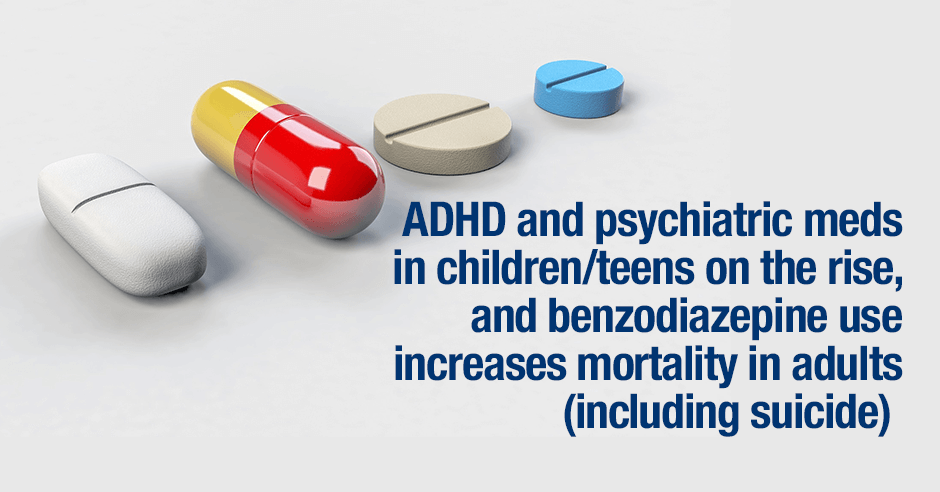
ADHD and psychiatric meds in children/teens on the rise, and benzodiazepine use increases mortality in adults (including suicide)

October 7, 2020 By Trudy Scott Leave a Comment

meds teens children

Registration for my Anxiety Summit 6: Toxins/Meds/Infections is now open and in the spirit of continuing to share valuable snippets leading up to the summit, here goes for today.

(If you’ve already registered I do hope you find these snippets of value and they help you figure out more about which interviews to tune into first. If you’re only hearing about the summit for the first time, you can register here)

Today I want to highlight some aspects from two of the interviews on psychiatric medications.

In the interview Psychiatric Medications in Children and Teens with Dr. Nicole Beurkens, we discuss these results from a 2019 paper:

  • Our study indicates that the rate of presentation to child and adolescent psychiatry outpatient clinics is increasing, and rates of diagnosis and initiation of psychiatry drugs are high among the presented children.
  • The prevalence of ADHD shows an increase in males and females in our country, and psychiatric polypharmacy has reached significant rates.

Polypharmacy means concurrent use of multiple medications by a patient. The fact that psychiatric polypharmacy is increasing in children and adolescents is most concerning. There are safer solutions that address the root causes of ADHD, anxiety and depression.

Here is what we cover in this interview:

  • Increasing ADHD, anti-anxiety, SSRI and antipsychotic meds and discontinuation syndrome
  • Disparities in BIPOC communities;
  • Psychiatric side effects of acne, constipation and asthma medications
  • Nutritional psychiatry/targeted nutrients/gut, sleep, movement, screen time and play

nicole beurkens interview

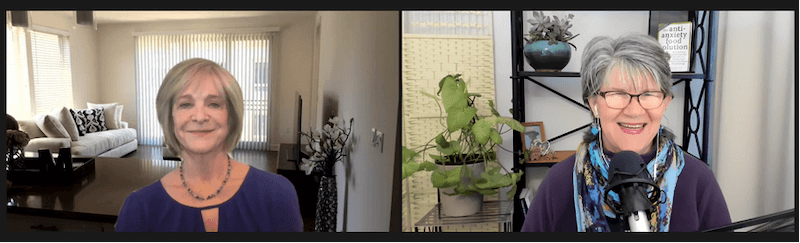
In the interview SSRIs, Benzodiazepines, Alcohol and Amino acids with Dr. Hyla Cass, she shares how benzodiazepines (a class of antianxiety medications that include Xanax, Ativan, Valium and others) are:

  • strongly associated with all cause mortality, including suicide (even when used for short durations of treatment
  • the cause of many accidents even if taken the previous day

Here is what we cover in this interview:

  • SSRI and benzodiazepine side-effects
  • Discontinuation syndrome, pre-taper protocols and tapering
  • The harmful effects of alcohol and the impacts on sleep
  • The dangers of combining alcohol with benzodiazepines, and the risks of antabuse (commonly used in alcohol addiction treatment plans)
  • GABA, tryptophan, 5-HTP, glutamine, DPA, CBD and key nutrient co-factors for medication taper, alcohol addiction, carb cravings and anxiety

hyla cass interview

Dr. Nicole Beurkens’ interview is focused on children and adolescents, and Dr. Hyla Cass’ interview is focused on adults but both are invaluable resources if you want to learn more about psychiatric medications, discontinuation syndrome, tapering and addressing the root-causes with nutritional other non-medication solutions.

Other related medication interviews of interest would be:

  • GABA and Tryptophan vs Meds for Hormone Balance – one of my 3 interviews (I also cover the birth control pill and more about using the amino acids)
  • Benzodiazepines: Short-Term Benefits, Long-Term Harms – Catherine M. Pittman, PhD, HSPP
  • 5-HTP: Anxiety, Depression, Insomnia and Liver Protection – Michael Murray, ND (he shares studies comparing 5-HTP to SSRIs)
  • Neuropsychiatric Toxicity from Fluoroquinolone Antibiotics – Lisa Bloomquist
  • Your Brain on Food: Anxiety, OCD and PTSD – Uma Naidoo, MD, PCP (she also shares studies comparing psychiatric meds to NAC and inositol)

In case you missed the first few emails about the summit … as you know, anxiety can be related to your daily life experiences BUT it can also be triggered by:

  • foods you eat and what you drink (like wheat, oxalates, alcohol and more)
  • environmental toxins (like lead, plastics, fragrances, insecticides, fluoride and more)
  • many types of medications (like the benzos/SSRIs, birth control pill, acne medication, fluoroquinolone antibiotics and more) and/or
  • chronic infections (like Lyme disease, PANDAS, parasites, candida and more).

Once you identify the root causes and understand anxiety’s mechanisms you can support the liver/gallbladder, detox, address infections, implement targeted and supportive solutions, and get relief!

This is my 6th Anxiety Summit, featuring all new topics and the latest research related to anxiety and toxins, medications and infections.

anxiety summit 6

Over the course of the next 6 weeks you’ll be seeing frequent emails from me with snippets and highlights from various interviews – like this one. I do hope you continue to enjoy them and get excited about the summit! Please do share if you know someone who has anxiety!

You’ve heard me say the Anxiety Summit has been called “a bouquet of hope!”  My wish for you is that this summit is your bouquet of hope!

I hope you’ll join me and these incredible speakers, be enlightened and find YOUR solutions!

Here’s to no more anxiety and you feeling on top of the world again!

If you’re already familiar with some of this information and practice some of this already please share how it’s helped you. That way we can all learn.

If you’d like to ask a question, please post in the comments below.

I’d also love to hear from you once you’ve listened to this interview. Please do come back and comment about some of the highlights of this interview and what changes you plan to make.

Filed Under: The Anxiety Summit 6 Tagged With: ADHD, amino acids, anxiety, benzodiazepine, cbd, children, depression, GABA, Hyla Cass, medications, mortality, Nicole Beurkens, psychiatric meds, SSRI, suicide, teens, The Anxiety Summit 6, tryptophan

Can food and nutrients really help me if I have very severe anxiety and/or panic attacks and I’m using medications?

June 21, 2019 By Trudy Scott 8 Comments

food, nutrients and med

As I prepare for “The Anxiety Summit 5: Gut-Brain Axis” (airing in November 2019) I have been going through interviews from the first Anxiety Summit in 2014 and would like to share something that I addressed in my opening interview as a good recap for you as you are on your healing journey with anxiety (or in case this comes up again in the future) – you truly can eliminate anxiety entirely!

This is a question I am often asked: “Can I really eliminate anxiety using food, nutrients (and a functional medicine approach) if I have very severe anxiety and/or panic attacks and I’m using medications?”

Way too many folks don’t believe it’s possible but yes, you can! You can completely eliminate full blown anxiety, panic attacks, social anxiety (where you cannot go out to social event or go and feel so anxious), phobias like fear of spiders or agoraphobia (where you cannot get out of the house), and even obsessive-compulsive disorder (OCD).

Many folks believe their anxiety is much too severe and that food and nutrients couldn’t possibly help. I’m here to tell you this is just not true.

It’s not uncommon for well-known thought leaders to perpetuate this myth, implying anxiety and fears never go away.

Ali Brown, entrepreneurial guru for women, and one of my amazing business mentors, created a program to help businesswomen overcome their fears. She shared this in the program information: “Let’s not forget women’s darkest best friends: anxiety and worry” and admitted “I still have to fight it. I come from a long line of worriers.”

I say no, you don’t have to fight it. Just because you come from a long line of worriers doesn’t necessarily mean that you have to put up with it and live with it. There is something you can do to eliminate the anxiety, worries and fears.

Seth Godin, author and thought leader, says this: “When fear shows up, understand that it never goes away. Dance with it instead.”

While I really enjoy the dance suggestion – it’s fun and the joy of dancing and the exercise may help – however I really do disagree with the fact that he says fear never goes away.

In season 1 interviewed Julia Ross, MA, my mentor and author of The Mood Cure (my Amazon link), on using amino acids for anxiety and she summed it up perfectly:

On a scale from zero to 10, zero is not an unrealistic goal when it comes to anxiety. It’s really the human potential and GABA and tryptophan give us access to it.

I’m going to repeat this because I think it’s really worth repeating. Zero is not an unrealistic goal when it comes to anxiety. Bravo Julia – I totally agree with this and I want you to know this!

It starts with doing trials of GABA and tryptophan, and using food and nutrients, and finding all the root causes and addressing them.

I really want you to know this, remember this, and don’t stop looking for the answer and the root causes. It may be food changes that you need to make. It may be breakfast that you need to eat. It may be low serotonin or low GABA. It may be foods that are problems for you like gluten or dairy. It may be additives in the foods that you’re eating. It may be toxins in your environment. There are many possible root causes, and you may have one or many root causes that are causing your anxiety.

Addressing these root causes with food and nutrients (and a functional medicine approach you can completely eliminate your anxiety even if you have very severe anxiety and/or panic attacks and you’re using medications.

Resources for you

  • My book The Antianxiety Food Solution (my Amazon affiliate link) covers the 9 steps I use with clients. Read it and become a savvy health-advocate for yourself. Share a copy with your doctor and point out the references.
  • Here is a blog on: How to do an amino acid trial for anxiety
  • You can find GABA and tryptophan and other nutrients in my supplement store here
  • Here is a blog on: 60+ Nutritional & Biochemical Causes of Anxiety

Do you believe your anxiety is much too severe for food and nutrients to be of help?

Or did you believe this and started looking at nutritional and biochemical root causes anyway and found solutions and anxiety resolution?

Filed Under: Food and mood Tagged With: anxiety, food, medications, nutrients, panic attacks, root causes, social anxiety

Little evidence for SSRI use in anxiety and compulsions in ASD: my interview on Nourishing Hope for Autism Summit

July 2, 2018 By Trudy Scott 2 Comments

One of the reasons I’m so passionate about participating on summits like The Nourishing Hope for Autism Summit and sharing the powerful nutritional interventions is due to the fact that medications such as antidepressants and benzodiazepines are frequently prescribed in ASD – and the research and clinical evidence shows that children and adolescents with ASD (autism spectrum disorder) are more vulnerable to the side effects.

This paper, Psychopharmacological interventions in autism spectrum disorder, makes the following conclusion:

Psychopharmacological treatment of core and associated symptoms in ASD is challenging, in large part because ASD presents in many different ways. Furthermore, children and adolescents with ASD are more vulnerable to the side effects of psychopharmacological intervention than their age-matched, typically developing counterparts.

This paper, Pharmacotherapy of emotional and behavioral symptoms associated with autism spectrum disorder in children and adolescents, supports this, stating there is little evidence to support the use of SSRIs in ASD:

Selective serotonin reuptake inhibitors are often used in clinical practice to target anxiety and compulsions; however, there is little evidence to support its use in this population. There is a great need for further research on the safety and efficacy of existing psychotropic medications in youth with ASD.

And this paper published a few months ago, An update on pharmacotherapy of autism spectrum disorder in children and adolescents, concludes that

Overall, the evidence is limited for pharmacotherapy in children with ASD, and side-effects with long-term use can be burdensome.

Much of this also applies to adults with ASD and in my interview I talk about the psychiatric medicine concerns within the ASD community and the high incidence of anxiety, aggression, irritability and OCD in this population.

We also discuss the following nutritional solutions in my interview (appropriately titled: How to calm anxiety, and eliminate aggression and OCD) –

  • the role low serotonin plays in anxiety, aggression and OCD/obsessions and the use of tryptophan and when to avoid 5-HTP
  • the low GABA type of physical anxiety and how to effectively use GABA for results
  • how to use inositol for OCD and some wonderful success stories
  • lead toxicity and increased anxiety and the protective role of tryptophan and ascorbic acid
  • phenols and oxalates other special diets (and my story with oxalate issues)

Our interviews are always fun, science based and practical – and in this one we even shared some of our personal results (both good and bad) with some of these nutrients.

Here are just a few of the speakers and topics I’m really looking forward to hearing:

  • James Adams, PhD: The Scientific Evidence Linking Nutrition and Autism Improvement
  • Dietrich Klinghardt: Understanding Lyme, Infections, Mold, and Heavy Metals and the Effects on Autism
  • Chef Pete Evans: Food is Medicine, Inspiration from a chef
  • Kaalya Daniel, PhD: How You Can Use the Healing Properties of Camel’s Milk for Autism
  • Dominic D’Agostino, PhD: Is the Ketogenic Diet Right for an Autistic Child?
  • Susan Owens, MS: The Inflammasome, Oxalates, Autoimmunity and Autism
  • And of course, Julie Matthews, CNC: When GFCF Diets Don’t Work – BioIndividual Nutrition for Autism

This summit provides you with information and tools that address the root causes so medications such as the above do not even have to come into the picture!

The Nourishing Hope for Autism Summit runs July 30 to August 3 and is hosted by my dear friend and colleague Julie Matthews, whose work you’re probably very familiar with. In case Julie’s work is new to you, in my eyes, she is THE autism nutrition expert. I’ve had the pleasure of interviewing her a number of times on the Anxiety Summit, I endorse her Bioindividual Nutrition training (special diets) for practitioners, I highly respect the work she does and I adore her!

The focus of this summit is clearly autism and Julie is THE expert so you’ll learn a ton from the experts she has gathered.

But do keep in mind that those with autism or Asperger’s are often considered the canaries in the coalmine and even if you don’t have a loved one with ASD many of the interviews have wider applications for anxiety, ADHD and other developmental and learning disorders.

Register here for The Nourishing Hope for Autism Summit to learn more! It airs online from July 30 to August 3, 2018

Filed Under: Anxiety, Autism, Events Tagged With: antidepressant, anxiety, ASD, Asperger’s, autism, benzodiazepine, compulsions, GABA, inositol, Julie Matthews, medications, Nourishing Hope for Autism Summit, OCD, psychotropic, SSRI, tryptophan

Primary Sidebar

NEW! GABA QuickStart Homestudy (with special intro pricing)

gaba quickstart homestudy

Free Report

9 Great Questions Women Ask about Food, Mood and their Health

You'll also receive a complimentary subscription to my ezine "Food, Mood and Gal Stuff"


Connect with me

Popular Posts

  • Amino Acids Mood Questionnaire from The Antianxiety Food Solution
  • The Antianxiety Food Solution Amino Acid and Pyroluria Supplements
  • Pyroluria Questionnaire from The Antianxiety Food Solution
  • Collagen and gelatin lower serotonin: does this increase your anxiety and depression?
  • Tryptophan for the worry-in-your-head and ruminating type of anxiety
  • GABA for the physical-tension and stiff-and-tense-muscles type of anxiety
  • The Antianxiety Food Solution by Trudy Scott
  • Seriphos Original Formula is back: the best product for anxiety and insomnia caused by high cortisol
  • Am I an anxious introvert because of low zinc and vitamin B6? My response to Huffington Post blog
  • Vagus nerve rehab with GABA, breathing, humming, gargling and key nutrients

Recent Posts

  • What do I use instead of Seriphos to help lower high cortisol that is affecting my sleep and making me anxious at night?
  • BeSerene™ GABA/theanine cream eases severe muscle tension in her neck/shoulders, prevents her bad headaches and quells her anxiety
  • How the correct approach, dose and sublingual use of GABA can be calming and not cause a flushed and itchy face and neck
  • The amino acid glutamine improves low mood by addressing gut health, and it has calming effects too
  • Flight anxiety with heightened breath, physical tension and also fearing the worst (the role of low GABA and low serotonin)

Categories

  • 5-HTP
  • AB575
  • Addiction
  • ADHD
  • Adrenals
  • Alcohol
  • Allergies
  • Alzheimer's disease
  • Amino Acids
  • Anger
  • Antianxiety
  • Antianxiety Food Solution
  • Antidepressants
  • Anxiety
  • Anxiety and panic
  • Autism
  • Autoimmunity
  • benzodiazapines
  • Bipolar disorder
  • Books
  • Caffeine
  • Cancer
  • Candida
  • Children/Teens
  • Collagen
  • Cooking equipment
  • Coronavirus/COVID-19
  • Cravings
  • Depression
  • Detoxification
  • Diabetes
  • Diet
  • DPA/DLPA
  • Drugs
  • EFT/Tapping
  • EMF
  • EMFs
  • Emotional Eating
  • Endorphins
  • Environment
  • Essential oils
  • Events
  • Exercise
  • Fear
  • Fear of public speaking
  • Fertility and Pregnancy
  • Fish
  • Food
  • Food and mood
  • Functional neurology
  • GABA
  • Gene polymorphisms
  • General Health
  • Giving
  • Giving back
  • Glutamine
  • Gluten
  • GMOs
  • Gratitude
  • Gut health
  • Heart health/hypertension
  • Histamine
  • Hormone
  • Hyperparathyroidism
  • Hypoglycemia
  • Immune system
  • Inflammation
  • Insomnia
  • Inspiration
  • Introversion
  • Joy and happiness
  • Ketogenic diet
  • Lithium orotate
  • Looking awesome
  • Lyme disease and co-infections
  • MCAS/histamine
  • Medication
  • Men's health
  • Mental health
  • Mercury
  • Migraine
  • Mold
  • Movie
  • MTHFR
  • Multiple sclerosis
  • Music
  • NANP
  • Nature
  • Nutritional Psychiatry
  • OCD
  • Osteoporosis
  • Oxalates
  • Oxytocin
  • Pain
  • Paleo
  • Parasites
  • Parkinson’s disease
  • PCOS
  • People
  • PMS
  • Postpartum
  • PTSD/Trauma
  • Pyroluria
  • Questionnaires
  • Real whole food
  • Recipes
  • Research
  • Schizophrenia
  • serotonin
  • SIBO
  • Sleep
  • Special diets
  • Sports nutrition
  • Stress
  • Sugar addiction
  • Sugar and mood
  • Supplements
  • Teens
  • Testimonials
  • Testing
  • The Anxiety Summit
  • The Anxiety Summit 2
  • The Anxiety Summit 3
  • The Anxiety Summit 4
  • The Anxiety Summit 5
  • The Anxiety Summit 6
  • Thyroid
  • Thyroid health
  • Toxins
  • Tryptophan
  • Tyrosine
  • Uncategorized
  • Vegan/vegetarian
  • Women's health
  • Yoga

Archives

  • October 2025
  • September 2025
  • August 2025
  • July 2025
  • June 2025
  • May 2025
  • April 2025
  • March 2025
  • February 2025
  • January 2025
  • November 2024
  • October 2024
  • September 2024
  • August 2024
  • July 2024
  • June 2024
  • May 2024
  • April 2024
  • March 2024
  • February 2024
  • January 2024
  • December 2023
  • November 2023
  • October 2023
  • September 2023
  • August 2023
  • July 2023
  • June 2023
  • May 2023
  • April 2023
  • March 2023
  • February 2023
  • January 2023
  • December 2022
  • November 2022
  • October 2022
  • September 2022
  • August 2022
  • July 2022
  • June 2022
  • May 2022
  • April 2022
  • March 2022
  • February 2022
  • January 2022
  • December 2021
  • November 2021
  • October 2021
  • September 2021
  • August 2021
  • July 2021
  • June 2021
  • May 2021
  • April 2021
  • March 2021
  • February 2021
  • January 2021
  • December 2020
  • November 2020
  • October 2020
  • September 2020
  • August 2020
  • July 2020
  • June 2020
  • May 2020
  • April 2020
  • March 2020
  • February 2020
  • January 2020
  • December 2019
  • November 2019
  • October 2019
  • September 2019
  • August 2019
  • July 2019
  • June 2019
  • May 2019
  • April 2019
  • March 2019
  • February 2019
  • January 2019
  • December 2018
  • November 2018
  • October 2018
  • September 2018
  • August 2018
  • July 2018
  • June 2018
  • May 2018
  • April 2018
  • March 2018
  • February 2018
  • January 2018
  • December 2017
  • November 2017
  • October 2017
  • September 2017
  • August 2017
  • July 2017
  • June 2017
  • May 2017
  • April 2017
  • March 2017
  • February 2017
  • January 2017
  • December 2016
  • November 2016
  • October 2016
  • September 2016
  • August 2016
  • July 2016
  • June 2016
  • May 2016
  • April 2016
  • March 2016
  • February 2016
  • January 2016
  • December 2015
  • November 2015
  • October 2015
  • September 2015
  • August 2015
  • July 2015
  • June 2015
  • May 2015
  • April 2015
  • March 2015
  • February 2015
  • January 2015
  • December 2014
  • November 2014
  • October 2014
  • September 2014
  • August 2014
  • July 2014
  • June 2014
  • May 2014
  • April 2014
  • March 2014
  • February 2014
  • January 2014
  • December 2013
  • November 2013
  • October 2013
  • September 2013
  • August 2013
  • July 2013
  • June 2013
  • May 2013
  • April 2013
  • March 2013
  • February 2013
  • January 2013
  • December 2012
  • November 2012
  • October 2012
  • August 2012
  • July 2012
  • June 2012
  • May 2012
  • April 2012
  • March 2012
  • February 2012
  • January 2012
  • December 2011
  • November 2011
  • October 2011
  • September 2011
  • August 2011
  • July 2011
  • June 2011
  • May 2011
  • April 2011
  • March 2011
  • February 2011
  • January 2011
  • December 2010
  • October 2010
  • September 2010
  • July 2010
  • May 2010
  • April 2010
  • March 2010
  • February 2010
  • January 2010
  • November 2009

Share the knowledge!

The above statements have not been evaluated by the Food and Drug Administration. Products listed in this website are not intended to diagnose, treat, cure or prevent any disease.

The information provided on this site is for informational and educational purposes only and is not intended as a substitute for advice from your physician or other health care professional. You should consult with a healthcare professional before starting or modifying any diet, exercise, or supplementation program, before taking or stopping any medication, or if you have or suspect you may have a health problem.


Copyright © 2026 Trudy Scott. All Rights Reserved. | Privacy | Terms and Conditions | Refund Policy | Medical Disclaimer

Free Report

9 Great Questions Women Ask about Food, Mood and their Health

You’ll also receive a complimentary subscription to my ezine “Food, Mood and Gal Stuff”