• Skip to primary navigation
  • Skip to main content
  • Skip to primary sidebar

everywomanover29 blog

Food, Mood and Women's Health – Be your healthiest, look and feel great!

  • Blog
  • About
  • Services
  • Store
  • Resources
  • Testimonials
  • The Book
  • Contact
  • Search this site

gluten

Delayed IgG food sensitivities: depression and anxiety due to inflammation, leaky gut, leaky blood brain barrier and low serotonin

July 20, 2018 By Trudy Scott 7 Comments

It’s really encouraging and exciting to see a major study confirming what we’ve known about IgG food sensitivities or IgG food reactivity for years, and also reporting a link to irritable bowel syndrome (IBS) and depression. The paper, published in May this year, The Food-Specific Serum IgG Reactivity in Major Depressive Disorder Patients, Irritable Bowel Syndrome Patients and Healthy Controls states

There is an increasing amount of evidence which links the pathogenesis of irritable bowel syndrome (IBS) with food IgG hyperreactivity. Some authors have suggested that food IgG hyperreactivity could be also involved in the pathophysiology of major depressive disorder (MDD).

The following diagram and excerpt illustrates the gut-immune-inflammatory-brain model for depression that is associated with food IgG hyperreactivity or sensitivity.
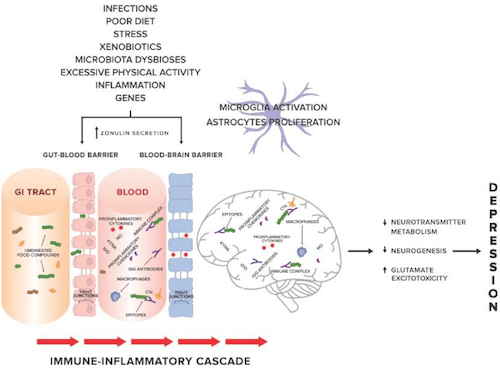
The gut-immune-inflammatory-brain model for Major Depressive Disorder associated with food IgG hyperreactivity. According to the hypothesis proposed in our previous work, we present a possible mechanism underlying the MDD [major depressive disorder] development, suggesting that the interplay between genetic and environmental factors may lead to disruption of tight junctions, the loss of their integrity and both gut and BBB [blood brain barrier] permeability. Undigested food compounds, which would normally break down in the gut, translocate into the blood circulation, and trough epitopes combine with food IgG antibodies to form immune complexes. This, in turn, provokes an abnormal response and triggers immune-inflammatory cascade. Uncontrolled release of the proinflammatory mediators may contribute to low-grade systemic inflammation and low-grade neuroinflammation, which, via pathological processes in CNS [central nervous system], i.e., changes in neurotransmitter metabolism, neurogenesis, glutamate excitotoxicity, may in consequence induce and then maintain and prolong depression.

[diagram and excerpt from The Food-Specific Serum IgG Reactivity in Major Depressive Disorder Patients, Irritable Bowel Syndrome Patients and Healthy Controls]

I wrote my book, The Antianxiety Food Solution, in 2011 and there wasn’t research on the gut-immune-inflammatory-brain model, but I do write extensively about delayed IgG food sensitivities (as well as other types of food issues). If you don’t have my book I’m including some of the highlights related to this (and I encourage you to pick up a copy too!). If you do have my book I hope this next section encourages you to go back and read chapter 4 again (and even check out the other books I mention below).

I write about how with delayed food reactions, it may take a few hours to several days before symptoms appear, which can make it difficult to identify the offending food or foods. In these reactions, the body responds by creating a type of antibody known as IgG (immunoglobulin G).

I also write about how food sensitivities can have effects beyond physiological symptoms, including creating imbalances in key chemicals in the brain, which can cause anxiety, phobias, depression, irritability, and mood swings. When food sensitivities have these effects, they are sometimes termed “brain allergies” or “cerebral allergies.” Dr. Carl Pfeiffer wrote extensively about this and used these terms in his wonderful book, Nutrition and Mental Illness, way back in 1987. (This book is a quick read and is one of my favorite older books on the subject of mental health and biochemical imbalances.)

I also reference the work of my colleague and friend, clinical nutritionist Liz Lipski. In her 2004 book, the 3rd edition of Digestive Wellness she shares that

24 percent of American adults claim they have delayed food and environmental reactions.

She feels that these sensitivities are often the result of leaky gut syndrome, a condition characterized by damage to the microvilli lining the intestinal walls. This allows undigested food particles to travel across the intestinal wall and into the blood, where the immune system responds to them as foreign, harmful substances and creates antibodies to neutralize them.

All this sounds very similar to what the new study is reporting doesn’t it? I’d prefer it not to take so long for the knowledge from as far back as 1987 to get into mainstream journals but it’s the world we live in and we can just appreciate that we are moving forward and in the right direction!

The 2018 paper mentioned above concludes the following:

Our findings suggest more common food-specific serum IgG hyperreactivity among patients with IBS and MDD [major depressive disorder], which may be one of the mechanisms leading to the development of immune activation and low-grade inflammation observed in these disorders.

They do support an elimination diet for IBS but not for depression:

There is no causal relationship which could confirm clinical utility of an elimination diet in patients with depression

I do love research, but this really bothers me as it’s just common-sense and we do have some case studies supporting the use of elimination diets. In this case study the patient’s “treatment-resistant” depression improved considerably with an elimination diet, with similar results in another case study where a gluten-free elimination diet improved both anxiety and depression and everyday functioning.

In the meantime, we’ll continue to rely on the wisdom of practitioners like Dr. Pfeiffer and Liz Lipski, and all the clinical evidence showing how an elimination diet does help with both depression and anxiety. Just read some of the success stories on this blog – Paleo and grain free diets: anxiety and depression success stories.

Other mechanisms: nutrient malabsorption and serotonin production

There are other mechanisms that I also cover in my book – nutrient malabsorption and a more direct impact on serotonin production.

One possible mechanism is indirect effects of gastrointestinal damage due to eating problem foods, resulting in nutrient malabsorption. In a 2009 double blind placebo-controlled study:

65 celiac patients aged 45-64 years on a strict gluten-free diet for several years [and showing signs of low folate, low vitamin B12 and low vitamin B6] were randomized to a daily dose of 0.8 mg folic acid,0.5 mg cyanocobalamin and 3 mg pyridoxine or placebo for 6 months

I doubt folic acid or this form of B12 would be used today but even with these forms at these low doses, the study participants showed homocysteine in a good range and reported improvement in general well-being – after just 6 months of supplementation.

Another possible mechanism is the fact that gluten sensitivity and the resulting damage to the gut can limit the availability of tryptophan and therefore lead to decreases in levels of serotonin. Research published in 2005, Gluten-free diet may alleviate depressive and behavioural symptoms in adolescents with coeliac disease: a prospective follow-up case-series study, reports that:

serotonergic dysfunction due to impaired availability of tryptophan may play a role in vulnerability to depressive and behavioral disorders among adolescents with untreated coeliac disease

In addition to removing the foods that are causing the sensitivities, you need to heal the gut and boost serotonin levels with a targeted individual amino acid like tryptophan.

Give the link between anxiety and depression, all of the above could apply if you have anxiety too.

Have you had IgG food sensitivity testing and found that an elimination diet helped reduce your depression or anxiety symptoms?

Filed Under: Depression Tagged With: anxiety, blood brain barrier, celiac, depression, gluten, IgG, leaky BBB, leaky gut, serotonin, tryptophan

Amyotrophic lateral sclerosis/ALS: ketogenic diet, GABA, 5-HTP and environmental toxins

May 25, 2018 By Trudy Scott 31 Comments

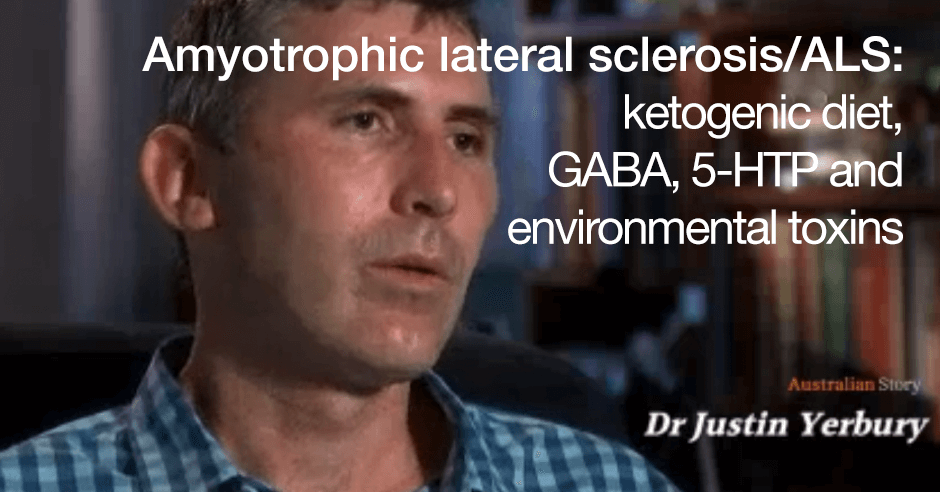
(Image from ABC: The Enemy Within – Australian Story)

I recently watched a documentary on the life and work of Justin Yerbury, a basket-ball player turned scientist who has motor neuron disease (also referred to as ALS) and is seeking a cure. It was aired on ABC and called The Enemy Within – Australian Story

When Justin Yerbury’s family members began to die from motor neurone disease he made a life-changing decision.

He turned his back on a professional basketball career and enrolled in a science degree. Almost 20 years later, he is an internationally recognised expert on the disease, leading the way in the search for a treatment.

Recently, however, Justin’s work took on a terrible urgency as he too developed symptoms of MND.

As Australian Story filmed with Justin and his family, his condition deteriorated dramatically, requiring difficult decisions to enable him to continue his search for a cure.

Having met Justin in 2017, Professor Stephen Hawking recorded the introduction to this story shortly before his death from motor neurone disease.

(the Australian spellings are neurone instead of neuron and recognised instead of recognized)

I felt very moved by his story and work and felt compelled to reach out to Dr. Yerbury to share what I have learned about this condition in the last few years. I know of a number of practitioners who work with individuals with this condition and even some colleagues with family members who have been diagnosed with this condition. I have also had enough queries that it’s time for a blog post on the topic so you are informed too.

What is Amyotrophic lateral sclerosis (ALS) and motor neuron disease (MND)?

Let’s start with the fact sheet on Amyotrophic lateral sclerosis from the NIH (National Institute of Neurological Disorders and Stroke). They describe ALS as follows:

Amyotrophic lateral sclerosis (ALS) is a group of rare neurological diseases that mainly involve the nerve cells (neurons) responsible for controlling voluntary muscle movement. Voluntary muscles produce movements like chewing, walking, and talking. The disease is progressive, meaning the symptoms get worse over time. Currently, there is no cure for ALS and no effective treatment to halt, or reverse, the progression of the disease.

ALS belongs to a wider group of disorders known as motor neuron diseases, which are caused by gradual deterioration (degeneration) and death of motor neurons. Motor neurons are nerve cells that extend from the brain to the spinal cord and to muscles throughout the body. These motor neurons initiate and provide vital communication links between the brain and the voluntary muscles.

I encourage you to watch the 30 minute program if you want to learn more about this condition and Dr. Yerbury’s work (they call it MND rather than ALS in the documentary.)

You may also be familiar with the life and story of Professor Stephen Hawking – he had ALS or motor neuron disease.

Ketogenic diet for ALS?

Here is some of the information I sent to Dr. Yerbury, explaining my work as a nutritionist working with women with anxiety using nutritional psychiatry approaches. Many of these nutritional psychiatry approaches – such as the SMILES study – have been spear-headed in Australia by Professor Felice Jacka.

I’ve recently being looking at the growing research base on the ketogenic diet and mental health and when I saw his story on ABC my first thought was – I wonder if there is research on ketogenic diets and ALS/MND? After a very quick search I found these papers:

  • High-Fat and Ketogenic Diets in Amyotrophic Lateral Sclerosis

there are strong epidemiologic data showing that malnutrition is a common symptom of amyotrophic lateral sclerosis both in humans and in mice and may contribute to disease progression. There is also epidemiologic evidence that increased dietary fat and cholesterol intake might reduce the risk of amyotrophic lateral sclerosis and the rate disease progression. Finally, data from animal studies strongly suggest that increasing dietary intake of fat ameliorates disease progression. However, determining whether amyotrophic lateral sclerosis patients should be treated with a high-fat or ketogenic diet can be based only on randomized double-blind placebo-controlled interventional trials.

  • Neuroprotection in Metabolism-Based Therapy

Metabolism-based therapy [which includes the ketogenic diet] has been used successfully in the treatment of seizures but study of its use in other neurodegenerative disorders [such as Alzheimer’s disease, Parkinson’s disease and ALS] is growing.

A gluten-free diet?

We must always consider gluten with every chronic health condition. There is a case report of celiac disease with neurologic manifestations misdiagnosed as amyotrophic lateral sclerosis:

he was diagnosed as having CD, and a gluten-free diet was immediately begun. At a 4-month follow-up, his weight and the quality of his stool had improved gradually, and the neurological manifestations had not progressed.

Another study reports that in certain cases, ALS may be associated with autoimmunity and gluten sensitivity, with elevated transglutaminase 6 antibodies in the serum of 23 patients.

GABA and 5-HTP: the Deanna Protocol

Awhile back I was contacted by someone in my community about the Deanna Protocol for ALS because it uses amino acids GABA and 5-HTP and other nutrients like niacin and CoQ10:

It is determined that the substances in the DP™ Plan provide energy to cells that are dying and in doing so keeps them alive.  This is very important because when nerve cells die, they release glutamate which kills the contiguous cells.  If too many cells are dying then we cannot supply enough energy to keep up with the rate of death of the cells.  When the DP™ Plan​ is taken in sufficient quantities, it will support the nerves that are challenged by glutamate.

As you may already know I use targeted individual amino acids such as GABA and tryptophan/5-HTP with clients so I am very familiar with their therapeutic benefits for anxiety and I am fascinated they also ease symptoms in ALS.

There is an animal study supporting this approach: Metabolic therapy with Deanna Protocol supplementation delays disease progression and extends survival in amyotrophic lateral sclerosis (ALS) mouse model.

Anxiety and depression

There is also research indicating that psychiatric symptoms often precede an ALS diagnosis:

neuropsychiatric conditions are overrepresented in amyotrophic lateral sclerosis (ALS) patient kindreds and psychiatric symptoms may precede the onset of motor symptoms…. A diagnosis of depression was significantly associated with a first record of ALS ≥5 years later, in keeping with growing evidence for major depressive disorder as an early marker of cerebral neurodegeneration.

This doesn’t mean if you have anxiety or depression that ALS or another neurodegenerative disorder is in your future, because we can address so many of the root causes before we get to that diagnosis. Many of the nutrients in the Deanna Protocol will help both the person with ALS and the caregivers who also suffer psychological distress.

Environmental toxins and ALS

We recently spent 3 days at Shell Harbour just south of the Wollongong area and we loved it!

Lovely Red Sands Beach, NSW

As beautiful as it was I couldn’t help but be concerned about the toxins being released into the air from the steel production plants. Dr. Yerbury lives in the area and is conducting his research at the University of Wollongong. I know toxins play a role in many diseases and wondered about an ALS connection. I found this paper: Association of Environmental Toxins With Amyotrophic Lateral Sclerosis

Pollution in Wollongong

I also shared that I’m a total research geek and pretty passionate about the power of nutrition, lifestyle and environmental factors because this was how I was able to eliminate my own anxiety and panic attacks.

You can learn more about Dr. Yerbury and his publications here. We appreciate the work him and his research team are doing and thank him for sharing his story.

It would be wonderful if some of this information can help Dr. Yerbury and even be considered for future research by his very passionate research team. I also hope this information will be helpful for you or a loved one suffering with ALS or MND.

Filed Under: Anxiety, Gluten, Toxins Tagged With: 5-HTP, ALS, amyotrophic lateral sclerosis, anxiety, caregiver, depression, Dr. Justin Yerbury, environmental toxins, GABA, gluten, Ketogenic diet, MND, motor neuron disease

Time magazine: ketamine is NOT the solution for treatment resistant depression!

August 11, 2017 By Trudy Scott 25 Comments

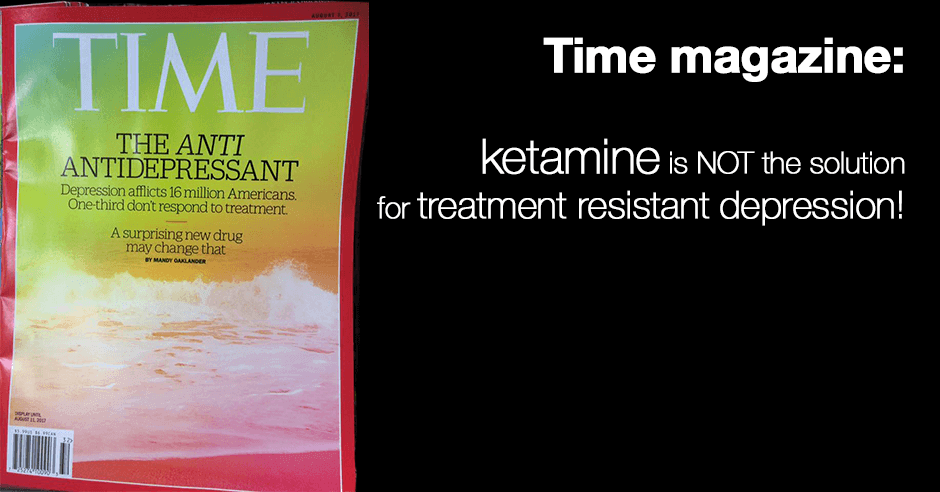
Seen at LAX airport en route back to Australia – this cover of Time magazine:

The Anti Antidepressant. Depression affects 16 million Americans. One third don’t respond to treatment. A surprising new drug may change that.

It’s scary to think that ketamine and ketamine-like drugs are being considered the solution to “treatment resistant depression”. I’ve never liked this term and in my opinion, what it really means is that the root cause of the depression has not been found. To me it looks like the mainstream medical mental health community is desperate!

It really is time to get all the well-researched nutritional psychiatry approaches to the forefront! They do work! The timing of this article is even more interesting since I was returning from the first international meeting of the International Society for Nutritional Psychiatry Research in Bethesda, MD.

Lead food mood researcher Professor Felice Jacka presented her SMILES paper where dietary changes from a junk food diet to a real whole foods diet reduced depression in 30% of the participants.

Microbiome researcher Professor John Cryan discussed the gut brain connection. This paper: Recent developments in understanding the role of the gut microbiota in brain health and disease, was published just last week:

recent preclinical and clinical evidence suggest that targeting the microbiota through prebiotic, probiotic, or dietary interventions may be an effective “psychobiotic” strategy for treating symptoms in mood, neurodevelopmental disorders, and neurodegenerative diseases

And research on sulforaphane for psychosis, and depression and anxiety was presented: Sulforaphane produces antidepressant- and anxiolytic-like effects in adult mice

these findings demonstrated that SFN [sulforaphane] has antidepressant- and anxiolytic-like activities in stressed mice model of depression, which likely occurs by inhibiting the hypothalamic-pituitary-adrenal (HPA) axis and inflammatory response to stress. These data support further exploration for developing SFN [sulforaphane] as a novel agent to treat depression and anxiety disorders.

I presented on the benefits of a gluten-free/grain free/Paleo diet for certain individuals for depression and anxiety, and did a poster presentation on GABA for eliminating anxiety. 

As you can see from the TIME Magazine article the only approaches that have been considered (and have failed) are medications in various different combinations:

Every week, when Ian Hanley sits down with his therapist, he goes through a list of depression treatments he’s been researching online. The best-known treatments at the top of the list–half a dozen antidepressants and known combinations of those drugs–are all crossed out….

Most diagnoses do not come with 20-plus medicines approved by the Food and Drug Administration to treat it–and yet with depression, more options don’t always mean better outcomes. Ever since the first antidepressants were introduced 60 years ago, doctors have had patients like Hanley–people who don’t seem to get better even after they’ve worked their way through the lengthy list of available drugs. About 30% of all people with depression don’t respond adequately to the available treatments. That’s a dismal failure rate for a class of drugs designed to improve a person’s basic ability to function.

According to this article in Time magazine:

The biggest development has been the rediscovery of a promising, yet fraught, drug called ketamine. It’s best known as a psychedelic club drug that makes people hallucinate, but it may also have the ability to ease depression–and fast. In a race to shape the next generation of antidepressants, Johnson & Johnson and Allergan are fast-tracking new medicines inspired by ketamine.

I encourage you to read the entire article and take note of the following: the side-effects seen with medications over the years and the fact that doctors “don’t know the consequences and potential side effects of taking tiny doses of ketamine over and over again”; “she tried nearly everything” (you’ll read this in all the articles advocating for ketamine but unfortunately they are only referring to medications); the ketamine effects are temporary and cost $15,000 per year (and are not covered by insurance); and ketamine “is thought to stimulate an opioid receptor in the brain” and is already known to be addictive.  

When I shared this image and article on my Facebook page I discovered that is a pretty divided topic with a number of people feeling really strongly about the fact that this approach needs to be researched further and considered.  I acknowledge their concern for the individuals who have not found a solution for their depression. BUT my question is this: have all the dietary and nutritional approaches been considered and looked into with these people who have not responded to antidepressants? 

I strongly believe that ketamine is NOT the solution and that nutritional psychiatry is!

Have you used this ketamine approach personally or with patients?

Would you consider using ketamine personally if the antidepressants didn’t work for you? Or would you be more willing to work with a functional medicine or functional nutrition practitioner to find your true root causes and address them with diet, nutrients and a functional medicine approach?

Filed Under: Depression, Food and mood, Mental health, Nutritional Psychiatry, Real whole food Tagged With: anxiety, depression, GABA, gluten, ketamine, nutritional psychiatry, sulforaphane, time magazine, treatment resistant

How to address rectal spasms with GABA, pelvic floor work, gluten removal and squats

July 7, 2017 By Trudy Scott 43 Comments

Last week I wrote about proctalgia fugax, a condition that leads to rectal spasms and sharp fleeting pain in the lower rectum or anus, often described as excruciating and agonizing. Proctalgia fugax actually means anal pain of unknown cause but I am seriously questioning this definition because as you’ll see below there are a number of possible root causes!

I have experienced this horrible pain and was not willing to use medications. Instead, because I could find no other solutions, I experimented with sublingual GABA during an episode and then figured out how to prevent a spasm at the first hint of pain.  You can read all the details on this blog: How GABA eases agonizing rectal pain and spasms in under 2 minutes

I promised to share part 2 with some root causes and other solutions but this article has grown because of all the wonderful feedback on the above blog. I’ve gathered some of it here as additional resources.

What is the pain like?

Here are some additional descriptions of the pain (sharing here so others can relate and feel comforted that this is not something weird):

  • horrible, shooting pain up the lower rectum/spine area
  • I have had this issue since I was about 45 (I’m now 60) at least a few times per year. It lasts usually 15 to 30 minutes and is extremely painful.
  • I have had this pretty much all my life. More common with my period and the spasm lasts for close to 1/2 hour or so. Very deep aching pain.
  • It stops me in my tracks. The pain is so bad sometimes I can’t breathe. It’s scary.

For some people the fear of having a spasm when out and about is extremely traumatic:

It seems no one in the mainstream medical field is concerned about it. It may be physically harmless but I know many people on other forums who live in constant fear of an attack – especially publicly. It is far from psychologically harmless.

I loved all the feedback: pleased to find out there is a name for it and feel comforted to know you’re not alone. Many have been worried and embarrassed to ask for help. And across the board you are all very interested in experimenting with GABA (or theanine or taurine) to see if it helps reduce or eliminate the spasms in the moment.

This GABA approach is a good one because it helps ease the pain and spasms and because stress is a common underlying factor.

Positive feedback about GABA helping

I am pleased to get some positive feedback that GABA is helping:

I used to get these right before my period – hormonally related for me. Interestingly, I have been taking Pharmagaba to help me sleep better and to help me relax…noticed that I haven’t had one of these “butt cramps” as I call them, in months.

And this wonderful result from someone else:

There were times I literally had to sleep in the tub for 5 hours at a time and keep refilling it hot water. Most excruciating pain I’ve ever had and I’ve birthed a child naturally! I’m taking GABA for other reasons and after reading this (facebook post), I realize I haven’t had this since!

Concerns about using GABA

A few of you had concerns about using GABA – for example: GABA causes palpitations for me but I will seriously consider trying it.

I wouldn’t use GABA if it causes palpitations or I would at least experiment with super small amounts. I mentioned I’ve used up to 500mg – for many people this is too much and even 100mg may help. Taurine may be an option too. If you can’t tolerate GABA or taurine the next section covers some other options and how to address some of the possible root causes.

And someone shared that when she took GABA in the past for anxiety it really seemed to make her more anxious:

Since I did not have the expected result for anxiety, I wonder if it would not be the best choice for me in this situation either . . . I would like to use something which works quickly, so the sublingual option would have been appealing. I have used l-theanine with good results (for anxiety) and have never tried taurine before.

I would not recommend GABA for someone who gets more anxious with it. When something does work, like theanine, I’d go with that approach. Or I would consider a very small dose of GABA and build up slowly.

There are some common patterns

When looking at common patterns many who responded on the GABA blog:

  • Have had a hysterectomy, vaginal prolapsing and/or abdominal surgeries like repair of a large umbilical hernia (but not everyone)
  • Have IBS and digestive issues, as well as food sensitivities
  • Identify with stress being a factor and relate to feeling “irritable, perfectionistic, meticulous, obsessional, tense, and anxious.” As I mentioned above, GABA addresses the spasms and also relieves some of the stress and tension. And by addressing low serotonin with tryptophan this eases the worry, irritability and perfectionism
  • Observe spasms during ovulation and/or when menstruating. GABA and tryptophan help with hormone balancing too

Medications for relief

Many find relief with medications but side-effects always need to be considered and it makes the most sense to get to the root causes and address them. Here are some mentioned:

  • Benzodiazepines: I would dissolve a tab under my tongue and it would help the pain within a few minutes. As I would expect benzodiazepines to help but open up another whole can of worms – with tolerance (and needing higher doses), addiction and withdrawal).
  • Naproxen (an NSAID) has side-effects as does a medication like Cyclobenzaprine (a muscle relaxer)

Addressing tight pelvic floor muscles and stress

We always want to get to the root causes of an issue and that is the most logical step. I reached out to the practitioners in my community to ask them how they help their clients and patients with this and what approaches they have used to end the spasm and pain. My colleague, Jessica Drummond, nutritionist and physical therapist, and an expert on female pelvic pain and women’s health, shares this advice:

For women with proctalgia fugax, the acute rectal spasm can come at any time unexpectedly. Usually, this is a sign that your pelvic floor muscles are tight and need to be relaxed. Avoid doing Kegel exercises, and see a physical therapist who is a pelvic floor specialist in order to release the muscles of your pelvic floor.

Additionally, it’s important to be sure that you’re finding time each day to fully relax, breathe deeply, and receive support from your family or friends. Often women with pelvic floor muscle spasm feel stressed or a lack of safety in their lives and bodies. So, working with a skilled professional to address your stress is key.

Lorraine shared these wonderful results with her pelvic floor therapy (on the GABA blog) and how much it’s been helping her:

Anxiety or stressful times was a huge trigger (I am still pretty type A) and I finally learned one reason among many that stress triggers it. My naturopathic doctor sent me to see the ‘guru’ in pelvic floor therapy–Caroline Allen in Ottawa. I suffered for years with anxiety and did not realize that I was still constantly holding my tummy in as an old habit to stress even now that I have overcome my anxiety disorder. She taught me how to relax the core which was a challenge at first and required much conscious thought–those muscles had many years of training to stay tight. I was also breathing incorrectly and she showed me that when our breathing is incorrect, our diaphragm is tight and then it pulls up and tightens the entire pelvic floor. I can often prevent or significantly decrease the severity of an attack by reminding myself to relax certain key muscles and breathing into the pelvic floor.

Gluten sensitivity, other food sensitivities and functional imbalances

Jessica also shares what can worsen pelvic floor function:

You may have nutrient deficiencies or [gluten or other] food sensitivities that can worsen your pelvic floor muscle function. And, if you have IBS or constipation that should be addressed by a nutrition professional who specializes in digestive or pelvic health.

Here is some of the feedback I received on the GABA blog, observing links to gluten sensitivity, other food sensitivities and functional imbalances:

  • Gluten sensitivity
    • I found that once I eliminated gluten from my diet, this almost eliminated the problem.
  • Other food sensitivities – keeping a food-stress-spasm log will help you figure this out
    • We have found a sensitivity to corn, coconut, and nightshades and eating these brings on an attack. I suspect gluten as well but don’t always get an attack the way corn will
    • Food too high in phytic acid is a huge trigger for me…I avoid nuts like the plague
    • I do have gluten intolerance, and have been gluten free since 2009. I also stay away from dairy, all grains, and eggs. Recently I went off of all nightshades and on a lectin free diet. I haven’t seen any difference yet, and it has been over a month, but then again I haven’t had a spasm lately either. Not sure if that is a coincidence or not.
    • I have discovered that the following foods bring it on the next day: gluten, onions, citrus, especially orange juice, and black tea. Staying away from these foods has made a huge difference, but I still get episodes, which makes me think there’s another trigger I haven’t discovered
  • Any functional imbalance
    • I’ve recently been seeing a new naturopathic doctor who addressed SIBO, hormone imbalance as well as a stubborn parasite. My attacks most often occurred in correlation with constipation, digestive upset and ovulation pain (I had low zinc and low progesterone). Addressing all three factors has helped.

Other possible factors that should be considered: low magnesium, low potassium, low serotonin, low vitamin D, low zinc and dehydration, and look at drug-induced nutrient depletions from the BCP, fluroquinolones and proton pump inhibitors.

Jessica provides a comprehensive overview in this article: Physical Therapy and Nutrition: A Powerful Combination To Heal Pelvic Pain. It’s written for health professionals but is an excellent overview for anyone.

Some other possible solutions

I received so much wonderful feedback on the GABA blog that I’ve gathered these other possible solutions into a list:

  • Skullcap and valerian for mild symptoms
  • Designs for Health Gastromend, a product that is healing for entire GI tract helps in 15 minutes. Drinking Aloe juice may be helping
  • Sitting on the toilet and pushing down like with a bowel movement [this doesn’t feel good when I do it] or sitting on my foot to apply upward pressure before the spasm gets to deep will generally shorten the duration. I have found that stretching and holding the stretch for a few minutes will ease the intensity and duration of the spasm.
  • Nothing seems to help me except for a really hot heating pad. It usually takes about 20 minutes or a little longer for the spasms to go away

Squats, reflexology and downward dog for immediate relief

I also received these solutions that provide immediate relief while you’re figuring out and addressing the bigger root causes:

  • My gastroenterogist recommended going into a deep squat when the spasm starts. I tried and it worked!
  • I rub the inner ankle area (above the bone) in an upward motion – both sides. I rub as hard as I can. It takes a few minutes of rubbing but the pain reduces almost immediately. I went to a foot reflexologist and she said that this area relates to the rectum.
  • Downward dog yoga pose

I appreciate all the wonderful feedback on the GABA blog and the opportunity to share this so more of us get answers more quickly! Too often we think it’s just us but I encourage seeking solutions no matter what weird quirks we think we have!

I have one more article to share on the topic so stay tuned for part 3 with an exercise that strengthens the pelvic area and reverses rectal spasms.

Feel free to share what’s worked for you, what your possible triggers are and if GABA or any of these approaches resonate with you.

Filed Under: GABA Tagged With: anal, anus, anxiety, cramp, food senistivities, GABA, gluten, menstruation, pain, pelvic floor, Proctalgia fugax, rectal spasm, stress, taurine

Migraines, anxiety, depression and gluten: on the Chronic Headache & Migraine Summit

June 26, 2017 By Trudy Scott 5 Comments

The goal of a 2015 Russian study titled Gluten Migraine, was to study the prevalence of migraine among patients with celiac disease and to assess the efficacy of a gluten-free diet in its treatment. There were 200 celiac disease (CD) patients and the

CD group had migraine syndrome four times more often than the control group. The attacks were more frequent in CD patients who were older than 50 years old.

The migraines disappeared in 25% of patients with migraines who were on the gluten free diet and the reduction in the intensity and/or frequency of attacks was observed in 38% of patients.

This is the study conclusion:

We revealed the clear association between migraine syndrome and CD and the high efficacy of gluten FREE diet in the treatment of migraine symptoms.”

I would suspect similar results if you have gluten sensitivity. And here is some gluten-migraine feedback from 4 different women in my community:

  • HUGE decrease in my migraines now that I eat more cleanly. I used to start to get headaches immediately upon eating gluten-y meals
  • I had them frequently from teenage years right up until my Celiac diagnosis in my thirties. Once gluten was gone so were the migraines
  • Stopping gluten stopped my migraines
  • My migraines always came from gluten and dairy

Of course there is also an anxiety-gluten and the depression-gluten connection so getting the gluten out of your diet will help with both anxiety and depression most of the time too.

I talked about all this on The Chronic Headache & Migraine Summit.

The other topic I covered is the autoimmune condition called Antiphospholipid Syndrome (APS) which is one of many possible contributing factors for both migraines and anxiety. Of course, with any autoimmune condition gluten removal is key.

I also cover low serotonin as one possible cause of migraines (and anxiety) and the use of tryptophan (instead of SSRIs). An amino acid like tryptophan or GABA also helps you break the gluten addiction so you don’t have to rely only on willpower!

Have you got questions or comments? Please post in the comment box below.

Filed Under: Events, Migraine Tagged With: amino acids, anxiety, depression, gluten, headache, migraine, serotonin, tryptophan, willpower

Migraines, Anxiety and Antiphospholipid Syndrome: on the Chronic Headache & Migraine Summit

June 12, 2017 By Trudy Scott 39 Comments

The autoimmune condition called Antiphospholipid Syndrome (APS) is one of many possible contributing factors for both migraines and anxiety. I came across this condition when researching the links between migraine and anxiety in preparation for my interview with Erin Knight, one of the hosts of The Chronic Headache & Migraine Summit. This is one of the reasons I love presenting because I get to learn so much too!

Antiphospholipid syndrome occurs when your immune system attacks some of the normal proteins in your blood. It can cause blood clots in your arteries or veins. And it can cause pregnancy complications, such as miscarriage and stillbirth. (Source: Mayo Clinic)

I share some highlights from a 2015 paper: Antiphospholipid antibodies as biomarkers in psychiatry

  • Antiphospholipid syndrome (APS) has been implicated in a range of neuropsychiatric presentations
  • The link between depression, stroke, and cardiovascular disease could be explained in at least some patients by the presence of aPL antibodies
  • Approximately one in five (20%) strokes in individuals under the age of 45 years are associated with APS
  • Migraine is one of the most commonly observed symptoms in patients with APS
  • aPL antibodies are often found to show low or moderately positive levels which makes this syndrome a diagnostic dilemma in psychiatry. The St. Thomas ‘alternative criteria’ for APS may be a useful clinical tool for psychiatrists. These criteria include cognitive impairment, affective disorders [like depression and anxiety], headaches [or migraines], and livedo reticularis, with improvement after aspirin treatment

In case you are not familiar with livedo reticularis, it is a mottled purplish discoloration of the skin. Having this skin condition does not mean you have APS because livedo reticularis can be a normal condition that is simply more obvious when you are exposed to the cold. It can also be an indicator of impaired circulation.

Phospholipids are a class of lipids that are a major component of all cell membranes and also facilitate neurotransmitters communication so this condition affects serotonin, dopamine, glutamate and GABA levels.

Working with my client’s doctor, I would recommend an autoimmune dietary approach and trials of the respective amino acids to support low serotonin, low GABA (anxiety is common with migraine sufferers) and low dopamine.

We also discuss how effective gluten removal can be for my clients with anxiety and migraines and find it to be a common underlying factor (whether it’s celiac disease or gluten sensitivity). Since gluten is always an important factor for autoimmunity it should always be explored if APS has been diagnosed or is suspected.

We also cover low serotonin as one possible cause of migraines and the how to do a trial of tryptophan (instead of SSRIs). Using tryptophan also addresses the low serotonin that often occurs with APS and is one possible contributing cause of the anxiety, depression, insomnia and migraines.

Hosts of The Chronic Headache & Migraine Summit, Erin Knight, Corey Schuler and Marta Taylor, are familiar with headache pain and migraines; they’ve all experienced severe headache problems. They found functional medicine solutions, which they now share in their health practices each day.

Filed Under: Anxiety and panic, Depression, Events, Migraine Tagged With: antiphospholipid syndrome, anxiety, gluten, headache, livedo reticularis, migraine, serotonin, stroke

  • « Go to Previous Page
  • Page 1
  • Page 2
  • Page 3
  • Page 4
  • Page 5
  • Page 6
  • Page 7
  • Go to Next Page »

Primary Sidebar

NEW! GABA QuickStart Homestudy (with special intro pricing)

gaba quickstart homestudy

Free Report

9 Great Questions Women Ask about Food, Mood and their Health

You'll also receive a complimentary subscription to my ezine "Food, Mood and Gal Stuff"


Connect with me

Popular Posts

  • Amino Acids Mood Questionnaire from The Antianxiety Food Solution
  • The Antianxiety Food Solution Amino Acid and Pyroluria Supplements
  • Pyroluria Questionnaire from The Antianxiety Food Solution
  • Collagen and gelatin lower serotonin: does this increase your anxiety and depression?
  • Tryptophan for the worry-in-your-head and ruminating type of anxiety
  • GABA for the physical-tension and stiff-and-tense-muscles type of anxiety
  • The Antianxiety Food Solution by Trudy Scott
  • Seriphos Original Formula is back: the best product for anxiety and insomnia caused by high cortisol
  • Am I an anxious introvert because of low zinc and vitamin B6? My response to Huffington Post blog
  • Vagus nerve rehab with GABA, breathing, humming, gargling and key nutrients

Recent Posts

  • What do I use instead of Seriphos to help lower high cortisol that is affecting my sleep and making me anxious at night?
  • BeSerene™ GABA/theanine cream eases severe muscle tension in her neck/shoulders, prevents her bad headaches and quells her anxiety
  • How the correct approach, dose and sublingual use of GABA can be calming and not cause a flushed and itchy face and neck
  • The amino acid glutamine improves low mood by addressing gut health, and it has calming effects too
  • Flight anxiety with heightened breath, physical tension and also fearing the worst (the role of low GABA and low serotonin)

Categories

  • 5-HTP
  • AB575
  • Addiction
  • ADHD
  • Adrenals
  • Alcohol
  • Allergies
  • Alzheimer's disease
  • Amino Acids
  • Anger
  • Antianxiety
  • Antianxiety Food Solution
  • Antidepressants
  • Anxiety
  • Anxiety and panic
  • Autism
  • Autoimmunity
  • benzodiazapines
  • Bipolar disorder
  • Books
  • Caffeine
  • Cancer
  • Candida
  • Children/Teens
  • Collagen
  • Cooking equipment
  • Coronavirus/COVID-19
  • Cravings
  • Depression
  • Detoxification
  • Diabetes
  • Diet
  • DPA/DLPA
  • Drugs
  • EFT/Tapping
  • EMF
  • EMFs
  • Emotional Eating
  • Endorphins
  • Environment
  • Essential oils
  • Events
  • Exercise
  • Fear
  • Fear of public speaking
  • Fertility and Pregnancy
  • Fish
  • Food
  • Food and mood
  • Functional neurology
  • GABA
  • Gene polymorphisms
  • General Health
  • Giving
  • Giving back
  • Glutamine
  • Gluten
  • GMOs
  • Gratitude
  • Gut health
  • Heart health/hypertension
  • Histamine
  • Hormone
  • Hyperparathyroidism
  • Hypoglycemia
  • Immune system
  • Inflammation
  • Insomnia
  • Inspiration
  • Introversion
  • Joy and happiness
  • Ketogenic diet
  • Lithium orotate
  • Looking awesome
  • Lyme disease and co-infections
  • MCAS/histamine
  • Medication
  • Men's health
  • Mental health
  • Mercury
  • Migraine
  • Mold
  • Movie
  • MTHFR
  • Multiple sclerosis
  • Music
  • NANP
  • Nature
  • Nutritional Psychiatry
  • OCD
  • Osteoporosis
  • Oxalates
  • Oxytocin
  • Pain
  • Paleo
  • Parasites
  • Parkinson’s disease
  • PCOS
  • People
  • PMS
  • Postpartum
  • PTSD/Trauma
  • Pyroluria
  • Questionnaires
  • Real whole food
  • Recipes
  • Research
  • Schizophrenia
  • serotonin
  • SIBO
  • Sleep
  • Special diets
  • Sports nutrition
  • Stress
  • Sugar addiction
  • Sugar and mood
  • Supplements
  • Teens
  • Testimonials
  • Testing
  • The Anxiety Summit
  • The Anxiety Summit 2
  • The Anxiety Summit 3
  • The Anxiety Summit 4
  • The Anxiety Summit 5
  • The Anxiety Summit 6
  • Thyroid
  • Thyroid health
  • Toxins
  • Tryptophan
  • Tyrosine
  • Uncategorized
  • Vegan/vegetarian
  • Women's health
  • Yoga

Archives

  • October 2025
  • September 2025
  • August 2025
  • July 2025
  • June 2025
  • May 2025
  • April 2025
  • March 2025
  • February 2025
  • January 2025
  • November 2024
  • October 2024
  • September 2024
  • August 2024
  • July 2024
  • June 2024
  • May 2024
  • April 2024
  • March 2024
  • February 2024
  • January 2024
  • December 2023
  • November 2023
  • October 2023
  • September 2023
  • August 2023
  • July 2023
  • June 2023
  • May 2023
  • April 2023
  • March 2023
  • February 2023
  • January 2023
  • December 2022
  • November 2022
  • October 2022
  • September 2022
  • August 2022
  • July 2022
  • June 2022
  • May 2022
  • April 2022
  • March 2022
  • February 2022
  • January 2022
  • December 2021
  • November 2021
  • October 2021
  • September 2021
  • August 2021
  • July 2021
  • June 2021
  • May 2021
  • April 2021
  • March 2021
  • February 2021
  • January 2021
  • December 2020
  • November 2020
  • October 2020
  • September 2020
  • August 2020
  • July 2020
  • June 2020
  • May 2020
  • April 2020
  • March 2020
  • February 2020
  • January 2020
  • December 2019
  • November 2019
  • October 2019
  • September 2019
  • August 2019
  • July 2019
  • June 2019
  • May 2019
  • April 2019
  • March 2019
  • February 2019
  • January 2019
  • December 2018
  • November 2018
  • October 2018
  • September 2018
  • August 2018
  • July 2018
  • June 2018
  • May 2018
  • April 2018
  • March 2018
  • February 2018
  • January 2018
  • December 2017
  • November 2017
  • October 2017
  • September 2017
  • August 2017
  • July 2017
  • June 2017
  • May 2017
  • April 2017
  • March 2017
  • February 2017
  • January 2017
  • December 2016
  • November 2016
  • October 2016
  • September 2016
  • August 2016
  • July 2016
  • June 2016
  • May 2016
  • April 2016
  • March 2016
  • February 2016
  • January 2016
  • December 2015
  • November 2015
  • October 2015
  • September 2015
  • August 2015
  • July 2015
  • June 2015
  • May 2015
  • April 2015
  • March 2015
  • February 2015
  • January 2015
  • December 2014
  • November 2014
  • October 2014
  • September 2014
  • August 2014
  • July 2014
  • June 2014
  • May 2014
  • April 2014
  • March 2014
  • February 2014
  • January 2014
  • December 2013
  • November 2013
  • October 2013
  • September 2013
  • August 2013
  • July 2013
  • June 2013
  • May 2013
  • April 2013
  • March 2013
  • February 2013
  • January 2013
  • December 2012
  • November 2012
  • October 2012
  • August 2012
  • July 2012
  • June 2012
  • May 2012
  • April 2012
  • March 2012
  • February 2012
  • January 2012
  • December 2011
  • November 2011
  • October 2011
  • September 2011
  • August 2011
  • July 2011
  • June 2011
  • May 2011
  • April 2011
  • March 2011
  • February 2011
  • January 2011
  • December 2010
  • October 2010
  • September 2010
  • July 2010
  • May 2010
  • April 2010
  • March 2010
  • February 2010
  • January 2010
  • November 2009

Share the knowledge!

The above statements have not been evaluated by the Food and Drug Administration. Products listed in this website are not intended to diagnose, treat, cure or prevent any disease.

The information provided on this site is for informational and educational purposes only and is not intended as a substitute for advice from your physician or other health care professional. You should consult with a healthcare professional before starting or modifying any diet, exercise, or supplementation program, before taking or stopping any medication, or if you have or suspect you may have a health problem.


Copyright © 2026 Trudy Scott. All Rights Reserved. | Privacy | Terms and Conditions | Refund Policy | Medical Disclaimer

Free Report

9 Great Questions Women Ask about Food, Mood and their Health

You’ll also receive a complimentary subscription to my ezine “Food, Mood and Gal Stuff”