• Skip to primary navigation
  • Skip to main content
  • Skip to primary sidebar

everywomanover29 blog

Food, Mood and Women's Health – Be your healthiest, look and feel great!

  • Blog
  • About
  • Services
  • Store
  • Resources
  • Testimonials
  • The Book
  • Newsletter
  • Contact
  • Search this site

GABA

Help! I’m worried all the time! Soothe with supplements and tame worry with food!

April 20, 2018 By Trudy Scott 3 Comments

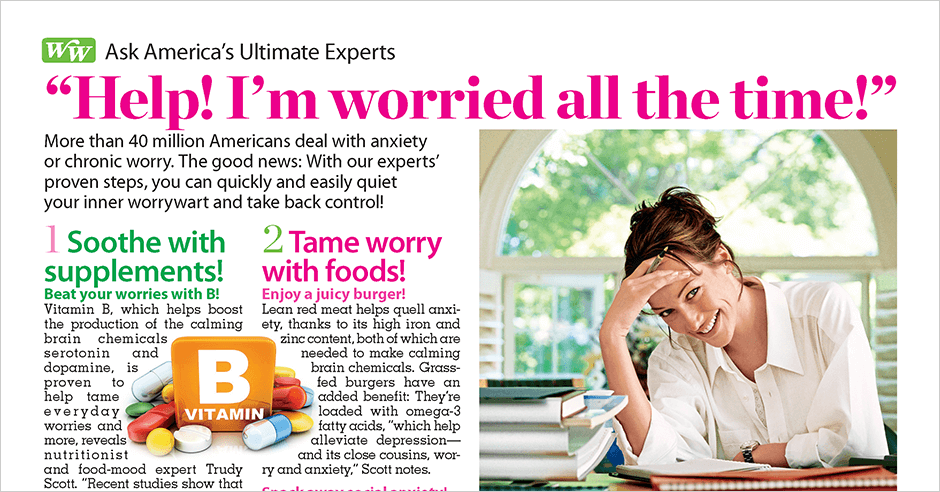
Some of my simple tips for worry were shared in the April edition of Women’s World so here they are for you to enjoy in case you didn’t see them in the magazine. I’m quite chuffed to see it’s for a piece called “Ask America’s Ultimate Experts.”

I share tips about the benefits of a B- complex vitamin (for adrenal support), vitamin B6 (especially for PMS-type anxiety and worry, the calming amino acid called GABA, plus the mood-boosting and calming benefits of a grass-fed burger (loaded with zinc, iron and omega-3s) and pumpkin seeds as a snack (because they’re rich in both tryptophan and zinc)

Here are my tips from the article:
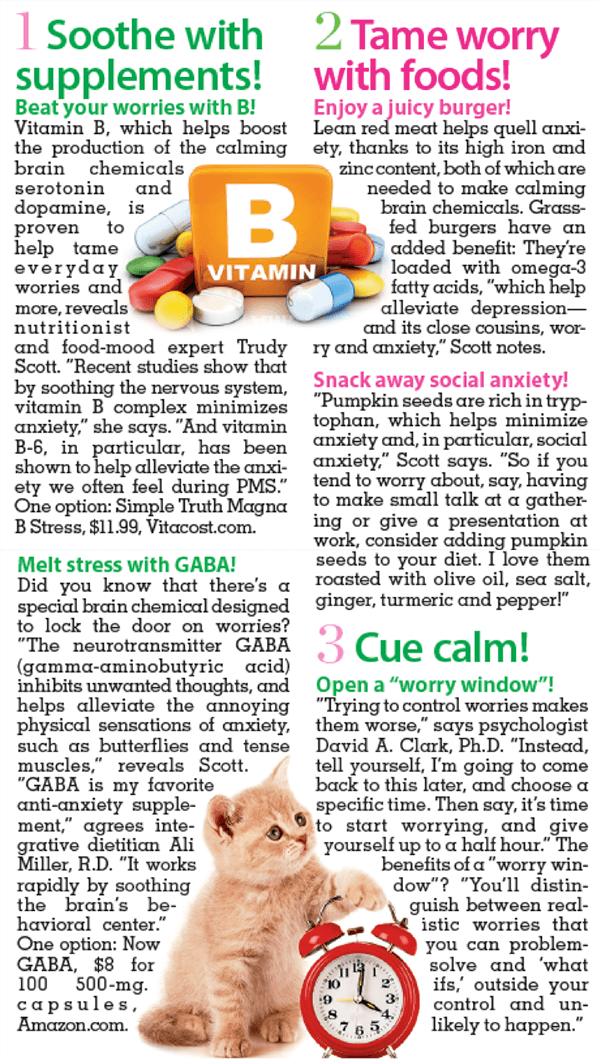
#1 Soothe with supplements

Here are some supporting articles and research for some of the above tips. A good B- complex vitamin for adrenal support has been shown to minimize psychological stress after a natural disaster and vitamin B6 (or pyridoxine) helps with PMS-type anxiety and worry.

A paper titled Pyridoxine in the treatment of premenstrual syndrome: a retrospective survey in 630 patients, reports the following results:

The daily doses of pyridoxine hydrochloride varied from 40 to 100 mg early in the study and from 120 to 200 mg in the later period of the investigations. The response to treatment was recorded as good (no significant residual complaints) in 40 per cent or more of patients taking 100-150 mg pyridoxine daily and in 60 per cent of patients treated with 160-200 mg daily. Together with partial response (useful benefit but still some significant complaints), the positive effect of the treatment increased to 65-68 per cent and 70-88 per cent respectively. No symptoms consistent with a diagnosis of peripheral neuropathy were reported

The calming amino acid called GABA helps with the physical-tension and stiff-and-tense-muscles type of anxiety and helps with worry and inhibition of unwanted thoughts.

#2 Tame worry with foods

Professor Felice Jacka, nutritional psychiatry researcher, discusses the mood-boosting and calming benefits of grass-fed beef (loaded with zinc, iron and omega-3s) on our Anxiety Summit interview: The Research – Food to prevent and treat anxiety and depression?

Pumpkin seeds are rich in tryptophan and zinc and research shows that a functional food made from these seeds actually helps with social anxiety.

Here are a few minor discrepancies in the above sections:

  • In #1 dopamine is not a calming brain chemical but instead it’s stimulating and helps with focus and motivation. The B vitamin mentioned contain folic acid whereas methyl folate is the preferred choice.
  • In #2 the GABA product recommended is 500mg and I find starting much lower is a more effective approach with my clients.

#3 Cue calm – open a worry window

Opening a worry window is a new approach for me and I’d love to hear if it helps you now or has helped you in the past.

Anti-anxiety gummies and low serotonin

Ali Miller, RD, shares a recipe for anti-anxiety gummies (you can see it in the PDF) and I love that it includes coconut water, ginger and turmeric. I’d replace the cup of orange juice (which is high in sugar) with water and use 2 tablespoons instead. Be sure to watch that these gelatin gummies don’t make your anxiety (or depression or sleep worse). It’s a small amount of gelatin but if you’re eating a lot of them and you’re prone to low serotonin, this may be a problem for you. I write about this in a blog post here – Collagen and gelatin lower serotonin: does this increase your anxiety and depression? If it does cause an adverse reaction it doesn’t mean you can’t eat them, instead it simply means you may need to take tryptophan when eating them (if low serotonin is the issue.

If you’d like a PDF of the article you can grab a copy here.

I’d love to hear if any of these approaches have helped you or your clients/patients. Keep in mind that it’s a fun article that is by no means comprehensive in terms of addressing all the possible root causes of anxiety.
Filed Under: Anxiety Tagged With: anxiety, B-complex, food, GABA, grass-fed red meat, omega-3s, pumpkin seeds, supplements, vitamin B6, Women’s World, worry, zinc

The Lyme Solution by Dr. Darin Ingels

March 30, 2018 By Trudy Scott 4 Comments

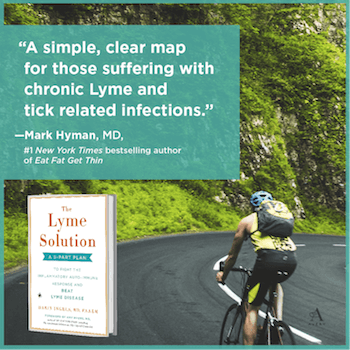
I highly recommend Dr. Darin Ingels, ND new book The Lyme Solution: A 5-Part Plan to Fight the Inflammatory Auto-Immune Response and Beat Lyme Disease. As a functional medicine practitioner, he provides a natural approach to treating Lyme disease that is both comprehensive and designed to each person’s own unique needs i.e. he doesn’t use a one size fits all approach. His uniquely holistic approach to treating this rampant disease, treats both the infection and the resulting autoimmune response. He’s also recovered from Lyme disease himself so he really gets it!

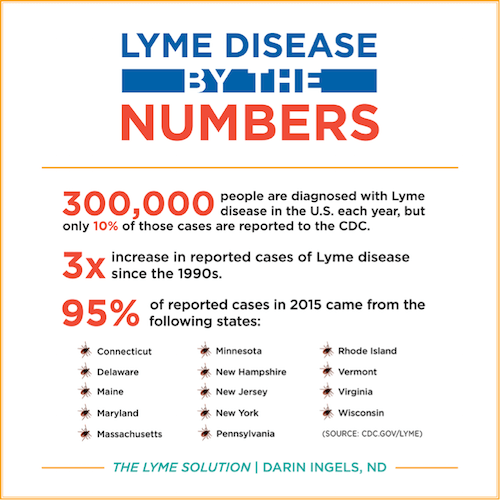
According to the CDC, over 300,000 cases of Lyme are reported every year in the U.S.A.

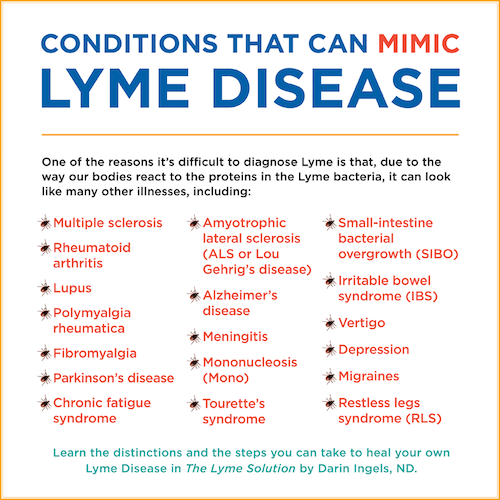
As you can see, many conditions can mimic Lyme disease, including anxiety and depression.

Many in my community have both Lyme disease and anxiety and many nutritional solutions, such as GABA (a calming amino acid supplement), can ease their anxiety while my client is working with a doctor such as Dr. Ingels in order to address and eliminate the Lyme disease.

Tricia Soderstrom from Abounding in Hope With Lyme shares her Lyme GABA story here: GABA helps with Lyme anxiety (while addressing the underlying disease)

Dr. Ingels shared this with me when I asked about what GABA products he likes and why:

I use DFH PharmaGaba and Allergy Research Liposomal GABA, which also has theanine. Liposomal GABA works beautifully for anxiety and sleep disturbances in my Lyme patients and children with autism. I also love how quickly it seems to affect people, often within 10-15 minutes of taking it.

Including the latest research about the diagnosis and treatment of Lyme, The Lyme Solution provides a path to wellness by strengthening the body’s ability to heal from within. Dr. Ingels suggests an actionable 5-Part Plan to:

  • Fortify gut health and restore the immune system
  • Follow a diet that increases immunity and reduces inflammation
  • Thwart and target an active infection
  • Identify hidden toxins that worsen Lyme
  • Lifestyle suggestions to help healing

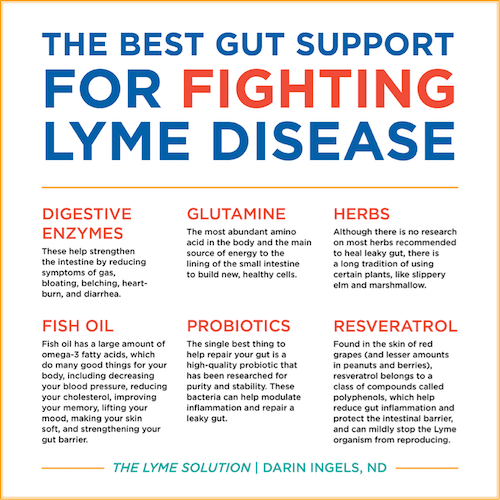
Here are some of his gut support protocols: digestive enzymes, glutamine, resveratrol, herbs like slippery elm and marshmallow, fish oil and probiotics:

The Lyme Solution is a simple guide for how you can advocate for your own health and use innovative treatments to maintain wellness, using the least invasive ways to facilitate treatment. By following this plan, you can become even stronger than you were before the Lyme and better equipped to manage recurring symptoms.

UPDATE: April 20, 2018 – My actual review  

I highly recommend this book if you have Lyme disease or if you suspect that Lyme disease may be playing a role in your ill-health or have chronic anxiety (or another chronic health condition) and have not yet found a solution. I also highly recommend it for practitioners who are both treating Lyme disease patients and those, like myself, who want to really understand all aspects in order to make good referrals for Lyme treatment.

I read it cover to cover in one sitting and could not put it down!

Chapter 1 – An excellent discussion about the problems with long-term antibiotics for chronic Lyme disease and when antibiotics should be used. The chronic inflammatory autoimmune connection is unique to Dr. Ingels’ approach for treating Lyme disease and makes a great deal of sense. The Lyme facts are invaluable: Lyme spirochete going dormant and hiding in scar tissue and lymph nodes; the nymph the most dangerous; Lyme-reactive antibodies form against proteins in the brain, giving rise to neurological symptoms.

Chapter 2 – Covers complex and controversial issues with diagnosis and pitfalls of the various testing that is available. It contains Lyme signs/symptoms and a Lyme questionnaire. It was eye-opening to learn that the bull’s-eye rash is Lyme specific and that changes in handwriting and mixing up words may be a sign of chronic Lyme disease. This is one of my favorite chapters of the book and is very comprehensive.

Chapter 3 – Gut and immune restoring protocols and more on the autoimmune connection. Addressing gut health is key to any condition and Dr. Ingels reiterates that addressing the immune system is key for recovery from Lyme.

Chapter 4 – Immune boosting diet and the importance of alkalinity. This is my least favorite chapter because I’m an advocate of the Paleo diet and have found that when done well with large amounts of vegetables, it is healing and alkaline. (He did connect with me on this and agrees in principle with a Paleo diet that does include plenty of vegetables). I am pleased to see coffee is off the list but would have liked to hear his experiences with intermittent fasting.

Chapter 5 – Covers targeting the infection in a way that doesn’t impact gut flora and undermine the immune system. This chapter has extensive coverage of the herbal protocols Dr. Ingels has found to be effective for his patients: Zhang protocol, his version of the Cowden protocol and others. He goes into great detail for each herb, including products to help with a Herxheimer reaction, as well as the rationale and protocols for breaking up biofilm. It’s also one of my favorite chapters in the book.

Chapter 6 – Cleaning your home and environment and getting rid of toxic chemicals and products, as well as addressing mold. This is also common-sense to address for any condition so it’s great to cover for Lyme.

Chapter 7 – Sleep, exercise and stress reduction. This is also common-sense to address for any condition. I do have a professional difference of opinion for the GABA recommendation for sleep and typically start my clients on much lower doses. I also love GABA for stress and anxiety.

Chapter 8 – Advanced protocols for specific symptoms: mitochondrial issues, neuropathy and balance, low dose immunotherapy, LDN and other approaches where you’ll need to work with a health care provider. Another favorite chapter of mine.

Chapter 9 – Additional lab testing, SIBO, Mast cell activation syndrome and POTS are addressed in relation to Lyme disease. This chapter is enlightening.

The case studies throughout the book reflect the complex nature of Lyme disease and help us get a better understanding about unexpected symptoms, as well as Dr. Ingels’ level of expertise. One such example is Peter’s story: he developed tics but none of the other classic Lyme symptoms, PANS was found and then Lyme disease.

Given that neuropsychiatric symptoms are common in Lyme disease I hope to see more coverage of this in a later edition or follow-up book. I work with individuals with anxiety and underlying Lyme disease is very common, with benzodiazepines and SSRIs commonly prescribed. Using nutritional approaches for the anxiety and/or depression and since it gets to the root cause it’s more effective, plus it lowers the toxic burden and side-effects of added medications. (He also connected with me about this and said he agrees but word-count was the challenge in this first book).

Overall, this book is an excellent resource and I highly recommend it! It offers practical solutions and hope for those who are been suffering with chronic Lyme disease and are seeking a solution.

Learn more and get your copy here on Amazon (my link) or at major bookstores. Get access to a digital version of chapter 1 here.

Filed Under: Books, Lyme disease and co-infections Tagged With: anxiety, autoimmune, Darin Ingels, GABA, glutamine, gut, Lyme Disease, The Lyme Solution

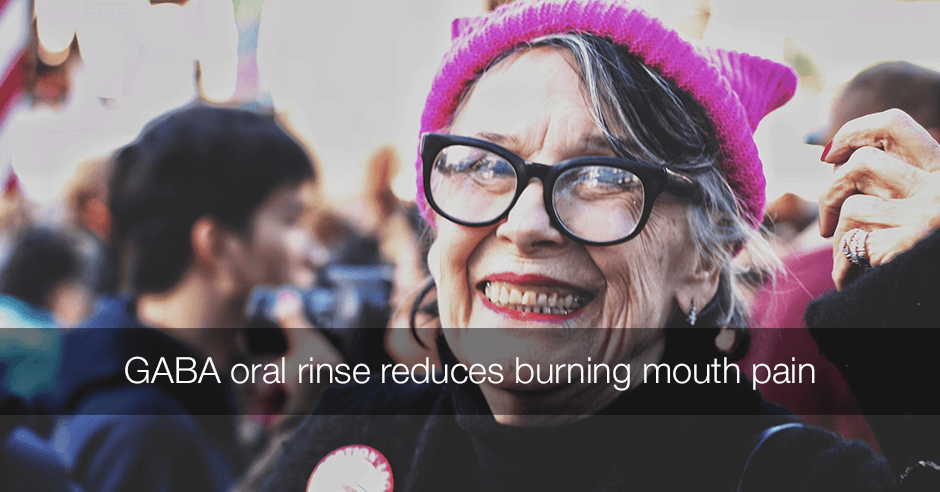
GABA oral rinse reduces burning mouth pain

March 2, 2018 By Trudy Scott 47 Comments

Burning Mouth Syndrome (BMS) is a chronic pain condition characterized by persistent burning in the mouth. It affects mostly females, especially postmenopausal women, and conventional approaches are often not very successful. You’ll often see articles and papers with the terms ‘refractory’ and ‘unknown etiology’/unknown causes.

Medications like SRNIs and benzodiazepines

Some studies report limited success with medications like venlafaxine/Effexor, an SRNI and topical and oral use of benzodiazepines such as clonazepam/Klonopin. In this paper, Refractory burning mouth syndrome: clinical and paraclinical evaluation, comorbidities, treatment and outcome, 8 participants saw their pain diminish by half within 3 months.

Another paper, The Effect of Clonazepam Mouthwash on the Symptomatology of Burning Mouth Syndrome: An Open Pilot Study, reports success with a benzodiazepine mouthwash in half the participants.

Other than the poor quality of life and having to continue to live with pain, the bigger concern is the side-effects of medications like these, plus concerns with tolerance and then issues with withdrawal.

New oral GABA research for burning mouth

It’s for this reason that I’m excited about the recent research, γ-Aminobutyric acid (GABA) oral rinse reduces capsaicin-induced burning mouth pain sensation: An experimental quantitative sensory testing study in healthy subjects, that finds that both and men and women experienced immediate benefits when using GABA for burning mouth pain.

The burning mouth pain was caused by the application of capsaicin to the tongues of thirty healthy males and females. Capsaicin is the compound that makes chili peppers hot. (I find it interesting that capsaicin was the compound used to cause the burning mouth sensation because this same compound is used in topical creams and patches to ease pain.)

The study concludes as follows:

Capsaicin-induced burning tongue pain and decreases in WDT (warm detection) and HPT (heat pain) can be ameliorated by rinsing the mouth with lidocaine and GABA solutions.

Rinsing the mouth with an oral GABA containing solution ameliorated burning pain and increased heat sensitivity produced by application of capsaicin to the tongue. This finding suggests that GABA can act as a local analgesic agent in the oral cavity.

Lidocaine, a numbing medication, was part of the GABA solution in this study, but because it has side-effects that may include anxiety, I recommend a trial of a GABA-only solution to ease the burning mouth pain.

Using a GABA-only oral solution

Using a GABA-only oral solution makes sense given that the likely mechanism of action of topical benzodiazepines in burning mouth pain is via local action on peripheral GABAA receptors found in the nerve fibers of the tongue.

This is also very feasible based on how effective GABA is for other pain such as proctalgia fugax/rectal spasms, and the visceral pain and muscle tension in your gut caused by the bloating symptoms of SIBO (small intestinal bacterial overgrowth) and muscular back pain after a fall.

How much GABA will help?

As with any use of GABA and the other amino acids, how much will help depends on each person’s unique biochemistry and needs at the time. In the same way I do a trial of GABA with my anxiety clients to determine how much would help, I do the same with burning mouth pain (and other pain situations).

I recommend a trial of a GABA-only product and starting low with 100 to 200mg of GABA swished held in the mouth with some water for a few minutes. This can be used three or four times a day in between meals and with the mg increased slowly based on results.  You can find the GABA supplements I recommend here.

GABA is an amino acid that is recognized for calming physical anxiety and tension and since anxiety (and depression) is very common in those with burning mouth pain, the GABA is going to provide calming benefits too.

As with any health condition, finding the underlying root causes using a comprehensive functional medicine approach is key. One such root cause may be low GABA and using oral GABA is going to address this one and provide some relief while other root causes are identified and addressed.

These other root causes can be very varied as explained in the paper Burning Mouth Syndrome. They can include: age-related reduction in estrogen and progesterone levels, lower cortisol, diabetes mellitus and hypothyroidism, allergic reactions to foods, additives and even metals in the mouth, autoimmune connective tissue disorders, nutritional deficiencies (B1, B2, B6, B12. folate, and/or zinc), smoking and candida, and medication side-effects as mentioned above.

Have you experienced burning mouth pain and seen relief with GABA or other nutritional approaches?

If you’re a practitioner, is burning mouth pain common in your postmenopausal clients or patients and what approaches have you found most successful? Have you found GABA to be helpful?

If you are still suffering with burning mouth please share the following when you comment:

  • Your age (it seems to be more prevalent in women 59 and older)
  • If you have anxiety and/or depression now and have been prone to either in the past
  • How you score on the low GABA questionnaire and which symptoms you relate to? This will provide a clue that low GABA may be an issue and the oral GABA rinse is more likely to help
  • How you score on the low serotonin questionnaire (same link as GABA questionnaire above) and which symptoms you relate to? SSRIs have been shown to help in some cases and we know tryptophan/5-HTP help with pain so serotonin support may help too. Perhaps a tryptophan or 5-HTP rinse is worth a trial too?
  • How long it’s been an issue, what approaches you’ve tried and which approaches have helped (even if they only helped a short while or helped the pain a little)
  • Current and past medications (burning mouth is caused by certain medications)

I’d love to gather a list of all this so we can help you and more women who suffer with these awful symptoms.

Filed Under: Amino Acids, Anxiety, benzodiazapines, GABA, Pain Tagged With: anxiety, benzodiazepines, burning mouth, burning mouth pain, burning mouth syndrome, depression, GABA, Klonopin, pain

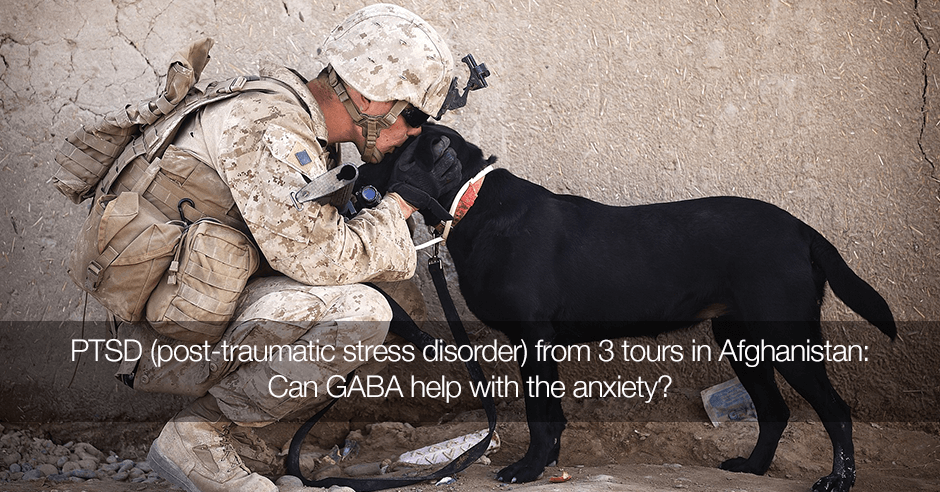
PTSD from 3 tours in Afghanistan: Can GABA help with the anxiety?

February 23, 2018 By Trudy Scott 23 Comments

My husband is suffering from PTSD [post-traumatic stress disorder] from 3 tours in Afghanistan. Can [GABA] help with the anxiety he is experiencing. Your thoughts?

I received the above question in response to one of my blogs addressing GABA for the physical, stiff-and-tense muscle type of anxiety.

It’s very likely that GABA will help ease some of the anxiety he is experiencing. Anxiety can have many root causes and with PTSD I would look into neurotransmitter imbalances first and use three key amino acids to address these three possible root causes, before digging deeper to address other nutrient deficiencies and root causes that may take longer to address.

Amino acids to provide some anxiety relief quickly

In order to provide some anxiety relief as quickly as possible I would assess for low GABA, low serotonin and low blood sugar using the amino acid questionnaire:

  • With low GABA he could be experiencing physical anxiety, muscle tension and the need to self-medicate with alcohol or sugary foods in order to calm down and relax. We would do an amino acid trial with calming GABA. Research also now shows that GABA helps with unwanted obtrusive thoughts which are common with PTSD.
  • With low serotonin he could be experiencing mental anxiety, ruminations, fears, phobias, anger and irritability and probably insomnia. We would do an amino acid trial with tryptophan first and then 5-HTP if the tryptophan isn’t helping and we know cortisol is not high.
  • With low blood sugar he could experience anxiety and feel extra stressed when he goes too long without eating. It’s likely he could also have an intense desire to eat candies and sweet treats. We would do a trial with glutamine and make sure he’s eating a breakfast that contains quality animal protein such eggs and bacon, or a protein smoothie.

High cortisol?

We would also want to determine if high cortisol is a driving factor of the anxiety. I’d want to see the results from a 4-collection cortisol saliva test (on waking, noon, around 5pm and around 10pm).

We would address adrenal issues (either high or low) with adrenal support of a good 50mg B-complex, extra pantothenic acid, vitamin C, and adaptogen such as rhodiola. If cortisol is high this can trigger anxiety and adrenaline-type surges and the phosphorylated serine product Seriphos used a few hours before the high cortisol is the best for lowering the high cortisol.

Recent research finds evidence that orange essential oil reduces fear and anxiety, diminishes immune system markers of stress in mice and may help alleviate PTSD and a blend of lavender, ylang-ylang, marjoram, and neroli (also a citrus oil) reduces stress and lowers cortisol too.

Other factors: gut health, diet, low vitamin D

When it comes to anxiety and PTSD, there are other factors to be considered:

  • gut health and the microbiome – has he picked up parasites or other gut bugs or been impacted by foodborne pathogens
  • diet and the importance of getting back to eating a real whole foods quality diet in order to provide the body with the best nutrients. An example from a recent study report that blueberries boost serotonin and may help ease PTSD
  • addressing low vitamin D: “Through its association with testosterone production, vitamin D deficiency may increase the risk for posttraumatic stress disorder”
  • removal of gluten, sugar and caffeine – all of which can contribute to anxiety and cause nutrient depletions

Possible effects from malaria drugs and other toxic exposures  

If symptoms persist other factors like the effects of medications (or other toxic exposures) must be considered. In one case study, Malaria drug causes brain damage that mimics PTSD, a service member was diagnosed with anxiety, PTSD and a thiamine deficiency. Various treatments, including medication, behavioral therapy and vitamins didn’t help. It was determined that his symptoms were due to the anti-malaria medication mefloquine, which is now known to contribute to neuropsychiatric symptoms in susceptible individuals.

As with any anxiety condition, the root causes and solutions are unique to each individual and the above approach would be adapted based on each person’s unique needs and biochemistry. Additional approaches over and above these listed here may well need to be considered.

Filed Under: GABA, PTSD/Trauma Tagged With: anxiety, depression, GABA, low blood sugar, malaria medications, PTSD, serotonin

I wake in the middle of the night with a jolt of fear, feelings of dread or feeling depressed

January 26, 2018 By Trudy Scott 33 Comments

Waking in the night feeling anxious and with a jolt of fear, having a panic attack, experiencing feelings of impending doom, with a pounding heart and even feeling depressed is a common issue I see with clients and it’s a common question that I’m often asked on my blog and on Facebook.

Here is a typical question you may relate to:

I usually wake between 5-6 am and have this overwhelming feeling of dread and start thinking of all the things I have to get done. And then I can’t fall back asleep. What is this?

Or this one:

Does anyone have severe depression when waking up in the middle of the night, but never during the day or before falling asleep. It doesn’t go away until after I’m fully awake and upright in the morning.

Low serotonin?

Serotonin is known to dip later in the day and at night and we know low serotonin can cause depression and insomnia/waking in the night, so my first thought would be to assess for low serotonin and address this if it is the case. I use the questionnaire and trial method.

I always start with tryptophan, but may switch to 5-HTP if that’s not working as expected as some people do better on one versus the other. We add melatonin if the tryptophan or 5-HTP isn’t quite enough to help with the waking.

There are many possible causes of low serotonin so over the course of the next few months these will be addressed too, on a case by case basis. Some of the causes in include: a poor diet, low stomach acid, malabsorption, low zinc, low B6, low iron, low magnesium, dysbiosis and/or parasites and/or candida, the birth control pill, MTHFR defects (with this defect expressing) etc.

Low GABA?

Low GABA levels may be a factor too as this can contribute to insomnia and waking, especially when there is physical tension. New research reports GABA’s involvement in unwanted thoughts and it’s a common factor in my community and clients. Again, I use the questionnaire and trial method to find the ideal amount of GABA for each person.

High cortisol?

High cortisol in the night can also be a factor and I suspect this when someone says they wake with a jolt of fear or feels what they describe as an adrenalin rush. Saliva testing can confirm cortisol levels and Seriphos is the best product I’ve found to lower high cortisol. Addressing low blood sugar and finding the root cause of the adrenal issues are also key. General adrenal support with B vitamins and adaptogenic herbs are often needed too.

Hormone imbalances and/or PMS?

Here is another typical question you may relate to:

I’ve had the worst week regards 3am panic attacks, lurid dreams and wake up aching. It always feels like the end of the world and yet I get up and stagger out to do my morning routines and all is right with the world (apart from physical aches and pains). I have often had bouts of this. It’s a week to go until my period.

If the anxiety or panic attacks are cyclical and tied to your menstrual cycle I will still start with a trial of tryptophan which has been shown to help PMS, tension, depression and mood swings. Serotonin support also helps with fibromyalgia-type aches and pains.

A trial of GABA is often needed too and can help with alleviating the panic attacks, waking and some of the aches. Other factors like a gluten sensitivities, adrenal issues and high oxalates may also play a role in physical aches.

Lurid dreams clues me into the possibility of low vitamin B6, which is an important co-factor for making both GABA and serotonin, as well as being important for alleviating PMS symptoms and the social anxiety condition called pyroluria. The pyroluria protocol, with vitamin B6, zinc and evening primrose oil, helps both the social anxiety as well as PMS symptoms and insomnia.

Address the basics

You may be looking for the perfect supplement to help and while the amino acids come pretty close to being that, it goes without saying that you want to always address the basics. This means making sure you are eating a real whole food diet with quality animal protein and getting that animal protein at breakfast in order to balance blood sugar. The following needs to be eliminated too: caffeine, gluten and sugar. Some individuals do even better on a ketogenic diet.

Looking at sleep hygiene factors fall under the basics too: a dark, cool and quiet room, no PC or iPhone late at night, no iPhone or other EMF sources close by, sunlight exposure in the early morning etc.

And we mustn’t forget stress reduction, exercise and nature.

Address other bigger issues

Medication side-effects must always be considered. Here are a few examples:

  • benzodiazepines, commonly prescribed for anxiety and insomnia, can increase anxiety and worsen insomnia as tolerance develops and during withdrawal
  • beta-blockers, prescribed for high blood pressure can affect melatonin levels;
  • some antidepressants ‘may worsen or cause primary sleep disorders like restless legs syndrome, sleep bruxism, REM sleep behavior disorder, nightmares, and sleep apnea, which may result from an antidepressant-induced weight gain.’

Hashimoto’s thyroiditis must also always be considered especially when there are fluctuations in mood, anxiety and sleep. These fluctuations in mood and anxiety can happen at any time of the day and not necessarily in the night.

If the insomnia and middle of the night anxiety and depression persists we continue to dig and look at dietary histamine and oxalate issues, SIBO, parasites and other digestive issues.

If we are still not seeing all the expected results then a referral for Lyme disease, mold toxicity, sleep apnea, TBI (traumatic brain injury) and heavy metals may be needed.  Current or past  trauma and support for PTSD must also be considered – this can be therapy-based and nutritional support.

My checklist

My checklist when I start when working with someone with issues similar to the above. This will be tweaked based on each person’s own biochemistry and where they are in terms of diet, supplements and lifestyle:

  • Low serotonin? Do a tryptophan or 5-HTP trial
  • Low melatonin? If tryptophan or 5-HTP trial isn’t quite enough then add melatonin
  • Low GABA? Do a GABA trial
  • Low blood sugar? Add quality protein at breakfast, plus glutamine
  • High cortisol? Support the adrenals and use Seriphos or something else to lower the high cortisol
  • PMS/sex hormone imbalances or Hashimoto’s? Address with diet, nutrients and hormone support as needed
  • Low magnesium, low zinc, low B6, low iron? Assess for these deficiencies and address them
  • Gut health issues like leaky gut, dysbiosis, candida, parasites, SIBO? Address these issues
  • Histamine, oxalate or other dietary issues? Address these issues
  • Medication side-effects? Figure out which one is an issue and work with the doctor to taper if needed and address why the medication was initially prescribed.
  • If the issue persists – a referral for Lyme disease, mold, sleep apnea and/or heavy metals etc

As you can see there are many overlaps with some of the 60+ root causes of anxiety.

Here is additional information on tryptophan for low serotonin, GABA for low GABA and glutamine for low blood sugar, plus the list of supplements I use with clients.

As always, if the amino acids are new to you, review the precautions and be smart about using them. My book The Antianxiety Food Solution (Amazon affiliate link) has an entire chapter on the amino acids, plus chapters on diet, gut health, caffeine, blood sugar and more.

We’d love to hear which of the above approaches have helped with your insomnia and waking with a jolt of fear or dread or pounding heart.

Filed Under: Anxiety, Depression, Insomnia Tagged With: anxiety, depression, dread, fear, GABA, insomnia, panic attacks, pounding heart, serotonin, tryptophan, wake in the night

Mercury detox: NBMI as a safe and non-toxic heavy metal chelator

January 22, 2018 By Trudy Scott 208 Comments

Mercury toxicity is a big issue when it comes to anxiety. Detoxification of mercury can be a complex process and is often controversial. I recently had the opportunity to hear Professor Boyd Haley’s interview on the Heavy Metals Summit where he addresses all this so well and shares some cutting-edge information. I was really quite blown away with what I learned.

Effective Mercury Detoxification Strategies is covered by Professor Haley, a researcher I have been following for years. He is interviewed by one of the summit hosts, Dr. Dietrich Klinghardt who asks brilliant questions. Be prepared for deep questions and some pretty technical feedback.

Professor Haley shares this about mercury amalgams in the mouth and iron that is displaced:

mercury vapor can penetrate any part of the body it wants. Mercury would rather be in fatty tissues, and that makes the brain a prime target. Plus, you can take it in through the axonal nerves… from the nasal cavity up into the brain. And if you breathe it, it gets into the body and it travels, basically penetrating every cell or any membrane.

When mercury is converted from Hg0 [elemental mercury] to Hg2+ [inorganic mercury] it displaces iron from iron sulfur centers in the brain. And that iron is now free, and iron is a very potent oxidative stress inducer…that’s associated with Alzheimer’s disease and other neurological illnesses [such as anxiety].

He talks about the synergistic effect of aluminum and mercury, and offers that the DMPS challenge test does show mercury body burden but isn’t good enough for reducing body burden, and that both DMPS and DMSA can make some people sicker and affect their kidneys. This has always been one of my concerns with this approach. I shared how I reacted badly to DMPS in my anxiety summit interview with Dr. John Dempster.

Professor Haley then shares how he set out to find a safe and non-toxic heavy metal chelator that would cross the blood-brain barrier, get inside the cells and bind the mercury. The compound was initially sold as an antioxidant (as OSR), is now called NBMI and is in phase 2 clinical trials:

It was sold for a long time, and called OSR, Oxidative Stress Relief. And now, it’s called NBMI…it takes a carboxybenzoate which is found in berries and couples to the carboxyl groups cystamine which is cysteine without the carboxyl group. And when you do that, you neutralize both of the charges, and you make an uncharged compound that has two sulfurs off two arms that can surround a mercury atom or any atom of any size.

And that compound is what we’re working on today. We’re now going into phase two studies. When we gave it to humans in a phase one study, the safety and pharmacokinetics, it was 60-80% absorbed into the blood. And we didn’t have one single adverse effect reported. It is the same thing we had when we sold it as a dietary antioxidant – this compound not only does it bind mercury, it is a very potent oxygen-radical scavenger, just like glutathione.

As of now this compound is only available in Switzerland and chelates any metal that binds sulfur – like mercury, lead, iron, cadmium, copper – all of which can increase anxiety when levels are high.

Dr. Klinghardt has been using it with success and feels Professor Haley deserves the Nobel Prize for his work! This is so promising because as you’ll hear in Dr. Klinghardt’s interview: Biophysics of Heavy Metal Detox (don’t miss this one either) heavy metal toxicity is at the root of most illnesses:

I found over the years that decreasing the body burden off metals, especially aluminum, lead, and mercury – if you can get that down – there is a point when we have been effective where all the vitality comes back.

I am so excited to share more as I learn more.

A good complement to the above two interviews is co-host, Dr. Christine Shaffer’s interview on Metal Allergies and Detoxing the Brain, where she shares much of what makes a detox successful. The discussion on how to get the brain’s glymphatic system working well is fascinating: sleep, melatonin (liposomal) and even GABA (also liposomal), looking at the vagus nerve and much more.


Update 7/10/20:

Here are updates on progress, new studies and proposed new applications – Mercury & gadolinium toxicity, iron overload, COVID-19: NBMI research update and potential applications.

The EmeraMed site has information about which countries are allowing early access. Please contact the company directly rather than ask me about how to obtain the product as I am simply sharing what they have shared with me. I also encourage you to sign up for EmeraMed’s newsletter so you can keep up to date with progress and access information.

I still find NBMI intriguing and look forward to it being readily available once the studies are completed. I’ll share again when I have additional information.

Filed Under: Anxiety, Detoxification, Events, Mercury, Toxins Tagged With: anxiety, Boyd Haley, detox, Dr. Dietrich Klinghard, GABA, heavy metals summit, melatonin, mercury, NBMI, non-toxic

  • « Go to Previous Page
  • Page 1
  • Interim pages omitted …
  • Page 31
  • Page 32
  • Page 33
  • Page 34
  • Page 35
  • Interim pages omitted …
  • Page 49
  • Go to Next Page »

Primary Sidebar

GABA QuickStart Homestudy

gaba quickstart homestudy

Free Report

9 Great Questions Women Ask about Food, Mood and their Health

You'll also receive a complimentary subscription to my ezine "Food, Mood and Gal Stuff"


Connect with me

Popular Posts

  • Amino Acids Mood Questionnaire from The Antianxiety Food Solution
  • The Antianxiety Food Solution Amino Acid and Pyroluria Supplements
  • Pyroluria Questionnaire from The Antianxiety Food Solution
  • Collagen and gelatin lower serotonin: does this increase your anxiety and depression?
  • Tryptophan for the worry-in-your-head and ruminating type of anxiety
  • GABA for the physical-tension and stiff-and-tense-muscles type of anxiety
  • The Antianxiety Food Solution by Trudy Scott
  • Seriphos Original Formula is back: the best product for anxiety and insomnia caused by high cortisol
  • Am I an anxious introvert because of low zinc and vitamin B6? My response to Huffington Post blog
  • Vagus nerve rehab with GABA, breathing, humming, gargling and key nutrients

Recent Posts

  • Her cravings for chips and peanut butter were triggered by stress: GABA ends cravings and reduces physical tension and fear of heights
  • It is truly miraculous to be able to move through life without crippling anxiety and panic
  • GABA and tryptophan combo provide immediate and noticeable relief for tremors and cervical dystonia in just 7 days
  • Red light therapy for back and neck pain, plantar fasciitis and low mood – a complement to the amino acids GABA, DPA and tryptophan
  • What do I use instead of Seriphos to help lower high cortisol that is affecting my sleep and making me anxious at night?

Categories

  • 5-HTP
  • AB575
  • Addiction
  • ADHD
  • Adrenals
  • Alcohol
  • Allergies
  • Alzheimer's disease
  • Amino Acids
  • Anger
  • Antianxiety
  • Antianxiety Food Solution
  • Antidepressants
  • Anxiety
  • Anxiety and panic
  • Autism
  • Autoimmunity
  • benzodiazapines
  • Bipolar disorder
  • Books
  • Caffeine
  • Cancer
  • Candida
  • Children/Teens
  • Collagen
  • Cooking equipment
  • Coronavirus/COVID-19
  • Cravings
  • Depression
  • Detoxification
  • Diabetes
  • Diet
  • DPA/DLPA
  • Drugs
  • EFT/Tapping
  • EMF
  • EMFs
  • Emotional Eating
  • Endorphins
  • Environment
  • Essential oils
  • Events
  • Exercise
  • Fear
  • Fear of public speaking
  • Fertility and Pregnancy
  • Fish
  • Food
  • Food and mood
  • Functional neurology
  • GABA
  • Gene polymorphisms
  • General Health
  • Giving
  • Giving back
  • Glutamine
  • Gluten
  • GMOs
  • Gratitude
  • Gut health
  • Heart health/hypertension
  • Histamine
  • Hormone
  • Hyperparathyroidism
  • Hypoglycemia
  • Immune system
  • Inflammation
  • Insomnia
  • Inspiration
  • Introversion
  • Joy and happiness
  • Ketogenic diet
  • Lithium orotate
  • Looking awesome
  • Lyme disease and co-infections
  • MCAS/histamine
  • Medication
  • Men's health
  • Mental health
  • Mercury
  • Migraine
  • Mold
  • Movie
  • MTHFR
  • Multiple sclerosis
  • Music
  • NANP
  • Nature
  • Nutritional Psychiatry
  • OCD
  • Osteoporosis
  • Oxalates
  • Oxytocin
  • Pain
  • Paleo
  • Parasites
  • Parkinson’s disease
  • PCOS
  • People
  • PMS
  • Postpartum
  • PTSD/Trauma
  • Pyroluria
  • Questionnaires
  • Real whole food
  • Recipes
  • Research
  • Schizophrenia
  • serotonin
  • SIBO
  • Sleep
  • Special diets
  • Sports nutrition
  • Stress
  • Sugar addiction
  • Sugar and mood
  • Supplements
  • Teens
  • Testimonials
  • Testing
  • The Anxiety Summit
  • The Anxiety Summit 2
  • The Anxiety Summit 3
  • The Anxiety Summit 4
  • The Anxiety Summit 5
  • The Anxiety Summit 6
  • Thyroid
  • Thyroid health
  • Toxins
  • Tryptophan
  • Tyrosine
  • Uncategorized
  • Vegan/vegetarian
  • Women's health
  • Yoga

Archives

  • May 2026
  • April 2026
  • October 2025
  • September 2025
  • August 2025
  • July 2025
  • June 2025
  • May 2025
  • April 2025
  • March 2025
  • February 2025
  • January 2025
  • November 2024
  • October 2024
  • September 2024
  • August 2024
  • July 2024
  • June 2024
  • May 2024
  • April 2024
  • March 2024
  • February 2024
  • January 2024
  • December 2023
  • November 2023
  • October 2023
  • September 2023
  • August 2023
  • July 2023
  • June 2023
  • May 2023
  • April 2023
  • March 2023
  • February 2023
  • January 2023
  • December 2022
  • November 2022
  • October 2022
  • September 2022
  • August 2022
  • July 2022
  • June 2022
  • May 2022
  • April 2022
  • March 2022
  • February 2022
  • January 2022
  • December 2021
  • November 2021
  • October 2021
  • September 2021
  • August 2021
  • July 2021
  • June 2021
  • May 2021
  • April 2021
  • March 2021
  • February 2021
  • January 2021
  • December 2020
  • November 2020
  • October 2020
  • September 2020
  • August 2020
  • July 2020
  • June 2020
  • May 2020
  • April 2020
  • March 2020
  • February 2020
  • January 2020
  • December 2019
  • November 2019
  • October 2019
  • September 2019
  • August 2019
  • July 2019
  • June 2019
  • May 2019
  • April 2019
  • March 2019
  • February 2019
  • January 2019
  • December 2018
  • November 2018
  • October 2018
  • September 2018
  • August 2018
  • July 2018
  • June 2018
  • May 2018
  • April 2018
  • March 2018
  • February 2018
  • January 2018
  • December 2017
  • November 2017
  • October 2017
  • September 2017
  • August 2017
  • July 2017
  • June 2017
  • May 2017
  • April 2017
  • March 2017
  • February 2017
  • January 2017
  • December 2016
  • November 2016
  • October 2016
  • September 2016
  • August 2016
  • July 2016
  • June 2016
  • May 2016
  • April 2016
  • March 2016
  • February 2016
  • January 2016
  • December 2015
  • November 2015
  • October 2015
  • September 2015
  • August 2015
  • July 2015
  • June 2015
  • May 2015
  • April 2015
  • March 2015
  • February 2015
  • January 2015
  • December 2014
  • November 2014
  • October 2014
  • September 2014
  • August 2014
  • July 2014
  • June 2014
  • May 2014
  • April 2014
  • March 2014
  • February 2014
  • January 2014
  • December 2013
  • November 2013
  • October 2013
  • September 2013
  • August 2013
  • July 2013
  • June 2013
  • May 2013
  • April 2013
  • March 2013
  • February 2013
  • January 2013
  • December 2012
  • November 2012
  • October 2012
  • August 2012
  • July 2012
  • June 2012
  • May 2012
  • April 2012
  • March 2012
  • February 2012
  • January 2012
  • December 2011
  • November 2011
  • October 2011
  • September 2011
  • August 2011
  • July 2011
  • June 2011
  • May 2011
  • April 2011
  • March 2011
  • February 2011
  • January 2011
  • December 2010
  • October 2010
  • September 2010
  • July 2010
  • May 2010
  • April 2010
  • March 2010
  • February 2010
  • January 2010
  • November 2009

Share the knowledge!

The above statements have not been evaluated by the Food and Drug Administration. Products listed in this website are not intended to diagnose, treat, cure or prevent any disease.

The information provided on this site is for informational and educational purposes only and is not intended as a substitute for advice from your physician or other health care professional. You should consult with a healthcare professional before starting or modifying any diet, exercise, or supplementation program, before taking or stopping any medication, or if you have or suspect you may have a health problem.


Copyright © 2026 Trudy Scott. All Rights Reserved. | Privacy | Terms and Conditions | Refund Policy | Medical Disclaimer

Free Report

9 Great Questions Women Ask about Food, Mood and their Health

You’ll also receive a complimentary subscription to my ezine “Food, Mood and Gal Stuff”