• Skip to primary navigation
  • Skip to main content
  • Skip to primary sidebar

everywomanover29 blog

Food, Mood and Women's Health – Be your healthiest, look and feel great!

  • Blog
  • About
  • Services
  • Store
  • Resources
  • Testimonials
  • The Book
  • Contact
  • Search this site

Endorphigen

“Potion” of tyrosine, Endorphigen, GABA and tryptophan has been nothing less than a miracle for my depression and anxiety – how long can I remain on these?

August 11, 2023 By Trudy Scott 21 Comments

amino acids duration

Amy shares how much her particular “potion” or combination of amino acids has helped her depression and anxiety and wants to know how long she can remain on them:

I currently take 500 mg of l-tyrosine in the morning, 1 Endorphigen 2xday, 1 GABA calm 2x day and 1000 mg of tryptophan before bed with some natural calm & true calm. This “potion” has been nothing less than a miracle. I feel pretty good.

The past few years have been rough, managing depression and anxiety with frequent relapse, and I finally feel ok.

I don’t want to wean off yet and am curious as to how long I can remain on these. Is it dangerous to keep on it too long? Is there a maximum time? I follow your blog and reached out to you last year. Your information has been extremely helpful. Thank you.

I’m glad to hear Amy is doing so well on this miracle combination and finally feels ok. Before stopping the amino acids, the goal is to address diet, gut health, nutritional imbalances, toxins and all the underlying factors that lead to low catecholamines, low endorphins, low GABA and low serotonin.

It’s fine to stop taking them and see how you do and add some or all of them back if you find you still need that neurotransmitter support. This is one of a few approaches I use with clients. But here are times when it’s best to wait and continue using them (like when on the pill and when affected by seasonal depression). I share my insights on this and other ways to cut back below.

How long can you remain on amino acids and when do you consider stopping them?

There is no set time frame for staying on the amino acids. As I mentioned above you can stop taking the individual amino acids and see how you do and then add some or all of them back if you find you still need that neurotransmitter support. This is one of a few approaches I use with clients.

Other approaches include: completely stopping one amino acid at a time and monitoring symptoms or reducing the amount one amino acid at a time, also monitoring symptoms. I prefer the latter especially with someone like Amy who has been “managing depression and anxiety with frequent relapse.”

I can also hear that she has some hesitation about stopping her “potion” and going with your gut is a good thing too. She also has a few confounding factors that make me feel staying on them longer may be in her best interest. One factor is her long-term use of birth control pills.

Long term use of birth control pills and the impact on mood and nutritional status

Amy also shares about her use of the birth control pill and how she suspects it’s a factor in her depression and anxiety:

I should also mention I just went off birth control pills. I have taken them since age 16 only stopping for 3 pregnancies and breastfeeding. I am 46. I’ve been on for painful periods. I made the decision to stop for fear of clots, cardiac issues and most importantly my mental well being. I truly believe they contributed to my depression. I believe I’m in perimenopause and have higher than normal anxiety. I’m extremely worried about my periods if I stop the pill and think my amino acid supplements help these worries and I cope better. That’s why I’m reluctant to stop the supplements but still worried about long term use.

Because Amy has been using the birth control pill for around 25 years I’d have her continue with the amino acids for now and address the effects on her gut health and nutritional status first.

Women taking the pill and other hormonal contraception are more likely to be depressed. A Danish study published in JAMA Psychiatry of more than 1 million women aged 15 to 34, with no prior history of depression, were included in the study and followed for 13 years. The researchers found that those women who used the pill were 23% more likely to be depressed and  use antidepressants.

You can read more about the effects of the birth control pill on this blog and my book review of “Beyond the Pill” by Dr. Jolene Brighten. As you’ll read it causes vitamin, mineral, and antioxidant depletion (such as folate, B12, vitamin B6 and zinc).

She did actually come back and share that she tried and it didn’t work out going off the birth control pill. She was unable to manage the pain. She needs to address all these root causes first.

There is also no reason for her to be worried about long term use of the amino acids when they are clearly addressing her neurotransmitter imbalances.

The seasonal impact on mood and anxiety

I don’t have clients make changes to their amino acids in the Fall or Winter when there can be seasonal impacts on mood and anxiety. She had shared this too:

I’m more prone to depression this time of year. I think with these 2 factors [seasonal mood changes and the pill] I’ll stay on the regime until the spring.

This is a wise decision for Amy.

I would also hold off on making changes if someone is prone to airborne allergies. This is because there can be a higher need for neurotransmitter support when there are allergies.

Amy has already made many diet and lifestyle changes so she is heading in the right direction:

I have given my diet an overhaul. Not perfect but significantly less refined carbs and sugar. Plenty of fresh produce, healthy fats and protein ( especially animal). I also have committed to daily “body movement”: yoga, Pilates, max trainer, light weights or bike.

All of these changes are starting to support her overall nutritional status and resilience.

A recap of the amino acids Amy is using and the rationale for each one

If you’re new to using individual amino acids, here is a quick recap of the amino acids Amy is using and the rationale for each one.

She is using 500 mg of l-tyrosine in the morning. This supports low levels of dopamine/catchecolamines and improves the curl-up-in-bed kind of depression. You can read more about tyrosine here.

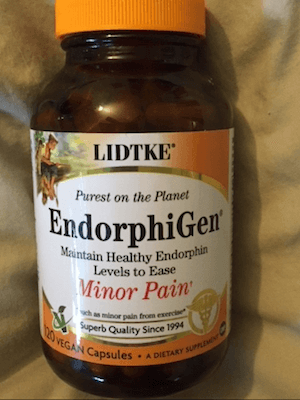
She is also using Endorphigen twice a day. This is a Lidtke product called Endorphigen and provides 500 mg  DPA/d-phenylalanine  per capsule. It raises endorphin levels, offering a mood boost, typically helping with weepiness and also emotional eating. You can read more about DPA here.

Amy is also using GABA Calm 2x day.  This is a sublingual/chewable product made by Source Naturals and is a nice low dose of 125mg per chewable. You can read more about GABA here.

And finally, she is using 1000 mg of tryptophan before bed. This supports low serotonin and improves worry-kind of anxiety and depression, ruminating, obsessive tendencies and also sleep issues. You can read more about tryptophan here.

Keep in mind this is what Amy found works for her unique needs and would have done trials of the amino acids one by one to figure out which ones to use and how much of each to use. There is no one size fits all.

It’s not unusual for folks using the amino acids to describe their results as miraculous!

Resources if you are new to using amino acids as supplements

If you are new to using amino acids as supplements, here is the Amino Acids Mood Questionnaire from The Antianxiety Food Solution (you can see all the symptoms of neurotransmitter imbalances, including low GABA, low serotonin, low dopamine, low blood sugar and low endorphins).

If you suspect low levels of any of the neurotransmitters and do not yet have my book, The Antianxiety Food Solution – How the Foods You Eat Can Help You Calm Your Anxious Mind, Improve Your Mood, and End Cravings, I highly recommend getting it and reading it before jumping in and using amino acids on your own so you are knowledgeable. And be sure to share it with the practitioner/health team you or your loved one is working with.

There is an entire chapter on the amino acids and they are discussed throughout the book in the sections on gut health, gluten, blood sugar control, sugar cravings, anxiety and mood issues.

The book doesn’t include product names (per the publisher’s request) so this blog, The Antianxiety Food Solution Amino Acid and Pyroluria Supplements, lists the amino acids that I use with my individual clients and those in my group programs. You can find them all in my online store.

If, after reading this blog and my book, you don’t feel comfortable figuring things out on your own (i.e. doing the symptoms questionnaire and respective amino acids trials), a good place to get help is the GABA QuickStart Program (if you have low GABA symptoms too). This is a paid online/virtual group program where you get my guidance and community support.

If you are a practitioner, join us in The Balancing Neurotransmitters: the Fundamentals program. This is also a paid online/virtual program with an opportunity to interact with me and other practitioners who are also using the amino acids.

Thanks to Amy for sharing her results and asking this question.

Have you seen similar benefits when using individual amino acids? If yes, which ones have helped you?

What approach have you used to stop or reduce your doses?

And have you continued using the amino acids because of the effects of the pill, seasonal mood shifts or seasonal allergies (or some other reason)?

If you have questions and feedback please share them here too.
Filed Under: Amino Acids, Anxiety, Depression, Women's health Tagged With: amino acids, catecholamines, dangerous, depression, diet, DPA, Endorphigen, endorphins, GABA, GABA Calm, GABA Quickstart online program; Balancing Neurotransmitters: the Fundamentals program for practitioners, gut health, how long, miracle, neurotransmitters, nutritional imbalances, seasonal depression, serotonin, the pill, toxins, tryptophan, tyrosine

Trauma: fluctuating between a high anxiety panic state and a low energy freeze response (with low endorphins and a numbing feeling)

October 22, 2021 By Trudy Scott 10 Comments

trauma

The freeze response in trauma is not well understood and is a low energy state. When the anxiety has become so high or severe it triggers a low energy or freeze state in order for you to survive. There is also the feeling of numbness and being disconnected when in the freeze state and this eventually becomes the default pattern that the nervous system has been wired into. Healing can start with somatic work and using a functional medicine and nutritional psychiatry approach to address the biological underpinnings of trauma.

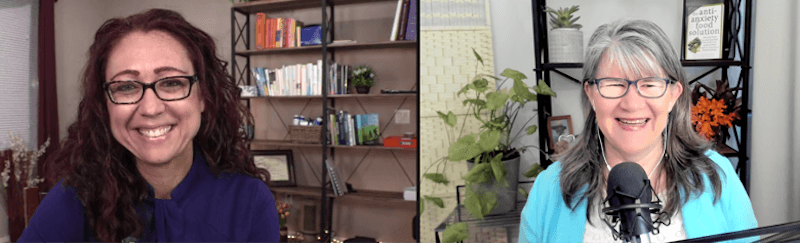
Dr. Aimie Apigian, MD, MS, MPH discusses all this and much more in her interview on the Anxiety Summit 5: Gut-Brain Axis.

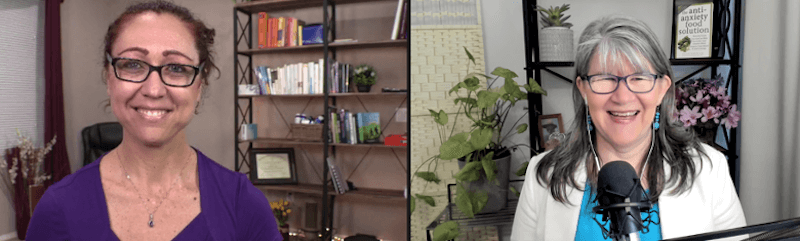
And then Dr. Aimie interviews me and we discuss how folks with low endorphins are often in the freeze state. These folks are more emotionally sensitive to everything and because of this they experience much more stress. They also experience a feeling of numbness and feel disconnected. The encouraging news is that the amino acid DPA (d-phenylalanine) helps ease the low endorphin symptoms while they are recovering. More on all this below.

The freeze response in trauma is not well understood and is a low energy state

Let’s start with this interview with Dr. Aimie – Biology of Trauma and the Freeze Response. This is what we cover:

  • Identifying the freeze response and symptoms when anxiety is high
  • The role of the microbiome, neurotransmitters, oxidative stress, mitochondria and cortisol
  • Somatic work when in the chronic freeze state: containment hugs and marking your territory

dr aimie

Dr. Aimie explains that the freeze response in trauma is not something that’s been really well understood:

  • When we talk about just trauma and mood, and stress even, it’s like we still lump everything in that fight, flight, or freeze response. And the fight and flight response could not be more different than the freeze response.
  • On a biological level, they are completely different biology states, which means that it is humanly impossible to be in both of those states at the same time. So when we look at this freeze response, okay, so what is it? If it’s not fight or flight, what is it?

She shares how the anxiety has been become so high or severe it triggers a low energy or freeze state in order for you to survive:

  • When we look at what it is, it’s when the anxiety has become so high that the body is not able to sustain that level of both anxiety, but it’s really an energy level.
  • Because anxiety is a high energy state and it triggers this response in the body where it says, “Ooh, this is unsustainable,” and in order to survive, for our best interests, it would be better for us to go into a low energy state.
  • And it feels like giving in, giving up. It feels like giving up the fight because the body just goes into this, I kind of call it like, it shifts down into first gear.
  • You’re no longer zooming along in fifth or sixth gear, you just kind of shift down into first gear and now you’re just going through life.

The feeling of numbness and being disconnected when in the freeze state

In addition to the low energy state, this is where Dr. Aimie talks about the feeling of numbness and being disconnected when in the freeze state:

  • Now you’re just going through your day, you feel a little numb, you feel a little disconnected.
  • But the trigger for that freeze response originally comes from the anxiety level, which really becomes a level of fear, terror, panic.

Dr. Amie also shares how this becomes the default pattern that the nervous system has been wired into:

  • And people can have what I call a strong pull towards the freeze response so that they no longer are even aware of the fear and the terror.
  • They just feel anxiety and boom, they go straight into the freeze response because it has just become that default pattern that the nervous system has been wired into.

The biology of trauma and somatic work

She goes on to discuss the biology of trauma and the role of the microbiome, neurotransmitters, oxidative stress, mitochondria and cortisol in contributing to the freeze response (i.e. making you more susceptible to trauma) and as factors we can address in order to facilitate recovery and healing.

Dr. Aimie also describes the somatic work she does with her patients who are in the chronic freeze state: exercises like containment hugs and marking your territory. She shares that “I want people to experience their nervous system. I want them to know what it feels like, be able to actually recognize which state of the nervous system they are in at any given moment in time, and be able to feel what that feels like in their body, because then that’s how we teach them how to shift that.”

In her work and in this interview, Dr. Amie brings the world of trauma recovery and somatic work to the functional medicine and nutritional psychiatry world. It’s an eye-opening interview you don’t want to miss.

The connection between the trauma freeze response and low endorphins

Also featured in the summit is another interview where Dr. Aimie happens to interview me on this topic: Glutamine, DPA and Tyrosine for Anxiety and Sugar Cravings. We cover the following:

  • Sugar addiction: impacts on the microbiome, tryptophan metabolism, zinc & B vitamins
  • Glutamine for intense sugar cravings, anxiety & support of the microbiome/mucosa
  • DPA for comfort/reward cravings, pain & acute stress; tyrosine for focus & calm energy

It’s during this interview that I make the connection between the trauma freeze response and low endorphins when we are discussing the last bullet above.

As a reminder, these are the mood symptoms of low endorphins:

  • Heightened sensitivity to emotional pain
  • (and also Heightened sensitivity to physical pain)
  • Crying or tearing up easily

And these are the ways sugar cravings often show up when you have low endorphins:

  • Eating to soothe your mood, or comfort eating
  • Really, really loving certain foods, behaviors, drugs, or alcohol
  • Craving a reward or numbing treat

dr aimie

As I share about the endorphins and how I use the amino acids DPA and/or DLPA to boost endorphin levels, I remember how Dr. Aimie discussed the numbing effect when someone is in the freeze state and it made me think about endorphins. So I ask Dr. Amie if she finds that folks with low endorphins are often in the freeze state.

Dr. Amie says most definitely yes and shares that with the low endorphins, people in the freeze state really are more emotionally sensitive to everything and because of this they experience much more stress:

  • From my perspective, working with a lot of the trauma response … they are much closer … to that line of overwhelm.
  • So most definitely, yes. And it’s that comfort, right? It’s that self-soothing, and it’s the numbing effect. The numbing effect of reaching for food when you’re not hungry. It’s just for numbing the emotional sensitivity that you have with low endorphins.
  • Endorphins really affect the stress levels and then mood, and then inflammation? It starts this cascade of changes in their biology because of the low endorphins and the increased amount of stress that they experience with that sensitivity.

This discussion tied in perfectly to the study I had to share: The Role of Beta-endorphin in Stress, Behavior, Neuroinflammation, and Brain Energy Metabolism.

In this 2020 paper, the authors discuss beta-endorphins in the context of reward-centric behaviors, pain, neuroinflammation, immune function and also how endorphins attenuate (or reduce the effects of) the acute stress response. They also share how endorphins exert a regulatory effect on serotonin levels.

I find the latter link to serotonin very interesting and will be digging deeper into this in another blog post.  I’ll also be digging into the low endorphins aspect of the trauma freeze response in the coming months. And I want to learn more about the somatic work that Dr. Aimie uses – to experience some of it myself and to bring to my community i.e you! I do love that I also get to learn so much when I do these interviews.

Use DPA to ease the weepiness and need to numb out with comfort food or behaviors

For now, if you have experienced trauma and recognize being in the freeze state, and you feel numbed out and disconnected, and also relate to the above other low endorphin symptoms, I would do a trial of DPA (the amino acid d-phenylalanine) and see how you do. It will likely help ease some of the low endorphin symptoms while you are recovering.

Keep in mind that you can also have low endorphin symptoms without having experienced trauma. I see this with many of my clients and it’s not uncommon to also have low serotonin worry and low GABA physical anxiety symptoms too..

In both instances, I would do a trial of DPA (I like the Lidtke Endorphigen product) and see how you do. If it is low endorphins you’ll ease the weepiness and need to numb out with comfort food or behaviors (such as endless scrolling on social media). You can expect to see results in 5-10 minutes when the DPA is opened onto the tongue.

To recap, be sure to tune in to these 2 interviews to see how it’s all connected and to hear more about trauma, the biology of trauma and how to use amino acids to balance neurotransmitters:

  • Aimie Apigian, MD, MS, MPH – Biology of Trauma and the Freeze Response
  • Trudy Scott, CN – Glutamine, DPA and Tyrosine for Anxiety and Sugar Cravings

These interviews dove-tail well with this topic of trauma, the freeze response and neurotransmitters:

  • Navaz Habib, DC, AFMCP – Vagus Nerve Activation to Reduce Anxiety (because vagus nerve activation habits speed trauma recovery)
  • My other amino acid interview, Cravings and GABA & Tryptophan: Gut-Anxiety Connections (because the amino acids help to support low serotonin and low GABA which is common with trauma)
  • Evan Brand, CFMP, NTP – Floatation Therapy for Anxiety and PTSD (because floatation therapy is gentle and yet effective)
  • Eric Zielinski, DC – Essential Oils for Anxiety and Digestion (because essential oils are well tolerated and effective)
  • David Jockers, DNM, DC, MS – Fasting for Anxiety and Gut Health (he talks about the effects of fasting on endorphins and serotonin)

I encourage you to tune in if you have:

  • Anxiety & feel overwhelmed & stressed by little things
  • Panic attacks &/or obsessive thoughts or behaviors
  • Social anxiety/pyroluria
  • Phobias or fears (flying, spiders or even driving on a highway)

And also if you suffer from…

  • Food sensitivities, IBS/SIBO, parasites or gallbladder issues
  • Constipation, diarrhea, bloating, gas, pain & other digestive issues
  • Leaky gut, a leaky blood-brain barrier or vagus nerve issues

You’ll also benefit if you are also an emotional eater with intense sugar cravings (and know you suffer from low blood sugar), experience insomnia, low mood, PMS, poor focus and/or low motivation.

This is THE online event to learn about the powerful individual amino acids – GABA, theanine, tryptophan, 5-HTP, glutamine, DPA and tyrosine – to quickly ease anxiety and help with gut symptoms while you are dealing with other root causes which take longer to address. (They also help with cravings as with this example, and sleep and immunity).

With research-based anxiety nutritional solutions and practical steps, you can determine your root causes, ease your anxiety and prevent it from coming back so you can feel on top of the world again!

If you are a practitioner, please join us too and find advanced solutions for your clients or patients too!

You’ve heard me say the Anxiety Summit has been called “a bouquet of hope!”  My wish for you is that this summit is your bouquet of hope!

I hope you’ll join me and these incredible speakers, be enlightened and find YOUR solutions!

Here’s to no more anxiety and you feeling on top of the world again!

Can you relate to the freeze state and fluctuating from a high energy anxiety/panic state?

When you’re in the freeze state do you feel numb and disconnected?

Have you had success with somatic work? And also using a functional medicine approach to healing?

Also let us know if you’ve benefited from using DPA to help ease the low endorphin symptoms?

Feel free to post your questions here too.

Filed Under: Amino Acids, Anxiety, PTSD/Trauma, The Anxiety Summit 5 Tagged With: Aimie Apigian, anxiety, Anxiety Summit 5, biology of trauma, d-phenylalanine, disconnected, DPA, Endorphigen, endorphins, freeze, functional medicine, numb, numbness, nutritional psychiatry, panic, somatic work, stress, trauma, weepiness

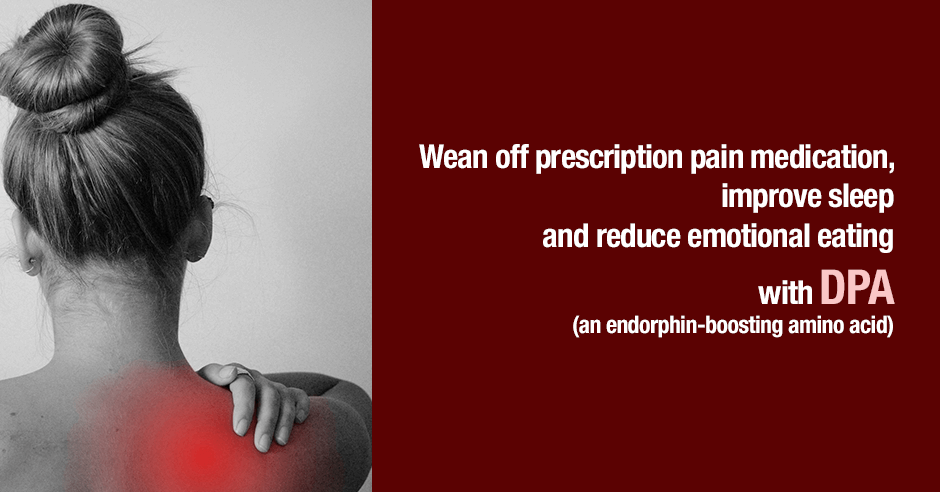
Wean off prescription pain medication, improve sleep and reduce emotional eating with DPA (an endorphin-boosting amino acid)

September 3, 2021 By Trudy Scott 19 Comments

dpa

A question about using the amino acid DPA (d-phenylalanine) to help wean off prescription pain medication was posted on the blog. She was also hoping it would help ease her pain while she was weaning and improve her poor sleep too. I share my feedback on DPA for weaning, timing of vitamin C, additional information for sleep support and using DPA for emotional eating too. Concerns about oxalates and pain are mentioned and the importance of a comprehensive approach.

Here is the question that was posted:

Hi Trudy, I am trying to get off prescription pain medication and have read that DPA really helps – do you have any knowledge and/or experience with this?

There is a very popular opiate withdrawal support website that recommends DPA 500mg 3x/daily. Since amino acids need to be taken away from food and other amino acids, I feel like it could be very easy to make the DPA go to waste if not taken at exactly the right time every day.

The insomnia is the worst part of opiate withdrawal for me – days can go by with only 20-45 minutes of sleep. I have a little one to care for and the stress of no sleep just makes me want to give up.

No sleep worsens my physical pain as I toss and turn for hours on end. It isn’t a surprise that then causes terrible emotional distress.

One more question…since Vitamin C does help withdrawal does it affect/break down DPA?  I take a liposomal version multiple times a day.

Here is my response: Yes, DPA (d-phenylalanine) does help with withdrawal from prescription pain medication and I’ve used it for this purpose with great success with many clients. It does need to be used away from protein and the dosing can vary for each person.

A starting dose of DPA is 500mg and it can be used 3- 4 x day to start, and we increase from there based on the unique need of each person. We typically adjust the DPA up as the prescription medication is tapered very slowly, and under the guidance of the prescribing physician.

I share more about her vitamin C and insomnia questions below.

If you are new to DPA and endorphin support

DPA/d-phenylalanine is an amino acid used as a supplement.

DPA destroys the enzyme that breaks down/inhibits endorphins and in essence raises endorphin levels. Endorphins are feel-good chemicals that you experience with an endorphin rush when you go for a run or when someone gives you a big hug, when you show kindness to someone or an individual does something nice for you.

Taking the amino acid, DPA, as a supplement helps to raise your endorphins and helps when you feel weepy and overly emotional and reduces the need to self-medicate with treats as a reward or for comfort (more on that below). This amino acid is a favorite with so many of my clients and community because it makes them feel so lovely.

In addition to helping with emotional pain, DPA also helps with easing physical pain. And for this reason it can be used to help get off prescription pain medications.

In summary, these are the signs of low endorphins:

  • Heightened sensitivity to emotional pain
  • Heightened sensitivity to physical pain
  • Crying or tearing up easily
  • Eating to soothe your mood, or comfort eating
  • Really, really loving certain foods, behaviors, drugs, or alcohol
  • Craving a reward or numbing treat

DPA and endorphin support for pain: the research

Here is one paper, which discusses how DPA inhibits or breaks down enkephalins (endorphins are closely related compounds) and as a result helps with depression and pain, and acts as an anti-inflammatory: “proven to be beneficial in many human patients with chronic, intractable pain.” The authors also state that a compound such as DPA “may alleviate other conditions associated with decreased endorphin levels such as opiate withdrawal symptoms.”

This paper discusses beta-endorphins and the reward mechanism and how they can induce euphoria, reduce pain and ease addictions and distress: “Long known for its analgesic effect, the opioid beta-endorphin is now shown to induce euphoria, and to have rewarding and reinforcing properties.”

I would love to see DPA used instead of pain meds when possible or used in conjunction with prescription pain medications when they are needed.

I am also very curious to know which opiate withdrawal support website is recommending DPA. I’m so pleased to hear this because it helps so much – for physical pain relief and for weaning off pain medications.

Is DPA the same as DLPA?

DLPA (dl-phenylalanine), although similar sounding, is not the same as DPA and only offers about half as much endorphin support. It also provides dopamine/catecholamine support (i.e. focus, motivation, mood, energy) and this aspect means DLPA has the same precautions as tyrosine. It also means DLPA can affect sleep if used from midafternoon onwards.

I seldom have clients use DLPA and prefer DPA for endorphin support and tyrosine for dopamine/catecholamine support if needed.

Keep in mind, the amino acid DPA, is not the same as the omega-3 fatty acid called docosapentaenoic acid and also abbreviated as DPA.

The brand of DPA that I recommend for my clients

The brand I recommend for my clients is Lidtke Endorphigen. You can read about it and the other supplements I recommend on the supplements blog here.

My recommendation has always been to chew the DPA capsule for the best effects and to get results quickly (in 2-5 minutes). Instead of chewing the whole capsule I now recommend opening the capsule into your mouth. You can read more about using DPA and some client feedback here.

lidtke endorphigen

I’ve used Endorphigen personally too and it’s always with me as part of my travel first-aid kit. I write about using DPA, GABA and acupuncture for pain relief after my back injury and I had DPA, GABA and arnica on hand when I sprained my ankle while hiking in Red Rocks.

Benefits include reduction of emotional/comfort eating too

As I mentioned above, with DPA there is the bonus benefit of endorphin support to help end emotional/comfort eating where you are seeking treats as a reward i.e it helps with physical pain and emotional pain.

You may relate to this if you are someone who would say or think “I just LOVE chocolate-chip cookies!” or “PLEEEEASE don’t make me give up my treats, it’s all I have left after I gave up my coffee and wine! I deserve something nice!”

This emotional attachment to sweet treats and reward-eating is very common with low endorphins.

Using vitamin C with the amino acids and watching for oxalate pain adverse effects

She is correct, vitamin C is best used away from the amino acids so as not to reduce the beneficial effects.

I do caution clients to find the right amount of vitamin C as too much can increase pain in individuals with dietary oxalate issues. I write about oxalate crystal disease here and vitamin C and oxalates here. Both can aggravate insomnia too and increase anxiety.

Address low serotonin, low GABA and/or high cortisol for sleep too

With sleep issues we may also look into supporting low serotonin with tryptophan or 5-HTP,  and/or low GABA levels with GABA and/or theanine. These amino acids can also help with reducing pain in some instances.

Opioids have an endocrine effect via impacts on the hypothalamic-pituitary-gonadal axis, affecting sex hormones levels and cortisol levels. Endocrine dysfunction can adversely impact sleep and make anxiety worse, and needs to be addressed. GABA and serotonin support can help with some of the sex hormone imbalances and Seriphos helps when cortisol is too high.

A comprehensive approach is key

Of course, a comprehensive approach is key, so it’s important to remove inflammatory foods (gluten, maybe all grains, sugar, caffeine, unhealthy fats etc), add fish oil if omega-3s are low and include anti-inflammatory nutrients such as turmeric.

And we always want to figure out the root cause of the pain and address it. Also, ruling out if dietary oxalates (and vitamin C) are an issue is important and often overlooked.

I’m a big fan of working with a physical therapist and acupuncturist too.

Resources if you are new to using the amino acids as supplements

If you are new to using the amino acids, DPA, tryptophan or GABA, as supplements and want to know more, here is the Amino Acids Mood Questionnaire from The Antianxiety Food Solution and a brief overview here, Anxiety and targeted individual amino acid supplements: a summary.

If you suspect low endorphins, low serotonin or low GABA levels and do not yet have my book, The Antianxiety Food Solution – How the Foods You Eat Can Help You Calm Your Anxious Mind, Improve Your Mood, and End Cravings, I highly recommend getting it and reading it before jumping in and using amino acids so you are knowledgeable.

Can you relate to any of this? Has DPA helped your pain and/or helped you withdraw from prescription pain meds? And did you even know this was an option?

Did it also help you sleep and make you less anxious/worried because of the reduction in pain?

What about less emotional eating when using DPA/Endorphigen?

Feel free to post your questions too.

Filed Under: Cravings, Medication, Pain Tagged With: comfort eating, d-phenylalanine, DPA, emotional eating, Endorphigen, endorphins, GABA, get off pain medication, insomnia, Lidtke, opioid, oxalates, pain, pain medication, poor sleep, sleep, tryptophan, vitamin C, wean off prescription pain medication

GABA, Heartmath and EFT ease Micki’s mold-induced anxiety and panic attacks

May 14, 2021 By Trudy Scott 20 Comments

gaba heartmath eft

The amino acids can provide relief when you have mold-induced anxiety – anxiety and panic attacks that are triggered by physiological changes due to mold toxicity such as inflammation and effects on your immune system and neurotransmitters. There is also the anxiety and worry you’re feeling because of the frightening situation you find yourself in and this trauma has a psychological and physiological effect. The anxiety, worry, fears, insomnia and imagining the worst is often compounded by low levels of GABA and serotonin. Benzodiazepines and/or SSRIs are commonly prescribed and only add to the toxic burden. The amino acids GABA, tryptophan and/or DPA/Endorphigen, used as supplements, are better options that address the root causes of low GABA, low serotonin and/or low endorphins. And for some folks, Heartmath and EFT offer additional emotional and calming support (as you’ll read below).

Micki Contini, MS CNC, a board-certified holistic health and nutrition consultant, is a friend and colleague whose life was hugely impacted by mold toxicity. She has kindly given me permission to share her story in the hope it’s helpful for you if you’re in a similar situation. She shares her mold-induced anxiety symptoms and the other ways mold toxicity impacted her health:

My heart was pounding, my face was red, I was sweating, my thoughts were racing and I felt like I was going to die. I wondered if I was having a heart attack? My husband brought me to the emergency room several times with panic attacks and heart palpitations with me thinking this was the end only to find out that I was “fine.” But I knew that I was far from ok. I knew that something was wrong, I just didn’t know what.

I had found mold in my water damaged office. Shortly thereafter I realized it was also in my home. I had cross-contaminated my house, but it was a year before I knew my house had mold.  I had been getting better but not 100%.  It was a step I missed because I didn’t want to face the truth of what the consequences would bring – throwing out more stuff. I had already thrown out most of the stuff from my contaminated office BUT not all of the stuff.  And I paid dearly for not throwing out ALL the things from my office.

I was in denial and I had toxic mold poisoning. Toxic mold was causing my anxiety and panic attacks and other debilitating symptoms such brain fog, tinnitus, trouble focusing, numbness and tingling in my fingers and toes, crazy fatigue, shortness of breath, nausea, diarrhea/constipation, excessive thirst, vertigo, night sweats and bloody nose.

Micki already knew about my work and had been using my book, The Antianxiety Food Solution, with anxious clients in her functional nutrition practice, so she immediately considered the amino acids for her mold-induced anxiety and panic attacks.

GABA for her physical anxiety and panic attacks

When Micki reached out to me, I encouraged her to explore GABA for her physical anxiety and panic attacks, tryptophan for her racing thoughts and DPA/Endorphigen for the crying and emotional symptoms she was experiencing.

The good news is that her anxiety and tension started to fade as soon as she added sublingual GABA Calm to her protocol. She shares this about how GABA helped her

As they started tearing my house apart for remediation, I started eating GABA Calm like candy. At the beginning I had to have a lot more than I do now. GABA Calm takes me down a notch and I feel my shoulder coming away from my ears and I get closer to relaxing.

GABA is well known for relieving the physical tension experienced when you have anxiety. We have GABA receptors in our muscles and many of my clients feel this obvious release of neck tension as the anxiety eases. This release of muscle tension also helps with the kind of insomnia where you lie in bed feeling stiff and tense and can’t switch off your busy mind going 100 miles an hour.

GABA for immune support and toxin protection

What is really interesting when it comes to mold toxicity and GABA is that research shows that GABA can support immunity. GABA also protects the thyroid against fluoride-induced toxicity and counters the toxic effects of phthalates, so I suspect research will eventually show that GABA also offers protection against other environmental toxins such as mold.

Biofeedback and tapping for additional emotional support

Micki also used Heartmath (a type of biofeedback) and EFT (emotional freedom technique or tapping) for additional support while she was in the midst of all this:

I added Heartmath Inner Balance app and Emwave because I had used them prior to this challenge and it helps because you go through a thought pattern where you’re concentrating on gratitude and what’s right vs what’s wrong. That was powerful for me. Still is.

I used EFT to break the pattern of doom and gloom. When I was really sick I felt like another bad terrible thing was going to happen at any moment like I was on guard or on watch. So anything I could do to break that mind set I did.

Micki found what worked for her and that’s key when you’re in this situation. I’ve had many clients not succeed with Heartmath or EFT so don’t feel bad if these approaches don’t work for you.

Tryptophan and/or DPA/Endorphigen for the gloom and doom

I’ve had many many clients successfully use tryptophan for the spinning and overwhelming feeling that many folks with mold toxicity experience. Tryptophan and/or DPA can also help the pattern of doom and gloom Micki described.

Recent research also shows that GABA helps you switch off unwanted thoughts too so it’s possible Micki didn’t need tryptophan for this reason.

She doesn’t remember all the supplements that she used when she was really REALLY sick. This is very typical when you’re in the midst of dealing with mold toxicity (and a good reason to try and keep a log) but she seems to recall that DPA/Endorphigen may have helped with the emotional trauma of it all.

The wonderful news is that today Micki is doing so much better! The amino acid GABA, together with Heartmath and EFT provided much-needed anxiety relief and emotional support while Micki was remediating her home, detoxing her body with daily infrared sauna sessions and following mold toxicity nutritional protocols.

Micki’s gift is that she has become a mold expert

When you’re in the midst of all this you can’t imagine that there can be a gift in what you’re going through but there always is. For Micki, her gift is that she has become a mold expert and now helps others navigate their mold healing journey via SimpleGoodHealth. She shares this:

As you may know, the road to recovery from mold illness is a long hard one, but I can make it easier for you. I have become an expert out of necessity.

We appreciate Micki for sharing her anxiety-induced mold story.

Resources if you are new to the amino acids

If you are new to the amino acids, here is the Amino Acids Mood Questionnaire from The Antianxiety Food Solution and additional information on Anxiety and targeted individual amino acid supplements: a summary

This lists The Antianxiety Food Solution Amino Acid and Pyroluria Supplements that I use with my individual clients and those in my group programs – you will find the GABA Calm and other GABA products, tryptophan and DPA/Endorphigen here.

If you suspect low GABA symptoms and are new to using the amino acids and do not have my book I highly recommend getting it and reading it before jumping in to taking the amino acids as supplements: The Antianxiety Food Solution – How the Foods You Eat Can Help You Calm Your Anxious Mind, Improve Your Mood, and End Cravings.

Let us know if you’ve used GABA or tryptophan with success for mold-induced anxiety and panic attacks, and DPA/Endorphigen for helping with weepiness.

And let us know what other approaches you’ve used for helping with the anxiety and other emotional impacts of mold toxicity.

Feel free to post your questions here too.


Filed Under: Anxiety, EFT/Tapping, GABA, Mold Tagged With: anxiety, biofeedback, DPA, eft, emotional support, Endorphigen, endorphins, GABA, Heartmath, immune support, mold, mold expert, mold toxicity, mold-induced, panic attacks, physical anxiety, serotonin, tapping, tension, toxin protection, tryptophan

Primary Sidebar

NEW! GABA QuickStart Homestudy (with special intro pricing)

gaba quickstart homestudy

Free Report

9 Great Questions Women Ask about Food, Mood and their Health

You'll also receive a complimentary subscription to my ezine "Food, Mood and Gal Stuff"


Connect with me

Popular Posts

  • Amino Acids Mood Questionnaire from The Antianxiety Food Solution
  • The Antianxiety Food Solution Amino Acid and Pyroluria Supplements
  • Pyroluria Questionnaire from The Antianxiety Food Solution
  • Collagen and gelatin lower serotonin: does this increase your anxiety and depression?
  • Tryptophan for the worry-in-your-head and ruminating type of anxiety
  • GABA for the physical-tension and stiff-and-tense-muscles type of anxiety
  • The Antianxiety Food Solution by Trudy Scott
  • Seriphos Original Formula is back: the best product for anxiety and insomnia caused by high cortisol
  • Am I an anxious introvert because of low zinc and vitamin B6? My response to Huffington Post blog
  • Vagus nerve rehab with GABA, breathing, humming, gargling and key nutrients

Recent Posts

  • What do I use instead of Seriphos to help lower high cortisol that is affecting my sleep and making me anxious at night?
  • BeSerene™ GABA/theanine cream eases severe muscle tension in her neck/shoulders, prevents her bad headaches and quells her anxiety
  • How the correct approach, dose and sublingual use of GABA can be calming and not cause a flushed and itchy face and neck
  • The amino acid glutamine improves low mood by addressing gut health, and it has calming effects too
  • Flight anxiety with heightened breath, physical tension and also fearing the worst (the role of low GABA and low serotonin)

Categories

  • 5-HTP
  • AB575
  • Addiction
  • ADHD
  • Adrenals
  • Alcohol
  • Allergies
  • Alzheimer's disease
  • Amino Acids
  • Anger
  • Antianxiety
  • Antianxiety Food Solution
  • Antidepressants
  • Anxiety
  • Anxiety and panic
  • Autism
  • Autoimmunity
  • benzodiazapines
  • Bipolar disorder
  • Books
  • Caffeine
  • Cancer
  • Candida
  • Children/Teens
  • Collagen
  • Cooking equipment
  • Coronavirus/COVID-19
  • Cravings
  • Depression
  • Detoxification
  • Diabetes
  • Diet
  • DPA/DLPA
  • Drugs
  • EFT/Tapping
  • EMF
  • EMFs
  • Emotional Eating
  • Endorphins
  • Environment
  • Essential oils
  • Events
  • Exercise
  • Fear
  • Fear of public speaking
  • Fertility and Pregnancy
  • Fish
  • Food
  • Food and mood
  • Functional neurology
  • GABA
  • Gene polymorphisms
  • General Health
  • Giving
  • Giving back
  • Glutamine
  • Gluten
  • GMOs
  • Gratitude
  • Gut health
  • Heart health/hypertension
  • Histamine
  • Hormone
  • Hyperparathyroidism
  • Hypoglycemia
  • Immune system
  • Inflammation
  • Insomnia
  • Inspiration
  • Introversion
  • Joy and happiness
  • Ketogenic diet
  • Lithium orotate
  • Looking awesome
  • Lyme disease and co-infections
  • MCAS/histamine
  • Medication
  • Men's health
  • Mental health
  • Mercury
  • Migraine
  • Mold
  • Movie
  • MTHFR
  • Multiple sclerosis
  • Music
  • NANP
  • Nature
  • Nutritional Psychiatry
  • OCD
  • Osteoporosis
  • Oxalates
  • Oxytocin
  • Pain
  • Paleo
  • Parasites
  • Parkinson’s disease
  • PCOS
  • People
  • PMS
  • Postpartum
  • PTSD/Trauma
  • Pyroluria
  • Questionnaires
  • Real whole food
  • Recipes
  • Research
  • Schizophrenia
  • serotonin
  • SIBO
  • Sleep
  • Special diets
  • Sports nutrition
  • Stress
  • Sugar addiction
  • Sugar and mood
  • Supplements
  • Teens
  • Testimonials
  • Testing
  • The Anxiety Summit
  • The Anxiety Summit 2
  • The Anxiety Summit 3
  • The Anxiety Summit 4
  • The Anxiety Summit 5
  • The Anxiety Summit 6
  • Thyroid
  • Thyroid health
  • Toxins
  • Tryptophan
  • Tyrosine
  • Uncategorized
  • Vegan/vegetarian
  • Women's health
  • Yoga

Archives

  • October 2025
  • September 2025
  • August 2025
  • July 2025
  • June 2025
  • May 2025
  • April 2025
  • March 2025
  • February 2025
  • January 2025
  • November 2024
  • October 2024
  • September 2024
  • August 2024
  • July 2024
  • June 2024
  • May 2024
  • April 2024
  • March 2024
  • February 2024
  • January 2024
  • December 2023
  • November 2023
  • October 2023
  • September 2023
  • August 2023
  • July 2023
  • June 2023
  • May 2023
  • April 2023
  • March 2023
  • February 2023
  • January 2023
  • December 2022
  • November 2022
  • October 2022
  • September 2022
  • August 2022
  • July 2022
  • June 2022
  • May 2022
  • April 2022
  • March 2022
  • February 2022
  • January 2022
  • December 2021
  • November 2021
  • October 2021
  • September 2021
  • August 2021
  • July 2021
  • June 2021
  • May 2021
  • April 2021
  • March 2021
  • February 2021
  • January 2021
  • December 2020
  • November 2020
  • October 2020
  • September 2020
  • August 2020
  • July 2020
  • June 2020
  • May 2020
  • April 2020
  • March 2020
  • February 2020
  • January 2020
  • December 2019
  • November 2019
  • October 2019
  • September 2019
  • August 2019
  • July 2019
  • June 2019
  • May 2019
  • April 2019
  • March 2019
  • February 2019
  • January 2019
  • December 2018
  • November 2018
  • October 2018
  • September 2018
  • August 2018
  • July 2018
  • June 2018
  • May 2018
  • April 2018
  • March 2018
  • February 2018
  • January 2018
  • December 2017
  • November 2017
  • October 2017
  • September 2017
  • August 2017
  • July 2017
  • June 2017
  • May 2017
  • April 2017
  • March 2017
  • February 2017
  • January 2017
  • December 2016
  • November 2016
  • October 2016
  • September 2016
  • August 2016
  • July 2016
  • June 2016
  • May 2016
  • April 2016
  • March 2016
  • February 2016
  • January 2016
  • December 2015
  • November 2015
  • October 2015
  • September 2015
  • August 2015
  • July 2015
  • June 2015
  • May 2015
  • April 2015
  • March 2015
  • February 2015
  • January 2015
  • December 2014
  • November 2014
  • October 2014
  • September 2014
  • August 2014
  • July 2014
  • June 2014
  • May 2014
  • April 2014
  • March 2014
  • February 2014
  • January 2014
  • December 2013
  • November 2013
  • October 2013
  • September 2013
  • August 2013
  • July 2013
  • June 2013
  • May 2013
  • April 2013
  • March 2013
  • February 2013
  • January 2013
  • December 2012
  • November 2012
  • October 2012
  • August 2012
  • July 2012
  • June 2012
  • May 2012
  • April 2012
  • March 2012
  • February 2012
  • January 2012
  • December 2011
  • November 2011
  • October 2011
  • September 2011
  • August 2011
  • July 2011
  • June 2011
  • May 2011
  • April 2011
  • March 2011
  • February 2011
  • January 2011
  • December 2010
  • October 2010
  • September 2010
  • July 2010
  • May 2010
  • April 2010
  • March 2010
  • February 2010
  • January 2010
  • November 2009

Share the knowledge!

The above statements have not been evaluated by the Food and Drug Administration. Products listed in this website are not intended to diagnose, treat, cure or prevent any disease.

The information provided on this site is for informational and educational purposes only and is not intended as a substitute for advice from your physician or other health care professional. You should consult with a healthcare professional before starting or modifying any diet, exercise, or supplementation program, before taking or stopping any medication, or if you have or suspect you may have a health problem.


Copyright © 2026 Trudy Scott. All Rights Reserved. | Privacy | Terms and Conditions | Refund Policy | Medical Disclaimer

Free Report

9 Great Questions Women Ask about Food, Mood and their Health

You’ll also receive a complimentary subscription to my ezine “Food, Mood and Gal Stuff”