• Skip to primary navigation
  • Skip to main content
  • Skip to primary sidebar

everywomanover29 blog

Food, Mood and Women's Health – Be your healthiest, look and feel great!

  • Blog
  • About
  • Services
  • Store
  • Resources
  • Testimonials
  • The Book
  • Contact
  • Search this site

diet

Anxiety & the Gut-Brain Axis in Autism with Julie Matthews: The Anxiety Summit 5

October 21, 2019 By Trudy Scott 8 Comments

Julie Matthews, CNC, is one my guest experts on The Anxiety Summit 5: Gut-Brain Axis and our topic is: Anxiety & the Gut-Brain Axis in Autism. In this interview you’ll learn:

  • Nutritional and dietary intervention in autism (and the new study Julie contributed to)
  • Gut-immune-brain axis, mTOR and amino acids (we talk about tryptophan at length)
  • Significance of fecal microbiota transplants (and significance and future of this approach)
julie matthews

We start with a discussion about how common anxiety disorders are in autism, and how psychiatric medications are frequently prescribed.

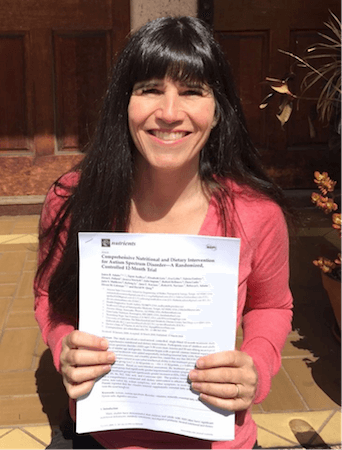
This is why I’m so thrilled about the study Julie was part of: Comprehensive Nutritional and Dietary Intervention for Autism Spectrum Disorder-A Randomized, Controlled 12-Month Trial.

  • study participants had a significant improvement in anxiety from a special diet and various nutritional supplements
  • study participants saw improved communication skills as well as improved daily living skills and social skills – all of which can lead to reduced anxiety and social anxiety, and improved overall happiness
  • there were also improvements in happiness, focus, IQ and language, as well as symptoms of autism

We talk about some of this in the in-person interview we did recently in San Diego.

(Note: The dates for the 2021 Anxiety Summit 5 is November 8-14, 2021)

(I also blogged about this study last year, shortly after the paper was published. You can read about it here so you’re familiar with all the details when you listen to our summit interview.)

Julie and I are both research geeks and in our full interview on the summit we get geeky and talk about new research on:

  • The Gut-Immune-Brain Axis in Autism Spectrum Disorders A Focus on Amino Acids (we discuss mTOR and have a good discussion on the use of tryptophan vs 5-HTP)
  • Fecal transplants in autism (the outcomes are incredibly promising! I’ve since heard that another bigger study is being planned by the same researchers)

julie matthews and trudy scott

You’re likely familiar with Julie’s autism nutrition work and practitioner training on special diets which I wholeheartedly endorse. In case you’re new to her work, Julie is a Certified Nutrition Consultant and published researcher specializing in complex neurological, digestive, and immune conditions, most notably autism. She is the author of the award-winning book, Nourishing Hope for Autism, and co-author of a study proving the efficacy of nutrition and dietary intervention for autism published in the peer-reviewed journal, Nutrients (the study I mention above).

If you’re looking for autism/anxiety and autism/gut solutions you won’t want to miss this interview.

If you are looking for anxiety nutritional and gut solutions but don’t have an autism spectrum disorder/ASD or family member with ASD I encourage you to listen in anyway.  Julie’s approach is based on the BioIndividual Nutrition® needs of each person and stems from her 18 years of work with autism. Using autism as a model for complex chronic disease, her approach and methodology helps practitioners specializing in varied disorders improve the health and healing of their clients through her BioIndividual Nutrition Training for practitioners.

The above statement – using autism as a model for complex chronic disease – is an important one. In the short video clip above I mention how those with ASD are like the canaries in the coal mine. And we talk about many of the overlapping root causes we see in both anxiety disorders and ASD – such as methylation, nutritional deficiencies, gut issues and food sensitivities, heavy metals and so much more.  Julie and I have been highlighting these overlaps for years. Much of what we cover in the interview has wide-reaching implications for anxiety and other chronic health conditions.

I am so appreciative to Julie for helping me figure out my own dietary oxalate issues which were causing excruciating hot-coals/shards-of-glass type foot pain. I’ve learned so much from Julie on this topic and you’ll hear me bring up oxalates in a number of interviews.
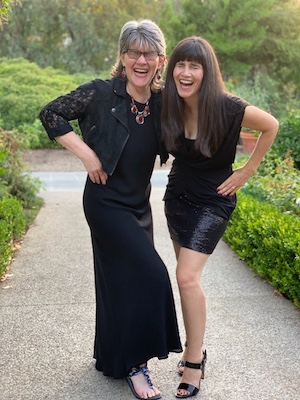

julie and trudy 

We also happen to be really good friends and love to laugh together (as you can tell!). These two pictures were taken in San Diego at the Mindshare conference (left) and Integrative Medicine for Mental Health conference (right), where we both presented.

You can listen to each of the interviews (and get transcripts) by purchasing The Anxiety Summit 5: Gut-Brain Axis.

If you’d like to give feedback or ask a question, please post in the comments section. I’d love to hear from you once you’ve listened in.

If you’d like to give feedback or ask a question, please post in the comments section at the bottom.

I’d love to hear from you once you’ve listened in to this interview and the others.
Filed Under: The Anxiety Summit 5 Tagged With: anxiety, Anxiety & the Gut-Brain Axis in Autism, anxiety summit, autism, diet, fecal transplant, gut-brain, Julie Matthews, microbiome, mTOR, nutrition, serotonin, tryptophan

DIY moisturizer recipes to lower inflammation and reduce anxiety, panic, PTSD, phobias and social anxiety?

May 3, 2019 By Trudy Scott 16 Comments

Could daily use of a good quality moisturizer help to reduce anxiety, panic, PTSD, phobias and social anxiety by reducing inflammation? Last week I blogged about a new pilot study on how a skin moisturizer reduced inflammation in older adults and extrapolated these results suggesting this may well be applicable for you if you suffer from anxiety because of the reduced inflammation. The benefits of touch, the oxytocin boost and slowing down for some self-care most likely play a role too. I promised to share some DIY home-made moisturizer recipes so here goes. You’ll see that many of these include ingredients that are helpful for anxiety when used stand-alone, so you get that benefit too.

Dr. Mariza shares Lavender-Cocoa Body Lotion Bars and a Soothing Skin Roller Blend

Dr. Mariza Snyder, author of The Essential Oils Hormone Solution (my Amazon link) and Smart Mom’s Guide to Essential Oils (my Amazon link), has a lovely recipe for DIY lotion bars on her site which she gave me permission to share here. She describes these bars as a “luxurious chocolaty-lavender post-shave moisturizer.” She adds that “Lavender and Geranium essential oils are the perfect combination when it comes to softening the skin while helping you to relax in the process.”

Lavender-Cocoa Body Lotion Bars

Ingredients:

1 cup beeswax pastilles
1 cup cocoa butter
1 cup coconut oil
2 teaspoons vitamin E
10 drops lavender essential oil
10 drops geranium essential oil

Directions: Combine all ingredients except essential oils in a double boiler or a glass bowl over a smaller sauce pan with 1 inch of water in it. Bring to a boil. Stir ingredients until they are completely melted and smooth. Remove from heat and then add essential oils and stir. Pour mixture into silicone bake cup molds for the lotion to solidify, allowing them to completely dry before removing them from the molds. Store lotion bars in a clean container and apply to body after a shower. The heat from your body will melt the lotion! Yield: 10-12 bars (depending on molds).

Check out her blog for other self-care recipes like a salt scrub, a cooling peppermint shaving cream and a razor burn serum (with versions for both women and men).

When I reached out to her for recipes, Dr. Mariza also shared a soothing skin healing blend recipe saying: “I’ve used this blend to reduce inflammation and redness on irritated skin with incredible success! I’ve treated a lot of acute eczema and psoriasis with this blend flare ups.” 

Soothing Skin Roller Blend 

Ingredients:

5 drops Melaleuca/Tea Tree essential oil
5 drops Geranium essential oil
6 drops Rose essential oil (optional)
6 drops Lavender essential oil
6 drops Frankincense essential oil
Fractionated Coconut Oil or Carrier Oil of choice

Directions:  Add essential oils to 10ml roller bottle and top off with Fractionated Coconut oil, or carrier oil of your choice.  Apply directly over the area of concern to reduce red, irritated skin.  Use as needed.

You can read my review of her book here): The Essential Oils Hormone Solution.

Dr. Z and Mama Z share their most used recipe: DIY Healing Skin Serum

Dr. Eric Zielinski, author of The Healing Power of Essential Oils (my Amazon link), and known affectionately as Dr. Z, and his wonderful wife, Mama Z, gave me permission to share this DIY Healing Skin Serum recipe. They run the Natural Living Family site.

Mama Z’s DIY Healing Skin Serum

Ingredients:

1 tablespoon cold fresh frozen aloe, or aloe vera gel
1 tablespoon organic coconut oil (softened or melted)
5 drops lavender essential oil
2 drops frankincense essential oil

Directions:

  1. Blend the aloe gel, coconut oil and essential oils in a Magic Bullet or food processor until smooth.
  2. Once well mixed, store in a class jar or glass salve container in a cool place so the coconut oil remains hardened.
  3. Store in fridge or cool place and enjoy at least once per day. Make fresh each week.

Notes: No matter what allergies you may have, there’s a carrier oil that’s right for you. You can use any, or a combination of these: Avocado, Fractionated Coconut, Grapeseed, Jojoba, Sweet Almond.

Be sure to read the entire blog post to get the back story on how Mama Z used this to heal her face after experiencing some chemical burns from store bought facial cleansers and creams when she was a teen, how it helped her dad with some skin cancer on his hands, some tips on aloe and some recipe variations.

Dr. Z gives it this glowing endorsement: “This is by far the most proven and most used DIY recipe that we have. It helps people with everything with skin cancer to sun burn, eczema to acne to psoriasis to you name it.”

Here is my review of Dr. Z’s book: The Healing Power of Essential Oils. You’ll find additional recipes here.

If you’re looking to learn how to use essential oils, I highly recommend their Essential Oils for Abundant Living 10-Part Video Masterclass.

Rachael, herbal skincare formulator, shares a lovely Skin Repair Souffle recipe

Rachael Pontillo, Licensed Aesthetician, herbal skincare formulator, educator and author of Love Your Skin, Love Yourself (my Amazon link) shares this lovely Skin Repair Souffle recipe.

Skin Repair Souffle Recipe

Supplies needed:

A glass jar–4 oz is preferred
A small double boiler/bain marie
Heat element (stove, cooktop, hot plate)
Kitchen scale
A small whisk
Small hand mixer, milk frother, or immersion blender

Ingredients:

30 g shea butter
30 g jojoba oil
15 drops total essential oils (Frankincense, Helichrysum, Geranium, and Lavender are the essential oils Rachael likes best for barrier support. She says either choose one or create a blend).

Instructions:

  1. Heat your double boiler until the water is boiling, then reduce to a simmer.
  2. Add the shea and jojoba and whisk gently until completely melted.
  3. Remove the vessel from the heat (careful not to get water into the mixture), and cool to room temperature in an ice bath while stirring gently.
  4. Add your essential oils, one by one, stirring gently.
  5. Blend gently with your milk frother or blender until the mixture begins to rise with a meringue-like texture (usually about 60 seconds)
  6. Pour into your jar. Close the jar immediately. Refrigerate overnight.

Dr. Keira, The Skin Whisperer, shares Lavender Bath Oil and Rejuvenating Serum

Dr. Keira L. Barr, MD, Founder and Chief Wellness Officer of Resilient Health Institute and author of The Skin Whisperer: A Dermatologist Reveals How to Look Younger, Radiate Beauty and Create the Life you Crave (my Amazon link), shares two wonderful recipes.

Lavender Bath Oil

Ingredients:

30 ml Almond Oil (or other carrier oil)
3 drops lavender essential oil
1 drop jasmine essential oil
1 drop myrrh essential oil

Instructions:

Mix all oils together in a bottle and shake well. This oil can be applied to skin in the shower, added to bath water or used after bathing or showering (while skin is damp but not completely dry to aid in absorption). Note: essential oil is 1% dilution.

Rejuvenating Serum 

Ingredients:

4ml Rosehip Seed Oil
3 ml Argan Oil
1 ml Pomegranate seed Oil
1 ml Sea Buckthorn Oil
1 drop carrot seed essential oil
Pour into 10 ml amber or dark colored glass bottle and label

Instructions:

Blend all the oils together adding the carrot seed essential oil last. Shake thoroughly and store in the refrigerator. Apply 3 to 5 drops after cleansing the skin nightly. Can be used on the face, neck and back of hands.

Calming essential oils and the original blog

As I mentioned above many of these recipes include ingredients that are calming and helpful for anxiety when used stand-alone, so you get that benefit too:

  • Intoxicating fragrance: Jasmine as valium substitute? New 2019 research confirms this
  • Blend of lavender, ylang-ylang, marjoram, and neroli reduces stress and lowers cortisol
  • Essential oils to help alleviate anxiety and improve sleep

If you missed the original blog with the research or would like a recap here it is: Could a daily moisturizer help to lower markers of inflammation and reduce anxiety, panic, PTSD, phobias and social anxiety?

You can learn more about the study; why poor skin health leads to inflammation; the role of inflammation on anxiety and other mental health conditions; the many nutritional approaches for reducing cytokines and inflammation; some studies on the benefit of touch and a boost of oxytocin; and tips for adding skin moisturizing to your daily self-care routine.

Skin moisturizing, diet and calming nutrients

As I said in the original blog, I feel very comfortable saying you now have a new tool – daily skin moisturizing – to add to your toolbox to help lower inflammation and reduce anxiety, panic, PTSD, phobias and social anxiety. Let’s use this – together with dietary changes and key calming nutrients – to eliminate anxiety and feel your absolute best.

These recipes provide safe and fun options for you to try. Have fun with these recipes and be sure to share which ones you try and like or if you have your own favorite. Also share what your moisturizing self-care routine is like.

I have more to share – all the feedback from a recent Facebook post on favorite home-made and store-bought moisturizers and will share this in the next installment. Do let me know what else you’d like me to cover.

Filed Under: Inflammation Tagged With: anxiety, coconut oil, diet, essential oils, geranium, Inflammation, lavender, moisturizer, panic, phobias and social anxiety, PTSD, skin

Could a daily moisturizer help to lower markers of inflammation and reduce anxiety, panic, PTSD, phobias and social anxiety?

April 26, 2019 By Trudy Scott 43 Comments

Could using a good quality moisturizer on a daily basis help to lower markers of inflammation (proinflammatory markers) and actually help reduce anxiety, panic, PTSD, phobias, social anxiety and other mental health symptoms, plus other chronic health conditions at the same time? Based on a new pilot study, I’m going out on a limb and saying this may well pan out to be true. And there is certainly no harm in making this a daily self-care routine until further research confirms this, certainly because of the other benefits of using a moisturizer.

New study: a skin moisturizer reduces markers of inflammation

Let’s take a look at this new study which reports how using a skin moisturizer actually reduces markers of inflammation in the body: Topical Applications of an Emollient Reduce Circulating Pro-Inflammatory Cytokine Levels in Chronically Aged Humans: A Pilot Clinical Study

Emollients are moisturizers that help keep the skin moist and supple by reducing water loss from the epidermis, the outer layer of the skin.

The study set out to mirror an animal study where skin problems in older/aged mice was tied to elevated markers of inflammation called cytokines. When epidermal function/skin health in the mice was improved, the circulating cytokine levels were reduced:

Thirty‐three aged humans were treated twice‐daily for 30 days, with ≈3 ml of an emollient, previously shown to improve epidermal [i.e. skin] function

Changes in epidermal function and levels of three key, age‐related, plasma cytokines (IL‐1β, IL‐6 and TNFα) were measured at baseline and after treatment.

Circulating levels of proinflammatory cytokines in the body, IL‐1β, IL‐6 and TNFα, were higher in the older adults before the use of the emollient. After topical use, i.e, using the cream on their skin twice a day for 30 days:

circulating levels of IL‐1β and IL‐6 normalized, while TNFα levels declined substantially.

The authors suggest larger clinical trials to confirm this connection between high levels of proinflammatory cytokines and chronic inflammatory disorders and to show how improving skin health by moisturizing may prevent chronic inflammatory disorders such as heart disease, type II diabetes, osteoporosis and Alzheimer’s disease in older adults.

The University of California explains the mechanism:

Our skin starts to deteriorate around age 50 with changes to epidermal pH, hydration, and the permeability barrier, which keeps water in and bacteria and other potential pathogens out. A loss of moisture and breaks in the permeability barrier cause the skin to release inflammatory cytokines. Ordinarily, these cytokines help to repair defects in the barrier, but in aging skin the barrier can’t be fixed as easily, so the inflammatory signals continue to be released, eventually reaching the blood.

This article and the study authors are suggesting this is an issue to be addressed with older adults and with respect to the above chronic diseases, but there is enough research on the role of inflammation on anxiety and other mental health conditions at any age, that this study had me perk up and take notice. Also, if you’re young and not moisturizing or living in a dry climate or have other factors contributing to inflammation (more on that below), could this be happening too? I believe it’s highly likely.

The role of inflammation on anxiety and other mental health conditions

Here is one of the many anxiety-inflammation studies: Inflammation in Fear- and Anxiety-Based Disorders: PTSD, GAD, and Beyond, reporting that:

heightened concentrations of inflammatory signals, including cytokines and C-reactive protein, have been described in posttraumatic stress disorder (PTSD), generalized anxiety disorder (GAD), panic disorder (PD), and phobias (agoraphobia, social phobia), etc.

And concludes that:

targeting inflammation may serve as a potential therapeutic target for treating these fear- and anxiety-based disorders in the future

Inflammation plays a role in depression too. This paper, Role of Inflammation in Depression and Treatment Implications reports that:

Numerous studies (including meta-analyses) have found elevated peripheral and central inflammatory cytokines and acute phase proteins in depression.

The ongoing inflammation affects neurotransmitters and makes antidepressants less effective:

Chronic exposure to increased inflammation is thought to drive changes in neurotransmitters and neurocircuits that lead to depressive symptoms and that may also interfere with or circumvent the efficacy of antidepressants.

Many approaches for reducing cytokines and inflammation

I do want to address the one statement in the emollient study where they say that “approaches that reduce circulating cytokines are not yet available.” There are, in fact, many approaches for reducing cytokines and inflammation.

In one study vitamin D supplementation improved mood, reduced anxiety and lowered markers of inflammation (CRP and IL-10) in female diabetics who had low levels of vitamin D.

In another study looking at anxiety in women with PCOS (polycystic ovary syndrome), probiotics and selenium improved their mental health and hormonal profiles, lowered markers of inflammation and reduced oxidative stress.

This paper lists a number of underling root causes that cause systemic inflammation and depression: psychosocial or life stressors, poor diet, physical inactivity, obesity, smoking, altered gut permeability (i.e. leaky gut), atopy (a genetic tendency to allergies – this could include gluten sensitivity), poor dental health, sleep issues and vitamin D deficiency.

Of course, these factors may also play a role in anxiety and using a functional medicine and nutritional approach, you can reduce the inflammation and eliminate the anxiety/depression. It’s a matter of finding your root cause/s and addressing them.

Research is also finding that GABA, one of the main calming neurotransmitters, may also have a possible role in “neuroimmune interaction, being involved in the modulation of immune cell activity associated with different systemic and enteric inflammatory conditions.”

Low zinc and low vitamin B6 are also factors in inflammation, and addressing low levels reduces inflammation and eases anxiety such as pyroluria (a social anxiety condition) and low GABA and low serotonin anxiety because zinc and vitamin B6 are co-factors for making these brain chemicals.

The benefit of touch and a boost of oxytocin

I’d like to mention other benefits of using a daily moisturizer – the benefits of touch, massage and a boost of oxytocin:

  • Hand massage and therapeutic touch has been shown to decrease anxiety and make the elderly in a nursing home feel more comforted. If you’re a caregiver to a parent, make daily moisturizing part of your routine.
  • Swedish massage reduces anxiety in ICU patients and improves vital signs.
  • Touch increases the release of oxytocin improving well-being and may also have “applications in neuropsychiatric disorders especially those characterized by persistent fear, repetitive behavior, reduced trust and avoidance of social interactions.”

Adding skin moisturizing to your daily self-care routine

I feel very comfortable saying you now we have a new tool – daily skin moisturizing – to add to your toolbox to help lower your markers of inflammation and reduce anxiety, panic, PTSD, phobias and social anxiety. Let’s use everything at your disposal to heal and feel your absolute best.

It’s something most women (and a few men) are already doing, and this information can give you more reason to continue to do it.

It’s a lovely self-care routine if you’ve not been doing it for some time or have never regularly used a moisturizer. This information can be an incentive to add it back to your daily routine or start doing it.

The biggest problem I see with moisturizing is using toxic chemicals and less than ideal creams on your skin so I reached out to colleagues and my community on Facebook to get input on their favorite home-made and store-bought moisturizers:

  • Here are the DIY recipes: DIY moisturizer recipes to lower inflammation and reduce anxiety, panic, PTSD, phobias and social anxiety?
  • Stay tuned for a new blog on favorite good quality store-bought moisturizers

In the meanwhile, feel free to share your favorites and what your moisturizing self-care routine is like, and if you get regular massages and use moisturizing creams with love ones. Simply comment below.

Filed Under: Inflammation Tagged With: anxiety, diet, gluten, Inflammation, massage, moisturizer, oxytocin, panic, phobias and social anxiety, PTSD, skin, touch, vitamin D

The individual amino acids glutamine, GABA, tryptophan (or 5-HTP), DPA and tyrosine are powerful for eliminating sugar cravings, often within 5 minutes

November 30, 2018 By Trudy Scott 28 Comments

The individual amino acids glutamine, GABA, tryptophan (or 5-HTP), DPA and tyrosine are powerful for eliminating sugar cravings, often within 5 minutes. It seems that this wonderful benefit – over and above the anxiety-reducing and mood-boosting benefits – is often overlooked or poorly understood.

I recently posted this on Facebook: GABA for ending sugar cravings (and anxiety and insomnia) and I’m writing this blog today because it’s clear there is some confusion about this cravings aspect.

Let me first recap Melissa’s experience with Source Naturals GABA Calm during her family holiday trip (the link above has all the details):

I’m glad I bought it before traveling home for Christmas – I was cool as a cucumber at the airport and was much calmer when visiting family and friends compared to last year! I notice a general calmness and am sleeping well.

As well as the calming benefits of GABA, Melissa found this unexpected reduction in cravings for sweets, chocolates, truffles and ice cream after about a week of taking it:

I didn’t even realize this until I was grocery shopping and out of habit walked towards the ice cream – I stopped and realized I didn’t want ice cream. So I walked toward the chocolate – same reaction. For once in my life, I was not craving sweets. I made truffles for a NYE party and only ate two. But what is really shocking is that the leftovers are still in my refrigerator two days later and I haven’t touched them.

This is a very typical response that I see with my clients and when I shared the above blog, others on Facebook shared similar experiences and surprise about the connections. Kim found it fascinating and very timely saying:

I ran out of GABA a month ago. Not only has my anxiety been very difficult to manage but literally I haven’t been able to stop eating. Sugary, high carb, total junk has consumed my thoughts. I never realized the correlation.

April also seemed surprised to learn that GABA was also actually helping with her sugar cravings too:

I think my sugar cravings are down (not looking for something sweet every night after dinner, maybe I treat myself to once a week and not overindulge when I do) and when I think about it, I’ve lost a bit of weight as a result. Most of all it helps me sleep and reduces tension in my neck.

In the above examples, due to low GABA levels in these women, GABA was helped with both the anxiety and the stress-eating, leading to a calming effect and reduced sugar cravings. If you have low blood sugar cravings then glutamine is the amino acid to use; low serotonin cravings then tryptophan or 5-HTP will help; low endorphin cravings then DPA will do the trick; and low catecholamines then tyrosine is the amino acid to use.

The best way to figure it which neurotransmitter deficiency is affecting your sugar cravings

The best way to figure it which neurotransmitter deficiency is affecting your sugar cravings is to do the amino acid mood questionnaire and also review this list for further clarification:

  1. If you have to eat sugar when you haven’t eaten in awhile it’s likely low blood sugar and glutamine on the tongue stops the sugar desire almost immediately and also helps with the low blood sugar symptoms of shakiness and irritability
  2. If you stress-eat your sugar cravings are likely due to low GABA, and GABA will stop the stress-eating and calm you down
  3. If you eat sugar or carbs to feel happy (and especially from late afternoon into the evening) then your sugar cravings are likely due to low serotonin, and tryptophan (or 5-HTP) stops the cravings and boosts mood and reduces anxiety
  4. If you are a comfort-eater then it’s likely due to low endorphins and DPA will stop that feeling of “I deserve-it” kind of reward-eating or comfort-eating and also give you a hug-like mood boost
  5. If you eat sugar for an energy boost or to give your focus then it’s likely due to low catecholamines and tyrosine will stop those cravings and give you a mood and energy boost, and help with mental clarity

It’s not uncommon for my anxious clients to have issues in all these areas and I have them address low blood sugar and each neurotransmitter deficiency one by one (for 2 through 5) and very methodically so they know exactly which areas are problematic for them.

When it comes to low blood sugar, addressing adrenal health is also key. And as always, we need to be making dietary changes, fixing gut health, addressing other deficiencies, removing toxins and more, using a complete functional medicine approach.

How quickly can you expect to get results?

However, using the amino acids in a targeted way like this gets you results quickly while you’re figuring out everything else.

You may say “what exactly do you mean by quickly”?   When opened onto the tongue and used with the trial method, based on your unique needs, if you have low levels, you can expect to notice effects in as quickly as 5 minutes and sometimes up to 15 minutes in some cases! This is why I like to refer to them as the amazing amino acids! They truly are amazing for eliminating cravings, reducing anxiety and improving mood and even sleep – provided they are needed.

Each of the individual amino acids

Last year I wrote a series of blog posts on each of the above-mentioned amino acids. If you missed them you may find them helpful for getting a better understanding, even though they are not specific about sugar cravings:

  • Glutamine for calming, intense sugar cravings, gut healing and low blood sugar
  • GABA for low GABA symptoms (physical anxiety)
  • Tryptophan for low serotonin (worry-in-the-head anxiety)
  • DPA for weepiness, pain and comfort and reward eating
  • Tyrosine for focus, motivation, energy, a good mood and possibly even anxiety

You can find the amino acid supplements that I use with my clients here.

The amino acids help you make dietary changes with ease

Keep in mind the amino acids are intended for relatively short-term use so the goal is to work on your diet, gut health, adrenals, nutritional deficiencies etc. so they are no longer needed or only needed in times of added stress. My book, The Antianxiety Food Solution – How the Foods You Eat Can Help You Calm Your Anxious Mind, Improve Your Mood, and End Cravings (my Amazon link), covers in-depth how to implement much of what is mentioned in the above article: a real food Mediterranean diet, red meat, oily fish, the importance of zinc, vitamin D, antioxidants and so on, and the powerful role of nutrition in immunity, inflammation, sleep, stress, anxiety and food cravings.

The amino acids help you make those dietary changes with ease, end your cravings and stress-eating or excessive drinking, so no will power is needed and you don’t feel deprived.

Pandemic stress pushed people toward overeating, mostly looking for sugary “comfort foods”

(UPDATE 4/17/2020 for coronavirus pandemic)

Keep in mind that in times of added stress – like being in the midst of a pandemic such as the coronavirus – you may find your sugar and carbohydrate cravings have increased, and you may be over-indulging, emotional-eating, comfort-eating and/or stress-eating as a way to self-medicate in order to feel calm and good.

This paper, Nutritional recommendations for CoVID-19 quarantine, published just a few days ago, shares how continuously hearing or reading about the pandemic without a break can be stressful and may be

pushing people toward overeating, mostly looking for sugary “comfort foods”. This desire to consume a specific kind of food is defined as “food craving”, which is a multidimensional concept including emotional (intense desire to eat), behavioral (seeking food), cognitive (thoughts about food), and physiological (salivation) processes.

We can apply this knowledge and logic to any stressful situation we may find ourselves experiencing.

Self-medication with alcohol as a way to calm down

You may also find you are more drawn to alcohol as a way to calm down and relax i.e. self-medication with alcohol.  According to this Forbes article, Nielsen reports that online sales of alcohol increased by 291% compared to the end of March 2019.

You may be surprised to learn that the amino acids also help with reducing alcohol cravings and the need to self-medicate with this “drug-of-choice.”  If one glass of wine leads finishing to an entire bottle in one evening or if you’re drinking beer or spirits excessively, know that the words “sweets”, “sugar”, “carbs” can be substituted in the blog post below with “alcohol” and consider trials of the respective amino acids.

This blog post illustrates this perfectly: Tryptophan had the added benefit of turning me completely off alcohol when I took it to improve mood and sleep during perimenopause.

Resources if you are new to using amino acids as supplements

If you are new to using amino acids as supplements, here is the Amino Acids Mood Questionnaire from The Antianxiety Food Solution (you can see all the symptoms of neurotransmitter imbalances, including low GABA, low serotonin and low endorphins).

If you suspect low levels of any of the neurotransmitters and do not yet have my book, The Antianxiety Food Solution – How the Foods You Eat Can Help You Calm Your Anxious Mind, Improve Your Mood, and End Cravings, I highly recommend getting it and reading it before jumping in and using amino acids on your own so you are knowledgeable. And be sure to share it with the practitioner/health team you or your loved one is working with.

There is an entire chapter on the amino acids and they are discussed throughout the book in the sections on gut health, gluten, blood sugar control, sugar cravings, anxiety and mood issues.

The book doesn’t include product names (per the publisher’s request) so this blog, The Antianxiety Food Solution Amino Acid and Pyroluria Supplements, lists the amino acids that I use with my individual clients and those in my group programs. You can find them all in my online store.

If, after reading this blog and my book, you don’t feel comfortable figuring things out on your own (i.e. doing the symptoms questionnaire and respective amino acids trials), a good place to get help is the GABA QuickStart Program (if you have low GABA symptoms too). This is a paid online/virtual group program where you get my guidance and community support.

If you are a practitioner, join us in The Balancing Neurotransmitters: the Fundamentals program. This is also a paid online/virtual program with an opportunity to interact with me and other practitioners who are also using the amino acids.

Have you found any of the amino acids to help you eliminate your cravings for sweets, chocolate, ice-cream and other high-carb foods? Were you pleasantly surprised to experience this lovely benefit when you were initially looking for anxiety-relief?

Were you / are you drinking more and have you figured out which amino acids help you quit?

If you’re a practitioner, do you see similar cravings benefits with your anxious clients/patients?

Are you still struggling with comfort-eating, stress-eating of carb/sugar or drinking alcohol to “self-medicate” and feel better?

Feel free to ask your questions and share challenges and/or successes you’ve had too.

Filed Under: Amino Acids, Coronavirus/COVID-19 Tagged With: alcohol, amino acids, anxiety, catecholamines, comfort eating, Coronavirus, COVID-19, cravings, diet, DPA, emotional-eating, endorphins, GABA, glutamine, self-eating, serotonin, sugar, tryptophan, tyrosine

More kids are showing up in ERs with anxiety, depression and other common mental health problems: why isn’t nutritional psychiatry part of the discussion?

November 16, 2018 By Trudy Scott 23 Comments

This article on NBC news, More kids are showing up in ERs (Emergency Rooms) with mental health crises, reports large increases across the country.

Dr. Anna Abrams, a pediatrician and researcher at Children’s National Medical Center in Washington, finds the numbers both shocking and disheartening.

In the 5-year period from 2012 to 2016, when looking at ER mental health admissions in 45 children’s hospitals, they found the following increases:

  • 48 % in white children
  • 64% in non-Hispanic black children
  • 77% increase in Hispanic children

with about a 55 % increase overall.

Dr. Abrams and her colleagues presented these findings at the American Academy of Pediatrics conference in earlier this month.

Other than the very large increases, there is something else to be concerned about: the researchers say they aren’t sure why we are seeing these increases, speculating it “could be due to the scarcity of mental health professionals who can help children” and “People are also talking more openly about depression, anxiety and other common mental health problems and that may make parents feel more comfortable about seeking help for their children.”

While these are very valid reasons, we really do need to be incorporating nutritional psychiatry (a term coined in 2015) and functional medicine (Dr. Mark Hyman is one of the leaders in functional medicine) into these discussions, studies and conferences. Other than poor diets and nutritional deficiencies we need to be considering stress, exposure to toxins, poor gut health and increasing Wifi exposure, to name a few.

If we look at diet alone, there is so much recent research supporting the connection between diet and mental health. Here are two of many new studies:

  • Is there an association between diet and depression in children and adolescents? A systematic review

Despite some contradictory results, overall there was support for an association between healthy dietary patterns or consumption of a high-quality diet and lower levels of depression or better mental health. Similarly, there was a relationship between unhealthy diet and consumption of low-quality diet and depression or poor mental health.

  • A Pro-Inflammatory Diet Is Associated With an Increased Odds of Depression Symptoms Among Iranian Female Adolescents: A Cross-Sectional Study

These data suggest that Iranian adolescent females eating a pro-inflammatory diet…had greater odds of having at least moderate depressive symptoms.

And here are just a few other factors to consider:

  • Integrative Medicine Approach to Pediatric Obsessive-Compulsive Disorder and Anxiety – in this case study gluten removal was a big factor
  • GABA for children: ADHD, focus issues, irritability, anxiety and tantrums With this pre-teen young girl, her mom reports that “She’s almost like different child. GABA has truly changed our life.“

How do we get this nutritional psychiatry research and case studies into the hands of those who can change actually policy and the way mental health is addressed? I believe it has to be a grass-roots effort from the bottom up and I have these suggestions:

  • share this blog and the research with your doctor and/or allied health practitioner
  • reach out to study authors, journalists and legislators and share research and success stories like the above, and your own personal results
  • if you’re a practitioner, write blogs like this sharing the good results you see with your clients and patients – with researchers, journalists and legislators
  • share in forums and on social media, and with your neighbors, friends and family
  • comment on blogs like this – with success stories in your family or with clients – so more people get to see what really is working

Every little bit helps! I’d love to hear your ideas too.

Filed Under: Children/Teens, Mental health Tagged With: adolescents, anxiety, children, depression, diet, ERs, GABA, gluten, kids, mental health, nutrition, nutritional psychiatry

Nutritional and Dietary Intervention for Autism Spectrum Disorder – a new study

June 29, 2018 By Trudy Scott 3 Comments

The research confirms how effective nutritional psychiatry is for anxiety and depression (the SMILEs diet depression trial) so when a 12 month randomized trial reports the benefits of nutrition for autism spectrum disorder (ASD) we celebrate this too. Many of the same mechanisms that contribute to anxiety, can also play a role when it comes to ASD – such as food sensitivities, poor gut health, heavy metals, fatty acid imbalances and so on. Also, many children with ASD experience anxiety – 34 to 47% depending on whether you ask a parent of a teacher. Many adults with autism and Asperger’s syndrome also experience anxiety and overwhelm too. In one study 50% of adults with ASD experienced social anxiety.

This paper was published in March this year: Comprehensive Nutritional and Dietary Intervention for Autism Spectrum Disorder-A Randomized, Controlled 12-Month Trial and was

a randomized, controlled, single-blind 12-month treatment study of a comprehensive nutritional and dietary intervention.

Treatment began with a special vitamin/mineral supplement, and additional treatments were added sequentially, including essential fatty acids, Epsom salt baths, carnitine, digestive enzymes, and a healthy gluten-free, casein-free, soy-free (HGCSF) diet.

Here is the year-long protocol for the study participants:

Day 0: Vitamin/Mineral supplementation begins.
Day 30: Essential Fatty Acid supplementation begins.
Day 60: Epsom salt baths begin.
Day 90: Carnitine Supplementation begins.
Day 180: Digestive Enzyme supplementation begins.
Day 210: Healthy, casein-free, gluten-free diet begins.
Day 365: Final assessment of autism severity and overall functioning status. Final blood draw and urine collection.

And these are the guidelines for the dietary changes for the study participants:

  1. Adequate intake of a variety of vegetables (including leafy greens) and fruit (preferably whole fruit).
  2. Adequate protein quality and intake.
  3. Adequate, but not excessive, caloric intake.
  4. Minimal consumption of “junk” foods and replacement with healthy snacks.
  5. Healthy, gluten-free, casein-free, and soy-free (HGCSF).
  6. Avoidance of artificial flavors, colors, and preservatives.

Parents of participants reported that the vitamin/mineral supplements, essential fatty acids, and HGCSF diet were the most beneficial. And when asked at the end of the study which treatments they planned to continue at the conclusion of the study, over 85% of parents said the vitamin/mineral supplement and the essential fatty acids were the most likely to be continued, 70% planned to continue the Epsom salt baths, 63% planned to continue the healthy HGCSF diet, and 44% planned to continue using the carnitine and digestive enzymes.

I’m really pleased that they mentioned the following limitation because we really do need to address the nutritional needs of each person:

all participants received all treatments, whereas probably only a subset are likely to benefit from any single intervention (for example, only participants with low carnitine are likely to benefit from carnitine supplementation)…. future studies could try to determine which treatments were most beneficial, using the results of this study to guide those future studies.

Despite the above study limitation, the treatment group saw the following improvements:

  • Improved nonverbal intellectual ability
  • Significantly greater improvement in autismsymptoms and developmental age
  • Significantly greater increases in EPA, DHA, carnitine, and vitamins A, B2, B5, B6, B12, folic acid, and coenzyme Q10

Many of the study participants saw improved communication skills as well as improved daily living skills and social skills – all of which can lead to reduced anxiety and social anxiety, and improved overall happiness.

The authors do mention that the combination of all of the above treatments is feasible for most families and that there were minimal adverse effects. They conclude that:

The positive results of this study suggest that a comprehensive nutritional and dietary intervention is effective at improving nutritional status, non-verbal IQ, autism symptoms, and other symptoms in most individuals with ASD [both children and adults].

Julie Matthews, one of the nutritionists supporting the study

My good friend and colleague, Julie Matthews, was one of the nutritionists supporting the study and is one of the co-authors on the paper. I’m so proud of her contribution to this research which further supports prior studies and the work she does clinically.

Julie is the author of Nourishing Hope for Autism: Nutrition and Diet Guide for Healing Our Children and the founder of the Bioindividual Nutrition Institute. She is hosting the Nourishing Hope for Autism Summit running July 30 to August 30 and she interviews lead researcher, James Adams, PhD, Director of the Autism/Asperger’s Research Program at Arizona State University. The interview is titled “The Scientific Evidence Linking Nutrition and Autism Improvement” so be sure to tune in if you’d like more information on this study and other dietary and nutritional interventions for ASD. (You can register here).


Shamus diagnosed with moderate to severe autism at age 2

Julie shares Shamus’ success story on her Nourishing Hope blog. He was diagnosed with moderate to severe autism at age 2.

When they began him on nutritional and biomedical protocols, his parents had no expectation of improved speech or ever “mainstreaming” their son. They just wanted him to sleep so they could cope with him being autistic.

Within 3 days of starting a gluten and casein-free (GFCF) diet his projectile vomiting stopped and his meltdowns reduced from 20 per day to just 3. The next step was the GAPS diet (Gut and Psychology Syndrome) which included broths and fermented foods, and did lead to worsening symptoms for a short time. Later on overgrowth of the harmful bacteria Clostridium difficile was addressed and other biomedical/nutritional interventions were included.

Today at age 10, Shamus shows no signs of autism and has been classified as “fully recovered!” He’s in a mainstream classroom at school, his teachers love him and he has a great group of friends. Shamus is great at team sports, and exhibits no problems in the classroom whatsoever.

I’m horrified that the doctor told this mom that she was over-anxious, had post-natal depression and needed to take an antidepressant (but that’s another entire blog post).


Both children and adults benefit from dietary changes

I find it very encouraging that the study participants were both children and adults with autism spectrum disorder and their ages ranged from 3 years to 58 years. Julie shares this inspiring and hopeful comment in the press release:

The study also shows that no matter the age of the individual with autism, diet and nutrition intervention can help. It’s never too late to be nourishing hope!

I agree, it’s never too late to make changes. This wonderful success story about an older gentleman with autism is just one example. Carolyn Gammicchia, mom/wife/autism advocate/ disability activist, shared the following on Facebook shortly after the study was published:

I have spoken to many people across the country who implemented this in older individuals, one man was 51 from TX who had been institutionalized and had not spoken. He was in very poor health when a wonderful lady took him in and somehow got my number and called me. She had seen a presentation I had done about five years ago about this and she weaned him off multiple medications, cleaned up his diet (went GFCFSF i.e. gluten-free, casein-free and soy-free) and supplemented with vitamins and minerals, plus exercise. He started speaking, lost 50 lbs, and is able to work now. It works!

Diet reduces anxiety and depression and helps with bipolar and schizoaffective disorder too

I mentioned nutritional psychiatry at the start so here are a few blog posts that highlight how diet reduces anxiety and depression and helps with bipolar and schizoaffective disorder too.

  • Ketogenic diet: reductions in auditory hallucinations and delusions, better mood and energy, and weight loss 
  • Bipolar, disruptive mood or gluten and junk food? 
  • Paleo and grain free diets: anxiety and depression success stories

Going back to the study limitation – what this all means is finding the right combination of dietary and nutritional interventions for each person. There is no one-size fits all and bioindividualized nutrition is key – for ASD, anxiety, depression and any other condition.

We’d love to hear what dietary interventions you’ve used with success with a loved one with autism or Asperger’s syndrome.  Have these changes also reduced anxiety and improved other mood symptoms?

If you’re a practitioner, feel free to share a success story about one of your clients/patients with ASD.

Do also share some tips that you have found make this dietary transition easier and some challenges you have faced. Feel free to post your questions too.

Filed Under: Autism, Diet Tagged With: anxiety, ASD, autism, casein-free, diet, GFCFSF, gluten-free, Julie Matthews, Nourishing Hope for Autism, soy-free

  • « Go to Previous Page
  • Page 1
  • Page 2
  • Page 3
  • Page 4
  • Page 5
  • Go to Next Page »

Primary Sidebar

NEW! GABA QuickStart Homestudy (with special intro pricing)

gaba quickstart homestudy

Free Report

9 Great Questions Women Ask about Food, Mood and their Health

You'll also receive a complimentary subscription to my ezine "Food, Mood and Gal Stuff"


Connect with me

Popular Posts

  • Amino Acids Mood Questionnaire from The Antianxiety Food Solution
  • The Antianxiety Food Solution Amino Acid and Pyroluria Supplements
  • Pyroluria Questionnaire from The Antianxiety Food Solution
  • Collagen and gelatin lower serotonin: does this increase your anxiety and depression?
  • Tryptophan for the worry-in-your-head and ruminating type of anxiety
  • GABA for the physical-tension and stiff-and-tense-muscles type of anxiety
  • The Antianxiety Food Solution by Trudy Scott
  • Seriphos Original Formula is back: the best product for anxiety and insomnia caused by high cortisol
  • Am I an anxious introvert because of low zinc and vitamin B6? My response to Huffington Post blog
  • Vagus nerve rehab with GABA, breathing, humming, gargling and key nutrients

Recent Posts

  • What do I use instead of Seriphos to help lower high cortisol that is affecting my sleep and making me anxious at night?
  • BeSerene™ GABA/theanine cream eases severe muscle tension in her neck/shoulders, prevents her bad headaches and quells her anxiety
  • How the correct approach, dose and sublingual use of GABA can be calming and not cause a flushed and itchy face and neck
  • The amino acid glutamine improves low mood by addressing gut health, and it has calming effects too
  • Flight anxiety with heightened breath, physical tension and also fearing the worst (the role of low GABA and low serotonin)

Categories

  • 5-HTP
  • AB575
  • Addiction
  • ADHD
  • Adrenals
  • Alcohol
  • Allergies
  • Alzheimer's disease
  • Amino Acids
  • Anger
  • Antianxiety
  • Antianxiety Food Solution
  • Antidepressants
  • Anxiety
  • Anxiety and panic
  • Autism
  • Autoimmunity
  • benzodiazapines
  • Bipolar disorder
  • Books
  • Caffeine
  • Cancer
  • Candida
  • Children/Teens
  • Collagen
  • Cooking equipment
  • Coronavirus/COVID-19
  • Cravings
  • Depression
  • Detoxification
  • Diabetes
  • Diet
  • DPA/DLPA
  • Drugs
  • EFT/Tapping
  • EMF
  • EMFs
  • Emotional Eating
  • Endorphins
  • Environment
  • Essential oils
  • Events
  • Exercise
  • Fear
  • Fear of public speaking
  • Fertility and Pregnancy
  • Fish
  • Food
  • Food and mood
  • Functional neurology
  • GABA
  • Gene polymorphisms
  • General Health
  • Giving
  • Giving back
  • Glutamine
  • Gluten
  • GMOs
  • Gratitude
  • Gut health
  • Heart health/hypertension
  • Histamine
  • Hormone
  • Hyperparathyroidism
  • Hypoglycemia
  • Immune system
  • Inflammation
  • Insomnia
  • Inspiration
  • Introversion
  • Joy and happiness
  • Ketogenic diet
  • Lithium orotate
  • Looking awesome
  • Lyme disease and co-infections
  • MCAS/histamine
  • Medication
  • Men's health
  • Mental health
  • Mercury
  • Migraine
  • Mold
  • Movie
  • MTHFR
  • Multiple sclerosis
  • Music
  • NANP
  • Nature
  • Nutritional Psychiatry
  • OCD
  • Osteoporosis
  • Oxalates
  • Oxytocin
  • Pain
  • Paleo
  • Parasites
  • Parkinson’s disease
  • PCOS
  • People
  • PMS
  • Postpartum
  • PTSD/Trauma
  • Pyroluria
  • Questionnaires
  • Real whole food
  • Recipes
  • Research
  • Schizophrenia
  • serotonin
  • SIBO
  • Sleep
  • Special diets
  • Sports nutrition
  • Stress
  • Sugar addiction
  • Sugar and mood
  • Supplements
  • Teens
  • Testimonials
  • Testing
  • The Anxiety Summit
  • The Anxiety Summit 2
  • The Anxiety Summit 3
  • The Anxiety Summit 4
  • The Anxiety Summit 5
  • The Anxiety Summit 6
  • Thyroid
  • Thyroid health
  • Toxins
  • Tryptophan
  • Tyrosine
  • Uncategorized
  • Vegan/vegetarian
  • Women's health
  • Yoga

Archives

  • October 2025
  • September 2025
  • August 2025
  • July 2025
  • June 2025
  • May 2025
  • April 2025
  • March 2025
  • February 2025
  • January 2025
  • November 2024
  • October 2024
  • September 2024
  • August 2024
  • July 2024
  • June 2024
  • May 2024
  • April 2024
  • March 2024
  • February 2024
  • January 2024
  • December 2023
  • November 2023
  • October 2023
  • September 2023
  • August 2023
  • July 2023
  • June 2023
  • May 2023
  • April 2023
  • March 2023
  • February 2023
  • January 2023
  • December 2022
  • November 2022
  • October 2022
  • September 2022
  • August 2022
  • July 2022
  • June 2022
  • May 2022
  • April 2022
  • March 2022
  • February 2022
  • January 2022
  • December 2021
  • November 2021
  • October 2021
  • September 2021
  • August 2021
  • July 2021
  • June 2021
  • May 2021
  • April 2021
  • March 2021
  • February 2021
  • January 2021
  • December 2020
  • November 2020
  • October 2020
  • September 2020
  • August 2020
  • July 2020
  • June 2020
  • May 2020
  • April 2020
  • March 2020
  • February 2020
  • January 2020
  • December 2019
  • November 2019
  • October 2019
  • September 2019
  • August 2019
  • July 2019
  • June 2019
  • May 2019
  • April 2019
  • March 2019
  • February 2019
  • January 2019
  • December 2018
  • November 2018
  • October 2018
  • September 2018
  • August 2018
  • July 2018
  • June 2018
  • May 2018
  • April 2018
  • March 2018
  • February 2018
  • January 2018
  • December 2017
  • November 2017
  • October 2017
  • September 2017
  • August 2017
  • July 2017
  • June 2017
  • May 2017
  • April 2017
  • March 2017
  • February 2017
  • January 2017
  • December 2016
  • November 2016
  • October 2016
  • September 2016
  • August 2016
  • July 2016
  • June 2016
  • May 2016
  • April 2016
  • March 2016
  • February 2016
  • January 2016
  • December 2015
  • November 2015
  • October 2015
  • September 2015
  • August 2015
  • July 2015
  • June 2015
  • May 2015
  • April 2015
  • March 2015
  • February 2015
  • January 2015
  • December 2014
  • November 2014
  • October 2014
  • September 2014
  • August 2014
  • July 2014
  • June 2014
  • May 2014
  • April 2014
  • March 2014
  • February 2014
  • January 2014
  • December 2013
  • November 2013
  • October 2013
  • September 2013
  • August 2013
  • July 2013
  • June 2013
  • May 2013
  • April 2013
  • March 2013
  • February 2013
  • January 2013
  • December 2012
  • November 2012
  • October 2012
  • August 2012
  • July 2012
  • June 2012
  • May 2012
  • April 2012
  • March 2012
  • February 2012
  • January 2012
  • December 2011
  • November 2011
  • October 2011
  • September 2011
  • August 2011
  • July 2011
  • June 2011
  • May 2011
  • April 2011
  • March 2011
  • February 2011
  • January 2011
  • December 2010
  • October 2010
  • September 2010
  • July 2010
  • May 2010
  • April 2010
  • March 2010
  • February 2010
  • January 2010
  • November 2009

Share the knowledge!

The above statements have not been evaluated by the Food and Drug Administration. Products listed in this website are not intended to diagnose, treat, cure or prevent any disease.

The information provided on this site is for informational and educational purposes only and is not intended as a substitute for advice from your physician or other health care professional. You should consult with a healthcare professional before starting or modifying any diet, exercise, or supplementation program, before taking or stopping any medication, or if you have or suspect you may have a health problem.


Copyright © 2026 Trudy Scott. All Rights Reserved. | Privacy | Terms and Conditions | Refund Policy | Medical Disclaimer

Free Report

9 Great Questions Women Ask about Food, Mood and their Health

You’ll also receive a complimentary subscription to my ezine “Food, Mood and Gal Stuff”