• Skip to primary navigation
  • Skip to main content
  • Skip to primary sidebar

everywomanover29 blog

Food, Mood and Women's Health – Be your healthiest, look and feel great!

  • Blog
  • About
  • Services
  • Store
  • Resources
  • Testimonials
  • The Book
  • Contact
  • Search this site

depression

Depression, anxiety and intergenerational trauma due to racism in the Black community

June 5, 2020 By Trudy Scott 12 Comments

anxiety in black community

I feel sickened by George Floyd’s death and the police brutality we all witnessed. I stand by Black Lives Matter and an end to racism, social injustice and inequalities. In the light of current events in the USA and around the world, today’s article highlights the prevalence of mental health in the Black community, the biological impacts of trauma, racism and intergenerational trauma, some reasons why mental health services are not being used, the impacts of racism on physical health and some resources geared to Black mental health.

In this recent article by Columbia University Department of Psychiatry, Addressing Mental Health in the Black Community, we learn the following:

Research suggests that the adult Black community is 20% more likely to experience serious mental health problems, such as Major Depressive Disorder or Generalized Anxiety Disorder.

Additionally, Black emerging adults (ages 18-25) also experience higher rates of mental health problems and lower rates of mental health service utilization compared to White emerging adults, and older Black adults.

What shocked me was reading this statistic: “the Black community comprises approximately 40% of the homeless population, 50% of the prison population, and 45% of children in the foster care system.” All of this puts the Black community is at more risk for mental health issues.

The article also highlights the biological impacts of trauma“through enslavement, oppression, colonialism, racism, and segregation” and shares that “intergenerational trauma may be passed down biologically from one generation to the next.”

Some of the factors that may lead to mental health services not being used amongst the Black community are lack of trust, lack of finances and fear:

Lack of trust in the medical system due to historical abuses of Black people in the guise of health care, less access to adequate insurance, culturally responsive mental health providers, financial burden, and past history with discrimination in the mental health system.

I encourage you to read the entire article at this link.

This paper, Transgenerational Consequences of Racial Discrimination for African American Health goes further into the intergenerational effects of racism on both psychological and physical health: immune health, heart health, obesity, diabetes and so on. The paper concludes as follows:

without addressing the harmful consequences of racial discrimination, improving the health of African Americans as well as other marginalized groups, will remain inadequately addressed.

This inspiring quote is from Nelson Mandela from his autobiography, Long Walk to Freedom  (1994) and no-one says it better than him. It is a message of hope!

Nelson Mandela Quote
from the Nelson Mandela facebook page

Here are some resources geared specifically to Black mental health

  • Black Mental Health Resources to Fight the Harmful Effects of Racism
  • Black lives matter. Black mental health matters too.

With regards to nutritional support for anxiety, depression and PTSD, everything that I write about in terms of nutritional psychiatry applies. My book, The Antianxiety Food Solution, covers the foundations of diet and how to use amino acids. This recent blog, The psychological trauma of coronavirus – nutritional support for doctors, nurses and their loved ones could easily be adapted to be: The psychological trauma of racism – nutritional support for the Black Community.

I am very aware that when it comes to working with a functional medicine practitioner or a nutritionist, and purchasing supplements/doing special diets may be a major stumbling block for many Blacks with financial hardships. This needs to become the standard of care so everyone has access to resources like these.

Until then finding access to real whole foods is a powerful first step.  In the SMILES diet depression trial,  the first randomized controlled diet depression study, ONE THIRD of the dietary intervention group saw improvements in their depression and anxiety symptoms. This was simply by switching from processed/junk food to real food with no specific dietary restrictions.

This is the power of nutritional psychiatry:

Although the growth in scientific research related to nutrition in psychiatry may be recent, it is now at a stage where it can no longer be ignored. In light of this, we aim to provide a platform to move towards a new integrated paradigm in psychiatry whereby nutritional considerations (both educational and prescriptive) can be considered “mainstream”.

The International Society for Nutritional Psychiatry Research/ISNPR made the above statement via a letter published in 2015 in World Psychiatry, the official journal of the World Psychiatric Association –   “International Society for Nutritional Psychiatry Research consensus position statement: nutritional medicine in modern psychiatry.” You can read more about this here.

This recent paper, Nutritional Psychiatry: Towards Improving Mental Health by What You Eat, further adds to the discussion, providing an “overview of the emerging field of nutritional psychiatry, exploring the scientific evidence exemplifying the importance of a well-balanced diet for mental health.”

I recently heard integrative psychiatrist Dr. Kelly Brogan, share this on The Trauma and MindBody Super Conference:“it’s best to address trauma when your nervous system has physiologically improved.” She always starts with addressing physiology: diet, gluten issues, the gut and microbiome, blood sugar stability, micronutrient deficiencies such as low B12, low thyroid and other contributing physiological root causes.

By incorporating nutritional psychiatry and functional medicine approaches we can provide additional healing support for the depression, anxiety, current trauma and intergenerational trauma caused by racism and inequalities.


Updates 7/7/20:

The above SMILES Diet Depression study doesn’t mention race. There are, however, many studies that didn’t make it into the blog because I felt compelled to publish something quickly.

 Here are some of them:

  • Variation in the Prevalence of Depression and Patterns of Association, Sociodemographic and Lifestyle Factors in Community-Dwelling Older Adults in Six Low- And Middle-Income Countries

China, Ghana, India, Mexico, the Russian Federation, and South Africa…examine the relationship between demographic and lifestyle characteristics and depression….. Increased fruit and vegetable intake appeared to co-occur with significantly lower rates of depression, suggesting diet as a modifiable factor for addressing depression burden.

  • Community-based Fortified Dietary Intervention Improved Health Outcomes Among Low-Income African-American Women 

Among overweight/obese women, improvement in health-related quality of life related to physical health, a significant decrease in depressive score, and a reduction in waist circumference were noted.

I am not an authority on Black mental health, racism or intergenerational trauma. As I look into the research, read articles and listen to podcasts, I acknowledge that I’ve been learning a great deal. And I know I still have much to learn.

I am, however, an authority on food and using a nutritional approach for anxiety. Real whole nutrient-dense food is the foundation and always will be – for every single human regardless of race.  We do, however, need more programs and studies that are specific for people of color. 

This needs to be a public health initiative where we also address the food security issues. According to this paper, Food Insecurity and Maternal Mental Health Among African American Single Mothers Living With HIV/AIDS in the Alabama Black Belt, “Food insecurity places low-income African American women at risk of depression.”  This is one of many similar such studies.  

Together with this we need to address racism. This paper, Experiences of Racial and Ethnic Discrimination Are Associated with Food Insecurity and Poor Health, sums up with this:

Public health interventions intended to improve food security and health may be only partially effective without simultaneously addressing racism and discrimination

If you have information on non-profit organizations, community gardens, community kitchens and other resources for supporting Black communities when it comes to nutritional supplements, food insecurity and food deserts, and eating real foods please share in the comments.

For now check out and be inspired by Ron Finley, the Gangsta Gardener – and his amazing community garden and gardening masterclasses: 

Ron envisions a world where gardening is gangsta, where cool kids know their nutrition and where communities embrace the act of growing, knowing and sharing the best of the earth’s fresh-grown food. 

Determined to change South Central Los Angeles from food desert to food forest, he wants his actions to be educational, inspiring, and nutritious. He wants kids to grow up with the option of healthy food, instead of fried, fattening staples. He wants to sweep up and transform his street, his hood, the city of LA and communities everywhere.

Please also share your experiences supporting mental health in Black communities. And if you’ve been subject to racism and felt the mental and physical effects please share too. We’re here to support you and learn how we can do better.
Filed Under: Anxiety, Depression, PTSD/Trauma Tagged With: anxiety, Black community, depression, George Floyd, intergenerational, mental health, Nelson Mandela, racism, trauma

The vagus nerve impacts mood, anxiety, immune response, digestion and heart rate

May 4, 2020 By Trudy Scott 12 Comments

vagus nerve impacts

The vagus nerve forms a bi-directional “super-highway” between your brain and the majority of your internal organs. Unless your vagus nerve is in good shape and activates readily when it is supposed to, the communication between your brain and the body will be disrupted.

This modern world can lead to overstimulation of the nervous system and you can become desensitized to chronic stress. Over time, this can lead to low vagal tone, which has been linked to a variety of mental and physical health issues, including chronic inflammation, poor gut function, neurodegeneration, autoimmunity and cancer.

And we know this to be true: you cannot FULLY heal leaky gut, microbiome function or brain issues WITHOUT optimizing your vagus function.

Host of the Mind, Body & The Vagus Nerve Connection Summit, Eva Detko, PhD, MSc, BA (Hons), mIAHT, shares the above wisdom about the vagus nerve. I’ll add this: overstimulation of the nervous system is especially high right now during the coronavirus pandemic.

In my interview, Balancing Neurotransmitters to Optimize Vagus Function, we start with a review paper that reports how the vagus nerve is intricately connected with anxiety and mood (and immunity).

I share from Vagus Nerve as Modulator of the Brain–Gut Axis in Psychiatric and Inflammatory Disorders:

  • The vagus nerve represents the main component of the parasympathetic nervous system, which oversees a vast array of crucial bodily functions, including control of mood, immune response, digestion, and heart rate.
  • It establishes one of the connections between the brain and the gastrointestinal tract and sends information about the state of the inner organs to the brain via afferent fibers.

The review article goes on to state how the vagus nerve is an attractive tool for treating psychiatric and gastrointestinal disorders: “There is preliminary evidence that vagus nerve stimulation is a promising add-on treatment for treatment-refractory depression, posttraumatic stress disorder, and inflammatory bowel disease.”

And as we all know when we hear the term treatment-refractory depression, it means we haven’t got to the root cause of it. It just means that medications haven’t worked for it.

So this allows us to extrapolate and say, well, there’s other lifestyle and dietary, and nutritional approaches that we could use. But they’re saying that stimulating the vagus nerve, activating it, can actually help in this area. And with my work in anxiety, whenever I see depression, I feel like I can replace that with anxiety (because of similar underlying causes). The other thing that they say is that there’s this impact on inflammation: “Treatments that target the vagus nerve increase the vagal tone and inhibit cytokine production.”

And we know that when we’ve got inflammation going on in the body, that’s going to contribute to mood disorders: “Stimulation of vagal efferent fibers in the gut influences neurotransmitters (like serotonin and dopamine, and GABA) that play a crucial role in major psychiatric disorders.”

So the conclusion is that vagal tone is correlated with the capacity to regulate stress responses and can be influenced by breathing. Its increase through meditation and yoga is likely to contribute to resilience, and the mitigation of mood and anxiety symptoms. And we know from other research, and we know from just doing it, that using meditation and yoga is going to affect anxiety levels. We’ve seen research showing that yoga and meditation raises GABA levels, which is one of the neurotransmitters that helps us feel calm.  But now we’re also seeing from the research that good vagal tone has an impact as well.

So it’s really exciting to see that there’s many different ways that we can use to approach someone who does have anxiety issues.

I also talk about a very interesting study that brings the connections between GABA and the vagus nerve together very nicely. As I’m talking I see Eva nodding in agreement as I cover this. I wanted to share this study to add another mechanism as to how GABA may work, given so many people don’t believe it can because of the blood brain barrier.

This was an animal study done in 2011 and it’s titled: Ingestion of Lactobacillus Strain Regulates Emotional Behavior and Central GABA Receptor Expression in a Mouse via the Vagus Nerve. You may have had other people in the summit talking about this. I can see you nodding there. Let me just bring it back to this discussion because I’ve got something to add about this. But what they found is this – Lactobacillus rhamnosus increased GABA in the hippocampus. It reduced cortisol levels, which was caused by the increased stress, and it reduced anxiety and the depression in the animals.

When they severed the vagus nerve in some of the mice in the study they found that these neurochemical and behavioral effects were not found. So as soon as the vagus nerve was severed, the effects of the Lactobacillus rhamnosus, which was increasing GABA levels, was not reducing the anxiety and it was not reducing those cortisone levels.

The biggest question that I get about GABA is: “How could GABA possibly work if it can’t cross the blood brain barrier?”  Maybe this is one way that is having an impact on anxiety. We know that we’ve got a lot of GABA receptors in our peripheral tissue. We’ve got GABA receptors in our muscles, which probably is the reason why we feel it when we’ve got this physical tension, or we’ve got the spasms. We’ve got GABA receptors in our pancreas. We’ve got GABA receptors in our endocrine system.

But maybe this vagus nerve connection and the fact that when it’s severed we’re not getting those effects, maybe this is another way that GABA is having an impact on anxiety.

Making the vagus nerve connection to serotonin, I share some interesting new research on SSRIs/antidepressants and the vagus nerve: Oral Selective Serotonin Reuptake Inhibitors Activate Vagus Nerve Dependent Gut-brain Signalling.

SSRIs like Zoloft or Paxil or Prozac are often prescribed for anxiety, depression, autism and dementia. And there’s a whole host of issues that we have with SSRIs where you’ll have serious withdrawal symptoms in some people.

In the study, the researchers proposed that SSRIs were having an effect on serotonin and it was the vagus nerve that was now communicating to the brain leading to increased serotonin levels. Similar to the GABA study, when they severed the vagus nerve of the mice, they did not see the same benefits from the SSRI.

My thinking is this: could we possibly extrapolate and say the amino acid tryptophan may have similar effects?

We won’t hold our breath for a similar tryptophan study but we can learn from this paper and possible mechanisms.

I also share how I use GABA and tryptophan with clients so if you’re new to using targeted individual amino acids you’ll learn more about this too.

As you know, my work is primarily using the neurotransmitters precursors (such as the amino acids) and using dietary changes, but we don’t want to forget about other approaches like vagus nerve support.

If we can improve vagus function, then we’re going to get even better benefits.

I share some of my favorite vagus nerve exercises. One of them – social interaction – has been challenging lately but cold showers are very do-able.

Let me share some aspects on the importance of social interaction for improving vagal tone.

Research shows that the more social interactions you have, the more it improves vagal tone. And then that improved vagal tone, improves your mood and makes you more social (and has ramifications for so many other areas as you’ll learn on the summit).

However if you have a condition called pyroluria (social anxiety, preferring one-to-one connections rather than being in large groups, not liking small talk, early morning nausea, not really big on animal protein – I go into it in depth during the interview if it’s new to you), getting out and being social can be very challenging when you are forcing yourself and putting on a brave face:

It’s a very stressful situation in doing that, and then it makes your pyroluria worse so your social anxiety gets worse. So when you have pyroluria and you have a stressful situation, you end up dumping high levels of zinc and B6. So it makes things worse.

If you do go out, it’s either very stressful or you just don’t even do it. So my contribution to the discussion is: let’s address pyroluria and that’s going to in turn allow people to get out and socialize without feeling uncomfortable, without feeling awkward, without having to stress, without feeling absolutely exhausted afterwards, and it’s going to help improve vagal tone.

Eva sums up with this important aspect:

What people need to know is that social connection is good for your vagus nerve only if it’s perceived positively by you internally. So if you’re in a situation where you’re forcing yourself to interact with other people, you’re actually not going to have a positive knock-on effect on your vagus nerve because it’s going to be the opposite. You’re going to stimulate the sympathetic nervous system response because you’re there, as you described, completely uncomfortable and basically stress out. So those social connections need to be positive.

Here are some interviews I look forward to tuning into:

  • Niki Gratrix, BA, Dip ION: Connecting the Vagus Nerve, Emotions and Gut Function
  • Ben Lynch, ND: Epigenetics of Chronic Stress
  • Bridgit Danner, LAc, FDNP: How Mold Toxicity Damages Your Nervous System
  • Jay Davidson, DC, PScD: Impact of Infections on Mitochondrial and Vagus Function
  • Kimm Sun, CNM: Impact of Birth Trauma Across Lifetime
  • Eva Detko, PhD, MSc, BA (Hons): Impact of Perfectionism on Heart Rate Variability
  • Misa Hopkins: Vagus Nerve Session of the Day – Vagus Nerve Sound Healing

I don’t go into the immune connection in my interview because it was recorded before the coronavirus pandemic started but keep this in mind as you tune in: you cannot have a well-functioning immune system without a healthy nervous system, and vice-versa!

Filed Under: Events Tagged With: anxiety, B6, depression, digestion, Eva Detko, GABA, heart rate, immune response, immunity, lactobacillus rhamnosis, mood, neurotransmitters, pyroluria, serotonin, social interaction, SSRI, stress response, tryptophan, vagal tone, vagus nerve, zinc

Coronavirus: new research on vitamin D supplementation possibly improving clinical outcomes

April 24, 2020 By Trudy Scott 57 Comments

coronavirus and vitamin d

It’s very encouraging to see research like this being published in the midst of the coronavirus pandemic: Vitamin D Supplementation Could Possibly Improve Clinical Outcomes of Patients Infected with Coronavirus-2019 (COVID-2019)

Serum 25(OH)D level was lowest in critical cases, but highest in mild cases. Serum 25(OH)D levels were statistically significant among clinical outcomes.

The results suggest that an increase in serum 25(OH)D level in the body could either improve clinical outcomes or mitigate worst (severe to critical) outcomes, while a decrease in serum 25(OH)D level in the body could worsen clinical outcomes of COVID-2019 patients.

In other words,  lower levels of vitamin D were associated with more severe symptoms and higher levels were associated with less severe symptoms. The role of vitamin D in immunity has been long understood and is summarized in the paper as follows:

Vitamin  D has  been  proven  to reduce  risk  of  getting a common  cold. It  also  enhances cellular immunity, modulates adaptive  immunity, and  enhances expression  of  antioxidation-related genes.

There are a few aspects I’d like to highlight: it was not a peer-reviewed randomized controlled trial but rather a retrospective study (looking back on past events) submitted as a research letter; it was a small study of 212 cases and they were all confirmed to have SARS-CoV-2 infection.  Vitamin D status was based on serum 25(OH)D levels of “(1) normal -25(OH)D of >30 ng/ml, (2) insufficient-25(OH)D of 21-29ng/ml, and (3) deficient-25(OH)D of < 20 ng/ml,” with tests done every 7 days.

What is astounding to me is that such a small difference in vitamin D levels could have such a dramatic impact on severity of symptoms i.e. from a median of 31.2 ng/ml to 17.1 ng/ml:

  1. mild – mild clinical features without pneumonia diagnosis: serum 25(OH)D level was 31.2 ng/ml
  2. ordinary – confirmed pneumonia with fever and other respiratory symptoms: serum 25(OH)D level was 27.4 ng/ml
  3. severe – hypoxia (at most 93% oxygen saturation) and respiratory distress: serum 25(OH)D level was 21.2 ng/ml
  4. critical – respiratory failure requiring intensive case monitoring: serum 25(OH)D level was 17.1 ng/ml.

The author concludes as follows, recommending randomized controlled trials and large population studies:

… this study provides substantial information to clinicians and health policy-makers. Vitamin D supplementation could possibly improve clinical outcomes of patients infected with COVID-2019. Further research should conduct randomized controlled trials and large population studies to evaluate this recommendation.

I would really like to acknowledge the author, Dr. Mark Apilio, for taking the time to gather this information and submit this research in the midst of the pandemic, so we can all learn and further our knowledge.

I reached out to him to find out more about his interest in vitamin D. I was also curious to find out if vitamin D levels are routinely checked in the Philippines and if vitamin D supplementation recommendations are common practice. I received this feedback:

I am a clinical professor with experience in handling patients with infection. In times like this, academicians in the Philippines are driven to finding therapeutic drugs for Covid-19 or palliative drugs, at least. Also with other experts’ advice, Vit D could be a good topic to research using clinical outcomes of the Covid-19 patients.

Vitamin D supplementation in the Philippines is uncommon since most of the Filipinos believe that they could get Vit D easily because of the sun (country near the equator). However, Vit D test is common for patients with severe respiratory infections for monitoring of status. Based on the table [in the review letter], mean ± SD was used to report serum 25(OH)D level of the cases. I am happy with the results of the study and the support of Vit D advocates like you. I do hope this shall serve as a call for health officials to at least focus on something like this which could impact clinical outcomes of Covid-19 patients.

Keep in mind that low vitamin D is also a factor when it comes to mental health and anxiety. You can read more about this aspect here – Vitamin D: anxiety, depression, sun exposure, supplements and optimal levels. This blog also has additional information about testing and optimal ranges from the Vitamin D Council.

I really like these two Designs for Health products: Vitamin D Synergy which provides Vitamin D3 2000 IU and vitamin K1; and Vitamin D Supreme which provides Vitamin D3 5000 IU and vitamin K1/K2. Both can be purchased via my online supplement store (details on setting up an account here).

Vitamin D is such a simple and yet powerful intervention for immune support and I look forward to randomized controlled trials for coronavirus. In the meantime, it’s one of the many immune-supportive nutrients I plan to continue using and recommending to my clients.

UPDATES 5/1/2020:

I’m sharing some updates to last week’s blog on vitamin D and coronavirus because there is a brand new study with astounding results and some other supporting vitamin D papers.  There is also new research on vitamin K and coronavirus and I’ve added this one too. I did hear back from the author in the Philippines and added his feedback above.

This is the new paper with astounding results. It was a retrospective cohort study: Patterns of COVID-19 Mortality and Vitamin D: An Indonesian Study (and just posted April 26). It had 780 cases with laboratory-confirmed infection of SARS-CoV-2 in Indonesia:

Age, sex, co-morbidity, Vitamin D status, and disease outcome (mortality) were extracted from electronic medical records. The aim was to determine patterns of mortality and associated factors, with a special focus on Vitamin D status. Results revealed that the majority of the death cases were male and older and had pre-existing conditions and below normal Vitamin D serum level.

These are the astounding results:

  • Vitamin D deficient cases (serum 25(OH)D of < 20 ng/ml) were approximately 19.12 times more likely to die from the disease
  • Vitamin D insufficient cases (serum 25(OH)D of 21 – 29 ng/ml) were approximately 12.55 times more likely to die from the disease

This review paper, Evidence that Vitamin D Supplementation Could Reduce Risk of Influenza and COVID-19 Infections and Deaths published earlier in April makes these recommendations about dosages and vitamin D levels to aim for (pending additional research):

To reduce the risk of infection, it is recommended that people at risk of influenza and/or COVID-19 consider taking 10,000 IU/d of vitamin D3 for a few weeks to rapidly raise 25(OH)D concentrations, followed by 5000 IU/d. The goal should be to raise 25(OH)D concentrations above 40-60 ng/mL (100-150 nmol/L). For treatment of people who become infected with COVID-19, higher vitamin D3 doses might be useful. Randomized controlled trials and large population studies should be conducted to evaluate these recommendations.

In this paper (not yet peer-reviewed), Reduced Vitamin K Status as A Potentially Modifiable Prognostic Risk Factor in COVID19, the authors report that vitamin K status – according to Dp-ucMGP levels – was reduced in patients with COVID-19 and related to poor prognosis.”

They state this is due to the fact that “Coagulation is an intricate balance between clot promoting and dissolving processes in which vitamin K plays a well-known role.” They also propose an intervention trial with vitamin K for patients with COVID-19.

Do share if you routinely get your vitamin D levels checked and supplement regularly with vitamin D.  And let us know if you’ve noticed an improved immune system when your vitamin D levels are optimal. If you did get the virus please also let us know how you’ve fared and recovered.

Filed Under: Anxiety, Coronavirus/COVID-19 Tagged With: 25(OH)D, anxiety, clinical outcomes, Coronavirus, COVID-19, D3, depression, immune system, immunity, vitamin D, Vitamin D Supreme, Vitamin D Synergy

Tapping (or EFT) for reducing anxiety, depression, pain and cravings, plus physiological changes in cortisol, heart rate, blood pressure and SigA

February 21, 2020 By Trudy Scott 16 Comments

tapping and anxiety

Awareness about tapping or EFT (emotional freedom technique) is growing and so is the research. I’ve been intrigued by tapping for some time and I’m impressed by some of the very positive feedback I’ve heard about how it reduces anxiety, depression, pain and cravings. I’m now more intrigued after reading a 2019 paper that describes some of the physiological changes (i.e. changes in the body) that improve after tapping.

This paper, Clinical EFT (Emotional Freedom Techniques) Improves Multiple Physiological Markers of Health, describes EFT as “an evidence-based self-help therapeutic method”, reporting that “over 100 studies demonstrate its efficacy.”

It’s further described as “a brief intervention combining elements of exposure, cognitive therapy, and somatic [or physical] stimulation of acupressure points on the face and body.” The full paper here goes into great detail if you’d like to read more.

The objectives of this study were to measure and describe some of the physiological changes that occur after tapping, in order to understand some of the mechanisms. Up until now “information about the physiological effects of EFT is limited.”

As far as physiological changes, these included: heart rate variability and heart coherence, resting heart rate and blood pressure, salivary cortisol (to show changes in the endocrine system), and salivary immunoglobulin A (SigA) (to show impacts on the immune system).

They also measured these psychological symptoms: anxiety, depression, posttraumatic stress disorder, pain, and cravings. After a 4-day training workshop on tapping, the researchers reported that happiness increased by 31% and the following declines in psychological symptoms in 203 participants were reported:

  • anxiety (-40%)
  • depression (-35%)
  • posttraumatic stress disorder (-32%)
  • pain (-57%) and
  • cravings (-74%)

These physiological improvements were found in the subset of 31 participants that were tested:

  • resting heart rate (-8%)
  • salivary cortisol (-37%)
  • systolic blood pressure (-6%) and diastolic blood pressure (-8%)
  • heart rate variability and heart coherence
  • salivary immunoglobulin A (SigA) (+113%)

The authors conclude that

gains were maintained on follow-up, indicating EFT results in positive health effects as well as increased mental well-being.

If you’ve been following me for awhile you know I like to look into the research so I’m excited by this study and look forward to further research and gaining a better understanding of this tool.

I also look forward to learning how lasting these psychological and physiological changes are and if you need to keep tapping in order to sustain the changes.

Possible impacts on boosting neurotransmitter levels

Because of the psychological benefits I was also curious about the possible impacts of tapping on boosting neurotransmitter levels such as GABA and serotonin. I found this research on acupuncture which we may be able to partially extrapolate from since EFT does have the acupressure aspect: Effect of Acupuncture on Neurotransmitters/Modulators

In general, acupuncture enhances the activity of the endogenous opioid peptides, serotonin, dopamine, ACh [actelyl-choline], and inhibitory amino acids such as γ-aminobutyric acid (GABA), glycine, taurine, and lactamine, while it attenuates the activity of noradrenalin and excitatory amino acids including glutamate and aspartic acid.

Compliments the dietary/nutritional/biochemical approach

Based on what I’ve been recently learned, tapping compliments the dietary/nutritional/biochemical approach I use my clients for helping to ease anxiety, overwhelm and stress.

I reached out on Facebook and here is some of the feedback I received:

  • Maria shares how she uses both EFT and tryptophan: I started using EFT and it has helped – wasn’t expecting it to, but it really does work. However, having had a particular problem for many years, I realize that it’s going to take time to really be at the level I want to be. I also got a teenager to try it, and to their amazement, it did settle their anxiousness – from what they initially said was a 10 -11 – down to 7 in just a few minutes. Last night, I tried the Lidtke Tryptophan and couldn’t believe how deeply and undisturbed I slept – thank you Trudy – I learnt about that product from you during the anxiety summit. By the way, I will be joining the Tapping Summit – can’t wait for that one!
  • Terri Hirning is a practitioner and shares that her and her biz partner bring it to their clients in conjunction with lifestyle changes for maximum effect. She shares: I find that anxiety is a big issue for my clients. So while they are implementing dietary or supplement changes, tapping can help reduce those emotions while their biochemistry comes into alignment.

She also says: I taught it to my children and they have The Tapping Solution app and will proactively use it when they need to shift things. I am so thankful for this work.

  • Meeta Darji is a health coach and says this: YES! EFT is profound in helping with anxiety and stress. I have been doing it for the last two years and use it on my kids too. I’m training at the moment and learning how it can help with cravings and addictions. Absolutely incredible and I can’t wait to add it to my health coaching practice.

She does use amino acids like GABA, tryptophan, DPA, glutamine for anxiety and cravings/addictions and agrees that EFT is definitely a good compliment. EFT is great for using with limiting beliefs, traumas, addictions, fears and so much more, so together with amino acids, it’s very powerful.

  • Benita Scott shares this: EFT is so great! I use it as part of my professional practice as a psychologist and in conjunction with Nutritional therapies it’s a game changer for so many vulnerable clients. It’s been shown to increase GABA levels, decrease cortisol and alter brain cells in relation to food cravings too. There has been a paradigm shift in psychology recently and I think EFT, Matrix and nutritional supplements are changing how we work and heal.
  • Dede shares how EFT changed her life: I was on permanent disability for 20 years due to panic attacks. EFT changed all that so I became a practitioner. This was 11 years ago.

She shares how she went through “the literal hell of getting off psych meds. I wouldn’t have survived without EFT and food changes.”

It does seem to be very individualized and works very well for some folks and not very well or not at all for others:

  • One person said EFT is soothing in the moment but she didn’t find any significant or lasting benefits.
  • Someone else shared: I have tried it, my daughter and her son went to a practitioner, and it did nothing for me or them. I have studied how to do it on-line from well known sites, and still nothing. I’m wondering if a lot of healings are the placebo effect.
  • It doesn’t seem to work for me either (more on that below)

My tapping experience is very limited

I will admit that, at this point, my tapping experience is very limited.  I have such great success with amino acids like GABA, tryptophan and glutamine to provide quick anxiety-relief, end the overwhelm and stop the carb cravings for my clients, I haven’t felt the need to look into tapping.

In case you’re new to me and my work, here is a sampling of a few tools I use with my anxious clients:

  • My main approach is using targeted amino acids such as tryptophan or 5-HTP for the low serotonin worry-in-your-head anxiety where folks may also experience fears, panic attacks, ruminations, phobias, insomnia, PMS, anger, irritability and cravings; and GABA for the low GABA physical-anxiety that also includes muscle tension, overwhelm, insomnia and the need to self-medicate with alcohol to calm down
  • Another amino acid is DPA (d-phenylalanine) and I’m mentioning this one because it boosts endorphins (in a similar way to acupuncture) and helps my clients who are experiencing weepiness, pain and are big comfort/reward eaters. I blog about this here: DPA for weepiness, pain and comfort and reward eating)
  • Since the EFT study mentions cortisol, I’ll share one of my key nutrients for lowering cortisol – Seriphos (I blog about this here: Seriphos Original Formula is back: the best product for anxiety and insomnia caused by high cortisol)
  • And of course everything else: diet, no sugar, no caffeine, gut health, improving sleep, toxin removal and addressing all nutritional deficiencies etc (covered in great detail in my book “The Antianxiety Food Solution” and elsewhere on this blog.)

I’m getting newly acquainted with EFT

I have been hearing about tapping/EFT for years – first from Dr. Mercola and then had a group session at a conference with Brad Yates and didn’t notice any benefits. I’ve tried it again a few times and have yet to experience any profound benefits. I’d expect to be a good candidate given my history with anxiety/insomnia.

I really do like to be able to share resources and products I have experienced personally but in this instance I’m still a newbie.

As of now I don’t know why tapping/EFT doesn’t help me and some other folks. Perhaps there is a bioindividual aspect? Just like some folks do well with herbs and some with vitamins/amino acids; some folks thrive on spinach and some have oxalate issues; some folks do well with  meditation and others struggle with it; some find nature to be an elixir and others find dancing to be their magic?

However, based on what I’ve recently learned about the physiological changes and the feedback I’ve heard, I’m getting newly acquainted with EFT and it’s an additional resource I want to offer you – my community of anxious women.

Right now I’m seeing it as another tool in the toolbox (for some folks), together with dietary changes, addressing biochemical imbalances, gut health, getting out in nature etc.

Resources for additional learning

If you’re new to tapping and would like to learn more, the 13th Annual Tapping World Summit airs online Feb 24 – March 7. Here is the main summit registration page.

This is a great introductory video from summit host Nick Ortner (register to watch it and get access to the summit)

I’d love to hear back from you in the comments below

  • Do you use tapping/EFT in conjunction with dietary/nutritional/biochemical changes to help ease your anxiety, stress, overwhelm? (if you’re a practitioner, do you use both with clients/patients?)
  • Do you find one approach to be better than the other?
  • Have you tried tapping without success?
  • If you’re new to tapping/EFT are you interested in learning how to incorporate it into your life?

Please share so I can learn from you and we can all learn from each other (and thanks to everyone who has contributed to the discussion already).

Filed Under: Anxiety, EFT/Tapping Tagged With: anxiety, blood pressure, cortisol, cravings, dawson church, depression, eft, emotional freedom technique, GABA, happiness, heart rate, Nick Ortner, pain, physiological, psychological, seriphos, serotonin, sIgA, tapping, tapping solution

Increased sociability improves vagus nerve function: the role of social anxiety, pyroluria and low zinc

December 13, 2019 By Trudy Scott 43 Comments

increased sociability and vagus nerve

With the objective of taking a deeper dive into some of the favorite topics of the recent Anxiety Summit: Gut-Brain Axis, today’s blog is about the vagus nerve since Dr. Navaz Habib’s interview, Vagus Nerve Activation to Reduce Anxiety, was voted one of the favorites. I’m focusing on one tool that improves vagus nerve function that we didn’t have time to get into in great detail – and that is how increased sociability helps.  It’s all good and well to recommend getting out and hanging out with more people but if you have the social anxiety condition called pyroluria it’s really challenging, hard work and very stressful. Added stress makes pyroluria worse so it becomes a vicious cycle.

Let’s start with the research that supports the connection between the vagus nerve and increased anxiety and mood problems.  In the interview with Dr Navaz, we discussed this paper: Vagus Nerve as Modulator of the Brain–Gut Axis in Psychiatric and Inflammatory Disorders which states that “vagus nerve stimulation is a promising add-on treatment for treatment-refractory depression, posttraumatic stress disorder, and inflammatory bowel disease” and how stimulation of vagal fibers that go from the gut to the brain (afferent fibers) influences neurotransmitter production and “play crucial roles in major psychiatric conditions, such as mood and anxiety disorders.”  The gut bacteria play a major role too, “partly by affecting the activity of the vagus nerve.”

In our interview we end with very practical ways to activate your vagus nerve

  • Deep breathing exercises (mentioned in the above paper, together with yoga and meditation) and cold showers (which makes you breathe harder)
  • Gargling and using the gag reflex
  • Humming, chanting and singing (I used these approaches for my vagus nerve issue after my terrifying plane ride. GABA also helped with the voice/throat spasms I experienced – more here on that)
  • Auricular acupuncture (which is also very effective for addictions)
  • And finally, social interaction or increased sociability, which I want to cover today

The research on the vagus nerve and being more social

Let’s look at the research on the vagus nerve or vagal tone and being more social.  This paper, Upward spirals of the heart: autonomic flexibility, as indexed by vagal tone, reciprocally and prospectively predicts positive emotions and social connectedness, reports that that vagal tone and connectedness or being more social is a two-way street i.e. it’s reciprocal

  • “…increases in connectedness and positive emotions predicted increases in vagal tone” and
  • “Adults who possessed higher initial levels of vagal tone increased in connectedness and positive emotions more rapidly than others”

In summary, the more social and happy you are, the healthier your vagus nerve is and a healthier vagus nerve leads to feeling more connected and happy.

This study was done with adults in a community-dwelling setting over 9 weeks: “adults were asked to monitor and report their positive emotions and the degree to which they felt socially connected each day.”

Address pyroluria in those who have social anxiety

Pyroluria, the social anxiety condition, was not part of the study because it’s under-recognized as a factor in anxiety.  I’d like to propose that we address pyroluria in those who have social anxiety in order to further improve social connectedness and their vagus nerve function.

Many folks with pyroluria put on a brave face in social settings and even “extrovert” which is extremely stressful. The added stress makes pyroluria worse (zinc and vitamin B6 are dumped in much higher amounts) so it becomes a vicious cycle.

Others, who are not willing to even show up because of their severe social anxiety, are not getting that social interaction and connectedness that is so crucial for improved vagus nerve function and better overall health.

Here is the pyroluria questionnaire and the pyroluria/introvert connection.

Connecting the dots further we have

  • research that reports that vagus nerve stimulation has potential in autism treatment and we know pyroluria and social issues are common in autism
  • one of the key nutrients for pyroluria, zinc, plays a role in vagus nerve function
  • another key nutrient in pyroluria is vitamin B6 and it plays a role in reducing inflammation
  • according to the vagus nerve study above, the vagus nerve “plays important roles in the relationship between the gut, the brain, and inflammation”
  • both zinc and vitamin B6 are needed for neurotransmitter production, so increasing both GABA and serotonin will further improve mood and reduce anxiety
  • and finally, the more social and happy you are, the healthier your vagus nerve is and a healthier vagus nerve leads to feeling more connected and happy

By addressing the social anxiety called pyroluria with a foundation of zinc and vitamin B6, we can increase sociability and thereby improve vagus nerve function.

UPDATE 5/7/2020:

Social isolation during the coronavirus pandemic – other vagus nerve exercises

This blog is very applicable now during the coronavirus pandemic. I’ve made an update because I feel we need to start thinking about the longer-term adverse impacts of social isolation and work on other ways to improve vagus nerve function during isolation or quarantine.

This can include any or all of the ways mentioned above: deep breathing exercises, yoga, meditation, cold showers, gargling/gag reflex, humming/chanting/singing and/or auricular acupuncture.

Do you find you have better vagus nerve function when you are more sociable? What of these vagus nerve exercises have you been doing and found helpful during isolation? Do you have any other favorite approaches like using essential oils or anything else?

Vagus nerve stimulation to treat respiratory symptoms associated with COVID-19

This paper reports benefits in 2 patients with coronavirus – Use of non-invasive vagus nerve stimulation to treat respiratory symptoms associated with COVID-19: A theoretical hypothesis and early clinical experience

  • Both patients reported clinically meaningful benefits from nVNS therapy [non-invasive vagus nerve stimulation].
  • In Case 1, the patient used nVNS to expedite symptomatic recovery at home after hospital discharge and was able to discontinue use of opioid and cough suppressant medications.
  • In Case 2, the patient experienced immediate and consistent relief from symptoms of chest tightness and shortness of breath, as well as an improved ability to clear his lungs.

The authors also share that “vagus nerve stimulation has been demonstrated to block production of cytokines in sepsis and other medical conditions.”

With this virus being novel and with everyone learning we are still appreciative of small case reports like this and hope to see bigger studies done. Until then there is other evidence of the overall importance of the vagus nerve in helping to regulate lung infection and immunity.

The nVNS therapy mentioned in the COVID-19 paper is an external device that delivers “a proprietary signal through the skin to either the right or the left branches of the vagus nerve in the neck.” It’s not something I’ve used personally or had clients use so please share if you’ve had success with this device or a similar device.

Loving social isolation and thriving during coronavirus

On the flip side we also need to consider that there are some individuals who are loving social isolation and thriving emotionally. I share some feedback from folks in my community:

  • Elissa: “As an introvert, my mental health has never been better ☺️. Loving isolation life.”
  • Drew: “Loving it in many ways. Dreading the hedonism starting up again…”
  • Tiffany: “My anxiety levels have decreased and I have decreased my anxiety meds! I think it’s because the demand to produce has decreased. I can actually move at my own speed in this world. I’m fortunate, though. My heart goes out to those people in medical fields. I really miss some things, like time with my dad, but we have made some adjustments, like driveway picnics.”
  • Katie: “I was praying for relief from the busyness. Definitely didn’t have this in mind and my heart hurts for those who are impacted. It has been a beautiful time of rest and restoration for my body and soul.”
  • Wendy: “My life is usually slow paced and introverted. Now it’s more so and I’m finding the less I do in a day, the better I sleep. I’m actually dreading getting back to “normal” with all the pressures put on us by extroverts. Yes I have sympathy for people suffering mentally by isolation, but for the first time I feel like my type of lifestyle is socially acceptable. I’m tired of life expectations being dictated by the extrovert half of the population.”

I appreciate these folks for sharing their valuable perspectives about thriving in these times. It reinforces how unique we all are.

If you’re struggling with social isolation…

  • How are you feeling and what are you most looking forward to doing once social isolation recommendations are relaxed?
  • I’m guessing you don’t have pyroluria but please share if you do?

If you are thriving in social isolation…

  • Would you consider yourself an introvert /a contented introvert?
  • Have you got pyroluria and has addressing it nutritionally in the past allowed you to be more sociable or at least less anxious when you are in crowds?
  • How are you feeling during social isolation and what do you love the most right now?
  • What are you not looking forward to once social isolation recommendations are relaxed?
  • And how do you plan to go back to the old “normal” or don’t you?

Please comment below and let us know where you are with social isolation during this pandemic – struggling or thriving? And what vagus nerve exercises are you using right now? Have you used an external device with success?

Filed Under: Coronavirus/COVID-19, Pyroluria Tagged With: anxiety, anxiety summit, autism, Coronavirus, COVID-19, depression, GABA, Habib Navaz, infection, Inflammation, lung, non-invasive vagus nerve stimulation, posttraumatic stress disorder, pyroluria, sociability, social anxiety, spasms, stress, struggling, thriving, vagal tone, vagus nerve, vitamin B6, voice, zinc

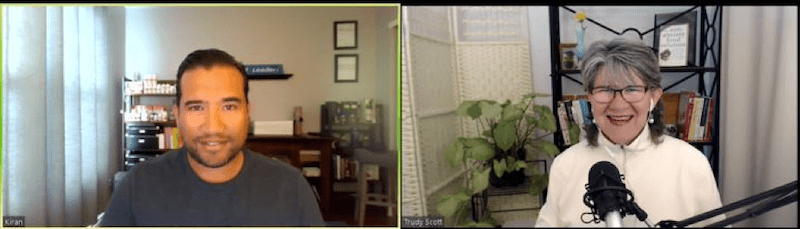
Spore-based Probiotics for Serotonin and GABA with Kiran Krishnan: The Anxiety Summit 5

November 15, 2019 By Trudy Scott 9 Comments

spore-based probiotics

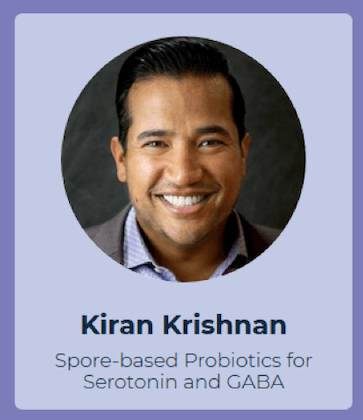
Kiran Krishnan is one my guest experts on The Anxiety Summit 5: Gut-Brain Axis and our topic is: Spore-based Probiotics for Serotonin and GABA.  What you’ll learn

  • How are spore-based probiotics different
  • Bacillus coagulans for depression with IBS symptoms
  • How they increase carotenoids and serotonin, and reduce inflammation
  • and more

Kiran Krishnan AS5

Kiran starts by explaining what makes spore-based probiotics different from other probiotics:

in terms of what makes them different – to begin with these are organisms that have a unique capability of covering themselves in a thick calcified protein-like coating. So it’s armor, essentially, around the bacterial cell.

This allows the bacteria to, of course. exist indefinitely in the environment. In harsh conditions under UV, radiation and desiccation.These are typically conditions that would kill off a lot of the bacteria that live in your gut. Virtually most of the bacteria, 90% of them cannot exist in that type of environment.

But it also allows these bacteria to come in through the gastric system, through the oral route, and survive the gauntlet that bacteria have to go through just getting through the process of digestion.

He goes on to explain how they can survive the stomach acid, the bile salts and the pancreatic enzymes and how all this is “a very specialized function of these microbes” and how very few bacteria have this capability.

We talk about a number of specific strains of spore-based probiotics and how they directly impact mood, anxiety, your gut health and microbiome:

  • bacillus coagulans is associated with bringing down depression, clinical depression, and at the same time alleviating IBS. And when you look at the correlation there it’s really interesting because IBS is associated with having a high risk for clinical depression.
  • bacillus licheniformis…it tends to increase the growth of other beneficial bacteria. Because one of the characteristics about these spore formers is that they have the ability to do something called quorum sensing. They get into the gut and they breed the microbial environment. They can find the overgrown pathogens or opportunistic bacteria that are causing problems. They’ll sit next to them and they’ll produce up to twenty five different antibiotics in that little micro environment to bring down the growth of those pathogens.

I ask some pressing questions like:

  • what have we seen in the research in terms of seeing changes in the microbiome if you do a stool test?
  • how Megaspore is best used when someone starts out because there is a method of titrating up?
  • why do you say other probiotics aren’t working? We do see some research showing that they are working

I find all of this quite fascinating and we do geek out a fair bit. He shares this: “what’s important to know is that these microbes had been producing these neurotransmitters and compounds before humans ever existed.”

kiran krishnan and trudy scott as5

Be sure to listen to Kiran’s wonderful interview to get a complete understanding of spore-based probiotics and how to use them to improve gut health and help with anxiety and mood issues.

You can listen to each of the interviews (and get transcripts) by purchasing The Anxiety Summit 5: Gut-Brain Axis.

If you’d like to give feedback or ask a question, please post in the comments section. I’d love to hear from you once you’ve listened in.

If you’re already familiar with spore-based probiotics please share how they have helped you. That way we can all learn.

If you’d like to ask a question, please post in the comments below.

I’d also love to hear from you once you’ve listened in to Kiran’s interview and the others.


Filed Under: The Anxiety Summit 5 Tagged With: anxiety, anxiety summit, bacillus coagulans, bacillus licheniformis, depression, IBS, Kiran Krishnan, Megaspore, serotonin, spore-based probiotics, stool test

  • « Go to Previous Page
  • Page 1
  • Interim pages omitted …
  • Page 6
  • Page 7
  • Page 8
  • Page 9
  • Page 10
  • Interim pages omitted …
  • Page 27
  • Go to Next Page »

Primary Sidebar

NEW! GABA QuickStart Homestudy (with special intro pricing)

gaba quickstart homestudy

Free Report

9 Great Questions Women Ask about Food, Mood and their Health

You'll also receive a complimentary subscription to my ezine "Food, Mood and Gal Stuff"


Connect with me

Popular Posts

  • Amino Acids Mood Questionnaire from The Antianxiety Food Solution
  • The Antianxiety Food Solution Amino Acid and Pyroluria Supplements
  • Pyroluria Questionnaire from The Antianxiety Food Solution
  • Collagen and gelatin lower serotonin: does this increase your anxiety and depression?
  • Tryptophan for the worry-in-your-head and ruminating type of anxiety
  • GABA for the physical-tension and stiff-and-tense-muscles type of anxiety
  • The Antianxiety Food Solution by Trudy Scott
  • Seriphos Original Formula is back: the best product for anxiety and insomnia caused by high cortisol
  • Am I an anxious introvert because of low zinc and vitamin B6? My response to Huffington Post blog
  • Vagus nerve rehab with GABA, breathing, humming, gargling and key nutrients

Recent Posts

  • What do I use instead of Seriphos to help lower high cortisol that is affecting my sleep and making me anxious at night?
  • BeSerene™ GABA/theanine cream eases severe muscle tension in her neck/shoulders, prevents her bad headaches and quells her anxiety
  • How the correct approach, dose and sublingual use of GABA can be calming and not cause a flushed and itchy face and neck
  • The amino acid glutamine improves low mood by addressing gut health, and it has calming effects too
  • Flight anxiety with heightened breath, physical tension and also fearing the worst (the role of low GABA and low serotonin)

Categories

  • 5-HTP
  • AB575
  • Addiction
  • ADHD
  • Adrenals
  • Alcohol
  • Allergies
  • Alzheimer's disease
  • Amino Acids
  • Anger
  • Antianxiety
  • Antianxiety Food Solution
  • Antidepressants
  • Anxiety
  • Anxiety and panic
  • Autism
  • Autoimmunity
  • benzodiazapines
  • Bipolar disorder
  • Books
  • Caffeine
  • Cancer
  • Candida
  • Children/Teens
  • Collagen
  • Cooking equipment
  • Coronavirus/COVID-19
  • Cravings
  • Depression
  • Detoxification
  • Diabetes
  • Diet
  • DPA/DLPA
  • Drugs
  • EFT/Tapping
  • EMF
  • EMFs
  • Emotional Eating
  • Endorphins
  • Environment
  • Essential oils
  • Events
  • Exercise
  • Fear
  • Fear of public speaking
  • Fertility and Pregnancy
  • Fish
  • Food
  • Food and mood
  • Functional neurology
  • GABA
  • Gene polymorphisms
  • General Health
  • Giving
  • Giving back
  • Glutamine
  • Gluten
  • GMOs
  • Gratitude
  • Gut health
  • Heart health/hypertension
  • Histamine
  • Hormone
  • Hyperparathyroidism
  • Hypoglycemia
  • Immune system
  • Inflammation
  • Insomnia
  • Inspiration
  • Introversion
  • Joy and happiness
  • Ketogenic diet
  • Lithium orotate
  • Looking awesome
  • Lyme disease and co-infections
  • MCAS/histamine
  • Medication
  • Men's health
  • Mental health
  • Mercury
  • Migraine
  • Mold
  • Movie
  • MTHFR
  • Multiple sclerosis
  • Music
  • NANP
  • Nature
  • Nutritional Psychiatry
  • OCD
  • Osteoporosis
  • Oxalates
  • Oxytocin
  • Pain
  • Paleo
  • Parasites
  • Parkinson’s disease
  • PCOS
  • People
  • PMS
  • Postpartum
  • PTSD/Trauma
  • Pyroluria
  • Questionnaires
  • Real whole food
  • Recipes
  • Research
  • Schizophrenia
  • serotonin
  • SIBO
  • Sleep
  • Special diets
  • Sports nutrition
  • Stress
  • Sugar addiction
  • Sugar and mood
  • Supplements
  • Teens
  • Testimonials
  • Testing
  • The Anxiety Summit
  • The Anxiety Summit 2
  • The Anxiety Summit 3
  • The Anxiety Summit 4
  • The Anxiety Summit 5
  • The Anxiety Summit 6
  • Thyroid
  • Thyroid health
  • Toxins
  • Tryptophan
  • Tyrosine
  • Uncategorized
  • Vegan/vegetarian
  • Women's health
  • Yoga

Archives

  • October 2025
  • September 2025
  • August 2025
  • July 2025
  • June 2025
  • May 2025
  • April 2025
  • March 2025
  • February 2025
  • January 2025
  • November 2024
  • October 2024
  • September 2024
  • August 2024
  • July 2024
  • June 2024
  • May 2024
  • April 2024
  • March 2024
  • February 2024
  • January 2024
  • December 2023
  • November 2023
  • October 2023
  • September 2023
  • August 2023
  • July 2023
  • June 2023
  • May 2023
  • April 2023
  • March 2023
  • February 2023
  • January 2023
  • December 2022
  • November 2022
  • October 2022
  • September 2022
  • August 2022
  • July 2022
  • June 2022
  • May 2022
  • April 2022
  • March 2022
  • February 2022
  • January 2022
  • December 2021
  • November 2021
  • October 2021
  • September 2021
  • August 2021
  • July 2021
  • June 2021
  • May 2021
  • April 2021
  • March 2021
  • February 2021
  • January 2021
  • December 2020
  • November 2020
  • October 2020
  • September 2020
  • August 2020
  • July 2020
  • June 2020
  • May 2020
  • April 2020
  • March 2020
  • February 2020
  • January 2020
  • December 2019
  • November 2019
  • October 2019
  • September 2019
  • August 2019
  • July 2019
  • June 2019
  • May 2019
  • April 2019
  • March 2019
  • February 2019
  • January 2019
  • December 2018
  • November 2018
  • October 2018
  • September 2018
  • August 2018
  • July 2018
  • June 2018
  • May 2018
  • April 2018
  • March 2018
  • February 2018
  • January 2018
  • December 2017
  • November 2017
  • October 2017
  • September 2017
  • August 2017
  • July 2017
  • June 2017
  • May 2017
  • April 2017
  • March 2017
  • February 2017
  • January 2017
  • December 2016
  • November 2016
  • October 2016
  • September 2016
  • August 2016
  • July 2016
  • June 2016
  • May 2016
  • April 2016
  • March 2016
  • February 2016
  • January 2016
  • December 2015
  • November 2015
  • October 2015
  • September 2015
  • August 2015
  • July 2015
  • June 2015
  • May 2015
  • April 2015
  • March 2015
  • February 2015
  • January 2015
  • December 2014
  • November 2014
  • October 2014
  • September 2014
  • August 2014
  • July 2014
  • June 2014
  • May 2014
  • April 2014
  • March 2014
  • February 2014
  • January 2014
  • December 2013
  • November 2013
  • October 2013
  • September 2013
  • August 2013
  • July 2013
  • June 2013
  • May 2013
  • April 2013
  • March 2013
  • February 2013
  • January 2013
  • December 2012
  • November 2012
  • October 2012
  • August 2012
  • July 2012
  • June 2012
  • May 2012
  • April 2012
  • March 2012
  • February 2012
  • January 2012
  • December 2011
  • November 2011
  • October 2011
  • September 2011
  • August 2011
  • July 2011
  • June 2011
  • May 2011
  • April 2011
  • March 2011
  • February 2011
  • January 2011
  • December 2010
  • October 2010
  • September 2010
  • July 2010
  • May 2010
  • April 2010
  • March 2010
  • February 2010
  • January 2010
  • November 2009

Share the knowledge!

The above statements have not been evaluated by the Food and Drug Administration. Products listed in this website are not intended to diagnose, treat, cure or prevent any disease.

The information provided on this site is for informational and educational purposes only and is not intended as a substitute for advice from your physician or other health care professional. You should consult with a healthcare professional before starting or modifying any diet, exercise, or supplementation program, before taking or stopping any medication, or if you have or suspect you may have a health problem.


Copyright © 2026 Trudy Scott. All Rights Reserved. | Privacy | Terms and Conditions | Refund Policy | Medical Disclaimer

Free Report

9 Great Questions Women Ask about Food, Mood and their Health

You’ll also receive a complimentary subscription to my ezine “Food, Mood and Gal Stuff”