• Skip to primary navigation
  • Skip to main content
  • Skip to primary sidebar

everywomanover29 blog

Food, Mood and Women's Health – Be your healthiest, look and feel great!

  • Blog
  • About
  • Services
  • Store
  • Resources
  • Testimonials
  • The Book
  • Newsletter
  • Contact
  • Search this site

amino acids

Associations between Parental Anxiety/Depression and Child Behavior Problems

June 10, 2018 By Trudy Scott 2 Comments

In my interview on the Autism, ADHD and Sensory Processing Disorder Summit (June 11 to June 20, 2018) I discuss Self-care strategies for parents that are stressed out, anxious and depressed – without using medications.

You may think “why do I need research to show what I already feel and know?” but I can share that many of the moms I’ve worked find this validating and almost a relief to know they are not alone in this.

The paper, Associations between Parental Anxiety/Depression and Child Behavior Problems Related to Autism Spectrum Disorders: The Roles of Parenting Stress and Parenting Self-Efficacy reports that

Parents of children with autism spectrum disorders (ASDs) have been shown to experience increases in stress, depression, and anxiety, which are also associated with child behavior problems related to ASDs.

The paper lists some reasons for the increased parental stress, anxiety and depression:

  1. First and foremost, the realization that there is no cure for the disorder may serve to increase parenting stress.
  2. Aspects of the child’s behavior, specifically socially inappropriate and aggressive behaviors typically associated with ASD, have been found to be associated with increases in parenting stress… due to a lack of understanding of ASD
  3. Additionally, raising a child with ASD typically involves allocating extra time to meet the needs of the children.

This event addresses all of the above and more by providing you with insights and tools on how to recover your child using a biomedical and nutritional approach together with traditional behavioral models (#1 addressed). This event also helps you understand what some of the underlying causes of socially inappropriate and aggressive behaviors may be – like pyroluria and low serotonin and gluten issues (#2 addressed). And finally, the planning resources that Tara offers via her coaching program help you manage your time while you’re figuring all this out (#3 addressed).

And as an added bonus you get my nutritional advice to help make you more resilient and better able to handle the stress and worry that comes with parenting a cild with ASD or other developmental disorder.

As always, I share about the amazing amino acids that provide anxiety-relief and end the overwhelm, spinning mind, second guessing from day one while you’re figuring everything else out.

In my interview (which airs on day 1), I share:

  • How amino acids can provide instantaneous relief to symptoms of anxiety
  • Low serotonin anxiety, what are the symptoms, and what nutrients can help
  • Low GABA anxiety, how to identify and how to help
  • How to trial amino acids to see if they can help you (and your child)
  • How caring for a child with a neurodevelopmental disorder can be equivalent to combat and result in a form of PTSD
  • B vitamins and adaptogenic herbs for PTSD nutritional support
  • The benefits of a ketogenic diet for caregivers and our children
  • How collagen can actually make anxiety, depression and insomnia worse.
  • EMFs role in our health and how they are contributing to our stress.

This event brings together 30+ of the leading doctors, nutritionists, and researchers working to help parents by sharing the latest information and strategies for achieving recovery for children with Autism, ADHD and Sensory Processing Disorder.

Having a child with Autism, ADHD or Sensory Processing Disorder is challenging. Figuring out what to do to help them is just as challenging. Join us for 10 days of eye-opening information into the root causes of your child’s neurological dysfunction. Imagine learning about what may have caused their symptoms and how to address them with nutrition and biomedical approaches and leverage the power of positive neuroplasticity to improve function, health, and their lives.

Anxiety, stress, depression and PTSD-like symptoms are common in any caregiver situation, so even if you don’t have a child with a neurological disorder, this may be of interest to you if you are taking care of an older parent, a sibling, a spouse or expect to in the near future.

Register for the summit here

Hope to see you there.

Filed Under: Autism, Children/Teens, Events Tagged With: ADHD, amino acids, autism, PTSD, Self-care, spd

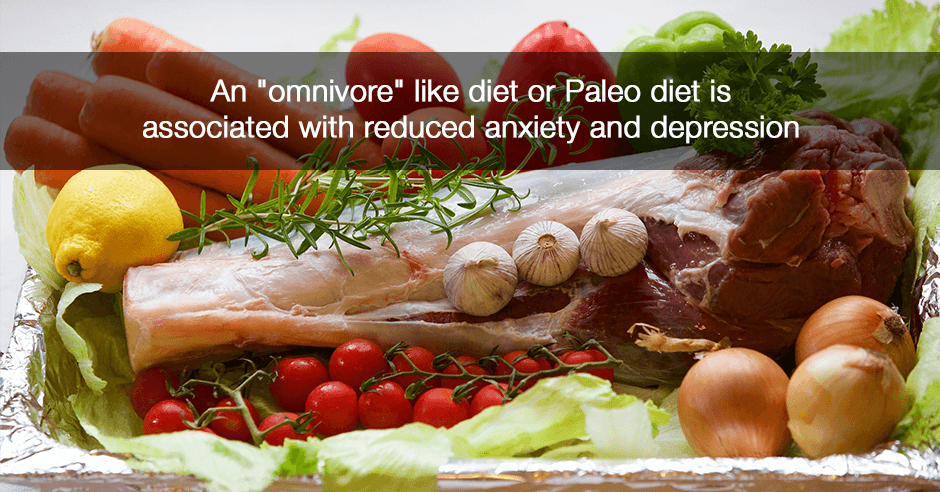
An “omnivore” like diet or Paleo diet is associated with reduced anxiety and depression

March 23, 2018 By Trudy Scott 12 Comments

A new study published last month, Do patterns of nutrient intake predict self-reported anxiety, depression and psychological distress in adults? SEPAHAN study, reports that

An “omnivore” like diet high in amino acids, cobalamin, zinc, phosphorus, saturated fat, cholesterol and pantothenic acid is associated with reduced psychological disorders.

This was a cross-sectional study, meaning it was a type of observational study design where the outcome and the exposures in the study participants are measured at the same time. The aim was to find an association (rather than causal relationship) between patterns of nutrients intake and psychological disorders such as anxiety and depression.

The study authors had 3846 Iranian adults between 18 and 55 of age complete questionnaires in order to assess their diets and nutrient patterns, as well as psychological factors including anxiety, depression, and overall health in general. This group comprised 1712 males and 2134 females.

The study results

After calculating the daily intakes of 57 nutrients (including individual amino acids,

starch, dietary fiber, simple sugars, different fatty acids, vitamins, minerals, and bioactive substances), 3 nutrient patterns were identified:

1) the “omnivore” pattern

high in individual amino acids, cobalamin, zinc, phosphorus, saturated fatty acids, cholesterol and pantothenic acid

in both women and men, with pyridoxine (vitamin B6) high in men only

2) the “grains and dairy” pattern

high in thiamin, folate, selenium, iron, starch, maltose, betaine, calcium, riboflavin, and niacin

and low in the following

mono-unsaturated fats, vitamin E and polyunsaturated fats

3) “fruits and vegetables” pattern

high in copper, vitamin C, glucose, fructose, potassium, dietary fiber, sucrose, vitamin A, magnesium and vitamin K.

These are the associations that were observed after adjusting for confounding factors:

  • Men in the top tertile of the omnivore nutrient pattern had lower anxietyand depression scores than those in the bottom tertile
  • Women in the top tertile of the omnivore nutrient pattern had better overall poor health scores than those in the bottom tertile and had lower odds of psychological distress, such as anxiety and depression.

This type of diet is also referred to as a Paleo or cave-man type of diet. Even though this study was only showing associations and not a cause-and-effect, it’s still very encouraging to see new research in the field of nutritional psychiatry, further supporting the results we see in clinical practice.

What are the mechanisms?

The high amino acids provide the building blocks for the production of our feel-good neurotransmitters such as serotonin, GABA, dopamine and endorphins, with zinc being a key co-factor for making these brain chemicals. The authors share some of the mechanisms for the association in the discussion section of the paper:

Dietary protein intake and also individual amino acid status have been linked to psychological status in previously published studies. For instance, methionine in the form of S-adenosyl-L-methionine, tryptophan and serine were inversely associated to depression. Lysine, arginine, beta-alanine, tryptophan and tyrosine have been shown to have anxiolytic effects. As amino acids are important precursors for neurotransmitters; they might affect psychological condition. Important neurotransmitters like dopamine and serotonin are made from amino acids tyrosine and tryptophan, respectively.

Pantothenic acid is a B vitamin that is key for stress and adrenal health. Low levels of B12 or cobalamin can be associated with both anxiety and depression, as well as fatigue. Both zinc and B12 are common deficiencies, and more so in vegetarian and vegan diets. The authors discuss some possible zinc mechanisms:

  • zinc has antidepressant-like activities such as up-regulation of the expression of brain derived neurotrophic factor (BDNF) gene
  • zinc is an antagonist of the glutamate/N-methyl-D-aspartate (NMDA) receptor

Seeing saturated fat and high cholesterol mentioned in favorable terms in a study – both of which are needed for a healthy brain and for good blood sugar control – is always exciting. The authors discuss these possible mechanisms:

low serum total cholesterol may increase the risk of depression and suicide attempts. It is hypothesized that low cholesterol intake might cause a depressed central serotonergic activity which in turn leads to depression.

Here is my addition to the discussion: in our interview on a prior Anxiety Summit, Dr. Kurt Woeller and I discuss the link between low cholesterol and low oxytocin and the role this plays in anxiety, social bonding and depression.

One area I’m a little confused about is the findings on pyridoxine (vitamin B6). They report it was high only in men in the omnivore group, and not in women. As they report, vitamin B6 is also a key co-factor in the serotonin-tryptophan pathway and we know it’s important for alleviating anxiety- related PMS symptoms in women. It’s mentioned in the concluding paragraph for playing a role in the association for both men and women and yet it is not mentioned in the abstract. I’ll report back as I find out more.

Here are some actual real-life results from someone eating this way

I blogged about anxiety and depression success stories on Paleo and grain free diets around this time last year. I shared Andrea’s feedback about her diet-mood results with a grain-free and high fat diet:

I happened upon a fat loss diet that had me cut out grains, most dairy, and sugar while focusing on mostly meat, fish, fats from nature such as butter, olive, and coconut oils. Nuts, seeds, and legumes were allowed too. These rules made it so I had to avoid processed foods. There was one day a week of eating anything.

Within 6 weeks I was shocked that I got much much more than fat loss. My depression, anxiety, mood swings, sleep issues and all but one pesky health symptom disappeared. I was stronger, faster, and felt energy I never remember having.

Have you found benefits with an omnivore or Paleo diet? Less anxiety and depression? Better overall health? More energy? Better sleep?

If you’re a practitioner have you found this approach works with your clients/patients?

Filed Under: Diet Tagged With: amino acids, anxiety, cave-man diet, depression, health, omnivore, paleo, psychological distress, saturated fats, zinc

How to Beat Anxiety and Resolve Panic Attacks with Targeted Amino Acids: Wellness Mama podcast

September 15, 2017 By Trudy Scott 20 Comments

Today I share my wonderful interview with Katie, the “Wellness Mama”. We talk about my favorite topic: How to Beat Anxiety and Resolve Panic Attacks with Targeted Amino Acids with some extra questions about pregnancy and nursing that I’m not often asked about. Katie is mom to 6 children and many in her community are moms too.

Here is some of what we cover in our interview:

  • nutritional deficiencies commonly linked to anxiety, depression, and other problems
  • my own story of recovery from severe panic attacks
  • why perfectionism and worry might have more to do with body chemistry than your personality
  • all about the key anti-anxiety amino acids: GABA, theanine, tryptophan, 5-HTP (and others)
  • how low vitamin D, low zinc, high copper, and other nutritional factors add to anxiety
  • the low zinc and high copper play a role in postpartum depression
  • the potential neurotransmitter issue that leads to cravings
  • biochemical reasons some people are introverted or socially anxious
  • guidance for pregnant moms who can’t take amino acids (and what to do if you’re nursing)
  • the way an MTHFR mutation is linked to anxiety and how to resolve it

Here is a snippet of our interview on the topic of how to assess for low neurotransmitters and do a trial of GABA or tryptophan, and how quickly they work:

Just like you test your vitamin D levels – that’ll tell you that you’ve got low levels and you need to supplement with vitamin D, then you’ll retest and see that your levels have come up. With the amino acids and the low neurotransmitters, I find using a questionnaire is the best way to assess the fact that you may have low GABA and you may have low serotonin. Then you do a trial of the amino acid based on your unique needs, and then you redo the questionnaire and you see how things have changed.

If you use these targeted individual amino acids based on your unique need, you can see results very quickly – within five minutes, and then over the course of the next few weeks you should be seeing results very quickly. Some people will say, “I’m not seeing any impact, should I keep trying, you know, how long should I be aiming for.” The thing that, about the amino is that are so amazing, is that you get results right away. If you don’t get results, it means it’s not enough or it means you don’t need it. The anxiety is not caused by low serotonin or low GABA.

I also talk about my personal experience with low serotonin and perfectionism:

I discovered low serotonin was a factor because although the GABA helped with the physical anxiety and the panic attacks, I still had this perfectionism issue. I remember working in that computer job and being called up to do an appraisal. And they told me I was too much of a perfectionist and I needed to let go a little bit. I couldn’t believe anyone could think that was a bad thing. So it was interesting how, as you start to implement some of these, you start to realize some of these other things that you may think is just a personality thing or it’s just me, it’s just the way I am – you realize that some of these things can be related to biochemical imbalances.

As I mention above Katie does ask me about using the amino acids during pregnancy and while nursing:

I don’t recommend anyone take them during pregnancy. It’s difficult advice for me to give because I know that there are so many issues with SSRIs during pregnancy. Because we don’t have the research, it’s not something that I can recommend. If you are prone to anxiety or you’ve had anxiety, get that sorted out before you get pregnant. I know, that’s easier said than done. A lot of women really want to get pregnant now or they are pregnant and then they realize that they’ve got the anxiety. So that’s a very difficult situation.

Once you’ve had the baby, if you are having really bad anxiety, obviously you’ve got to talk to your doctor and make sure that they are okay with you taking the amino acids right after nursing and then waiting four to six hours before nursing again. It is one way to do it. And then monitoring the baby to make sure that they are okay. There are actually two studies that came out recently showing that tryptophan and tyrosine, doesn’t seem to be an issue in breast milk.

You can listen to the entire interview (and download the interview mp3 file and read the transcript) via the Wellness Mama podcast #105 blog.

For additional information on products over and above those we covered in the interview here are some recent blogs:

  • GABA for the physical tension kind of anxiety
  • tryptophan for the worry-in-the-head anxiety

Katie, is the “Wellness Mama” and her goal is to help other families live more naturally through practical tips, real food recipes, natural beauty and cleaning tutorials, natural remedies and more. Her blog is a wealth of information and if you don’t tune in to her podcasts and get her newsletter I encourage you to check her out.

Here are a few really good ones to get you started (although they really are all excellent!):

  • Epsom Salt: 21 Surprising Uses & Benefits for Health, Beauty, and Home (the first one is to use it for a relaxing bath soak, a favorite of mine; another is a recipe for a soothing magnesium lotion)
  • Homemade Remineralizing Toothpaste Recipe (Natural + Simple)
  • Homemade HE Laundry Detergent Recipe (Laundry Soap) (this was a hot topic on a recent facebook discussion)

She shares this on her site: “my real goal with the blog is to help you and to create lasting changes so that our children can grow up in a better world.” I just love her mission and passion and all the very practical and safe solutions she offers!

Filed Under: Amino Acids Tagged With: amino acids, anxiety, GABA, Katie, nursing, panic attacks, pregnancy, tryptophan, Wellness Mama

Migraines, anxiety, depression and gluten: on the Chronic Headache & Migraine Summit

June 26, 2017 By Trudy Scott 5 Comments

The goal of a 2015 Russian study titled Gluten Migraine, was to study the prevalence of migraine among patients with celiac disease and to assess the efficacy of a gluten-free diet in its treatment. There were 200 celiac disease (CD) patients and the

CD group had migraine syndrome four times more often than the control group. The attacks were more frequent in CD patients who were older than 50 years old.

The migraines disappeared in 25% of patients with migraines who were on the gluten free diet and the reduction in the intensity and/or frequency of attacks was observed in 38% of patients.

This is the study conclusion:

We revealed the clear association between migraine syndrome and CD and the high efficacy of gluten FREE diet in the treatment of migraine symptoms.”

I would suspect similar results if you have gluten sensitivity. And here is some gluten-migraine feedback from 4 different women in my community:

  • HUGE decrease in my migraines now that I eat more cleanly. I used to start to get headaches immediately upon eating gluten-y meals
  • I had them frequently from teenage years right up until my Celiac diagnosis in my thirties. Once gluten was gone so were the migraines
  • Stopping gluten stopped my migraines
  • My migraines always came from gluten and dairy

Of course there is also an anxiety-gluten and the depression-gluten connection so getting the gluten out of your diet will help with both anxiety and depression most of the time too.

I talked about all this on The Chronic Headache & Migraine Summit.

The other topic I covered is the autoimmune condition called Antiphospholipid Syndrome (APS) which is one of many possible contributing factors for both migraines and anxiety. Of course, with any autoimmune condition gluten removal is key.

I also cover low serotonin as one possible cause of migraines (and anxiety) and the use of tryptophan (instead of SSRIs). An amino acid like tryptophan or GABA also helps you break the gluten addiction so you don’t have to rely only on willpower!

Have you got questions or comments? Please post in the comment box below.

Filed Under: Events, Migraine Tagged With: amino acids, anxiety, depression, gluten, headache, migraine, serotonin, tryptophan, willpower

Anxiety and the thyroid: how to make the amino acids more effective

March 2, 2017 By Trudy Scott 16 Comments

Did you know that thyroid disease can be a root cause of anxiety? In fact, most of my anxious clients have thyroid issues.

Having an excess amount of thyroid hormone can make us extremely anxious, irritable and on edge. This is one symptom that is commonly attributed to Graves’ disease but can also happen in Hashimoto’s.

In the early stages of Hashimoto’s, the thyroid is under attack by the immune system. Thyroid cells are broken down, and they release thyroid hormones into the bloodstream. This causes thyroid hormone surges or a transient hyperthyroidism.

I know how awful anxiety can feel, I had anxiety, panic attacks and pyroluria (social anxiety) in my late 30s, together with an underactive thyroid, adrenal issues, gluten sensitivity, heavy metals, low progesterone (I call it my perfect storm!).   

I’m excited to share that there is a way out and that you don’t have to feel this way forever. Everyone is different, but two of the things that worked wonders for me and now work for my clients are nutrition and targeted individual amino acids (like GABA and tryptophan).

But are you aware that the amino acids will be effective for addressing low GABA and low serotonin (in their typical quick manner, often providing relief in 5 to 10 minutes) ONLY when thyroid health is optimal (not many people know this!)

And by optimizing your thyroid health, I don’t just mean taking thyroid medications….

Dr. Izabella Wentz, the Thyroid Pharmacist, is a personal friend of mine – we’re both members of Mindshare, a collaboration of like-minded functional medicine practitioners. 

Magdalena Wzelaki, Niki Gratrix, Izabella Wentz, myself and Julie Matthews

I adore Izabella and love how she is connecting all the dots with the research and the feedback she receives from her community.  She is trailblazing and always focused on the why of how a condition develops.

She has found that thyroid disease is triggered by a combination of food sensitivities, nutrient depletions, intestinal permeability, chronic infections, toxins and also a faulty stress response.

The thing about thyroid disease, just like anxiety, is that it’s a sign of a bigger imbalance in your body – while thyroid medications and glandulars can certainly help, they do not get to the underlying root cause of the condition, and thyroid conditions, which are usually autoimmune in nature, may progress to other types of autoimmune disorders.

Hashimoto’s, a condition that affects up to 27% of the population in the United States has 5 stages to it. Out of the 90 million or so people that have it, close to 80 million don’t know that they have it. Often, they are in the earlier stages that are missed by conventional tests.

Hashimoto’s is the primary cause of hypothyroidism, accounting for 95% of cases of hypothyroid in the United States. This condition occurs when the immune system recognizes the thyroid gland as foreign invader and launches an attack against it, eventually destroying enough of the thyroid to produce hypothyroidism.

The five stages of Hashimoto’s are:

1) In the first stage, for all intents and purposes, you will just have the genetic predisposition

2) In the second stage, you start developing an autoimmune attack on the thyroid gland – at this stage, you will also have thyroid symptoms (the most common one is anxiety), but the TSH test will still be normal. Only the thyroid antibodies will be elevated at that point, and at this stage people are often misdiagnosed with anxiety or depression

3) The third stage is when the thyroid gland starts to have more damage than it can repair, and begins to fail. More symptoms are seen, but doctors often miss this stage as well because the TSH is only “slightly” elevated according to their reference ranges

4) The fourth stage, we see overt hypothyroidism. At this page a person has had a significant amount of thyroid damage, and their thyroid fully loses its ability to compensate and create thyroid hormone

5) The fifth stage is the scariest, this is when a thyroid condition progresses to another autoimmune condition. The immune system finds another target to attack, and person may end up with lupus, rheumatoid arthritis, Sjogren’s or even multiple sclerosis.

The only treatment that is offered by conventional medicine is thyroid hormones, which is prescribed in stage 4. When that can help of course, it doesn’t address most people’s symptoms and doesn’t stop the progression of the condition and autoimmunity. There is no conventional treatment for stopping or reversing the progression, but luckily we have functional medicine and nutrition to the rescue!

A shocking thing that Izabella has shared, is that it takes people on average of 10 years to get diagnosed, and this is also the time it takes to get from stage 2 to stage 4 of Hashimoto’s! Izabella was actually misdiagnosed with anxiety and chronic fatigue for almost a decade before she got the Hashimoto’s diagnosis, and many people are told that they have intractable infertility, lifelong anxiety that they are told they will have to “manage” forever or even told they have treatment-resistant depression, or that they are simply overweight and lazy.

I know that many of my clients with anxiety are likely still in the earliest stages of Hashimoto’s, and there is hope that you can eliminate your symptoms, AND you can actually prevent the damage to the thyroid gland if you intervene at this point.

Izabella created the Thyroid Secret documentary series to help you connect the dots of your own thyroid condition, so that you can rebuild your health and eliminate your symptoms (and potentially your health conditions). She shares her latest research in overcoming thyroid disorders, and interviews the top experts who share their best strategies as well.

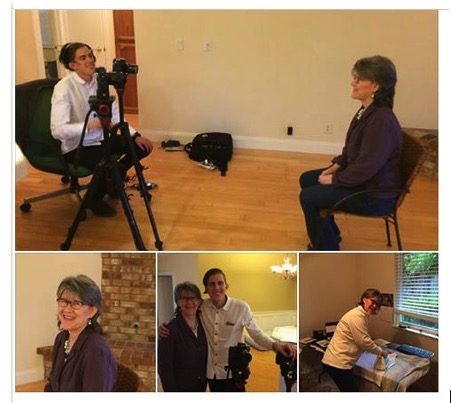
I was so excited when Izabella asked me to join the Thyroid Secret as an expert – in fact my interview was the very last thing I did in the United States, before I moved to Australia! This topic is so important to me (and so key for my clients and you to know about) that I did the interview in an empty house, with just a few chairs and our almost-packed suitcases, and just a few hours to spare before we got on the plane!

Here are a few pictures (I was ironing my clothes on a spare table in the mostly empty study!):

The Thyroid Secret covers not just the symptoms of thyroid disease (like anxiety) that can masquerade as mental illness, but also the triggers that can cause both conditions, and the solutions and protocols you need to recover your health.

When your thyroid is working as it should be, the amazing amino acids like GABA and tryptophan are truly effective in 5-10 minutes – so you really can say they are amazing!  You will see incredible results – anxiety relief right away – and a feeling of hope while you dig deeper for root causes that can take longer to address.

I wrote this blog for everyone using amino acids and not seeing results.  And also for everyone with a thyroid condition or if you have unresolved symptoms that could be related to your thyroid.

I do hope you’re already signed up and are enjoying watching, listening and learning as much as I am.

If you haven’t yet signed up you can still join as my guest to view the entire series at no cost (it started March 1). Just use this link to register.

We’ve come together in this Thyroid Secret documentary to give you this information because you deserve to feel on top of the world again!

Got questions or feedback? Your favorite speaker and some takeaways?

Did you find that GABA, tryptophan and other amino acids were more effective once you addressed your thyroid health? If you’re a practitioner do you see this with patients/clients?

Please share in the blog comments below.


Filed Under: Amino Acids, Antianxiety, Events, Thyroid Tagged With: amino acids, anxiety, GABA, izabella wentz, The Thyroid Secret, thyroid secrets, tryptophan

GABA takes some of the anxiety edge away and now I want to add tryptophan: how do I do this?

January 13, 2017 By Trudy Scott 23 Comments

GABA and tryptophan are both calming amino acids with GABA helping more with physical anxiety, tension-in-the-body type of anxiety and tryptophan with anxiety-in-the-head, worrying and ruminations. Many of my clients do really well with both but I like to have them use one at a time to really make sure they are seeing all the benefits before adding the next one.

I recently received this excellent question on one of the blogs about serotonin support: she’s doing better on the GABA and now wants to add tryptophan:        

I have started with Source Naturals Gaba Calm 125 mg, 2 on awakening and two in mid afternoon, and 2 Gaba Relaxer at bedtime. It has taken some anxiety edge away from me, but I still feel some anxiety on and off, not so severe as before. I used to feel very anxious on awakening. I want to improve more. to-day, I ordered Lidtke L-trytophan 500mg and am expecting to receive it in a week. I plan to take 2 Gaba Calm on awakening and 2 in mid afternoon, then add one 500mg trytophan mid afternoon and one 500 mg trytophan at bed time. Is this a good plan? or shall I have 2 Gaba Calm on awakening, 2 trytophan mid afternoon and 2 trytophan bedtime?

I love getting questions on the blog and make sure each one gets answered. However I can’t ever offer specific advice via the blog – you have to be a client for me to be able to do that. But because this is an excellent question I’d like to share some of what I shared with her in the hope it will help you (or your patients/clients) too.

First off I am so pleased to hear the Source Naturals GABA Calm and Country Life GABA Relaxer (a very nice combination of GABA, glycine, taurine, inositol, niacinamide and vitamin B6) has taken some of the anxiety edge away for her!

Here is my answer for her – about what I’d do next if I was working with her one-on-one:

There is also no specific formula to be followed because each person is different and when I’m working with someone we’re figuring out what is working and why and adjusting accordingly. If something is working we continue with that until no more benefits are seen.

I would say this – ask yourself what low GABA anxiety symptoms (this is the physical anxiety) have improved with the GABA and how much (rate each one before – out of 10; and what are they now – out of 10). From your question it sounds like they could improve more – so if we were working together I’d continue to increase GABA before adding something new.

Then once that has been done and we have the ideal amount I’d then check what low serotonin symptoms my client has (these are the busy mind, ruminations type or worry anxiety). If she does have some of these symptoms, pick or two and do a trial with 1 x 500mg tryptophan opened on to the tongue (or less if she’s super sensitive). She rates the symptoms out of 10 before the tryptophan trial and then after the trial. Depending on how she responds on the trial, we’ll decide if she needs 1 or 2 each time. The bedtime dose also depends on how bad the insomnia is. We continue to increase as needed based on symptoms.

All the while we are starting to make other changes – like diet, eating for blood sugar balance, no caffeine, no sugar, looking for high cortisol, no gluten, looking at gut health and for other nutritional deficiencies.

I hope this helps you and makes sense. In summary these are the guidelines I use:

  • It’s best to do one amino acid at a time when starting out
  • Make sure you’ve increased an amino acid so you can experience it’s full benefits before adding another one
  • Start all amino acids based on your unique needs – the best way to determine this is to do a trial first
  • Adjust accordingly while keeping a log of symptoms (with before and after ratings) and supplement amounts

Here are some links to additional resources related to the above:

  • The amino acid questionnaire to help you figure out which anxiety type you have: low GABA or low serotonin
  • How to do an amino acid trial
  • Targeted individual amino acids: what do we really mean?
  • Anxiety and the amino acids: an overview
    • In this blog I make the following recommendation: if you do not have my book The Antianxiety Food Solution, I highly recommend getting it and reading it before jumping in to taking amino acids
  • Here are the supplements I use with my clients

I’d love to hear your feedback on your low GABA and/or low serotonin symptoms and the before rating (from 1 to 10) and the after rating (from 1 to 10) once you’re taking the related amino acid.

And please let me know if it’s helpful to read a real life question and my response.

Filed Under: Tryptophan Tagged With: amino acids, amino acids trial, Antianxiety Food Solution, GABA, tryptophan

  • « Go to Previous Page
  • Page 1
  • Interim pages omitted …
  • Page 10
  • Page 11
  • Page 12
  • Page 13
  • Page 14
  • Interim pages omitted …
  • Page 18
  • Go to Next Page »

Primary Sidebar

GABA QuickStart Homestudy

gaba quickstart homestudy

Free Report

9 Great Questions Women Ask about Food, Mood and their Health

You'll also receive a complimentary subscription to my ezine "Food, Mood and Gal Stuff"


Connect with me

Popular Posts

  • Amino Acids Mood Questionnaire from The Antianxiety Food Solution
  • The Antianxiety Food Solution Amino Acid and Pyroluria Supplements
  • Pyroluria Questionnaire from The Antianxiety Food Solution
  • Collagen and gelatin lower serotonin: does this increase your anxiety and depression?
  • Tryptophan for the worry-in-your-head and ruminating type of anxiety
  • GABA for the physical-tension and stiff-and-tense-muscles type of anxiety
  • The Antianxiety Food Solution by Trudy Scott
  • Seriphos Original Formula is back: the best product for anxiety and insomnia caused by high cortisol
  • Am I an anxious introvert because of low zinc and vitamin B6? My response to Huffington Post blog
  • Vagus nerve rehab with GABA, breathing, humming, gargling and key nutrients

Recent Posts

  • Her cravings for chips and peanut butter were triggered by stress: GABA ends cravings and reduces physical tension and fear of heights
  • It is truly miraculous to be able to move through life without crippling anxiety and panic
  • GABA and tryptophan combo provide immediate and noticeable relief for tremors and cervical dystonia in just 7 days
  • Red light therapy for back and neck pain, plantar fasciitis and low mood – a complement to the amino acids GABA, DPA and tryptophan
  • What do I use instead of Seriphos to help lower high cortisol that is affecting my sleep and making me anxious at night?

Categories

  • 5-HTP
  • AB575
  • Addiction
  • ADHD
  • Adrenals
  • Alcohol
  • Allergies
  • Alzheimer's disease
  • Amino Acids
  • Anger
  • Antianxiety
  • Antianxiety Food Solution
  • Antidepressants
  • Anxiety
  • Anxiety and panic
  • Autism
  • Autoimmunity
  • benzodiazapines
  • Bipolar disorder
  • Books
  • Caffeine
  • Cancer
  • Candida
  • Children/Teens
  • Collagen
  • Cooking equipment
  • Coronavirus/COVID-19
  • Cravings
  • Depression
  • Detoxification
  • Diabetes
  • Diet
  • DPA/DLPA
  • Drugs
  • EFT/Tapping
  • EMF
  • EMFs
  • Emotional Eating
  • Endorphins
  • Environment
  • Essential oils
  • Events
  • Exercise
  • Fear
  • Fear of public speaking
  • Fertility and Pregnancy
  • Fish
  • Food
  • Food and mood
  • Functional neurology
  • GABA
  • Gene polymorphisms
  • General Health
  • Giving
  • Giving back
  • Glutamine
  • Gluten
  • GMOs
  • Gratitude
  • Gut health
  • Heart health/hypertension
  • Histamine
  • Hormone
  • Hyperparathyroidism
  • Hypoglycemia
  • Immune system
  • Inflammation
  • Insomnia
  • Inspiration
  • Introversion
  • Joy and happiness
  • Ketogenic diet
  • Lithium orotate
  • Looking awesome
  • Lyme disease and co-infections
  • MCAS/histamine
  • Medication
  • Men's health
  • Mental health
  • Mercury
  • Migraine
  • Mold
  • Movie
  • MTHFR
  • Multiple sclerosis
  • Music
  • NANP
  • Nature
  • Nutritional Psychiatry
  • OCD
  • Osteoporosis
  • Oxalates
  • Oxytocin
  • Pain
  • Paleo
  • Parasites
  • Parkinson’s disease
  • PCOS
  • People
  • PMS
  • Postpartum
  • PTSD/Trauma
  • Pyroluria
  • Questionnaires
  • Real whole food
  • Recipes
  • Research
  • Schizophrenia
  • serotonin
  • SIBO
  • Sleep
  • Special diets
  • Sports nutrition
  • Stress
  • Sugar addiction
  • Sugar and mood
  • Supplements
  • Teens
  • Testimonials
  • Testing
  • The Anxiety Summit
  • The Anxiety Summit 2
  • The Anxiety Summit 3
  • The Anxiety Summit 4
  • The Anxiety Summit 5
  • The Anxiety Summit 6
  • Thyroid
  • Thyroid health
  • Toxins
  • Tryptophan
  • Tyrosine
  • Uncategorized
  • Vegan/vegetarian
  • Women's health
  • Yoga

Archives

  • May 2026
  • April 2026
  • October 2025
  • September 2025
  • August 2025
  • July 2025
  • June 2025
  • May 2025
  • April 2025
  • March 2025
  • February 2025
  • January 2025
  • November 2024
  • October 2024
  • September 2024
  • August 2024
  • July 2024
  • June 2024
  • May 2024
  • April 2024
  • March 2024
  • February 2024
  • January 2024
  • December 2023
  • November 2023
  • October 2023
  • September 2023
  • August 2023
  • July 2023
  • June 2023
  • May 2023
  • April 2023
  • March 2023
  • February 2023
  • January 2023
  • December 2022
  • November 2022
  • October 2022
  • September 2022
  • August 2022
  • July 2022
  • June 2022
  • May 2022
  • April 2022
  • March 2022
  • February 2022
  • January 2022
  • December 2021
  • November 2021
  • October 2021
  • September 2021
  • August 2021
  • July 2021
  • June 2021
  • May 2021
  • April 2021
  • March 2021
  • February 2021
  • January 2021
  • December 2020
  • November 2020
  • October 2020
  • September 2020
  • August 2020
  • July 2020
  • June 2020
  • May 2020
  • April 2020
  • March 2020
  • February 2020
  • January 2020
  • December 2019
  • November 2019
  • October 2019
  • September 2019
  • August 2019
  • July 2019
  • June 2019
  • May 2019
  • April 2019
  • March 2019
  • February 2019
  • January 2019
  • December 2018
  • November 2018
  • October 2018
  • September 2018
  • August 2018
  • July 2018
  • June 2018
  • May 2018
  • April 2018
  • March 2018
  • February 2018
  • January 2018
  • December 2017
  • November 2017
  • October 2017
  • September 2017
  • August 2017
  • July 2017
  • June 2017
  • May 2017
  • April 2017
  • March 2017
  • February 2017
  • January 2017
  • December 2016
  • November 2016
  • October 2016
  • September 2016
  • August 2016
  • July 2016
  • June 2016
  • May 2016
  • April 2016
  • March 2016
  • February 2016
  • January 2016
  • December 2015
  • November 2015
  • October 2015
  • September 2015
  • August 2015
  • July 2015
  • June 2015
  • May 2015
  • April 2015
  • March 2015
  • February 2015
  • January 2015
  • December 2014
  • November 2014
  • October 2014
  • September 2014
  • August 2014
  • July 2014
  • June 2014
  • May 2014
  • April 2014
  • March 2014
  • February 2014
  • January 2014
  • December 2013
  • November 2013
  • October 2013
  • September 2013
  • August 2013
  • July 2013
  • June 2013
  • May 2013
  • April 2013
  • March 2013
  • February 2013
  • January 2013
  • December 2012
  • November 2012
  • October 2012
  • August 2012
  • July 2012
  • June 2012
  • May 2012
  • April 2012
  • March 2012
  • February 2012
  • January 2012
  • December 2011
  • November 2011
  • October 2011
  • September 2011
  • August 2011
  • July 2011
  • June 2011
  • May 2011
  • April 2011
  • March 2011
  • February 2011
  • January 2011
  • December 2010
  • October 2010
  • September 2010
  • July 2010
  • May 2010
  • April 2010
  • March 2010
  • February 2010
  • January 2010
  • November 2009

Share the knowledge!

The above statements have not been evaluated by the Food and Drug Administration. Products listed in this website are not intended to diagnose, treat, cure or prevent any disease.

The information provided on this site is for informational and educational purposes only and is not intended as a substitute for advice from your physician or other health care professional. You should consult with a healthcare professional before starting or modifying any diet, exercise, or supplementation program, before taking or stopping any medication, or if you have or suspect you may have a health problem.


Copyright © 2026 Trudy Scott. All Rights Reserved. | Privacy | Terms and Conditions | Refund Policy | Medical Disclaimer

Free Report

9 Great Questions Women Ask about Food, Mood and their Health

You’ll also receive a complimentary subscription to my ezine “Food, Mood and Gal Stuff”