• Skip to primary navigation
  • Skip to main content
  • Skip to primary sidebar

everywomanover29 blog

Food, Mood and Women's Health – Be your healthiest, look and feel great!

  • Blog
  • About
  • Services
  • Store
  • Resources
  • Testimonials
  • The Book
  • Newsletter
  • Contact
  • Search this site

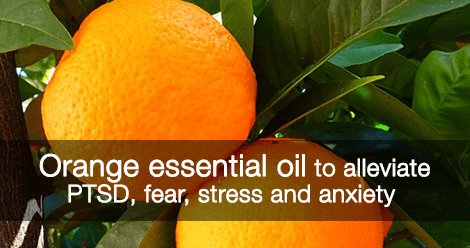
Orange essential oil to alleviate PTSD, fear, stress and anxiety

April 28, 2017 By Trudy Scott 7 Comments

Recent research finds evidence that orange essential oil reduces fear and anxiety, diminishes immune system markers of stress in mice and may help alleviate PTSD, offering a nonpharmaceutical option.

Essential oils are aromatic compounds produced naturally by plants. Orange essential oil is typically extracted from the peel of the orange fruit. People use essential oils for therapeutic purposes by diffusing them into the air, applying them to the skin or ingesting them in foods or beverages.

About 8 percent of people will develop post-traumatic stress disorder at some point in their lives, according to the U.S. Department of Veterans Affairs, yet treatments for this debilitating condition remain limited. Cassandra Moshfegh is research assistant in Paul Marvar’s laboratory at the George Washington University and she presented this research at the American Physiological Society’s annual meeting during the Experimental Biology 2017 meeting held April 22-26 in Chicago.

Relative to pharmaceuticals, essential oils are much more economical and do not have adverse side effects. The orange essential plant oil showed a significant effect on the behavioral response in our study mice. This is promising, because it shows that passively inhaling this essential oil could potentially assuage PTSD symptoms in humans.

The researchers tested the effects of passive inhalation of orange essential oil using Pavlovian Fear conditioning, a behavioral mouse model used to study the formation, storage and expression of fear memories as a model for PTSD.

Mice exposed to orange essential oil showed a significant reduction in freezing/fear behavior. They also showed significant differences in the types of immune cells present after fear conditioning. The immune system contributes to the inflammation associated with chronic stress and fear, so immune cells are a marker of the biochemical pathways involved in PTSD.

Preliminary results point to differences in the gene expression in the brain between the mice that were exposed to essential oil and those that were not, hinting at a potential mechanism to explain the behavioral results.

Moshfegh said further studies would be needed to understand the specific effects of orange essential oil in the brain and nervous system and shed light on how these effects might help to reduce fear, anxiety and stress in people with PTSD.

Experimental Biology is an annual meeting comprised of more than 14,000 scientists and exhibitors from six host societies and multiple guest societies. With a mission to share the newest scientific concepts and research findings shaping clinical advances, the meeting offers an unparalleled opportunity for exchange among scientists from across the U.S. and the world who represent dozens of scientific areas, from laboratory to translational to clinical research.

The American Physiological Society (APS) is a nonprofit organization devoted to fostering education, scientific research and dissemination of information in the physiological sciences. The Society was founded in 1887 and today represents more than 11,000 members and publishes 14 peer-reviewed journals.

Here is a link to the press release issued by Experimental Biology

Here is a link to the actual session abstract – Effects of Essential Oil on Fear Memory and the Immune Response: A Potential Alternative Therapy for Post Traumatic Stress Disorder (PSTD)

The application of orange essential oil has other supporting evidence for anxiety:

The effect of aromatherapy by essential oil of orange on anxiety during labor: A randomized clinical trial.

Aromatherapy is a noninvasive and effective method to help women overcome their anxiety during labor. Orange scent can be useful in childbirth units to help women who are experiencing stress in labor.

Effect of aromatherapy with orange essential oil on salivary cortisol and pulse rate in children during dental treatment: A randomized controlled clinical trial

It seems that the use of aromatherapy with natural essential oil of orange could reduce salivary cortisol and pulse rate due to child anxiety state.

Effect of sweet orange aroma on experimental anxiety in humans

Although more studies are needed to find out the clinical relevance of aromatherapy for anxiety disorders, the present results indicate an acute anxiolytic [anxiety-reducing] activity of sweet orange aroma, giving some scientific support to its use as a tranquilizer by aromatherapists.

Based on this we can see that essential oils have a valuable place when it comes to anxiety and stress relief and even PTSD. I do consider aromatherapy to be one of many tools of a comprehensive approach that includes dietary changes (like no gluten, no sugar, no caffeine, eating for blood sugar balance etc.) and addressing biochemical and nutritional imbalances (like low zinc, low omega-3s, alterations in cortisol and the hypothalamic-pituitary-adrenal (HPA) axis, low GABA and/or low serotonin with targeted individual amino acids, low vitamin D, dysbiosis and the microbiome etc.). Research is now showing that many of these factors may play a role in PTSD (making you more susceptible and also enhancing healing) as well as anxiety.

Have you used orange essential oil to help with your anxiety, fears or even PTSD? What is your favorite way to use it?

If you’re a practitioner do you used this essential oil with clients or patients?
Filed Under: Essential oils Tagged With: anxiety, aromatherapy, Cassandra Moshfegh, cortisol, fear, Orange essential oil, PTSD, stress

New book for health coaches: Functional Medicine Coaching

April 25, 2017 By Trudy Scott 3 Comments

If you’re a health coach or an aspiring health coach I want to make sure you know about the new book written by my colleagues Sandra Scheinbaum and Elyse Wagner. They are two of the key leaders in Functional Medicine coaching and founders of Functional Medicine Coaching Academy, a well-regarded learning platform for health coaches around the world.

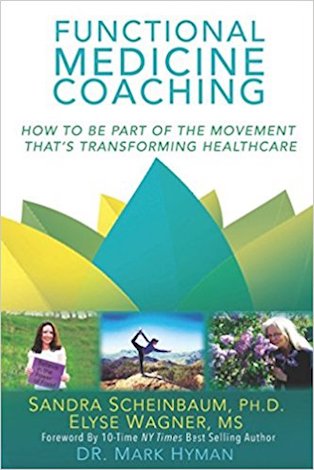
Their new book is called Functional Medicine Coaching: How to Be Part of the Movement That’s Transforming Healthcare.

(You may even find it useful if you’ve worked with a health coach or plan to work with one in the future, and to get a better understanding of Functional Medicine and how it works)

The goal of this book is not only to help you understand the growing role of health coaches, but also to be inspired by the dozens of transformational stories and the impact of Functional Medicine overall.

Here is a snippet from Dr. Mark Hyman’s foreword for the book, describing the important role of health coaches:

Health coaches teach people how to change their diet and live better, more fulfilling lives. They do not act as experts, but educated in Functional Medicine principles and nutrition, they have enough information to guide clients to make better choices and change habits. Coaches provide the key ingredient: social support. The coach, rather than acting as the expert, empowers the client to take charge of his/her health and the two work as a team.

As a nutritionist, I believe that health coaches are an important part of the team for someone who is working with a functional medicine practitioner. This book covers all the important aspects about being a health coach, and why proper training is essential, as well as providing a clear understanding of the value and impact of Functional Medicine.

Dr Hyman sums it up perfectly:

Essentially, individuals engage with coaches to support them, either individually, or in groups. With this type of teamwork, individuals can transform their behavior. They can receive feedback and be held accountable. Health coaches have to be integrated into every facet of the health care system, beginning in the community.

The Functional Medicine movement cannot succeed without Functional Medicine health coaches, as inspiring behavior change is necessary if people are to actually get better. I can tell my patients what to do, but if they don’t do it, it doesn’t matter.

The authors are offering a no-cost Functional Medicine health coaching session for you if you buy the book and register your purchase through the Functional Medicine Coaching Academy. You will also have access to the dozens of bonuses being offered by some of the top leaders in the healthcare community.

Here is the link to purchase on Amazon

Here is the link to register your book (after purchasing it) and your no-cost Functional Medicine health coaching session + bonuses.

Here’s to transforming your health and the health of those around you!

Filed Under: Books Tagged With: Dr. Mark Hyman, Elyse Wagner, Functional Medicine coaching, Functional Medicine Coaching Academy, health coach, Sandra Scheinbaum

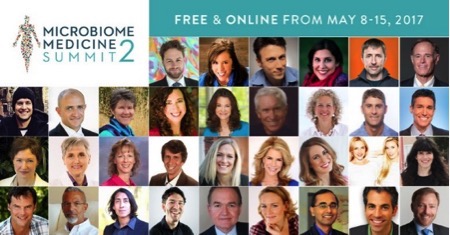
Microbiome summit: SIBO, anxiety, migrating motor complex and CDT

April 24, 2017 By Trudy Scott Leave a Comment

Anxiety and depression are very common symptoms of SIBO or small intestinal bacterial overgrowth and Dr. Alison Siebecker, one of the speakers on the Microbiome Medicine Summit 2 shares this about anxiety and SIBO:

I see their anxiety resolving, going way down, once the SIBO is treated. I see a lot of very anxious SIBO patients. It’s caused by one of the mechanisms. It’s the cell wall of the bacteria. The LPS otherwise known as endotoxins, that can stimulate inflammatory cytokines and these affect mood.

She discusses some of the common causes of SIBO or small intestinal bacterial overgrowth:

So we’re talking about the deficiency of migrating motor complex. And this is a form of like peristalsis or motility that occurs in the small intestine itself. And its whole purpose is to clear the small intestine of bacteria, believe it or not, and cellular debris, any leftover food. Because it works in between meals, it works when we’re actually fasting, so in between meals and then overnight when we’re sleeping.

It’s kind of like—it’s called the housekeeper wave. It comes and sweeps and cleans up after we eat. So what can happen for really the predominant amount of people is that this motility becomes deficient. Or it doesn’t function very well. Now, there are a lot of things that could cause this motility to get deficient. There are many diseases, some of them quite common, like diabetes, hypothyroid.

We’ve got drugs that can slow it like opioid painkillers, opioid narcotics, very common for a lot of people. I do see a lot of people with SIBO after they take narcotic or painkillers, for instance for like a knee surgery or maybe they had gallstones or kidney stones. They had to take them for awhile—back pain, things like that. This can slow the migrating motor complex and allow SIBO to develop.

But probably the most common reason of all is from an acute disease, which is food poisoning or otherwise known as acute gastroenteritis, and here we’re talking about the bacterial type.

And this is what’s really revolutionary to me about SIBO and what we’ve learned. This is the work of Dr. Pimentel and associates many years figuring this out.

She shares how the toxin secreted by the bacteria (from the food poisoning) causes an autoimmune-type reaction

What happens is, in bacterial food poisoning, all the bacteria that cause this secrete—they are pathogenic bacteria. And they secrete a toxin. And it’s all the same toxin, CDT, which stands for cytolethal distending toxin.  

Well, it turns out a portion of this toxin, the B portion—it’s just named B. It has an A, B, and C part. The B portion looks like a protein that’s on one of these very important nerve cells, as you just mentioned, that sort of generates this migrating motor complex.

So what happens is through a case of mistaken identity—or we could call it friendly fire. Or we could call it molecular mimicry. These are all words for the initiation of an autoimmune process through that because this protein on our nerve cell looks like the toxin. Our immune system gets triggered into damaging and fighting against our own nerve cells.

So it damages our nerve cells. And then the migrating motor complex can’t be produced properly. And what studies have shown is that the damage has to reach a certain threshold where these cells are diminishing. And then that will really, really slow down the migrating motor complex. And at a certain level there, the SIBO will develop.

The rates are pretty high – anywhere from 10% to 20% of people – who get food poisoning go on and get SIBO.

And she shares about the IBSchek test that

checks for the antibodies against that toxin, CDT-B, and the protein, which is actually called the vinculin, the protein that was on the nerve cells.

I always enjoy hearing Dr. Siebecker’s interviews and learn something new every time. This one was no exception!

I hope you’ll join the host Dr. Raphael Kellman and all the great speakers on the Microbiome Medicine Summit 2, May 8-15, 2017 to learn more

Here is the registration link

Filed Under: Events Tagged With: anxiety, Dr. Kellman, microbiome medicine summit, migrating motor complex and CDT, SIBO

How to Reduce Stress and Anxiety by Optimizing Performance: Global Stress Summit

April 23, 2017 By Trudy Scott 2 Comments

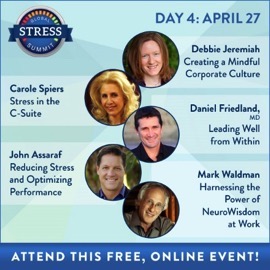
I really enjoyed this guest expert interview with John Assaraf on the Global Stress Summit because it is so practical: Reducing Stress and Optimizing Performance. He developed some ideas based on following what really highly successful people do within time.


He shares this about time management:

And the first thing that I learned in research and study is, number one, there’s no such thing as time management. And so, that’s the first fallacy.

And what I discovered was that highly successful people really know how to organize and prioritize what they are committed to accomplishing in a day.

And this gem about prioritization:

When you shift your thinking to understanding that you cannot manage time, all you can get really, really good at is prioritizing what you do in time and when.

John shares that all your time management should evolve around your highest values and life’s priorities and then

how do you orchestrate your decisions into that framework so that you’re taking care of at least two or three of your highest values before 9 o’clock every morning. I get to do three of those before 9 o’clock every day, which means the rest of the day I can do all the other stuff.

He does work mostly with entrepreneurs and his talk is aimed at those with their own businesses and flexibility but I can see how some of it could be tweaked and also applied to anyone.

If time management is a nightmare for you and you don’t feel you have enough hours in the day then this interview is well worth tuning in to! You may just find that by applying some of the concepts that you are able to reduce your stress levels and anxiety!

If you’d like to hear more from John Assaraf and the other fascinating speakers tune in to the Global Stress Summit, which is online from April 24 – May1, 2017

John’s inteview interview airs on day 4.

Your host, Dr. Heidi Hanna, began her expedition into the world of stress science at the early age of 12 when she began to suffer from debilitating anxiety, depression, and panic attacks. With no medical explanation, she was forced to dive into mind-body research to try to put the puzzle pieces together.

In this Global Stress Summit, Dr. Hanna interviews the very pioneering researchers and thought leaders who helped her learn how to utilize stress as a stimulus for growth rather than a trigger for burnout and breakdown, as she passionately encourages us to do the same. Here is the registration link.

Filed Under: Events Tagged With: anxiety, Dr. Heidi Hanna, global stress summit, John Assaraf, stress, Time Management

GABA protects against hypothyroidism caused by fluoride and reduces anxiety

April 21, 2017 By Trudy Scott 39 Comments

GABA (gamma-aminobutyric acid) is a calming amino acid that when taken as a supplement (ideally sublingually) works to relax, calm, ease anxiety and social anxiety, quiet the mind, help with sleeping challenges, reduce neck and other body tension, remove uneasiness and worry, and give hope.

It’s one of the main amino acids I use with my anxious clients and they see great results. We are seeing more and more research that this amino acid does work and yet I still get weekly questions about GABA: “I’ve been told it won’t work unless I have a leaky blood brain barrier.” This is a myth I’m trying to dispel and cover this topic in great detail in my GABA talk on the last Anxiety Summit.

GABA also protects against hypothyroidism caused by fluoride

Because of all this I’m always excited to see new research on the benefits of GABA and this recent study is no exception. It was an animal study and the authors report that GABA also protects against hypothyroidism caused by fluoride: γ-Aminobutyric acid ameliorates fluoride-induced hypothyroidism in male Kunming mice.

The mice that were injected with sodium fluoride were found to have decreased blood levels of T4, T3 and thyroid hormone-binding globulin (TBG) and damage to the thyroid:

fluoride intoxication induced structural abnormalities in thyroid follicles.

The fluoride-exposed mice that were subsequently treated with GABA were found to have improved results for T4, T3 and thyroid hormone-binding globulin (TBG levels) and healing of the structural abnormalities in thyroid follicles that were observed after fluoride exposure.

The authors conclude with this statement, reporting that GABA acted as a natural antioxidant:

To the best of our knowledge, this is the first study to establish the therapeutic efficacy of GABA as a natural antioxidant in inducing thyroprotection against fluoride-induced toxicity.

If you can’t get access to GABA, a paper published earlier this year reports similar results with taurine, an amino acid that promotes GABA production: Taurine Ameliorates Renal Oxidative Damage and Thyroid Dysfunction in Rats Chronically Exposed to Fluoride.

Added to our water supplies, fluoride affects the thyroid

Although this post is about GABA I recognize that I also have to address the fluoride aspect which I know is a controversial topic! We all know that fluoride has been added to our water supplies in an attempt to try and prevent tooth decay. Izabella Wentz, author of the new book Hashimoto’s Protocol, writes about what she calls the Fluoride Conspiracy:

However, most people don’t know that fluoride was used as an antithyroid drug that suppressed thyroid activity in people with overactive thyroids before the invention of antithyroid drugs.

A dose of 2 to 5 mg per day was typically found to be effective for suppressing an overactive thyroid. If you’re following directions and drinking your eight cups of water each day, chances are, you are taking in enough fluoride to suppress your thyroid if you live in the typical fluoridated community!

While most Westernized countries have rightfully rejected fluoridation without any apparent consequences on tooth decay, the United States, Canada, and parts of the UK continue to fluoridate their water.

In research that was way overdue, a 2015 British study reported that medical practices in a fluoridated area of the UK (West Midlands vs. those in a nonfluoridated area, Greater Manchester) were twice as likely to report a high prevalence of hypothyroidism in their patients! Furthermore, analysis of different parts of the UK found that the rates of hypothyroidism were statistically matched to the rates of fluoride in the local water supply!

Medications and other sources of fluoride

Izabella also lists some of the most commonly used medications that contain fluoride in this blog post: Fluoride And Your Thyroid

  • Prozac®, Lexapro®, Celexa®, Paxil®: used for depression, anxiety, or OCD
  • Prevacid®: used for acid reflux
  • Diflucan®: an antifungal used for yeast infections.
  • Fluoroquinolone antibiotics (Cipro®, Levaquin®, Avelox®): used for UTIs and other infections
  • Celebrex®: used for pain
  • Lipitor®, Zetia®: used to lower cholesterol

Other common sources of fluoride are fluoridated toothpastes and dental preparations, processed beverages and foods, pesticides, tea, mechanically deboned meat, Teflon pans and exposure in the workplace. You can read more about these sources from The Fluoride Action Network (FAN), an organization that seeks to broaden awareness about the toxicity of fluoride compounds among citizens, scientists, and policymakers alike.

The GABA and taurine hypothyroid-fluoride research is too new to have made it into Izabella’s book but since anxiety is a common symptom in hypothyroidism and Hashimoto’s thyroiditis, and based on this research, using either GABA or taurine shows promise for helping both the thyroid to heal after fluoride exposure (via water, medications, diet or workplace exposure) AND to help reduce the physical anxiety symptoms.

It seems to be a two-way street because we’ve always known that the amino acids will be effective for addressing low GABA and low serotonin levels ONLY when thyroid health is optimal (and not many people are aware of this).

I also can’t help but wonder if a small amount of GABA (or taurine) wouldn’t be helpful after known exposure to fluoride sources and certainly while you are working to reduce fluoride exposure – even if hypothyroidism is not a problem. I look forward to future research in this area.

If you’d like an overview of how I use GABA and the other amino acids with my clients you can read all about it here.

I’d love to hear if you have observed an improvement in thyroid health since using GABA for your anxiety? And how dedicated you are to avoid fluoride?

Filed Under: GABA Tagged With: fluoride, GABA, hypothyroidism

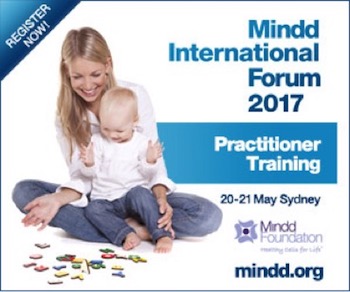
Mindd International Forum 2017, Sydney, Australia

April 21, 2017 By Trudy Scott Leave a Comment

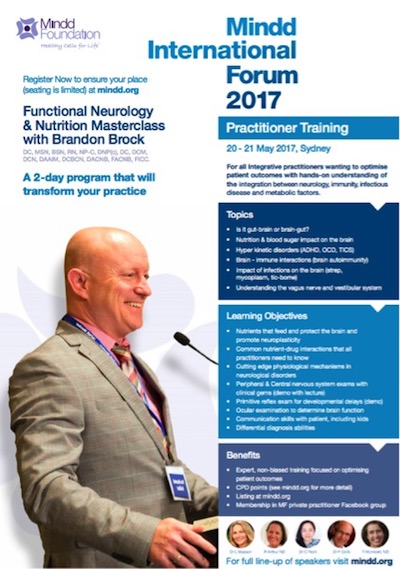
The Mindd Forum Practitioner Training 2017 runs 20-21 May, 2017 at University of New South Wales, Sydney.

It will focus on brain-immuno-gut health in children and women, covering case studies, pre-natal care and women’s health (healthy mothers lead to better healthcare outcomes for the whole family). Here are some of the speakers/topics:

  • Robyn Cosford: Herbs in treating PANDAS
  • Rachel Arthur, ND: Getting your bearings regarding the pregnant thyroid – for mum and baby
  • Christine Houghton: Nutrigenomics in Treating Autism Spectrum Disorders
  • Dr Nirala Jacobi, BHSc, ND (USA): Diagnosis and treatment of small intestine bacterial overgrowth (SIBO)
  • Dr Christabelle Yeoh: Microbial energy economics- our mitochondria
  • John Smartt: Osteopathic treatment for improving the gut function of people with brain-gut conditions

Masterclass training will feature the power of combining Functional Nutrition and Functional Neurology with expert clinician Brandon Brock MSN, BSN, RN.

Dr. Brock has a passion for lecturing and giving learners didactic and academic skills in a way that is easy to digest, comprehend and utilize in a clinical setting. He has developed over 5000 hours of curriculum pertaining to neurology, nutrition, physical diagnosis, pharmacology, immunology, endocrinology and students of all from multiple educational backgrounds, including medical doctors, nurse practitioners and chiropractors

In his Mindd Masterclass Dr Brock will cover how to assess and treat a range of brain-immuno-gut conditions including ASD, ADHD, OCD, Anorexia, LD, SPD, CFS, PANDAS, Tic-Borne Illness and more.

Topics that Dr Brock will cover:

  • Is it gut-brain or brain-gut?
  • Nutrition and blood sugar impact on the brain
  • Hyper kinetic disorders (ADHD, OCD, TICS)
  • Brain – immune interactions (brain autoimmunity)
  • Impact of infections on the brain (strep, mycoplasm, tic-borne)
  • Understanding the vagus nerve and vestibular system

Details and registration for MINDD Forum 2017 here. This is a practitioner-only training and I will share highlights afterwards.


Filed Under: Events Tagged With: Brandon Brock, Functional neurology, mental health, microbiome, mindd, Mindd International Forum 2017

  • « Go to Previous Page
  • Page 1
  • Interim pages omitted …
  • Page 75
  • Page 76
  • Page 77
  • Page 78
  • Page 79
  • Interim pages omitted …
  • Page 160
  • Go to Next Page »

Primary Sidebar

GABA QuickStart Homestudy

gaba quickstart homestudy

Free Report

9 Great Questions Women Ask about Food, Mood and their Health

You'll also receive a complimentary subscription to my ezine "Food, Mood and Gal Stuff"


Connect with me

Popular Posts

  • Amino Acids Mood Questionnaire from The Antianxiety Food Solution
  • The Antianxiety Food Solution Amino Acid and Pyroluria Supplements
  • Pyroluria Questionnaire from The Antianxiety Food Solution
  • Collagen and gelatin lower serotonin: does this increase your anxiety and depression?
  • Tryptophan for the worry-in-your-head and ruminating type of anxiety
  • GABA for the physical-tension and stiff-and-tense-muscles type of anxiety
  • The Antianxiety Food Solution by Trudy Scott
  • Seriphos Original Formula is back: the best product for anxiety and insomnia caused by high cortisol
  • Am I an anxious introvert because of low zinc and vitamin B6? My response to Huffington Post blog
  • Vagus nerve rehab with GABA, breathing, humming, gargling and key nutrients

Recent Posts

  • Her cravings for chips and peanut butter were triggered by stress: GABA ends cravings and reduces physical tension and fear of heights
  • It is truly miraculous to be able to move through life without crippling anxiety and panic
  • GABA and tryptophan combo provide immediate and noticeable relief for tremors and cervical dystonia in just 7 days
  • Red light therapy for back and neck pain, plantar fasciitis and low mood – a complement to the amino acids GABA, DPA and tryptophan
  • What do I use instead of Seriphos to help lower high cortisol that is affecting my sleep and making me anxious at night?

Categories

  • 5-HTP
  • AB575
  • Addiction
  • ADHD
  • Adrenals
  • Alcohol
  • Allergies
  • Alzheimer's disease
  • Amino Acids
  • Anger
  • Antianxiety
  • Antianxiety Food Solution
  • Antidepressants
  • Anxiety
  • Anxiety and panic
  • Autism
  • Autoimmunity
  • benzodiazapines
  • Bipolar disorder
  • Books
  • Caffeine
  • Cancer
  • Candida
  • Children/Teens
  • Collagen
  • Cooking equipment
  • Coronavirus/COVID-19
  • Cravings
  • Depression
  • Detoxification
  • Diabetes
  • Diet
  • DPA/DLPA
  • Drugs
  • EFT/Tapping
  • EMF
  • EMFs
  • Emotional Eating
  • Endorphins
  • Environment
  • Essential oils
  • Events
  • Exercise
  • Fear
  • Fear of public speaking
  • Fertility and Pregnancy
  • Fish
  • Food
  • Food and mood
  • Functional neurology
  • GABA
  • Gene polymorphisms
  • General Health
  • Giving
  • Giving back
  • Glutamine
  • Gluten
  • GMOs
  • Gratitude
  • Gut health
  • Heart health/hypertension
  • Histamine
  • Hormone
  • Hyperparathyroidism
  • Hypoglycemia
  • Immune system
  • Inflammation
  • Insomnia
  • Inspiration
  • Introversion
  • Joy and happiness
  • Ketogenic diet
  • Lithium orotate
  • Looking awesome
  • Lyme disease and co-infections
  • MCAS/histamine
  • Medication
  • Men's health
  • Mental health
  • Mercury
  • Migraine
  • Mold
  • Movie
  • MTHFR
  • Multiple sclerosis
  • Music
  • NANP
  • Nature
  • Nutritional Psychiatry
  • OCD
  • Osteoporosis
  • Oxalates
  • Oxytocin
  • Pain
  • Paleo
  • Parasites
  • Parkinson’s disease
  • PCOS
  • People
  • PMS
  • Postpartum
  • PTSD/Trauma
  • Pyroluria
  • Questionnaires
  • Real whole food
  • Recipes
  • Research
  • Schizophrenia
  • serotonin
  • SIBO
  • Sleep
  • Special diets
  • Sports nutrition
  • Stress
  • Sugar addiction
  • Sugar and mood
  • Supplements
  • Teens
  • Testimonials
  • Testing
  • The Anxiety Summit
  • The Anxiety Summit 2
  • The Anxiety Summit 3
  • The Anxiety Summit 4
  • The Anxiety Summit 5
  • The Anxiety Summit 6
  • Thyroid
  • Thyroid health
  • Toxins
  • Tryptophan
  • Tyrosine
  • Uncategorized
  • Vegan/vegetarian
  • Women's health
  • Yoga

Archives

  • May 2026
  • April 2026
  • October 2025
  • September 2025
  • August 2025
  • July 2025
  • June 2025
  • May 2025
  • April 2025
  • March 2025
  • February 2025
  • January 2025
  • November 2024
  • October 2024
  • September 2024
  • August 2024
  • July 2024
  • June 2024
  • May 2024
  • April 2024
  • March 2024
  • February 2024
  • January 2024
  • December 2023
  • November 2023
  • October 2023
  • September 2023
  • August 2023
  • July 2023
  • June 2023
  • May 2023
  • April 2023
  • March 2023
  • February 2023
  • January 2023
  • December 2022
  • November 2022
  • October 2022
  • September 2022
  • August 2022
  • July 2022
  • June 2022
  • May 2022
  • April 2022
  • March 2022
  • February 2022
  • January 2022
  • December 2021
  • November 2021
  • October 2021
  • September 2021
  • August 2021
  • July 2021
  • June 2021
  • May 2021
  • April 2021
  • March 2021
  • February 2021
  • January 2021
  • December 2020
  • November 2020
  • October 2020
  • September 2020
  • August 2020
  • July 2020
  • June 2020
  • May 2020
  • April 2020
  • March 2020
  • February 2020
  • January 2020
  • December 2019
  • November 2019
  • October 2019
  • September 2019
  • August 2019
  • July 2019
  • June 2019
  • May 2019
  • April 2019
  • March 2019
  • February 2019
  • January 2019
  • December 2018
  • November 2018
  • October 2018
  • September 2018
  • August 2018
  • July 2018
  • June 2018
  • May 2018
  • April 2018
  • March 2018
  • February 2018
  • January 2018
  • December 2017
  • November 2017
  • October 2017
  • September 2017
  • August 2017
  • July 2017
  • June 2017
  • May 2017
  • April 2017
  • March 2017
  • February 2017
  • January 2017
  • December 2016
  • November 2016
  • October 2016
  • September 2016
  • August 2016
  • July 2016
  • June 2016
  • May 2016
  • April 2016
  • March 2016
  • February 2016
  • January 2016
  • December 2015
  • November 2015
  • October 2015
  • September 2015
  • August 2015
  • July 2015
  • June 2015
  • May 2015
  • April 2015
  • March 2015
  • February 2015
  • January 2015
  • December 2014
  • November 2014
  • October 2014
  • September 2014
  • August 2014
  • July 2014
  • June 2014
  • May 2014
  • April 2014
  • March 2014
  • February 2014
  • January 2014
  • December 2013
  • November 2013
  • October 2013
  • September 2013
  • August 2013
  • July 2013
  • June 2013
  • May 2013
  • April 2013
  • March 2013
  • February 2013
  • January 2013
  • December 2012
  • November 2012
  • October 2012
  • August 2012
  • July 2012
  • June 2012
  • May 2012
  • April 2012
  • March 2012
  • February 2012
  • January 2012
  • December 2011
  • November 2011
  • October 2011
  • September 2011
  • August 2011
  • July 2011
  • June 2011
  • May 2011
  • April 2011
  • March 2011
  • February 2011
  • January 2011
  • December 2010
  • October 2010
  • September 2010
  • July 2010
  • May 2010
  • April 2010
  • March 2010
  • February 2010
  • January 2010
  • November 2009

Share the knowledge!

The above statements have not been evaluated by the Food and Drug Administration. Products listed in this website are not intended to diagnose, treat, cure or prevent any disease.

The information provided on this site is for informational and educational purposes only and is not intended as a substitute for advice from your physician or other health care professional. You should consult with a healthcare professional before starting or modifying any diet, exercise, or supplementation program, before taking or stopping any medication, or if you have or suspect you may have a health problem.


Copyright © 2026 Trudy Scott. All Rights Reserved. | Privacy | Terms and Conditions | Refund Policy | Medical Disclaimer

Free Report

9 Great Questions Women Ask about Food, Mood and their Health

You’ll also receive a complimentary subscription to my ezine “Food, Mood and Gal Stuff”