• Skip to primary navigation
  • Skip to main content
  • Skip to primary sidebar

everywomanover29 blog

Food, Mood and Women's Health – Be your healthiest, look and feel great!

  • Blog
  • About
  • Services
  • Store
  • Resources
  • Testimonials
  • The Book
  • Newsletter
  • Contact
  • Search this site

GABA for children: ADHD, focus issues, irritability, anxiety and tantrums

April 7, 2017 By Trudy Scott 117 Comments

Is GABA safe for children with symptoms of ADHD? I was asked this question after my interview on anxiety on the Diabetes Summit. I shared the question and my answer on facebook:

I’ve used GABA (and theanine) very successfully with children with physical anxiety symptoms and ADHD. I’ve also used tyrosine for the attention/focus issues. Plus I always consider gluten, blood sugar control (animal protein at breakfast often makes the biggest difference), colors/additives, low iron, low zinc and candida (this list is not inclusive but is a good starting point)

Jenny is a mom in my facebook community and responded to the above post, sharing that a friend of hers recommended GABA for her daughter after reading some of my posts. She shared this wonderful feedback:

My daughter hasn’t been diagnosed with ADHD but has a lot of ADHD qualities. We were having a huge amount of behavior problems as she is getting older (she’s 11). I did some research and went to the health food store and bought a bottle. At this point I was mentally exhausted from all the fighting and drama at home and at school. I was desperate and didn’t want to put her on any hard medication.

She has had amazing behavior at school and at home since giving it to her. She’s almost like different child. GABA has truly changed our life. She’s been taking it for almost 2 months.

What wonderful results! I’m thrilled for Jenny and her daughter. I asked Jenny to share what her daughter’s symptoms/behaviors were before they used the GABA and which symptoms improved. This is what Jenny shared:

…before the GABA she was irritable, she was fighting with her teacher and schoolmates, she couldn’t focus and was distracted by anything and everything, she was constantly disrupting the class and she was throwing major tantrums over ridiculous stuff (like her hair didn’t do what she wanted), she was mouthy and everything was a fight.

We are not seeing 99% of those behaviors at all anymore. She of course is still your typical pre-teen but if I say “no you can’t have that” our “no you can’t go there” her reaction is OK. Before it would have been a major fight or meltdown. Her teacher is reporting to me every day about her wonderful days.

I love hearing this feedback and it’s not unusual for children to act out when they have low GABA levels. Adults may identify with being anxious, but children may appear irritable, unfocused and distracted, may have tantrums and meltdowns, and all the while not be able to articulate how they are feeling.

Long–term use of GABA and root causes of low GABA

Jenny also posed some additional questions about GABA:

I do have some questions – I can’t really find anything online saying that it’s OK to give to kids. I mean, I’ve seen the results but it still worries me. She takes one 25 mg pill a day – do you think that’s OK?? Should I give her more or less or keep it the same? Just wondering your opinion?

I shared some of this feedback on the facebook thread and have elaborated on it here on the blog.

There is no research on children and the long-term use of amino acids but plenty of clinical evidence showing they can be used safely for 3-12 months. But I am also always working with my clients to find out why there is the deficiency in the first place and addressing that. This could include any or all of the following:

  • low zinc/vitamin B6/low iron which are all co-factors needed to make GABA (and then I’d want to know why are these low)
  • dysbiosis, parasites and/or candida (we make GABA in the gut and we may have GABA-eating bacteria in the gut – such as gabavorous)
  • too much stress at school, playing sports and/or at home
  • not getting enough sleep
  • not eating animal protein at breakfast (this affects blood sugar control and can stress the adrenals and impact cortisol, sex hormones and brain chemicals)
  • gluten sensitivity (gluteomorphins in gluten can impact mood and gluten can damage the gut leading to nutritional deficiencies)
  • low animal protein intake and/or eating a low-fat diet
  • low stomach acid (so you can’t digest the protein you’re eating)
  • toxin exposure (like pesticides or BPA)
  • low total cholesterol (caused in part by low levels of enzymes for fat digestion or a low-fat diet)

I shared these 60+ Nutritional and Biochemical Causes of Anxiety on my closing call of the The Anxiety Summit season 3.   I use this to help put the puzzle pieces together for my clients to resolve their anxiety and related issues like ADHD, insomnia, sadness, irritability etc.

When Jenny saw some of the root causes for low GABA she shared that she’s going to be making an appointment with her doctor. Keep in mind that in this instance it will need to be a functional medicine doctor or nutritionally trained doctor or a doctor who is open to learning about all this. I always also suggest taking a copy of my book The Antianxiety Food Solution to share with the doctor too!

What GABA product?

I typically have clients start with Source Naturals GABA Calm which contains 125mg of GABA. I was curious to know which 25mg GABA product she was using. It turns out to be a sublingual product by KAL.

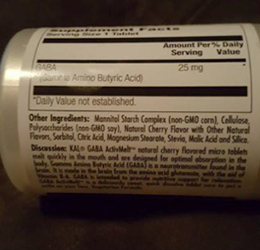


You can find the other GABA products I use and recommend here and the precautions with using GABA here. Typically it’s an amino acid that has the least issues, unless too high an amount is used.   I often hear that 500mg or 1000mg was used and caused dizziness or breathlessness – these are clues it’s too much!

As mentioned, one product I use and recommend is Source Naturals GABA Calm lozenges. It’s a good low dose of 125 mg and is convenient and effective because it’s a sublingual lozenge.

Now GABA Powder is another product I use and recommend. It does need to be measured out to provide a 125 mg typical starting dose or less (as needed). I have clients use a handy mini measuring spoon like this one (my Amazon link) and share more about how to measure out GABA powder on this blog).

For Source Naturals GABA Calm lozenges and Now GABA Powder:

  • You can purchase these from my online store (Fullscript – only available to US customers – use this link to set up an account).
  • If you’re not in the US, you can purchase these at iherb (use this link to save 5%).

Somnium GABA Cream is another option that could be considered especially for children and those with special needs. It is available in the US and elsewhere with international shipping. Read more about the product and who else may benefit from using a cream, and grab my coupon code to save 15%.

Why does GABA help in a situation like this?

These results are exceptional and it’s seldom just low GABA that needs to be addressed but in this instance it was. The low GABA type of ADHD is a bit different than low dopamine or low ferritin ADHD. With low GABA, it’s the anxiety that is causing the spinning, lack of focus, irritability and tantrums.

This blog post and study explains some of it – Oral GABA supplementation allows better prioritizing of planned actions: new research. GABA provides a better ability to handle tasks (complex and/or planned tasks) with less spinning and feelings of overwhelm, and prioritization of tasks is improved.

In addition to addressing low GABA, we also typically address the diet, gut health, toxin exposures (cosmetics are a big issue at this age), screen-time/EMFs (also a big issue at this age), and any other nutritional deficiencies.

Resources if you are new to using GABA as a supplement

If you are new to using GABA as a supplement, here is the Amino Acids Mood Questionnaire from The Antianxiety Food Solution (you can see all the low GABA symptoms).

If you suspect low levels of GABA or any of the neurotransmitters and do not yet have my book, The Antianxiety Food Solution – How the Foods You Eat Can Help You Calm Your Anxious Mind, Improve Your Mood, and End Cravings, I highly recommend getting it and reading it before jumping in and using amino acids on your own so you are knowledgeable. And be sure to share it with the team you or your loved one is working with.

There is an entire chapter on the amino acids and they are discussed throughout the book in the sections on gut health, blood sugar control, sugar cravings, self-medicating with alcohol and more.

The book doesn’t include product names (per the publisher’s request) so this blog, The Antianxiety Food Solution Amino Acid and Pyroluria Supplements, lists the amino acids that I use with my individual clients and those in my group programs.

If, after reading this blog and my book, you don’t feel comfortable figuring things out on your own (i.e. doing the symptoms questionnaire and respective amino acids trials), a good place to get help is the GABA QuickStart Program. This is a paid online/virtual group program where you get my guidance and community support. There are many moms in the program who are having much success with their kids.

If you are a practitioner, join us in The Balancing Neurotransmitters: the Fundamentals program. This is also a paid online/virtual program with an opportunity to interact with me and other practitioners who are also using the amino acids.

Have you noticed that your child (or even you personally) has seen improvements in these symptoms after using GABA: ADHD, focus issues, irritability, anxiety and tantrums?

Does it seem like it gives them (or you) a better ability to handle tasks (complex and/or planned tasks) with less spinning and feelings of overwhelm? Is prioritization improved?

If you are a practitioner are you seeing results like this with your clients/patients?

If you have questions please share them here too.

I asked Jenny if I could share here to give other mom’s hope and inspiration and practical results so they can help their children – and I really appreciate her being willing to do so.

Thanks for sharing Jenny! Happy mama and happy daughter – it warms my heart to hear stories like this!
Filed Under: GABA Tagged With: ADHD, children, GABA, tantrums

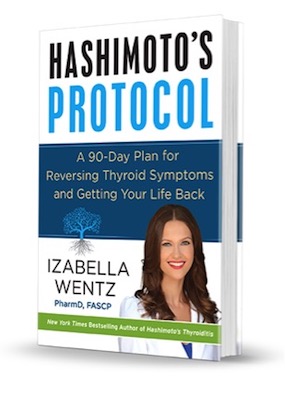
Hashimoto’s Protocol by Dr. Izabella Wentz

April 6, 2017 By Trudy Scott 4 Comments

The great new book called Hashimoto’s Protocol by Dr. Izabella Wentz just made #1 on the New York Times bestseller list!

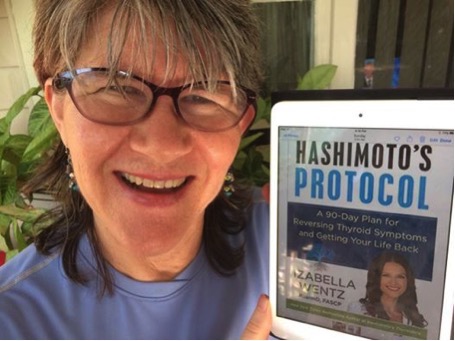
Since I’m in Australia I have a kindle edition of Dr. Izabella’s brilliant new book that just released last week: Hashimoto’s Protocol: A 90-Day Plan for Reversing Thyroid Symptoms and Getting Your Life Back. It’s a must-read if you are dealing with Hashimoto’s or actually any thyroid problems (or if you suspect you may have thyroid issues)!

If you are a practitioner I highly recommend it too!

Here’s the official blurb:

Dr. Izabella Wentz, the author of the phenomenal New York Times bestseller Hashimoto’s Thyroiditis, returns with a long-awaited, groundbreaking prescription to reverse the symptoms of this serious autoimmune condition that is becoming one of the country’s fastest growing diseases.

More than thirty-five million Americans currently suffer from Hashimoto’s—an autoimmune disease that affects the thyroid gland and causes the body to attack its own cells. To alleviate the symptoms of this debilitating condition—including chronic cough, acid reflux, IBS, allergies, chronic pain, hair loss, brain fog, and forgetfulness [plus anxiety and depression] —patients are often prescribed synthetic hormones that have numerous life-altering side effects.

But there is a better way.

Diagnosed with Hashimoto’s at twenty-seven, pharmacist Dr. Izabella Wentz knows first-hand the effects of the disease, as well as the value—and limitations—of medication. The key to improved health, she argues, involves lifestyle interventions. In Hashimoto’s Protocol, she outlines a proven treatment that has helped thousands heal and many others feel better—in as fast as ninety days.

Drawing on her own personal experience as well as her work consulting with thousands of patients, Hashimoto’s Protocol offers a practical pathway for healing and reversing the autoimmune damage at the root of the disease. The first step is a quick-start two-week detox that includes foods to eat and inflammatory foods to avoid, advice on supplements to support the liver, and an adrenal recovery plan. Next, readers create a personalized plan with foods, supplements, and other lifestyle interventions tailored to their body’s own unique Hashimoto’s triggers, which they can identify using self-tests included in the book. Hashimoto’s Protocol also features original recipes.

Grounded in the latest science, Hashimoto’s Protocol is the first book to offer a proven protocol by an acknowledged expert in the field to treat this condition without dangerous hormones—and help sufferers reclaim their lives.

Izabella has done a wonderful job! I love that she covers the basics like liver support, the adrenals and gut health and then goes into advanced protocols for trauma, infections, toxins and nutrient deficiencies! I really LOVE how she dives deep into the newest research and connects ALL the dots in a really smart way!

And even if you don’t have thyroid issues you would benefit from these sections that are applicable for everyone:

  • Root Cause Liver Support Protocol — how to support your liver by clearing detox pathways so that you’re able to release toxins and get your energy back.
  • Adrenal Recovery Protocol — how to reset your response to stress so that you can regenerate your body.
  • The Gut Balancing Protocol — the right nutrients so that your gut starts working at its optimal level.

Here is a snippet from the Liver support section:

Halogens and halogen-containing chemicals: These chemicals include bromide, chloride, and fluoride; are structurally similar to iodine; and may take up receptor sites in the thyroid gland. Unfortunately, their presence in the thyroid gland can

lead to thyroid cell death and inflammation. Individuals exposed to high levels of halogen-containing substances have been found to have higher rates of thyroid antibodies.

Chlorine: When found in polychlorinated biphenyls (PCBs), chlorine has been shown to be toxic to thyroid cells and to promote the onset of Hashimoto’s through increasing TSH, thyroid antibodies, and thyroid size. PCBs are found in industrial products. Chlorine is also found in water systems, pools, cleaning products, and plastics.

Bromide: This can be found in baked goods, plastics, soft drinks, and even our mattresses, which are coated with brominated flame retardants. Studies show bromine-containing substances—polybrominated diphenyl ethers (PBDEs)—are connected to an increased incidence of Hashimoto’s.

Fluoride: This thyroid-suppressing halogen is found in water, toothpaste, and some medications as well as in black, green, and red tea. Using a reverse osmosis filter is the best way to get rid of fluoride.

The gentle two-week Liver support section

will guide you on how to eliminate hidden toxins from your everyday life and how to help your liver process out the toxins you may have in your body. Both are critical steps for anyone who’s had problems with taking supplements or is struggling with current symptoms. Most people see drastic changes just by completing this step alone.


Here is the Amazon link or support your local book store if you have one nearby!

Also enjoy the fabulous 2 week recipe plan Dr. Izabella is offering. It has 2 weeks worth of recipes, meal plans and shopping lists based on the autoimmune Paleo diet template. Click here to learn more and signup for the 2 week recipe plan.

Hope you enjoy these great thyroid resources!

If you already have a copy let us know what you think and which sections have helped you?

Filed Under: Books, Thyroid, Thyroid health Tagged With: hashimoto's, hashimoto's thyroiditis, izabella wentz, thyroid

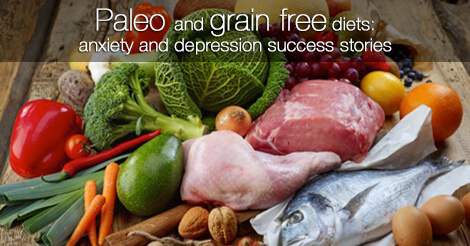
Paleo and grain free diets: anxiety and depression success stories

March 31, 2017 By Trudy Scott 16 Comments

I recently reached out to my community to hear your diet-depression or diet-anxiety success stories in anticipation of the new SMILES diet depression trial, published last month and which I covered in a blog post last week. In that post I promised to share some real-life success stories on how an anti-inflammatory and anti-anxiety diet i.e. nutritional psychiatry people’s lives for the better!

I also shared that everyone who responded with success stories was following a more “evolved” diet than those who participated in the SMILES trial, the first randomized controlled diet depression study where ONE THIRD of the dietary intervention group saw improvements in their depression symptoms by switching from processed/junk food to real food with no specific dietary restrictions!

What do I mean by a more evolved diet? Each of them was eating a real foods or traditional non-processed diet that was gluten-free, mostly or all grain-free and various permutations of the Paleo or cave-main diet.

The anxiety and depression success stories

Alice from Cape Town shared this about banting, a Paleo-type dietary approach that does include dairy products and has been popularized in South Africa by Professor Tim Noakes:

Three days after I stopped eating grains, my chronic depression lifted and has never returned (it’s three years later now). I had been a vegetarian most of my life, discovered in my early 50s that I was gluten intolerant, went off grains, started banting (Cape Town craze!) and have never felt better. Gut, mood, bones, energy, skin … all better!

Andrea shared this about her diet-mood results, also with a grain-free and high fat diet:

I happened upon a fat loss diet that had me cut out grains, most dairy, and sugar while focusing on mostly meat, fish, fats from nature such as butter, olive, and coconut oils. Nuts, seeds, and legumes were allowed too. These rules made it so I had to avoid processed foods. There was one day a week of eating anything.

Within 6 weeks I was shocked that I got much much more than fat loss. My depression, anxiety, mood swings, sleep issues and all but one pesky health symptom was left disappeared. I was stronger, faster, and felt energy I never remember having.

Holly shared how she healed severe depression and anxiety by changing her diet:

Over the course of a year and a half, I was given 10 different psychiatric diagnoses and cycled through 10 different medications. I discovered the healing power of diet completely by accident, and it changed my life. I now live with no diagnoses and no symptoms.

I started with the Whole30 (strict paleo), then went paleo, dabbled with a ketogenic approach, and now I eat a modified paleo diet, with some rice and goat dairy.

Krysti shared how diet reduced her severe mood swings and panic attacks:

I was dx with bipolar at 18 years old. Suffered panic attacks and the random severe mood swings that made absolutely no sense. I was sad for days to weeks only to be followed with unrealistic overly-exuberant highs where I had the energy of a toddler on sugar and the signature grandiose thoughts that I could simultaneously fly and conquer the world and do all the things! For a day. Then the next day felt numb. And resorted back to “cutting” just to feel something. I never cut for attention. In fact not even my closest friends knew I did it. It was for me and I hid it.

…my oldest sister introduced me to Paleo. I was soon dx celiac, cut out grains and have been med and *mostly* mood swing/manic free ever since. No panic attacks. I have never felt more emotionally stable. Even through the death of my youngest sister and big life events, my emotions have been that of a normal person. Explicable. Expected. Level. No extremes.

You can read their entire inspiring diet-depression stories and other ones in the comments on this blog.

Thanks to Alice, Andrea, Holly and Krysti for sharing your wonderful and very hopeful stories! It warms my heart and I know it inspires my community!

And here is my story again:

For me it was anxiety and panic attacks that resolved when I made dietary and other nutritional and lifestyle changes.   I had been eating a vegetarian diet for a few years and I suspect the non-organic/GMO processed soy products (soy milk, soy yogurt, soy “butter” etc) were a big issue for me and damaged my gut.  When I added back quality animal protein (grass-fed red meat, wild fish, pastured eggs and chicken), switched to organic produce, added healthy fats and removed gluten my mood improved dramatically.  Now I eat a combination of a Paleo/SCD /low FODMAPS/low oxalate diet.

During the severe anxiety and panic attacks I also needed additional support in the way of the targeted amino acids GABA (this was a life-saver and stopped the panic attacks in a few days) and tryptophan, plus zinc, vitamin B6, evening primrose oil, a good multi and B complex and adrenal support.  I still continue with some of these basic nutrients today.

My health issues have been complex as I’ve also had to deal with heavy metals, poor gut health and much more so I had what I call “a perfect storm” and yet diet has had such a huge impact for me!

Getting off medications

Lead researcher Professor Felice Jacka was quoted in an ABC article saying this in response to the SMILES trial:

people suffering from depression should not replace therapy and drug treatments with the Mediterranean diet.

Based on my experience working with clients and feedback I receive on the blog, finding the ideal diet and addressing all nutritional deficiencies often allows my clients to work with their doctors on eliminating all their depression and antianxiety medications. Other medications also go by the wayside: pain meds, high blood pressure meds, allergy meds, reflux meds etc.

What is Paleo?

I had the pleasure of hearing Australian Chef Pete Evans at an all-day Sydney event earlier this year, in celebration of the launch of his new book The Complete Gut Health Cookbook, with co-author Dr. Helen Padarin. He is a big time Paleo advocate and this is what he said on stage at the start of his presentation and wonderful day of cooking demos:

Paleo is basically a meat and 3 vegetables – it’s that simple!

To expand on this a bit…this means quality animal proteins like grass-fed red meat, wild fish, pastured eggs and chickens, organic vegetables (typically lower carb) and fruit, soaked nuts (if tolerated), bone broths, fermented vegetables and broths, and health fats like coconut and avocado. Many in the Paleo community say no to dairy and butter but I do find that some of my clients do fine with small amounts and some people do better with fermented dairy like kefir and yogurt or goat/sheep and even camel milk rather than cow’s milk.

I also got to meet both Pete and Helen at the book signing – they are both wonderful and very down-to-earth!

Meeting the famous (and very down-to-earth) Chef Pete Evans at the book signing

Can you imagine my surprise when Pete invited me on to stage to welcome me to Australia and share a bit about my work with diet and anxiety!?

Here is a 5 minute clip of me on stage with Pete and Helen where we talk about:

  • How what we eat has a direct impact on our brains and how we feel
  • How our gut bacteria make some of our brain chemicals like serotonin and GABA when we consume fermented foods [and other foods rich in amino acids and organic produce]
  • The term “psychobiotics” coined by Dr. Ted Dinan ie. good bacteria that improve our mood
  • Kelly Brogan’s wonderful work around depression and diet and medication tapering, and her great book A Mind of Your Own
  • How quickly can diet lead to anxiety and depression symptoms improving and allowing you to get off medications? …biochemical individuality, diet alone, addressing gut health, adding fermented foods, addressing low zinc and other root causes, looking at gene defects
  • Real food, liver, rooibos tea, herbs
  • My story of anxiety and panic attacks and changing from a vegetarian diet to a modified Paleo diet
  • The Anxiety Summit and my book The Antianxiety Food Solution as resources


As you’ve read with these success stories and heard me say on Pete’s stage, many people can do it with diet alone (even if their anxiety is very severe), many need additional nutritional support, and many need the targeted individual amino acids to get immediate relief from their anxiety or depression while they are looking for all their root causes. Many also need the amino acids to break their gluten and sugar addictions. But making the dietary changes are the foundation!

Stay tuned for more about Pete Evans, some of his recipes and gut healing protocols and the unfortunate grilling he’s been getting in the Australian media for advocating a Paleo diet! In the meantime, I will say that all his books come highly recommended!

In case you’re wondering about the research on the Paleo diet, while we don’t have a study that’s looking directly at anxiety and depression, we do have these papers on the overall benefits of a Paleolithic diet:

  • January 2017: Benefits of a Paleolithic diet with and without supervised exercise on fat mass, insulin sensitivity, and glycemic control: a randomized controlled trial in individuals with type 2 diabetes
  • June 2016: Paleolithic and Mediterranean Diet Pattern Scores Are Inversely Associated with Biomarkers of Inflammation and Oxidative Balance in Adults
  • January 2016: Cutting through the Paleo hype: The evidence for the Palaeolithic diet

And in this paper co-authored by Professor Felice Jacka – Nutritional psychiatry research: an emerging discipline and its intersection with global urbanization, environmental challenges and the evolutionary mismatch, they mention

a potential evolutionary mismatch between our ancestral past (Paleolithic, Neolithic) and the contemporary nutritional environment.

We do, of course, have many studies supporting a diet-mood connection:

  • Anxiety and Hypoglycemia Symptoms Improve with Diet Modification
  • Western diet is associated with a smaller left hippocampus and anxiety
  • Integrative Medicine Approach to Pediatric Obsessive-Compulsive Disorder and Anxiety
  • Reduced anxiety in forensic inpatients – long-term intervention with Atlantic salmon

And Professor Felice Jacka shared this during our interview on The Anxiety Summit: The Research – Food to prevent and treat anxiety and depression?

One of the hypotheses that I had during the Ph.D. was that increased intake of animal foods would be toxic and would be associated with more mental disorders.

This did not turn out to be the case: In our study, out of every single dietary food grouping that I looked at including vegetables, fruits, salads, beans, etc the strongest correlate of mental health was red meat intake [grass-fed red meat of course.]

Consistently, women who have less than the recommended intake of red meat seem to be in an increased risk for common mental disorders [like anxiety and depression] and bipolar disorder.

She was referring to the results of her Ph.D. paper that was published in the American Journal of Psychiatry in 2010: “Association of Western and Traditional Diets with Depression and Anxiety in Women.”

Have you changed your diet to a Paleo way of eating and observed a reduction or elimination of anxiety or depression? Was a dietary change enough or did you need to address brain chemical imbalances and other nutritional deficiencies too?

If you’re a practitioner, have you seen results like this with your clients or patients?

Filed Under: Antianxiety, Antianxiety Food Solution, Paleo Tagged With: anxiety, depression, felice jacka, grain-free, grains, paleo, Pete Evans, red meat, vegetables

GABA, toxins, hormones, autoimmunity – encore of The Diabetes Summit

March 28, 2017 By Trudy Scott Leave a Comment

Brain Mowll is host of the 4th season of the Diabetes Summit and here are all the speakers and topics in the encore replay line-up (including yours truly).

TRUDY SCOTT, CN: Understanding Anxiety: The Connection to Diabetes

  • Learn about the link between diabetes, anxiety, and depression
  • Understanding the root imbalances underlying anxiety
  • Natural solutions and supplemental support for anxiety 

We may need to look at low serotonin as well because we’ve got two kinds of anxiety when it comes to neurotransmitters, the low GABA, which is the physical anxiety, and the low serotonin, which is more the ruminating thoughts, the worry in the head, the reprocessing, the negative self-talk. So we often have low GABA, and we often have low serotonin as well. And both of those have a corresponding amino acid that helps to raise it. With low GABA we use GABA. With low serotonin we use tryptophan or 5-HTP. And we’re going talk about that one in a second. But the interesting thing is I was really excited to see that there’s some really new research on how GABA has some pretty promising benefits in terms of diabetes support as well.

Read some additional snippets from my interview: Diabetes, anxiety and GABA


RAZI BERRY: Using Naturopathic Principles to Prevent Diabetes

  • Learning from Razi’s health experience and journey
  • How toxins in our environment can disrupt metabolism
  • Natural solutions to improve blood sugar and overall health

Read some snippets from her interview here: Anxiety, phenibut, toxins and cold showers for detoxification


ANNA CABECA, DO: Creating Hormone Balance to Optimize Metabolic Health

  • The keys to balancing hormones to burn fat and control sugar
  • Understanding the connection between menopause and metabolism
  • How to optimize hormone levels

Dr Cabeca shares this about the ketogenic diet (for women), going keto-crazy and being like a witch when eating too low-carb:

…if you’re working on a ketogenic diet and lifestyle, check to see your urine. And you’re most likely acidic. But now, get that pH up into an alkaline range, and you’ll see your neurotransmitters will balance. You’ll feel calmer. You’ll sleep better. You’ll start to melt fat away which is huge. And that made all the difference in the world, combing those two.

Read some additional snippets from her interview: Menopause: insulin, cortisol, and oxytocin (an interview with Dr. Anna Cabeca)


TOM O’BRYAN: Autoimmune Disease and the Connection To Diabetes

  • Understanding what drives autoimmune disease
  • Exploring various toxins that inundate our lives
  • How to balance the immune response to allow proper healing


SAYER JI: What the Evidence Reveals About Reversing Diabetes

  • What the peer reviewed, medical literature shows
  • The best natural strategies to reverse diabetes
  • The role of supplements and helpful nutrients


BJ HARDICK: Sugar, Detox, and The Brain: Natural Strategies For Healing

  • Understanding damaging foods and how to remove them
  • How to properly structure a detoxification program
  • Type 3 diabetes and how dysglycemia effects the brain


SACHIN PATEL: A New Model for Medicine, Diabetes, and Blood Sugar Health

  • Re-evaluating the healthcare model and redefining our roles
  • How to be empowered to control your health as a patient
  • A new model for caring for the body and optimizing health

This aspect of why we eat is seldom addressed and it’s profound:

When you are living a life that is on purpose – that requires you to be eating healthy because you’re going to do whatever it takes to eliminate things that are going to impact that purpose.

I also love the analogy of the right fuel in the car but driving in the wrong direction (like hating your job or not having a purpose):

When you are living a life that is on purpose – that requires you to be eating healthy because you’re going to do whatever it takes to eliminate things that are going to impact that purpose


NIKI GRATRIX: The Mind-Body Connection to Metabolic Health

  • How to tap into your internal abundance of energy
  • Understand ACE (adverse childhood events) score and how childhood events impact health
  • Natural techniques and strategies to let go of limits


PETER OSBORNE: The Autoimmune Connection to Blood Sugar and Diabetes

  • The connection between autoimmune and blood sugar
  • How to test and treat autoimmune disease effectively
  • Natural solutions to reduce inflammation and heal the body


MICHAEL MURRAY, ND: The Four Types of Blood Sugar Problems in Diabetes

  • Understanding a natural medicine approach to diabetes
  • Dr. Murray’s four types of blood sugar problems
  • Natural strategies to address the specific blood sugar issues


JOEL KAHN, MD: A Plant-Based Approach to Heart Health and Blood Sugar Health 
  • Sorting through the confusion about dietary strategies
  • Understanding the importance of plant-based foods
  • Key nutrients and supplements for heart health

I’d like to add that while I respect Dr. Kahn’s cardiology diet expertise, I am an advocate of quality animal protein and have found that many people with anxiety and depression typically don’t do very well on a vegan diet. His discussion was professional and very respectful and I do wholeheartedly agree with this:

I think whether grass fed beef, free range, omega 3 rich eggs are healthy or not, and that’s probably not possible to solve that question completely, the data’s here, there, or frankly there’s not enough data, just always add these organic brightly colored fruits and vegetables to whatever you’re eating

He also acknowledged Dr. Hyman’s coining of the term, the Pegan diet, which combines the best of a Paleo and vegan diet saying

It’s a useful term. It’s another way to say eat a very clean, very vegetable rich diet with a little wiggle room [i.e. the addition of quality animal protein]

We really do need a study comparing a real foods diet with feedlot meat and farmed fish – with a real foods diet with grass-fed meat and wild fish!

Here is the link to register for the Diabetes Summit if this is the first you’re hearing about it. You can still sign up to listen!

Enjoy these encore day replays!

Filed Under: Antianxiety, Depression, Diabetes, Events Tagged With: ana cabeca, bj hardick, Diabetes Summit, joel kahn, michael murray, niki gratrix, peter osborne, Razi Berry, sachin patel, Sayer Ji, tom o’bryan

SMILES diet depression trial: reduced depression and anxiety

March 24, 2017 By Trudy Scott 16 Comments

The SMILES trial, A randomised controlled trial of dietary improvement for adults with major depression was recently published BMC Medicine. It is the first randomized controlled trial to test whether dietary improvement can actually treat depression. Yes, we’re using dietary improvement and treat in the same sentence!

The objective was to determine if “structured dietary support, focusing on improving diet quality using a modified Mediterranean diet model” would have an impact on mood. The outcome is very exciting:

‘SMILES’ was a 12-week, parallel-group, single blind, randomised controlled trial of an adjunctive dietary intervention in the treatment of moderate to severe depression. The intervention consisted of seven individual nutritional consulting sessions delivered by a clinical dietician. The control condition comprised a social support protocol to the same visit schedule and length.

The results indicate that dietary improvement may provide an efficacious and accessible treatment strategy for the management of this highly prevalent mental disorder, the benefits of which could extend to the management of common co-morbidities.

These encouraging results were seen in participants who switched from a junk food diet to a real foods diet. Of the 67 who were enrolled in the study, the majority were using some form of therapy: psychotherapy and medications combined or psychotherapy only or medication only. There were 31 in the diet support group and 25 in the social support control group. Participants had to have been eating this diet in order to be accepted into the study:

a poor (low) intake of dietary fibre, lean proteins and fruit and vegetables, and a high intake of sweets, processed meats and salty snacks.

The dietary approach followed by participants in the study intervention group was the ‘ModiMedDiet’ which is based on the Australian Dietary guidelines and the Dietary Guidelines for Adults in Greece.

The primary focus was on increasing diet quality by supporting the consumption of the following 12 key food groups (recommended servings in brackets): whole grains (5–8 servings per day); vegetables (6 per day); fruit (3 per day), legumes (3–4 per week); low-fat and unsweetened dairy foods (2–3 per day); raw and unsalted nuts (1 per day); fish (at least 2 per week); lean red meats (3–4 per week), chicken (2–3 per week); eggs (up to 6 per week); and olive oil (3 tablespoons per day), whilst reducing intake of ‘extras’ foods, such as sweets, refined cereals, fried food, fast-food, processed meats and sugary drinks (no more than 3 per week). Red or white wine consumption beyond 2 standard drinks per day and all other alcohol (e.g. spirits, beer) were included within the ‘extras’ food group. Individuals were advised to select red wine preferably and only drink with meals.

The dietary composition of the ModiMedDiet was as follows: protein 18% of total energy; fat 40%; carbohydrates 37%; alcohol 2%; fibre/other 3%.

Here are the reasons I’m excited about this research:

  • It’s the first randomized controlled diet depression study and ONE THIRD of the dietary intervention group saw improvements in their depression symptoms.  This was just diet alone and switching from processed/junk food to real food with no specific dietary restrictions!
  • Participants also reported improvements in anxiety symptoms.
  • The authors even addressed the cost factor, stating it was more affordable to eat this way ($112 per week vs $138 per week).
  • The authors address the fact that the dietary intervention group was able to make these dietary changes “despite the fatigue and lack of motivation” that we so commonly see with depression.
  • I’m optimistic about it paving the way for making dietary approaches part of the standard of treatment for mental health conditions. The paper suggests the addition of “clinical dieticians to multidisciplinary mental health teams.”  I’d like to add that these dieticians, together with nutritionists and health coaches would need to be well versed in functional medicine approaches.
  • According to an article on ABC, one participant continued the Mediterranean diet after finishing the study and is now doing a diploma in health science. How inspiring is this? When we get results like this we want to share them with everyone!  

These are very encouraging results and we applaud the positive results of this SMILES study which are truly groundbreaking.

Let’s also be aware of where we are headed with future research and how we can improve on the trial diet.  The researchers conclude with this comment about future research:

The scaling up of interventions and identification of the pathways that mediate the impact of dietary improvement on depressive illness are also key imperatives

Professor Jacka recently shared this paper on how personalized dietary interventions successfully lower post-meal glucose i.e. how certain foods can affect two people quite differently because of our unique gut bacteria. She said that she wants to do a similar personalized nutrition study for depression if they are successful in obtaining NHMRC funding.

Here are some questions I’ve been asked about this SMILES trial (and I’m sharing here in case you have similar questions):

  • why did only one-third of the study intervention group see improvements?
  • why was wheat and other grains included?
  • why was low fat dairy and lean meats emphasized?
  • why was there no mention of grass-fed meat, wild fish, healthy fats like butter and coconut oil, pastured eggs or chickens or quality organic fruits and vegetables?

The ideal dietary approach for anxiety, depression and any health condition is always one that high quality, is personalized and takes into account biochemical individuality. With the removal of gluten, grains and the inclusion of the other dietary changes mentioned above, plus addressing all nutritional imbalances I expect we will see more than one-third of the dietary group experiencing improvements in depression in future trials.  

I truly appreciate the work of Professor Felice Jacka and her team and look forward to seeing more studies like the SMILES trial, using a personalized approach and quality foods that include grass-fed red meat and wild fish, plus pastured eggs or chickens, and healthy fats; and organic produce as a baseline. 

And then future trials that also look at the impacts of these dietary changes on anxiety and depression: gluten and/or grain removal;  removal of high histamine foods and high oxalate foods;  a low FODMAPs diet; the specific carbohydrate diet/SCD; a Paleo diet and so on – all based on biochemical individuality. We know these diets works in clinical practice and now we just need the research to back this up.  In part 2 of the blog, I share some incredibly inspiring diet-depression and diet-anxiety Paleo success stories.

In summary:

  • a simple change like switching from junk to real food can have a major impact on your depression and anxiety – ONE THIRD of the dietary intervention group saw improvements in their depression symptoms and many also saw reduced anxiety. This is profound! 
  • you may need to make additional dietary changes (gluten-free, grain-free, low FODMAPs i.e. avoiding or adding certain foods based on your biochemical individuality) and always add healthy fats and focus on quality
  • you may also need to address brain chemical imbalances with amino acids supplements, address gut health, adrenal issues, low zinc, low vitamin B6, low vitamin D etc. too

Are you encouraged by this research?

And have you made similar dietary changes to those done in the SMILES trial and seen a reduction in your anxiety and depression?

Have you removed gluten or grains and made additional dietary changes, and added supplements and seen even more benefits?

Note: to avoid confusion I’ve used the Australia spelling of “randomised” and “fibre” in the quoted sections and the US spelling “randomized” elsewhere in the blog.

Filed Under: Antianxiety, Depression Tagged With: anxiety, depression, diet, felice jacka, SMILES, treatment, trial

Low serotonin anxiety and sugar addiction: my interview on the Sweet Freedom Summit

March 20, 2017 By Trudy Scott 36 Comments

It’s not common knowledge that brain chemical or neurotransmitter imbalances can cause sugar cravings as well as anxiety and depression. But there certainly is a big connection between stress eating, comfort eating, emotional eating and low levels of the brain chemicals serotonin, GABA and endorphins. There is a growing body of research supporting this connection.

Sharing this sugar craving-brain chemical connection and bringing it back to my expertise in anxiety and stress is something I don’t get to do often enough. So when I heard about the Sweet Freedom Summit that Sherry Strong was hosting, I immediately reached out to her and shared this brain chemical imbalance/addiction/mood topic in the hope she’d invite me to speak.

I was thrilled when she said she’d love to interview me and then doubly thrilled when she said our interview was SO good (I really enjoyed it too!) she’s decided to offer it as a gift to EVERYONE who signs up for the summit! Wow!

The Sweet Freedom Summit runs April 10-17 and I’m giving you a sneak peek to some of my interview today.

Sherry starts the sugar cravings/emotional eating/addiction discussion by asking what the connection is to brain chemistry imbalances and what evidence do we have that this is happening? Here are a few snippets from my response:

Say we’ve got a brain chemical deficiency of low serotonin, we are going to crave sugar and carbs in the afternoon and evening. And we will also have the low serotonin symptoms which are depression, the worry type of anxiety, the ruminating thoughts, the worry, the fear (these are the symptoms I experienced in my late 30s – I was also a chocoholic)

So you have this emotional aspect and the sugar cravings aspect when you’ve got these brain chemical imbalances.

And I just want to share something with you. This is a study done in 2002. And I’m going to just read a quote from this. The title is Evidence that Intermittent, Excessive Sugar Intake Causes Endogenous Opioid Dependence.

They’re saying that sugar can be as addicting as opioids and drugs. The goal of the study was to determine whether withdrawal from sugar can cause symptoms similar to opioid dependence. We’ve been hearing in the news how opioid drugs like OxyContin can cause dependence and we can have severe withdrawal symptoms.  

What they’re saying is palatable food stimulates systems in the body that are implicated in drug addiction. And they felt that intermittent, excessive sugar intake might create a dependency and you get these withdrawal signs.

So they are saying that withdrawal from sugar is very similar to withdrawal from something like morphine or nicotine. And this is interesting because we know how addicting drugs can be. And we don’t realize that sugar can be as addicting.

Sherry had me repeat this statement to really bring the message home: 

Brain chemical imbalances, such as low serotonin, can cause mood problems, depression or anxiety or obsessive tendencies. And they can cause addictions, be it to street drugs, be it prescription drugs, or be it to sugar or some kind of carbohydrate. And we need to take them all as seriously as each other.

Do you resonate with any of the above? Maybe the example I shared will be closer to reality for you:

Just think about the obsessive nature we have when we’re craving something. We’ll binge eat a box of cookies. And then we may even rush out and buy a second box to replace the box that we binge-ate to replace it before someone sees that we’ve eaten the first box. That sounds like the behavior of a drug addict to me!

We also cover the low GABA type of stress eating that we see with anxiety and low endorphins comfort/reward eating where you really LOVE certain foods (think a big bowl of ice-cream) – and which targeted individual amino acids to use for each brain chemical imbalance. This all means NO willpower is required and zero feelings of deprivation! Really! (and you get a mood boost too)

I hope you can join us at the online no-cost event – simply click here to register today. It runs April 10-17 and when you register you’ll get immediate access to my interview and some other cool sign up gifs. Please share with family and friends who you know can benefit from this information!

Two decades ago, your host, Sherry Strong, was completely addicted to sugar. She was obese, sick and depressed to the point of wanting to die. All of that changed when she removed sugar from her diet.

If you are struggling to give up sugar, are an emotional eater or stress-eater or even if you simply indulge periodically – whether a health professional, busy mom, athlete or career-driven person – this event can help you, finally, improve your health, your life, your mood and end those sugar cravings and addictions!

Got questions or feedback? Please share them in the blog comments below.


Filed Under: Sugar addiction, Sugar and mood Tagged With: serotonin, Sugar addiction, sweet freedom summit

  • « Go to Previous Page
  • Page 1
  • Interim pages omitted …
  • Page 77
  • Page 78
  • Page 79
  • Page 80
  • Page 81
  • Interim pages omitted …
  • Page 160
  • Go to Next Page »

Primary Sidebar

GABA QuickStart Homestudy

gaba quickstart homestudy

Free Report

9 Great Questions Women Ask about Food, Mood and their Health

You'll also receive a complimentary subscription to my ezine "Food, Mood and Gal Stuff"


Connect with me

Popular Posts

  • Amino Acids Mood Questionnaire from The Antianxiety Food Solution
  • The Antianxiety Food Solution Amino Acid and Pyroluria Supplements
  • Pyroluria Questionnaire from The Antianxiety Food Solution
  • Collagen and gelatin lower serotonin: does this increase your anxiety and depression?
  • Tryptophan for the worry-in-your-head and ruminating type of anxiety
  • GABA for the physical-tension and stiff-and-tense-muscles type of anxiety
  • The Antianxiety Food Solution by Trudy Scott
  • Seriphos Original Formula is back: the best product for anxiety and insomnia caused by high cortisol
  • Am I an anxious introvert because of low zinc and vitamin B6? My response to Huffington Post blog
  • Vagus nerve rehab with GABA, breathing, humming, gargling and key nutrients

Recent Posts

  • Her cravings for chips and peanut butter were triggered by stress: GABA ends cravings and reduces physical tension and fear of heights
  • It is truly miraculous to be able to move through life without crippling anxiety and panic
  • GABA and tryptophan combo provide immediate and noticeable relief for tremors and cervical dystonia in just 7 days
  • Red light therapy for back and neck pain, plantar fasciitis and low mood – a complement to the amino acids GABA, DPA and tryptophan
  • What do I use instead of Seriphos to help lower high cortisol that is affecting my sleep and making me anxious at night?

Categories

  • 5-HTP
  • AB575
  • Addiction
  • ADHD
  • Adrenals
  • Alcohol
  • Allergies
  • Alzheimer's disease
  • Amino Acids
  • Anger
  • Antianxiety
  • Antianxiety Food Solution
  • Antidepressants
  • Anxiety
  • Anxiety and panic
  • Autism
  • Autoimmunity
  • benzodiazapines
  • Bipolar disorder
  • Books
  • Caffeine
  • Cancer
  • Candida
  • Children/Teens
  • Collagen
  • Cooking equipment
  • Coronavirus/COVID-19
  • Cravings
  • Depression
  • Detoxification
  • Diabetes
  • Diet
  • DPA/DLPA
  • Drugs
  • EFT/Tapping
  • EMF
  • EMFs
  • Emotional Eating
  • Endorphins
  • Environment
  • Essential oils
  • Events
  • Exercise
  • Fear
  • Fear of public speaking
  • Fertility and Pregnancy
  • Fish
  • Food
  • Food and mood
  • Functional neurology
  • GABA
  • Gene polymorphisms
  • General Health
  • Giving
  • Giving back
  • Glutamine
  • Gluten
  • GMOs
  • Gratitude
  • Gut health
  • Heart health/hypertension
  • Histamine
  • Hormone
  • Hyperparathyroidism
  • Hypoglycemia
  • Immune system
  • Inflammation
  • Insomnia
  • Inspiration
  • Introversion
  • Joy and happiness
  • Ketogenic diet
  • Lithium orotate
  • Looking awesome
  • Lyme disease and co-infections
  • MCAS/histamine
  • Medication
  • Men's health
  • Mental health
  • Mercury
  • Migraine
  • Mold
  • Movie
  • MTHFR
  • Multiple sclerosis
  • Music
  • NANP
  • Nature
  • Nutritional Psychiatry
  • OCD
  • Osteoporosis
  • Oxalates
  • Oxytocin
  • Pain
  • Paleo
  • Parasites
  • Parkinson’s disease
  • PCOS
  • People
  • PMS
  • Postpartum
  • PTSD/Trauma
  • Pyroluria
  • Questionnaires
  • Real whole food
  • Recipes
  • Research
  • Schizophrenia
  • serotonin
  • SIBO
  • Sleep
  • Special diets
  • Sports nutrition
  • Stress
  • Sugar addiction
  • Sugar and mood
  • Supplements
  • Teens
  • Testimonials
  • Testing
  • The Anxiety Summit
  • The Anxiety Summit 2
  • The Anxiety Summit 3
  • The Anxiety Summit 4
  • The Anxiety Summit 5
  • The Anxiety Summit 6
  • Thyroid
  • Thyroid health
  • Toxins
  • Tryptophan
  • Tyrosine
  • Uncategorized
  • Vegan/vegetarian
  • Women's health
  • Yoga

Archives

  • May 2026
  • April 2026
  • October 2025
  • September 2025
  • August 2025
  • July 2025
  • June 2025
  • May 2025
  • April 2025
  • March 2025
  • February 2025
  • January 2025
  • November 2024
  • October 2024
  • September 2024
  • August 2024
  • July 2024
  • June 2024
  • May 2024
  • April 2024
  • March 2024
  • February 2024
  • January 2024
  • December 2023
  • November 2023
  • October 2023
  • September 2023
  • August 2023
  • July 2023
  • June 2023
  • May 2023
  • April 2023
  • March 2023
  • February 2023
  • January 2023
  • December 2022
  • November 2022
  • October 2022
  • September 2022
  • August 2022
  • July 2022
  • June 2022
  • May 2022
  • April 2022
  • March 2022
  • February 2022
  • January 2022
  • December 2021
  • November 2021
  • October 2021
  • September 2021
  • August 2021
  • July 2021
  • June 2021
  • May 2021
  • April 2021
  • March 2021
  • February 2021
  • January 2021
  • December 2020
  • November 2020
  • October 2020
  • September 2020
  • August 2020
  • July 2020
  • June 2020
  • May 2020
  • April 2020
  • March 2020
  • February 2020
  • January 2020
  • December 2019
  • November 2019
  • October 2019
  • September 2019
  • August 2019
  • July 2019
  • June 2019
  • May 2019
  • April 2019
  • March 2019
  • February 2019
  • January 2019
  • December 2018
  • November 2018
  • October 2018
  • September 2018
  • August 2018
  • July 2018
  • June 2018
  • May 2018
  • April 2018
  • March 2018
  • February 2018
  • January 2018
  • December 2017
  • November 2017
  • October 2017
  • September 2017
  • August 2017
  • July 2017
  • June 2017
  • May 2017
  • April 2017
  • March 2017
  • February 2017
  • January 2017
  • December 2016
  • November 2016
  • October 2016
  • September 2016
  • August 2016
  • July 2016
  • June 2016
  • May 2016
  • April 2016
  • March 2016
  • February 2016
  • January 2016
  • December 2015
  • November 2015
  • October 2015
  • September 2015
  • August 2015
  • July 2015
  • June 2015
  • May 2015
  • April 2015
  • March 2015
  • February 2015
  • January 2015
  • December 2014
  • November 2014
  • October 2014
  • September 2014
  • August 2014
  • July 2014
  • June 2014
  • May 2014
  • April 2014
  • March 2014
  • February 2014
  • January 2014
  • December 2013
  • November 2013
  • October 2013
  • September 2013
  • August 2013
  • July 2013
  • June 2013
  • May 2013
  • April 2013
  • March 2013
  • February 2013
  • January 2013
  • December 2012
  • November 2012
  • October 2012
  • August 2012
  • July 2012
  • June 2012
  • May 2012
  • April 2012
  • March 2012
  • February 2012
  • January 2012
  • December 2011
  • November 2011
  • October 2011
  • September 2011
  • August 2011
  • July 2011
  • June 2011
  • May 2011
  • April 2011
  • March 2011
  • February 2011
  • January 2011
  • December 2010
  • October 2010
  • September 2010
  • July 2010
  • May 2010
  • April 2010
  • March 2010
  • February 2010
  • January 2010
  • November 2009

Share the knowledge!

The above statements have not been evaluated by the Food and Drug Administration. Products listed in this website are not intended to diagnose, treat, cure or prevent any disease.

The information provided on this site is for informational and educational purposes only and is not intended as a substitute for advice from your physician or other health care professional. You should consult with a healthcare professional before starting or modifying any diet, exercise, or supplementation program, before taking or stopping any medication, or if you have or suspect you may have a health problem.


Copyright © 2026 Trudy Scott. All Rights Reserved. | Privacy | Terms and Conditions | Refund Policy | Medical Disclaimer

Free Report

9 Great Questions Women Ask about Food, Mood and their Health

You’ll also receive a complimentary subscription to my ezine “Food, Mood and Gal Stuff”