• Skip to primary navigation
  • Skip to main content
  • Skip to primary sidebar

everywomanover29 blog

Food, Mood and Women's Health – Be your healthiest, look and feel great!

  • Blog
  • About
  • Services
  • Store
  • Resources
  • Testimonials
  • The Book
  • Newsletter
  • Contact
  • Search this site

Teen Depression and Anxiety: Why the Kids Are Not Alright – my response

October 27, 2017 By Trudy Scott 10 Comments

Teens suffer from so much anxiety and their anxiety symptoms are now more of an issue than depression; they are cutting and self-harming as a way to feel normal; they are super-stressed; social media and iPhone use is taking over their lives, and in general, they seem to have poor coping skills.

This article in TIME magazine is a sad and concerning read: Teen Depression and Anxiety: Why the Kids Are Not Alright. It was written last year but is still very relevant. The author writes:

“Adolescents today have a reputation for being more fragile, less resilient and more overwhelmed than their parents were when they were growing up”

It’s an excellent article for creating awareness and to get an understanding of the extent of the issues and does highlight the crazy online world of teens:

It’s hard for many adults to understand how much of teenagers’ emotional life is lived within the small screens on their phones, but a CNN special report in 2015 conducted with researchers at the University of California, Davis, and the University of Texas at Dallas examined the social-media use of more than 200 13-year-olds. Their analysis found that ‘there is no firm line between their real and online worlds.’

Here is my response to the article and how I feel we can do better.

No solutions other than coping mechanisms

These teens are hopeless and resigned to the fact that this is how they are going to have to live i.e. simply managing their symptoms. It breaks my heart and it’s not alright!

Unfortunately (like the recent Xanax anxiety article in the New York Times) it offers no solutions other than coping mechanisms.

No mention of the importance of diet or nature

I agree that these kids are under a lot of stress (certainly more than when I was a teen) BUT there is ZERO mention of a real foods diet (that includes quality animal protein), a nourishing breakfast with protein (balancing blood sugar makes such a difference for reducing anxiety levels), the removal of caffeine, gluten and sugar, the importance of addressing nutritional deficiencies and poor gut health.

I love the movie project but there is no encouragement to get these teens out into nature (and maybe take up bouldering or gardening, both of which have been shown to reduce anxiety and depression).

No mention of DPA or GABA or tryptophan for self-harming, anxiety and addiction

The article makes the connections between the endorphin/opioid system and pain and the comfort these teens get from self-harming and cutting:

Scientists want to better understand how self-harm engages the endogenous opioid system–which is involved in the pain response in the brain–and what happens if and when it does

However, there is NO nutritional solution offered and NO mention of the amino acid DPA (d-phenylalanine), which can often be very effective for the cutting and self-harming, because it creates a similar endorphin boost that the cutting provides.  

There is also NO mention of the calming amino acid GABA or the happy and worry-free amino acid tryptophan for the anxiety and worry.

All the above amino acid also address addictions and may well offer neurotransmitter support to help with the addictive nature of their “drug-of-choice” i.e. their iPhones, games and other devices.

We have a plethora of nutritional solutions

We have a plethora of nutritional solutions to consider. Here are some relevant blogs that need to be part of the conversation for these teens:

  • GABA for children: ADHD, focus issues, irritability, anxiety and tantrums
  • My interview with psychiatric nurse practitioner, Zendi Moldenhauer, on the Anxiety Summit – Anxiety in children, adolescents and young adults: an integrative psychiatric approach
  • My discussion with Dr. Nicole Beurkens at the end of one of Integrative Medicine for Mental Health conferences to talk about anxiety and the impact of both low zinc and low GABA. Nicole shares her perspectives on working with children and I share what I see with the adult women I work with.

Something as simple as a weighted blanket may help ease the anxiety some of these teens are experiencing.

We can do better than simply discussing the problem teens face. I’ve worked with both children and teens and we’ve shifted things in a matter of months. It really can be done but we need to share the powerful nutritional psychiatry solution, especially because research shows that most children with anxiety relapse, regardless of conventional treatment approaches.

Do you have a teenager who is experiencing anxiety and what has helped her/him?

Do you work with teens and do you incorporate some of these approaches?

How do we get this information into the hands of parents, schools, organizations, doctors, mental health practitioners and others those who can help make this happen?
Filed Under: Anxiety, Children/Teens, Teens Tagged With: anxiety, anxiety nutrition solutions, depression, DPA, GABA, iPhone, kids, teen, Teen Depression and Anxiety: Why the Kids Are Not Alright, teens, tryptophan

Fecal microbiota transplants and helminth therapy on the SIBO SOS Summit

October 21, 2017 By Trudy Scott 1 Comment

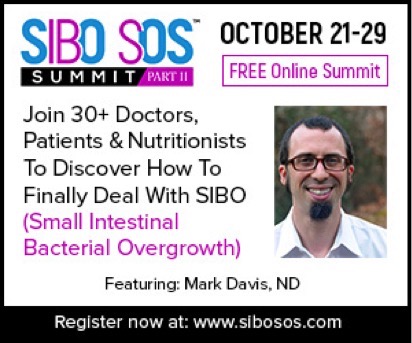
Mark Davis covers fecal microbiota transplants and helminth therapy on the SIBO SOS Summit part II. The title of his interview is: No Holds Bar Conversation About Fecal Transplants (yup, we go there) From a Fearless Expert. You will discover:

  • How Helminth therapy benefits autoimmune conditions & allergies
  • Fecal Matter/ microbiota Transplants: The shocking treatment with incredible results
  • New options for treating C Diff
  • Why not all parasites are bad! Parasite, commensal, and mutualistic organisms explained

This is what Mark has to share about helminths (microscopic worm-like organisms) and SIBO

My understanding of Dr. Pimentel’s hypothesis is that SIBO is really autoimmune enteritis. It’s your own body’s immune system launching antibodies either against cytolethal distending toxin B (CDT) or against vinculin in the gut. That’s an autoimmune process.

What these microscopic worm-like organisms, helminths, do for us is they invoke a robust T-regulatory cell response. T-regs are responsible for telling the rest of the immune system when to calm down.

If you’ve ever looked at the great book, Epidemic of Absence, the premise of the book is how absence of exposure to microbes, including helminths—your ancestors were exposed to them over and over again—absence to all that might be causing an epidemic of allergic and autoimmune disease today.

He also shares that his favorite helminth is one called Necator Americanus.

That’s the new world human hookworm. I have about 30 of them living in my gut right now. I’ve worked with dozens of patients using these.

Mark also shares what fecal microbiota transplantation is and how it is delivered:

taking the microorganisms that are alive in stool, which you have tens of trillions of them in and on you right now, and it is filtering and processing those in a way to isolate the important parts, as much as you can, and then delivering those to the gastrointestinal tract of somebody with a dysbiotic gut flora. That can be via capsule or upper endoscopy or via lower endoscopy or enema. Those are the most common ways to deliver it.

He goes on to share how effective a FMT is for a C. diff infection (when nothing else works, the FDA rulings about it only being allowed for C. diff or as part of a study, and how he is guiding his ulcerative colitis and Crohn’s disease patients through a DIY version.

I love this comment from Mark when we he is asked about the ick factor of working with poop:

It doesn’t feel like I’m processing poop. It feels like I’m mixing up a magic brew to help my patients.  

Here is some background on Mark Davis, ND: He practices at the IBD Specialty Center in Silver Spring, Maryland, and once per quarter at Bright Medicine Clinic in Portland, Oregon. He specializes in natural gastroenterology, especially the care of adults and children with inflammatory bowel disease. He is one of the few clinicians in North America with significant clinical experience using fecal microbiota transplantation (or FMT) as a therapeutic intervention, and has written and lectured extensively about FMT and helminthic therapy. He sits on the board of directors of the Fecal Transplant Foundation, and serves on the editorial board of the Natural Medicine Journal.

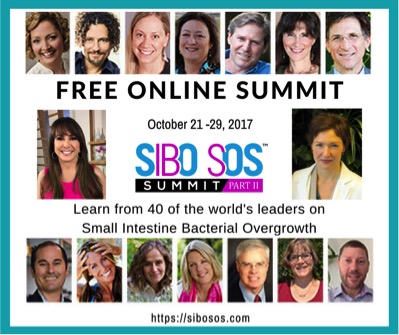
Mark is one of the speakers on the SIBO SOS Summit Part II. SIBO (Small Intestinal Bacterial Overgrowth) is a leading cause of IBS (irritable bowel syndrome). The most common SIBO symptoms are digestive issues, pain and bloating, and there are many other complications such as leaky gut and yeast overgrowth that make it difficult to diagnose and treat SIBO. Anxiety, depression and insomnia are common symptoms too.

FMT is not actually for used for treating small intestinal bacterial overgrowth (SIBO) and Mark shares this caution for about 5% of SIBO sufferers:

When you’re delivering [FMT] via capsules or upper endoscopy, some or all of them may end up in the small bowel. Ninety-five percent or more of the time, that ends up not being a problem, but if people already have impaired motility in the small bowel or an existing autoimmune process, or an existing small intestinal bacterial overgrowth (SIBO), that can compound the problem.

Part II of the SIBO SOS is all new interviews and is a great resource. Here are just a few of the guests and topics:

  • Dr. Allison Siebecker, Shivan Sarna, and Kristy Regan—Delicious Nutrient Rich Foods to Eat Even When You Have SIBO
  • Susanne Breen—When a SIBO Patient is Also a SIBO Doctor: The Obstacles and Strategies That Work For Her and Her Patients.
  • Dr. Megan Taylor: Been There, Done That! Help For Patients From a Doctor With Chronic SIBO
  • Dr. Norm Robillard—Choosing Diet Over Drugs
  • Angela Privin—How a Gut Health Coach Cured Herself of IBS After One Year of Paleo Done Right
  • Whitney Hayes—The Art and Science of SIBO Treatment
  • Jason Wysocki—The Importance of Neurology on GI Health and SIBO

You can register for the SIBO SOS Summit Part II here (it runs from Oct 21 to Oct 29)

Filed Under: Events, SIBO Tagged With: Mark Davis, SIBO, sibo sos summit

Midday bright light therapy for bipolar depression

October 20, 2017 By Trudy Scott 6 Comments

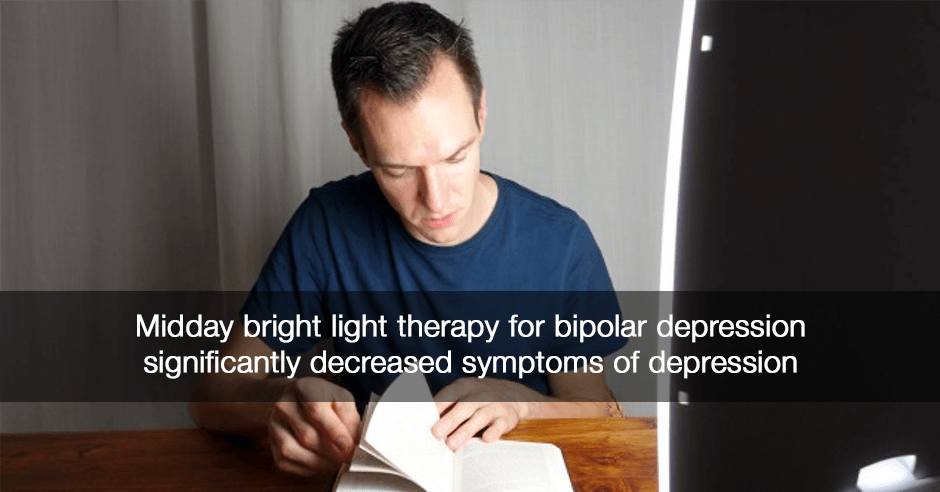
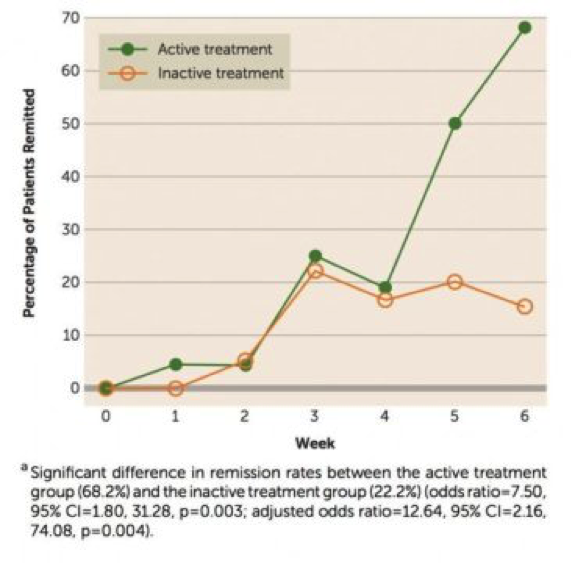
A recent study from Northwestern University and published in The American Journal of Psychiatry: Adjunctive Bright Light Therapy for Bipolar Depression: A Randomized Double-Blind Placebo-Controlled Trial has found that midday daily exposure to 7,000 lux bright white light for 6 weeks, significantly decreased symptoms of depression and increased functioning in people with bipolar disorder.

The press release issued by Northwestern University reports as follows

Previous studies found morning bright light therapy reduced symptoms of depression in patients with Seasonal Affective Disorder (SAD.). But patients with bipolar disorder can experience side effects such as mania or mixed symptoms from this type of depression treatment. This study implemented a novel midday light therapy intervention in an effort to provide relief for bipolar depression and avoid those side effects.

Compared to dim placebo light, study participants assigned to bright white light between noon and 2:30 p.m. for six weeks experienced a significantly higher remission rate (minimal depression and return to normal functioning). More than 68 percent of patients who received midday bright light achieved a normal level of mood, compared to 22.2 percent of patients who received the placebo light.

Images used with permission from Northwestern University

How the 7,000 lux bright light therapy was used

Here are the details of how the 7,000 lux bright light therapy was used in the study:

The light therapy patients were instructed to place the light box about one foot from their face for 15-minute sessions to start.

Every week, they increased their exposure to the light therapy by 15-minute increments until they reached a dose of 60 minutes per day or experienced a significant change in their mood.

Study lead author Dr. Dorothy Sit shares that starting low and slowly increasing the treatment made it more tolerable. None of the study participants experienced side effects, likely because the treatment was customized for each patient:

No one experienced mania or hypomania, a condition that includes a period of elation, euphoria, irritability, agitation, rapid speech, racing thoughts, a lack of focus and risk-taking behaviors.

A noticeable mood improvement with bright light therapy was also noticed as quickly as four weeks, which is similar to other light therapy research for non-seasonal depression and depression during pregnancy.

How do you do this in the middle of a work day?

You may have concerns about doing this at midday as this facebook follower voiced:

I guess if your bipolar depression is so debilitating that you cannot hold a job, then this is worth trying.

But 60 minutes!! What working person has 60 minutes in the middle of their workday?

It’s very doable because there are very nice desk versions that could easily be used at work (without anyone knowing – if privacy is a concern) or at a home-office desk for your convenience. I share some examples in this blog – Winter blues or SAD: light therapy.

I have tried lights in the morning but found that it caused agitation

I also received this feedback about increased agitation:

I have tried lights in the morning but found that it caused agitation. Over time my tolerance went down so that I could only use for less than 5 minutes. I haven’t ever tried midday light though. I’m not bipolar but I have depression which is generally worse in the winter. Exercise helps.

It may be worth trying midday light therapy if morning light therapy causes agitation or other adverse effects.

The press release mentions that light therapy is typically used in the morning to help reset circadian rhythms and the authors are unclear why midday light therapy worked for these patients with bipolar disorder. They plan to investigate further. If it is working via the same mechanism i.e. by resetting circadian rhythms, then it may well work at this time for other individuals too.

It may also be that your depression (and/or anxiety) is not caused by low serotonin but by something else instead – such as low catecholamines, poor thyroid health, gluten issues, poor diet and so on.

Using light therapy and tryptophan (or 5-HTP)

I have also found that some people do well on a combination of light therapy and tryptophan (or 5-HTP). One of my clients had many low serotonin symptoms and did better mood-wise and with reduced anxiety, on a small amount of tryptophan but still needed additional serotonin support. Additional tryptophan was too much for him and increased his day-time sleepiness, but using a small amount of tryptophan together with light therapy was the ideal balance for him.

Have you used light therapy with success – for the winter blues or depression or bipolar disorder? Or even for anxiety?

Have you ever used it at midday or at other times?

And have you used light therapy in conjunction with tryptophan or 5-HTP?

Filed Under: Antianxiety, Bipolar disorder, Depression, Mental health Tagged With: 5-HTP, anxiety, bipolar disorder, Bright light therapy, depression, serotonin, tryptophan

BioIndividual Nutrition Mini-Course and Phenols

October 18, 2017 By Trudy Scott Leave a Comment

My friend and colleague, Julie Matthews, BS, NC, Author of Nourishing Hope for Autism will be hosting the BioIndividual Nutrition Mini-Course as an online webinar for practitioners who make diet and nutrition recommendations. Customizing diets based on a person’s unique biochemistry and health needs is essential to healing chronic disorders.

Learn what it means to practice BioIndividual Nutrition, and how your clinical results can improve by using and customizing therapeutic diets.

The Mini-Course touches on each module of her advanced BioIndividual Nutrition Training program; providing immediately actionable clinical insights, pitfalls to avoid, and proven tips to help you increase your effectiveness with specialized diets.

By the end of this online mini-course, you’ll have a good understanding of how practicing BioIndividual nutrition can help you become more confident, streamline your practice and improve compliance! Whether or not you enroll in the full program semester… You will discover:

  • 14 Clinical Tips you can use in your practice today
  • The nutrition science behind therapeutic diets including low phenol, low oxalate, low amine, low glutamate and low FODMAPs
  • Symptom clues on how to assess your client’s bioindividual nutrition needs
  • 5 most common mistakes nutrition practitioners make
  • Breakthrough case studies

Julie shares this:

This BioIndividual Nutrition Mini-Course will NOT be a general overview. Come prepared to learn!

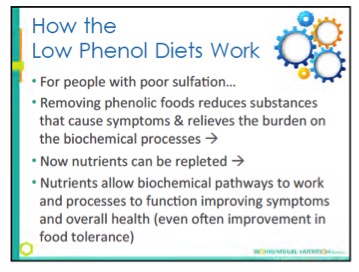
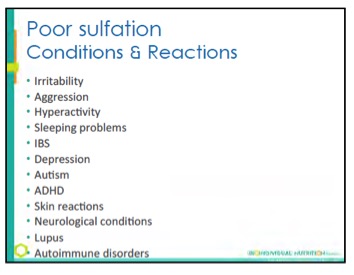
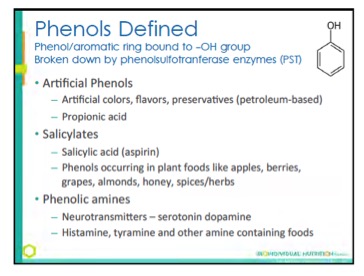
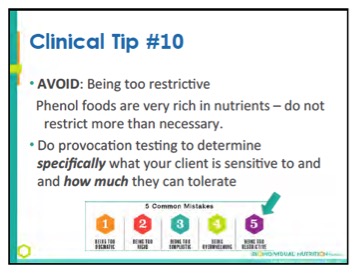
This sampling of valuable information from the section on phenols and sulfation gives you an inkling on the level of detail Julie goes into when she teaches this topic:

This isn’t an area I’ve covered yet on my blog but as you can see there is much relevance when it comes to depression, irritability, agitation and anxiety, autism, ADHD and insomnia and more.

If you have questions Julie will be setting aside some time for Q&A right after the mini-course.

You can register for the online BioIndividual Nutrition Mini-Course here

Filed Under: Events Tagged With: bioindividual nutrition, Julie Matthews

My Kid is Not Crazy and PANS/PANDAS awareness day 2017

October 13, 2017 By Trudy Scott 33 Comments

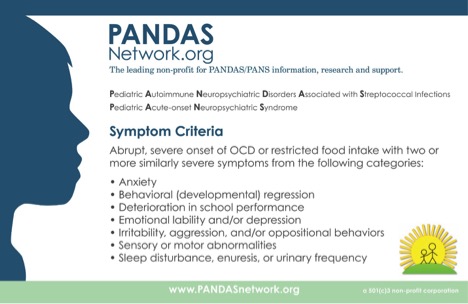
Earlier this week was PANS/PANDAS awareness day 2017 so I’d like to bring some awareness to this condition that causes sudden-onset OCD (obsessive compulsive disorder) type symptoms and anxiety. The PANDAS Network defines PANDAS as follows:

PANDAS (Pediatric Autoimmune Neuropsychiatric Disorders Associated with Streptococcal Infections) occurs when strep triggers a misdirected immune response results in inflammation on a child’s brain. In turn, the child quickly begins to exhibit life changing symptoms such as OCD, anxiety, tics, personality changes, decline in math and handwriting abilities, sensory sensitivities, restrictive eating, and more.

PANDAS Network estimates that PANDAS/PANS affects as many as 1 in 200 children.

This Huffington Post article: Misdiagnosed: How Children With Treatable Medical Issues Are Mistakenly Labeled as Mentally Ill covers one family’s experience with misdiagnosis with their daughter and the treatment that eventually helped her recover. As you’ll read in the blog, PANS/PANDAS is still very poorly understood in the medical community and misdiagnoses are very common:

the vast majority of pediatricians, child psychiatrists, and neurologists are unapprised of the latest research and continue to misdiagnose children who have PANS/PANDAS with any number of mental health disorders.

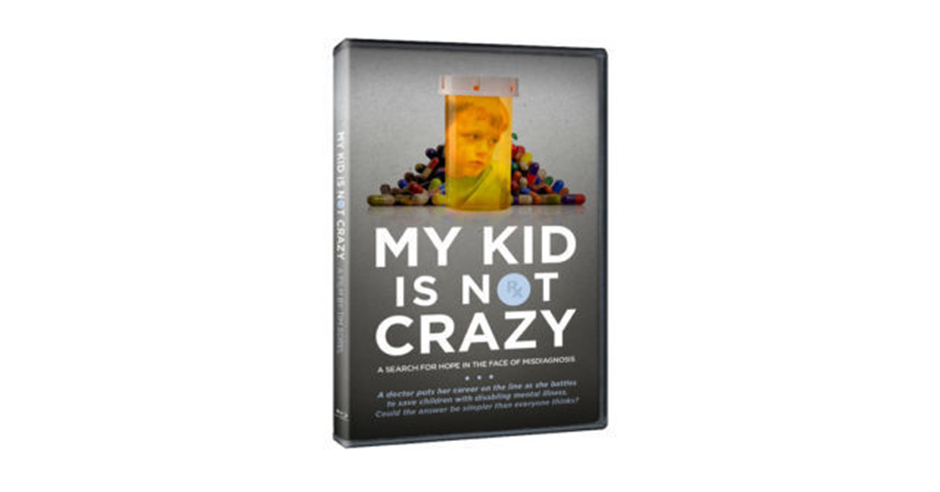
The new movie My Kid Is Not Crazy is another great resource for gaining a better understanding of this condition. Here are some snippets from this excellent movie:

Nine-year-old Kathryn was a normal, healthy child. She was a star student, athlete and dancer. In a matter of days, she would become totally dysfunctional. Kathryn had alarming rapid-onset OCD refusing to eat or drink. She had tremendous separation anxiety and would become panicked if her parents were not in sight. She had trouble sleeping and showed signs of age regression in vocabulary and handwriting.

How did this happen?

Kathryn’s family and many families like them— turned to a fractured medical system, where there is fierce disagreement about how to help their daughter. More often than not, a child with these symptoms would be diagnosed as having mental illness. They’d be treated with anti-psychotic medication, behavior therapy, and even hospitalization.

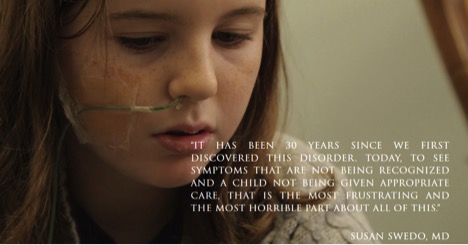
But more than 30 years ago, Susan Swedo—a doctor with the National Institutes of Health—discovered that an undiagnosed strep infection was the cause of one child’s disabling illness. The more Swedo dug, the more evidence she found: Strep was linked to symptoms normally chalked up to psychiatric illness.

She also discovered how non-accepting modern medicine can be of new ideas.

Swedo has put her reputation and career in jeopardy as she fights to cure the condition she named: Pediatric Autoimmune Neuropsychiatric Disorder Associated with Streptococcal Infections (PANDAS). Neurologists Jonathan Mink, Roger Kurlan, Harvey Singer and others publically ridicule Swedo and her PANDAS theory, creating controversy over diagnoses and treatment. This group has become known on social media as the “non-believers.” The result: the entire pediatric-care industry is confused and doesn’t know what to do.

And it’s the children who suffer.

“My Kid is Not Crazy,” a film by Tim Sorel, tracks the journey of six children and their families as they become tangled in the nightmare of a medical system heavily influenced by the pharmaceutical industry. Here it’s common for a caregiver to prescribe a young child with a Selective Serotonin Uptake Inhibitor (SSRI) but hesitate to prescribe an antibiotic to counteract a potential infectious-based trigger. For some of these kids, what happens after several years is shocking and sad.

You can watch the trailer here and rent the movie to watch it online or purchase the DVD here.

The movie site also lists many helpful resources for PANS/PANDAS.

Last week’s blog: Anxiety, compulsive thinking, counting behaviors: gluten, tryptophan and inositol covered gluten, tryptophan and inositol for OCD symptoms. I mentioned that I also always keep Lyme disease, heavy metals and PANDAS on the list as possible areas to refer out for if symptoms are not resolving with the above nutritional approaches, so it made sense to share more about PANDAS this week.

Even if the OCD and anxiety is due to PANS/PANDAS, I would still encourage a gluten-free diet and trials of tryptophan, GABA and inositol (and other nutritional approaches) in order to provide some relief while the infection/s are being addressed. Similar results are seen when providing nutrient support like the use of GABA (and/or tryptophan) for relief for Lyme anxiety.

Do you know about PANS/PANDAS and the connection to OCD and anxiety?

Have you seen symptom resolution by addressing the infection/s one of your children, personally or with a patient or client?

Have you seen some symptom relief when also using GABA and/or tryptophan and/or inositol?

Filed Under: Events Tagged With: My kid is not crazy, OCD, PANDAS, PANS, Susan Swedo, Tim Sorel, tryptophan

Anxiety, compulsive thinking, counting behaviors: gluten, tryptophan and inositol

October 6, 2017 By Trudy Scott 42 Comments

Today I’m going to share my feedback on a question I received on how to approach working with a child with anxiety, compulsive thinking and counting behaviors in the hope it can help you or someone you know (or are working with if you’re a practitioner). Here is the question:

Regarding anxiety and compulsive thinking/OCD counting behaviors in a 12 year old, have you experienced (or heard through client sharing) a correlation with certain foods or inflammatory compounds? In a younger person, I am trying figure out the triggers if there is low production of certain neurotransmitters driving the symptoms. This child in particular has had a long history of allergies and terrible asthma (requiring nebulizer treatments) so I’ve long suspected food sensitivities as a driver for systemic inflammation but am trying to connect the dots for her parent. The counting seems to be a distraction of sorts for her – I assume following a triggering thought. This parent is very new to integrative therapies so treating with an amino acid is going to *feel* like she’s not doing enough as parent. Standard talk therapy has not helped.

This is how I responded and it’s how I would start to work with a parent with a child with these types of issues.

After looking at the basics to make sure the child is eating real whole food with no additives, is not consuming any caffeine and is getting quality animal protein at breakfast (to keep blood sugar stable and reduce anxiety), I always consider gluten and even dairy and other food intolerances. I write about the success of a gluten-free diet with a 7 year old boy in this blog: Integrative Medicine Approach to Pediatric Obsessive-Compulsive Disorder and Anxiety. He saw a “marked reduction of OCD symptoms and anxiety along with marked improvement of social behavior and school work.”

OCD and counting behaviors are classic low serotonin symptoms and her anxiety could be the low-serotonin worrying type or the low GABA type which is more physical anxiety. I’d have them do the amino acid questionnaire

I’d start with a trial of tryptophan – using 100mg of Lidtke Chewable Tryptophan – to help with the OCD, counting and worry-type anxiety. If it helps, I’d have her use it twice a day mid-afternoon and evening, increasing it over the course of a few weeks to find the ideal amount for symptom relief (and keeping a food mood log to record doses and symptoms).

Some people do really well with tryptophan, others do better with 5-HTP for low serotonin symptoms, so doing a trial with 25mg of 5-HTP would be an option if the tryptophan doesn’t help as expected.  

I would carefully review the precautions with the mom as tryptophan and 5-HTP can sometimes be an issue with asthma and may need to be lowered or discontinued.

Inositol can be added if additional nutritional support is needed for the OCD and counting behaviors and may even be needed to replace the tryptophan or 5-HTP if either one triggers asthma. The maximum dose in the research is 18g of inositol per day and I start at 2g once a day and increase slowly over a few weeks to find the ideal dose. Here is feedback from one mom on how inositol alone helped her son with migraines, stress, anxiety and OCD

Once we’ve figured out nutritional support for the low serotonin symptoms then we’d address low GABA if needed, using sublingual GABA. [Update Nov 17, 2017: I mentioned GABA as a possibility but with her symptoms and the new GABA research on intrusive thoughts, a GABA trial would definitely be something to pursue]

I found this comment to be rather unusual: “treating with an amino acid is going to *feel* like she’s not doing enough as parent.” The parents I work with are thrilled to discover how powerful the amino acids are and how quickly they provide amazing results.

These other factors would also be addressed: possible high cortisol, gut health and any of the other possible contributing root causes. I also always keep Lyme disease, heavy metals and PANDAS on the list as possible areas to refer out for if symptoms are not resolving with the above approaches.

Here are links to the amino acid questionnaire, the precautions and the supplements:

  • I have my clients complete the Amino Acids Mood Questionnaire from The Antianxiety Food Solution and check off their symptoms in each of the sections. The rating uses scale of 1-10 with 10 being worst.
  • I also have my clients review the Amino Acids Precautions and we figure out which amino acids they can and can’t use
  • These are some of the supplements I use with my clients

Have you used any of the above approaches with your child or for your symptoms or for a client/patient?

Filed Under: Supplements Tagged With: 5-HTP, anxiety, counting, GABA, inositol, OCD, serotonin, tryptophan

  • « Go to Previous Page
  • Page 1
  • Interim pages omitted …
  • Page 64
  • Page 65
  • Page 66
  • Page 67
  • Page 68
  • Interim pages omitted …
  • Page 160
  • Go to Next Page »

Primary Sidebar

GABA QuickStart Homestudy

gaba quickstart homestudy

Free Report

9 Great Questions Women Ask about Food, Mood and their Health

You'll also receive a complimentary subscription to my ezine "Food, Mood and Gal Stuff"


Connect with me

Popular Posts

  • Amino Acids Mood Questionnaire from The Antianxiety Food Solution
  • The Antianxiety Food Solution Amino Acid and Pyroluria Supplements
  • Pyroluria Questionnaire from The Antianxiety Food Solution
  • Collagen and gelatin lower serotonin: does this increase your anxiety and depression?
  • Tryptophan for the worry-in-your-head and ruminating type of anxiety
  • GABA for the physical-tension and stiff-and-tense-muscles type of anxiety
  • The Antianxiety Food Solution by Trudy Scott
  • Seriphos Original Formula is back: the best product for anxiety and insomnia caused by high cortisol
  • Am I an anxious introvert because of low zinc and vitamin B6? My response to Huffington Post blog
  • Vagus nerve rehab with GABA, breathing, humming, gargling and key nutrients

Recent Posts

  • Her cravings for chips and peanut butter were triggered by stress: GABA ends cravings and reduces physical tension and fear of heights
  • It is truly miraculous to be able to move through life without crippling anxiety and panic
  • GABA and tryptophan combo provide immediate and noticeable relief for tremors and cervical dystonia in just 7 days
  • Red light therapy for back and neck pain, plantar fasciitis and low mood – a complement to the amino acids GABA, DPA and tryptophan
  • What do I use instead of Seriphos to help lower high cortisol that is affecting my sleep and making me anxious at night?

Categories

  • 5-HTP
  • AB575
  • Addiction
  • ADHD
  • Adrenals
  • Alcohol
  • Allergies
  • Alzheimer's disease
  • Amino Acids
  • Anger
  • Antianxiety
  • Antianxiety Food Solution
  • Antidepressants
  • Anxiety
  • Anxiety and panic
  • Autism
  • Autoimmunity
  • benzodiazapines
  • Bipolar disorder
  • Books
  • Caffeine
  • Cancer
  • Candida
  • Children/Teens
  • Collagen
  • Cooking equipment
  • Coronavirus/COVID-19
  • Cravings
  • Depression
  • Detoxification
  • Diabetes
  • Diet
  • DPA/DLPA
  • Drugs
  • EFT/Tapping
  • EMF
  • EMFs
  • Emotional Eating
  • Endorphins
  • Environment
  • Essential oils
  • Events
  • Exercise
  • Fear
  • Fear of public speaking
  • Fertility and Pregnancy
  • Fish
  • Food
  • Food and mood
  • Functional neurology
  • GABA
  • Gene polymorphisms
  • General Health
  • Giving
  • Giving back
  • Glutamine
  • Gluten
  • GMOs
  • Gratitude
  • Gut health
  • Heart health/hypertension
  • Histamine
  • Hormone
  • Hyperparathyroidism
  • Hypoglycemia
  • Immune system
  • Inflammation
  • Insomnia
  • Inspiration
  • Introversion
  • Joy and happiness
  • Ketogenic diet
  • Lithium orotate
  • Looking awesome
  • Lyme disease and co-infections
  • MCAS/histamine
  • Medication
  • Men's health
  • Mental health
  • Mercury
  • Migraine
  • Mold
  • Movie
  • MTHFR
  • Multiple sclerosis
  • Music
  • NANP
  • Nature
  • Nutritional Psychiatry
  • OCD
  • Osteoporosis
  • Oxalates
  • Oxytocin
  • Pain
  • Paleo
  • Parasites
  • Parkinson’s disease
  • PCOS
  • People
  • PMS
  • Postpartum
  • PTSD/Trauma
  • Pyroluria
  • Questionnaires
  • Real whole food
  • Recipes
  • Research
  • Schizophrenia
  • serotonin
  • SIBO
  • Sleep
  • Special diets
  • Sports nutrition
  • Stress
  • Sugar addiction
  • Sugar and mood
  • Supplements
  • Teens
  • Testimonials
  • Testing
  • The Anxiety Summit
  • The Anxiety Summit 2
  • The Anxiety Summit 3
  • The Anxiety Summit 4
  • The Anxiety Summit 5
  • The Anxiety Summit 6
  • Thyroid
  • Thyroid health
  • Toxins
  • Tryptophan
  • Tyrosine
  • Uncategorized
  • Vegan/vegetarian
  • Women's health
  • Yoga

Archives

  • May 2026
  • April 2026
  • October 2025
  • September 2025
  • August 2025
  • July 2025
  • June 2025
  • May 2025
  • April 2025
  • March 2025
  • February 2025
  • January 2025
  • November 2024
  • October 2024
  • September 2024
  • August 2024
  • July 2024
  • June 2024
  • May 2024
  • April 2024
  • March 2024
  • February 2024
  • January 2024
  • December 2023
  • November 2023
  • October 2023
  • September 2023
  • August 2023
  • July 2023
  • June 2023
  • May 2023
  • April 2023
  • March 2023
  • February 2023
  • January 2023
  • December 2022
  • November 2022
  • October 2022
  • September 2022
  • August 2022
  • July 2022
  • June 2022
  • May 2022
  • April 2022
  • March 2022
  • February 2022
  • January 2022
  • December 2021
  • November 2021
  • October 2021
  • September 2021
  • August 2021
  • July 2021
  • June 2021
  • May 2021
  • April 2021
  • March 2021
  • February 2021
  • January 2021
  • December 2020
  • November 2020
  • October 2020
  • September 2020
  • August 2020
  • July 2020
  • June 2020
  • May 2020
  • April 2020
  • March 2020
  • February 2020
  • January 2020
  • December 2019
  • November 2019
  • October 2019
  • September 2019
  • August 2019
  • July 2019
  • June 2019
  • May 2019
  • April 2019
  • March 2019
  • February 2019
  • January 2019
  • December 2018
  • November 2018
  • October 2018
  • September 2018
  • August 2018
  • July 2018
  • June 2018
  • May 2018
  • April 2018
  • March 2018
  • February 2018
  • January 2018
  • December 2017
  • November 2017
  • October 2017
  • September 2017
  • August 2017
  • July 2017
  • June 2017
  • May 2017
  • April 2017
  • March 2017
  • February 2017
  • January 2017
  • December 2016
  • November 2016
  • October 2016
  • September 2016
  • August 2016
  • July 2016
  • June 2016
  • May 2016
  • April 2016
  • March 2016
  • February 2016
  • January 2016
  • December 2015
  • November 2015
  • October 2015
  • September 2015
  • August 2015
  • July 2015
  • June 2015
  • May 2015
  • April 2015
  • March 2015
  • February 2015
  • January 2015
  • December 2014
  • November 2014
  • October 2014
  • September 2014
  • August 2014
  • July 2014
  • June 2014
  • May 2014
  • April 2014
  • March 2014
  • February 2014
  • January 2014
  • December 2013
  • November 2013
  • October 2013
  • September 2013
  • August 2013
  • July 2013
  • June 2013
  • May 2013
  • April 2013
  • March 2013
  • February 2013
  • January 2013
  • December 2012
  • November 2012
  • October 2012
  • August 2012
  • July 2012
  • June 2012
  • May 2012
  • April 2012
  • March 2012
  • February 2012
  • January 2012
  • December 2011
  • November 2011
  • October 2011
  • September 2011
  • August 2011
  • July 2011
  • June 2011
  • May 2011
  • April 2011
  • March 2011
  • February 2011
  • January 2011
  • December 2010
  • October 2010
  • September 2010
  • July 2010
  • May 2010
  • April 2010
  • March 2010
  • February 2010
  • January 2010
  • November 2009

Share the knowledge!

The above statements have not been evaluated by the Food and Drug Administration. Products listed in this website are not intended to diagnose, treat, cure or prevent any disease.

The information provided on this site is for informational and educational purposes only and is not intended as a substitute for advice from your physician or other health care professional. You should consult with a healthcare professional before starting or modifying any diet, exercise, or supplementation program, before taking or stopping any medication, or if you have or suspect you may have a health problem.


Copyright © 2026 Trudy Scott. All Rights Reserved. | Privacy | Terms and Conditions | Refund Policy | Medical Disclaimer

Free Report

9 Great Questions Women Ask about Food, Mood and their Health

You’ll also receive a complimentary subscription to my ezine “Food, Mood and Gal Stuff”