• Skip to primary navigation
  • Skip to main content
  • Skip to primary sidebar

everywomanover29 blog

Food, Mood and Women's Health – Be your healthiest, look and feel great!

  • Blog
  • About
  • Services
  • Store
  • Resources
  • Testimonials
  • The Book
  • Newsletter
  • Contact
  • Search this site

9 Steps to Calm the Anxious Mind: Nourishing Hope Support Club

February 21, 2014 By Trudy Scott 8 Comments

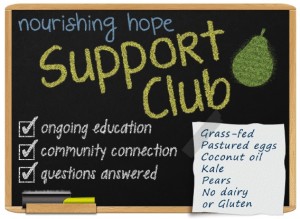
nourishing-hope-support-club

The Nourishing Hope Support Club is led by nutritionist Julie Matthews and created to help support families of children with autism and ADHD to understand how to apply food and nutrition choices based on each child’s individual biochemistry. She has extensive experience on how food compounds such as salicylates, oxalates, glutamates, and food proteins affect learning, mood and health.

Once a month, Julie discusses emerging research, shares her clinical experience, answers your questions, and interviews special guests. These monthly talks help parents learn to make the most of food and supplement choices, identify possible pitfalls, and stay on track toward improving the health and learning potential of their child. Each month brings content-specific learning topics about how various special diets (gluten-free, GAPS, Paleo), nutrition concepts, and supplements help children with ADHD, autism, sensory processing disorders, and learning and developmental delays.

I am pleased to announce that, this month, I will be the guest presenter on the Nourishing Hope Support Club with Julie Matthews. I will be speaking on “Food and Mood: 9 Steps to Calm the Anxious Mind.”

Guest Speaker: Trudy Scott, Certified Nutritionist
February 26th, 5:00 pm, PST

There is much recent evidence supporting the powerful food-mood connection and there are some very exciting recent studies that support this for both anxiety disorders, stress and other mood disorders. I use a comprehensive 9 step approach with my clients to help them overcome their anxiety, depression, emotional eating and sugar cravings. It is, of course, customized to their unique biochemistry, and includes:

  1. Real whole traditional food, including quality grass-fed red meat and 4 unique antianxiety food solutions
  2. Why and how to quit sugar with no willpower required and how to control blood sugar swings
  3. The effects of caffeine
  4. The importance of optimal digestion
  5. The bad-mood effects of gluten
  6. How to balance brain chemistry with individual amino acids to improve mood and stop cravings in their tracks
  7. How to correct social anxiety / pyroluria with zinc and vitamin B6
  8. The effects of other nutrients (such as low vitamin D), hormones and medications
  9. Simple lifestyle changes that include sleep, exercise and yoga

In preparation for the call, I shared some of the recent research with Julie:

There is a growing body of evidence supporting the very powerful connection between food and mental health disorders such as anxiety and depression. Dr. Felice Jacka, is an Australian researcher who is one of the lead researchers on food and mental health.

In this 2010 study in The American Journal of Psychiatry, lead author Dr. Jacka, found that a “western” diet of processed or fried foods, refined grains, sugary products, and beer was associated with a higher risk of anxiety and depression in women. The “traditional” diet or real whole food diet was associated with a lower risk of anxiety and depression. This real whole food diet did include grass-fed red meat and she believes following the recommended weekly intake of red meat could boost our mental health.

Dr. Felice Jacka is also the lead author in a 2011 PLoS One paper that found that diet quality in adolescents was associated with a lower risk of mental health issues. They found that “improvements in diet quality were mirrored by improvements in mental health over the follow-up period, while deteriorating diet quality was associated with poorer psychological functioning.” The author stated that this “study highlights the importance of diet in adolescence and its potential role in modifying mental health over the life course.”

You can read the rest of the article here on the Nourishing Hope site.

I hope you can join us! I’ve known Julie for years and admire her immensely. She is truly a trailblazer in the world of nutrition for autism, ADHD, and other developmental delays.

Here is her bio: Julie Matthews is a Certified Nutrition Consultant specializing in autism spectrum disorders. She provides dietary guidance backed by scientific research and applied clinical experience. Her award winning book, Nourishing Hope for Autism, has helped people around the world to make food and nutrition choices that aid the health, learning, and behavior of those with autism, ADHD, and other developmental delays. She presents at leading autism conferences in the US and abroad, and is the Nutrition Editor of the Autism File magazine. She is on the advisory boards of the US Autism & Asperger Association and Autism Nutrition Research Center. Julie has a private nutrition practice in San Francisco, California, and supports families and clinicians from around the world. Visit http://NourishingHope.com

To learn more about the Nourishing Hope Support Club and join the call, visit: http://nourishinghope.com/support-club/
Filed Under: Anxiety and panic, Books, Events, People Tagged With: anxiety, autism, calm, food, Julie Matthews, nourishing hope, Trudy Scott

Trans fats make us depressed and anxious!

February 21, 2014 By Trudy Scott 15 Comments

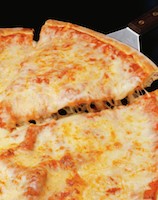
Cheese Pizza

We don’t need trans fats in our diets! In November last year the FDA Targeted Trans Fat in Processed Foods.

Mical E. Honigfort, a consumer safety officer at FDA, says that trans fat can still be found in such processed foods as:

  • crackers, cookies, cakes, frozen pies and other baked goods
  • snack foods (such as microwave popcorn)
  • frozen pizza
  • vegetable shortenings and stick margarines
  • coffee creamers
  • refrigerated dough products (such as biscuits and cinnamon rolls)
  • ready-to-use frostings

Partially hydrogenated oils are the major dietary source of trans fat in processed food. The FDA is in the process of determining if trans fats are GRAS, in other words “generally recognized as safe.” Trans fats, produced by industrial processes, are unrecognizable to the body and inherently unhealthful and I believe we have enough information to show they are not GRAS.

One of the many detrimental health effects of trans fats is that they contribute to mental health problems. I have my clients avoid them at all costs and educate them on the incredible mood benefits of eating only real whole foods.

A 2011 study called “Dietary Fat Intake and the Risk of Depression” looking at the diets of 12,059 Spanish university graduates found that consumption of trans fats were linked to an increased risk of depression. The authors state this: “These findings suggest that cardiovascular disease and depression may share some common nutritional determinants related to subtypes of fat intake.”

A more recent 2013 animal study in Neuroscience found that “chronic consumption of trans fats can enhance emotionality and anxiety parameters resulting from stressful situations of everyday life, which can trigger more severe neuropsychiatric conditions.”

If you recall, trans fats get mentioned in a recent blog post where I reviewed Dr Masley’s new book “The 30-Day Heart Tune-Up”. They are one of the worst culprits for heart disease (together with sugar and carbs).

And my colleague Mira Dessy shares that trans fats lower cognitive performance scores as well as lower brain volume

So ditch those trans fats and eat real whole food to feel calm, happy, smart and live healthy! 

Filed Under: Anxiety and panic, Heart health/hypertension, Real whole food Tagged With: anxiety, depression, trans fats

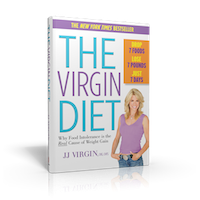
The Virgin Diet by JJ Virgin: book review and webinar

February 12, 2014 By Trudy Scott 15 Comments

virgin-diet-book-NYT

Food intolerance is a big factor and something I look at with all my clients. Other than weight gain it can cause a host of other issues ranging from inflammation to aches and pains to fatigue and even anxiety and depression. In fact, over 80% of my anxious clients do better mood-wise on a gluten-free diet.

I’m a little behind the times because JJ Virgin wrote this NY Times bestseller book late in 2012:  The Virgin Diet: Drop 7 Foods, Lose 7 Pounds, Just 7 Days (Why Food Intolerance is the Real Cause of Weight Gain).

With her new recipe book coming out I decided it’s time to do a review!

These are the 7 foods JJ wants you to drop: corn, eggs, peanuts, dairy, gluten, soy, and sugar (including artificial sweeteners).

I have to admit I was skeptical about eggs because they are such a wonderful protein source, such a great start to the day  and so handy for a snack. I used to eat a lot of eggs until I recently discovered that I have an egg intolerance! I’m hoping it’s going to be a short-term problem and that I can eventually reintroduce them because I LOVE my soft-boiled pastured eggs.  [UPDATE 2015: I am now able to eat eggs again!] The message is this: even a healthy food like eggs may be an issue for you.

You eliminate the above 7 foods and see how you do and then add them back and see how they affect you (sugar and artificial sweeteners stay out for good, and possibly gluten too). There are 3 cycles that the book walks you through:

  • Cycle 1: Elimination
  • Cycle 2: Reintroduction
  • Cycle 3: The Virgin Diet for Life

The book goes into a great more detail about the following:

  • what food intolerances are
  • insulin resistance – a condition in which the body produces insulin but does not use it effectively leading to weight-gain and blood sugar issues
  • leptin resistance – leptin is the hormone that signals satiety or fullness and when you have resistance you feel hungrier and have more cravings
  • zonulin – a protein that is affected by gluten and loosens the tight junctions in the gut contributing to leaky gut and more food intolerances
  • the dangers of GMOs and soy
  • the autoimmune connection – and much more

The book has great sections on healthy proteins and fats, quality produce, sugar and artificial sweeteners, exercising, meal planning, eating out and recipes. I’m looking forward to her follow-up book which launches on Feb 18th – her recipe book The Virgin Diet Cookbook: 150 Easy and Delicious Recipes to Lose Weight and Feel Better Fast 

We do have a few differences of opinion. 🙂

  • I’m not a big fan of coffee and JJ admits that she fights her fellow-nutritionists on this one!
  • I find that my clients with adrenal issues need to eat more frequently than every 4 to 6 hours
  • Pea-rice protein is the protein powder recommended and would not be suitable if you need to eat grain free or have issues with peas so adjust accordingly
  • I’m not terribly fond of the 3-bite rule where you get to splurge on desserts. JJ has a great sense of humor and says “share your dessert with someone who has a faster fork!” But I think you can get to the point where you no longer have a sweet tooth.

I’d also like to add that these 7 food intolerances are obviously not the only factor when it comes to weight-loss resistance – it’s one of many factors, including thyroid health, environmental toxins, dysbiosis, brain chemical imbalances, poor eating choices, stress (this is a big one!), lack of sleep and not exercising enough or incorrectly. JJ is the pro when it comes to exercise and she is a big proponent of restorative sleep.  There are also many  other foods that could potentially be an issue for you.

I do love that this book has brought the concept of food intolerances to the masses, bringing awareness of something that had not even been considered before. I commend JJ for this and her big mission to help millions of people lose weight and get healthy! So many people have had such incredible results with her program!

PS. In preparation of the new book launch JJ is hosting a webinar on what you need to know about The Virgin Diet. You can sign up here to get the most up-to-date information. Sign up and get to hear her share her words of wisdom.

Filed Under: Anxiety and panic, Books, Looking awesome, People Tagged With: anxiety, depression, food sensitivity, JJ Virgin, mood, Virgin diet

30-day Heart Tune-up with Dr. Steven Masley

January 30, 2014 By Trudy Scott 8 Comments

steven-masley-susanne-bennett
Dr. Steven Masley and Dr. Susanne Bennett

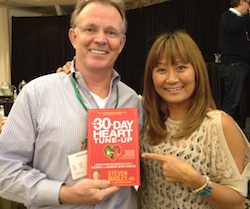
Dr. Masley is celebrating the  release of his new book, “The 30-Day Heart Tune-Up, a Breakthrough Plan to Tune Up Your Heart, Energy, Waistline, and Sex Life.”

I received an advance copy and it’s great! I’ve been a fan for awhile! Who couldn’t love a doctor who is also a nutritionist and chef and shares videos of him doing wonderful cooking demos! I first heard Dr. Masley present on “The Sexy Younger You Summit” and then I had the pleasure of meeting him recently at the Mindshare Summit in Florida.

Dr. Masley is a board- and fellow-certified physician and nutritionist, author, speaker, and award-winning patient educator with over twenty-five years of research and clinical experience. He was recently named a Fellow by the American Heart Association.

And now I have brought him and his passion to you via an interview we just did. We discussed so much and he shared so many gems. Here are some of the highlights:

  • Why a little bit of stress is healthy and how important love and support is
  • How romance and a cuddle raises oxytocin and lowers cortisol
  • How we have disease-care and not health-care and why we must focus more on blood sugar than cholesterol
  • For every woman who dies of breast cancer, 6 women die from heart disease
  • His 4 tests for assessing risk for heart disease: (the four Fs to fantastic heart health): fitness, fiber, body fat and food/nutrients. His top advice is to be fit (he has a fitness test in his book) and eat 30g of fiber a day!
  • The carotid IMT/ intimal medial thickness test (this was new to me!) and the advanced lipid profile
  • How statins don’t help reduce the risk of heart disease in women and some of the side-effects. I was aware of muscle aches and memory loss but did not know that they lower testosterone levels and raise blood sugar
  • The five new categories of food that will prevent and reverse heart disease: fiber, lean and clean protein, healthy fats, beneficial beverages and fantastic flavors. I love his last category – herbs, garlic, ginger, turmeric! Yummm!
  • The top two foods that cause heart disease: Refined carbs/sugar/flour (I recently blogged about No Sugar!) and trans fat/partially hydrogenated oils. Not fat, and not cholesterol!

The wonderful thing is that by following these guidelines, your heart will be healthy and you’ll likely feel less anxious! If you are super-sensitive to caffeine, like me and many of my clients, then just use common sense when it comes to Dr. Masley’s suggestions for dark chocolate, coffee and green tea. We did talk about this during the interview.

I really wanted to interview Dr. Masley because heart disease is the number 1 killer of women, and is more deadly than all forms of cancer combined; and because of the link between anxiety and risk of heart disease: a recent study found that people in the highest third of anxiety symptoms had a 33 percent higher stroke risk than those with the lowest levels.

You can listen to my 30-Day Heart Tune-Up interview with Dr. Masley here.

Dr. Masley is offering a 30-Day Heart Tune-Up Gift Package.

The digital package includes:

  • Know Your Risks – The Tests You Must Have that Your Doctor May Not Be Ordering
  • Are You Getting What You Need for a Healthy Heart? Nutrient Guide
  • Join Dr. Masley in His Kitchen & Whip Up his Favorite, Delicious, Heart Healthy Recipe

I signed up and it’s great information. Great gumbo recipe and super seeing him in the kitchen surrounded by all the delicious ingredients!

Of course, be sure to get a copy of his new book “The 30-Day Heart Tune-Up, a Breakthrough Plan to Tune Up Your Heart, Energy, Waistline, and Sex Life.”

Filed Under: Anxiety and panic, Books, Heart health/hypertension, People Tagged With: 30-Day heart Tune-up, anxiety, Dr. Steven Masley, heart health, stress

No sugar or sugar in moderation? I say NO sugar!

January 10, 2014 By Trudy Scott 23 Comments

Delicious Chocolate Cake

More and more research is supporting the fact that sugar and carbs are as addicting as drugs and as difficult to quit for some people. I came across this quote the other day: “Stressed spelled backwards is desserts. Coincidence? I think not!” and it’s perfect. We crave sugar because we are stressed, sad, looking for pleasure and for energy and motivation. And we self-medicate with it in the same way as drugs, caffeine and tobacco.

This paper called Obesity: The emerging neurobiology of calorie addiction was published just a few days ago:

“The increased availability and consumption of highly palatable foods is the major factor behind the rise of obesity and type 2 diabetes in developed countries.”

“Progress has been made in recent years in understanding the neurobiological underpinnings for this preference” for sucrose: “sucrose activates dopamine neurons in a region of the brain called the striatum, and the resulting release of dopamine is associated with pleasure.”

“Moreover, the repeated consumption of high levels of sucrose can create a cycle of continued overconsumption—even compulsive eating—in order to recapture the initial feelings of pleasure. This is similar in many ways to drug abuse or addiction, and also involves some of the same signalling pathways within the body”

This dopamine/pleasure mechanism is just one way that leads to sugar addiction. This Oct 2013 paper in Nutrition, Neurobiologic basis of craving for carbohydrates says this:

“There is a relationship between emotional disorders, obesity, and craving for carbohydrates”

“Research on the basis of carbohydrate craving is varied, but may be grouped into five main areas: the serotonergic system, palatability and hedonic response [i.e. pleasure], the motivational system, stress response systems, and gene-environment interaction”

Last week I posed this question on my facebook page: “no sugar or sugar in moderation? what’s your vote? I say NO sugar! Do you think that’s too harsh and too unrealistic?” I was referring to ANY sweetener other than fresh fruit.

Here are some of the comments my tribe offered:

  • I’d say in moderation. However I’m trying to reduce my view of moderation over time.”
  • I was totally sweetener-free for a long time so I know how that feels for me. I’ve been experimenting with raw honey I seem to do fine with it “in moderation” (i.e. even a little bit each day is fine – although I don’t make baked goods so I’m not using large quantities.)
  • I seem at present to be incapable of moderation with sugar. So for me none at all might be the way I need to go. Humans developed over many thousands of years with just the sweetness of unprocessed fruits and maybe some honey now and then. Our culture’s idea of what “moderate” even means in regards to processed sugars is highly skewed.
  • Zero is way too hard for me but everyone is different
  • I say: a little bit of everything is just perfect!
  • Zero sugar is too rigid for me…I don’t think any of my clients say no to sugar 100%…I do avoid white and brown processed sugar ~95% of the time but will eat it when at someone’s home made with love. Every day, I use maple syrup to sweeten teas and in baked goods.
  • I don’t think a little bit of natural sugar is bad at all; but only just a little bit.
  • I’d say it’s ok for someone else [the zero sugar]! For me, I have to have a little here and there – just like bread. However, it’s a fraction of what it used to be. Maybe at some point I can whittle down from there.

Very few agreed with me about zero sugar. Here is what they said:

  • I’m with you! it is realistic as I have given up sugar and all artificial sweeteners.
  • NO sugar – Dr so astounded that I’ve brought my numbers down so much after wanting to give me meds for years. She said no meds would’ve brought my numbers down as much as I’ve done with diet and especially NO sugar or carbs.

Here are some of my thoughts: “Moderation” has quite a big range for some people and I see it going out of the window when it comes to baked goods. I see many recipes calling for pretty large amounts of maple syrup of honey. I recently heard Tana Amen, BSN, RN and author of The Omni Diet speak about sugar and crack cocaine in the same sentence and she said: “they are both addicting. We’d never do crack in moderation so why do sugar in moderation!?” I agree!

A friend and I were at a recent celiac function that had tons of gluten-free treats – all loaded with carbs and sugar and not healthy at all even though they were gluten-free. We had no desire to have any of the treats. That’s how we should feel! Zero sugar should be easy!

You won’t crave sugar or even feel the need for a little bit or an occasional treat if you have balanced biochemistry and are not stressed, no nutritional deficiencies (low zinc can be a factor) and are eating to control blood sugar.

You won’t be defensive when asked about it and you won’t feel deprived when you do go without it. You won’t feel that you need just a little. You also won’t have to white-knuckle it and use willpower.

Where do you stand? No sugar or sugar in moderation? And do you think that zero sugar is too harsh and too unrealistic? Do you think addiction plays a role? Are you white-knuckling it or can you take it or leave it?

Do you need help to get to zero sugar consumption? Here are some resources for you.

  1. Check out these chapters in my book “The Antianxiety Food Solution: How the Foods You Eat Can Help You Calm Your Anxious Mind, Improve Your Mood, and End Cravings”: eat real food, blood sugar balancing and the amazing amino acids.
  2. Stay tuned for the upcoming release of my homestudy program “Amazing Amino Acids for Emotional Eating.” Listen to me present on upcoming calls and tele-summits as I share some of the highlights of this wonderful 6 week program. 

Filed Under: Antianxiety Food Solution, Joy and happiness, Sugar addiction, Sugar and mood Tagged With: addiction, Antianxiety Food Solution, carbs, craving, emotional eating, sugar

Kiva is for always and not just during the season of giving!

December 23, 2013 By Trudy Scott 1 Comment

M
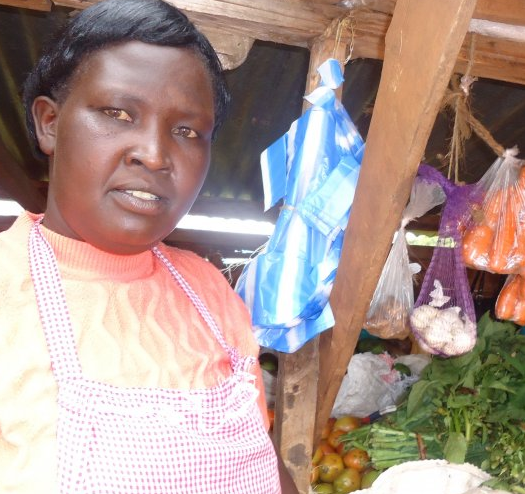
Margaret lives in Kenya and she sells groceries, a business she ventured into 13 years ago

As stated on their site “Kiva is the world’s first online lending platform connecting online lenders to entrepreneurs.”  Their tag line is this: “Kiva – Loans that change lives.”

Kiva is all about microfinancing i.e.

“microfinance is a general term to describe financial services to low-income individuals or to those who do not have access to typical banking services.”

“By supporting women’s economic participation, microfinance helps to empower women, thus promoting gender-equity and improving household well-being.”

This is how it works: make a loan, get updates, get paid back, repeat!  You can make ‎micro-loans to entrepreneurs across the globe for as little as $25.  Read more about microfinance on the kiva site.

“100% of every dollar you lend on Kiva goes directly towards funding loans; Kiva does not take a cut. Furthermore, Kiva does not charge interest to our Field Partners, who administer the loans.”  Wow, this is quite something!

My passion is educating women about how important real whole food is, so I choose to lend money to women who have businesses related to food and farming. In the past I’ve given loans to Marilyn, who lives in the Philippines and sells fish; Consolata who has a grocery store in Kenya; Mirian who lives in El Salvador and has a small farm; and Nubar who sells fruits and vegetables in Armenia.

One of my current loans is to 48 year old Margaret who comes from Kenya. According to the Kiva site she “is married to Wilson, and they are blessed with four children. She sells groceries, a business she ventured into 13 years ago” and “wants to purchase cereals, fruits, and vegetables.” “Margaret dreams of owning a personal vehicle in the near future.” 

It’s so rewarding knowing that I can affect the lives of four entrepreneurial women who are in turn improving their lives, the lives of their families and the lives of those in their communities with real whole food!

If you are looking for an organization to give to, Kiva is a 4-star charity on Charity Navigator and if you’re looking for a last minute gift, they offer gift cards.  But, best of all, you get to give all year round!

Filed Under: Giving, Inspiration, Real whole food Tagged With: giving, Kiva, real food, women

  • « Go to Previous Page
  • Page 1
  • Interim pages omitted …
  • Page 135
  • Page 136
  • Page 137
  • Page 138
  • Page 139
  • Interim pages omitted …
  • Page 160
  • Go to Next Page »

Primary Sidebar

GABA QuickStart Homestudy

gaba quickstart homestudy

Free Report

9 Great Questions Women Ask about Food, Mood and their Health

You'll also receive a complimentary subscription to my ezine "Food, Mood and Gal Stuff"


Connect with me

Popular Posts

  • Amino Acids Mood Questionnaire from The Antianxiety Food Solution
  • The Antianxiety Food Solution Amino Acid and Pyroluria Supplements
  • Pyroluria Questionnaire from The Antianxiety Food Solution
  • Collagen and gelatin lower serotonin: does this increase your anxiety and depression?
  • Tryptophan for the worry-in-your-head and ruminating type of anxiety
  • GABA for the physical-tension and stiff-and-tense-muscles type of anxiety
  • The Antianxiety Food Solution by Trudy Scott
  • Seriphos Original Formula is back: the best product for anxiety and insomnia caused by high cortisol
  • Am I an anxious introvert because of low zinc and vitamin B6? My response to Huffington Post blog
  • Vagus nerve rehab with GABA, breathing, humming, gargling and key nutrients

Recent Posts

  • Her cravings for chips and peanut butter were triggered by stress: GABA ends cravings and reduces physical tension and fear of heights
  • It is truly miraculous to be able to move through life without crippling anxiety and panic
  • GABA and tryptophan combo provide immediate and noticeable relief for tremors and cervical dystonia in just 7 days
  • Red light therapy for back and neck pain, plantar fasciitis and low mood – a complement to the amino acids GABA, DPA and tryptophan
  • What do I use instead of Seriphos to help lower high cortisol that is affecting my sleep and making me anxious at night?

Categories

  • 5-HTP
  • AB575
  • Addiction
  • ADHD
  • Adrenals
  • Alcohol
  • Allergies
  • Alzheimer's disease
  • Amino Acids
  • Anger
  • Antianxiety
  • Antianxiety Food Solution
  • Antidepressants
  • Anxiety
  • Anxiety and panic
  • Autism
  • Autoimmunity
  • benzodiazapines
  • Bipolar disorder
  • Books
  • Caffeine
  • Cancer
  • Candida
  • Children/Teens
  • Collagen
  • Cooking equipment
  • Coronavirus/COVID-19
  • Cravings
  • Depression
  • Detoxification
  • Diabetes
  • Diet
  • DPA/DLPA
  • Drugs
  • EFT/Tapping
  • EMF
  • EMFs
  • Emotional Eating
  • Endorphins
  • Environment
  • Essential oils
  • Events
  • Exercise
  • Fear
  • Fear of public speaking
  • Fertility and Pregnancy
  • Fish
  • Food
  • Food and mood
  • Functional neurology
  • GABA
  • Gene polymorphisms
  • General Health
  • Giving
  • Giving back
  • Glutamine
  • Gluten
  • GMOs
  • Gratitude
  • Gut health
  • Heart health/hypertension
  • Histamine
  • Hormone
  • Hyperparathyroidism
  • Hypoglycemia
  • Immune system
  • Inflammation
  • Insomnia
  • Inspiration
  • Introversion
  • Joy and happiness
  • Ketogenic diet
  • Lithium orotate
  • Looking awesome
  • Lyme disease and co-infections
  • MCAS/histamine
  • Medication
  • Men's health
  • Mental health
  • Mercury
  • Migraine
  • Mold
  • Movie
  • MTHFR
  • Multiple sclerosis
  • Music
  • NANP
  • Nature
  • Nutritional Psychiatry
  • OCD
  • Osteoporosis
  • Oxalates
  • Oxytocin
  • Pain
  • Paleo
  • Parasites
  • Parkinson’s disease
  • PCOS
  • People
  • PMS
  • Postpartum
  • PTSD/Trauma
  • Pyroluria
  • Questionnaires
  • Real whole food
  • Recipes
  • Research
  • Schizophrenia
  • serotonin
  • SIBO
  • Sleep
  • Special diets
  • Sports nutrition
  • Stress
  • Sugar addiction
  • Sugar and mood
  • Supplements
  • Teens
  • Testimonials
  • Testing
  • The Anxiety Summit
  • The Anxiety Summit 2
  • The Anxiety Summit 3
  • The Anxiety Summit 4
  • The Anxiety Summit 5
  • The Anxiety Summit 6
  • Thyroid
  • Thyroid health
  • Toxins
  • Tryptophan
  • Tyrosine
  • Uncategorized
  • Vegan/vegetarian
  • Women's health
  • Yoga

Archives

  • May 2026
  • April 2026
  • October 2025
  • September 2025
  • August 2025
  • July 2025
  • June 2025
  • May 2025
  • April 2025
  • March 2025
  • February 2025
  • January 2025
  • November 2024
  • October 2024
  • September 2024
  • August 2024
  • July 2024
  • June 2024
  • May 2024
  • April 2024
  • March 2024
  • February 2024
  • January 2024
  • December 2023
  • November 2023
  • October 2023
  • September 2023
  • August 2023
  • July 2023
  • June 2023
  • May 2023
  • April 2023
  • March 2023
  • February 2023
  • January 2023
  • December 2022
  • November 2022
  • October 2022
  • September 2022
  • August 2022
  • July 2022
  • June 2022
  • May 2022
  • April 2022
  • March 2022
  • February 2022
  • January 2022
  • December 2021
  • November 2021
  • October 2021
  • September 2021
  • August 2021
  • July 2021
  • June 2021
  • May 2021
  • April 2021
  • March 2021
  • February 2021
  • January 2021
  • December 2020
  • November 2020
  • October 2020
  • September 2020
  • August 2020
  • July 2020
  • June 2020
  • May 2020
  • April 2020
  • March 2020
  • February 2020
  • January 2020
  • December 2019
  • November 2019
  • October 2019
  • September 2019
  • August 2019
  • July 2019
  • June 2019
  • May 2019
  • April 2019
  • March 2019
  • February 2019
  • January 2019
  • December 2018
  • November 2018
  • October 2018
  • September 2018
  • August 2018
  • July 2018
  • June 2018
  • May 2018
  • April 2018
  • March 2018
  • February 2018
  • January 2018
  • December 2017
  • November 2017
  • October 2017
  • September 2017
  • August 2017
  • July 2017
  • June 2017
  • May 2017
  • April 2017
  • March 2017
  • February 2017
  • January 2017
  • December 2016
  • November 2016
  • October 2016
  • September 2016
  • August 2016
  • July 2016
  • June 2016
  • May 2016
  • April 2016
  • March 2016
  • February 2016
  • January 2016
  • December 2015
  • November 2015
  • October 2015
  • September 2015
  • August 2015
  • July 2015
  • June 2015
  • May 2015
  • April 2015
  • March 2015
  • February 2015
  • January 2015
  • December 2014
  • November 2014
  • October 2014
  • September 2014
  • August 2014
  • July 2014
  • June 2014
  • May 2014
  • April 2014
  • March 2014
  • February 2014
  • January 2014
  • December 2013
  • November 2013
  • October 2013
  • September 2013
  • August 2013
  • July 2013
  • June 2013
  • May 2013
  • April 2013
  • March 2013
  • February 2013
  • January 2013
  • December 2012
  • November 2012
  • October 2012
  • August 2012
  • July 2012
  • June 2012
  • May 2012
  • April 2012
  • March 2012
  • February 2012
  • January 2012
  • December 2011
  • November 2011
  • October 2011
  • September 2011
  • August 2011
  • July 2011
  • June 2011
  • May 2011
  • April 2011
  • March 2011
  • February 2011
  • January 2011
  • December 2010
  • October 2010
  • September 2010
  • July 2010
  • May 2010
  • April 2010
  • March 2010
  • February 2010
  • January 2010
  • November 2009

Share the knowledge!

The above statements have not been evaluated by the Food and Drug Administration. Products listed in this website are not intended to diagnose, treat, cure or prevent any disease.

The information provided on this site is for informational and educational purposes only and is not intended as a substitute for advice from your physician or other health care professional. You should consult with a healthcare professional before starting or modifying any diet, exercise, or supplementation program, before taking or stopping any medication, or if you have or suspect you may have a health problem.


Copyright © 2026 Trudy Scott. All Rights Reserved. | Privacy | Terms and Conditions | Refund Policy | Medical Disclaimer

Free Report

9 Great Questions Women Ask about Food, Mood and their Health

You’ll also receive a complimentary subscription to my ezine “Food, Mood and Gal Stuff”